Monthly Archives: August 2021

Defining Ourselves Regionally

In the last couple weeks since the UN released their new and ominous climate report I’ve been reading quite a bit about how climate change is going to impact my own home region and city. More often than not I tend to feel let down by the data available as for the United States it tends to be organized by state. So, instead of reading about how climate change is going to impact the Kansas City Metro I usually am left reading reports about its potential impacts on the States of Kansas and Missouri as a whole. While this is somewhat helpful as it narrows down the data from a national level to at least focusing on my local region, it becomes increasingly unhelpful the closer into the details I try and investigate as the climate is hardly uniform across both Kansas and Missouri.

I think this complication in how we think about ourselves and our regional identities is in large part due to how we so thoroughly organize our societies here in the United States into our 50 states, the District of Columbia, and the overseas commonwealths and territories. Metropolises like Kansas City don’t fit comfortably into these state-based regions as they straddle interstate borders. Think through a list of the major metropolitan cities in the United States, how many of them straddle interstate borders like Kansas City? This tends to be a factor more in the East and Midwest than the West where the borders tends to reflect the regional geography better than in the West where they are based on abstract lines of latitude and longitude (see the rectangularity of Colorado and Wyoming).

At the time when the United States was first formed as a federal republic in the late 1780s these borders effectively reflected what had been the borders between neighboring colonies and later effectively semi-autonomous republics and commonwealths. The idea of urban sprawl, let alone suburban development, was in its infancy. Cities could only be as large as a person could cross them by foot or carriage. Yet thanks to industrialization and a booming population the great cities of this country have spread far and wide from their original boundaries. There is a good argument to be made that the westernmost suburbs of New York today are located in Northeastern Pennsylvania.

We should really begin to think of our country not as a collection of states defined solely by their geographical boundaries but instead as a collection of metropolises defined by their sprawl and common culture. I believe the best maps to describe the population of the United States today are those that depict either regional media markets, such as the counties where the local TV and radio broadcasts come from a specific city, or those that show general spheres of cultural influence.

A map of the US media markets

All of this is fully impacted by each metropolis’s local climate. Kansas City is Kansas City in part because of its varied weather and four seasons, and by the fact that unlike much of Kansas to the west that Kansas City actually gets a decent amount of rain. So when I read that the climate “in Kansas” or “in Missouri” is going to do X or Y I’m left frustrated because our climate in Kansas City is vastly different from the climate of Goodland or Dodge City as it equally is from that of St. Louis or Ste. Genevieve. I suggest we begin to really start thinking of our country in this manner that’s more accurate to the population and density.

For me, having lived on both the Kansas and Missouri sides of the metro, I see myself as a Kansas Citian well before I’ve ever thought of myself as a Kansan or a Missourian. The same can be said in regards to my original hometown in the Chicago suburbs: I always felt more a part of the greater Chicago Metro than I ever did feel any connection to the rural parts of Illinois beyond the suburban sprawl. The continuing pandemic has only increased my sense of a metropolitan identity with how profoundly the state government in Missouri let its citizens down in not fighting but actually aiding and abetting the spread of the pandemic throughout the state.

Yesterday I did find a Kansas City-specific climate change report published by the Mid-America Regional Council. In it the evidence points to a likely conclusion that Kansas City will move by the end of this century from its current situation of being on the borderline between a humid continental climate and a humid subtropical climate to being fully within the bounds of the latter. As a humid subtropical city, we will have more rainfall per year, with hotter summers and milder winters. Less snow, sure, but more summer days when it will be too hot and humid to be outside.

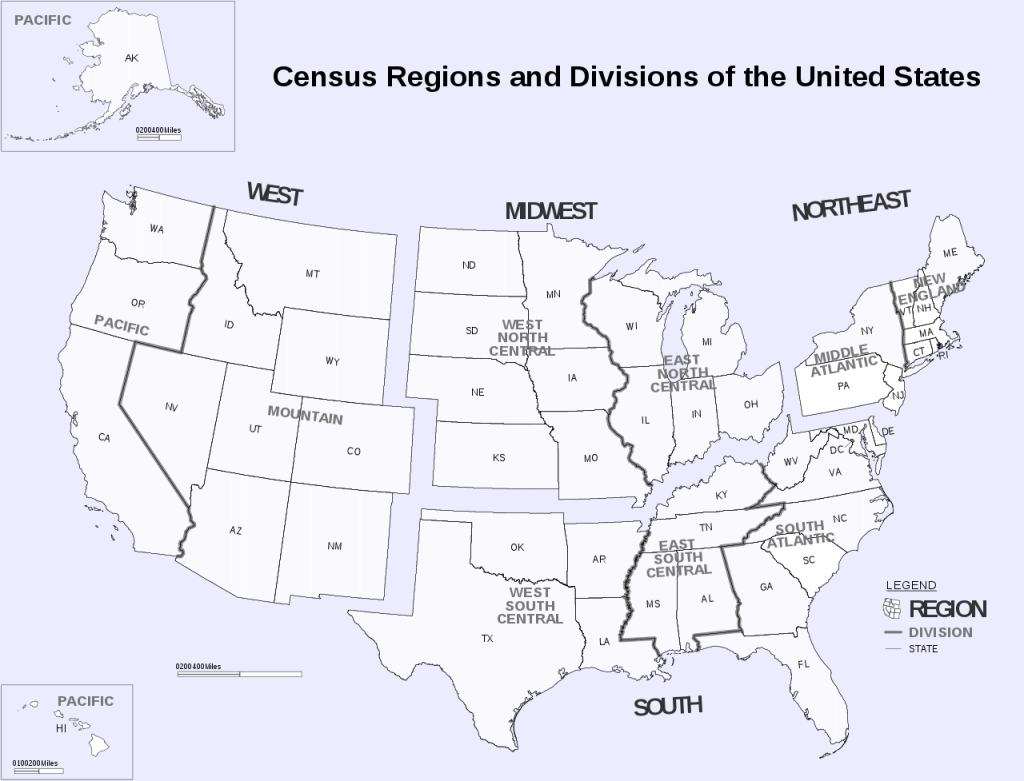
One aspect of this report that wasn’t stated that I think needs to be considered: if Kansas City is going to have a hotter and more humid climate, then surely the cities and states further to the south (Arkansas, Louisiana, Oklahoma, Texas) will see their climates transition to a point that they will be unbearable for many people. To me this seems to indicate that Kansas City will become a destination for many climate refugees from the West South Central census region, meaning our current metropolitan population of 2.34 million is only a shadow of what we might end up happening.

Summer 2021 Podcast Recommendations

With the last weeks of the Summer break from the Academic Year coming to an end, I thought it would be fun to offer those of you who still read these posts a few podcast suggestions that I regularly listen to throughout the week. These may do a decent job at giving you a general idea of my own interests as they stand at the time of writing.

Planetary Radio

I first found this podcast in early 2020 just before the current pandemic began, and have made it a regular staple of my weekly radio and TV diet. It’s something that I make a point of listening to, if not on its usual Wednesday release, then by the end of the day on Thursdays. Hosted by Mat Kaplan, this is the official podcast of the Planetary Society, a space advocacy organization of which I am a proud member.

Planetary Radio, new releases every Wednesday.

A People’s History of Kansas City

A People’s History of Kansas City is always a wonderful solution for homesickness. I first started listening to it during my first year in Binghamton, I believe in early 2020. Some of my fondest memories listening to this podcast are of the time I was driving back to Binghamton from Albany Airport down I-88 (NY) and listening to a gripping story about the Guadalupe Centers here in KC, or more recently when on the way to and from a Royals game I listened to a couple episodes about Disney’s Kansas City roots and the post-contact history of the Missouria, the people for whom the Missouri River and the State of Missouri are named. I always look forward to hearing an episode of A People’s History, and occasionally even hearing people who I know personally get interviewed on this show (it helps being a historian).

A People’s History of Kansas City is off for the Summer.

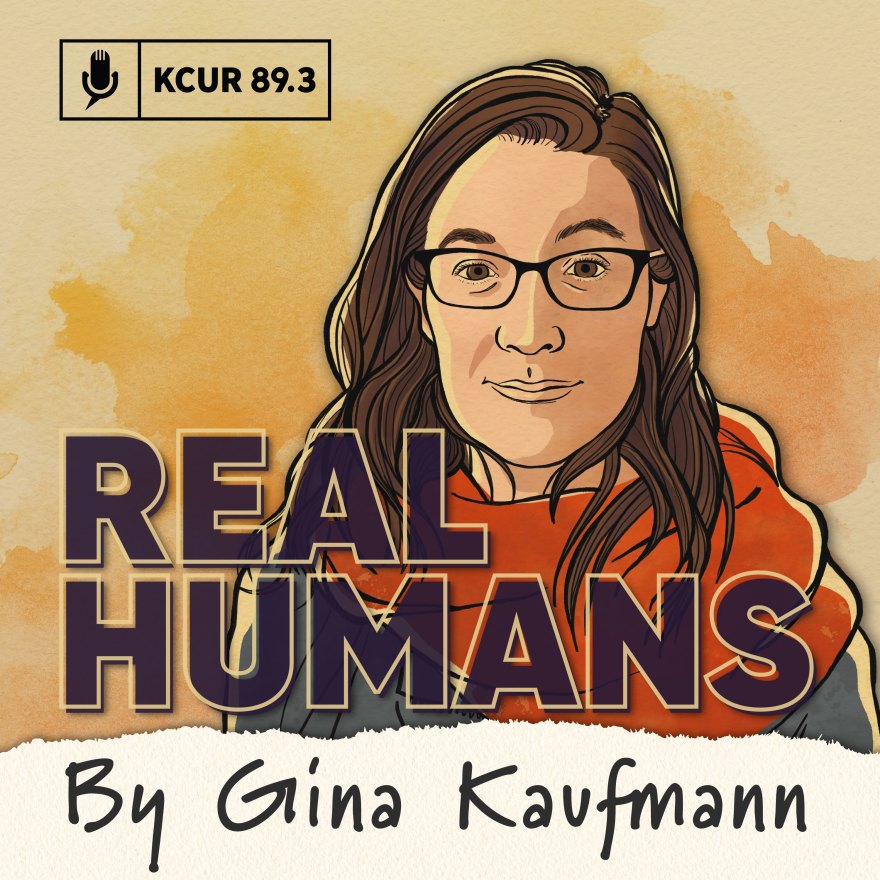
Real Humans by Gina Kaufmann

Staying with the Kansas City, and KCUR, theme for a minute I want to suggest Gina Kaufmann’s latest project, Real Humans. It’s a shorter podcast, the episodes rarely seem to go over 20 minutes, but it addresses ordinary people here in KC and how the world we’re living in is impacting their lives. I’ve enjoyed what I’ve heard of this new 2021 release so far, and am looking forward to more stories brought by the host of KCUR’s old 10 am show Central Standard.

Real Humans by Gina Kaufmann, new episodes on Sundays

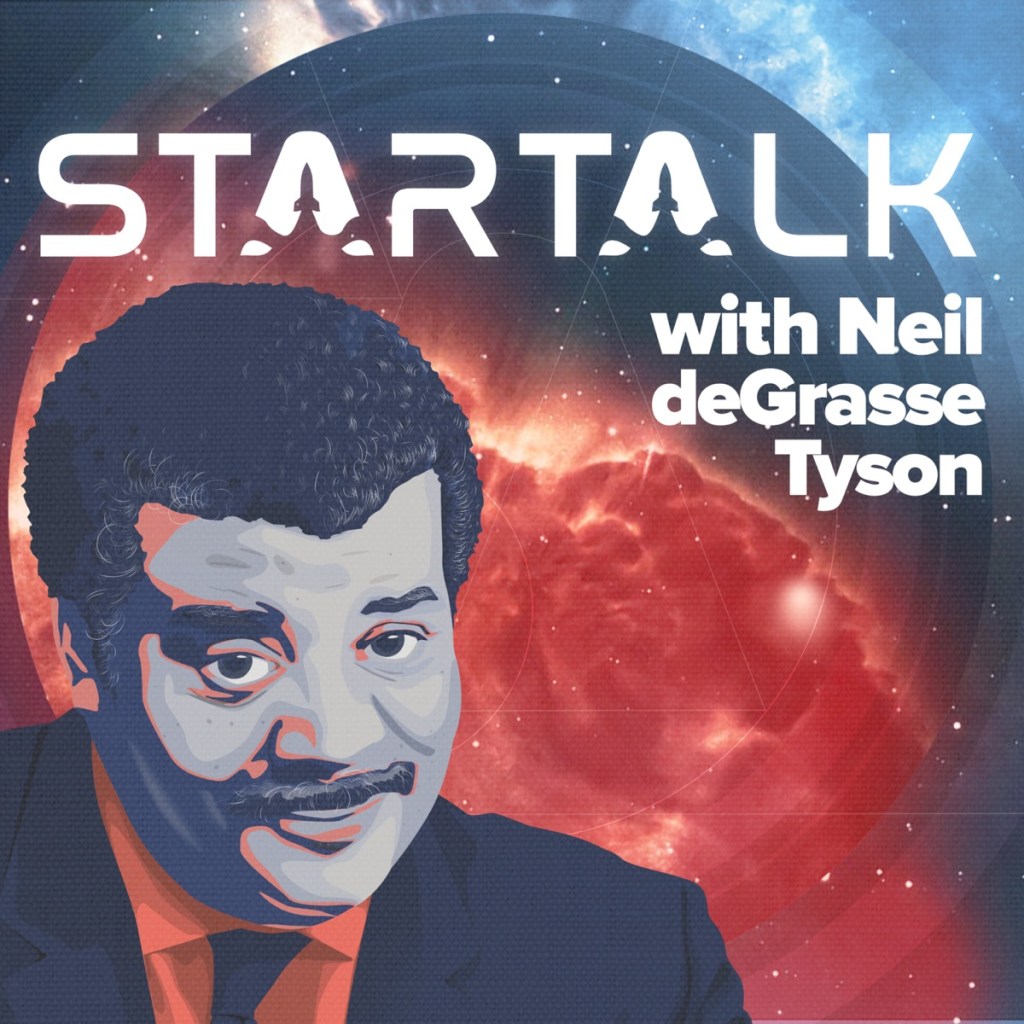
Star Talk Radio

I’ve been a fan of Dr. Tyson’s for a while now, having first really heard about him in my undergraduate Astronomy class at Rockhurst. This is essentially a radio version of his talk show that aired for a while in the mid-2010s on National Geographic’s cable channel. Essentially it’s Dr. Tyson and his friend Chuck Nice discussing whatever the topic of the week is with their guest. It’s admittedly been harder to get engaged in this podcast than others, but it’s a good one nonetheless.

Star Talk Radio, new episodes premiere on Mondays at 18:00 CT/19:00 ET.

Mission: Interplanetary

I think I first subscribed to this podcast either during PlanetFest this past February or during this year’s Yuri’s Night celebration in April. Either way, this has become one of my favorites for the interesting topics involving human Space exploration that are covered in each episode. The hosts, astronaut Cady Coleman and scientist & author Andrew Maynard are a lot of fun to listen to on either a long drive or a long walk around the neighborhood.

Mission: Interplanetary, off for the Summer. New episodes expected this Fall.

Ologies with Alie Ward

Ologies has topped most of the Apple Podcast charts this Summer and for good reason. I first found it one afternoon this Spring after a fun visit to the Helzberg Penguin Plaza at the Kansas City Zoo when I decided I wanted to find a podcast about penguins. Lo and behold, Ologies had an episode entitled “Penguinology,” with an expert in those antarctic sea birds, and from that point on I was hooked. I’ve really enjoyed listening to the various guest experts on this show, and while it’s a longer one it makes for good listening when you have a free 90 minutes to spare.

Ologies with Alie Ward, new episodes on Tuesdays.

Overheard at National Geographic

Overheard is a podcast that I found fairly early on in my current run of frequent podcast-listening, which all largely began with A People’s History and Planetary Radio. I’ve been a subscriber to National Geographic Magazine for quite a while now, and when I saw that Nat Geo had a podcast I figured it’d be a good one to listen to. At first it was hard to get engaged with it, the early stories I heard weren’t ones that I was all that interested in, but more and more I’ve come to really enjoy it. A recent episode involved that I loved an anthropological study of surviving Nahua-speaking communities in Mexico. Overheard has gone from being one that I’d occasionally listen to to a show that I look forward to every week.

Overheard at National Geographic, new releases on Tuesdays.

Sidedoor

From one Washington scientific institution to another, Sidedoor is a podcast from the Smithsonian that I only found a little over a month ago after my day trip to D.C. to visit a special exhibit at the Smithsonian American Art Museum (SAAM) about Alexander von Humboldt (1769-1859). Sidedoor has so far had really engaging stories that I’ve thoroughly enjoyed, and it’s inspired me more than ever to make it back to D.C. to visit the collections that get a mention on the podcast, in particular an upcoming special exhibit at the old Arts & Industries Building called Futures that sounds like it’ll be really neat.

Sidedoor, new episodes every Tuesday resuming in the Fall.

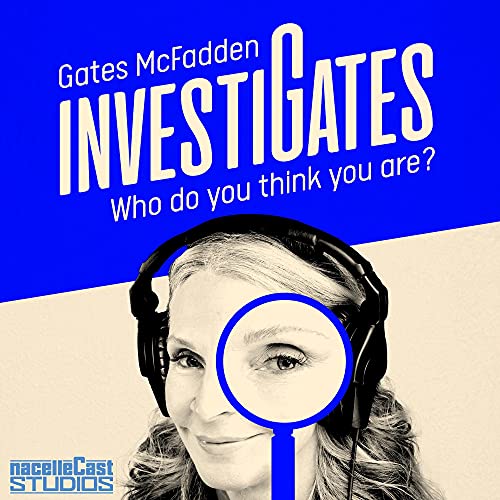
Gates McFadden InvestiGates: Who do You Think You Are?

One big change in my life that came about the same time as the start of the pandemic was my decision to try watching Star Trek again. I started this time with Picard and have since moved onto The Next Generation, Deep Space Nine, and am currently watching Voyager as well as the new episodes of Lower Decks. Considering a good portion of my free time tends to be spent watching Trek, after all there’s so much to praise about those shows and films, I’ve been on the look out for a good Trek podcast to listen to on a weekly basis. So, when I read on Twitter that The Next Generation‘s own Gates McFadden (Dr. Crusher) would be launching a podcast where she interviewed her fellow Trek stars, I figured I’d give it a go. To be honest I’ve really enjoyed listening to a pair of friends who I know for their performances on screen talk for an hour, or sometimes two, about their lives.

Gates McFadden InvestiGates: Who do you think you are?, new episodes on Wednesdays.

Conclusion

As you can see, I’ve got a lot of different podcasts that I tend to listen to on a weekly basis, and yeah I make time for them. There are a number of other ones that I’m looking in to, notably the Sisters in Strange podcast co-hosted by my cousin Chelsea Dunn and the Star Trek: The Original Siblings podcast co-hosted by my good friends Alex and Sami Brisson, the latter of which I’ll get to once I actually watch the original Star Trek series.

I’ve even considered providing narration of these blog posts as a sort of podcast, a service which is an option if I ever decide to give it a go. At the moment though I’m happy to just have people read what I’ve decided to write about.

Heat Wave

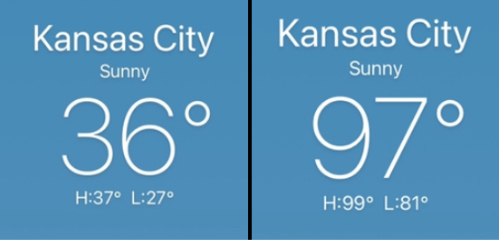
It’s hot again here in Kansas City. At the time of writing the current air temperature is 36ºC (97ºF) with a heat index of 45ºC (113ºF) and a humidity measuring at 55%. Like I said, it’s hot again here in Kansas City. And while August is usually the hottest month of the year here in the Midwest, and while thankfully we aren’t dealing with the horrific wildfires that are burning up the Mountain West and Pacific states, it’s still hot here on the prairies.

The thing about this heat that makes it more unusual to me than our regular summer heat waves is the fact that based on a UN climate report that was published earlier this week this sort of heat is going to be the norm in places like Kansas City in the coming decades, and to be honest we have only ourselves to blame. As warm as it is here it must be even worse further to the south right now in Texas and beyond the Rio Grande in Mexico and Central America. Our summer discomfort bodes even worse for the people who live in places where 35ºC+ temperatures in the summer are the norm because when our weather gets that hot theirs is bound to get even hotter.

It makes me wonder then how will this impact our winters? In the last decade we’ve seen harsher winters with more formidable blizzards and snowfall here in Kansas City than I can remember in my own relatively short lifetime. Will our summers get hotter and our winters cooler? Or will the summer heat mean our temperature cycles won’t fall quite as far as they have? For the record low temperature that I’ve experienced here has been -26ºC (-15ºF), though thankfully I was away in comparably balmy yet snowy Upstate New York when the temperature dropped even lower than -26ºC (-15ºF) this past February during the storms that knocked out power to Texas and by extension most of the Great Plains.

I’m not terribly fond of this sort of heat, and yes there is a difference to dry heat compared to this wet heat (take that pun where you will). When I was on a road trip with my Dad driving across the deserts of the Colorado Plateau in western Colorado and eastern Utah in June I got to experience this same temperature, 36ºC (97ºF) in a very dry climate, and it was actually a pleasant experience. Would I want to live out there in the deserts near Moab and Green River? Probably not. But if a KCUR article today about a local group of triathletes is correct, as KCUR usually tends to be, the human body can adapt rather well to extremes in temperature. I’ve tried to take the opportunity to go out and walk earlier in the mornings when the temperature is still in the high 20s, low 30s C (around 80ºF), which has certainly helped me cope with the few times I’ve needed to go outside during the height of the afternoon when as it happens I’m writing this post.

I guess the best answer I can give now is that we’ll adapt. We’ll adapt both in realizing we have to shift towards renewable energy sources ASAP or risk our very survival as a species, and we’ll adapt to the new climate that we ourselves have created, for better or worse. While it’s been fairly obvious for a while I’d say the new UN Climate Report is rightfully the herald of the Anthropocene, the latest geological epoch in Earth’s history. It’s an epoch when the greatest impact upon the balanced and complex ecosystem of our planet has been transformed and impacted the most by us and our industriousness. We’ve created our bed, now it’s time to sleep in it, and make sure the feathers don’t fly out of the mattress and pollute the entire bedroom floor. That cleanup would be practically impossible.

The End of Handwriting?

I still remember my first ever school assignment. It was in March 1999, my second semester of Kindergarten. The job was to learn how to write the number “1”, which in the U.S. is normally just written like a vertical line (|). I didn’t listen to all of the instructions, and brought my work back to my teacher, who was flabbergasted to see I had written slashes (/) across the page. It was not only my first assignment, but also my first F. Now, 22 years and eight schools/universities later, it’s interesting to me to look back at the early years in my life when I was learning to write my letters, first in print, and later starting in second grade in cursive.

I grew to be fairly proud of my handwriting, for how fluid it steadily became, but especially for how much it seemed to reflect back on my own personality. Yet in the last few years I’ve found myself writing things by hand far less than ever before, and since starting my first MA in London six years ago, handwritten notes have become a hassle to transport back and forth to Kansas City.

For me, of any of the essential skills I learned in my elementary school years, cursive was the one that seemed the most validating. Everything official, proper, or grown-up that I knew about that wasn’t printed by a press or typed on a computer was written in cursive. I even tried to emulate my favorite cursive handwriting, that being Thomas Jefferson’s on the Declaration of Independence, which after seeing it on the wall in so many classrooms over the years was almost as familiar an image to me as any classic and often replicated picture, like George Washington Crossing the Delaware or the shot of Sammy Sosa hitting a home run that I had up on my bedroom wall as a kid (Go Cubs!)

As a result of my interest in emulating that older style of cursive, I quickly moved past the standard style of cursive script that we were taught at my parochial school, the D’Nealian style, with its regimented curves and extra humps on the n and m, to something that was all my own, yet still mostly legible for my teachers, except of course for when I tried reintroducing the old long s character among the double-s in my handwriting, making Congress appear as it did in the 18th century as Congreſs. I was quick to decide that it was better to keep the long-s out of homework, lest it lose me credit, and use it for fun though.

When I started my college years, now a full decade ago, my experience with handwriting seemed to undergo a sort of flowering. I quickly found that I could remember more information if I hand-wrote it, and developed a very particular style of note-taking that was entirely my own. What’s more, I insisted on taking all of my notes on a type of yellow legal paper that worked perfectly for what I was trying to do. In 2010 and 2011, at the end of my high school years, I’d expanded my writing to include the Greek and Cyrillic alphabets, and often found it fun to try and write down names and other important notes in English but using those alphabets rather than the usual Latin one, just to see how things would work out.

Over the four years that I was an undergrad, and briefly during my two years working on my History MA at UMKC (2017-2019), I used this system to its fullest extent, and really grew to enjoy the process of putting the ideas being discussed at the front of the room down on paper, always imagining that someday I’d go back and look at those notes. In all honesty, I actually have done that from time to time, but usually when I’m looking for something specific in those notes.

My experiences moving across the water to do my first MA at the University of Westminster in International Relations and Democratic Politics (2015-2016) spelled the first end for my use of handwritten notes. I took my yellow legal paper with me, but as I discovered, it seemed less useful to take regular notes in my classes when I wasn’t being graded on the material covered in the lectures, and overall any documents I created while in London would have to be brought back with me to Kansas City when I finished my degree there. That simple need to conserve space, and the benefit of having a computer that’s perfectly capable of recording writing made my handwritten note taking fairly untenable.

Today, as I’m working on my doctorate, I still occasionally take notes by hand, though usually only in the form of edits to typed documents and even more specifically only when I’m in Kansas City where I have easy access to a printer. Like my experience in London, the need for the things I’m taking back and forth across the eastern half of the U.S. to fit in my Mazda means that it’s more helpful if I don’t have a big set of file folders full of handwritten notes in tow. Plus, today I have everything filed away digitally on my computer, meaning every set of notes I have on a specific book or a specific article, or on a lecture I heard is easy to find with my computer’s search tools. Today, if I can have a book or an article available for me to digitally take notes on it, then I’ll take that option a thousand times over having the physical paper document or paperback in front of me any day.

I don’t know how much I’ll use my handwriting in the future, now that I don’t use it for work. I’ve never been too fond of writing my fiction by hand either, it usually takes much longer than typing it, and my thinking through a story often happens much faster than my hands can write with pen and paper. I still try to send handwritten letters and cards to people when I can, though again when the ease and utility of computers and smartphones is brought into the discussion it quickly becomes evident that any “snail mail” is almost as much of an antique as using an old fashioned typewriter; while those older technologies work, they fall short of the efficiency of the new in many ways.

So, is this the end of handwriting for me? Maybe. I certainly think cursive should still be taught in schools, but I concede the fact that my own experience has shown that with the rise of so much still fairly new digital technology, including every device that you are reading this on, has made a fair deal of handwritten communication redundant.