Monthly Archives: October 2023

A Return

This week on the Wednesday Blog, some words about a trip just completed. — Click here to support the Wednesday Blog: https://www.patreon.com/sthosdkane

This week on the Wednesday Blog, some words about a trip just completed.


My world is one of open borders, the international scholarly republic of letters, and friends far and wide in this country and across the oceans. All of that shook to its core in 2020 when those borders closed, and friends grew apart with the pandemic we all experienced. I attempted to keep my life going in 2020, in those last few weeks before COVID-19 changed everything with a quick trip to Munich to see some university friends. Thereafter, for the last three years I kept to our own shores. A part of my wariness to travel far was a lingering worry that those borders could close again, that as I feared in 2020 so too even now there was a chance of getting stuck far from home.
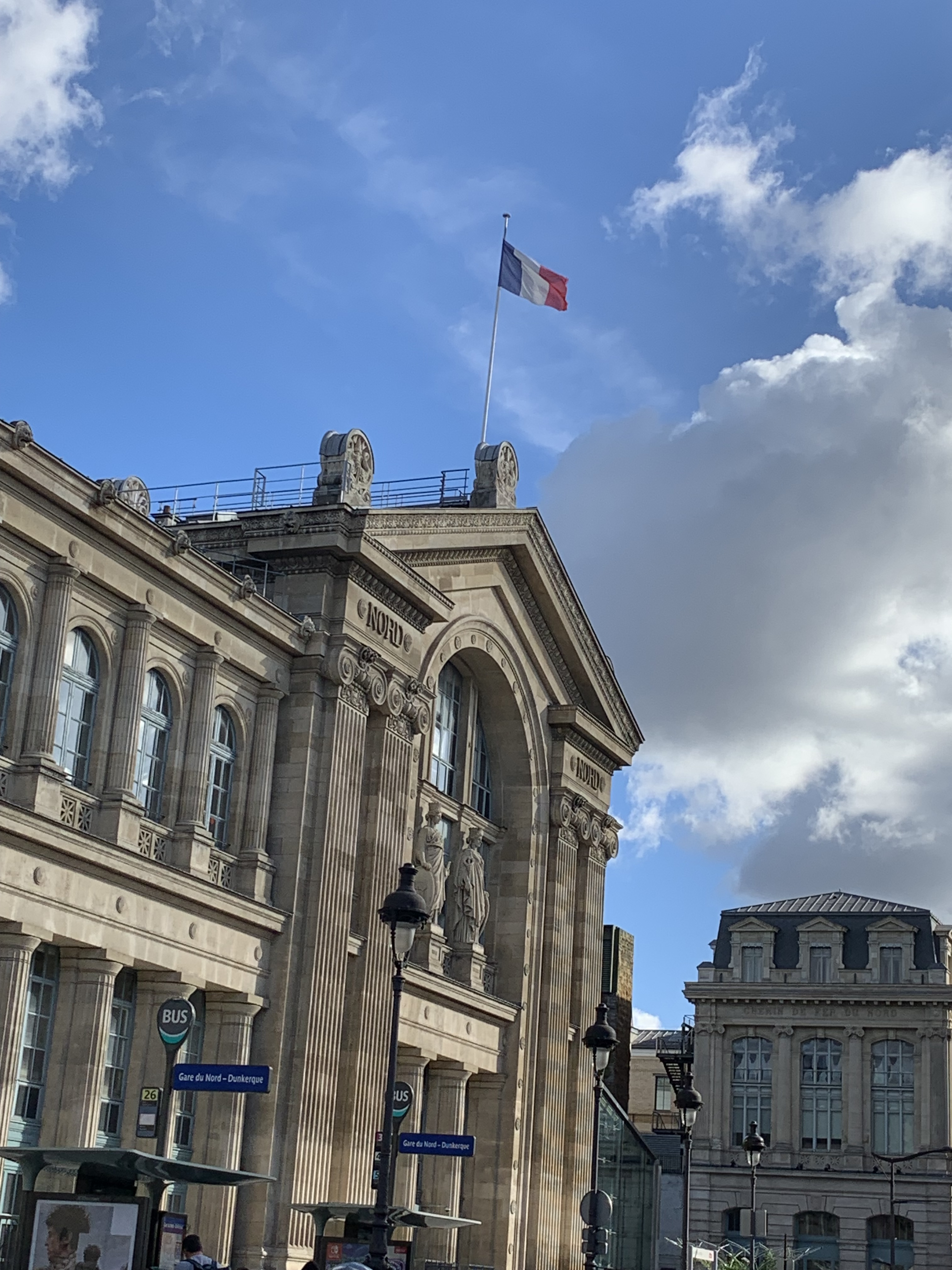
Paris Gare du Nord

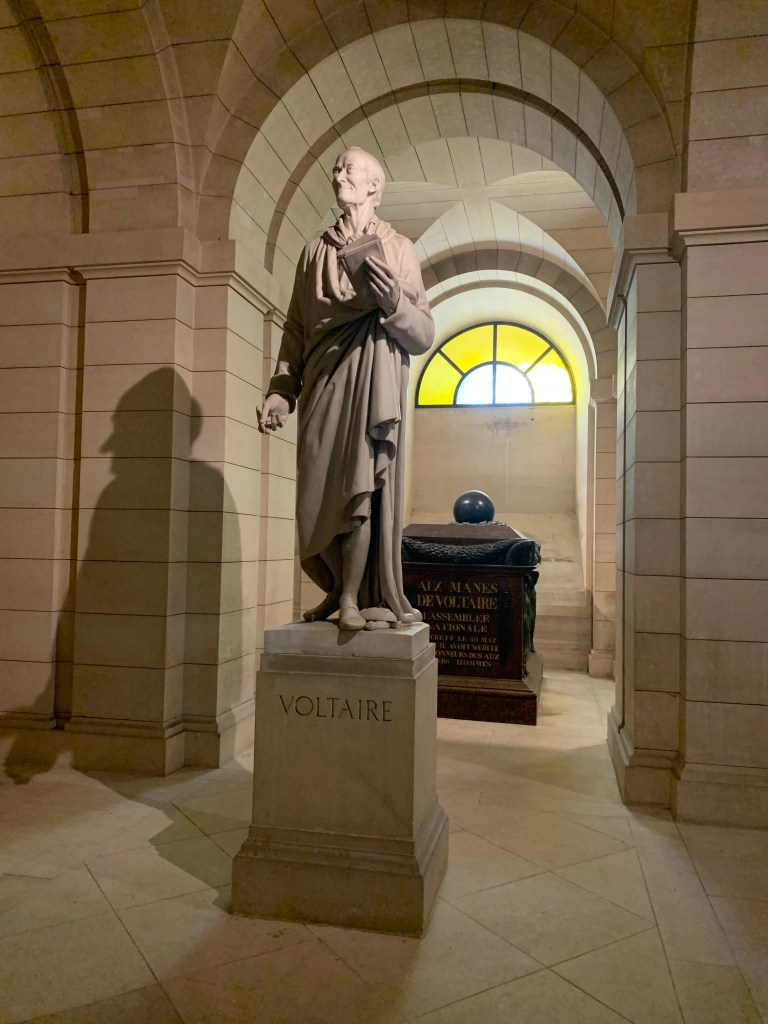
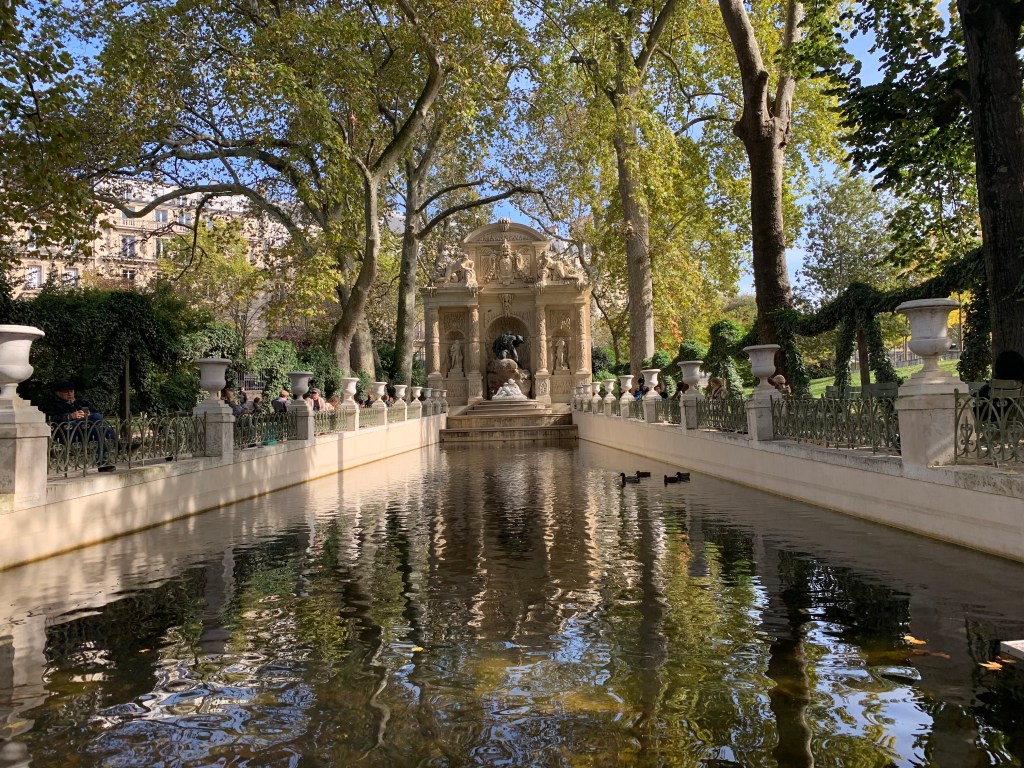
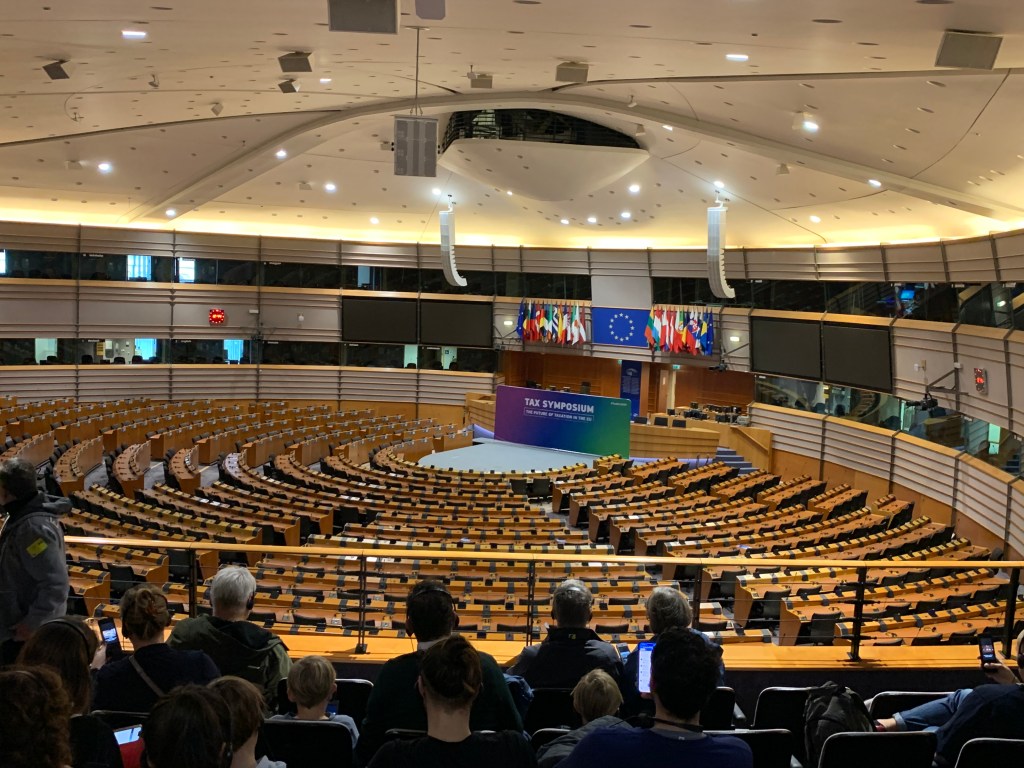
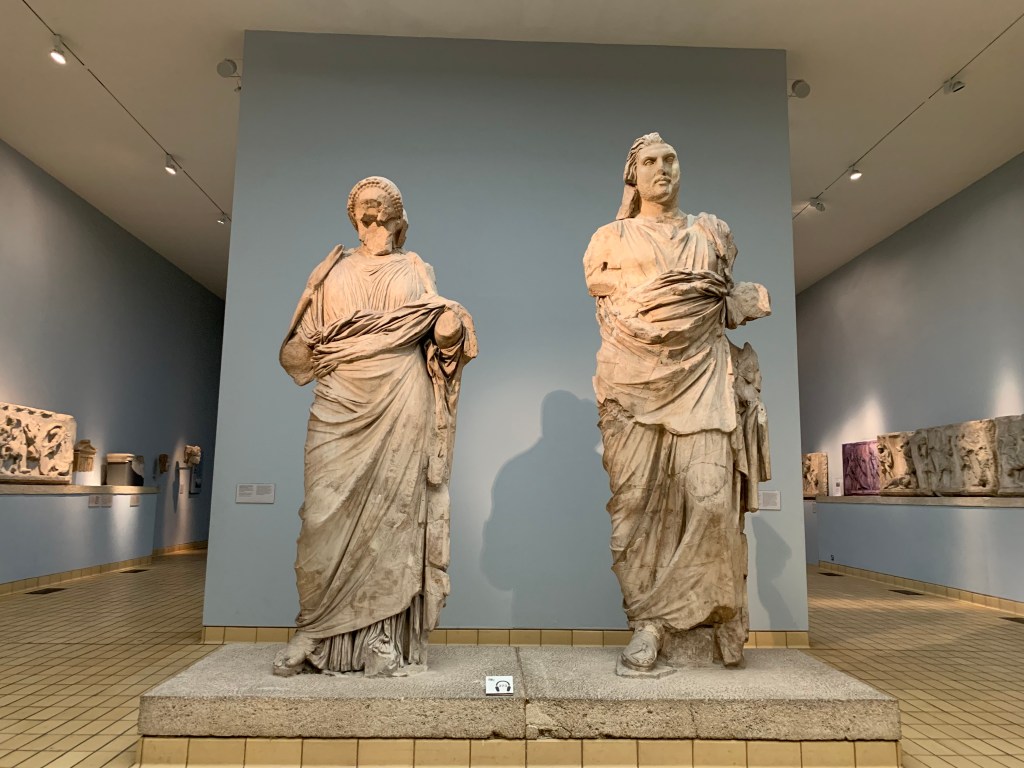
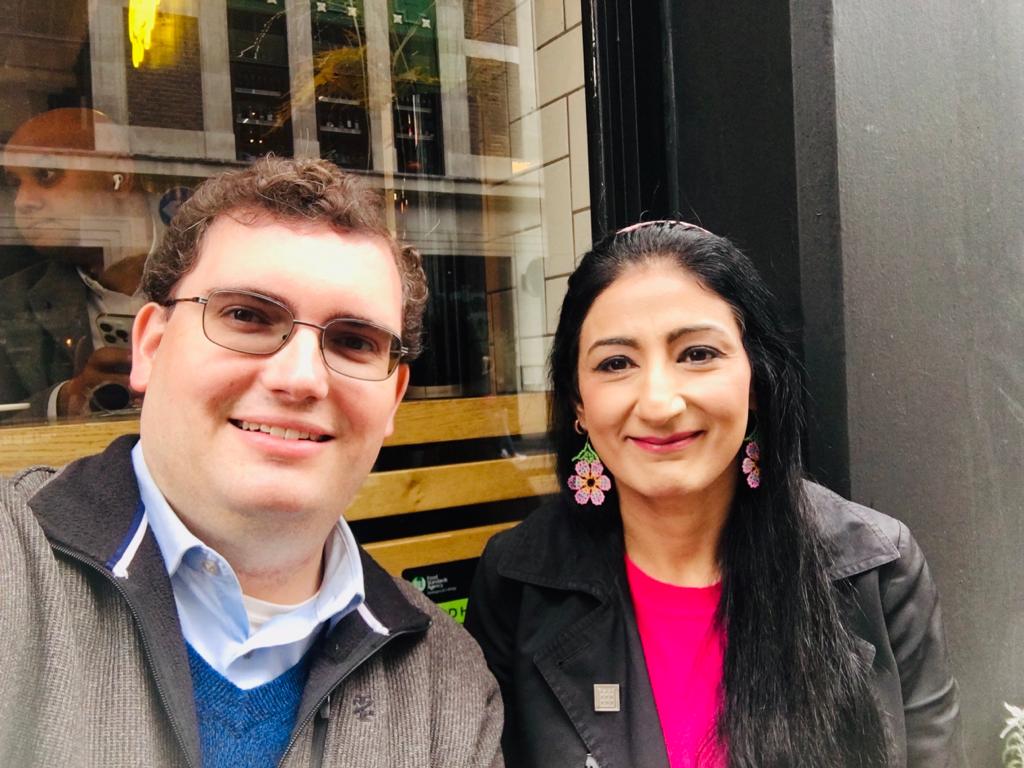
Over the last two weeks of October, I saw past that worry and made a joyous return to Europe, visiting Brussels, Paris, and London not just as an American tourist but as a historian hoping to realize dreams of walking the same streets as the humanists whom I study who lived at the end of the Renaissance 450 years ago. I arrived in Brussels on Sunday the 15th with an ease and lack of concern for doing or seeing everything I wanted to that betrayed a confidence that I’d return again in the future. And as I write this, I’m continuing with the research that will guide me back to Paris again. 

In the stress and emotions of my daily life, I’ve learned to embrace the quiet moments, in which the sonorous radiance of the most joyous resurrections can be heard. That silence makes a return to places so close to my heart as wonderous as hearing Mahler’s great Resurrection Symphony in person. Why limit myself with worry when there’s an entire world out there to experience?

One performance of the Resurrection Symphony that I enjoyed recently.

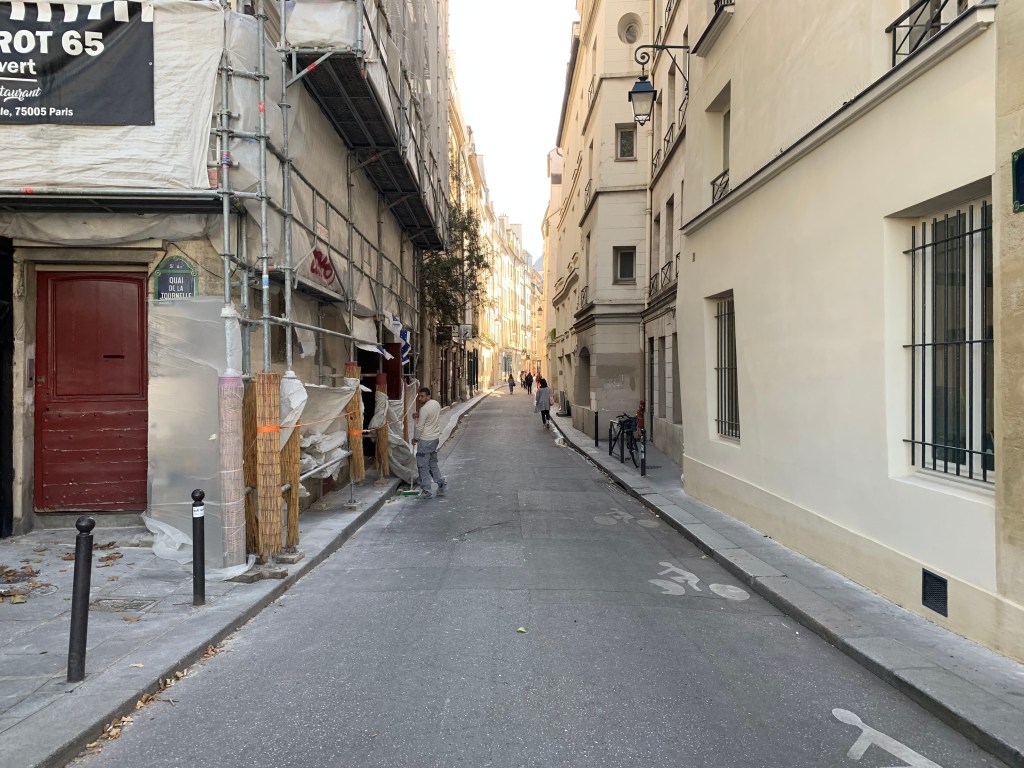
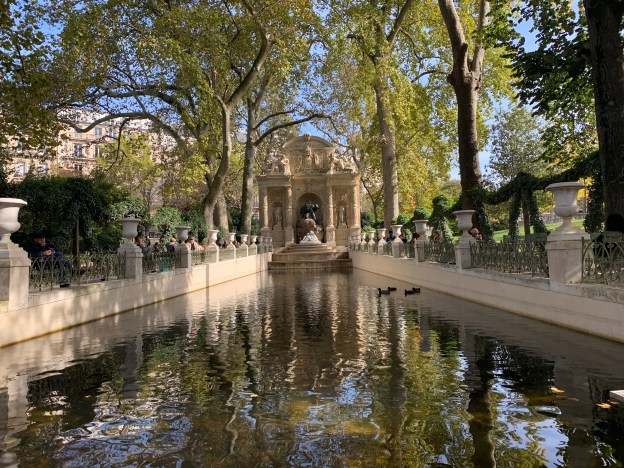
On this trip I found my favorite thing to do was to walk around and experience the city I was in. I did this most in Paris, when I arrived there around mid-day on Sunday, 15 October I ended up walking from Gare du Nord all the way to Notre-Dame, via Place de la République, the Marché Bastille, the Canal Saint-Martin, and Île Saint-Louis. The route took me about 6.4 km (3.7 miles) and lasted from around 11:30 until close to 14:30 when I descended into the Métro to make my way to the studio apartment I’d rented near the old Bastille. I loved returning to Paris in all its busyness, its sights, sounds, yes even smells. I was agog walking through the Marché Bastille and seeing whole fish lying on ice in the seafood stalls, there was even a shark with an apple in its mouth. If I lived in a place like this, I’d be sure to visit an open-air market every so often, if only for the experience of life that it offers. This entire walk, all 6.4 km of it, was done with a heavy backpack hoisted behind me as I didn’t think to look at Gare du Nord for the luggage lockers in the basement; use those, dear reader, if you have a long delay between arriving in a city and checking into your lodgings if the place where you’re staying doesn’t have a luggage room.

All in all, I walked 197 km (122 miles) on this trip across all 15 days. My feet are still sore, and my shoes need new insoles, yet I’d gladly do it again. Life on foot out in the open is much more personal than life behind the wheel of a car traveling at speeds at least 3 times my average walking pace. Whether in Paris, Brussels, or London, I took time to enjoy my surroundings, and to live as much in the moment as I could.

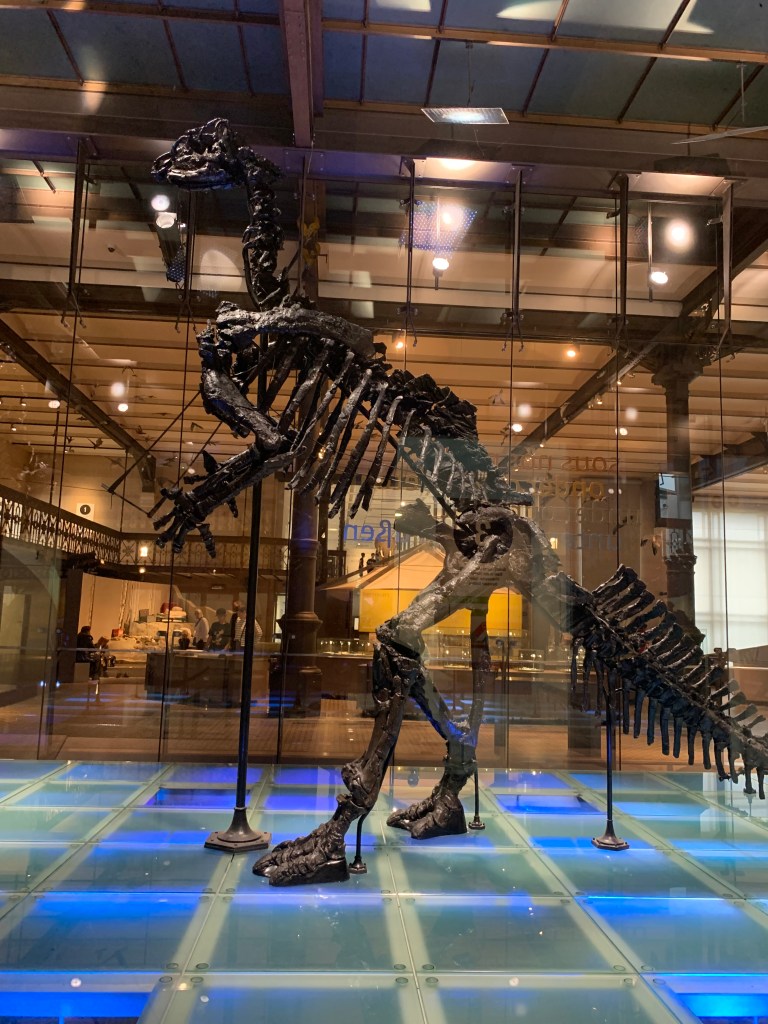
I found Brussels to be gloomier, the Belgian capital felt tired and like Paris well lived in. I was staying near the European Quarter in Ixelles, to the east of the city center and on my frequent walks back to my lodgings after dark I’d remark on how low the horizon felt walking those streets. Unlike many other cities I’ve visited, the high apartment buildings seemed to block off the lowest reaches of the night sky and the overhead glow of the city lights which illuminated the streets shaded my eyes from seeing up towards the heavens. It was like some of the stories I remember seeing as a child, stories told on the screen which were set in this sort of world where the mysteries of the skies above are darkened by a radiant yet feeble attempt at letting there be new light which makes the world all seem smaller and more confined. Far from utopian, for this light tells me I am somewhere, it still left me wanting for more and grander visions of the Cosmos far from those streets.
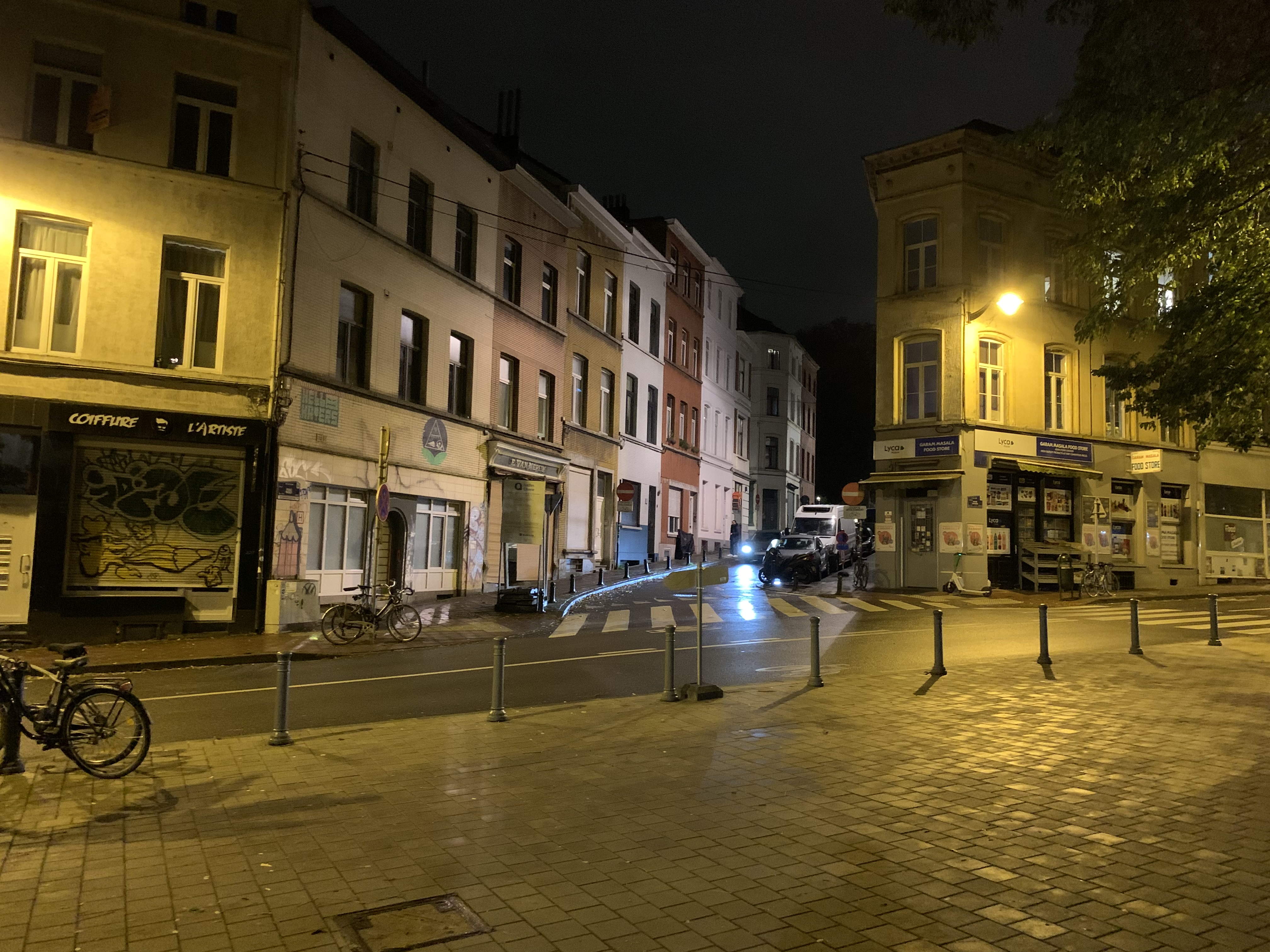
A junction in Ixelles from the steps of the Museum of Natural Sciences.

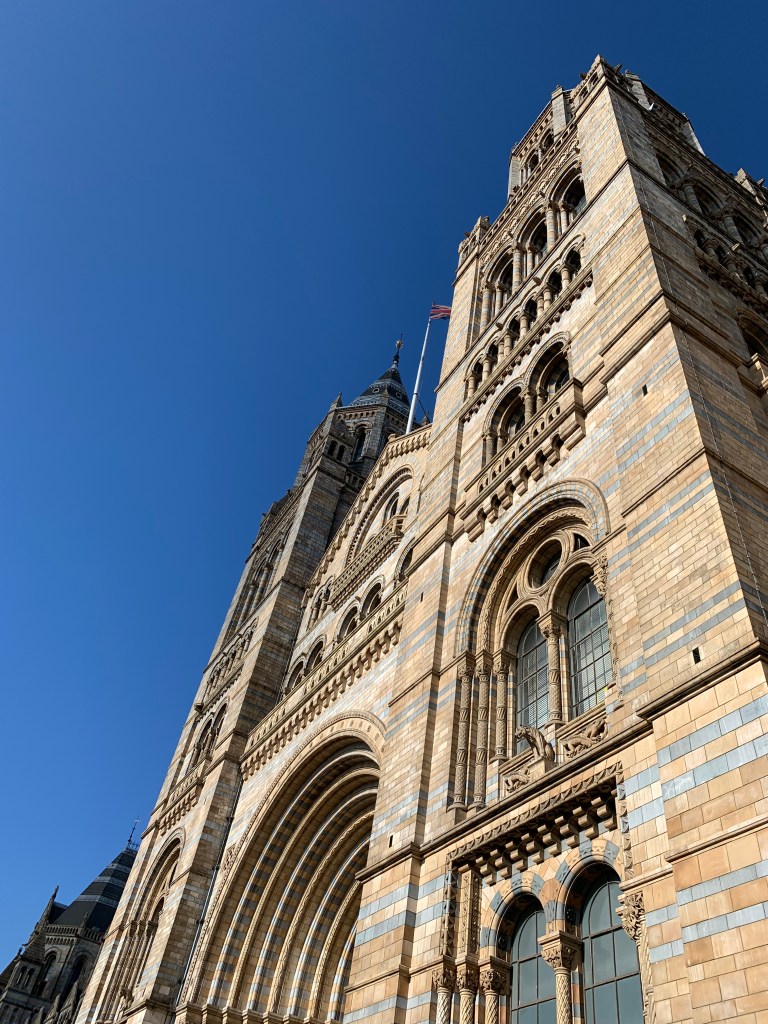
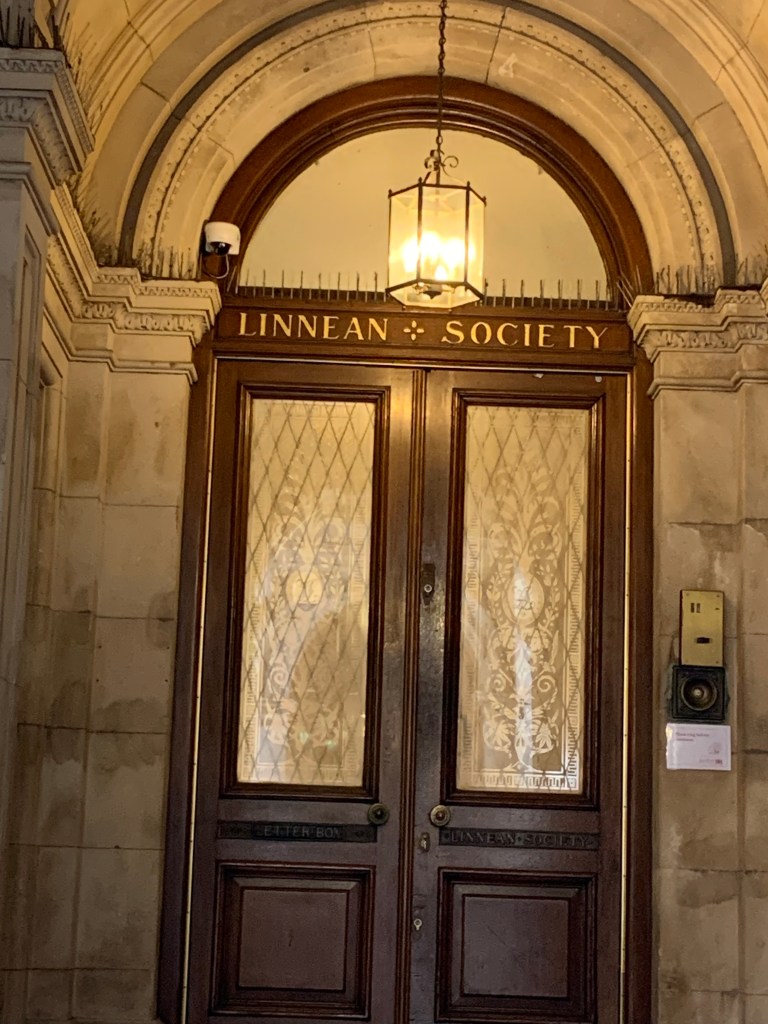
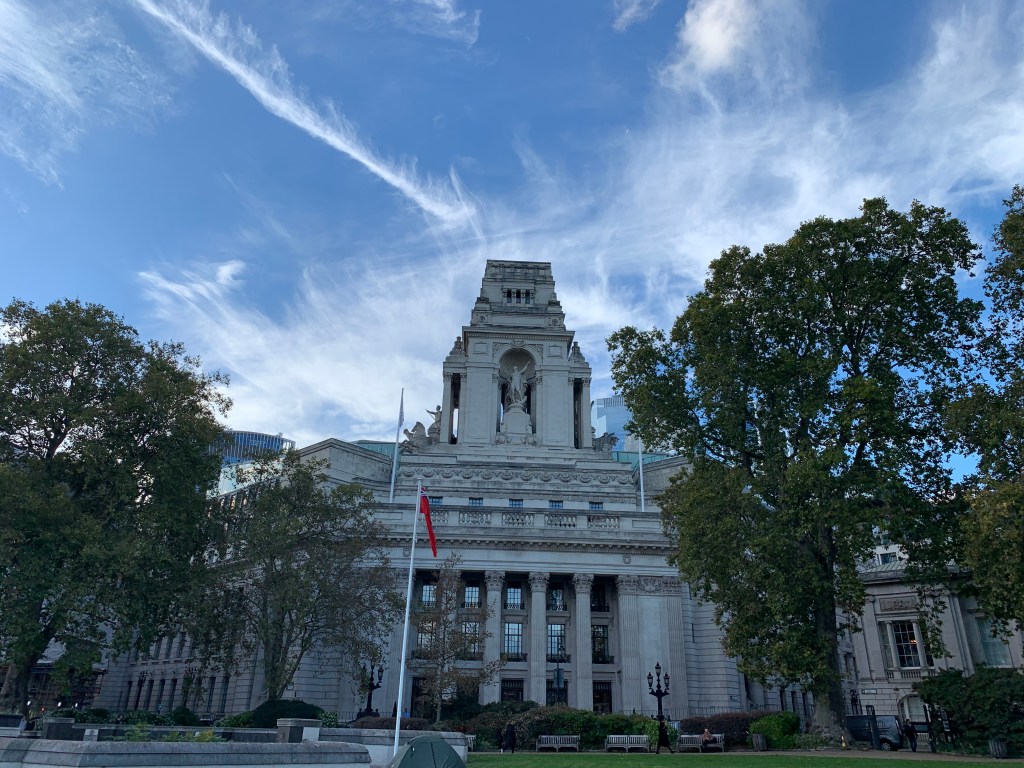
Returning to London felt as though I was returning to a long lost home. I strolled down the platform at St Pancras when I arrived beaming a broad smile after days unsure what I’d find or think arriving in that city. I soon found my way around the capital with ease, much of what I’d known during my life there in the middle of the last decade was as it had been. I returned to most of my old favorite places––the museums, the streets & squares of Fitzrovia, Bloomsbury, and Mayfair––and to the place where I once lived on Minories just beyond the old city walls. On my last evening there I sat for a while in the garden behind my old flat, the one my window looked out onto, and thought about all that had happened since last I was there.

I returned to Europe a different person from who I was when last I crossed the Atlantic. The Pandemic and my years of doctoral study shaped my youthful optimism just as it sculpted my ever-receding hairline. I returned to Europe less worried about losing something I had in the present and more appreciative of that moment I was in, of the places I was walking, the people I was seeing, whether for the first time ever or for the first time in years, and still hopeful that one day again I will return to these places. I do hope it’ll be sooner, whether just to visit or to live remains to be seen.

As much as this trip felt like a return to a life I once knew well, it also felt different from my past when I lived across the water because I’m a different person now. If any experience in my life could feel like a “return to normalcy” to quote Warren G. Harding’s campaign slogan of 1920 it would’ve been this; yet there is no real returning to an old normal, for we are never the same. I felt this when I returned to Kansas City after living in Europe; I was gone for just under a year, yet it felt like I had missed so much. Some things remain yet eventually all things must change. For the first time in my life, I’m happy to accept that, and to embrace that change as a good friend.
Birdsong

This week on the Wednesday Blog, I extol the virtues of listening to our bedfellows in nature. — Click here to support the Wednesday Blog: https://www.patreon.com/sthosdkane

This week on the Wednesday Blog, I extol the virtues of listening to our bedfellows in nature.


For all our pretenses of difference from the natural world as political animals in Aristotle’s words we remain a part of the great fabric of the Cosmos itself. In those moments when we find ourselves at a loss for words, for what to do in our lives, I suggest remembering that no matter how political we may be, we are all still animals. We all still are creatures created through the process of evolution and natural selection after many generations of formation to become the species we are today. Our very nature is tied with this long distant memory of Eden, of a time when our ancestors still lived amid the flowers, the vines, and all living things.

We remember less the perfection, which seems remote to our sensibilities like some sort of a nebulous dream that will burn up as soon as the Sun of our rational minds awaken in the morning, and more the shame that ended that dream. We’ve covered ourselves all too well, with our trappings of civility, our industry, our commerce, and our shows of strength. What remains of that dream that may once have been our reality? It is but a shadow cast by a passing cloud upon the land below where we live, seeking a truth we can’t be sure is real?

Yet in those moments when I am most distressed, most beaten down by life and work, all those things I do, I try to remind myself to go sit outside a while and listen to the birds. Their joyous singing tells of another time when we too were free of the cares that we’ve burdened ourselves with. Birdsong is to us an echo of a lost world, just as the stars burning bright high above us are an echo of worlds, we imagine we might one day come to know and understand. In the great moments of sorrow and trouble it’s best to return to the purest form of joy there is. The simplest voice often has the finest chorus in this great cosmic play of life.

So, take a moment to go out today and listen to the birds and all the other wild things, for at some level we have more in common than we lack. I for one long for a day when I can sit in a garden, close my eyes, and listen.


On the Cannibals

This week on the Wednesday Blog, looking back to a Renaissance philosopher to try and make sense of the present. — Click here to support the Wednesday Blog: https://www.patreon.com/sthosdkane

This week on the Wednesday Blog, looking back to a Renaissance philosopher to try and make sense of the present.


I was in my 8th grade year when Hamas took control of Gaza, and throughout my childhood as much as my own country was at war in Afghanistan and Iraq in what our government called the “War on Terror,” I knew of Israel and Palestine as a set of nations that had been in some state of war since the foundation of the State of Israel in 1948. To hear then last week that Hamas had attacked Israel, starting a new war at the end of the Jewish high holy days filled me with a grief I thought had been lost in the jaded and bruised reactions of my conscience after decades of hearing of atrocities here at home and abroad. At one point in my life, I thought of war as a sort of grand adventure, of the glory that men like Theodore Roosevelt and Winston Churchill looked to in combat. I never chose to serve, nor would I have likely been allowed to because of my health, though as I grew up, I found the very idea of war, let alone the idea of taking another person’s life to be anathema and horrific to behold.

The Catholic Church has a theory of just war, which argues that in the case of most need, when no other option is available that war is the only solution available to a good and morally upright people. I for one have trouble with this theory, though I do see how it could make sense. I’d rather negotiate for as long as possible, try to find common ground with a potential enemy in the same way that I try to speak to those I interact with on a daily basis in their own language. Yet sometimes it does come down to this question of whether after all the negotiating and the impasses that have resulted if fighting is justified?

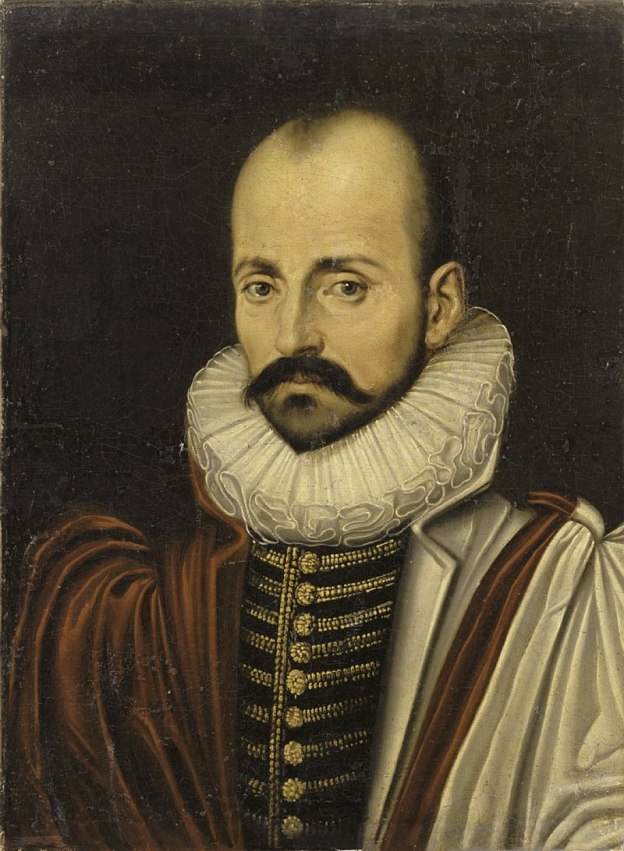
In 1580, the French humanistic philosopher Michel de Montaigne, the first great essayist, published in his first volume of Essays one such document titled “Des cannibales,” or in English “On the Cannibals.” In it, Montaigne spoke about a Tupinambá man from Brazil who he met in Rouen, the great port in Normandy where most of France’s trade with Brazil was based. Montaigne described how the Tupinambá became famous in his time for their cannibalism, rituals which were an intrinsic part of their culture that made them seem alien to his own, and dreadful in their otherworldliness.

Yet Montaigne saw also in the Tupinambá something of a reflection of his own world. 1580 saw France embroiled in the Wars of Religion, which lasted nearly 40 years and cost the French people a great many lives across several generations. Montaigne retired from public life in the civil service in part out of disgust for how the course of French history had gone, disgust that Frenchmen were not just killing fellow Frenchmen but torturing them and bringing ruin onto their families and communities all in the name of religion.

Religion is a tricky thing in human cultures. Most religions today are intended to give their believers a guide to living a good and true life; the greatest commandment which Jesus offers in the Gospels is to “love the Lord, your God, with all your heart, with all your being, with all your strength, and with all your mind, and your neighbor as yourself.” (Luke 10:27, NAB) I’m a practicing Roman Catholic, as a priest once said to me “I’m practicing, I’m still learning how to do it right,” and at the end of the day the best any of us can do is try to be good people, to make something positive and impactful of our lives, even if it is only a small impact on our immediate friends and families. I am religious for many reasons which perhaps someday I will write about here. 

Yet I am also a skeptic, much like Montaigne whose essays reflect this uncertainty about life, humanity, and established norms. Montaigne’s skepticism reflected the empiricism that was born in the following decades of the Scientific Revolution and flowered 150 years later during the earliest stirrings of the Enlightenment as much as it came from the humanism of his own time during the Renaissance. Montaigne challenged his readers, his fellow Frenchmen amid their own bloodletting, to save their cries of barbarity for the Tupinambá lest they also “call that barbarism which is not common to them” at the same time. Montaigne thought it more barbarous to “eat men alive than feed upon them when dead.” The way in which this war is being prosecuted by Hamas, while they hold clear grievances, loses any sense of moral justice when, as Montaigne charged his countrymen, they “mangle by tortures and torments a body full of lively sense, wresting him in pieces.” The horrors of this war then, in all their wanton cruelty, show this twisted version of the human character in its fullest expression.

When I thought more about the war after it began last week, and as I thought of what I could write about it, about the renewal of this long simmering conflict in lands thought to be holy by three of our species’s largest religions, I was drawn to Montaigne’s words again, especially after reading reports from a journalist friend about the killings of infants and children by Hamas still defenseless in the earliest verses of their song.

What worries me is this idea of religious war, fighting “under pretense of piety and religion” in Montaigne’s words, remains in my own Catholicism. I know there are some who adopt the image and iconography of the Crusaders of old to battle against what they see as the wickedness and snares of evil, desecrations against what they hold most dear. Theirs is a faith limited to only a few, a scarce number that will surely only grow within their own families. When one says, to quote Handel’s Messiah “if God be for us, who can be against us?” it is very hard to argue, let alone change the mind of those who see God on their side. That is a faith limited to only the most elect, denying the promises of salvation to “our neighbors and fellow citizens” who instead receive scorn at the least, torture, death, and dismemberment at the worst.

I worry about how large this war will become. It is not like the other sudden conflicts that Israel has found itself in throughout its young history as a modern nation-state. This is a war fought against a terrorist organization with clear backing from another power in the region. Will that power leave the shadows or be attacked directly by Israel to stop the flow of weapons and funds that at time of writing is likely going to Hamas? And if so, how far will the Israeli Defence Force go to defeat Hamas before they lose their own moral standing? This is why I do not care for the idea of just war; taken too far with too much emotion driving one’s judgement a just war can quickly become unjust and the warriors fighting in the defense of their own kind could resort to brutality like their foes “that exceeds them in all kinds of barbarism.” So, in the last week when I’ve been at Mass, when I’ve led my classes at my Catholic school in prayer, my thoughts have been on the victims of this war, the fighters who see their actions as their best and only recourse, and on the faint glimmer of hope that peace will someday return to the Israeli and Palestinian peoples. In an age when terror is as potent a weapon as any other, I hope those able to see an end to this war will find a way to start talking with each other again. Until then, just as Montaigne wrote 443 years ago, so too today we find ourselves “not sorry we note the barbarous horror of such an action, but grieved, that prying so narrowly into their faults, we are so blinded in our own.”


The translation of Montaigne’s Essays used here is based off of John Florio’s 1603 first English edition of the Essayes, or Morall, Politike, and Militaire Discourses of Lord Michell de Montaigne published in London.

Seasonal Confusion

This week on the Wednesday Blog, I have a bone to pick with the weather. — Click here to support the Wednesday Blog: https://www.patreon.com/sthosdkane

This week on the Wednesday Blog, I have a bone to pick with the weather.


I wouldn’t be a good Midwesterner, nor even a good human being, if I didn’t always have the weather as a fall back conversation topic. There’s always something going on out there to comment on. This week I’m befuddled by the sudden shifting of the moment from a prolonged summertime heat that lasted throughout September to a sudden crisp Fall chill which made the date, now in the second week of this month, all the clearer to me.

My own human surprise at the sudden change of weather might best be described with a mechanical being, in this case the idea that Star Trek‘s android Lieutenant Commander Data had a functioning internal chronometer that kept him accurate to the nanosecond. Yet that chronometer could be turned off if he wanted, though before that was suggested to him, Data hadn’t ever considered the possibility. I’ve had my odd week where I’ve lost track of time, whether due to sickness or exhaustion. So, to come to this week and be caught unaware that the warm days of Summer are truly behind us when they seemed interminable in Kansas City struck me harder to believe than I expected.

In my current situation this means that I’m closer now to Thanksgiving than the start of this Fall Semester when I began my new and current job teaching middle schoolers. It also means that the late Fall deadlines that I have for written submissions are indeed closer than they may have initially appeared. We passed by the usual markers of the changing of the seasons, and I recognized them as I watched them go by; yet I think because I haven’t spent a full year in Kansas City since 2019 I found myself unassuming when the hot days continued even as the Sun began to set sooner over the Great Plains to our west, venturing ever as it does each day towards the Rockies, Deserts, and Pacific beyond.

On Monday, my photo app reminded me that 4 years ago this week I made my first trip home after the big move east to Binghamton, and in the pictures featuring my beloved and dearly missed dog Noel in my arms I’m wearing the same sort of woolen sweater I’d usually don when indoors throughout the Winter. So, even in that moment when my seasonal expectations were still attuned to Kansas City’s climate, by now I’d be far colder than I am today.

It’s curious considering that I was told to expect earlier winters when I was in Binghamton, yet even there I only began to don my winter coat by about the first week of October. It seems reasonable to assume then that all of this is due to changes in our climate, a topic I’ve written about a great deal in this blog of late. What strikes me the most about 2023 has been the stability of our climate over most of the past four months. My suspicion long term is that the extreme heat we experienced in the late Summer, which drove my students indoors for recess for a week, and the extreme cold we felt around Christmas last year will become our new normal. I hope then, that we can adjust properly to this new normal, both in our energy use and in our ways of living throughout the changing seasons. I grew up knowing Winter to be long, cold, and snowy, Spring to be stormy, Summer to be long, hot, and dry, and Fall to be of crisp with occasional storms. Now though, the frosts of Winter “come pale, meager, and cold” to quote Henry Purcell’s The Fairie Queen, for far longer in a mirror to the lengthening Summer heat. Should I be fortunate enough to have children, my lived wisdom of the seasons may prove useless to them in their own brave new world. Certainly, the moderation which brought my ancestors to this middle bit of the North American continent is fast fading from view.

My seasonal confusion is in part born out of how fast my life is moving at this moment, juggling three jobs and trying to maintain my research all at the same time. Still, as I feel the crisp air filter in while writing this, I am eager to see another Fall arrive like all the others I’ve known.

Historic Range

This week on the Wednesday Blog, why our conversations about ecology and culture are grounded in loss. — Click here to support the Wednesday Blog: https://www.patreon.com/sthosdkane

This week on the Wednesday Blog, why our conversations about ecology and culture are grounded in loss.


Over this past weekend I was in Denver for a cousin’s wedding, a joyous event on Sunday evening that was beautiful to be a part of. Besides the two evening events on Saturday and Sunday I had the weekend to myself to spend some time in one of my favorite cities in the United States. My first stop on Saturday morning then was to my old favorite Denver haunt, the Museum of Nature and Science in City Park. Longtime readers of the Wednesday Blog will remember this museum from my two-part post from the pre-podcast days of June 2021 titled “Sneezing Across the West,” in which I described my return to this museum as an adult 22 years after visiting as a young child.

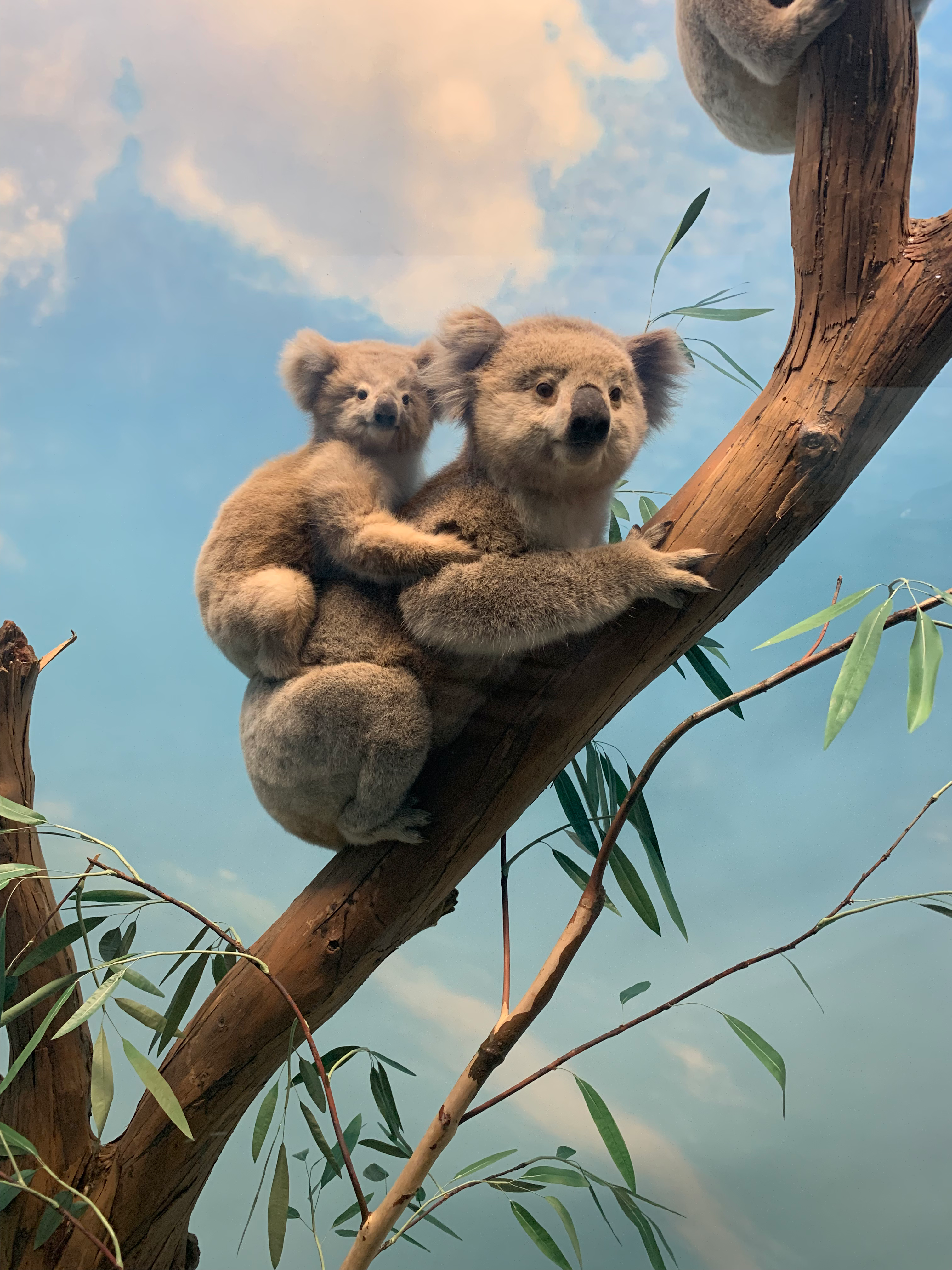
The Denver Museum of Nature and Science excels in its collection of dioramas, scenes from the natural world of taxidermied animals in their own habitats recreated in several halls on two floors for the public to experience a snapshot of wild life in its element. These dioramas capture my attention today far more than most paleontological exhibits, as while I enjoy seeing the dinosaurs and their fellow fossils, I’m now more drawn to the recreations of modern lifeforms, particularly mammals, that dioramas offer.

The DMNS’s koalas.

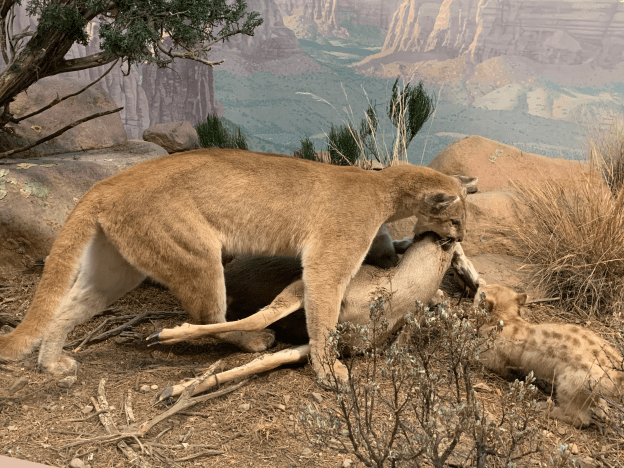
On this Saturday morning stroll through the museum, I stopped in front of a display of a puma, North America’s famed mountain lion, one of our more enigmatic megafaunal predators. I haven’t seen any mountain lions in the wild, though on one occasion a decade ago while hiking to a cave to shoot an ill-fated short film adaptation of Plato’s Allegory of the Cave in Pike National Forest I could swear our party was being watched from the ridgeline several hundred feet above us by a puma. I’ve only ever seen and encountered pumas in zoos and museums, behind wire fencing or glass. I got to know the resident puma in the Ross Park Zoo in Binghamton rather well, to the point that it would slow blink at me as I approached it, a sign among domestic cats of acceptance.

With my own limited experiences of pumas in the wild, it struck me to see the ubiquitous line on the diorama’s plaque which read “Historic Range” on the key to a map which showed how most of this continent was once puma country. I paused in my stroll at that point, and it occurred to me that our entire narrative of conservation and the preservation of human diversity in North America goes back at some point to a story of historic loss and the subsequent poverty for certain pieces in the continent’s ecology. For one thing, we lack large predators in much of North America west of the Rockies today, so especially in the great eastern woodlands the deer population is often higher than it ought to be.

Still, there is this core truth to our continental story, let alone the collective history of our hemisphere which tells of a black mark in our soil dividing the present age born in imperial colonialism and the time which came before. Like the K-T Boundary which can be seen in rock strata dividing the fossilized remains of creatures who lived at the time of the dinosaurs below in the Cretaceous Period and in the Tertiary Period after the asteroid impact which saw the demise of those reptiles 66 million years ago, this line demarcates a clear beginning of a modern world in the Americas warts and all. Before the arrival of Europeans into each distinct region of the Americas, each valley even, life on these continents developed in a very different manner, responding to circumstances which existed perfectly well without all the new flora, fauna, and bacteria which my European forebearers introduced after 1492.

I’ve always felt grief at the idea that so much of the life on these continents once flourished and now lies far diminished, shadows of their former selves. We could say that nature has been lost in the drive for conquest, to paraphrase a key point in Betty Meggers’s 1996 book Amazonia: Man and Culture in a Counterfeit Paradise, in our desire to realign nature around us to fit our own interests, we replace a tortured ecosystem with a corrupted egosystem which pales in comparison to its former glory. Nature is something we can try to control yet never fully overcome, for in spite of ourselves we remain a part of the natural world we seek to command to our will. Like Cnut in his greatest legend, we cannot command the tide to turn, nor can we even really ask, we can only observe and embrace the patterns of nature as they have developed over eons.

On Sunday, I turned from the beauty of the natural world to the beauty of the artistic world. That morning I paid my first visit to the Denver Art Museum, and was astounded by the seven stories of galleries, each designed around not only the art they contained but with strategically placed windows which opened the objects within to the cityscape and distant peaks of the Front Range and the Rocky Mountains beyond. I was most moved by the gallery containing art from the Old West, the period in my own home region’s history just before my ancestors arrived in places like Iowa, Kansas, Minnesota, Nebraska, and North Dakota at the turn of the last century. At the peak of what we call the Wild West, most of my ancestors who were living in the United States were farmers in Bureau County, Illinois, today located along Interstate 80 and the BNSF line that Amtrak’s Southwest Chief rolls along each day from Chicago to Los Angeles.

I grew up with a very romantic view of the Old West, of the cowboys and ranches, the wide open spaces of the prairies and the wild mountain landscapes of the Rockies which I visited as a child in the 1990s and early 2000s on annual summer trips to a dude ranch in Pike National Forest (the same property where I shot that film in 2013). Like many kids at that age, at the height of my love for the Old West, I wanted to be a cowboy paleontologist, pairing that historical fascination with my equally powerful love for dinosaurs. While I was in Binghamton, I enjoyed driving the 75 miles west to Corning, New York to visit the Rockwell Museum which specializes in this same American Western art, in order to get a taste there in the East not only of my childhood love for the West, but a sense of my own home region as it once was, a slight pill for my ever-present homesickness. Yet while the Rockwell Museum highlighted the effects of Manifest Destiny and westward expansion on the Native Americans and Mexican settlers who were already there, topics I’ve taught about in the U.S. History survey courses I’ve TAed before, it wasn’t until I wandered through that gallery on the 7th floor of the Denver Art Museum that I really began to understand how the romantic adventure stories of my childhood were also laments of the conquest of the world known and loved by the people who were already here.

On my way to Denver on Friday evening, I read a story in Smithsonian Magazine about the donation made by the Choctaw in the 1840s to help my own people, the Irish, during the Great Hunger caused by the potato blight that struck Europe at the time. I’d known about that donation for many years ever since I read about it in an Irish history book titled The Famine Ships when I was in middle school. Yet this article telling of two Choctaw students using an Irish Government program to travel to UC Cork to study and coming into direct contact with people whose lives and history were impacted by such unexpected generosity generations ago. My 3rd and 4th great grandfathers Keane were the ones who lived during An Gorta Mór, and on the Irish side of my mother’s family, my Irish 4th great grandparents came to America in the same decade after participating in the 1848 Young Irelander Rebellion. Like the Irish participants in the Smithsonian article, I too feel some of the kindness offered to my ancestors in one of their greatest times of need.

This empathy helps me to see less of the romance in the art from the Old West depicting the lonely native warrior standing proud and defiant against the conqueror, and more of the common cost of colonization which both my own ancestors in Ireland and the native peoples of these continents have faced down the generations. We all have our historic range, like the pumas in my life, we all have the limits to our modern lives cast in iron by the will of others seeking to control far further than their own borders. Denver today holds some of that Old West spirit that once defined it and Colorado at its core, yet the many voices which have written that city’s history and continue to define its present and future remain strong. In the Museum of Nature and Science I noticed how the remaining older exhibits were monolingual, with plaques written only in English, while all of the newer materials there and in the Art Museum are bilingual in English and Spanish.

We can learn from each other, and perhaps even restore some of the memory of our histories if we learn to listen to each other speak in our own words. The relationships we have with our relatives, friends, and neighbors alike will change with time, yet it is up to us what those changes will be.