Monthly Archives: April 2025

On Boston

This week, some comments about my trip to Boston last month and reflections on that resilient city.—Click Here to Support the Wednesday Blog: https://www.patreon.com/sthosdkane


This week, some comments about my trip to Boston last month and reflections on that resilient city.


I’ve been to Boston several times now, once in my childhood on a family vacation and twice for work. It’s the furthest of the east coast cities from Kansas City, and in some ways it’s rather hard to get to from here. Yet, the influence of Boston in particular, of Massachusetts in general, and of New England overall is quite pronounced here in the Midwest. When I was in the first semester of my History MA program at the University of Missouri-Kansas City one of my favorite books from the American History Colloquium I took discussed the patterns of westward settlement from the old eastern states during the Early Republic. From this, I learned that the reason why New York and New England felt more familiar to me was in part because it was New Yorkers and New Englanders who settled the parts of Northern Illinois that became the metropolis of my birth, Chicago, as well as many of the original towns in Kansas. One aspect of the Bleeding Kansas conflict of the 1850s, an overture of sorts to the American Civil War of the 1860s, was that Missourians with southern roots found their culture clashed with Kansans who were recently arrived pioneers from the North.

I remember really enjoying my childhood visit to Boston for a great many reasons. We did most all of the touristy things in that city, though I realized later on that we hadn’t visited some of the finer art museums in town like the Museum of Fine Arts or the Isabella Stewart Gardner Museum. That thought rested in the back of my mind for about twenty years until I returned to Boston as a doctoral candidate in October 2021 on a mission to see how the first French published translation of the Odyssey translated the Greek word ­ἄγριοι, which Robert Fagles translated into English as “hard men, savages.”[1] The French translator in question, the sixteenth-century humanist Jacques Pelletier du Mans (1517–1582) rendered ­ἄγριοι as “rude and uncivilized men.”[2] The copy I accessed of this book is housed in Harvard’s Houghton Library, and so I made a trip out of a word-search and found so much to admire about Boston and the surrounding suburbs in the few days I was there.
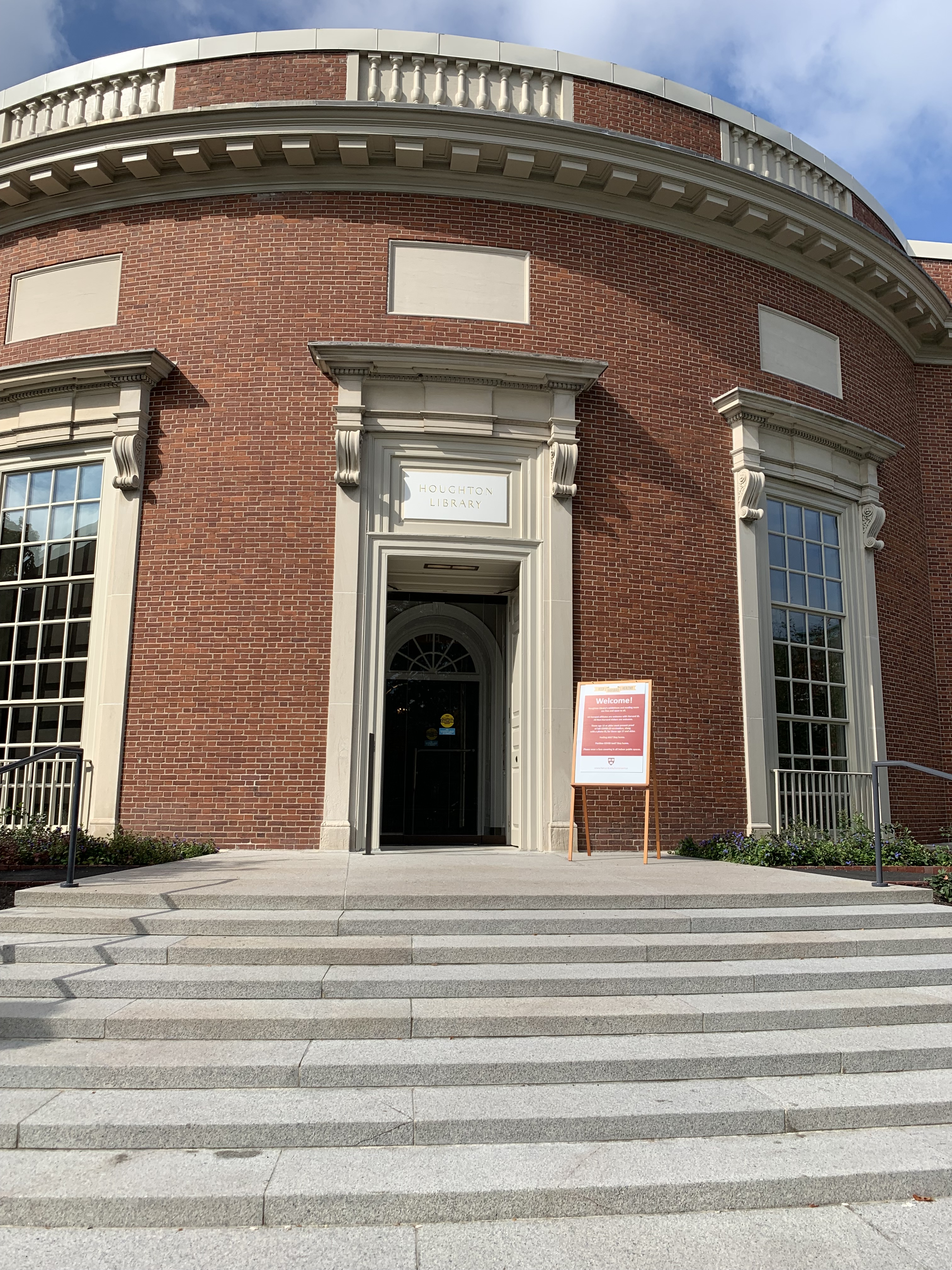
Harvard’s Houghton Library in October 2021

For one, the vintage of that region as one of the great nests of Anglo-American culture has always felt familiar to me, as that is in many respects the roots of my own culture albeit with many more layers of immigrant influence stacked atop it that form my idea of America. When I drove to Boston from Binghamton in October 2021 amid the incandescence of the Fall leaves I kept remarking on the smaller size of so many a Massachusetts village and town each of which was founded in the eighteenth or even seventeenth century. Where towns in Colorado celebrate their altitude and towns across America commend their population, in that Commonwealth each town’s age is celebrated as a mark of pride. My appreciation for this was less driven by an amazement at seeing such old places, I’ve been to many an old city, town, and village in Europe. I’ve even stayed in buildings that were erected 500 years ago like the place I chose in Besançon. What struck me most here was that these old houses were present here in America, in the United States. After all, my homeland in the Midwest has few colonial buildings left for us to mark with signs or commemorate as local landmarks. The French presence was far stronger along the Mississippi south of the Missouri River than in Chicago or Kansas City. Both of my home cities trace their founding to dates after American independence in 1776 and the birth of the republic in 1787.
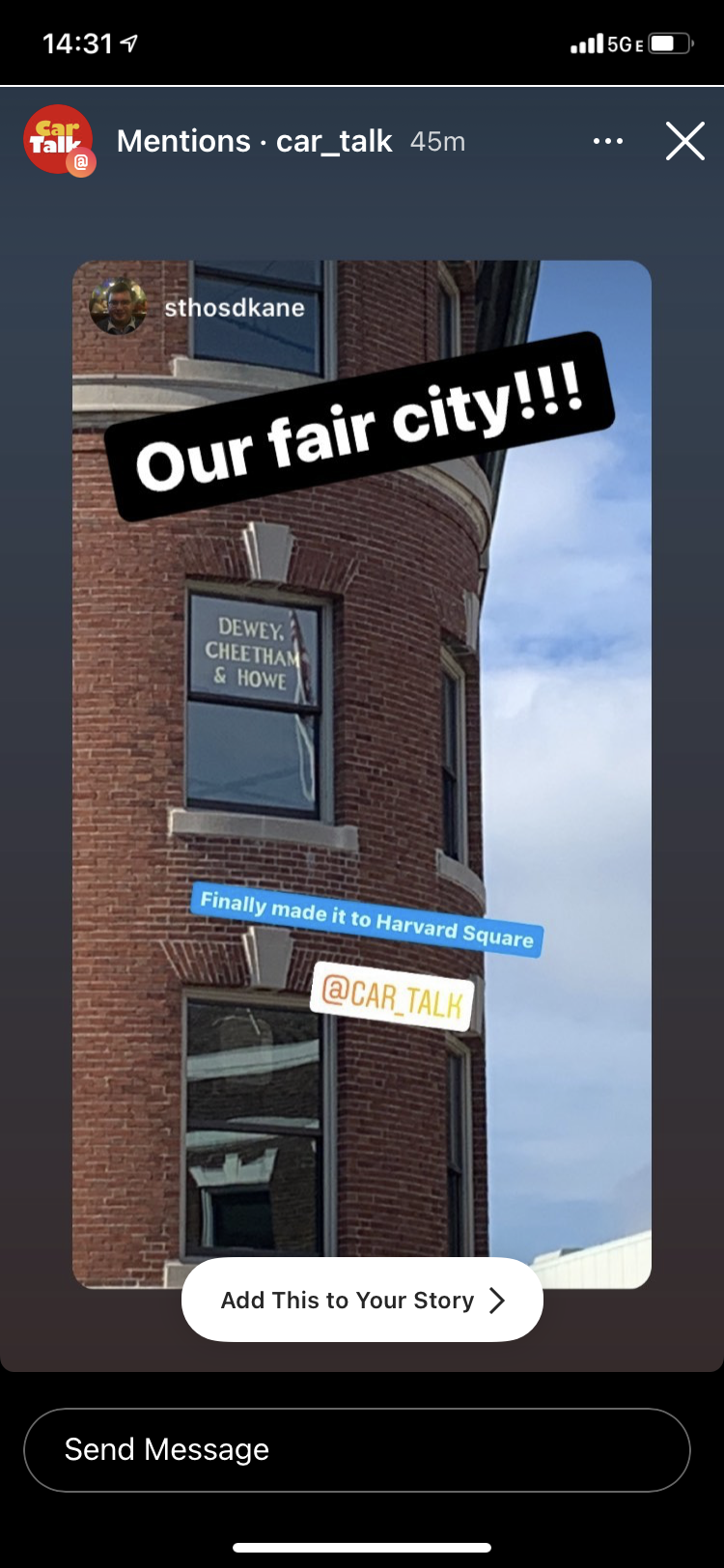
In October 2021, I fulfilled a childhood dream of seeing the Car Talk offices in Harvard Square from street level. Yeah, I’m an NPR nerd.

Where I have seen this fortitude in a city in the middle third of the country is in San Antonio, an old Spanish settlement founded in 1718 at a time when it fit into a world among the vast global empire of the Spanish crown, connected more to the Canary Islands in settler population than to even more distant England or her colonists’ descendants who moved southwest into Texas a century later leading to that region’s independence and later annexation by the United States. The English-inspired east then annexed the Spanish-inspired southwest in the same manner that thirty years earlier it’d purchased the French-inspired Midwest. In this way, I’ve found New England more reminiscent of England itself than of so many other parts of the United States. It shares more of a common culture and history with England, and in many respects remains the child that chose to go its own way when it could and embrace republicanism in contrast to continued English royalism. I’m sure there’s something I could say here about Cromwell, but I’ll leave that particular figure of English colonial ambitions in Ireland for a less sentimental blog post.
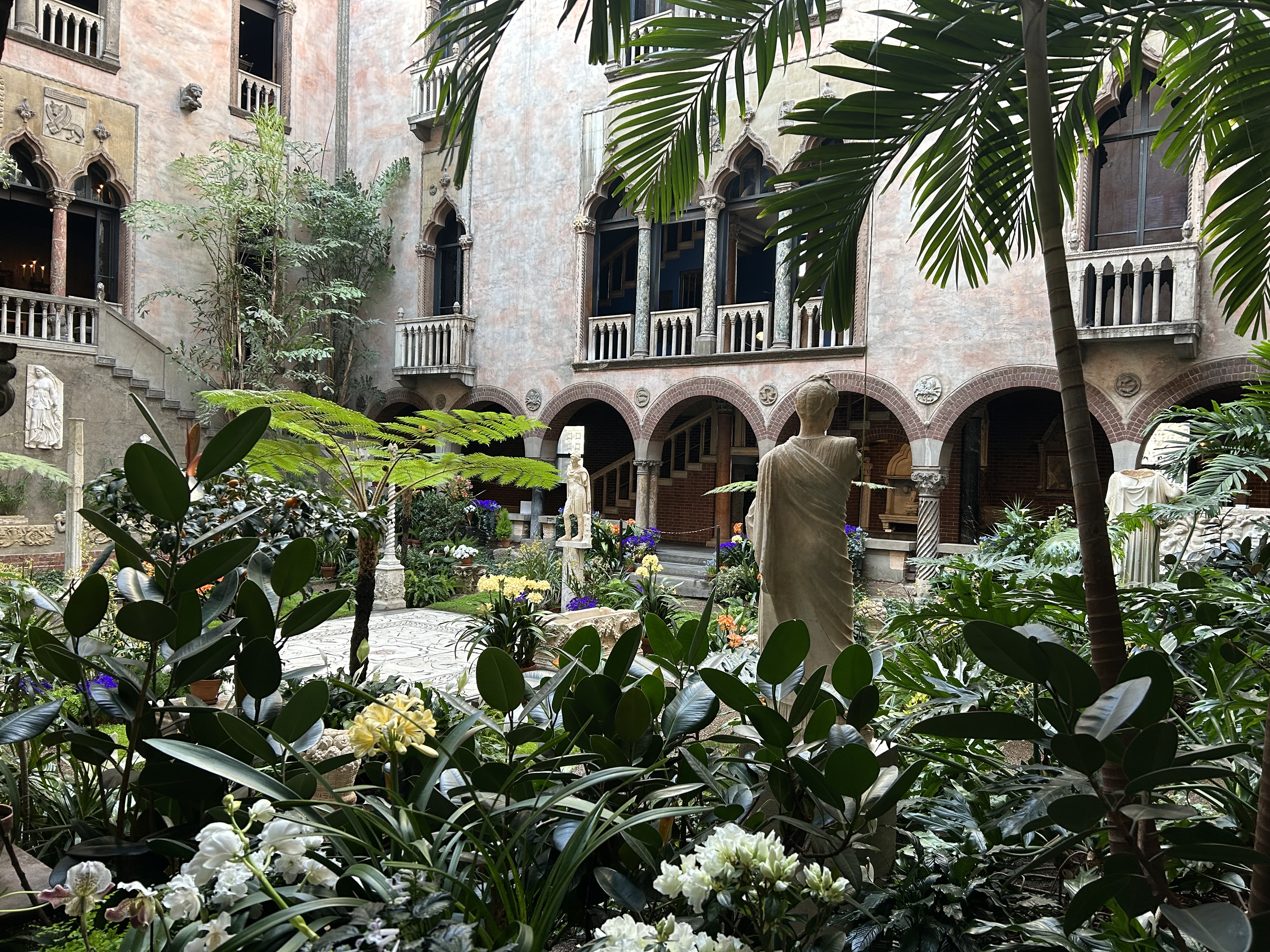
The courtyard garden of the Isabella Stewart Gardner Museum, Boston.

This time, I traveled to Boston to attend the 2025 meeting of the Renaissance Society of America at the Marriott Copley Place in the Back Bay neighborhood to the south of downtown. What’s funny to me is that I don’t remember going anywhere near Copley Square or Back Bay on any of my previous trips to Boston, though I did pass underneath both the square and neighborhood on the Green Line trolley in October 2021 when after completing that wordsearch at Harvard I decided to take the afternoon to visit the Museum of Fine Arts. I remember being impressed by the collection I saw, though I got overwhelmed in some of the galleries and feeling a bit tired after a long day I returned to my friends’ house in the suburbs. On this most recent trip I elected to visit the Isabella Stewart Gardner Museum instead of its neighbor, the Museum of Fine Arts, having heard so much about Ms. Gardner and that museum’s infamous midnight robbery in 1990. I was happy to see how lovely a museum it was, from the garden at the base of its courtyard to the spiraling series of galleries largely unchanged since the museum was built at the turn of the last century. In the museum there is a portrait of Ms. Gardner full of life and joy which was so personal that her husband asked it to remain away from public view until after he died, resulting in the room in which it lives being closed to the public until after his death in 1898. Gardner was friends with many of the American artists of the late nineteenth and early twentieth centuries who I greatly admire, including John Singer Sargent and James McNeill Whistler whose paintings in the Smithsonian’s Freer Gallery of Art in Washington contribute to that gallery being one of my favorites of the Smithsonian Museums.
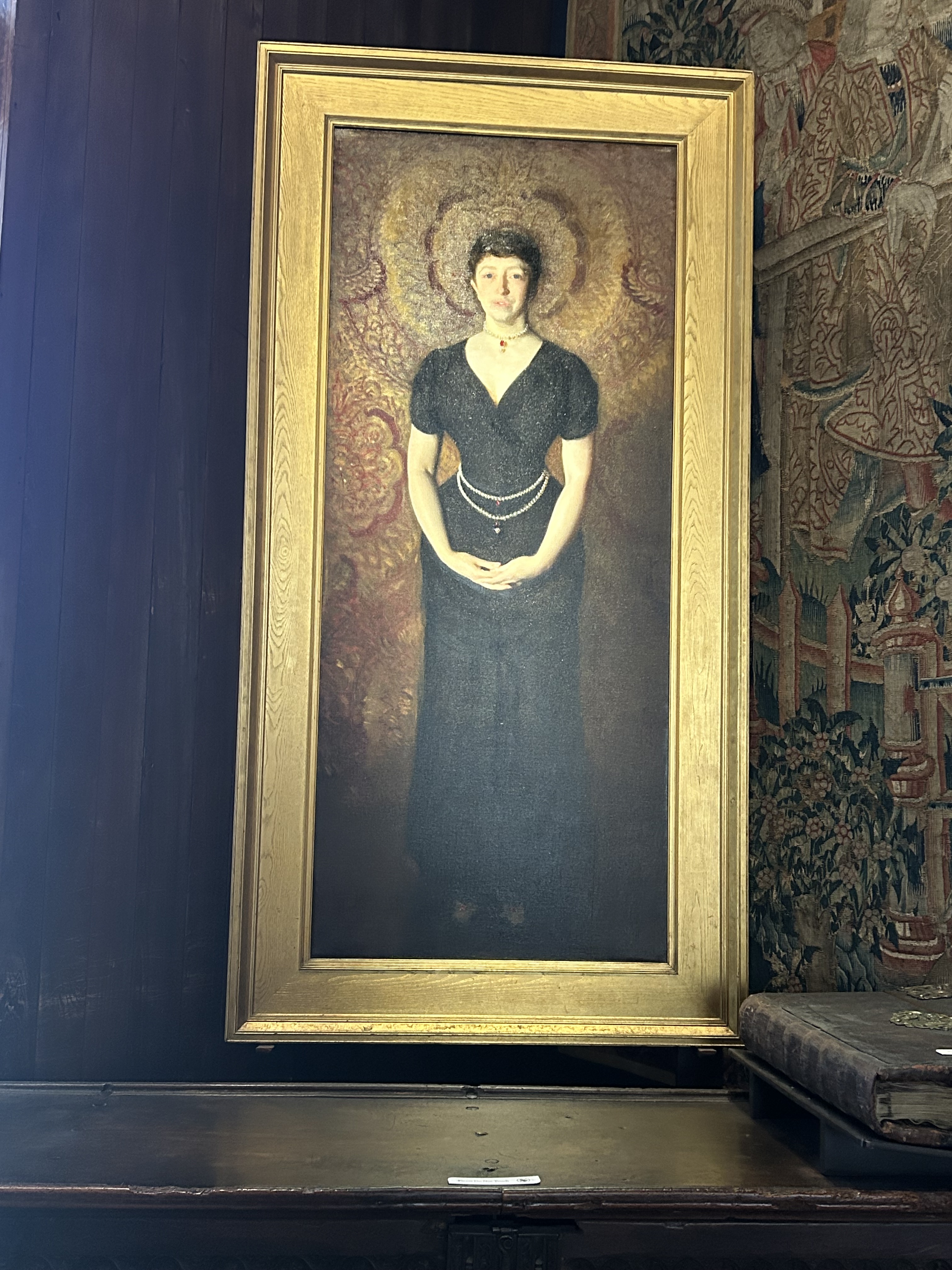
Isabella Stewart Gardner, 1888 painting by John Singer Sargent.

To reach the Gardner Museum meant taking the trolley through the campus of Northeastern University along Huntington Avenue. Over the few days I was in Boston I also visited two other local universities, Harvard to visit their Museum of Natural History and to attend a concert of medieval liturgical music at St. Paul’s in Harvard Square, and UMass Boston to visit the John F. Kennedy Presidential Library right at the end of my trip. What struck me most about this trip, and what filled me with a greater sense of relief and, yes, joy was seeing how many students were out and about in that city. It felt as though the storm clouds that hover over all of us could be held back if even as a reflection on water by a sense of camaraderie that proved elusive only a few days later when the first wave of student deportations swept up a fellow doctoral candidate at Tufts University in that same city. Still, in the days I spent around the students of Boston and among my fellow Renaissance scholars I was struck by how profound that sense of camaraderie was that in spite of the troubles we see around us we are going to chart a course through the ice and out into calmer, open waters again.
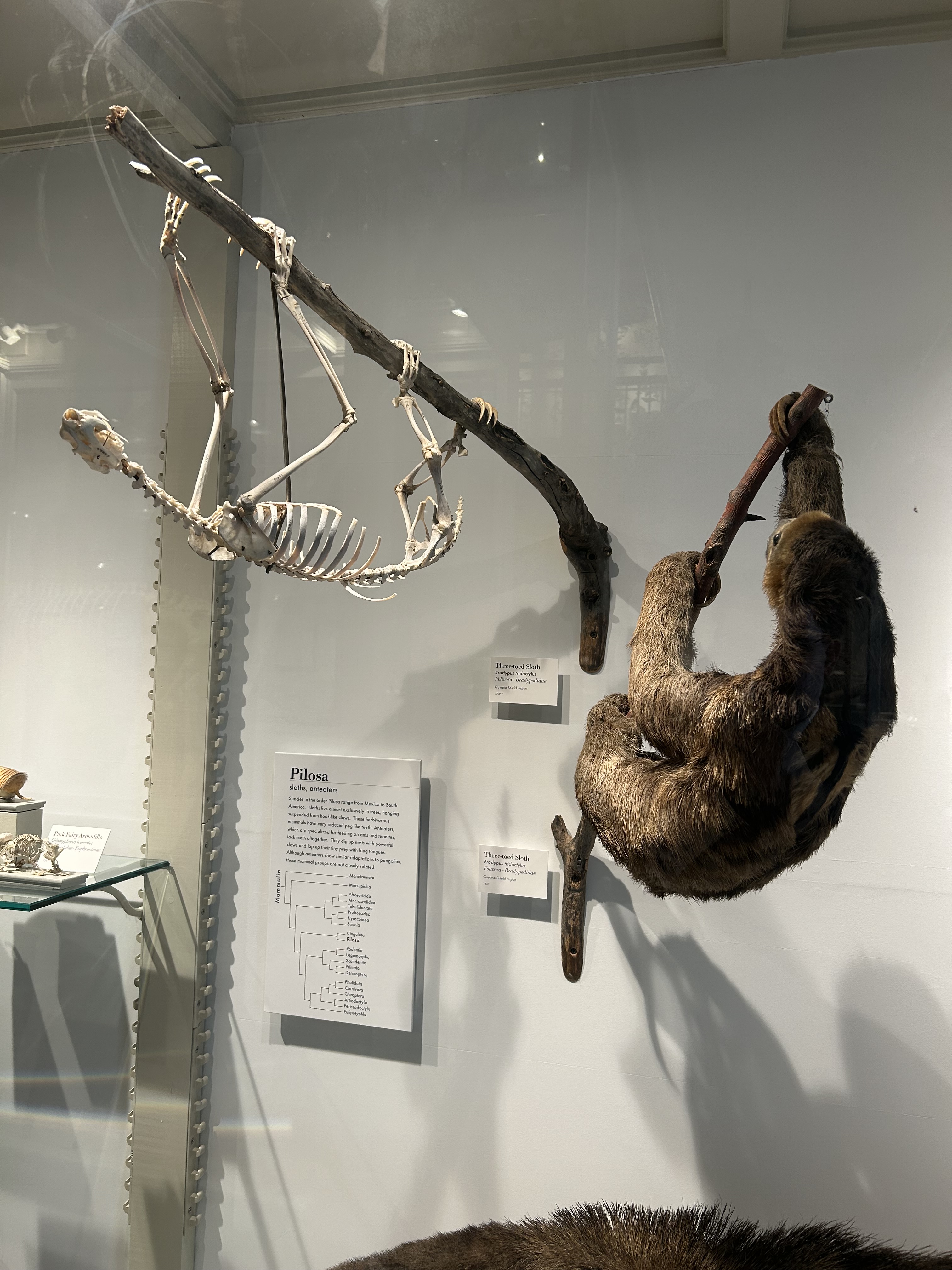
A brown-throated sloth, stuffed, at the Harvard Museum of Natural History

Boston has seen a great many generations live on its headlands and about its bays in these last 395 years since its founding as the capital of the old Massachusetts Bay Colony. In the weeks since, with that trip still fresh in my memory I was reminded of the illustrious revolutionary history of that city and of Massachusetts and the resilience of its people and their peculiar traditions of democracy which have influenced the spread of representative government across this continent through the ideals of the United States and our Constitution. I’m sure it will weather this storm as it has so many before it. Knowing too my own profession, my desire to find a professorship or museum job first and foremost, I suspect I may find my way back to Boston again. After all, not only are there many universities there with healthy endowments, however rare those may become in the years and decades to come, that city remains a vibrant city, a living city, a city that hasn’t carved itself out for sprawl in the way that so many others have. I was struck by how profound that sense of connection and community was there.

Nice place.
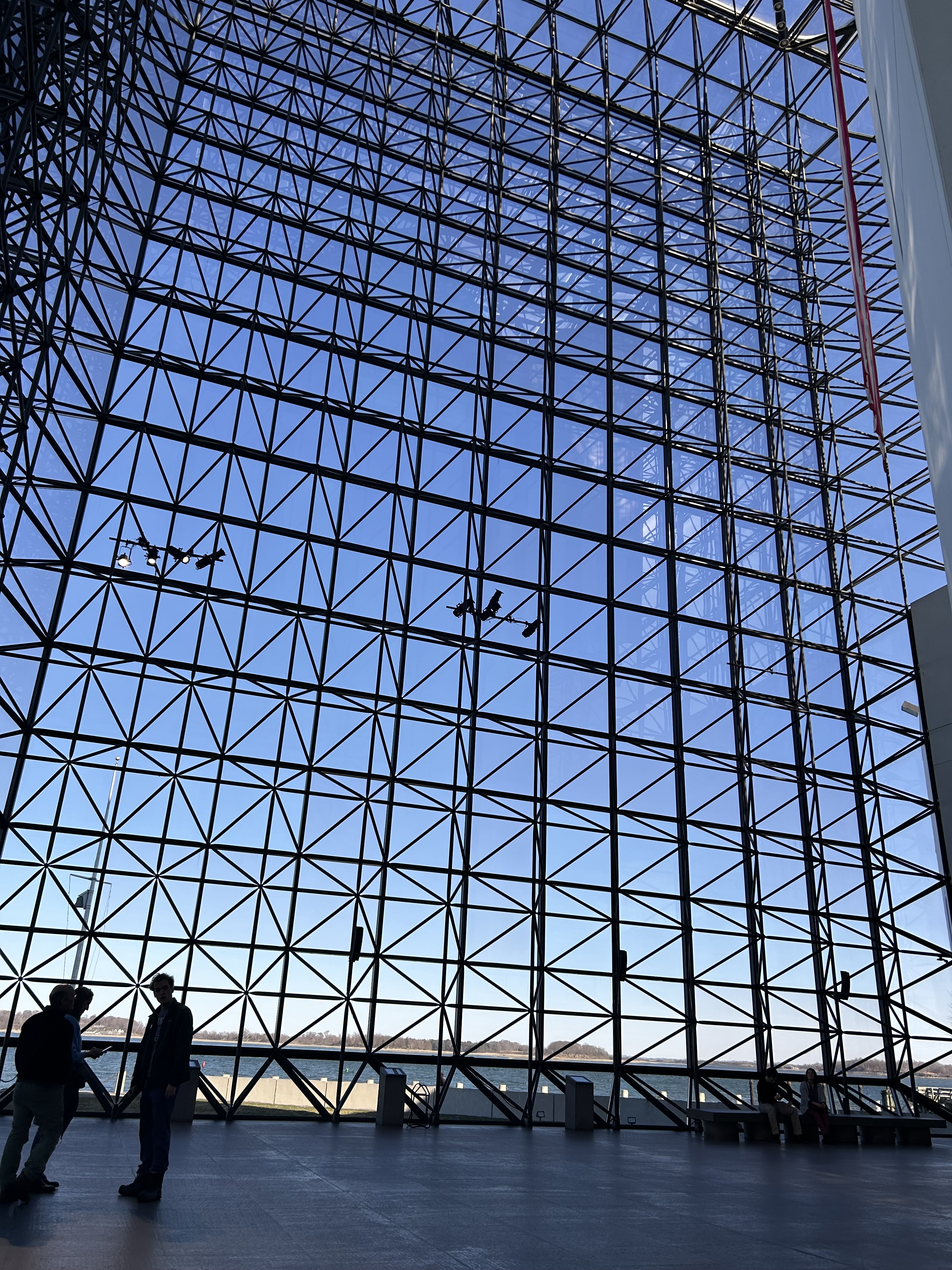
The glass atrium at the JFK Library.

[1] Homer, Odyssey 1.230, trans. Robert Fagles, (London: Penguin, 1996), 84.

[2] Homer, Premier et Second Livre de l’Odissée d’Homère, trans. Jacques Pelletier du Mans, (Paris: Claude Gautier, 1571), 10v.
On Servant Leadership

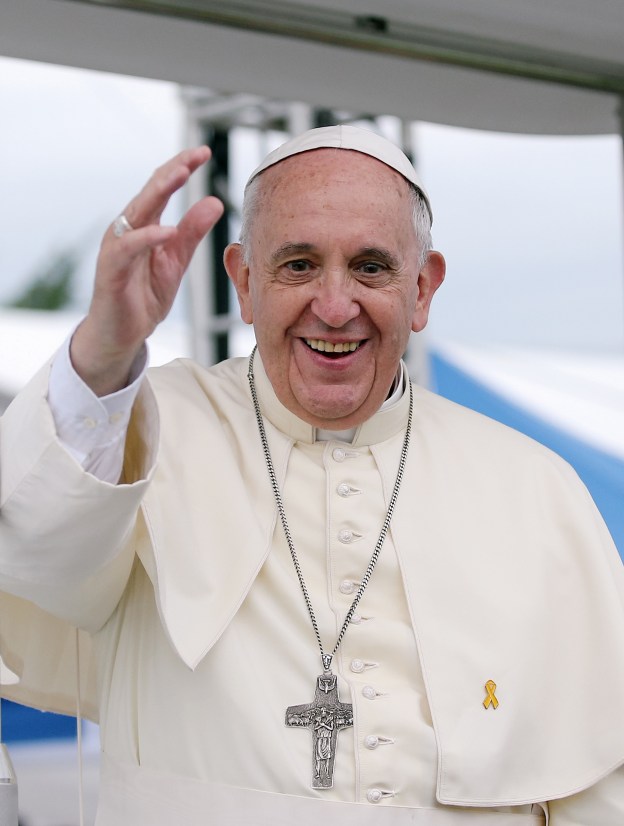
This week, in memory of His Holiness Pope Francis and of the revolutionary anniversaries in America and Ireland this week, some words on the humility necessary for the best sorts of leaders.—Click here to support the Wednesday Blog: https://www.patreon.com/sthosdkanePhoto: By Korea.net / Korean Culture and Information Service (Photographer name), CC BY-SA 2.0, https://commons.wikimedia.org/w/index.php?curid=34828249

Photo Credit: By Korea.net / Korean Culture and Information Service (Photographer name), CC BY-SA 2.0, https://commons.wikimedia.org/w/index.php?curid=34828249


This week, in memory of His Holiness Pope Francis and of the revolutionary anniversaries in America and Ireland this week, some words on the humility necessary for the best sorts of leaders.


Over the past weekend as we marked the 250th anniversary of Paul Revere’s Ride, the Battles of Lexington and Concord, the Siege of Boston, and the beginning of the American Revolution, I started to think about writing this week about that anniversary. I partook in the Veterans’ Rally on the Plaza here in Kansas City, which was part of the National Day of Action against Kings. During the hour walk to and from the event in Mill Creek Park I thought long and hard about what I would say, of my fascination with Paul Revere as a child, or about my first visit to Boston in 2002 when my parents & I walked the Freedom Trail with a family friend who I reconnected with on this most recent trip. Normally, at this point in April I’m more focused on the more recent revolutionary anniversary of the Easter Rising which began with the reading of the Proclamation of the Irish Republic in front of the General Post Office in Dublin. Perhaps I could blend the two revolutionary touchstones into something profound for our own moment; of the unrealized dreams and aspirations of both sets of revolutionaries.

Yet events of the following days have changed all that. I’m writing this now close to two hours after I heard the sad news of the death of Pope Francis. After a half an hour replying to messages from my parents and various friends who texted me the news over the night, I wrote my own brief message which appeared on my social media accounts:

This one feels different to me. Papa Frank was our pope: from the Americas, a Jesuit, and more open minded to the world. His Universal Synod will remain a testament to the man and his twelve years of service to our Church.

Francis’s pontificate marked my early adult years. He was elected at the height of my time as a student at Rockhurst University, when I was surrounded by Jesuit philosophy and spirituality, at a moment when his election seemed to match the optimism I felt in our world. Pope Francis remained a rock amid the tempestuousness of the years that have followed. His humility and humanity shone beyond either of the other two popes of my lifetime. Last summer, my European tour originally included nearly a month in Italy on the way to a dear friend’s wedding party. I’d planned to be in Rome for one Wednesday in the hopes of going into the Paul VI Audience Hall to see Pope Francis in person, even if I was way in the back of the room and wouldn’t be able to meet him. The Swiss & Italian portions of that trip didn’t end up happening, and I regret not getting to see the man in person.

Despite this, I felt that I knew Pope Francis on a personal level. He always struck me as another guy trying to make the best out of life. I’ve heard many people refer to him as the grandfather of the Church away in the Vatican keeping us in mind and in good humor. I like this image; it matches what I saw when he was interviewed by the American television networks. Like Voltaire, my mental image of Pope Francis is him with a smile on his face, an earnest and caring smile and perhaps with a joke in mind. Pope Francis was a leader I was willing to follow because he did so with intense humility. I was standing in the lobby of the Campus Ministry, Counseling, and Career Counseling offices at Rockhurst that afternoon of 13 March 2013 when Cardinal Tauran delivered the Habemus papam announcement from the balcony of St. Peter’s Basilica and announced that Cardinal Jorge Mario Bergoglio of Buenos Aires was our new Pope, Francis, a name chosen to commemorate the humblest of saints. That he asked us to pray for him, to help him in his pontificate was for me the first sign that this man was different.

The Catholic Church exists in a very different world today than it did a century ago. Then when only 150 years had passed since the eruption of the American Revolution and even less since the anticlerical outbursts of the French Revolution the relationship of the Church to democracy was more fraught. A century ago, fascists in Italy claimed they were acting in defense of tradition and of the Church to attacks from communism. We saw where that road led in the Second World War. A century ago, the Church emerged from the ashes of the Irish Civil War in a dominant position in the new Free State, a position it would hold through the founding of the Republic in 1949 and into my own lifetime. Here in America, Catholic voices led the chorus of the most extreme and anti-democratic factions in this country railing against anyone who opposed them, even their fellow Catholics.

I worried twelve years ago as we neared the end of the first decade of Pope Benedict XVI’s reign that the disconnect between the Church and our world would only continue, and that locally the voices of we liberals and progressives in the Church would remain a hushed minority. We received two new bishops in Greater Kansas City that were appointed by St. John Paul II in 2004; in January Archbishop Fred Naumann was appointed to lead the Archdiocese of Kansas City in Kansas where I grew up, and in May Bishop Robert Finn was appointed to lead the Diocese of Kansas City-St. Joseph, which covers the Missouri half of this metropolis. Both were far more conservative than their predecessors, and far more dogmatic. Bishop Finn closed a great many of the social justice ministries of the Diocese and alienated at least a quarter of the local Catholics. My own parish, St. Francis Xavier, often stood in sharp opposition to his leadership as the Jesuit parish remained welcoming and open to all. By the time Pope Francis was elected Finn’s leadership was crumbling under the weight of his inaction and obstruction with the abuse scandals, though Archbishop Naumann was only replaced in the last two weeks with the far more synodal and open Bishop W. Shawn McKnight, who previously led the Diocese of Jefferson City in central Missouri. I for one am hopeful that Archbishop elect McKnight will prove to be a better listener to the Catholics of his new archdiocese.

I remember the sun shining on the day when Pope Francis was elected. It was actually very similar to today, Monday, 21 April 2025, and my sense of a new dawn for our Church. The Sun was shining overhead, and the Spring birdsong was resounding around campus. I experienced many of the same things today. It’s profound to me how similar those two days are.

It did feel revolutionary in many ways when he was elected. He was the first Pope from the Americas, an Argentinian by birth. He was the first Jesuit pontiff, the first pope in a long time to be the child of immigrants. Pope Francis felt like he was one of us. Over the weekend I thought a great deal about what it takes to enact change and restore optimism and hope to a society such as ours which is so bereft of it. Pope Francis brought hope because he was one of us. The minutemen who stood up for their communities and their rights as citizens of a democracy 250 years ago at Concord were like us. The Irish Volunteers like so many of my great-grandparents’ siblings who stood up to British colonial rule a century ago and for better or worse kept fighting even after some liberty had been attained were like us. The people I saw on Saturday were mere ordinary people standing up not just for themselves but for all of us.

The true merits of a servant leader lie in their willingness to help everyone, not only their friends or fellows. Pope Francis was the Papa for all Catholics, especially those who disagreed with him and so loudly denounced his efforts at reform. He was the Pope who listened to us even when the bishops receiving his messages didn’t always heed them. I participated in the Synod on Synodality in the initial parochial stage when I was still in Binghamton; I spent an evening writing my own lengthy and heartfelt answers to the questionnaire, and when my parish’s report was published, I was excited to see some of my comments appear amid the harmonious chorus of like-minded people at my parish. Yet when the diocesan report was published, I was saddened to see how little of that chorus was heard, and at the one listening session I was able to attend several years into the Synod process I felt that as much as we in the laity heard each other that our local clerical leadership kept their ears closed.A servant leader listens to the people. They are approachable, open, and honest about their decisions. I’ve known many leaders who fit this bill: from the late Pope to many of my pastors down the years, to our Mayor Quinton Lucas, a man who I consider to be a friend. Servant leaders do great things as ordinary people. During my walk home from the rally, I remembered a scene from the second episode of the 2008 HBO miniseries John Adams, one of the touchstones of all millennial history buffs in this country. That scene showed a team of men and oxen pulling the cannons from Fort Ticonderoga past the Adams farm to the Dorchester Heights to the south of Boston. I rewatched this episode that afternoon and felt a upswelling of emotion at seeing something akin to what I saw on the Plaza that afternoon: ordinary people working together for a common cause to make life better for all of us. These are the extraordinary acts of ordinary people. That, dear reader, is servant leadership.


Montaigne and the Ages of Life

Montaigne and the Ages of Life Wednesday Blog by Seán Thomas Kane

This week, reflections on Michel de Montaigne’s perception of his changing character throughout his life.—Click here to support the Wednesday Blog: https://www.patreon.com/sthosdkane


This week, reflections on Michel de Montaigne’s perception of his changing character throughout his life.


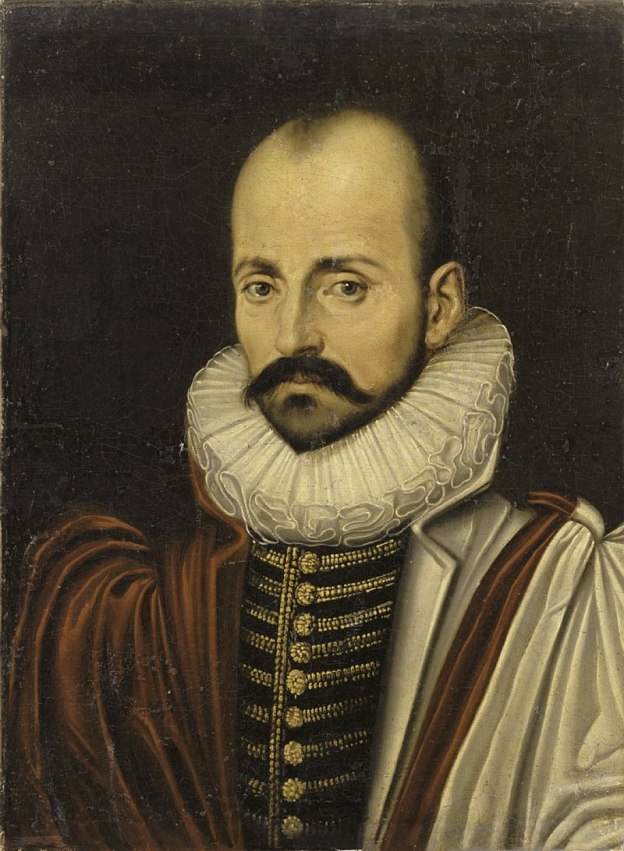
I’m currently reading Philippe Desan’s biography of Michel de Montaigne, the French philosopher and statesman and the father of the essay. Montaigne is an influence for me in how the Wednesday Blog has developed over the last four years that I’ve been writing this weekly. He is also one of the figures on the orbit of my dissertation, and one of the most important sources for critical analysis of the events which I describe in that doctoral work. Philippe Desan in turn is one of, if not the most prolific Montaigne scholar of our time. So, it’s been a delight to read his biography of this man who I’ve gotten to know however faintly through the frame of his Essays in my research.

Most of my work deals with his famous essay “On the Cannibals” found in Volume 1 of that three volume collection. “Des cannibales,” as it’s known in its original French, was published in the first collection of Montaigne’s essays in 1580, and it’s this collection with which I’ve been the most invested in my work. The cannibals of Montaigne’s focus speak to questions of humanity and human dignity which I pose in my dissertation, which is titled “Understanding the Sauvage in André Thevet’s Brazil: 1555-1590.” 

Yet it is in the third volume of Essays where Desan established a crucial connection between Montaigne the man and Montaigne the humanist of the late Renaissance preserved in the amber of his words. In the essay titled “On Vanity” Montaigne poses a fascinating self-reflection looking back at his life as he remembered it and who he was at the time he wrote that particular essay near the end of his days. Quoting here from Donald Frame’s 1965 translation, Montaigne wrote that in the years since he published his first edition of essays in 1580 “I have grown older by a long stretch of time; but certainly I have not grown an inch wiser.” Here whether out of humility or in refutation of Aristotle’s maxim that age and experience begats wisdom, Montaigne sees himself as the same light as before. Despite this, Montaigne continued to observe that “myself now and myself a while ago are indeed two; but when better, I simply cannot say.”[1] This struck me that the essayist could see such a simple yet profound difference between himself as he was when first he wrote and published his magnum opus and the man he later was publishing his third and final volume of essays nearly a decade later.

From my earliest days of extensive writing in my high school years I found myself looking ahead to a time late in my life when I would return to the places of my teenage youth and reflect on what once was and who I’d become. I suppose there’s some vanity of my own in having this profound sense of legacy even from what was then quite an early point in my life. Still, in recent weeks I’ve been reintroduced to younger versions of myself as my family carries out a Spring cleaning and we’ve found decades old boxes of photographs and postcards that I still remember taking and sending yet which haven’t seen the light of day since their capture. I was humbled and heartened to see in particular how loved was the boy I once was, and how inventive and imaginative he could be. Looking at these photos, especially from around my family’s great move from Chicago to Kansas City in 1999, I remember each and every one of them being taken. I remember the sights and sounds, the smells, the prairie winds and the things I was thinking in those first days of my life in Kansas City. These memories have always been there in my mind, yet the subsequent quarter-century has piled many more atop them so that they are now rendered foundations for the memories that comprise me today.

I suspect these days spent pouring over decades-old photos removed some sort of mental block I’d put up out of stress that’s kept my imagination in check in recent months. I longed to have the same expansive dreams and wandering thoughts that’ve populated so much of my consciousness, and now again I find it easy to tap into that deep reservoir which too is built into my memories yet also grows out from them into things which are wonderous and extend beyond the limits of reality toward the possible. Am I then wiser than I was when first I began writing essays in my adolescent and early teenage years? I’d like to think so, at least in some respects. I have a sense of calm today which was lacking in earlier years, and while the stresses of my life are great, as they are for all of us, I know how to accept them and tamper down some of their effects.

Yet in so many ways I do feel that I too am a different person from the kid who moved west all those years ago. Likewise, I see a clear distinction between the student starting high school in the years after the turn of the millennium and imagining his future in the last decades of this century. I’ve learned to live more in the moment in which I find myself, to influence that moment to fit what I aspire it to be. A complex turn of this answer is to consider all the potential lives I might have led, a thought experiment which I’ve considered developing into a short story with some sort of science fiction shenanigans. In one version of this, a broken-down elevator occurring simultaneously across parallel realities as a sort of mirror image resulted in contemporary alternative versions of myself ending up stuck in the same elevator all at once. I could see it either being a bit of a laugh-fest as one version of myself attempted to out-wit the others, or a simmering cauldron of irritation. 

What all this speaks to is the complexity of our personalities. We are all multifaceted with so many different competing thoughts and desires and inclinations and perceptions. I’ve thought more recently that perhaps my academic career would be further along if I limited myself to only focusing on my research, yet then again, I’ve always had multiple hats in the ring so why would I stop doing all these different things now? The Wednesday Blog for one remains a sort of release-valve for me to write about things which I’m curious about yet don’t directly relate to my research. I look to my colleagues, and I see people with similar interests and in some cases similar paths they’ve taken to get to where they are today. Several days ago, when I was dwelling in a particular bout of melancholy thinking about the long winter that has grayed the skies over my own doctoral candidacy when compared to my peers, I felt a sense of pride at noticing just how I’ve persisted in my efforts and my work in spite of all the challenges which the last six years have brought. Perhaps it is this combination of trial and hope which forms a person; it’s what formed me into the historian I am today.

When I started writing the Wednesday Blog in March 2021 I did so because I felt such a profound sense of nostalgic hope at one particular memory that surfaced after a sleepless night amid my comprehensive exam studying that I felt compelled to share it with the world. I know for a fact that I am a different person today than I was four years ago when I wrote that blog post about an Air France commercial I remembered seeing on ITV and Channel 4 five years before when I lived in London. The difference lies in the added layers of experience laid by all the trials which I’ve endured and the hopes which’ve kept me going. When I had such tremendous trouble unlocking my imagination and letting myself daydream in the latter months of 2024, I recognized that I am happier when I allow my mind to wander and craft stories that no one else will ever know. These are often stories of the future I hope I might live and the wonders I might come to know and explore. That imagination, that connection with my own consciousness, is the thread that runs all throughout my life and connects these different versions of myself that I’ve grown into and out of with the passing of time.

When Montaigne picked up a copy of the 1588 edition of his Essais, containing all three volumes of musings, he took a pen to it and steadily began correcting things he found beneath the standards he’d developed at that late moment in his life. I don’t often read my own writing after I’ve finished editing a document. I’ll occasionally return to an old blog post when I’m referencing it in a newer one, and even more occasionally if I’ve cited a source before in a previous paper, I’ll open that paper to aid me in citing the same source again in the research project of the moment. Yet, I rarely sit down just to read my own writing. The last time I did I ended up switching from a PDF file back to the Word document version so I could edit as I read. In fact, when I was moving into my apartment in Binghamton in August 2019, I found an essay I wrote in my sophomore year of high school when I was 15 years old. It was a near 20 page essay that attempted to summarize the history of religion in Britain and Ireland from the Stone Age to St. Patrick. Reading it then at the start of my doctorate and thinking about it as an essay that I might grade, I would’ve given it a low B- or maybe a C+.

I need to remember that my old writing fits into a particular time and place in my life and ought to remain in that setting for as long as I can muster the strength to not try to refine it further. These ages in my life mirror those in everyone else’s, and I hope that as I dream about the ages to come, I will be able to share them and live them to their fullest potential. Montaigne died in September 1592, almost 400 years before my own birth. At that point, he’d made his name in politics and in philosophy. The Wednesday Blog is essentially my collection of essays of varying length and quality. I hope that when I wander off in my own time that my life in all its ages will have been as fulfilled and prolific as the great essayist.


[1] Montaigne, Essais (EB) 3.9.433r, Frame, 736.


Dominion or Cultivation of Nature?

Dominion or Cultivation of Nature? Wednesday Blog by Seán Thomas Kane

This week, how our relationship with the natural world reflects on our relationships with each other.—Click here to support the Wednesday Blog: https://www.patreon.com/sthosdkanePhoto by Hariprasad Ashwene, 2024.


This week, how our relationship with the natural world reflects on our relationships with each other.


A line in the Book of Genesis that comes into play in my dissertation is in the very first chapter of that first book of the Bible in the first Creation story in which God made humanity “after our likeness” and gave us “dominion over the fish of the sea, the birds of the air, the tame animals, all the wild animals, and all the creatures that crawl on the earth.” In the context of my research this divine proclamation of human dominion over the rest of Nature in Verse 26 was used to justify the conquest and colonization of the Americas by Europeans beginning in the last decade of the fifteenth century. Here these newcomers from across the sea found worlds that to them seemed less touched by human hands. Brazil in particular stood out for André Thevet, the man at the heart of my dissertation, because its great forests seemed unaltered by its human inhabitants. The Tupinambá had in fact been living and using the great Atlantic Forest for generations, yet to Thevet coming from a France covered by cities, towns, villages, and a countryside that’d been farmed and ploughed for thousands of years he beheld something that to him seemed primeval in this world on the far side of the Atlantic.

I grew up hearing the adage that before settlement of the Midwestern states in the Early Republic and Antebellum decades that a squirrel could travel from the Atlantic coast to the Mississippi River leaping from tree to tree without ever setting foot on the ground, and that these great forests were ancient and unspoiled by human hands. I now know that while there once were great forests in the old Northwest Territory, the Great Lakes states where I was born, those forests seemed far deeper and darker to the European explorers and colonists of the 17th and 18th centuries because the diseases which their predecessors introduced on North America’s coasts in the 16th century. Those pandemics killed vast potions of this continent’s indigenous populations such that by the Revolution the old indigenous forestry efforts of controlled burns were fewer and farther between.

I was born in the western suburbs of Chicago, a city which is famous for its engineering triumphs that shaped the natural world on which it was built. Chicago stands on the borderland between the Eastern Woodlands and the Prairies. Generations of engineers and innovators created an environment suitable for the building of one of the greatest metropolises in all of human history. I remember as a child listening with a sense of awe and pride to my Dad’s retelling of the story of how engineers reversed the flow of the Chicago River at the turn of the last century to keep Lake Michigan, the city’s drinking water source, clean from all the pollution in the river. The western suburbs where I grew up were largely built as bedroom communities for downtown commuters. Our home was 26 miles west of the Loop, which in a preindustrial context would’ve take a pedestrian nearly 9 hours to travel. Wheaton, my hometown, became accessible from the city thanks to the railroad, in this case the Union Pacific which as of time of writing continues to operate trains for Metra through Wheaton’s two commuter stations into the Ogilvie Transportation Center, or Northwestern Station as I knew it. On the Metra you can today get from Wheaton to the Loop in 45 to 50 minutes, making it a viable commute for many. This sprawl is possible because of industry and the ways in which we’ve grown in our civilization with this mentality that we have dominion over nature and ought to use it and change it to our needs.

An even more radical transformation of nature can be found in my adopted home city of Kansas City, a metropolis of 2.2 million built around the confluence of the Kansas and Missouri Rivers about 400 miles southwest of Chicago as the crow flies. The land here is a mix of old glacial hills and prairie, yet unlike in Chicago where the city and suburbs were built from the old forests which survive as preserves in various pockets, in this drier region trees normally only grow in those few places where rivers, creeks, and streams flow. Kansas City is on the easternmost edge of the arid western half of North America, and so this region’s original state could not support the same kind of verdant canopy nor the large population which it does today. Brookside is a beautiful place; I love my neighborhood in particular for all the old trees which line our streets. The oldest of those trees were planted by developers working for J.C. Nichols between 1906 and 1950 when he built the Country Club District, of which Brookside is one part. The Kansas City Public Library’s history collections contain photographs of my neighborhood when it was just being built in the 1920s and while I recognize the contours of the hills, I find the lack of tree canopy to be somewhat alien to my recollection.

In developing neighborhoods like Brookside, our ancestors sought to create lived realities which fit what they knew in the Northeast, where too as William Cronon so expertly wrote in Changes in the Land, the landscape there was transformed by the first generations of colonists to resemble something of England, the Netherlands, and France depending on whether the colonists were in New England, the Hudson Valley, or along the St. Lawrence River. I find something reassuring and communal in seeing similar neighborhoods to my own in cities across this continent, from Atlantic to Pacific; this tells me that there are others whose lives might be something like mine, and that I’m not as alone as I often feel. It’s the same reason in fact why I like watching Jeopardy! or the national evening news broadcasts, because I know millions of others are also watching these programs, and maybe even a few people I know & love are among them.

What I hope I’m getting at here is a sense that I have that we’ve built up our world and transformed the nature of the worlds ours replaced in order to better fit some sense of normalcy which has been brought further and further toward the fringe of our world from some idealized source. I for one am drawn to the sense that this source is English, owing to the prevalence of English names in so many of these neighborhoods whether drawn in the Midwestern case from New England, the Mid-Atlantic states, or the Old South, or in each of those cases from England itself. Yet with that embrace of a nostalgia for an idyll that may never have fully existed, of the idealized American town whose cultural roots fall in the idealized English market town, do we also carry on the sense of ownership over nature? This dominion after all caused English forests to be so depleted in the early modern period that wood began to be imported from New England and Canada for the building of ships for commerce and war alike.

I’ve grown used to expecting a less than favorable reception from other people. I’m ready to flinch and to put up my defenses whenever necessary. I suppose this is a learned hesitation; I’ve met a lot of people throughout the years who were interested in me only for their own benefit. Recently I loaned out a pen to a friend and immediately reawakened a 20 year old memory of doing the same thing in middle school only for the classmate to declare that pen was theirs now and not mine, leaving me to write the rest of the day with an old stubby pencil that was barely longer than my thumb and forefinger are wide. Last week, I wrote about how traffic even in Kansas City seems to have gotten worse, and the behavior of drivers across the board more aggressive since the recent pandemic. Unlike my Dad who learned to drive in Chicago, I never use my car’s horn out of a general knowledge that in this country other drivers are likely to have guns, and I’d rather my frustration at their conduct remain unannounced to them in the name of self-preservation.

The great trial of the present moment seems to me to be one of ordinary people like you or me just trying to survive amid a deluge of unnecessary troubles brought on by the greed of a few. I believe that before profits or efficiency that empathy must always come first in all our deliberations. I hope for the best intentions in all people whom I meet, and in many cases I see the good in their eyes and posture and in the way they interact with our world. Do we allow for the flood to persist because we are so jaded to the naïve hope that love could actually be the most powerful emotion? I know that love is more potent than greed, and that in the end it’s flame will always burn brighter than one fueled by fear. Yet love requires patience, as St. Paul wrote, and patience is not something which industry can well afford to have.Should we then look for other ways of living? If we are to begin anywhere, it’s to remember that we are natural beings ourselves, yes made in God’s image, yet evolved out of the same natural materials that begat all other life on Earth. I don’t know where the Divine comes into play in any of this, you can read my recent blog post on that topic for more. In fact, I see myself as much a hopeful skeptic as a believer. What I do know is what I’ve experienced, and that is that there is no more powerful emotion than love which burns so bright as to blind the mind and senses to any other voice. I for one love the aspiration and mission of studying how the innate and fundamental in nature was understood in our historic past, and I hope to continue learning more about this. Yet I feel the weight of our world on my shoulders, and like many others who feel isolated from the higher pursuit of wisdom in all its philosophical pulcherity, today I’m just trying to keep that love which I feel burning bright while I also do what I can to survive in this world we’ve built. It is our dominion, which is a triumph to our humanity, yet its roots are still in nature and nature will outlive anything we build.


Tóg go bog é | Take it easy

Tóg go bog é | Take it easy Wednesday Blog by Seán Thomas Kane

This week, a few words on taking life slower.—Click here to support the Wednesday Blog: https://www.patreon.com/sthosdkane


This week, a few words on taking life slower.


Where I grew up first in the Chicago suburbs and later on the western edge of Kansas City, Kansas the average speed limits were around 35 mph (56 km/h). I think there’s something to be said about a life that’s taken at those sorts of speeds, that the speed we drive from place to place reflects in how we approach other aspects of our lives all the same. By comparison, in the year that I lived in London I fell out of practice with my driving, instead I knew how to navigate by walking speed, closer to 3 mph (5 km/h). Perhaps this is one of the reasons that I found Binghamton to be such an incongruent place to live because the average speed limit is 30 mph on the local streets and roads in that valley.

When I learned to drive then, the average speed that I found myself at hovered around 35 mph. Furthermore, I learned to drive on the highways before I learned city driving, as most of my early daily drives were on the highway K-7 between our home in Piper and my high school in western Lenexa, Kansas. It was a 30 minute commute each way to school every day, and one that I don’t remember getting that old too fast. In more recent memory, I found that driving a good 20-25 minutes every day down to the school I taught at in Leawood, Kansas did grow taxing to the point that now I’m less willing to drive quite as far in town as I did even a few short years ago.

I’ve noticed several types of driving and several variations on speed that my car will embody depending on how I’m feeling on a given day. There are times when I am so attuned to my surroundings and to my car, which I lovingly named the Mazda Rua 6 years ago, that it will feel as though we are one in the same, that my car will adjust its direction and speed with the slightest turn of my hands, or the flick of my eyes from one direction to another. This feeling was especially pronounced on my 14 long drives between Kansas City and Binghamton that I undertook between August 2019 and December 2022. On those drives, I would usually keep a steady pace of around 75-80 mph (120-129 km/h) on the Interstates between the Catskills on the eastern edge of my route and the Great Plains to the west. When I’m out on the open road I’ll still sometimes set my car into cruise control at this sort of speed, which tends to be the pace of highway traffic anyway and let the day’s drive go by.

Yet I’ve noticed more and more in my drives around town, I’m not going quite as fast as I used to. I tend to drive a few times per week between my home in Brookside and my place of work in the Crossroads, always on the city streets and always in a decent amount of traffic for Kansas City. Yet the pace of traffic has slowed somewhat; where before I’d keep to that 35 mph threshold, now I’m fine if I’m hovering between 30 and 35 mph (48 and 56 km/h). Just before writing this, I drove home from a haircut with my cousin Richard Morrissey at his salon in Mission, Kansas and I found that I didn’t particularly care that the traffic was going 30 mph, especially when I crossed the border and merged onto the northern reaches of Ward Parkway. Nor did I mind the slower speeds when I decided to turn off that major boulevard and onto a side street that goes up Sunset Hill toward Loose Park where traffic really ought to be moving no faster than 15 mph (24 km/h). I didn’t mind the slower pace because I didn’t feel the need for speed.

My generation grew up with the role models of our parents and grandparents whose generations worked day in and day out for decades and who built our sprawling metropolises in which we need cars to get around. I’ve accepted this world that I was born into and its hurried tempo and made myself far busier than I probably need to be. On a recent day when I had 3 meetings in a row in the span of 3 hours I was struck by the fact that when I was still in Binghamton I was busy but not this busy; that the reason why I’ve not been keeping up with podcasts or TV shows the way I used to is because I simply don’t have as much time in the day for them.

The key here is a learned moderation which goes a long way to what I find is a happier life. There are things which I hope for and want with an eagerness that inspires me to plow on forward yet I’ve learned that the best things I can hope for are those which occur in the quiet moments of calm between those rushing evocations of the modern life. I for one would much prefer to just be an academic spending my days reading and writing about historical zoology and having deep and enriching discussions with friends and colleagues. I would much rather listen to my colleagues about what they’re researching, and about the things they’re learning in their own particular topics. And yet, when I was with my colleagues at the Renaissance Society of America’s conference the week before last in Boston, I felt that I stood out in some ways from them by all the different fires I have going at once. I’ve always been one with many different projects in the works. Even now, alongside this weekly blog and my dissertation I have two articles in the review and editing stage, a third that I’m hoping to submit to a journal soon, two books on the way that I will be reviewing, and a short story I’m plodding through writing. 

On top of this I hold several different committee assignments in the Fr. Bernard Donnelly AOH alongside my primary recording secretary duties. I also work part-time as an usher team captain for the Kauffman Center for the Performing Arts and now have somewhat of a hands off approach to my Mom’s efforts in leading and organizing a local progressive protest organization called Blue Brookside. Simply put, I have to persist at this higher speed to keep track of everything.

One of the first phrases I learned when I started studying Irish in 2007 was one which I initially misheard: Tóg go bog é, which translates as “Take it easy!” This is a nice sentiment, and one which I’m trying to live, to be less worried, to inflict less stress upon myself. Perhaps even though I didn’t identify it as such this may well be what I’m trying to give up for Lent this year. You might say it’s working in some stripes yet not in others. What remains is a key question about how I can grow from finding this balance between busyness and nonchalance? Maybe this is something we all need, time away from the constant stream of information and news and worry. I’ve recently begun responding when people talk about social media that I admire those who’ve dropped away from it; were it not such a good way of staying in touch with friends and family near and far I probably would do that too.Let this be a motto for us to aspire to: tóg go bog é, take it easy.