Author Archives: seanthomaskane

Unknown's avatar

About seanthomaskane

I am a PhD student studying the history of Renaissance natural history focusing on French accounts of Brazil. Chicago born, longtime KC resident, SUNY Binghamton grad student.

September – Thank God it’s over

Kansas City – After all the fun and adventure of this past summer, you’d think I’d take this semester a bit slower, a bit quieter, to recuperate and ready myself for the coming year. But then again, I’m not that sort of person. I started the semester with a bit of a bang – one month with event after event.

First there was Irish Fest on Labour Day weekend. Then there was a day of volunteering at the Irish Centre (Cúltúrlann Éireannach). This was followed by a 60+ hour week of academics, work, business, and other fun events. Then there was the wedding of two good friends in Lenoir, North Carolina. I returned to Rockhurst from the wedding exhausted, and ready for the quiet weekend to come. That came after another 60+ hour week, and at first it looked promising. But then something rather unfortunate happened. Saturday 21 September 2013 will always be one of those days that just didn’t have to happen – and yet in a big way it did. I woke that morning to an early alarm as I was going to be filming the Classroom scene for my film Sisyphus that day. However, none of the extras showed up to film – so I ended up having to postpone the shoot until this past Sunday 6 October. I left Rockhurst for my parents’ house, where my Mom was home alone getting ready for the Lyric Opera of Kansas City’s opening night premiere of Bellini’s I Capuleti e i Montecchi. The day before I drove my Dad up to the airport to fly to Chicago to see my Granddad, with plans of sorting out the plans to move him into hospice care by Sunday.

That, unfortunately didn’t happen. I was at 59th and Rockhill, heading back to my parents’ house after getting a shirt for the opera when my phone rang. My Dad was on the other end, at my Uncle Bill’s house in Suburban Chicagoland – my Granddad had died at about 16.30 CDT. From then on out, the entire world seemed to flip on its head. My Mom and I did go the opera that night, but the next morning I found myself driving her up to the Airport so she could fly up to Chicago to meet my Dad and work with the rest of their generation in the Kane family on the funeral arrangements. I stayed behind in Kansas City for a while longer, so that I wouldn’t miss too much class. That, as it turned out, didn’t really work so well. I missed my first class on Monday morning, Western Civilisation II, because I was taking the dogs to the vet for boarding for the time that I’d also be in Chicago. Then I skipped out on my Modern Political Philosophy class because I just didn’t feel like I could take it just then. Finally, I threw in the towel on school for the week when the power of what had happened to my family hit me like a bag of rocks in choir, when we were rehearsing the Jesuit hymn These Alone are Enough for the Family Weekend Mass.

I flew up to Chicago on the evening of the 23rd – weary, and ready to be with my parents, aunt, uncle, and cousins. It was a short flight, and considering that I had no bags to bring with, as my Mom had already packed everything I’d need – I flew up in the first row on Southwest! The time in Chicagoland was very emotional for me. Between facing the fact that now both of my Kane grandparents are dead, and experiencing all of these places again that I remembered from my early childhood, a time which I cherish quite dearly, I found it hard sometimes to face the facts. Thus, when we were driving from place to place, especially in the traffic on the Tristate Tollway and with that awful construction traffic on Dempster at the Tollway, I slept. The wake and funeral were nice. It was especially great to get to see all of the more distant cousins on my Dad’s side, many of my grandparents’ friends, and some college friends of my parents (including my Godparents). But in the end, I was just ready to go back to Kansas City and sleep for a long time.

After that second exhausting trip, I was in no mood for work. I ended up being a fair bit behind in my work, especially when it came to French. I’ve only just caught up. My classes on Thursday and Friday were a blur, and to be honest I probably wouldn’t have even had any will to go to them if it weren’t for the fact that I had nothing else to do at that point. By Friday 27 September, I had gone for at least 20 days with sleep worth only about 15 normal nights, and was in no mood for any more misadventures.

Thankfully, that weekend was anything but a misadventure. My cousin Ashley, who I’ve known for my entire life, got married! It was a very nice wedding, and a fantastic reception. That wedding was a good way to balance out the stress and grief of the month in which it occurred, as it showed me that even though all sorts of dour things happen in our lives, there’s still room for happiness and jolliness. Which on that note: Middlesex County Cricket finished 3rd in the County Championship! O, and the USA Men’s Team (the Waldoes as I call them) qualified for the ’14 World Cup in Brazil!

So, as I write this, safe and sound, now 7 days removed from that dreadful month, I have to say “Buíchos le Dia!” that it’s over. Less than 24 hours ago, I was able to shoot that scene that originally was intended to be shot on the 21st – and this time no one that I know died on the same day! September was about as poor at its’ game as Chivas USA is at soccer, which is saying something really sad about that month. But, on the plus side – I got paid at the end of it all, thanks to that week and a half of French tutoring that I did in August!

Hopefully I’ll be able to update a bit more in the future, as things may be settling down. We’ll have to see.

American Classical Music

Image

Courtesy of WGBY television.

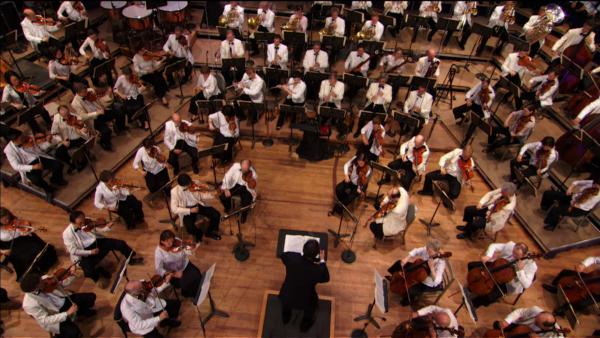
Kansas City – I can’t think of a better way of spending my last night at my parents’ house before returning to my townhouse tomorrow at Rockhurst than watching the Boston Pops’ 75th Anniversary concert at Tanglewood on PBS. So far, they’ve played Copland and Bernstein, two of this country’s greatest composers. Right now, they’re playing a suite from Bernstein’s On the Town.

George Gershwin, my favourite American composer.The odd thing is that when it comes to American classical music, I tend to think more of the various orchestras about the country, the New York Philharmonic, Chicago Symphony Orchestra, San Francisco Symphony, Boston Pops, and of course our fantastic Kansas City Symphony, just to name a few, than the composers who called this country home, or at least their birthplace. Quite honestly, there isn’t a single American composer in my top five list. That elite group consists of an Austrian, a few Frenchmen, and an Italian: Gustav Mahler (Austria), Giuseppe Verdi (Italy), Gabriel Fauré, Jean-Baptiste Lully, and Claude Deubssy (France). Even in the top ten, the Americans probably would only come in the bottom of those: W. A. Mozart (Austria), Ludwig van Beethoven, Richard Wagner (Germany), Sergei Rachmanioff (Russia), and George Gershwin (USA). Below Gershwin however do come a number of American composers; numbers 11-13 being Leonard Bernstein, John Williams, and Philip Glass.

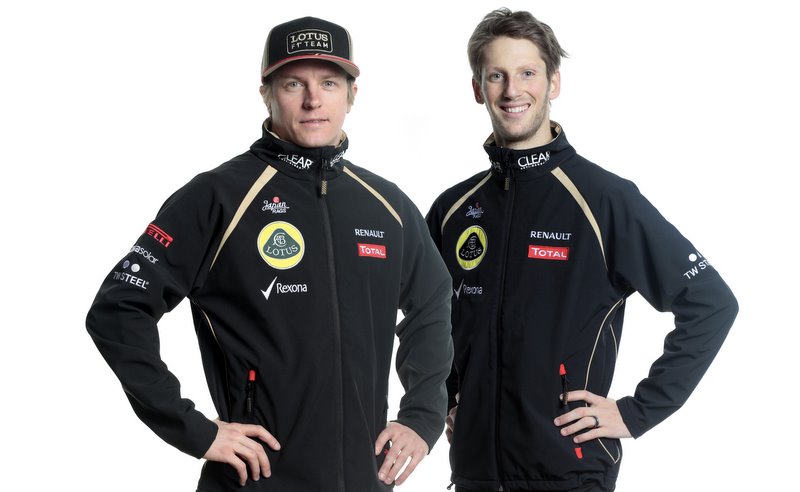
So, why exactly then, being a classical music lover who has lived the majority of my nearly 21 years in the States, do I, along with many others, tend to prefer European composers over our home-grown cast of colourful characters? I think it could very well go back to the fact that this country, along with the rest of the Americas, were once colonies of Europe, and therefore surely not on par with Europe’s high culture! Also, the American Revolution certainly didn’t help win the hearts of my fellow monarchist music lovers back in Europe. There is a general disdain for all things American in regards to high culture. Just look at the luxury status of a Mercedes or my favourite, a Jaguar, compared to their price tag equals from Cadillac, Chrysler, and Lincoln among others. Another area that this can be seen is in Formula One, my favourite of all motor sports, which features a largely European cast of drivers (go Lotus!)

Kimi Räiikkönen and Romain Grosjean, the 2013 Lotus F1 drivers

Kimi Räiikkönen and Romain Grosjean, the 2013 Lotus F1 drivers. Courtesy of grandprix247.com

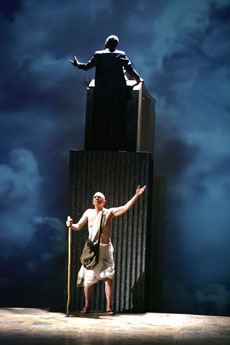
"Satyagraha", my favourite Philip Glass opera

“Satyagraha”, my favourite Philip Glass opera. Courtesy of the Metropolitan Opera, New York.

In this country we truly do have a great classical music tradition, with its own uniquely American flavour. I’d argue Broadway holds a similar place in American classical music that Gilbert and Sullivan holds in Britain. We don’t necessarily need to have grand operas of the same flavour as those that came out of Italy, France, Germany, Austria, and Russia. Our opera has a different flavour, a more, at least presently, popular flavour. Our opera buffa could be said to be Broadway, whilst our opera seria could be said to be works like those of John Adams, Philip Glass, and of course Gershwin’s Porgy and Bess and Bernstein’s West Side Story. Just like how in many a Verdi opera you can hear an all-too Italian flavour, for example the brass scales during the “Gran nuova! Gran nuova!” chorus in Rigoletto have always sounded quite Italian to my ears, so too West Side Story and most, if not all, of Gershwin’s major work has a distinctly American tone and texture to it. At the same time, because we are a nation of exiles, refugees, and immigrants, our composers have the flair and ability to write in the styles of many far distant lands, like Philip Glass in his Gandhi opera Satyagraha.

Tonight on PBS’ Great Performances, this testament to the power and uniqueness of American classical music stands firm, as both high art and popular art pieces are being performed side by side. When I started writing this entry, music that premiered on Broadway filled my parents’ living room, now it has been succeeded by the quietude of a Haydn Piano Concerto.

Until next time, tá!

Odysseus in Ithaca

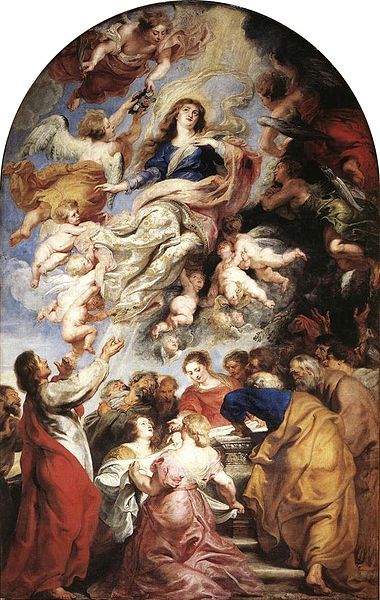
Kansas City – Let me begin with a brief confession: today was the first time I had gone to Mass since my first Sunday in London exactly 2 months ago! What’s even worse about it is that I’m writing this in my blog even before heading to the confessional to admit my failure at keeping the Sabbath to my parish priest. So, today seemed like a good day to break the drought. Happy Assumption Day!

Assumption of Mary - Reubens.

Happy Assumption Day!

Assumption Day is one of those odd holy days of obligation that usually doesn’t fall on a Sunday. For my non-Catholic readership, a holy day of obligation is a day when all Catholics are required to attend Mass. The big ones are Christmas, Easter, the Triduum (Holy Thursday, Good Friday, Easter Vigil/Sunday), Pentecost Sunday, Corpus Christi, Palm Sunday, Ash Wednesday, and Annunciation Sunday. Then there are the Marian feasts. Assumption Day (15 August) is the feast which marks the event when the Blessed Virgin Mary was assumed, that is carried up into Heaven following the Ascension of Christ. The other big Marian feast is Immaculate Conception Day, which marks Mary’s being immaculately conceived (that is conceived without sin), which falls in early December.

The reason why Assumption Day is so memorable for me is that it also falls in the middle of a sort of temporal anomaly, not in the Doctor Who or even in the physical sense, but rather in the sense of timekeeping. See, I don’t follow the seasons as they are set down based upon the Equinoxes and Solstices. Rather, I use the older Gaelic calendar, which has the aforementioned solar events placed as the middle of the seasons. So, Winter begins on All Saint’s Day (1 November), Spring on St Bridgid’s Day (1 February), Summer on Bealtaine, May Day, (1 May). However, Autumn is the problem maker. The problem arises when one looks at the traditional Gaelic start of Autumn: Lúnasa (1 August). However, this doesn’t work very well with the social calendar, which in the Anglosphere usually has Autumn beginning with the start of the academic year, which falls usually around the start of September, Labour Day Weekend here in the States. So, to mend this problem in my calendar-keeping, I decided instead of observing the start of Autumn quite early on Lúnasa, or rather late on Labour Day, I’d observe it in the middle: Assumption Day (15 August.) So, Happy Autumn!

All this being said, the coming of Autumn means the coming of another academic year. This, for me, 18th annual instalment of the start of a new school year, comes at quite an interesting time in my life. I’ve had some troubles adjusting to living here in the States again after spending those three weeks living in London. I found it hard to get the will power to leave the house on Sunday mornings and drive the short way up to my parish church for Mass. On top of that, I also find myself quite irked by the politics of this country, and of the Church in this country, after experiencing the British political system firsthand. Let’s face it, I don’t get the reasoning behind all these people screaming and shouting about how they don’t want affordable health care, as our good President has enacted, or how they’re wanting to shut down the government by blocking every possible legislative measure that is proposed by the White House or the Democrats. I mean, seriously people, grow up! It reminds me of a pair of little kids playing in a sandbox, one of the two refusing to give the other the pail and shovel with which to build a sandcastle. It’s bloody infantile!

So, when Assumption Day came around, I found myself resolved to get out of the house and go back to Rockhurst to attend the Noon Mass, as a way to end the streak of skipping, and to give myself a fresh start with the new season. In a way, it was like Odysseus returning to Ithaca. I was leaving all the suitors, all of the emotions, that had kept me away for two months behind, and faced my community once again. True, it was an odd thing seeing these people after having travelled halfway around the world, but there I was.

However, I returned with more experience, more maturity. On the 14th, I had an interview on Skype with one of the Global Ambassador coordinators at ISA, the company who I went over to England with. By the end of that 20 minute conversation, I was one of those very Global Ambassadors working as an intern for ISA! This is a job that I am looking forward to, and one which I know I will love doing.

So then, the proper return to Ithaca will take place on Saturday. To all of my Rockhurst readership, I look forward to seeing you guys soon! The packing has begun, and the great migration up Rockhill Road shall soon commence!

Journeying into my past

Kansas City – This past weekend I made the 600 mile (9 hour) drive with three friends, 

Image

Jacob, Mitch, and Mikey, to Denver. Our mad scheme was to go up to a cave in Pike National Forest and shoot a live action film version of Plato’s Allegory of the Cave. I say mad because the more I thought about it, the more I realised just how bonkers it all was. I mean, we’re four young adults, aged 22 to 19, with little income, travelling over 1200 miles in a period of about 60 hours, just to shoot about 10 minutes of film for a picture that probably won’t make much money.
Image

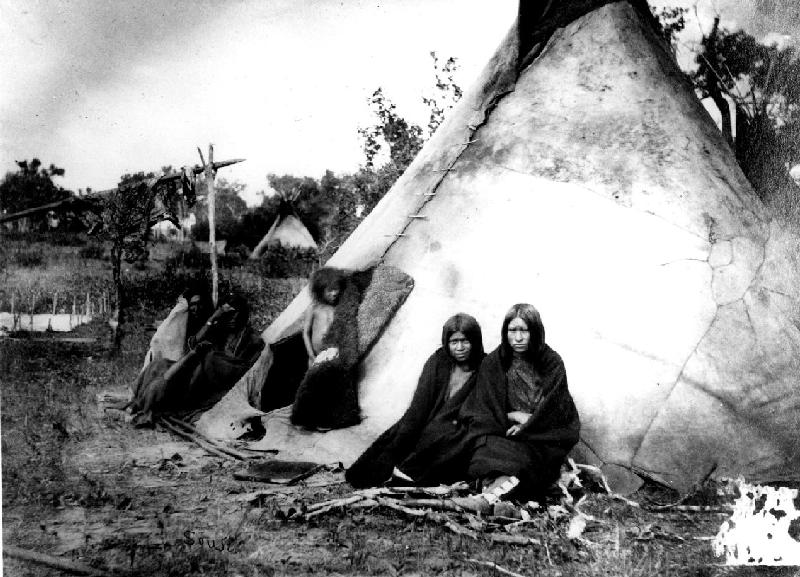
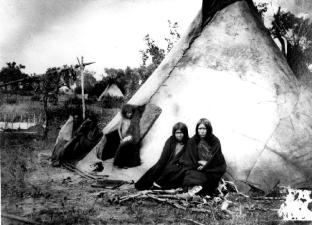
Arapaho camp, c. 1870. Courtesy of the National Archives.

And yet, we did just that. We left my parents’ house in Kansas City bright and early at 6.45 on the morning of 26 July, heading west on I70 across the breadth of the Great Plains to our lodging for the weekend, a friend’s house in the south suburbs of Denver. This region of the United States truly is still a frontier of sorts. Colorado and the Rocky Mountain West were only settled by Euro-Americans a little over 150 years ago, so in a sense the region’s society, culture, and even dialect, is much where we could see some of the ancient city states of Eurasia standing a good 5,000 years ago. As someone whose passion not only lies with history, film, and music, but also in linguistics, I find it quite interesting to look into the dialects of Western American English, and see how they stand compared to the diversity of dialect and accent found back East. 

However young American society is in Colorado, the native cultures and peoples of the region certainly have been there much longer. It saddens me to think that in the many trips I’ve taken out into the Rockies of Central Colorado, I don’t think I’ve even once seen any references to the native peoples of that region, such as the Arapaho, at all beyond toponymy. It is interesting to me how ignorant we can be about our predecessors, the ones whose homes and lives we, the Americans, stole with our expansion and colonisation of this continent. And yet, if we had listened and paid more heed, like the earliest settlers at Plymouth, we might have learnt something about the land, how to grow on it, how to survive in the sometimes brutal climates of the Plains and Mountains, and most importantly, how to keep the land from eroding away.

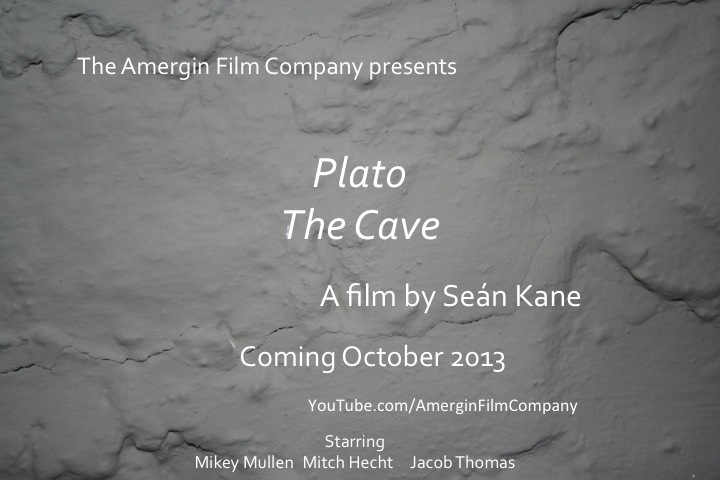
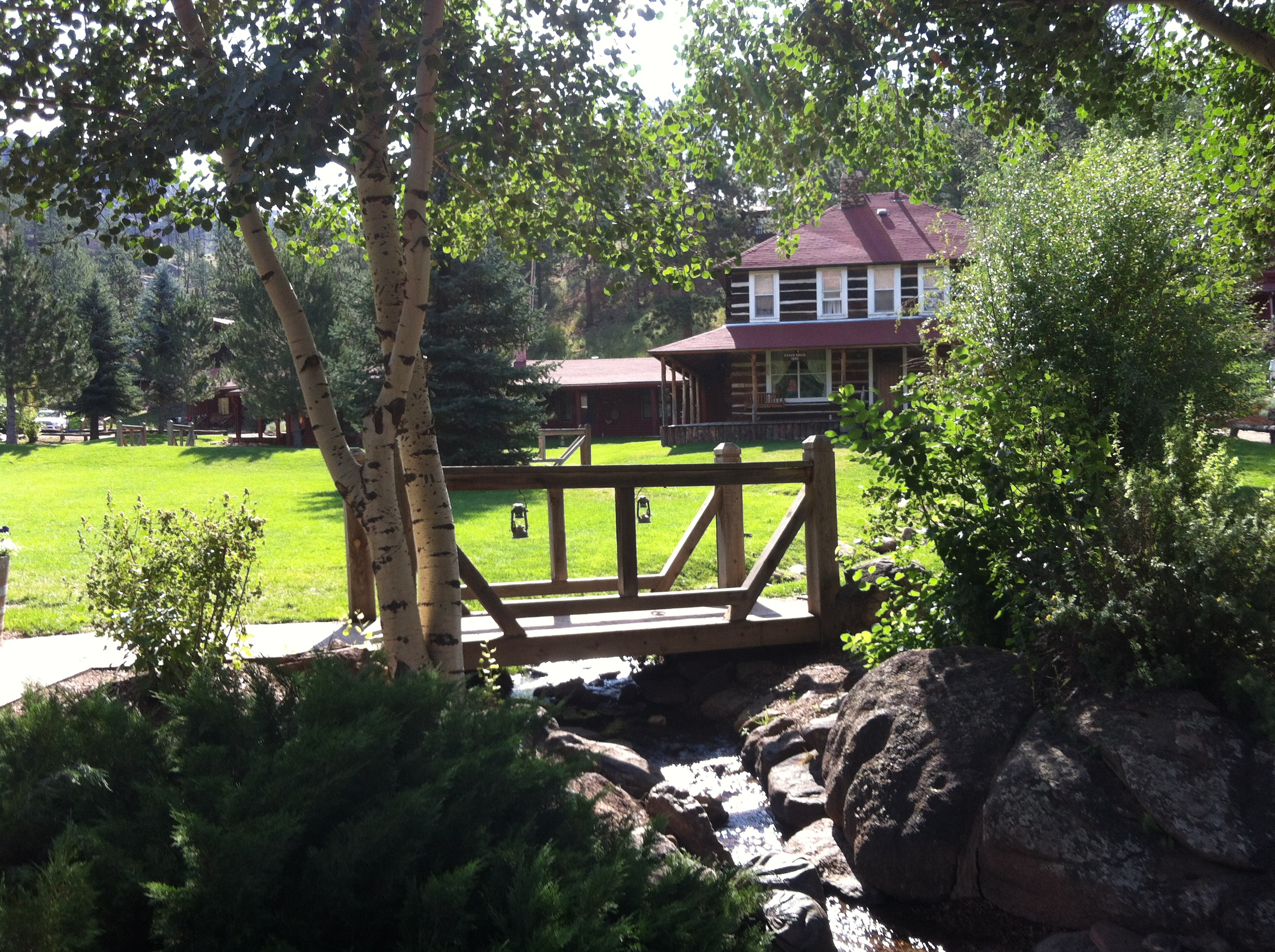
Anyhow, we went out to Colorado to shoot a major scene for the film Plato: The Cave. Our filming destination was one of my favourite places on Earth as a child, Lost Valley Ranch. My parents and I first went there for Thanksgiving of 1997, when my former babysitter had moved out there after finishing her degree at Wheaton College in my hometown of Wheaton, Illinois. We loved our time at Lost Valley, and decided to come back the following summer of 1998 for a week at the end of July and beginning of August, a tradition that we continued until Summer 2005.

Not only did my time as a child at Lost Valley impact my life through many blissful memories of going out and getting to experience life in the mountains on a working cattle ranch, but it also forged my love for horses and riding, which ultimately led to my family’s move in June of 1999 from our small suburban Chicagoland house to a 34 acre farm in western Kansas City, Kansas, where we not only lived for 13 years, but owned 4 horses of our own, plus a few goats and ponies at one point, along with dogs and cats. If it hadn’t been for Lost Valley, I doubt I would have ended up growing up out on that farm, or gone to the high school I went to, or met the friends at that high school who got me into filmmaking.
ImageAt my high school, St James Academy, I made many good friends, among whom was a guy named Alex Brisson, who like me, had an interest in making films. We began working together in October 2008, along with another friend named Stephen Smeltzer, on a comedy series called The Awesome Alliance, which we posted onto Brisson’s original YouTube channel AlbinoPlatypus913. After about a year of doing just The Awesome Alliance, I decided to start making short films of my own. My first channel Telefís Cluain Shaorise, was an attempt at modelling my work after one of my all time favourite media outlets, the BBC. However, as time went on, and Brisson & I both graduated from St James in 2011, we went our separate ways, he to KU (the University of Kansas) to study film, and I to Rockhurst to study History. Albino Platypus gave way to his current channel Zombie Sandwich Productions, and I stopped Imageusing the TCS channel, starting a new one from scratch that lacked the copyright violations that were common in my high school work. This new studio, the one under which name I’m currently working, the Amergin Film Company has been much more mature and well organised than its predecessor.

Since Brisson transferred out to the Colorado Film School in Denver, we haven’t had nearly as many opportunities to work together, but every chance we had, whether it be a new episode of the now concluding Awesome Alliance, or my first AFC film The Artist’s Vision, we took that opportunity. So, when I began planning out Sisyphus, the larger film which Plato: The Cave is a part of, I knew that I wanted to go out to Colorado to shoot it, as firstly it meant I could work again with Brisson, and get to utilise the equipment he had access to, and that I might be able to get back up into the beautiful scenery of the Rocky Mountains.
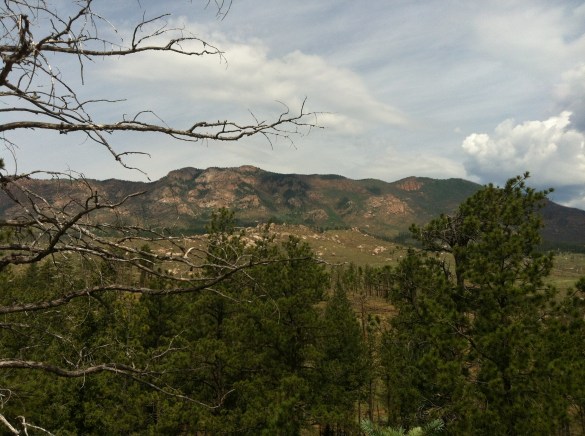
Image

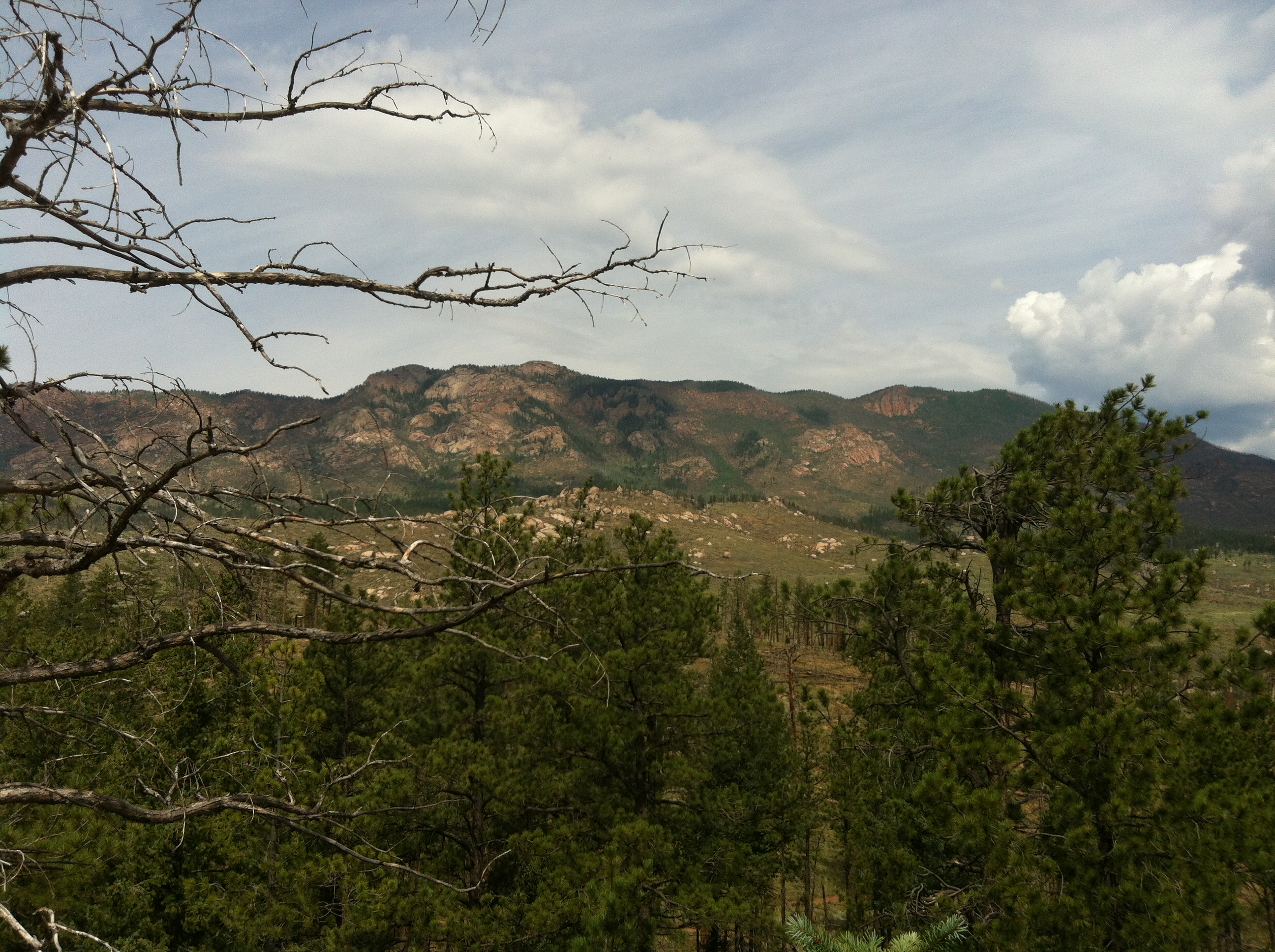
The view from the cave.

Then it was just a matter of finding the right cave to shoot the scene in. I remembered a really neat cave, or rather a covering caused by number of large volcanic rocks being thrown atop each other millions of years ago, that would fit the bill. In May I received permission from Lost Valley Ranch to shoot the scene on their property, and then it was just a matter of waiting a few months, a good deal of which was spent in London, for the last weekend in July when we’d head west back to the Ranch.

The morning of 27 July came quite early, 5.15 MDT in fact, as we were scheduled to leave for the rendez-vous point with Brisson and his friend Jenna, who would be operating the camera, a McDonald’s just off of CO-470. I briefed the group on what we’d be doing, and how to get to the Ranch, before setting off towards the US-285 pass into the mountains southwest of Denver.

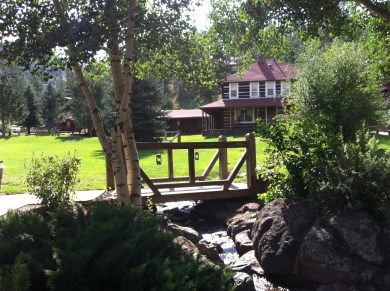
We stopped off once on the way to the Ranch, at Pine Junction, as Jacob, who’s family owned the car we took, was too tired to drive. I took on the last 20 miles along Jefferson County Road 126, going a bit too far and passing the entrance to the shelf road that led to the Ranch. As a result, I had to make a 5 point turn on the edge of a rather high cliff, but all went well otherwise on the way down. The last 9 miles of the road are not paved, and are in much the same condition as they had been a century ago, just 50 years after the valleys around what is now the Cheeseman Reservoir had been settled by the Americans. The first two or three miles are a shelf road, that isn’t much wider than a lane and a half, thus making it quite fun to drive down when there’s traffic coming the Imageother way. Luckily for me, we met no other people for that portion of the road, and it was only once we were crossing the less perilous parts of the road that we did pass the three cars, a cow, and its calf, that made up traffic that morning. At long last after about 30 minutes we passed over the cattle guard and went down the last hill into Lost Valley.

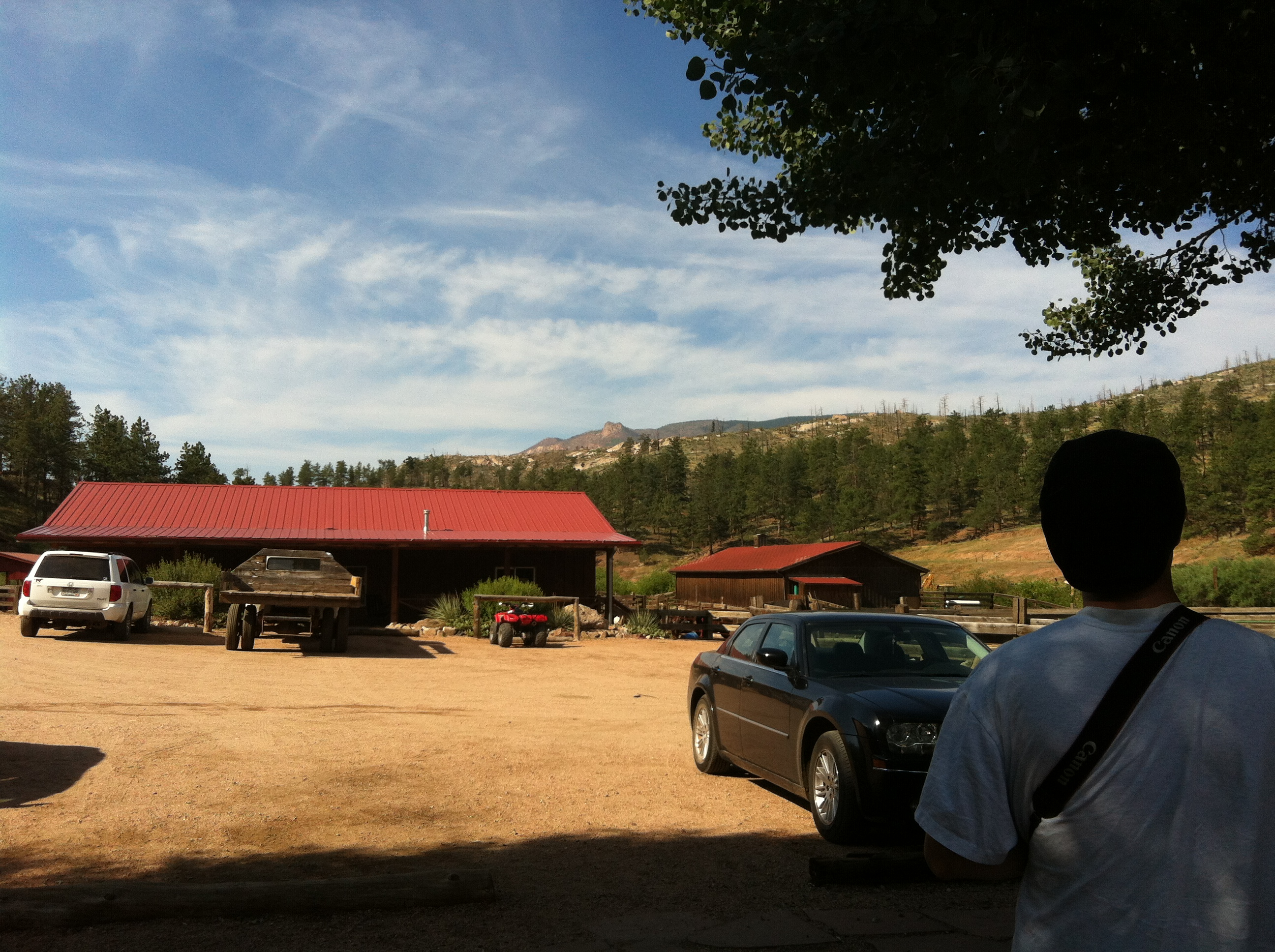
The place hadn’t changed all that much since I was last there at Halloween 2006. Even the damage to the forest from the Hayman Fire of 2002 was still quite visible, and sadly will be for many years to come. We were greeted by Caroline Guth, an employee of Lost Valley Ranch, and our contact with the Ranch staff. She and one of the maintenance Imageguys, Jeff by name, led us up to the two caves on the northern end of their property. The first one, which was much harder to get to, wasn’t the one that I remembered. We crossed another couple slopes, the two Ranch workers far in the lead, Jacob, Mikey, and Mitch close behind, and I far behind due to exhaustion from the sudden climb in altitude (we walked up a good 1000 feet in 10 minutes). After a bit, we made it to the second cave, which was the one I remembered, and which we used. Mikey, Mitch, and I waited at the cave, whilst Jacob, Jeff, and Caroline went back down to the Ranch to collect the gear and wait for Brisson and Jenna to arrive. It took me a good 15 minutes of lying Imageagainst a slanted cave wall to recover, and another 45 minutes for the rest of the group to return.
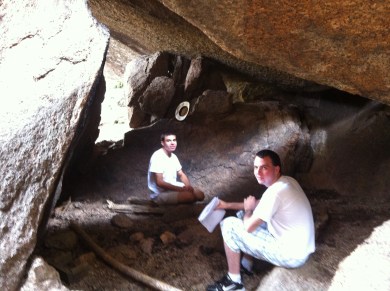
Of all the places that I have filmed at, I must say that this is the first one that was so remote, and so high up. Not only was the cave a good mile walk to the nearest settlement, but 8,000 feet above sea level. I made sure I only had to go up it once and down it once. We shot everything we needed of the cave interior within about 3 hours, despite the constant trouble of the camera running out of batteries. After that, I sent Jacob and Mitch back to the Ranch to rest, and Mikey, Brisson, Jenna, and I remained up at the cave shooting the exterior shots. After about an hour, we finished those first few ones, and descended, Sheep Rock, the mountain on whose slopes the cave in question is located, and made our way back to the Ranch for lunch.
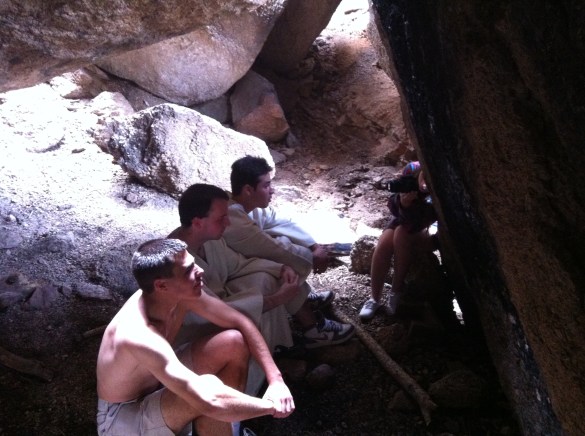
Image

A preview of the “Cave Scene”. From left to right, Erotomos (Mikey Mullen), Tuphlos (Mitch Hecht), and Phobas (Jacob Thomas). Camera operated by Jenna Gold.

After lunching on delicious sandwiches made by our very own Jacob Thomas, we headed towards the southern end of the Ranch to shoot the last few outdoor shots for Plato: The Cave. This was certainly more accessible, as we stayed fairly close to the main road that runs down the valley, making it easier for Jacob to drive back and forth to the Ranch lodge to charge and collect camera batteries. We shot some exciting scenes in the meadows, along Goose Creek, and on the slopes of another mountain south of Sheep Rock, thus finishing the work we had set out for.
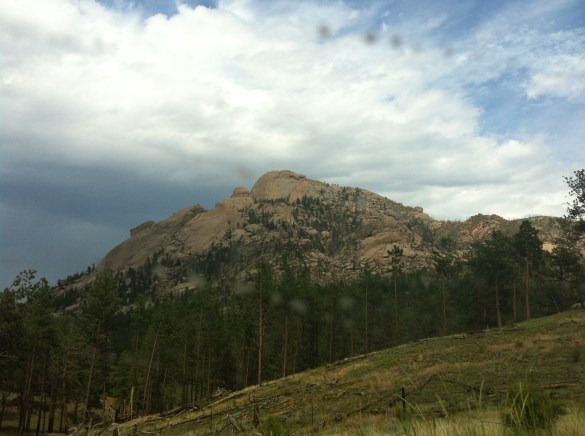
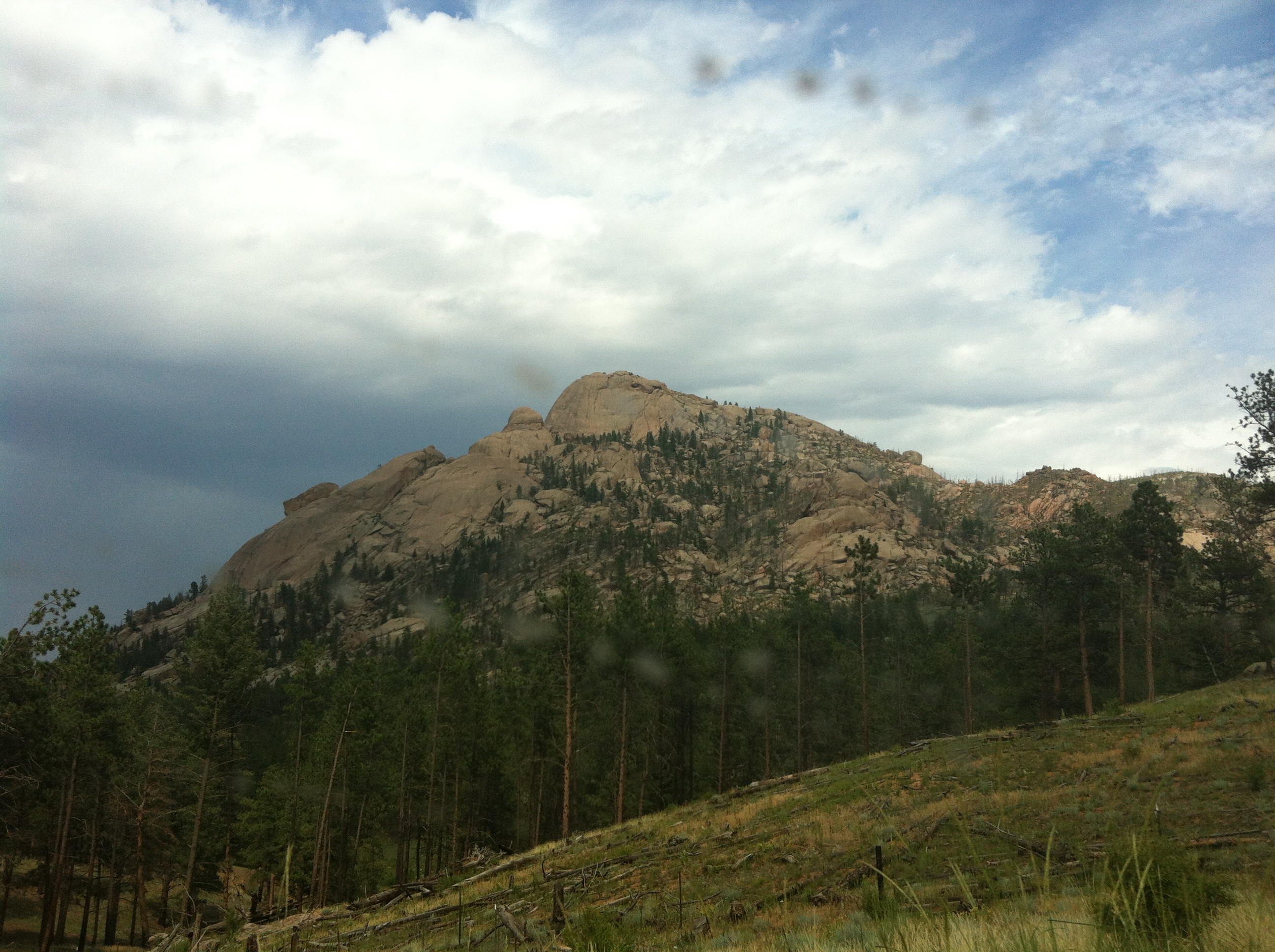
Sheep Rock

Sheep Rock, the mountain on whose slopes we shot “the Cave”.

I really did feel like I was going back in time in a way, not only because Lost Valley Ranch is 20 miles from any mobile phone signal or 3G, but because the place simply hasn’t changed since the summer weeks that I spent there in the late 90s and early 2000s. On the drive back out, I kept looking back at Sheep Rock, thinking about the past, and wondering if the future holds any further visits to Lost Valley.

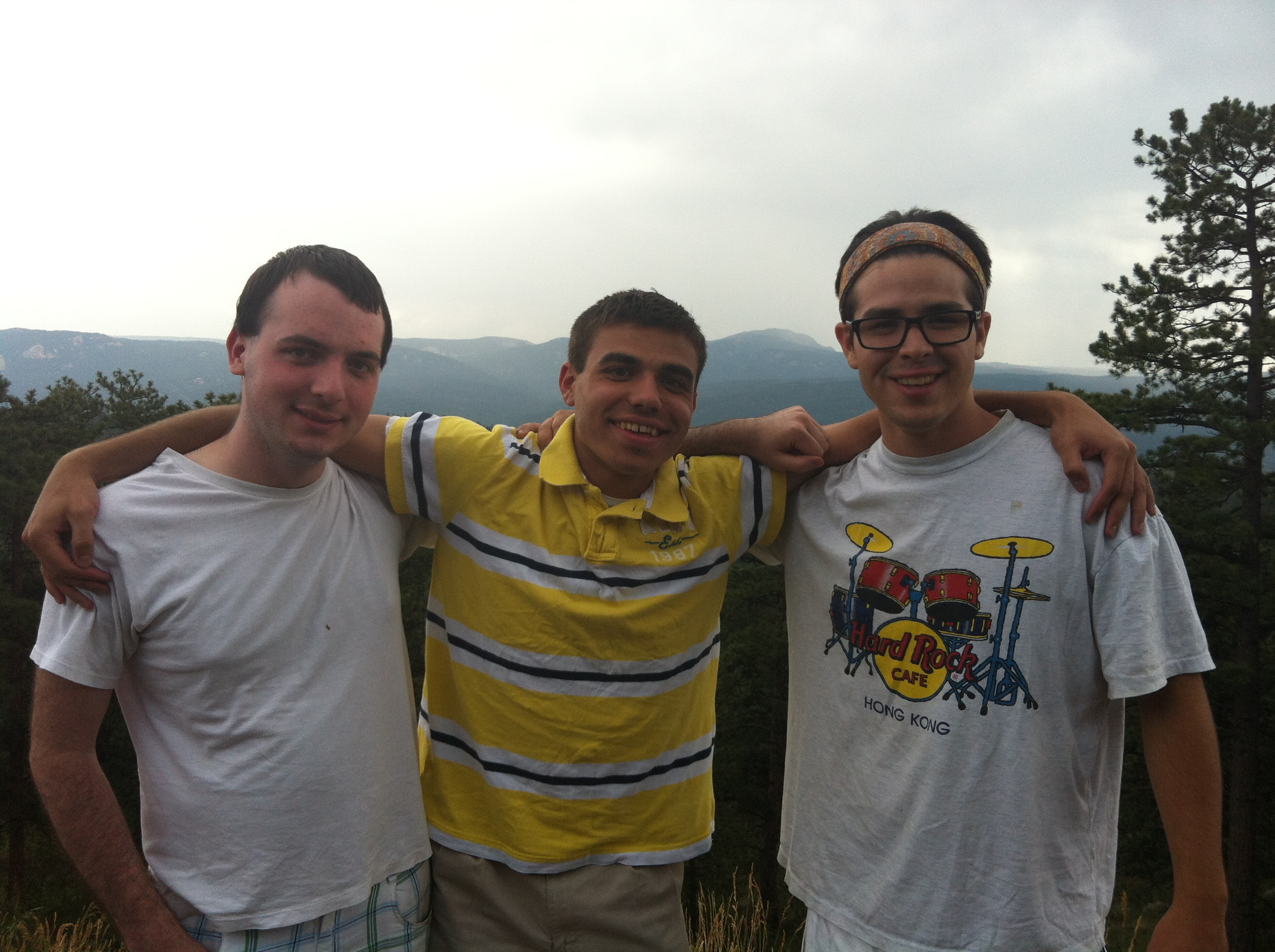
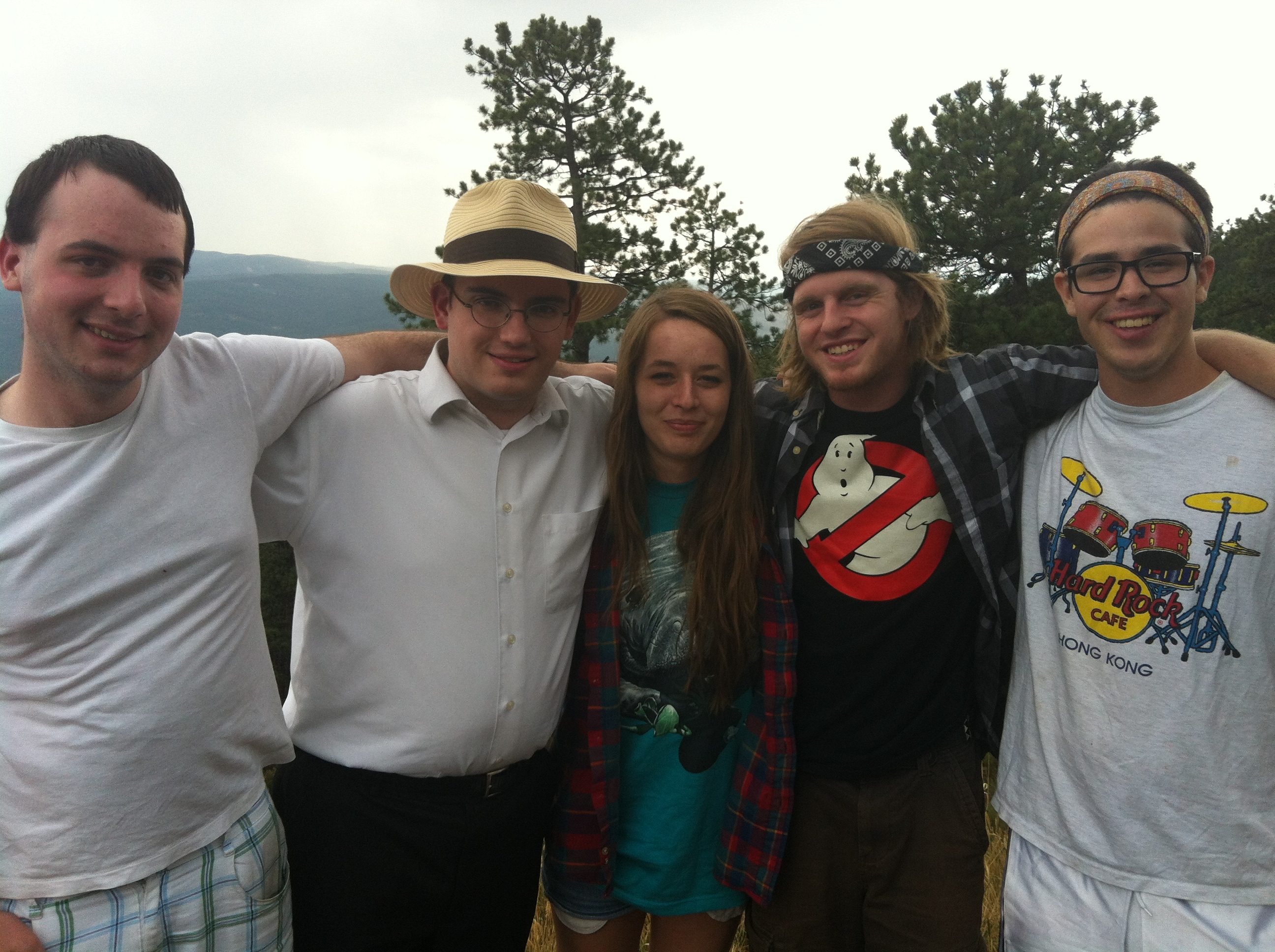
We had a bit of a celebratory stop at an overlook on US-285 north of Pine Junction, where we got some cast & crew photos, and chatted about what to do that evening. In the end Jacob went to hang out at Brisson’s, and I went with Mikey and Mitch back to our hosts, the family of one of my Rockhurst housemates Frank Kane, house for dinner and an early bed.
L-R: Mitch Hecht, Mikey Mullen, Jacob Thomas
L-R: Mitch Hecht, Mikey Mullen, Jacob Thomas

L-R: Mitch Hecht (Sound Editor), Seán Kane (Director), Jenna Gold (Dir. of Photography), Alex Brisson (Assistant Director), & Jacob Thomas (Visual Editor).

L-R: Mitch Hecht (Sound Editor), Seán Kane (Director), Jenna Gold (Dir. of Photography), Alex Brisson (Assistant Director), & Jacob Thomas (Visual Editor).

Not only was this an opportunity for me to go back to the places that I frequented as a child, but it was a chance to make cinematic history. Never before, from what I’ve read, has a live action film been made of Plato’s Allegory of the Cave. Not only have we made it, but I’d say we’ve done a very good job of it. So, keep your eyes out for some behind the scenes footage that I shot during filming, which should be up on YouTube this week, and for the release of the film itself in October.

 

Deacrachtái na Teanga – Problems of Langauge – Des problèmes de langue

Kansas City – Ba shcríobh mé as Gaeilge aréir sa mo dialann in ionad as Béarla. Is labhaim Gaeilge ach tá trioblóid scríoim Gaeilge agam. Tá sé mo Gaeilge neamhliteartha murab ioann agus mo Laidin, mo Fraincis, agus mo Béarla. Ní suim ar mo trioblóid sin! Bhí mé shcríobh as Gaeilge!

So, as I was saying as Gaeilge, in Irish, I decided last night to write my daily journal entry (so whoever takes my place as family archivist can have fun seeing what I did everyday). As it turned out, and as I knew when undertaking this daunting task, my written Irish is about as good as the whereabouts of Mohamed Morsi are known to the Western media (or the general public for that matter. So, I decided enough was enough, I was going to tackle this rather major issue, considering I tend to be known as a Gaeilgeóir, an Irish speaker, in the community at large. My plan is simple, write every one of my daily journal entries as Gaeilge from here on out, unless I’m somewhere like France or Belgium, in which case I’d probably go en français

Alors, je disais en anglais ce mon écrit irlandais n’est pas très bien, comme mon parlant français. J’ai appris les langues romantiques, ma latin et mon français avec leurs formes écrites. C’est au contraire avec mon irlandais, qu’est orale.

The point of this entry, rather than having a more useful function, is rather to show that multiple languages can flow together, somewhat. I admit, this might come out sounding nicer and flowing better if I were writing this say in mid afternoon rather than almost at 23.00, but I’m writing it now because it’s coming to mind now. And in any case, it’s almost time to go and write down today’s goings on as Gaeilge. Wish me luck on Day No. 2!

My Redemption Song

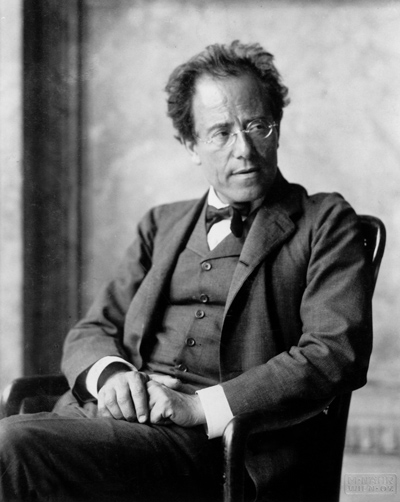
Kansas City – One of my favourite songs on the Chieftains’ 40th Anniversary album Wide World Over is the Redemption Song by Ziggy Marley. It’s a song that has stuck with me since the so named Kings of Irish Music released it 11 years ago, as has the concept that music can redeem. My personal redemption song isn’t your average 4 minute 30 second piece, nor is it something written in the past 50 years. It’s Mahler’s Symphony No. 8.

Image

I first heard Mahler’s music on NPR’s Weekend Edition early one Saturday morning sometime in about 2009 or 2010. The San Francisco Symphony was making a series of recordings of all of the great Austrian composer’s symphonies. They played excerpts from his Symphony No. 6 on the air, but I avoided Mahler for years, despite my liking what I had heard on the air, because I was told that his music was “quite depressing.” It wasn’t until Summer 2011 that I bought my first Mahler album, the New York Philharmonic, Leonard Bernstein recording of the Symphony No. 1 and the Adagio from Symphony No. 10. I bought it specifically to take out into the fields on my iPod so I could have something to listen to whilst painting fences in the pastures. From then on, any chance I got to listen to some Mahler, I took it, attending every Mahler concert performed by the Kansas City Symphony since. It is a blessing of sorts to be living in Kansas City right now, because the KCS’ conductor Michael Stern is certainly one of this country’s great living Mahlerians.

Mahler’s 8th, demotically known as the Symphony of a Thousand is just that, a symphonic work in which my favourite of the Germanophonic composers pulls out all the stops and lets his very heart and soul sing. It begins with the Veni Creator Spiritus, a prayer commonly chanted around Pentecost in the Roman Catholic Church, my sort of spiritual lifelong home.

However, the real redemption comes in the second part (Movements 3 and 4). It is here that Mahler’s music takes on the story of the Redemption of Dr Faust. Contrary to M. Gonoud’s famous grand opera about the aforementioned doctor, in Mahler’s version, it could be said Faust is redeemed rather than falling back into sin. Whenever I listen to Mahler’s 8th, I always come out on the other end feeling empowered and eased, like I do when leaving the confessional or after spending time in the Adoration of the Blessed Sacrament. It’s a calming sort of thing, which is rather odd considering the symphony ends with a very loud and quite triumphant sound. This is one piece that, if I ever were to get into conducting, I’d love to conduct. And yet, it takes quite a bit more to conduct than your average piece of music.

So, on days when you’re not feeling quite up to your normal, when you’re stuck in that bunker on the bottom nine, why not find a good recording of Mahler’s 8th, or really any of his works (except perhaps the 6th, which is rather sad), and have a listen. It’s as close as you’ll ever get to hearing a man’s soul cry out in joy and peace.

Image

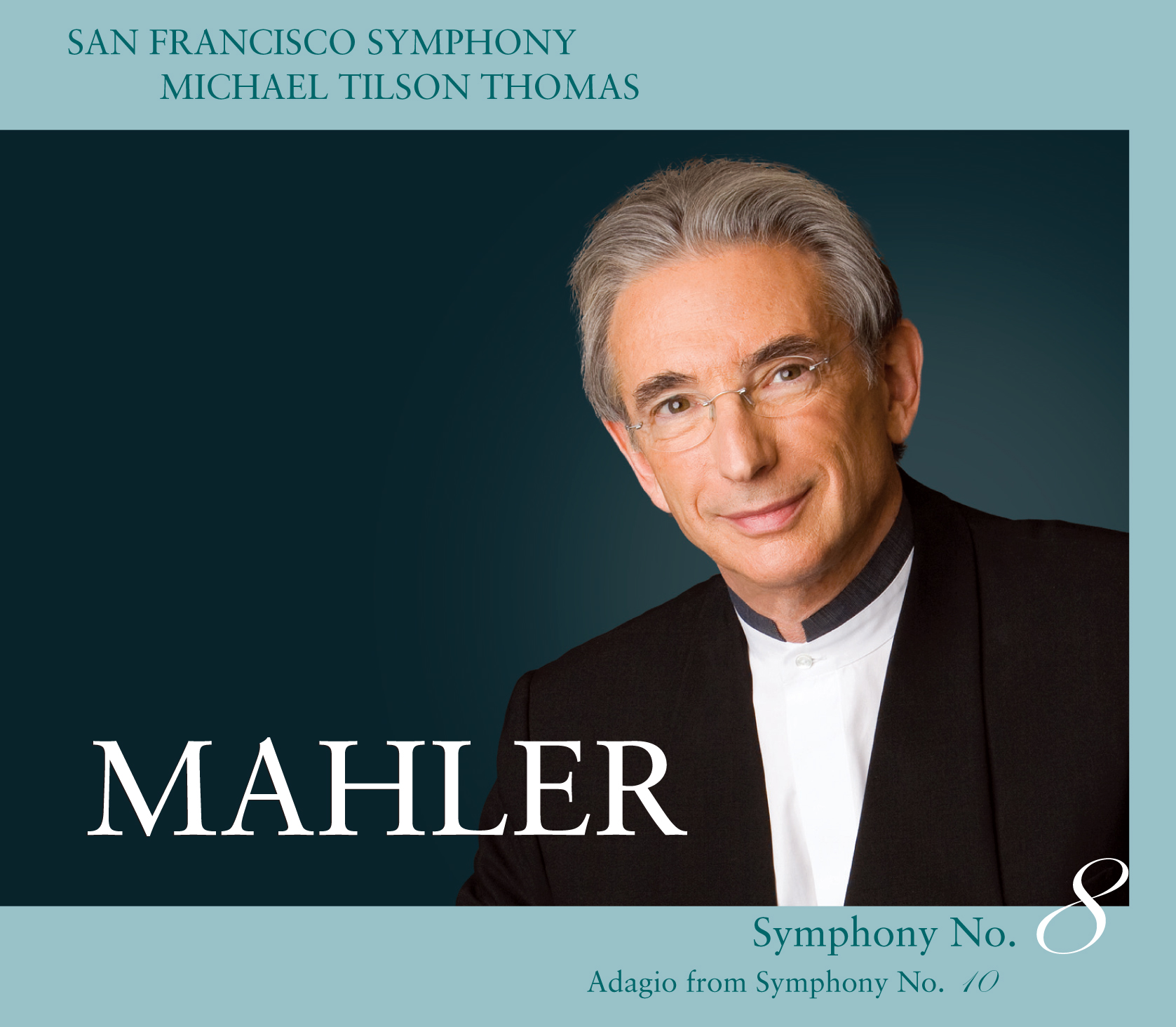
My personal favourite version is the San Francisco Symphony, Michael Tilson Thomas recording. It’s on iTunes.

Amendments to “Shifting gears”

Image

Kansas City – Yesterday I posted an article on my upcoming film Plato: The Cave. I said in the article that “the dialogue is in Ancient Greek.” This had been the plan, however that plan has changed for a number of reasons.

Firstly, I have decided that the dialogue should be in English because of the intended audience. Considering that I’m looking at making this film for use by university philosophy departments rather than classics departments, it makes more sense to have the film available with English rather than Ancient Greek dialogue. Secondly, after publishing the aforementioned article, I figured out how to add subtitles to my films on YouTube. Therefore, I will be keeping the Ancient Greek dialogue, but it will appear as an option for subtitles on YouTube. The English dialogue that will be spoken is greatly influenced by the Ancient Greek. When I originally wrote the screenplay, I wrote the dialogue in Ancient Greek, using a Greek mentality rather than my native Anglophonic/Hiberniophonic one. In this way, the English dialogue, though in English, is a translation of what the Greek said and meant.

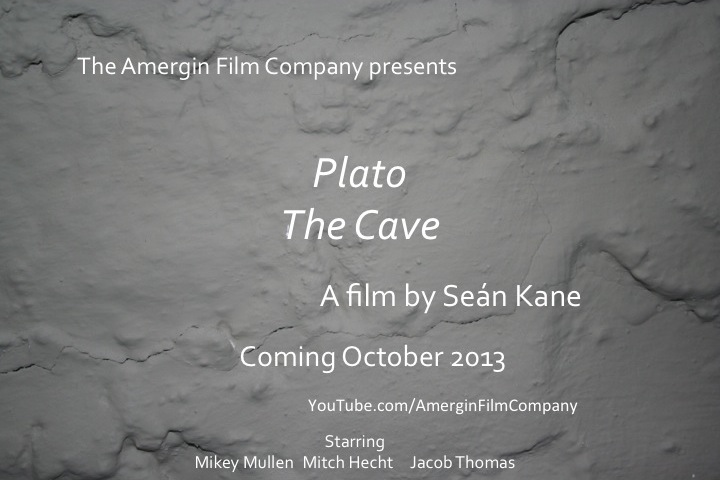
Plato: The Cave is set to begin filming on 29 July in Pike National Forest in Colorado, and will be released in October on the AFC YouTube Channel. For more information on the film, and to stay in touch with the process of its making, do subscribe to this blog, or like the AFC Facebook page. Tá.

Shifting gears


Image

Kansas City – With the London 2013 trip behind me, it’s time to start looking at the next big adventure. This time instead of travelling hours and hours to the east, I’ll be heading west, though not quite in the manner that Horace Greely intended. Next weekend I’ll be heading with a small cast of 3 friends out to Lost Valley Ranch, which is located in Pike National Forest in Colorado between Denver and Colorado Springs, to shoot a film.Image

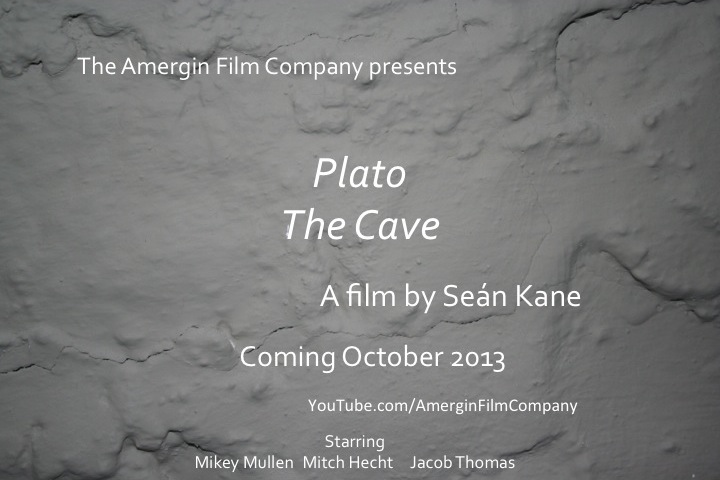
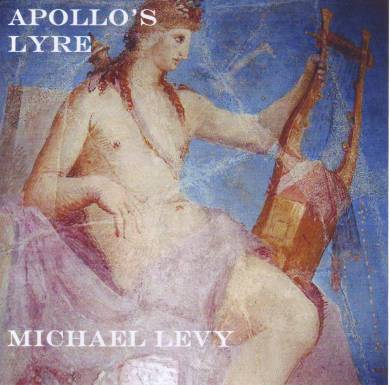
This isn’t just any old film, mind you, rather it’s a rather odd sort of film. Firstly it’s a film about philosophy, and secondly the dialogue is in Ancient Greek. This is nothing less than my current project, Plato: The Cave (Platón: An tUaimh), which will be the first, as far as I know, live action retelling of Plato’s Allegory of the Cave from The Republic. This production features a small cast of three, a large budget in comparison to my prior $50 features, and exquisite music performed by Ancient Lyre player Michael Levy.

Image

I first heard Michael’s music in 2010 on YouTube, when searching for a soundtrack for my first decently made film Athenodorus et Simulacrum. Keeping in mind his work, I made contact in April, when I was in the early stages of planning for The Cave. I met with Michael in Cardiff during my trip over there a few Fridays ago, where we agreed on a particular song of his and a price for it.

It should be noted that The Cave will be almost nothing like my last two films, The Artist’s Vision and The WidowThis new one will actually have dialogue, provided by good sound equipment, which I have been lacking in in the past. There will also be less reliance on music, I’m aiming to have only the one aforementioned track in the entire film. This film will be much more based upon the action on the screen and less so on the subconscious happenings surrounding said action. This is mostly because The Cave is meant to be an educational film, something that will tell the story that Plato told all those thousands of years ago in a less impressionist manner.

So, for now it’s a brief note about what is going on, and what is to come. The next couple weeks will be filled with planning for The Cave, and making a good slideshow of all the best memories from the Study Abroad trip, as required by Rockhurst’s Study Abroad Office, which I rather like the idea of, a fun assignment. Tá for now!

Goodbye!

Image

Kansas City – Well, the time at last has come. I spent the last night of my stay in the Alexander Fleming Halls of Residence in Hoxton up reading, and doing some minor research on local history. My thought was that it would help me to sleep on the plane if I didn’t sleep at all the night prior to. Hitherto, my abilities of sleeping whilst flying have been almost non-existent, but I thought I’d give this most extreme tactic a try.

ImageAt about 4.32 BST, I noticed some light creeping into my West facing window. Looking out, I beheld the last British sunrise that I’ll see for a while. It was a nice, soft sunrise, quite different from those out in the Midwest. At 5.00, I went out and walked about the neighbourhood, hoping to find a café that might be open where I could get a cup of tea to help cure my allergies, and possibly inhibit the oncoming cold. Sadly, all the local cafés were closed, as it was Saturday. Even Starbuck’s hadn’t yet opened. So, it was back upstairs to my room to sort out the last minute packing that I might have missed the day prior. Thankfully, there was nothing to have missed, so it was onto another hour and a half of waiting until anything would be open.

I spent that period of time sitting on the benches outside the hall, bidding farewell to my friends as they went on their ways in ones and twos. At 7.30 BST, I too left Fleming with a pair of friends, Cara and

Image

Mike, and headed for Old Street tube, to catch a train to King’s Cross St Pancras and then onto Heathrow.

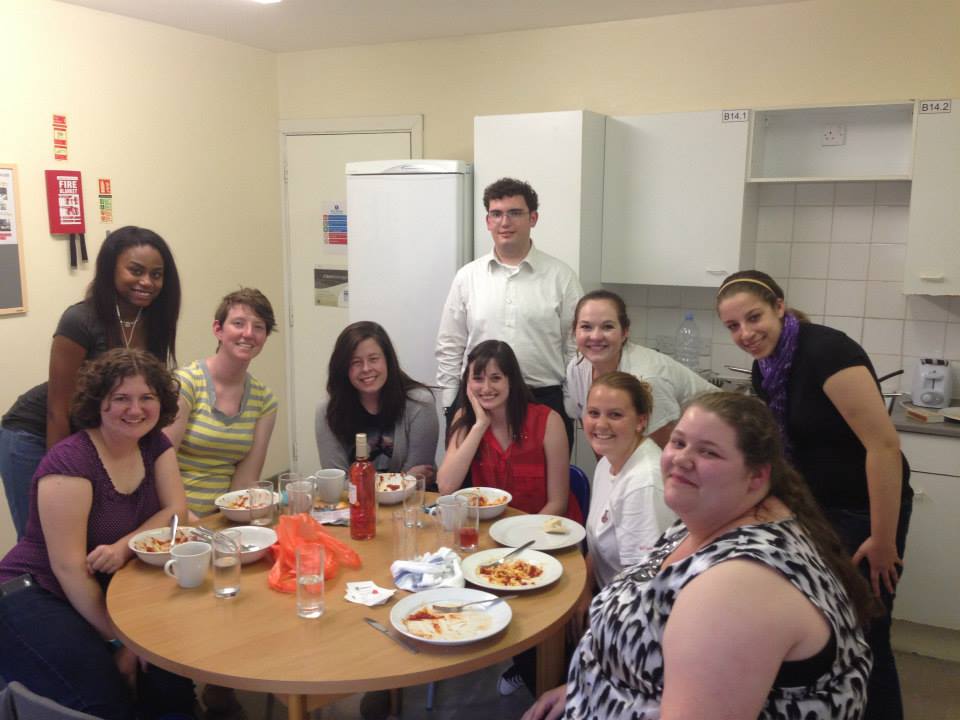
As noted in my last post, the hardest thing I have had to do in the past few weeks was to say goodbye to all these friends that made up what we’ve called the Old Street Gang. It really did seem like we were all together for a good year, when in fact it was a mere three weeks.


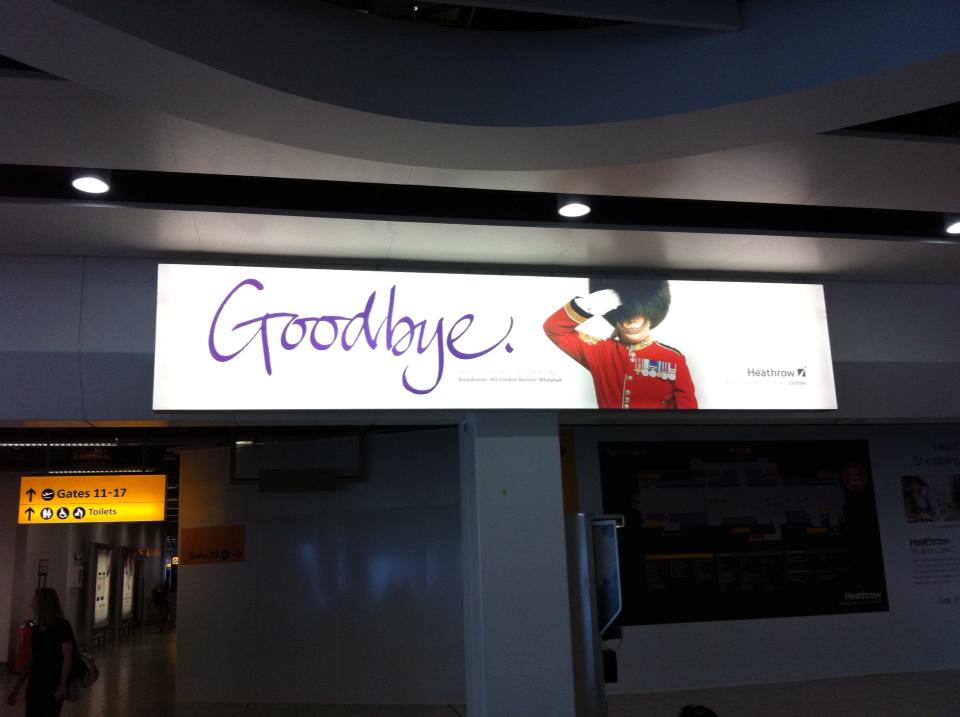
Luckily, I ran into two Old Street-ers, Kendall and Allison, in the entrance to security at Heathrow. We later ran into another member of the Gang, Kelsea, in the duty free area just past security. The four of us spent our last moments together in London, attempting to avoid thinking about the inevitable, but at the same time unable to avoid the reality that we faced. I was the first to leave, as my 12.30 flight to Minneapolis was due to begin boarding at 11.35.

I walked down the path to the plane, looking out the windows, capturing the sights for the last time for now. Mentally preparing myself for my return to the US, and future return to the UK, I boarded the

Image

plane, and took my aisle seat. The flight back was mostly uneventful. I slept a good deal of the way, with the aid of a couple films like The Hobbit and Life of Pi, the audio of which helped put me to sleep. I was surprised at Delta’s hospitality, considering that they had 3 meals for us. Still, I’m switching to British Airways/American Airlines after this trip.

After a good 8 and a half hours in the air, we passed over the UP and began to descend into Minneapolis-St Paul International Airport. The process of going through Customs wasn’t as bad as I’d thought it could be. The biggest difference between the British and American Customs agencies is that HM Customs wasn’t understaffed. There were only 4 open desks at MSP, processing hundreds of people. After heading through Customs, I had my first experience of culture shock, when I went on the wrong moving walkway in the airport, realising that things in the States are on the right, not left. It just so happened that I was on the phone with my parents at this point, informing them of my arrival back in the Americas.

After a good three and a half hours sitting about in Minnesota, I boarded my flight to Kansas City. It was a short 58 minute flight between the homes of the Twins and Royals, but at long last we landed in Kansas City. It was great seeing my parents again, I missed them very much. It was just as good to see my dog, Noel, once more when we returned home.

I’ll really miss London, and all my friends. Since we’ve returned to our homes in the States, the group has been staying in touch, writing fervently about a reunion of sorts at some point in the near future. When and where that’ll be, we shall have to see.

Now, I may have started this blog as a way to record my study abroad experiences in London, but I intentionally named it so as to allow for it to continue after my return home. There’ll be more blog posts coming in the future, about such topics as my film work, return to Rockhurst, and other upcoming travels. For now, and to all of you who have been reading since I started this blog about a month ago, go raibh míle mhaith agaibh, thanks so much for reading and following my adventures. Until next time, tá!Image

Eschatology

Shoreditch, London – Well, the time has come. Just a wee bit less than a week ago I wrote about it being the dawn of the third week of my 2013 residency here in London, and the odd thing is that that little ferret called time just keeps slipping away. It’s like Tom and Jerry, no matter how far I chase after it, the mouse just slips from between my fingers.

Still, there are worse things in life, I mean it could really be the Eschaton, and then we’d all be in for it. But instead, it’s just the end of my time here in London with all these amazing new friends. And in some ways, it just doesn’t seem too terribly fair, more cruel in a way. To stick us all together for three weeks and then say, “Well, time’s up. Hope you all had a good time, and safe home.” It’s about as fair as the American education system is functional for setting up the next generation for a bright future (I’m looking at you, House Republicans…)

Of all the things that we have to go through in life, it’s the leave taking that’s the hardest for me. Perhaps that’s why I love history so much, and why I feel like my default grammatical tense is the past tense (yes, I’m a hopeless academic). Like one of my favourite fictional characters, the Doctor, I’m not very good at goodbyes. Still, sometimes they have to happen.

So, tonight is a farewell to all these new friends. True, we may have a reunion of sorts at some point, but at least for now it does seem quite terminal. Though at least we’re going out with a bang.

At 10.00, my friend Abby and I went to the British Library, which is near King’s Cross and St Pancras stations. There not only did we see the Magna Carta, but also handwritten notes of many great people, from Newton to John Lennon. There are some amazing works there, even an 11th Century copy (the oldest extant) of Beowulf, which thanks to a bit of study of Old English, I actually could read. One of the oldest manuscripts there was a Koine Greek codex edition of the Bible, which again thanks to Dr Stramara’s Intro to New Testament Greek, was also readable to my eye. However, sadly we couldn’t find the Babylonian cuineform copy of the Code of Hammurabi, which the Library does have in its collection, but wasn’t on display. To right this, both Abby and I got our very own British Library cards, but didn’t have enough time to use them. I was due at the British Museum, and she had business elsewhere to attend to as well.

I took the tube from King’s Cross to Holborn, and walked first to the O2 shop on High Holborn to sort out my mobile. It turns out that I actually bought the phone and the sim card, so they are now mine to keep. So, I guess I’ll just have two mobile numbers, one with a +1 and another with a +44 country codes.

After stopping off with my British telephone provider, don’t worry Dad I’m sticking with AT&T when in the States, I made the short walk through Bloomsbury, where someday I’d love to live, to the British Museum. My ticket for the Life and Death: Pompeii and Herculaneum was timed for 13.50, so seeing as it was 12.00, I had some time to kill, in a truly Tom and Jerry fashion. This was done by strolling through the Ancient Near East, Classical, Egyptian, and Japanese galleries before making my way down the stairway along the outside of the Reading Room (where the Pompeii exhibit is currently housed), when a rather loud bell started to ring all around me. I began to wonder just what was happening, at first thinking it was an alert for the people going into Pompeii at 13.30, but when I saw the security guards rushing to and fro with whistles blowing in their mouths, waving people towards the main entrance, I knew that something was rather amiss. I evacuated the museum calmly, figuring that if there was a bomb and it was to go off at anytime I’d rather be quite close to it or quite far from it, only stopping once I was at the far side of the North Colonnade standing in the shade with a few other people. For a while there was no news of what was happening, until the Fire Brigade showed up and began to search the massive building. After about 20 minutes we were all free to return to our favourite mummies and statues of long dead Greeks.

I made it as quickly as possible to the Pompeii entrance, considering that it was now 13.55, and my ticket was for 13.50. Thankfully, they let me through and into the exhibit. For the sake of the exhibit, and to help the British Museum with sales, all I will say about Pompeii is this: it was quite well done, and quite thorough. I left that exhibit at around 14.40, and ran to the tube station to once again meet Abby outside our hall.

We had a planned excursion from Central London to the world of green leafy suburbs. Our first stop was a nice house, 20 Maresfield Gardens in Hampstead. The house hadn’t changed all that much since its most famous owner and occupant had died in September 1939. That occupant, who died in the front room, where I did have a rather odd feeling, was a refugee from then Nazi controlled Austria. He and his family escaped to London via Paris, where they resettled, and where many of their descendants remain to this day. This fellow was none other than Dr Sigmund Freud, the father of psychoanalysis. The house was quite nice, and it did feel like Abby and I were house guests, personal visitors of the Freud family. Though there was a good deal of humour in the air (they sold Freud ducks in the gift shop).

After leaving the Freud’s to their peace, we walked back to Finchley Road tube and headed two stops south to St John’s Wood, where many a music lover journeys to on pilgrimage. This stop was none other than the beginning of a walk that led to the most famous zebra crossing in music history. It’s a bane for drivers, but a bloody good time for Beatles fans to get their photo taken crossing the zebra crosswalk at Abbey Road Studios, but oddly enough it’s still a public street! Abby and I didn’t actually get our photo on the crosswalk, but we did go and sign the fence outside the studio.

We then got back onto the tube, and found our way down to Earl’s Court, where a police box was standing just outside the station. It took us a few times passing it to actually see it though. But a quite nice German couple took our photo with it. For those of you who think I’m mad at wanting my photo with a police box, just watch Doctor Who on the BBC, PBS, or  Netflix.

After a long tube journey, we at last made it back home. A sort of farewell dinner began soon there after, comprising of pizzas from the nearby Pakistani owned Great American Pizza restaurant, and a lot of good conversation. So now, it’s to bid you all ado, as I have much still to do if I’m going to be ready to be out by 7.30 tomorrow morning for the hour plus tube journey to Heathrow.

I’ve really enjoyed London, and will be back in two years. Yes, I’m looking at, and with prior advice from a CLC-mate, will be going to graduate school here in London.