This week, I discuss how my experience working with genealogy databases helped prepare me to be a professional researcher.
—
Click here to support the Wednesday Blog: https://www.patreon.com/sthosdkane
This week, I discuss how my experience working with genealogy databases helped prepare me to be a professional researcher.
One of the things that struck me about the history that I liked to read as a child was that few of my own ancestors’ names appeared in those books. I remember sitting up late at night in my elementary school years reading these fifty or sixty year old children’s histories of the Vikings and the Romans and imagining the illustrations to life. I could convince myself that I could hear, even on the softest level, the oars of the longships pushing with the current of the Thames as the ropes that tied their sterns to the pillars of the old Roman London Bridge grew taught. I’d return to my regular school day the following morning, to Mass and eight hours of classes introducing me to everything from basic mathematics to orthography and English grammar to music, yet when we had our hour in the school’s library the books I knew to search for were the histories.
My elementary school, St. Patrick’s in Kansas City, Kansas, was founded in 1949 and most of the history books dated from the late ‘40s and early ‘50s, by modern standards they were historical artifacts in themselves. Moving forward I didn’t have access to the same kind of library after my middle school years, my high school had a “media center” that functioned like a library, yet I never remember finding books to read there. So, one of the first places that I went on arriving at Rockhurst University in August 2011 was the upper floor of the Greenlease Library to wander around with my new friends and see what books lived there. I made great use of that library during my four years at Rockhurst, and before the pandemic continued to occasionally check books out with my alumnus privileges.
Yet when I was probably 8 or 9, on one trip back to Chicago my grandmother Mary Lou Kane gave me a book about Irish folklore, and I began to hear stories about my family’s history from her and other relatives. I’d known our ancestors were Irish for as long as I could remember, I was 7 when my grandfather’s aunt Catherine McDonnell died; she was one of the last immigrants and probably the last native Irish speaker in our family. Just before my 10th birthday on a trip to England I met my Welsh cousins who introduced me to that side of my maternal family. We kept in contact writing letters back and forth every now and again.
This all led to my formal introduction to genealogy when I was 13. At that point I talked my way into starting as a volunteer at the institution then known as the Irish Museum and Cultural Center, now the Irish Center of Kansas City. The director at the time thought I was 16 but let me stay after I showed I could be responsible. There were days where I was the only one in the little office we had in the lower level of Union Station, and among my responsibilities was to help the frequent visitors with genealogy questions about their own Irish ancestors. I became familiar with the different genealogical databases around then and steadily built up a good knowledge of where to look for what sorts of records and had the occasional success finding a long-lost relative for someone. I continued volunteering at the Irish Center until around my 19th birthday, when now an undergraduate at Rockhurst with a growing list of clubs on top of my three majors and two minors I stopped volunteering at the Irish Center.
I’ve had a fair bit of luck with researching my own family history. My own database is built upon the work of several relatives on both my paternal and maternal sides who did a lot of the initial research. What I’ve done is to fill in some of the gaps and to elaborate on the circumstances of these people’s lives. This has come into handy here and there, I was fortunate enough to visit the building where my Finnish 4th great grandfather worked as the town judge in the southwestern port town of Rauma in the mid-nineteenth century. Moreover, my Dad wouldn’t have his Irish citizenship through descent were it not for the research done by myself and several others that helped find his grandparents’ birth certificates.
My one genealogy position as an adult that I undertook was as a volunteer in the genealogy reading room of the National Archives’ Kansas City regional office. I regularly attended to this position for a good year and a half while I was beginning my M.A. in History at UMKC. It was fun at times, though in many other occasions it could become quite dolorous as the cases I was often presented with were unsolvable or restricted in some ways or another. I left that position as my work at UMKC began to grow, around the time I started writing my second M.A. thesis in fact.
All this research that I’ve undertaken for myself and others in genealogy helped prepare me for my work as a professional historian where so much of what I do is search through databases looking for archival sources that will offer the glimpses into the past that I need to write my work. At some point once I feel confident that I’ve done enough historical research to earn my first professorship I intend to turn to the boxes of family papers collected by long-time Wednesday Blog reader Sr. Mary Jo Keane, one of my grandfather’s cousins, whose research is the foundation of what I know about my paternal family in Mayo. When she died, I took those boxes with me with the intention of writing some sort of family history like the one she intended to write in her last years.
We often talk in the historical profession about history from below as one of the newer genres of history-writing. I’ve liked this idea since I first heard about it, and in some sense, I’ve tried writing from the perspective of the animals which are at the heart of my professional research to varying success. Genealogy is often history from below because as much as we may hope to find some famous ancestor––at one point Ancestry.com claimed to prove my relations to several famous people––it really ought to be a recognition of who our family has been in the generations that we can still find. It is a supplement to memory even as that living memory of our past fades. At Kane family funerals I would often learn something new about the immigrant generation in my family, my great-grandparents, that would explain their lives just a bit more. Those stories turn these people from just being figures on paper into memories that have some of the color and life of those illustrations in my childhood history books. I want to know more about my family’s past to understand how I fit into our world today with its progress and troubles all the same. In the first half of the last century that generation lived through world wars, the Irish War for Independence and Civil War, the Great Depression, and a global pandemic. And through it all they took the bold step of leaving home and starting a new life for our family in Chicago. That life was the one I was born into at the end of the last century, and even after my parents & I moved to Kansas City that life in Chicago still forms the bedrock of my life and perception of things today. None of this would be nearly as personal or as impactful if I knew nothing about the ancestors I never met. It’s thanks now to all this research in genealogy that they live on in my memory today.
Season 4 Finale: This week, to celebrate Christmas I’ve decided to write a bit about naming conventions that I’ve come across, and to explain why I use my full name professionally.
Nollaig shona daoibh | Merry Christmas!
—
Click Here to Support the Wednesday Blog: https://www.patreon.com/sthosdkane
Season 4 Finale: This week, to celebrate Christmas I’ve decided to write a bit about naming conventions that I’ve come across, and to explain why I use my full name professionally.
In American culture middle names have a bad reputation. They’re most famously used in our childhoods to scold us, and in adulthood they most often appear in legal matters. A writer naming non-descript American characters John Booth or Lee Oswald might get away with it but include their middle names Wilkes and Harvey and you have two of the most notorious assassins in American history. Most accused or convicted murderers in our legal system tend to be known in the press by their full names: first, middle, and last. There’s an odd cadence to it when these people are identified by the police or the courts. It’s one of the more common times when middle names get used.
I go by my full name professionally. On my website, in my email signature, and in every conference program and academic publication that I’ll ever appear in I’m identified as Seán Thomas Kane. Trust me, I didn’t intend to draw any connection between myself & the men mentioned in the last paragraph who killed two Presidents who I’ve always looked up to. In my case, the use of my middle name has a different sort of significance. In my extended family I often get called Seán T., in part because I have many relatives who are named Thomas, one of whom goes by T. among the family. Whether intentional or not, my parents gave me one of the most traditional Irish names they could have. Irish names are traditionally patronymic, meaning the person is so-and-so, son or daughter of so-and-so, descendant, son, or daughter of so-and-so. Those last names (or surnames if you aren’t American) that begin with O’ refer to families who are descended from a specific person who lived centuries ago. The ones that begin with Mc however are Anglicizations of the Irish word mac, meaning “son” of a specific person who lived centuries ago. My father’s name is Thomas, so in Irish my name is Seán mac Tomás, or Seán, son of Thomas. Kane is an Anglicization, or better an English phonetic rendering of the Irish name Ó Catháin, pronounced two different ways depending on where you’re from in Ireland (for those reading this, listen to the podcast to hear those two pronunciations.) Cathán was a more common Irish given name in the Early Middle Ages and derives from the word cath meaning battle.
This was in the back of my mind when I decided to start going by my full name professionally. It was 9 March 2016 and I had a few hours without much to do while waiting for a car to pick me up at Lyon-Saint-Exupéry Airport on my way to the eastern French city of Besançon, the capital of the Franche-Comté region and a city which Caesar mentioned in his book about the Gallic Wars (De Bello Gallico 1.38). That cold and rainy Wednesday in March there was a national railway strike in France and I ended up booking a back seat of a Renault Clio driven by a Frenchwoman who spoke little English alongside two other Frenchwomen who again spoke little English from Saint-Exupéry Airport outside of Lyon to Besançon, a good 4 hour drive. Right before they arrived though, I was on Facebook posting an update about my trip and thinking about how I wasn’t entirely sold on sticking with Seán Kane as my name professionally, after all when you search Seán Kane on Google you get a fair handful of results. There on Facebook I noticed that my friend Luis Eduardo Martinez, a fellow graduate student in International Relations and Democratic Politics at the University of Westminster, and a gentleman who I consider a good friend to this day, used his middle name professionally. I felt inspired and changed my name on my Facebook profile from Seán Kane to Seán Thomas Kane then and there standing in the airport parking lot.
Where the last paragraph took place.
This proved to be even more advantageous when the Renault carrying the three Frenchwomen arrived as the driver stepped out and proved that the way Seán is spelled makes little sense to a monolingual French speaker. I remembered when I started studying French at Rockhurst University and we chose French names to use in class how I immediately was discontented with being called Jean alone, as I’d rather be called Jean-Thomas because that’s essentially a French translation of my name coming from Irish. So, I suggested that she call me “Seán-Thomas” which was heard as “Jean-Thomas.” Et voilà, that’s how it all got started. For the record: the Irish name Seán is in fact just an Irish spelling of the twelfth century Norman French pronunciation of that French name Jean, which is also the source of the English name John. You can hear the connections better in an English accent than in my own American one where the oh sound in John has shifted closer further forward in the mouth.
This wasn’t the first time I’d changed my name on my Facebook profile. For a while in high school, I went by my Irish name, Seán Ó Catháin, and that was the name on my early membership cards with the Ancient Order of Hibernians. Yet as much as I was inspired by the Gaelic revival and wanted to do my part to restore our ancestral language, I found that it was impractical to use in America and that deep down I do identify more with Kane than Ó Catháin because that’s the name my grandparents, my dad, and most of my paternal relatives use. Kane itself began as a misspelling by the U.S. Army draft sergeant processing my great-grandfather Thomas Keane when his number was drawn in 1918. He enlisted and served as an artilleryman in France and eventually became an American citizen as Thomas Kane because the sergeant told him if he wanted that first e added back into Keane on his papers he would have to go back to the back of the line and start the process over again.
So, to answer a question I often get in Kansas City: no, I’m not related to any other Kanes in this city except my Dad, and in fact outside of my Dad and his brother’s family all of my living paternal relatives who share our family name on either side of the Atlantic spell it Keane. I suppose I could change mine back to that one, I suspect my granddad’s cousin and longtime Wednesday Blog reader Sr. Mary Jo Keane would’ve approved of that, yet at this point the name dispute feels moot especially considering the Keane spelling only goes back another generation or two to about the 1850s before which in the official British government records written in English my great-grandfather’s great-grandfather’s name was written as Thady Caine. In Irish his name would’ve been Tádhg Ó Catháin, and we know he spoke Irish as his first language. So, what was his name? I’m honestly not sure.
I like how different naming conventions reflect different cultures in their own ways. Our Irish patronymic system is really more Gaelic than Irish, after all it’s the same system that’s used by our Scottish Gaelic speaking cousins and it mirrors a very similar system used in Welsh. In fact, my Welsh ancestors’ family name was Thomas, which derives from the Welsh ap Tomos. Fitting, eh?
When I teach about the Vikings I like to bring up the Norse patronymic system too and explain that Leif Erikson (as we call him in English) was actually Leifr Eiríksson in Old Norse, and that following this tradition as it’s today practiced in Iceland were I born there, or should I someday immigrate to that island republic I’d probably start going by an Icelandic version of my name: Jón Tómasson, dropping the Ó Catháin/Kane family name all together in regular use there to better fit Icelandic society while still retaining it outside of Iceland. I see this as similar to how patronymics are used in Russian, where Tolstoy’s tragic character Ivan Ilyich is known by his first and middle name and not by his first and family names Ivan Golovin as we’d do in the English-speaking world. There, for the record, Seán mac Tomás would translate as Иван Томасaвич (Ivan Tomasavich).[1] In a hypothetical blending of cultures where Irish speakers interacted more with French speakers in North America than with English speakers I could see our patronymic system developing into the French system of having double names, thus why when I still published a French translation of my C.V. I would write my name as Seán-Thomas with the hyphen which I don’t use in English.
Another set of naming systems that I’ve encountered that I appreciate are those originating on Iberia where the family names of both the mother and father are included. My same friend Luis Eduardo Martinez’s full name, and the name I first read when I met him in September 2015 is Luis Eduardo Martinez Mederico. In this Spanish naming custom, his father’s family name appears first followed by his mother’s family name. This is opposite to the Portuguese where the maternal family name precedes the paternal one. So, in the Spanish custom my name would be Seán Thomas Kane Duke, while in the Portuguese custom it would be Seán Thomas Duke Kane. My parents and I actually refer to our family as the Duke-Kane Family, and we’ve joked about what my life would’ve been like if I’d been given both family names at birth in that order. I often conclude that including the East Yorkshire name Duke alongside Kane would’ve made me sound more English.
Then there are the professional names like Smith or Miller. These derive from the first bearer’s profession, so Jefferson Smith had an ancestor somewhere in the distant unwritten past of that Frank Capra film’s imagination who was a blacksmith. Today, on Christmas, we celebrate someone who has such a name, that being Jesus. I get annoyed with my fellow Americans who see “Christ” as Jesus’s last name because it’s not a name at all but a title in the first stage of becoming a name. This name as we understand it ought to be written in English as Jesus the Christ, from the Greek Ἰησοῦς Χριστός through the Latin Iesus Christus, but that word Χριστός is merely a Greek translation of the Hebrew word māšiah (מָשִׁיחַ), which again is usually rendered in English as Messiah, the name of Handel’s most famous oratorio and what Brian certainly wasn’t (he was a very naughty boy.) This is a kingly title, fitting with our view in Christianity of Jesus as priest, prophet, and king appears most prominently this time of year in the Feast of Christ the King, something we celebrate in the Catholic Church at the Liturgical New Year, which was 24 November this year.
Jan van Eyck’s depiction of Christ the King from the Ghent Altarpiece (1426)
A brief digression here: this past Feast of Christ the King I learned that the official name of the day is the Solemnity of Our Lord Jesus Christ, King of the Universe. While that last title might sound overly grandiose in the twenty-first century it actually comes from Ancient Mesopotamia, where the most powerful monarchs of those city states as far back as Sargon of Akkad (r. c. 2334–2284 BCE) claimed this as their imperial title: šar kiššatim, which actually meant King of Kish, the primate of all Mesopotamian cities and according to the older Sumerian King List it was the first city to crown its kings following the Great Flood. So, in essence this title places Jesus, a humble carpenter who was incarnate as God the Son as the true “King of Kings (forever, and ever) and Lord of Lords (for ever and ever)” to quote from the Handel.
Now, back to that rendering Christ as Jesus’s last name. In his lifetime, Jesus was known as Jesus of Nazareth, and in earlier times Christians were known as Nazarenes (Acts 24:5). This word is still used to describe Christians in Hebrew in the form notsrí (נוֹצְרִי) and in Arabic with naṣrāniyy (نَصْرَانِيّ). Thus, he was known more by a locator name than by a last name in the modern American sense. Furthermore inJohn’s Gospel, St. Philip referred to Jesus as “Jesus, son of Joseph, from Nazareth.”[2] So, in the culture in which Jesus was born he would’ve been known most fully in this way rather than with any last name that we may recognize. It’s important to remember that Jesus’s ministry took place 2,000 years ago, and contrary to some popular belief he didn’t speak English. English wasn’t even a language then, though an older form of Irish was around, just probably not heard as much in Galilee or Judaea.
So, let me conclude with the bits that seem to have started as identifiers that came at the end of people’s names before there were family names in the sense that we use them today. These are often locators of where the person in question was from. In the case of Leonardo da Vinci, da Vinci merely refers to the fact that Leonardo was born in the Tuscan commune of Vinci. These particles of place tend to denote nobility in some names, see the French, Spanish, and Portuguese de, the Italian de’ and di, and the German von. However, I see the utility in having this locator in someone’s name to make it clear that even though they’re a Booth they’re not related to every other Booth around. That way a random John Booth living in 1865 would’ve had less trouble because of his more infamous counterpart’s scheming that Good Friday. I’d ask though, in my own case whither would such a locator in my name identify? Where would it refer to? Would it stick just with me, saying that my original hometown is Wheaton, Illinois, so I’d be Seán Thomas Kane of Wheaton? Or would it go back to the origins of my particular Kane/Keane/Caine/Ó Catháin family in the Derryhillagh townland outside of Newport, County Mayo, in Ireland? In Irish the way this would be written would either be with a different Irish preposition ó (yep, there are at least two of these), or with the preposition as. In my Irish as I speak it, I say as in this context more than ó, as in to say “Is as Meiriceá mé,” or “I am from America.”
We don’t do these in Irish names, in part because of our patronymic system which does a fine job on its own. Sometimes when I’m writing stuff in Latin and I want to adopt the style of the Renaissance humanists who I read in my research I’ll try to Latinize my name with one of these locators, rendering my hometown of Wheaton, Illinois by using the name of the Roman goddess of what, Ceres, and essentially making a town name from there. Thus, Wheaton becomes Ceresia. The tricky thing is that when I’m translating my name into Latin, something that was done in academia more into the nineteenth century but is almost never done today, I have a conundrum of whether to start from Kane or from Ó Catháin. I for one don’t like how a Latinized Kaniussounds, so instead I do go from Ó Catháin and use Cahanius, or Ioannes Thomae Cahanius Ceresius in full.
Names are important, and they say as much about the person who bears them as the people who named that person and the culture to which they belong. I’ve played around with my own name a fair bit, as you’ve seen. Today I’m more used to being called Seán-Thomas in French than in English, though the latter has happened more and more. I’ve even noticed that people have started calling me Thomas seeing that name and recognizing it faster than they do Seán, especially with the fada on the a. I smile and acknowledge them, after all I’m happy to be mistaken for my Dad. Looking forward, should I be fortunate enough to name my own children I’ll say these two things: first I’m not the one who’ll be pregnant with them for nine months, so I shouldn’t get first call on their names, and second there’s that Irish tradition that offers a simple answer to this conundrum. Will my first-born son be named Thomas as well then? Yeah, maybe. We’ll have to wait and see how this poorly named lifetime membership with one of the dating apps works out for me. I certainly hope I’m not putting my name out there for the rest of my life, though you can bet I’ll be using that lifetime membership joke for as long as I can.
[1] NB: I’m using Russian as the example here because that’s the one I’m more familiar with. No political inclinations toward the Kremlin in their invasion of Ukraine are intended.
This week, I take you along on an investigation I undertook recently into a family heirloom from World War II.
—
Click here to support the Wednesday Blog: https://www.patreon.com/sthosdkane
This week, I take you along on an investigation I undertook recently into a family heirloom from World War II.
Of all the bad things that came out of the flood which struck my family home two weeks ago, there were several intriguing finds in old boxes, chests, and crates that hadn’t been opened in several years. Two days after the flood, I finally got around to opening my Donnelly great-grandparents’ blanket chest, which held most of the surviving physical records of their lives. It was deeply dolorous to lose these pieces of their memory, and to know that while we will have photographs of these artifacts going forward, most of the artifacts themselves were ruined by the sewage that flooded into our basement.
One of these artifacts that caught my eye was an album of United States Defense Savings Bond Stamps dating from likely 1942. These were printed for civilians to purchase and collect 25¢ stamps which they could then turn in after the war at their local post office for savings bonds which could then accrue value over time. My great-grandmother Ruth Donnelly bought this stamp album when she was living in Glendale, Arizona where my great-grandfather was stationed when the Imperial Japanese Navy attacked Pearl Harbor. He was a cavalryman, just a few years out of Rockhurst College, my alma mater as well. When the war began, the U.S. Army decided to not send the cavalry overseas with their horses, seeing how poorly the Polish Cavalry fared against the German Wehrmacht in 1939, and being too tall to serve in the tank corps he was reassigned to the infantry.
I’ve often wondered what it was like for my Donnelly great-grandparents when he was away in the Army during both World War II and Korea. When I used to volunteer at the Kansas City Irish Center at its old location in the lower level of Union Station, I’d often find myself in that grand old building later in the evening and would walk up into the great hall and think about them there when he deployed. That was during my high school years when the Afghanistan and Iraq Wars were at their height and reports & stories of deployments, reunions, and the planes returning fallen servicemen and women were a frequent fixture on NPR and on the morning & evening news.
Of all the artifacts that we recovered then, I decided it would be good to see if I could turn in the stamps my great-grandmother, or G.G. as my cousins & I called her, for anything today. Surely, over 80 years they would have gained some monetary value. My first stop was to my local bank branch, where I took them to the counter and with a smile explained my unusual visit. The tellers who were working that afternoon gathered at the window to look at the album, having never seen its kind before. One read the fine print and suggested that I needed to go to the local post office first and see if the Postal Service still would collect these stamp albums in exchange for savings bonds. After all, if the coins and bills of the U.S. Dollar don’t expire, then why should this stamp album that could be exchanged for savings bonds expire?[1]
With this in mind, I drove from my bank branch to the nearest post office and joined the queue. The postal clerk there was just as surprised to see this album as the bank tellers were. She had never seen an album like this before and suggested I should go to the Kansas City Main Post Office at Union Station where there might be some veteran postal workers who would have possibly exchanged these albums for savings bonds near the turn of the millennium. That made sense to me, and following the trail further I drove downtown to Union Station. At the moment there is a major exhibition from the Walt Disney Company honoring the studio’s centenary, so Disney music is echoing from the loudspeakers all around the building where once they would have announced arriving and departing trains. The Main Post Office moved about 20 years ago across Pershing Road to its current place in Union Station after the old post office building was converted into the Kansas City IRS regional offices.
My last visit to the Main Post Office for more than just buying stamps or dropping off letters was in the hot summer of 2012 when I got my passport photo taken there. It was at the same time that the Opening Ceremonies of the Summer Olympics were underway in London, though they weren’t televised live in the U.S., instead being shown in primetime later on NBC. I always laugh when I look at that passport photo: I wore a suit and tie and between the over-exposure of the image and the buckets of sweat on my face I looked quite silly.
This visit to the Main Post Office was greeted by the same voice of surprise from the clerk as the three other people who I’d taken this album to so far. I explained what I knew about it, that it was likely 80 to 82 years old, and that I wanted to see if the stamps inside could be exchanged for savings bonds still. I opened it to show the clerk that my G.G. had only collected $2 worth of stamps, so it wasn’t a full album. He wasn’t sure what was the best answer and retreated to the offices behind the counter, returning a few minutes later with the name, address, and phone number of a stamp auction house in town that I could consult for a better answer.In short, I could not exchange these stamps for savings bonds anymore. The people who would know how to do that were long since retired from the Postal Service. After three stops, I was ready to hear this, and returned home, where I called the auction house and spoke with its owner. He explained that these stamps have some collectable value, but nothing of any real significance. At the end of the day, while the capitalist in me was disappointed, I was overall pleased with the result of this research. I called my grandmother to tell her the news, saying that this stamp album would make a nice keepsake for future generations to find again, and if this Wednesday Blog is also lost, to research again. Who knows, maybe in another century it might end up on Antiques Roadshow.[2]
I’ll freely admit I’m more of a dog person. I am fascinated by cats, their social behaviors, their mannerisms, their temperamentality. Yet at the end of the day, I like the unconditional love a dog will always offer if you treat it well. This summer is my first one in over 20 years without a dog in my life, as my best friend Noel died a year ago at the start of June at the ripe old age of 16. Throughout all that time that I’ve had dogs, first Pretty the Beagle, then Spot the Aussie Shepherd, then Caesar the Black Lab mixed with a pony, and finally Noel the Shih Poo.
I’ve also lived with a succession of cats. First among these was a black cat named Mrs. Norris, who we more commonly called Nora, then a grey cat we rescued who we named Crookshanks. After these two Harry Potter-themed names my Dad and I adopted a Siamese farm cat named Leo who could be very lovable but also was a bully to first Nora. Finally in the Summer of 2009 my Dad rescued a fourth cat, an orange and white cat who we named Kitty Kiernan, or Kitty for short.
When I first met Kitty on that Saturday afternoon, she was standing on an ottoman in our living room at our old house on the farm looking out the window onto the porch and into the western fields beyond. She quickly turned at my entrance and began talking to me, meowing with so much excitement. We became fast friends and over the next year she loved to sit in my lap when I was at the computer or watching TV. She also became best friends with Noel, after all Leo and Crookshanks were friends, and while Crookshanks was kind to Kitty, Leo was a jerk to her from the first moment they met. So, Kitty became Noel’s best friend. They slept together a lot when they were young and continued playing with each other even into their senior years until Kitty got tired of Noel jumping on her and tackling her and retreated to her own parts of our current house where Noel couldn’t reach her.
Over the years I’ve collected a large photo album of what I call “Noel Pictures.” I still look at them from time to time, I’ll freely admit I’m still in mourning for my pup. One of my favorites taken a few days before Noel died is of her sleeping on the old red Victorian sofa in the sunroom in my parents’ house with Kitty sitting on the floor below her looking up at Noel with concern clearly written all over her face. In those last few weeks Kitty came downstairs to check on Noel from time to time, and in the last day she came to say goodbye, sniffing Noel and rubbing her head against the ailing pup’s. The amount of affection those two showed for each other both in their youth and as they’ve grown up together really does touch my heart.
This week I’m reading about the premodern concept of the Great Chain of Being, a hierarchy of nature which places God at the top followed by Angels, then Humans, then Animals, followed by Plants, and finally Minerals at the bottom. This is inspired by both Plato and Aristotle, but especially Aristotle’s biology found in his book the History of Animals (Books 1 & 8). Aristotle classified life forms based on what sort of soul they have between a Rational, Sensitive, or Vegetative Soul. We humans, Aristotle wrote, had all three types of soul in ours. All other animals lacked reason but had the sensitive and vegetative types in their souls. Plants, as the name suggests, are just vegetative in their essence. When I was a freshman in high school my theology teacher said that animals don’t go to Heaven, that Salvation is reserved for humans alone, and even then, only those humans who willingly surrender themselves to God. As I’ve lived with Noel and Kitty, as well as Caesar, Spot, Leo, Crookshanks, Nora, and Pretty over the years I’ve come to see more in their eyes than just a partially completed soul. When I saw Noel die last June, I saw something leave her, the will to keep going, the consciousness that dwelt within her little body for sixteen years left her, and her body fell into a far more restful slumber once her last snores stopped.
On Monday evening, as with every other time when I sit down with my parents to enjoy that evening’s televisual feast (to borrow a phrase from Fawlty Towers) Kitty was quick to jump up onto my lap for some quality pet time. I’ve learned where she likes to be petted and try to do my best at it. Considering how blissful the look on her face often is after just a few minutes I suspect I meet my objective time and time again. This Monday though it went a step beyond just mere bliss. Kitty curled up in a ball on my lap and slowly, softly, gently began to snore as I petted her in one smooth stroke from forehead to the tip of her tail and back again in a circle. In that moment I too started to relax, to breath deeper, and to feel something of the serenity I often feel when I imagine myself floating in air or dream of the delicate beauty of the evolutionary order of the Cosmos.
Kitty conked out, June 2022
I don’t entirely agree with Aristotle’s idea that animals are inherently lesser than us, sure they aren’t human, but we are animals in our own right. We’ve just evolved differently than animals. Whereas Kitty’s daily routine involves napping, watching birds and squirrels out the windows, eating and drinking, and getting petted whenever there’s a free lap for her to lay down on, mine is far more focused not only on the abstract, both the past and the future, but also on affairs far from our home. Sure, I think about meals just as she does, and I long for those moments of physical interaction with the people I love, holding my Mom’s hand or giving my parents hugs from time to time. When it comes to Kitty though, I do enjoy letting her jump up onto my lap so I can pet her. I appreciate being appreciated. I like the fact that even when we do have disagreements (she has bit me from time to time) she always returns to me when she wants to.
I don’t know how much longer Kitty will be around, we never really figured out how old she is seeing as she was found by a friend in the parking lot of an apartment building here in Kansas City. But regardless of how much longer I get to be her friend, she’s taught me a lot about empathy and what it means to care for someone else.
This week I'm discussing what Christmas has meant to me throughout my life, and how it fits into the mythos of the seasons overall.
I think the general feelings I get at different times of the year were instilled very early on. I remember in first grade being told that if the weather in March came in “like a lion” it would surely go out “like a lamb,” meaning if the month started with bad weather, snow, ice, or even thunderstorms in a warmer year, then we’d end up with a quiet end to that month. Likewise, I can’t remember quite when I first heard it, that the Winter Sun always shines with the wolf’s teeth. This to say that as bright and warm as the Sun’s rays appear in Winter, you’ll still feel the biting cold of Winter if you go outside in that time of the year.
To me, Christmas has always been a bright light on a wine-dark sea, a moment of celebration, of seeing family and friends, of hearing the triumphant hymns at Midnight Mass and reaffirming how much we all really do care for each other. Christmas has its traditions, both sacred and secular: not only is Midnight Mass, now often celebrated at 21:00 or 22:00 on Christmas Eve a part of the schedule, but so too traditionally are the big family parties, unwrapping gifts on Christmas morning next to our tree, and watching any number of Christmas specials, especially Charlie Brown, and occasionally Die Hard too. The week before Christmas always includes my birthday, the 20th, which has its own traditions and things I look forward to every year.
Yet as I get older, now in the last year of my twenties, I can understand what C.S. Lewis meant in The Last Battle when he said that the eldest Pevensie sibling, Susan, didn’t return to Narnia because she had grown up and didn’t believe in it anymore. I still believe in the fact that there’s something special at Christmas, even if I’m more the skeptic about any sort of “Sanity Claus”, as Chico Marx put it, but it doesn’t have the same impact on me as it did when I was a wide-eyed child. Last Christmas … (I’ll give you a minute to sing that Wham! song) … Last Christmas, our first during the COVID pandemic, my parents and I decided to take a firmly defiant stance: we were going to go all out with the decorating and try to force the point that it was Christmas as much as possible, lest we remember we wouldn’t be going to any services or hosting any big family parties. It ended up being a melancholy affair, sure there were wonderful moments, but by and large I found myself longing for Christmases of yore when we’d be so exhausted come bedtime on Christmas night that we’d drift off into wonderful dreams, perhaps “visions of sugar-plums” dancing in our heads.
This year though, now in our second year of the pandemic if anything the three of us are exhausted by it all. The constant fear of infection, the usual work-induced weariness, and life in general. 2021 has been a hard year. We’ve struggled through it, through every season as the calendar rolls along, but I think it’s fair to say 2021, like 2020, is a year we’ll be happy to leave. This Christmas feels like Christmas, just as my birthday this week felt like my birthday usually does, but with a shrug instead of a smile. Winter even seems harder to tolerate this year.
I was in high school when I first saw a Finnish painting that to me spoke of the nature of Winter. It shows a horseman mounted, wearing a slightly medieval garb, turning around to look up into the stars that carpet the purple night sky, illuminated as much by the snow below as the lights in the heavens above. In his hand he holds a hunting horn, which he blows to announce his ride onward as his trusty hound follows behind. The image there, of the rider in the snow beneath the stars in the purplish Winter’s night sky always seemed to speak to me of Winter, meagre and cold, yet suggestive of some magic that might exist in those long dark nights.
It was only later, when I visited Finland for the first time in May 2016 that I learned that this painting, first created in 1901, is one by Akseli Gallen-Kallela (1865-1931), called Kullervo Sets Off for War. It depicts Kullervo, a tragic character from the Kalevala, the Finnish national epic compiled by Elias Lönnrot in the 19th century. The story behind the painting, while different from how I imagined it, reminds me nevertheless of the mystery of Winter, the unknown quality that those long dark nights hold, and the stories I’ve heard and come up with myself to give character, voice, and song to what might otherwise be a quiet, dark, and lonely time for us all.
For those of you who celebrate it, I wish you a most Merry Christmas, and for all the rest of you, Happy Holidays.
Click the Instagram logo above to view my archived Instagram story from this trip.
Introduction
The morning after our stargazing, my Dad and I packed up our belongings and took our places in the Mazda for the 170 mile drive west to Salt Lake City. I was feeling exceptionally better after the visit to the Vernal Urgent Care the day before, the medicines they’d prescribed turned out to do the trick of minimizing my sneezing from a rate of one sneeze a minute to more like one sneeze every thirty minutes. Still, as we left the dusty streets of Vernal, I couldn’t help but feel like we were moving out into a place that’d be even more unfamiliar to me.
The Salt Lake Valley isn’t the biggest metropolitan area between the Rockies and the Sierras, that’d be Phoenix, but it certainly holds its own weight as a major cultural and economic center for the region. The gravitational pull of Salt Lake could be felt throughout our time in Utah, it is to the Beehive State what New York City is to the Empire State, though I admit I never heard any Utahns call it “the City” like New Yorkers tend to do. We made our way west along US-40 across the Uinta Basin out of Vernal towards the Uintah and Ouray Reservation, home to the Northern Ute, and the Wasatch Range beyond.
The landscape remained very dry, brownish in color, and was marked by scrub bushes and other smaller foliage, sparsely placed to use as little water as possible in such a dry place. The American West is in the middle of what’s been called a megadrought, meaning that water levels throughout that half of the continent are well below where they normally should be, and have been for years now. While there weren’t signs nexts to the sinks in our hotel rooms advising us to use less water like I’ve seen before in California, the low water levels in some of the reservoirs that we passed were worrying signs of the impacts that the changing climate has already had on life in that region.
As we made our way further west, the landscape began to become mountainous again. Unlike the Front Range on the outskirts of Denver and Colorado Springs, the Wasatch Range that splits the great population centers of the Salt Lake Valley with the rural landscape of the Uinta Basin to the east pose a tremendous barrier to travel and development. I knew that Salt Lake sat in a valley between two mountain ranges, but was totally unprepared for the extreme difference in altitude that we ended up experiencing as we drove into Park City and closer towards Parleys Canyon, the pass through which I-80 enters the Salt Lake Valley.
Salt Lake City
The first I think I’d ever heard about Salt Lake, or Utah in general, was as a young Bulls fan in the late 1990s when the Utah Jazz were frequent NBA Finals rivals of my hometown team. Later, in 2002, I got to see a lot more of Salt Lake and Utah during the Winter Olympics that were held in that city, but beyond sport I frankly didn’t know nearly as much about the Beehive State as I did about its eastern neighbor Colorado. In more recent memory, Real Salt Lake, Utah’s MLS team, has been a consistent rival for Sporting Kansas City, even playing against Sporting in the MLS Cup back in 2013, and when Kansas City’s women’s soccer team’s ownership group fell apart in 2017, the NWSL moved the franchise out to Utah where they became the Utah Royals. Only this year, 2021, did that franchise get moved back to Kansas City following ownership issues in Salt Lake.
Knowing about the region’s sporting credits may provide one sense of local awareness, but in any city it can never provide the full picture. Salt Lake however isn’t any regular city. As the home of the the Church of Jesus Christ of Latter-day Saints (the LDS or Mormon Church), Salt Lake is also tremendously important within that world, something I was keenly aware of as we arrived in that valley and first caught sight of the skyscrapers of its downtown core, soaring high above the Mormons’ holiest spot, Temple Square.
I’d booked us into a brand new Courtyard hotel in the suburb of Cottonwood Heights to the southeast of downtown. While the Vernal hotel turned out to be a step nicer than the Denver one, this hotel was substantially nicer than either of those. Primarily built as a hotel for the ski resorts in the neighborhood, the building was practically deserted when we got there on that afternoon in early June. Unlike the far higher 14ers of the Colorado Rockies, there wasn’t any snow left atop the highest peaks of the Wasatch Range. Instead of winter sports, most people who we encountered on the trip seemed, like us, to be traveling for the sake of travel itself, to get out of the house after a year of pandemic shutdowns and quarantines.
Over the previous year, as I’d planned out the still nigh mythical Great Western Tour, I’d also found other ways of getting that travel itch taken care of, through travel shows on TV and regular videos about all sorts of things on YouTube from the parts of the country I wanted to visit. In particular, in the last few years I’ve been a frequent viewer company profile and business history videos from channels like CNBC. One of these was for the Southern California burger chain, In-n-Out, which I’d discovered had expanded beyond the Sierras into, among other cities, Salt Lake.
As funny as it sounds, one of my goals of the trip was to have at least one meal at In-n-Out, to try and redeem the chain after my admittedly poor experience having lunch at one of their San Francisco locations back in 2016. Once we’d moved our luggage into the hotel room, I suggested lunch to my Dad, noting that there was an In-n-Out only a few minutes drive from there. He agreed with the idea and we got back into the car and drove deeper into the suburban sprawl. I have to say as good as the food was, I was shocked at how affordable it all was. We’ll see how far east that chain expands in the long run, I’d be happy to have one or two here in Kansas City eventually.
We spent most of the first afternoon in Salt Lake there in the hotel. I needed to do laundry, and we were both tired of driving. Plus, with a US men’s soccer match against Costa Rica that afternoon, I was hoping to spend at least part of the day watching the contest on ESPN. Our second big foray from the hotel that day was for dinner, which ended up taking us past two completely full restaurants before we found a Persian restaurant in a strip mall nearby, our first time trying that country’s cuisine. It turned out to be a wonderful meal, spent in a relatively quiet restaurant far from the busy tourist destinations near the ski slopes.
That evening, while I had hoped I might watch some local TV, I ended up spending most of the time reading, studying if you will, for the next day’s adventures. We’d planned on going into Downtown Salt Lake, in particular visiting Temple Square, and I didn’t feel comfortable doing so without at least some basic knowledge about Mormonism and the history of the LDS Church in Utah.
The Salt Lake Temple
This is by no means an exhaustive study of Mormonism, or anything of the sort, but as best as I was able to make sense of it, the Latter-day Saints, as they prefer to be called, see their church as the fulfillment of Christianity through the aid of modern prophets in a tradition begun in the early nineteenth century Great Awakening with Joseph Smith (1805–1844), their founder. The LDS often found the communities where they settled in the East and Midwest to be unwelcoming to them, the Governor of Missouri even called up the militia to drive the LDS from the state. As a result, they continued westward until arriving in the Salt Lake Valley under the leadership of Smith’s successor, Brigham Young (1801–1877). This has led to Utah in general but Salt Lake in particular having a very distinct culture compared to the rest of the West, with the region around I-15 in and surrounding Utah being frequently called the Mormon Corridor.
Coming from a Catholic background, the best analogy I could think of for understanding the significance of the Salt Lake Temple and Temple Square surrounding it is the Vatican, as it is both the spiritual and administrative heart of their church, and more generally their world. There’s an old idea, one which I actually study, that American things are somehow more juvenile than Old World things. You can hear it in Churchill’s famous “We shall fight them on the beaches” speech, with the “New World coming to the rescue of the Old.” I think at its core, the fact that our societies as they exist today in the Americas are quite new settler colonial societies does feed into this idea, but by extension it’s meant that American things, New World things, often have been looked down upon in a Eurocentric perspective.
As a Catholic, a member of a very Old World form of Christianity, this is certainly something that makes sense in considering some of the reasons why Mormonism has been so badly looked down upon in general by the rest of society in the United States. That said, Christianity in this country is a complicated mix of old world churches, Catholicism, Lutheranism, and Orthodoxy in particular (immigrant churches) standing alongside those Protestant churches, the Episcopalians, the Methodists, the UCC, the Baptists, and the AME Church, that have roots in Europe, largely in Britain, but have been so thoroughly Americanized in the centuries since independence as to be equally foreign to their European counterparts. In this mix stands the Church of Jesus Christ of Latter-day Saints, a church born in the United States that grew up on the frontier of American society, a community that’s always been a bit of an odd one out alongside its peers.
We drove into Downtown Salt Lake, and after finding parking, made our way up to Temple Square. Unfortunately, the complex was under extensive seismic renovations to ensure the buildings’ stability up to a 7.3 earthquake on the Richter scale. Nevertheless, we were able to walk around the outside of the complex and find an open footpath leading to the courtyard in front of the Temple, where we were able to stop and look at the building up close. Purported to be based in design after Solomon’s Temple in Jerusalem, it’s an impressive building, clad in quartz monzonite, its spires seem to represent the permanence of the LDS in Utah. Near the Temple stands another building of immense significance in the history of silent film, the old Hotel Utah, now the Joseph Smith Memorial Building, where in late 1920 Charlie Chaplin completed cutting his classic film The Kid. He had to smuggle the reels out of California where his first wife was demanding them as her property in their divorce trial.
From Temple Square we returned to the car and left the Salt Lake Valley for the Utah Olympic Center high up in the Wasatch Range over Park City. The center, home to a number of ski slopes, as well as a few ski jumps that lead in the summer months into a swimming pool well placed on the edge of a cliff, hosts two museums in its visitors center. On the lower level is a museum dedicated to skiing in Utah, while the upper level hosts a nostalgia-trip of a museum holding relics of the 2002 Winter Olympics. While I enjoyed seeing the ski stuff on the lower level, not being a skier myself I found it less engaging than the Olympic memorabilia on the upper level.
The Salt Lake Olympics were the first winter games I can remember watching nearly in full. There was something about them being in the US, even if they were over a thousand miles away in a state I’d at that time never been to, that made those games feel like they were on my own home turf. It was especially interesting to me seeing how the uniforms and sportswear has changed over the years, how the speed skaters’ garb has become even more aerodynamic, allowing for today’s skaters to beat the records of 20 years ago time and again, or how much the US hockey sweaters haven’t changed all that much, the same old trusty look for the same old team that as long as I’ve been watching can beat the Russians but always seems to come up short against the Canadians. Ugh, Canada.
From the Olympic Center we returned to the Salt Lake Valley and drove to the campus of the University of Utah, where we made a stop at the Natural History Museum of Utah in the 10 year old Rio Tinto Center. Of the natural history museums I’ve visited here in the US, this one in Salt Lake has proved to be the most forward thinking in the way they display their exhibits, owing in large part to the youth of their building. The building itself reminded me a bit of the newer sections of the Royal Ontario Museum in Toronto, which opened to the public in 2007. In terms of the exhibits themselves, I was especially impressed by how regional in focus they were. Sure, you had your dinosaur highlights, your Tyrannosaurus Rex and your Triceratops, but so many of the fossils on display were less famous dinosaurs that were quarried in Utah, itself one of the great fossil states. On top of this, the museum dedicated an entire floor of exhibit space to Utah’s native peoples, the Shoshone, the Goshute, the Ute, the Paiute, and the Navajo.
Leaving the museum, on my Mom’s suggestion, we drove west across the valley to the Great Salt Lake itself. She told us there was a Great Salt Lake Visitors’ Center that we could stop at that’d tell us more about the lake itself, and after a drive we came to a building that looked like it might be a visitors’ center. As it turned out, we’d stopped at the Saltair concert venue, a little ways to the east of the visitors’ center, but while parked there, we left the car and walked a half-mile out onto the dried lake bed until we reached the salty water. I was surprised at the strong smell of the salt lake, which frankly wasn’t something I should’ve been surprised by, after all it is a salt lake, and should smell of salt. From the water we walked back to the Mazda and made our way westward along lakefront, figuring we’d run into a visitors’ center eventually, that or we’d start rounding the lake. Once we did find the visitors’ center, we were surprised to find how close we’d actually gotten to it on foot.
The dried up bed of the Great Salt Lake
By that point, sunset was coming fast, and we decided to head back to the hotel and figure out the next day’s drive from Salt Lake to Grand Junction. As tough as the last two longer drives had been, no matter which route we took on this one it’d be harder than anything else we’d done yet. By interstate, Salt Lake and Grand Junction are connected by I-15 and I-70. This involves a 110 mile stretch of I-70 in south-central Utah without any services, and while the Mazda can usually travel around 300 to 320 miles on a tank of gas, the idea of driving so far without places to stop or people who could help should we break down gave us pause. The other route was I-15 to Provo and then US-6 diagonally southeast toward Green River, Utah. This route would be quicker, and go through more towns with gas stations and other services, but it involved a 120 stretch of winding mountain highway that has been called one of the most dangerous in the United States. Naturally then, we chose the second route.
All things were going well for the first part of the drive until we left I-15 in Provo and made our way into the mountains on US-6. It was as we were passing through Spanish Fork, a pass in the Wasatch Range, that we began to see the emergency UTDOT signs warning that US-6 was closed ahead due to a wildfire. The megadrought was a big part of the cause, as was a lightning strike more particularly. I suggested we turn around and head back to I-15, take the long way around on the interstate and trust that we’d have the foresight to not run out of fuel in that 110 stretch of highway without services. Dad, who was driving, decided to keep going ahead, and soon we made it to the detour around the fire, which took us and countless semis, RVs, and other vacationers onto a winding backroad that was hardly wider than a cowpath. This continued for a good eight miles, until we came to a backup just beneath the place where the fire itself was burning on the mountainside. We waited for a good 20 minutes as the northbound traffic cleared, before we continued on our way out of harm’s way and toward I-70.
The Bear Fire
The Deserts and the Plateaus
While we’d spent a fair amount of time in the high deserts around Vernal, that didn’t compare to the far harsher deserts around the Utah crossroads town of Green River. Situated on I-70 at the intersection with US-6 and US-191, Green River seems a bit of a misnomer for a town in such a dry place as this. And yet, through it flows the Green River itself, the great lifeblood of eastern Utah, over whose banks further upstream we’d spent an evening stargazing in Dinosaur National Monument just earlier that week.
Typically in a river system, the longer river will bear the more prominent name. This is why we usually talk about the Mississippi River Basin rather than the Ohio or Arkansas River Basin, or why the Green River is usually seen as a tributary of the Colorado River which flows from the Colorado Rockies down through the deserts and canyons of the Intermountain West until what’s left of it after thousands of miles of dams and agriculture trickles into the Gulf of California on the eastern side of the Baja California peninsula. That said, hydrologically the Green River is longer than the Colorado River, it just happens that because of some politicking by an early 20th century congressman from Colorado’s western slope that the then named Grand River was renamed the Colorado River and recognized as the main river of that drainage basin. Naturally the congressional delegations from Utah and Wyoming objected.
The desert in Utah
As we drove along I-70 across Utah, the landscape changed from a scene of brown soil and low shrubs to one of yellowish white sandy ground, with little to no greenery around, the desert as one might romantically imagine it. We stopped after a while at a rest area at the top of a hill, and took a few minutes to experience the environment, the atmosphere of this most alien of settings for us. Coming from the Midwest, the usual color palette that nature provides us is filled with greens and brightly colored flowers. Kansas City is a metropolis set on the prairie but filled with trees. In contrast to this, the desert we now crossed seemed harsh to our eyes, yet at the same time there was an element of beauty to it all the same.
With a higher speed limit of 80 mph, we quickly made our way across Utah and back into Colorado, the Welcome to Colorful Colorado sign a welcome sight and a reminder of what one might call familiar ground closer to home. We were still west of the Rockies, in a part of the state that neither of us knew terribly well; still a good four hours drive away from the familiar confines of metropolitan Denver. The Colorado border quickly brought our next stop onto the horizon, Colorado National Monument.
A series of canyons, buttes, and mesas to the south of Grand Junction, Colorado National Monument is quite easily the most impressive natural site we visited on this trip. Established as a national monument by President Taft in 1911, the main road leading through it, the aptly named Rimrock Road, was carved into the landscape in the 1930s as a New Deal project. That 24 mile stretch of pavement proves to be one of the most scenic of scenic routes we could’ve ever taken to get to a hotel, and well worth the extra night on the drive east. The views reminded me of the prologue scene from Indiana Jones and the Last Crusade, or any number of other movies or shows set at the turn of the last century, when the West was just beginning to be incorporated into the tourist’s America.
At the monument’s main visitors’ center we stopped and went for a mile hike out on the cliff edge, stopping at various points to look over the precipice at the deep canyon below. Years ago, my parents had bought a photo print of Colorado National Monument with the mesas to the north behind Grand Junction. That image had been up on the wall for most of my life, first in their house in Wheaton, then on the farm in Kansas City, KS, and now in their current house in Kansas City, MO. Only recently had it come down for whatever reason, yet as we made our way through that monument, we kept looking for that view that was in the picture. Surely it’d be out there somewhere. Whether we found it or not remains to be seen, but certainly of the places we’ve visited on this trip, Colorado National Monument will be one that we’ll return to.
The High Rockies
We considered going back up the switchbacks into the monument that evening to give the stargazing a second go, but ultimately decided against it, instead choosing to go find dinner. The next morning came quickly, and after some time watching the Saturday morning shows on CBS, we returned to I-70 and continued the journey eastward back into the Rockies. Denver is nominally only about 4.5 hours east of Grand Junction, but for drivers like us who are less used to that sort of terrain, we ended up taking far longer to get to that evening’s destination. It wasn’t for any poor traffic or poor navigating on our part, but rather for the fact that we had one last day left on the trip and wanted to use it as best we could.
I’d been thinking for a while that a neat way to cap this particular western tour would be a drive up to the top of Mt. Evans, whose summit boasts the highest paved road in the United States at 14,271 ft (4350 m). We’d driven up it once before in 2005, arriving at the summit in the middle of an afternoon thunderstorm, but hadn’t made a return visit since. That said, when I looked at road conditions that morning, I found that entry passes to the road had been fully booked for the day, and so spent the first two hours of the drive trying to come up with another detour, one that would provide the adventure we were looking for.
Leaving the deserts of the western slope, we soon entered the narrow winding course of the Glenwood Canyon, aptly called one of the crown jewels of the Interstate Highway System. At the heart of the canyon is the Colorado River, flowing swiftly westward over rapids frequented by whitewater rafters. I-70 was built then to the north of the river, with a walking/cycling trail between the eastbound lanes of the highway and the river’s roaring current. At certain points when the canyon reaches its narrowest, the westbound lanes rise above the eastbound lanes along the canyon wall, proving just how difficult it was to extend the interstate this far into the Rockies.
After the Glenwood Canyon, the road rises up to crest the Vail Pass at 10,666 ft (3251 m). While I haven’t gotten terrible altitude sickness for a long time, driving up this pass was one moment when I did seriously consider it on the trip. We stopped at a rest area at the top, alongside countless other travelers, most of whom wanted to take in the sights at such a high altitude, let alone of the remaining snowpack on the tops of the nearby fourteeners. While standing around there in the Sun looking at a paper map of the state given to me at the Colorado Welcome Center in Burlington a week before, I tried to find some scenic routes we could take east in to Denver that would be just long enough to give us something neat to see and do besides just drive on I-70, but not too long as to wear us out before the 8 hour drive the following day across Kansas.
Eventually, we decided to leave I-70 at Frisco, and head south on CO-9 through Breckinridge before continuing over the Hoosier Pass into Park County. From there, we drove to US-285, turning east towards Denver in the high altitude yet wide open South Park Valley around Fairplay. We stayed on US-285 until the small crossroads of Grant, where we turned north on a small narrow road that led us along a series of creeks and streams up to the Guanella Pass (11,669 ft / 3557 m) over the crest of a range just to the west of Mount Evans and down another series of switchbacks towards the old silver mining settlement of Georgetown, which lies along I-70’s path.
The drive from Grant to Georgetown proved to be well worth the 2 hour detour. The views were breathtaking to the nth degree, the road, which was well traveled by many others who like us were getting away from the business of the interstate and the cities, seemed to be an attraction in itself. Along the way we saw the majority of the wildlife we’d seen on the trip, a number of herds of bighorn sheep who spent their days grazing the high mountain grasses along the road. Our descent into Georgetown was marked by the long line of cars and the equally pungent smell of their brakes as our vehicles descended from the pass into that town.
From Georgetown we made our way back into Denver, through the metropolis and out to our last overnight stop at a hotel near Denver Airport. I figured it’d be better on our final day’s drive if we started on the east side of Denver, to avoid most of that city’s traffic, thus speeding up the journey even further. That evening we joined some friends for dinner near the hotel, before a quick night’s sleep.
The following morning, as we awoke to prepare to make the 600 mile drive east to Kansas City, I kept thinking about how different the landscapes we’d been in were from one another. On Friday we’d driven across different shades of desert, on Saturday through the high Rockies, and now on Sunday we’d be crossing the Great Plains, an entirely different shade of golden brown compared to what we saw in the high deserts of Utah and Colorado. As we sped east on I-70, I kept my eyes on the side-mirror next to my seat, looking out first as the hazy mountains receded over the horizon and later as the high clouds that surrounded their tallest peaks slowly began to recede as we moved eastward around the curve of the Earth. To my amazement, I only lost sight of those clouds rising high over the Rockies once we were 40 miles into Kansas just past the town of Brewster.
Conclusion
This has been a wonderful trip, something I’d hoped to do for a long time. As an adult, I’ve been able to experience many of the things I saw as a child over again, visiting cities like Denver and driving through the Rockies, that I’d done so often on summer vacations. Yet now as an adult, I’m able to appreciate these sights far better than before, and to marvel at how wonderful it is that I’ve been able to visit them. While there were still things I wanted to do that we didn’t get to do on this trip, and while I’m left wondering what more I could see and do in the Mountain West, all of this leaves me with a sense of excitement at what the future could hold.
My greatest hope is that that future will prove to be just as pleasant an experience as this week on the road was. In total, we drove 2,652 miles (4268 km) over 8 days. At its western end, this trip took us within a day’s drive of all of the major American cities on the Pacific coast, while throughout we never really strayed too far from either of the major cities we visited, Denver and Salt Lake. It’s amazing to me that we could really be so close to both and yet in so remote of places throughout the week. As Midwestern as Kansas City is, its relative isolation to its neighboring cities, the closest Omaha and St. Louis are 3 and 4 hours away by car respectively, provide this city with a closer experience to its western counterparts than to those in the East, certainly in the Northeast.
Click the Instagram logo above to follow my updates of this trip as they happen.
For many years now I’ve thought about the idea of taking a big road trip across the Western United States. For a while my idea was to drive from Kansas City up to Portland, Seattle, and Vancouver, before my focus shifted southward toward trying to go to the Monterey Bay Aquarium in central California. Last spring and early summer, in the midst of the first stages of the COVID lockdown, I began to plan what would be the trip of a lifetime.
The Grand Western Tour, yet to be fully taken.
It was to be six weeks driving across the western states, beginning in Kansas City, going through Denver, then onto Salt Lake City, before crossing Nevada and driving down from the Sierras into California before finally making my triumphant arrival on the Pacific coast at the Golden Gate Bridge. From there, I was going to drive south along the Pacific Coast Highway to San Diego, before turning northeast on I-15 and heading out of California towards Las Vegas, with a detour to see the Grand Canyon, and a quick pass through Salt Lake again on the way into Wyoming.
The drive would then take me up through western Wyoming through some particularly noteworthy paleontology museums and fossil sites such as the Wyoming Dinosaur Center in Thermopolis, before entering Montana, passing through Bozeman toward Glacier National Park, the northernmost end of the route. From Glacier, I was going to turn onto the homestretch, driving southeast towards the Black Hills of South Dakota, and along US-20 in northern Nebraska with stops at the Agate Fossil Beds National Monument in northwestern Nebraska and the Ashfall Fossil Beds State Historic Park in northeastern Nebraska.
It was going to be a long drive, half of the summer, seeing as much of the American West as I could. Naturally, the plan was scaled down considerably, from a whirlwind 1.5 month odyssey to an 8 day tour of Colorado and Utah. As it turned out, my Dad was happy to join me on this trip, and has proved to be just as great a traveling companion as I remembered from our many family road trips in the Midwest and out to Colorado between the 1990s and 2010s.
We left Kansas City early on Saturday morning, 5 June, making it across the Great Plains on I-70 in Kansas and eastern Colorado without much trouble. We arrived in Denver around 16:00, making our way through the city streets to our hotel in the Capitol Hill neighborhood without too much trouble. After Chicago, Kansas City, and St. Louis, Denver is perhaps one of the cities that I’ve spent the most time in. From 1997 to 2005 my parents and I would pass through Denver on our way for a week up at a dude ranch in Pike National Forest. The Mile High City has served as a gateway to the Rockies for millions of tourists and locals alike, and it remains one of my favorite cities in this country.
While I’d hoped the trip would be a welcome break from regular life, an exciting adventure into a part of the country I’d wanted to get back to for a long while, I brought with me some of the troubles of regular mundane life, namely in a cold that was borne out of my allergies. I woke up on the morning of Wednesday, 2 June to find my throat had been dried out over that night by the ceiling fan in my bedroom in my parents’ house. I hoped the consequences wouldn’t be too bad, and certainly I’ve had worse iterations of this particular malady, but knowing it wasn’t COVID, especially considering I’ve already been vaccinated, I figured I’d be safe to travel, as long as I wore a mask whenever indoors or around other people besides my Dad. It’s meant that I’ve stuck out like a sore thumb in many of the smaller towns that we’ve stopped in for fuel and food, but for everyone’s sake, I’m fine with it. That being said, I was looking forward to seeing if the mountain air might help my sneezing go away quicker, which it could be said has worked. Nevertheless, this isn’t the most pleasant way to travel to say the least.
Denver
Denver remains one of my favorite American cities. It’s been so tightly connected to some of my favorite childhood memories, namely our annual family vacations in the Front Range, that it’s honestly one city I’d be happy to move to for work after I’ve finished my doctoral work in Binghamton. I’d trade the Appalachians for the Rockies any day. Like many of the cities and towns we’ve traveled through so far, Denver started as a frontier town, built by American settlers heading west into Colorado from the Midwestern and Northern states in the years just before the Civil War.
In some ways, it’s refreshing in an odd way to be in such a young city, yet a city that has it’s own sort of maturity. I’ve often thought that this may be how an Australian city like Melbourne feels. Even Kansas City feels a bit older than Denver. Sure, the modern City of Kansas City was founded by American settlers in 1839, but it was built near the site of an older French colonial trading post. Colorado may have its Spanish colonial heritage, but that seems to be much more strongly centered in the southern parts of that state near the border with New Mexico. The Denverites certainly have done better for themselves than we Kansas Citians have done, though that may be in part thanks to the prosperous mining economy and the immense natural beauty of the Front Range, both of which Kansas City’s own economic might and natural beauty aren’t easily or fairly comparable to.
I’d hoped to do a couple of things while we were in Denver, though my fairly constant sneezing kept our trips out of the hotel room slightly less frequent than I’d have hoped. That said, on the first night we were there we did go to an Indian restaurant on 6th Avenue, called Little India, which was a good remedy for my condition. I don’t have much of a toleration for spices of any sort, as many people who read this can attest to, but even the assuredly mild buttered chicken that I ate, with a cup of tea for good measure, were immensely helpful in trying to fight off this sneezing. That evening, well fed and ready for an evening in, we turned to our respective devices, my Dad to a book, myself to some reading about the local area, planning out our Sunday.
The following morning came early. We’d planned on going to the Corpus Christi Mass at St. Ignatius that morning, but discovered at dinner the evening before that because of the pandemic they were only taking RSVPs up to the Wednesday before each Sunday, so we ended up staying in. That said, we still woke up early on Sunday, 6 June, to watch the Formula 1 race from Baku, the Azerbaijani capital, with all its unexpected twists, turns, and tire failures that made it one of the more memorable races of the season thus far. After watching the race, I went out to a nearby grocery store to get some more tissues and a box of Earl Grey tea bags.
As lunchtime came around, we left the hotel for the day and drove up towards Downtown Denver to walk up the 16th Street Mall. It was a really nice day at first, though as the Sun came out from behind some clouds we felt like we were being cooked. As of when we left Kansas City, the weather still hadn’t gotten quite as hot as it has been on this trip, though I’ve heard it is just as hot back at home now as well, with temperatures regularly around 30ºC (86ºF) and above. It was nice being back in the heart of a major city again. For me, it’d been well over a year since I’d been in such a setting, in my case walking around Manhattan during the American Historical Association’s meeting in Midtown in January 2020. And while things aren’t yet “back to normal,” whatever that may mean, there was a sense of calm in the air that the pandemic was beginning to become a bad memory, that we were almost out of the woods.
We walked up as far as Denver’s Union Station, the region’s main railway terminal, and a place that seemed like a good spot for meeting people for any meal of the day. I was impressed with the quality of Denver’s RTD light rail and commuter rail services that operate out of a beautiful modern train shed behind the station. It’d be nice if Kansas City can build a system like that someday. After leaving Union Station, we decided on getting lunch at the Smashburger location on 16th Street, a place where funnily enough I’d stopped for dinner the last time I was in Downtown Denver before a Rockies game in 2013. After a good lunch, and with time running out before our only truly scheduled event of the day, we made our way back to the car, which we’d parked at the southern end of the mall near the Colorado Capitol building.
Our next destination was the Denver Museum of Nature and Science, one of the finest natural history museums in North America. We came here only once before in July 1999 when I was 7. I’d remembered the Tyrannosaurus Rex skeleton in the main lobby, and diorama halls on the 2nd and 3rd floors, but that was essentially it. The museum proved to live up to its excellent reputation, and is a clear sign of how important Western North America is to dinosaur paleontology, after all many of the best fossil beds around the globe can be found in the Western US and Canada. I was particularly struck by how this museum, while certainly gearing aspects of its displays to the youthful audience that most famously frequents natural history and science museums, also offered narratives and information about its collections that prompted further questions from my Dad and I about both the animals on display and on the displays themselves.
After leaving the museum, we drove back to the hotel and spent the evening resting up for the next day’s drive, which would prove the be the hardest yet. I spent the evening watching a really interesting documentary miniseries from NOVA called “Making North America,” which premiered in 2015, and discussed the geological, biological, and human histories of this continent. I figured it’d be a good refresher before we headed west through the Rockies and onto the Colorado Plateau, where many of these same themes would come directly into play in the landscapes we travelled through and the rocks we’d see along the way.
Dinosaur National Monument
I’ve always been fascinated by maps. When I was little, I used to spend hours in the back seat on road trips staring at maps, memorizing the routes of the Interstate highways, a trick that’s come in handy time and again, and looking for places I’d want to someday go. One of those places has always been Dinosaur National Monument, a vast upside-down T shaped area of federal land straddling the northernmost reaches of the Colorado-Utah border along the Green and Yampa Rivers.
I always thought it was neat that there was a national monument set aside specifically to preserve a place rich in fossil finds. Of course when I was little, I imagined that maybe, just maybe, Dinosaur National Monument might be some sort of real life, high altitude desert version of Jurassic Park, but as neat as that would’ve been, I doubt many of the cows we came across while driving through the parkland would’ve been allowed to graze free range there had the park also been home to the descendants of that T-Rex on display in the lobby of the Denver Museum of Nature and Science.
We left Denver around 08:00 on the morning of Monday, 7 June. This time I was behind the wheel, and my Dad taking the co-pilot duties. I made the arduous drive west out of Denver on I-70 through the Rockies. Over the last few years, I’ve gotten a fair amount of experience doing winter driving in the Appalachians around Binghamton, and in Central Pennsylvania, but even that doesn’t compare to the pressures of driving down I-70 through the Rockies for the first time.
I’d been on this route before, in July 2018 when my Mom drove us to a family reunion in Breckenridge, so I knew most of what to expect on the route, but I certainly wasn’t prepared to use my breaks when I should have. This came into particular note once we left the Eisenhower Tunnel at 11,158 ft (3401 m) and proceeded far downhill towards our exit at Silverthorne. I should have started breaking when we were leaving the tunnel, but waited about 10 seconds, by which point my Mazda was moving fast enough that its breaks were quite unhappy to be forced into hard service as I tried to slow us down enough to come to a stop at the base of the Silverthorne exit.
At that point, after stopping for fuel at a 7-11, we switched roles and my Dad drove for the rest of the day up CO-9 to US-40 in Kremmling, Colorado, at which point we continued on westward across the Continental Divide again at the Rabbit Ears Pass which led us down into the Yampa Valley, home to the resort town of Steamboat Springs. We spent much of the rest of the day’s drive in the Yampa basin, rising in elevation again as we made our way west of Craig, Colorado towards the canyons that characterize the Colorado side of of Dinosaur National Monument.
After a good two hours of driving from Steamboat Springs, we began to see roads and features shown on the official National Parks Service map of Dino as we’ve come to call that national monument. Soon, we came to the main road leading into the park’s Colorado side, and decided to go exploring and see what we could see. The road itself is 31 miles (50 km) long, and rises up to a point where I’m told you can see the confluence of the Yampa and Green Rivers and their respective canyons. While we didn’t make it quite to the end of the road, we did see some awe inspiring canyons and buttes rising and falling to the rim of the Unita Mountains to the north. I’d wondered if I might have flown over these very canyons before, on a 2018 flight from Oakland to Kansas City, something which may very well be possible considering the more recent flights undertaken on that route.
As much as we were awed by the natural beauty around us, my Dad was tired of driving, and I was ready to find a nice sofa to lay down on and see if my sneezing would subside. We made our way back out of the park, and drove again west on US-40 across the border into Utah to our hotel in the region’s main commercial center, Vernal. Our hotel room in Vernal turned out to be much nicer than the one in Denver. It seemed to be pretty new, and was your typical sort of national cookie-cutter room you’d expect from a national hotel chain. I personally prefer to stay in places like this, where I know what to expect in every room, after all it’s just where I’m going to sleep, and not the main attraction of the trip.
That evening, we had dinner at a local Italian restaurant, Antica Forma, which was actually better than I’d expected. My thinking about the local cuisine in the high deserts of northeastern Utah was some sort of a mix of Mexican food with your typical heavy meat and potatoes western American cuisine that you find in steakhouses. And while that sort of stuff was all around us, we didn’t end up trying much of it at all. Meals tend to be more of an afterthought for the two of us, something we eat, but usually something we decide on at the last minute, a far less appealing attraction than the natural landscapes or museums or galleries we travelled to see.
Our main reason for traveling to Dino was not only to see the famous fossil quarry, but also to spend an evening out under the stars with a telescope we borrowed from my Aunt Emily. We’d talked about going out into the monument that Monday night and setting up some chairs and the telescope on a turnoff along one of the main roads, but ended up deciding to stay in and rest up for the following evening. Instead, my Dad read his book and I watched the film The Dig starring Ralph Fiennes, a film about the discovery of the Sutton Hoo treasure in Suffolk in 1939.
Vernal, Dinosaurland
The following morning, my Dad suggested I go to the local urgent care to see if the doctors there could suggest a more effective treatment for my sneezing than I’d been using to date. The visit proved enlightening. Not only did they confirm again that I didn’t have COVID (hurray!) but the PA prescribed a new medication which knocked out much of my symptoms almost immediately upon taking it. I was still sneezing, but now on a half-hour to fifteen-minute rotation, not on a 1 minute rotation.
We then drove back out to the monument, this time to the main entrance on the Utah side, to visit the famed fossil quarry. I’d spent a lot of time in the weeks leading up to this trip learning the roads leading into the Utah side of the monument, learning the route so that when we drove it late at night in the dark we’d have less chance of getting lost along the way. That said, it was nice seeing these roads in person after looking at so many satellite images of them on Google Maps. Whereas the Colorado side seemed to be open to just about anyone to enter and drive around on the roads as they pleased, the Utah side was staffed with a gatehouse, where visitors were able to pay their entry fees for the park. I purchased an $80 America the Beautiful Pass, which grants the holder complimentary entry into all federal recreational lands, parks, and monuments during operating hours. This, plus our reserved timed tickets to visit the fossil quarry meant we were all set and ready to go when the open air zoo tram arrived to pick us and some other groups and families up at the visitors’ center for the mile drive up the hill to the fossil quarry.
What amazed me the most about the quarry was how it was quite literally dug out of the rock. The building we were standing in, first built in the 1950s and recently renovated in 2011, was a beautiful glass and steel structure, sheltering the exposed fossils while keeping everything open to the views outside. And yet, in 1909 when the paleontologist Earl Douglass first arrived at the site of a fossil find in that distant part of Uintah County, Utah, the fossils we saw at our eye level were well beneath the surface, covered by tons of rock that has over the last 112 years been methodically removed to reveal more bones long forgotten. Many of the fossils dug up from Dino have made their way into some of North America’s finest natural history museums. Some, including those in Denver, New York, Pittsburgh, San Francisco, Toronto, and Washington, DC, I’ve had the opportunity of seeing on display over the years. It was exciting to be in the place where those fossils were discovered, to see the source so far from the great museums they now reside in, where they originally came from.
After visiting the fossil quarry we drove from the visitors’ center down the main road on the Utah side of the monument to see the petroglyphs at the Swelter Shelter, a rock outcrop along the road, UT-149. These petroglyphs, rock paintings, were made a thousand years ago by the ancient Fremont people, an Amerindian nation who lived on the Colorado Plateau up until around the beginning of the 14th century CE. Named for the Fremont River, which itself was named for the 19th century American explorer and military officer John C. Frémont, the conqueror of California, these people are only known through their archeological remains. The petroglyphs appear to show human figures with antlers, not unlike some ancient Celtic art, yet drawn in a manner fitting to the desert environment within which they were created. Ancient American art is one area that I’m woefully unfamiliar with, though hopefully I can rectify that eventually. A day not spent learning is a day wasted.
A Set of Petroglyphs made by the Fremont people
After viewing the petroglyphs, we drove further into the monument up UT-149 to see which of the two overlooks on the Utah side, Split Mountain and Green River, would work best for that evening’s stargazing. We first drove to the overlook above the Split Mountain campground and decided that the large mountain face just across the Green River from us might prove too much of an obstruction for our needs. After this, we turned around and drove to the next overlook, this one above the Green River campground to the south. The high rocks surrounding this one tended to be further away, and less obstructing of our sight-lines, so we figured we’d try that site out later at sunset.
Returning to Vernal, after lunch we settled in for a restful afternoon. Dad continued reading, and I watched part of Eisenstein’s classic 1938 film Alexander Nevsky; the Battle on the Ice scene came up as a suggestion on my YouTube home page. I moved from Nevsky to other fairly mindless shows, forgetting about the couple of months worth of National Geographic and SmithsonianMagazines I’d brought with me, having been forced to put them to the side while I read for my comprehensive exams this Spring. That evening, while my Dad had leftover pizza, I walked across the parking lot to a local Cantonese restaurant and picked up my own dinner.
Being well fed, at 20:00 we got back into the car and made our way east out of Vernal toward the canyonlands of Dino beyond. The gatehouse was unoccupied as we drove past it, and up the road to the campgrounds beyond. We took our spot at the overlook above the Green River campground by 20:43, 2 minutes before official sunset, and set up the telescope, chairs, and cooler by 20:53, with just enough time to spare to watch the sunset in the west. Unfortunately, as we drove out of Vernal we were met by a line of whispy clouds that seemed to be moving west to east over the monument and our site. These clouds made the stargzing far less illuminative than we’d hoped, but we still saw far more than we normally would’ve at home in the city.
The first light to appear in the sky seemed to pop into sight like a gleaming beacon of hope on the western horizon colored with the orange glow of the setting Sun. I knew immediately what it was, Venus, the Evening Star, and celebrated its arrival with a couple quick pictures of it with my phone. We had another phone mounted atop the telescope’s view lens, hoping that’d help us position it better and maybe even take some pictures of the stars and planets we’d see, but the best we got were some photos of a rather square-shaped rock on the top of the far canyon wall.
That evening was marked by quiet conversation, long minutes staring up into the night sky at the brightest stars visible, Vega in particular. We were seated facing east, and Venus quickly descended below the horizion, itself marked by the distant ridge of a mountain range to the southwest, so we were less concerned about missing that beautiful sight than we might have been. As the night drew on, we saw more and more stars pop into our view high above us. Along with them were shooting stars, meteorites raining into the Earth’s atmosphere, and the occasional aircraft’s flashing lights appearing over the ridge of the Unitah Mountains. It was wonderful, yet at the same time we found ourselves wanting more. The cloud cover didn’t help us, and likely as this trip continues, we’ll find another time to sit back in the wilderness somewhere and look up at the night sky.
In those moments on Tuesday night, I found myself wondering who might be out there, sitting back on the top of a cliff on some distant planet looking up in their own night sky, perhaps even seeing Earth. To peer into the night sky is to see into the past, to see light that left the stars years before, light that took quite literal light years to travel to the point that it can be seen here on Earth. Yet to me looking up at the night sky is also a chance of looking into the future, a future where humanity is an interplanetary, if not interstellar species, one with peaceful, and mutually beneficial relations with species from planets throughout our Galaxy. I found the whole experience timeless, something that could very well be the same even if it takes me fifty years to do it again. I hope, and expect, it won’t be nearly that long at all.
Venus in the Sunset
Next week: Part 2. Salt Lake City and Colorado National Monument.
I remember when I first met you sixteen years ago on a warm summer’s day. You were little more than a month old, and more excited than anyone can fathom at new people coming to your front door. For those first two years you lived with my cousins, until your first sickness, when you came to recover with my parents and I. Living with you over these past fourteen years has taught me so much. I have learned the patience to live with someone with as boundless energy as you, to accept the fact that you are going to need my help from time to time, but more than anything else, I’ve learned that unconditional love exists. I learned that from you, little Noel.
The years have gone by and we’ve grown closer than I thought possible. I don’t remember exactly when you moved full time from sleeping in your box to sleeping on my bed with me, but that’s been something that every night both of us have looked forward to. I remember many fond moments laying there next to you, listening to you snore, hearing you bark in your sleep and run in your dreams, your legs moving about as you lay on your side. I remember one night in the summer of 2014 or 2015 when you were so happy that you rolled over onto your back and began to sing into the darkness.
As my life has taken me away from home over the last four years, I’ve treasured every moment that I’ve had with you. My friends and family from places that you might well have never heard of know your name and your face, and everyone who I’ve spoken to about you has smiled when I’ve told them stories of your life. My silly dog, you’ve had your moments when you’ve caused my parents and I grief, but you’ve truly become a member of the family, so I guess it’s fair to say that comes with the territory.
Every time I’ve had to leave you to go back to London or Binghamton it’s been hard. I wanted so badly for you to come with me when I left for my doctorate this past August, but it seemed better for you and your health that you stayed behind with my parents at home. Some of my sweetest memories of you, sweet pup, have been those first days after I’ve returned home after a long trip. Perhaps the best was my first morning waking up in our bed after moving back from London when I opened my eyes to find you laying there a nose-length away staring back at me. If dogs can smile, you were smiling then.
I’ve loved every one of your kisses, regardless of hygiene. My days were made whole when I’d walk through our front door in the afternoons to be greeted by you. I hope I’ve matched your affections as best I can, though I know they could never reach the levels which your heart ascends to every day. You, dear Noel, have walked with me from my youth to my adulthood, you’ve been there to comfort me when I’m sad, always jumping up next to me and offering reassuring wet dog-kisses on my chin.
But now as your health wains, I find it so very hard to say goodbye. You are a treasure who always has a place deep in my heart. I don’t know if it’ll happen, but I hope I will see you again one day, my darling little girl. Slán go fóill, goodbye for now, my sweet Noel.


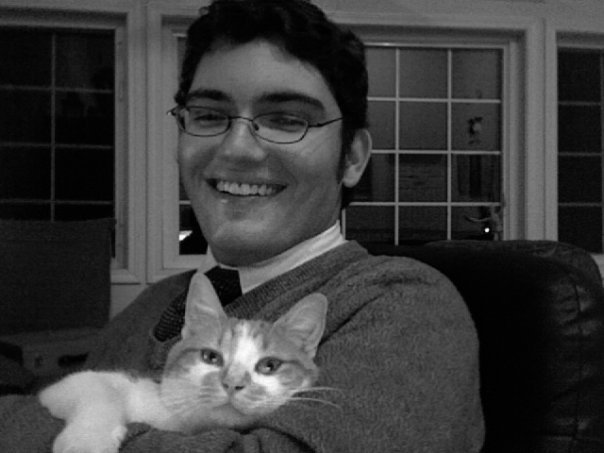



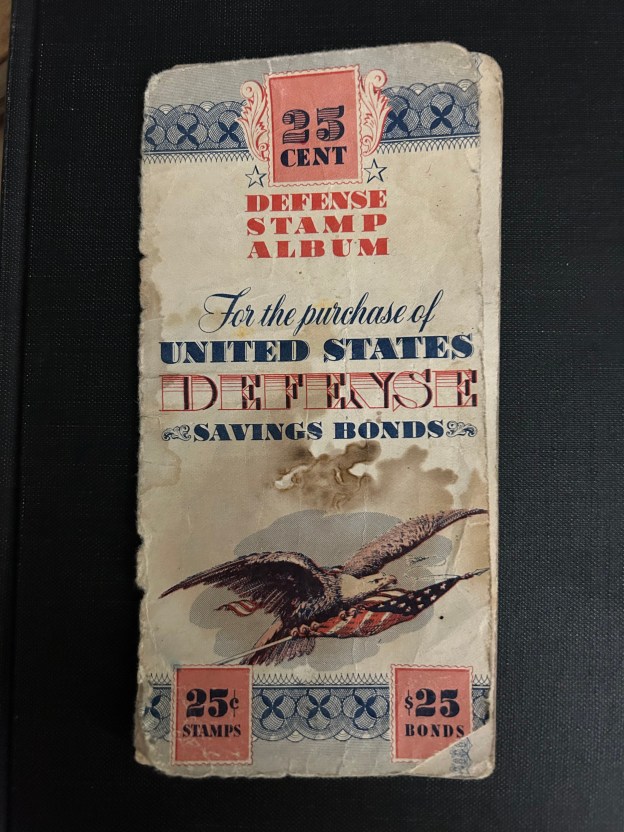
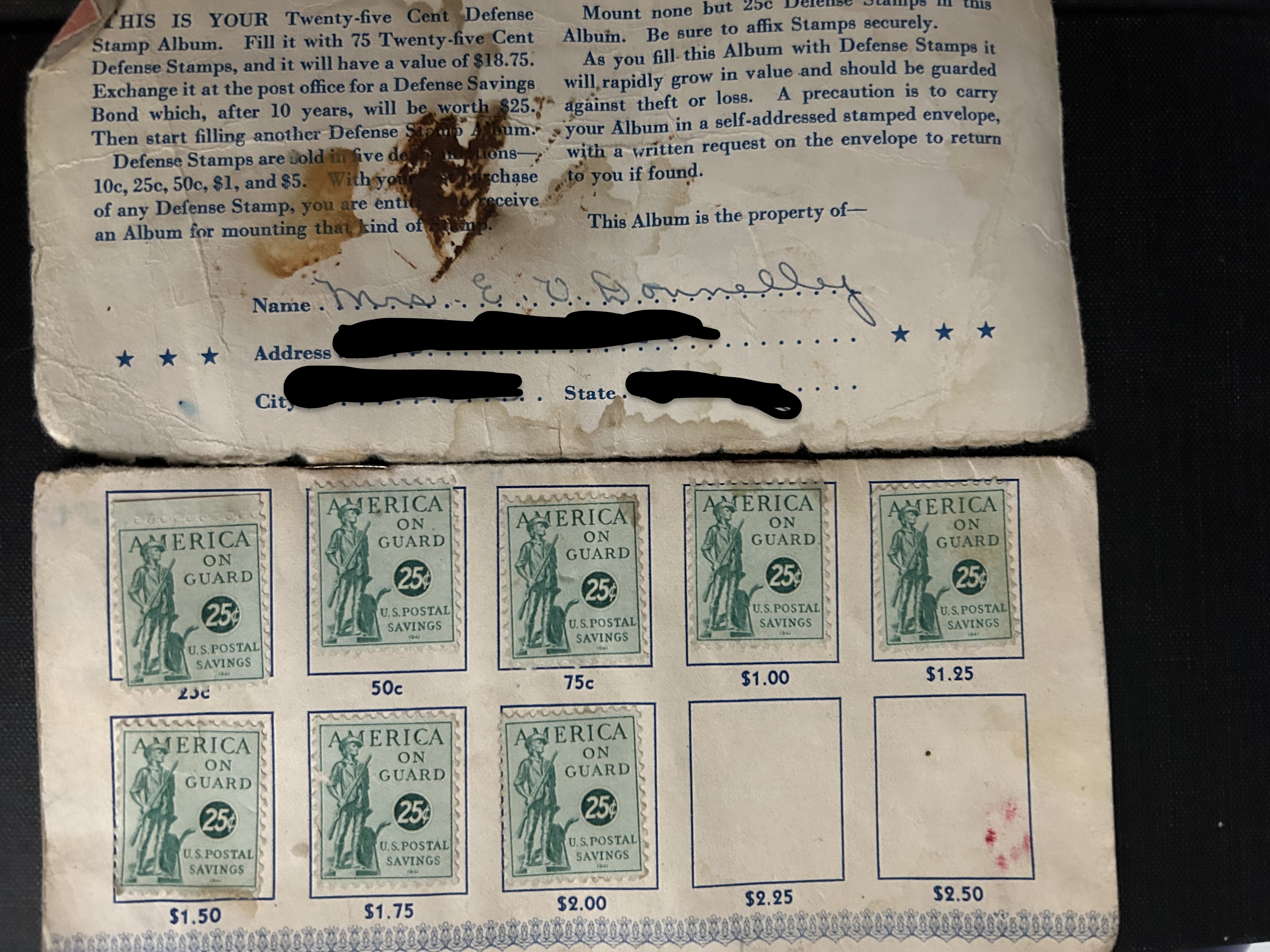


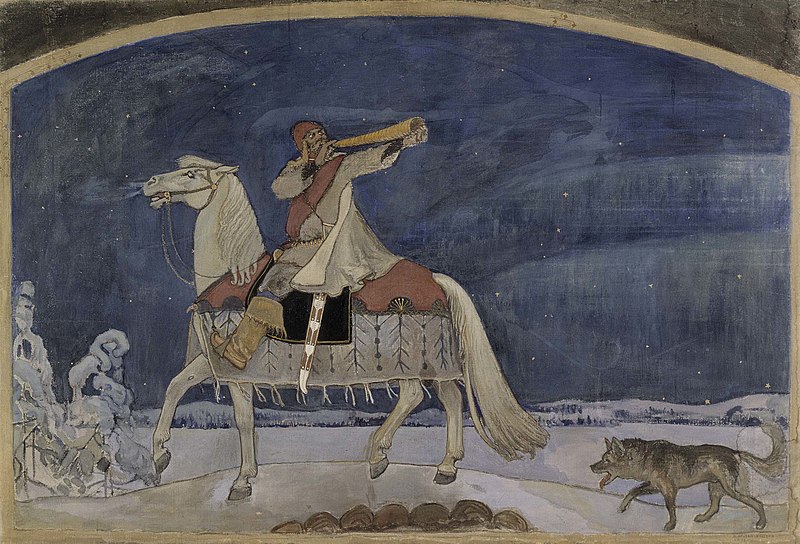
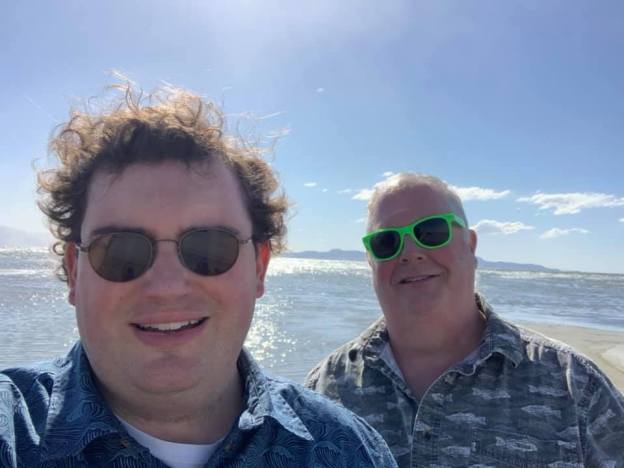
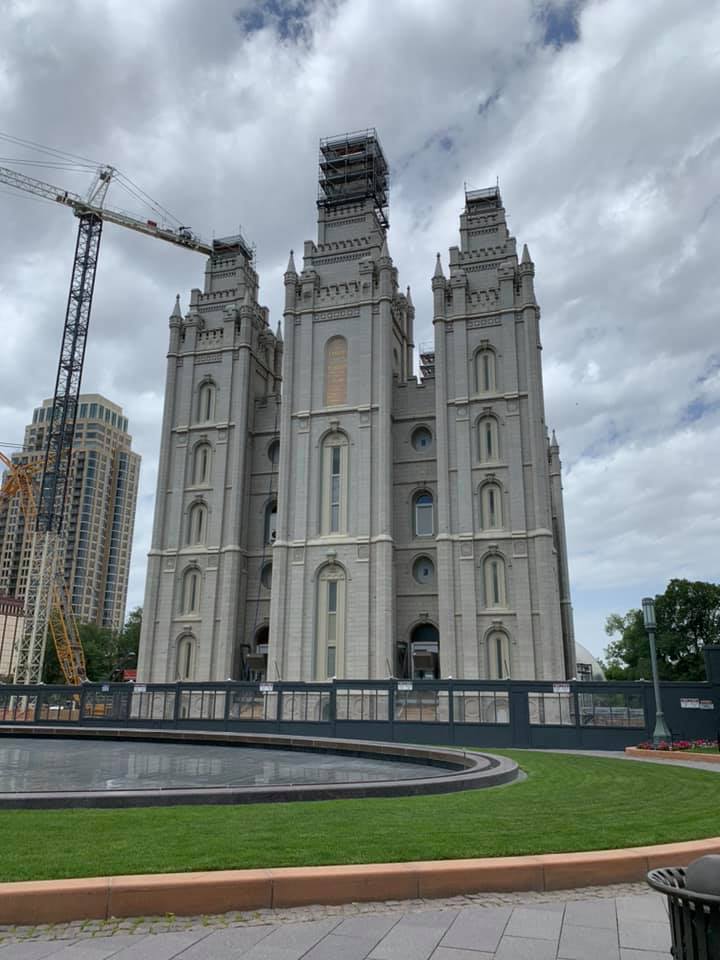
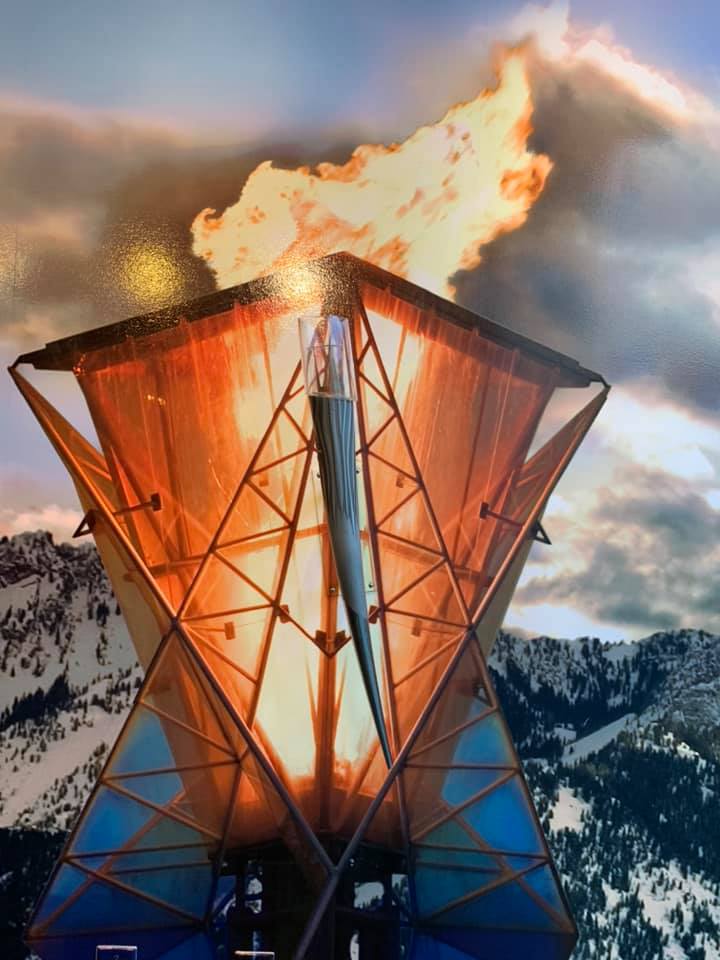
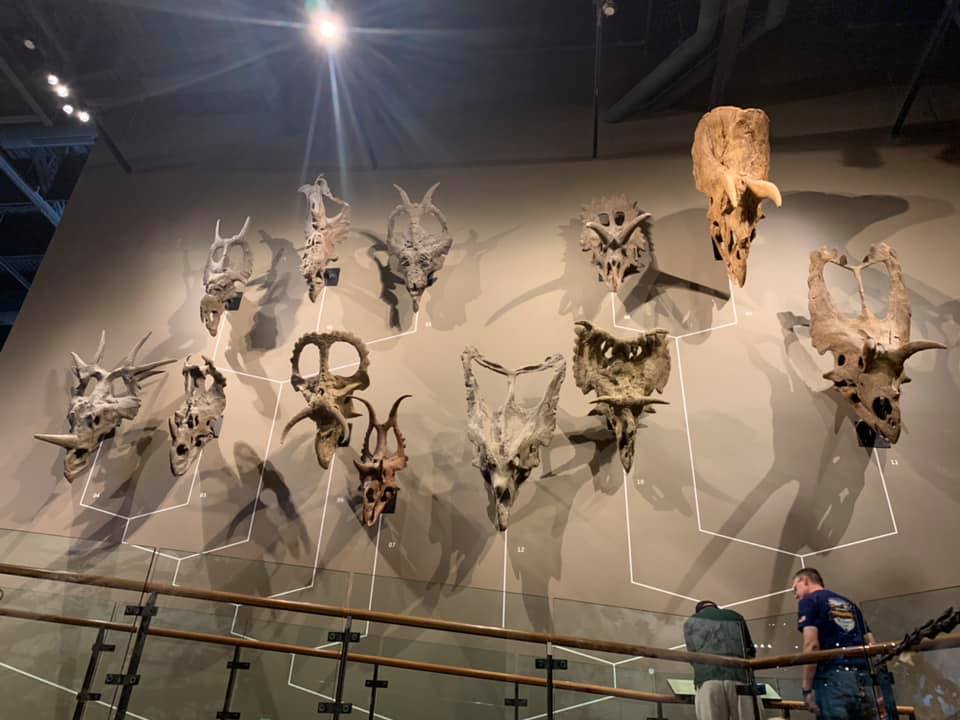
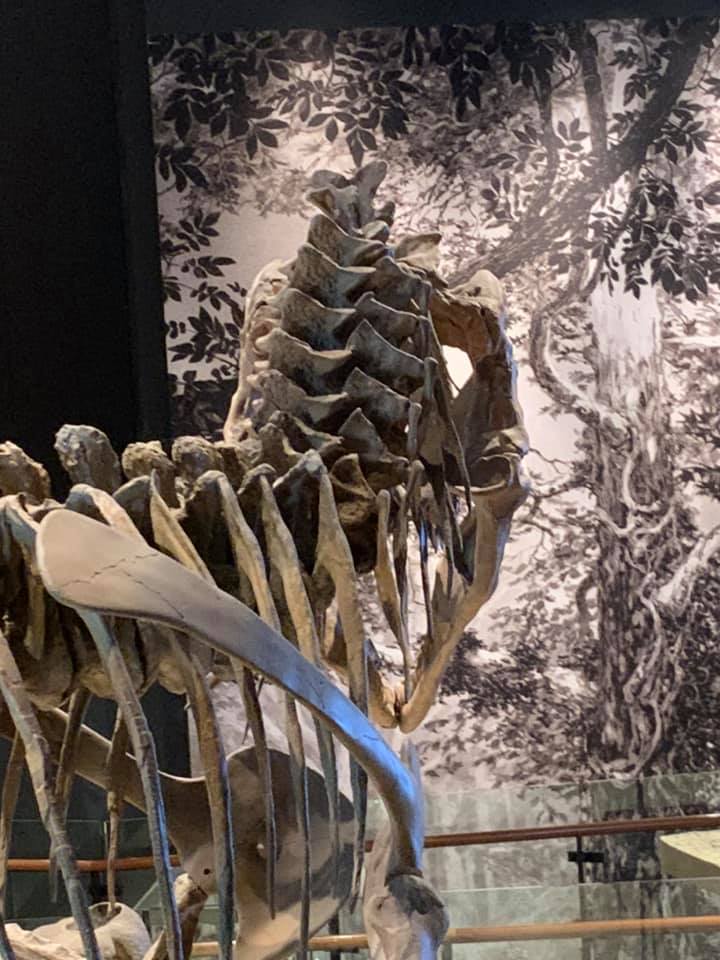
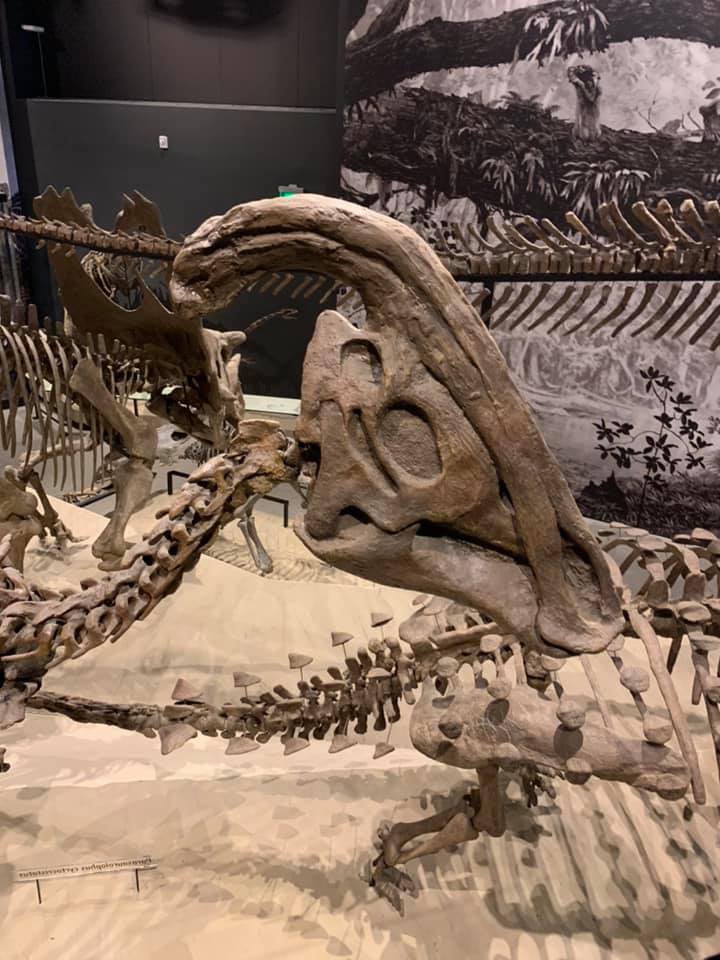
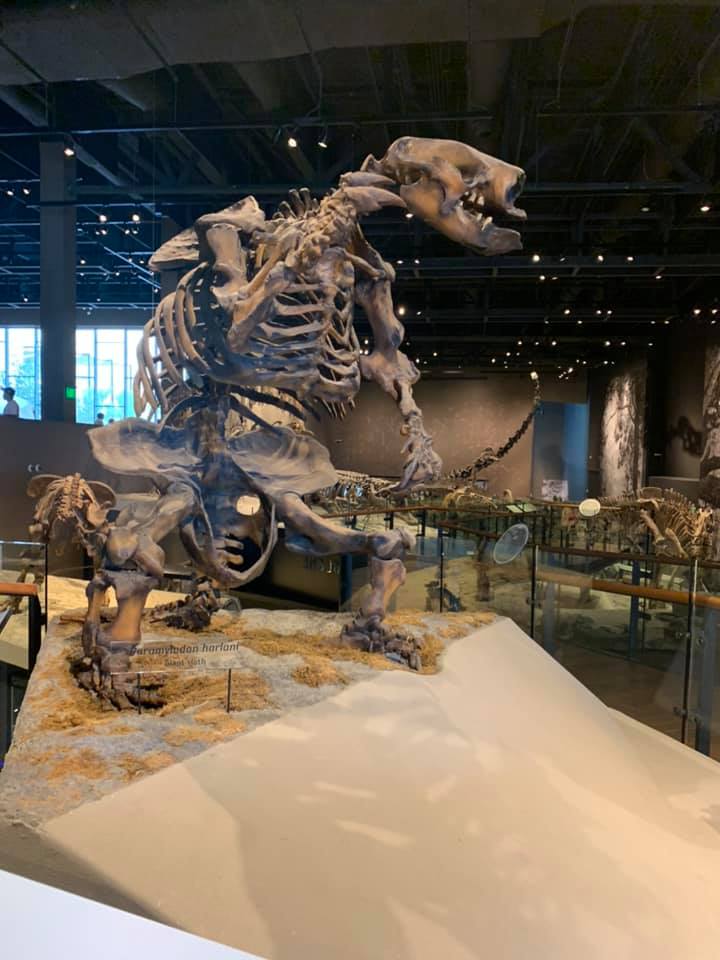
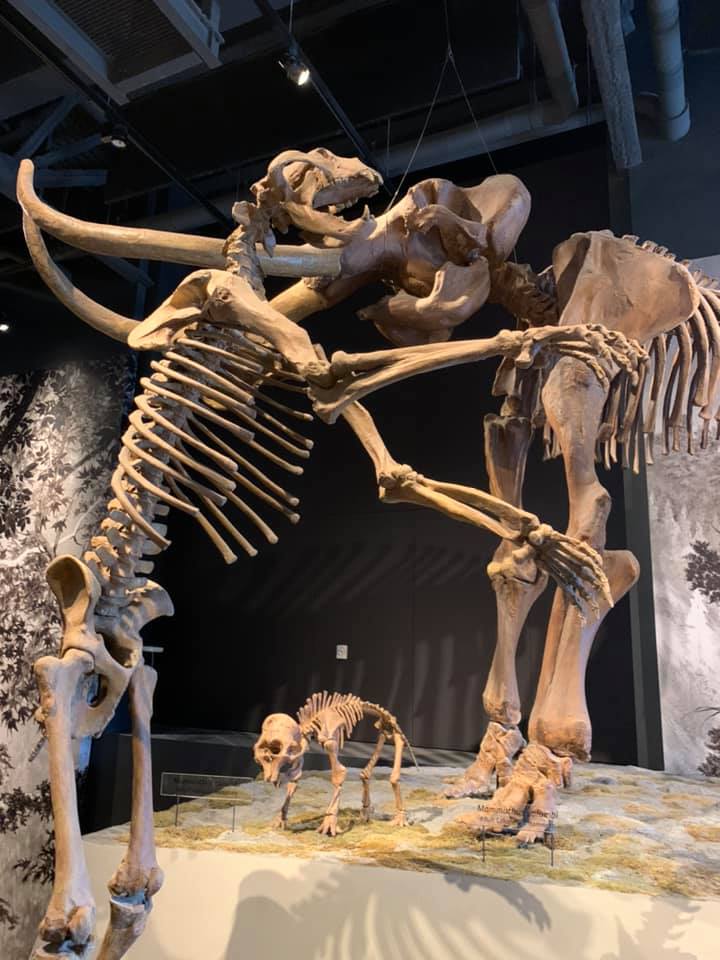
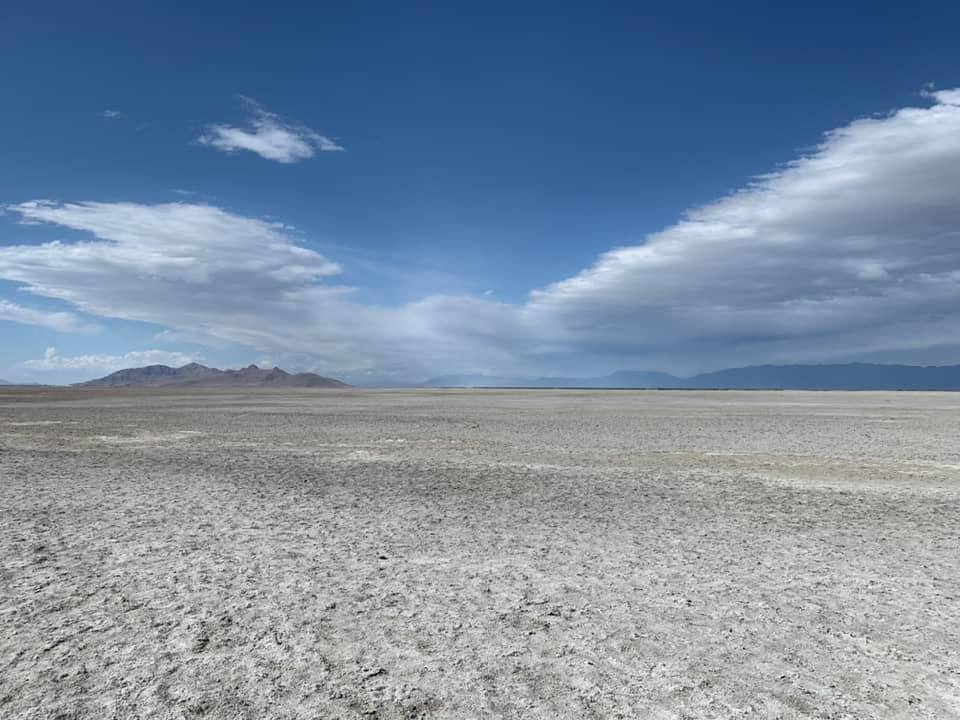
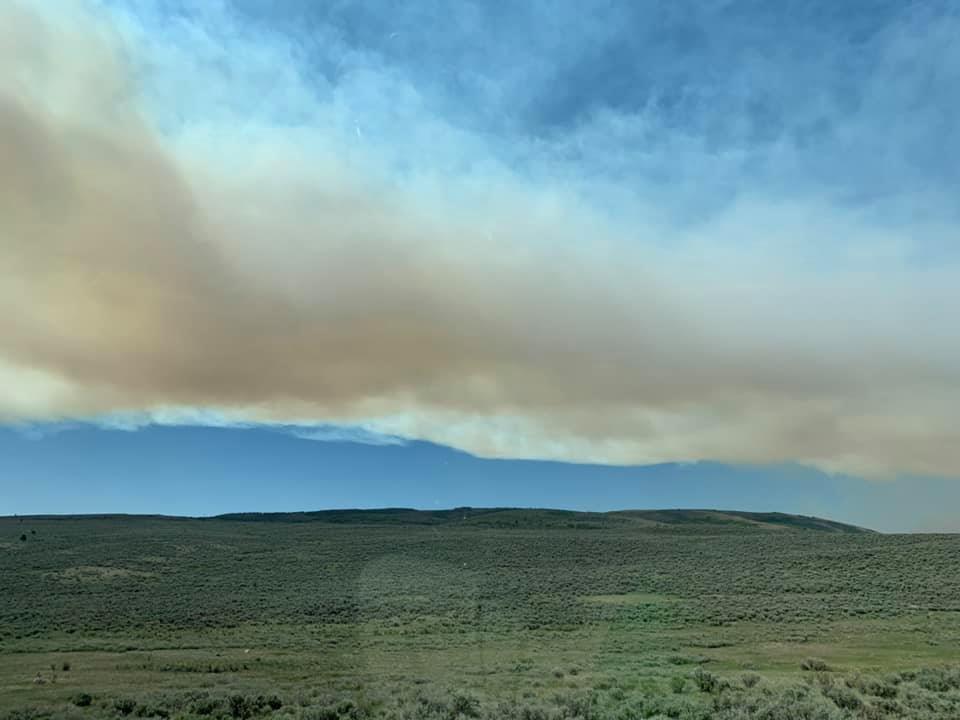
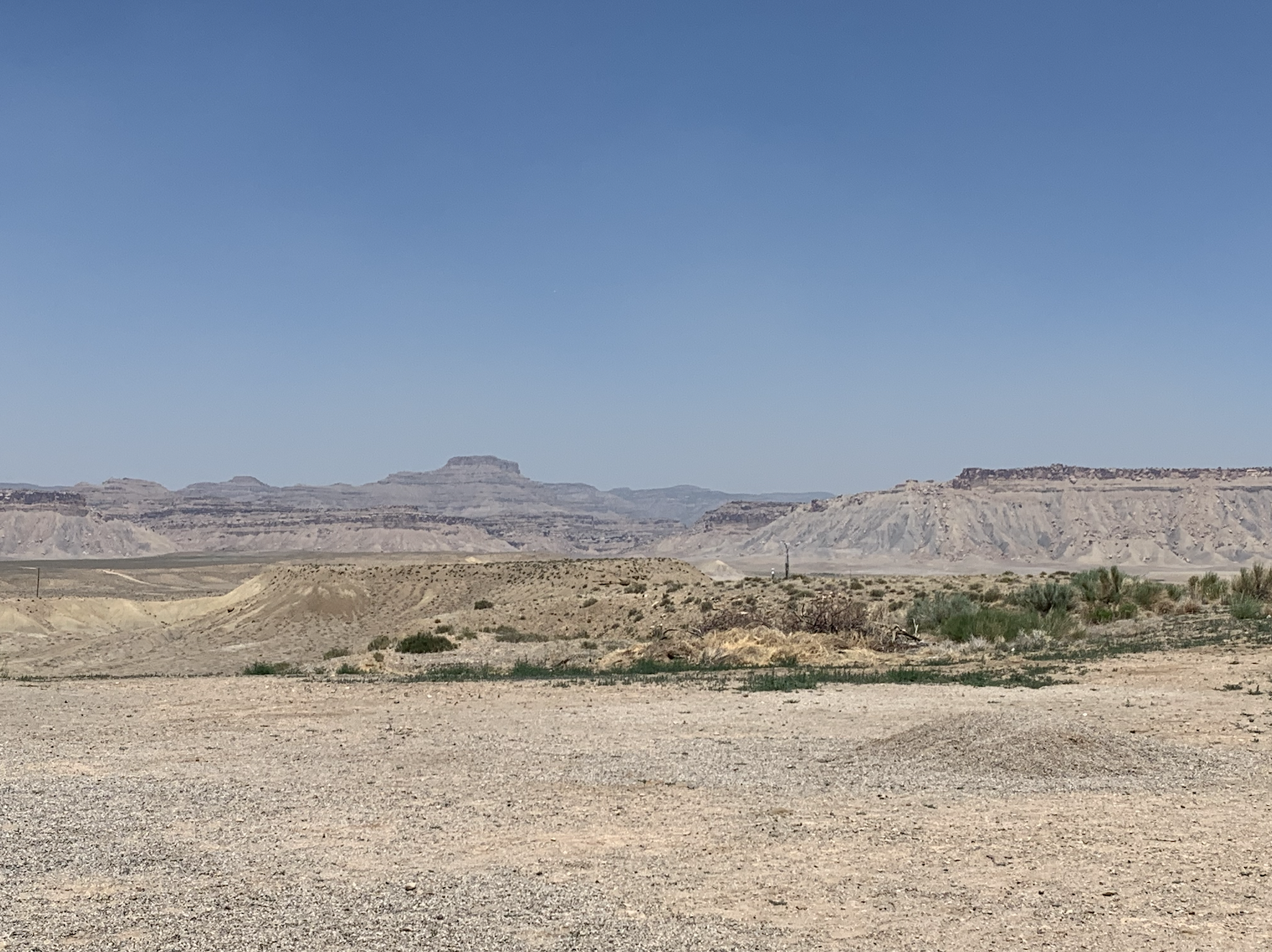
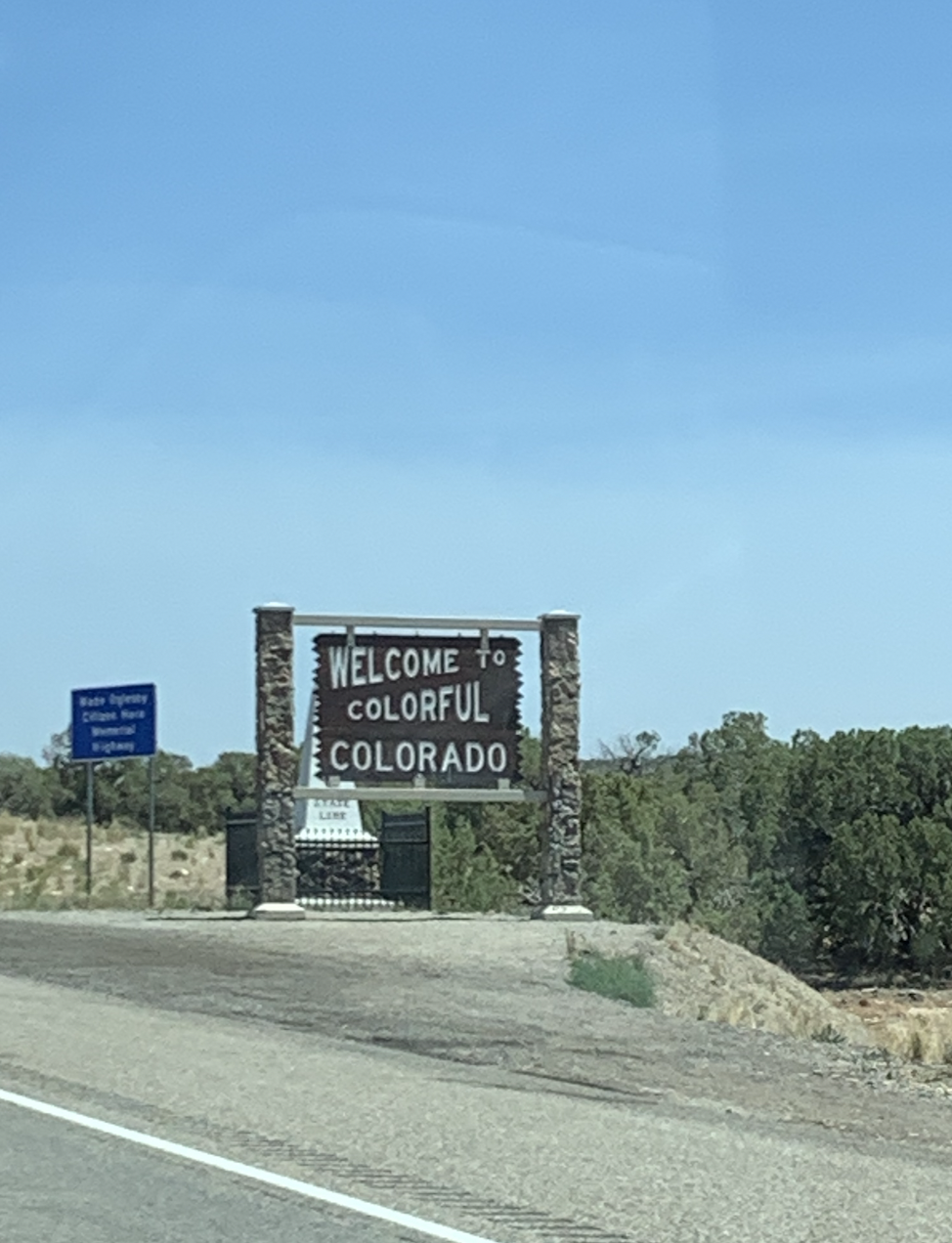
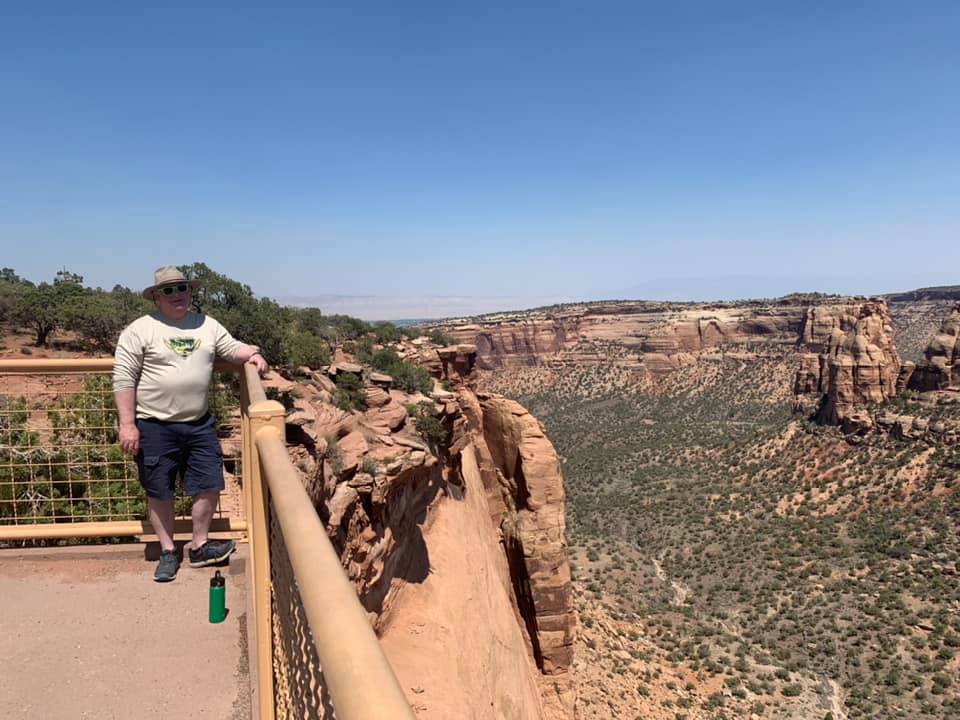
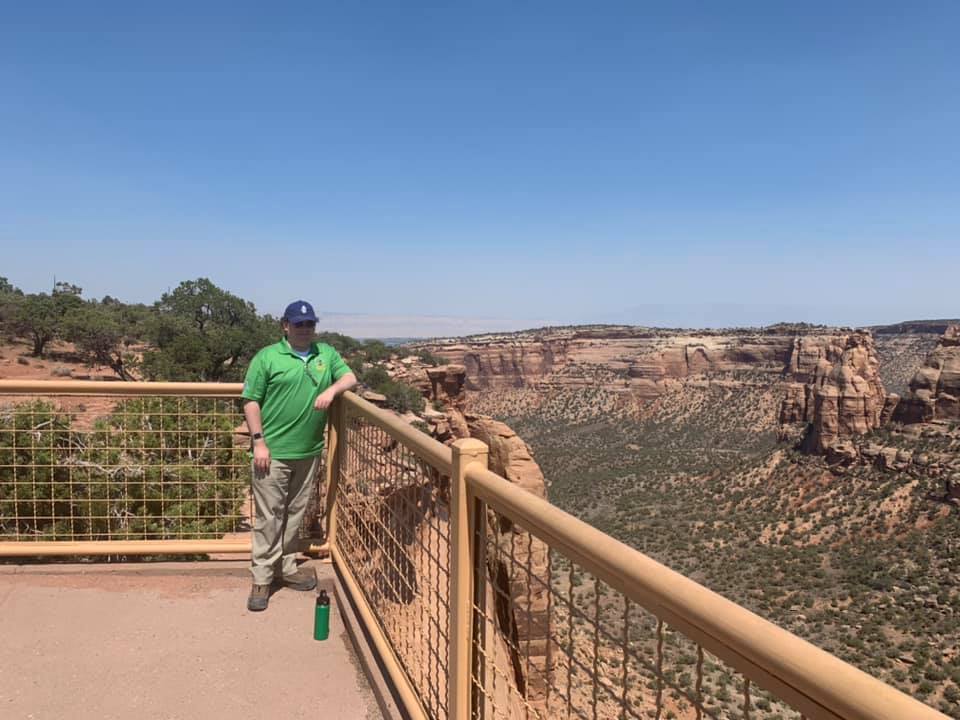
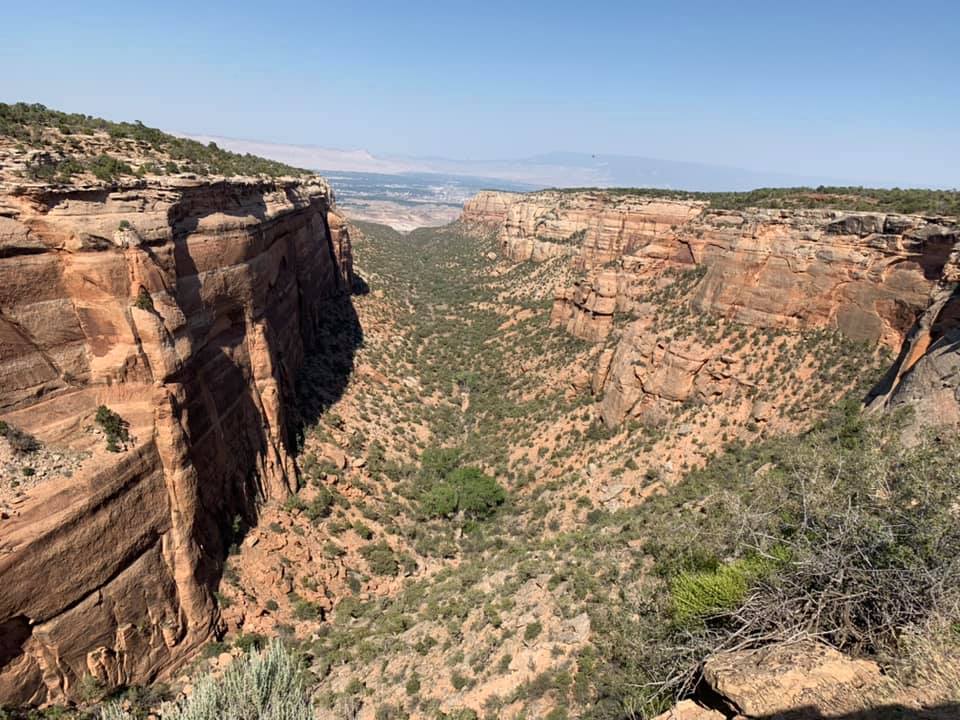
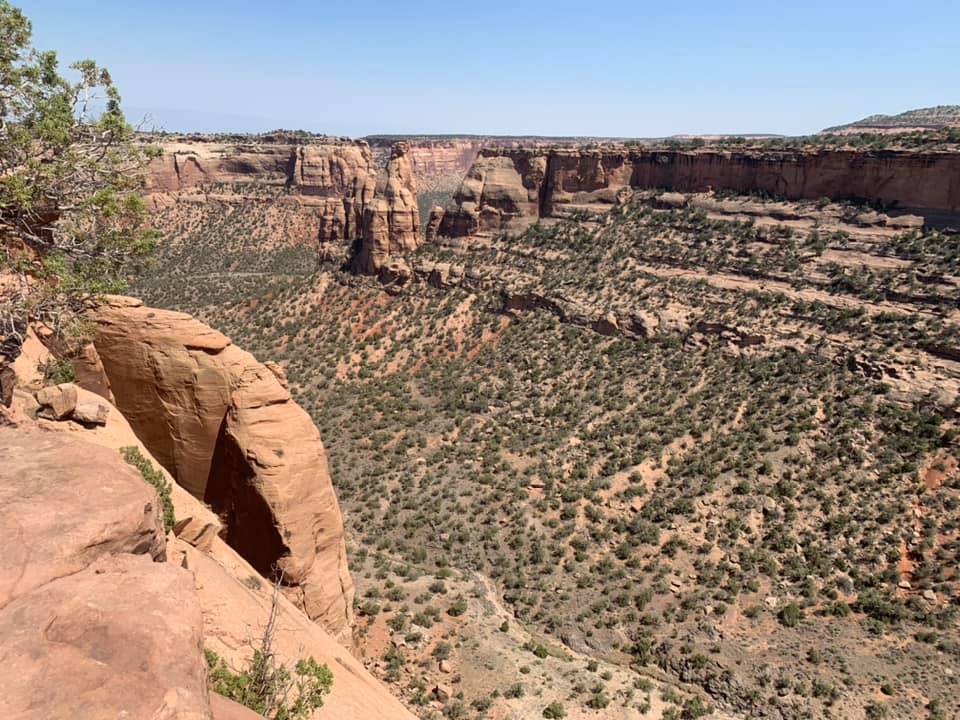
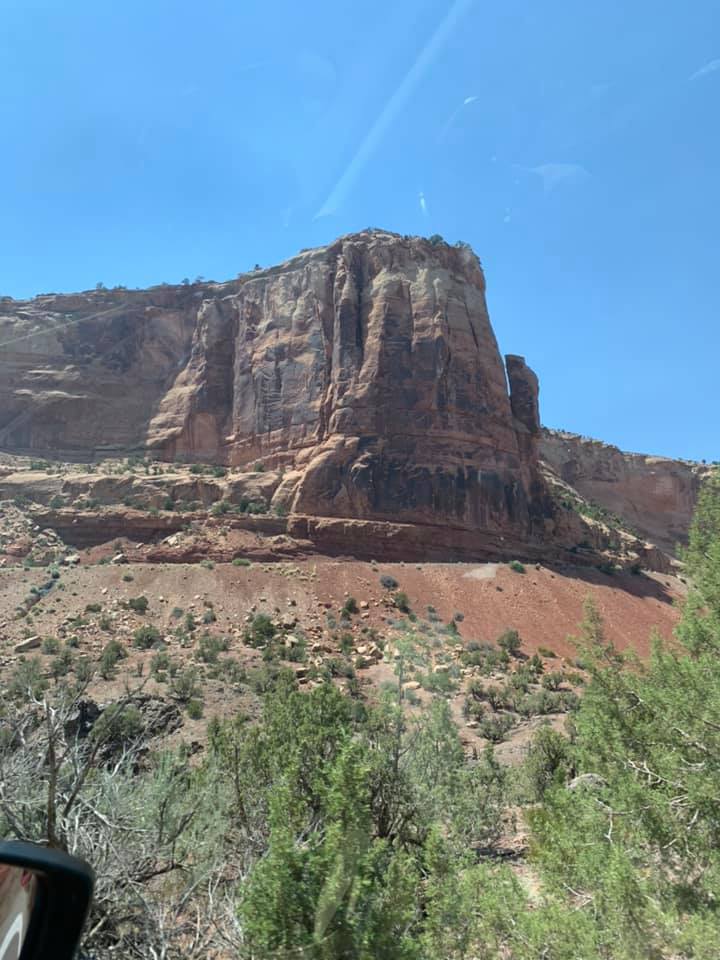
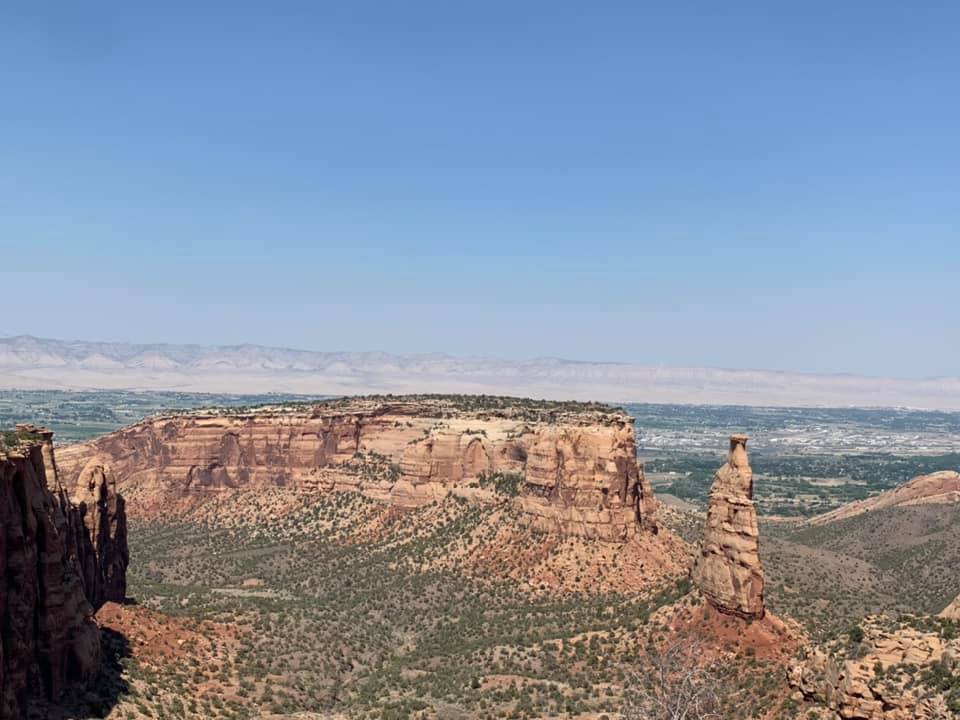
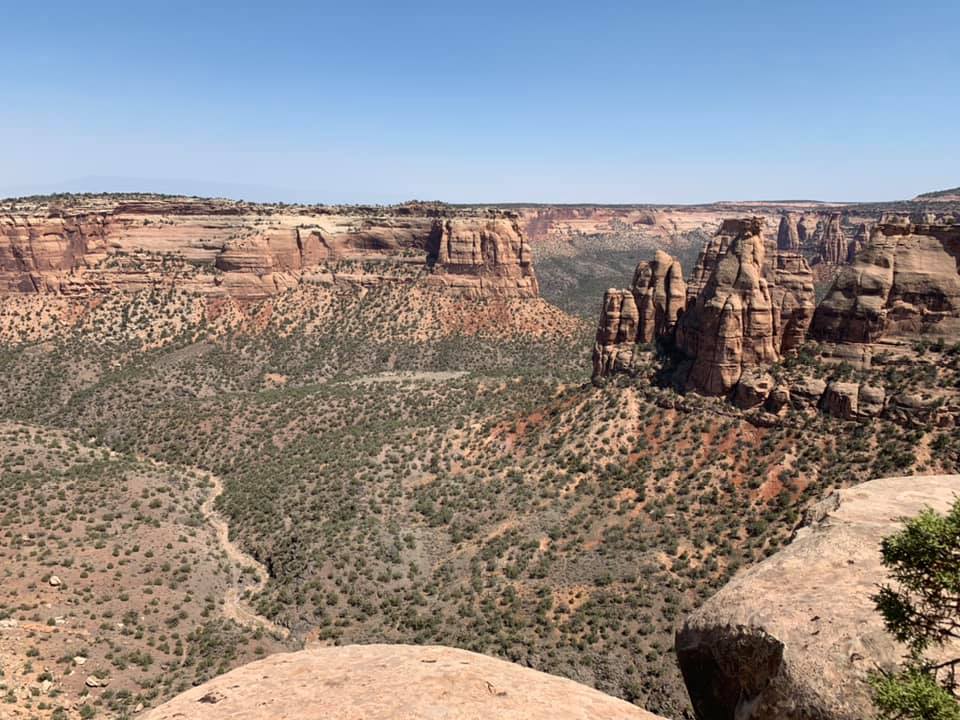
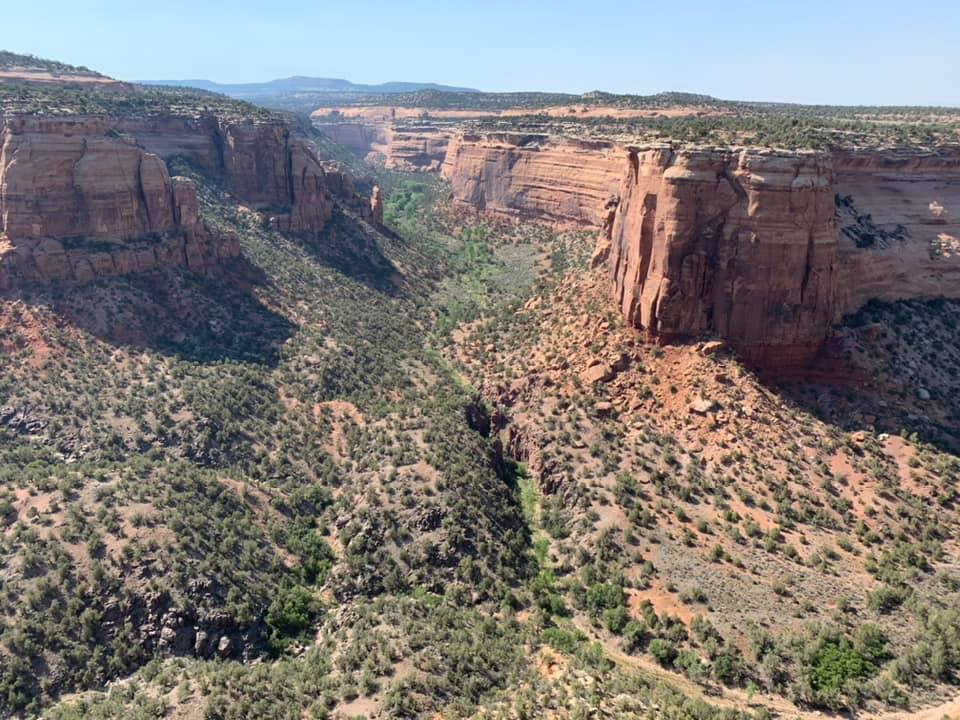
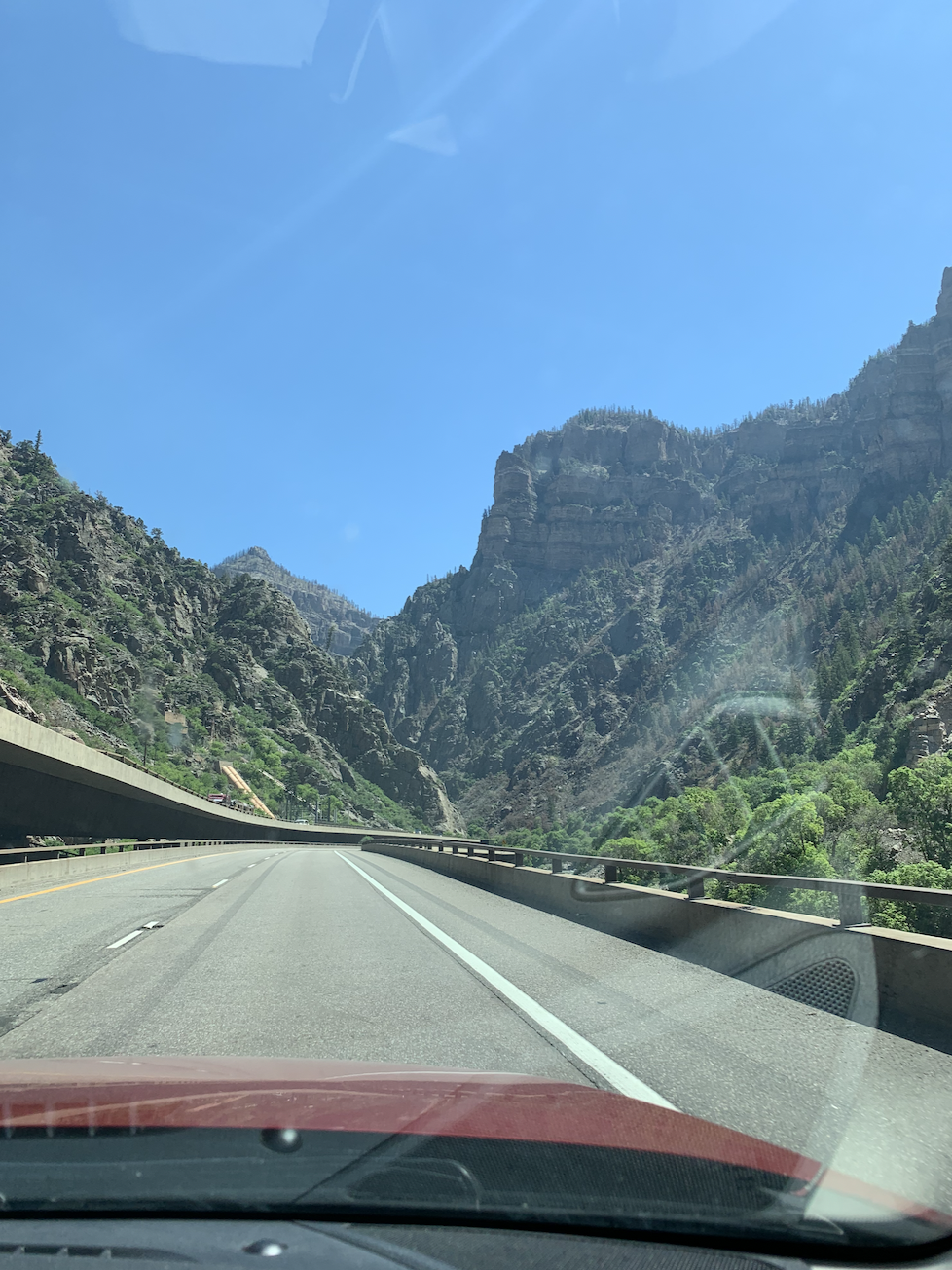
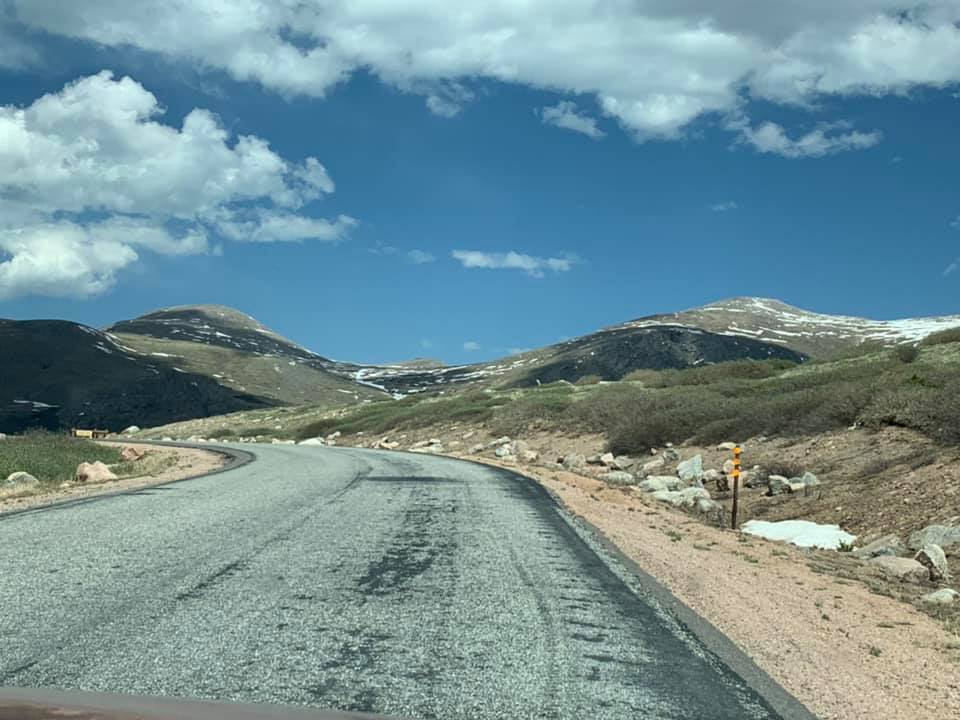
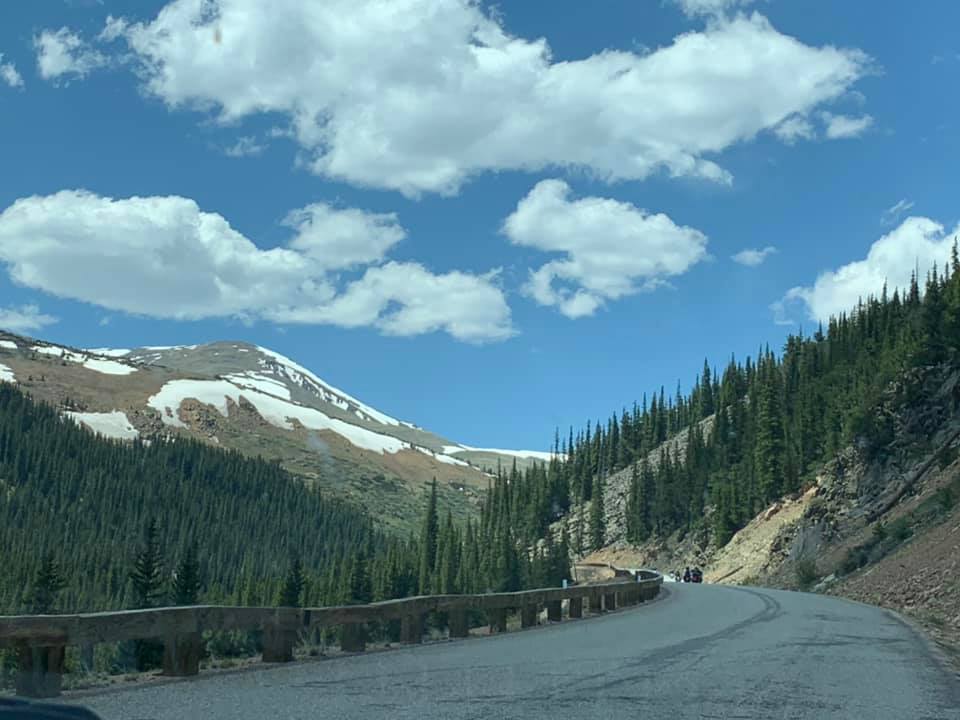
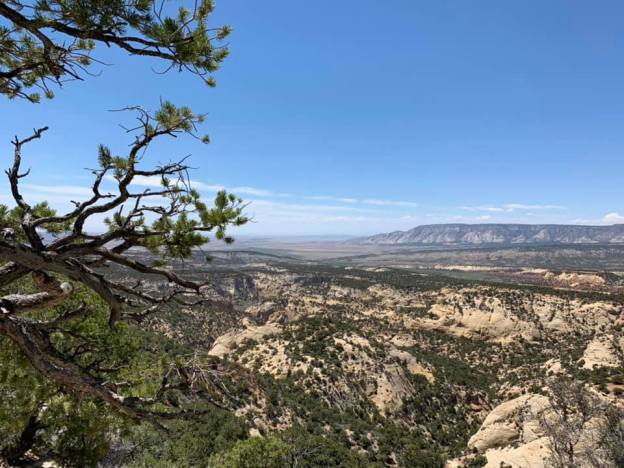
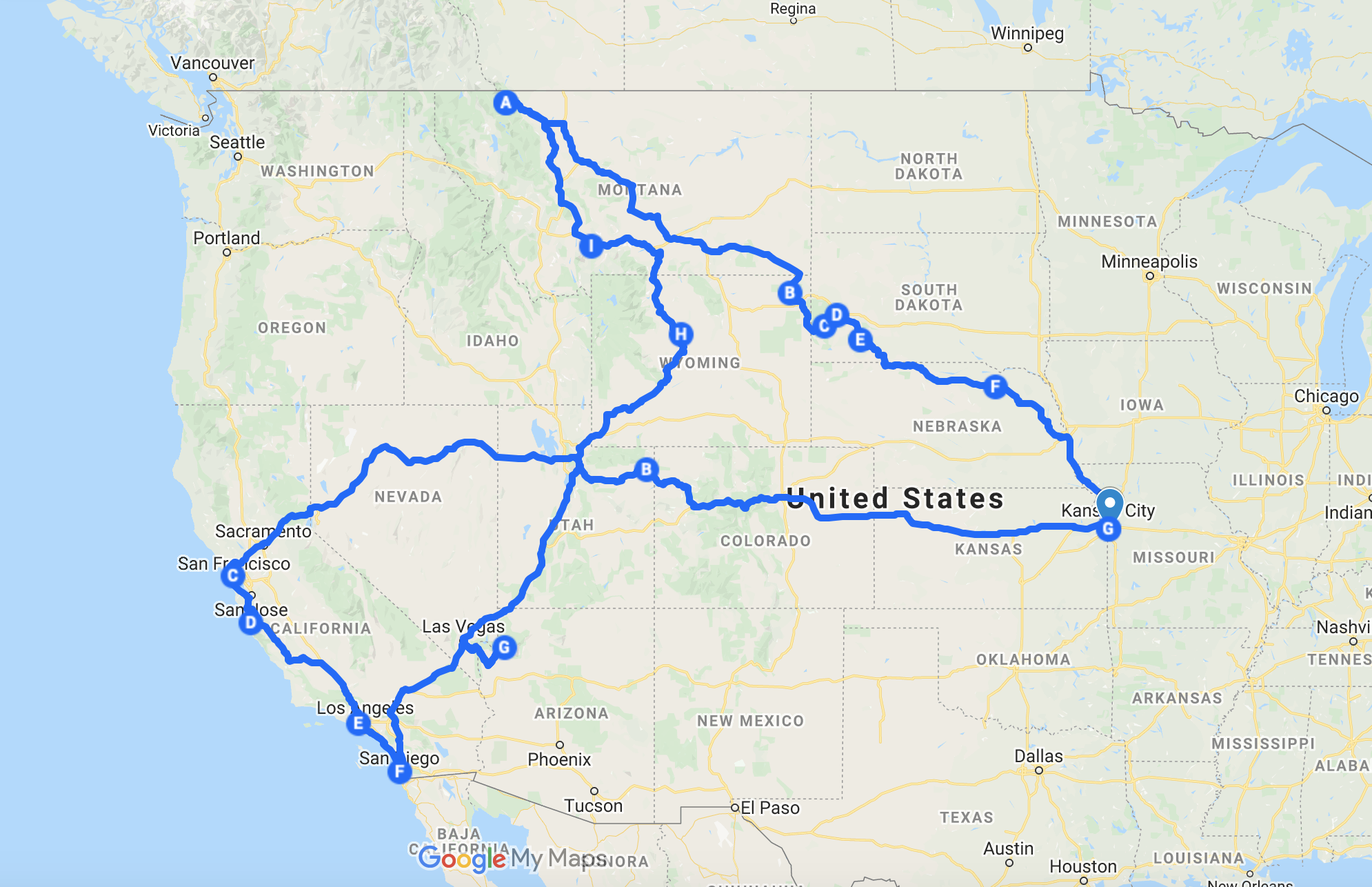
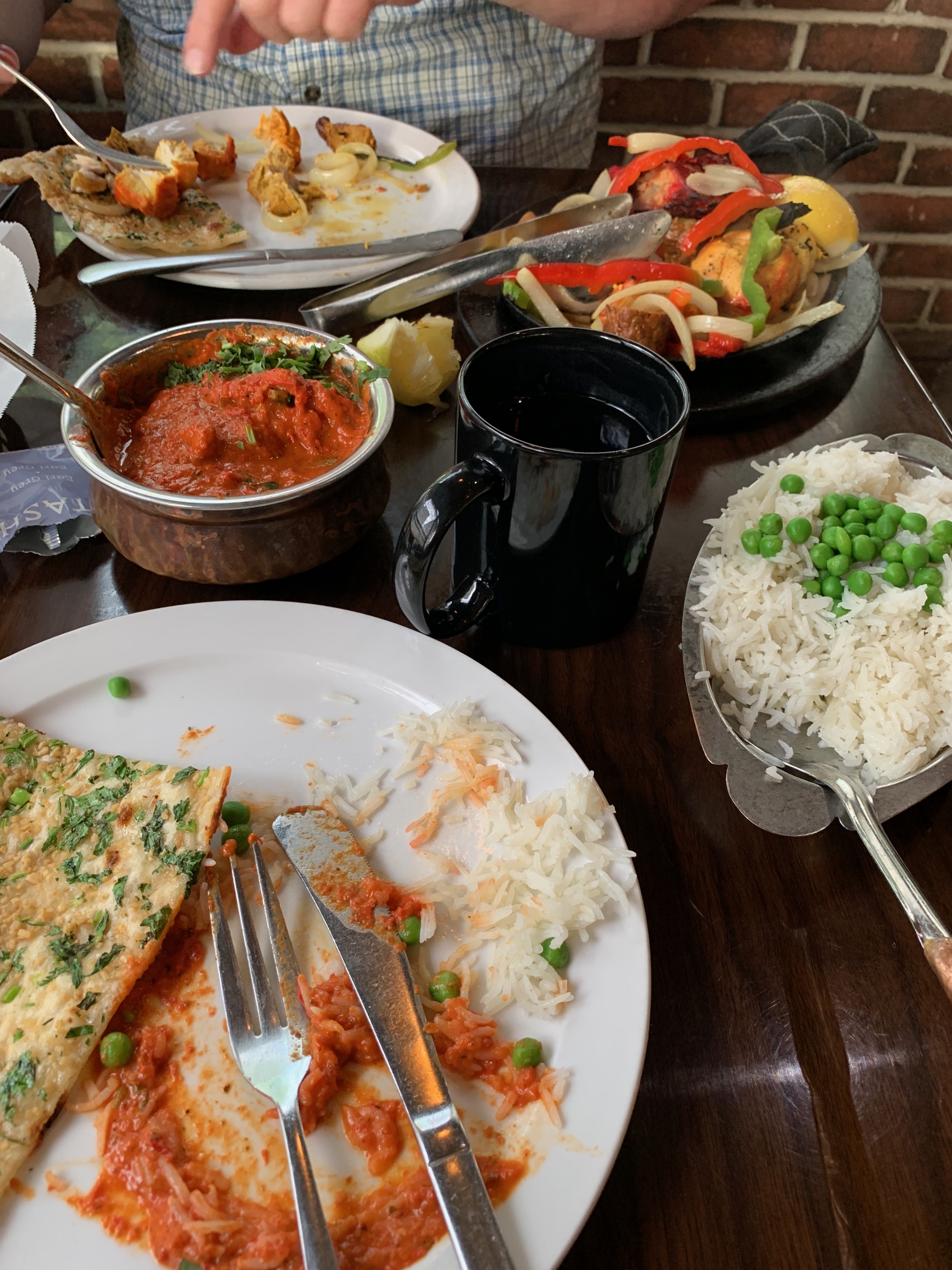
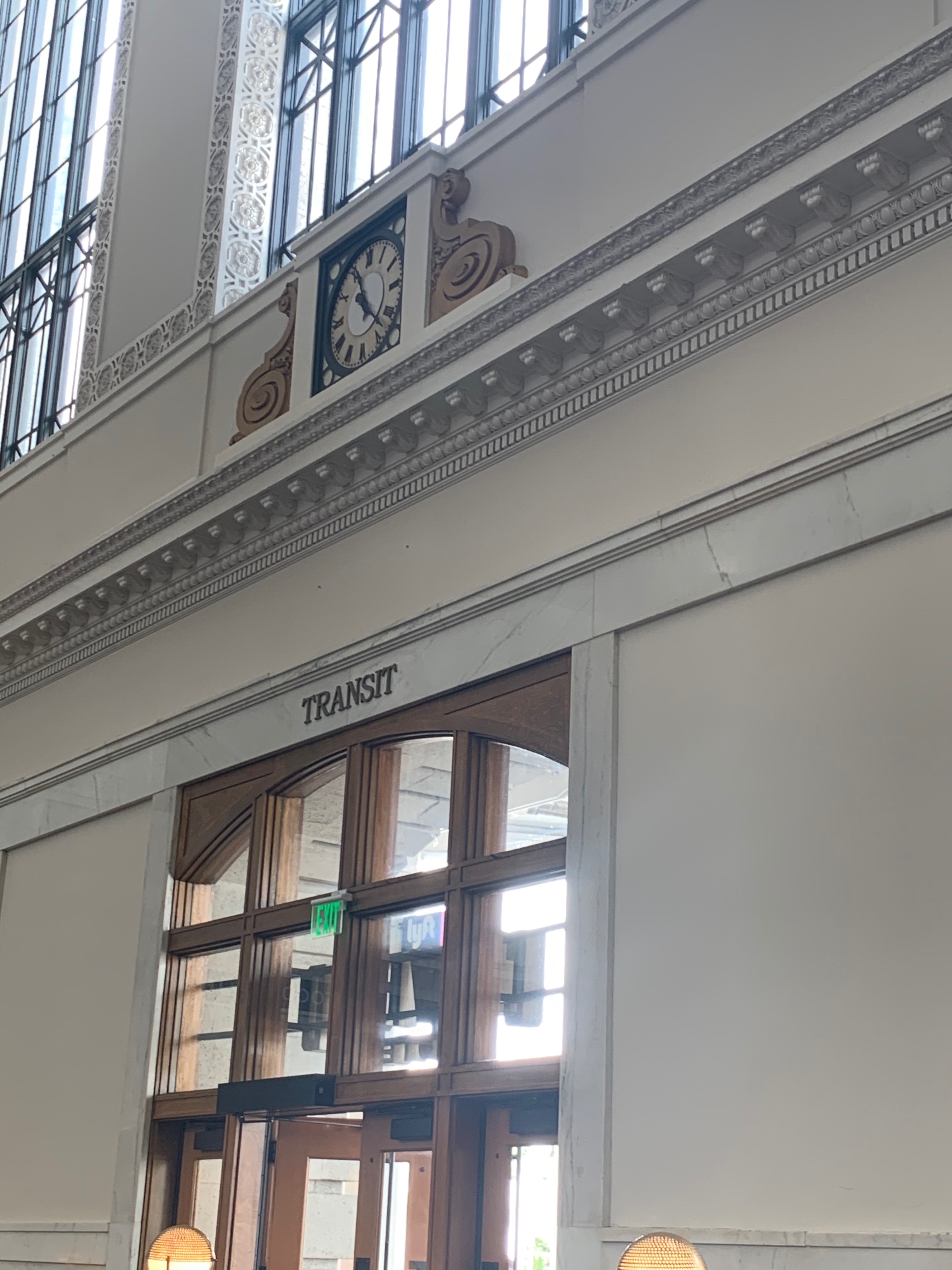
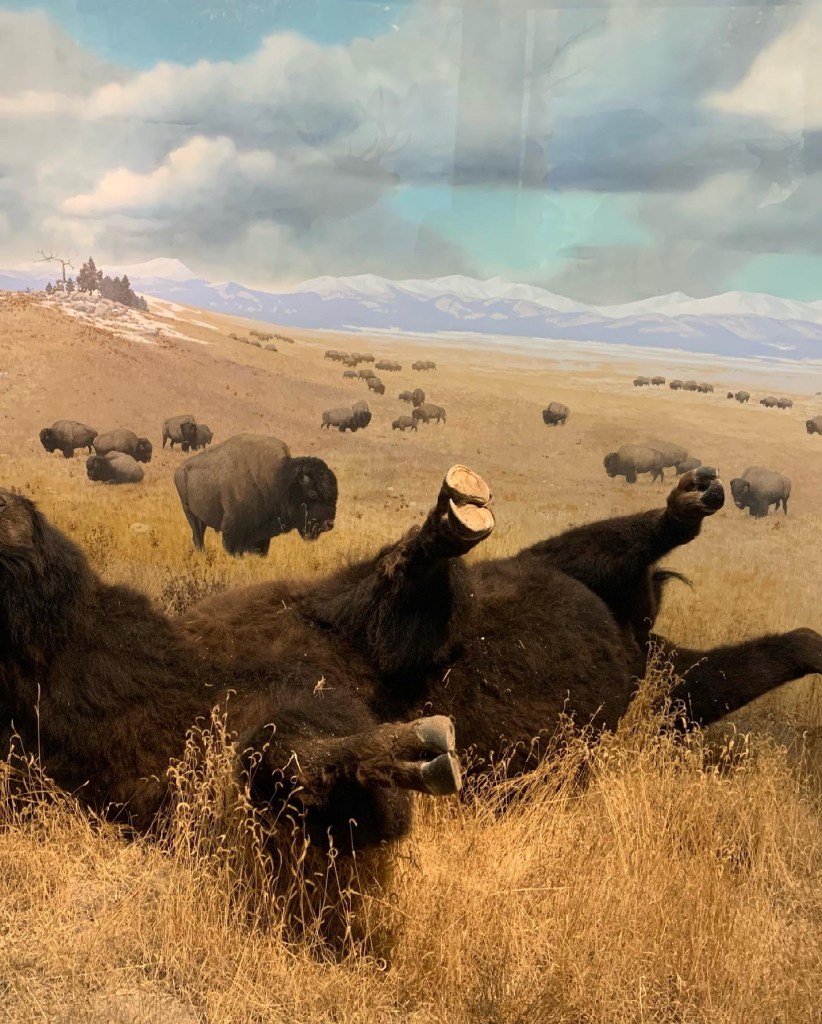
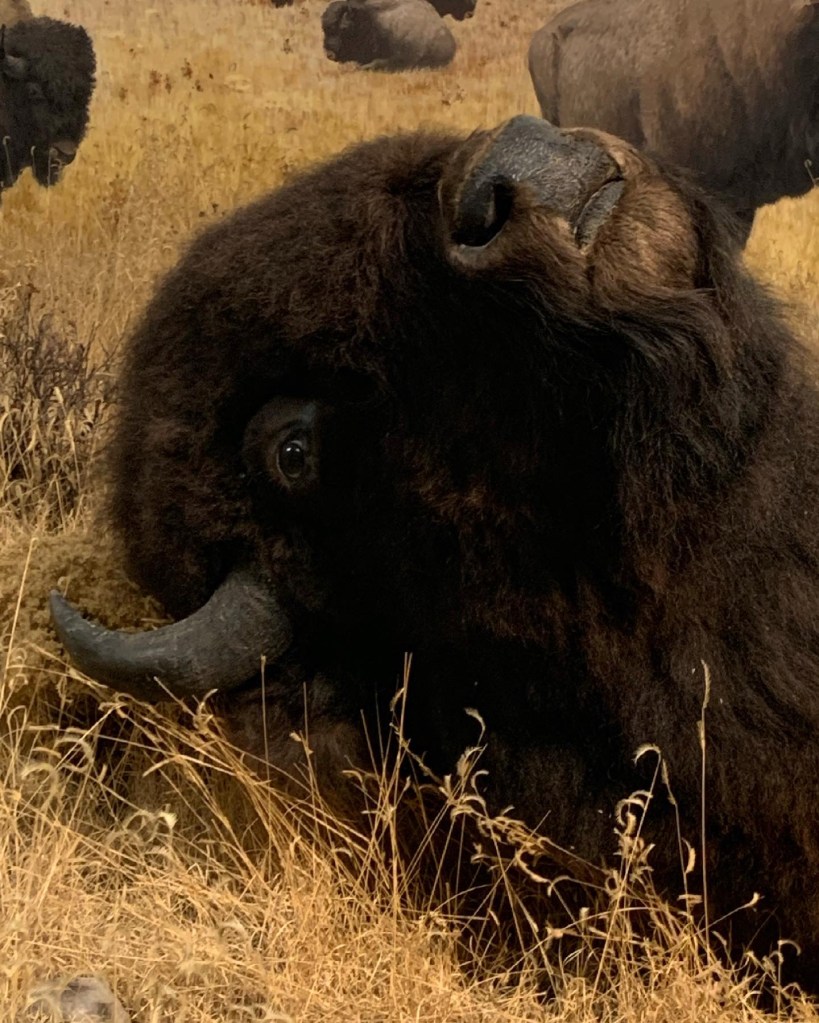

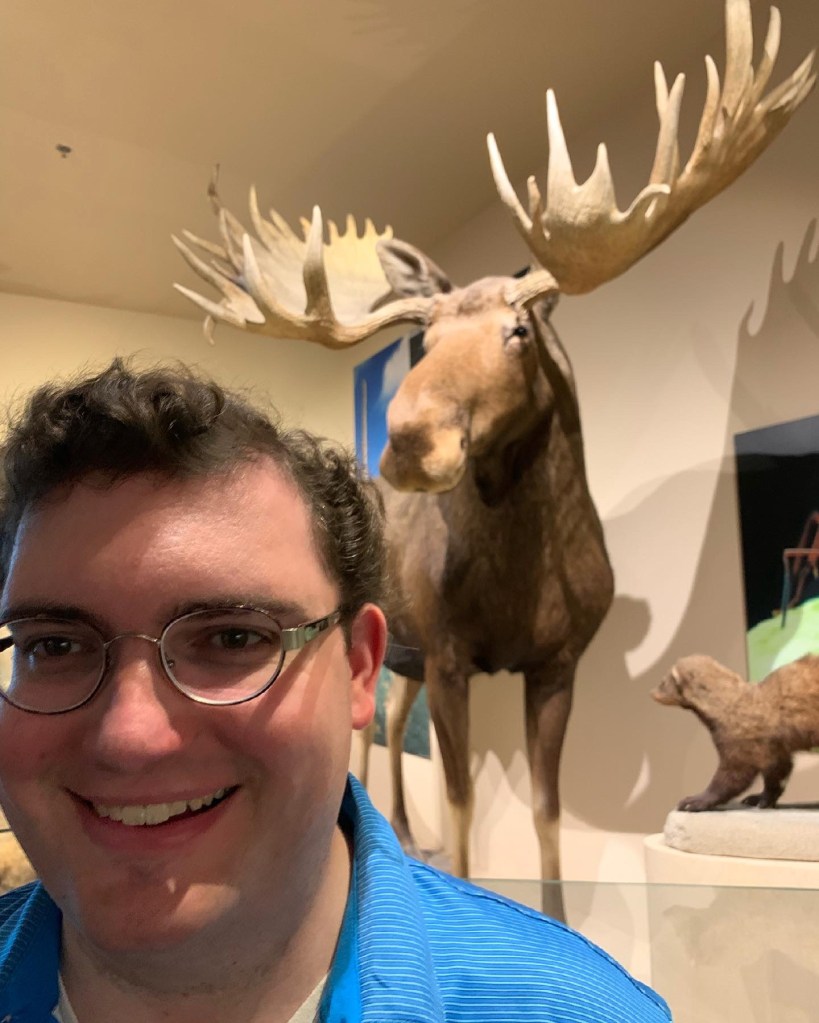
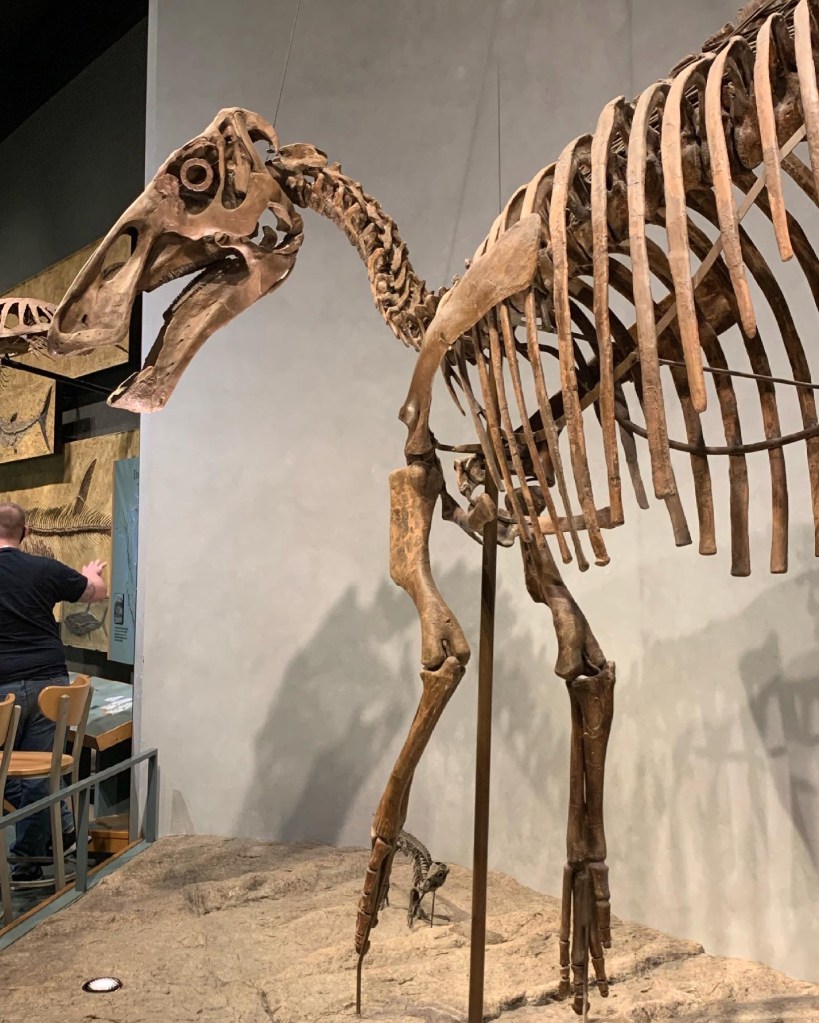
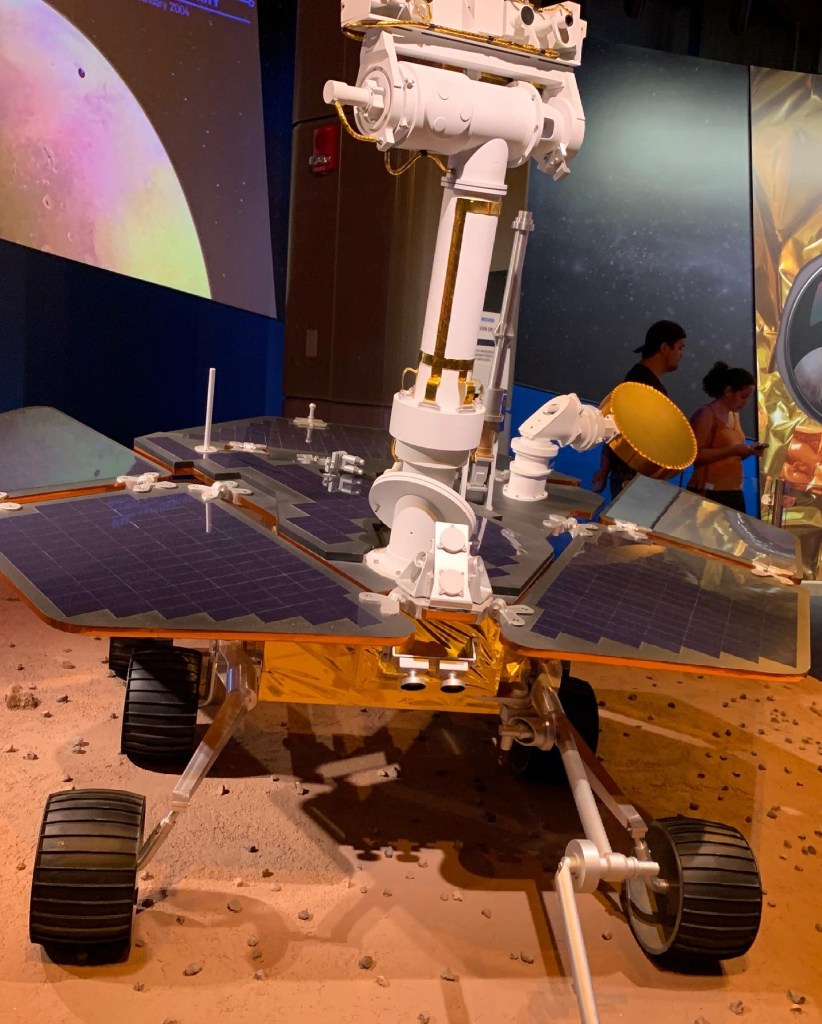
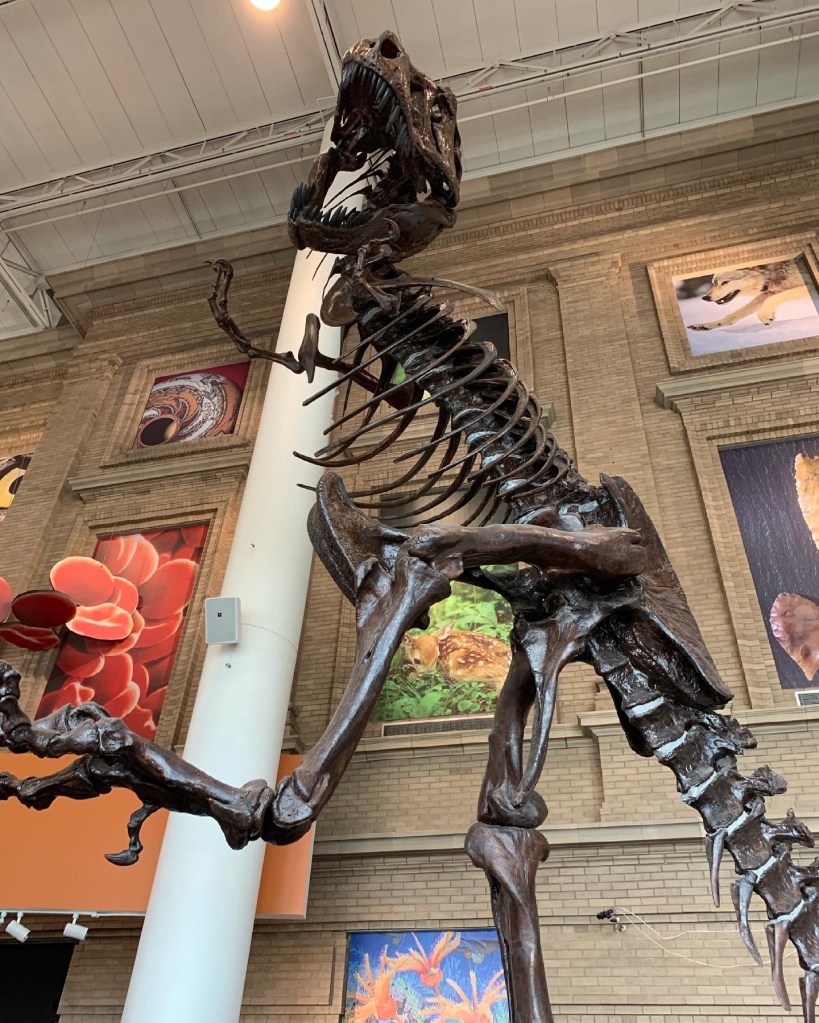


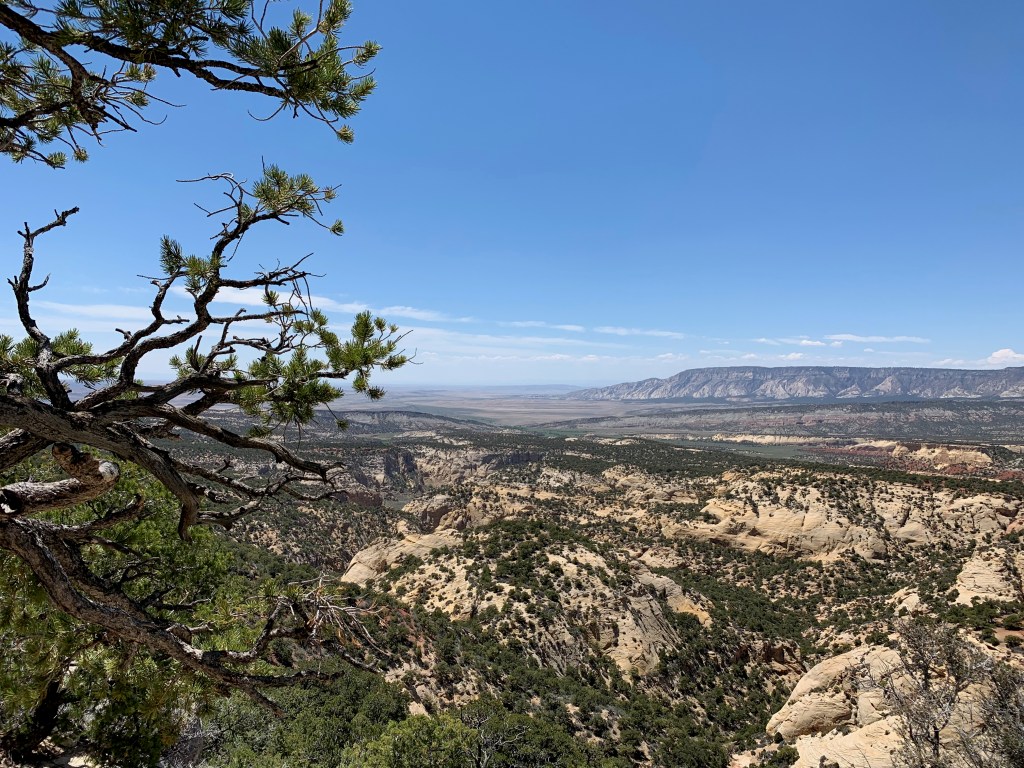
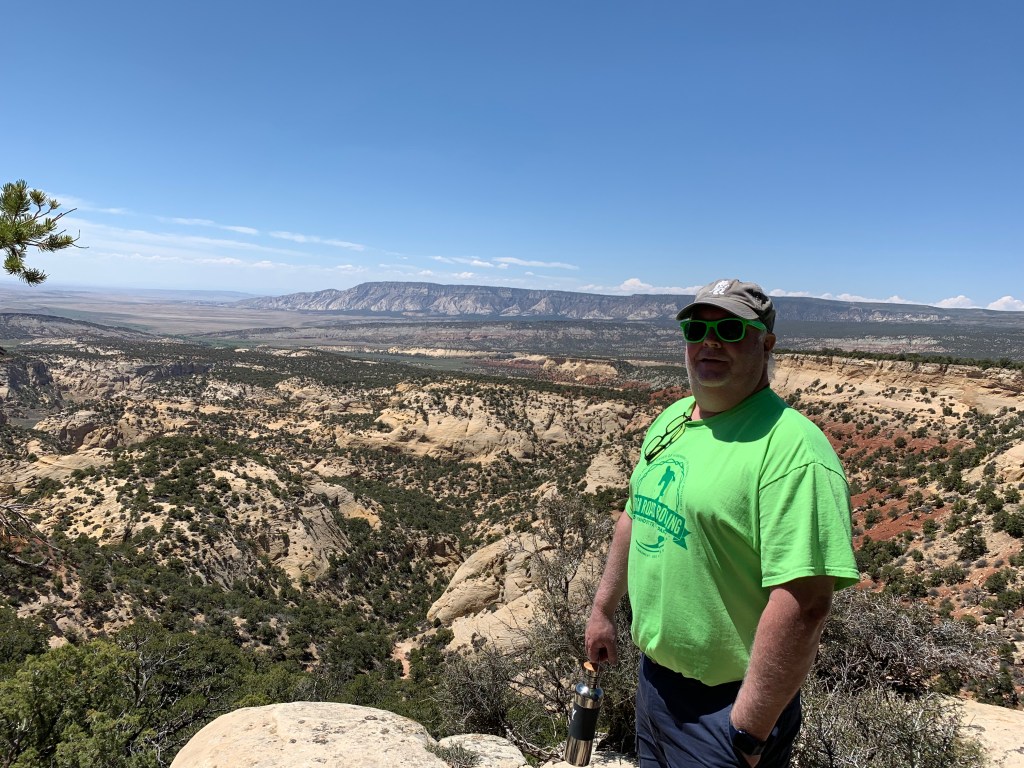
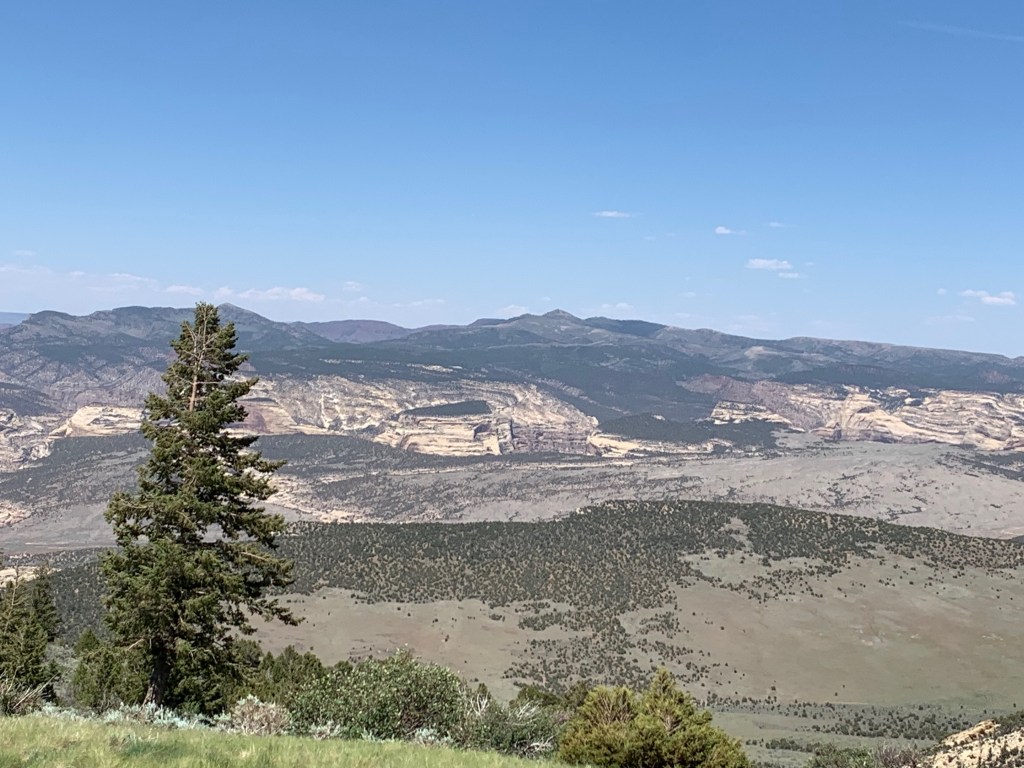
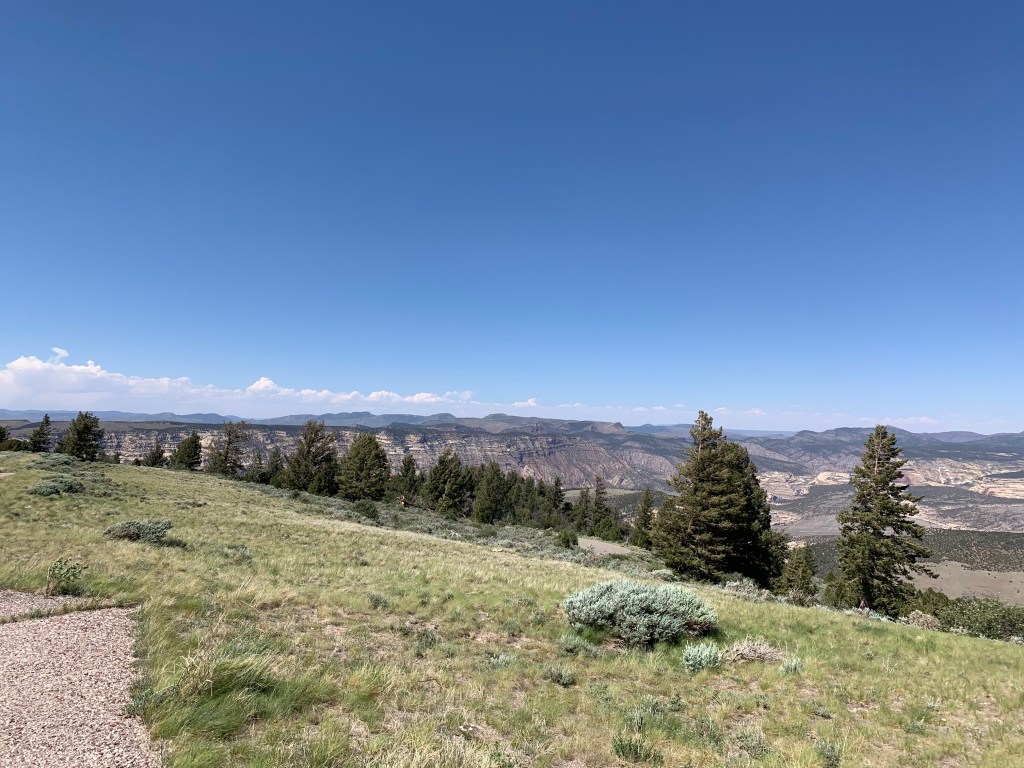
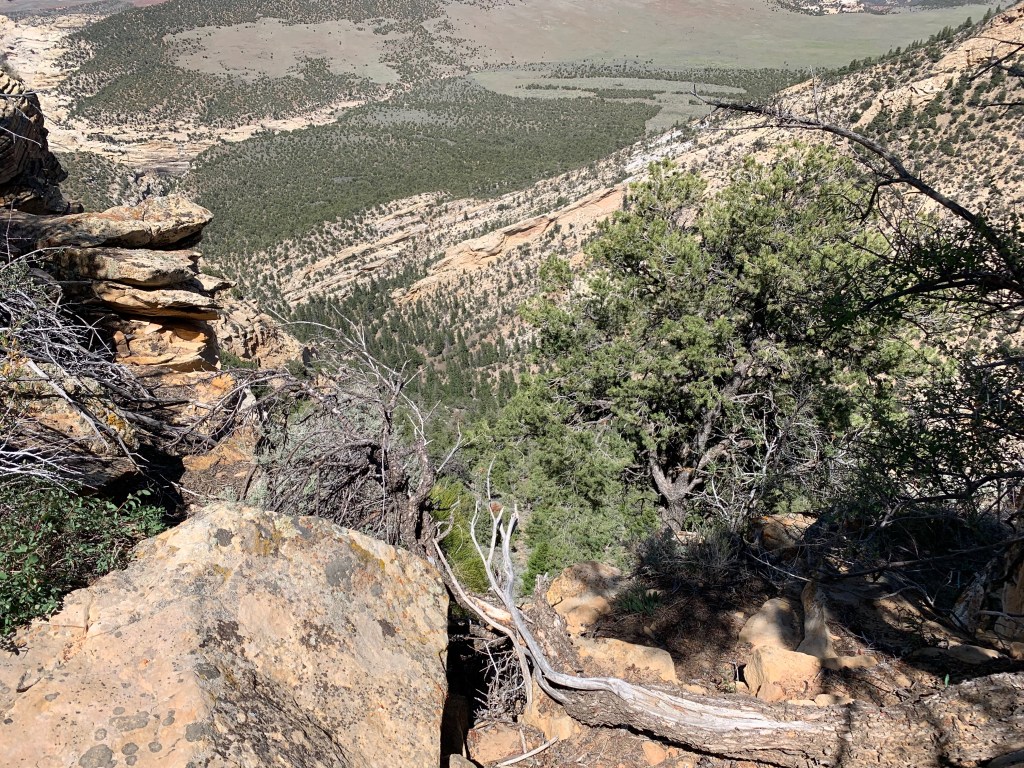
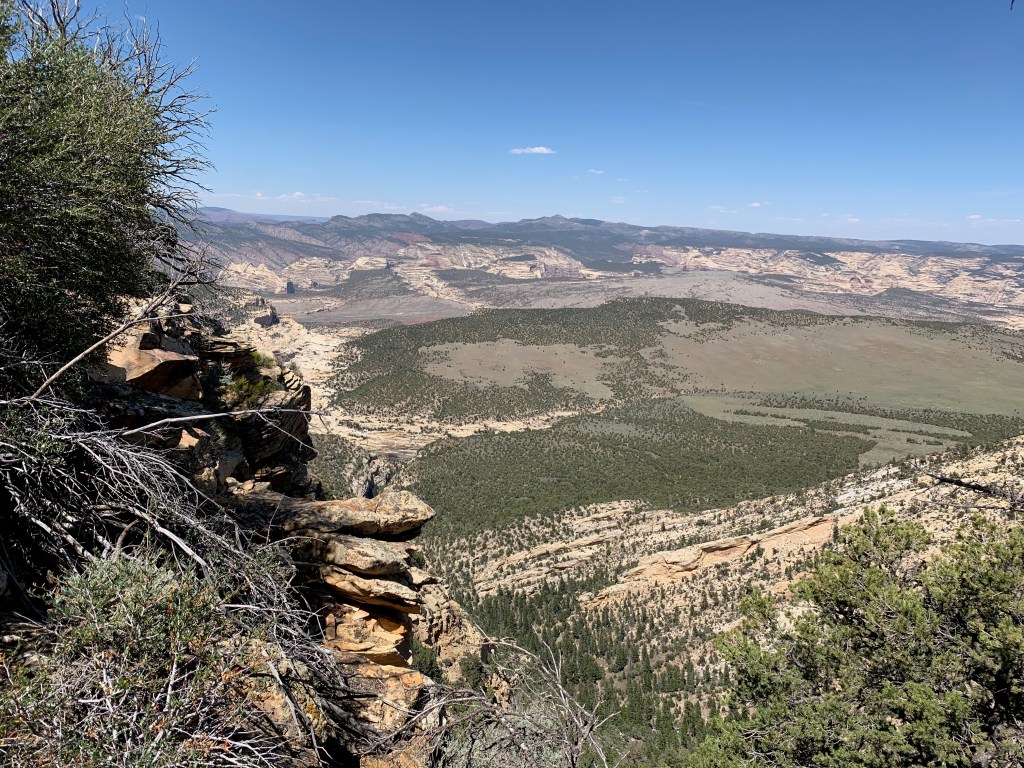
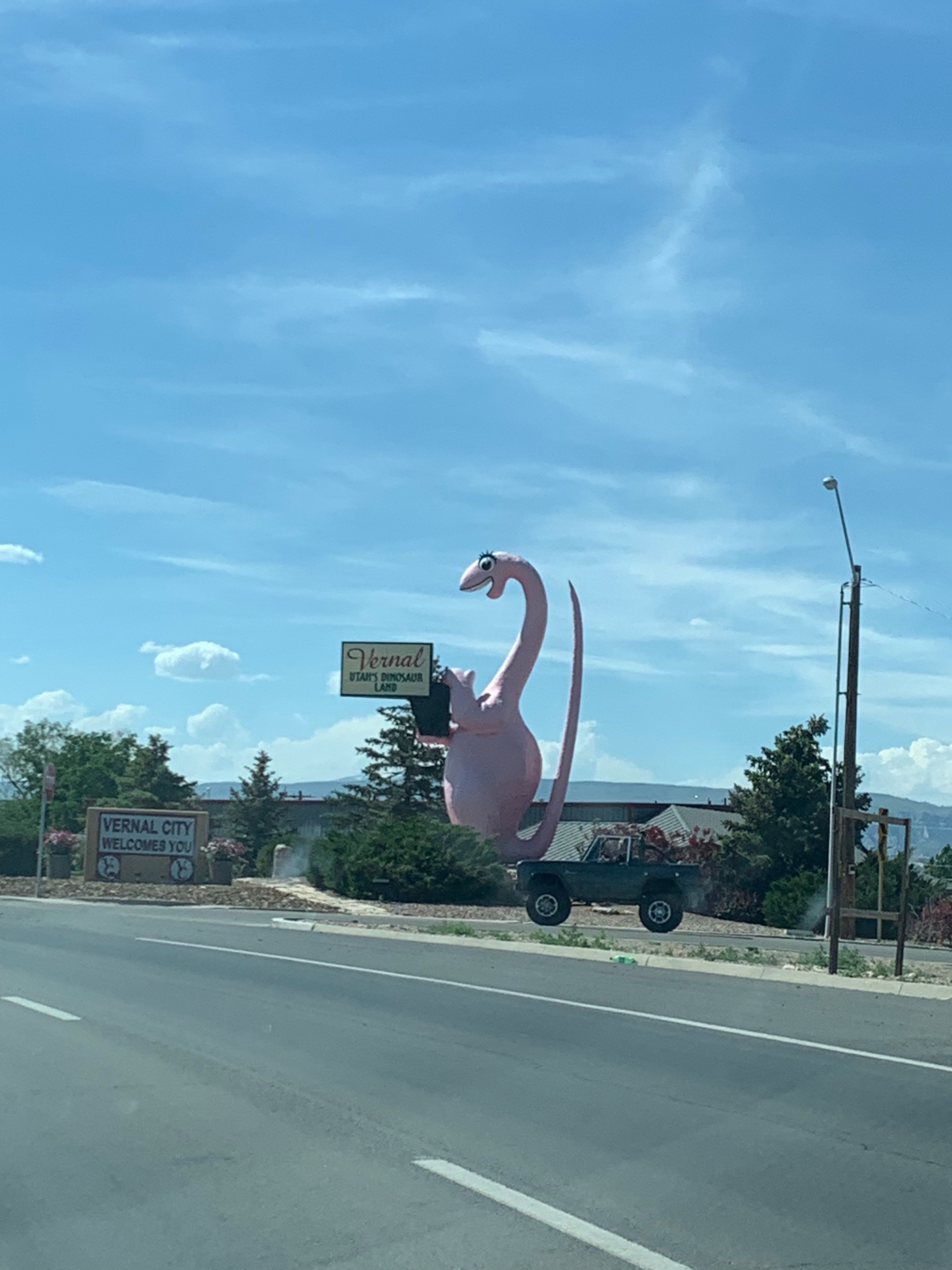
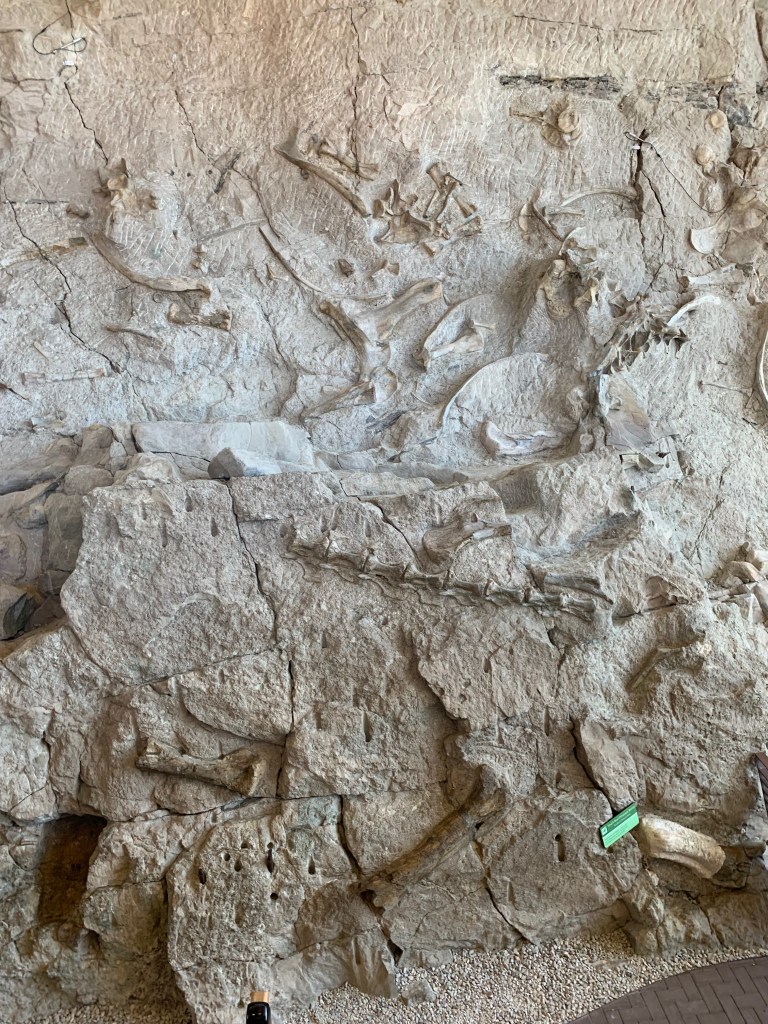
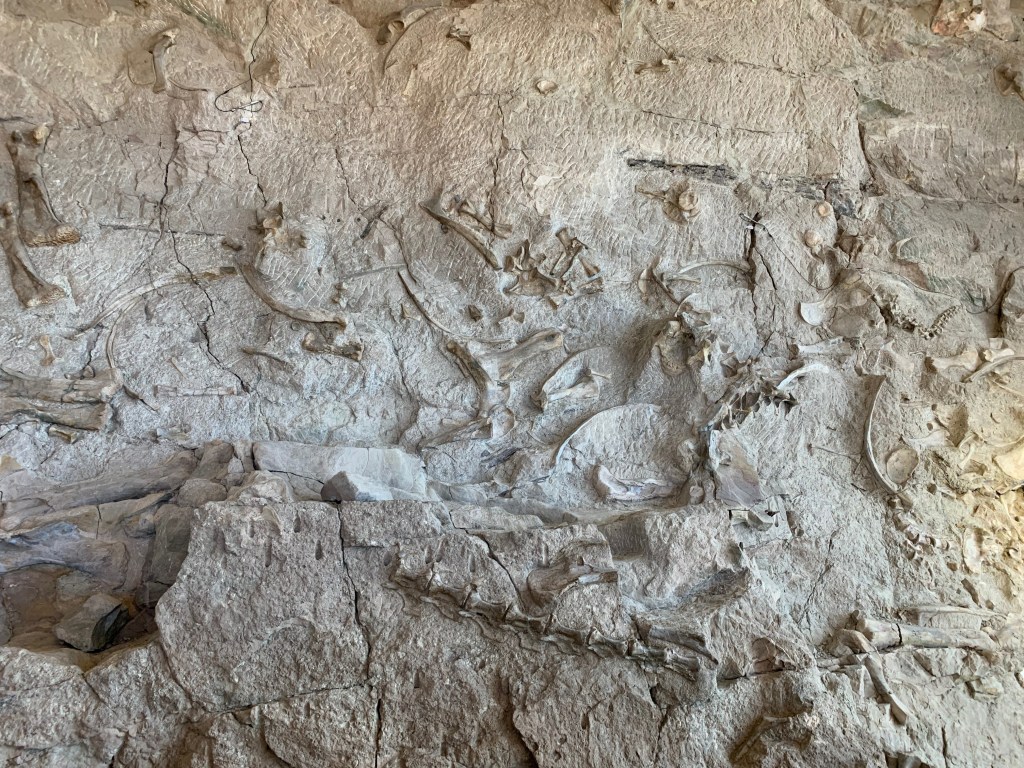

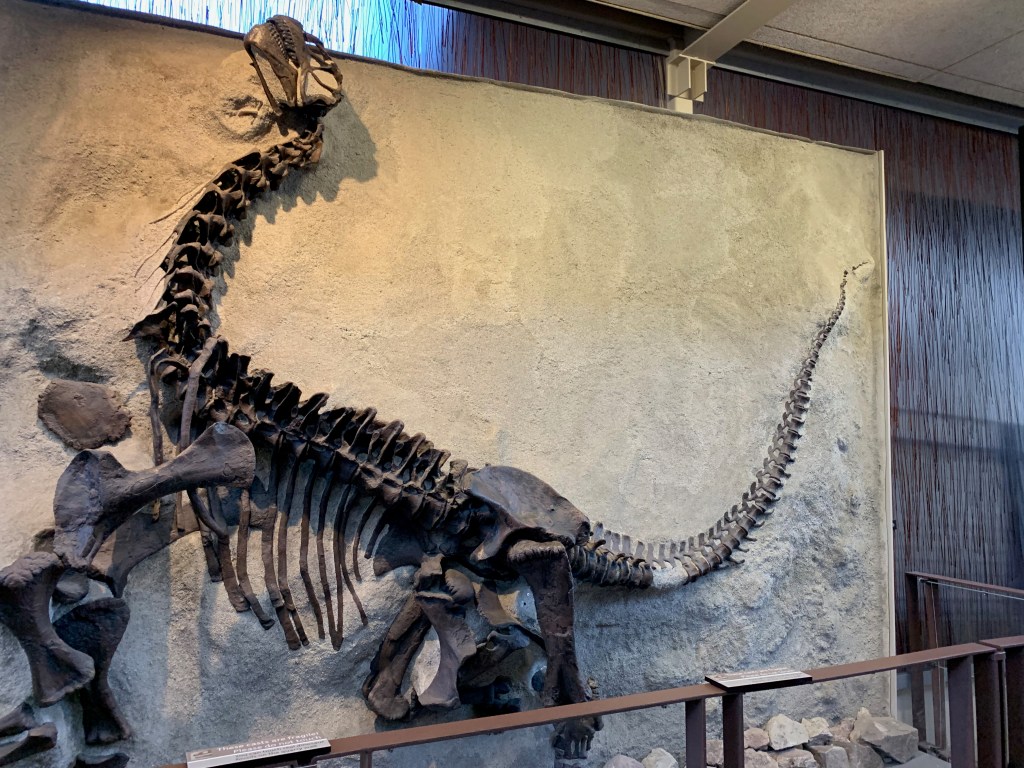
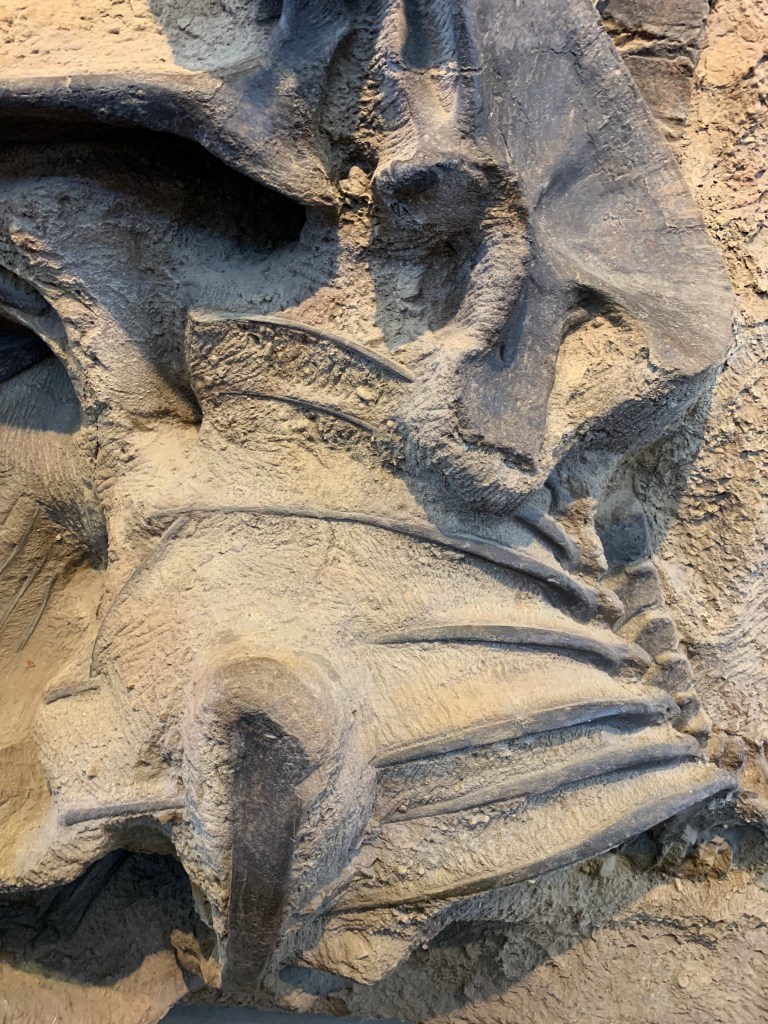
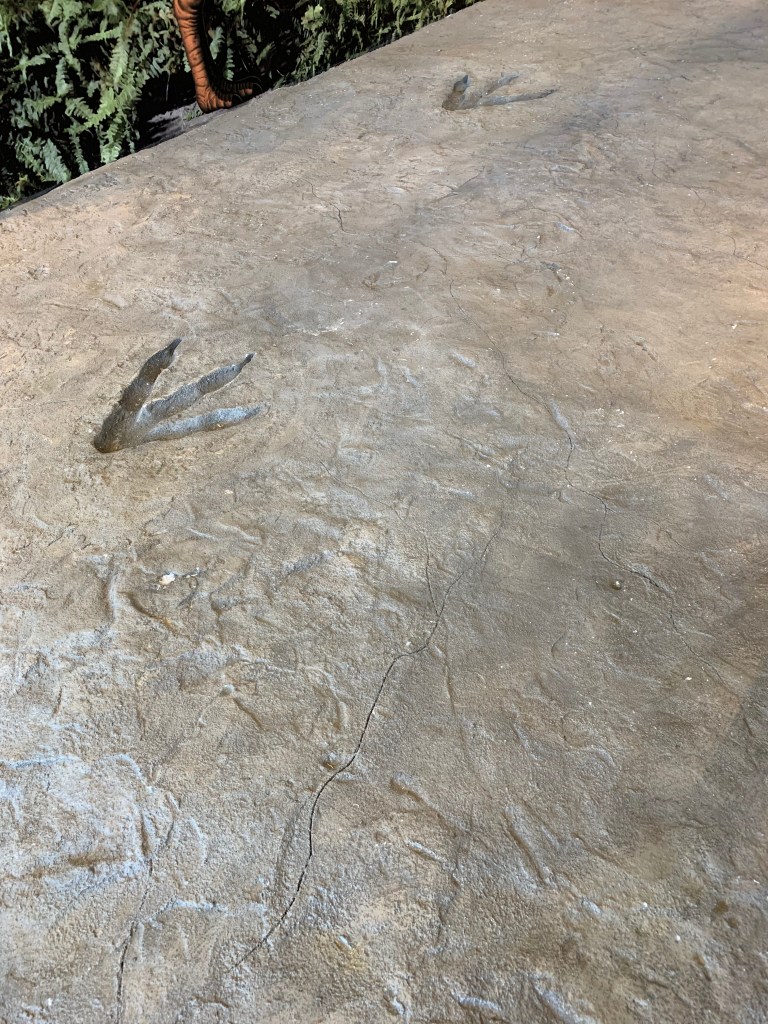
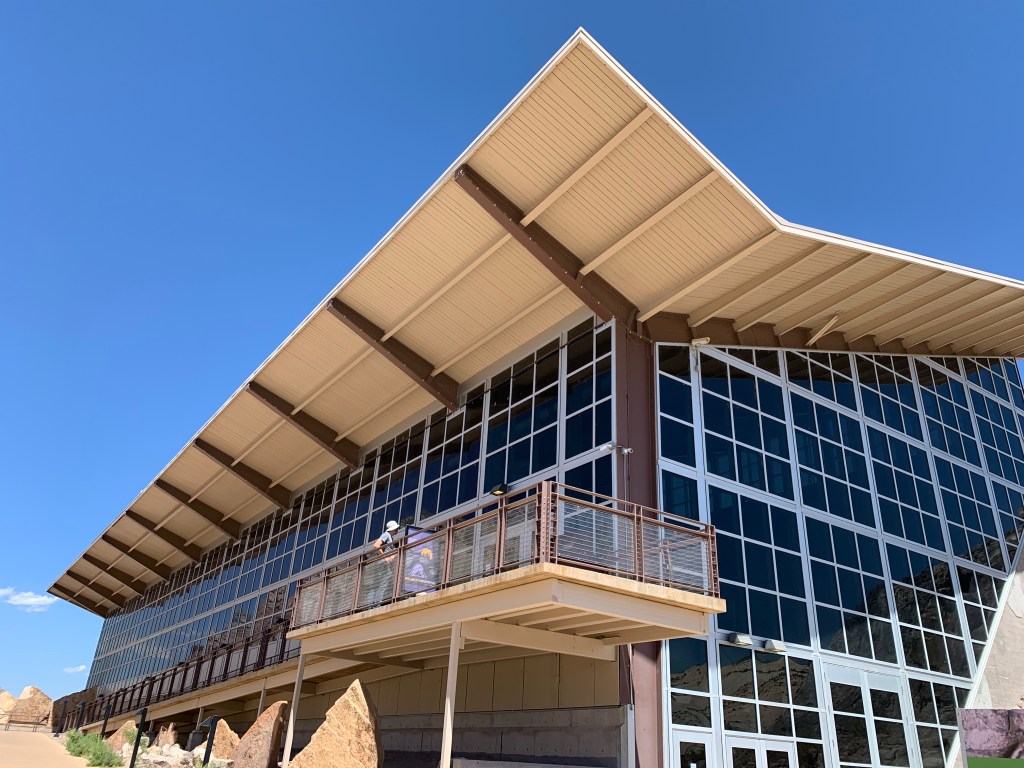
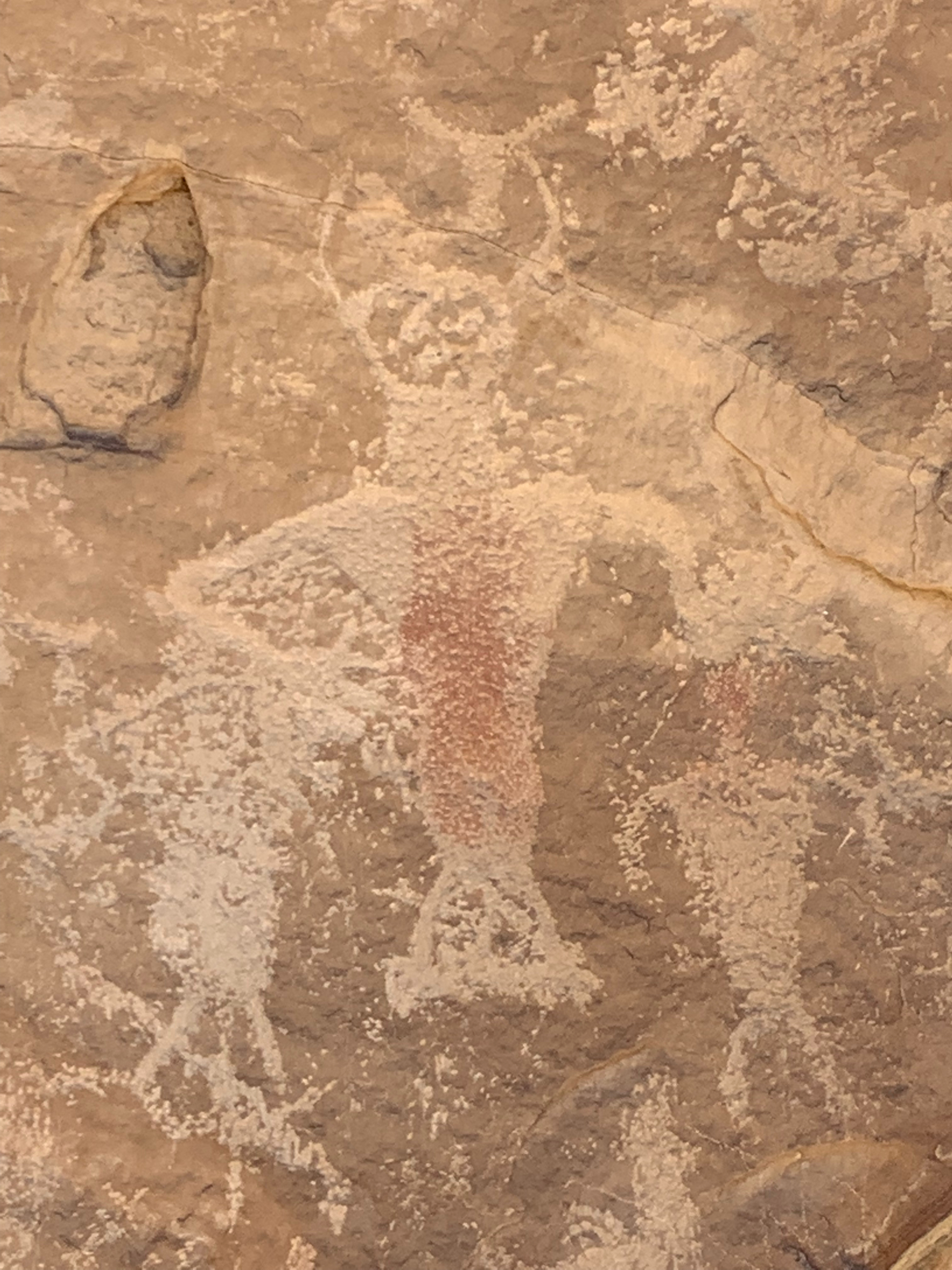
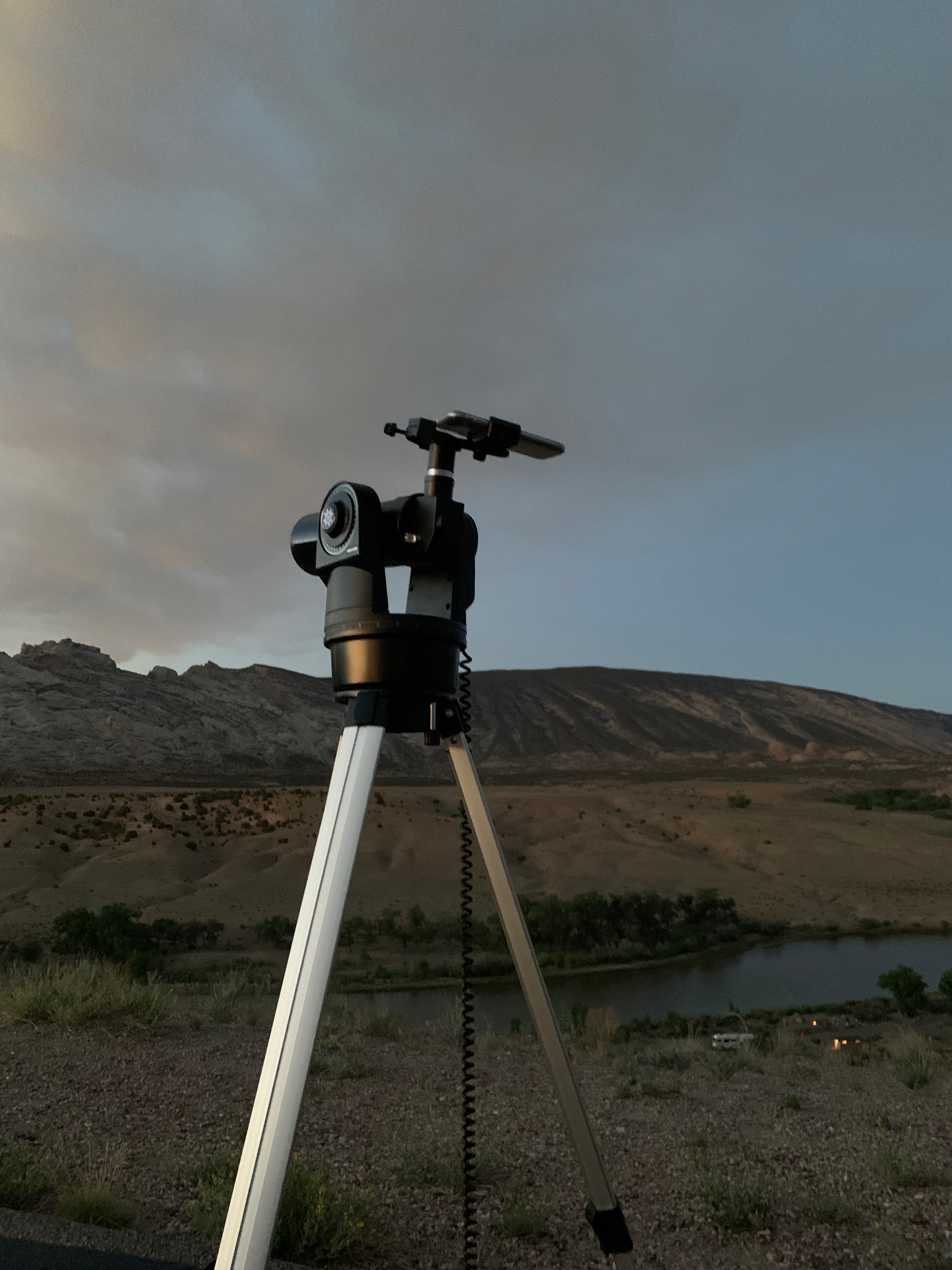
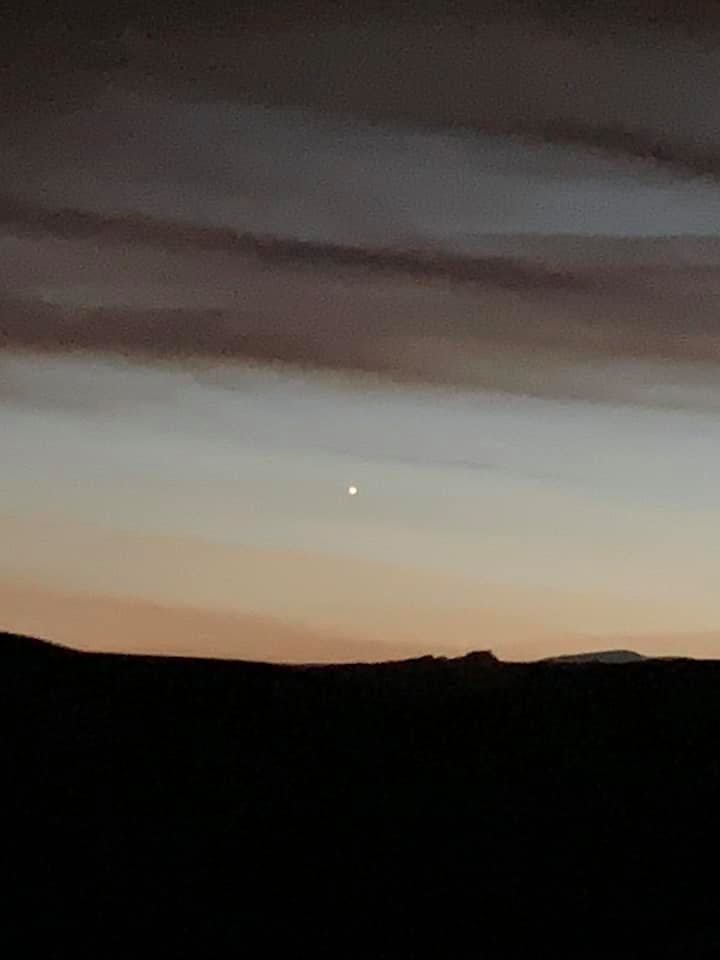
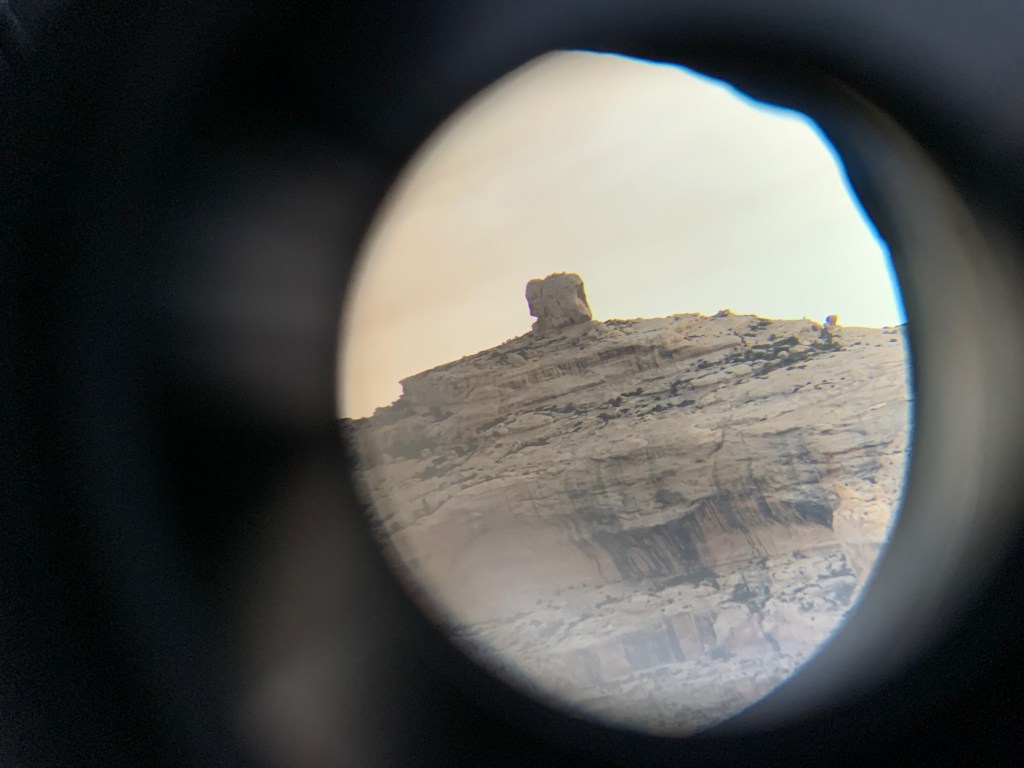
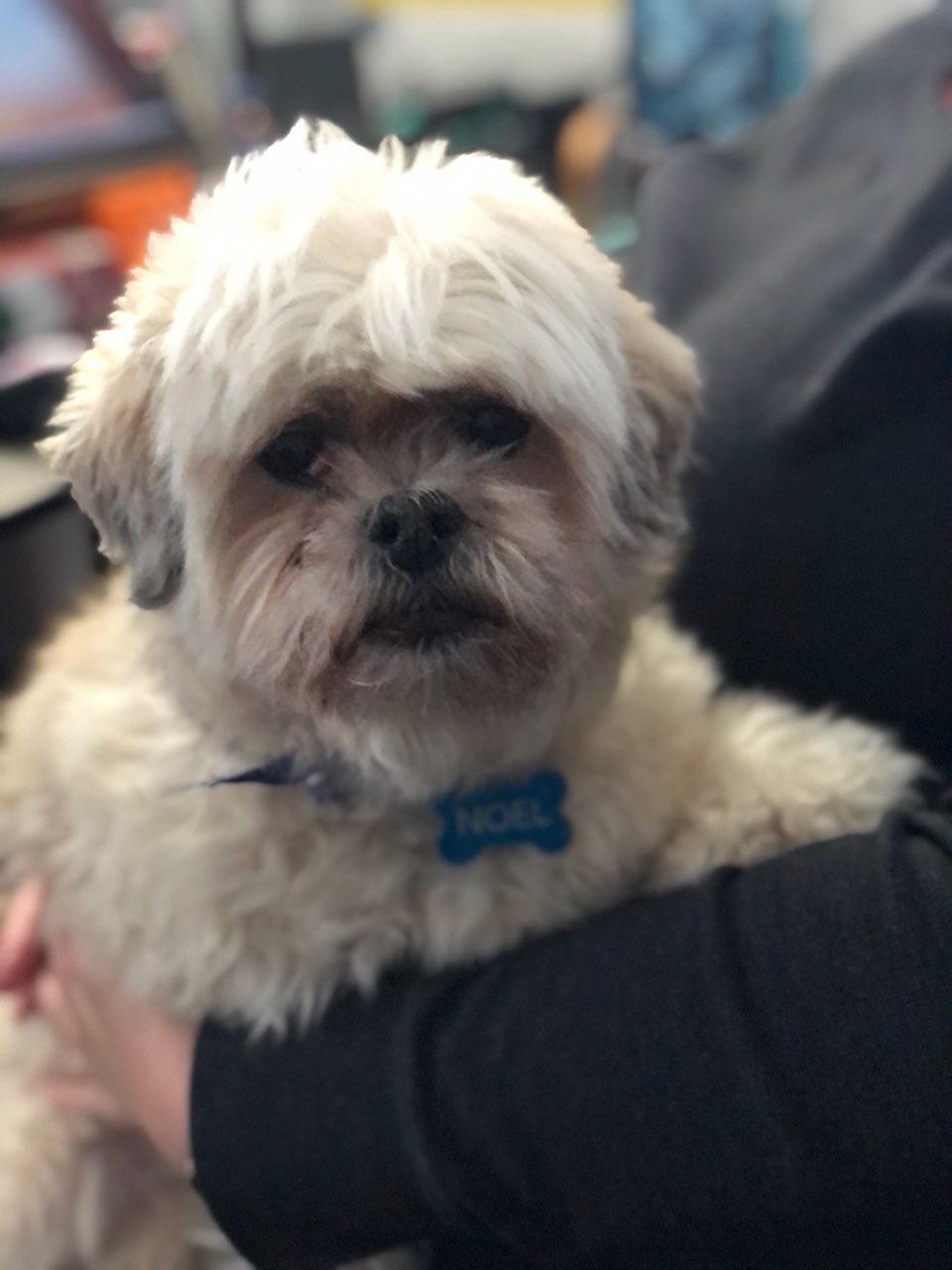
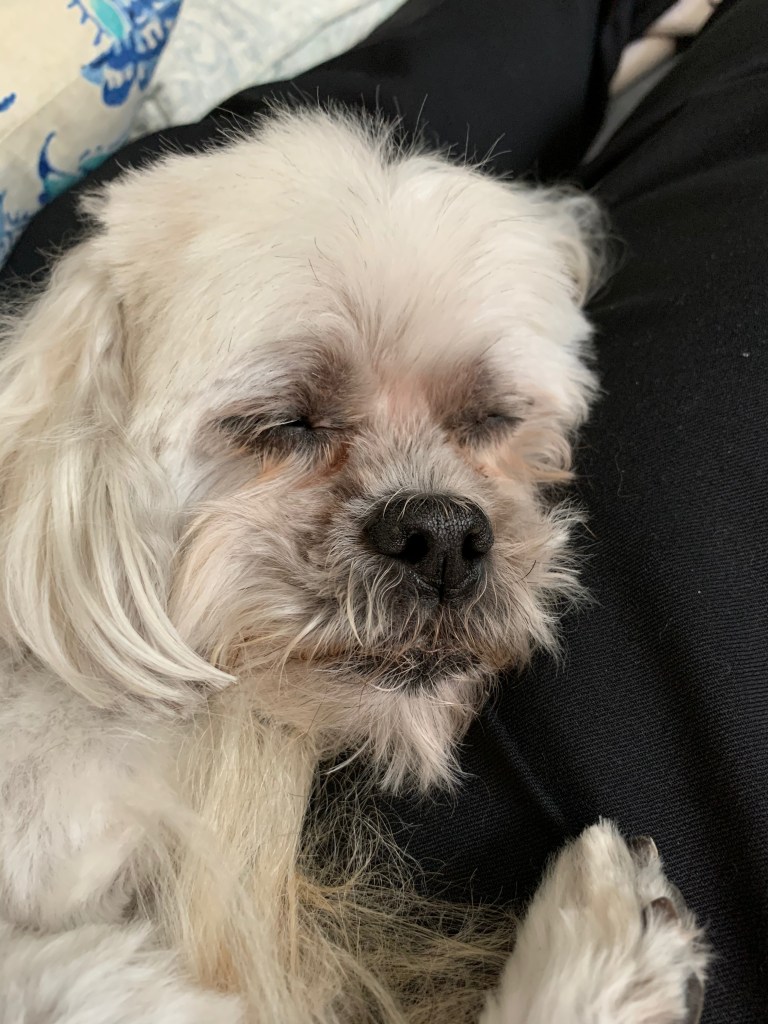
 Wednesday Blog by Seán Thomas Kane