This week, for the penultimate post of the Wednesday Blog, how machinery needs constant maintenance to keep functioning.—Click here to support the Wednesday Blog: https://www.patreon.com/sthosdkane—Sources:%5B1%5D Surekha Davies, “Walter Raleigh’s headless monsters and annotation as thinking,” in Strange and Wonderous: Notes from a Science Historian, (6 October 2025).[2] “Asking the Computer,” Wednesday Blog 5.26.
This week, for the penultimate post of the Wednesday Blog, how machinery needs constant maintenance to keep functioning.
I am just old enough to remember life before the ubiquity of computers. I had access to our family computer as long as I can remember, and to my grandparents’ computer at their condo when we stayed with them in the Northwest Suburbs of Chicago. Yet even then my computer usage was limited often to idle fascination. I did most of my schoolwork by hand through eighth grade, only switching from writing to typing most of my work when I started high school and was issued a MacBook by my school. I do think that a certain degree of whimsy and humanity has faded from daily life as we’ve so fully adopted our ever newly invented technologies. Those machines can do things that in my early childhood would’ve seemed wonderous. Recently, I thought how without knowing how powerful and far-reaching my computer is as a vehicle for my research and general curiosity, I would be happy, delighted in fact, if my computer could conduct one function, say if it had the ability to look up any street address in the United States as a device connected to the US Postal Service’s database. That alone would delight me. Yet that is the function of not just one application on my computer but merely one of many functions of several such programs I can load on this device, and not only can I look up addresses in the United States but I can look up addresses in any country on this planet.
With the right software downloaded onto this computer I can read any document printed or handwritten in all of human history and leave annotations and highlights without worrying about damaging the original source. Surekha Davies wrote warmly in favor of annotating in her newsletter this week, and I appreciated her take on the matter.[1] In high school, I was a bit of a prude when it came to annotating; I found that summer reading assignment in my freshman and sophomore English classes to be almost repulsive because I see a book as a work of art crafted by its author, editor, and publisher to be a very specific way. To annotate, I argued, was like drawing a curly-cue mustache on the Mona Lisa, a crude act at best. Because of this I process knowledge from books differently. I now often take photos of individual pages and organize them into albums on my computer which I can then consult if I’m writing about a particular book, in much the same fashion that I use when I’m in the archive or special collections room looking at a historical text.
All of these images can now not only be sorted into my computer’s photo library, now stored in the cloud and accessible on my computer and phone alike, but they can also be merged together into one common PDF file, the main file type I use for storing primary and secondary sources for my research. With advances in artificial intelligence, I can now use the common top-level search feature on my computer to look within files for specific characters, words, or phrases to varying levels of accuracy. This is something that was barely getting off the ground when I started working on my doctorate six years ago, and today it makes my job a lot easier; just my file folder containing all of the peer-reviewed articles I’ve used in my research since 2019 contains 349 files and is 887.1 MB in size.
Our computers are merely the latest iterations of machines. The first computer, Charles Babbage’s (1791–1871) counting machine worked in a fairly similar fashion to our own albeit built of mechanical levers and gears where ours have intricate electronics in their hard drives. I, like many others, was introduced to Babbage and his difference engine by seeing the original in the Science Museum in London. This difference engine was a mechanical calculator intended to compute mathematical functions. Blaise Pascal (1623–1662) and Gottfried Wilhelm Leibniz (1646–1716) both developed similar mechanisms in the seventeenth century and still older the Ancient Greek 2nd century BCE Antikythera mechanism can complete some of the same functions. Yet between all of these the basic idea that a computer works in mathematical terms remains the same even today. For all the linguistic foundations of computer code, the functions of any machine burn down to the binary operations of ones and zeros. I wrote last year in this blog about my befuddlement that artificial intelligence has largely been created on verbal linguistic models and was only in 2024 being trained on mathematical ones.[2] Yet even then those mathematical models were understood by the A.I. in English, making their computations fluent only in one specific dialect of the universal language of mathematics making their functionality mostly useless for the vast majority of humanity.
Yet I wonder how true that last statement really is? After all, I a native English speaker with recent roots in Irish learned grammar like many generations of my ancestors through learning to read and write in Latin. English grammar generally made no sense to me in elementary school, it is after all very irregular in a lot of ways, and so it was only after my introduction to a very orderly language, the one for which our Roman alphabet was first adapted, that I began to understand how English works. The ways in which we understand language in a Western European and American context rely on the classical roots of our pedagogy influenced in their own time by medieval scholasticism, Renaissance humanism, and Enlightenment notions of the interconnectedness of the individual and society alike. I do not know how many students today in countries around the globe are learning their mathematics through English in order to compete in one of the largest linguistic job markets of our time. All of this may well be rendered moot by the latest technological leap announced by Apple several weeks ago that their new AirPods will include a live translation feature acting as a sort of Babel Fish or universal translator depending on which science fiction reference you prefer.
Yet those AirPods will break down eventually. They are physical objects, and nothing which exists in physical space is eternal. Shakespeare wrote it well in The Temepst that
For our machines to last, they must be maintained, cleaned, given breaks just like the workers who operate them lest they lose all stamina and face exhaustion most grave. Nothing lasts forever, and the more those things are allowed to rest and recuperate the more they are then able to work to their fullest. So much of our literature from the last few centuries has been about fearing the machines and the threat they pose. If we are made in the Image of God then machines, our creation, are made in the image of us. They are the products of human invention and reflect back to us ourselves yet without the emotion that makes us human. Can a machine ever feel emotion? Could HAL-9000 feel fear or sorrow, could Data feel joy or curiosity? And what of the living beings who in our science fiction retrofitted their bodies with machinery in some cases to the extent that they became more machine than human? What emotion could they then feel? One of the most tragic reveals for me in Doctor Who was that the Daleks (the Doctor’s main adversaries) are living beings who felt so afraid and threatened that they decided to encase the most vital parts of their physical bodies in wheelchair tanks, shaped like pepper shakers no less, rendering them resilient adversaries for anyone who crossed them. Yet what remained of the being inside? I urge caution with suggestions of the metaverse or other technological advances that draw us further from our lived experiences and more into the computer. These allow us to communicate yet real human emotion is difficult to express beyond living, breathing, face-to-face interactions.
After a while these machines which have our attention distract us from our lives and render us blind to the world around us. I liked to bring this up when I taught Plato’s allegory of the cave to college freshmen in my Western Civilization class. I conclude the lesson by remarking that in the twenty-first century we don’t need a cave to isolate ourselves from the real world, all we need is a smartphone and a set of headphones and nothing else will exist. I tried to make this humorous, in an admittedly dark fashion, by reminding them to at least keep the headphones on a lighter mode so they can hear their surroundings and to look up from their phone screen when crossing streets lest they find themselves flattened like the proverbial cartoon coyote on the front of a city bus.
If we focus too much on our machines, we lose ourselves in the mechanism, we forget to care for ourselves and attend to our needs. The human body is the blueprint for all human inventions whether physical ones like the machine or abstract like society itself. As I think further about the problems our society faces, I conclude that at the core there is a deep neglect of the human at the heart of everything. I see this in the way that disasters are reported on in the press: often the financial toll is covered before the human cost, clearly demonstrating that the value of the dollar outweighs the value of the human. In abdicating ourselves to our own abstractions and social ideals we lose the potential to change our course, repair the machinery, or update the software to a better version with new security patches and fixes for glitches old and new. In spite of our immense societal wealth, ever advancing scientific threshold, and technological achievement we still haven’t gotten around to solving hunger, illiteracy, or poverty. In spite of our best intentions our worst instincts keep drawing us into wars that only a few of us want.The Mazda Rua, my car, is getting older and I expect if I keep driving it for a few years or more it’ll eventually need more and more replacement parts until it becomes a Ship of Theseus, yet is not the idea of a machine the same even if its parts are replaced? That idea is the closest I can come to imagining a machine having a soul as natural things like us have. The Mazda Rua remained the Mazda Rua even after its brakes were replaced in January and its slow leaking tire was patched in May. Yet as it moves into its second decade, that old friend of mine continues to work in spite of the long drives and all the adventures I’ve put it through. Our machinery is in desperate need of repair, yet a few of us see greater profit from disfunction than they figure they would get if they actually put in the effort, money, and time to fix things. If problems are left unattended to for long periods of time they will eventually lead to mechanical failure. The same is true for the machinery of the body and of the state. Sometimes a good repair is called for, reform to the mechanisms of power which will make the machine work better for its constituent parts. In this moment that need for reform is being met with the advice of a bad mechanic looking more at his bottom line than at the need of the mechanism he’s agreed to repair. Only on this level the consequences of mechanical failure are dire.
This week, on the current round of redistricting sweeping through Missouri.—Click here to support the Wednesday Blog: https://www.patreon.com/sthosdkane—Sources%5B1%5D “On Democracy,” Wednesday Blog 5.39.[2] “We, Irish Americans,” Wednesday Blog 6.10.[3] “On Servant Leadership,” Wednesday Blog 6.15.[4] “Freedom from Fear,” Wednesday Blog 2.6; “Embodied Patriotism,” Wednesday Blog 6.26.[5] “Governor Kehoe announces special session on congressional redistricting and initiative petition reform,” Office of the Governor of the State of Missouri, 29 August 2025.[6] “A Scary Time For Chicago | Trump Gets FOMO Over China's Military Parade | Donald's Life Lessons,” The Late Show with Stephen Colbert (3 September 2025), YouTube.[7] “A Defense of Humanism in a Time of War,” Wednesday Blog 6.24.
This week, on the current round of redistricting sweeping through Missouri.
When I wrote my essay “On Democracy” last December, I anticipated that it would be the only thing I wrote concerning the most recent Presidential election.[1] I wanted to say more, in fact I went back and forth on saying something stronger and more forceful, yet what I ended up with turned out to be just right for the moment. It remains one of the essays I’m most proud of from the Wednesday Blog. The first half of 2025 was marked by a series of essays which followed up on “On Democracy” and commented on the growing number of political crises blowing across this country and here in Missouri and Kansas especially.[2] I even found that the usual low readership numbers on my political essays was mitigated somewhat with these essays; I attribute that in part to my choice to stay positive and focus on the extraordinary acts of ordinary people that have proven essential to the course of American democracy in the last 250 years and remain vital to the continued survival of our Republic today.[3]
All that said, and as much as I am a political animal, I would much rather write about my research and about my English translation of André Thevet’s 1557 book Les Singularitez de la France Antarctique which I’m currently editing. Those are the things which make me happy today because when I’m engaged in my historical work, I feel connected to my friends and colleagues who I’ve met in academia over the years. I want to be known a historian first and a writer second. I’m learning things everyday about Thevet and his worldview that I only barely noticed when I was deep in the effort of translating his book in the first place.
Yet current affairs in Jefferson City are pressing enough that I feel it is my duty to speak up. I know there are very real risks to publishing, saying, or writing anything political today. I’m in a precarious place now as a Ph.D. candidate approaching my dissertation defense and looking at a job market that feels smaller and more threatened than it did a year ago. I know that saying anything political could make me a harder sell for many hiring committees to accept. I take this risk because it is the right thing to do.
Today, 10 September, the Missouri Senate is set to vote on a new congressional map drawn by an uncertain cartographer, possibly in Jefferson City, possibly in Washington, with the intention of ensuring that the Republican Party secures a clear electoral victory in the 2026 congressional midterm elections in spite of learned expectations that the president’s party always loses seats in the midterms after they assume office, and the living reality of our moment in which the majority party is acting to preserve its own power and the wealth of a few at the expense in the political rights of everyone else. I’ve written time and again here that my America in its purest form is embodied in the New Deal and Great Society, and in FDR’s Four Freedoms speech.[4] Sure, we haven’t gotten there yet, all that means is we should keep working for it. America is a shining beacon of democracy for all the world to see, even if that beacon’s shadow often also shows our flaws played out before it like hand-puppets on a screen. Democracy requires participation; it’s the greatest form of government we’ve yet invented because it requires the most of the governed to understand how government works and to participate in their own government for the common good.
This new congressional map is not democratic. In fact, it is the anthesis of democracy. In his statement announcing the Republican supermajority’s push to force this map through the Missouri General Assembly, Governor Mike Kehoe openly stated that this map is intended to protect “Missouri’s conservative, common-sense values should be truly represented at all levels of government, and the Missouri First Map delivers just that.”[5] This was expected, yet still bold by a sitting governor to be so openly one-sided. On Thursday, 4 September, the window to submit written testimony on the redistricting bill opened on the Missouri House of Representatives’ website. I sent in the following statement:
In his statement announcing this new mid-decadal redistricting effort, Governor Kehoe explicitly said this was to preserve “conservative values.” With that out in the open, I want it to be known that if this map is intended to support conservative party politics in Missouri, then it impedes on the rights of all of us moderate, liberal, and progressive Missourians. It is a blatant abuse of power that targets us Kansas Citians in particular. I want to see Missouri create a nonpartisan independent board which draws the electoral maps, so they are fair for all Missourians. I ask the committee to reject this redistricting map for its blatant partisanship and the fact that this redistricting process is costing the taxpayers’ money that could and should be spent elsewhere.
This is the sum of it. I do not think it is hyperbole to say that my own political rights are under threat by this bill. Rather, what was once extreme is today expected because any rules we had for electoral fairness have been thrown out the window. It’s true that both parties gerrymander their congressional maps, but the Republicans do it far more. It’s also true that the Democrats are gerrymandering congressional maps in the states that my party controls. I want independent redistricting maps in all 50 states, the District of Columbia, Puerto Rico, and every territory. That should be our goal. Yet in this moment we need to fight for democracy to save it. This is a struggle here in the United States, yet it is being felt around the globe. Who else is as influential in world geopolitics today who could take up the mantle of democracy if we discard it? What keeps striking me about what the Republicans are doing is that it is all for short-term goals that masquerade as solutions to the country’s problems. What I and many like me want are long term solutions that will actually resolve many of those problems.
With this new congressional map, I and every other moderate, liberal, and progressive on the Missouri side of Greater Kansas City will lose all federal representation. We currently are represented in Congress solely by Congressman Emmanuel Cleaver II, who has served this city for many decades. I regularly send emails to our senators, Josh Hawley and Eric Schmitt about a variety of issues that I care about from restoring funding to the National Endowments for the Arts and Humanities (NEA, NEH) and the National Science Foundation (NSF), to my fears of presidential overreach with so many executive orders which seek policy changes that by law can only be made through acts of Congress. In every instance, the response I receive has nothing to do with what I wrote. In the case of an email I sent to Senator Hawley concerning my fears over my profession’s long-term viability in this country as federal funding to universities and research institutions is threatened for political reasons, I received an email back lauding the Big Beautiful Bill and all the good it will do for America. A screenshot of that email is included below.
Meanwhile, Senator Schmitt’s office only responds with campaign emails pretending to be official senatorial correspondence. This ought to be illegal in my opinion, and a version of the Hatch Act of 1939 should be passed for the Legislative Branch to keep Members of Congress from using their official correspondence to actively campaign for their offices. I have a folder filled with all of the emails I’ve received from his office since April 2024 and normally they will go directly into that folder. Yet there was one email his office sent me in response to my concerns over cutting funding to the Corporation for Public Broadcasting which was such a blatant example of his dismissive approach to his constituents who disagree with his views that I became pretty angry.
So, I called his Washington office, realizing as the phone was ringing that it was after business hours in the East, and left a voicemail. In summation, I challenged him to actually address his constituents’ concerns. I borrowed what I imagine is the lingo of the manosphere, a foreign corner of the Internet to me and challenged him “man to man to stop being a coward and do his job for all Missourians, not just those in his own party.” I haven’t gotten a response to that one, whether by email, phone, or letter. This is not how I like to talk to people, let alone write to them. I would rather find ways to speak to people in their own language to lift them up. I’m my worst when I lose that sense that I can say or do something that will make the lives of the people around me better.
It’s in this spirit that I decided to write again this week about democracy. Any form of representative government requires that we trust in each other for it to function. This is one of the central tactics of the current majority party. The President recently called the city of my birth a “hellhole,” something that I take personal offence to. I appreciated Stephen Colbert’s response, especially the heartfelt final two words of it.[6] In my essay “A Defense of Humanism in a Time of War” I wrote that I don’t want to be known as a pacifist because there will always be schoolyard bullies to contend with.[7] The people in power today here in Missouri and the slim governing majority in Washington are the biggest bullies this country has seen in a long time. They evoke the worst aspects of America, the greed that embodied both the First Gilded Age and the garishness of this Second Gilded Age in which we live. Not content with letting the democratic process that brought them into office work as it has for over two centuries, they insist on doing what they’ve accused their opponents of doing: rigging the electoral process in their favor. They clearly do not trust us, so why should we trust them?
Democracy is nourished by a love of neighbor. American democracy in particular is built upon a bedrock of idealism that we are still trying to achieve. That is what we need to work on. Robert Reich, the former Secretary of Labor, argues that we are on the verge of a second Progressive Era, a time of tremendous political reform. We who oppose the Missouri supermajority and the thin ruling majority in Washington need to remember that end goal. We need to sustain the democratic spirit through this time of trouble so that we can have a better tomorrow. I’m writing this knowing the risks because I feel it’s my duty as an American. I will always stand up for my neighbor regardless of if we agree or disagree on a given topic just as I will stand up for my colleagues, students, friends, and family because it’s the right thing to do.
This week, on the patriotism we live in our ordinary lives.
This Monday, after a long day working on my dissertation I went with my parents to Kauffman Stadium to see the Kansas City Royals play the first game in this week’s series against the Pittsburgh Pirates. Of the many things that I think of when I see the Pirates, memories of the weekend I spent in Pittsburgh in January 2020, or memories of watching them with my grandmother play the Cubs on WGN in my youth, I have a slight soft spot for the Pirates as a fellow legacy nineteenth-century team (1887) in the National League Central alongside my Cubs (1876), the Reds (1890), and the Cardinals (1892). The great Irish American artist Gene Kelly often said that he took up dancing to meet girls and to be agile and athletic so he could play outfield for the Pirates, his hometown team.
On this particular Monday, once we finished our walk into the stadium, bought our dinners and bottles of water, we made our way up to the top level of the stadium, the View Level to watch the game. I broke off from the rest of my family for a few minutes when we made it up to the 400s level to buy myself a brat. I didn’t realize though that the pregame ceremonies were reaching their conclusion with the march of the color guard and the performance of the national anthem. I consider myself patriotic in my own way; I hope you’ve seen in the last six months on this blog that I strive to elevate my fellow countrymen, my fellow humans in fact, through evocations of all the tremendous things we are capable of doing, of the extraordinary acts of ordinary people.[1] So, as the singer began her tune, I looked around at the people around me to see what I should do. At that moment I was at the register paying for my brat (everything is self-checkout now), yet as I saw no one else at the registers beside me were stopping to make our salute it occurred to me that nothing could be more American, dare I say more patriotic, than engaging in commerce with overpriced foods and drink that’s probably not good for any of us. I quickly finished my purchase and stepped back from the register and took a place beside a group of fellow millennials who held their right hands over their hearts, as we’re taught to do.
Throughout the game, a strong showing by the Royals who hit in 9 runs over the Pirates 3, I thought about this brat purchase during the national anthem and felt resolute in my decision. There are people who I know who take the anthem very seriously to the point of zealotry. In my many years of attending baseball games and soccer matches I’ve often wondered what would happen if someone chose to keep their hands at their sides or even remain seated during the anthem? We saw the harsh reaction of the clamorous cacophony when Colin Kaepernick kneeled during the anthem a decade ago. At the time I was ambivalent yet now having heard more stories of oppression and promises unkept I appreciate what he did. I believe this question of how free we are to patriotically express discontent in civic rituals is essential to the vitality of a democracy. I’ve often found the crafted rituals which the Royals put between innings to be at times bordering the ludicrous. This is especially true in 2025 after the Royals ruined their relationship with so many of us Kansas Citians with how they misled us and took advantage of us in this year’s stadium sales tax vote. My distrust of the team is why I effectively retired the Royals cap that I bought only two years ago at another visit to Kauffman Stadium.
We embody our rituals by wearing American flags on our clothes and demanding unquestioning patriotism in this American life. Here I’m adopting Céline Carayon’s notion of embodied language in her 2019 book Eloquence Embodied about early colonial French communications and relations with Indigenous Americans through gestures and visual language.[2] Today in the United States our patriotism is just as often meant to be blood-red flowing within our bodies as it is worn on our chests and loudly proclaimed with often poorly sung renditions of the national anthem, a hymn requiring professional training to perform. It is meant to be shouted in unquestioning proclamations of American freedom even as that liberty seems ever more fleeting under the combined weight of a cruel-minded governing majority and an even crueler corporate elite that has created so much of the embodied rituals which define American culture in the 21st century. These rituals, always sponsored by some robber baron and crafted by their public relations department, sing proudly of American freedom all while ensuring their own profits at the expense of the American people’s own freedom from want and fear. We embody our patriotism in what we purchase and where. Earlier that day, looking for a late afternoon pastry, I ended up at my local Whole Foods. Their bakery is good; the chocolate croissants are about what you’d expect for a gargantuan corporation’s attempt at mimicry of a Parisian classic. Yet as I bought a slice of pizza that caught my eye thinking how I might stop here for pizza by the slice more often I felt a pang of guilt after all there’s a good local pizzeria, Pizza 51, just across the street and several more within walking distance. Even as bakeries go as fair as Whole Foods is during the morning rush I would much rather go to McLain’s, the Roasterie, or Heirloom, all local bakeries within walking distance of my family home and along the route I was driving yesterday afternoon. Yet where Whole Foods won was that they forego the usual bakery hours and keep baking pastries in the afternoons whereas the others are usually low on their morning batches or already closed for the day. I’ve known for most of my life that these big corporate chains put tremendous stress on small local businesses; in fact I’ve flatly refused to shop at Walmart for this very reason, only buying a couple of bottles of water at one in the Kansas City suburbs once in 2020 when my Dad’s old truck broke down outside of it during the evening rush hour under a hot summer sun.
The America that I love seems more and more fraught the further from walkable neighborhoods and into the suburbs and exurbs you go. This is where most Americans have built their lives in common isolation living in mansions of rest surrounded by moats of artificially green grass regardless of how dry the local climate may be. It’s a life spent driving individually in vehicles increasingly resembling The Princess Bride’s rodents of unusual size in their environmental dangers. Several months ago, I had a bad argument with an attendant at a car wash in a nearby suburb because I ended up in the members’ lane on accident. I told the teenager working there that I made the mistake because there wasn’t a sign that I could see in my Mazda where the two lanes split (the big overhead sign is blocked by a dumpster from my lower line of sight) while the guy kept telling me that I can’t pay in the lane I was in. I was angry because the way that place was built favored the minivans, SUVs, and trucks that most people drive at the expense of those of us who still drive sedans. Yet I lost my temper because when the management got involved in our deteriorating conversation they shrugged off my suggestion that the row of ground-level signs standing outside their toll booth ought to be placed where the lanes split saying “that’s something for corporate to decide.” This is where that America of neighbors seems to be at least dormant to me; rather than making decisions that will benefit all of us together we instead more often choose inaction rather than risk our own individually precarious position. I grew up admiring the likes of Daniel Burnham and was proud as a young kid to say I was from Carl Sandburg’s City of Big Shoulders with big ideas and big ambitions. I’m just as proud to have witnessed firsthand the renaissance that Kansas City has experienced since the millennium. Those sorts of dreams and ambitions are what make me proud to embody our shared patriotism when I feel we’ve warranted it. I prefer the embodied patriotism my parents and grandparents taught me which as I’ve gotten older, I’ve found grew out of the progressive and city beautiful movements of a century ago and felt their greatest expression during FDR’s New Deal in the 1930s. That is my America, the America of neighbors standing up for each other. I see that America every day in my neighborhood where people say hello to each other when walking down the sidewalks or on the Trolley Trail. It’s for that America that I feel pride is warranted, that America which we should be working to rebuild by reconnecting our car-dependent suburbs and neighborhoods, by forcing us to spend time with each other again, to be social again.
[1] That’s one of my favorite lines I’ve ever written.
This week, why we should not lose sight of our common humanity in a time of war.—Click here to support the Wednesday Blog: https://www.patreon.com/sthosdkane—This week's sources:[1] “Masks,” Wednesday Blog 4.15.[2] Luke 10:27 (New American Bible).[3] St. Augustine, Confessions 8.7.[4] Joan-Pau Rubiés, “The Renaissance of Encounters and the Renaissance of Antiquities,” Renaissance Quarterly 78, no. 1 (2025): 1–41, at 12.[5] Philippe Desan, Montaigne: A Life, trans. Steven Rendall and Lisa Neal, (Princeton University Press, 2017), xxxiii.[6] “On the Cannibals,” Wednesday Blog 4.20.
This week, why we should not lose sight of our common humanity in a time of war.
The news of the last weekend felt like another shot at the optimism that I knew in my early childhood. I was born at a time of triumph for this country in the aftermath of the fall of communism in Eastern Europe when the hopes and dreams of the postwar world seemed like they might finally be realized. I remember the 1990s through a child’s eyes, and so much of the trouble that befell this country and all others in that decade largely fell out of my vision. I remember when the Good Friday Agreement was signed and the Troubles ended in the North of Ireland; it was of particular interest to us Irish Americans whose history was born in the same struggle over generations of immigration. Yet my experiences in those first years planted deep within my soul a desire for people to get along and for the peace we knew in those years.
That peace of course faded on that sunny Tuesday morning of September 11th, 2001, when an attack on New York and Washington propelled us into war in faraway Afghanistan. I wrote several years ago in the Wednesday Blog that to me 9/11 marked the true beginning of the twenty-first century, not the millennium celebrations a year before.[1] It was the moment when the hopeful optimism we’d built up suddenly came crashing down and left us scarred and stirring for a fight. Yet Saturday’s news didn’t remind me as much of 9/11. It didn’t remind me of the national unity we saw after the attacks, or the outpouring of sympathy that led to emotional scenes of the Star Spangled Banner and the Battle Hymn of the Republic being played at a royally attended memorial service at St. Paul’s Cathedral. Instead, the aerial attack that the President ordered on Iran’s nuclear facilities reminded me more of a rainy Wednesday in mid-March 2003. That week my Mom and I were in St. Louis visiting my aunt, uncle, and cousins who lived there at the time, and on the morning of March 19th we read in the papers that the rumored war with Iraq would likely start in the next 24 hours. Sure enough, after a day spent at the Gateway Arch, we watched around 9 pm that evening as the younger President Bush made a speech from the Oval Office announcing the invasion of Iraq to topple Saddam Hussein’s regime. All I’d ever heard of Hussein was that he was a bad man, a dictator of the worst sort, and in all fairness he was. Still, none of us watching together in that West County living room expected the war would last for as long as it did.
Combined, the Wars on Terror became a common feature in the childhood of my generation. We knew a time before war, but all we’d seen for so long were these wars fought in distant places that we’d easily forgotten what a time of peace could be like. In general, as a child I thought more favorably of the war in Afghanistan than the one in Iraq, after all our military invaded Afghanistan to overthrow the Taliban regime and capture the perpetrators of the 9/11 attacks. I got used to regularly seeing the convoys of Chinook helicopters flying over our house en route to Fort Leavenworth, 16 miles (26 km) to the north. At certain points during the wars, they flew overhead several times per day. War consumed the American psyche in a way that after a while I became quite uncomfortable with. I began to see the human toll of the wars in the returning veterans who, once the homecoming celebrations were over, were left to deal with their experiences often on their own. I saw a mean-streak that was always there in our society become more prominent directed toward anyone who could be an easy target. I’m sad to say I’ve joined in this from time to time, something I regret.
For as long as any of us can remember we’ve used our religions to justify that mean streak and the violence it produces. Famously, the Mahatma Gandhi is supposed to have remarked that he liked Christianity but had never seen it practiced because Christ preached that we ought to “love our neighbor as ourselves.”[2] How’s that going?
We often think of high-minded ideals like this in a very Augustinian context, that it’s something we’ll get to when we need to, “Lord, give me chastity and continence, but not yet!”[3] We either haven’t faced our mortality or don’t recognize the humanity inherent to being mortal. Knowing that our lives have an ending gives us reason to act while we can, and in that action, we have the potential to lead our lives and those around us away from the trials of the last quarter-century toward a better life.
When I’m asked to define myself in short keywords, I usually say something along the lines of “I’m a historian of Chicago Irish American Catholic roots.” There are so many different stems that could be followed from the roots of that one statement whence grow the orchard of my life. After all, I’ve lived in Kansas City now since the millennium, in spite of my stubborn devotion to my native metropolis. Yet more and more as I progress further in my career and my studies, reading so often the works of Renaissance cosmographers and naturalists who rooted their lives and work in the revival of the classical Greek & Roman past I’ve come to know more about Renaissance humanism. This philosophical tradition sought to center humanity in our understanding of the Cosmos in contrast to the older scholastic preference for understanding all things in a theocentric manner. Still, some humanists again drew their work as a meditation on Nature as drawn from the Divine Spark of creation. Most prominent among these was Erasmus of Rotterdam (c. 1466–1536) and his friend St. Thomas More (1478–1535) who are two of the most prominent Christian humanists of the Renaissance. I studied Erasmus and More in great detail in my History master’s and wrote about their influence on the education of More’s daughter Margaret Roper (1505–1544) and granddaughter Mary Basset (c. 1523–1572) in my master’s thesis. And as my work continues to progress, I see this same tradition of Christian humanism present in the cosmography of André Thevet (1516–1590) who revolved his accounts of what Joan-Pau Rubiés has called the “Renaissance of global encounters” around drawing a greater understanding of God and Creation.[4]
For years then, living with these humanists in my reading and my work, I found many parallels and descendants of their thought present in the things I was reading for fun. Carl Sagan’s secular humanism for instance owes much of its ancestry to the Renaissance and Enlightenment humanists who came before him. Sagan’s perspective of the minuteness of humanity decentered us from even the Renaissance humanists’ mission yet drew some of these same themes of putting humanity in our rightful, little place from Michel de Montaigne’s (1533–1592) own early skepticism. Like our own time, Montaigne lived and worked in a time of war, Philippe Desan writes that “there were eight civil wars in France during Montaigne’s lifetime.”[5] He laid a skeptical path upon which Sagan would eventually devise his own Cosmos and Pale Blue Dot, a path paved in the decades after Montaigne’s death by Descartes (1596–1650) and in the Enlightenment by Rousseau (1712–1778) and Voltaire (1694–1778). I find so much to be admired in this contemporary secular humanism, I myself agree with the view that religion and politics should be kept separate having seen enough instances of detrimental influence from religious authorities in the political theatre. Perhaps then a better way to define my thinking is as a twenty-first century Christian humanist, following in the path laid by Erasmus and More five centuries ago and building out my worldview with bricks and mortar created from the Catholic notion of social justice and the commonweal which tries to live up to that ideal that we should “love our neighbor as ourselves.”
I know many brave people who have put their lives on the line for others whether in war, in our local emergency services, or in any other capacity. The Catholic Church teaches a theory of just war, which I’ve long had trouble with. At the start of the current war in Gaza I wrote about this, deferring the question to say
“I’d rather negotiate for as long as possible, try to find common ground with a potential enemy in the same way that I try to speak to those I interact with on a daily basis in their own language. Yet sometimes it does come down to this question of whether after all the negotiating and the impasses that have resulted if fighting is justified?”[6]
In that blog post I tried to connect the war that never needed to start in Gaza to Montaigne’s own criticism of his fellow Frenchmen during their Wars of Religion. As this war has progressed, I’ve concluded that the only justifiable side to take is to reinforce my own claim to humanism and hope and pray and in my own way quietly advocate for peace to my elected officials. Just as I’ve known many brave people who were willing to die for their beliefs in the uniformed line of duty, I’ve known many also who are willing to face arrest, condemnation, and even death to stand up to the horrors we unleashed upon ourselves 80 years ago when we entered the age of nuclear war. I’ve known priests and nuns through the years who have stood up to the evil ways in which our scientific advances have been used for the sake of all of us. The President who ordered the atomic bombs be dropped, Harry Truman, is a local to Kansas City, and knew several of my relatives. My great-grandfather Gene Donnelly always said that the bombs saved his life and the lives of millions of others as preparations were well underway for the Allied invasion of Japan 80 years ago this summer. Again, with the question of just war, when this moral question of whether Truman should’ve used the atomic bombs on Hiroshima and Nagasaki comes up, I don’t have an easy answer because I can see both sides of the question.
So, this Saturday when the news broke that the current President ordered an aerial attack on three of Iran’s nuclear facilities, I wasn’t surprised, but I was certainly scared. For my entire life, and for much of my parents’ lives we’ve lived in the shadow of war with Iran, a country whose revolution was as much a reaction to American involvement in its own domestic affairs as it was in reaction to the Shah and his government. Over the weekend, as I’ve read more of the reactions to the American entry into the war between Iran and Israel, one shared by a friend in the Kansas House of Representatives struck me the most. The Facebook post was written by a man whose father had taught foreign policy classes about Iran for decades, and several of that professor’s students were involved in the Iran nuclear negotiations initiated and concluded by the Obama Administration a decade ago. The professor’s son made two stark points: this was the first time we had approached the Ayatollah’s government as respectable partners, and in part because of this we reached a peaceful settlement with Iran on the question of their nuclear program, but that peace was eliminated by the current President after he was first elected in 2017. Why? Another friend of mine made the point that until peace is more profitable than war, we will know only war. I remember what peace was like, though living in this armed camp of a country I doubt I’ll see it anytime soon. The reactions here at home to our attack on Iran fell along the same partisan lines as every other issue these days. The President’s supporters cheered him on, while those of us opposing his agenda questioned the constitutionality of the attack considering Congress was given no prior notice.
What strikes me most is that this President says he seeks peace. On Monday afternoon he announced on his social media platform that he’d negotiated a ceasefire between Iran and Israel that would go into effect at 6 pm Eastern Time. Yet the following morning I woke to read about more missile strikes in the New York Times. Did he actually negotiate a ceasefire, or was this another social media musing? Does he really want peace enough that he is willing to put his political future and the unity of his coalition on the line? Are any of our political leaders, for that matter, willing to try? I want to make my own effort if not for myself than that the generation now being born might experience that same peace I remember from my youth.
I don’t want to be known as a pacifist; our long history has taught us that there will always be schoolyard bullies to stand up to. Rather, let me be known as a humanist who seeks to raise the human spirit above the petty squabbles of war and violence that have so marked our memory. For if history, philosophy, and theology have taught us anything it is that alongside every call to arms is a cry to try living a better life. While history and philosophy study the rational and discernible aspects of this, it is in theology that we must find stock for our future wellbeing, for we must believe in ourselves and the fundamental goodness of our nature if we are ever to achieve the dream of humanity. For in our beliefs structured in religion’s purest form we reflect the best vision of ourselves.
This week, in memory of His Holiness Pope Francis and of the revolutionary anniversaries in America and Ireland this week, some words on the humility necessary for the best sorts of leaders.—Click here to support the Wednesday Blog: https://www.patreon.com/sthosdkanePhoto: By Korea.net / Korean Culture and Information Service (Photographer name), CC BY-SA 2.0, https://commons.wikimedia.org/w/index.php?curid=34828249
This week, in memory of His Holiness Pope Francis and of the revolutionary anniversaries in America and Ireland this week, some words on the humility necessary for the best sorts of leaders.
Over the past weekend as we marked the 250th anniversary of Paul Revere’s Ride, the Battles of Lexington and Concord, the Siege of Boston, and the beginning of the American Revolution, I started to think about writing this week about that anniversary. I partook in the Veterans’ Rally on the Plaza here in Kansas City, which was part of the National Day of Action against Kings. During the hour walk to and from the event in Mill Creek Park I thought long and hard about what I would say, of my fascination with Paul Revere as a child, or about my first visit to Boston in 2002 when my parents & I walked the Freedom Trail with a family friend who I reconnected with on this most recent trip. Normally, at this point in April I’m more focused on the more recent revolutionary anniversary of the Easter Rising which began with the reading of the Proclamation of the Irish Republic in front of the General Post Office in Dublin. Perhaps I could blend the two revolutionary touchstones into something profound for our own moment; of the unrealized dreams and aspirations of both sets of revolutionaries.
Yet events of the following days have changed all that. I’m writing this now close to two hours after I heard the sad news of the death of Pope Francis. After a half an hour replying to messages from my parents and various friends who texted me the news over the night, I wrote my own brief message which appeared on my social media accounts:
This one feels different to me. Papa Frank was our pope: from the Americas, a Jesuit, and more open minded to the world. His Universal Synod will remain a testament to the man and his twelve years of service to our Church.
Francis’s pontificate marked my early adult years. He was elected at the height of my time as a student at Rockhurst University, when I was surrounded by Jesuit philosophy and spirituality, at a moment when his election seemed to match the optimism I felt in our world. Pope Francis remained a rock amid the tempestuousness of the years that have followed. His humility and humanity shone beyond either of the other two popes of my lifetime. Last summer, my European tour originally included nearly a month in Italy on the way to a dear friend’s wedding party. I’d planned to be in Rome for one Wednesday in the hopes of going into the Paul VI Audience Hall to see Pope Francis in person, even if I was way in the back of the room and wouldn’t be able to meet him. The Swiss & Italian portions of that trip didn’t end up happening, and I regret not getting to see the man in person.
Despite this, I felt that I knew Pope Francis on a personal level. He always struck me as another guy trying to make the best out of life. I’ve heard many people refer to him as the grandfather of the Church away in the Vatican keeping us in mind and in good humor. I like this image; it matches what I saw when he was interviewed by the American television networks. Like Voltaire, my mental image of Pope Francis is him with a smile on his face, an earnest and caring smile and perhaps with a joke in mind. Pope Francis was a leader I was willing to follow because he did so with intense humility. I was standing in the lobby of the Campus Ministry, Counseling, and Career Counseling offices at Rockhurst that afternoon of 13 March 2013 when Cardinal Tauran delivered the Habemus papam announcement from the balcony of St. Peter’s Basilica and announced that Cardinal Jorge Mario Bergoglio of Buenos Aires was our new Pope, Francis, a name chosen to commemorate the humblest of saints. That he asked us to pray for him, to help him in his pontificate was for me the first sign that this man was different.
The Catholic Church exists in a very different world today than it did a century ago. Then when only 150 years had passed since the eruption of the American Revolution and even less since the anticlerical outbursts of the French Revolution the relationship of the Church to democracy was more fraught. A century ago, fascists in Italy claimed they were acting in defense of tradition and of the Church to attacks from communism. We saw where that road led in the Second World War. A century ago, the Church emerged from the ashes of the Irish Civil War in a dominant position in the new Free State, a position it would hold through the founding of the Republic in 1949 and into my own lifetime. Here in America, Catholic voices led the chorus of the most extreme and anti-democratic factions in this country railing against anyone who opposed them, even their fellow Catholics.
I worried twelve years ago as we neared the end of the first decade of Pope Benedict XVI’s reign that the disconnect between the Church and our world would only continue, and that locally the voices of we liberals and progressives in the Church would remain a hushed minority. We received two new bishops in Greater Kansas City that were appointed by St. John Paul II in 2004; in January Archbishop Fred Naumann was appointed to lead the Archdiocese of Kansas City in Kansas where I grew up, and in May Bishop Robert Finn was appointed to lead the Diocese of Kansas City-St. Joseph, which covers the Missouri half of this metropolis. Both were far more conservative than their predecessors, and far more dogmatic. Bishop Finn closed a great many of the social justice ministries of the Diocese and alienated at least a quarter of the local Catholics. My own parish, St. Francis Xavier, often stood in sharp opposition to his leadership as the Jesuit parish remained welcoming and open to all. By the time Pope Francis was elected Finn’s leadership was crumbling under the weight of his inaction and obstruction with the abuse scandals, though Archbishop Naumann was only replaced in the last two weeks with the far more synodal and open Bishop W. Shawn McKnight, who previously led the Diocese of Jefferson City in central Missouri. I for one am hopeful that Archbishop elect McKnight will prove to be a better listener to the Catholics of his new archdiocese.
I remember the sun shining on the day when Pope Francis was elected. It was actually very similar to today, Monday, 21 April 2025, and my sense of a new dawn for our Church. The Sun was shining overhead, and the Spring birdsong was resounding around campus. I experienced many of the same things today. It’s profound to me how similar those two days are.
It did feel revolutionary in many ways when he was elected. He was the first Pope from the Americas, an Argentinian by birth. He was the first Jesuit pontiff, the first pope in a long time to be the child of immigrants. Pope Francis felt like he was one of us. Over the weekend I thought a great deal about what it takes to enact change and restore optimism and hope to a society such as ours which is so bereft of it. Pope Francis brought hope because he was one of us. The minutemen who stood up for their communities and their rights as citizens of a democracy 250 years ago at Concord were like us. The Irish Volunteers like so many of my great-grandparents’ siblings who stood up to British colonial rule a century ago and for better or worse kept fighting even after some liberty had been attained were like us. The people I saw on Saturday were mere ordinary people standing up not just for themselves but for all of us.
The true merits of a servant leader lie in their willingness to help everyone, not only their friends or fellows. Pope Francis was the Papa for all Catholics, especially those who disagreed with him and so loudly denounced his efforts at reform. He was the Pope who listened to us even when the bishops receiving his messages didn’t always heed them. I participated in the Synod on Synodality in the initial parochial stage when I was still in Binghamton; I spent an evening writing my own lengthy and heartfelt answers to the questionnaire, and when my parish’s report was published, I was excited to see some of my comments appear amid the harmonious chorus of like-minded people at my parish. Yet when the diocesan report was published, I was saddened to see how little of that chorus was heard, and at the one listening session I was able to attend several years into the Synod process I felt that as much as we in the laity heard each other that our local clerical leadership kept their ears closed.A servant leader listens to the people. They are approachable, open, and honest about their decisions. I’ve known many leaders who fit this bill: from the late Pope to many of my pastors down the years, to our Mayor Quinton Lucas, a man who I consider to be a friend. Servant leaders do great things as ordinary people. During my walk home from the rally, I remembered a scene from the second episode of the 2008 HBO miniseries John Adams, one of the touchstones of all millennial history buffs in this country. That scene showed a team of men and oxen pulling the cannons from Fort Ticonderoga past the Adams farm to the Dorchester Heights to the south of Boston. I rewatched this episode that afternoon and felt a upswelling of emotion at seeing something akin to what I saw on the Plaza that afternoon: ordinary people working together for a common cause to make life better for all of us. These are the extraordinary acts of ordinary people. That, dear reader, is servant leadership.
This week, how numbers are both a universal language and symbols representing deeper meaning.—Click here to support the Wednesday Blog:https://www.patreon.com/sthosdkane
This week, how numbers are both a universal language and symbols representing deeper meaning.
Consider, if you will, what meaning a number holds if unaffixed to an object for calculation or counting? What does six mean if disassociated from the rest of its sentence? Some numbers are recognizable for their meanings due to the broader cultural connotations held by those definitions. A learned reader who sees 3.14 written on a page will recognize that as the first three digits of the value of π, yet without the decimal a Midwesterner will recognize 314 as the telephone area code for the City of St. Louis. Similarly, while 23 holds significance as Michael Jordan’s jersey number to millions if not billions of us who remember the greatest Bull play around the millennium, to others 23 is just another prime number.
Numbers in themselves can only exist beyond the abstract if they account for something. The life is blown into the Music Man’s best known song by the “76 Trombones”; Professor Harold Hill’s exhortation to the people of River City, Iowa would’ve fallen flat if he called on them to raise the funds and enthusiasm for “76” alone. Perhaps the patriotic connotation of that number, 1776 was the year of this country’s birth, might’ve stirred some hearts, but a number alone cannot bring a parent to tears quite as well as hearing their child blow the life out of a trombone for the first time.
It generally annoys me to hear numbers be used with minimal context. I don’t always know what the speaker is referring to when I hear a given number, and in that instance while mathematics may be the universal language the way we use it requires greater linguistic framing. Language can readily transform numbers that otherwise would be subordinated into defined objects of their own. Consider the penny; on the one hand it is merely 1/100th of a dollar in this country or 1/100th of a pound in the U.K. Yet a penny saved is a penny earned, and if Poor Richard’s maxim is to be believed a penny in itself is something beyond its diminutive status in hard currency. The value of the penny has shrunk a tremendous amount in the last century to the point that for the last quarter-century it’s cost the U.S. Mint more to make an individual penny than the value of the penny itself.
The penny is in a less stable place today because of inflation and our society’s transition toward digital currency. How often do you see products priced at 1¢ in stores anymore? With all electronic payments for things, no coins or banknotes are needed to complete the transaction. The unfortunate incident of coming up a few pennies short when paying for something is no longer a problem unless your card is denied. Yet for the cash-users among us losing the penny means they can no longer aim for exactness when paying for things. If a product is priced at $4.99 and you give the cashier a $5 bill you won’t get that penny back. I’d probably shrug it off, but still, I’d feel a twinge of unfulfillment and a residual sense that that shop now owes me money, even if it’s practically worthless. There lies the one great flaw in this plan: the penny is so ingrained in our culture; it’s been one of our coins since independence and even before then pennies go back to Charlemagne’s denarius (thus why in pre-decimal Britain and Ireland the penny was abbreviated d.) The Carolingian denarius of the 8thcentury CE was in turn borrowed from the Roman denarius which was introduced during the Second Punic War (218-201 BCE). So, the penny has been around far longer than most other coins we use here in the United States, and its name transcends this country where it represents 1 cent. The penny still gets used in Britain as the 1 pence coin, there even that word pence is another plural which is synonymous with our pennies.
My photo of the Ha’penny Bridge from August 2016.
In older songs and stories, we still remember when the penny was valuable enough to be subdivided into ha’pennies, or half a penny. At that time, the British penny was worth 1/240th of a pound, in a pre-decimal system that was replaced in 1970 with the current pound-pence system. Dublin’s Ha’penny Bridge is named for the tolls that used to be collected to cross it. Even smaller denominations of the pre-decimal pound such as the farthing (1/4d.), and half farthing (1/8d.) were also minted. Clearly then the penny had more value in the past than it does today. I was struck when I moved to London in 2015 how you could still find goods for sale in the groceries priced less than £1, especially bread. That is almost unheard of in my own country anymore. I think this also speaks to a broader transition in the way we think away from older pre-decimal systems toward ones that work better for computers. After all, the primary method by which we interact with numbers anymore is through our computers who tend to do most all of the calculations for us.
One effect of that shift is that fractions now feel less practical. I was taught fractions in school well before being taught about decimal places in what now feels like one of these pre-decimal holdovers. To an extent I still think in fractions, perhaps thanks to our continued use of the quarter (1/4th) among the coins of the US dollar or the weighing of meat in fractions of a pound. Fractions on their own require that they represent a portion of another number, they cannot exist independently. ¾ is three-quarters of something, yet again here context is key. A musician will look at that fraction and read it as ¾ time, or a 3 beat measure where the quarter note gets the beat. Yet again there: this refers to a quarter note. That musical note may be the default note that gets played, with the ascending and descending scales of note length from that point, yet it still is ¼ of the length of a whole note. I love how in English we’ve mixed Latin and Germanic terms together to describe quarters, halfs, wholes, and such. This word quarter is Latin in origin, coming from the ordinal number fourth in that language: quartus. A quarter then is a fourth of an object.
I remember learning my fractions in school, and I still use them a great deal in my daily life. They’re practical when I know the total number of objects I’m dealing with and when I need to subdivide those objects to ensure maximum efficiency or spread. If I have 4 slices of bread left and I know I won’t be able to make it out of the house for a day or so because of snow, I’ll portion those slices out, so I don’t run out until I have the next loaf in hand. For tangible things that exist in the physical world comparing them as fractions (that is dividing the portion by the whole) helps me understand the numbers I’m dealing with.
Yet again, the quotient produced by that division, the result of that fraction is almost always written in decimals. I think of decimals as a product of the development of the metric system in the late eighteenth century. They are fundamentally more rational, and easier to program into a computer. Rather than asking a computer to translate from the more human fraction one can instead speak to the computer in its own language and let it do its computations faster and more efficiently. Today then, I use decimals far more than fractions. What’s more, each decimal number can exist independently of any other figure. 0.25 is simply 0.25, it’s not inherently a quarter of something else. When I see that price tag of $4.99 in the shop, I think of it as just a hair below $5, and am willing to hand over a $5 bill despite that being worth more than the product I’m buying. If I get my penny back or not is less of a concern, after all in this decimal mindset the penny is almost worthless, so what’s the bother if I lose a few cents here or there? Consider that sentence again though: a penny is a cent, or 1 percent of a larger number, namely $1. Even here when contemplating the penny as 1 cent or $0.01 it is still 1/100th of a dollar. Sure, eventually losing those pennies in every transaction will add up, but it’s going to take long enough that it doesn’t register as a problem for me.
Percentages are another sort of number that’ve grown in importance in my thinking in recent years. We mostly encounter percentages in tipping these days. There’s a tender balance here between tipping a percentage digitally or a whole dollar depending on the initial value of the bill of sale. When doing my own mental math, if I get a rough idea of what 20% of something will be I might decide to round up to the nearest whole dollar when writing a tip on a receipt. Yet those tip screens we see at nearly every business changes the dynamic slightly. Instead of leaving room for that rounding up they offer us the exact sum of 20% of the total bill down to the nearest cent. There’s something lifeless yet efficient about this. This is a number to be sure, yet it represents something human and social that ought to be seen in that light rather than just numerically.Mathematics is the purest language, it’s the one most often looked to as a solution for how we might communicate with other intelligent life who surely wouldn’t know how to speak any of our human languages. Yet all numbers are infused with emotion and have a myriad of deeper meanings than the sum of their parts. In balancing budgets, we could just look at the numbers and cut where seems fitting, yet there is always a human side to every budget line. Each cut is something taken away from someone, a potential line of funding removed that otherwise would’ve contributed to someone’s livelihood and helped them make something new and exciting. Numbers can and do reflect people, and they always have. They can exist in both the abstract as just numbers and the real as representations of people and objects. More often than not, we see them in the latter context. The mathematician is warranted to consider the human in their calculations, lest they clip one cent too many and leave too many of us people without the values we need to survive and thrive in this world we’ve built for ourselves.
This week, for my birthday I want to write to you about my belief in all of us and how democracy remains our best hope.
—
Click here to support the Wednesday Blog: https://www.patreon.com/sthosdkane
This week, for my birthday I want to write to you about my belief in all of us and how democracy remains our best hope.
One of those great efforts with which human history is concerned is the question of what our original nature was at our beginning and if and how we have changed that nature. The French anthropologist Claude Lévi-Strauss’s notion of the primitive as “closer to humanity’s origins” and living in a state without the societal and technological innovations “that obscure their nature” evokes this original nature, what in Christianity is called our original sin, or biologically our evolved state as a particular form of bipedal mammals among other lifeforms.[1] The seeming natural state of human societies until very recently has been toward forms of monarchy and aristocracy, the Tory Party in Britain today still refers to itself as the natural party of government because they descend through many generations from the old Cavaliers who supported Charles I and the aristocrats in the Parliaments of the Stuart and Georgian centuries who opposed the liberal reforms of the Whigs. Here in the United States, our own whiggish political tradition sees its modern manifestation in the old establishment wing of the Republican Party, also known as the Grand Old Party or G.O.P., whose founders in the 1850s included former Northern members of the Whig Party once led by our own aristocrats, men like Henry Clay and John Quincy Adams in the early republic.
Yet those same men stood for something beyond just preserving their own aristocratic power within their own society. These American Whigs and their Republican and Democratic successors aspired to a high ideal of human nature that entrusted power in the hands of the many rather than in those of a few or the one. Dr. Heather Cox Richardson recently wrote in her Letters from an American about how the Secessionists who dragged this country into our Civil War in 1860 and 1861 were trying to assert their own aristocratic vision of the republic that would benefit the few at the disregard of most and the expense of the many. As James J. Sheehan reminded us in his essay in the December 2024 issue of Commonweal, Tocqueville wrote that the chief difference between the source of power in an aristocracy or a monarchy, or their corrupted forms oligarchy and a tyranny, and the source of power in a democracy is that “despotism may govern without faith, but liberty cannot.”[2] The despots rely less on our trust in their rule, and in many of the cases we see today they sew discontent in government, the economy, and for all of us with each other in order to assert their authority and keep hold of power.
Democracy is a far harder thing to keep, as Dr. Franklin knew well. The inclusion of more and more people complicates any organization, yet it also allows that organization to better reflect all involved. Democracy requires the efforts of all of us to survive; if left unwatered and unnourished by each generation it will wither and die like any other flower or fruit on the vine. Throughout my life, I’ve looked to heroes in our history from Lincoln, Mandela, Óscar Romero, Popes Francis and St. John XXIII, to people closer to my own life. What all of them have in common is a desire to improve the lot of humanity, and in the case of Lincoln and Mandela to promote democracy in their homelands. When I look ahead and worry about what might be coming in these next four years, I often wonder if I would be safer, happier, healthier, and living a more fulfilled life elsewhere in another country where I can leave the troubles of my own behind. Yet I remember these heroes, MacDonagh and MacBride, and Connolly and Pearse, my great-grandfathers who fought in the two World Wars, the dreamers and optimists who organized and marched non-violently for civil rights here in America and in Ireland too, and looking again at our own day I pause. This is our time to make life better for our successors while we live to overcome the long winter of fear before us. If I left now, could I look those heroes of mine in the eye when my time ends?
I believe in democracy because it is the best form of government we’ve yet imagined. I believe in representative government because I would rather have a say in my neighborhood, my city, my county, my state, and my country than not. I believe in democracy because I believe in humanity and that all of us can make something better if only we believed in ourselves and in each other. I believe that before that original sin there was original grace, original goodness; that before the first frown there was the first smile; that before the first thoughts of lust there were thoughts of love. I believe in democracy because I need to believe that I will have a future, that all the things which I’ve done in these last 31 years are building up to something which will, in Bill Nye’s words, “change the world,” no matter how small that change may be. To do any of this, to see any of this goodness in our hearts, to believe in ourselves again we need to be willing first to acknowledge our faults and second to forgive ourselves and put in the effort to make our lives better. For all our technology and our ever increasingly complicated ways of life, we are still the same humans as our ancestors living in Lévi-Strauss’s primitive manner. We retain the same bodies and souls. Because of this, we can build a future for our posterity in a spirit of grace, compassion, and optimism that would make the heroes of old proud.
[1] Claude Lévi-Strauss, From Montaigne to Montaigne, trans. Robert Bononno, (Minneapolis: University of Minnesota Press, 2019), 25.
[2] James J. Sheehan, “Democracy and Its Discontents,” Commonweal, December 2024, 13.
This week, some words on the places I visited and the people I met on this North American Tour I finished on Sunday.
—
Click here to support the Wednesday Blog: https://www.patreon.com/sthosdkane
This week, some words on the places I visited and the people I met on this North American Tour I finished on Sunday.
Earlier this year when I began to consider which conferences I would like to attend in Fall 2024, I knew from the start that my old stalwart of the Sixteenth Century Society would be top of the list. I was also interested in attending the History of Science Society’s conference for the first time after meeting a fair number of attendees from the 2023 meeting last year at my workshop in Brussels. Two conferences in two weeks is a fair amount of travel to undertake and money to spend. Yet there was more to be planned, for in midsummer I read a notice from the Society for the History of Discoveries about a special issue of their journal Terrae Incognitae about animals and exploration. I sent in a proposal which was accepted, leading to an outstanding offer to submit an article for the issue which I’m editing. So, knowing it would be good to meet the people of the SHD, I decided to submit a proposal to their conference as well.
If you’re keeping count, that means I went to three conferences in the last three weeks. I decided to call the series of talks my North American Conference Tour because this would take me not only to San Antonio but to Toronto and Mérida as well. I often thought about trying to do something like this where I visited two or three of the big continental countries in North America in short order; when I lived in Binghamton I fancied the idea of driving the 4 hours south to D.C. one day to sit in the gallery of the House of Representatives only to turn around soon after and drive back through Binghamton up Interstate 81 and across the St. Lawrence River to Ottawa to sit in the gallery of the Canadian House of Commons later that week. That never happened, in part because of the pandemic, yet I’ve undertaken similar trips in Europe on many an occasion so why would it be any more challenging here in North America?
The greatest challenge in this tour was that unlike stopping in Brussels, London, and Paris on a big European tour, I would need to fly between each of these cities and Kansas City in order to be where I needed to be in a prompt manner. I was excited by the prospect that all three of these cities could be reached in one way or another by direct flights from Kansas City. In the case of Mérida, the capital of Mexico’s Yucatan state, I would need to fly into Cancún and take the recently opened Tren Maya four hours east to Mérida to use that direct flight on Southwest. As it turned out though, I only had one direct flight throughout the entire tour. Southwest offers direct flights between Kansas City and San Antonio every other day, and they don’t fly that route on Wednesdays, so instead I flew to San Antonio with a couple hour connection at Lambert Field in St. Louis. Air Canada’s daily nonstop Toronto to Kansas City service only runs in a seasonal pattern and the season for that route ended 1 week before I was due to fly to the capital of Ontario, resulting in me having connections at the start and end of the trip in my original hometown at Chicago O’Hare. Then there was Mérida. I did seriously consider flying into Cancún rather than Mérida proper for the benefit of the direct flight. Yet the benefit of flying into Mérida itself and the still limited Tren Maya schedule meant I would still have to stay overnight in Cancún before flying home. So, I booked flights on United to Mérida through Houston Bush Airport which included an 8 hour layover on the way out and an 11 hour layover on the way home. I figured I could take advantage of the time in Houston in some way or another.
San Antonio
The Alamo
I traveled to San Antonio with my Mom, who jumped at the opportunity to spend a few days in that city. I’d only ever spent a few hours there about a decade ago when we were in Austin at my Mom’s office over her birthday weekend in May 2015. That visit to the Alamo City was cut short though by heavy rains and flooding. On this instance though, I fell in love with San Antonio. It often reminded me of the best parts of San Diego, another near-border city, yet it still felt closer to home both geographically and in its approachability. Before joining in the conference there at the Menger Hotel, we took a tour of the old Spanish missions south of downtown along the San Antonio River.
These four: Missions Concepción, San José, San Juan Capistrano, and San Francisco de la Espada brought the deep colonial history of this part of South Texas into focus. The tour guide explained that the Spanish decided to establish missions in Texas starting in 1715 in order to block French expansion from their new colony of Louisiane to the east along the Mississippi River. This was a full 200 years after the first Spanish conquistadores ventured north into Texas from their Viceroyalty of New Spain centered around Mexico City. The Franciscan missionaries who were sent north in the eighteenth century came from the Mexican city of Querétaro, some 740 miles (1,191 km) south by foot. Along with them came groups of colonists from the Canary Islands who were sent to establish a Hispanic presence around these missions alongside the majority indigenous population. The story of the Spanish colonization of Texas is a mixed one of both the story of the creation of a new ethnicity in the Tejanos, descendants of the Canarians and other Spanish colonists and the indigenous Texans including the Coahuiltecans, Payaya, and Pastia. Yet the other side of this story is the forced assimilation of these indigenous peoples to a new colonial way of life centered on the missions and their Catholic faith.
There is one more point I want to raise about the sudden Spanish urge to establish missions in Texas after 1715. This sudden colonial interest in Texas began after the War of Spanish Succession which was waged between 1701 and 1714 after the death of the last Habsburg monarch over the Spanish Empire, Charles II. Charles named Philip of Anjou, a grandson of Louis XIV of France as his heir, with Louis intending on having Philip succeed him as King of France as well, and uniting the French and Spanish Empires in a personal union. This terrified the Austrian Habsburgs, the Dutch Republic, and England & Scotland which in 1707 would unite to become the Kingdom of Great Britain. These opponents of the Bourbon succession of Philip of Anjou called themselves the Grand Alliance, and eventually won the war which was one of the first European wars to be fought in the Americas as well. In the peace that followed with the Peace of Utrecht, concluded by 1715, allowed Philip to keep the Spanish throne as King Philip V yet he had to renounce his claim to the French throne to ensure France and Spain would not unite in any fashion. Since 1715 then, the House of Bourbon-Anjou have held the title of King of Spain, in the process also unifying the older Crowns of Castile and Aragon save for several interregna during the Napoleonic invasion between 1808 and 1813, the First Spanish Republic of 1873-1874, the Second Spanish Republic of 1931–1939, and the Franco Regime which ruled from 1936 –1975.
With all this in mind if in 1715 France and Spain were newly ruled by members of the same family, why would it be as imperative for the Spanish to block the French from expanding further to the southwest out of the Mississippi Basin and into Texas? My suspicion may be that this intention was driven more by the fears of the viceregal officials in Mexico City than their royal counterparts in Madrid. Any of my eighteenth-century Latin American historian readers who may know the answer are invited to write in.
One of the finer parts of San Antonio is its river walk, which stretches along both banks of the San Antonio River through downtown and continues beyond the urban core as a series of foot and bike paths. We consistently saw mile markers for the river walk along our tour of the missions to the south of the urban core. Most evenings we walked from our hotel to the river and had dinner at one of the many restaurants that line its banks. My favorite of these meals were the enchiladas I had at the Original Mexican Restaurant, which was as touristy as it could get, I even paid a mariachi band to serenade my Mom with a song while we ate, yet it was still a delight.
My enchiladas at the Original Mexican Restaurant
We stayed at the Menger Hotel, an old historic edifice of San Antonio that was built by William and Mary Menger, a pair of German immigrants who arrived in San Antonio in 1847, just three years after the Republic of Texas was annexed into the United States. They opened the hotel in 1859 hoping it would increase business for the family’s brewery. The hotel is located on Alamo Plaza next to the old Alamo mission, originally named the Mission of San Antonio de Valéro, and so was built on the battlegrounds of the Alamo. The plaza was largely under construction during our trip as a new Alamo Museum is being built. I was struck to find the street we crossed the last time we visited the Alamo was gone, replaced by a fully pedestrianized Alamo Plaza that will certainly improve the vibrancy of the neighborhood once the work is finished. Upon arrival we had lunch in the Menger Bar, famous as the place where Theodore Roosevelt gathered many of the men who would sign up to join his Rough Riders in 1898 to go fight in the Spanish American War in Cuba. The bar and the hallway just beyond it are full of T.R.’s relics.
The Menger was host this year to the annual meeting of the Society for the History of Discoveries (SHD) which met alongside the Texas Map Society. I didn’t attend the Texas Map Society meeting on Thursday, instead choosing to go tour the missions with my Mom but was delighted to get to meet the other members of the SHD who I only knew to that point through our email correspondence. I presented on Saturday morning, mine was the first paper to be read that day. In my paper, I discussed how André Thevet tried to synthesize eyewitness testimony from two other explorers: Antonio Pigafetta’s account of Patagonia and Francisco de Orellana’s account of Amazonia with his own account of Brazil to create a full cosmography of the Americas as they existed at the time he wrote his Singularities of France Antarctique in 1557. In the sixteenth century, the word cosmography referred to the amalgamation of cartography, ethnology, geography, and natural history to craft as full a narrative about the known world as possible. As a part of my dissertation research, I translated Thevet’s Singularites from Middle French into Modern English and am now applying for postdoctoral fellowships that can help me finish the job of preparing to submit my translation for publication by an academic press.
The Menger’s Victorian Lobby
I truly loved my time in San Antonio this Fall, and like the other two cities I visited for these three conferences I would’ve been happy to spend more time there. On Saturday evening, we drove north to Austin to see friends who I hadn’t seen since the recent pandemic. I was struck by the stark differences between San Antonio, the old Tejano city, and Austin the gleaming new metropolis driven by tech money. Still, on Sunday, 27 October we returned home on the only direct flight you’ll hear about in this week’s edition of the Wednesday Blog. I had two days at home, during which I worked both days, before heading out again.
Toronto
Toronto’s Union Station with the CN Tower looming behind it.
This time, I traveled to the Great Lakes region and back to one of my favorite cities that I hadn’t been able to visit since 2019. Toronto is not only the largest city in Canada today, it is also like San Antonio a crossroads, yet this is a place where Canada, the United States, and the many immigrant communities with ties to the Commonwealth and the old British Empire meet. I’ve often thought of Toronto as a city similar to my original hometown of Chicago, just cleaner and with a very different set of immigrant communities owing to Canada’s longer connections to Britain and the Empire than our own. I had a 4 hour connection in Chicago at O’Hare Airport, during which time I walked the full length of Terminals 1, 2, and 3, a good 5 km at least to pass the time. Terminal 1 retains its fine 1980s architecture, the soft whites, blues, grays, and blacks from its tile floor and steel frame still as it always has been. Terminals 2 and 3 however need some work. I was struck by how dark and drab Terminal 3 seemed; this is actually one reason why I fly on United instead of American, I would rather connect at O’Hare in Terminals 1 or 2 than in Terminal 3 just for the nicer architecture of Terminal 1.
O’Hare Terminal 1 (left) and Terminal 3 (right).
I arrived in Toronto later in the evening on Wednesday, 30 October and took the UP Express train from Pearson Airport into Union Station, near which I was staying with a friend, Hariprasad Ashwene. Toronto reminded me more of Austin with its gleaming towers, though that is more of the North American standard that the urban core should have skyscrapers to make the most of what little land is available. The biggest thing about that city which struck me was that compared to my previous visit almost 5 years to the day beforehand, was how much warmer it was there. The last time I’d walked through Queen’s Park at the end of October it had been snowing. This time though, I only had to wear the sweater I’d brought on the last day of my trip when the warm weather that our continent had basked in began to fade. On the day I landed, Kansas City experienced its first rain in nearly 2 months, yet that rain came with high winds, thunderstorms, and tornadoes across the Great Plains and Midwest and resulted in both of my flights that day being quite bumpy with hard landings across the board.
Hari Prasad and I on the lakeshore.
These are all clear signs of climate change, and it baffles me that we aren’t doing more about it. This trip, just like the San Antonio one, would have made a decent one by high speed rail. From Kansas City I would’ve again connected in Chicago before heading northeast to Toronto via Detroit. As it stood, I saw my second flight fly over the Ambassador and Gordie Howe Bridges connecting Detroit with Windsor, Ontario on that northeasterly route. To San Antonio, it would’ve required a connection probably in Fort Worth which seems to be Amtrak’s big future Texas hub based on the Federal Railroad Administration’s (F.R.A.) Amtrak Daily Long-Distance Service Study released in March of this year.
I traveled to Toronto to participate in the annual meeting of the Sixteenth Century Society (SCS), the one conference that I’ve attended year in and year out the longest. My first trip to the SCS was in 2019 when we met in St. Louis. That was also the last conference where I presented research derived from my History Master’s thesis written at the University of Missouri-Kansas City (UMKC). This time, I was presenting a very similar paper to the one I’d presented in San Antonio, only instead of looking at Amazonia and Patagonia I turned to specific animals which Thevet described in his Singularites that he himself did not see and try to trace the origins of what he wrote.
Speaking at the Sixteenth Century Society’s 2024 Conference at the Sheraton Centre Hotel in Toronto.
The first of these two was the manatee (Trichechus manatus), which Thevet described living in the Florida Straits. His manatee account was drawn directly from the one that appears in Book 13 of the Historia General y Natural de las Indias written in 1535 by the Spanish naturalist Gonzalo Fernández de Oviedo y Valdés (1478–1557). The second was an account of a wild and hairy American bull, what we today know as the American bison (Bison bison) which Thevet drew from Giovanni Battista Ramusio’s (1485–1557) recounting of Oviedo’s recording of the Relación written by the conquistador Álvar Núñez Cabeza de Vaca (c. 1488–1559). Cabeza de Vaca was one of only a handful of survivors of a failed Spanish expedition to explore and claim territories north of New Spain in the deserts and mountains of the Mexican-American borderlands. In San Antonio then I was delighted to hear a presentation given by a professor at Texas A&M Corpus Christi and one of his former students, a local high school history teacher earning his Ph.D. at the same university in secondary education, about a course the professor taught on Cabeza de Vaca’s travels in Summer 2020. I spoke with the high school teacher the following day about my own presentation that was coming up the following weekend in Toronto whether I was correct in placing Cabeza de Vaca’s bison sighting in South Texas near Corpus Christi Bay along the Nueces River. He did confirm that it was a probable place where that could’ve happened, and so armed with this new affirmation I gave what became one of my best public talks to date at the SCS. It turned out though that I missed one link in the chain, for Thevet’s bison picture originated in the 1555 Cronica de la Nueva España written by Francisco López de Gómara (1511 – c. 1566).
The famed poutail from Beaver Tails.
While in Toronto I took some time to enjoy that city. I visited the Royal Ontario Museum (ROM) on the morning of All Saints’ Day, the Friday of that week. The ROM is in my opinion one of the better museums in North America, and a good marriage of natural history with human history and archeology. I like how if you climb the stairs there you have to go past the paleontology and zoology portions to get up to the galleries exhibiting artifacts from human cultures past and present. It really demonstrates that we are all a part of this same natural world, no matter how unnatural our inventions may become. On Saturday, before my talk Hari Prasad and I visited the Art Gallery of Ontario (AGO), where the medieval and early modern European art and Canadian art are the two main highlights. That afternoon after presenting we spent a good bit of time walking along the lakeshore and seeing some of the natural beauty of that city. Lake Ontario is far narrower than Lake Michigan, and so whereas you can only really see the opposite shore from the top of the Sears, now Willis Tower, you can see Niagara and Upstate New York from the tops of Toronto’s highest lakefront towers, as they are just under 100 miles (161 km) to the south. I ate a lot of poutine in Toronto, though less than the last time I visited. I even tried a poutail from the ice cream shop called Beaver Tails on the Harbourfront, which was poutine placed atop a frybread baked into the shape of a beaver tail. It was good, though it did attract a large audience of birds.
My Torontonian visit was about the right length, and in the circumstances of the world as they were that week where my mind was less on the current moment in Canada and more on the next trip to Mexico and the election due to be decided in the days in between I was ready to be home.
Mérida
I left home again at 5:00 am on Wednesday, 6 November, knowing the overall result of our elections had taken a sorry turn that will only be fully understood after these next four years are over. Because of the result I didn’t want to travel that morning, rather I wanted to stay home and close to my family. I was distraught and in no mood for another adventure. Yet an adventure is what was in store, and I took the first flight out of Kansas City on United to Houston’s Bush Intercontential Airport at 6:30 that morning. I’m not sure if it’s because of the flight schedules between Kansas City and Houston on United or if it’s because of the ones between Houston and Mérida but I had excessively long connections on both my outbound and return flights on this trip. On the way out, I spent 8 hours in the United Club close to the gate where my Mérida bound flight left from that evening. I was delighted to see several familiar faces on my Mérida flight, a good half if not 2/3rds of the passengers on that flight were fellow historians on their way to the History of Science Society’s centennial conference at the Fiesta Americana Hotel in Mérida.
After we landed my inadequacies in Spanish made themselves well and clear from the first moment. I gave the driver who picked me up at the airport the wrong address, and ended up at a hotel 2 miles (3 km) from where I was supposed to be. I ended up getting an Uber to take me to the correct place, arriving there close to 21:30, and was able to get dinner from the hotel kitchen by 23:00. Exhausted, I had a quick sleep before waking early around 06:00 and walking the 5 minutes north to the Fiesta Americana where I exchanged 45 dollars for around 850 pesos, got breakfast, and met more people who like me were going on the Thursday tour of the Mayan city of Uxmal, whose ruins are about 45 minutes drive-time to the south of Mérida. Mérida is a Spanish colonial city built atop an older Mayan city named Ti’ho. The Cathedral of San Ildefeonso in the city’s central plaza was built using stones from the older Mayan pyramids that were once found here.
South of Mérida, Uxmal was a fascinating place to visit. This city once housed around 30,000 people, and its pyramids still rise above the jungle canopy. It was all that I hoped it would be and more, a monument to the ancestors of the people of the Yucatec Mayans who are still the majority population in the Yucatán State and in Mérida, its capital. The tour started with the Pyramid of the Magician, the great central monument of the site, after which we walked past the Palace of the Governors, and then to the High Pyramid and the South Pyramid before descending down the steps of the latter and walking to the Ballcourt dedicated in the year 901 CE by the city’s king Chan Chak K’ak’nal Ajaw where the old Mesoamerican ballgame was played. The pyramids here have a rounder shape than those at Chichen Itza, and the Pyramid of the Magician seems to be a series of temples built one atop the other.
I spent most of my time in Mérida either at the Fiesta Americana or at my hotel in the Paseo 60 complex, a few minutes’ walk to the south. I’d intended to venture out to visit some of the city’s museums, including the Gran Museo del Mundo Maya and see the older Spanish urban core, including going to Mass at the Cathedral, but as it happened after returning from Uxmal I didn’t get very far from the conference. This was my first visit to Mexico, and there was a lot there to get used to that was different from any other country I’ve yet been to. I was struck by how affordable everything was compared to the United States. At the time 1 dollar would get you about 20 pesos, and in general everything was much cheaper than in San Antonio or Toronto let alone in Kansas City. Still, seeing prices listed in hundreds and thousands of pesos was a bit of a shock to me at first. I was very careful to not drink the water, using bottled water to brush my teeth, and keeping my mouth shut tight while showering. Where in San Antonio and Toronto there was water available in pitchers for us to pour into our own glasses and bottles, in Mérida there were bottles of water at every break alongside the coffee and pastries. Yet beyond all of this the one thing I was most worried about among all the usual domestic concerns was the inability of the plumbing to take flushed paper. This turned out to be less of an issue than I expected, though for the sake of the sanity of this post I’ll leave that topic be.
The Fiesta Americana Hotel in Mérida
This was my first visit to the History of Science Society’s (HSS) conference, and it certainly won’t be my last. I reconnected with several people who I’ve known off and on over the last five years in my doctoral studies and met many more people whose work I found fascinating and whose company I greatly enjoyed. I attended more sessions at this conference than at the Sixteenth Century Society, in part because two of the sessions I planned on attending at the SCS were cancelled. Perhaps this speaks to a stronger presence of early modern historians of science in the HSS than at the SCS, both conferences compete with each other as their meetings happen at the same time of year, opposite to the Renaissance Society of America’s annual conference in the Spring. Still, when I left Mérida, I found myself sad to leave these people, colleagues and friends, who I’d gotten to know in a few short days.
At the HSS, I presented a paper drawn from Chapter 3 of my dissertation which summarized my argument that Thevet’s eyewitness description of the southern maned sloth (Bradypus crinitus) reflected the gradual shift in the sixteenth century from humanism, a discourse centered on established learning from antiquity, toward the scientific developments of the seventeenth century. This then was my only presentation among the three conferences that was drawn from my dissertation rather than the introductory essays for my translation of Thevet’s Singularites. The SHD and SCS papers will likely end up in the same essay as they cover very similar topics to the point that in moments in between conferences when I’ve attempted to explain what each of them were about, and I couldn’t remember one or another of them. That however speaks as much to the number of presentations I was giving in short order: I knew I had the papers written, printed, and placed in the correct file folders and that the slides were ready to go. All I needed to do was run a couple of rehearsals beforehand and then read the papers on the day of. What ended up happening was a bit different, following from advice I received earlier this year I tried going off script a bit more than usual. At the SCS this worked really well, though I did end up going 3 minutes over my allotted 20. Meanwhile at the HSS, knowing I only had 15 minutes to present and that the recurring technical problems during our session had taken a minute or two from the presentations, I decided to end mine early cutting some comments about the philosophy of animal behavioral psychology that I’d brought in from David Peña-Guzmán’s book When Animals Dream: The Hidden World of Animal Consciousness.
One of the Mayan dishes I ate while in Mérida was perhaps the most famous of these: cochinita pibil, a Yucatec barbecued pork.
Houston
Houstonian Humidity. Photo taken from outside the Christopher C. Kraft, Jr. Mission Control Center at NASA’s Johnson Space Center.
On the way home from Mérida I had an 11 hour layover at Houston Bush Airport again, and this time instead of staying in the United Club and working I decided to take the day to visit the Space Center Houston, the visitor’s center next to NASA’s Johnson Space Center. At the beginning of the year, I looked into visiting the Space Center and booking a VIP tour of the International Space Station’s Mission Control Center, and had the trip planned out and at a reasonable price but still ended up choosing to not go to save money, a wise decision seeing how 2024 has turned out. So, on Sunday, 10 November I rented a Volkswagen Jetta from Hertz and drove across Houston to the Space Center. It turned out to be a marvelous place to explore, at times in spite of the crowds of which there were more than I expected. My only comparisons to this are visits to the Smithsonian National Air & Space Museum in Washington and to the Kennedy Space Center Visitor’s Complex in Florida. The former is far more the museum like Space Center Houston, both very busy, while the latter is more like the other Central Florida theme parks, albeit a government owned theme park dedicated to space exploration.
I arrived close to 12:30, a good 2 hours after landing, and was at first taken aback by just how busy the place was for a Sunday at midday. One part of that was that the Houston Texans weren’t playing until later in the day, which meant more locals and tourists for the visiting Detroit Lions were taking the midday hours to do some sightseeing. My first stop in the Space Center was the Artemis gallery displaying all things associated with NASA’s international program to return humans to the Moon for the first time since Apollo 17 landed in December 1972, almost 20 years to the day before I was born. There was a board where NASA invited members of the public to leave questions for the Artemis II astronauts, who are due to launch for the first crewed lunar orbit of the program no earlier than September 2025. I usually avoid these sorts of things, in a similar vein to why I like to avoid clicking on the ads on Google or any of my social media sites solely out of the enjoyment at seeing the big guy not getting my vote by engaging with their stuff. This time though was different, because as I’ve written before here on The Wednesday Blog, I worry that we may be going to Space for the wrong reasons: for profit, or glory, or conquest rather than for curiosity, or exploration, or hope that we might learn more about ourselves in finding what’s out there. My question then was this:
“How do you hope the Artemis missions will inspire humanity to become better versions of ourselves?”
This speaks to something that’s at the heart of what I do, of why I study the history of sloths in the 1550s. In that study I hope to find something about how Thevet interacted and reacted to the sloth he observed for 26 days that can tell me more about how he fit that sloth into his understanding of nature as a whole. In it beyond the study though, I hope I might learn something more about how to better interact with unfamiliar people, creatures, and things that I encounter in my life. Travel is the search for new things to know to enrich our lives by that experiential learning we do. The highlight of my visit to Houston on Sunday was touring the rooms that house the Apollo Mission Control Center where the first contact between our first human explorers to set foot on another world were first received by humans here on Earth. I know this room all too well, in fact I wonder if my fondness for the white tile aesthetic that I used to see in grocery stores or even some school classrooms isn’t in fact drawn from fond memories watching recordings of those TV broadcasts from 20 July 1969 when Apollo 11 made its landing on the lunar surface. I learned years ago to keep my camera out of my hands for most of my life and to let myself experience these moments that I have with my own eyes, and so while I did take 11 photos of the Apollo Mission Control Center while in the viewing gallery, I refrained from switching my camera to record video of the experience like many around me did. I’d rather remember those moments spent watching as the critical moments of the Moon landing played out in front of me and preserve them, however imperfectly, within my own memory that those moments get tinted with nostalgic yellowing like old paper as they age. I in fact found myself looking around Mission Control searching for all the parts of it that I know from the Apple TV+ show For All Mankind, which is one of my favorite new shows of the last five years and features Mission Control as one of its primary settings.
At the end of the day, in spite of any other troubles or annoyances that beset me, and there were some of those, I was still happy that I took the opportunity to visit the Space Center and see where one of the great vehicles of hope that remain in these dark years does its work. We may find that our best solutions to our climate crisis and to the multitude of human crises from our nigh insatiable greed or our unholy cruelty we inflict upon one another and ourselves may find a balm in reaching out and exploring our Solar System and those of other stars. I’m an optimist, even if my optimism is covered by all the debris of our pessimistic time. I hope that when Artemis II successfully orbits the Moon, and Artemis III lands humans on the Moon to establish the first lunar permanent outpost of our species that we will celebrate these accomplishments as things undertaken for all humanity and not for one nation or tribe. Our troubles today, I hope, are signs that we are beginning to move out of what Carl Sagan called our adolescence as a species and into the years when our future will really begin to look bright again.
In spite of all these troubles, this North American Tour gave me reason to hope that my future, and our future as a whole, has such great promise and opportunity if only we keep working for it and never give up the fight.
This week, some moderation in Maverick’s “need for speed.”
I’ll admit that I have never seen Top Gun nor the recent sequel. My best familiarity with the film is that I once had dinner at the Kansas City Barbeque restaurant on Harbor Drive in San Diego where they filmed one of the scenes in that film. At the time I was living in Binghamton, NY and out west for the 2021 meeting of the Sixteenth Century Society and excited to see somewhere named “Kansas City Barbeque” in walking distance of my meetings. The sauce had a vinegary feel to it. Still, that “need for speed” that Tom Cruise’s character Maverick appears to have in the film is something that I can get in some regards.
I’ve been driving for close to twenty years now. When I was little I always wanted to drive the family car. To put a stop to this pestering, my Mom said, “You can drive when you can see over the wheel and reach the pedals at the same time.” Well, that happened when I was ten, and I quickly moved from being in the trailer with my Dad while we bailed hay in the summers on the farm we moved to in Piper, Kansas to driving the truck. It was one of the first really smart things I ever did. I got my learner’s permit when I was 14, my restricted driver’s license when I was 15, and my full driver’s license when I was 16 on St. Stephen’s Day 2008.
In those first few years that I was licensed I, like many teenagers, was thrilled at being able to drive fast. I learned to drive on highways before learning to drive on narrower city streets and country lanes, as I was driving daily between our farm and my high school, St. James Academy, a 30 minute journey south along K-7 on the western edge of Greater Kansas City. I have many stories from those early years driving that surely will make good blog posts in future, so I won’t tell all of them here. I learned early how to drive with greater caution in ice and snow, and in one instance did slide off a highway interchange ramp going from I-635 southbound to I-35 southbound in icy conditions. All the same, I got a sense of thrill from driving.
And yet, I wasn’t one who liked road trips all that much, something which changed out of necessity when I started making my 14 long drives east & west between Kansas City and Binghamton between August 2019 and December 2022. These long drives changed how I drive, and made me highly aware of what my car, which I’ve lovingly named the Mazda Rua, because it’s a red Mazda 3, does in certain circumstances. One of the greatest feelings when driving is when I get the sense that I can control the motions of my car with only the slightest movements, and when there’s a sense of connection between my thoughts and my car with my arms and hands as the conduits for that connection. In Binghamton, especially when I was teaching online and didn’t have many places to go to get out of my apartment, I would take long drives in every direction, just driving as far as I felt like I wanted to in a day and turning around. In one instance I made it east on I-86 (NY-17) as far as Hancock, NY in the Upper Delaware Valley, while in another I drove up the western shore of Cayuga Lake almost to the New York State Thruway at which point I decided to turn around and return to Binghamton for the night. I’d spend this time on the road listening to podcasts or audiobooks and exploring the world around me in ways I otherwise wouldn’t have done. I now know a great deal more about the Southern Tier and Finger Lakes than I ever would’ve otherwise simply by spending a weekend day driving around seeing what’s out there.
I’ve always known the speed limit to be more of the mark at which traffic tends to go, a number to aim for yet ideally not cross too much. Here in Kansas City, it felt reasonable to drive maybe 5 mph (8 km/h) over the speed limit but not much more than that. When I arrived in New York State, I was told by people I met there that it’s normal to go 10 mph (16 km/h) over the speed limit, and so I tried my best to keep up with the pace of traffic. It was even worse during my Longest Commute when while driving in Florida along I-10, I-75, and Florida’s Turnpike from Destin to Orlando when the traffic was moving closer to 20 mph (32 km/h) over the speed limit, and again I felt the need to keep up if only for my own safety. What struck me the most was that after the Pandemic the average pace of traffic in Kansas City has risen to 10 mph over the posted speed limit not only on the highways but in some cases on the larger city streets as well. I followed along at first, trying not to be run off the road by the more aggressive drivers tailgating me the entire way on Southwest Trafficway from Westport Road to 31st Street, for example, yet I knew that even then I would not have the reaction times I wanted and needed to be able to stop for the odd jaywalking pedestrian or animal, or other obstacle that fell into the street. Like that time a couple of years ago when I was driving on I-470 out to Lee’s Summit when I had to dodge a sofa that fell out of the back of a truck in the middle lane.
This stands in stark contrast to my experiences in other countries where the speed limits are adhered to as they are posted. As much as approaching a roundabout at 70 mph (112.65 km/h) in Milton Keynes was startling to say the least, the fact that my friend who was driving kept strictly to the national speed limit (and was driving a Tesla that has the breaking ability to slow down enough to make it to that roundabout) was a relief, if a bit of an anomaly in my driving experience. In some instances the posted speed limits don’t always make sense to me. In 2010, I was walking down a road in Gleann Cholm Cille, County Donegal, where the posted speed limit was 80 km/h (50 mph), which seemed far too fast for the width of the road in question. Now having driven in Canada, it seems even more silly considering the 401 Freeway which is the main highway in Ontario has a posted speed limit outside of cities and work zones of 100 km/h (62 mph). In what way does it make sense then for an old bóthar, a proper country cow-path in Donegal, to have a speed limit that’s only just lower than one of the highest trafficked highways in Canada?
All of this got me thinking about how I drive here in America, and after I returned from this summer’s European tour, I found myself spending less time pressing down the accelerator and more time coasting; less time aiming for 30 or 35 mph (48 or 56 km/h) and more time enjoying and observing the neighborhoods around me, safely breaking for pedestrians, and not hitting animals.
On August 31st, the California Senate passed Senate Bill 961 which will require all new vehicles model year 2030 and beyond to have technology installed which will alert drivers if they are going more than 10 mph (16 km/h) over the speed limit. How this alert will function––an alarm bell, a verbal warning from the car’s computer, a vibration in the steering wheel, a slight electric shock to the hands––remains uncertain. Yet this bill made the national news because, like Wisconsin’s seatbelt requirement passed in 1962, it presages any federal legislation on the same speed limit technology. I know many people will be upset or angry about this legislation and will say that speeding is their right as an American, or whatever they will. I am in favor of the idea yet uncertain about the execution. For one, the 10 mph warning line ought to take local conditions into account, is the traffic around you going faster than 10 mph over the speed limit, and for all of us who will likely not be driving new model cars in 2030, how long until this law has such widespread effect as to be practical? Until earlier this year my Dad was driving a 1962 Ford F100 truck as his everyday car. My Mazda Rua is now 10 years old, yet it has always had a built in feature in the navigation system that will warn me I’m crossing the speed limit by turning the white speed limit sign on the screen red.
With all that I’ve written here about slowing down on the city streets, I still would probably drive faster on highways on intercity long drives, within reason of course. Today I don’t drive on the highways much, in fact I have a knack for actively avoiding the highways most of the time and taking the city and suburban street grid wherever I need to go in Jackson and Johnson Counties. Anywhere beyond that and I’ll usually have to get on a highway to at least cross the Missouri or Kansas Rivers. My point is that the circumstances of driving really will always depend on the moment in which I’m in. Here on my street, I’m happy to drive closer to 15 mph (24 km/h) instead of the 25 mph (40 km/h) speed limit. Perhaps the best we can do short of installing technology in cars that will slow them down to the speed limit, is doing the European thing of installing speeding cameras along all of our highways, roads, and streets which will send tickets by mail to anyone caught speeding. Here in Kansas City, Missouri our red light cameras were turned off in 2015 after the Missouri Supreme Court ruled them to be a privacy violation. These camera systems wouldn’t require officers writing tickets on the side of a busy street or highway. All that said, I don’t feel optimistic that the nigh libertarian political climate of either Kansas or Missouri will go for this.
That then leaves our speeding up to the individual drivers collectively creating a speed for the flow of traffic. I could say that this will help at least keep vehicles moving at roughly the same speed which will in turn keep everyone involved safe, but that again ignores the full impact of the human factor, my interpretation of chaos theory which I wrote about last week. At the time of writing, chaos might well be the best adjective for describing the streets and highways of Greater Kansas City. And that is proof, dear reader, that leaving the speed up to the individual drivers isn’t going to work.
This past weekend, history was made when President Biden dropped out of the 2024 presidential race. The next 48 hours inspired tremendous hope again.
—
Click here to support the Wednesday Blog: https://www.patreon.com/sthosdkane
This past weekend, history was made when President Biden dropped out of the 2024 presidential race. The next 48 hours inspired tremendous hope again.
During my senior year at Rockhurst, now a decade ago, the BBC released the first of two seasons of a new series of Shakespearean adaptations called The Hollow Crown. These films were realist adaptations of the Henriad plays Richard II, Henry IV Parts I and II, and Henry V. This first season seized my attention and enthusiasm with a tremendous rush of emotion and energy. I wrote my undergraduate capstone in History on Richard II partially because of how these films brought these medieval kings to life for me. Shakespeare’s plays have tremendous power because they speak to common human emotions and experiences, it’s why they’ve been adapted by Akira Kurosawa from their original settings to feudal Japan, and why contemporary adaptations of these plays can work even if they can also leave something to be desired.
Yet the greatest power that Shakespeare’s plays have is in their quotability. William Shakespeare was one of the greatest writers to use the English language to tell his stories, and to breathe life into his characters and settings that the most fantastical magic of The Tempest can seem just as believable as Richard II’s grief at losing his crown. For me, one of the most readily quotable lines in Richard II comes not from the deposed king but from his uncle John of Gaunt, Duke of Lancaster, who in a speech which Jeremy Irons described as one coming from a medieval Brexiteer, offered the truism “small showers last long, but sudden storms are short.” (2.1). I think of this often in many different situations. Our politics of these last 8 years have been somewhere in the middle, an 8 year on-going rain that may seem tempestuous throughout but that has merely brought together several of these sudden storms in quick succession.
For most of my life I’ve heard the argument that ordinary people like us cannot do much to change our politics, and that we are better off leaving politics to the politicians who are going to do whatever they want anyway. I’ve grown up surrounded by this apathy, yet my parents instilled in me from my earliest memories a duty to vote, to speak up, and to play my part as a citizen. I’ve been frustrated in the last year in particular hearing so many people express a distaste in our electoral system because the two candidates running for President this year were men who seemed so out of touch and disconnected from the rest of us that we felt little need to participate. For myself, by the time the Missouri Primary came around for my party, our candidate had already secured enough delegates to claim victory in the primaries, and so this was one rare election when I didn’t vote.
All of that changed on Sunday at 12:46 Central Time when our sitting President, my party’s candidate, Mr. Biden announced he would no longer seek reelection to the Presidency this November. I was out at lunch with my parents when I got the news, and my first reaction was akin to many: fear at what would come next. I was on the fence whether President Biden should drop out of the race, unsure of what the result might be; and today writing this 48 hours later I’m still afraid of what could happen.
Yet my fears have been assuaged somewhat at the sight of how much the tone of this election has changed in my party. Where so many were going to vote for the President in order to keep his opponent out of power, in the last 48 hours our new candidate, Vice President Harris, has received more than 28,000 offers from ordinary people to volunteer for the Harris campaign. In the last 48 hours the Harris campaign and the Democratic Party have raised about $250 million in donations and pledges; of those donations more than 888,000 were from ordinary people wanting to pitch in. The tone has changed, where before last month’s debate we hoped that President Biden could lead the campaign to eke out enough moderate and undecided voters to support the Democratic side and defeat his opponent, now we have a campaign that is built less on fear of the opposition and more on the hope of what our new candidate has promised to do and could do if elected President.
Hope is far stronger than fear because it offers us a chance to aspire to something greater than ourselves. The most successful President of the twentieth-century, Franklin Delano Roosevelt, ran on a platform of hope and reform that would pull the country out of the Great Depression, and in his later campaigns defend liberal democracy from the growing tides of authoritarianism around the globe. All Democratic Presidents since Roosevelt have been judged on what FDR accomplished, and few have risen close to his level. The two that initially come to mind are Lyndon Banes Johnson, who served as President from President Kennedy’s assassination in November 1963 until January 1969, and our now outgoing President Biden. In spite of a staunch and illiberal opposition built around the premise that any and all legislation proposed by the Democrats must be blocked at all costs, even at the expense of the country, the Biden-Harris Administration has passed several landmark pieces of legislation which have been notable in the good they’ve done while being overshadowed by claims to the opposite from the clamoring gallery in the opposition.
Most of the Biden-Harris Administration’s major legislation occurred when the Democrats had a majority in both houses of Congress through the end of 2022. These included in 2021:
The American Rescue Plan Act, which injected $1.9 trillion into the economy to help ordinary people during the hard times of the recent pandemic.
The Bipartisan Infrastructure Investment and Jobs Act, which is funding infrastructure improvements and new projects across the country.
In 2022, Biden signed:
The Inflation Reduction Act, which included elements of his failed Build Back Better Act offering significant investment in climate and energy production and a three-year extension to the Affordable Care Act.
The Bipartisan Safer Communities Act which is the first major federal gun control law passed in the last three decades.
The CHIPS and Science Act which bolstered American semiconductor manufacturing.
The Honoring our PACT Act, which expanded health care for US veterans.
The Electoral Count Reform and Presidential Transition Improvement Act which adds procedures to the Electoral Count Act of 1887 to avoid a repeat of the stalling measures to keep President Biden’s election from being certified during the January 6th attack on the Capitol.
The Respect for Marriage Act which codified same-sex and interracial marriage.
And finally, in 2023, Biden signed:
The Fiscal Responsibility Act which restrained federal spending during fiscal years 2024 and 2025, and suspended the debt ceiling until the beginning of 2025.
In September 2023, he established the American Climate Corps, in a Rooseveltian manner to help facilitate the national response to the climate crisis.
What is striking about Biden’s presidency is both how much he accomplished in four years, and how little most people seem to know about it. He could not fully live up to FDR’s legacy because he lacked the majorities in Congress throughout his term that would have allowed him to continue to pass legislation. In the last month, it’s become clear that what new policies his Administration announces will be intended less as viable things to be accomplished in what remains of his term, but rather as signs of hope of what his party would do if they retain the Presidency and win back a majority in the House of Representatives.
That hope now has a face and a name in the Democratic presumptive nominee for President, Kamala Harris. The Democrats would do well to recognize that the power of hope for the things she and her Administration and the congressional party can accomplish together are far more powerful than all the fears we have of what would happen should the opposition regain the Presidency and retain its majority in the House. Hope is stronger than fear because it builds on the idea that there’s something better to be had than what we now have. I believe that hope is what will unite us together in the Democratic big tent this year to win this election. The circumstances aren’t great, President Biden’s withdrawal was far later in the race than I would have liked, and in the coming weeks I want to write here about the flaws in our electoral systems that his withdrawal lays bare.
This week though, let me leave you with what I believe to be true: the Harris campaign is in a strong place with its grassroots enthusiasm, fundraising, and organizing, and has the legislative accomplishments of the Biden-Harris Administration as a strong foundation for a successful, if unexpected, campaign. It’s up to all of us to hope that she can provide better promises than her opponents, and to act on that hope and vote in November.


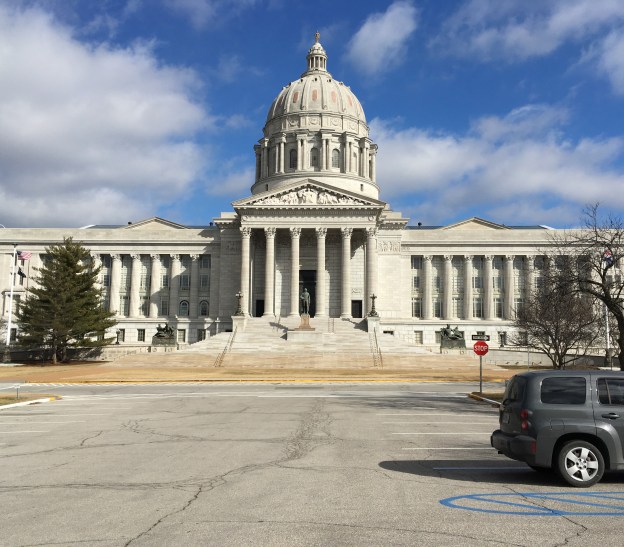
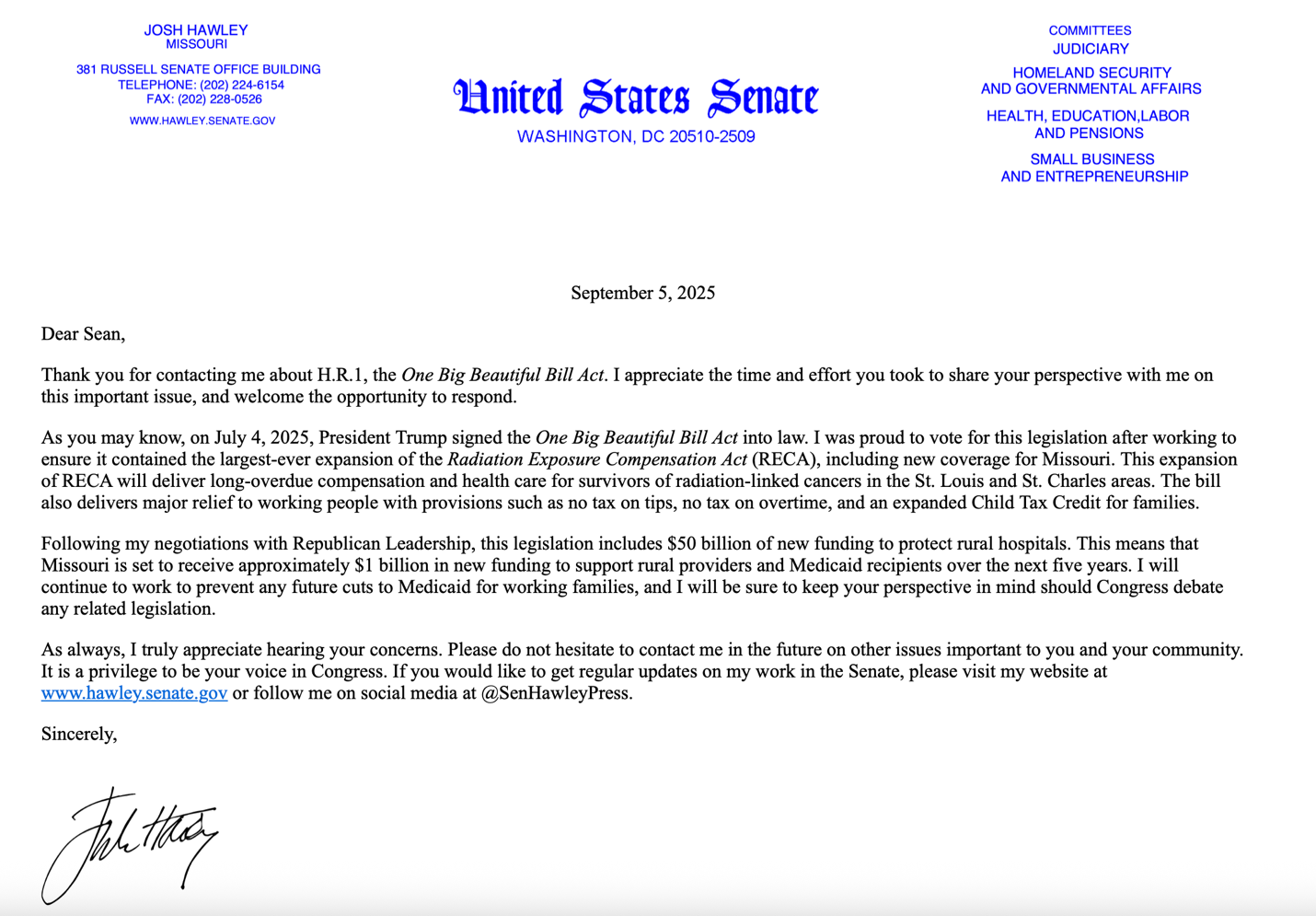
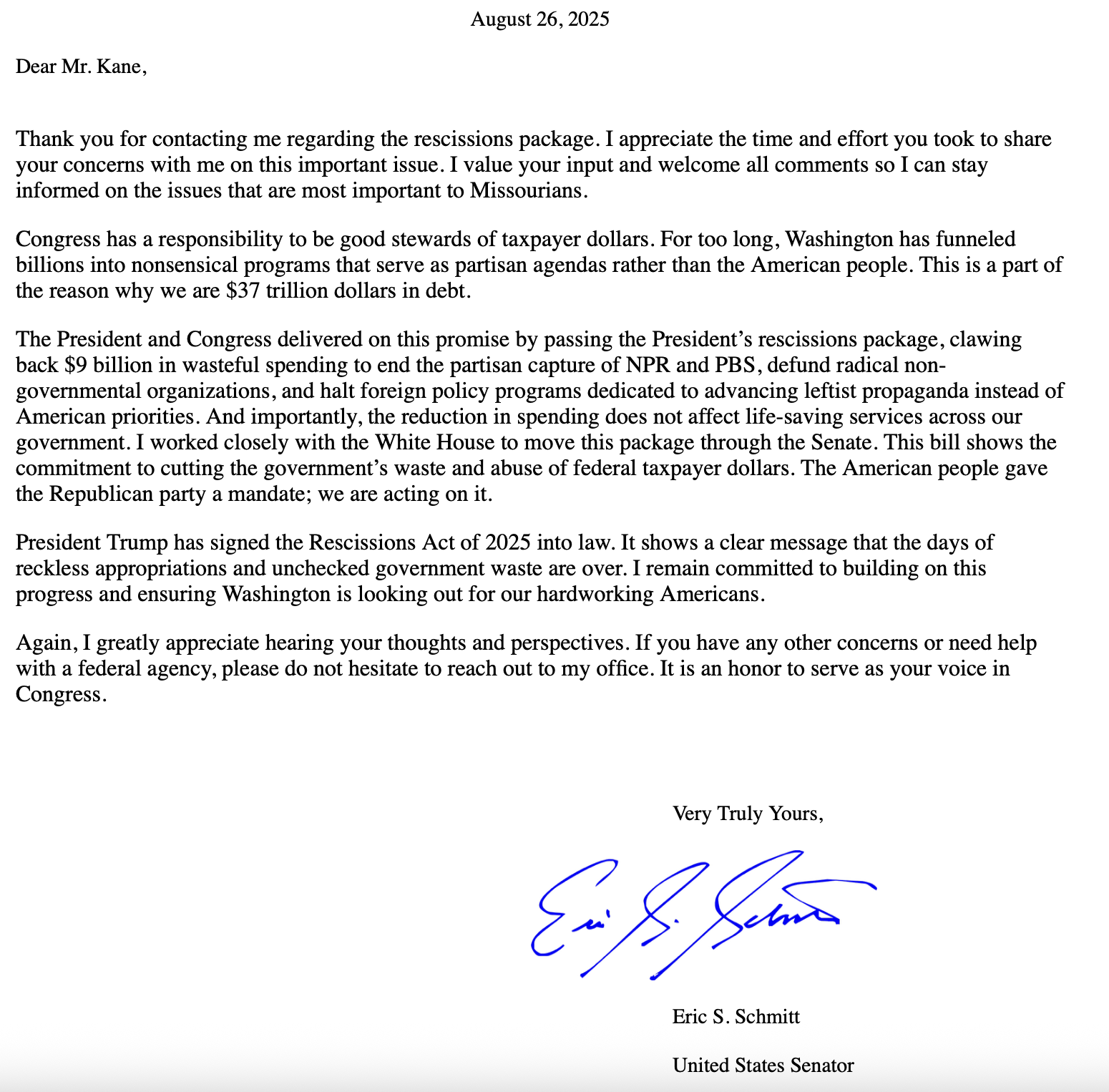
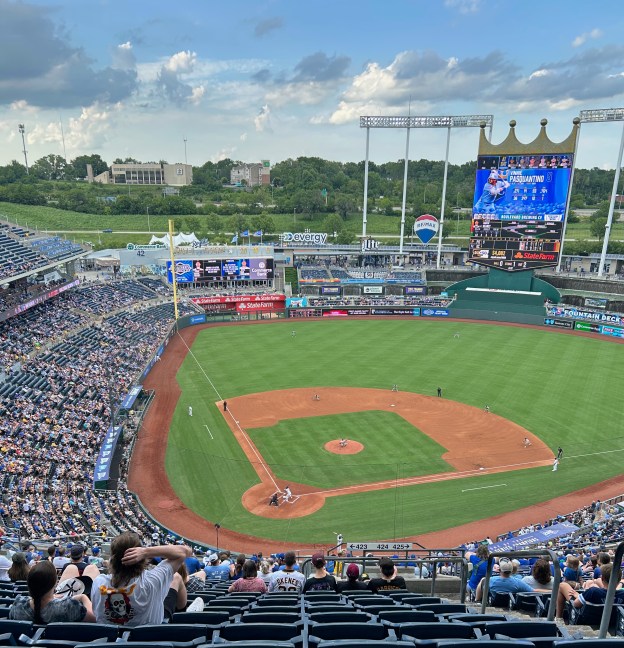
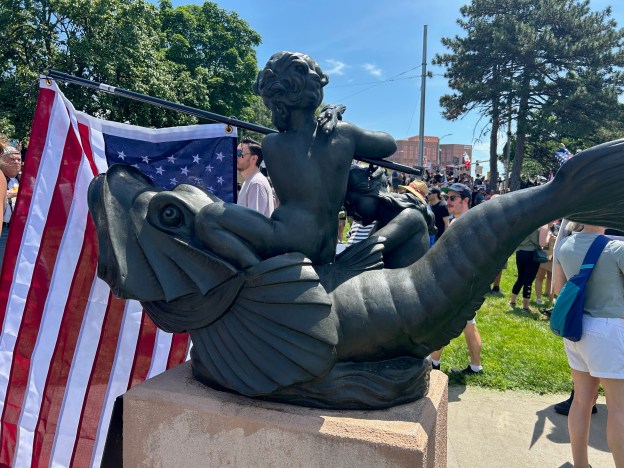
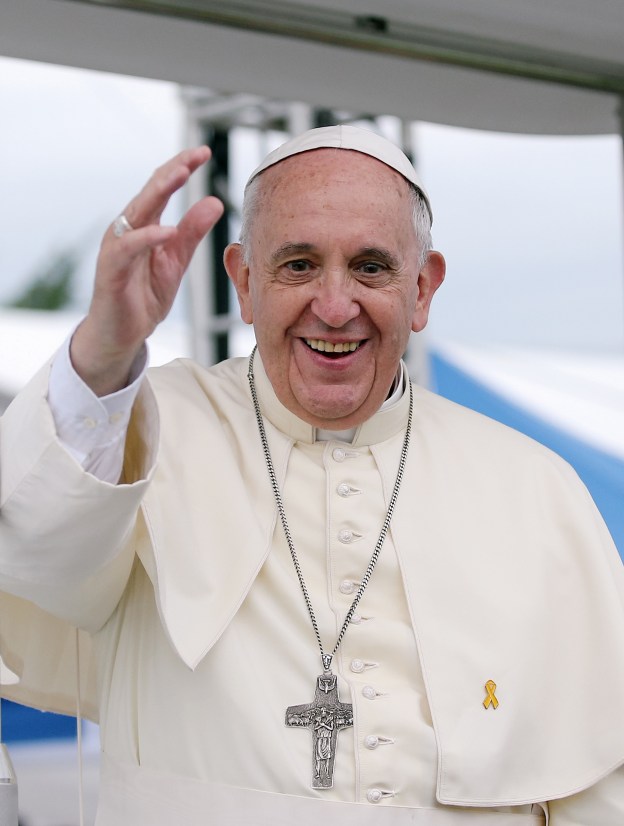
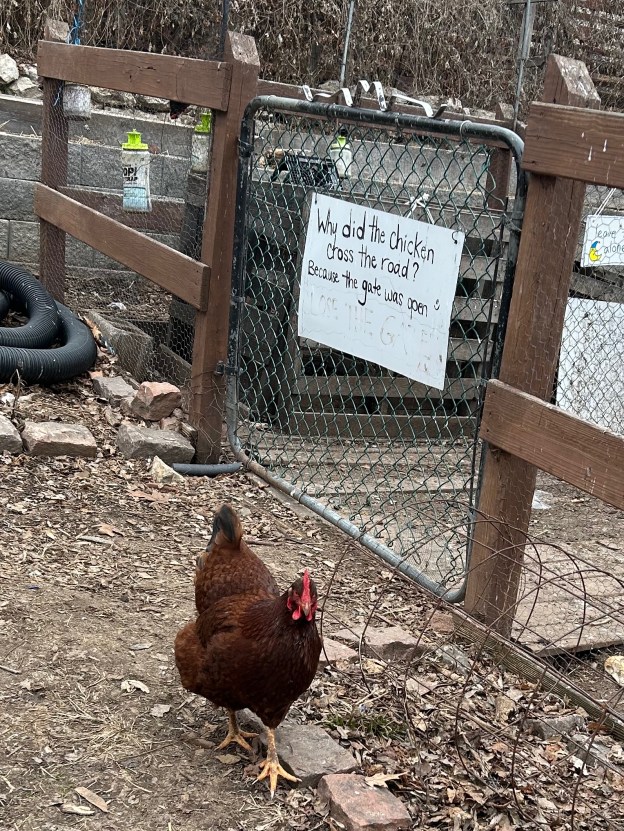
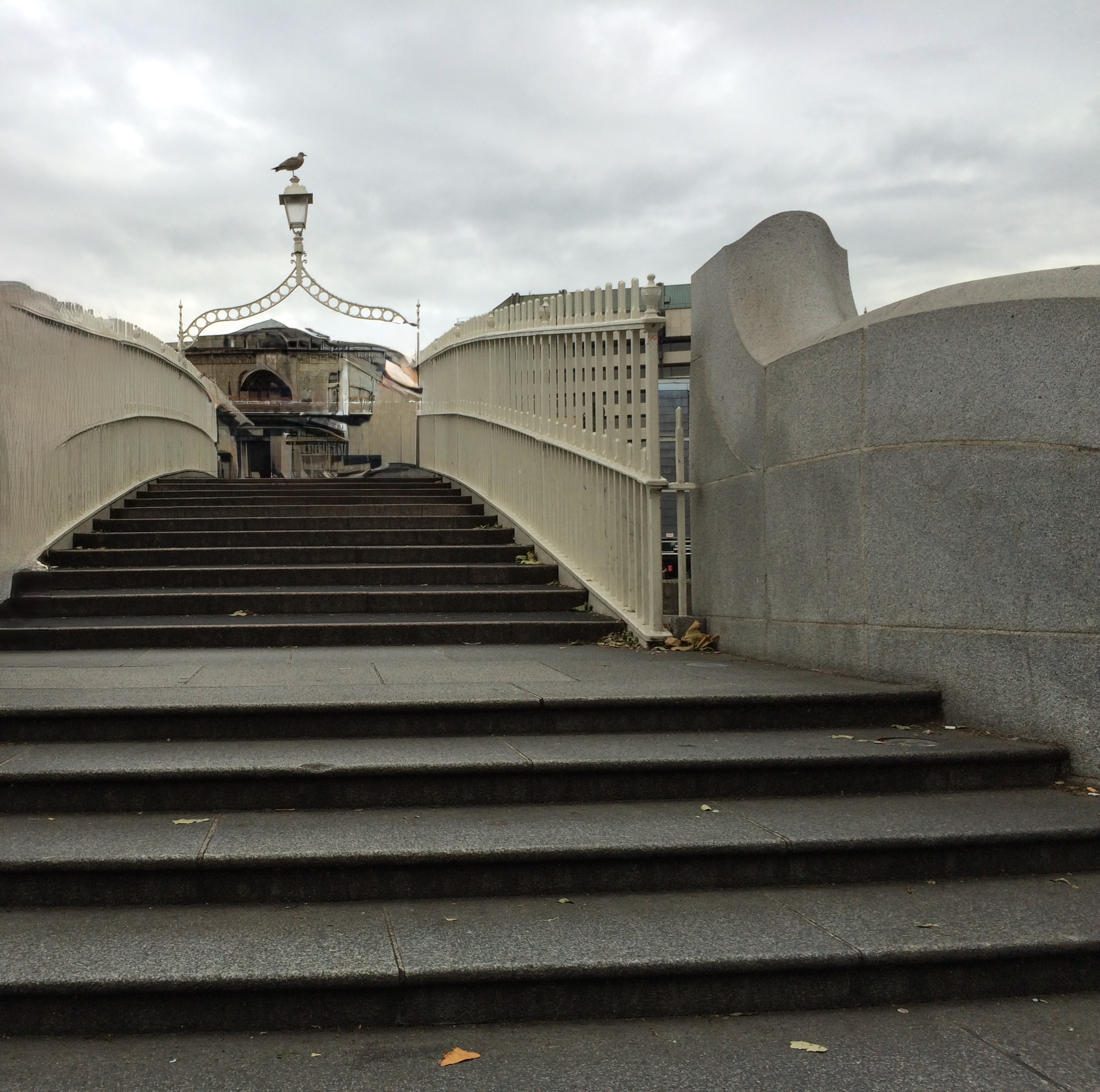
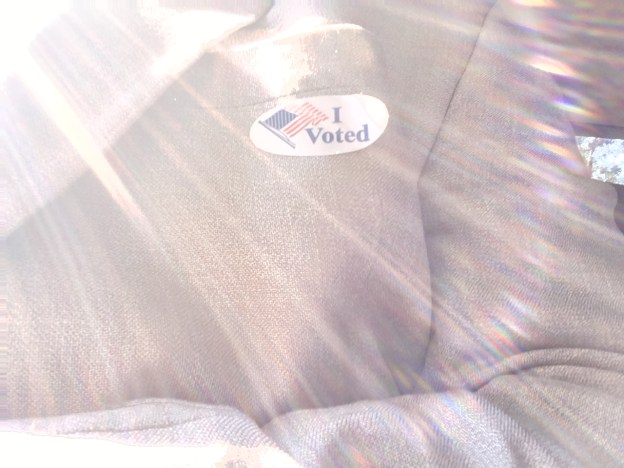

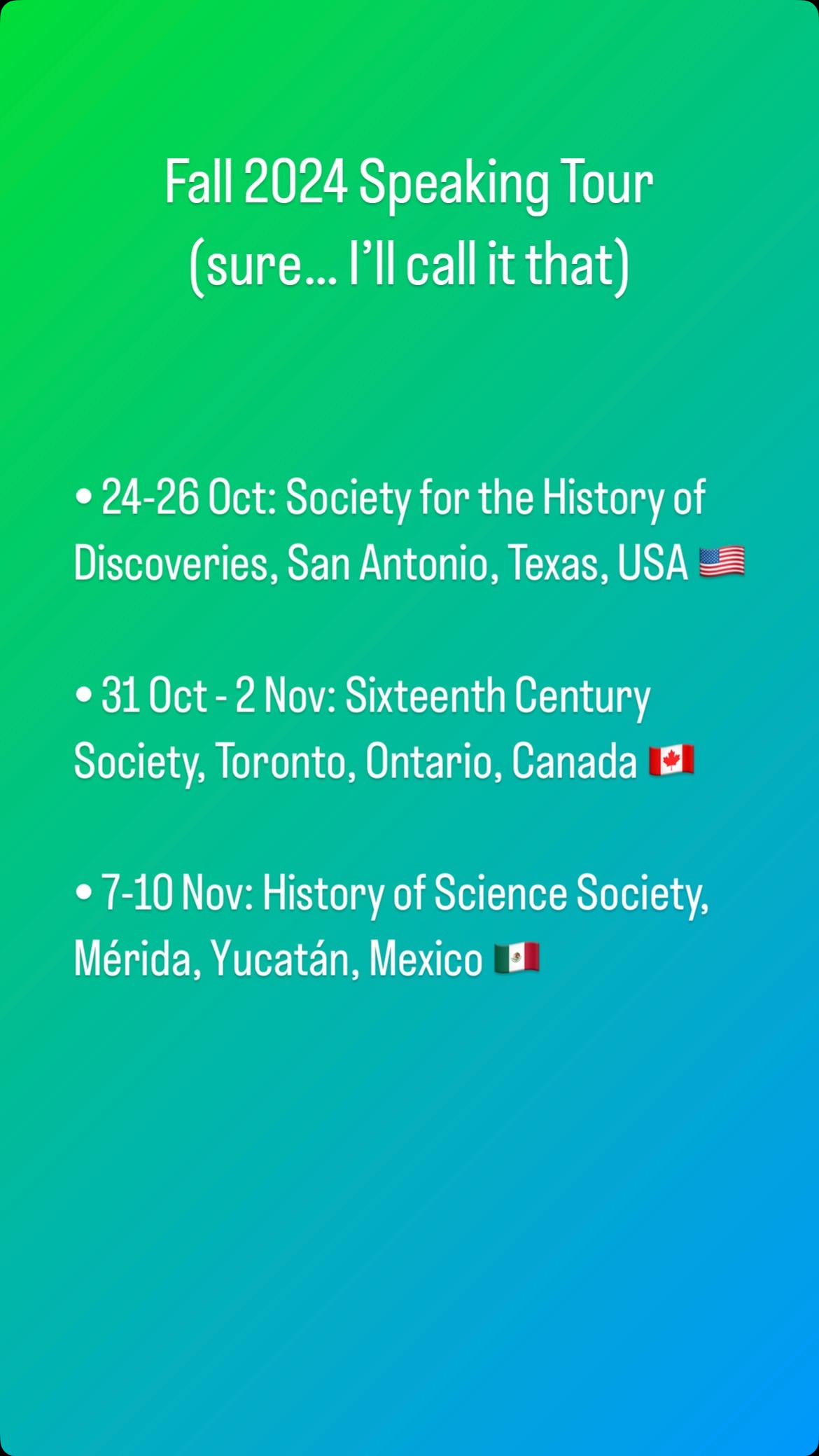
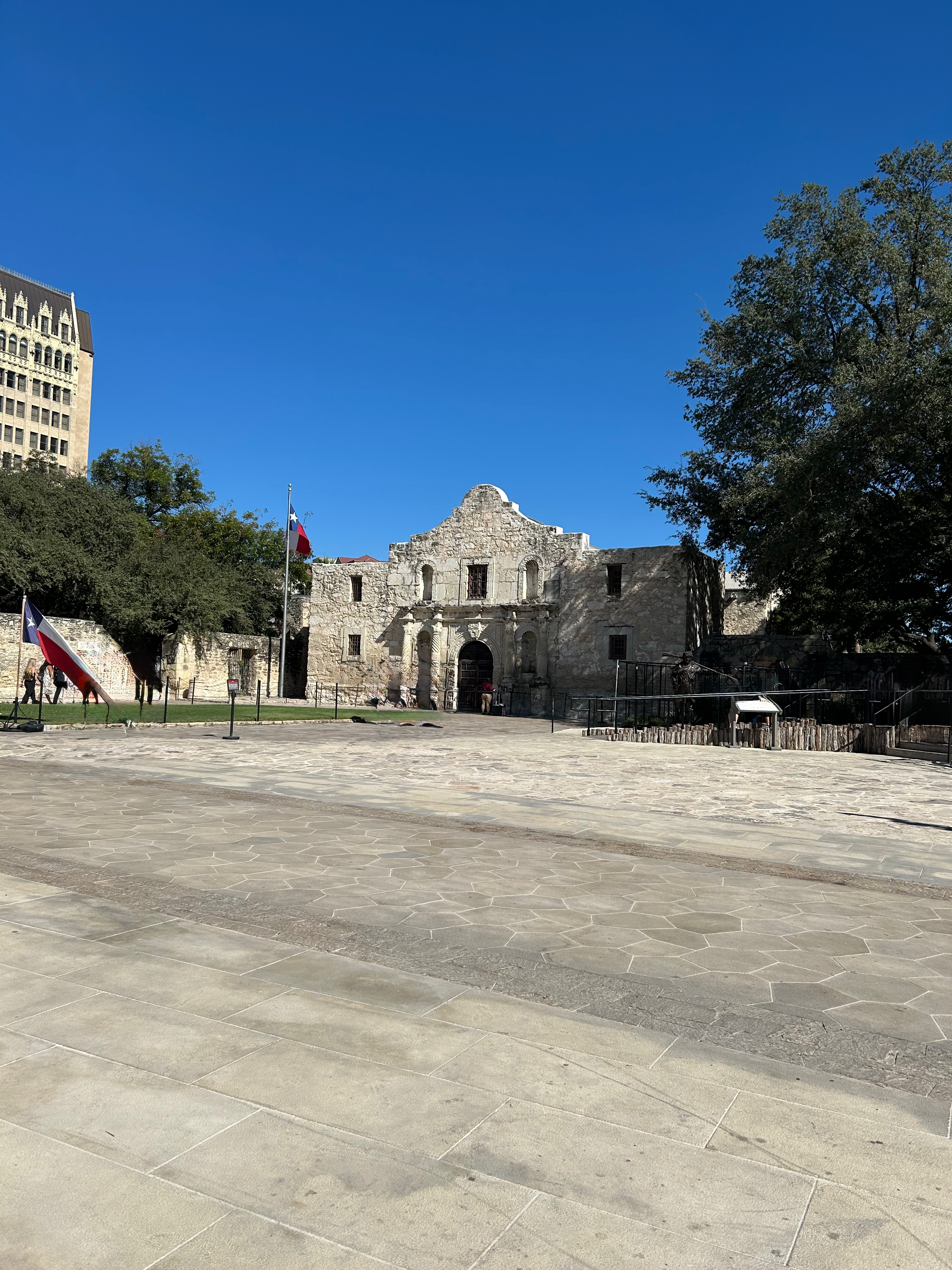
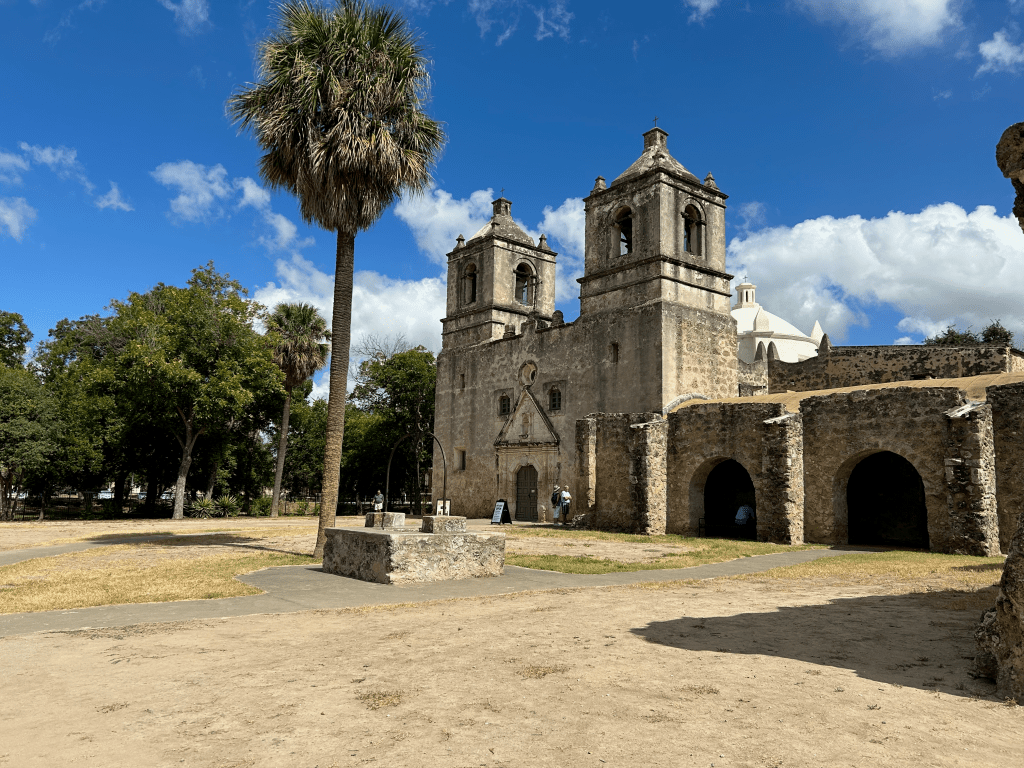
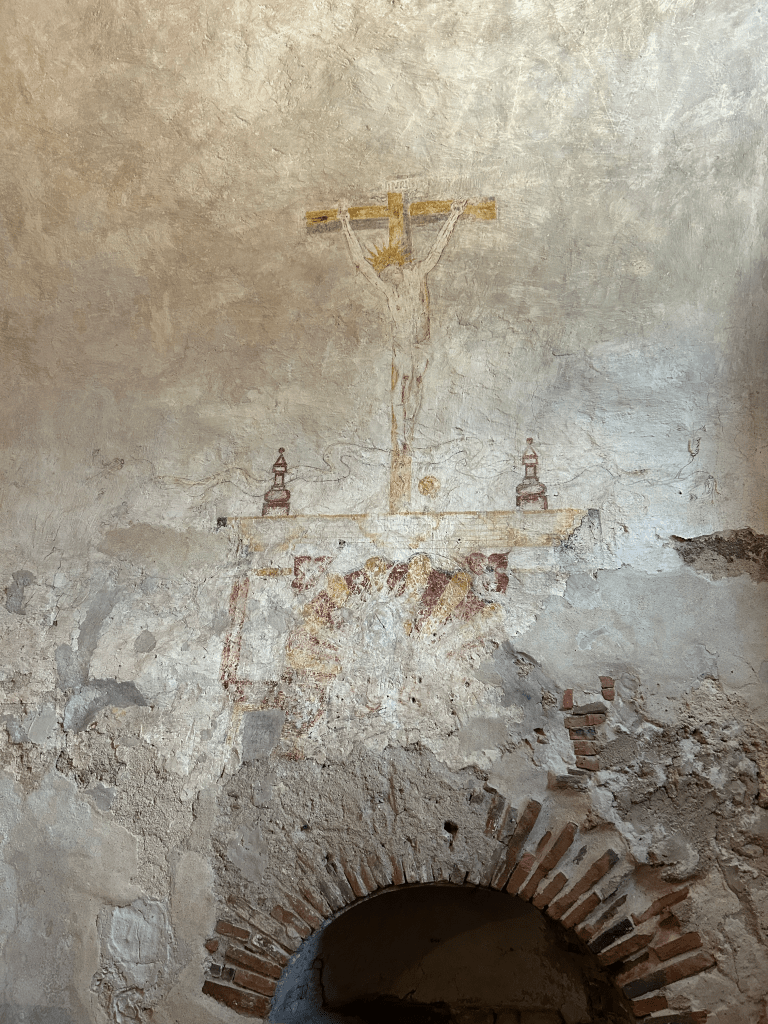
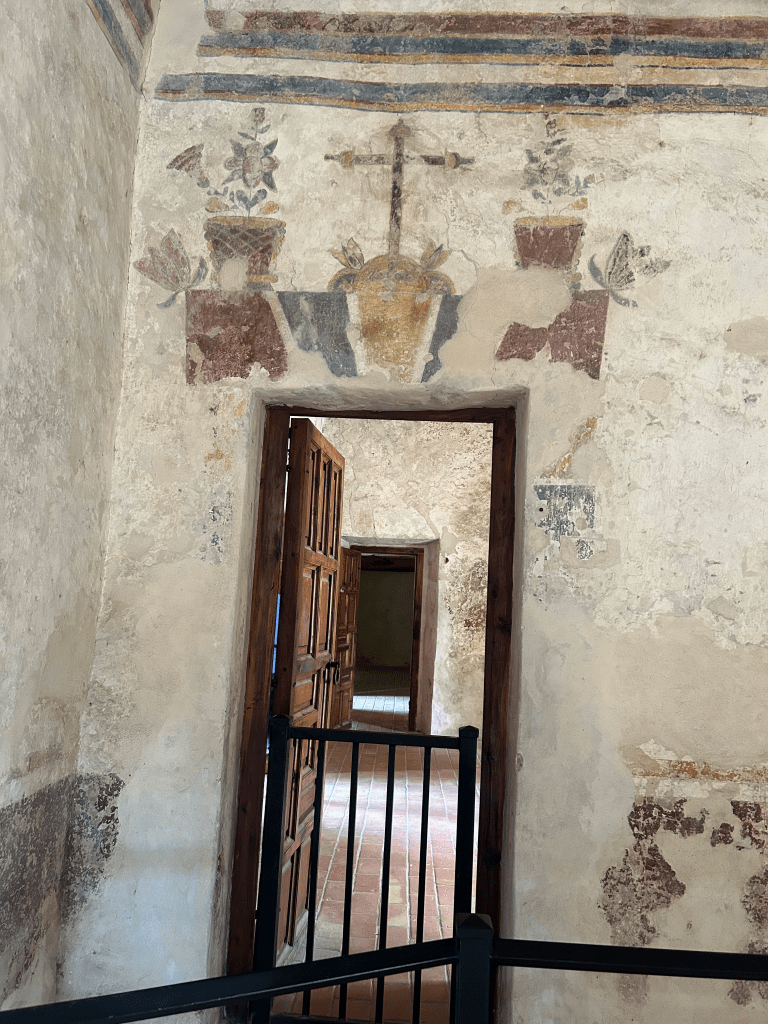
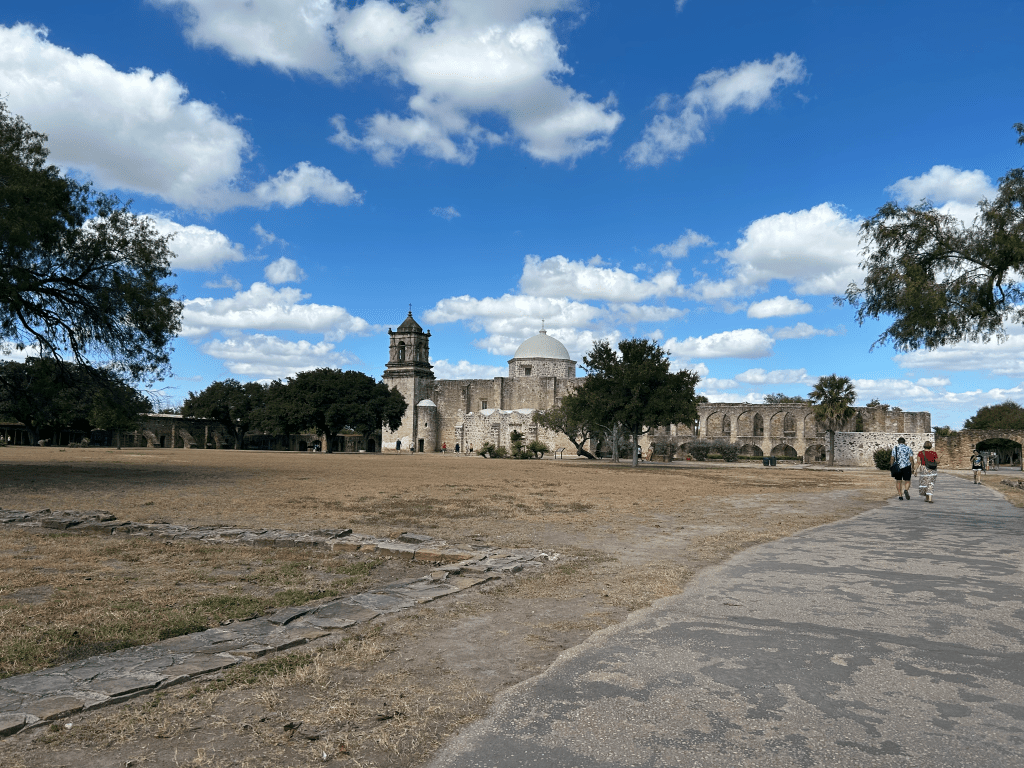
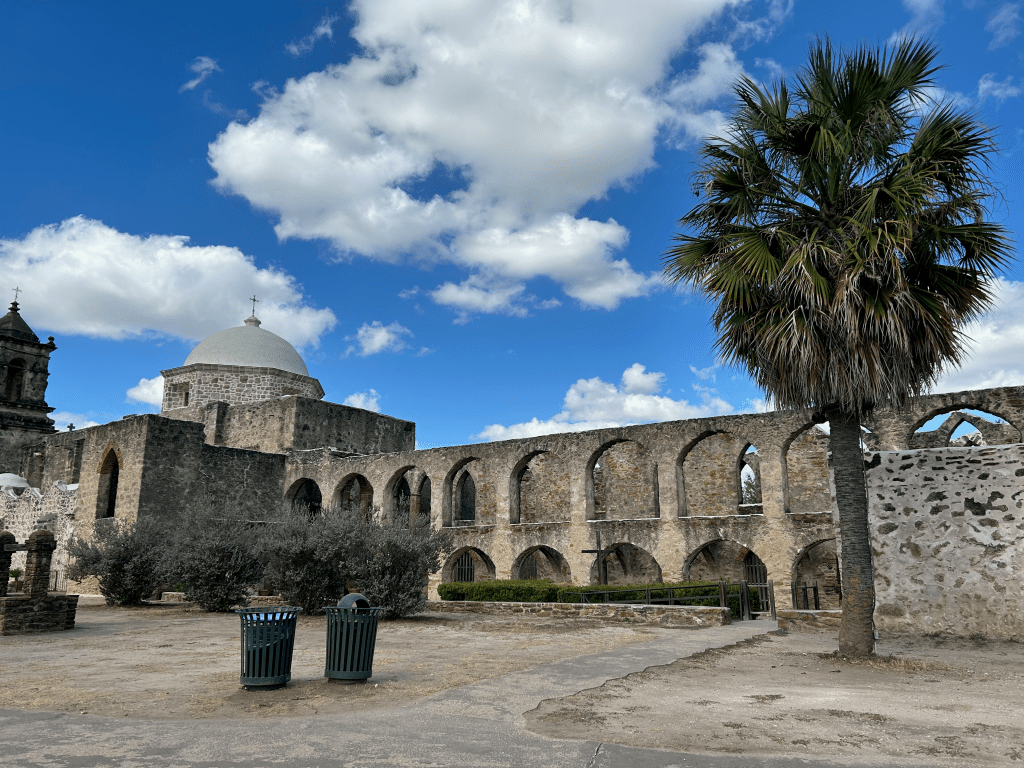
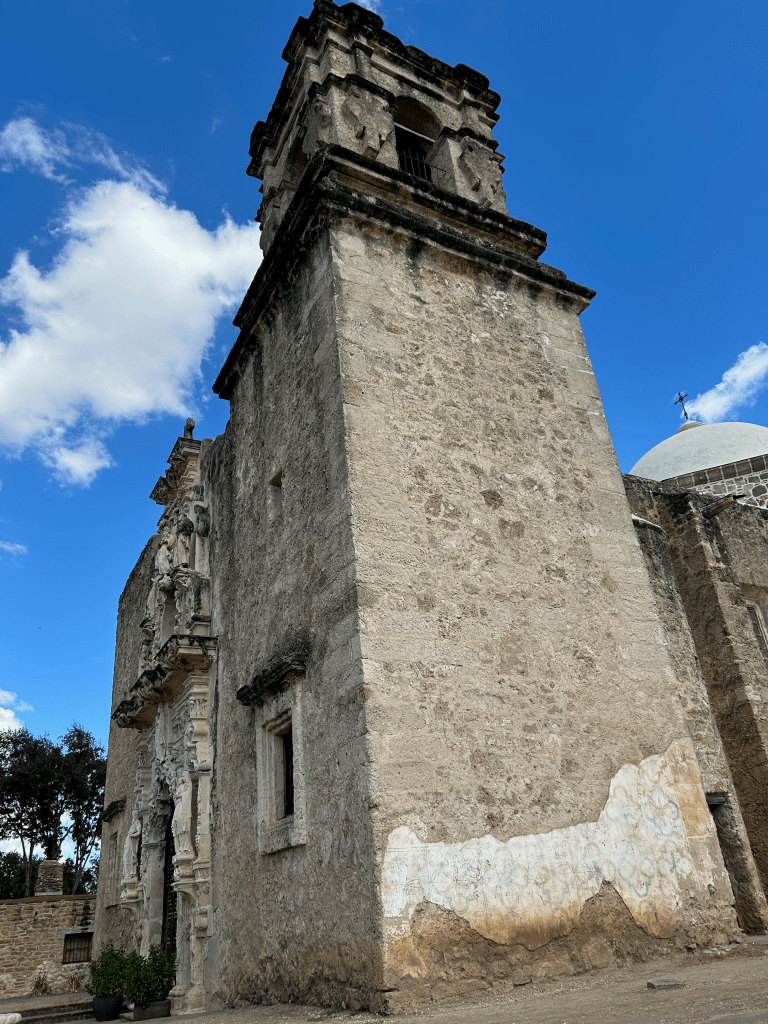
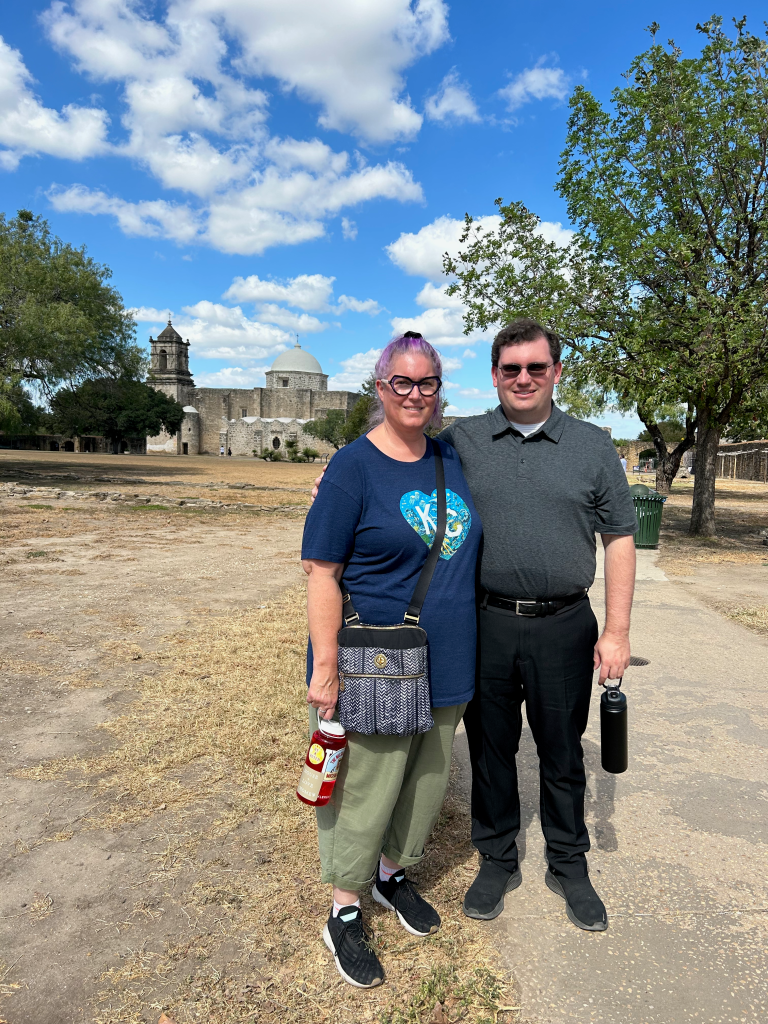

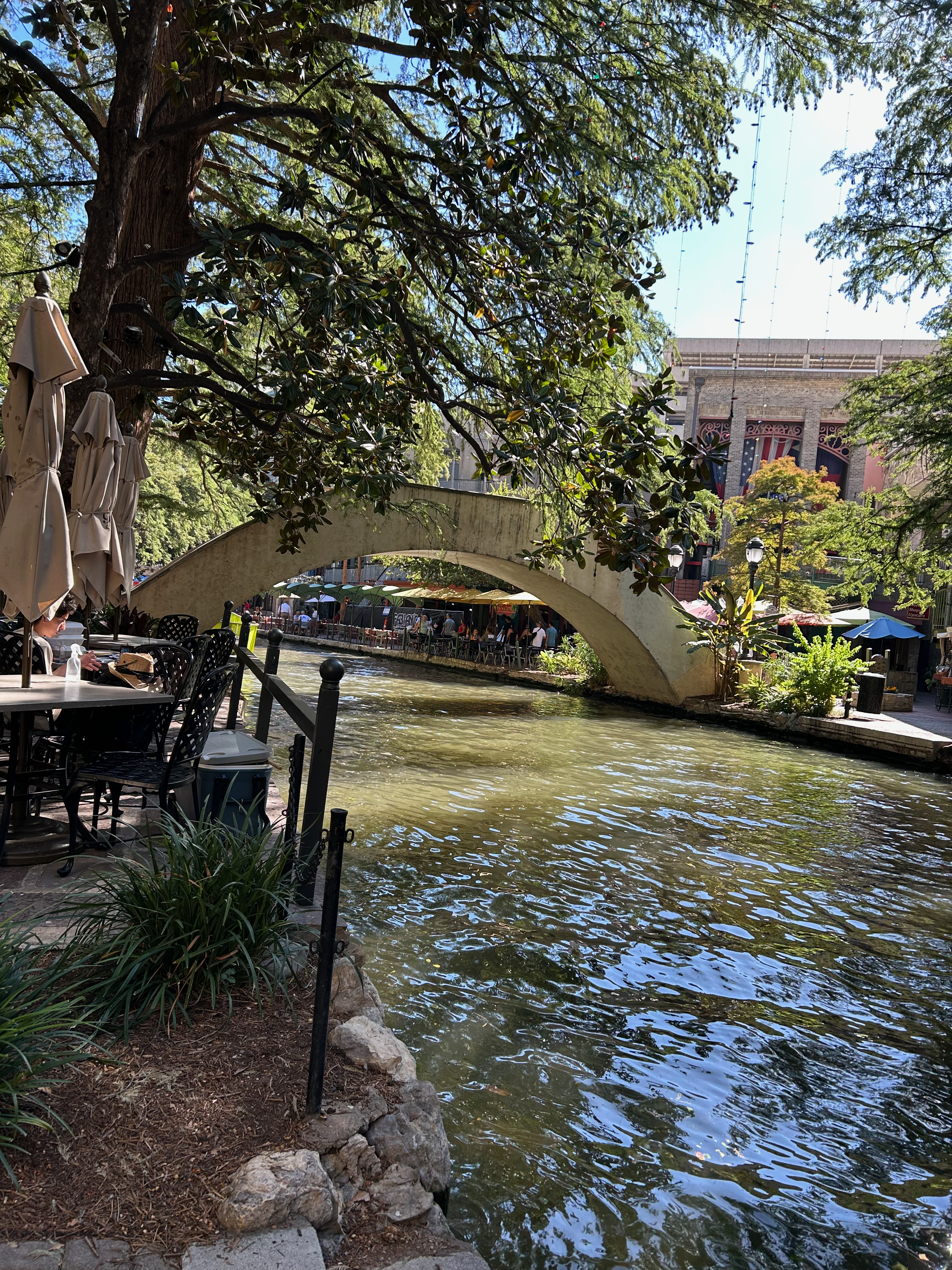
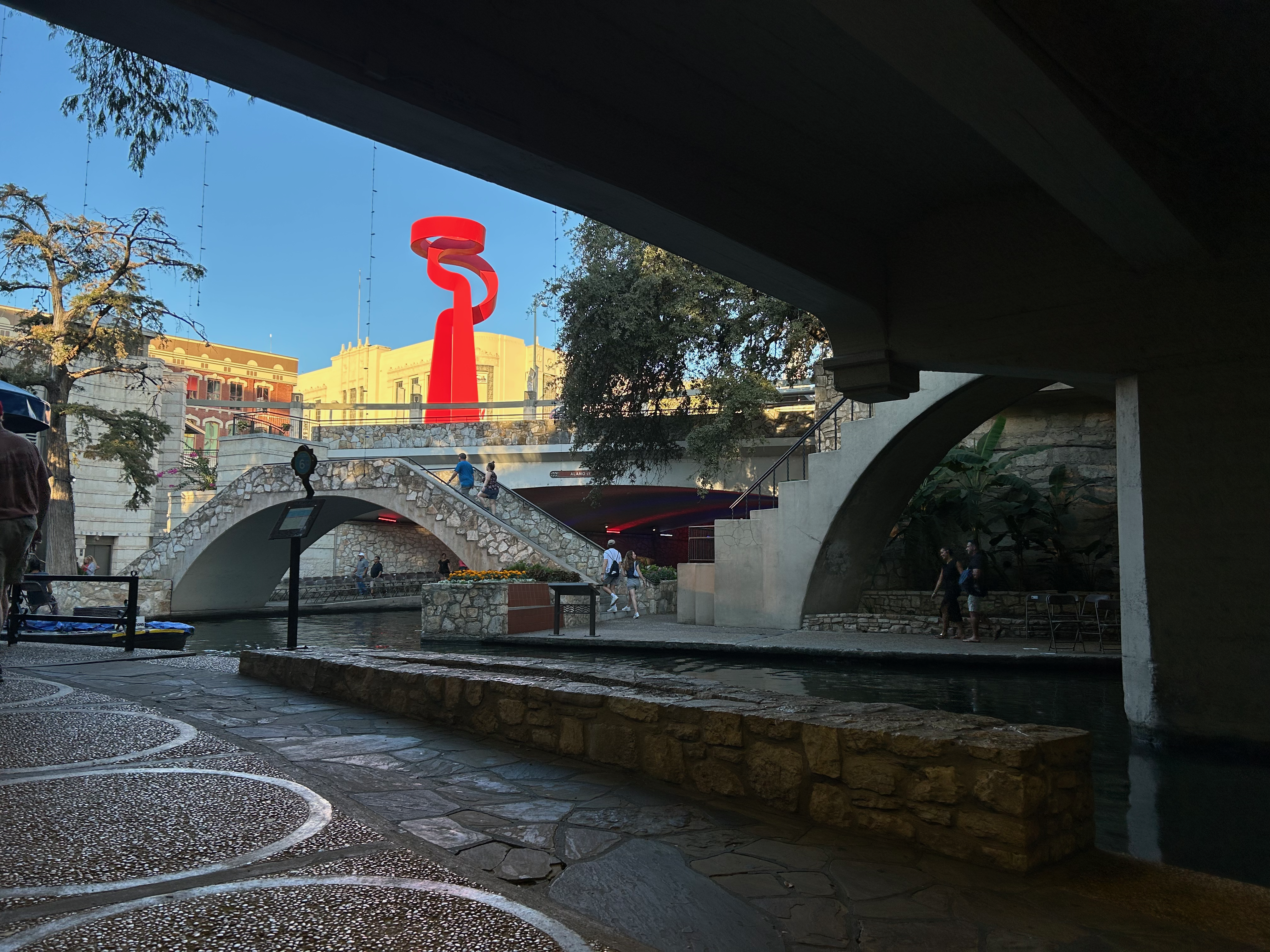
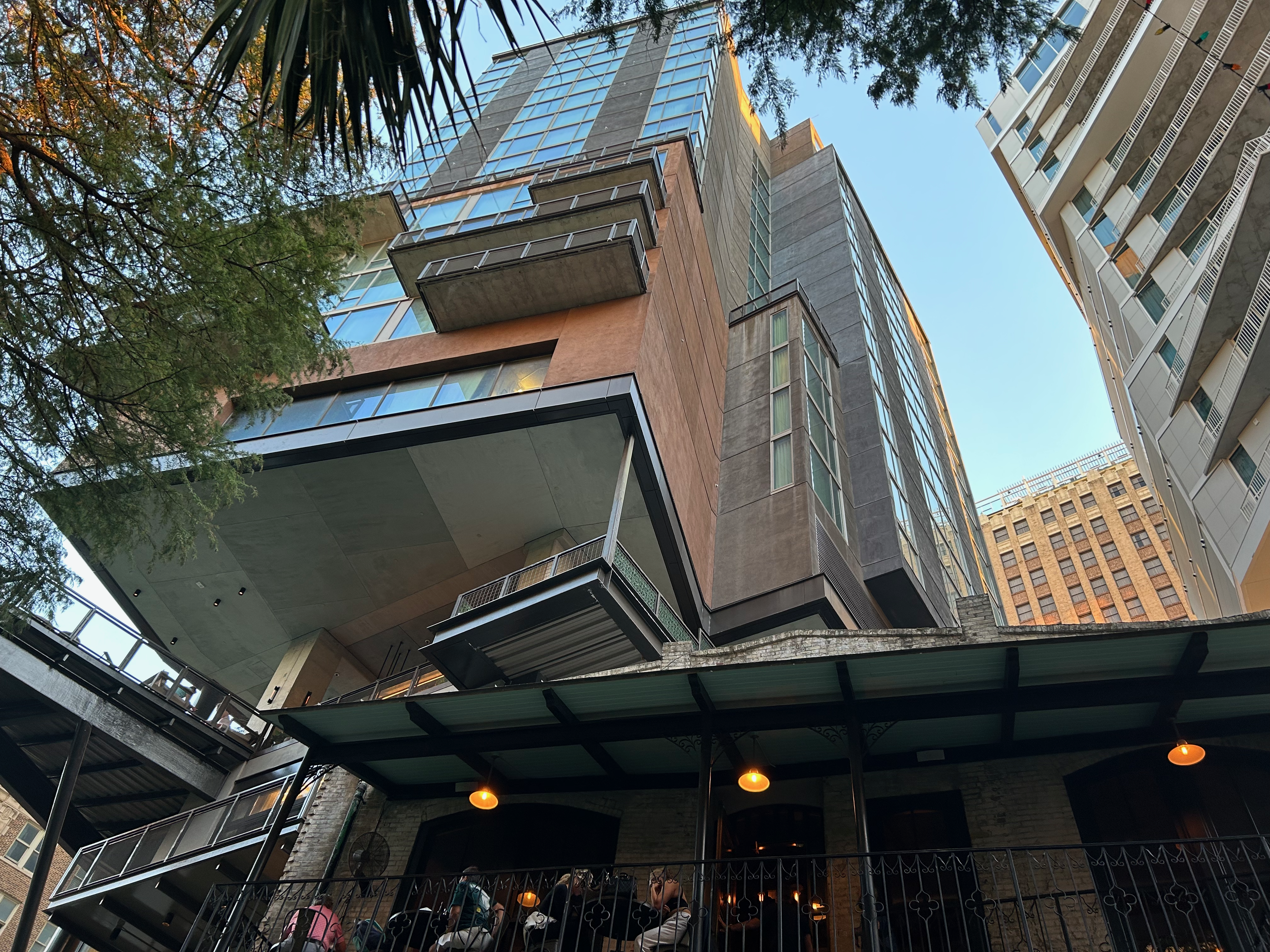
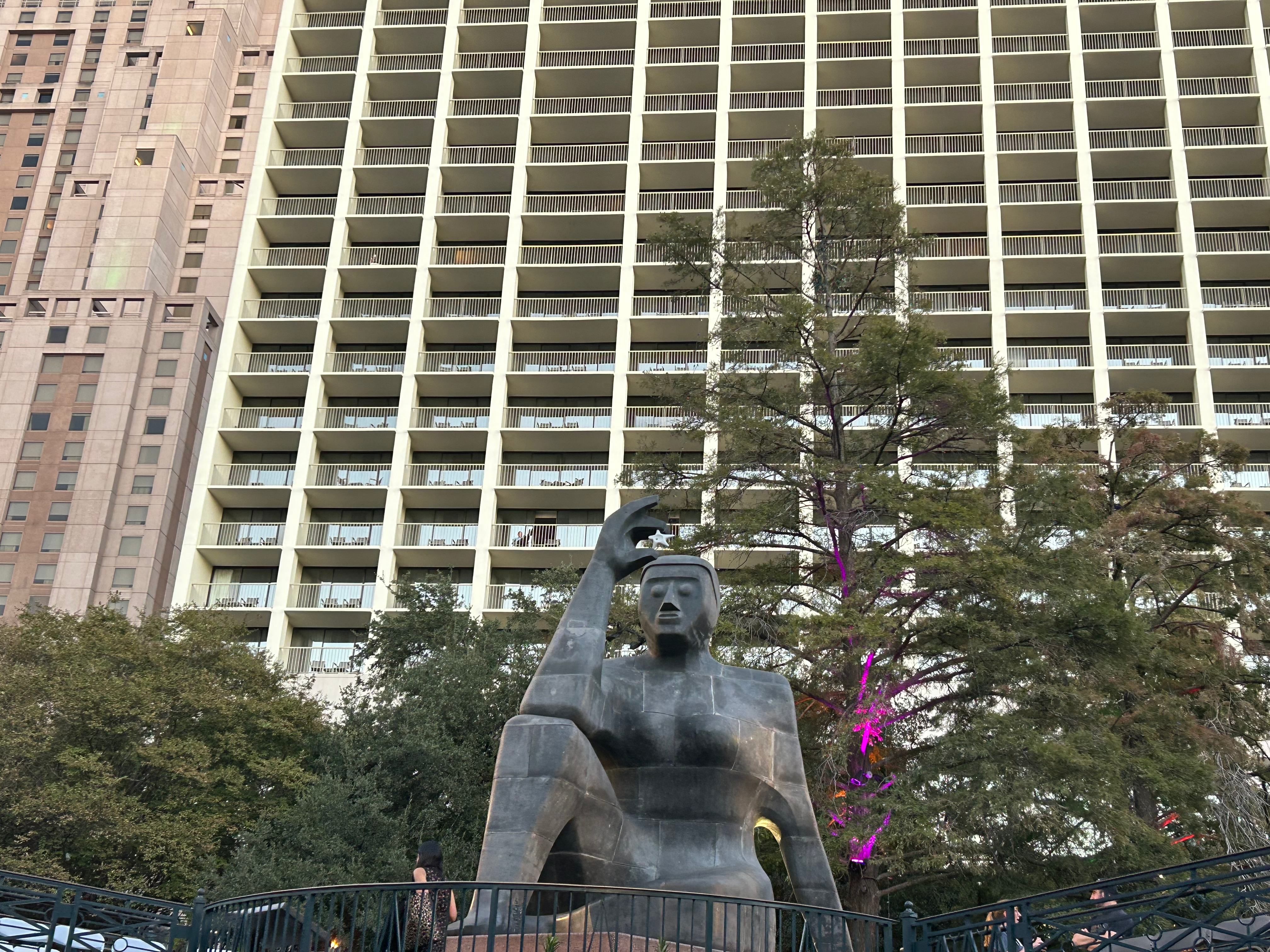
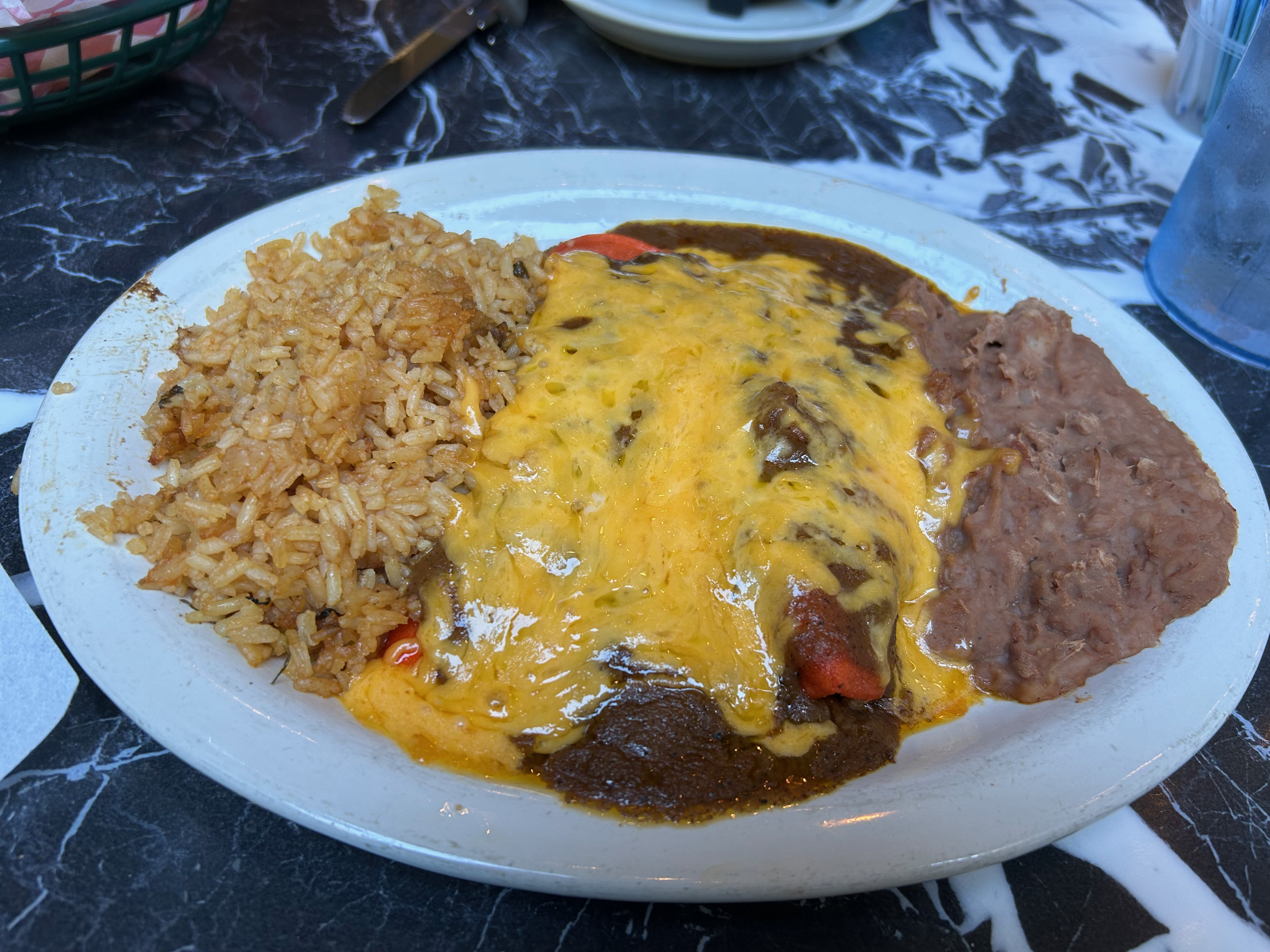
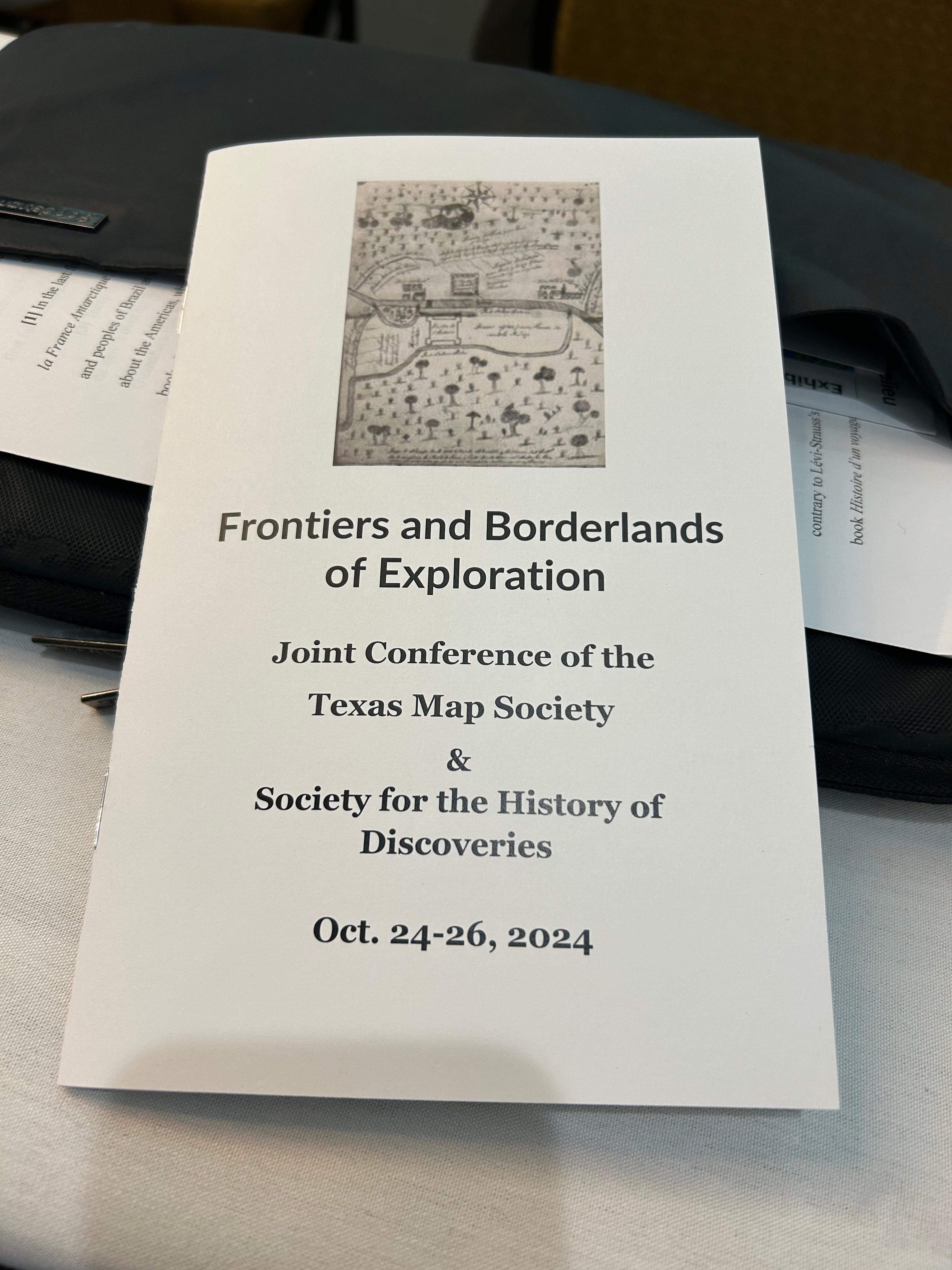
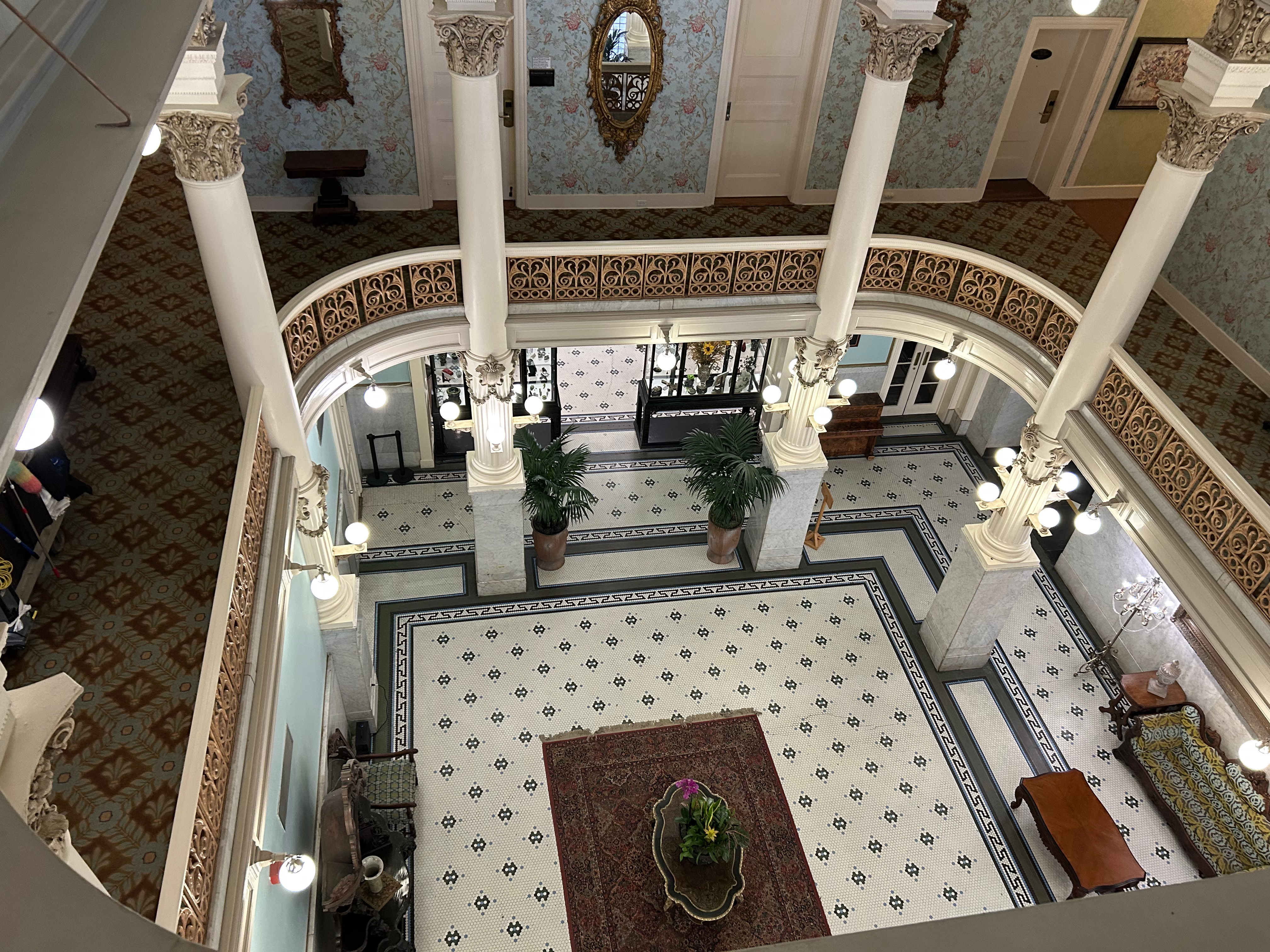
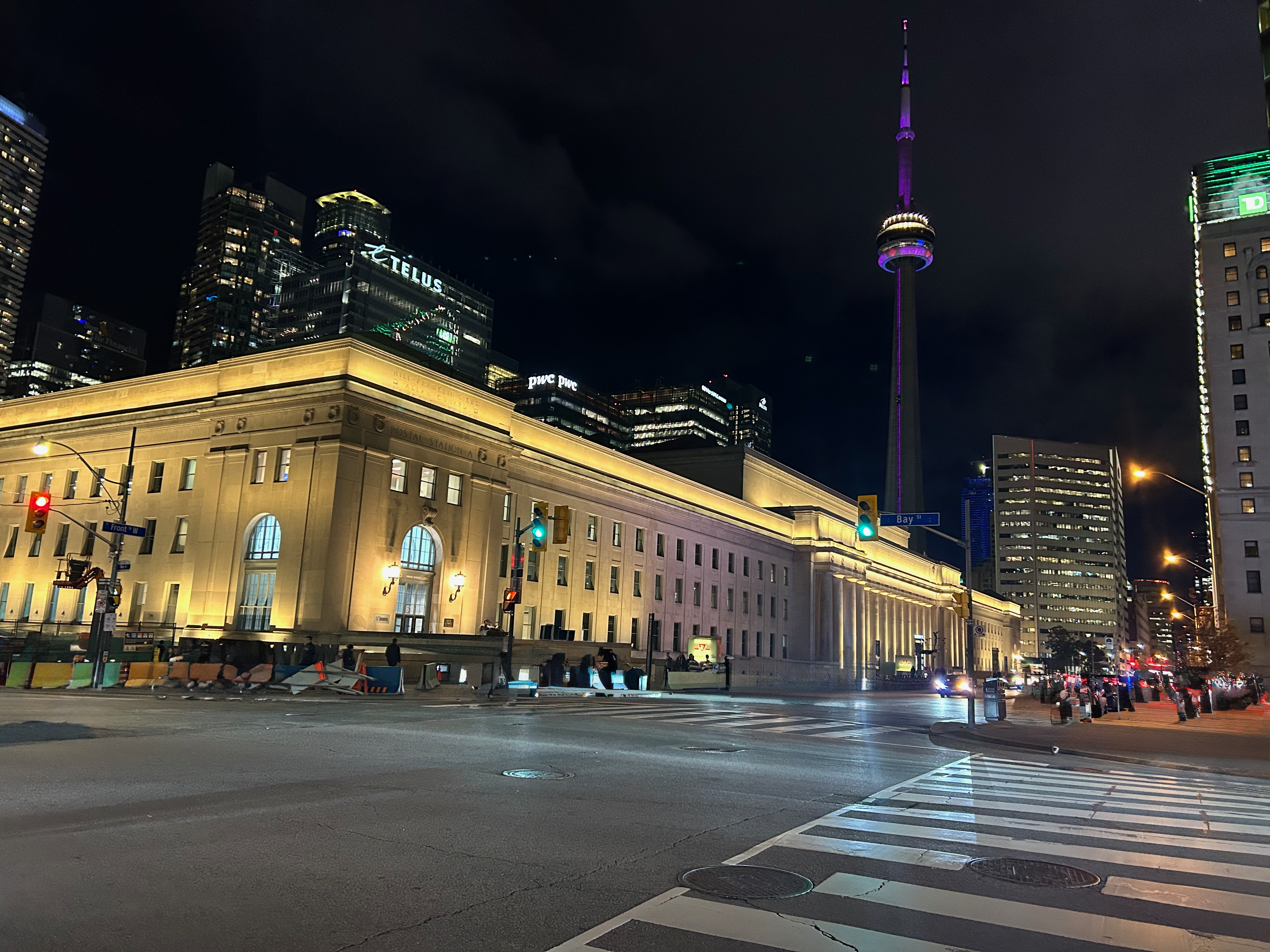
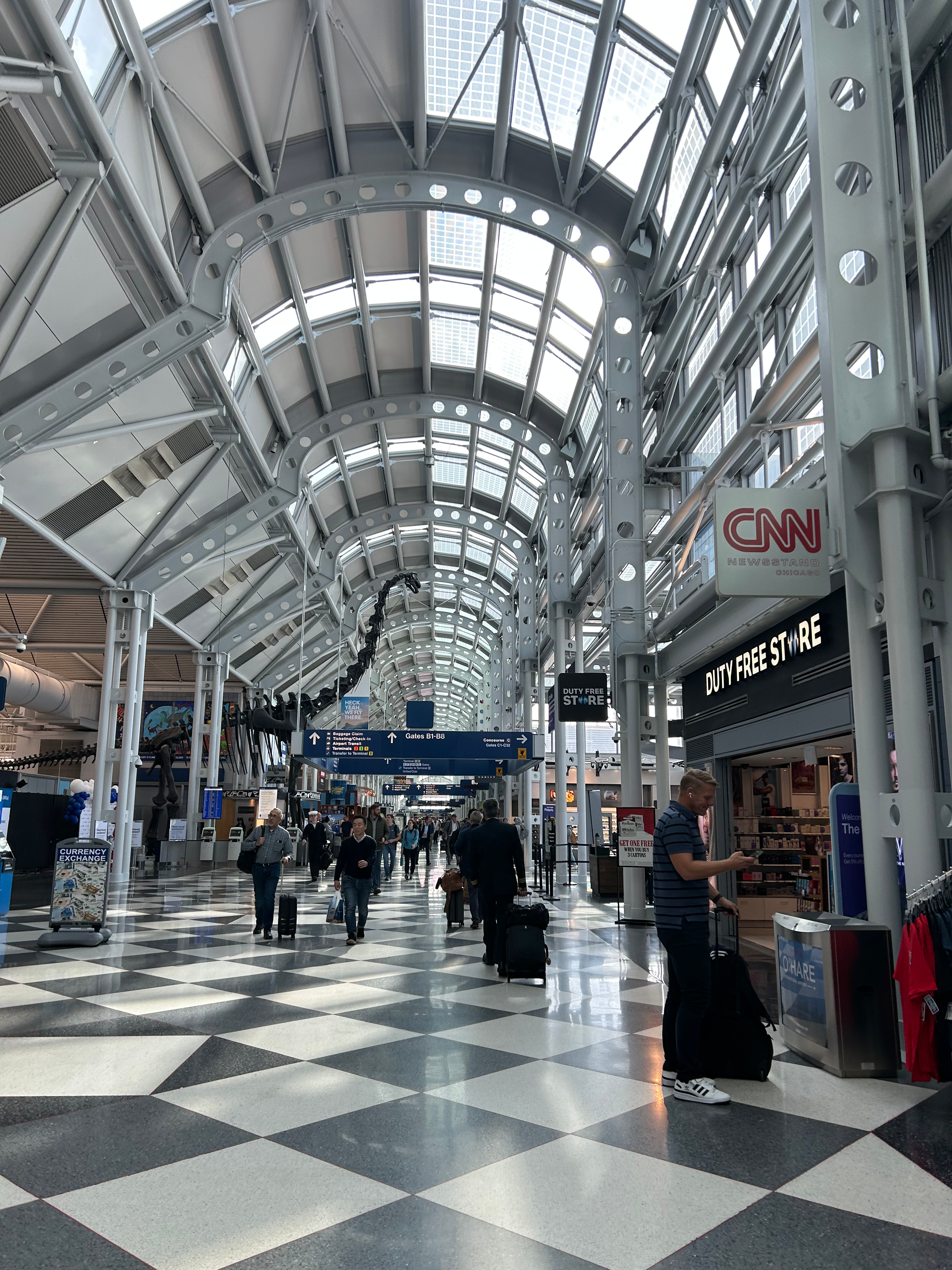
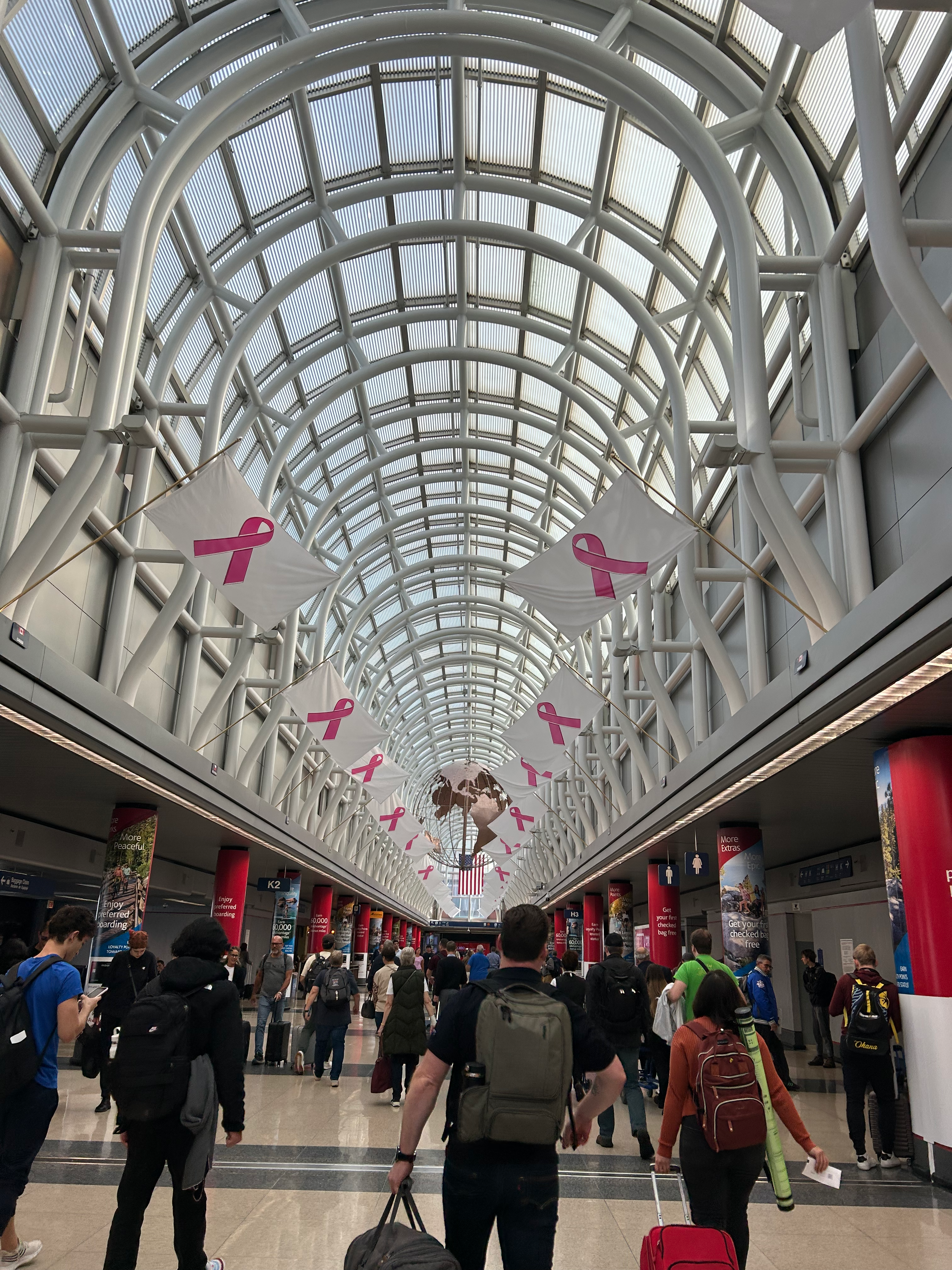
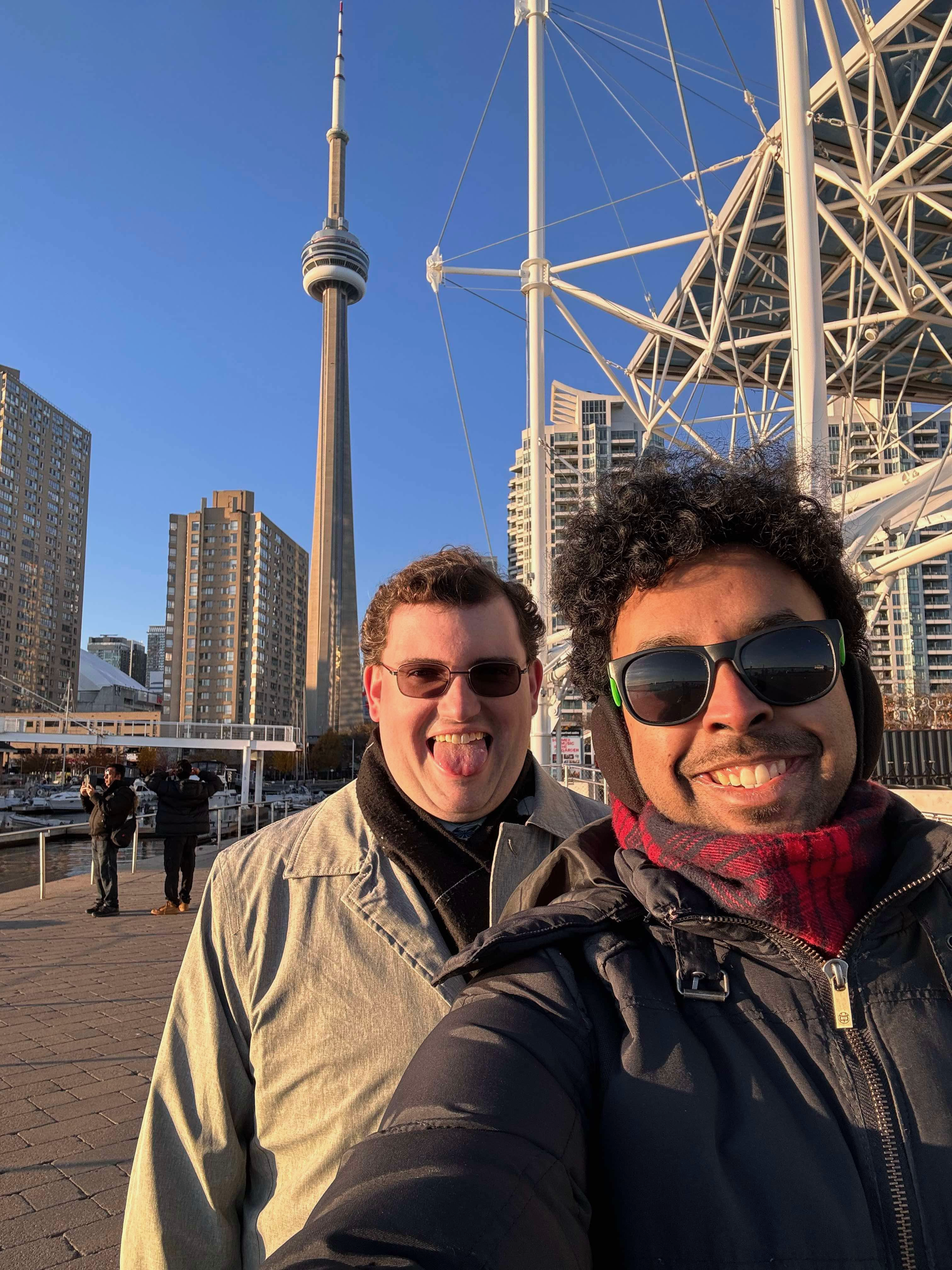
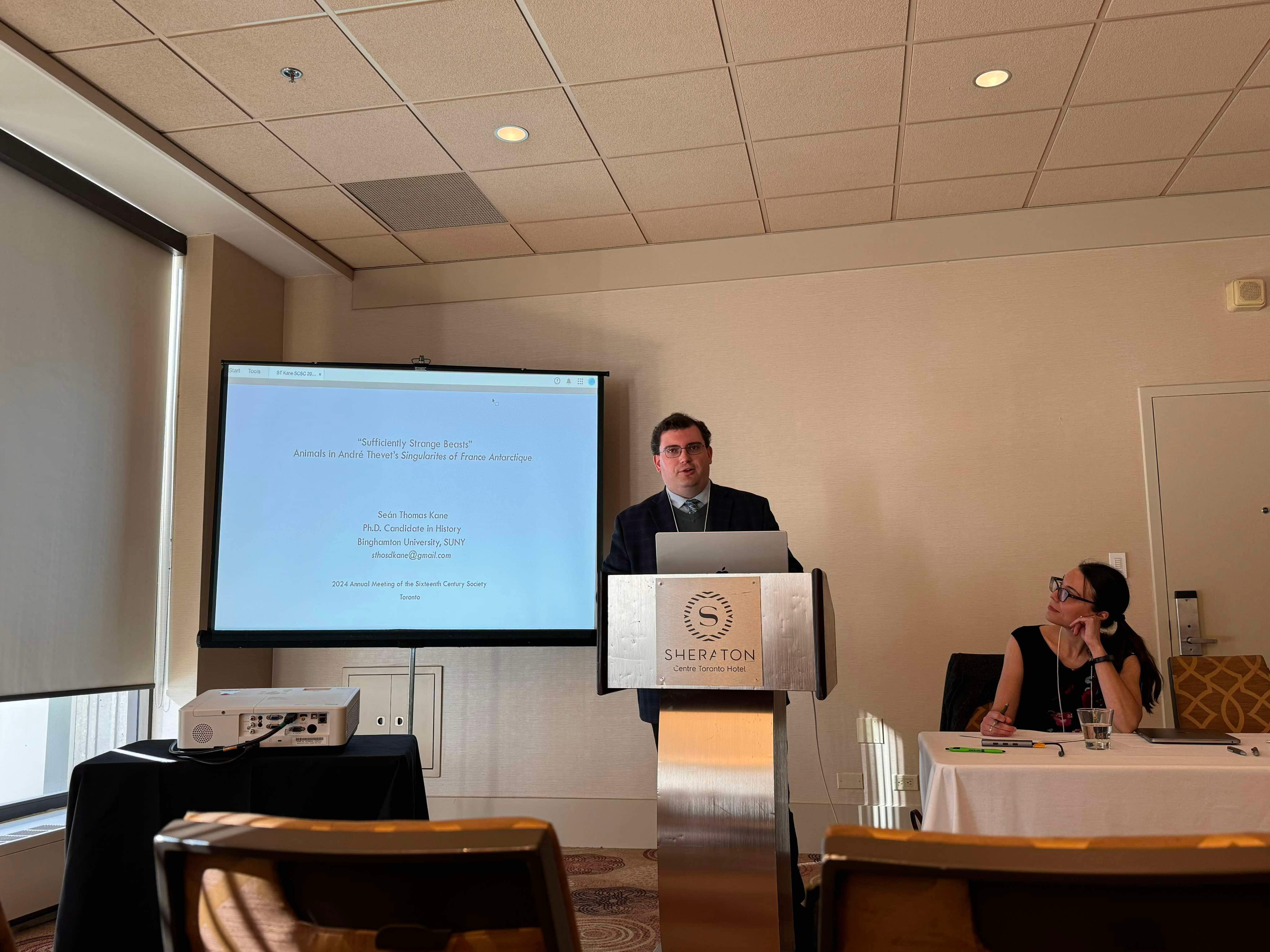
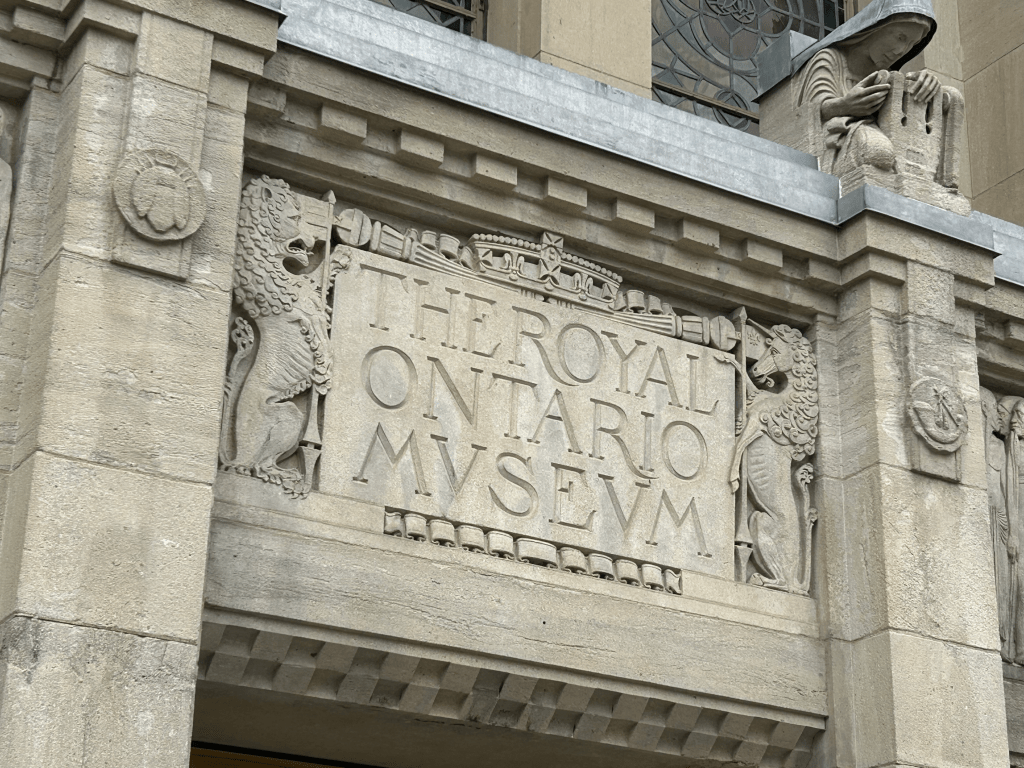
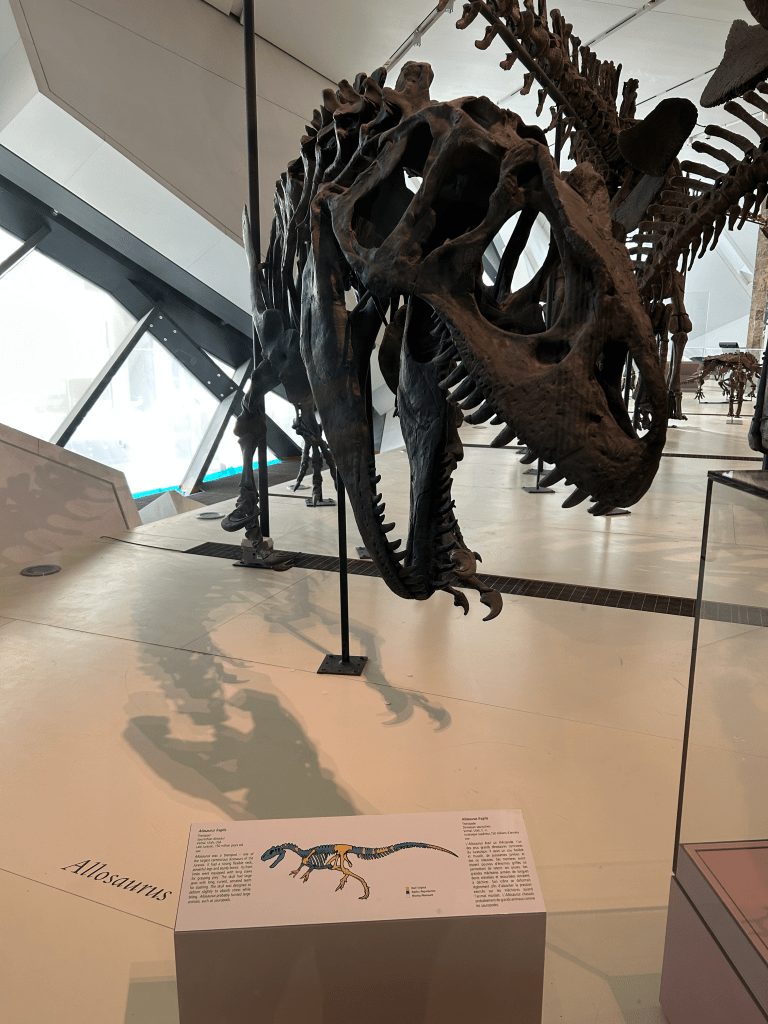

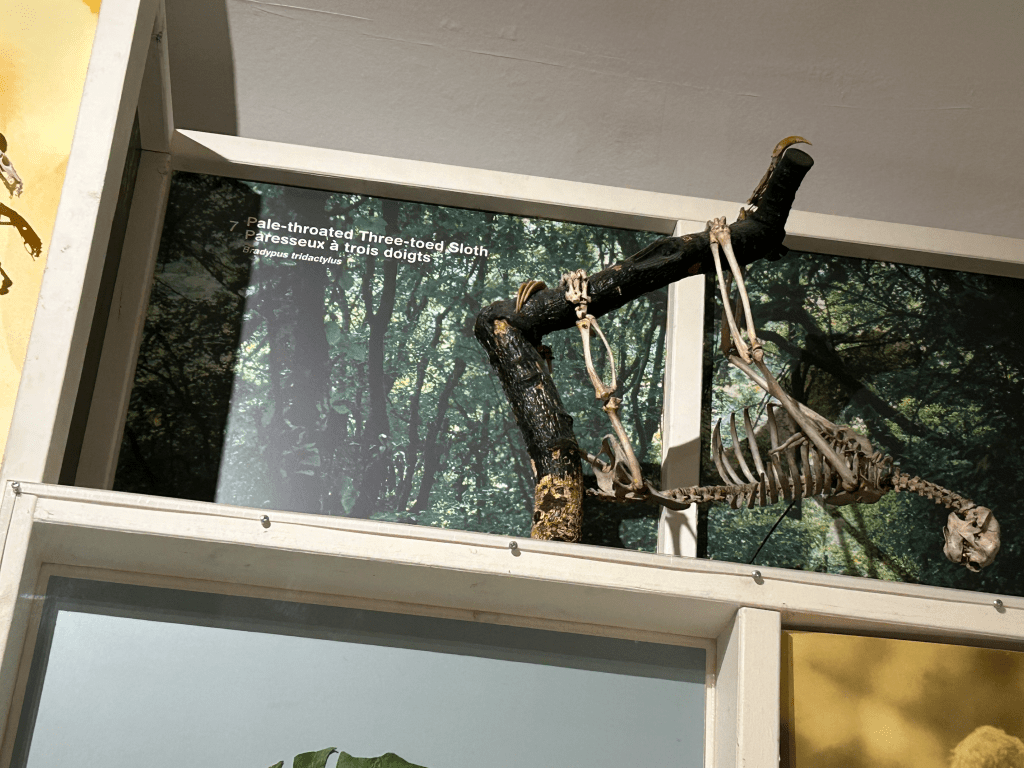
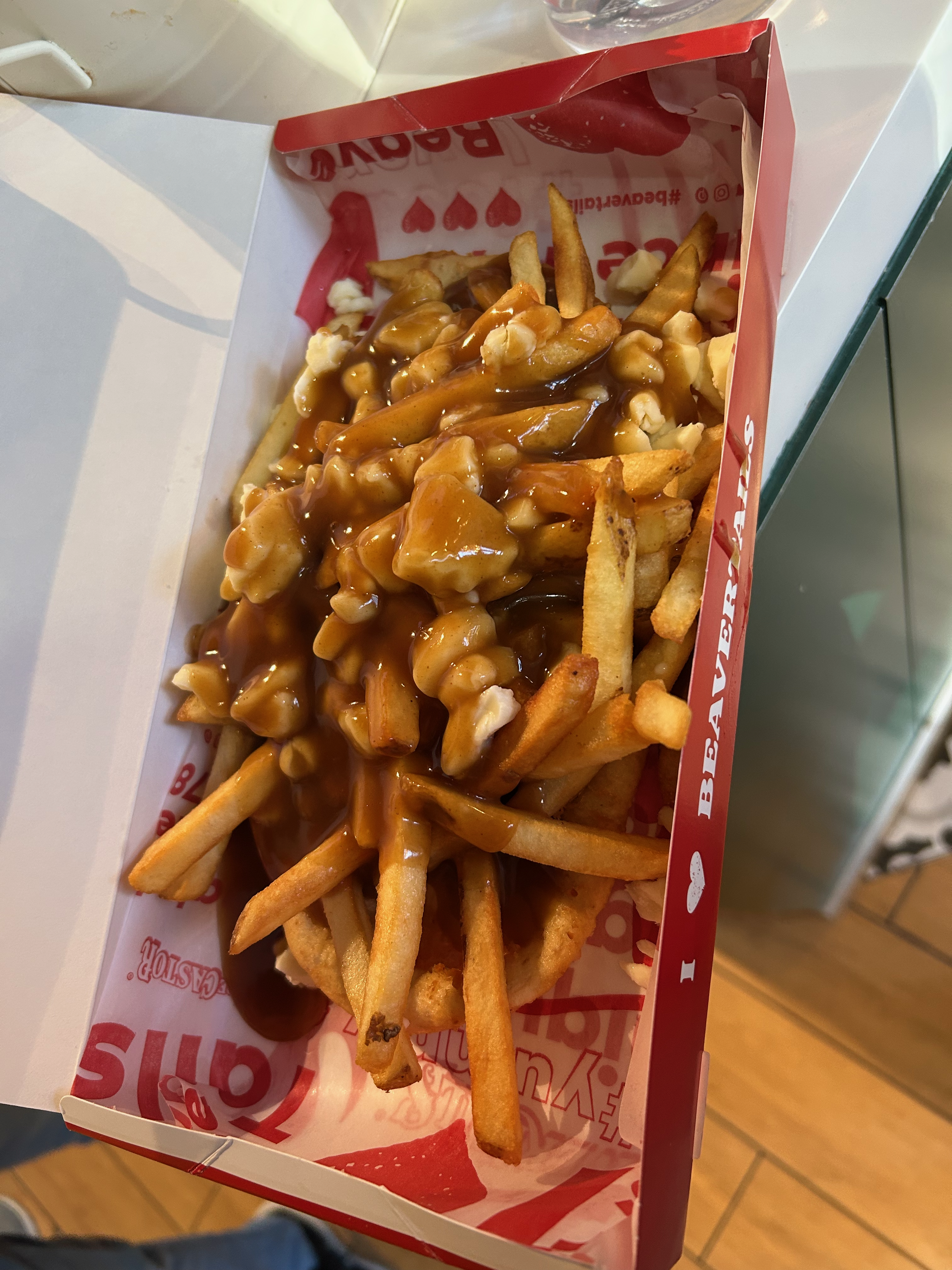
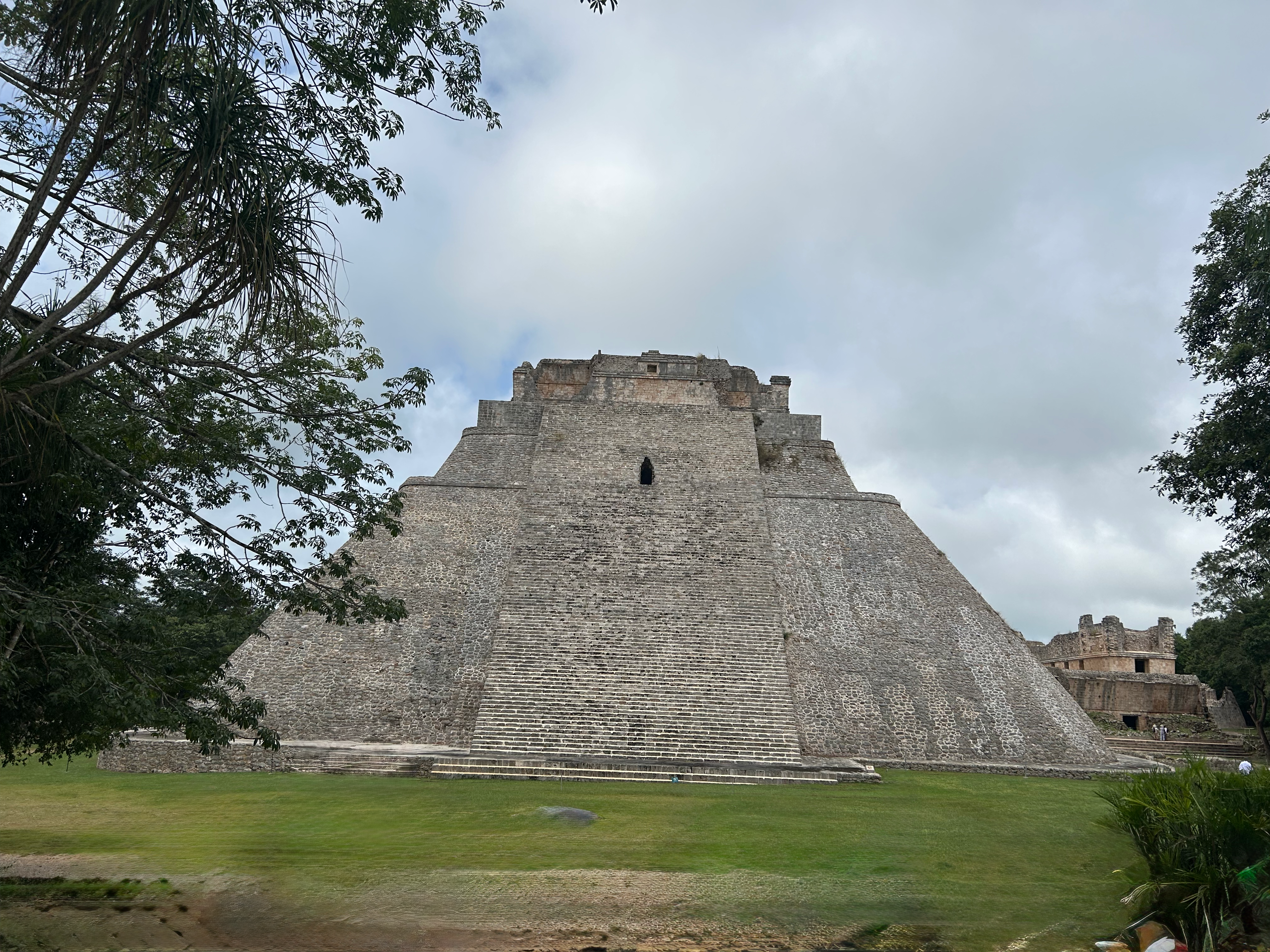
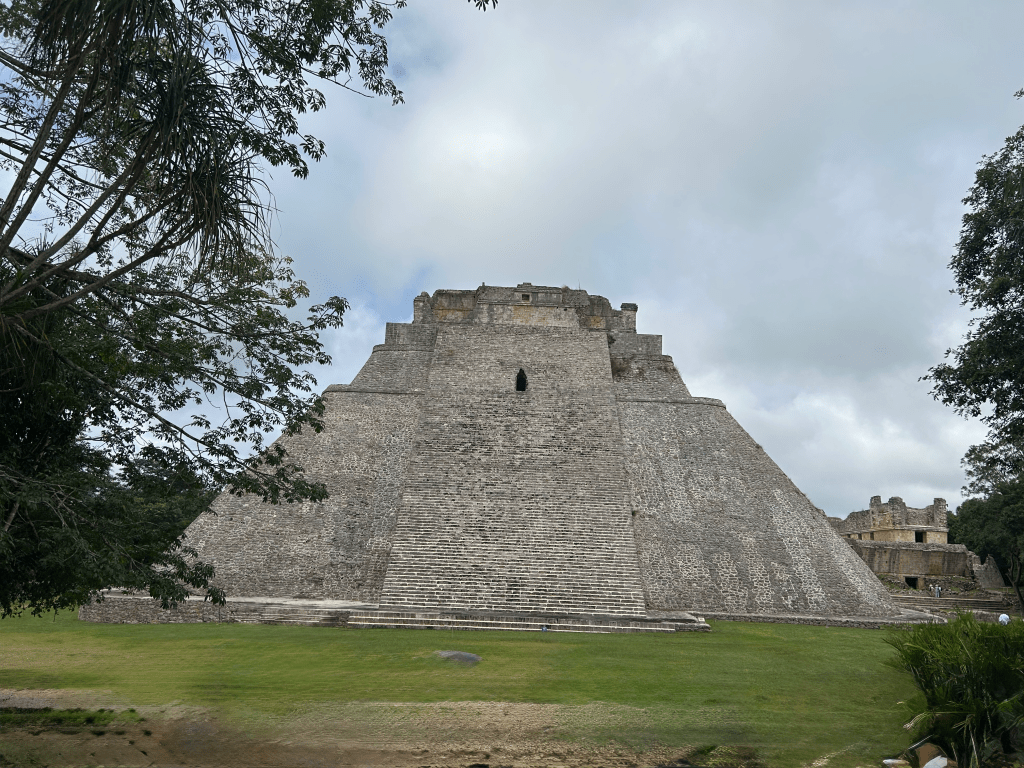
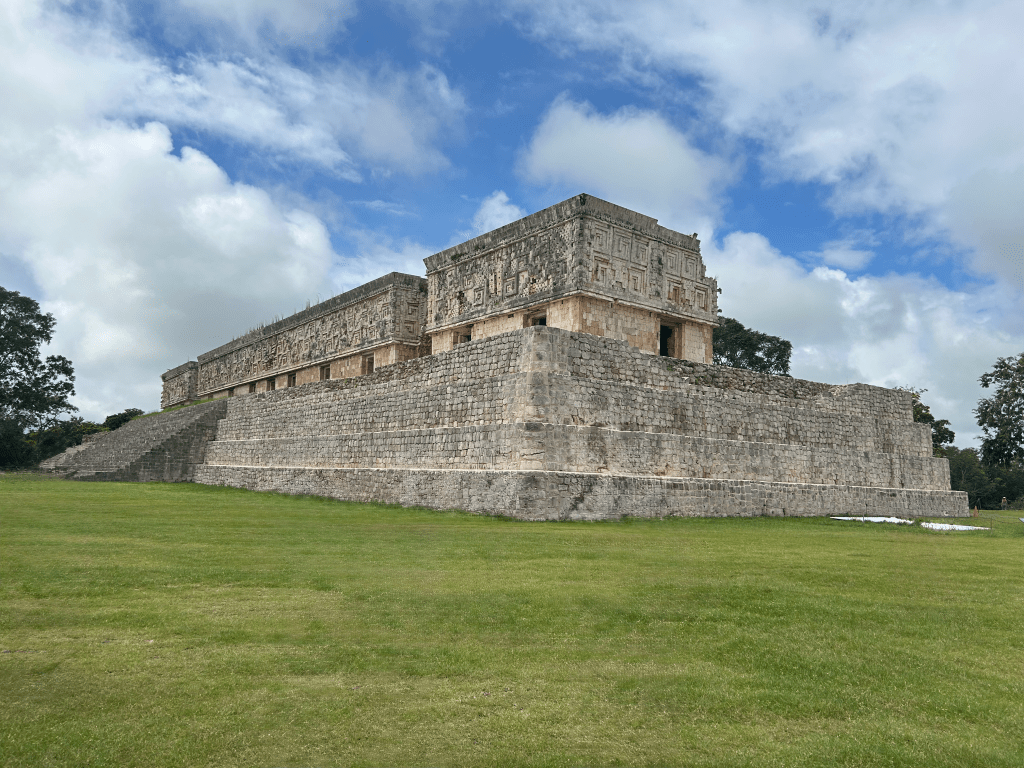
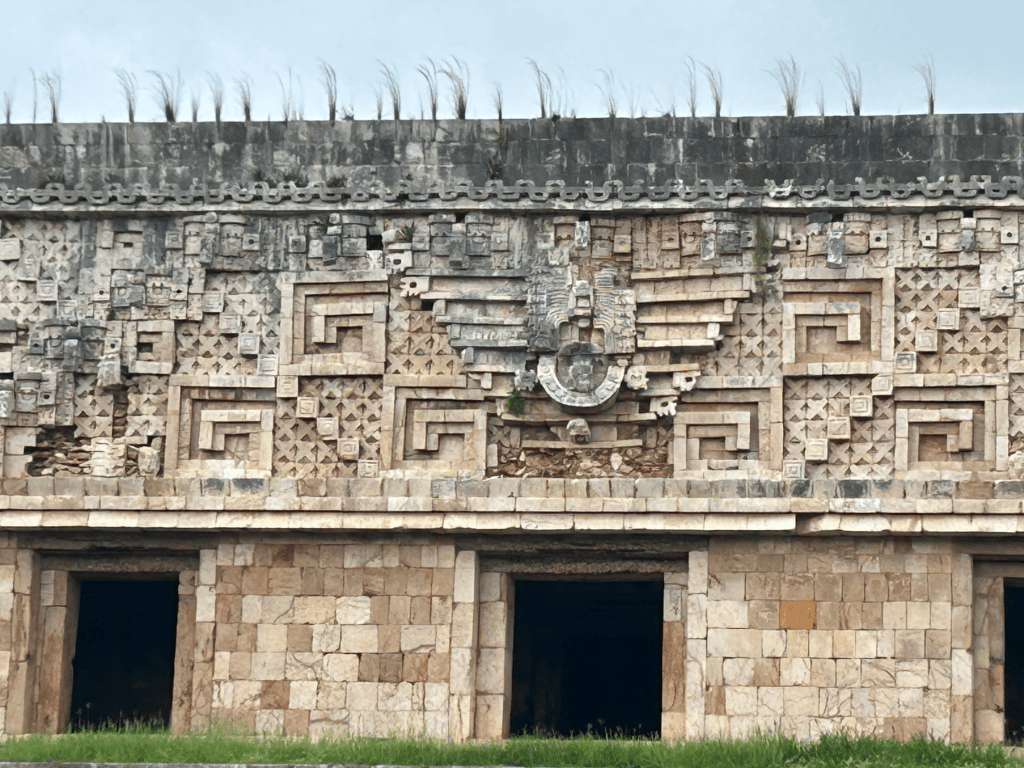
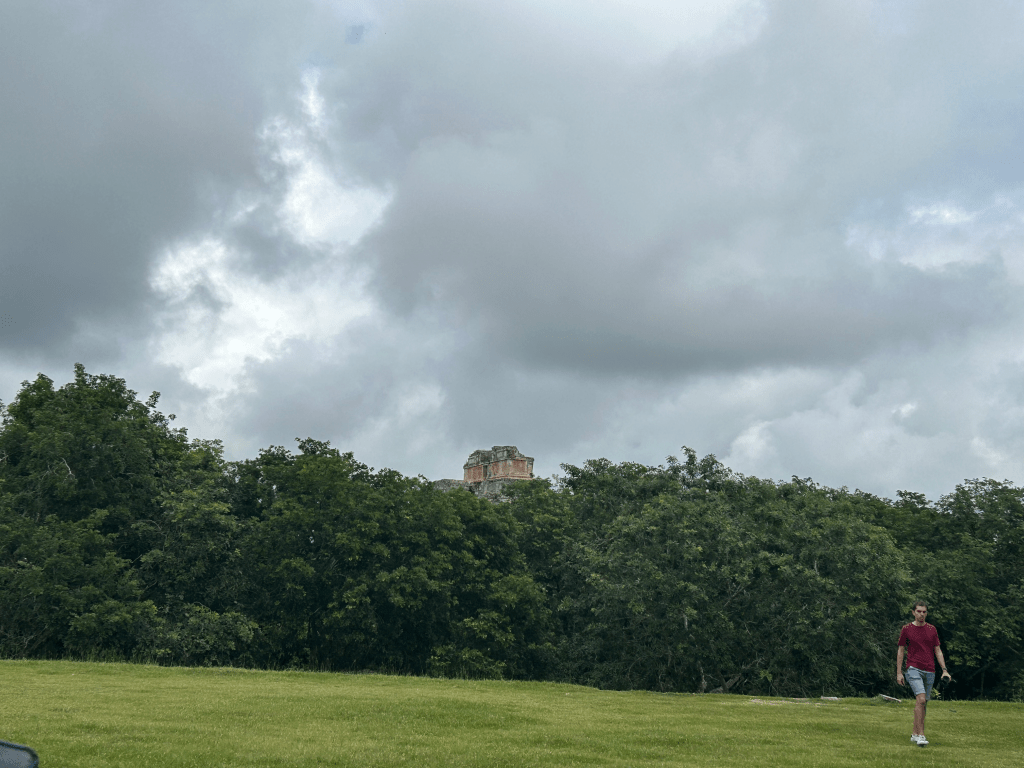
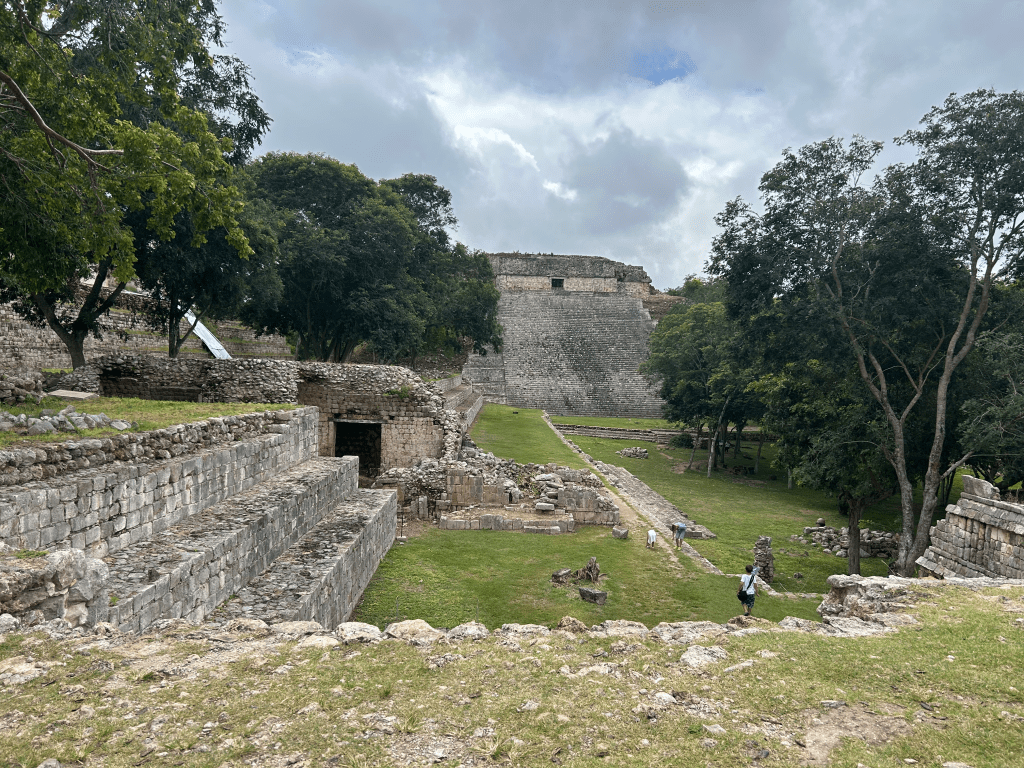
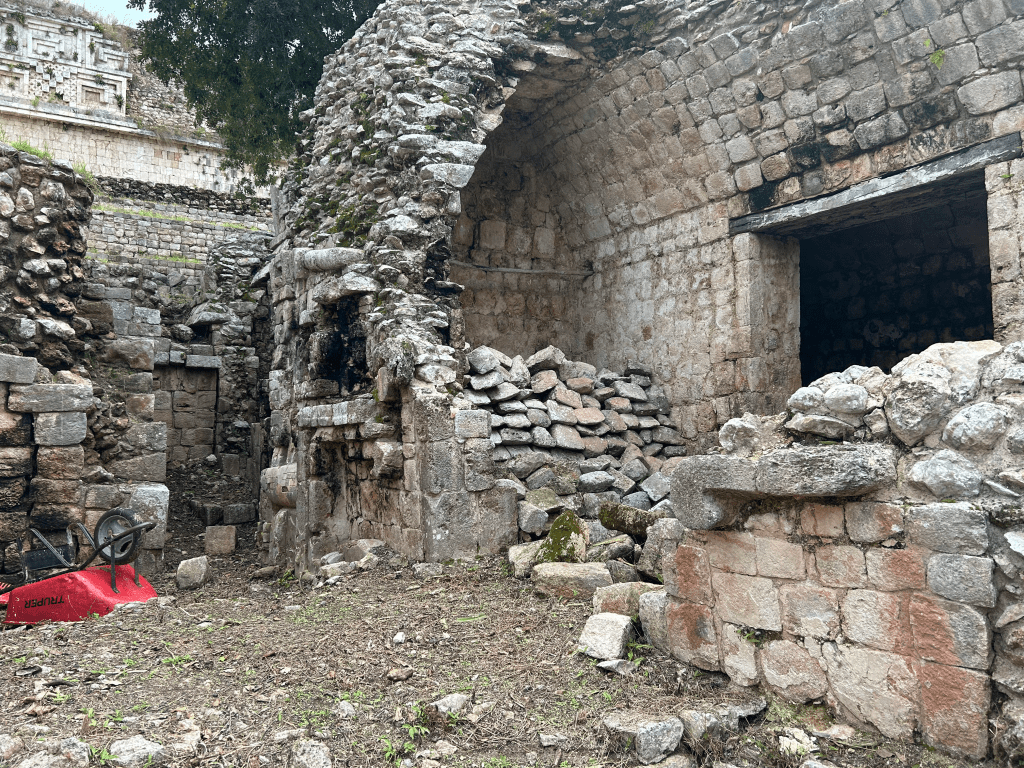
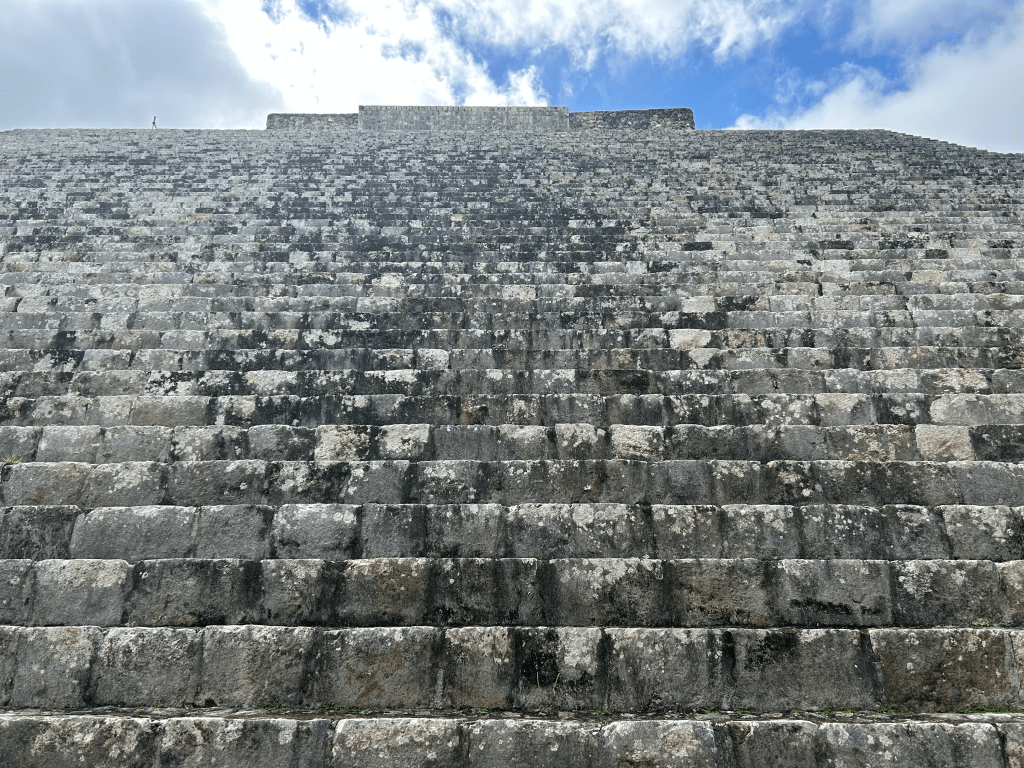
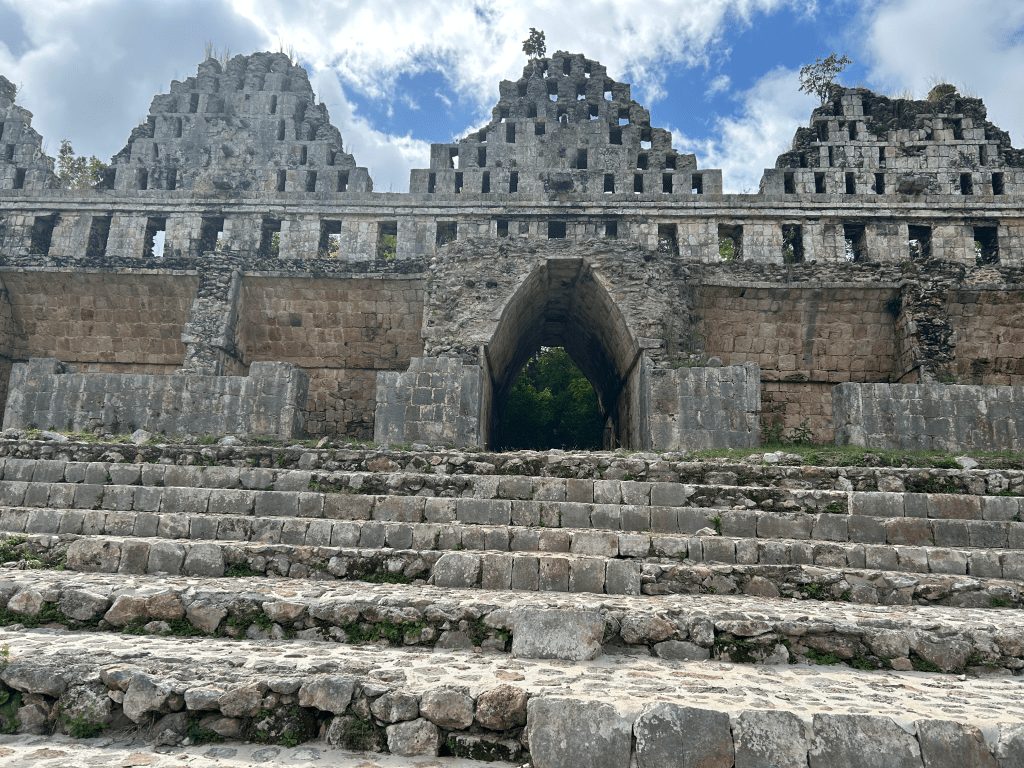
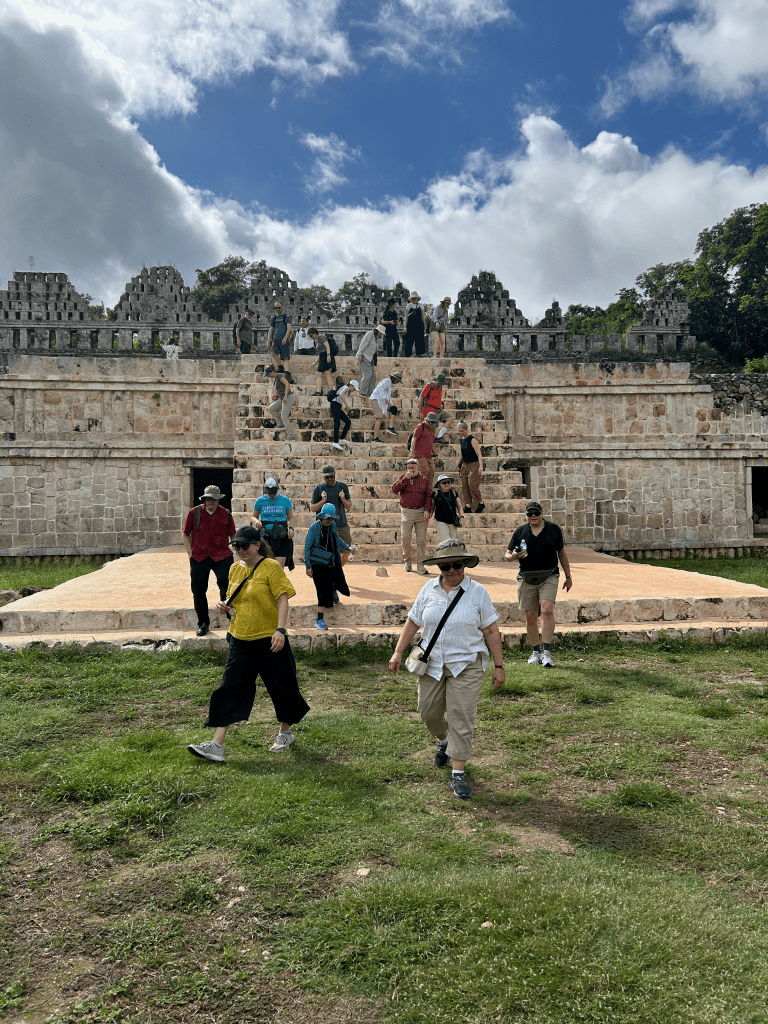
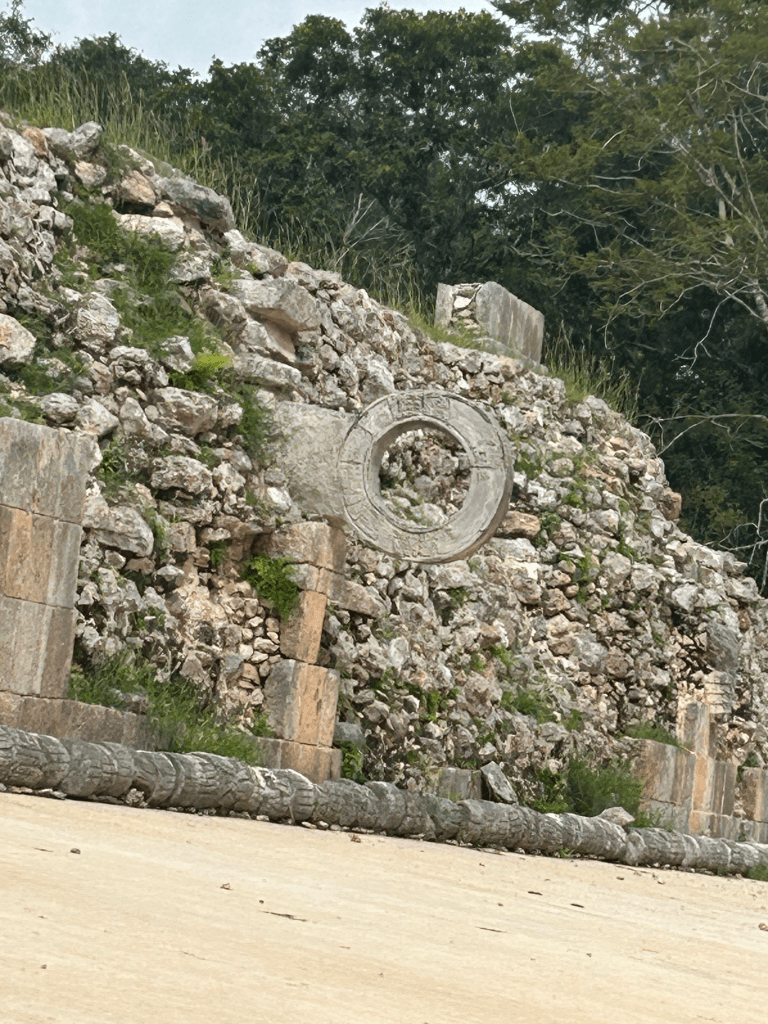
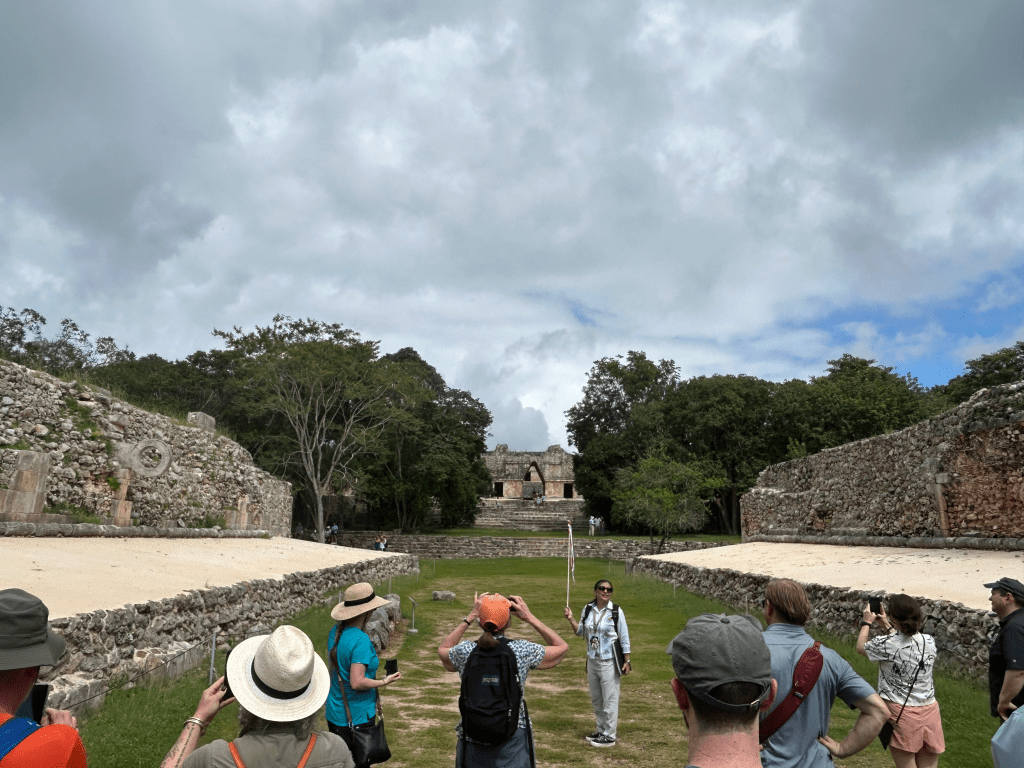
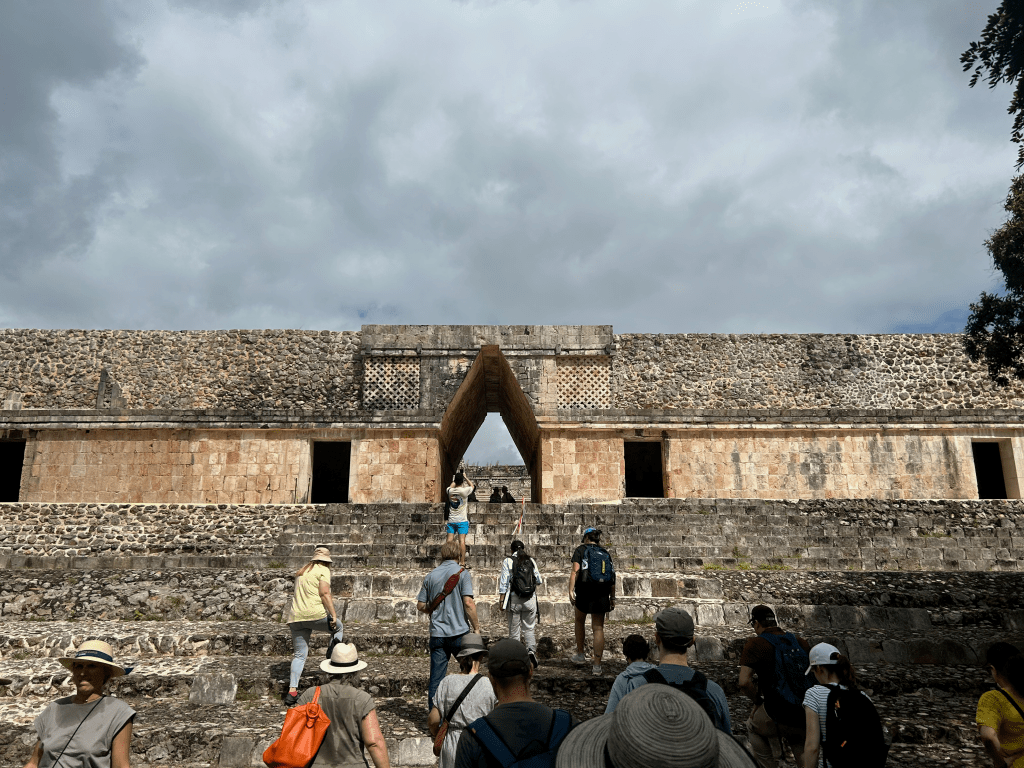
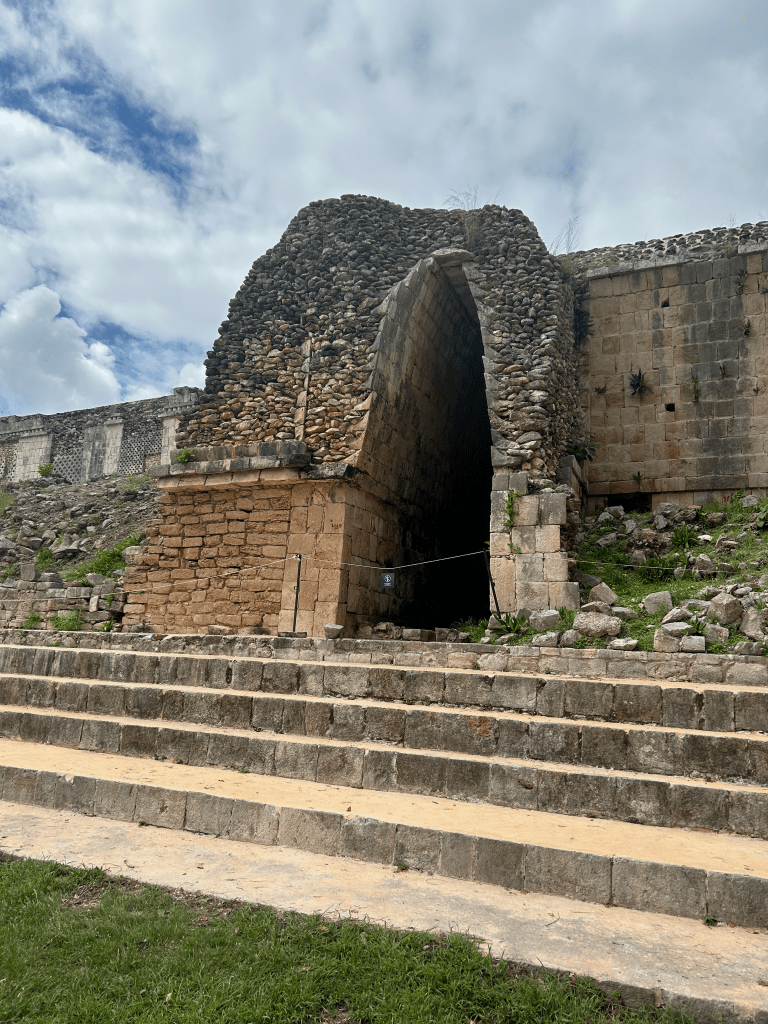

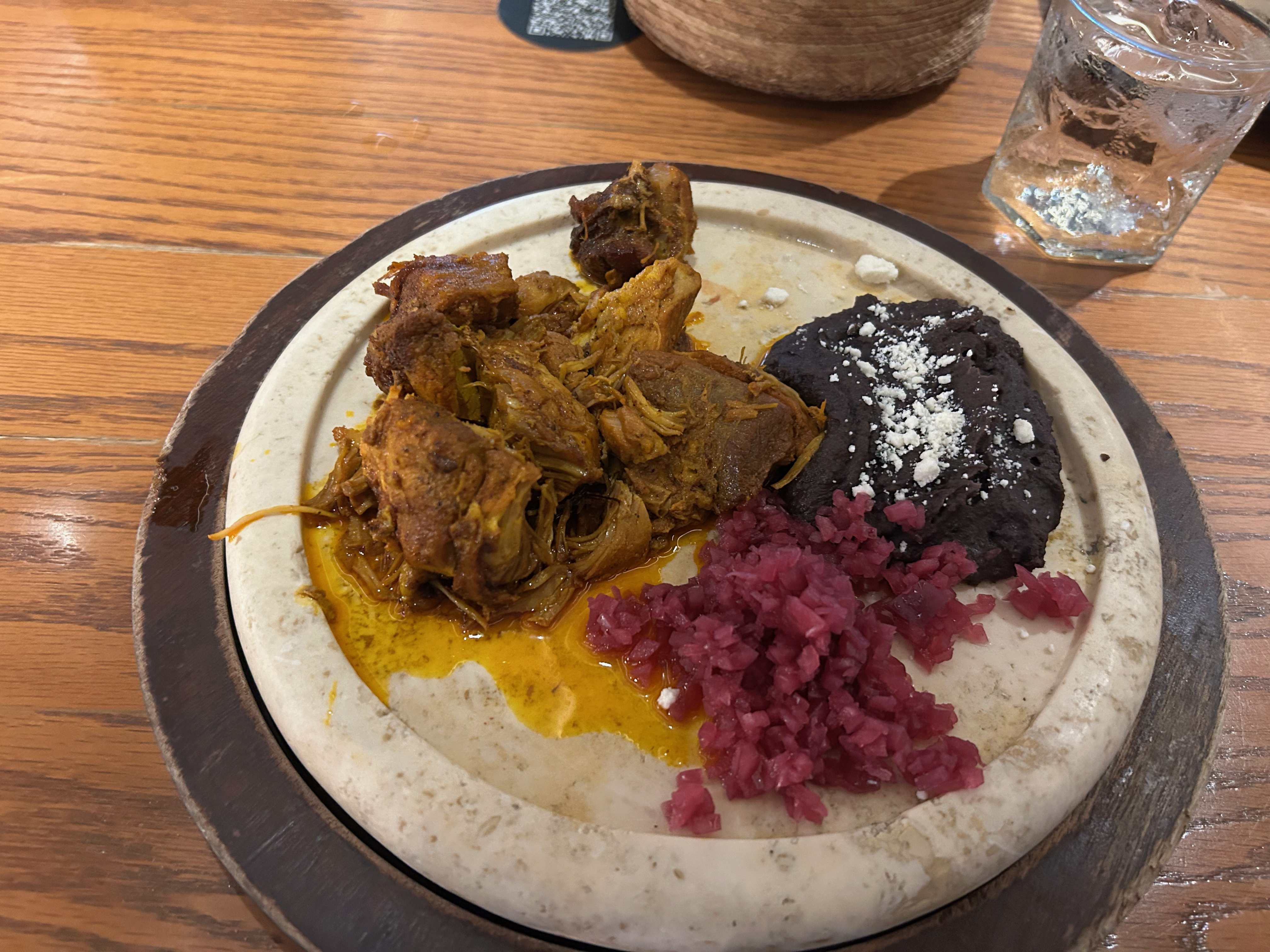
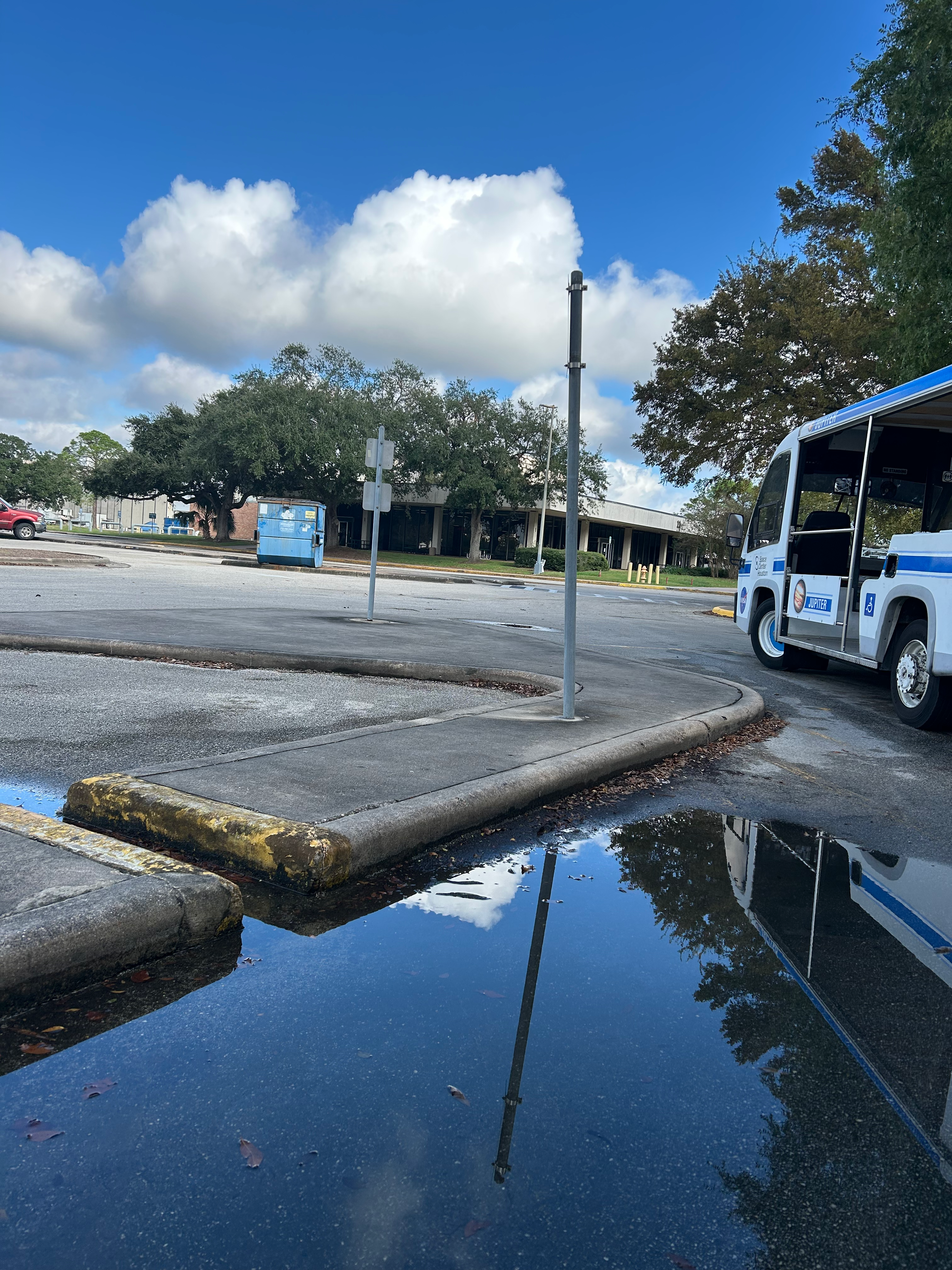
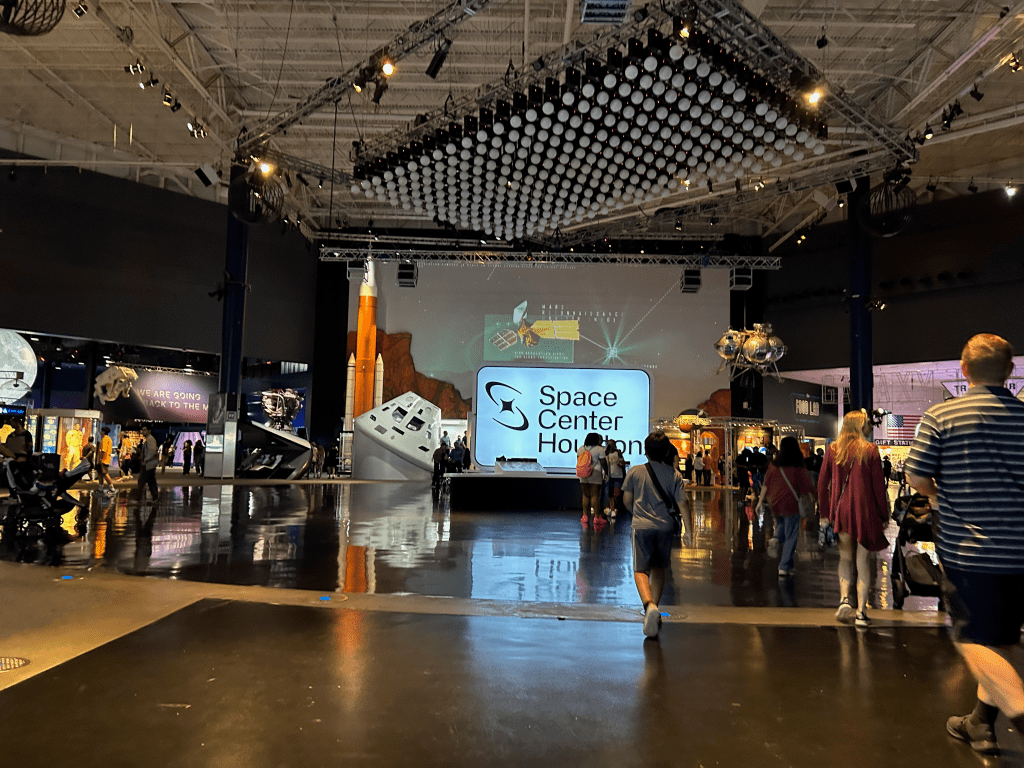
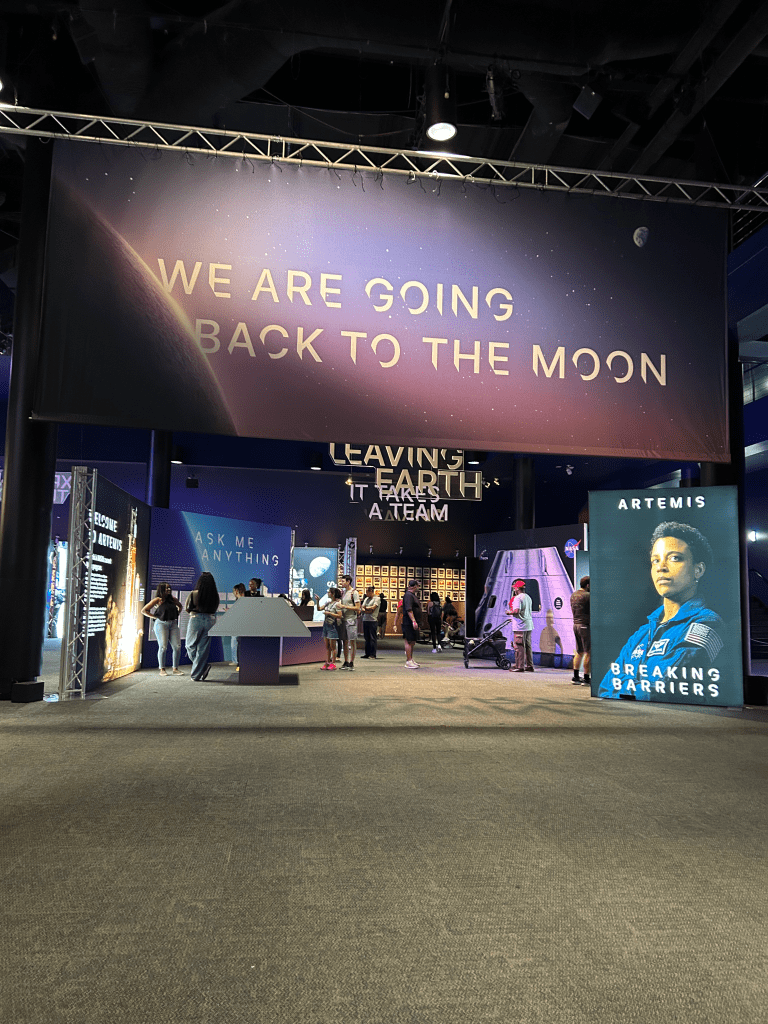


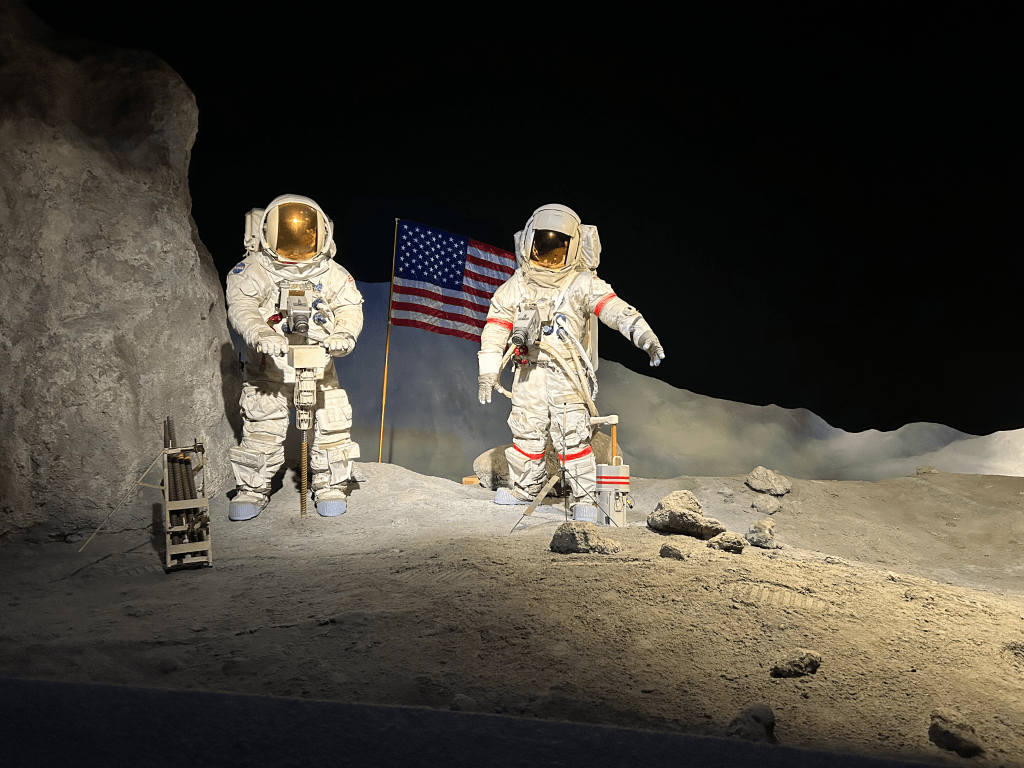
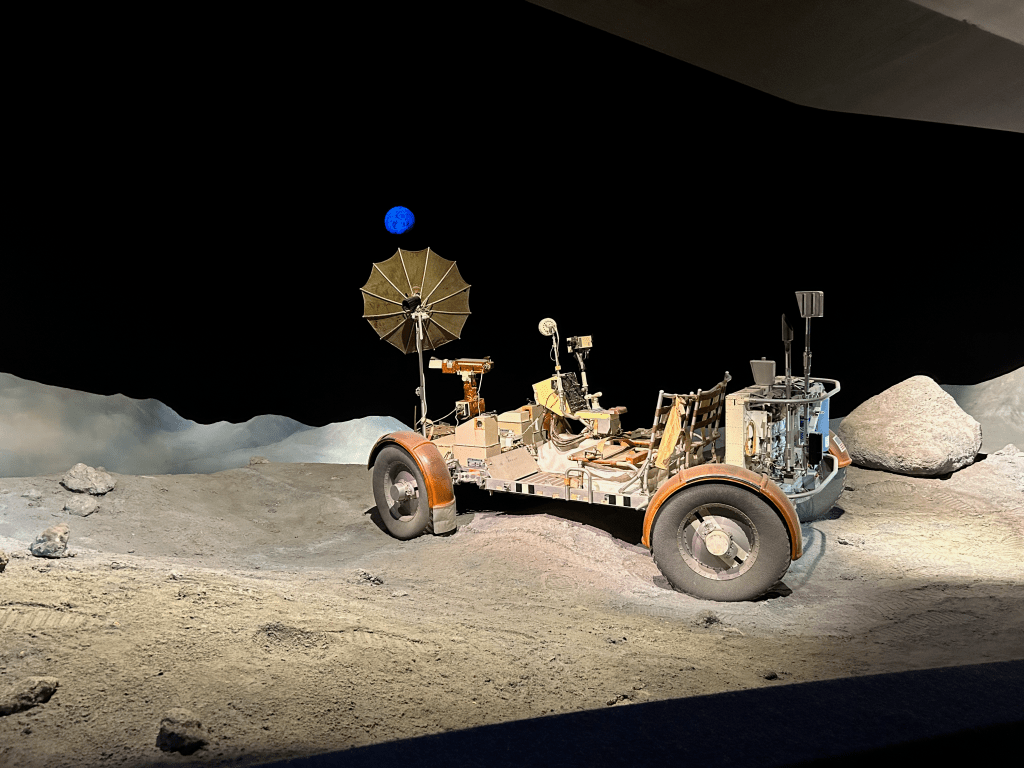




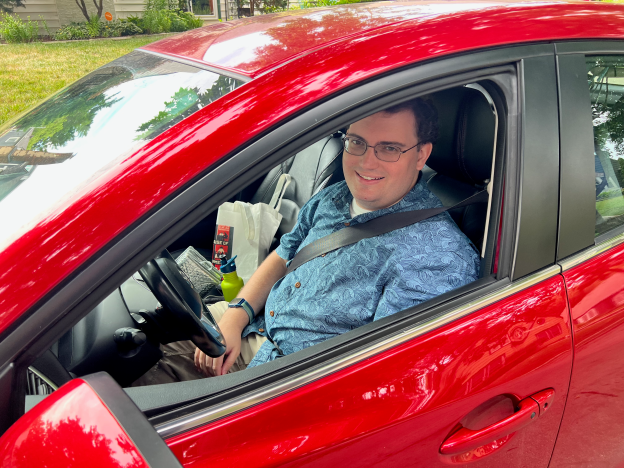

 Wednesday Blog by Seán Thomas Kane