This week, for the penultimate post of the Wednesday Blog, how machinery needs constant maintenance to keep functioning.—Click here to support the Wednesday Blog: https://www.patreon.com/sthosdkane—Sources:%5B1%5D Surekha Davies, “Walter Raleigh’s headless monsters and annotation as thinking,” in Strange and Wonderous: Notes from a Science Historian, (6 October 2025).[2] “Asking the Computer,” Wednesday Blog 5.26.
This week, for the penultimate post of the Wednesday Blog, how machinery needs constant maintenance to keep functioning.
I am just old enough to remember life before the ubiquity of computers. I had access to our family computer as long as I can remember, and to my grandparents’ computer at their condo when we stayed with them in the Northwest Suburbs of Chicago. Yet even then my computer usage was limited often to idle fascination. I did most of my schoolwork by hand through eighth grade, only switching from writing to typing most of my work when I started high school and was issued a MacBook by my school. I do think that a certain degree of whimsy and humanity has faded from daily life as we’ve so fully adopted our ever newly invented technologies. Those machines can do things that in my early childhood would’ve seemed wonderous. Recently, I thought how without knowing how powerful and far-reaching my computer is as a vehicle for my research and general curiosity, I would be happy, delighted in fact, if my computer could conduct one function, say if it had the ability to look up any street address in the United States as a device connected to the US Postal Service’s database. That alone would delight me. Yet that is the function of not just one application on my computer but merely one of many functions of several such programs I can load on this device, and not only can I look up addresses in the United States but I can look up addresses in any country on this planet.
With the right software downloaded onto this computer I can read any document printed or handwritten in all of human history and leave annotations and highlights without worrying about damaging the original source. Surekha Davies wrote warmly in favor of annotating in her newsletter this week, and I appreciated her take on the matter.[1] In high school, I was a bit of a prude when it came to annotating; I found that summer reading assignment in my freshman and sophomore English classes to be almost repulsive because I see a book as a work of art crafted by its author, editor, and publisher to be a very specific way. To annotate, I argued, was like drawing a curly-cue mustache on the Mona Lisa, a crude act at best. Because of this I process knowledge from books differently. I now often take photos of individual pages and organize them into albums on my computer which I can then consult if I’m writing about a particular book, in much the same fashion that I use when I’m in the archive or special collections room looking at a historical text.
All of these images can now not only be sorted into my computer’s photo library, now stored in the cloud and accessible on my computer and phone alike, but they can also be merged together into one common PDF file, the main file type I use for storing primary and secondary sources for my research. With advances in artificial intelligence, I can now use the common top-level search feature on my computer to look within files for specific characters, words, or phrases to varying levels of accuracy. This is something that was barely getting off the ground when I started working on my doctorate six years ago, and today it makes my job a lot easier; just my file folder containing all of the peer-reviewed articles I’ve used in my research since 2019 contains 349 files and is 887.1 MB in size.
Our computers are merely the latest iterations of machines. The first computer, Charles Babbage’s (1791–1871) counting machine worked in a fairly similar fashion to our own albeit built of mechanical levers and gears where ours have intricate electronics in their hard drives. I, like many others, was introduced to Babbage and his difference engine by seeing the original in the Science Museum in London. This difference engine was a mechanical calculator intended to compute mathematical functions. Blaise Pascal (1623–1662) and Gottfried Wilhelm Leibniz (1646–1716) both developed similar mechanisms in the seventeenth century and still older the Ancient Greek 2nd century BCE Antikythera mechanism can complete some of the same functions. Yet between all of these the basic idea that a computer works in mathematical terms remains the same even today. For all the linguistic foundations of computer code, the functions of any machine burn down to the binary operations of ones and zeros. I wrote last year in this blog about my befuddlement that artificial intelligence has largely been created on verbal linguistic models and was only in 2024 being trained on mathematical ones.[2] Yet even then those mathematical models were understood by the A.I. in English, making their computations fluent only in one specific dialect of the universal language of mathematics making their functionality mostly useless for the vast majority of humanity.
Yet I wonder how true that last statement really is? After all, I a native English speaker with recent roots in Irish learned grammar like many generations of my ancestors through learning to read and write in Latin. English grammar generally made no sense to me in elementary school, it is after all very irregular in a lot of ways, and so it was only after my introduction to a very orderly language, the one for which our Roman alphabet was first adapted, that I began to understand how English works. The ways in which we understand language in a Western European and American context rely on the classical roots of our pedagogy influenced in their own time by medieval scholasticism, Renaissance humanism, and Enlightenment notions of the interconnectedness of the individual and society alike. I do not know how many students today in countries around the globe are learning their mathematics through English in order to compete in one of the largest linguistic job markets of our time. All of this may well be rendered moot by the latest technological leap announced by Apple several weeks ago that their new AirPods will include a live translation feature acting as a sort of Babel Fish or universal translator depending on which science fiction reference you prefer.
Yet those AirPods will break down eventually. They are physical objects, and nothing which exists in physical space is eternal. Shakespeare wrote it well in The Temepst that
For our machines to last, they must be maintained, cleaned, given breaks just like the workers who operate them lest they lose all stamina and face exhaustion most grave. Nothing lasts forever, and the more those things are allowed to rest and recuperate the more they are then able to work to their fullest. So much of our literature from the last few centuries has been about fearing the machines and the threat they pose. If we are made in the Image of God then machines, our creation, are made in the image of us. They are the products of human invention and reflect back to us ourselves yet without the emotion that makes us human. Can a machine ever feel emotion? Could HAL-9000 feel fear or sorrow, could Data feel joy or curiosity? And what of the living beings who in our science fiction retrofitted their bodies with machinery in some cases to the extent that they became more machine than human? What emotion could they then feel? One of the most tragic reveals for me in Doctor Who was that the Daleks (the Doctor’s main adversaries) are living beings who felt so afraid and threatened that they decided to encase the most vital parts of their physical bodies in wheelchair tanks, shaped like pepper shakers no less, rendering them resilient adversaries for anyone who crossed them. Yet what remained of the being inside? I urge caution with suggestions of the metaverse or other technological advances that draw us further from our lived experiences and more into the computer. These allow us to communicate yet real human emotion is difficult to express beyond living, breathing, face-to-face interactions.
After a while these machines which have our attention distract us from our lives and render us blind to the world around us. I liked to bring this up when I taught Plato’s allegory of the cave to college freshmen in my Western Civilization class. I conclude the lesson by remarking that in the twenty-first century we don’t need a cave to isolate ourselves from the real world, all we need is a smartphone and a set of headphones and nothing else will exist. I tried to make this humorous, in an admittedly dark fashion, by reminding them to at least keep the headphones on a lighter mode so they can hear their surroundings and to look up from their phone screen when crossing streets lest they find themselves flattened like the proverbial cartoon coyote on the front of a city bus.
If we focus too much on our machines, we lose ourselves in the mechanism, we forget to care for ourselves and attend to our needs. The human body is the blueprint for all human inventions whether physical ones like the machine or abstract like society itself. As I think further about the problems our society faces, I conclude that at the core there is a deep neglect of the human at the heart of everything. I see this in the way that disasters are reported on in the press: often the financial toll is covered before the human cost, clearly demonstrating that the value of the dollar outweighs the value of the human. In abdicating ourselves to our own abstractions and social ideals we lose the potential to change our course, repair the machinery, or update the software to a better version with new security patches and fixes for glitches old and new. In spite of our immense societal wealth, ever advancing scientific threshold, and technological achievement we still haven’t gotten around to solving hunger, illiteracy, or poverty. In spite of our best intentions our worst instincts keep drawing us into wars that only a few of us want.The Mazda Rua, my car, is getting older and I expect if I keep driving it for a few years or more it’ll eventually need more and more replacement parts until it becomes a Ship of Theseus, yet is not the idea of a machine the same even if its parts are replaced? That idea is the closest I can come to imagining a machine having a soul as natural things like us have. The Mazda Rua remained the Mazda Rua even after its brakes were replaced in January and its slow leaking tire was patched in May. Yet as it moves into its second decade, that old friend of mine continues to work in spite of the long drives and all the adventures I’ve put it through. Our machinery is in desperate need of repair, yet a few of us see greater profit from disfunction than they figure they would get if they actually put in the effort, money, and time to fix things. If problems are left unattended to for long periods of time they will eventually lead to mechanical failure. The same is true for the machinery of the body and of the state. Sometimes a good repair is called for, reform to the mechanisms of power which will make the machine work better for its constituent parts. In this moment that need for reform is being met with the advice of a bad mechanic looking more at his bottom line than at the need of the mechanism he’s agreed to repair. Only on this level the consequences of mechanical failure are dire.
This week, some words about the art, and the craft, of writing.—Click here to support the Wednesday Blog: https://www.patreon.com/sthosdkane—Links in this episode:Patrick Kingsley, Ronen Bergman, and Natan Odenheimer, “How Netanyahu Prolonged the War in Gaza to Stay in Power,” The New York Times Magazine, (11 July 2025).John McWhorter, “It’s Time to Let Go of ‘African American’,” The New York Times, (10 July 2025).Bishop Mark J. Seitz, D.D., “The Living Vein of Compassion’: Immigration & the Catholic Church at this moment,” Commonweal Magazine, (June 2025), 26–32.“On Technology,” The Wednesday Blog 5.2.“Artificial Intelligence,” The Wednesday Blog 4.1.
This week, some words about the art, and the craft, of writing.
In the last week I’ve been hard at work on what I hope is the last great effort toward completing my dissertation and earning my doctorate. Yet unlike so much of that work which currently stands at 102,803 words across 295 U.S. Letter sized pages inclusive of footnotes, front matter, and the rolling credits of my bibliography I am now sat at my desk day in and day out not writing but reading intently and thoroughly books that I’ve read before yet now find the need for a refresher on their arguments as they pertain to the subject of my dissertation: that André Thevet’s use of the French word sauvage, which can be translated into English as either savage or wild, is characteristic of the manner in which the French understood Brazil as the site of its first American colony and the Americas overall within the broader context of French conceptions of civility in the middle decades of the sixteenth century. I know, it’s a long sentence. Those of you listening may want to rewind a few seconds to hear that again. Those of you reading can do what my eyes do so often, darting back and forth between lines.
As I’ve undertaken this last great measure, I’ve dedicated myself almost entirely to completing it, clearing my calendar as much as I see reasonable to finish this job and move on with my life to what I am sure will be better days ahead. Still, I remain committed to exercising, usually 5 km walks around the neighborhood for an hour each morning, and the occasional break for my mind to think about the things I’ve read while I distract myself with something else. That distraction has truly been found on YouTube since I started high school and had a laptop of my own. This week, I was planning on writing a blog post which compared the way that my generation embraced the innovation of school-issued laptops in the classroom and the way that starting next month schools and universities across this country will be introducing artificial intelligence tools to classrooms. I see the benefits, and I see tremendous risks as well, yet I will save that for a lofty second half of this particular essay.
I’ve fairly well trained the YouTube algorithm to show me the sorts of videos that I tend to enjoy most. Opening it now I see a segment from this past weekend’s broadcast of CBS Sunday Morning, several tracks from classical music albums, a clip from the Marx Brothers’ film A Night at the Opera, the source of my favorite Halloween joke, and a variety of comic videos from Conan O’Brien Needs a Friend to old Whose Line is it Anyway clips. Further down are the documentary videos I enjoy from history, language, urbanist, and transportation YouTubers. Yet in the last week or so I’ve been seeing more short videos of a minute or less with clips from Steven Spielberg’s 2012 film Lincoln. I loved this film when I saw it that Thanksgiving at my local cinema. As longtime readers of the Wednesday Blog know, I like to call Mr. Lincoln my patron saint within the American civic religion. As a young boy in Illinois in the ‘90s, he was the hero from our state who saved the Union and led the fight to abolish slavery during the Civil War 130 years before. Now, 30 years later and 160 years out from that most horrific of American wars I decided to watch that film again for the first time in a decade. In fact, I’m writing this just after watching it so some of the inspiration from Mr. Lincoln’s lofty words performed by the great Daniel Day-Lewis might rub off on my writing just enough to make something inspirational this week before I return in the morning to my historiography reading.
Mr. Lincoln knew what every writer has ever known, that putting words to paper preserves them for longer than uttering even the longest string of syllables can last. What I mean to say is they’ll remember what you had to say longer if you write it down. He knew for a fact that the oft quoted and oft mocked maxim that the pen is mightier than the sword is the truth. After all, a sword can take a life, as so many have done down our history and into our deepest past to the proverbial Cain, yet pens give life to ideas that outlive any flesh and bone. I believe writing is the greatest human invention because it is the key to immortality. Through our writing generations from now people will seek to learn more about us in our moment in the long human story. I admit a certain boldness in my thinking about this, after all I’ve seen how the readership and listener numbers for the Wednesday Blog ebb and flow, and I know full well that there’s a good chance no one in the week I publish this will read it. Yet I hold out hope that someday there’ll be some graduate student looking for something to build a career on who might just stumble across my name in a seminar on a sunny afternoon and think “that sounds curious,” only to then find some old book of my essays called The Wednesday Blog and then that student will be reading these words.
I write because I want to be heard, yet I’ve lived long enough to know that it takes time for people to be willing to listen, that’s fair. I’ve got a growing stack of newspaper articles of the affairs of our time growing while my attention is drawn solely to my dissertation. I want, for instance, to read the work of New York Times reporters Patrick Kingsley, Ronen Bergman, and Natan Odenheimer in a lengthy and thorough piece on how Israeli Prime Minister Netanyahu “prolonged the War in Gaza to stay in power” which was published last Friday.[1] I also want to read John McWhorter’s latest opinion column “It’s Time to Let Go of ‘African American’”; I’m always curious to read about suggestions in the realm of language.[2] Likewise there are sure to be fascinating and thoughtful arguments in the June 2025 issue of Commonweal Magazine, like the article titled “’The Living Vein of Compassion’: Immigration & the Catholic Church at this moment” by Bishop Mark Seitz, DD of the Diocese of El Paso.[3] I’m always curious to read what others are writing because often I’ll get ideas from what I read. There was a good while there at the start of this year when I was combing through the pages of Commonweal looking for short takes and articles which I could respond to with my own expertise here in the Wednesday Blog. By writing we build a conversation that spans geography and time alike. That’s the whole purpose of historiography, it’s more than just a literature review, though that’s often how I describe what I’m doing now to family and friends outside of my profession who may not be familiar with the word historiography or staireagrafaíocht as it is in Irish.
Historiography is writing about the history that’s already been written. It’s a required core introductory class for every graduate history program that I’m familiar with, I took that class four times between my undergraduate senior seminar (the Great Historians), our introductory Master’s seminar at UMKC (How to History I), and twice at Binghamton in courses titled Historiography and On History. The former at Binghamton was essentially the same as UMKC’s How to History I while the latter was taught by my first doctoral advisor and friend Dr. Richard Mackenney. He challenged us to read the older histories going back to Herodotus and consider what historians in the Middle Ages, Renaissance, Enlightenment, and Nineteenth Century had to say about our profession. Looking at it now, the final paper I wrote for On History was titled “Perspectives from Spain and Italy on the Discovery of the New World, 1492–1550.” I barely remember writing it because it was penned in March and April 2020 as our world collapsed under the awesome weight of the Coronavirus Pandemic. Looking through it, I see how the early stages of the pandemic limited what I could access for source material. For instance, rather than rely on an interlibrary loan copy of an English translation, perhaps even a more recent edition, of Edmundo O’Gorman’s The Invention of America, I instead was left working with the Spanish original that had been digitized at some point in the last couple decades. Likewise, I relied on books I had on hand in my Binghamton apartment, notably the three volumes of Fernand Braudel’s Civilization and Capitalism, in this case in their 1984 English translations. I wrote this paper and then forgot about it amid all the other things that were on my mind that Spring, only to now read it again. So, yes, I can say to the scared and lonely 27 year old who wrote this five years ago that someone did eventually read it after all.
What’s most delightful about reading this paper again is I’m reminded of when I first came across several names of fellow historians who I now know through professional conferences and have confided in for advice on my own career. The ideas first written in the isolation of lockdown have begun to bear fruit in the renewed interactions of my professional life half a decade later. What more will come of those same vines planted in solitude as this decade continues into its second half? Stretching that question further back in my life, I can marvel at the friendships I’ve cultivated with people I met in my first year of high school, now 18 years ago. That year, 2007, we began our education at St. James Academy where many of us were drawn to the promise of each student getting their own MacBook to work on. I wrote here in March 2024 about how having access to that technology changed my life forever.[4] So, in the last week when I read in one of my morning email newsletters from the papers about the soon-to-be introduction of artificial intelligence to classrooms across this country in much the same way that laptops in classrooms were heralded as the new great innovation in my youth I paused for a few moments longer before turning to my daily labor.
I remain committed to the belief that having access to a laptop was a benefit to my education; in many ways it played a significant role in shaping me into the person I am today. I wrote 14 plays on that laptop in my 4 years in high school, and many of my early essays to boot. I learned how to edit videos and audio and still use Apple products today because I was introduced to them at that early age. It helps that the Apple keyboard comes with easy ways to type accented characters like the fada in my name, Seán. Still, on a laptop I was able to write much the same that I had throughout my life to that point. I began learning to type when I was 3 years old and mastered the art in my middle school computer class. When I graduated onto my undergraduate studies though I found I could take notes far better that I could remember by hand than if I typed them. This is crucial to my story: the notes that I took in my Renaissance seminar at UMKC in Fall 2017 were written by hand, in French no less, and so when I was searching for a dissertation topic involving Renaissance natural history in August 2019, I remembered writing something about animals in that black notebook. Would I have remembered it so readily had I typed those notes out? After all, I couldn’t remember the title of that term paper I wrote for On History in April 2020 until I reopened the file just now.
Artificial intelligence is different than giving students access to laptops because unlike our MacBooks in 2007, A.I. can type for the student, not only through dictation but it can suggest a topic, a thesis, a structure, and supporting evidence all in one go. Such a mechanical suggestion is not inherently a suggestion of quality however, and here lies the problem. I’ve read a lot of student essays in the years I’ve been teaching, some good, some bad. Yet almost all of them were written in that student’s own voice. After a while the author’s voice becomes clear; with my current round of historiography reading, I’m delighting in finding that some of these historians who I know write in the same manner that they speak without different registers between the different formats. That authorial voice is more important than the thesis because it at least shows curiosity and the individual personality of the author can shine through the typeface’s uniformity. Artificial intelligence removes the sapiens from we Homo sapiens and leaves our pride in merely being the last survivor of our genus rather than being the ones who were thinkers who sought wisdom. Can an artificial intelligence develop wisdom? Certainly, it can read works of philosophy both illustrious and indescribably dull yet how well can it differentiate between those twin categories to give a fair and reasoned assessment of questions of wisdom?These are some of my concerns with artificial intelligence as it exists today in July 2025. I have equally pressing concerns that we’ve developed this wonderous new tool before addressing how it will impact our lived organic world through its environmental impact. With both of these concerns in mind I’ve chosen to refrain from using A.I. for the foreseeable future, a slight change in tone from the last time I wrote about it in theWednesday Blog on 7 June 2023.[5] I’m a historian first and foremost, yet I suspect based on the results when you search my name on Google or any other search engine that I am better known to the computer as a writer, and in that capacity I don’t want to see my voice as soft as it already is quieted further by the growing cacophony of computer-generated ideas that would make Aristophanes’ chorus of frogs croak. Today, that’s what I have to say.
This week, the coalescence of my thoughts over the last few months about how the way we communicate today in 2025 is so rooted in our technology.—Click here to support the Wednesday Blog: https://www.patreon.com/sthosdkane
This week, the coalescence of my thoughts over the last few months about how the way we communicate today in 2025 is so rooted in our technology.
For most of my life I tended to write a lot of ordinary quotidian things out by hand on paper either in notebooks, on notepads, or on the backs of receipts, envelopes, or whatever paper I had around. I kept up a good cursive hand and used it on a regular basis. Yet in the last decade technology has caught up to the humble notepad; a decade ago when I was living in London and trying to write out ideas for my first round of graduate essays on my phone’s Notes app while I was on the train or walking about, I often found that app in particular drained my phone’s battery at a considerable and worrisome rate. Then again, that particular smartphone tended to die if the battery dropped below 40 percent, so it had a bad battery. Still, that led to me continuing with the practice of keeping notes and scribblings in little notebooks or on notepads that I carried with me in a pocket.
It’s funny then that it’s only now in 2025 that I notice how little I write these same notes anymore by hand; in 2021 when my Mom came to visit me in Binghamton, she brought me a couple of notebooks emblazoned with pictures of various national parks on their covers, a new trend in notebooks that began around then. I was a little taken aback by this gift because by that point I’d largely done away with handwritten notes all together. In fact, my Binghamton years launched me head-first into doing as much as possible on the computer so that I’d have less paper and books to carry back and forth between Upstate New York and Kansas City. Like printed books over digital ones, when I returned to Kansas City I began to write handwritten notes again. This is largely thanks to my employers at the Kauffman Center for the Performing Arts; in our department we still carry around paper performance notes on our shifts. When I started, I was surprised to realize that at some point in the last 5 years I’d stopped carrying a pen with me on a daily basis. Since then, in April 2023, I’ve always had a pen in my pocket.
The pandemic reinforced our digital communications in ways which pushed us firmly forward toward more frequent videocalls and texting to the detriment of the telephone in particular. Most of my friends and family tend to prefer text messages over phone calls, especially among my fellow millennials, to the point that I often second-guess myself as to whether I should try calling someone in the first place. Is a phone call intrusive, whereas a text message is like a telegram or a letter? It can be replied to in the recipient’s own time, though with a text the response time is usually expected to be faster than with a letter that’ll take days to arrive, or even an email, which I see as slightly more formal. Since the invention of Samuel Morse’s electrical telegraph in 1838, our communications have moved into a realm of electricity which was foreign to our conversations and our lives beyond lightning strikes and the daily shocks one gets in a dry climate.
This Spring then, when I was regularly on videocalls–usually over Zoom–with friends, colleagues, and family alike a thought occurred to me that all of our communications are being translated down to electrical signals being sent over wires from one person’s device to another. Those messages, no matter the content, all buzz and fizzle through our wireless data signals and across our telephone wires, through our data centers and bouncing off our satellites all to better communicate to anyone whether on the planet or high above us in orbit or beyond. It’s made us all so much closer to one another. Today, I’m regularly in contact with people in North America, Europe, and Asia and that contact is often almost as instantaneous as if we were together in the same room. It’s what makes my solitary life feel lived in community with the people I like. And yet it’s also spoiled us for the slower communication of the written letter or even the face-to-face conversation that started all these “words, words, words” as Hamlet says that we “might unpack my heart with words.” We communicate to do just that: to speak our thoughts and to live in the strange and beautiful worlds we build around ourselves. So often now, those conversations are not only occurring with the aid of the electrical signals pulsing about our minds telling us how to react and what to say and do, but also through their extracorporeal currents which connect us through our technology across vast distances to one another.
You are listening to my voice filtered by the microphone and my audio editing software being transmitted to anyone with an internet connection. While naturally we aren’t supposed to hear it, as my hearing isn’t quite as good as it should be, I can now hear the differences between sound frequencies in a finer detail yet to the point that if two voices are speaking with the same frequency, I only hear ringing at that frequency and no words or other noise. This was demonstrated to me with dramatic and terrifying effect several years ago when I was nearly t-boned by a Kansas City fire engine roaring along at full speed because I didn’t hear its siren, which wails at the same frequency as the particular section of the 1st movement of Tchaikovsky’s Violin Concerto that I was listening to in my car at the time. So, when you hear my voice what you’re hearing is an electronic recording of my voice being transmitted to you. Often, I sound higher pitched on the recording even by just a half-step, than I do to my ears when I’m doing the recording. I’m a tenor, so I’m okay with that. Still, it’s noticeable especially if I record later in the day or at night, or if I’m nervous.
After I began my graduate studies in History back in August 2017, I started making a practice of recording any conference presentation or invited lecture I gave. I’d usually only make a sound recording, not wanting to deal with a camera. This way too, if someone missed a talk and wanted to see it, I could lay the slides over the recording in iMovie and turn it into a video to send around. This has turned into a wonderful tool for listening to changes in my voice over the years. Yet it’s also interesting now because I not only use this tool for recording the actual performance but also the rehearsals as well, and sometimes when I’m editing papers. I gave a lightning talk last week that was part of a webinar hosted by the Graduate Student Advisory Committee of the Renaissance Society of America about animal intelligence titled “Animals Adapting to Changes in Nature: Perceptions of Animal Intelligence in the Renaissance?” The paper itself was pretty quick and easy to write; it maybe took me an hour to make the first draft several months ago. Yet I began recording rehearsals and making edits after each one up to the minutes before I went live on Thursday morning. I was a bit nervous when I presented, so in the end the cool and practiced pace I’d planned with a mid-range voice ended up being a minute faster than expected and closer to my upper register. When I’ve thought about what to do if anyone asked to hear this talk after the fact, I’ve considered possibly sending out my last rehearsal recording from an hour before the performance, after all many speakers would in decades past make a separate recording of their lectures & speeches from the actual live reading. Yet to keep it authentic to the talk as it went ahead, I also feel inclined to send out the one that I gave on Thursday morning to the 16 other panelists and organizers on the call and the 35 attendees listening in from around the globe. This question gets to the heart of my talk because I made the case that André Thevet’s sloth showed signs of intelligence by refusing food it didn’t want to eat and not falling to the same bad practices as the Frenchmen who captured it or the native Tupinambá who were more familiar with it. Those practices, human faults one might say, include indecision.
Rather than flip a coin or pick another method of choosing, I’m instead going to play for you now the last rehearsal recording for one very simple reason. The main benefit of my recording of the actual talk is that it ought to have captured the organizer’s introduction and the questions that followed my presentation. Yet, my phone’s microphone couldn’t pick any of that up because my computer’s sound output was going into my headphones. So, without any more gilding the lily here are my thoughts on Renaissance sloths adapting to changes in nature, brought to you through a most electronic form of communication.
~
Animals Adapting to Changes in Nature:
Perceptions of Animal Intelligence in the Renaissance?
I want to begin by thanking the members of the RSA Graduate Student Advisory Committee for holding these lightning talks and accepting my proposal among the speakers today. When considering this question of animal intelligence, I’m drawn back to the Aristotelian notions of the animal sensitive soul in contrast to the human rational soul; Erica Fudge put it well, writing that animals can feel, perceive, and move, yet humans are the only natural beings to express intellect.[1] Animals were used as stand-ins for humans in allegory and vivisection, and an over-exertion of passion could drive a human into a state of animality, yet the human was understood to be fundamentally different because of our facilities of reason developed through experience over one’s lifetime.[2]
Newly encountered American animals played a disruptive role in this dynamic. Anatomically, many such animals defied European expectations for their size, or their chimerical character appearing as a composite of unrelated creatures known to exist in the wider Mediterranean World. Chief among these in my research is the three-toed sloth which was described by the French cosmographer André Thevet (1516–1590) in his 1557 book Les Singularitez de la France Antarctique. There are many different aspects of Thevet’s sloth which allowed it to stand out as a singularity among singularities from its appearance as a bear-like ape to its vocalizations “sighing like a little child afflicted with sorrow” to its general disregard by the indigenous Tupinambá people who explained aspects of its manner to Thevet.[3] I’ve written and spoken extensively about this, I know several of you have heard me talk about Thevet’s sloth at a number of conferences in the last several years. Today though, I want to discuss something I haven’t addressed yet in all these presentations; namely the signs in Thevet’s text which point toward some sense of the sloth’s intelligence.
The sloth’s intelligence is seen in its abstention from eating the food Thevet provided it. Thevet wrote “I kept it well for a space of 26 days, where I knew that it never ate or drank, but was always in a similar state.”[4] This reaffirmed Thevet’s assertion that “this beast has never been seen to eat by a living human,” either by the Tupinambá or the French.[5] This abstention from eating could well be understood as a sign of the sloth’s lack of a rational soul which would know to eat; yet I think it is better to perceive the sloth’s abstinence as an active choice made by an animal who didn’t favor the food it was offered. Thevet wrote that “some believe that this beast lives solely on leaves of a tree named in [the Tupi language] Amahut,” which is one of the Cercopia species known to live along the Brazilian coast.[6] Yet a 2021 sloth behavioral study published in the journal Austral Ecology has proven that this claim is less grounded in the genus’s actual experience.[7]
Perhaps the sloth can be best contrasted with the dogs which killed it at the end of that 26-day captivity, or even with the accused descent from humanity by first the Tupinambá and later the French in accusations of cannibalism. Unlike the humans who occupy these stories from France Antarctique who so often fall so far from their rationality to eat each other, the sloth simply refused to eat at all. This small creature, taken from its forest home and left in the care of an unfamiliar human who didn’t know what to feed it, chose to preserve its nature and not eat what was foreign to it. The sloth adapted to changes in the nature around it and expressed an intelligence perhaps more elevated than the humans who captured it. I’m drawn to one of the most poignant lines in Montaigne’s essay “Des cannibales” in which the erstwhile political animal himself wrote “I think there is more barbarity in eating a man alive than in eating him dead; and in tearing by tortures and the rack a body still full of feeling.”[8] In all of the variations on his sloth account, Thevet published this same story twice first in the Singularitez of 1557 and later in the Cosmographie Universelle of 1575, the dominant sense I get from Thevet’s text is one of befuddlement at an animal that defied his expectations in so many ways. In the tradition of animal allegories from Aesop to Renyard the Fox the sloth fills the role of an exotic oddity, a stranger in the canon of European natural history which didn’t quite fit any mold available. Even after Thevet’s sloth was christened by Conrad Gessner an Arctopithecus in 1560 and by Carolus Clusius as an Ignavus in 1605, this fact that it refused to eat or drink what Thevet offered it for 26 days remained a constant in its story. I see in the sloth a sign of intelligence beyond expected human norms and rules which rendered it exceptional. Any assimilation of the sloth was an artifice laid over its character, a colonial imposition. Still, its abstinence fit the framework of the sensitive soul, reflecting a delicate sensitivity toward things it found unfamiliar.
~
How does a 450 year old sloth’s intelligence have any bearing on the electronic signals which carry our communications in this new century? I wouldn’t have been able to study Thevet’s sloth in the way I have without the internet and all our technology. So much of my work is with digitized primary sources, mostly printed books, that I do almost all of my research on the computer. It’s a rare occurrence that I get to go into an archive to look at a source in the flesh. Yet I think there’s another interpretation we can take here: like the sloth we choose how much we are in touch with each other, how much of our lives are spent with our phones in our hands. My weekly screen-time report tends to fall in the 3 hour range per day. Yet I’m not only checking my social media accounts or texting with people on my phone, but I’m also reading books and writing notes and ideas down on my phone or using the camera to try and capture an artful reflection of the lived world around me. Recently on Instagram I saw another person’s screen-time report say they spend 14 hours on their phone per day, which is essentially the entirety of my waking hours. To me that is unhealthy to an extreme. Yet that’s how that individual has chosen to live their life.
I know that no matter where I end up, I will remain connected to others through our technology. Somedays I do miss the slower pace of sending letters or calling family and friends on the phone as things were when I was a child. I’d rather talk with someone face-to-face or voice-to-voice than text. As I wrote in January, I feel that we’ve allowed texting to take the place that videocalls were supposed to hold in the 21st century. We’re not constantly talking to people over monitors beyond Zoom calls that are scheduled and with that pre-arrangement more formal than the quotidian string of text messages. Today, I do have a notepad on my desk, one that was given to me among the materials of a workshop I attended at the École des Hautes-Études en Sciences Sociales in Paris last summer. It’s gotten some use, yet one year later I’m still only halfway through the gridded pages. As with so much of life in general, I feel that I’m trying to find a balance between the digital and the manual, between life online and life in this place where I find myself in a given moment. All I know for certain is that over all else, I long for connection.
[7] Gastón Andrés Fernandez Giné, Gastón Andrés, Laila Santim Mureb, and Camila Righetto Cassano, “Feeding ecology of the maned sloth (Bradypus torquatus): Understanding diet composition and preferences, and prospects for future studies,” Austral Ecology47 (2022): pp. 1124–1135, at p. 1132.
[8] Michel de Montaigne, “Of Cannibals,” in The Complete Essays of Montaigne, trans. Donald M. Frame, (Stanford University Press, 1965),155.
How distractions can be beneficial or detrimental, from a certain point of view.—Click here to support the Wednesday Blog: https://www.patreon.com/sthosdkaneI recommend you now listen to: On PausesA link to the WBEZ Chicago story referenced in this episode.
How distractions can be beneficial or detrimental, from a certain point of view.
On February 21st, a story appeared on the WBEZ Chicago website with reactions to Illinois Governor J.B. Pritzker’s proposal to restrict cellphone use in all public and charter school classrooms. Mine was the first generation of students to have access to cellphones, and from day 1 it was a noticeable distraction for everyone in the room when someone brought their phone to class. Whether looking at the teacher who was trying to do their job in spite of a new topic to chide students over, or to the other students who see that one of their fellows is challenging the classroom’s authority so brazenly, to the student carrying the phone who now had a ready means of ignoring the teacher and missing out on the lesson, phone use is a problem for all.
In all honesty, I’ve been that student from time to time. In some classes it wasn’t a cellphone as much as it was a computer or a tablet that distracted me from the lesson or lecture at hand. In other cases, it was the unavoidable glow of the screen in the row in front of me shopping for shoes or looking at Spring Break trip ideas that drew my attention away from the topic at hand. Looking back, I recognize a noticeable drop in my attention and focus when these technologies began to enter the classroom, just as I notice now how I stopped reading nearly as many books once I discovered YouTube.
The idea of the distraction is often subjective; sure, in the classroom the student is supposed to be paying attention to the instructor, yet beyond that setting what are all the trappings of life but distractions from other facets which to varying degrees we ignore? This isn’t inherently a bad thing. Considering how troubled our times are fast becoming I have made a point of trying to find happy things to look at every day, and in some instances, I send these along to friends who I hope will benefit from smiling at something no matter how inconsequential.
In WBEZ’s report on student reactions to the Governor’s proposal to ban phones from classrooms the reactions were mixed. Some reactions speak to concerns about staying in touch with parents during the school day, especially in case of safety issues. I understand this point, it speaks to the reality that we’ve allowed ourselves to live in an increasingly dangerous society, and to that danger we need resources to mitigate it all while ignoring the underlying problems. We can distract ourselves from addressing gun violence, yet the shootings will continue all the same.
In my own experience the best classroom settings were those where the students either were mature enough to not pull their phones out in class or where they didn’t have their phones with them at all. In a recent substitute teaching job, I found that I was not only competing with student apathy toward following a sub’s instructions but that I also had to compete with students watching all manner of videos on their phones from Netflix and YouTube to TikTok, Instagram, and Snapchat. I simply can’t compete with these bright screens, and as most schools don’t inform their substitutes of any school policies (which allows students to abuse those policies when a sub is in the room), I’m at a tremendous disadvantage in that position.
Today, as I write this blog post I have one conference presentation I need to write and an article submission that I need to revise. The former needs to be done in the next month and the latter by June 1st. In short: I have things I need to be doing right now, yet I can be more flexible with these extended deadlines and keep the Wednesday Blog going for another week. This publication of mine may seem like a sort of distraction to some of my colleagues, yet I feel it is a tremendous opportunity for me to write about topics that I have ideas about which my research doesn’t cover. After I write and record this blog post I will take full advantage of the good weather today (sunny with a high of 65ºF / 18ºC) and go for a long walk this afternoon. After that, I might look at these two projects again. As I said earlier in this paragraph: I have time to wait on both of them.
Returning to the topic at hand: whereas in my teenage years I found it empowering to have a school-issued laptop which I could use in class, today I yearn more for the days before that technology became so accessible to me for the sole reason that I could focus more on the moment at hand. Perhaps the greatest distraction that we’ve created for ourselves is our indefatigable busyness that keeps us moving at full speed whenever we’re awake. We fear boredom because we haven’t allowed ourselves to spend enough time surrounded by the silence that it brings. I wrote about this in October in the context of pauses in the dialogue of the Kate Winslet film Lee. I don’t know if I have any suggestions for systemic change this week, merely advice that each of us ought to look at what we think is most important for our lives and our enrichment. We only have so much time around, so the best thing we can do is to use it wisely.
This week, some thoughts on the divestment of our social media attention and why I choose to use different platforms for different sorts of messages.
—
Click here to support the Wednesday Blog: https://www.patreon.com/sthosdkane
Photo of the author by Hariprasad Ashwene, 2024.
This week, some thoughts on the divestment of our social media attention and why I choose to use different platforms for different sorts of messages.
I’ve been an active social media user since May 2008 when I created my Facebook account at the young age of 15 years old. I remember not being sure what to expect from Facebook when I opened my account, yet my Mom opened her own account at the same time as me and we jumped into it together. I see the big turning point in my time on Facebook as 9 October 2016, the night of the 2nd Presidential Debate that year. Leading up to 2016 I’d gotten a reputation among many friends that was voiced by my London flatmates in 2015 that if they wanted to get an idea of what was going on they’d look at my Facebook to see what news stories I’d posted that day. Yet after that second debate, I noticed a significant drop off of people who were interacting with my posts about the news, and in the years since the overall interaction level hasn’t picked up again since even as I’ve connected with more people on that website.
Today I have 10 social media accounts on Facebook, Twitter,[1] Instagram, LinkedIn, Reddit, YouTube, Mastodon, Threads, Snapchat, and BlueSky. I also have 8 professional accounts of a similar vein to social media on Research Gate, Academia.edu, the Knowledge Commons, BE Press, and on the fora hosted by the Linnean Society, History of Science Society, and the American Historical Association. Traditionally, my professional and personal social media activity was shared on the same accounts; I’d post about the Cubs and my research on Twitter, a longtime home of academia online, yet in the past year I’ve begun to rework things a bit. Today, I use BlueSky for my professional social networking within academia.
Facebook feels like the daily broadsheet of my online presence; it’s my original foray into social media and where I have 17 years of posts up and online. Yet today Instagram is where I am most active socially. There’s been a notable migration of my fellow millennials away from Facebook toward Instagram in the last decade, and whereas readership of my Facebook is restricted to my Facebook friends only I’ve allowed my Instagram profile to remain open to the public. This probably caused me some trouble when I was teaching the middle schoolers in the Fall 2023 semester, and today many of them still regularly view my Instagram stories. What I decided to do was rather than censor myself and limit their access to my Instagram, I would instead take a more curatorial role and be mindful of what I shared on my Instagram stories, making sure it was appropriate and thought-provoking for them. My Snapchat account is the most limited of all my social media accounts: I only accept connection requests from relatives and a very small number of friends there. I still occasionally browse Reddit, especially the Star Trek subreddits, but in the last 6 months I found it was becoming less enjoyable to read and today I only really open that app when I need to do something but am not in the mood to read a book or a magazine. Meanwhile, I’ve only recently begun feeling comfortable posting comments to YouTube videos, I had a handful of very bad experiences doing this in my early years of public comment fora on sites like that of the Kansas City Star and Trip Advisor where I learned quickly that a lot of people take the anonymity of the Internet as permission to be uncivil.[2] As with any place for public comment whether online or in the real world, I try to keep to the principle of only saying something if I feel it’ll contribute to the conversation.
As for the newcomers: like many others I opened a Mastodon account in 2022, and like many others I quickly found Mastodon to be unnecessarily confusing and haven’t opened the app in at least a year. Threads holds some potential in my mind, though like Mastodon I barely use it. I opened my BlueSky account in November 2024 when I was at the History of Science Society conference in Mérida described in Season 4 of the Wednesday Blog, and began connecting with other academics. I decided from Day 1 to cultivate my Blue Sky account as a purely professional account without any hobbies or personal anecdotes. This has limited how much I use the app, though I do use it on occasion.
On the topic of the Wednesday Blog I have an automatic distribution set up with Facebook, LinkedIn, and Threads, and I manually post each week’s blog post on Instagram and Twitter. Because this isn’t necessarily an academic venture I don’t promote this publication on Blue Sky. There’s also a Wednesday Blog Patreon, which you can join for $5 per month!
One of the big conversations of today is whether to close our social media accounts as the corporations who own these sites are increasingly accepting the problems they cause in our society, in the lived world, yet have dropped the mask of caring and continue their play for greater profits bare-faced and defiant in exposing themselves. In the aftermath of the 2024 Presidential Election I saw an immediate flood of false information appear on my Twitter account, which I wouldn’t have noticed if it didn’t appear among the silent notifications that I get daily over that app from the Kansas City office of the National Weather Service, and the handful of academics and other people I follow who are still on Twitter. With the recent announcement by Meta––the owners of Facebook, Instagram, and Threads––that they would cease their work with third-party fact checkers so as not to upset the new President caused a flood of comments about people dropping their profiles on Meta’s social media sites in protest. I haven’t seen as much false information on there yet, thought I expect it will appear.
I for one have considered shutting down most of my social media profiles off and on since 2016, because I understand and generally agree with all my friends and relatives who’ve done just that. Yet while I see a tremendous utility in these social media sites in allowing me to stay in touch with friends and relatives near and far, I see a far better reason to keep these accounts active: I will not be intimidated into silence by their shifting interest in the public good. I often hear the response to the suggestion that we can still have a reasoned debate between people who disagree being that it’s just not possible with how polarized we are today. That polarization is in large part thanks to social media for pushing forward the loudest and most outrageous voices of today just as the yellow journalists of a century ago did the same.
I had many a Facebook argument in my first decade on the platform, and in some cases, they were the primary way that I ended up interacting with people who I knew from school, college, or beyond on the site. I established a simple rule for comments on my profile: I will only delete a comment, “unfriend” someone, or block another account if they intentionally insult myself or someone else who they are communicating with in the comments on my profile. To date I’ve only blocked two other users. I believe we ought to respect differences of opinion when they are based in fact & reason and that as much as social media has been a tool of disinformation so too we can use it to inform and counter the outright lies being spread on these sites.
Social media truly shrank the globe for me and myriad others. Before I began using Facebook in 2008 while I would watch news broadcasts from beyond the U.S., particularly from the BBC on PBS and BBC America, I still was mostly reliant on handwritten and typed letters being sent by air mail to communicate with anyone beyond this country. Now, I keep in regular communication with friends & relatives on every permanently inhabited continent. I’ve been fortunate to stay in touch with some dear friends of mine who I haven’t seen in nearly a decade or more because of how our lives have led us apart; that contact has been sustained and fulfilled through social media.
Let me conclude with a note of data security. I would rather keep all of my social media accounts active because the risk present in someone else or a bot recreating an account in my name is great enough that I don’t want to risk it. I’ve cultivated this garden, and now I don’t want to see it wither. I’d rather use the tools owned by these corporations that actively support forces, ideas, and people who I disagree with in order to circumvent their power over me. I know that their websites aren’t necessary for me to live, even if they’ve grown to become such an ordinary part of my daily life. Yet I continue to use them as an act of self-expression standing for the ideals that I believe in: curiosity, honesty, hope, and optimism.
This week, looking ahead to the next 25 years here are three things that I hope we see become ordinary things by 2050.
—
Click here to support the Wednesday Blog: https://wwww.patreon.com/sthosdkane
This week, looking ahead to the next 25 years here are three things that I hope we see become ordinary things by 2050.
Last week I started the New Year off in this publication with a reflection on the technologies that I remember looking forward to in the first quarter of the twenty-first century. Today then, I want to look ahead to the next quarter, to the years leading up to 2050. On New Year’s Day of that year, I will be 57 years old, well into my career with hopefully a good wind in my sails from successes and contributions to society in the decades previously built upon the work that I am doing now. Perhaps by then I will watch the New Year’s ball drop in Times Square with my wife and children to be, though that’s one dream that remains more elusive to imagine than any professional triumph. 2050 feels like a strange milestone to me, in part because 1950 feels far more tangible to me growing up surrounded by people who were beginning their own lives in that middle decade of the twentieth century. Yet as much as I feel a bond to the century of my birth, my own legacy will likely be numbered among the figures of the current century rather than the last.
Our century has tremendous potential to be one of the most consequential in the long history of humanity. We’ve already seen dramatic changes in the first 25 years which have defined the break in our current moment from the century we left at the millennium from new wars and economic recessions to the COVID-19 pandemic and dramatic advances in technology and global interconnectedness. A significant cause for discomfort in this century is the rift between those who see globalization as a threat to individual, local, regional, and national identity and the increasing interconnectedness of our world. At the beginning of this century the easiest and most affordable way for us in the United States to be in touch with relatives in Britain and Ireland was by letter, whether handwritten or typed, and sent by air mail to arrive within the next two weeks at its destination. We could place international phone calls, I remember doing this in early 2001 when my Mom was in London on a business trip, but those were far more expensive. The expense of international calling over regular phone networks remains an annoyance, yet today we have other options of placing voice and video calls over the internet that have existed since near the beginning of the century which fill this role.
The increasing ease of global communication is one clear sign of the advances of this century that I applaud. Just before writing this, I spent a delightful hour watching a live public lecture from the Linnean Society of London over Zoom in which I was able to pose a question in the Q&A box that was read by the moderator at her desk nearly 7,000 km across the Atlantic and answered soon after by the speaker. Throughout my undergraduate I often heard the maxim that I should earn my doctorate in the country in which I wish to teach, yet the little islands of national academies that we’ve built in the last two centuries are fast growing into each other’s back gardens to the extent that in my experience there isn’t so much an American and a Canadian academy but a North American academy which also has close links with the republics of letters in Britain, Ireland, and across Europe with more disparate connections in East Asia, Australia, and New Zealand or even South Africa. I’ve yet to present at any conferences on the far side of the Pacific though I have attended conferences held at the Universities of Auckland and Sydney over Zoom that were held the following day, or thanks to the disparity of time zones late in the evening here in North America.
The lecture in question
Yet again, these are technologies which already exist and even if they have room for improvement, they fit better into that first of these two entries about the technological innovations of the twenty-first century that I am most excited by. This week then, I intend to discuss three technologies which I hope will see fruition in the next 25 years that would have a noticeable influence on all our lives for the better. All three of these technologies are already being developed, and in some cases merely need implementation here on this continent as they already are elsewhere. We seem to be in a moment of reaction when the parking brake is firmly grasped in the hands of those who fear any further forward motion on the part of our society whether for their own portended loss of power or their general fear of the unknown. Both are understandable, yet as Indiana Jones learned in his last great challenge in The Last Crusade there comes a point in life where each of us needs to take a leap of faith and trust in ourselves and our future.
The first of these three technologies which I’ve read a great deal about in the last several years and which is proven in a laboratory setting is the use of nuclear fusion to create a new source of energy and ideally power to keep our lights on. One great worry I have among many others about the incoming administration which will take office next week in this country is that they will slow or even stop the construction of new renewable energy facilities: solar and wind farms in particular without any significant scientific foundation for that decision. We ought to be developing ways that solar panels can be integrated into the shingles and tiles atop our roofs so that they aren’t an extra addition to any edifice. Likewise, wind farms in places like the deserts, the Great Plains, and off our coasts (ideally still out of sight of the beachgoers) where the wind is strongest and most usable would help to eliminate our use of fossil fuels including natural gas and coal which are still in use in parts of this country.
A drawing of the ITER Tokamak and integrated plant systems now under construction in France. CC by 2.0 Oak Ridge National Laboratory.
The prospect of nuclear fusion to be downsized from its current necessary laboratory dimensions to something that can be implemented on a local level in cities and towns around the globe is what I look forward to most. The effects of human influenced climate change are well and visible around us. Look no further than the extreme shifts in weather year round, or the prolonged droughts across much of this continent. Look at the winter wildfires that burned around Boulder, Colorado and west of Kansas City in Central and Western Kansas in December 2021. Look at the wildfires burning down neighborhoods in the Los Angeles area today! We need renewable and clean energy sources that will continue to power our civilization if we’re going to survive in this brave new world that we’ve created for ourselves. We’ve already reached the threshold of a 1.5ºC increase in mean global temperatures, and we only seem to be letting things get worse. I’m reminded of the beginning of the story of the Flood in Genesis and how “the wickedness of human beings was on the earth” and “[corrupted] the earth” itself. Are we not doing the same thing by not wedding our continued innovation and progress with a heart for preserving the Earth that has nurtured us to which we too contribute? If we can develop technologies from our own invention which will cultivate a stronger relationship with the rest of nature on this planet in whose cradle we evolved as every other living thing we today know did then what are we doing?
Secondly, one of my great passions outside of academia is the promotion of high speed rail here in the United States. The YouTuber Alan Fisher recently released a video which spells out the utility of high speed rail as a realized technology in contrast to the fantasized options like the Hyperloop that caught our national attention several years ago and even resulted in a thorough study by the State of Missouri to build a hyperloop line between Kansas City, Columbia, and St. Louis. I’ve had my fair share of experiences on high speed rail in Europe and having that option alongside air travel would go a long way to building a far more equitable society in this country. Today, unless you choose to drive the 3.5-4 hours it takes to get between Kansas City and St. Louis, you have the choice of 2 daily flights on Southwest, 2 daily trains on the Missouri River Runner, or 8 daily bus services provided by Greyhound and Flix Bus. While the flight itself is quite short, rarely more than 45-50 minutes from takeoff to landing though including travel to & from each airport and waiting time this option grows closer to 4-5 hours in length. Meanwhile, the train takes 5.5-6 hours and the bus usually 4.5 hours to cross the state. With high speed rail we could certainly cut the travel time either along the Missouri River Runner or a new route along the I-70 corridor with one intermediate stop in Columbia for a service that could well be faster and more convenient than driving. The Missouri state high speed rail proposal from the High Speed Rail Alliance, of which I am a member, calls for 10 daily roundtrip services between KC and St. Louis at least making it possible for residents of either city to make day trips to the other, something that is very difficult to do by any option today.
The Eurostar hall at St Pancras International in London. Photo by the author, 2016.
In Kansas we have a more tangible possibility for high speed rail thanks to the work of a YouTuber who goes by the channel name Lucid Stew. He released a video this summer theorizing what a High Plains HSR line between Denver and Kansas City would look like. The total travel time largely following I-70 would take 3.5 hours compared to the 4 hours it takes to fly between the two cities with airport transfer times included. There are currently on average 7 flights per day between these two cities offered by Frontier, Southwest, and United and there is at least 1 daily bus between the two cities. The drive across Kansas is a dull one, the Great Plains really do get to seem flat once you get west of Salina until essentially the Denver Airport exit. I remember falling asleep in the passenger seat on my last drive from Denver back to Kansas City in June 2021 in a trip featured in the Wednesday Blog two-parter “Sneezing Across the West” and dreaming that there was a high speed train running between the two cities that ran frequently enough (a minimum of 10 trips per day each way) that allowed your average Kansas Citian the opportunity to get off work on a Friday afternoon and go spend the weekend in Denver or up in the Rockies with enough time to come back on Sunday evening to make the start of business on Monday. It was one of those dreams that really sat with me, and made me wonder whether it could be possible to build this line in the future? I think the key feature that would make this happen would be if it were the primary transcontinental link between a Midwestern high speed rail network centered around Chicago and the easternmost node in a Western network that included lines reaching as far as the Pacific Ocean. While it’s far less likely that most travelers would take high speed rail from Kansas City to Los Angeles, San Francisco, Portland, Seattle, or Vancouver, we should still think on a continental scale because there could be travelers leaving from Denver who might want to make that trip, putting the High Plains HSR line into the broader North American network.
The Southwest Chief in Kansas City, photo by the author 2023.
I for one would gladly take a high speed train to Chicago over flying or driving. I already enjoy taking the Southwest Chief, though I was lucky the last time I took it that we arrived on time. Our current passenger rail network is hampered by the lack of enforcement of the federal law which says that Amtrak should have the right of way over freight, yet the host freight railroads now run trains so long that it’s much harder to manage Amtrak schedules in the face of mile-long freight trains that take up much more of the space along these lines. This is a problem for both the long distance routes like the Chief, which runs on BNSF tracks between Chicago and Los Angeles, as it is for the state-sponsored routes like the River Runner which runs on the old Missouri Pacific line now owned by Union Pacific. With the same sorts of amenities as the current trains, the option for private compartments (roomettes, rooms, and bedrooms), sleeper capabilities, a fully stocked dining car, and the observation & café car, I’d happily spend a couple hours more traveling by train on a high speed line between Kansas City and Chicago via St. Louis rather than take the more direct, if slower, route on the Chief. It seems more likely that the Missouri River Runner will get the high speed upgrade than the Southwest Chief because it’ll serve more people: the Southwest Chief’s primary metropolitan areas east of the Great Plains are Kansas City and Chicago alone. If we had an express train that ran just between those two cities along the Chief route that could be another good option that’d cut the journey down from 7 to closer to 5 hours.
RideKC’s Streetcar service at Union Station, photo by the author 2016.
All of this would need to be complimented by better public transportation on the regional, metropolitan, and local levels. We will soon see the opening of the southern extension of the Kansas City Streetcar down Main Street from Union Station (23rd Street-ish) to UMKC (51st Street). This will get the Streetcar right to the top of my neighborhood, Brookside, and just within reach that I will probably begin to take it when I’m going downtown for work or a day out. Yet our local transit agency, RideKC, needs to expand bus service south of 51st Street now to feed people onto the extended streetcar line. Currently we have 20 minute frequencies on the Main Street Max line south of the Country Club Plaza (47th Street), which have been the case since the Max line opened in 2005. I for one want to see at least 10 minute frequencies all the way to Waldo (75thStreet) if not even further south to 85th Street or even to the I-435 loop around 103rd Street. This is a problem that needs to be addressed nationwide. I firmly believe that no one in an urban or suburban area should live further than a half a mile from a transit line, whether that be a bus, streetcar, light rail, metro, or regional rail. When I worked at the Nativity Parish School at 119th Street and Mission Road in Leawood, Kansas the closest bus line to the school was the 57 bus stop at the intersection of Minor and Wornall Roads just north of Avila University (Minor Road becomes 119th Street at State Line Road, aka the Kansas-Missouri border). The walk from there to the school is 2.1 miles (3.38 km) in length and according to Google would take about 45 minutes to complete and while there’s a sidewalk for most of the way on the north side it does end at the property of the Church of the Nazarene just 528 feet shy of the border. Here the pedestrian can cross the street and continue on the south side of the street, but that’s not always the safest prospect on what is a fairly major street on both sides of the border.
In Kansas City we need more streetcar lines and a robust regional rail network that can connect the disparate suburbs together as a supplement for our existing highway network. Thinking about this over the weekend I came to the thought that perhaps if we had a strong enough passenger rail network it could leave more space on the highways for freight traffic which already makes up a fair share of the interstate network’s users. Here if we had a system of through services connecting at Union Station on the tracks of the Kansas City Terminal Railway (KCTR) we could have north-south routes running from St. Joseph to Gardner or Lee’s Summit that would connect points in between including KCI Airport, suburbs in the Northland, Downtown, and neighborhoods and suburbs on the southwest and southeast sides of the urban core. Likewise, an east-west line ought to run as far west as Topeka and as far east as Grain Valley or beyond along the I-70 corridor would do a great deal to connect this region.
I’ve digressed a great deal here about transportation, and rail in particular. So, let me finish with something that’s on a smaller scale yet seems to be growing into something far more robust. In the last decade 3D printing has really developed into a new art form that has a great deal of utility to offer. My parents have developed a hobby of 3D printing with both uses. I’m quite proud of the one print that I’ve completed with my Mom’s help. Just before Christmas we made an old World War I biplane with red filament leading to my declaration that this year the Red Baron would be visiting the Baby Jesus in our manger scene. I’ve seen newer models of cars and trucks, the Ford Maverick in particular, which have interior parts that are 3D printed.
The Red Baron biplane as it appeared when it finished printing. Some assembly required. Photo by the author, 2024.
In October 2016, NASA launched Phase 2 of its 3D printed habitat challenge to see what could be designed as homes “where future space explorers can live and work.” One of the problems to be solved here is that for every kilogram of mass which is carried into Space whether for a Lunar or Martian destination the spacecraft will need to carry more fuel. So, why not bring lighter materials that can be assembled on arrival? The advent of 3D printing technology will allow this to happen with the understanding that the technology will continue to advance in the coming years as the Artemis program brings humanity back to the Moon in the 2020s and 2030s and a future program takes astronauts to Mars for the first time. I don’t know if we’ll see humans on Mars by New Year’s 2050. It’s possible, but with all the delays that the Artemis II launch has faced it seems like the days of rapid-fire launches from the Apollo era are more a distant memory than a part of the present moment.
The Tiki Taco Surf & Turf Burrito, not 3D printed. Photo by the author, 2024
Other innovations in 3D printing stand as challenges to be faced: ghost guns made from 3D printed parts are a new threat to public safety, and the fact that these filaments are largely plastic concerns me from an environmental standpoint. I’m curious however about the prospect of 3D printed food. A long term vision I have for this technology is that it may lead to some sort of device like the replicator we see on Star Trek, and should my preference for beef over other meats become unsustainable and too expensive for me to continue in the next 25 years then I’d be open to considering an artificial alternative that is less taxing on the Earth and its environment alongside eating other meats: bison, chicken, lamb, and pork as well as the varieties of seafood. Yet with this last one there’s the problem of over-fishing. By any natural measure we in Kansas City shouldn’t have as easy access as we do to saltwater fish, shrimp, and the like. I’ve recently discovered the surf & turf burrito at Tiki Taco, a Kansas City Cali-Mex chain with 3 locations. This burrito’s main ingredients are shrimp, steak, with either rice or fries and several other fillings, and yes, I do love it. Yet again, if cattle produce more methane than is safe for our climate and if industrial shrimping is bad for the long term viability of shrimp populations and the oceans in general, shouldn’t we look for alternatives, even ones that have their origins in laboratory experiments?
Finally, I don’t quite know what to make of advances in artificial intelligence quite yet. The means in which it’s become most visible in our lives is through crafted sentences and generated images. I’ve seen some examples of good AI and many of AI that is obviously computer generated. I freely admit to using an AI program, DALL-E 2, to create the images I used in my story “Ghosts in the Wind” from the Season 2 finale, and again I used a separate AI program to create the portrait of Carruthers Smith which appears at the top of my story “Carruthers Smith’s Museum” and its follow-up appendix. I’ve taken advantage of the vast database behind Chat GPT to confirm it’s not aware of more secondary sources in projects where I’m less familiar with the scholarship, a sort of streamlined version of the databases I’ve used throughout my career to find peer-reviewed articles and books. Yet I have too much pride in my own scribblings to use an AI program to write for me. If I want to find a fancier way of saying something, I’ll turn to my trusty thesaurus instead and decide for myself which of the synonyms I like best.
I do think we can find examples of computerized systems that work well to enhance the lived human experience of all three of these technologies. Computers with human supervision will be one of the better ways of monitoring nuclear fusion reactors to ensure their safe operation. Driverless trains already operate in cities like London and Paris, and while it’s disconcerting when you first board the front carriage of a DLR train or a Line 1 train in their respective cities you get used to it. On a less labor-pinching model using automatic train signaling systems and AI driven algorithms to determine schedules and monitor bus & train maintenance will help streamline things. Meanwhile in the world of 3D printing the flaws in current printers certainly can be ironed out with assistance from artificial intelligence to build things in regular patterns and to warn the operators if the machinery involved needs to be fine-tuned or replaced. As a comparison: Teslas have sensors in each wheel which keep track of individual tire pressures. These sensors are accessible on the central display screen. My own Mazda Rua has similar sensors, but they don’t differentiate between each of the four tires and so there’s the one light that will illuminate when there’s a problem. To find which tire has the low pressure I need to leave my car and check each one manually, which really isn’t a problem, yet it’s become an annoyance on my long drives when I’ve had to stop repeatedly to check tire pressures because of the poor quality of road surfaces on our older highways in this country.
As I’m writing this, I’ve been watching the notifications pop up on my computer from new emails coming in. A recent software update from Apple introduced Apple Intelligence to my computer, and now I get brief summaries of each email as they arrive. This means that the pop ups appear a second or two slower than before, and so if I’m not busy as I often check the email before the pop up appears. However, one that did appear while I was finishing the last paragraph announced several new books for sale at a local bookshop. One category of these was “Dystopian fiction.” I for one don’t care for dystopias, I’d rather spend my days thinking of utopias. Sure, the word utopia is St. Thomas More’s way of saying “nowhere is perfect,” but isn’t the human ideal that we’re foolhardy enough to strive for things that seem impossible only to find we actually got close to making those things happen?
Today, high speed rail is slowly being developed in this country. The Central Valley leg of the California High Speed Rail line between Los Angeles and San Francisco continues its slow march, even as its detractors try to see it shut down. At the same time, Brightline West’s efforts to build a separate high speed line between the eastern LA suburb of Rancho Cucamonga and Las Vegas seems more likely to open in this decade. Once we see those lines open in California, will the rest of the country begin to take notice and start planning their own high speed lines? By the time we reach the middle of the century it’s possible our energy sources will come from nuclear fusion generators as well as solar and wind farms, hydroelectric dams like the ones around Niagara Falls, and some as yet unknown or unfamiliar technologies that will help our civilization to progress further in communion with nature rather than in contrast to it. This could well be done using the descendants and successors of our current 3D printers. This technology will likely be instrumental in the establishment of the first permanent human settlements on the Moon and Mars and could prove just as useful here at home. Maybe the interiors of those trains will largely be made from 3D printed materials and parts not unlike the prefabricated houses that’ve been built now for generations. I remember seeing a news story in 2019 or 2020 about a company building prefabricated homes that didn’t require air conditioning because of strategic window placement near the roofline which allowed for the wind to naturally cool the space.
There are a great many prospects to look forward to in the next 25 years, and I hope come New Year’s 2050 that we will be living on a far healthier planet and will have worked through the gridlock that keeps us held back today. I hope that 2050 will beckon in a happier time in a way that 2025 doesn’t seem to be.
This week, to begin Season 5, I discuss some hopes of mine for the first quarter of the twenty-first century through reflections on three things that I imagined might be possible twenty-five years ago.
—
Click here to support the Wednesday Blog: https://www.patreon.com/sthosdkane
This week, to begin Season 5, I discuss some hopes of mine for the first quarter of the twenty-first century through reflections on three things that I imagined might be possible twenty-five years ago.
25 years ago, I was a young boy of 7 when I witnessed the ringing in of the New Year 2000 in my Aunt Jennie’s living room. I was a new arrival here in Kansas City, having only lived here for close to six months, and surrounded by people and places that were fairly new to me. The end of the twentieth century was a significant turning point in my life. It meant that I would be a part of the first generation to grow to adulthood in the third millennium of the current era. Despite this I’ve always felt drawn to the 1990s as the decade when I planted my roots and began to seek out an understanding of my world and what might lie beyond.
I remember throughout the day sitting in front of the television set watching several things, including my first viewing of Star Trek: The Next Generation, whichever channel it was showed “The Best of Both Worlds” Parts 1 and 2. Yet they also cut to the new year’s celebrations in cities around our planet. I remember seeing the fireworks go off atop the Sydney Harbour Bridge and later along the Thames. At 11 pm our time we watched the ball drop in Times Square, and then again, an hour later the networks rebroadcast that ball drop for us living in the Central Time Zone. We stayed the night with my Aunt Jennie and cousins Chelsea and Isabella and then drove north to Smithville, Missouri on the morning of New Year’s Day to buy a new sofa before returning to the farm my parents bought the previous summer where we were still building our house. That winter we lived in a 10-foot long trailer that had to be moved into the farm’s barn in the winter to keep it from blowing over in the high winter winds. This way at least we could be on the build site so my parents could be around to oversee the entire process of our house being built. The only other thing of note from New Year’s 2000 was that it was the last time I visited the town of Smithville until February 2019 when I gave a public lecture at the Smithville branch of the Midcontinent Public Library system. I’ve since made the trip to that northern Kansas City suburb once more in April 2024 in a vain effort at seeing the Northern Lights when I could’ve stayed home and seen them perfectly well in the city.
As New Year’s 2025 approached this year then I began to reflect on my memories of New Year’s 2000. In all honesty it was the first New Year’s that I can remember staying up for, let alone my first New Year’s in Kansas City. It’s one holiday that I’ve continuously celebrated in this city ever since. Yet what I’ve been thinking about more is what I was reading at the time about future technologies that were just around the corner. On a recent episode of the Startalk podcast hosted by Dr. Neil DeGrasse Tyson of the Hayden Planetarium in New York and Comedian Chuck Nice they interviewed Dr. Charles Liu, a professor of astrophysics at the City University of New York, Dr. Tyson talked about how the most futuristic thing that he looked forward to from the original 1960s Star Trek series were the videophones that they used. I too remember an entry in one of my childhood factbooks that I loved reading around the millennium which included one of these as one of the great up and coming technologies. While we may not have landline telephones with video capabilities like that entry suggested our portable smart phones all largely have this very function. The funny thing about it is that I rarely use FaceTime on my iPhone. Looking at my call logs the last FaceTime videocall I made was in March 2024 when I was excited to show off the room upgrade that I got in a hotel in the Chicago Loop to my parents. We’d stayed at that same hotel together several years before in the week between Christmas and New Year’s and had half the space for the three of us that I had in this room on my own.
I tend to make more videocalls on my computer over Zoom, FaceTime, WhatsApp, or Facebook Messenger and very rarely over Skype which Zoom largely replaced in 2020. Zoom has become the de facto videocall platform for many of us, especially in professional contexts. I even use Zoom to record lectures thanks to its screen sharing features. I do wish the technology could improve further though. It would be great to have an easier way to have the camera be set up higher so that it’s not looking up at me but instead straight-on or slightly downward. While an aesthetic preference it also speaks again to the old Star Trek ship-to-ship on screen communications seen in all of the series. Star Wars’s holographic communications would be an even neater step forward, and while I remember seeing a story about how the French left-wing leader Jean-Luc Mélenchon used holography in his bid in the 2022 French presidential election and another that ABBA is touring again in holographic form the technology still seems to be far from ubiquitous enough to be a regular form of communication.
An Air France Concorde at the Stephen F. Udvar-Hazy Center of the Smithsonian National Air and Space Museum near Dulles Airport in Virginia.
Another technology that I remember dreaming about in 2000 that was in active commercial use then yet has lain dormant for most of the quarter-century since is supersonic flight. The Concorde last flew in 2003 thanks to its extreme cost and the fatal crash at Paris-Charles de Gaulle Airport in 2000. Yet I remember my Mom often saying that she wanted to cross the Atlantic at least once on a supersonic jet. While there are many aspects of the in-flight experience on your average transatlantic flight that I enjoy, I do actually enjoy the food and movies in economy for the most part, I certainly wouldn’t mind a quicker jump across the water to Europe. The average supersonic flight between New York and London or Paris was 3.5 hours compared to the 7 hours it tends to take on subsonic aircraft. That’s closer to the travel time for a flight from the Midwest to Southern California today. Looking at supersonic aviation now and the promises of companies like Boom at restoring supersonic flight to commercial service, I’m hopeful that I’ll be able to someday fly on one of these planes. In the short term I’m more hopeful that Kansas City might finally get a nonstop service to one of the European capitals in time for our hosting duties in the 2026 FIFA World Cup. On my last return trip from Paris to Kansas City via Washington-Dulles while I enjoyed a great many aspects of the flight I do remember a growing sense of annoyance at how long it takes to get to Kansas City from Europe when compared to most other American cities our size and larger.
Finally, at the turn of the millennium one of my favorite TV shows was the natural history program Eyewitness co-produced by the publisher Doring Kindersley, Oregon Public Broadcasting, and the BBC. Surprisingly for how influential it’s been, I haven’t written about Eyewitness on the Wednesday Blog yet. This program brought the factual book series of the same to life for its viewers and set the stories of life, the universe, and everything it told in a computer-generated space it called the “Eyewitness Museum” which acted in some ways like a physical museum yet in many others with unusual camera angles and hallways it was entirely an edifice of the mind. I remember loving this series because it gave me the space to imagine and wonder at nature, the world, and human history in a manner which few other programs have done. I remember hoping that I could visit such a museum sometime in my life, and in some ways I’ve done that time and again. Many of the cultural artifacts in the program are on display at the Victoria & Albert Museum in London, and when it comes to the animals & plants on camera it’s well and truly on display in natural history museums around the globe that I’ve gotten to visit.
I rediscovered Eyewitness again in my early twenties when DK began uploading the episodes onto YouTube. By that point I’d already been making videos of my own for nearly a decade, and rewatching this old show from the ‘90s I was inspired to try to frame the material I wanted to describe in videos and in my teaching in a similar minimalist fashion on a blank white background with the object of my videos and lectures taking front and center. As it turns out, white is a much harder color on the eyes so in 2019 I switched to a light blue which I continue to use. My former students will certainly be quite familiar with my blue slideshows that form the core of my teaching materials. Those old Eyewitness episodes disappeared from YouTube in Fall 2023, in fact the last time I watched any of them was when I showed one to my seventh graders as part of their World Geography class.
Yet when thinking about the Eyewitness Museum itself the technology exists today that the viewer could tour that structure through virtual reality headsets. I still haven’t tried one of those on yet, at first from what I understood they didn’t fit over glasses, yet I’m curious about what potential they may hold for both education and entertainment. It would be fascinating to use such a headset to wander through that labyrinth of galleries famous for their all-white surfaces and see everything they hold.The last twenty-five years did not meet our expectations in many respects. Paul Krugman’s final editorial for the New York Times published on 9 December 2024 speaks to the loss of our millennial optimism in the face of 9/11, the Wars in Afghanistan & Iraq, the Great Recession, and all the other crises that have crashed on the rocky shores of our world. Where for a while we thought we might have fine sandy beaches that heralded a prosperous, safe, and happy future now we have fearsome cliffs which act as much as walls defending our “scepter’d isles” as limits to the possibilities of things in our world. I feel a dissonance in my own life with the world we live in because I am still an optimist, and still dream of things that we could do, new monuments to that optimism we could build, and like the Irish quarrymen brought to a young Kansas City in the nineteenth century by Fr. Bernard Donnelly, the founder of the Kansas City Irish community, ways in which we can break down those cliffs and build a city of fountains and gardens in its place. I’ll write more about all of this next week in a reflection on what I hope we will see realized in the next quarter of the twenty-first century. By the time we reach New Year’s 2050, I will be 57 years old, far from the young boy who watched humanity ring in the third millennium in what was for him a new city in a new time full of hope.
This week, some words on the places I visited and the people I met on this North American Tour I finished on Sunday.
—
Click here to support the Wednesday Blog: https://www.patreon.com/sthosdkane
This week, some words on the places I visited and the people I met on this North American Tour I finished on Sunday.
Earlier this year when I began to consider which conferences I would like to attend in Fall 2024, I knew from the start that my old stalwart of the Sixteenth Century Society would be top of the list. I was also interested in attending the History of Science Society’s conference for the first time after meeting a fair number of attendees from the 2023 meeting last year at my workshop in Brussels. Two conferences in two weeks is a fair amount of travel to undertake and money to spend. Yet there was more to be planned, for in midsummer I read a notice from the Society for the History of Discoveries about a special issue of their journal Terrae Incognitae about animals and exploration. I sent in a proposal which was accepted, leading to an outstanding offer to submit an article for the issue which I’m editing. So, knowing it would be good to meet the people of the SHD, I decided to submit a proposal to their conference as well.
If you’re keeping count, that means I went to three conferences in the last three weeks. I decided to call the series of talks my North American Conference Tour because this would take me not only to San Antonio but to Toronto and Mérida as well. I often thought about trying to do something like this where I visited two or three of the big continental countries in North America in short order; when I lived in Binghamton I fancied the idea of driving the 4 hours south to D.C. one day to sit in the gallery of the House of Representatives only to turn around soon after and drive back through Binghamton up Interstate 81 and across the St. Lawrence River to Ottawa to sit in the gallery of the Canadian House of Commons later that week. That never happened, in part because of the pandemic, yet I’ve undertaken similar trips in Europe on many an occasion so why would it be any more challenging here in North America?
The greatest challenge in this tour was that unlike stopping in Brussels, London, and Paris on a big European tour, I would need to fly between each of these cities and Kansas City in order to be where I needed to be in a prompt manner. I was excited by the prospect that all three of these cities could be reached in one way or another by direct flights from Kansas City. In the case of Mérida, the capital of Mexico’s Yucatan state, I would need to fly into Cancún and take the recently opened Tren Maya four hours east to Mérida to use that direct flight on Southwest. As it turned out though, I only had one direct flight throughout the entire tour. Southwest offers direct flights between Kansas City and San Antonio every other day, and they don’t fly that route on Wednesdays, so instead I flew to San Antonio with a couple hour connection at Lambert Field in St. Louis. Air Canada’s daily nonstop Toronto to Kansas City service only runs in a seasonal pattern and the season for that route ended 1 week before I was due to fly to the capital of Ontario, resulting in me having connections at the start and end of the trip in my original hometown at Chicago O’Hare. Then there was Mérida. I did seriously consider flying into Cancún rather than Mérida proper for the benefit of the direct flight. Yet the benefit of flying into Mérida itself and the still limited Tren Maya schedule meant I would still have to stay overnight in Cancún before flying home. So, I booked flights on United to Mérida through Houston Bush Airport which included an 8 hour layover on the way out and an 11 hour layover on the way home. I figured I could take advantage of the time in Houston in some way or another.
San Antonio
The Alamo
I traveled to San Antonio with my Mom, who jumped at the opportunity to spend a few days in that city. I’d only ever spent a few hours there about a decade ago when we were in Austin at my Mom’s office over her birthday weekend in May 2015. That visit to the Alamo City was cut short though by heavy rains and flooding. On this instance though, I fell in love with San Antonio. It often reminded me of the best parts of San Diego, another near-border city, yet it still felt closer to home both geographically and in its approachability. Before joining in the conference there at the Menger Hotel, we took a tour of the old Spanish missions south of downtown along the San Antonio River.
These four: Missions Concepción, San José, San Juan Capistrano, and San Francisco de la Espada brought the deep colonial history of this part of South Texas into focus. The tour guide explained that the Spanish decided to establish missions in Texas starting in 1715 in order to block French expansion from their new colony of Louisiane to the east along the Mississippi River. This was a full 200 years after the first Spanish conquistadores ventured north into Texas from their Viceroyalty of New Spain centered around Mexico City. The Franciscan missionaries who were sent north in the eighteenth century came from the Mexican city of Querétaro, some 740 miles (1,191 km) south by foot. Along with them came groups of colonists from the Canary Islands who were sent to establish a Hispanic presence around these missions alongside the majority indigenous population. The story of the Spanish colonization of Texas is a mixed one of both the story of the creation of a new ethnicity in the Tejanos, descendants of the Canarians and other Spanish colonists and the indigenous Texans including the Coahuiltecans, Payaya, and Pastia. Yet the other side of this story is the forced assimilation of these indigenous peoples to a new colonial way of life centered on the missions and their Catholic faith.
There is one more point I want to raise about the sudden Spanish urge to establish missions in Texas after 1715. This sudden colonial interest in Texas began after the War of Spanish Succession which was waged between 1701 and 1714 after the death of the last Habsburg monarch over the Spanish Empire, Charles II. Charles named Philip of Anjou, a grandson of Louis XIV of France as his heir, with Louis intending on having Philip succeed him as King of France as well, and uniting the French and Spanish Empires in a personal union. This terrified the Austrian Habsburgs, the Dutch Republic, and England & Scotland which in 1707 would unite to become the Kingdom of Great Britain. These opponents of the Bourbon succession of Philip of Anjou called themselves the Grand Alliance, and eventually won the war which was one of the first European wars to be fought in the Americas as well. In the peace that followed with the Peace of Utrecht, concluded by 1715, allowed Philip to keep the Spanish throne as King Philip V yet he had to renounce his claim to the French throne to ensure France and Spain would not unite in any fashion. Since 1715 then, the House of Bourbon-Anjou have held the title of King of Spain, in the process also unifying the older Crowns of Castile and Aragon save for several interregna during the Napoleonic invasion between 1808 and 1813, the First Spanish Republic of 1873-1874, the Second Spanish Republic of 1931–1939, and the Franco Regime which ruled from 1936 –1975.
With all this in mind if in 1715 France and Spain were newly ruled by members of the same family, why would it be as imperative for the Spanish to block the French from expanding further to the southwest out of the Mississippi Basin and into Texas? My suspicion may be that this intention was driven more by the fears of the viceregal officials in Mexico City than their royal counterparts in Madrid. Any of my eighteenth-century Latin American historian readers who may know the answer are invited to write in.
One of the finer parts of San Antonio is its river walk, which stretches along both banks of the San Antonio River through downtown and continues beyond the urban core as a series of foot and bike paths. We consistently saw mile markers for the river walk along our tour of the missions to the south of the urban core. Most evenings we walked from our hotel to the river and had dinner at one of the many restaurants that line its banks. My favorite of these meals were the enchiladas I had at the Original Mexican Restaurant, which was as touristy as it could get, I even paid a mariachi band to serenade my Mom with a song while we ate, yet it was still a delight.
My enchiladas at the Original Mexican Restaurant
We stayed at the Menger Hotel, an old historic edifice of San Antonio that was built by William and Mary Menger, a pair of German immigrants who arrived in San Antonio in 1847, just three years after the Republic of Texas was annexed into the United States. They opened the hotel in 1859 hoping it would increase business for the family’s brewery. The hotel is located on Alamo Plaza next to the old Alamo mission, originally named the Mission of San Antonio de Valéro, and so was built on the battlegrounds of the Alamo. The plaza was largely under construction during our trip as a new Alamo Museum is being built. I was struck to find the street we crossed the last time we visited the Alamo was gone, replaced by a fully pedestrianized Alamo Plaza that will certainly improve the vibrancy of the neighborhood once the work is finished. Upon arrival we had lunch in the Menger Bar, famous as the place where Theodore Roosevelt gathered many of the men who would sign up to join his Rough Riders in 1898 to go fight in the Spanish American War in Cuba. The bar and the hallway just beyond it are full of T.R.’s relics.
The Menger was host this year to the annual meeting of the Society for the History of Discoveries (SHD) which met alongside the Texas Map Society. I didn’t attend the Texas Map Society meeting on Thursday, instead choosing to go tour the missions with my Mom but was delighted to get to meet the other members of the SHD who I only knew to that point through our email correspondence. I presented on Saturday morning, mine was the first paper to be read that day. In my paper, I discussed how André Thevet tried to synthesize eyewitness testimony from two other explorers: Antonio Pigafetta’s account of Patagonia and Francisco de Orellana’s account of Amazonia with his own account of Brazil to create a full cosmography of the Americas as they existed at the time he wrote his Singularities of France Antarctique in 1557. In the sixteenth century, the word cosmography referred to the amalgamation of cartography, ethnology, geography, and natural history to craft as full a narrative about the known world as possible. As a part of my dissertation research, I translated Thevet’s Singularites from Middle French into Modern English and am now applying for postdoctoral fellowships that can help me finish the job of preparing to submit my translation for publication by an academic press.
The Menger’s Victorian Lobby
I truly loved my time in San Antonio this Fall, and like the other two cities I visited for these three conferences I would’ve been happy to spend more time there. On Saturday evening, we drove north to Austin to see friends who I hadn’t seen since the recent pandemic. I was struck by the stark differences between San Antonio, the old Tejano city, and Austin the gleaming new metropolis driven by tech money. Still, on Sunday, 27 October we returned home on the only direct flight you’ll hear about in this week’s edition of the Wednesday Blog. I had two days at home, during which I worked both days, before heading out again.
Toronto
Toronto’s Union Station with the CN Tower looming behind it.
This time, I traveled to the Great Lakes region and back to one of my favorite cities that I hadn’t been able to visit since 2019. Toronto is not only the largest city in Canada today, it is also like San Antonio a crossroads, yet this is a place where Canada, the United States, and the many immigrant communities with ties to the Commonwealth and the old British Empire meet. I’ve often thought of Toronto as a city similar to my original hometown of Chicago, just cleaner and with a very different set of immigrant communities owing to Canada’s longer connections to Britain and the Empire than our own. I had a 4 hour connection in Chicago at O’Hare Airport, during which time I walked the full length of Terminals 1, 2, and 3, a good 5 km at least to pass the time. Terminal 1 retains its fine 1980s architecture, the soft whites, blues, grays, and blacks from its tile floor and steel frame still as it always has been. Terminals 2 and 3 however need some work. I was struck by how dark and drab Terminal 3 seemed; this is actually one reason why I fly on United instead of American, I would rather connect at O’Hare in Terminals 1 or 2 than in Terminal 3 just for the nicer architecture of Terminal 1.
O’Hare Terminal 1 (left) and Terminal 3 (right).
I arrived in Toronto later in the evening on Wednesday, 30 October and took the UP Express train from Pearson Airport into Union Station, near which I was staying with a friend, Hariprasad Ashwene. Toronto reminded me more of Austin with its gleaming towers, though that is more of the North American standard that the urban core should have skyscrapers to make the most of what little land is available. The biggest thing about that city which struck me was that compared to my previous visit almost 5 years to the day beforehand, was how much warmer it was there. The last time I’d walked through Queen’s Park at the end of October it had been snowing. This time though, I only had to wear the sweater I’d brought on the last day of my trip when the warm weather that our continent had basked in began to fade. On the day I landed, Kansas City experienced its first rain in nearly 2 months, yet that rain came with high winds, thunderstorms, and tornadoes across the Great Plains and Midwest and resulted in both of my flights that day being quite bumpy with hard landings across the board.
Hari Prasad and I on the lakeshore.
These are all clear signs of climate change, and it baffles me that we aren’t doing more about it. This trip, just like the San Antonio one, would have made a decent one by high speed rail. From Kansas City I would’ve again connected in Chicago before heading northeast to Toronto via Detroit. As it stood, I saw my second flight fly over the Ambassador and Gordie Howe Bridges connecting Detroit with Windsor, Ontario on that northeasterly route. To San Antonio, it would’ve required a connection probably in Fort Worth which seems to be Amtrak’s big future Texas hub based on the Federal Railroad Administration’s (F.R.A.) Amtrak Daily Long-Distance Service Study released in March of this year.
I traveled to Toronto to participate in the annual meeting of the Sixteenth Century Society (SCS), the one conference that I’ve attended year in and year out the longest. My first trip to the SCS was in 2019 when we met in St. Louis. That was also the last conference where I presented research derived from my History Master’s thesis written at the University of Missouri-Kansas City (UMKC). This time, I was presenting a very similar paper to the one I’d presented in San Antonio, only instead of looking at Amazonia and Patagonia I turned to specific animals which Thevet described in his Singularites that he himself did not see and try to trace the origins of what he wrote.
Speaking at the Sixteenth Century Society’s 2024 Conference at the Sheraton Centre Hotel in Toronto.
The first of these two was the manatee (Trichechus manatus), which Thevet described living in the Florida Straits. His manatee account was drawn directly from the one that appears in Book 13 of the Historia General y Natural de las Indias written in 1535 by the Spanish naturalist Gonzalo Fernández de Oviedo y Valdés (1478–1557). The second was an account of a wild and hairy American bull, what we today know as the American bison (Bison bison) which Thevet drew from Giovanni Battista Ramusio’s (1485–1557) recounting of Oviedo’s recording of the Relación written by the conquistador Álvar Núñez Cabeza de Vaca (c. 1488–1559). Cabeza de Vaca was one of only a handful of survivors of a failed Spanish expedition to explore and claim territories north of New Spain in the deserts and mountains of the Mexican-American borderlands. In San Antonio then I was delighted to hear a presentation given by a professor at Texas A&M Corpus Christi and one of his former students, a local high school history teacher earning his Ph.D. at the same university in secondary education, about a course the professor taught on Cabeza de Vaca’s travels in Summer 2020. I spoke with the high school teacher the following day about my own presentation that was coming up the following weekend in Toronto whether I was correct in placing Cabeza de Vaca’s bison sighting in South Texas near Corpus Christi Bay along the Nueces River. He did confirm that it was a probable place where that could’ve happened, and so armed with this new affirmation I gave what became one of my best public talks to date at the SCS. It turned out though that I missed one link in the chain, for Thevet’s bison picture originated in the 1555 Cronica de la Nueva España written by Francisco López de Gómara (1511 – c. 1566).
The famed poutail from Beaver Tails.
While in Toronto I took some time to enjoy that city. I visited the Royal Ontario Museum (ROM) on the morning of All Saints’ Day, the Friday of that week. The ROM is in my opinion one of the better museums in North America, and a good marriage of natural history with human history and archeology. I like how if you climb the stairs there you have to go past the paleontology and zoology portions to get up to the galleries exhibiting artifacts from human cultures past and present. It really demonstrates that we are all a part of this same natural world, no matter how unnatural our inventions may become. On Saturday, before my talk Hari Prasad and I visited the Art Gallery of Ontario (AGO), where the medieval and early modern European art and Canadian art are the two main highlights. That afternoon after presenting we spent a good bit of time walking along the lakeshore and seeing some of the natural beauty of that city. Lake Ontario is far narrower than Lake Michigan, and so whereas you can only really see the opposite shore from the top of the Sears, now Willis Tower, you can see Niagara and Upstate New York from the tops of Toronto’s highest lakefront towers, as they are just under 100 miles (161 km) to the south. I ate a lot of poutine in Toronto, though less than the last time I visited. I even tried a poutail from the ice cream shop called Beaver Tails on the Harbourfront, which was poutine placed atop a frybread baked into the shape of a beaver tail. It was good, though it did attract a large audience of birds.
My Torontonian visit was about the right length, and in the circumstances of the world as they were that week where my mind was less on the current moment in Canada and more on the next trip to Mexico and the election due to be decided in the days in between I was ready to be home.
Mérida
I left home again at 5:00 am on Wednesday, 6 November, knowing the overall result of our elections had taken a sorry turn that will only be fully understood after these next four years are over. Because of the result I didn’t want to travel that morning, rather I wanted to stay home and close to my family. I was distraught and in no mood for another adventure. Yet an adventure is what was in store, and I took the first flight out of Kansas City on United to Houston’s Bush Intercontential Airport at 6:30 that morning. I’m not sure if it’s because of the flight schedules between Kansas City and Houston on United or if it’s because of the ones between Houston and Mérida but I had excessively long connections on both my outbound and return flights on this trip. On the way out, I spent 8 hours in the United Club close to the gate where my Mérida bound flight left from that evening. I was delighted to see several familiar faces on my Mérida flight, a good half if not 2/3rds of the passengers on that flight were fellow historians on their way to the History of Science Society’s centennial conference at the Fiesta Americana Hotel in Mérida.
After we landed my inadequacies in Spanish made themselves well and clear from the first moment. I gave the driver who picked me up at the airport the wrong address, and ended up at a hotel 2 miles (3 km) from where I was supposed to be. I ended up getting an Uber to take me to the correct place, arriving there close to 21:30, and was able to get dinner from the hotel kitchen by 23:00. Exhausted, I had a quick sleep before waking early around 06:00 and walking the 5 minutes north to the Fiesta Americana where I exchanged 45 dollars for around 850 pesos, got breakfast, and met more people who like me were going on the Thursday tour of the Mayan city of Uxmal, whose ruins are about 45 minutes drive-time to the south of Mérida. Mérida is a Spanish colonial city built atop an older Mayan city named Ti’ho. The Cathedral of San Ildefeonso in the city’s central plaza was built using stones from the older Mayan pyramids that were once found here.
South of Mérida, Uxmal was a fascinating place to visit. This city once housed around 30,000 people, and its pyramids still rise above the jungle canopy. It was all that I hoped it would be and more, a monument to the ancestors of the people of the Yucatec Mayans who are still the majority population in the Yucatán State and in Mérida, its capital. The tour started with the Pyramid of the Magician, the great central monument of the site, after which we walked past the Palace of the Governors, and then to the High Pyramid and the South Pyramid before descending down the steps of the latter and walking to the Ballcourt dedicated in the year 901 CE by the city’s king Chan Chak K’ak’nal Ajaw where the old Mesoamerican ballgame was played. The pyramids here have a rounder shape than those at Chichen Itza, and the Pyramid of the Magician seems to be a series of temples built one atop the other.
I spent most of my time in Mérida either at the Fiesta Americana or at my hotel in the Paseo 60 complex, a few minutes’ walk to the south. I’d intended to venture out to visit some of the city’s museums, including the Gran Museo del Mundo Maya and see the older Spanish urban core, including going to Mass at the Cathedral, but as it happened after returning from Uxmal I didn’t get very far from the conference. This was my first visit to Mexico, and there was a lot there to get used to that was different from any other country I’ve yet been to. I was struck by how affordable everything was compared to the United States. At the time 1 dollar would get you about 20 pesos, and in general everything was much cheaper than in San Antonio or Toronto let alone in Kansas City. Still, seeing prices listed in hundreds and thousands of pesos was a bit of a shock to me at first. I was very careful to not drink the water, using bottled water to brush my teeth, and keeping my mouth shut tight while showering. Where in San Antonio and Toronto there was water available in pitchers for us to pour into our own glasses and bottles, in Mérida there were bottles of water at every break alongside the coffee and pastries. Yet beyond all of this the one thing I was most worried about among all the usual domestic concerns was the inability of the plumbing to take flushed paper. This turned out to be less of an issue than I expected, though for the sake of the sanity of this post I’ll leave that topic be.
The Fiesta Americana Hotel in Mérida
This was my first visit to the History of Science Society’s (HSS) conference, and it certainly won’t be my last. I reconnected with several people who I’ve known off and on over the last five years in my doctoral studies and met many more people whose work I found fascinating and whose company I greatly enjoyed. I attended more sessions at this conference than at the Sixteenth Century Society, in part because two of the sessions I planned on attending at the SCS were cancelled. Perhaps this speaks to a stronger presence of early modern historians of science in the HSS than at the SCS, both conferences compete with each other as their meetings happen at the same time of year, opposite to the Renaissance Society of America’s annual conference in the Spring. Still, when I left Mérida, I found myself sad to leave these people, colleagues and friends, who I’d gotten to know in a few short days.
At the HSS, I presented a paper drawn from Chapter 3 of my dissertation which summarized my argument that Thevet’s eyewitness description of the southern maned sloth (Bradypus crinitus) reflected the gradual shift in the sixteenth century from humanism, a discourse centered on established learning from antiquity, toward the scientific developments of the seventeenth century. This then was my only presentation among the three conferences that was drawn from my dissertation rather than the introductory essays for my translation of Thevet’s Singularites. The SHD and SCS papers will likely end up in the same essay as they cover very similar topics to the point that in moments in between conferences when I’ve attempted to explain what each of them were about, and I couldn’t remember one or another of them. That however speaks as much to the number of presentations I was giving in short order: I knew I had the papers written, printed, and placed in the correct file folders and that the slides were ready to go. All I needed to do was run a couple of rehearsals beforehand and then read the papers on the day of. What ended up happening was a bit different, following from advice I received earlier this year I tried going off script a bit more than usual. At the SCS this worked really well, though I did end up going 3 minutes over my allotted 20. Meanwhile at the HSS, knowing I only had 15 minutes to present and that the recurring technical problems during our session had taken a minute or two from the presentations, I decided to end mine early cutting some comments about the philosophy of animal behavioral psychology that I’d brought in from David Peña-Guzmán’s book When Animals Dream: The Hidden World of Animal Consciousness.
One of the Mayan dishes I ate while in Mérida was perhaps the most famous of these: cochinita pibil, a Yucatec barbecued pork.
Houston
Houstonian Humidity. Photo taken from outside the Christopher C. Kraft, Jr. Mission Control Center at NASA’s Johnson Space Center.
On the way home from Mérida I had an 11 hour layover at Houston Bush Airport again, and this time instead of staying in the United Club and working I decided to take the day to visit the Space Center Houston, the visitor’s center next to NASA’s Johnson Space Center. At the beginning of the year, I looked into visiting the Space Center and booking a VIP tour of the International Space Station’s Mission Control Center, and had the trip planned out and at a reasonable price but still ended up choosing to not go to save money, a wise decision seeing how 2024 has turned out. So, on Sunday, 10 November I rented a Volkswagen Jetta from Hertz and drove across Houston to the Space Center. It turned out to be a marvelous place to explore, at times in spite of the crowds of which there were more than I expected. My only comparisons to this are visits to the Smithsonian National Air & Space Museum in Washington and to the Kennedy Space Center Visitor’s Complex in Florida. The former is far more the museum like Space Center Houston, both very busy, while the latter is more like the other Central Florida theme parks, albeit a government owned theme park dedicated to space exploration.
I arrived close to 12:30, a good 2 hours after landing, and was at first taken aback by just how busy the place was for a Sunday at midday. One part of that was that the Houston Texans weren’t playing until later in the day, which meant more locals and tourists for the visiting Detroit Lions were taking the midday hours to do some sightseeing. My first stop in the Space Center was the Artemis gallery displaying all things associated with NASA’s international program to return humans to the Moon for the first time since Apollo 17 landed in December 1972, almost 20 years to the day before I was born. There was a board where NASA invited members of the public to leave questions for the Artemis II astronauts, who are due to launch for the first crewed lunar orbit of the program no earlier than September 2025. I usually avoid these sorts of things, in a similar vein to why I like to avoid clicking on the ads on Google or any of my social media sites solely out of the enjoyment at seeing the big guy not getting my vote by engaging with their stuff. This time though was different, because as I’ve written before here on The Wednesday Blog, I worry that we may be going to Space for the wrong reasons: for profit, or glory, or conquest rather than for curiosity, or exploration, or hope that we might learn more about ourselves in finding what’s out there. My question then was this:
“How do you hope the Artemis missions will inspire humanity to become better versions of ourselves?”
This speaks to something that’s at the heart of what I do, of why I study the history of sloths in the 1550s. In that study I hope to find something about how Thevet interacted and reacted to the sloth he observed for 26 days that can tell me more about how he fit that sloth into his understanding of nature as a whole. In it beyond the study though, I hope I might learn something more about how to better interact with unfamiliar people, creatures, and things that I encounter in my life. Travel is the search for new things to know to enrich our lives by that experiential learning we do. The highlight of my visit to Houston on Sunday was touring the rooms that house the Apollo Mission Control Center where the first contact between our first human explorers to set foot on another world were first received by humans here on Earth. I know this room all too well, in fact I wonder if my fondness for the white tile aesthetic that I used to see in grocery stores or even some school classrooms isn’t in fact drawn from fond memories watching recordings of those TV broadcasts from 20 July 1969 when Apollo 11 made its landing on the lunar surface. I learned years ago to keep my camera out of my hands for most of my life and to let myself experience these moments that I have with my own eyes, and so while I did take 11 photos of the Apollo Mission Control Center while in the viewing gallery, I refrained from switching my camera to record video of the experience like many around me did. I’d rather remember those moments spent watching as the critical moments of the Moon landing played out in front of me and preserve them, however imperfectly, within my own memory that those moments get tinted with nostalgic yellowing like old paper as they age. I in fact found myself looking around Mission Control searching for all the parts of it that I know from the Apple TV+ show For All Mankind, which is one of my favorite new shows of the last five years and features Mission Control as one of its primary settings.
At the end of the day, in spite of any other troubles or annoyances that beset me, and there were some of those, I was still happy that I took the opportunity to visit the Space Center and see where one of the great vehicles of hope that remain in these dark years does its work. We may find that our best solutions to our climate crisis and to the multitude of human crises from our nigh insatiable greed or our unholy cruelty we inflict upon one another and ourselves may find a balm in reaching out and exploring our Solar System and those of other stars. I’m an optimist, even if my optimism is covered by all the debris of our pessimistic time. I hope that when Artemis II successfully orbits the Moon, and Artemis III lands humans on the Moon to establish the first lunar permanent outpost of our species that we will celebrate these accomplishments as things undertaken for all humanity and not for one nation or tribe. Our troubles today, I hope, are signs that we are beginning to move out of what Carl Sagan called our adolescence as a species and into the years when our future will really begin to look bright again.
In spite of all these troubles, this North American Tour gave me reason to hope that my future, and our future as a whole, has such great promise and opportunity if only we keep working for it and never give up the fight.
This week, I want to write to you about the revealed joys found in the experience of editing.
—
Click here to support the Wednesday Blog: https://www.patreon.com/sthosdkane
This week, I want to write to you about the revealed joys found in the experience of editing.
I spent most of last Thursday editing a chapter I’m contributing to a new book about Shakespeare’s play The Tempest. My contribution argues that the bard was inspired in his descriptions of Caliban and the play’s island setting by André Thevet’s accounts of Tupinambá beliefs and the role of magic in their society, and the sense of Brazil as the archetype of the insular natural world across the sea at the turn of the seventeenth century. There’s a lot in its 32 pages, and it’s been a good effort on my part since I first saw the call for papers for this book two years ago. I wrote the first draft between March and June of this year both here at home in Kansas City, and while I was on my European trip this June; I spent most of my time in the San Francisco International Airport G Concourse United Club writing paragraphs for this chapter.
Until last Thursday, I’d only edited it on my computer. This is a far faster way to edit text, it allows me to work as I’m reading through the draft. This method is still relatively new to me, I feel fortunate that I was taught to write by hand first and to edit with pen and paper. That’s been more challenging with my dissertation, in Binghamton I didn’t own a printer and because I could never figure out how to use the university printers, I relied heavily on the local print shop across the road from the University to print anything I needed. That meant then that up until the sixth or seventh draft I never saw it on paper, always on the computer screen for both economical and environmental reasons.
The week before last Thursday, when I returned to my Tempest chapter after finishing several other major projects, I found myself thinking that it could benefit my editing if I printed this document out at least for my last full read through before sending it off to the editor. So, returning to it just before noon on Thursday, I decided to print draft 4 of the full document, all 34 pages of it. As it turned out, there was something heartwarming about editing this chapter with pen and paper. Sure, I knew I’d save myself time by editing it while I was reading it on my computer, but I’ve found more and more that if I really need to work on a sentence, I’ll have to copy it out of the draft and into a separate document where I can look at it on its own separate from the rest of the text. This works, and this is what I often end up doing, but it’s not a problem I have reading lines on a printed page. I find I can read faster when reading something printed rather than something digitized, and now that I’m doing so many more things than just writing and editing my dissertation, moving towards these postdoctoral projects, I’m finding that I’m returning to how I read and wrote before I fully adopted all this technology.
Even though I now edit using more review bubble comments and review tracking on Microsoft Word or Google Docs than the old shorthand symbols that I learned in my elementary school English classes, I could still return to them with an ease that felt native to my sensibilities and origins as a writer and a reader. I even left the odd marginal note on draft 4 of my Tempest chapter should anyone else ever find this printed copy to see some of the things I was referencing in the additions and changes I made to this draft.
One of the greatest lessons I’ve yet learned about writing came from a policy writer who at the time worked for the offices of the European Union in Brussels. He came to the University of Westminster for a couple of days in March 2016 to run a policy writing workshop for all of us who were interested. I joined in and wrote a brief about a hypothetical crisis along the Danube between Hungary, Croatia, and Serbia (I think). While I’m less likely to become a professional political policy writer anytime soon, the most impactful thing he taught us was to leave whatever it is we’re writing aside once we’re done with a draft and return to it later. Like a good dough, our writing needs to rise for a while before we return to it and work on it some more. I took a week between finishing draft 4 and returning to it to complete the edits that make up draft 5 of this Tempest chapter, and I’m certain the finished draft benefits from that gap. It’s something I do here with the Wednesday Blog on those weeks when I’m able to write things in advance. The words you’re reading, or hearing, now were written on Thursday afternoon about an hour after I sent draft 5 off to the editor. I’ll return to them sometime on Tuesday, October 15th, and read through them again when I record them for the podcast.
The Wednesday Blog podcast actually grew out of my editing sessions for the blog. You see, I traditionally edit by reading my writing aloud; if it doesn’t make sense to my ear then it needs to be rewritten. Nearly three years ago then, at the end of November 2021, I decided one night after dinner to start recording those read-throughs and release them as a podcast version of my blog. Of course, the version you get in your podcast player each week is more polished than the first draft, but with these essays I usually don’t need to do as many edits. This is a different style of writing than my academic work, less formal, and more personal.
Editing also reminds me to express what I’m thinking in a clearer way. An early lesson in teaching that I received, and nearly all of my lessons in teaching have been on the job while I’m teaching, was to speak to my audience in their own language. This is a no-brainer when it comes to speaking French in Paris, or German in Vienna, yet what I mean here is speaking to your audience in a way that they’ll understand. I like to use the words they’ve just used in my answers. This is a grammatical thing in Irish where instead of having words for yes or no we instead say the positive or negative of the verb in question. I’ve begun doing this in my English too: responding not only with a yes or a no but with a yes, I do or yes, I can, or no, I don’t understand. Clarity is the best friend of writing and good communication. A common comment I get from editors is that what I’m trying to say is just under the surface or not quite clear yet. This is a symptom of how I developed my writing voice first in poetry and plays and later in short stories and now factual and highly researched non-fiction blog posts and academic essays. It’s been a weakness in my writing up until now that I’ve had a hard time getting over, but I think I may have figured it out by closely reading what I’ve already done with those comments up on a screen where I can clearly see them as I read.
Sometimes the thesis or plot of what I’m writing will change significantly in the edit. There are times where my original argument simply doesn’t work, and I need to adjust drastically to save the essay or story. This happened early on with this Tempest chapter, and I’m glad I saw the flaws in my original approach as early as I did because it made the chapter I’ve written in the five drafts since all the stronger. While that may be frustrating at first, I love the way that things work when all the pieces of the story or all the sources behind the thesis line up. I love how a good edit can inspire me to keep writing and get closer to my record average of writing 1000 words per hour. This is more possible outside of my academic writing where I often stop to consult a source to make sure I’m getting it right, but even there when I can write with a great fluidity, and I know what I’m trying to say it reminds me why I do what I do.
Correction: in my initial publication of this blog post I miswrote my average writing speed as “1000 words per minute,” when I meant to say “1000 words per hour.” I’m not Lt. Cmdr. Data.
This week, I address news that the latest version of ChatGPT will help with your math problems.
—
Links:
New York Times, 12 Sep. 2024, Cade Metz, "OpenAI Unveils New ChatGPT That Can Reason Through Math and Science."
Eddie Burback, 1 Sep. 2024, "AI is here. What now?" YouTube.
This week, I address news that the latest version of ChatGPT will help with your math problems.
I’ve used ChatGPT on occasion, mostly to test the system and see what it will do if I prompt it about very particular things. What does it know about André Thevet (1516–1590), or about the championship run of my beloved Chicago Cubs from the 80s, the 1880s that is. I even asked it questions in Irish once and was startled to see it reply with perfect Irish grammar, better than Google Translate does. I’ve occasionally pulled up my ChatGPT app to ask about the proper cooking temperatures of beef, pork, or chicken rather than typing those questions into Google, and in one instance I used it to help me confirm a theory I had based on the secondary literature it had in its database for a project I was writing. The one thing that I would’ve expected ChatGPT to be best at from the start are logical questions, especially in mathematics.
There are clear rules for math, except that in America it’s singular in its informal name while in Britain it retains its inherent plurality. As much as I acted out a learned frustration and incomprehension when posed with mathematical questions in elementary, middle, and high school, I appreciate its regularity, the way in which it operates on a universal and expected level. Many of the greatest minds throughout human history have seen math as a universal language, one which they could use to explain the world in which we live and the heavens we see over our heads. The History of Science is as much a history of knowledge as it is the history of the development of the Scientific Method, a tool which has its own mathematical regularity. All our scales and theorems and representations of real and unreal numbers reflect our own interpretation of the Cosmos, and so it is logical that an advanced civilization like our own (if I may be so bold) would have developed their own language for these same concepts which are inherent in our universe. Carl Sagan took this idea to a fuller level in his novel and later film Contact, in which the alien signal coming from Vega is mathematical in nature.
Often, the lower numbers are some of the easiest words in a language for learners to pick up on. The numbers retain their similarities in the Indo-European languages to the extent that they were used as early evidence that the Irish trí, the English three, and the Latin trēs are related to the Sanskrit trī (त्रि)and the Farsi se (سه.) The higher the numbers go the more complicated they get, of course. An older pattern in Irish which I still use is to count higher numbers as four and fifty or ceathair is caoga, which is similar to the pattern used in modern German, and something that appears far more King James Bible in English. I love the complexity of the French base-twenty counting system, where the year of my birth, 1992, is mille neuf cent quatre-vignts douze, or one thousand nine-hundred four-twenties and twelve. Will the Belgian and Swiss word nonante to refer to the same number as quatre-vignts-dix ultimately win out in the Francophonie? Peut-être.
I was surprised to read in the New York Times last Friday that the latest version of ChatGPT called OpenAI o1 was built specifically to fix prior bugs that kept the program from solving mathematical problems. Surely this would be the first sort of language that one would teach a computer. As it turns out, no. Even now, OpenAI o1’s mathematical capabilities are limited to questions posed to it in English. So, as long as you have learned the English dialect of the language of mathematics then you can use this computer program to help you solve questions in the most universal of languages.
It reminds me of the bafflement I felt upon first seeing TurnItIn’s grammar correction feature, the purple boxes on TurnItIn’s web interface. For the uninitiated, TurnItIn is the essay grading and plagiarism detection system that most academic institutions that I’ve studied and taught at in the last 15 years use as a submission portal. I was proud to program into my Binghamton TurnItIn account several hotkeys that would allow me to save time retyping the same comment on 50 student essays every time they had a deadline. Thousands of essays later I can squarely say these hotkeys saved my bacon time and time again. Like legal documents, especially the medieval and early modern kind that I’ve read and written about in my studies, they are formulaic and expectable in their character.
The same goes for math: even with the basic understanding that I have (I only made it as far as Algebra II) the logic when explained well is inherent in the subject. Earlier in my doctoral studies, beginning in 2020, my two-sided approach to developing my own character and intellect beyond my studies came in the form of first signing up for Irish classes again, and second picking up where I left off with my mathematical studies in college and trying my hand at a beginner physics course. I’m sad to say I really haven’t had the time to devote to this mathematical pursuit as much as I would like. Perhaps I will be able to work it in someday, alas I also have to eat and sleep, and I’ve learned my attention will only last for so long. I too, dear reader, am only human.
Yet this is something where Open AI o1 differs from the average bear, for it is decidedly not human. How would we try to successfully communicate with a non-human entity or being when we have no basis for conversation to start with? The good thing about o1 and other AI programs is these are non-human minds which we are creating in our own image, ever the aspirant we are wrestling with the greater Essence from beyond this tangible Cosmos we inhabit. We can form o1 and its kind in the best image of our aspirations, a computerized mind that can recognize both empathy and logic and reflect those back to us in its answers to our questions. In the long run, I see o1’s descendants as the minds of far more powerful computers that will help our descendants explore this solar system and perhaps even beyond.
From the first time I saw it in work, I saw in ChatGPT a descendant of the fictional computers of Starfleet’s vessels whose purpose in being is to seek out new life and new civilizations and to boldly go where no one has gone before. Perhaps that future where humanity has built our utopia in this place, our planetary home, will be facilitated by AI. Perhaps, if we use it, build it, and train it right.
That said, the YouTuber Eddie Burback made a video several weeks ago about how he has seen AI put to use in his daily life in Los Angeles. In it, from the food delivery robots to his trips in several self-driving Waymo cars (manufactured by Jaguar), to his viewing of several AI films, Burback concluded that AI at this moment in 2024 is a net negative on human creativity and could remove more of the human element from the arts. I have seen far more AI generated images appear on my Instagram and Pinterest in the last year. I like Eddie’s videos, they may be long, but they are thorough and full of emotion, heart, and wit. They do a great service to their viewer at taking a long look at the world as he perceives it. I see much of the same thing, yet as the good Irish Catholic Cub fan that I am, I hold out hope that what today seems impossible to some: AI used morally and for the future improvement of our species and our advancement out of this adolescence in our story may still happen. I believe this is possible because I believe in us, that once this Wild West phase of the new Information Age settles down, we will see better uses of our new technologies develop, even as they continue to advance faster, higher, and stronger with each passing day.



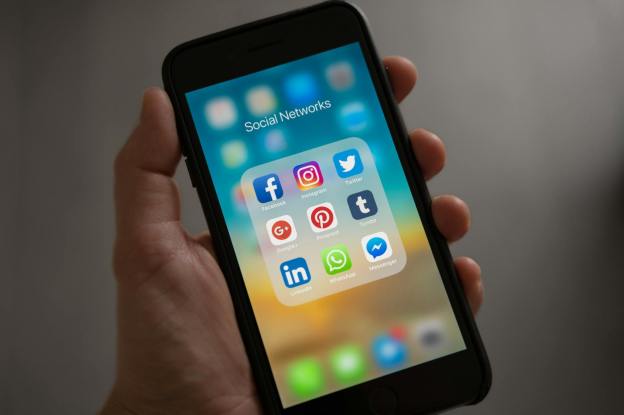
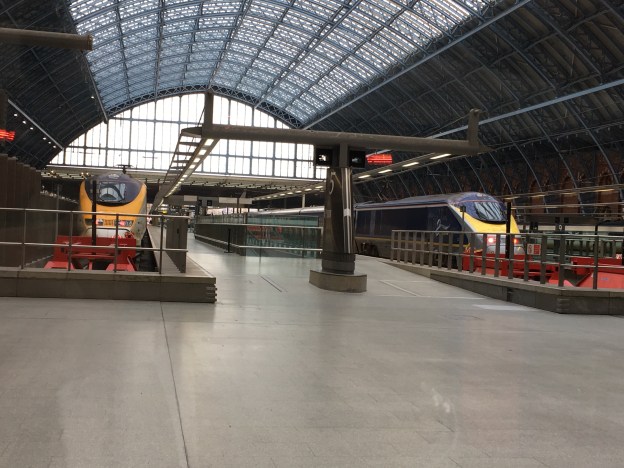

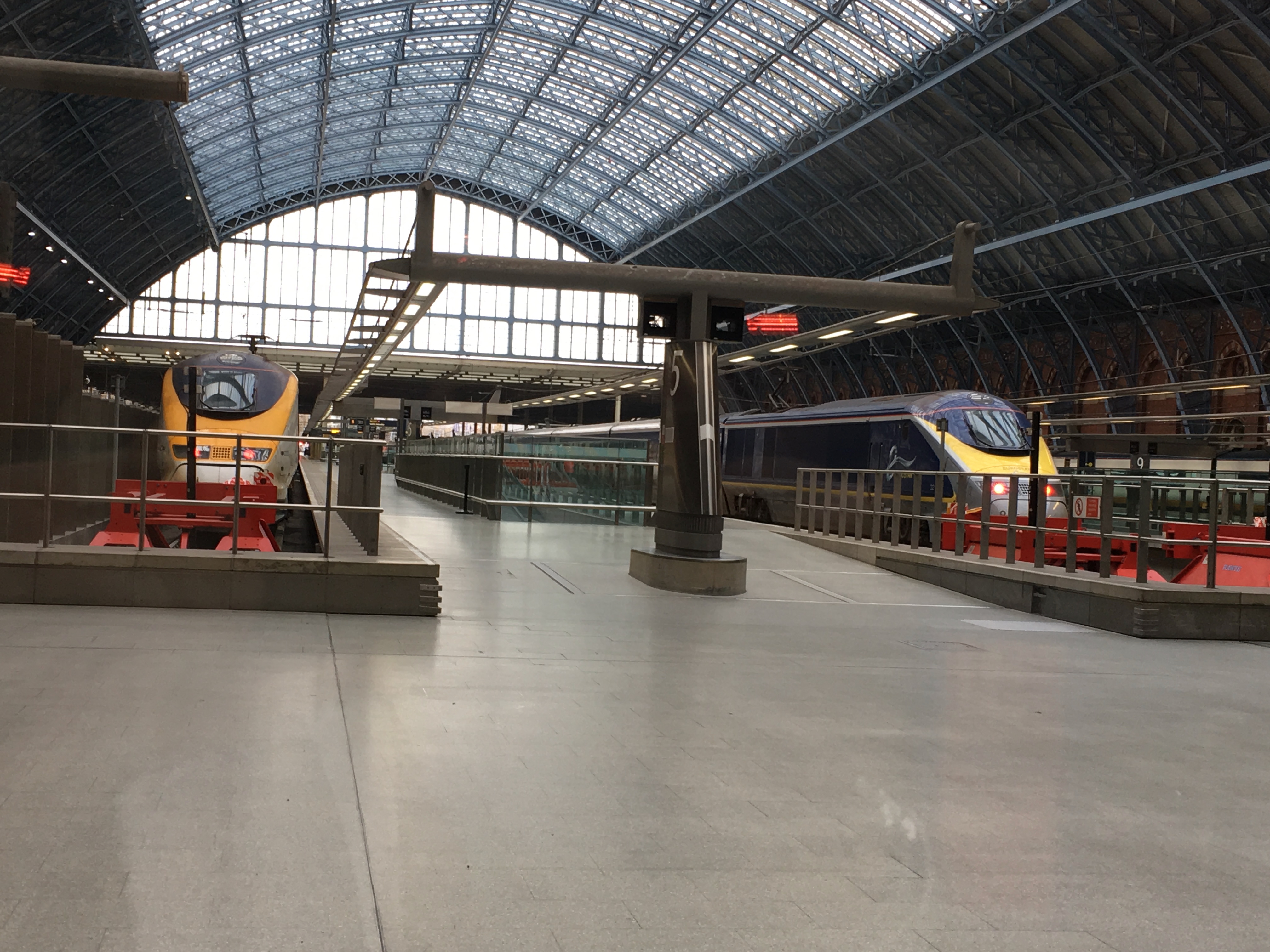
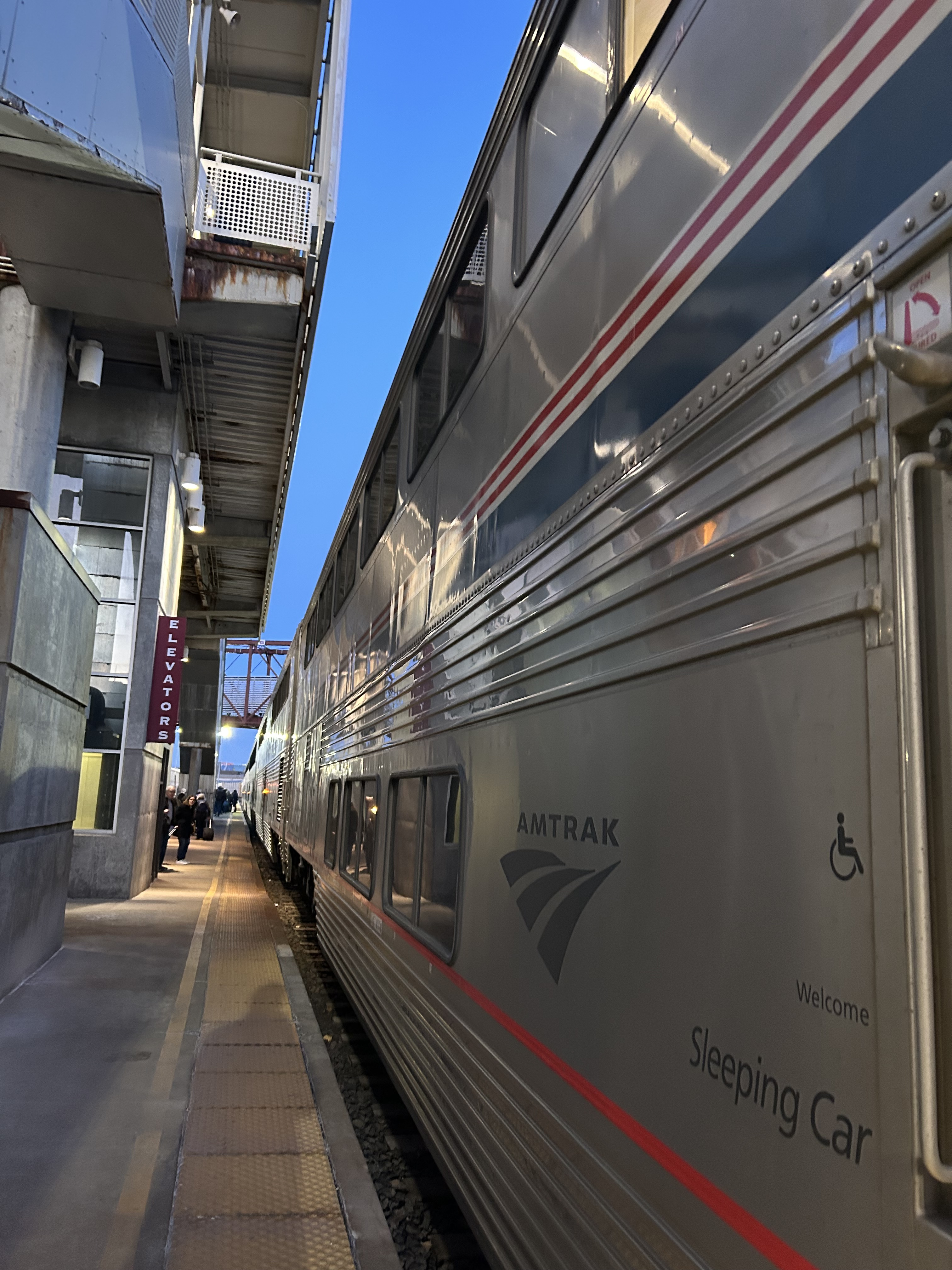


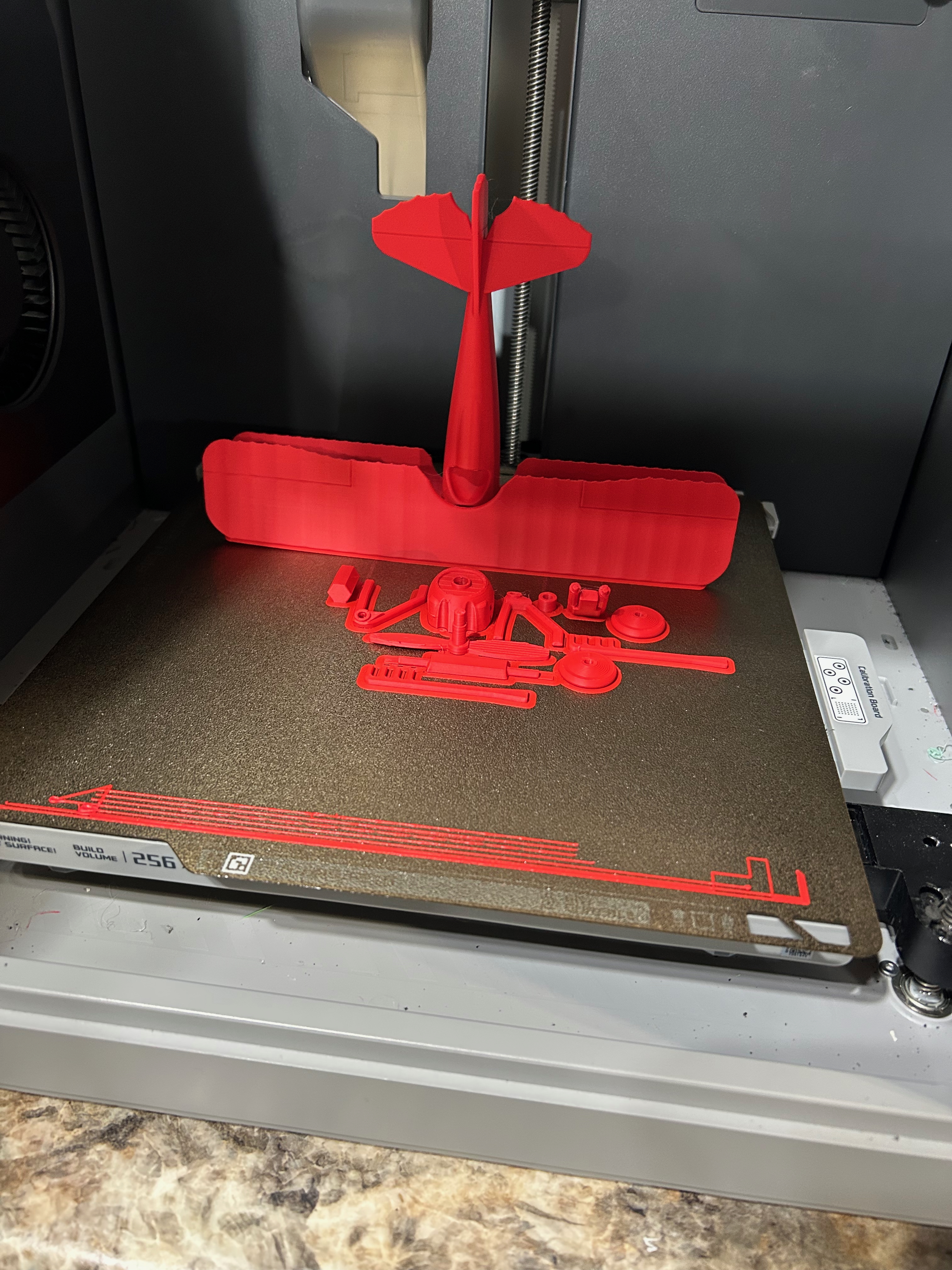

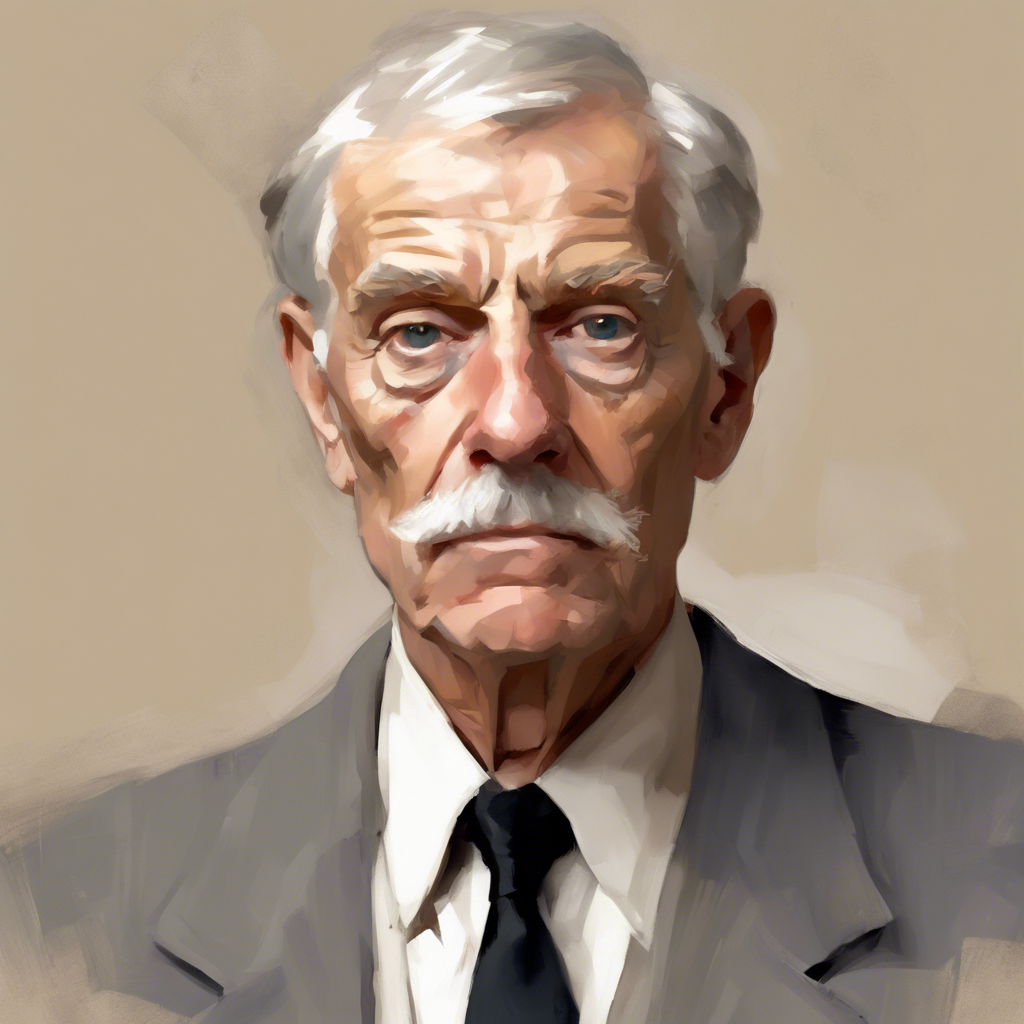
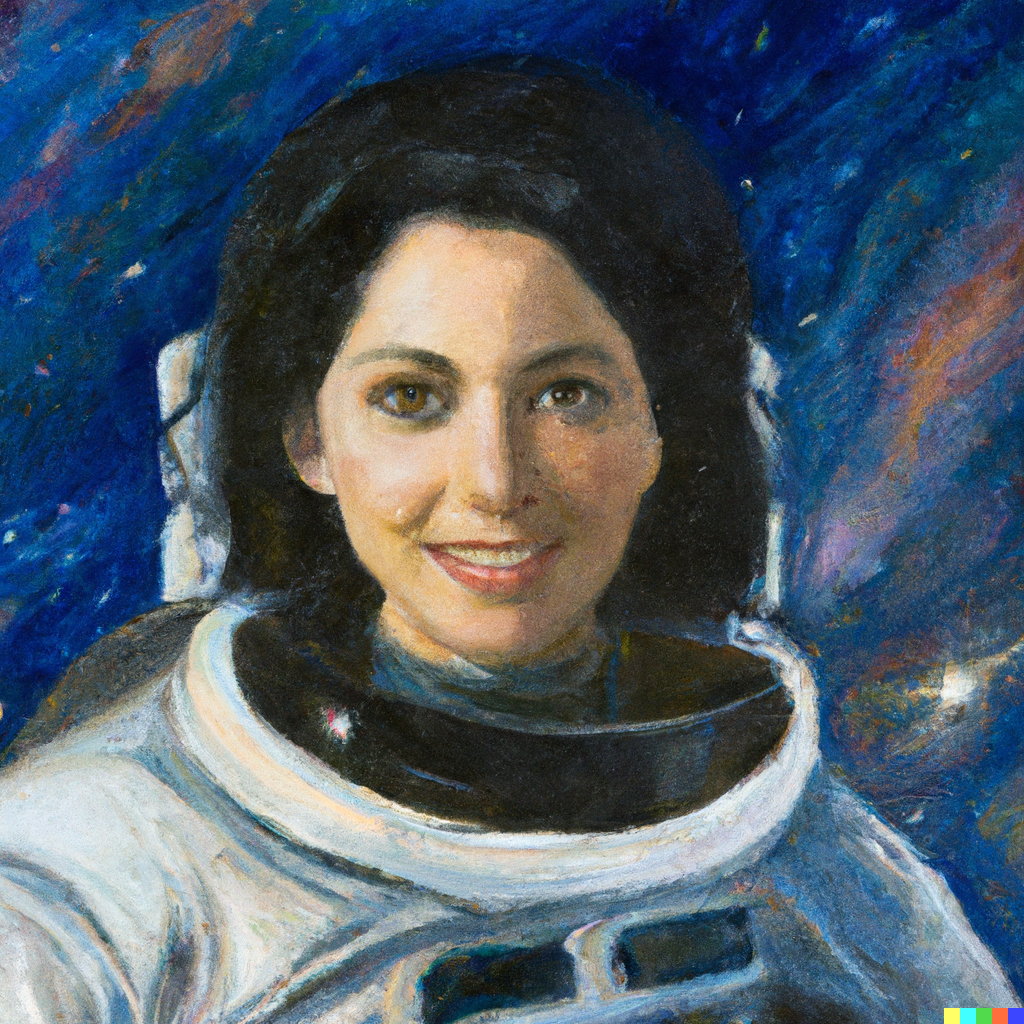


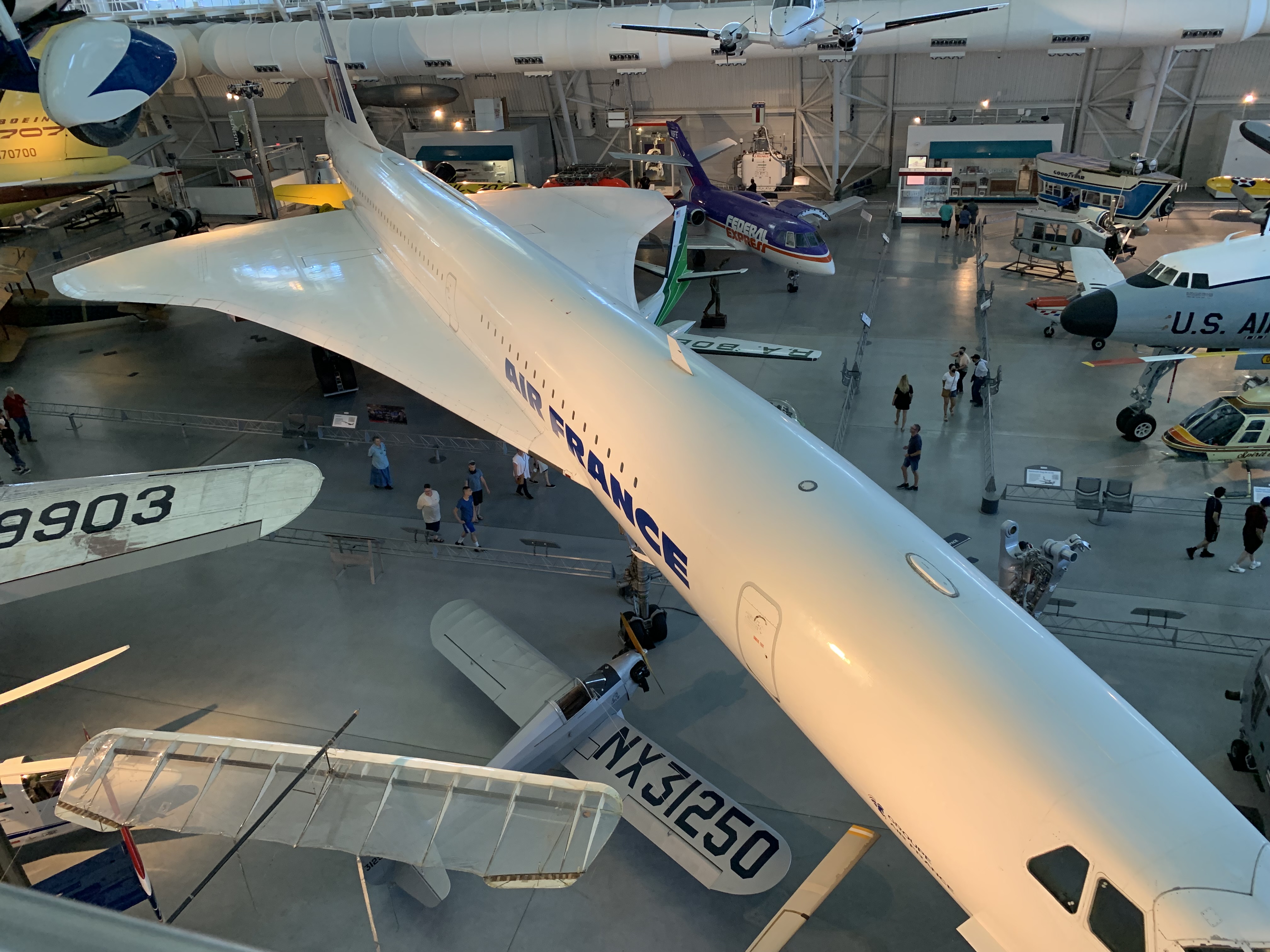

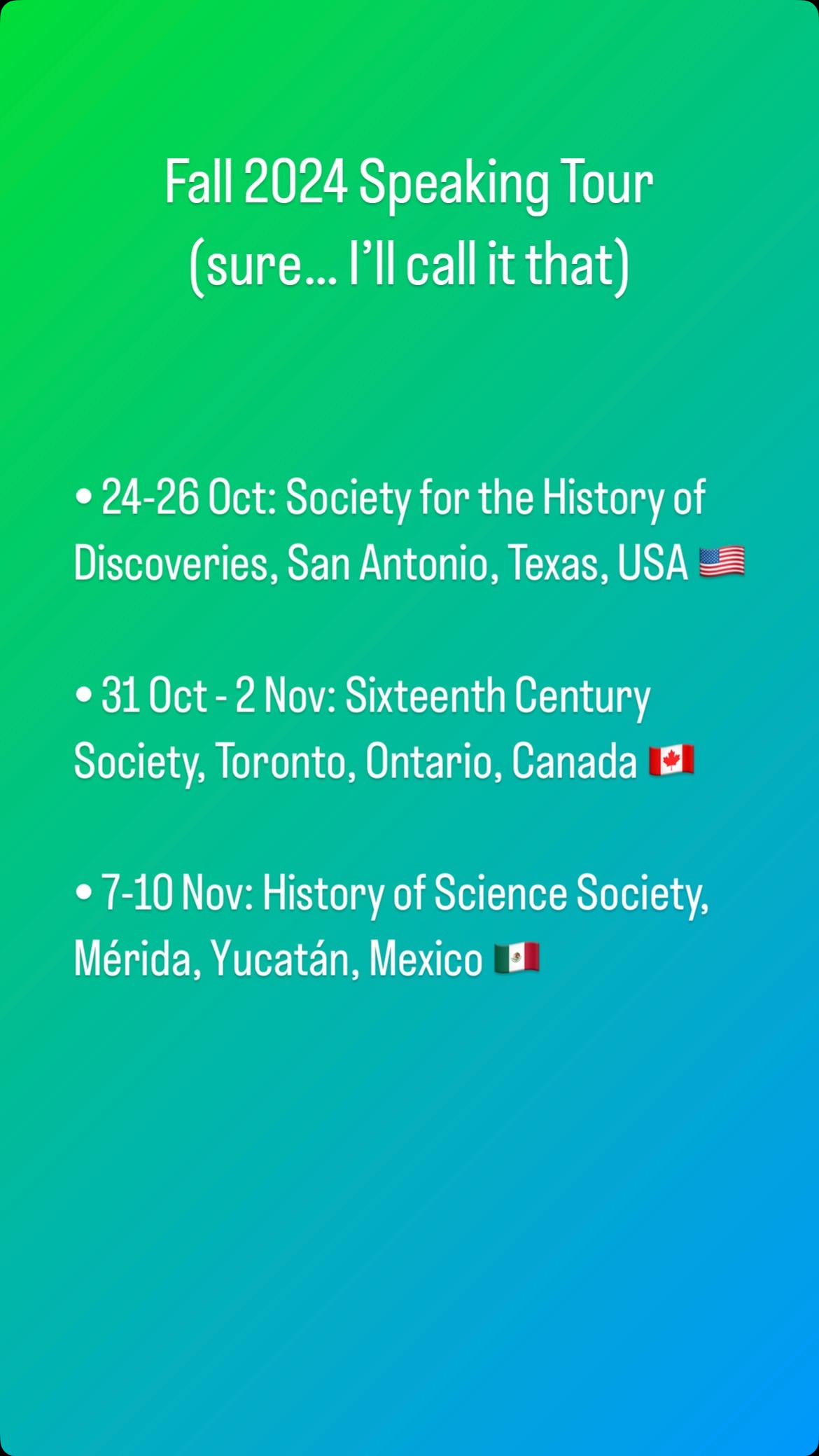
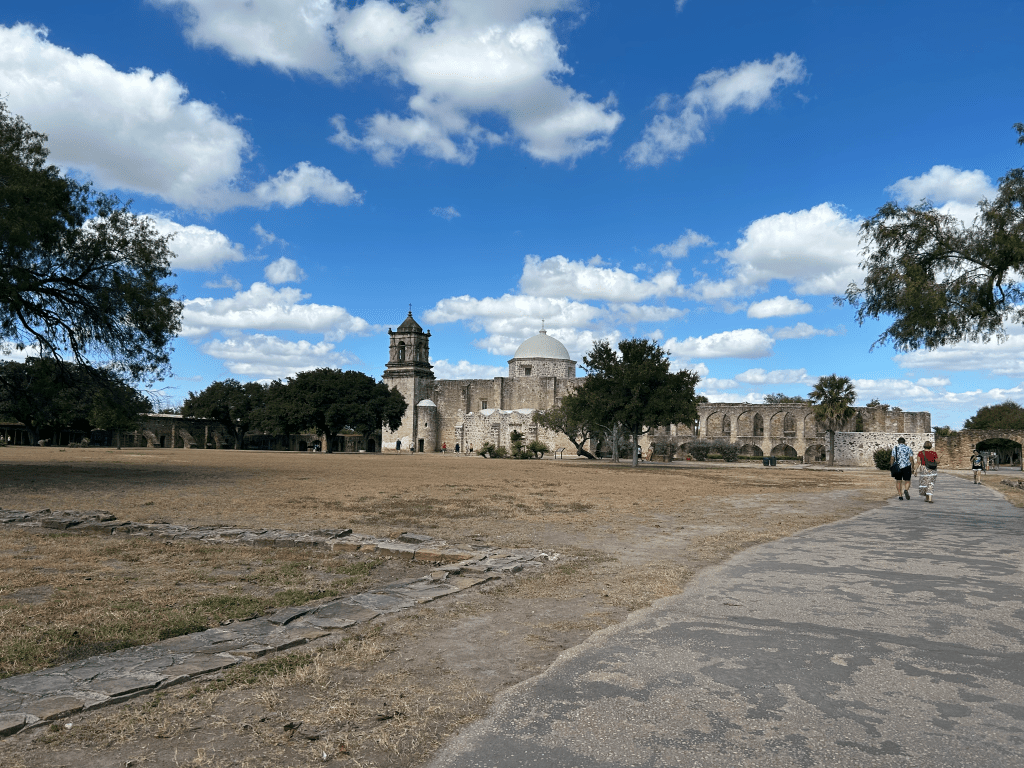
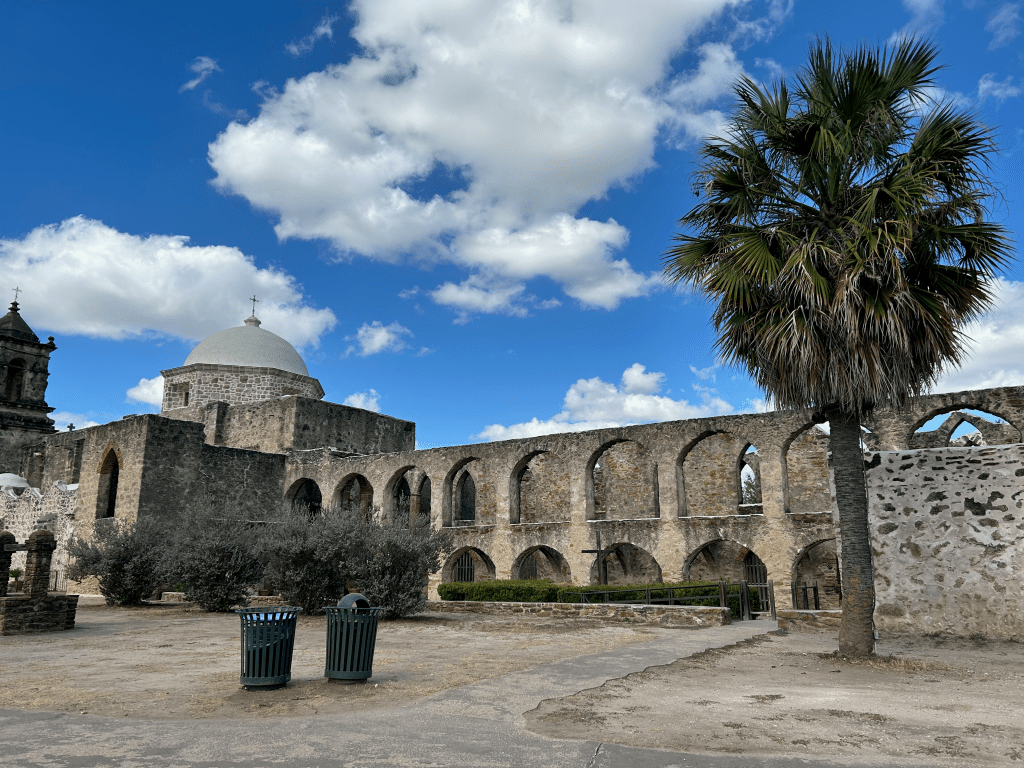
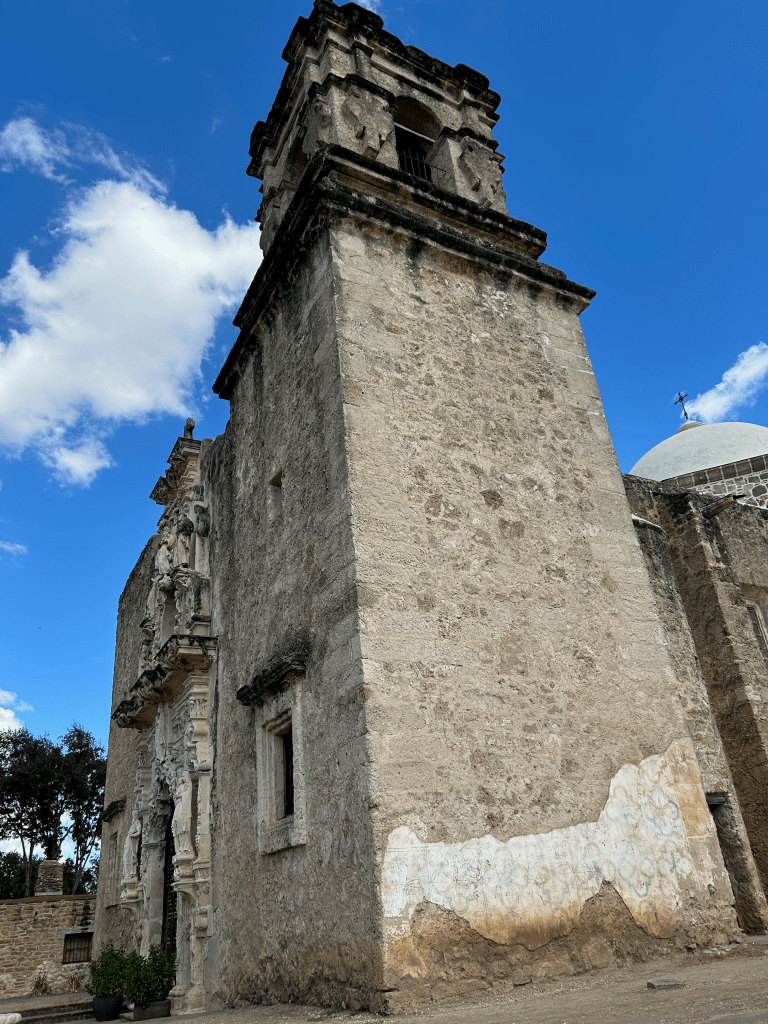

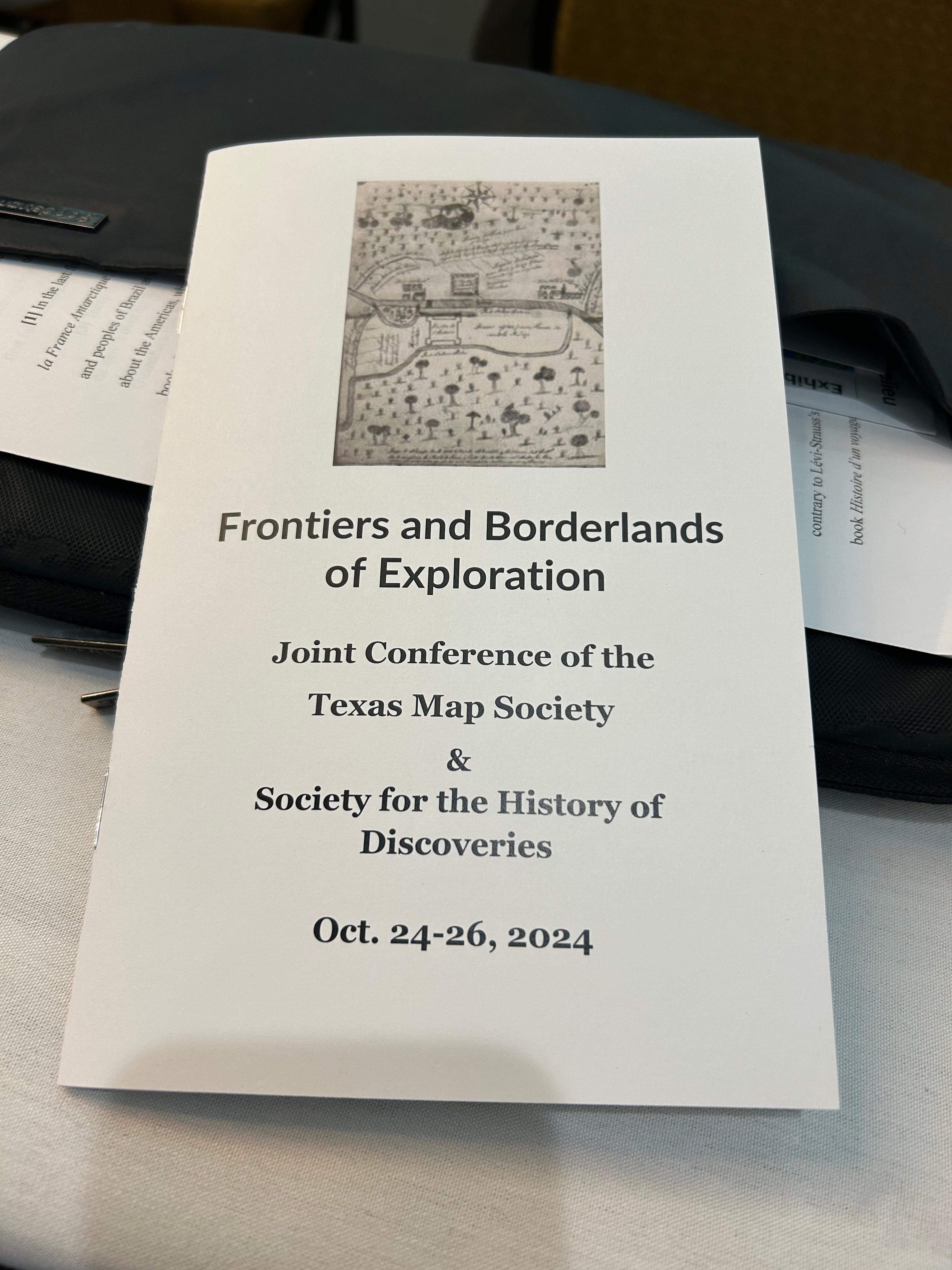
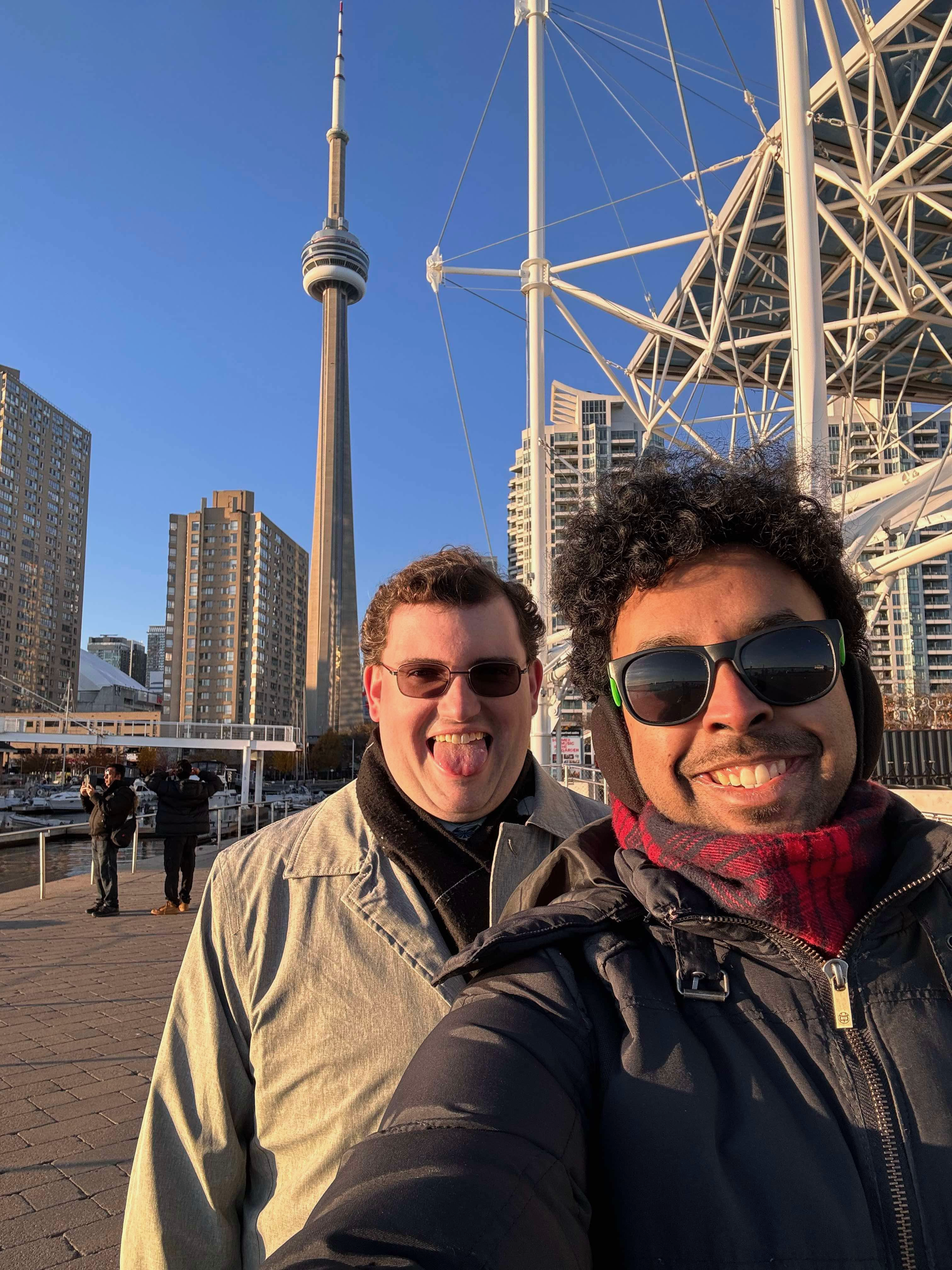
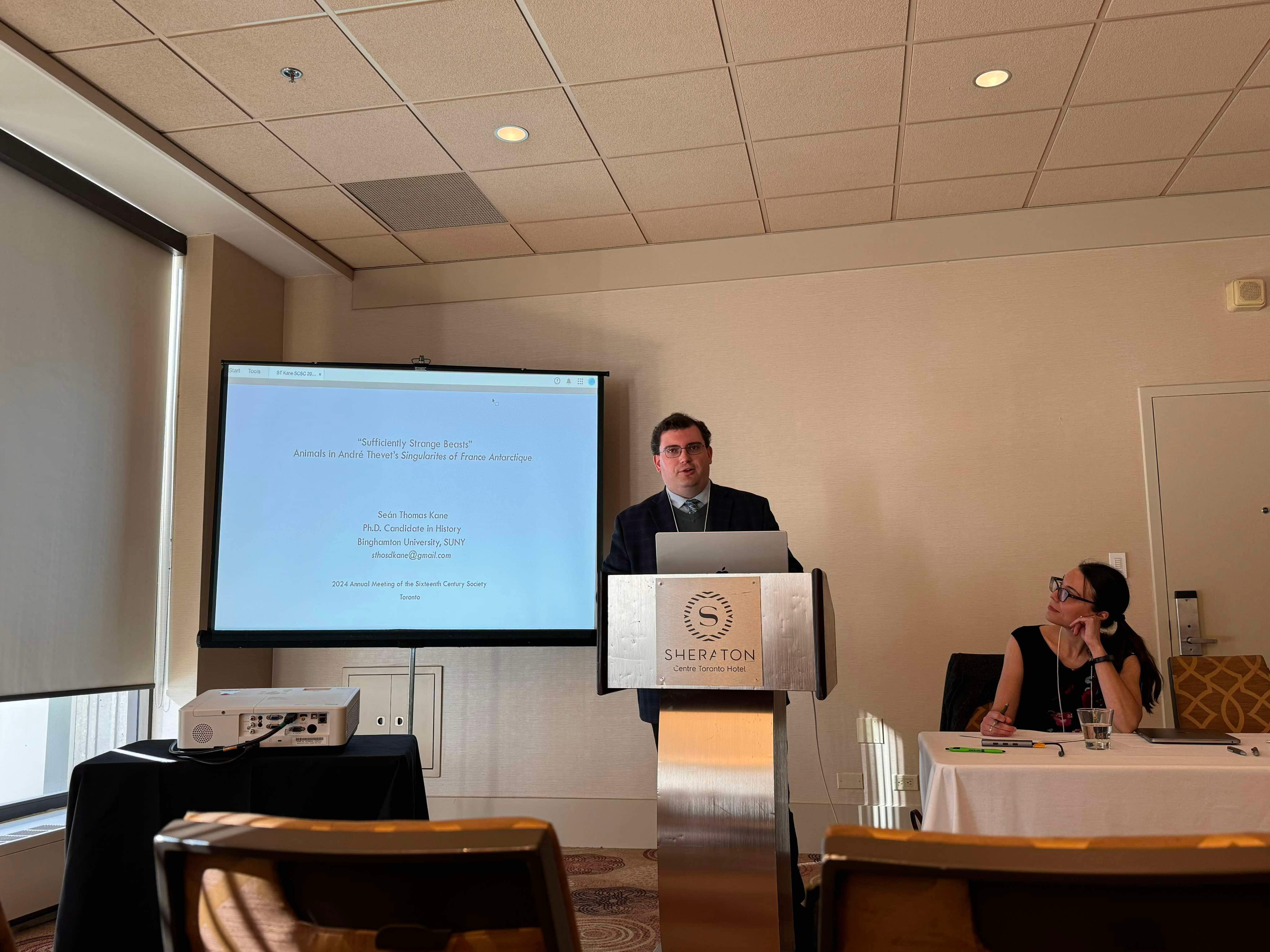

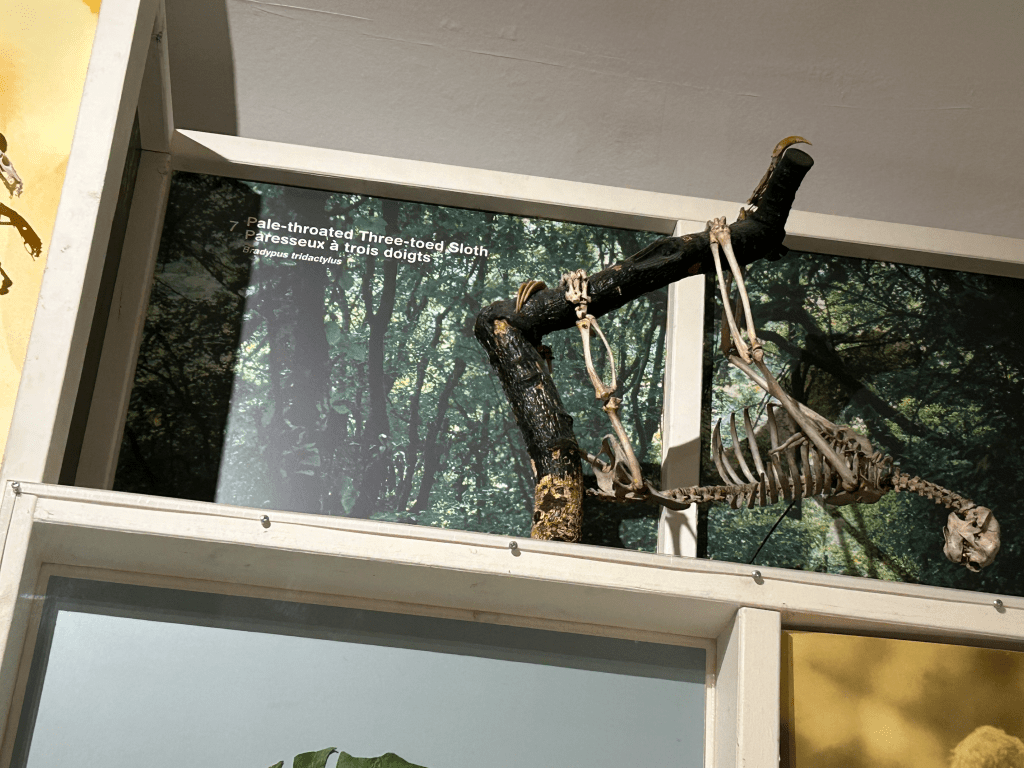
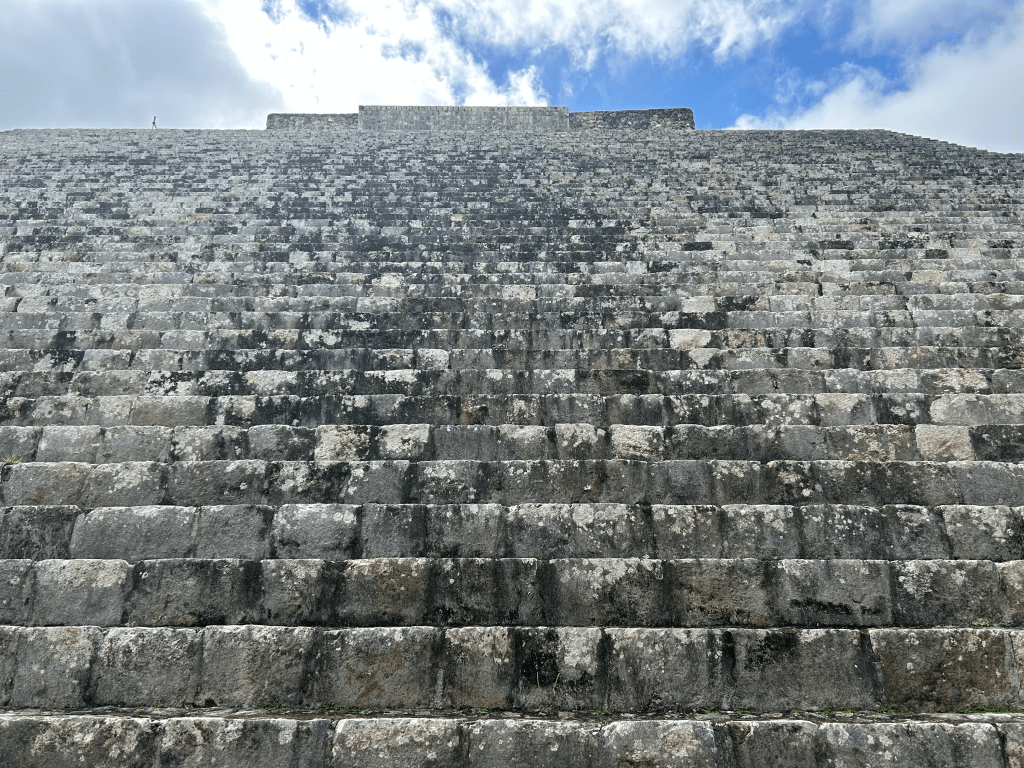
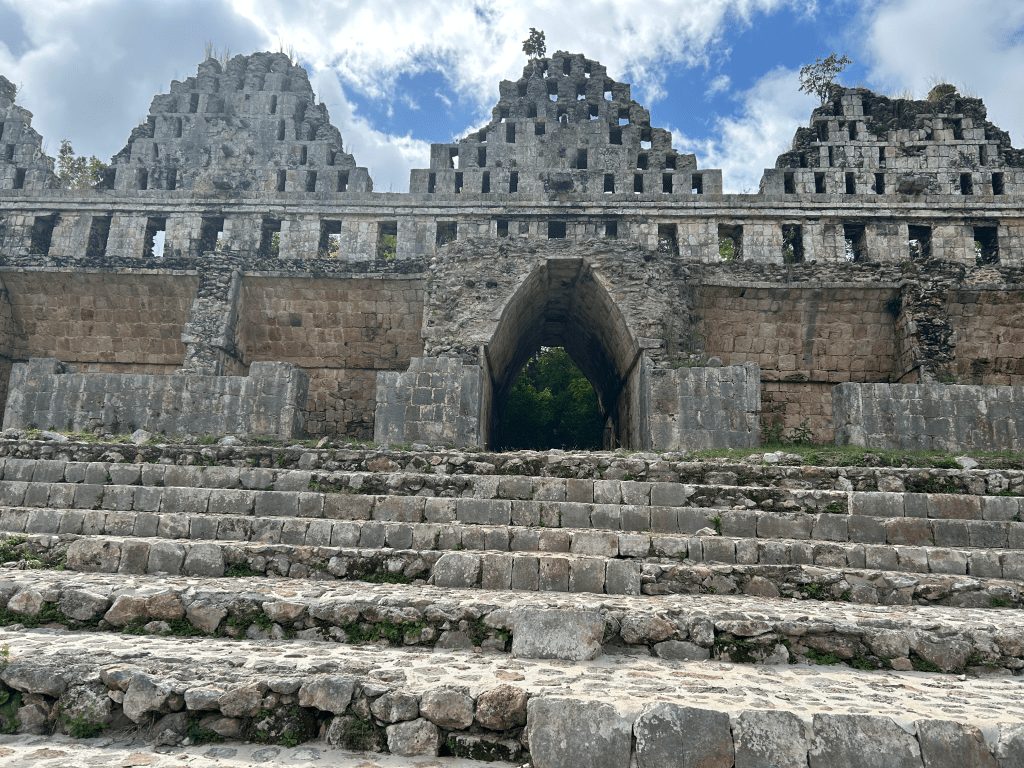
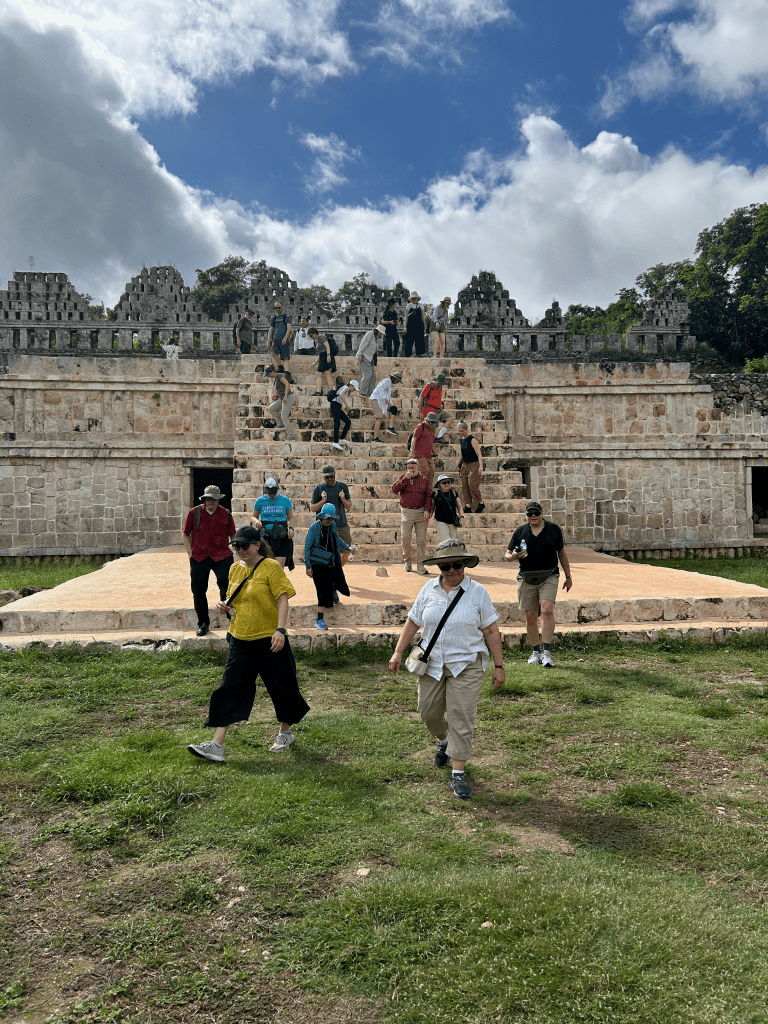
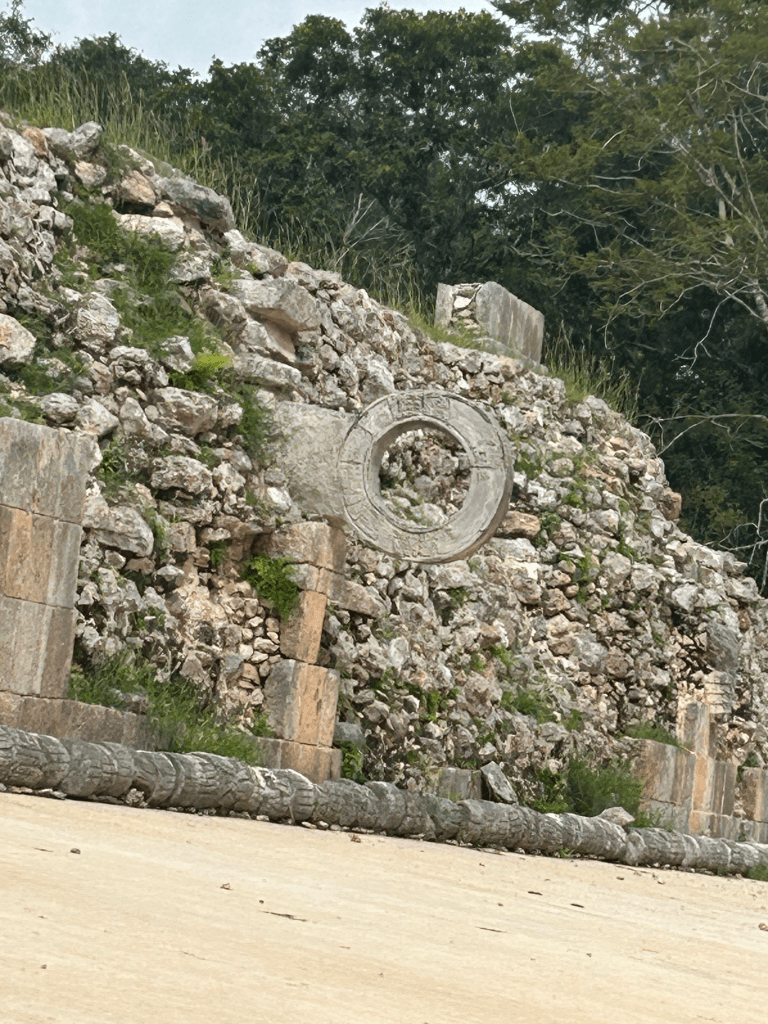
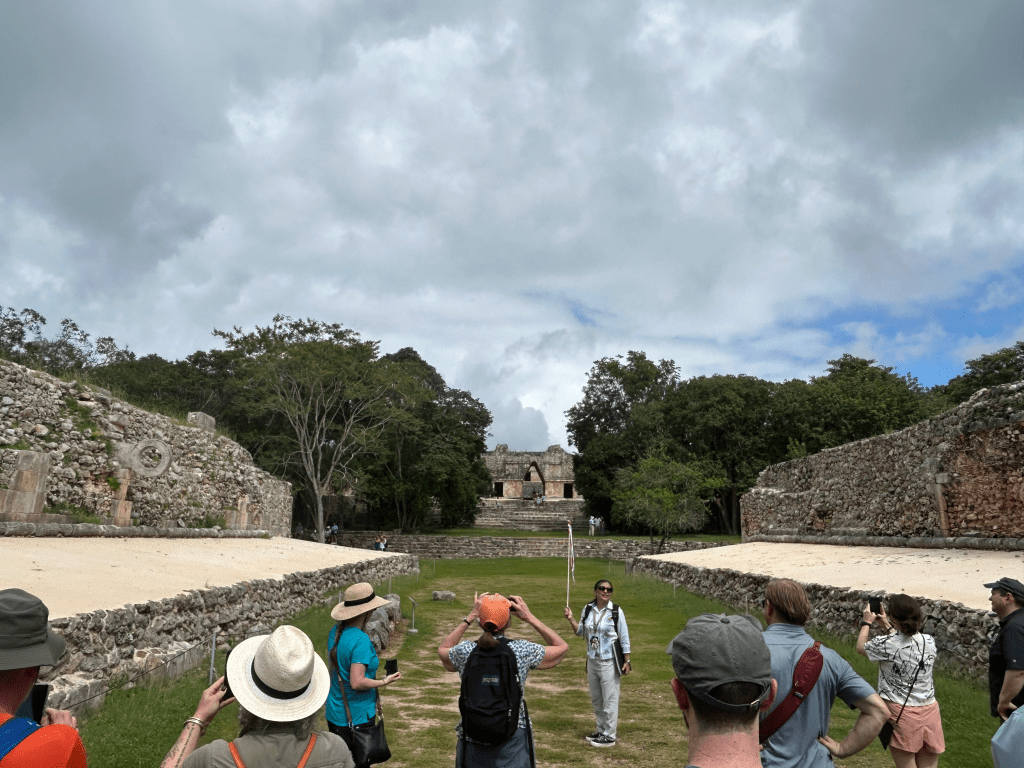
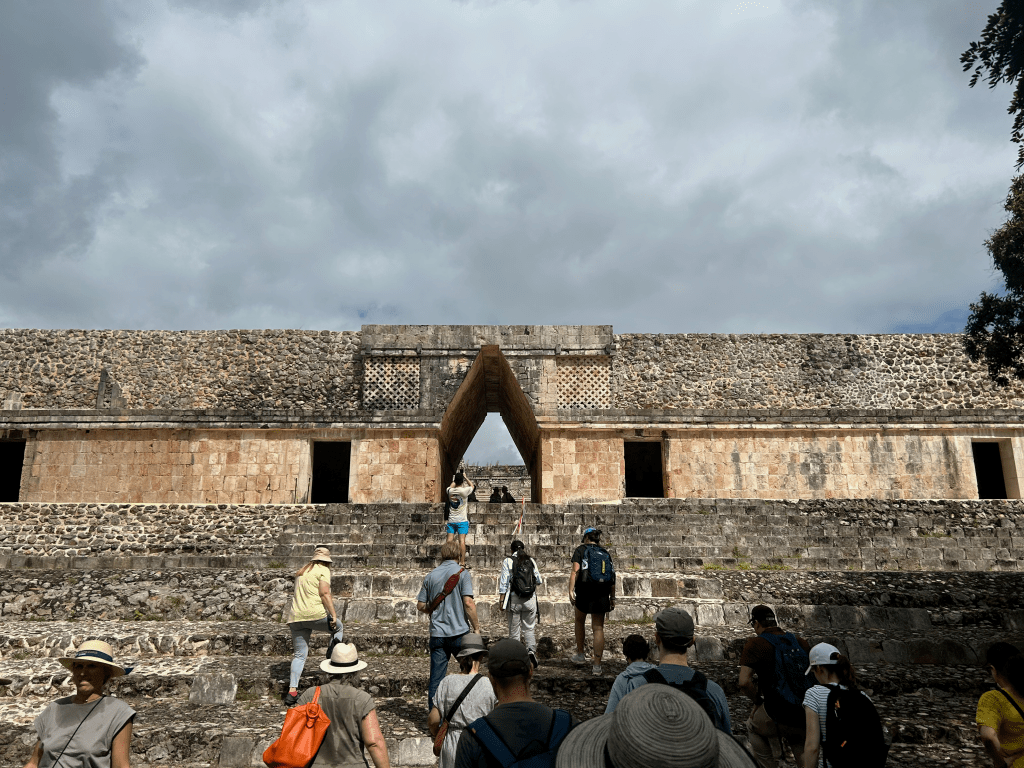
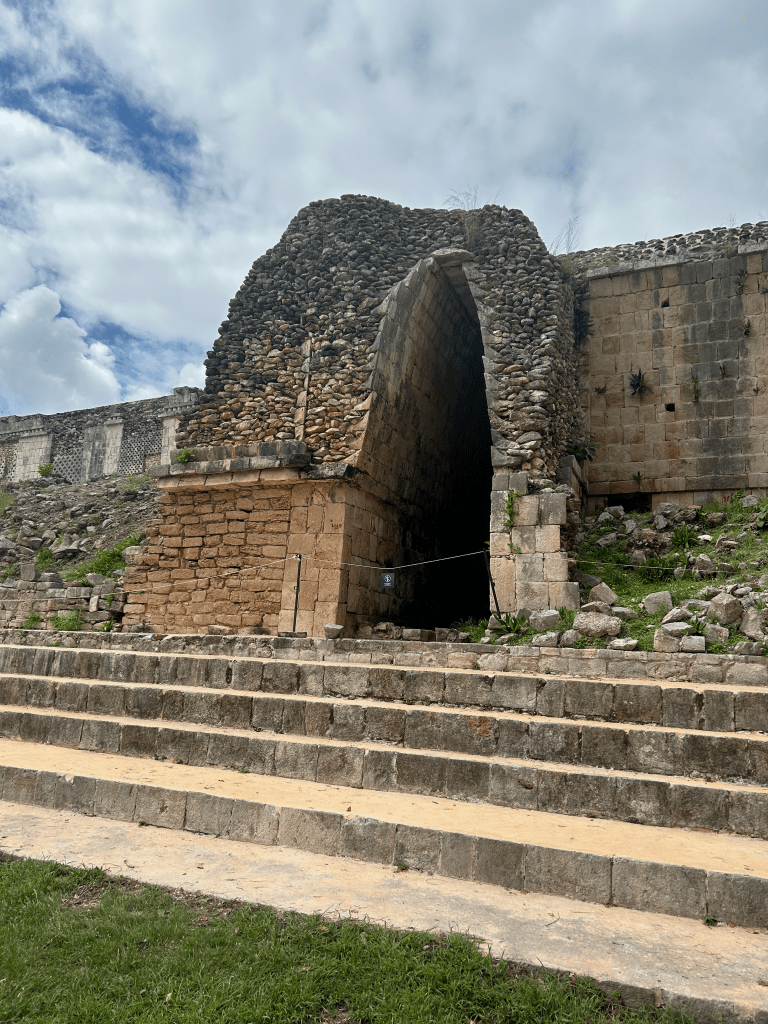
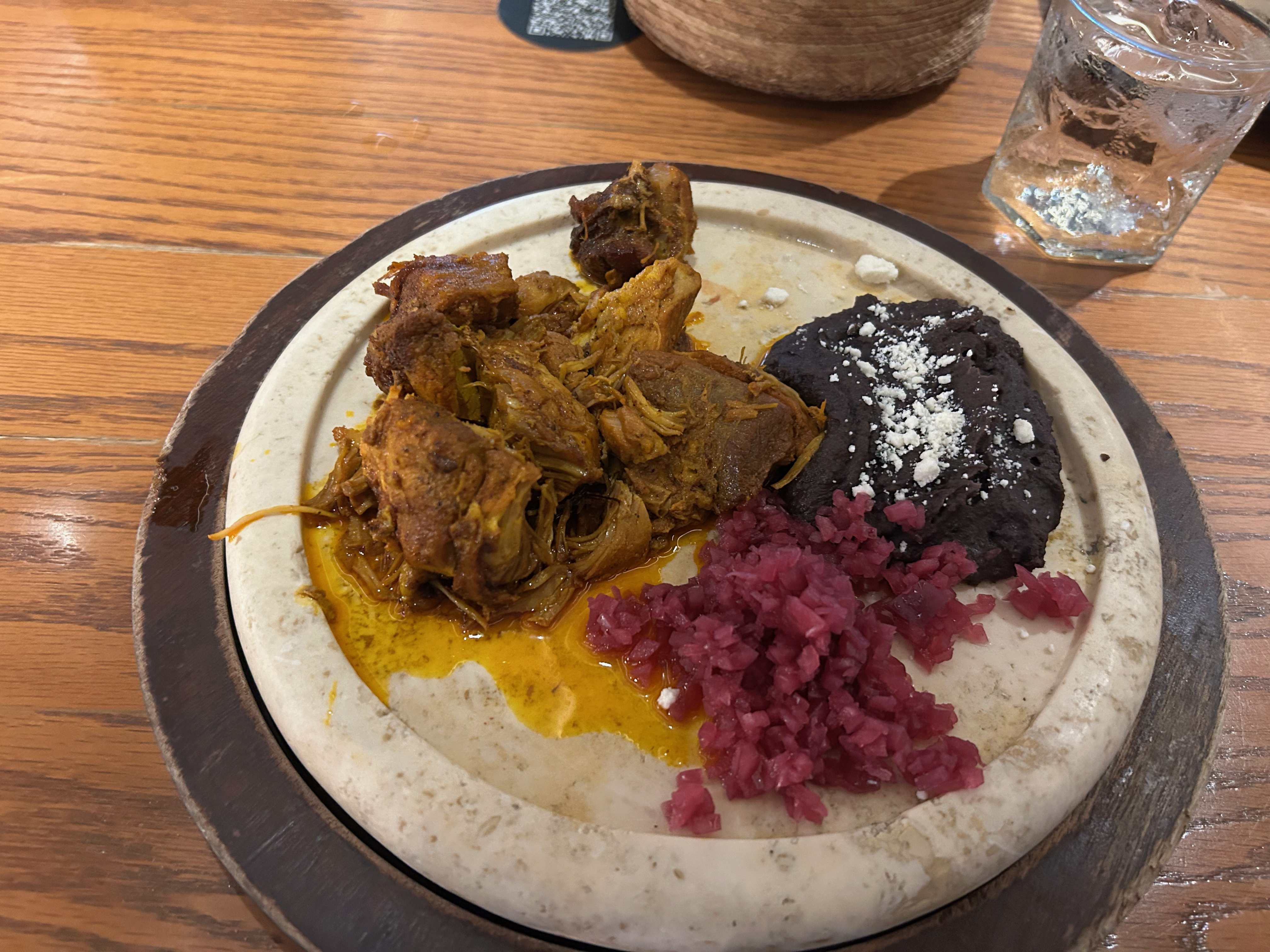
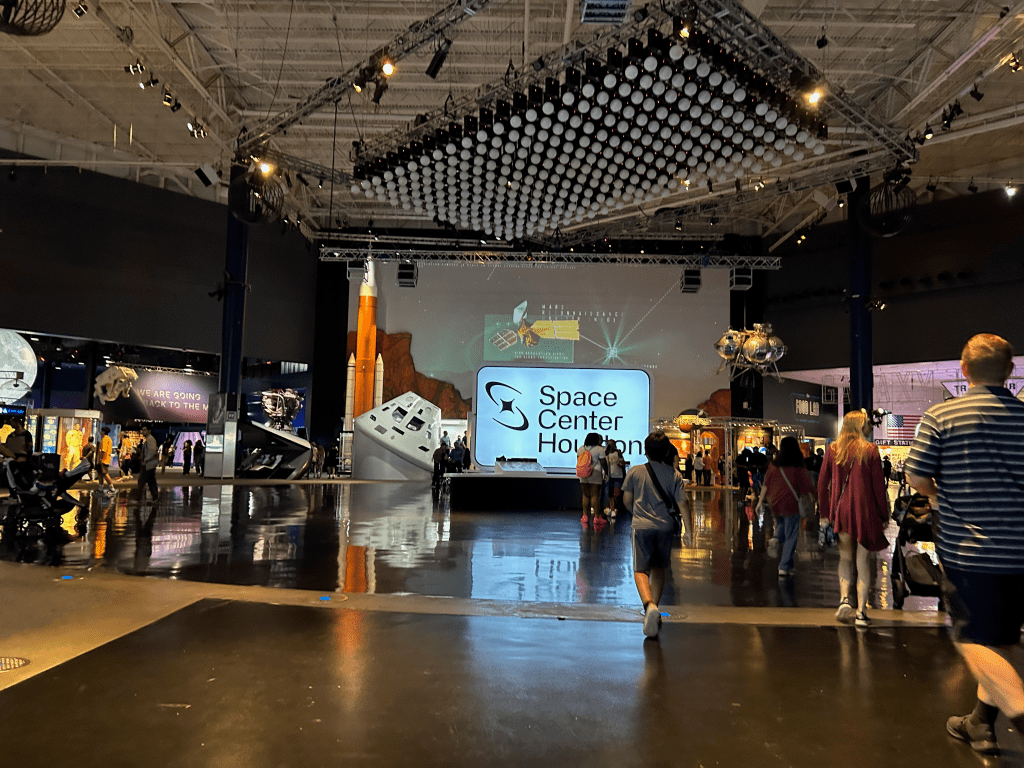
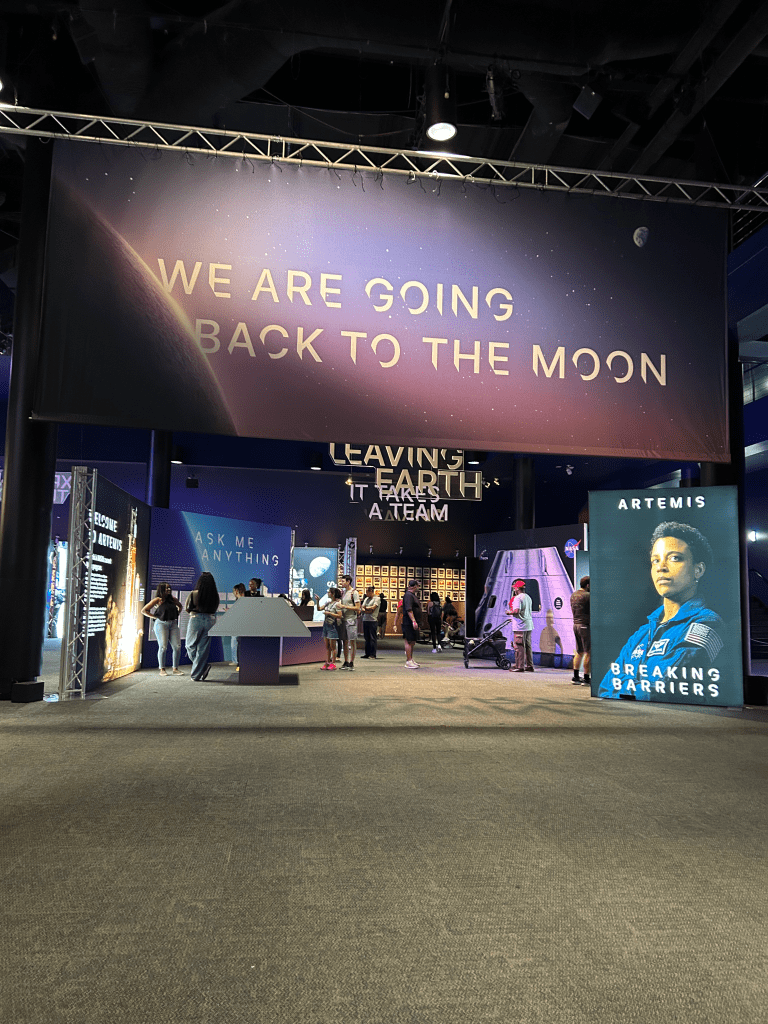


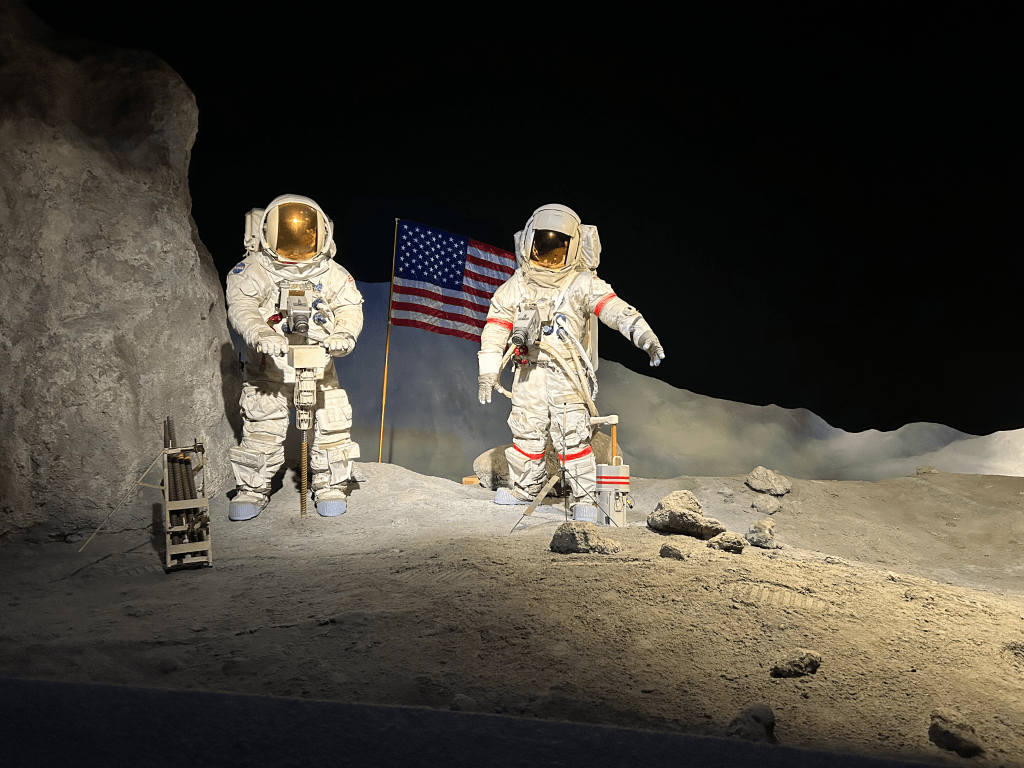
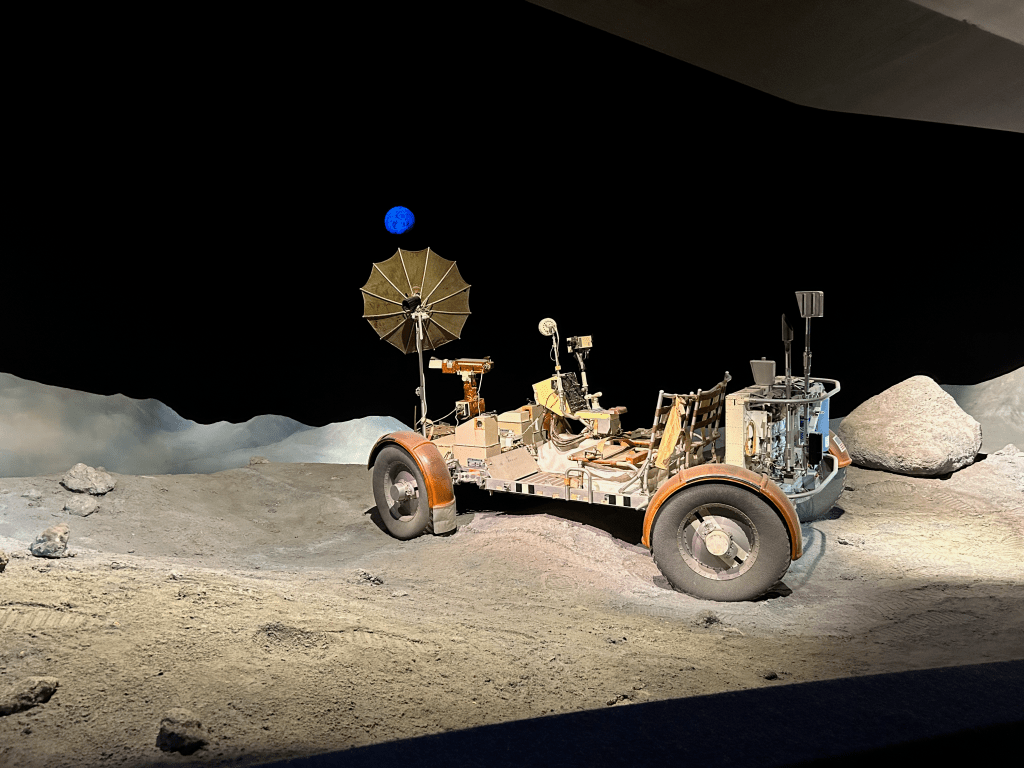

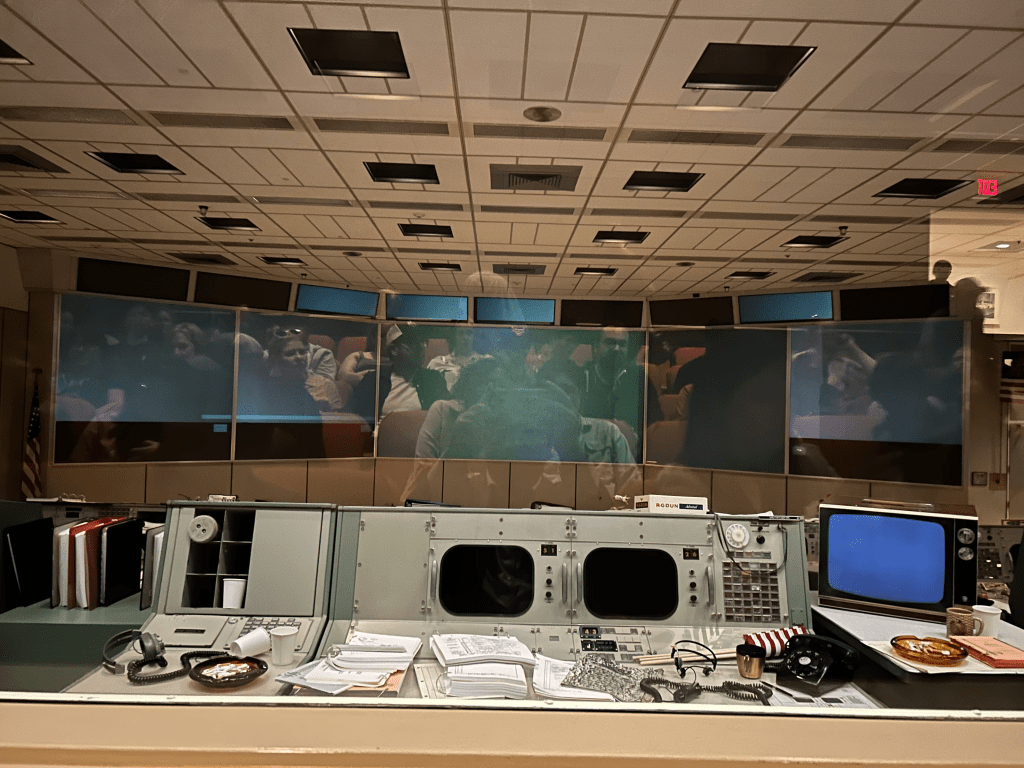


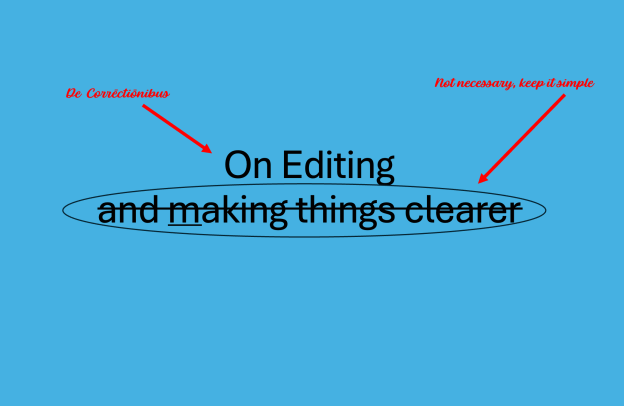


 Wednesday Blog by Seán Thomas Kane