This week, some comments about my trip to Boston last month and reflections on that resilient city.—Click Here to Support the Wednesday Blog: https://www.patreon.com/sthosdkane
This week, some comments about my trip to Boston last month and reflections on that resilient city.
I’ve been to Boston several times now, once in my childhood on a family vacation and twice for work. It’s the furthest of the east coast cities from Kansas City, and in some ways it’s rather hard to get to from here. Yet, the influence of Boston in particular, of Massachusetts in general, and of New England overall is quite pronounced here in the Midwest. When I was in the first semester of my History MA program at the University of Missouri-Kansas City one of my favorite books from the American History Colloquium I took discussed the patterns of westward settlement from the old eastern states during the Early Republic. From this, I learned that the reason why New York and New England felt more familiar to me was in part because it was New Yorkers and New Englanders who settled the parts of Northern Illinois that became the metropolis of my birth, Chicago, as well as many of the original towns in Kansas. One aspect of the Bleeding Kansas conflict of the 1850s, an overture of sorts to the American Civil War of the 1860s, was that Missourians with southern roots found their culture clashed with Kansans who were recently arrived pioneers from the North.
I remember really enjoying my childhood visit to Boston for a great many reasons. We did most all of the touristy things in that city, though I realized later on that we hadn’t visited some of the finer art museums in town like the Museum of Fine Arts or the Isabella Stewart Gardner Museum. That thought rested in the back of my mind for about twenty years until I returned to Boston as a doctoral candidate in October 2021 on a mission to see how the first French published translation of the Odyssey translated the Greek word ἄγριοι, which Robert Fagles translated into English as “hard men, savages.”[1] The French translator in question, the sixteenth-century humanist Jacques Pelletier du Mans (1517–1582) rendered ἄγριοι as “rude and uncivilized men.”[2] The copy I accessed of this book is housed in Harvard’s Houghton Library, and so I made a trip out of a word-search and found so much to admire about Boston and the surrounding suburbs in the few days I was there.
Harvard’s Houghton Library in October 2021
For one, the vintage of that region as one of the great nests of Anglo-American culture has always felt familiar to me, as that is in many respects the roots of my own culture albeit with many more layers of immigrant influence stacked atop it that form my idea of America. When I drove to Boston from Binghamton in October 2021 amid the incandescence of the Fall leaves I kept remarking on the smaller size of so many a Massachusetts village and town each of which was founded in the eighteenth or even seventeenth century. Where towns in Colorado celebrate their altitude and towns across America commend their population, in that Commonwealth each town’s age is celebrated as a mark of pride. My appreciation for this was less driven by an amazement at seeing such old places, I’ve been to many an old city, town, and village in Europe. I’ve even stayed in buildings that were erected 500 years ago like the place I chose in Besançon. What struck me most here was that these old houses were present here in America, in the United States. After all, my homeland in the Midwest has few colonial buildings left for us to mark with signs or commemorate as local landmarks. The French presence was far stronger along the Mississippi south of the Missouri River than in Chicago or Kansas City. Both of my home cities trace their founding to dates after American independence in 1776 and the birth of the republic in 1787.
In October 2021, I fulfilled a childhood dream of seeing the Car Talk offices in Harvard Square from street level. Yeah, I’m an NPR nerd.
Where I have seen this fortitude in a city in the middle third of the country is in San Antonio, an old Spanish settlement founded in 1718 at a time when it fit into a world among the vast global empire of the Spanish crown, connected more to the Canary Islands in settler population than to even more distant England or her colonists’ descendants who moved southwest into Texas a century later leading to that region’s independence and later annexation by the United States. The English-inspired east then annexed the Spanish-inspired southwest in the same manner that thirty years earlier it’d purchased the French-inspired Midwest. In this way, I’ve found New England more reminiscent of England itself than of so many other parts of the United States. It shares more of a common culture and history with England, and in many respects remains the child that chose to go its own way when it could and embrace republicanism in contrast to continued English royalism. I’m sure there’s something I could say here about Cromwell, but I’ll leave that particular figure of English colonial ambitions in Ireland for a less sentimental blog post.
The courtyard garden of the Isabella Stewart Gardner Museum, Boston.
This time, I traveled to Boston to attend the 2025 meeting of the Renaissance Society of America at the Marriott Copley Place in the Back Bay neighborhood to the south of downtown. What’s funny to me is that I don’t remember going anywhere near Copley Square or Back Bay on any of my previous trips to Boston, though I did pass underneath both the square and neighborhood on the Green Line trolley in October 2021 when after completing that wordsearch at Harvard I decided to take the afternoon to visit the Museum of Fine Arts. I remember being impressed by the collection I saw, though I got overwhelmed in some of the galleries and feeling a bit tired after a long day I returned to my friends’ house in the suburbs. On this most recent trip I elected to visit the Isabella Stewart Gardner Museum instead of its neighbor, the Museum of Fine Arts, having heard so much about Ms. Gardner and that museum’s infamous midnight robbery in 1990. I was happy to see how lovely a museum it was, from the garden at the base of its courtyard to the spiraling series of galleries largely unchanged since the museum was built at the turn of the last century. In the museum there is a portrait of Ms. Gardner full of life and joy which was so personal that her husband asked it to remain away from public view until after he died, resulting in the room in which it lives being closed to the public until after his death in 1898. Gardner was friends with many of the American artists of the late nineteenth and early twentieth centuries who I greatly admire, including John Singer Sargent and James McNeill Whistler whose paintings in the Smithsonian’s Freer Gallery of Art in Washington contribute to that gallery being one of my favorites of the Smithsonian Museums.
Isabella Stewart Gardner, 1888 painting by John Singer Sargent.
To reach the Gardner Museum meant taking the trolley through the campus of Northeastern University along Huntington Avenue. Over the few days I was in Boston I also visited two other local universities, Harvard to visit their Museum of Natural History and to attend a concert of medieval liturgical music at St. Paul’s in Harvard Square, and UMass Boston to visit the John F. Kennedy Presidential Library right at the end of my trip. What struck me most about this trip, and what filled me with a greater sense of relief and, yes, joy was seeing how many students were out and about in that city. It felt as though the storm clouds that hover over all of us could be held back if even as a reflection on water by a sense of camaraderie that proved elusive only a few days later when the first wave of student deportations swept up a fellow doctoral candidate at Tufts University in that same city. Still, in the days I spent around the students of Boston and among my fellow Renaissance scholars I was struck by how profound that sense of camaraderie was that in spite of the troubles we see around us we are going to chart a course through the ice and out into calmer, open waters again.
A brown-throated sloth, stuffed, at the Harvard Museum of Natural History
Boston has seen a great many generations live on its headlands and about its bays in these last 395 years since its founding as the capital of the old Massachusetts Bay Colony. In the weeks since, with that trip still fresh in my memory I was reminded of the illustrious revolutionary history of that city and of Massachusetts and the resilience of its people and their peculiar traditions of democracy which have influenced the spread of representative government across this continent through the ideals of the United States and our Constitution. I’m sure it will weather this storm as it has so many before it. Knowing too my own profession, my desire to find a professorship or museum job first and foremost, I suspect I may find my way back to Boston again. After all, not only are there many universities there with healthy endowments, however rare those may become in the years and decades to come, that city remains a vibrant city, a living city, a city that hasn’t carved itself out for sprawl in the way that so many others have. I was struck by how profound that sense of connection and community was there.
This week, some words on the places I visited and the people I met on this North American Tour I finished on Sunday.
—
Click here to support the Wednesday Blog: https://www.patreon.com/sthosdkane
This week, some words on the places I visited and the people I met on this North American Tour I finished on Sunday.
Earlier this year when I began to consider which conferences I would like to attend in Fall 2024, I knew from the start that my old stalwart of the Sixteenth Century Society would be top of the list. I was also interested in attending the History of Science Society’s conference for the first time after meeting a fair number of attendees from the 2023 meeting last year at my workshop in Brussels. Two conferences in two weeks is a fair amount of travel to undertake and money to spend. Yet there was more to be planned, for in midsummer I read a notice from the Society for the History of Discoveries about a special issue of their journal Terrae Incognitae about animals and exploration. I sent in a proposal which was accepted, leading to an outstanding offer to submit an article for the issue which I’m editing. So, knowing it would be good to meet the people of the SHD, I decided to submit a proposal to their conference as well.
If you’re keeping count, that means I went to three conferences in the last three weeks. I decided to call the series of talks my North American Conference Tour because this would take me not only to San Antonio but to Toronto and Mérida as well. I often thought about trying to do something like this where I visited two or three of the big continental countries in North America in short order; when I lived in Binghamton I fancied the idea of driving the 4 hours south to D.C. one day to sit in the gallery of the House of Representatives only to turn around soon after and drive back through Binghamton up Interstate 81 and across the St. Lawrence River to Ottawa to sit in the gallery of the Canadian House of Commons later that week. That never happened, in part because of the pandemic, yet I’ve undertaken similar trips in Europe on many an occasion so why would it be any more challenging here in North America?
The greatest challenge in this tour was that unlike stopping in Brussels, London, and Paris on a big European tour, I would need to fly between each of these cities and Kansas City in order to be where I needed to be in a prompt manner. I was excited by the prospect that all three of these cities could be reached in one way or another by direct flights from Kansas City. In the case of Mérida, the capital of Mexico’s Yucatan state, I would need to fly into Cancún and take the recently opened Tren Maya four hours east to Mérida to use that direct flight on Southwest. As it turned out though, I only had one direct flight throughout the entire tour. Southwest offers direct flights between Kansas City and San Antonio every other day, and they don’t fly that route on Wednesdays, so instead I flew to San Antonio with a couple hour connection at Lambert Field in St. Louis. Air Canada’s daily nonstop Toronto to Kansas City service only runs in a seasonal pattern and the season for that route ended 1 week before I was due to fly to the capital of Ontario, resulting in me having connections at the start and end of the trip in my original hometown at Chicago O’Hare. Then there was Mérida. I did seriously consider flying into Cancún rather than Mérida proper for the benefit of the direct flight. Yet the benefit of flying into Mérida itself and the still limited Tren Maya schedule meant I would still have to stay overnight in Cancún before flying home. So, I booked flights on United to Mérida through Houston Bush Airport which included an 8 hour layover on the way out and an 11 hour layover on the way home. I figured I could take advantage of the time in Houston in some way or another.
San Antonio
The Alamo
I traveled to San Antonio with my Mom, who jumped at the opportunity to spend a few days in that city. I’d only ever spent a few hours there about a decade ago when we were in Austin at my Mom’s office over her birthday weekend in May 2015. That visit to the Alamo City was cut short though by heavy rains and flooding. On this instance though, I fell in love with San Antonio. It often reminded me of the best parts of San Diego, another near-border city, yet it still felt closer to home both geographically and in its approachability. Before joining in the conference there at the Menger Hotel, we took a tour of the old Spanish missions south of downtown along the San Antonio River.
These four: Missions Concepción, San José, San Juan Capistrano, and San Francisco de la Espada brought the deep colonial history of this part of South Texas into focus. The tour guide explained that the Spanish decided to establish missions in Texas starting in 1715 in order to block French expansion from their new colony of Louisiane to the east along the Mississippi River. This was a full 200 years after the first Spanish conquistadores ventured north into Texas from their Viceroyalty of New Spain centered around Mexico City. The Franciscan missionaries who were sent north in the eighteenth century came from the Mexican city of Querétaro, some 740 miles (1,191 km) south by foot. Along with them came groups of colonists from the Canary Islands who were sent to establish a Hispanic presence around these missions alongside the majority indigenous population. The story of the Spanish colonization of Texas is a mixed one of both the story of the creation of a new ethnicity in the Tejanos, descendants of the Canarians and other Spanish colonists and the indigenous Texans including the Coahuiltecans, Payaya, and Pastia. Yet the other side of this story is the forced assimilation of these indigenous peoples to a new colonial way of life centered on the missions and their Catholic faith.
There is one more point I want to raise about the sudden Spanish urge to establish missions in Texas after 1715. This sudden colonial interest in Texas began after the War of Spanish Succession which was waged between 1701 and 1714 after the death of the last Habsburg monarch over the Spanish Empire, Charles II. Charles named Philip of Anjou, a grandson of Louis XIV of France as his heir, with Louis intending on having Philip succeed him as King of France as well, and uniting the French and Spanish Empires in a personal union. This terrified the Austrian Habsburgs, the Dutch Republic, and England & Scotland which in 1707 would unite to become the Kingdom of Great Britain. These opponents of the Bourbon succession of Philip of Anjou called themselves the Grand Alliance, and eventually won the war which was one of the first European wars to be fought in the Americas as well. In the peace that followed with the Peace of Utrecht, concluded by 1715, allowed Philip to keep the Spanish throne as King Philip V yet he had to renounce his claim to the French throne to ensure France and Spain would not unite in any fashion. Since 1715 then, the House of Bourbon-Anjou have held the title of King of Spain, in the process also unifying the older Crowns of Castile and Aragon save for several interregna during the Napoleonic invasion between 1808 and 1813, the First Spanish Republic of 1873-1874, the Second Spanish Republic of 1931–1939, and the Franco Regime which ruled from 1936 –1975.
With all this in mind if in 1715 France and Spain were newly ruled by members of the same family, why would it be as imperative for the Spanish to block the French from expanding further to the southwest out of the Mississippi Basin and into Texas? My suspicion may be that this intention was driven more by the fears of the viceregal officials in Mexico City than their royal counterparts in Madrid. Any of my eighteenth-century Latin American historian readers who may know the answer are invited to write in.
One of the finer parts of San Antonio is its river walk, which stretches along both banks of the San Antonio River through downtown and continues beyond the urban core as a series of foot and bike paths. We consistently saw mile markers for the river walk along our tour of the missions to the south of the urban core. Most evenings we walked from our hotel to the river and had dinner at one of the many restaurants that line its banks. My favorite of these meals were the enchiladas I had at the Original Mexican Restaurant, which was as touristy as it could get, I even paid a mariachi band to serenade my Mom with a song while we ate, yet it was still a delight.
My enchiladas at the Original Mexican Restaurant
We stayed at the Menger Hotel, an old historic edifice of San Antonio that was built by William and Mary Menger, a pair of German immigrants who arrived in San Antonio in 1847, just three years after the Republic of Texas was annexed into the United States. They opened the hotel in 1859 hoping it would increase business for the family’s brewery. The hotel is located on Alamo Plaza next to the old Alamo mission, originally named the Mission of San Antonio de Valéro, and so was built on the battlegrounds of the Alamo. The plaza was largely under construction during our trip as a new Alamo Museum is being built. I was struck to find the street we crossed the last time we visited the Alamo was gone, replaced by a fully pedestrianized Alamo Plaza that will certainly improve the vibrancy of the neighborhood once the work is finished. Upon arrival we had lunch in the Menger Bar, famous as the place where Theodore Roosevelt gathered many of the men who would sign up to join his Rough Riders in 1898 to go fight in the Spanish American War in Cuba. The bar and the hallway just beyond it are full of T.R.’s relics.
The Menger was host this year to the annual meeting of the Society for the History of Discoveries (SHD) which met alongside the Texas Map Society. I didn’t attend the Texas Map Society meeting on Thursday, instead choosing to go tour the missions with my Mom but was delighted to get to meet the other members of the SHD who I only knew to that point through our email correspondence. I presented on Saturday morning, mine was the first paper to be read that day. In my paper, I discussed how André Thevet tried to synthesize eyewitness testimony from two other explorers: Antonio Pigafetta’s account of Patagonia and Francisco de Orellana’s account of Amazonia with his own account of Brazil to create a full cosmography of the Americas as they existed at the time he wrote his Singularities of France Antarctique in 1557. In the sixteenth century, the word cosmography referred to the amalgamation of cartography, ethnology, geography, and natural history to craft as full a narrative about the known world as possible. As a part of my dissertation research, I translated Thevet’s Singularites from Middle French into Modern English and am now applying for postdoctoral fellowships that can help me finish the job of preparing to submit my translation for publication by an academic press.
The Menger’s Victorian Lobby
I truly loved my time in San Antonio this Fall, and like the other two cities I visited for these three conferences I would’ve been happy to spend more time there. On Saturday evening, we drove north to Austin to see friends who I hadn’t seen since the recent pandemic. I was struck by the stark differences between San Antonio, the old Tejano city, and Austin the gleaming new metropolis driven by tech money. Still, on Sunday, 27 October we returned home on the only direct flight you’ll hear about in this week’s edition of the Wednesday Blog. I had two days at home, during which I worked both days, before heading out again.
Toronto
Toronto’s Union Station with the CN Tower looming behind it.
This time, I traveled to the Great Lakes region and back to one of my favorite cities that I hadn’t been able to visit since 2019. Toronto is not only the largest city in Canada today, it is also like San Antonio a crossroads, yet this is a place where Canada, the United States, and the many immigrant communities with ties to the Commonwealth and the old British Empire meet. I’ve often thought of Toronto as a city similar to my original hometown of Chicago, just cleaner and with a very different set of immigrant communities owing to Canada’s longer connections to Britain and the Empire than our own. I had a 4 hour connection in Chicago at O’Hare Airport, during which time I walked the full length of Terminals 1, 2, and 3, a good 5 km at least to pass the time. Terminal 1 retains its fine 1980s architecture, the soft whites, blues, grays, and blacks from its tile floor and steel frame still as it always has been. Terminals 2 and 3 however need some work. I was struck by how dark and drab Terminal 3 seemed; this is actually one reason why I fly on United instead of American, I would rather connect at O’Hare in Terminals 1 or 2 than in Terminal 3 just for the nicer architecture of Terminal 1.
O’Hare Terminal 1 (left) and Terminal 3 (right).
I arrived in Toronto later in the evening on Wednesday, 30 October and took the UP Express train from Pearson Airport into Union Station, near which I was staying with a friend, Hariprasad Ashwene. Toronto reminded me more of Austin with its gleaming towers, though that is more of the North American standard that the urban core should have skyscrapers to make the most of what little land is available. The biggest thing about that city which struck me was that compared to my previous visit almost 5 years to the day beforehand, was how much warmer it was there. The last time I’d walked through Queen’s Park at the end of October it had been snowing. This time though, I only had to wear the sweater I’d brought on the last day of my trip when the warm weather that our continent had basked in began to fade. On the day I landed, Kansas City experienced its first rain in nearly 2 months, yet that rain came with high winds, thunderstorms, and tornadoes across the Great Plains and Midwest and resulted in both of my flights that day being quite bumpy with hard landings across the board.
Hari Prasad and I on the lakeshore.
These are all clear signs of climate change, and it baffles me that we aren’t doing more about it. This trip, just like the San Antonio one, would have made a decent one by high speed rail. From Kansas City I would’ve again connected in Chicago before heading northeast to Toronto via Detroit. As it stood, I saw my second flight fly over the Ambassador and Gordie Howe Bridges connecting Detroit with Windsor, Ontario on that northeasterly route. To San Antonio, it would’ve required a connection probably in Fort Worth which seems to be Amtrak’s big future Texas hub based on the Federal Railroad Administration’s (F.R.A.) Amtrak Daily Long-Distance Service Study released in March of this year.
I traveled to Toronto to participate in the annual meeting of the Sixteenth Century Society (SCS), the one conference that I’ve attended year in and year out the longest. My first trip to the SCS was in 2019 when we met in St. Louis. That was also the last conference where I presented research derived from my History Master’s thesis written at the University of Missouri-Kansas City (UMKC). This time, I was presenting a very similar paper to the one I’d presented in San Antonio, only instead of looking at Amazonia and Patagonia I turned to specific animals which Thevet described in his Singularites that he himself did not see and try to trace the origins of what he wrote.
Speaking at the Sixteenth Century Society’s 2024 Conference at the Sheraton Centre Hotel in Toronto.
The first of these two was the manatee (Trichechus manatus), which Thevet described living in the Florida Straits. His manatee account was drawn directly from the one that appears in Book 13 of the Historia General y Natural de las Indias written in 1535 by the Spanish naturalist Gonzalo Fernández de Oviedo y Valdés (1478–1557). The second was an account of a wild and hairy American bull, what we today know as the American bison (Bison bison) which Thevet drew from Giovanni Battista Ramusio’s (1485–1557) recounting of Oviedo’s recording of the Relación written by the conquistador Álvar Núñez Cabeza de Vaca (c. 1488–1559). Cabeza de Vaca was one of only a handful of survivors of a failed Spanish expedition to explore and claim territories north of New Spain in the deserts and mountains of the Mexican-American borderlands. In San Antonio then I was delighted to hear a presentation given by a professor at Texas A&M Corpus Christi and one of his former students, a local high school history teacher earning his Ph.D. at the same university in secondary education, about a course the professor taught on Cabeza de Vaca’s travels in Summer 2020. I spoke with the high school teacher the following day about my own presentation that was coming up the following weekend in Toronto whether I was correct in placing Cabeza de Vaca’s bison sighting in South Texas near Corpus Christi Bay along the Nueces River. He did confirm that it was a probable place where that could’ve happened, and so armed with this new affirmation I gave what became one of my best public talks to date at the SCS. It turned out though that I missed one link in the chain, for Thevet’s bison picture originated in the 1555 Cronica de la Nueva España written by Francisco López de Gómara (1511 – c. 1566).
The famed poutail from Beaver Tails.
While in Toronto I took some time to enjoy that city. I visited the Royal Ontario Museum (ROM) on the morning of All Saints’ Day, the Friday of that week. The ROM is in my opinion one of the better museums in North America, and a good marriage of natural history with human history and archeology. I like how if you climb the stairs there you have to go past the paleontology and zoology portions to get up to the galleries exhibiting artifacts from human cultures past and present. It really demonstrates that we are all a part of this same natural world, no matter how unnatural our inventions may become. On Saturday, before my talk Hari Prasad and I visited the Art Gallery of Ontario (AGO), where the medieval and early modern European art and Canadian art are the two main highlights. That afternoon after presenting we spent a good bit of time walking along the lakeshore and seeing some of the natural beauty of that city. Lake Ontario is far narrower than Lake Michigan, and so whereas you can only really see the opposite shore from the top of the Sears, now Willis Tower, you can see Niagara and Upstate New York from the tops of Toronto’s highest lakefront towers, as they are just under 100 miles (161 km) to the south. I ate a lot of poutine in Toronto, though less than the last time I visited. I even tried a poutail from the ice cream shop called Beaver Tails on the Harbourfront, which was poutine placed atop a frybread baked into the shape of a beaver tail. It was good, though it did attract a large audience of birds.
My Torontonian visit was about the right length, and in the circumstances of the world as they were that week where my mind was less on the current moment in Canada and more on the next trip to Mexico and the election due to be decided in the days in between I was ready to be home.
Mérida
I left home again at 5:00 am on Wednesday, 6 November, knowing the overall result of our elections had taken a sorry turn that will only be fully understood after these next four years are over. Because of the result I didn’t want to travel that morning, rather I wanted to stay home and close to my family. I was distraught and in no mood for another adventure. Yet an adventure is what was in store, and I took the first flight out of Kansas City on United to Houston’s Bush Intercontential Airport at 6:30 that morning. I’m not sure if it’s because of the flight schedules between Kansas City and Houston on United or if it’s because of the ones between Houston and Mérida but I had excessively long connections on both my outbound and return flights on this trip. On the way out, I spent 8 hours in the United Club close to the gate where my Mérida bound flight left from that evening. I was delighted to see several familiar faces on my Mérida flight, a good half if not 2/3rds of the passengers on that flight were fellow historians on their way to the History of Science Society’s centennial conference at the Fiesta Americana Hotel in Mérida.
After we landed my inadequacies in Spanish made themselves well and clear from the first moment. I gave the driver who picked me up at the airport the wrong address, and ended up at a hotel 2 miles (3 km) from where I was supposed to be. I ended up getting an Uber to take me to the correct place, arriving there close to 21:30, and was able to get dinner from the hotel kitchen by 23:00. Exhausted, I had a quick sleep before waking early around 06:00 and walking the 5 minutes north to the Fiesta Americana where I exchanged 45 dollars for around 850 pesos, got breakfast, and met more people who like me were going on the Thursday tour of the Mayan city of Uxmal, whose ruins are about 45 minutes drive-time to the south of Mérida. Mérida is a Spanish colonial city built atop an older Mayan city named Ti’ho. The Cathedral of San Ildefeonso in the city’s central plaza was built using stones from the older Mayan pyramids that were once found here.
South of Mérida, Uxmal was a fascinating place to visit. This city once housed around 30,000 people, and its pyramids still rise above the jungle canopy. It was all that I hoped it would be and more, a monument to the ancestors of the people of the Yucatec Mayans who are still the majority population in the Yucatán State and in Mérida, its capital. The tour started with the Pyramid of the Magician, the great central monument of the site, after which we walked past the Palace of the Governors, and then to the High Pyramid and the South Pyramid before descending down the steps of the latter and walking to the Ballcourt dedicated in the year 901 CE by the city’s king Chan Chak K’ak’nal Ajaw where the old Mesoamerican ballgame was played. The pyramids here have a rounder shape than those at Chichen Itza, and the Pyramid of the Magician seems to be a series of temples built one atop the other.
I spent most of my time in Mérida either at the Fiesta Americana or at my hotel in the Paseo 60 complex, a few minutes’ walk to the south. I’d intended to venture out to visit some of the city’s museums, including the Gran Museo del Mundo Maya and see the older Spanish urban core, including going to Mass at the Cathedral, but as it happened after returning from Uxmal I didn’t get very far from the conference. This was my first visit to Mexico, and there was a lot there to get used to that was different from any other country I’ve yet been to. I was struck by how affordable everything was compared to the United States. At the time 1 dollar would get you about 20 pesos, and in general everything was much cheaper than in San Antonio or Toronto let alone in Kansas City. Still, seeing prices listed in hundreds and thousands of pesos was a bit of a shock to me at first. I was very careful to not drink the water, using bottled water to brush my teeth, and keeping my mouth shut tight while showering. Where in San Antonio and Toronto there was water available in pitchers for us to pour into our own glasses and bottles, in Mérida there were bottles of water at every break alongside the coffee and pastries. Yet beyond all of this the one thing I was most worried about among all the usual domestic concerns was the inability of the plumbing to take flushed paper. This turned out to be less of an issue than I expected, though for the sake of the sanity of this post I’ll leave that topic be.
The Fiesta Americana Hotel in Mérida
This was my first visit to the History of Science Society’s (HSS) conference, and it certainly won’t be my last. I reconnected with several people who I’ve known off and on over the last five years in my doctoral studies and met many more people whose work I found fascinating and whose company I greatly enjoyed. I attended more sessions at this conference than at the Sixteenth Century Society, in part because two of the sessions I planned on attending at the SCS were cancelled. Perhaps this speaks to a stronger presence of early modern historians of science in the HSS than at the SCS, both conferences compete with each other as their meetings happen at the same time of year, opposite to the Renaissance Society of America’s annual conference in the Spring. Still, when I left Mérida, I found myself sad to leave these people, colleagues and friends, who I’d gotten to know in a few short days.
At the HSS, I presented a paper drawn from Chapter 3 of my dissertation which summarized my argument that Thevet’s eyewitness description of the southern maned sloth (Bradypus crinitus) reflected the gradual shift in the sixteenth century from humanism, a discourse centered on established learning from antiquity, toward the scientific developments of the seventeenth century. This then was my only presentation among the three conferences that was drawn from my dissertation rather than the introductory essays for my translation of Thevet’s Singularites. The SHD and SCS papers will likely end up in the same essay as they cover very similar topics to the point that in moments in between conferences when I’ve attempted to explain what each of them were about, and I couldn’t remember one or another of them. That however speaks as much to the number of presentations I was giving in short order: I knew I had the papers written, printed, and placed in the correct file folders and that the slides were ready to go. All I needed to do was run a couple of rehearsals beforehand and then read the papers on the day of. What ended up happening was a bit different, following from advice I received earlier this year I tried going off script a bit more than usual. At the SCS this worked really well, though I did end up going 3 minutes over my allotted 20. Meanwhile at the HSS, knowing I only had 15 minutes to present and that the recurring technical problems during our session had taken a minute or two from the presentations, I decided to end mine early cutting some comments about the philosophy of animal behavioral psychology that I’d brought in from David Peña-Guzmán’s book When Animals Dream: The Hidden World of Animal Consciousness.
One of the Mayan dishes I ate while in Mérida was perhaps the most famous of these: cochinita pibil, a Yucatec barbecued pork.
Houston
Houstonian Humidity. Photo taken from outside the Christopher C. Kraft, Jr. Mission Control Center at NASA’s Johnson Space Center.
On the way home from Mérida I had an 11 hour layover at Houston Bush Airport again, and this time instead of staying in the United Club and working I decided to take the day to visit the Space Center Houston, the visitor’s center next to NASA’s Johnson Space Center. At the beginning of the year, I looked into visiting the Space Center and booking a VIP tour of the International Space Station’s Mission Control Center, and had the trip planned out and at a reasonable price but still ended up choosing to not go to save money, a wise decision seeing how 2024 has turned out. So, on Sunday, 10 November I rented a Volkswagen Jetta from Hertz and drove across Houston to the Space Center. It turned out to be a marvelous place to explore, at times in spite of the crowds of which there were more than I expected. My only comparisons to this are visits to the Smithsonian National Air & Space Museum in Washington and to the Kennedy Space Center Visitor’s Complex in Florida. The former is far more the museum like Space Center Houston, both very busy, while the latter is more like the other Central Florida theme parks, albeit a government owned theme park dedicated to space exploration.
I arrived close to 12:30, a good 2 hours after landing, and was at first taken aback by just how busy the place was for a Sunday at midday. One part of that was that the Houston Texans weren’t playing until later in the day, which meant more locals and tourists for the visiting Detroit Lions were taking the midday hours to do some sightseeing. My first stop in the Space Center was the Artemis gallery displaying all things associated with NASA’s international program to return humans to the Moon for the first time since Apollo 17 landed in December 1972, almost 20 years to the day before I was born. There was a board where NASA invited members of the public to leave questions for the Artemis II astronauts, who are due to launch for the first crewed lunar orbit of the program no earlier than September 2025. I usually avoid these sorts of things, in a similar vein to why I like to avoid clicking on the ads on Google or any of my social media sites solely out of the enjoyment at seeing the big guy not getting my vote by engaging with their stuff. This time though was different, because as I’ve written before here on The Wednesday Blog, I worry that we may be going to Space for the wrong reasons: for profit, or glory, or conquest rather than for curiosity, or exploration, or hope that we might learn more about ourselves in finding what’s out there. My question then was this:
“How do you hope the Artemis missions will inspire humanity to become better versions of ourselves?”
This speaks to something that’s at the heart of what I do, of why I study the history of sloths in the 1550s. In that study I hope to find something about how Thevet interacted and reacted to the sloth he observed for 26 days that can tell me more about how he fit that sloth into his understanding of nature as a whole. In it beyond the study though, I hope I might learn something more about how to better interact with unfamiliar people, creatures, and things that I encounter in my life. Travel is the search for new things to know to enrich our lives by that experiential learning we do. The highlight of my visit to Houston on Sunday was touring the rooms that house the Apollo Mission Control Center where the first contact between our first human explorers to set foot on another world were first received by humans here on Earth. I know this room all too well, in fact I wonder if my fondness for the white tile aesthetic that I used to see in grocery stores or even some school classrooms isn’t in fact drawn from fond memories watching recordings of those TV broadcasts from 20 July 1969 when Apollo 11 made its landing on the lunar surface. I learned years ago to keep my camera out of my hands for most of my life and to let myself experience these moments that I have with my own eyes, and so while I did take 11 photos of the Apollo Mission Control Center while in the viewing gallery, I refrained from switching my camera to record video of the experience like many around me did. I’d rather remember those moments spent watching as the critical moments of the Moon landing played out in front of me and preserve them, however imperfectly, within my own memory that those moments get tinted with nostalgic yellowing like old paper as they age. I in fact found myself looking around Mission Control searching for all the parts of it that I know from the Apple TV+ show For All Mankind, which is one of my favorite new shows of the last five years and features Mission Control as one of its primary settings.
At the end of the day, in spite of any other troubles or annoyances that beset me, and there were some of those, I was still happy that I took the opportunity to visit the Space Center and see where one of the great vehicles of hope that remain in these dark years does its work. We may find that our best solutions to our climate crisis and to the multitude of human crises from our nigh insatiable greed or our unholy cruelty we inflict upon one another and ourselves may find a balm in reaching out and exploring our Solar System and those of other stars. I’m an optimist, even if my optimism is covered by all the debris of our pessimistic time. I hope that when Artemis II successfully orbits the Moon, and Artemis III lands humans on the Moon to establish the first lunar permanent outpost of our species that we will celebrate these accomplishments as things undertaken for all humanity and not for one nation or tribe. Our troubles today, I hope, are signs that we are beginning to move out of what Carl Sagan called our adolescence as a species and into the years when our future will really begin to look bright again.
In spite of all these troubles, this North American Tour gave me reason to hope that my future, and our future as a whole, has such great promise and opportunity if only we keep working for it and never give up the fight.
This week, some moderation in Maverick’s “need for speed.”
I’ll admit that I have never seen Top Gun nor the recent sequel. My best familiarity with the film is that I once had dinner at the Kansas City Barbeque restaurant on Harbor Drive in San Diego where they filmed one of the scenes in that film. At the time I was living in Binghamton, NY and out west for the 2021 meeting of the Sixteenth Century Society and excited to see somewhere named “Kansas City Barbeque” in walking distance of my meetings. The sauce had a vinegary feel to it. Still, that “need for speed” that Tom Cruise’s character Maverick appears to have in the film is something that I can get in some regards.
I’ve been driving for close to twenty years now. When I was little I always wanted to drive the family car. To put a stop to this pestering, my Mom said, “You can drive when you can see over the wheel and reach the pedals at the same time.” Well, that happened when I was ten, and I quickly moved from being in the trailer with my Dad while we bailed hay in the summers on the farm we moved to in Piper, Kansas to driving the truck. It was one of the first really smart things I ever did. I got my learner’s permit when I was 14, my restricted driver’s license when I was 15, and my full driver’s license when I was 16 on St. Stephen’s Day 2008.
In those first few years that I was licensed I, like many teenagers, was thrilled at being able to drive fast. I learned to drive on highways before learning to drive on narrower city streets and country lanes, as I was driving daily between our farm and my high school, St. James Academy, a 30 minute journey south along K-7 on the western edge of Greater Kansas City. I have many stories from those early years driving that surely will make good blog posts in future, so I won’t tell all of them here. I learned early how to drive with greater caution in ice and snow, and in one instance did slide off a highway interchange ramp going from I-635 southbound to I-35 southbound in icy conditions. All the same, I got a sense of thrill from driving.
And yet, I wasn’t one who liked road trips all that much, something which changed out of necessity when I started making my 14 long drives east & west between Kansas City and Binghamton between August 2019 and December 2022. These long drives changed how I drive, and made me highly aware of what my car, which I’ve lovingly named the Mazda Rua, because it’s a red Mazda 3, does in certain circumstances. One of the greatest feelings when driving is when I get the sense that I can control the motions of my car with only the slightest movements, and when there’s a sense of connection between my thoughts and my car with my arms and hands as the conduits for that connection. In Binghamton, especially when I was teaching online and didn’t have many places to go to get out of my apartment, I would take long drives in every direction, just driving as far as I felt like I wanted to in a day and turning around. In one instance I made it east on I-86 (NY-17) as far as Hancock, NY in the Upper Delaware Valley, while in another I drove up the western shore of Cayuga Lake almost to the New York State Thruway at which point I decided to turn around and return to Binghamton for the night. I’d spend this time on the road listening to podcasts or audiobooks and exploring the world around me in ways I otherwise wouldn’t have done. I now know a great deal more about the Southern Tier and Finger Lakes than I ever would’ve otherwise simply by spending a weekend day driving around seeing what’s out there.
I’ve always known the speed limit to be more of the mark at which traffic tends to go, a number to aim for yet ideally not cross too much. Here in Kansas City, it felt reasonable to drive maybe 5 mph (8 km/h) over the speed limit but not much more than that. When I arrived in New York State, I was told by people I met there that it’s normal to go 10 mph (16 km/h) over the speed limit, and so I tried my best to keep up with the pace of traffic. It was even worse during my Longest Commute when while driving in Florida along I-10, I-75, and Florida’s Turnpike from Destin to Orlando when the traffic was moving closer to 20 mph (32 km/h) over the speed limit, and again I felt the need to keep up if only for my own safety. What struck me the most was that after the Pandemic the average pace of traffic in Kansas City has risen to 10 mph over the posted speed limit not only on the highways but in some cases on the larger city streets as well. I followed along at first, trying not to be run off the road by the more aggressive drivers tailgating me the entire way on Southwest Trafficway from Westport Road to 31st Street, for example, yet I knew that even then I would not have the reaction times I wanted and needed to be able to stop for the odd jaywalking pedestrian or animal, or other obstacle that fell into the street. Like that time a couple of years ago when I was driving on I-470 out to Lee’s Summit when I had to dodge a sofa that fell out of the back of a truck in the middle lane.
This stands in stark contrast to my experiences in other countries where the speed limits are adhered to as they are posted. As much as approaching a roundabout at 70 mph (112.65 km/h) in Milton Keynes was startling to say the least, the fact that my friend who was driving kept strictly to the national speed limit (and was driving a Tesla that has the breaking ability to slow down enough to make it to that roundabout) was a relief, if a bit of an anomaly in my driving experience. In some instances the posted speed limits don’t always make sense to me. In 2010, I was walking down a road in Gleann Cholm Cille, County Donegal, where the posted speed limit was 80 km/h (50 mph), which seemed far too fast for the width of the road in question. Now having driven in Canada, it seems even more silly considering the 401 Freeway which is the main highway in Ontario has a posted speed limit outside of cities and work zones of 100 km/h (62 mph). In what way does it make sense then for an old bóthar, a proper country cow-path in Donegal, to have a speed limit that’s only just lower than one of the highest trafficked highways in Canada?
All of this got me thinking about how I drive here in America, and after I returned from this summer’s European tour, I found myself spending less time pressing down the accelerator and more time coasting; less time aiming for 30 or 35 mph (48 or 56 km/h) and more time enjoying and observing the neighborhoods around me, safely breaking for pedestrians, and not hitting animals.
On August 31st, the California Senate passed Senate Bill 961 which will require all new vehicles model year 2030 and beyond to have technology installed which will alert drivers if they are going more than 10 mph (16 km/h) over the speed limit. How this alert will function––an alarm bell, a verbal warning from the car’s computer, a vibration in the steering wheel, a slight electric shock to the hands––remains uncertain. Yet this bill made the national news because, like Wisconsin’s seatbelt requirement passed in 1962, it presages any federal legislation on the same speed limit technology. I know many people will be upset or angry about this legislation and will say that speeding is their right as an American, or whatever they will. I am in favor of the idea yet uncertain about the execution. For one, the 10 mph warning line ought to take local conditions into account, is the traffic around you going faster than 10 mph over the speed limit, and for all of us who will likely not be driving new model cars in 2030, how long until this law has such widespread effect as to be practical? Until earlier this year my Dad was driving a 1962 Ford F100 truck as his everyday car. My Mazda Rua is now 10 years old, yet it has always had a built in feature in the navigation system that will warn me I’m crossing the speed limit by turning the white speed limit sign on the screen red.
With all that I’ve written here about slowing down on the city streets, I still would probably drive faster on highways on intercity long drives, within reason of course. Today I don’t drive on the highways much, in fact I have a knack for actively avoiding the highways most of the time and taking the city and suburban street grid wherever I need to go in Jackson and Johnson Counties. Anywhere beyond that and I’ll usually have to get on a highway to at least cross the Missouri or Kansas Rivers. My point is that the circumstances of driving really will always depend on the moment in which I’m in. Here on my street, I’m happy to drive closer to 15 mph (24 km/h) instead of the 25 mph (40 km/h) speed limit. Perhaps the best we can do short of installing technology in cars that will slow them down to the speed limit, is doing the European thing of installing speeding cameras along all of our highways, roads, and streets which will send tickets by mail to anyone caught speeding. Here in Kansas City, Missouri our red light cameras were turned off in 2015 after the Missouri Supreme Court ruled them to be a privacy violation. These camera systems wouldn’t require officers writing tickets on the side of a busy street or highway. All that said, I don’t feel optimistic that the nigh libertarian political climate of either Kansas or Missouri will go for this.
That then leaves our speeding up to the individual drivers collectively creating a speed for the flow of traffic. I could say that this will help at least keep vehicles moving at roughly the same speed which will in turn keep everyone involved safe, but that again ignores the full impact of the human factor, my interpretation of chaos theory which I wrote about last week. At the time of writing, chaos might well be the best adjective for describing the streets and highways of Greater Kansas City. And that is proof, dear reader, that leaving the speed up to the individual drivers isn’t going to work.
This week, some words on two books about exploration that I’ve read this summer: Hampton Sides’s The Wide Wide Sea, and Michael Palin’s Erebus.
—
Click here to support the Wednesday Blog: https://www.patreon.com/sthosdkane
This week, some words on two books about exploration that I’ve read this summer: Hampton Sides’s The Wide Wide Sea, and Michael Palin’s Erebus.
I may well be one of a few millennials who regularly watch CBS Sunday Morning. I remember finding it a comforting and calming way to start Sunday when I was little, and now that they publish the stories from each week’s broadcast on YouTube, I tend to watch the program there. So, in April I was excited to see a storyabout Captain Cook was airing on the program. It was an interview with Hampton Sides, an award winning non-fiction writer whose new book The Wide Wide Sea tells the story of Cook’s third and final voyage into the Pacific which left England just days after the thirteen of Britain’s American colonies declared their independence, only returning home again four years later. On this voyage, Cook’s ships the HMS Resolution and HMS Discovery became the first European ships to reach the Hawaiian Islands, where Cook would meet his own demise in February 1779.
I’ve been fascinated by Cook’s voyages for a long time now; his was one of the great explorers whose names I’ve known since childhood. The notion of exploration is intrinsic to our American culture, as a settler society, and Cook’s third voyage was the last time that any of our countrymen participated on a British voyage of exploration as British subjects. Sides makes note that Dr. Benjamin Franklin lobbied his colleagues to provide Cook’s expedition special immunity, and if needed to provide them with safe passage as they conducted their business for the betterment of the scientific knowledge of all humanity. Cook’s voyages have a troubling legacy as they were the forebearers of the later colonists, merchants, and missionaries whose ships soon plied the waters of the Pacific from Arctic to Antarctic. We can learn a great deal then from Cook’s expeditions in how best to interact with other worlds, and what to avoid doing.
I started reading this book on my flight in June from San Francisco to London; I knew I wanted to bring this book with me even though it’s quite large and heavy, there was something about it that struck me as fitting for this trip. I began referring to it as the “Captain Cook Book” with the pun fully intended and when not watching Citizen Kane and The Donut King on that 11 hour flight I opened Hampton Sides’s new book and took in the story of the last full measure of one of the great explorers of the last age of exploration.
When I arrived in London, I tried to visit museums that I hadn’t walked through on my last trip in October. One of these was my old favorite, the National Maritime Museum in Greenwich. When I lived in the British capital in 2015 and 2016, I often would wander southeast towards Greenwich and take in the baroque architecture of the Old Royal Naval College, now the University of Greenwich, and explore the National Maritime Museum’s exhibits on the colonial and exploratory history of the British. This time, I was surprised to find the museum under renovation, and so the main entrance that faces toward the Thames was closed. Instead, I entered through the back of the building. Yet where I was left wanting more in past visits, this time I was pleasantly surprised at how the galleries were set up to tell the story of Britian’s maritime past. I acknowledged the portraits of Cook in the ground-floor Pacific gallery; yet I was more thrilled to see several uniform coats worn by Lord Nelson, including the coat he wore on his last day at the Battle of Trafalgar in 1805. Even more so, I loved seeing relics from the British Antarctic and Arctic expeditions which included Cook’s third voyage.
The Arctic held an appeal for British navigators because they hoped they might find the fabled Northwest Passage above the top of North America, which would be a quicker route for ships to reach China and Japan without passing through the Spanish and Portuguese controlled waters of South America and the fearsome currents and winds of Cape Horn on Tierra del Fuego at the bottom of South America. Martin Frobisher’s three expeditions to the Arctic between 1576 and 1578 were among the first English voyages to the region in search of the famed passage. Frobisher is known to have brought with him the 1557 second French edition of André Thevet’s Les Singularitez de la France Antarctique and Thomas Hacket’s 1568 English translation of that book The New Founde Worlde, or Antartike on at least one of his Arctic voyages. This, dear reader, is the book that I’ve translated as The Singularties of France Antarctique. (More there to come).
With the Arctic and Antarctic on my mind as I finished my tour of the galleries, I wandered into the gift shop, as one does, and saw they had copies of Michael Palin’s book Erebus, a history of the HMS Erebus which sailed to within both polar circles in the 1830s and 1840s only to disappear in the Arctic ice in the mid-1840s under the command of Sir John Franklin. When this book was first published in 2018, I remember being intimidated by the subject: I knew about the Erebus and her sister-ship the HMS Terror, yet in my mind this sounded more like a history written as a horror novel than anything else, and I’m not one for horror. So, I waited until this sighting of it to buy a copy. I started reading it later that afternoon while taking the Elizabeth line from Canary Wharf back into Central London to Bond Street and was immediately engrossed in the story.
There’s something funny to me about the settings where I start reading books: they become as much a part of my experience and memory of reading those books as the stories themselves. I began reading Judith Herrin’s history of Byzantium on the DLR in mid-summer 2016, and to this day when I glance at it on my shelves or when I’ve taught about Constantinople and the Eastern Roman Empire, I will think not only of that book but also of the DLR elevated line going into Tower Gateway station. In this instance, Palin’s Erebus is connected for me with the darkened-purple hue of the lighting in that Elizabeth line train as we rushed beneath Central London toward the West End.
Now with both books in hand, I proceeded to change my strategy for how I’d read them: I decided that as long as the course which Cook took between 1776 and 1779 mirrored the course that James Clark Ross, captain of the Erebus on its Antarctic expedition between 1839 and 1843, I would go back and forth between each book chapter-by-chapter. That lasted until about Tasmania, where the Erebus first encountered Sir John Franklin, then Lieutenant Governor of the colony, and where Cook and his men had a jolly shore leave before their monumental and historic crossing of the Pacific. What struck me most was how similar these stories felt despite the 70 year gap between their visits to Tasmania. By the time Ross and his crew arrived in Hobart in August 1840, sails were beginning to give way to steam as the main propulsion of ships, and when Erebuswas refitted for its Arctic expedition under Sir John Franklin in 1845, the ship was given an engine from a steam locomotive from the London and Greenwich Railway to help propel it forward into the polar north.
After the two books diverged in their stories I set aside Michael Palin’s Erebus for a while until I finished Hampton Sides’s The Wide Wide Sea, wanting to experience his retelling of Cook’s third voyage in its fatal fullness before reading Palin’s retelling of Franklin’s fateful and more mysterious Arctic expedition. This happened around the 16th of July, a mere six days after Hampton Sides gave a talk here in Kansas City about The Wide Wide Sea. As I switched gears from Cook to Franklin, I listened to as many podcasts as I could find about Cook’s third voyage from our local NPR interview with Hampton Sides in conjunction with his talk, to Melvyn Bragg’s episode of In Our Time from BBC Radio 4 about Captain Cook.
I then picked up Michael Palin’s book again and set off with him in the wake of the Erebus and Terror on their voyage north past the Orkneys and Greenland and into the Canadian Arctic. I came into these chapters with a different sort of prior knowledge about this expedition. On 2 September 2014, the CCGS Sir Wilfrid Laurier, a Canadian icebreaker, sent north by Parks Canada to search for the lost Erebus and Terror discovered one of the ships which a month later was confirmed to be Erebus. I remembered just before moving to London watching an episode of NOVA on PBS about the search, which after reading another article about this expedition in either National Geographic or Smithsonian earlier this year I watched again. So, now instead of a horror-themed history book, I found Palin’s chapters about the Arctic expedition to be a familiar and tragic history of an expedition gone awry.
It struck me in particular that the majority of the last section of his book is devoted to the aftermath of Erebusand Terror’s disappearance entering Baffin Bay in August 1845. Palin told the story as it was uncovered by British and American expeditions sent north to find the lost ships in the 1840s, 50s, and 60s. From all that I’ve read and watched about this voyage, it is likely that we will learn more of what truly happened to Erebus, Terror, and their crews in the coming years as more evidence is found in Nunavut, the Canadian territory in whose waters the ships sank.
There is something to be said for how my fascination for exploration has informed my professional life. While I style myself a historian of Renaissance natural history, I am equally focused on exploration, for it was the explorers whose eyewitness accounts first described the animals about which I write. I’ve even considered trying out a voyage of my own just to see what an oceanic crossing by sail is like. What brings both of these books into being in my imagination is that both authors have experienced the places they’re describing and have spent copious time in the archives and libraries and talking to people connected even across the generations to those whose experiences they seek to describe. They truly bring these stories to life. They allow the reader to explore a world now fading, and perhaps even to see how close we are today to Cook, Ross, Franklin, and all their fellow explorers who lived in centuries now gone.
This week, a few words about the trip I just completed to London and Paris.
—
Click here to support the Wednesday Blog: https://www.patreon.com/sthosdkane
This week, a few words about the trip I just completed to London and Paris.
If there’s anywhere in Europe, I’ve visited more than anywhere else it’s London and Paris.
When I was eight my Mom took me on a two week tour of those two cities which I found to be life changing for how they opened my eyes to a far wider world than what I’d previously known. My fascination for European history began on that trip; it’s a fascination that I’ve made into my career. I remember that February she put a “Learn French” cassette tape on while our family was driving through the hills of northwestern Illinois from Chicago to visit relatives at Mount Carmel, the Motherhouse of the Sisters of Charity of the Blessed Virgin Mary in Dubuque. I still think of that evening, watching the sunset over those hills, as the moment when I was first introduced to French, a language that I have come to define a great deal of my brand as a historian, writer, and translator by.
I remember thinking after our return from Paris in June 2001 that before that trip when I thought of what I was most excited about it was the Space Shuttle, dinosaurs, cowboys, and American history. Yet after that trip, while still thrilled by these things they still felt dulled somewhat by a new passion for medieval castles and far older history than what we had in our young republic. What’s funny to me about this is that these same thoughts returned in the days before I left for Europe. While normally Memorial Day wouldn’t have as much of an impact upon me, I think it’s pairing this year with the 80th anniversary of D-Day left me far more profoundly moved with pride in our republic, and what our people have accomplished across these generations. I returned to Europe then in much the same mindset that I had when I first visited London and Paris 23 years before, albeit with those 23 years of experience framing my thoughts.
London remains a home-away-from-home for me, having lived there for a time. Some of the optimism I remember feeling in that city in 2015 and early 2016 seemed to be renewed, if slightly, by the prospect of the upcoming General Election which will likely see a change in the governing party for the first time since 2010. I arrived there not entirely wanting to cross the Atlantic on June 6th. I always feel a hint of fear when I travel, especially overseas; this has been magnified since the pandemic when international borders were closed and for years afterward travel remained severely limited. The thought of being stranded somewhere away from my family leaves me shuddering, and has given me more pause when considering travel since 2020. Still, the flights, trains, lodgings, and some museum visits booked, I left home on the morning of June 6th and flew west to San Francisco, where I caught my transatlantic flight on United to Heathrow.
Why go west to go east? I tend to use my miles to fly international, and it was 30,000 miles cheaper to fly through San Francisco than my usual connections in Chicago, Newark, or Washington, or even through Toronto on Air Canada. Like last time, I felt a renewed sense of welcome when I arrived in London, and throughout my stay with friends in the Home Counties, I knew that this remained a place where I could build myself a home if the opportunity or need arose. One key difference from my last trip in October was that I was less concerned with visiting every single place I wanted to see from my time living there. I didn’t feel that desperation or passion to see and do everything that I’ve long known. Rather, I was content to be there again, and to enjoy what I was able to see and do. I prioritized seeing special exhibits at the museums alongside the permanent collections and was thrilled to visit the Tropical Modernism Architecture and Independence exhibit at the V&A, an exhibit on birds at the Natural History Museum, and two exhibits at the British Museum.
The first of the British Museum exhibitions spoke to the initial field of study I wanted to pursue after finishing my MA in International Relations and Democratic Politics at the University of Westminster. It followed the life of a Roman legionary during the reign of Trajan, and provided a full introduction to the legions and auxiliaries of the Roman Army during the height of the Empire. In 2016, when I chose to return to History from Political Science, I wanted to study the expansion of Roman citizenship to provincial subjects either after the Social War during the late Republic or during the reign of Caracalla when in 212 CE the emperor extended citizenship to all free men in the Roman Empire. That initial interest eventually led me to where I am today studying the natural history of the Americas in the Renaissance, by admittedly a circuitous route. The second British Museum exhibition was closer to what I study today in its chronology as it covers the life and works of Michelangelo Buonarroti (1475–1564). It was inspiring to see his own self-portrait gazing out at us visitors, and to see his letters and sonnets in his own hand on paper there in the exhibit gallery.
After a weekend in London, I traveled south to Paris for a conference on collecting in early modernity that was held at the École des Hautes Études en Sciences Sociales (the School for Advanced Studies in the Social Sciences) in their building on Boulevard Raspail in the 6th Arrondissement. The building in question is important in the historical profession as it is where the French Annales school has been based since 1947, the Annalistes being quite influential in introducing new methods and theories of studying history to the profession globally in the postwar years. There, I presented my research into the provenance of two Tupinambá ritual artifacts today housed in the Musée du Quai Branly, also in Paris, which were likely brought to France by André Thevet in 1556 as gifts from the Tupinambá leader Quoniambec (d. 1555).
I’d intended to use the majority of my time in Paris to work in the various departments of the Bibliothèque nationale de France and Archives nationales to look at some sources I didn’t have online access to, but instead in the months leading up to the trip I was able to find and request several of these documents be emailed to me, while others were restricted due to their poor physical condition. As a result, I only viewed one document, Thevet’s 1553 French translation of the Travels of Benjamin of Tudela, a 12th century Sephardic traveler who toured the Mediterranean. I spent a lovely morning sitting in the ornate Department of Manuscripts in the BNF Richelieu site reading and photographing Thevet’s translation. It was the first time I’d ever seen Thevet’s handwriting in person and gotten somewhat of an unscientific sense of the man himself between the lines. Looking at the folios, I had a sense of familiarity in a man who started with elegant pen-strokes which with each turn of the page became quicker and impatient. The last significant work that I wrote out by hand, a play I wrote in 2011 titled The Poet and the Lamb, had the same feel to it. I enjoyed writing it by hand, but it proved to be more of a burden than the art I intended it to be when I eventually typed it all out after all.
My theory is that considering Thevet took the time to translate Tudela’s travels into French, all 56 folios (112 pages) of it, that he likely modeled his own Mediterranean travel account La Cosmographie de Levant and his later Atlantic travel account Les Singularitez de la France Antarctique on aspects of Tudela’s work. I found my efforts at reading his Tudela translation were aided by my deep knowledge of the Singularitez, which I’ve translated into English. Thevet has a particular style and verbiage that you get to know after translating an entire book of his, a project that for the first draft alone took me three years to complete.
Without any other archival visits scheduled, I spent the rest of the week enjoying a few days of life in Paris. I visited several museums each day, wandered about the city from bakery to bakery (it’s not just a joke I tell about the bakery crawl being my favorite type of walk), and looking around bookshops selling both general titles, specialized academic titles, and several antique bookshops selling volumes largely published in the 18thand 19th centuries, though there were several I browsed through printed in the 17th century.
All around, this was a pleasant trip. When I returned home to the United States on Bloomsday, the holiday commemorating Leopold Bloom’s day about Dublin on 16 June 1904, I was left with an unsettling feeling that both in climate and in history that I fit in better in Europe than in America. For one, none of the muscular or joint pains I often feel walking around Kansas City are present when walking similar distances in either London or Paris. For another, the pace of life and the dearth of car dependency is certainly better all-around than how we’ve built our cities and lives here in the United States. I’d happily take the bus around town at home, if the temperature dropped below 90ºF (32ºC) during the day, and if the bus schedule worked with my own.
In these two cities I’ve grown to become much of the guy who I am today. This was my sixth visit to Paris, and a return to an old hometown of mine in London once again. In them, to draw the Dickens analogy out further, I’ve seen some of the best of times, and yes some of the worst of times, yet I’ve learned now to go with the flow, to not worry too much, and to embrace the opportunity to travel to these places. Travelling has made our world far smaller than ever before, so that the 4,500 miles (7,242 km) between Kansas City and Paris seem not as far as it really is. After all, before aviation it would’ve taken close to 10 days to travel between these two cities, whereas now it’ll take only a day.
Last week, I returned to Chicago, this time on a business trip to attend a conference, and on the way took time to slow things down and enjoy the lived experience.
—
Click here to support the Wednesday Blog: https://www.patreon.com/sthosdkane
Last week, I returned to Chicago, this time on a business trip to attend a conference, and on the way took time to slow things down and enjoy the lived experience.
On Wednesday last week I boarded Amtrak’s Southwest Chief at Kansas City Union Station bound for Chicago. This visit to the metropolis of my birth was less for family affairs and instead for business. I spoke on Friday at the Renaissance Society of America’s conference at the Palmer House Hotel about how toucans were seen by sixteenth-century French merchants as economic commodities first and foremost. It was an unusual topic, but one that fluttered enough feathers in the organizers to earn me a travel grant from the RSA and a matching grant from my own History Department back in Binghamton to cover about half of my overall expenses for the trip.
In recent months, as I’ve had this trip and all the other ones planned in 2024 in mind, I’ve found myself growing evermore tired of being in constant contact with people near and far. Our technology allows us to make wonders, and to inspire ourselves to newer and greater heights with those wonders, yet I’ve found myself asking more lately how much we really ought to rely entirely on our technology? Every so often throughout the year I will find myself with a physical book, whether a paperback or a hardcover, that seems appealing, and I’ll stop and read. I used to read constantly.
When I was in elementary school my grandparents gave me their 1979 World Book Encyclopedia set that had gone through several moves with them over the years. That year, feeling the effects of insomnia for the first time that I can remember in my life, I often stayed up late in my room reading these encyclopedia volumes. My parents eventually gave that set away, admittedly now the knowledge contained in them is 45 years out of date, it still showed Jimmy Carter as the sitting President, yet I remain forever grateful for that gift in all its thousands of pages. I can still remember the smell of those books in particular, and the charming and sometimes funny black-and-white pictures they contained.
Later, when I was in middle school I read several large and complex books in a row, including Thomas Kinsella’s translation of the Táin Bó Cúailnge, an Irish epic set 2,000 years ago, and Frank Delaney’s book Ireland: A Novel, which my Dad bought for me at a Hudson’s in O’Hare on the way back from another trip up to Chicago to see family during my eighth grade year. Perhaps the last of these memories of endless hours reading for fun was in preparation for the release of the last Harry Potter book, the Deathly Hallows, when I read the other 6 books in 3 days.
All of this changed when I started high school. I chose St. James Academy for two main reasons: they offered Latin as a foreign language, and they offered MacBooks for all of their students. With easier internet access than ever before and the creation of YouTube around that time, I found myself hooked reading more things online and watching videos. Today, I’m often more likely to open YouTube on my computer during some downtime than I am to pull up a book on my phone. I’ve gone through waves of enjoying reading books on my phone here and there, yet these are again just waves.
I spoke to my friend, Carmelita Bahamonde, who I’ve known now for over a decade since we met as undergraduates at Rockhurst University. She gives up her social media accounts every year for Lent, and now during Holy Week is nearing the end of that technological fast for its 2024 occurrence.
Seán: “I worry that because it’s how I connect with so many people professionally, and cousins in Europe and across the United States, that it’ll minimize how much I’m in touch with them.”
Carmelita: “Yeah, I do, and I do take time off during Lent, yet I take it further, so the longest I’ve gone was to the end of June and start of July. It’s hard to keep that up.”
Seán: “June or July! That’s a long time to keep that up.”
Carmelita: “Yeah, the first time I did it I think I made it through May, and I came back for my Masters, and I decided this was something to come back for.”
So, when I saw that I could afford to purchase roundtrip sleeper tickets on the Southwest Chief for this trip, I jumped at the opportunity to not only enjoy the best that Amtrak’s western services have to offer, but to also enjoy 7 hours of disconnection from my technology. I spent those 7 hours reading Megan Kate Nelson’s book Saving Yellowstone about the first federal expeditions to the Yellowstone Basin, the building of the Northern Pacific Railroad, the decline of the Lakota’s autonomy, and the foundation of Yellowstone National Park. I brought two other books, three magazines, and all the books downloaded on my phone with me on this trip, figuring I’d have a fair bit of time to read. (On the return trip, rather than reading the materials I brought with me I ended up reading a book I bought in Chicago at the Field Museum’s bookstore by Jay Kirk called Kingdom Under Glass: A Tale of Obsession, Adventure, and One Man’s Quest to Preserve the World’s Great Animalsabout Carl Akelely, the first Taxidermist-in-Chief at the Field Museum. I’m going off script here to say how wonderful it is.)
Seán: “And, I know people who have very full and happy and lovely lives and they’re not on social media, so it’s not necessary to be on it. Yet, it seems that’s how people connect nowadays, right?”
Carmelita: “Yeah, though I only post happy, lovely things, even when I’m at my lowest. So, I always see that so and so is travelling, and man I’m falling behind this year. Yet I wonder how much over time they’ve been doing this year that they can do that?”
Beyond even disconnecting to read, I feel a pull towards stepping back a bit from my complete adoption of all of this technology. I see myself looking more at the screens before me than at the world around me. A friend recently pointed me toward a book which considers that the decline in recreational bowling leagues in this country can be tied to an overall decline in a communal spirit and a deconstruction of our bonds of trust, which have contributed to the current sense of mass isolation, fear, and mistrust which have contributed in turn toward our present political paradigm. I haven’t read this book yet, to be clear, yet I see how the premise works. I love coming to conferences like the RSA to experience the community that these events foster. There are people here who I met last Fall at the Sixteenth Century Society Conference in Baltimore or last March at the 2023 RSA in Puerto Rico. I’ve had the opportunity to tell people here how much I appreciate their work, and to talk a bit about my own, to hear the affirmations that I so often miss in my daily life about the actual research I do.
Carmelita: “Yeah, you have both positives and negatives, you get to connect with family and peers who are far away, yet you also can lose yourself in our technology.”
We could certainly meet remotely using our technology to foster connections, yet those bonds would be far less strong than they are now that we’ve met and know some more about each other. Our technology allows us to instantaneously talk with people whole continents and oceans away, even to the astronauts orbiting our planet on the International Space Station. It has allowed us to even communicate with our furthest satellites that have reached far beyond where any human has gone before. Yet those connections are proxies for the real, physical connections we inherently desire by our basic evolutionary biology. I have trouble sometimes overcoming my own shyness in public settings, I certainly felt that at certain points on this trip, at times I’ve found conferences unbearable because I don’t feel up to talking to people I don’t already know, even when I’ve read and enjoyed their work. I do feel I would be more comfortable in these situations if I were less technologically connected and more connected to the human.
Seán: “What are some alternatives to social media that you’ve found useful?”
Carmelita: “I still have [Facebook] Messenger on my phone, so I use that to stay in touch with people. I sent a message this year to my friend in the Netherlands to say ‘Hey, just to let you know I’m taking my yearly break from social media,’ and she said ‘hey, no problem,’ and she’ll continuously text me and send me things, and my parents will show me things on social media if they’re really necessary. The people who, like you, really want to stay in touch will do so, and I really appreciate that.”
Seán: “It speaks to Robin Dunbar, who’s a primatologist and sociologist, who wrote about this idea called Dunbar’s number where there’s this maximum number that a human can have in their social circles, and I think it really speaks to that culling of that number. I’ve probably got 1700 friends on Facebook, and excluding family which is 30-40 people, there might be 10 people who I stay in touch with, and you’re one of them.”
Carmelita: “Yeah, and you are too. And I’ve actually had people reach out to me in the past and say ‘Hey, I haven’t seen anything from you, are you actually alive?’ and I’ll reply, ‘Hey, yeah I’m actually kind of better!'” (laughs)
My roomette on the Southwest Chief on the way up to Chicago.
I admire my friends and family who can give up some of this technology for extended periods of time. There are things to appreciate about the connectedness our technology provides to be sure, I appreciate seeing the social media posts of those who I care most deeply about, yet within that outer circle there are the few who I see on a daily basis, and I wonder how much I really pay attention to them, or them to me, with these screens in front of us all the time?
It strikes me that more often than not, when I’m mindlessly scrolling through YouTube on a given evening at home, I’m often finding the same music as I had the evening before, listening to the same songs or variations of those songs over and over again. Those songs evoke certain emotions for me, emotions tied to dreams and memories both. Yet I ought to really be focused on the people around me, for as much as our creations may have achieved a sense of immortality with their technological life spans far outpacing our own, those whom I love will only be with me for so long.
Carmelita: “It feels like if you didn’t post it, it didn’t happen; and so last year I went on a family trip, and at the end of the year I didn’t have any pictures and it feels like it didn’t happen, so that’s why I appreciate my social media. Yet like you said earlier today, you don’t have to post everything.”
There ought to be a balance between connection and relief, between all our noise and the silence, which is an acquired taste to be sure, yet is beautiful in its own way. I appreciate the assistance that my technology can provide in my work; it is far easier to do my research using PDF copies of these sixteenth-century books than having to rely on quickly written notes made during a rare research trip to a distant library. When I did my first research trip as an undergrad in 2013 to the Library of Congress, I actually took handwritten notes of the books I read. I quickly realized it was far more efficient to take notes by computer, to type things out at 70 words per minute than to write them by hand in my elegant if at times slow cursive script. This has meant that in the 11 years since I’ve found myself writing by hand less and less, even perhaps risking the loss of the art of penmanship, and calligraphy (if I may be bold to call it that).
Seán: “What’s the underlying purpose of posting? Is it self-gratification, is it to say ‘look what I did!’ is it say ‘look at how cool I am,’ or something like that? I always try to think of the underlying reasons for what I do.”
Carmelita: “I once had a friend who asked me why I post everything, and I said ‘well, I wanted to post pictures of this trip,’ and I think it’s a good way to show what I’m doing to more distant family who I haven’t seen in twenty years. I do sometimes wonder, ‘is this for showing off?’ I don’t like to post things that are show-offy. Several years ago, I got a promotion at work and I wanted to post about it but I sat on it for a while and ended up deleting it because I can’t brag, and so it is a double-edged sword, because you don’t want to brag but you should at the same time. It comes down to perspective: who do you want to know about your successes? Graduating from my Masters, I wanted everyone to know, ‘hey, look I worked my butt off!’ but a trip to Disney isn’t something for everyone to see.”
Let me close with this: I could have all the efficiency in the world with my computer and smart watch and smart phone and voice-activation software in my car and my headphones that connect wirelessly to my other devices so I can talk and take notes on my phone at the same time. I can learn so much from watching all the videos anyone has ever made on a subject and imagine wonders I might never otherwise consider with the invention of film, television, and the videos we upload to the internet. Yet none of it is as rewarding or as joyous as seeing a friend smile, and feeling the warmth of our interaction in that one specific moment in which we are living. Perhaps we need a little more of our human nature in our lives after all.
Seán: “Let me ask you one final question and then we’ll get back to lunch here, this meatball sandwich is giving me a look: do you think technology makes us more or less human? If you think about how we originally evolved in our nature as humans, as Homo sapiens, as wise people, as learned people, and yet do our creations diminish our base humanity if we’re too focused on them?”
Carmelita: “I think it depends on what you post on social media and if you’re fake about them. We talk about influencers who post amazing photos but are broke because of it, then it’s not worth it. Social media allows us to stay connected, and that’s a wonderful thing. So, as long as you’re being true to yourself then that’s the key.”
Seán: “Excellent, I like the connection between philosophy and real life there.”
This week, to round out Season 3 of the Wednesday Blog podcast, a few words about my love for museums.
—
Click here to support the Wednesday Blog: https://www.patreon.com/sthosdkane
This week, to round out Season 3 of the Wednesday Blog podcast, a few words about my love for museums.
I learned about our cosmos from visiting museums and reading books as a child. Where my books could thrill my imagination into creating whisps of wonders that would dance about my mind and keep me enchanted during the quieter moments, museums offered me the physical embodiments of many of those same wonders. The older Irish word for a museum is iarsmalann, or “reliquary.” Museums, the seat of the muses of the Ancient Greek cosmos, are where we house our greatest treasures today. They are places which the public can visit and learn about our human world and the natural cosmos it inhabits. Museums are seats of knowledge where we can wonder about a great many things that otherwise would not be accessible to us.
My favorite museums to visit are the ones I return to the most. From my youth, I loved wandering the halls of Chicago’s Field Museum and Art Institute most. In the acknowledgements of my dissertation, I will note that it was in the Field Museum as a small child that I first experienced wonder, and that that is where the passion, beauty, and joy that drives my career and my life today began. One of my last truly awe inspiring visits to the Art Institute was in January 2019 on the last day of the American Historical Association’s meeting at the Hilton on South Michigan Avenue. That afternoon as I wandered around the labyrinthine halls of the Art Institute, I was struck at how endearing I found the Early Republican galleries, rooms which previously I’d been frustrated by because I still have trouble finding my way out of them. I’ve returned to the Field Museum more in the following years both to wander the halls and to remember all the joyous times I’ve had in that building as a child, a teenager, and now an adult.
Here in Kansas City, my favorite museum by far is the Nelson-Atkins Museum of Art. When we first moved to Kansas City, 25 years ago this summer, my Dad took me to the Nelson in hopes of filling that role that the Field Museum had for me back in Chicago. As I grew and matured, I found myself returning to the Nelson more and more, seeing the same art each time sure, but more so appreciating the constancy of that art than anything else. In the last six years I’ve grown to love the Kansas City Zoo & Aquarium as well; perhaps the Zoo is a better equivalent locally to the Field Museum with its dominant focus on the natural world over anything else. I think of the Zoo like another sort of museum, a living and breathing museum situated in the expansive wooded grounds of Swope Park. One of my dreams is to contribute a museum to Kansas City, ideally a natural history museum where my own particular contribution would be in a History of Science gallery.
Elsewhere, during my year in London I fell in love with many of that city’s great museums. I became a member of the British Museum and would often walk there from class and spend my afternoons wandering and loving how much I could learn there. It was on these visits to the British Museum that I decided to do my doctorate in History or Classics; I settled on History as you know, though I ended up in the Renaissance in part because of my love for the Banqueting House on Whitehall and Hampton Court Palace, two expansive palaces now turned into museums by Historic Royal Palaces. Initially, I wanted to study Roman history and focus on how the concept of Roman citizenship expanded as the Republic’s and later Empire’s borders expanded outward from the City of Rome. Yet, I instead decided to settle in the Renaissance, a period that seemed to me to evoke some aspects of the idealized Rome that I thought of while still feeling closer to home. In London too I loved my visits to the Natural History Museum and Victoria & Albert Museum in South Kensington, two that I returned to on several occasions on this most recent, if brief, visit to the British capital in October.
The more I’ve traveled, the more museums I’ve visited. In many respects they fill certain roles which I set in my mind from early on depending on their focus. In Upstate New York, if I wanted to visit a natural history museum I would go to the Museum of the Earth in Ithaca or if I wanted to wander around an art museum for an afternoon, I’d go to the Rockwell Museum in Corning or the Everson Museum in Syracuse.
I’ve been fortunate to see so many of these places and experience the life we give them amid all the relics of our past. In more ways than I probably even recognize, these museums have inspired my career, and I hope that I may contribute a verse to their songs one day.
As we end the coldest month of the year and I think ahead, I want to share with you my thoughts on the joy of travel.
—
Click here to support the Wednesday Blog: https://www.patreon.com/sthosdkane
As we end the coldest month of the year and I think ahead, I want to share with you my thoughts on the joy of travel.
For most of my life my mother traveled for her work to offices and customers near and far here in North America and in Europe. I then early on learned to love travel from her and my father, and in the process of venturing far from home I learned a great deal about our world. Travel remains for me one of the great educational resources we have available, yet the purposes of our traveling will have a clear impact upon where we go and for what reasons.
Because of these frequent forays beyond my childhood home, and our grand move west from Chicago to Kansas City when I was six years old, I learned to read maps quite quickly. I distinctly remember loving to tune the family television to the Weather Channel as a young child just to see the big colorful maps that made up most of that network’s broadcast schedule in the late ’90s (it was Channel 58 on our TV by the way). With family in both Midwestern metropolises, we often drove or flew between each city for Christmas, Easter, and big family events, and on these road trips when I could still read in the car without getting motion sick, I would spend hours engrossed in the maps and road atlases to the point that now as an adult I can navigate from memory across most of the United States.
Today of course I have a computer in my car which does most of the navigating for me, and I love having all the detailed information that it provides: distances to the next turn, estimated times of arrival (ETAs), and an overall route suggestion, yet I just as often ignore the computer’s suggestion and go whichever way feels right to me as I actually follow it. I feel that I’ve been formed to be the person I am today just as much by the places I’m from as by the places I’ve visited and the experiences I’ve had as a guest in someone else’s city.
When I was eight years old my mother took me on a grand European adventure. It was my second time crossing the Atlantic, I’d visited relatives stationed with the U.S. Air Force in Germany when I was very little, yet the first that I really experienced and can remember. Before that trip, I remember thinking that the things I was most proud of were the great American achievements of the late twentieth century which for me included the space shuttle, the great skyscrapers of Chicago, the idealized memory of cowboys, the dynastic Chicago Bulls, and of course Sammy Sosa. The two weeks that followed opened my eyes to a far wider world than I had yet imagined. I knew about Europe, but to me England and France were places more suited to a medieval and ancient past than to a vibrant present. I laugh now when I look back at the journal we kept on that trip and scrapbook that resulted from all our photos. Returning to the two great cities we visited on that trip––London and Paris––time and again afterward I’ve grown to appreciate the childish wonder that filled me in my first visit there now 23 years ago.
In the last few months, I found myself looking back at that first overseas trip and trying to recapture some of the spirit of it as I felt it so early in my life. As it turned out, after I took my parents to see the latest Indiana Jones film The Dial of Destiny last summer, I found my way into that corner of Disney+’s catalog that contains the old Young Indiana Jones Chronicles created during my first decade and recaptured some of that youthful spirit I was seeking. While not as grandiose or adventurous as Young Indy’s own childhood voyage across the Atlantic, mine was just as strong a gateway into a whole host of new stories, ideas, and possibilities that have led me to the career I enjoy today.
One thing I regret about how my teaching has gone so far is that I haven’t been able to take people on field trips to some of these great monuments to human ingenuity that mark the globe’s tourist trails. I’ve had an idea for a while of starting a freelance tour guide service, after recommendations from friends and relatives, and while this isn’t an announcement of anything grand, it’s still a suggestion of something that could come. Some of the wisest people I’ve met and read like to say that the best way to describe a setting is to visit it. My long time readers will note how specific I made the locations in my first published novella Abducted and Abandoned, something I tried to do in Erasmus Plumwood as well.
Learning on the road offers the student more than a classroom can because one is having to learn not only about the sights and sounds around them but how to interact with other people who may have very little in common with them. I always make an effort to learn the local language as best I can before I travel somewhere, something that I’m currently working on for an upcoming trip. I’ve rarely felt more embarrassed than when I don’t get the joke or understand what people are saying around me. This goes for English as well as other languages. On my second night in Finland, my phone died as I was walking back to my lodging from the tram stop and without a dictionary, I felt too embarrassed to ask the clerk in the corner market what was Finnish for ham and Swiss cheese, resulting in me buying a loaf of bread and eating that dry and alone for dinner. Last March too, during my visit to San Juan in Puerto Rico I could understand what the people were saying around me but still couldn’t quite get the confidence to reply in Spanish despite thinking up the right things to say.
Travel is a great teacher of humanity. There’s a sense of accomplishment that I feel when I make it to a waypoint or destination. I cheered the first time I drove my car within sight of the towers of Manhattan in November 2019 and sighed with relief after hours of bumper-to-bumper traffic when I made it all the way south to the Gulf of Mexico in the Florida panhandle in August 2022. On this most recent European trip I was proud with how most of the time I was finally able to converse in French without too much trouble, though I still have room to grow.
I love wandering through cities and experiencing the ordinary daily life continuing on as it would had I not been there. I love wandering into grocery stores and bookstores and seeing what familiar and foreign is for sale. I love meeting people in random places who have vague commonalities with me like the woman in the Erasmus House Garden in Brussels who joined me in a curious stroll among the medicinal herbs and asked me many questions about my research.
Today I’m traveling more than my mother for work. I tend to go to two or three academic conferences per year to present my research and will usually try to fit in another trip or two for fun. Yet even my traveling is at a low now compared to just a few years ago when I was driving four times a year on my Long Drive East to Binghamton. So much of how I travel is informed by how my parents travel, and the stories they’d bring back of their own experiences. Increasingly, while I will take photos and videos and post them to my social media accounts or save them for future editions of this Wednesday Blog, I appreciate more now the simple pleasure of being there.
I read over the weekend an argument that play is necessary among all animals and that we adult humans have a way of stripping out our playtime in exchange for more “productive” work. The author of that now lost piece suggested that one thing we could do was to create something that would be impermanent and be sure to not take a photo of it so it lasts only in our memory. I think travel fills that role for me in a way, it’s my time to be looser and play with living in a different place if only for a short while. It helps make my world feel much larger than just my neighborhood, city, state, region, or country. In travel, I to try to recapture some of my childlike wonder at seeing the richness of this our world for the first time. That, dear reader, is what makes traveling a great educator.
This week on the Wednesday Blog, some words about a trip just completed.
—
Click here to support the Wednesday Blog: https://www.patreon.com/sthosdkane
This week on the Wednesday Blog, some words about a trip just completed.
My world is one of open borders, the international scholarly republic of letters, and friends far and wide in this country and across the oceans. All of that shook to its core in 2020 when those borders closed, and friends grew apart with the pandemic we all experienced. I attempted to keep my life going in 2020, in those last few weeks before COVID-19 changed everything with a quick trip to Munich to see some university friends. Thereafter, for the last three years I kept to our own shores. A part of my wariness to travel far was a lingering worry that those borders could close again, that as I feared in 2020 so too even now there was a chance of getting stuck far from home.
Paris Gare du Nord
Over the last two weeks of October, I saw past that worry and made a joyous return to Europe, visiting Brussels, Paris, and London not just as an American tourist but as a historian hoping to realize dreams of walking the same streets as the humanists whom I study who lived at the end of the Renaissance 450 years ago. I arrived in Brussels on Sunday the 15th with an ease and lack of concern for doing or seeing everything I wanted to that betrayed a confidence that I’d return again in the future. And as I write this, I’m continuing with the research that will guide me back to Paris again.
In the stress and emotions of my daily life, I’ve learned to embrace the quiet moments, in which the sonorous radiance of the most joyous resurrections can be heard. That silence makes a return to places so close to my heart as wonderous as hearing Mahler’s great Resurrection Symphonyin person. Why limit myself with worry when there’s an entire world out there to experience?
One performance of the Resurrection Symphony that I enjoyed recently.
On this trip I found my favorite thing to do was to walk around and experience the city I was in. I did this most in Paris, when I arrived there around mid-day on Sunday, 15 October I ended up walking from Gare du Nord all the way to Notre-Dame, via Place de la République, the Marché Bastille, the Canal Saint-Martin, and Île Saint-Louis. The route took me about 6.4 km (3.7 miles) and lasted from around 11:30 until close to 14:30 when I descended into the Métro to make my way to the studio apartment I’d rented near the old Bastille. I loved returning to Paris in all its busyness, its sights, sounds, yes even smells. I was agog walking through the Marché Bastille and seeing whole fish lying on ice in the seafood stalls, there was even a shark with an apple in its mouth. If I lived in a place like this, I’d be sure to visit an open-air market every so often, if only for the experience of life that it offers. This entire walk, all 6.4 km of it, was done with a heavy backpack hoisted behind me as I didn’t think to look at Gare du Nord for the luggage lockers in the basement; use those, dear reader, if you have a long delay between arriving in a city and checking into your lodgings if the place where you’re staying doesn’t have a luggage room.
All in all, I walked 197 km (122 miles) on this trip across all 15 days. My feet are still sore, and my shoes need new insoles, yet I’d gladly do it again. Life on foot out in the open is much more personal than life behind the wheel of a car traveling at speeds at least 3 times my average walking pace. Whether in Paris, Brussels, or London, I took time to enjoy my surroundings, and to live as much in the moment as I could.
I found Brussels to be gloomier, the Belgian capital felt tired and like Paris well lived in. I was staying near the European Quarter in Ixelles, to the east of the city center and on my frequent walks back to my lodgings after dark I’d remark on how low the horizon felt walking those streets. Unlike many other cities I’ve visited, the high apartment buildings seemed to block off the lowest reaches of the night sky and the overhead glow of the city lights which illuminated the streets shaded my eyes from seeing up towards the heavens. It was like some of the stories I remember seeing as a child, stories told on the screen which were set in this sort of world where the mysteries of the skies above are darkened by a radiant yet feeble attempt at letting there be new light which makes the world all seem smaller and more confined. Far from utopian, for this light tells me I am somewhere, it still left me wanting for more and grander visions of the Cosmos far from those streets.
A junction in Ixelles from the steps of the Museum of Natural Sciences.
Returning to London felt as though I was returning to a long lost home. I strolled down the platform at St Pancras when I arrived beaming a broad smile after days unsure what I’d find or think arriving in that city. I soon found my way around the capital with ease, much of what I’d known during my life there in the middle of the last decade was as it had been. I returned to most of my old favorite places––the museums, the streets & squares of Fitzrovia, Bloomsbury, and Mayfair––and to the place where I once lived on Minories just beyond the old city walls. On my last evening there I sat for a while in the garden behind my old flat, the one my window looked out onto, and thought about all that had happened since last I was there.
I returned to Europe a different person from who I was when last I crossed the Atlantic. The Pandemic and my years of doctoral study shaped my youthful optimism just as it sculpted my ever-receding hairline. I returned to Europe less worried about losing something I had in the present and more appreciative of that moment I was in, of the places I was walking, the people I was seeing, whether for the first time ever or for the first time in years, and still hopeful that one day again I will return to these places. I do hope it’ll be sooner, whether just to visit or to live remains to be seen.
As much as this trip felt like a return to a life I once knew well, it also felt different from my past when I lived across the water because I’m a different person now. If any experience in my life could feel like a “return to normalcy” to quote Warren G. Harding’s campaign slogan of 1920 it would’ve been this; yet there is no real returning to an old normal, for we are never the same. I felt this when I returned to Kansas City after living in Europe; I was gone for just under a year, yet it felt like I had missed so much. Some things remain yet eventually all things must change. For the first time in my life, I’m happy to accept that, and to embrace that change as a good friend.
Last Friday, I took Amtrak's Missouri River Runner from Independence to Kansas City's Union Station to see how the NFL Draft was affecting public transit in & around the Station.
Click here to support the Wednesday Blog: https://www.patreon.com/sthosdkane
The following post is a transcript of the audio from the podcast episode this week. I strongly advise you listen to this one rather than just reading it. Thank you, and enjoy!
Independence, Missouri: hometown of President Truman.
“I’m at Independence Station, the only person here, the station house is locked, looks like it’s been abandoned for a while. I’m about 50 minutes early for my train, nothing here, no seats. We’ll see how this adventure goes!”
That was on Friday, 28 April 2023 just after 12:30 pm on a cloudy but calm day in Independence, Missouri, one of the eastern suburbs of Kansas City. I got a ride out there so I could try taking Amtrak’s Missouri River Runner service into Kansas City’s Union Station located just south of Downtown. Normally, arriving at Union Station is a moment of awe and wonder at the grandeur of that Beaux Arts station, built in 1914, one of the great reminders of the time when trains were the fastest and most comfortable way to cross North America. Last weekend though Union Station hosted the NFL Draft, a big event where all 32 professional teams in the top American Football league on the planet gather to pick who among the top prospects from the college teams across the U.S., they want to offer contracts to and invite to start their professional careers with those teams. That about sums it up. I’ve known about the Draft for most of my life and have so far spent the better part of the past thirty years not caring about it.
This year though is different, the Draft has landed squarely in the center of my city. Union Station has been a stage for many important moments in my life, from my first volunteer job at the Kansas City Irish Center back in 2006 to the place where I began several trips back to my original hometown of Chicago onboard Amtrak’s Southwest Chief to birthday lunches and dinners at Pierpont’s and Harvey’s and even a date. So, for me it feels personal to have that most public of spaces be taken over for the biggest, richest, pro sports league in the country for the whole weekend.
“It’s now begun to rain. Some church bells ringing. According to the Amtrak app the train is about 10 minutes out from Lee’s Summit, which is about 20 minutes down the line from here further to the southeast. Here I am, hiding underneath the overhang of the roof of this station that’s still deserted.”
An empty platform under a gray sky.
As I waited a long Union Pacific freight train passed by the station on the further of the two tracks in front of the platforms. [train recording] It was carrying carriage upon carriage of double-stacked cargo containers that had come from one of the many ocean ports to the south and east of Kansas City, marked with the logos of a number of different cargo shipping companies including the Taiwanese Evergreen Group, whose container ship got stuck in the Suez Canal last year. At this point I was joined by a Salvadorean trainspotter who came down to the platform to take some videos of the train. We talked for a few minutes, or rather spluttered back and forth not speaking each other’s languages. I really need to properly learn Spanish one of these days.
“I happened to just meet a rather friendly Salvadorean gentleman who’s here for a conference. Charming. Oh, my Spanish is so terrible, and using French didn’t help. Train’s on time now, should be here in about eight minutes.”
Those eight minutes turned into 10 minutes as the River Runner arrived at 13:30 rather than 13:26, which by my book is alright when it comes to Amtrak delays.
[Sound of the Missouri River Runner arriving in Independence]
The Missouri River Runner approaches!
I let a handful of passengers disembark before telling the conductor my name, which he recognized from his passenger list, and boarded. The best thing about Amtrak’s service is even in coach on these state-run smaller services the seats really are quite comfortable. Plus, if you just want something to eat to keep you going, you’ll be able to find something in the café car. I was so thankful to buy a bag of really salty chips in there, my lunch for the day. There were probably about 30 other people on the train, most of them traveling into Kansas City from points east in Missouri, but some were on board going to the Draft.
On board the River Runner in coach class.
[Missouri River Runner ambient noise]
This meant that once we arrived at Union Station 20 minutes later, the passengers who disembarked were a good mix of excited at seeing the station taken over by the NFL and frustrated that the station was closed off for its original use, to welcome rail travelers into Kansas City.
The Amtrak platform at Union Station was occupied by a force of about 10 Homeland Security officers, who stared at us emotionless as we disembarked. We were directed by the Amtrak conductors to walk down the platform towards its western end and then to use a gate in the fence separating the railyard from the parking lot beyond. In that parking lot were more Homeland Security officers, stern faced and resolute. They didn’t need to tell anyone not to cross them or try to enter the station, it was pretty clear that wouldn’t be received lightly. Despite the emails that Amtrak sent out every so often in the days before the trip about how the arrival procedure would go there was still some confusion among the passengers as to where we were being taken. I tried to help, having studied the plans as thoroughly as I could to make sure I did what I needed for this trip to happen without a hitch.
Arriving at Union Station walking from the platform to the shuttle trolley party bus
“Well, it’s going to 25th St, it’s south of here, it’s going down here, past Broadway, and to the left.”
Amtrak Police officers then guided us towards a set of shuttles, in fact trolley party buses, that would take us to the drop off point at 25th and Jefferson, one block west of the IRS building’s Broadway entrance.
At this point, I should say that this whole idea began a few months earlier. I thought about going to the Chiefs’ Super Bowl Rally in February by train, catching the River Runner either in Lee’s Summit or Independence, again just to see what would happen when it got to Union Station, but on that cold, windy February Wednesday I forgot all about it and took the Main Street Max bus downtown with my Dad. On our return trip we got stuck in Midtown for a good two hours waiting for a southbound Main Street bus to pass us. A part of the plan, and the risk, of this Friday’s adventure would be seeing whether the Ride KC city buses would be running on schedule & on route or even running at all.
This time, I’d done more of my homework, so I knew if the buses weren’t running on time or at all, which in my experience as a former bus commuter in Kansas City is sometimes possible, I could be home in around 2 hours on foot. Sure, it’s a 6 mile walk south from 25th Street to my home in Brookside, but I had my best gym shoes on and lots of water available if needed.
Thankfully, I only had to wait for about 10 minutes before a southbound Main Street Max bus arrived at the stop on Broadway at 25th Street. I didn’t get any audio of this, my goal was to get on board and not be left behind or somehow make what was turning out to be the best possible situation into one that I’d come to regret.
I boarded my bus at 14:15 and was at my local stop without any trouble or problems. All that remained was a delightful walk home through the tree-lined streets of Brookside listening to the birdsong and fountains in my neighbors’ front yards.
[Audio from my walk home from the bus]
So, as it turned out, things worked out. One big difference I noticed between today and the Super Bowl rally a few months ago was the crowd control on Pershing Road and around Union Station all together was much stronger. I guess I could put it down to the NFL paying for stricter security than the City of Kansas City did, plus I read a story earlier this week that KCPD still owes the 350 officers who worked and managed the crowds during the Super Bowl Parade & Rally their overtime pay 73 days later. Not having thousands of people, myself included, walking down the middle of Pershing Road and Broadway to try to get out of that crowd that some have numbered up to 1 million people at the Super Bowl Rally really helped keep traffic flowing, and keep the public transportation network moving.
Far less chaotic on Pershing Rd. during the NFL Draft than it was during the 2023 Chiefs Super Bowl Rally.
I’m still frustrated, as were many of my fellow Amtrak passengers, that the Union Station organization sees itself less as a transportation hub, which the station was built for, and more as a big center for the city and a tourist attraction. I like all the things that Union Station has to offer, yet I think it would be better for our city if we increased our focus on the rail services that the station was built for and improved those services to be more frequent, and more useful for everyone in this metro. I’m glad that I chose to take a train into the station rather than try to get a train out of the station during the NFL Draft, for while I was able to disembark on the platform and board my city bus to go home all in the course of 20 minutes, the departing passengers were told to be at the platform 2 hours before their trains left, and were given trailers to wait in or else they’d have to sit outside in folding chairs with few amenities to speak of. It’s a solution, but it’s not great.
So, I’d consider Friday’s adventure to be a success. Truly, the only part of it that didn’t quite go to plan was my decision to leave home when I did, it took me far less time to be driven to Independence Station than I thought it would. Otherwise, I’m surprised to say it all worked. Would I do it again? Sure.
Some celebratory chocolate mudslide ice cream from the Tillamook Dairy in Oregon after the adventure was at an end.

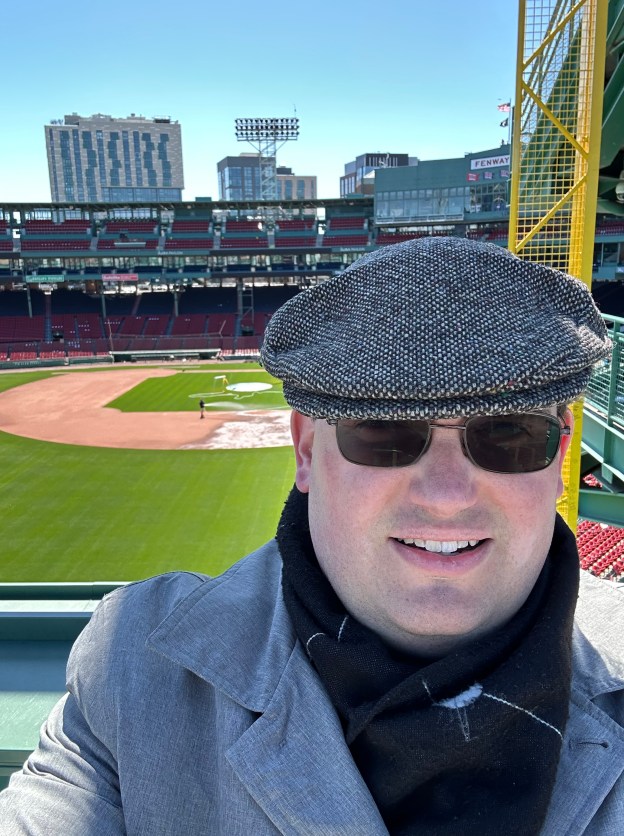

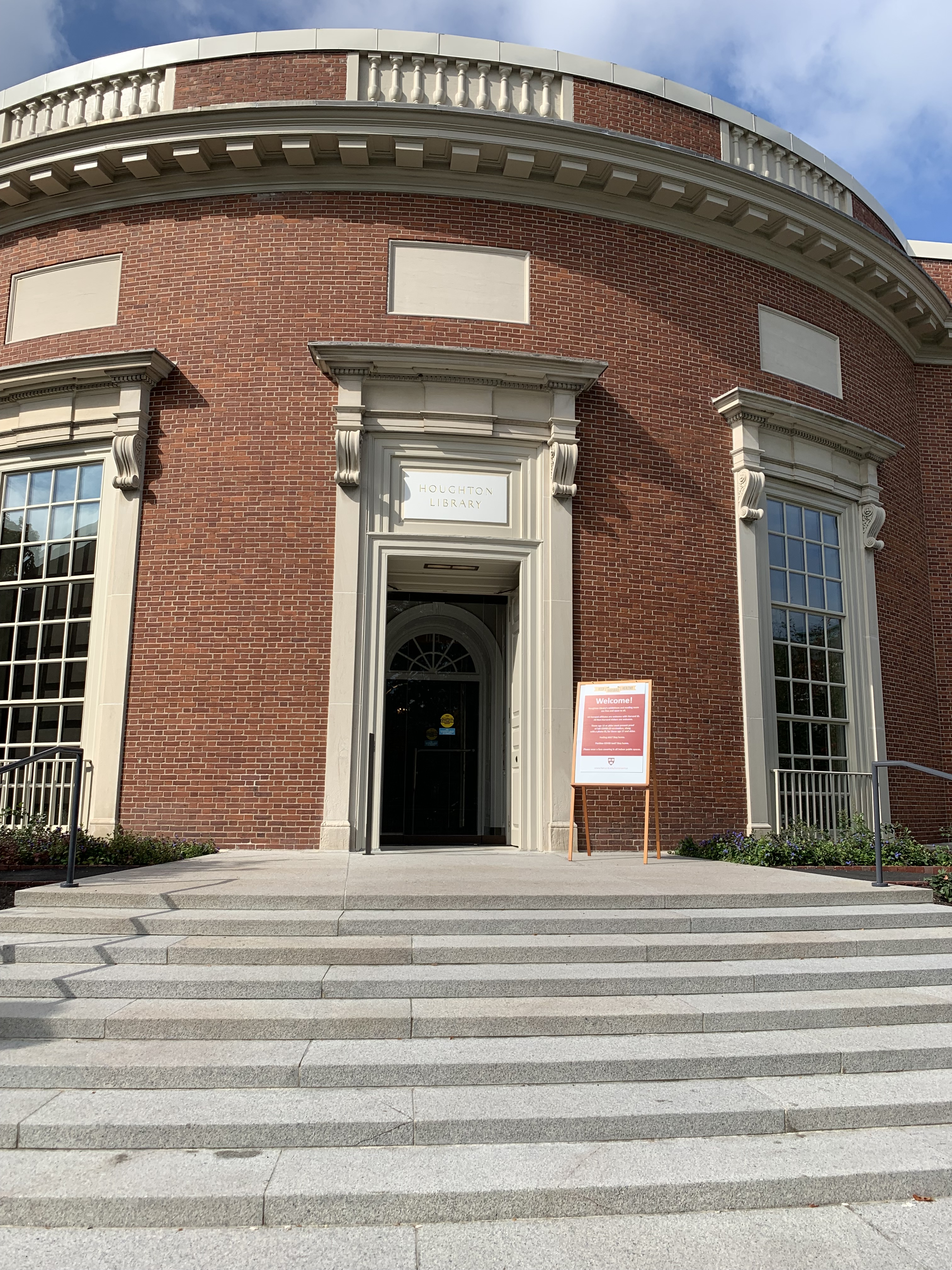
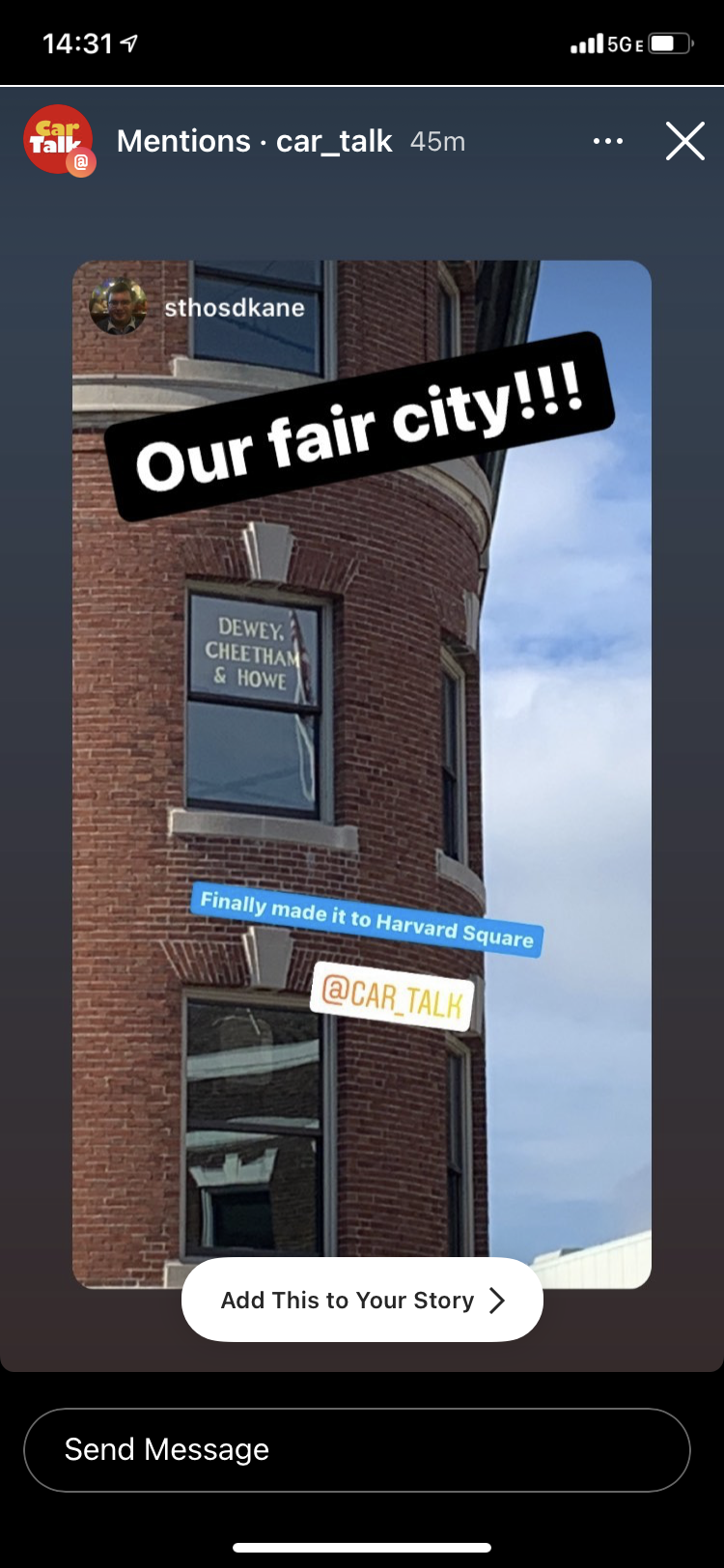
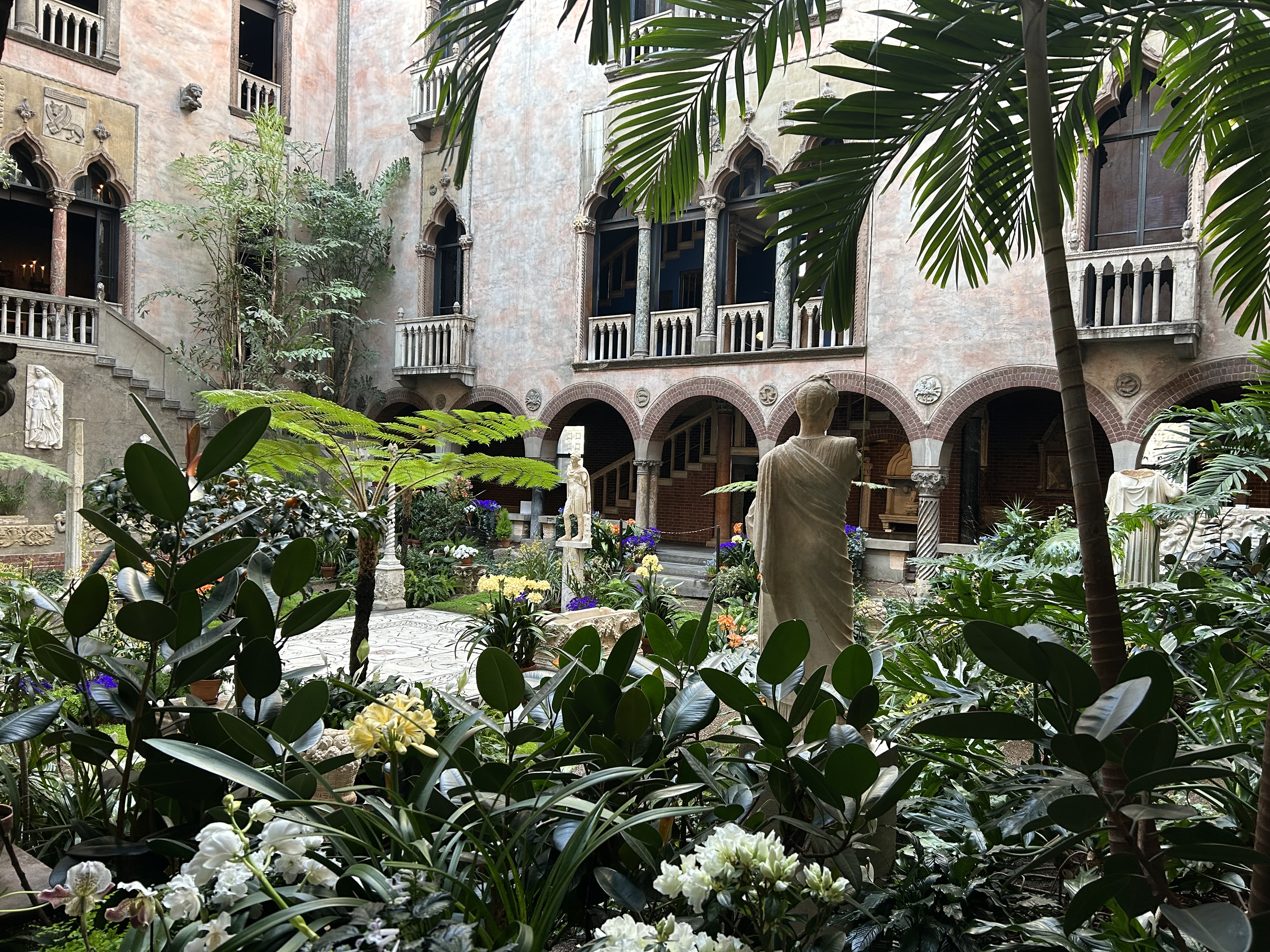
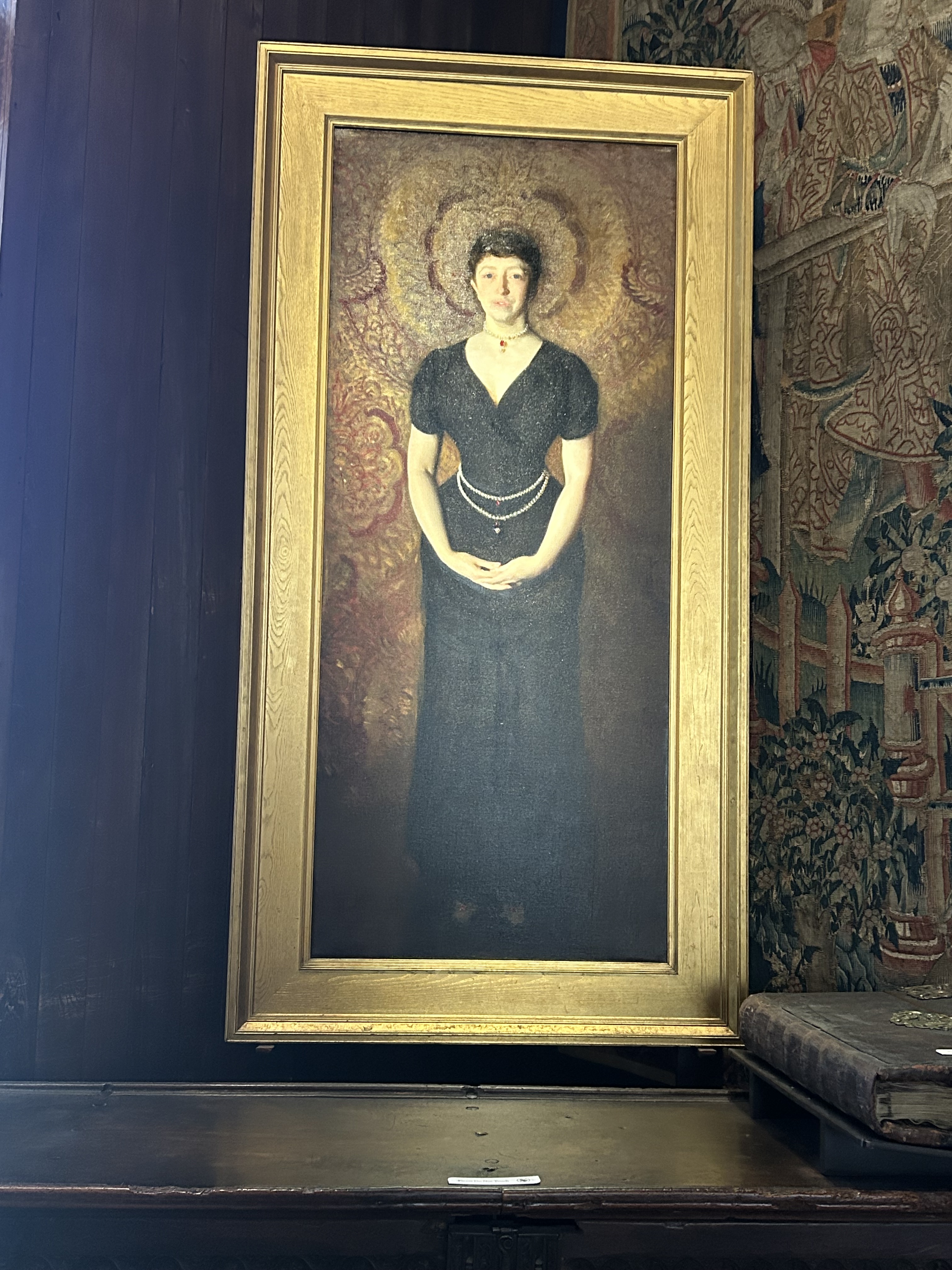
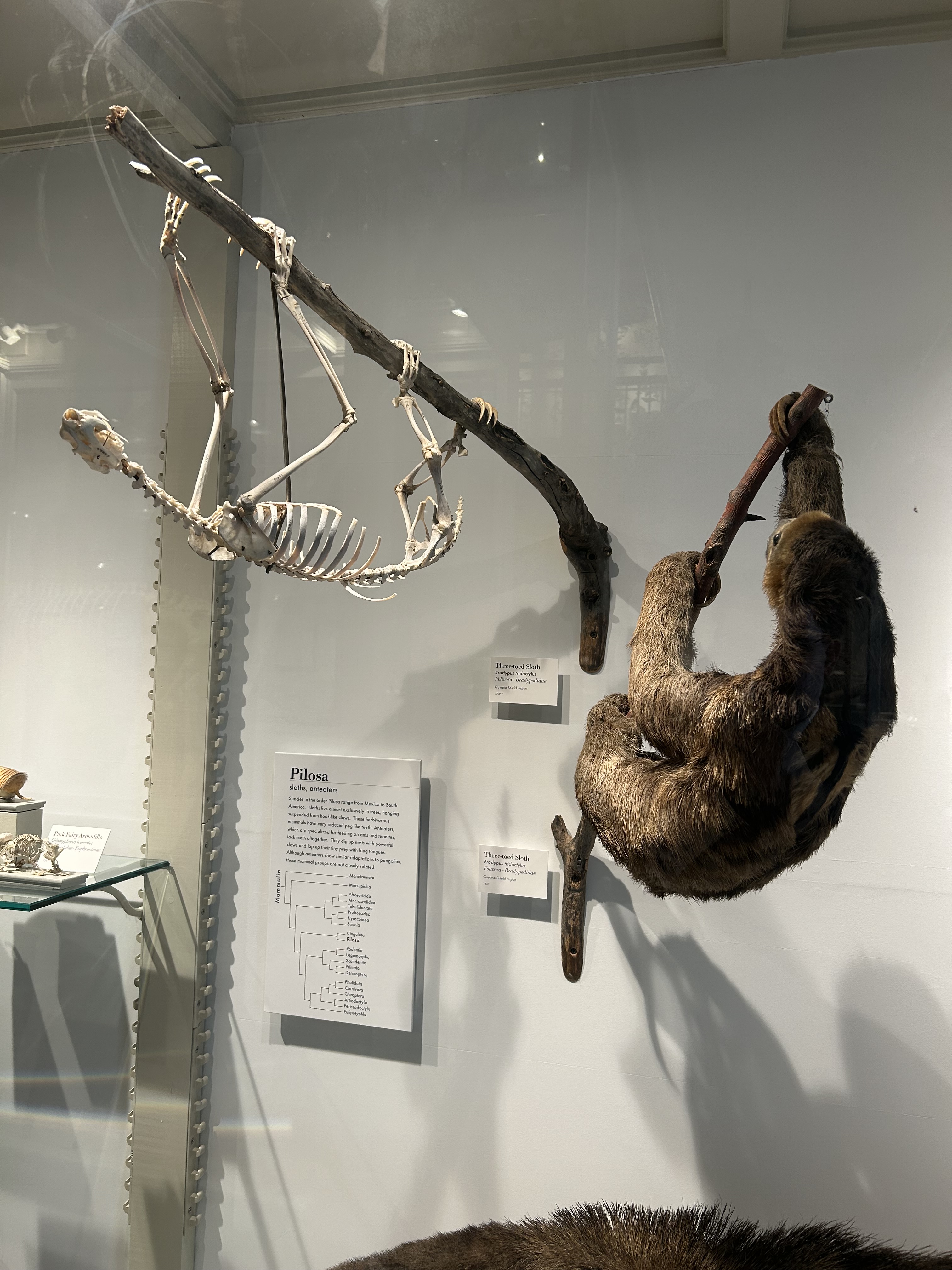
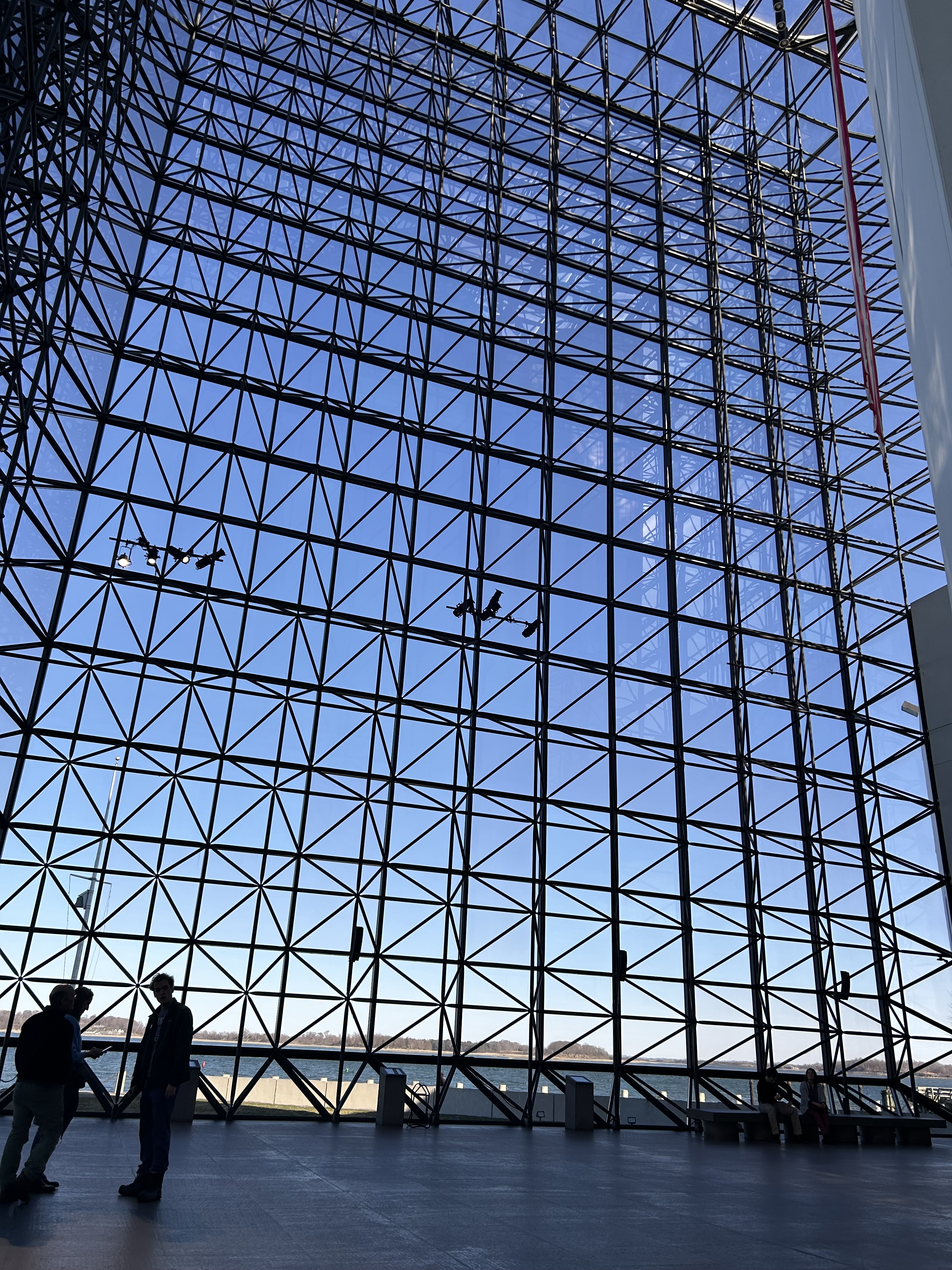

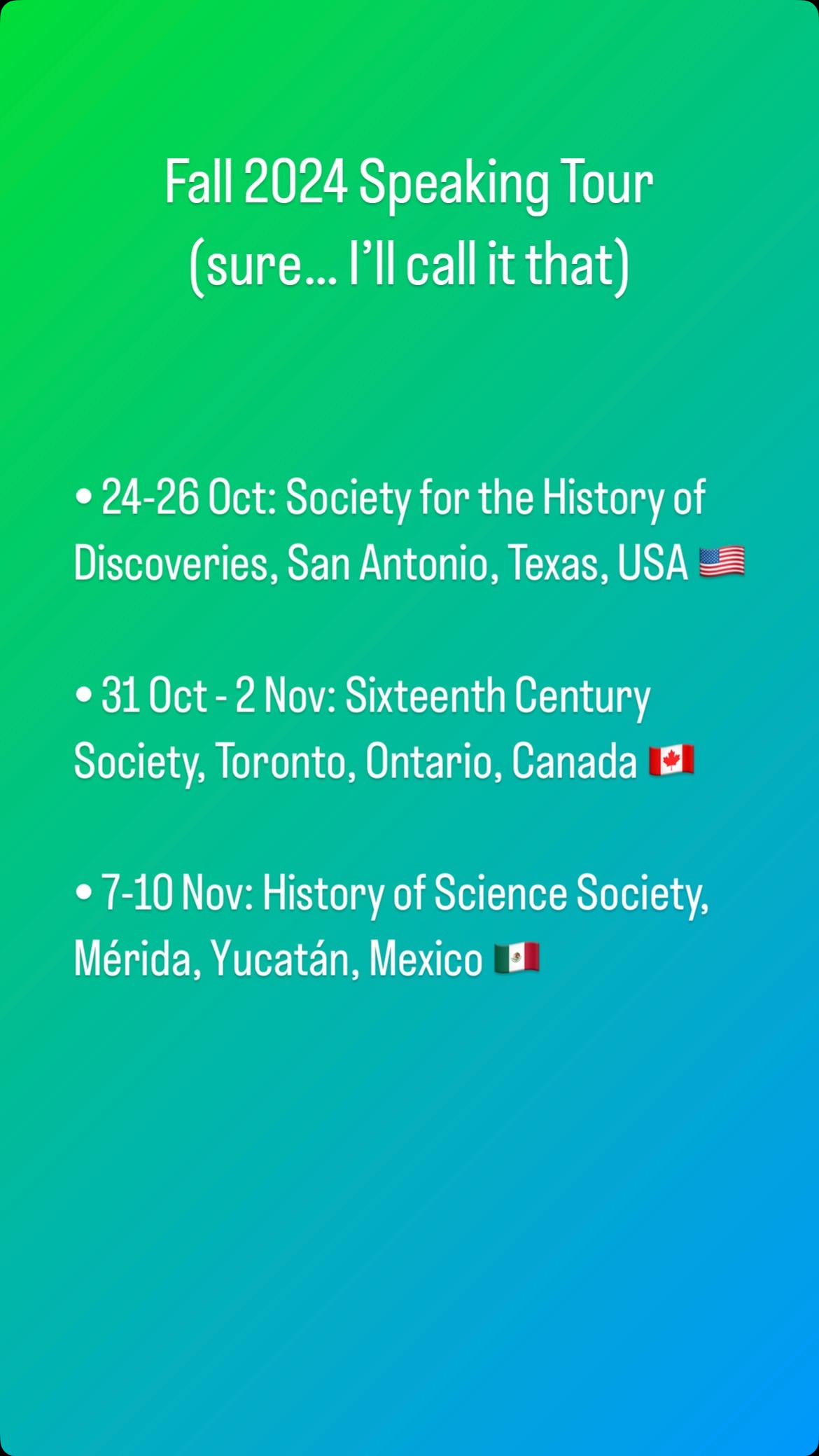
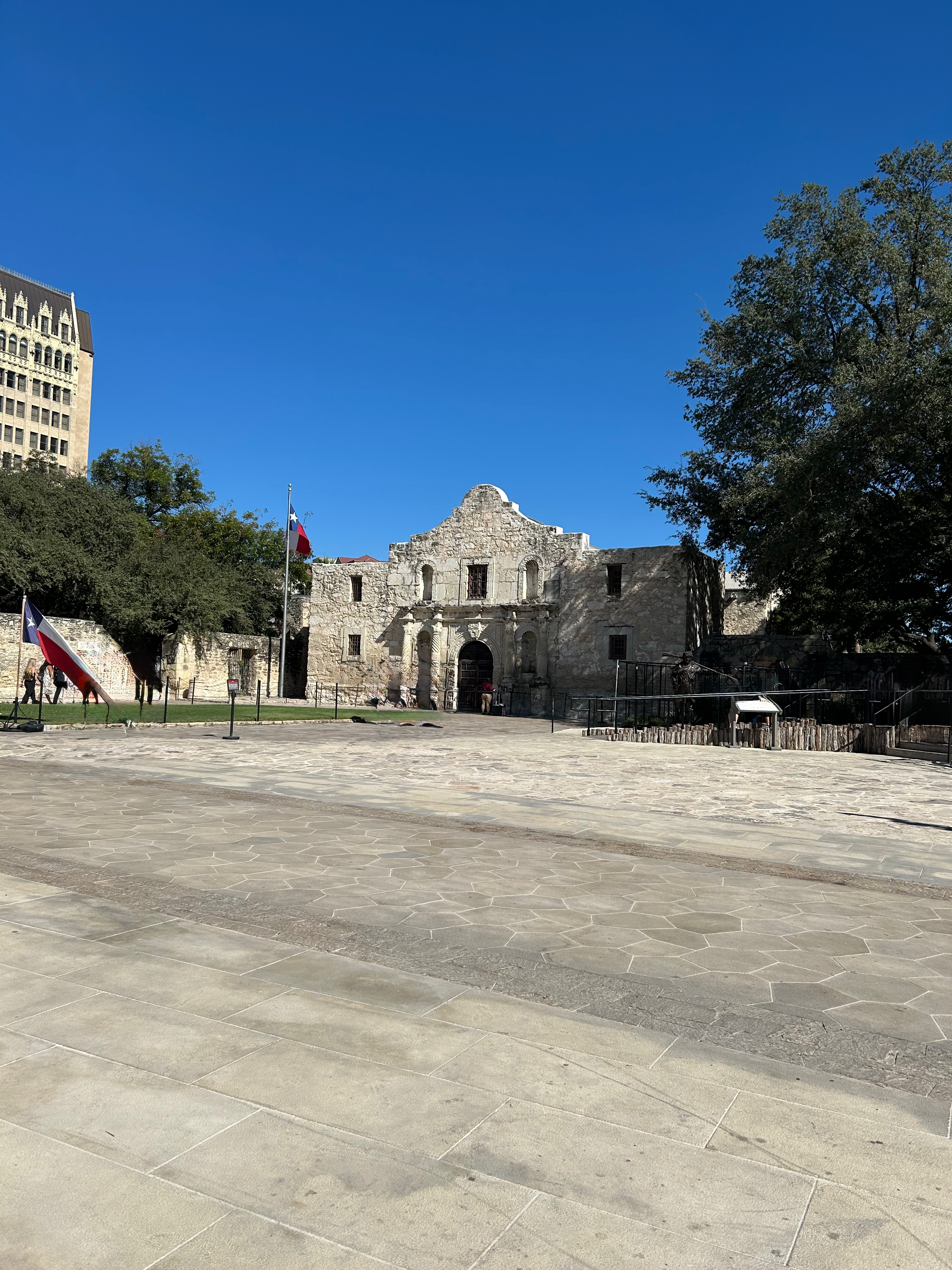
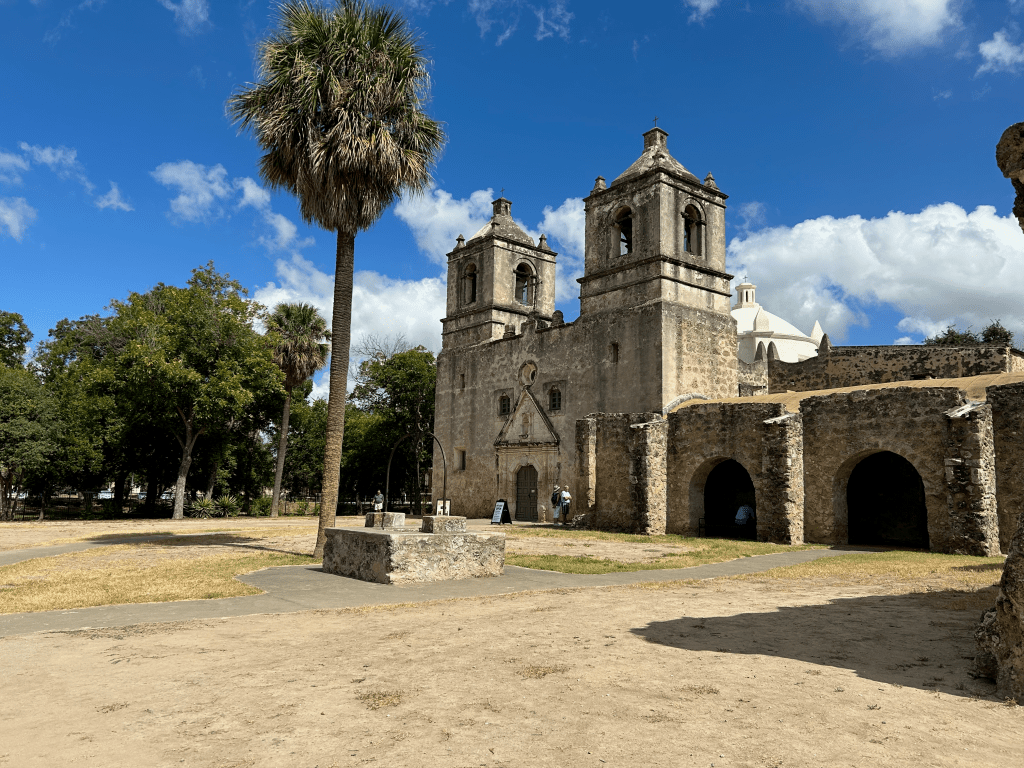
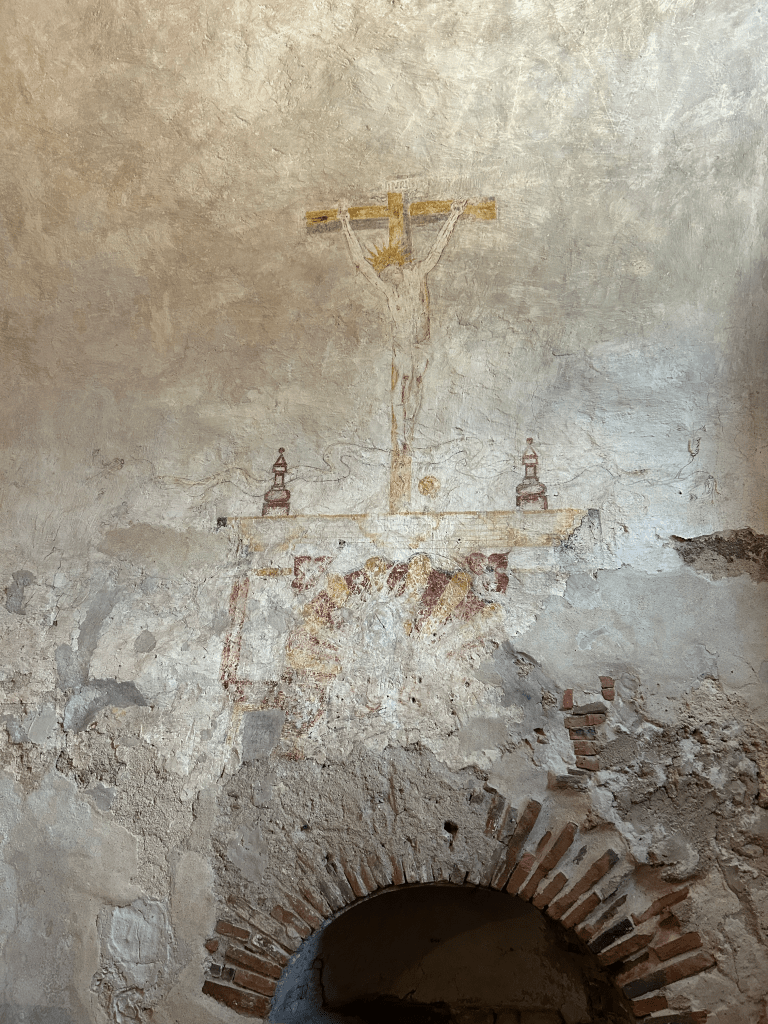
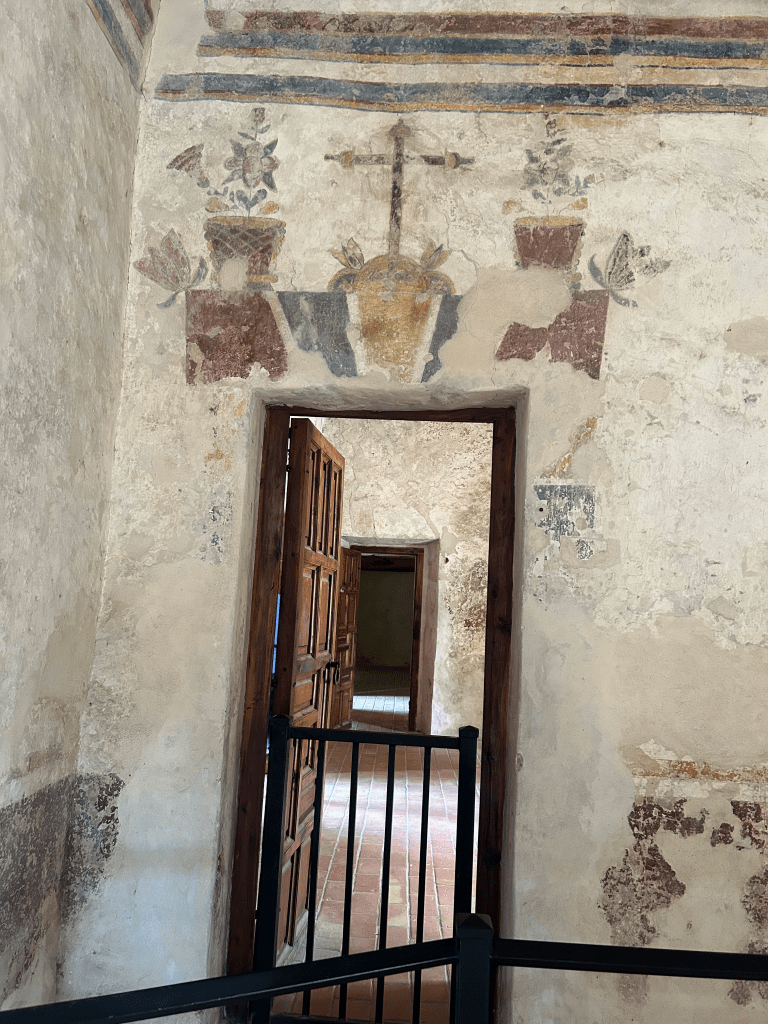
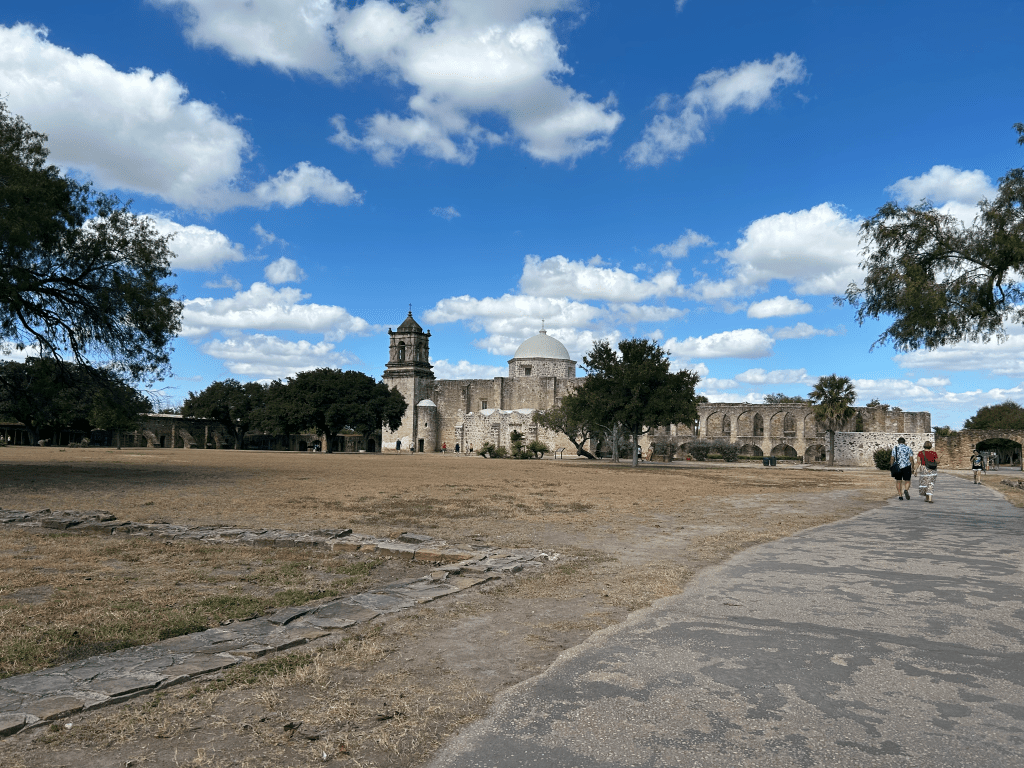
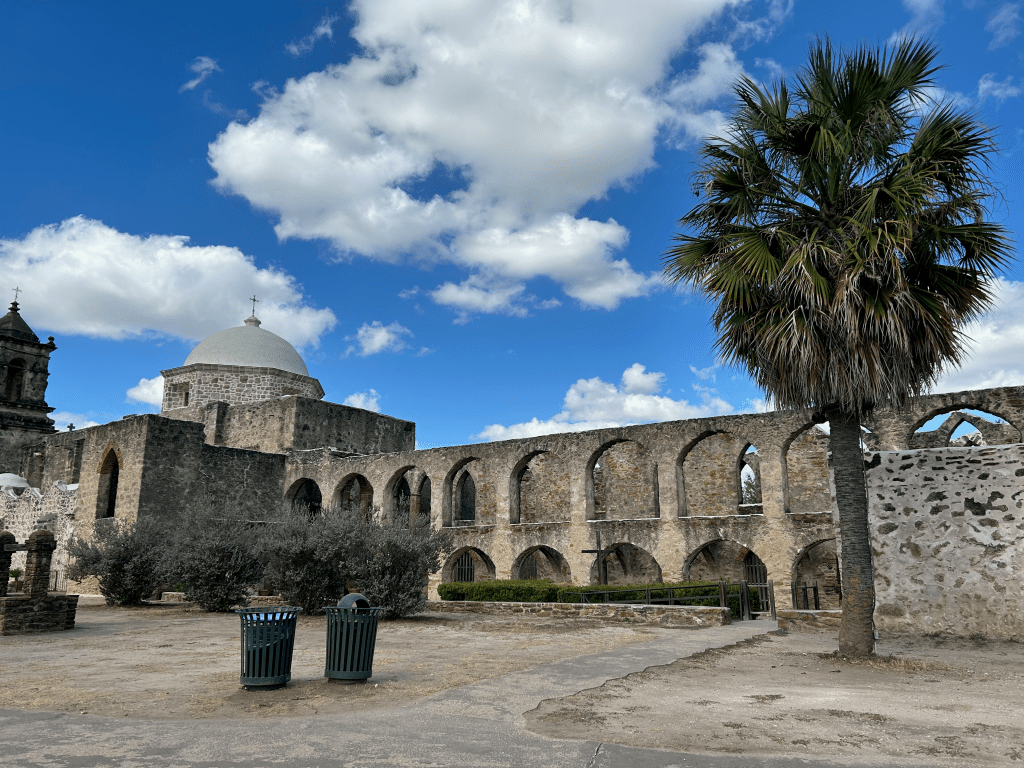
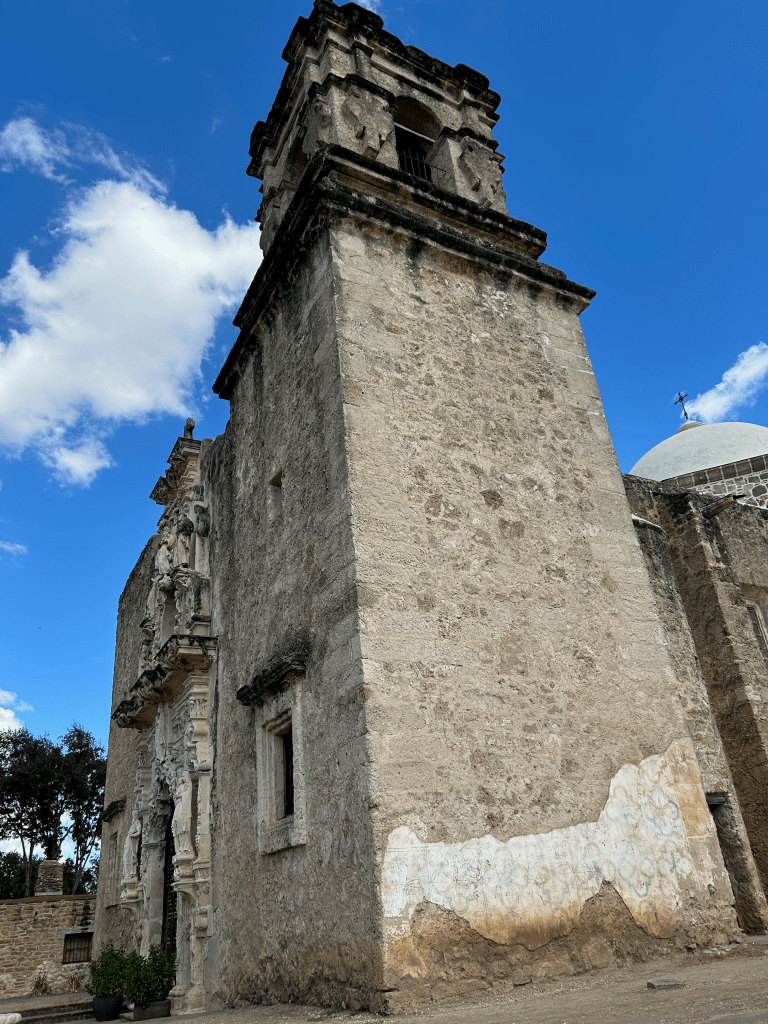
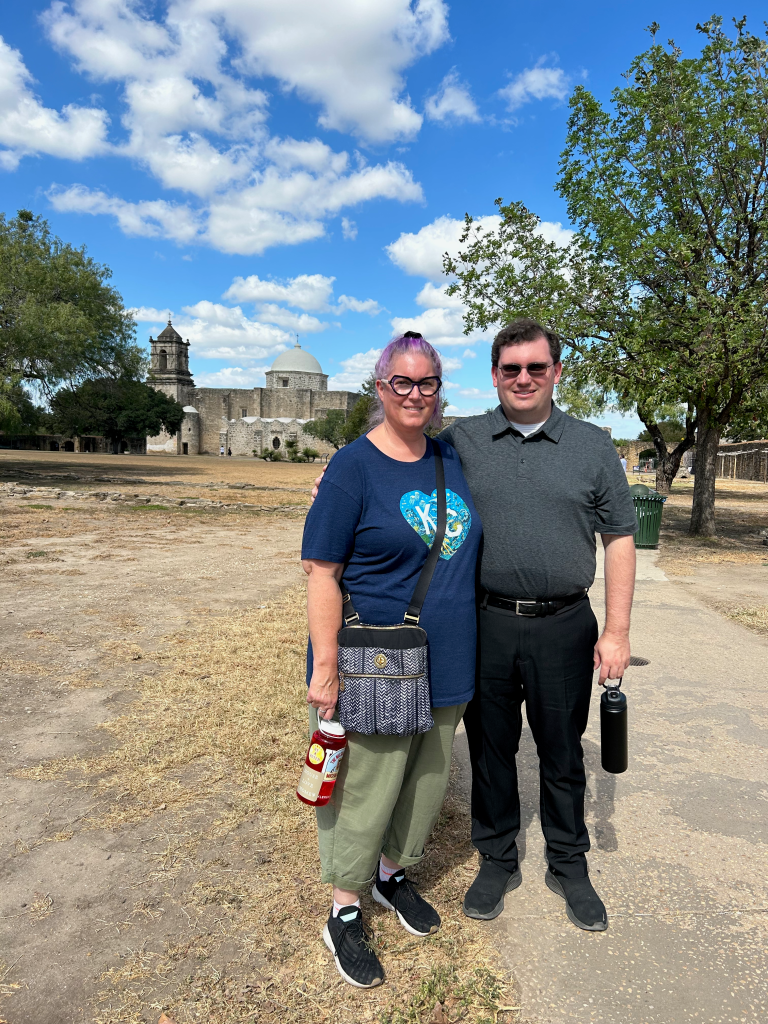

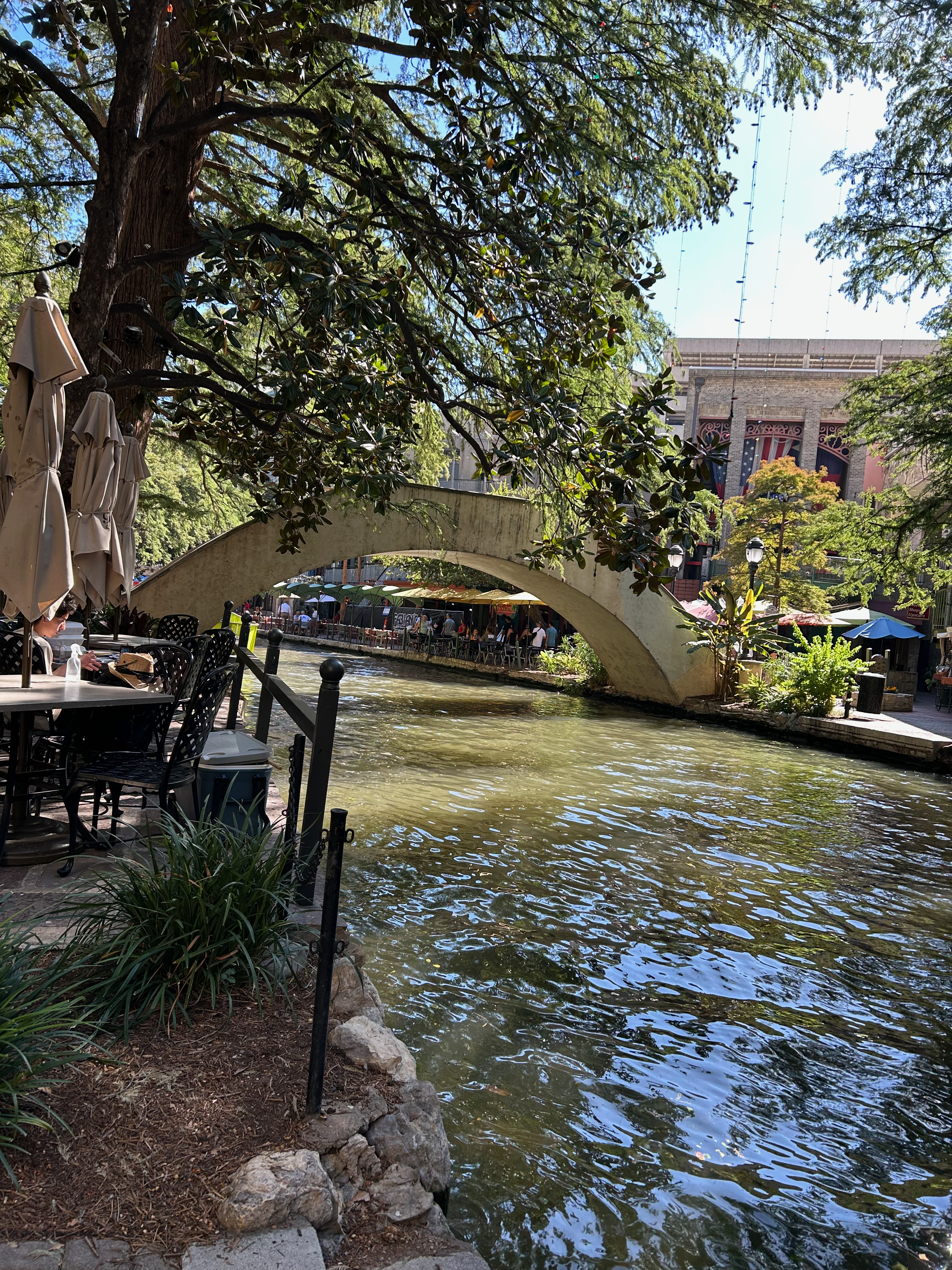
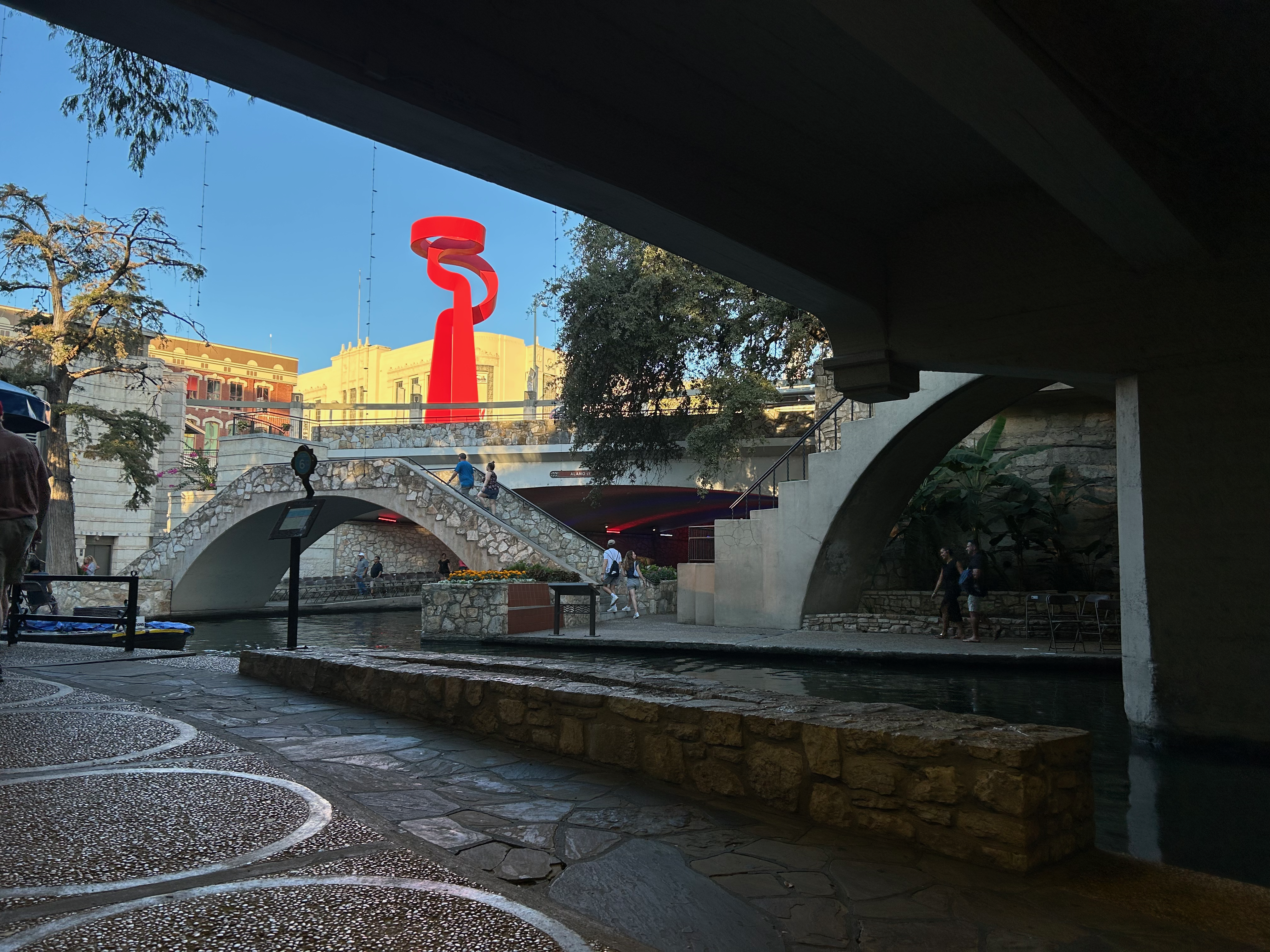
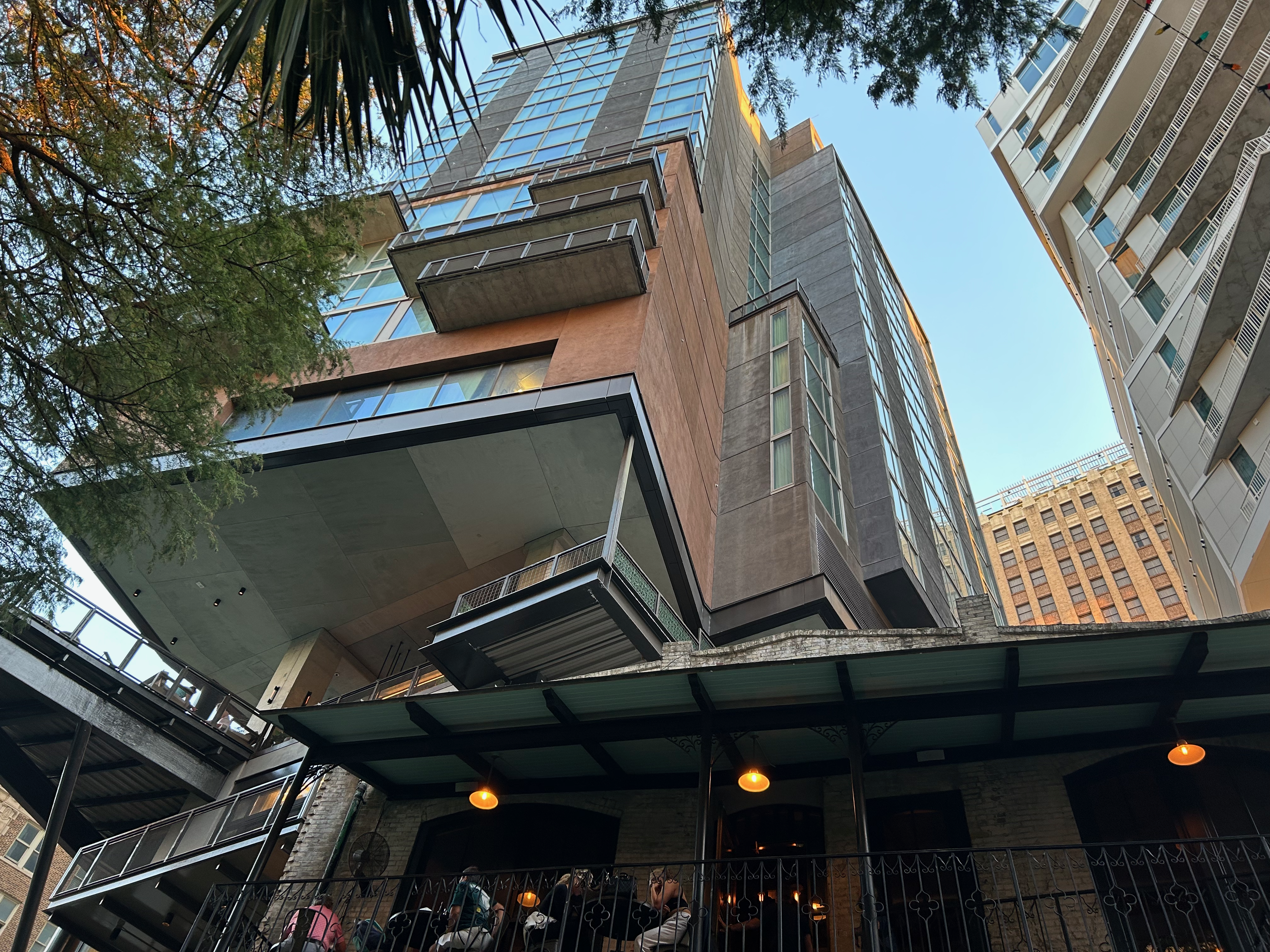
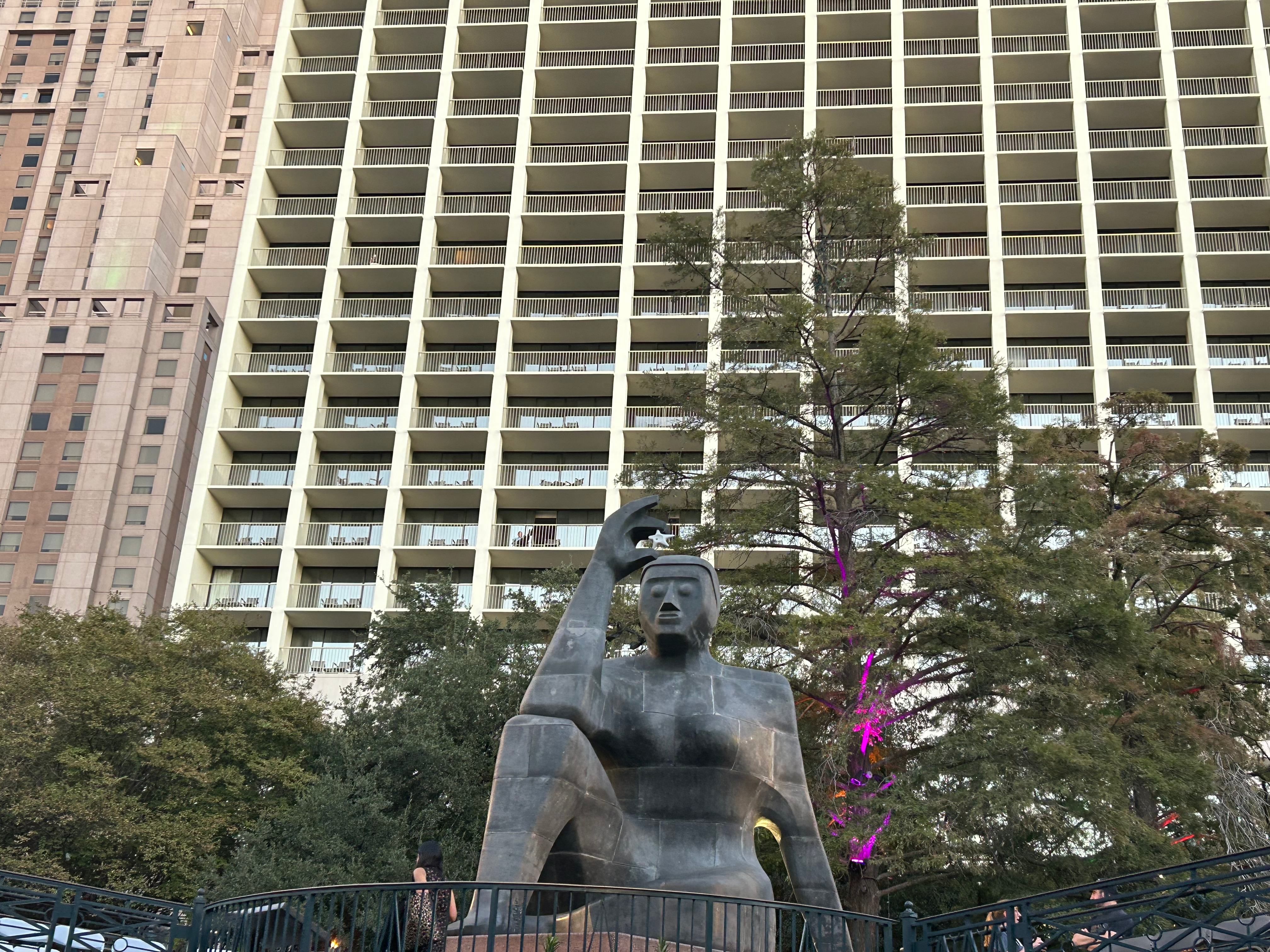
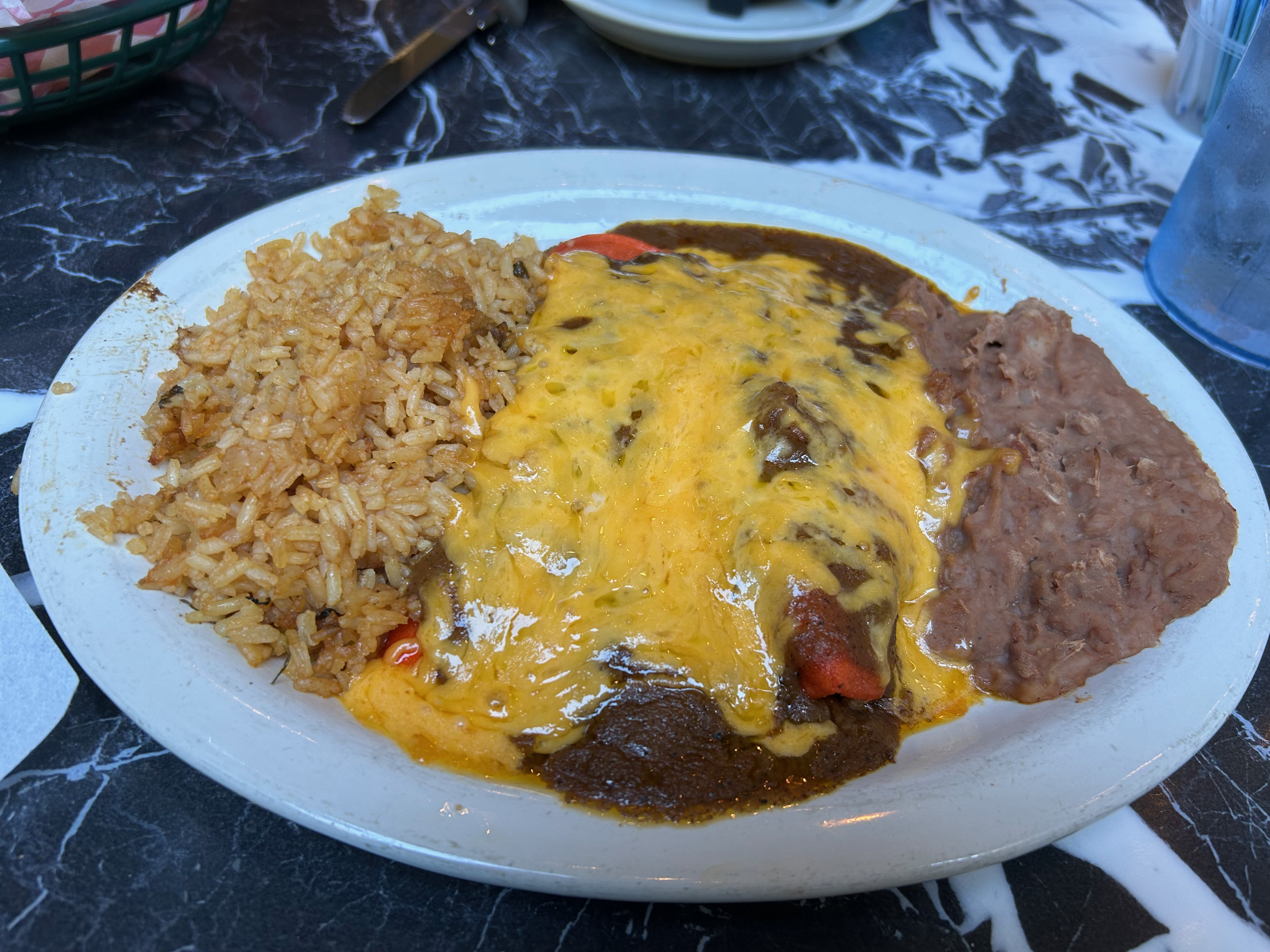
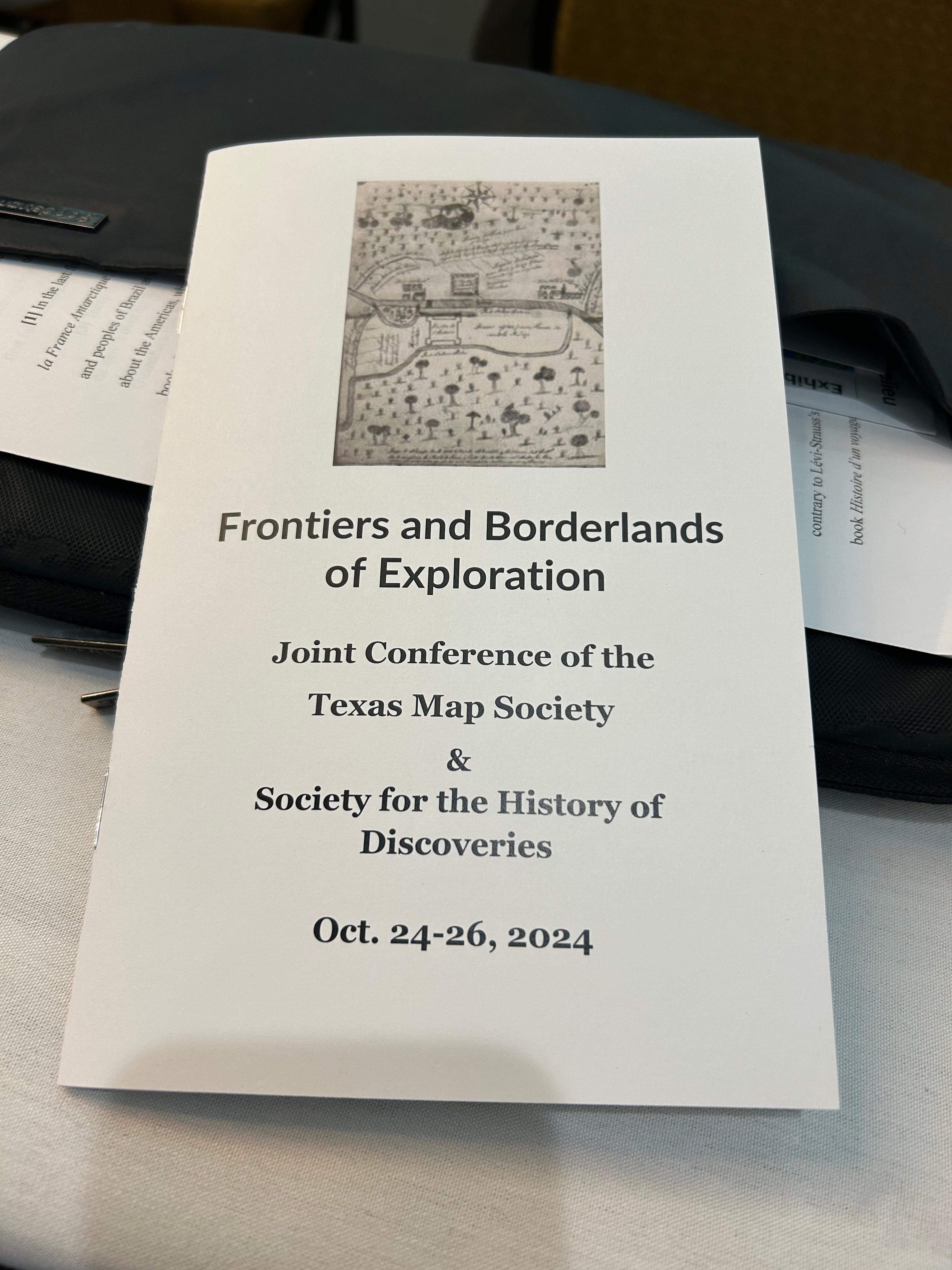
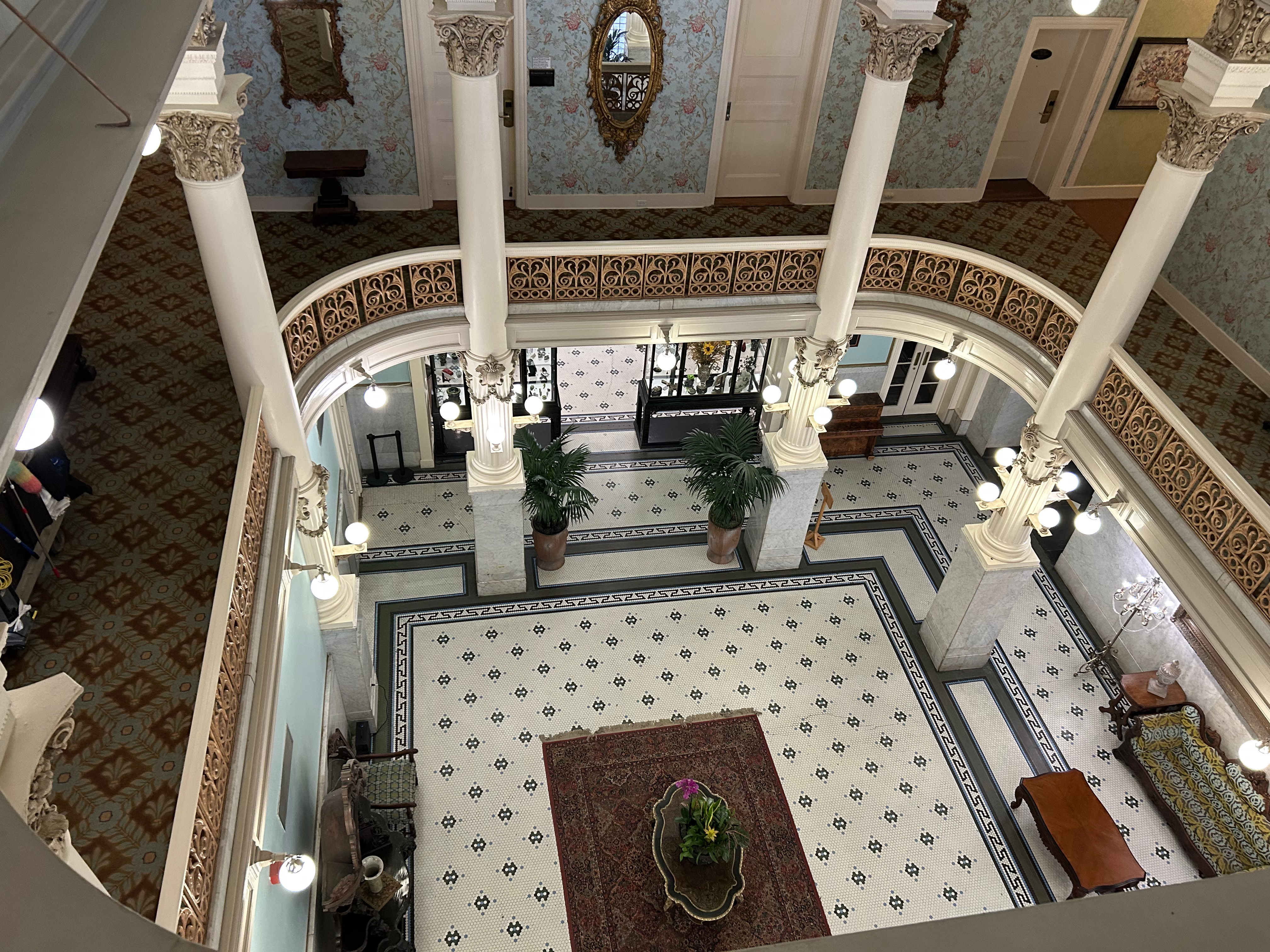
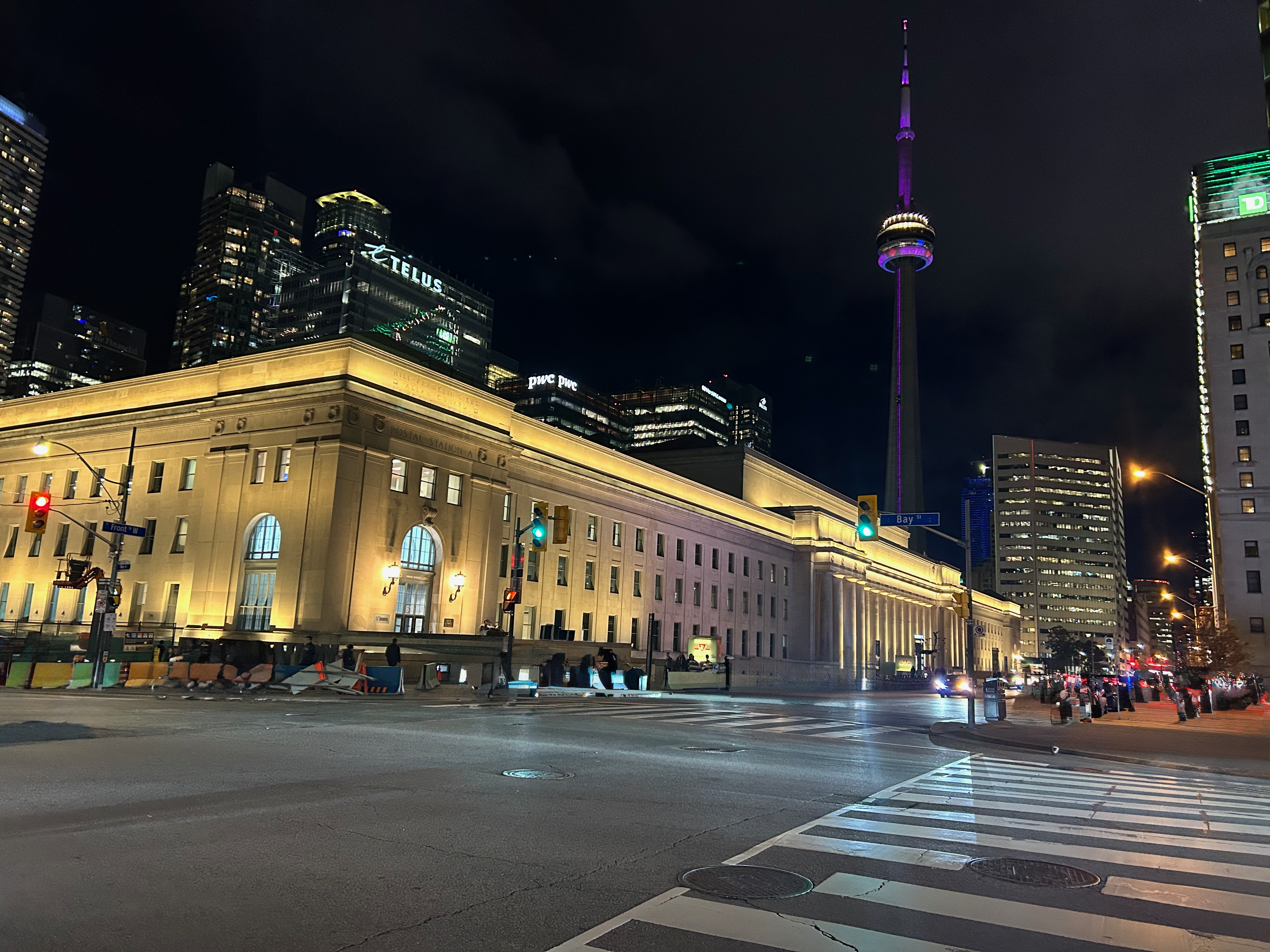
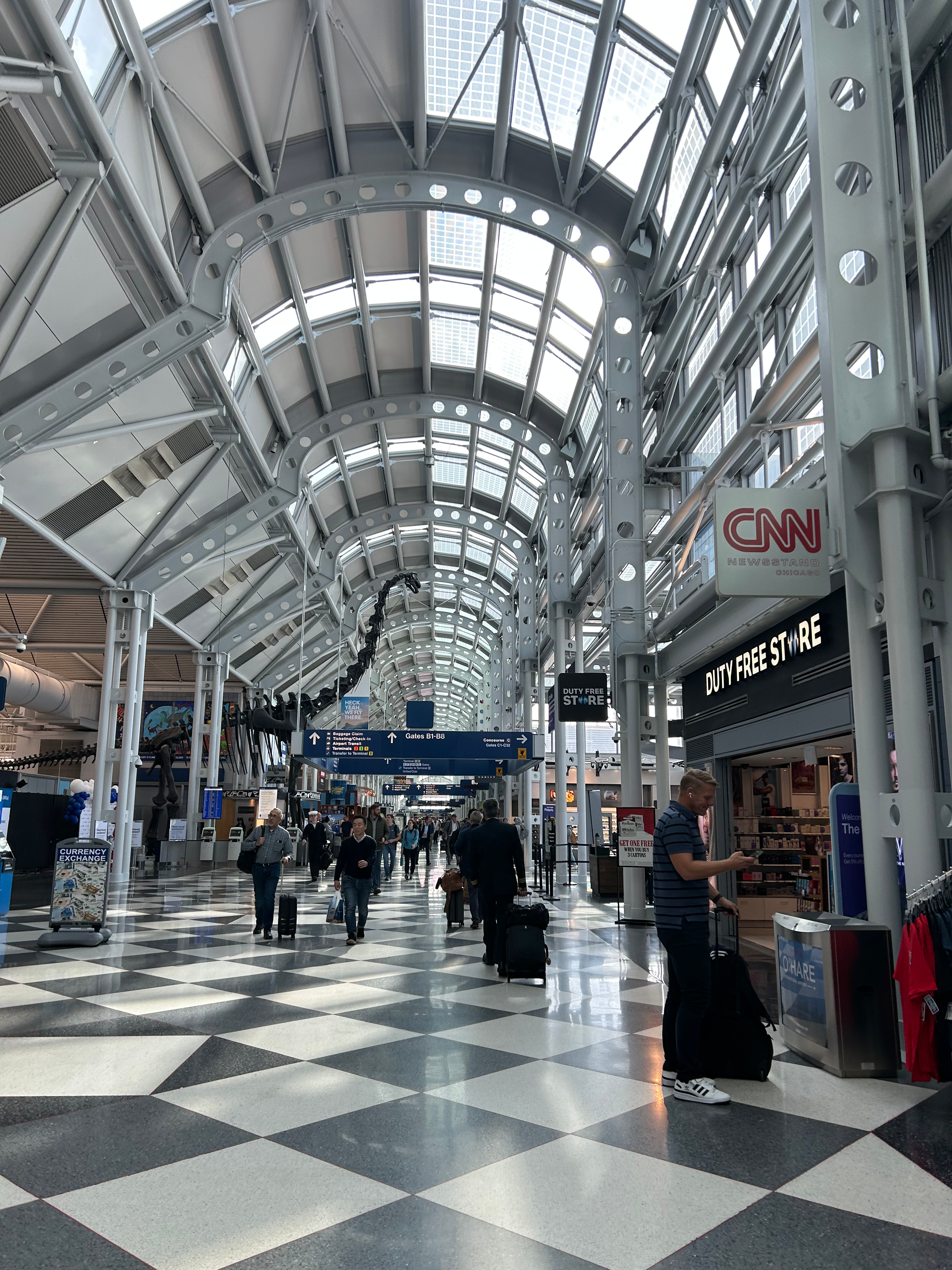
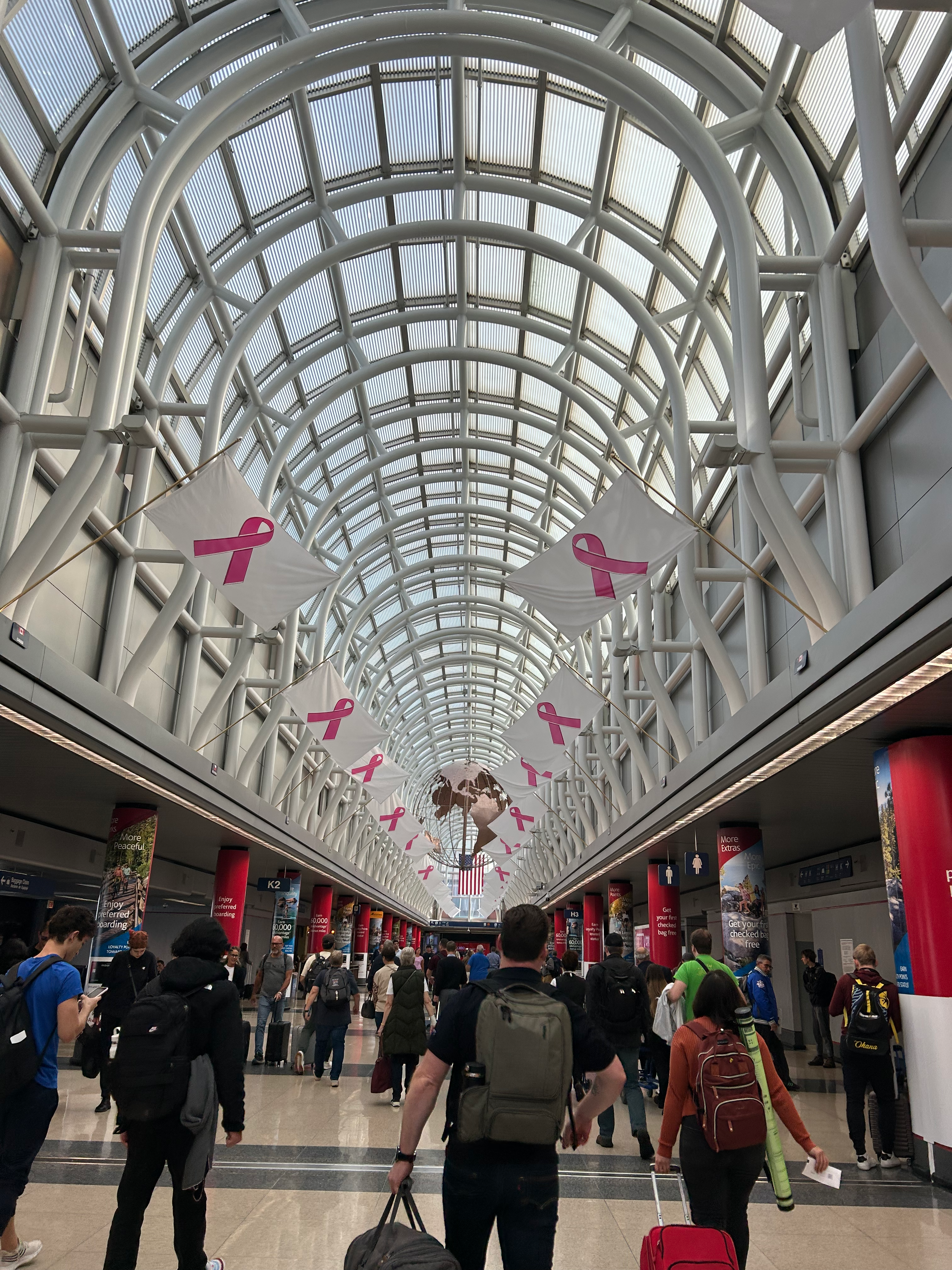
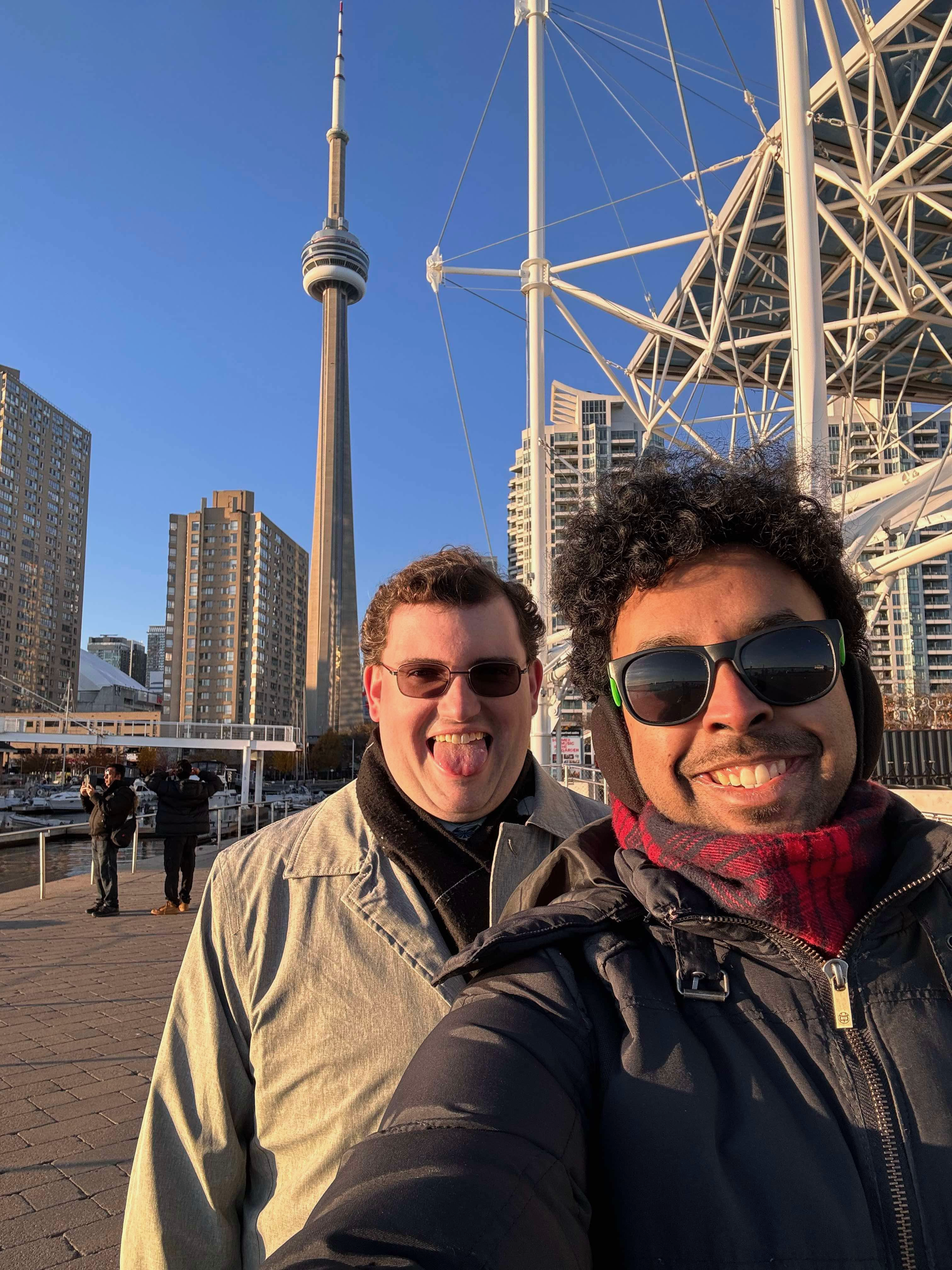
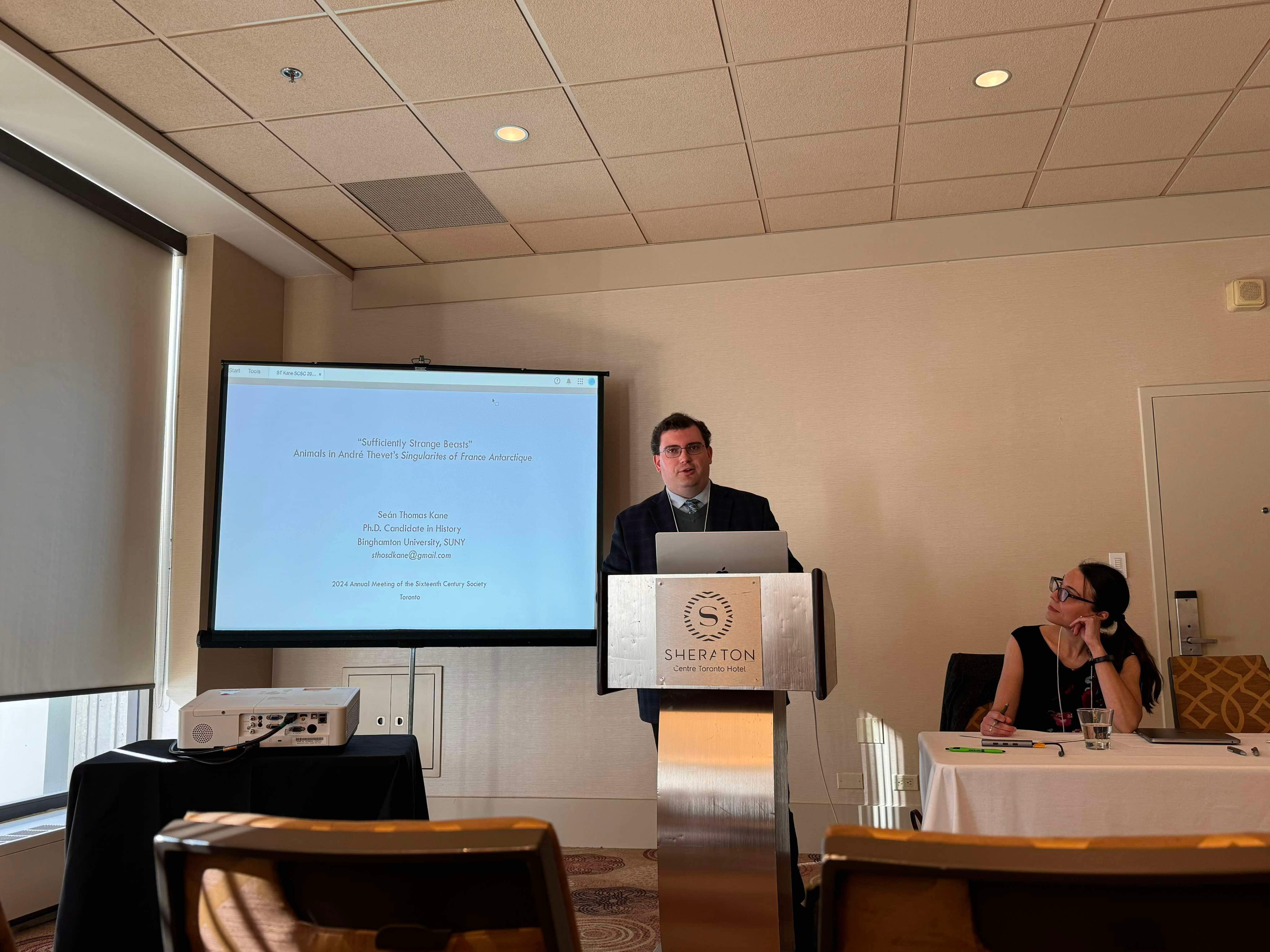
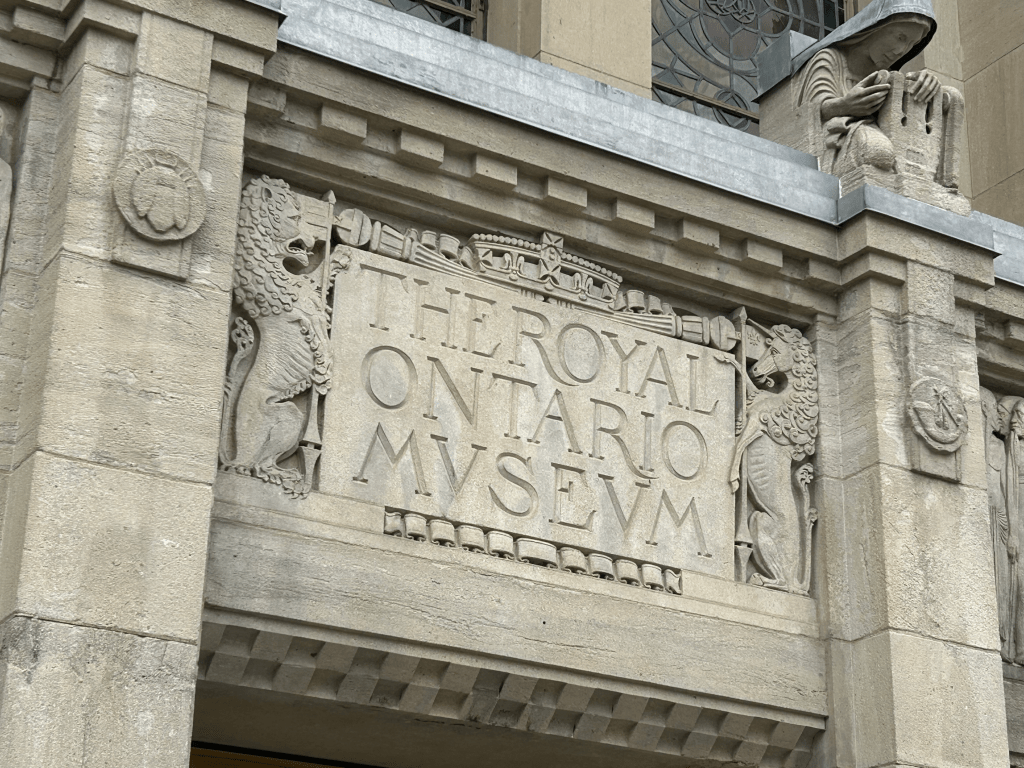
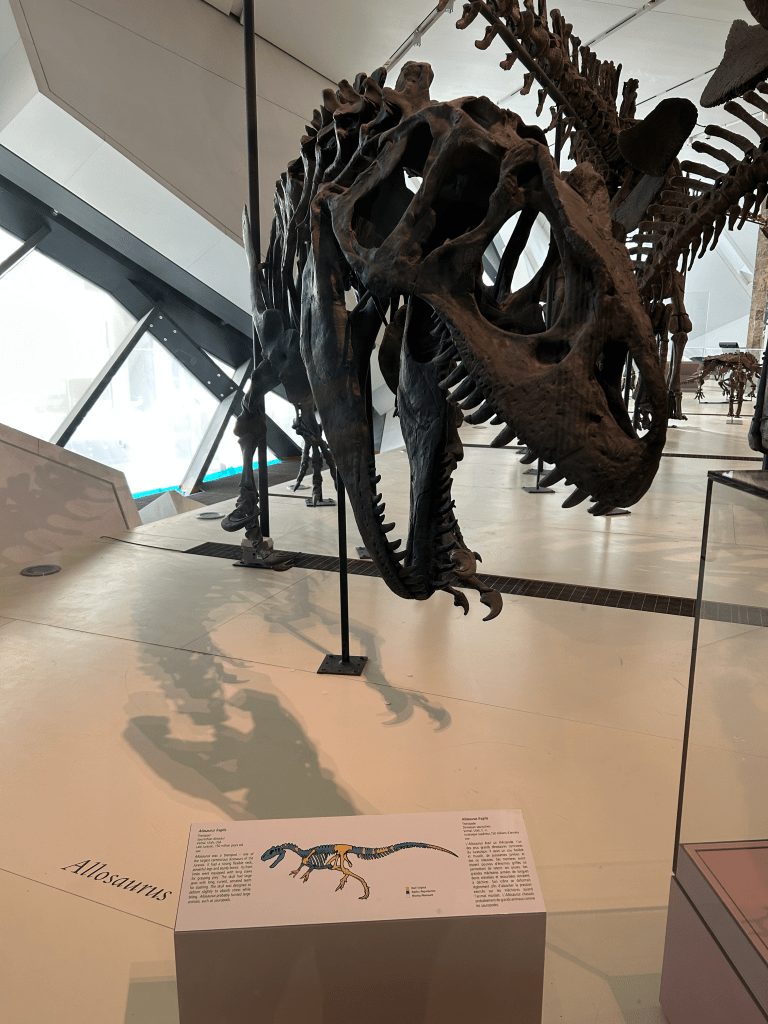

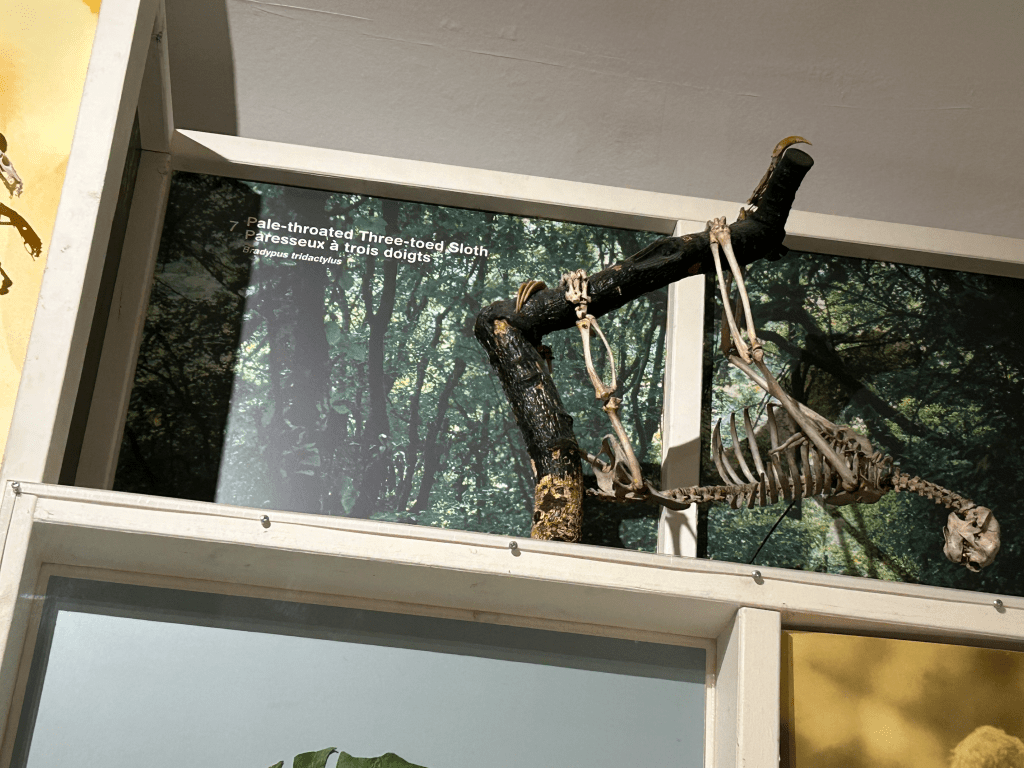
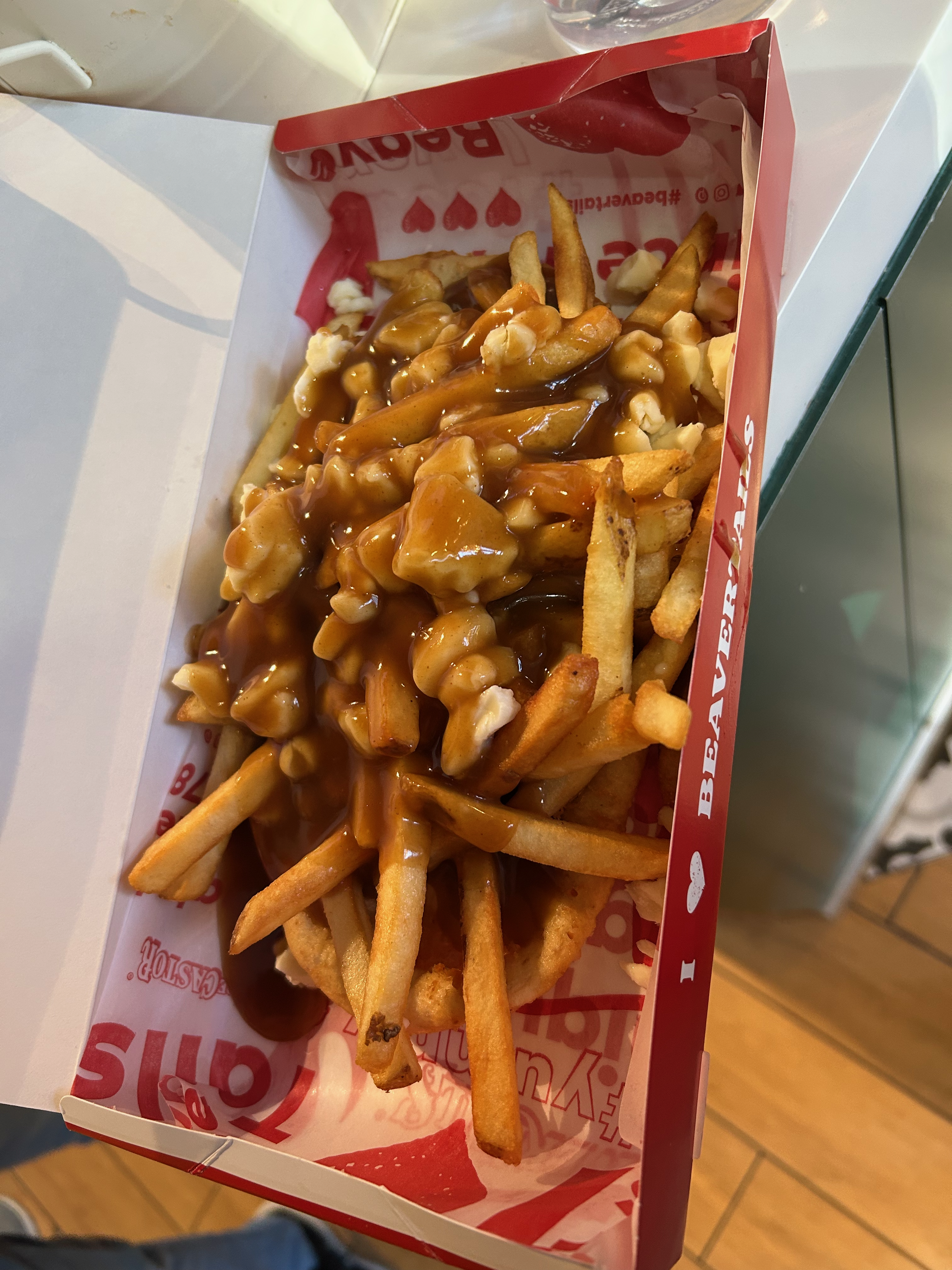
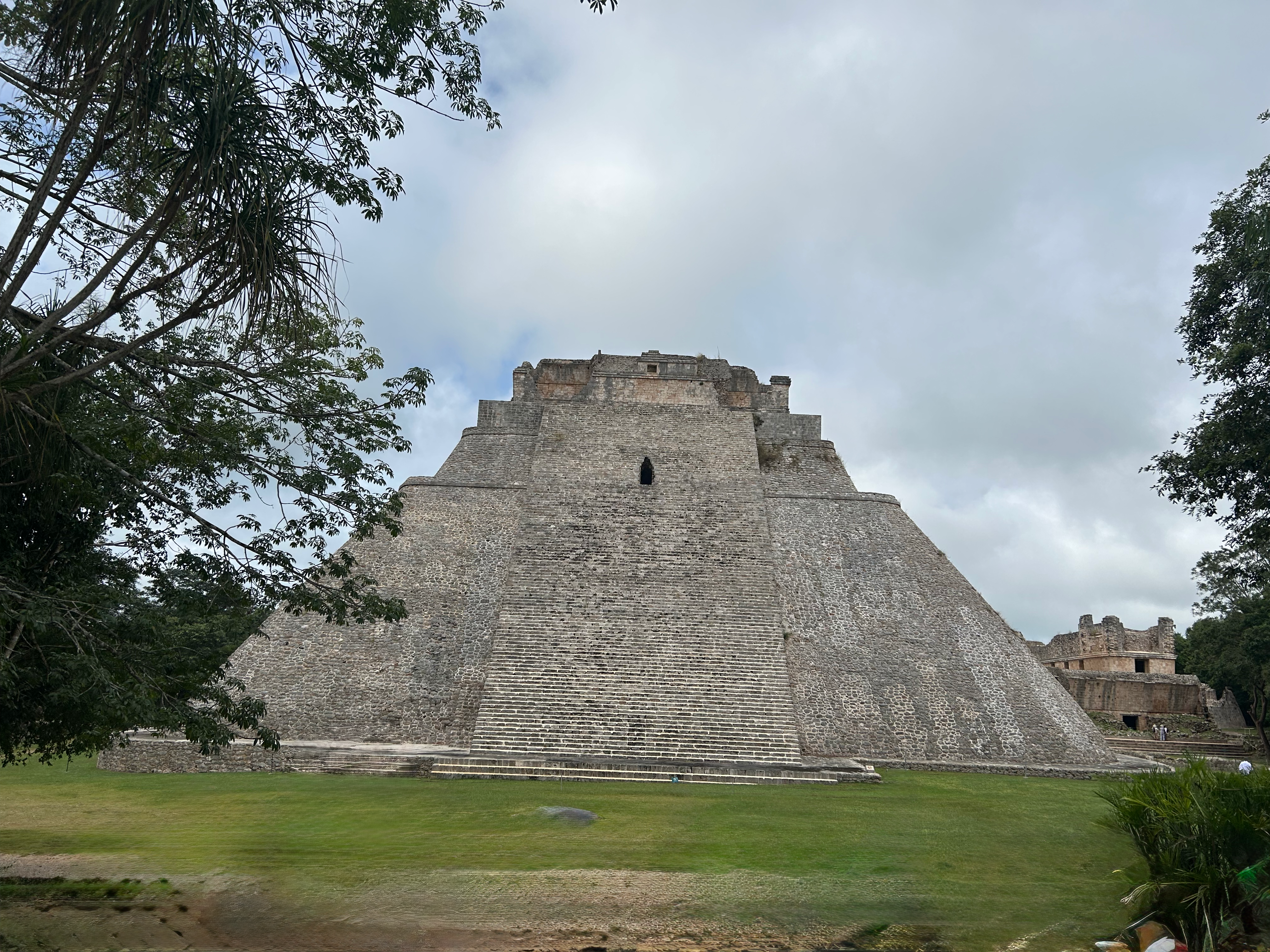
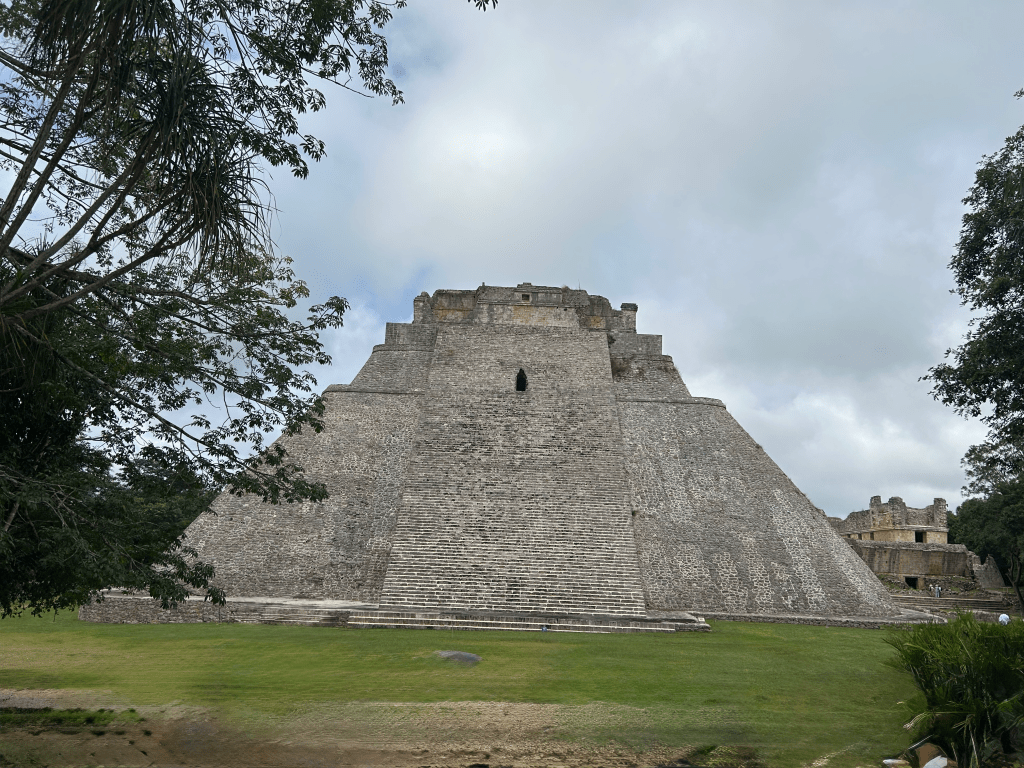
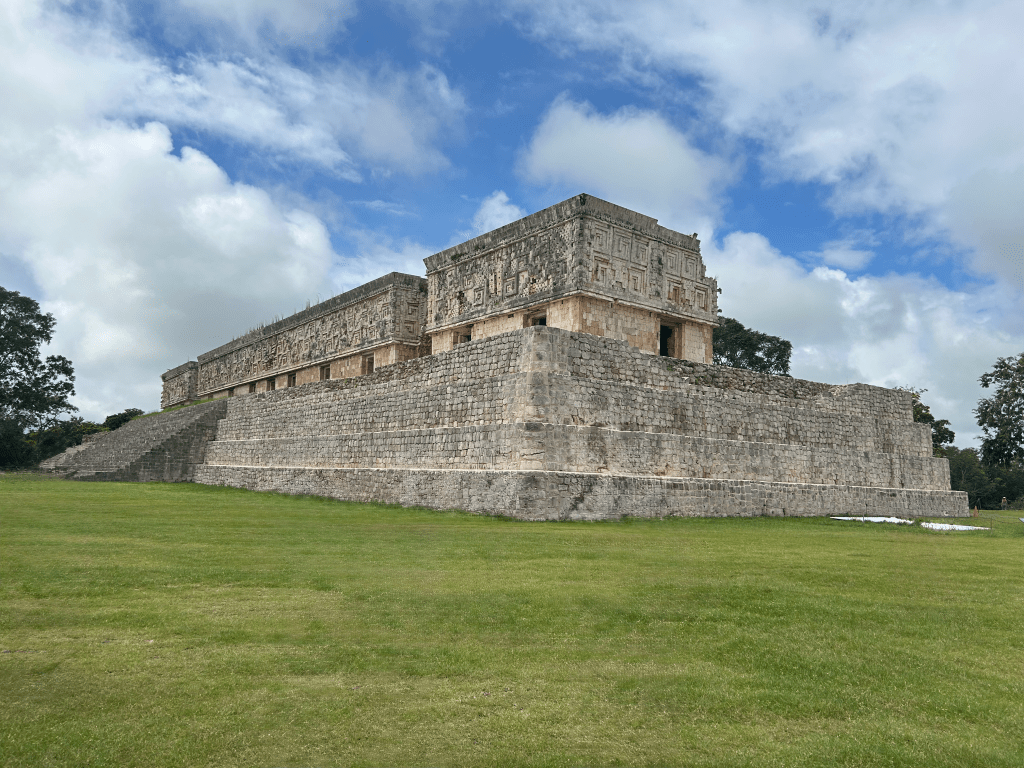
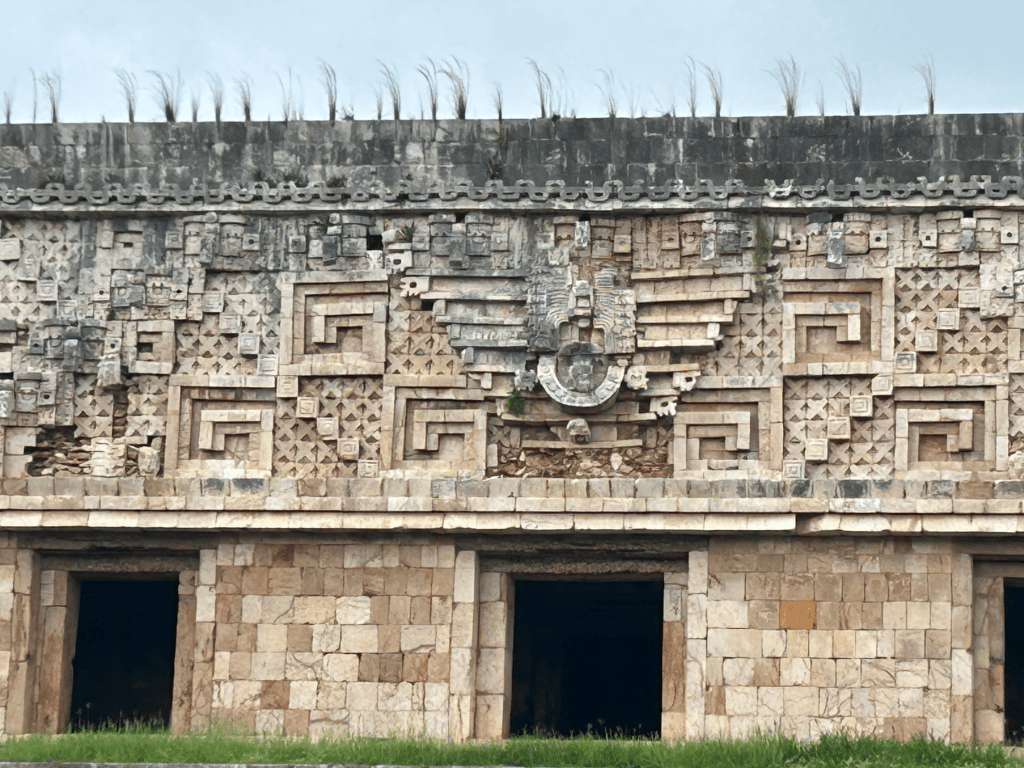
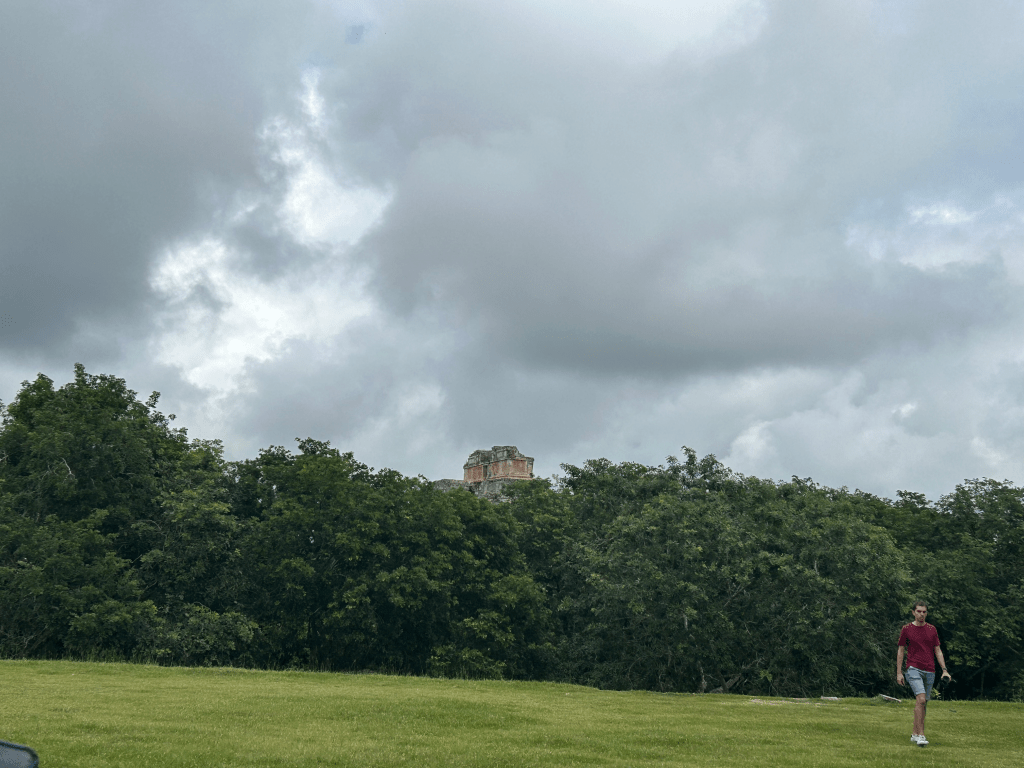
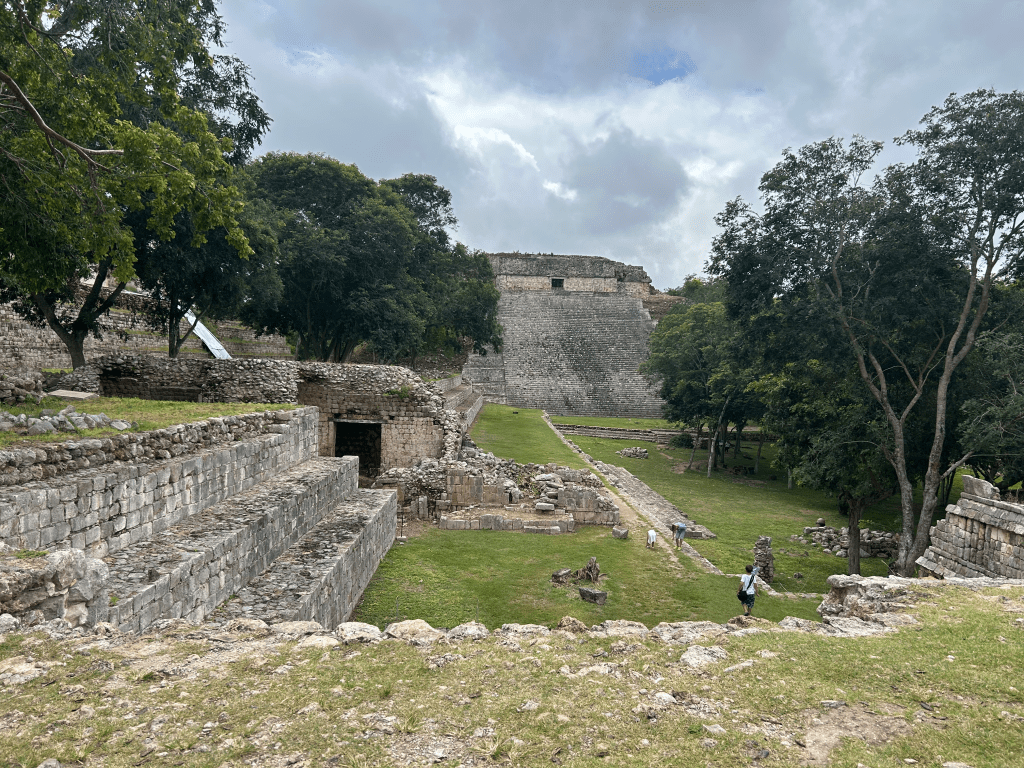
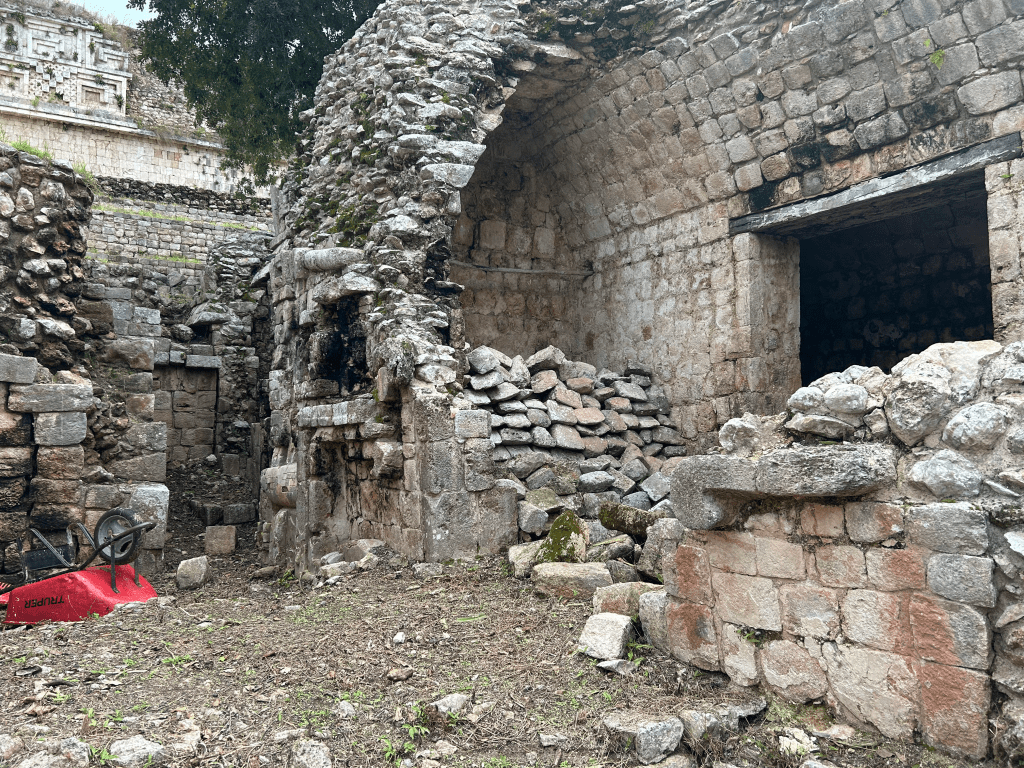
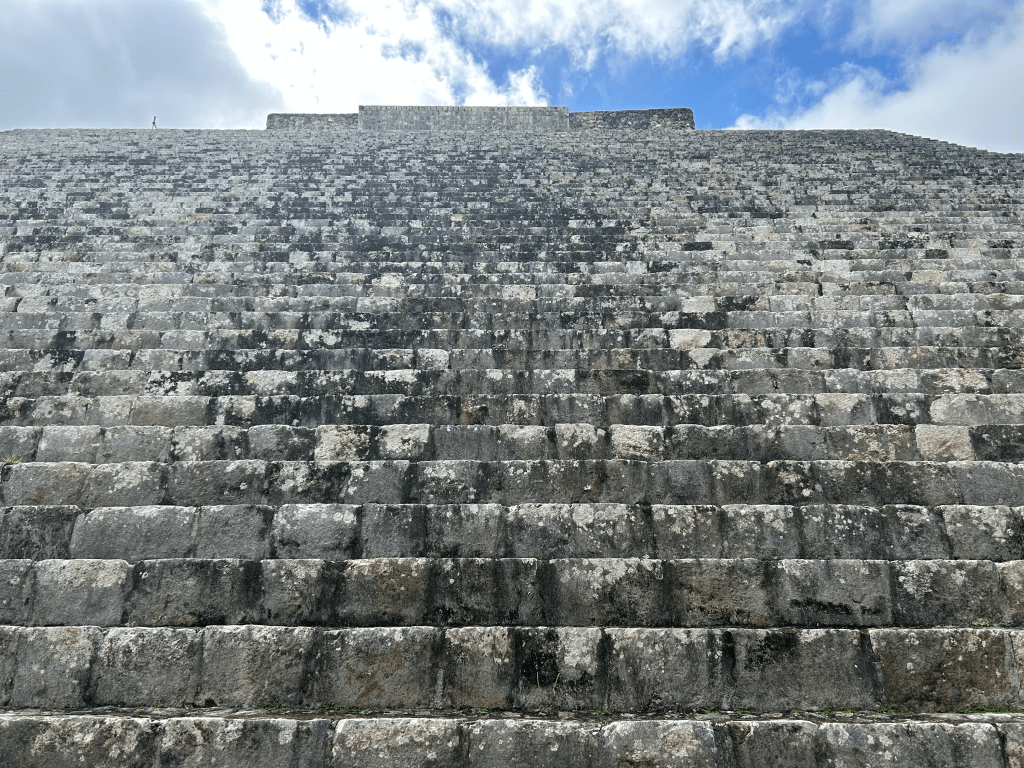
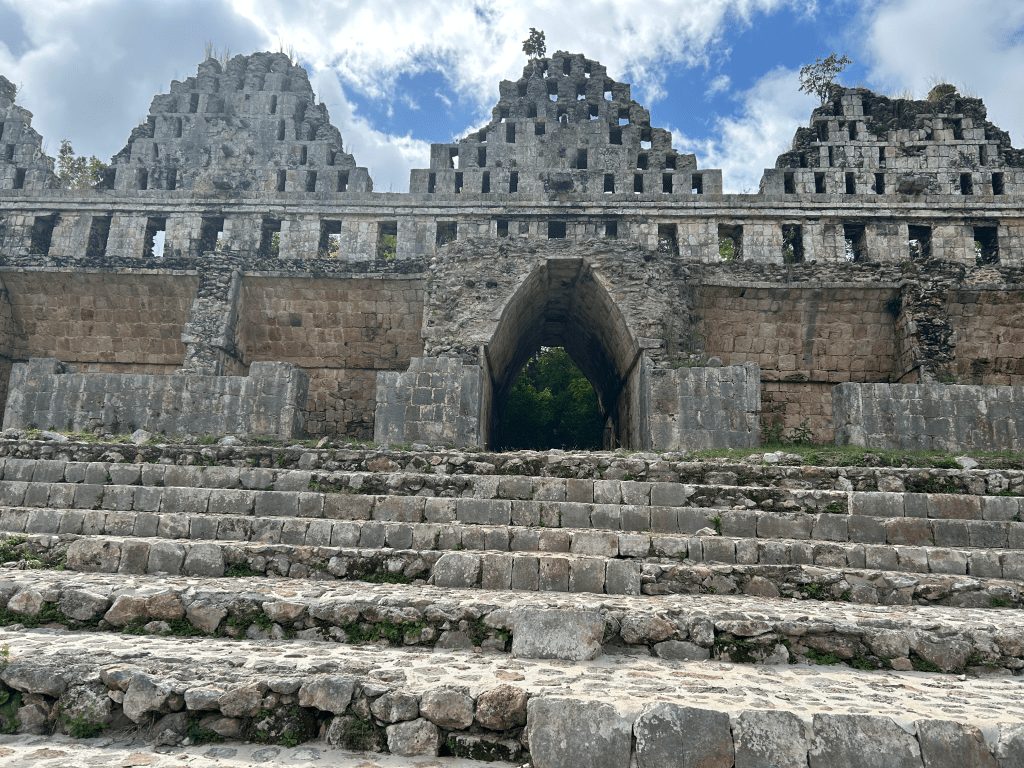
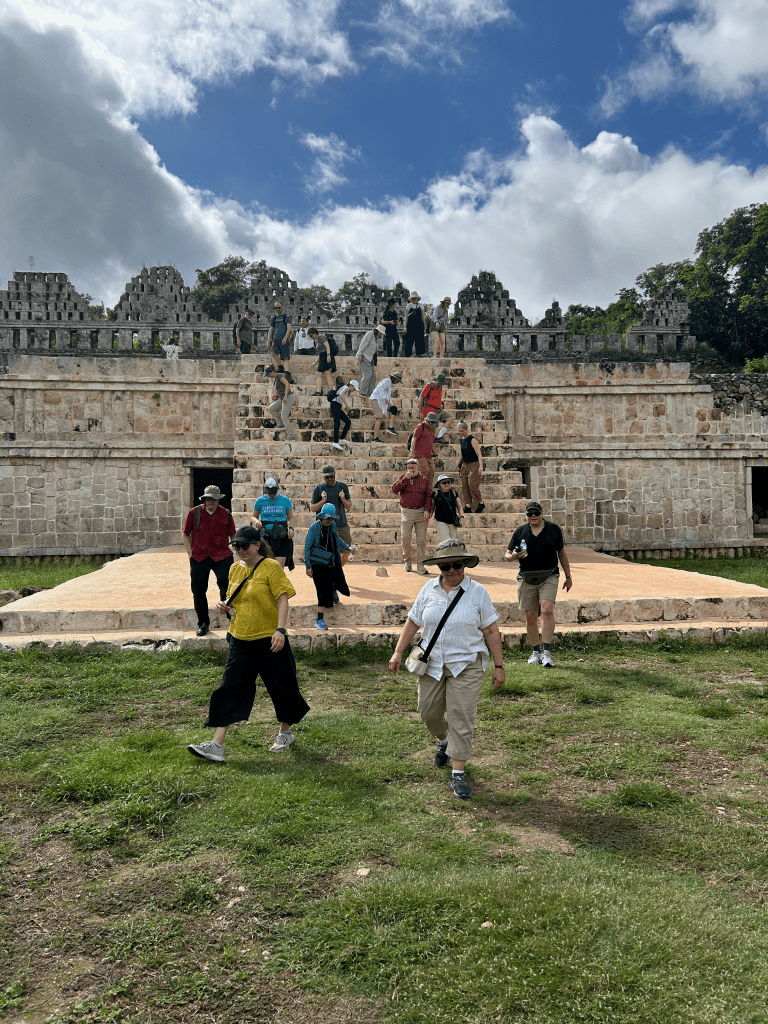
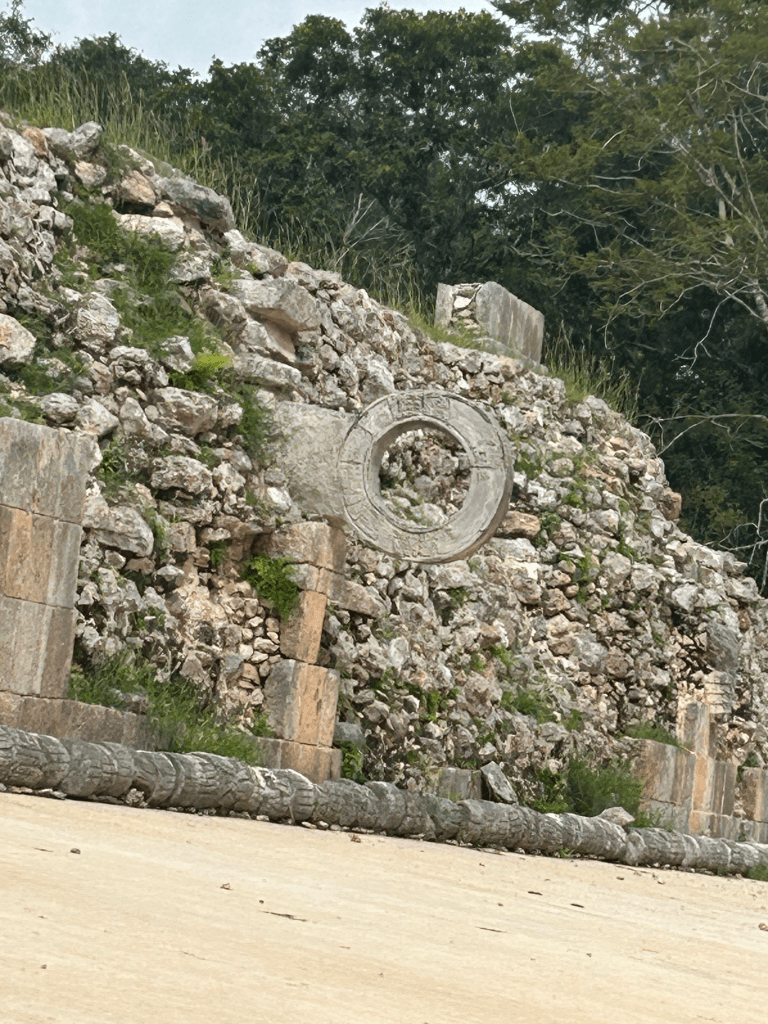
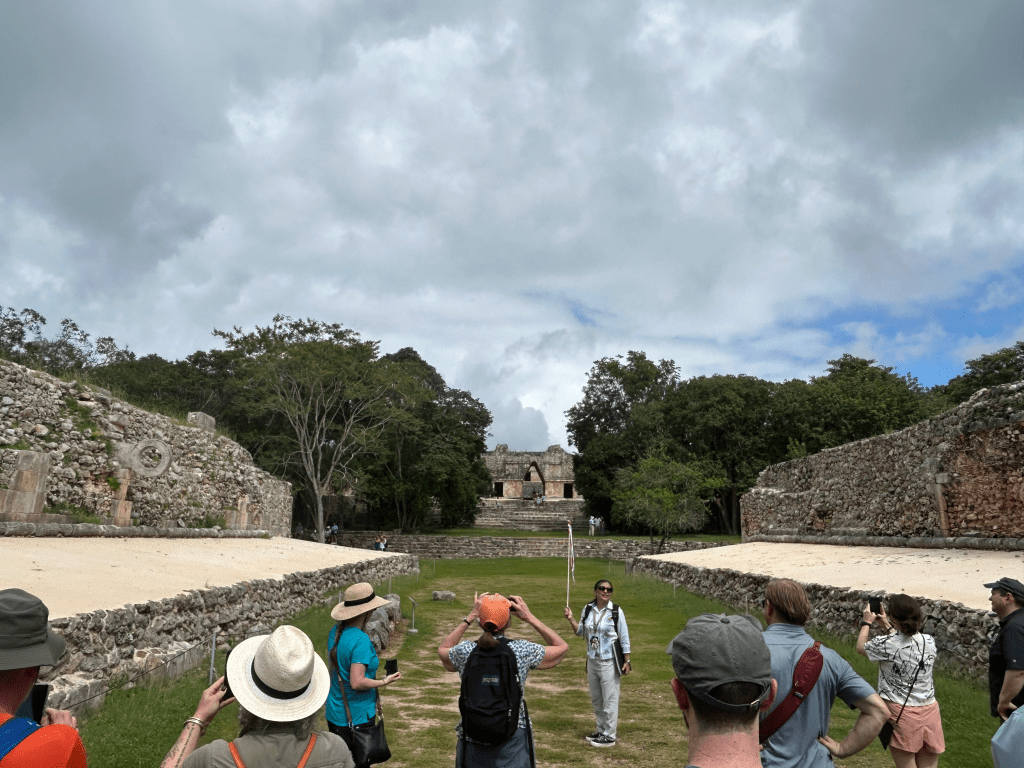
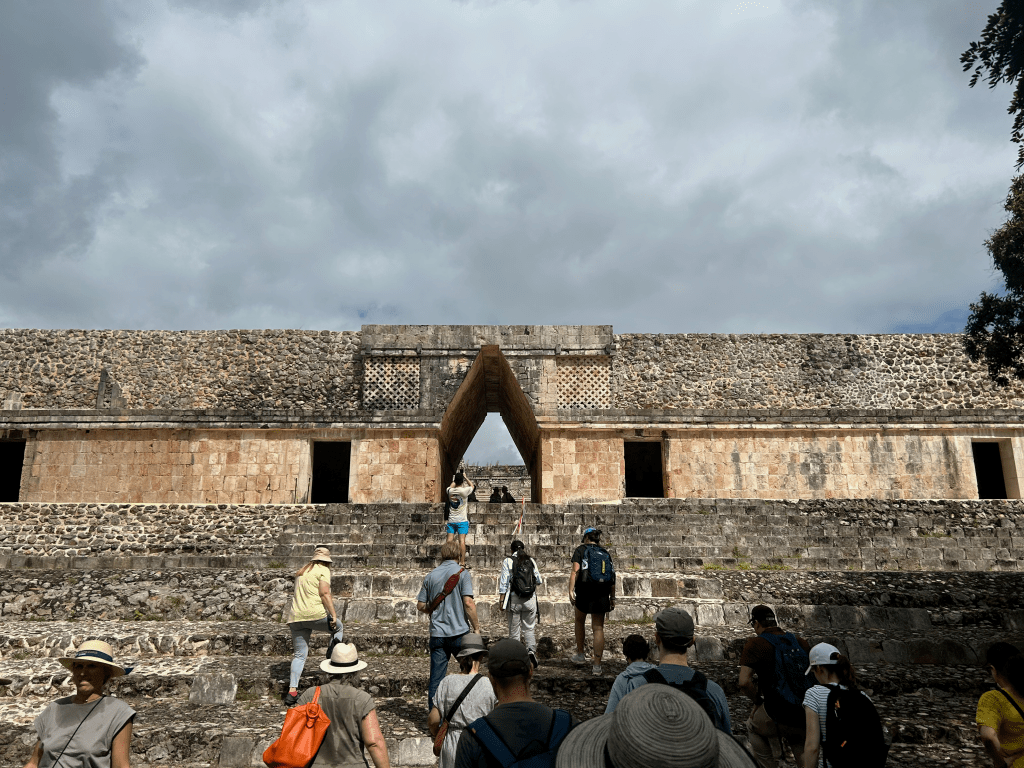
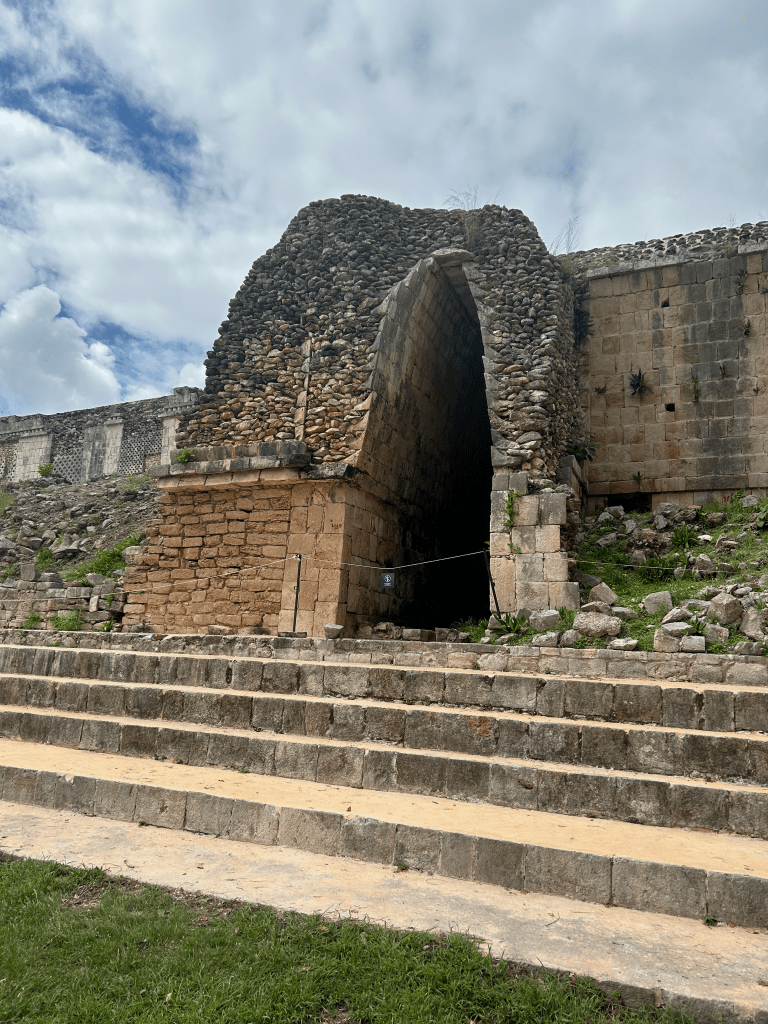
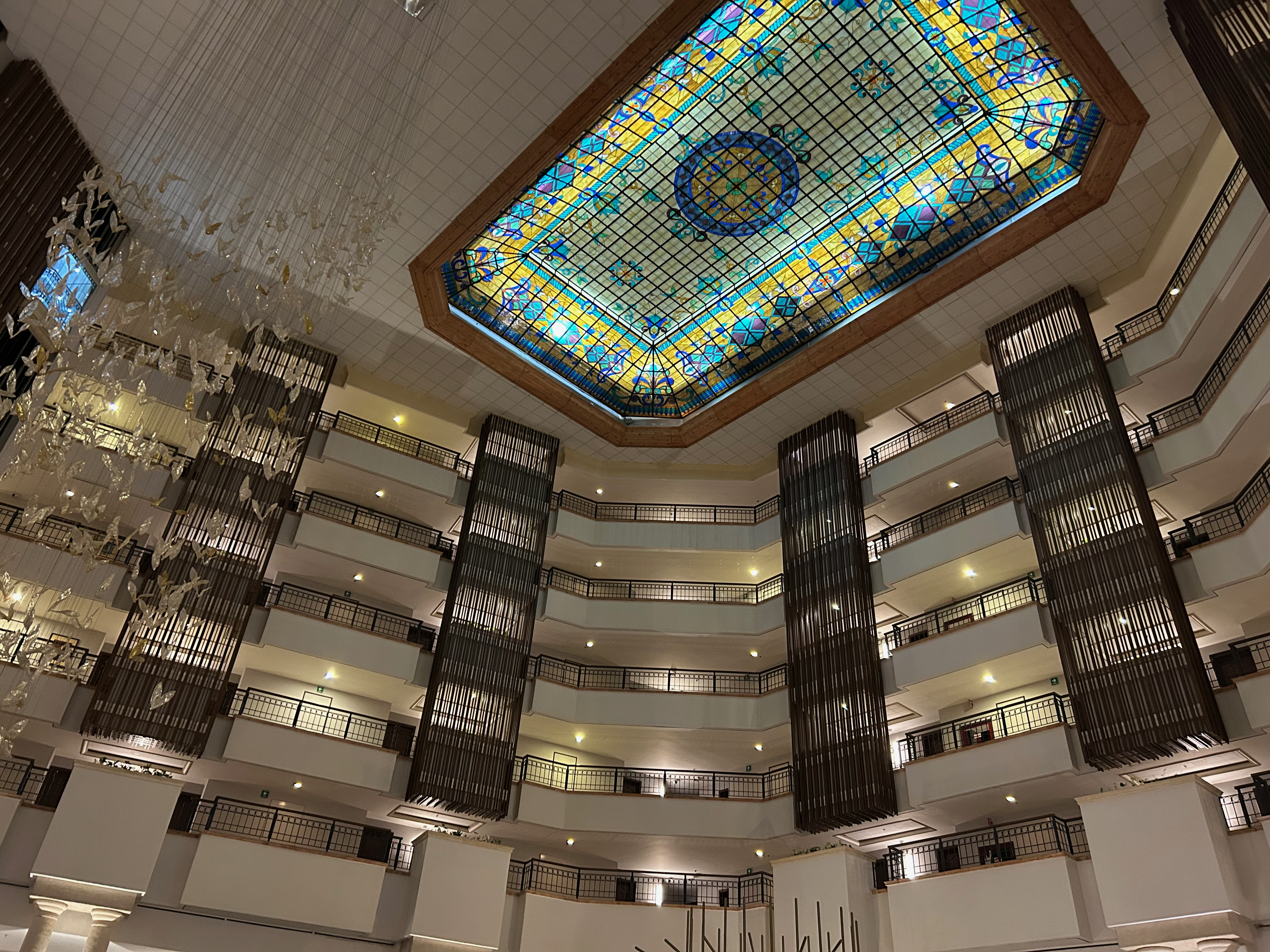
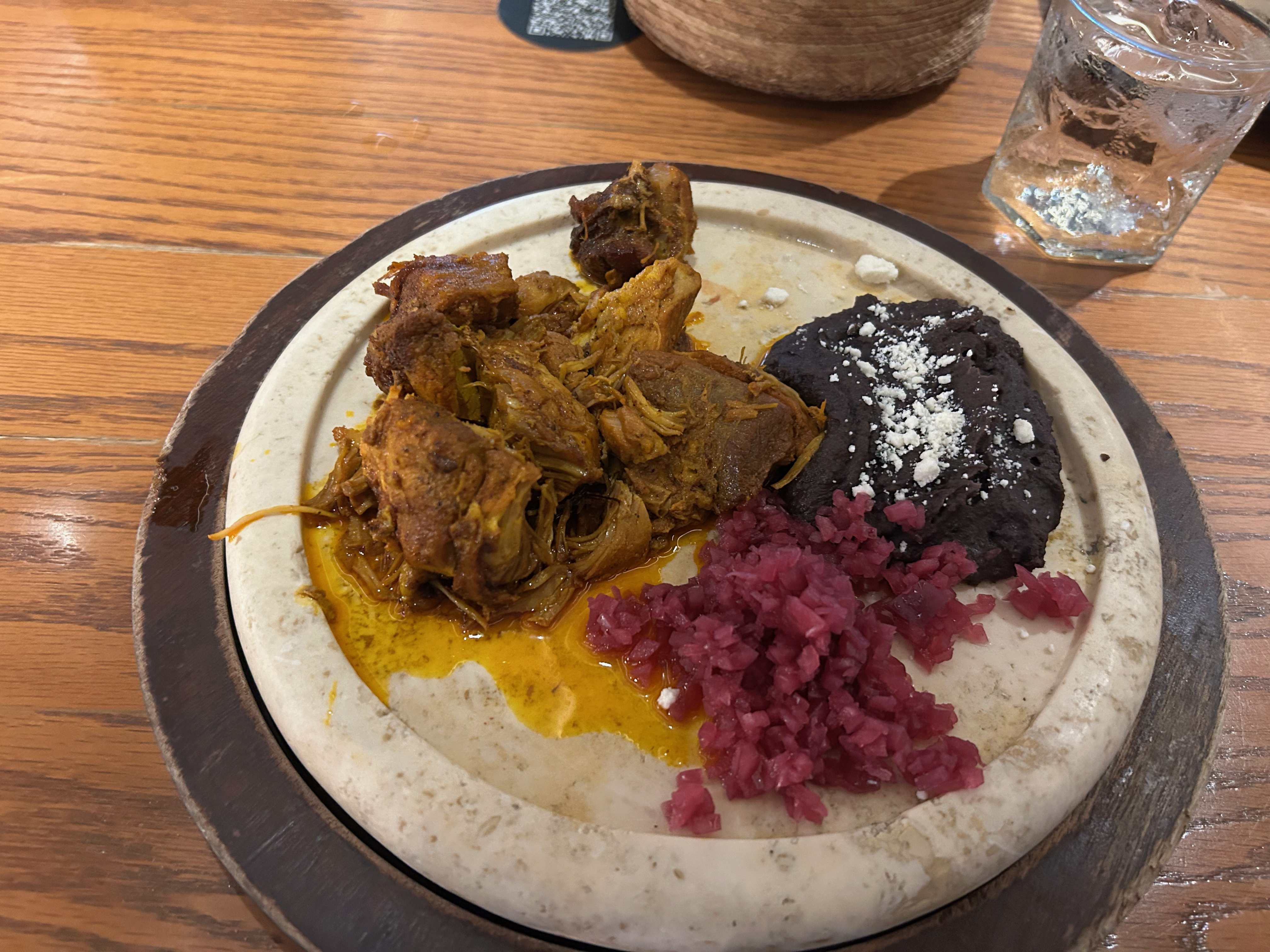
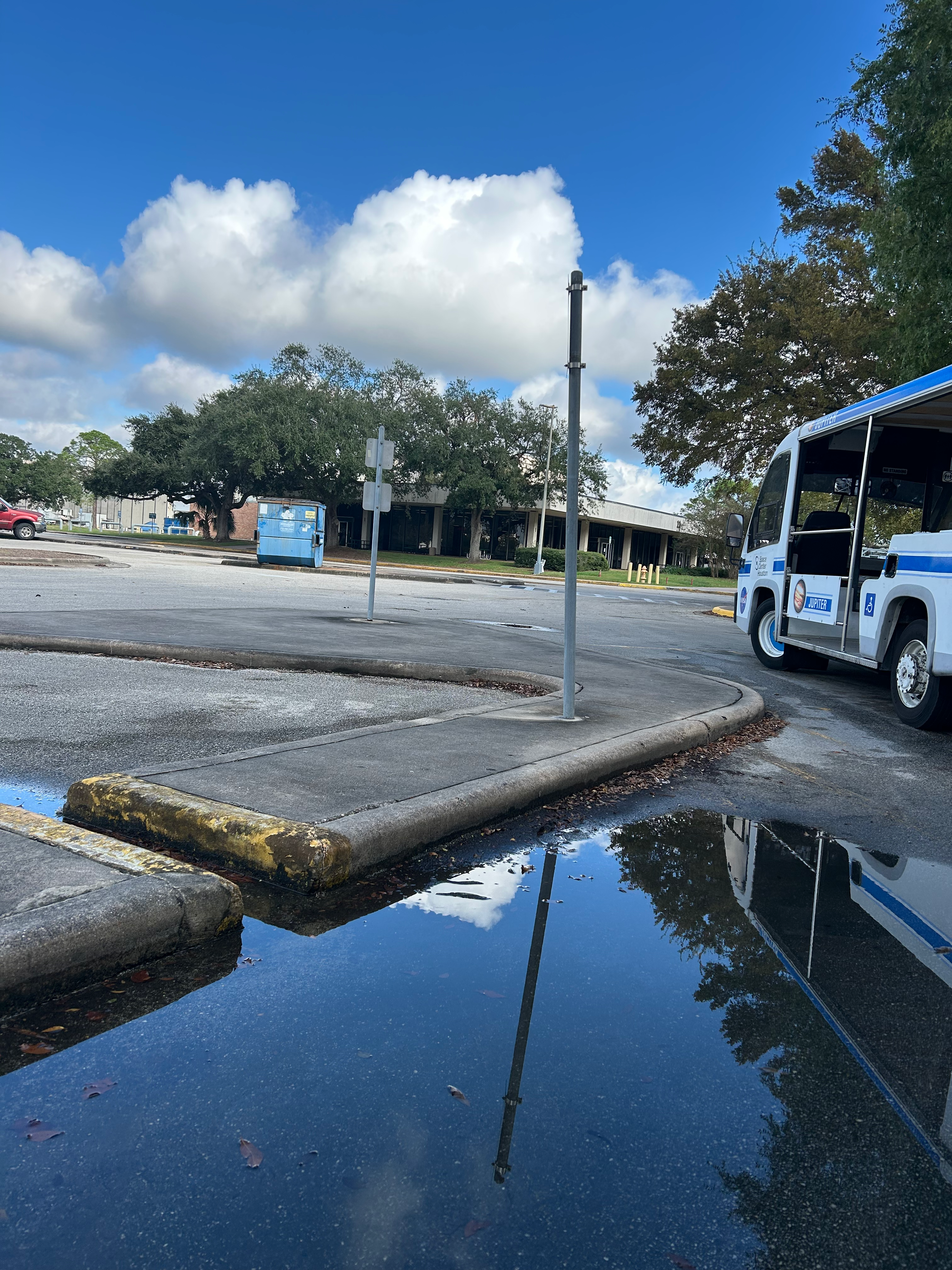
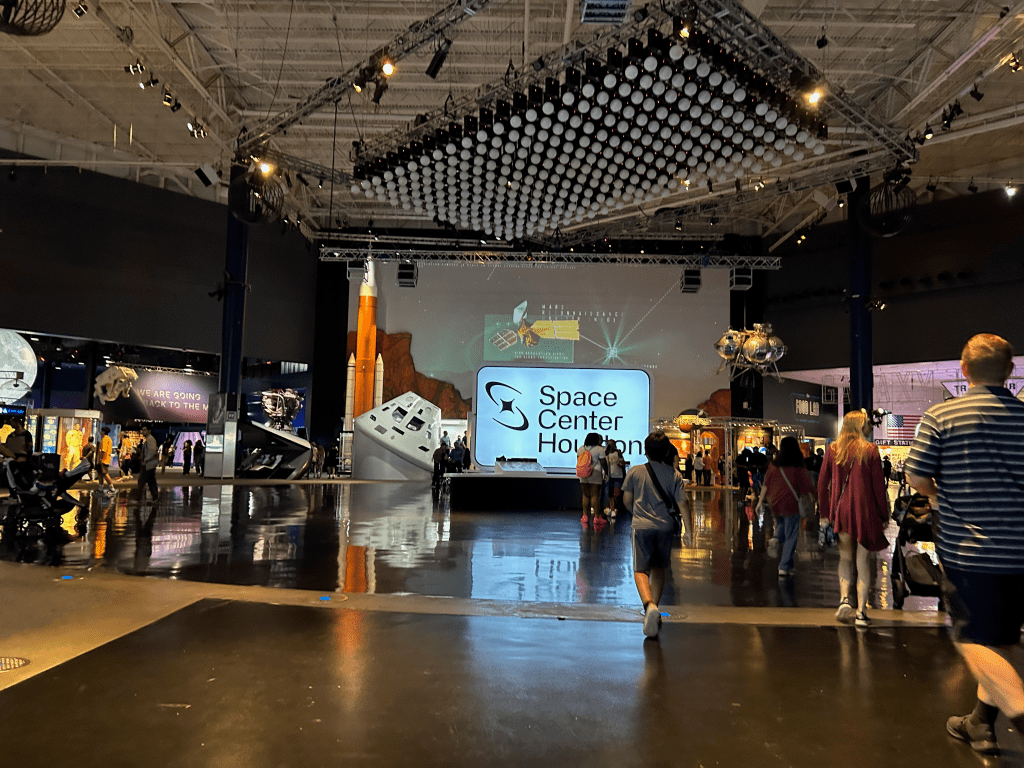
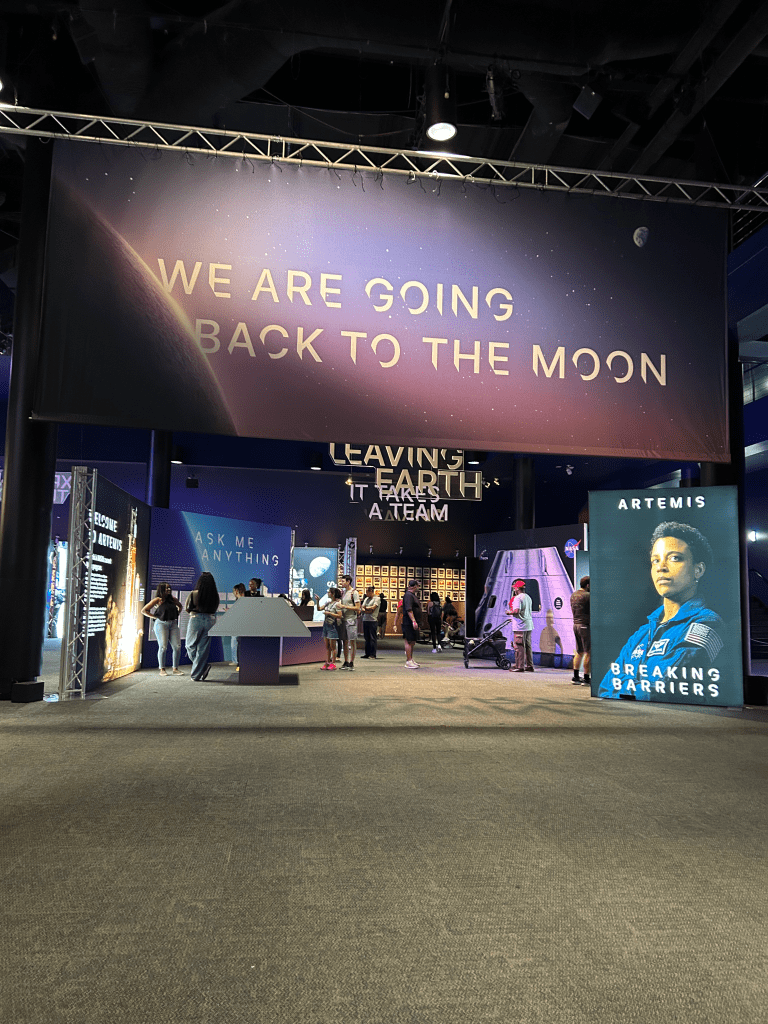


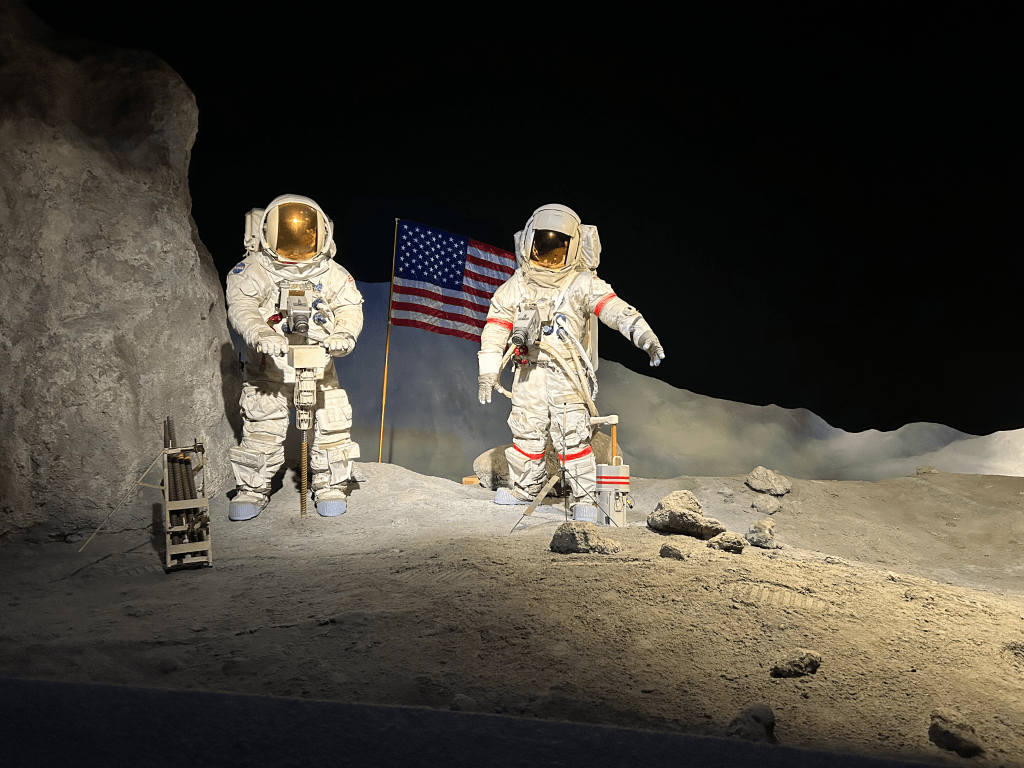
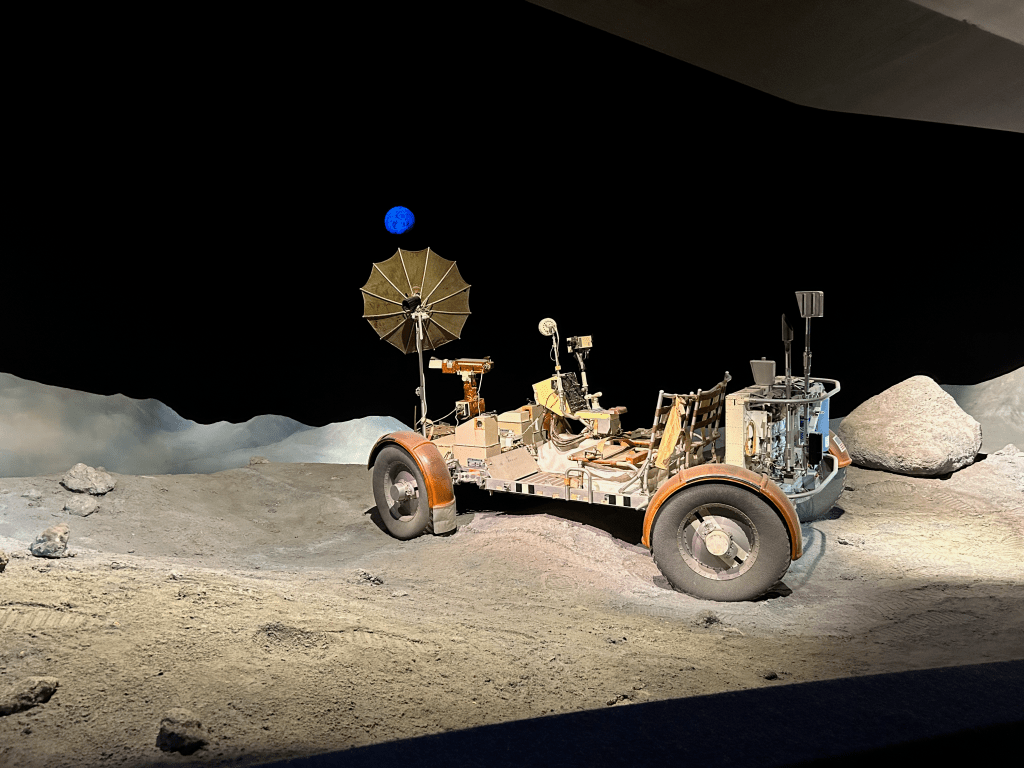
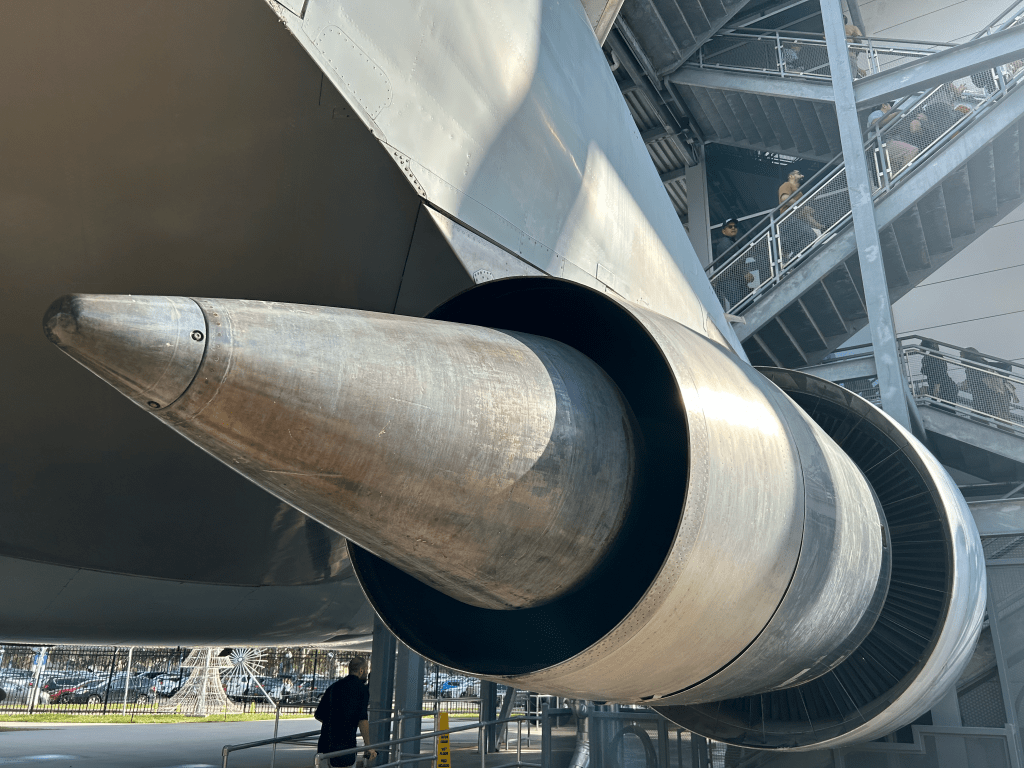

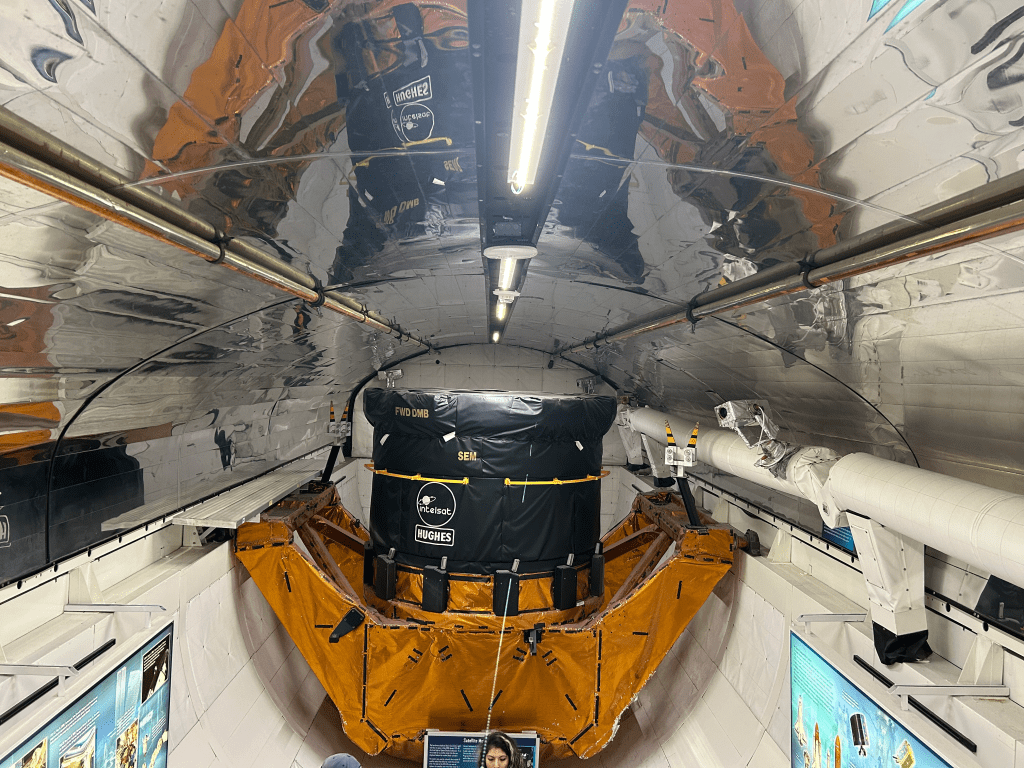
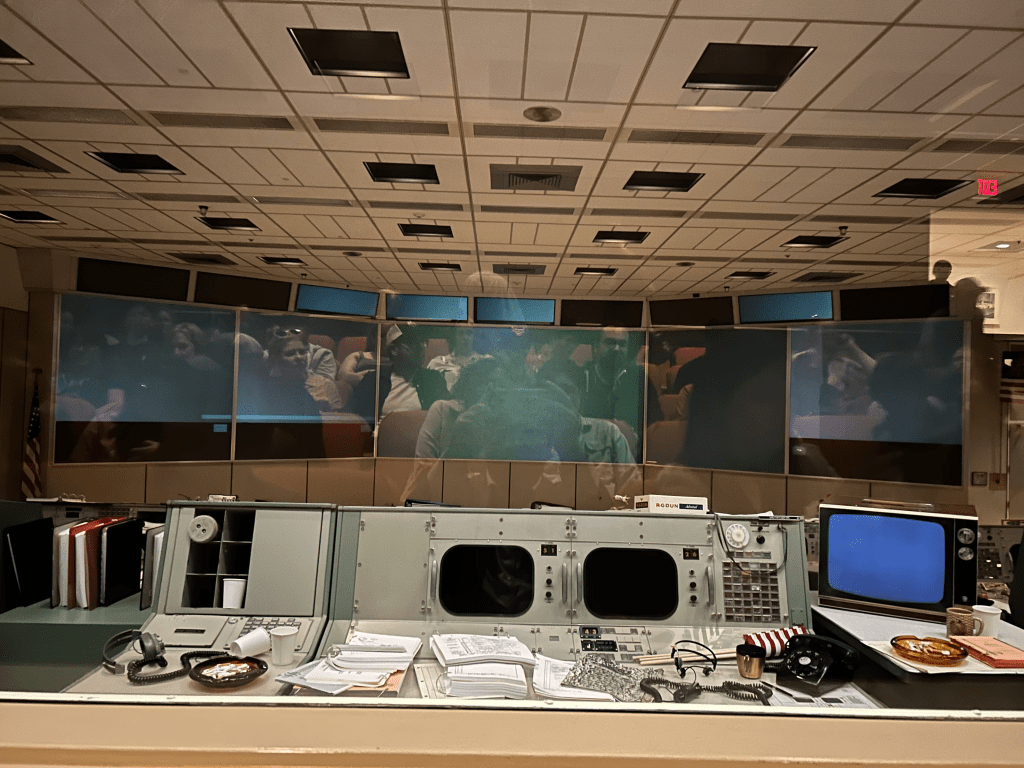


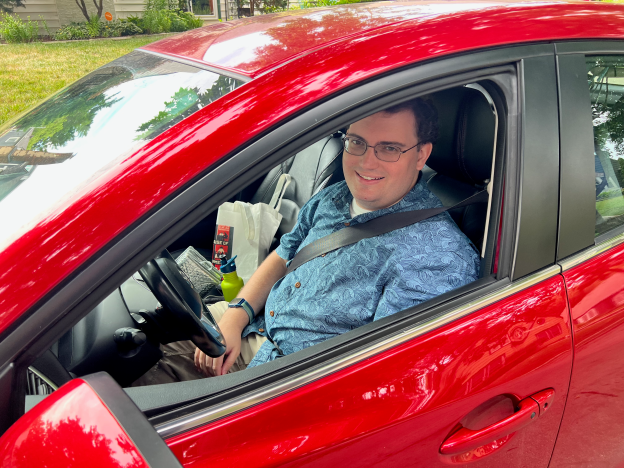
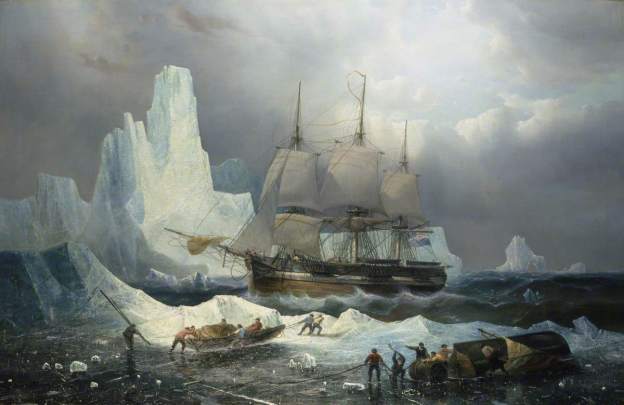
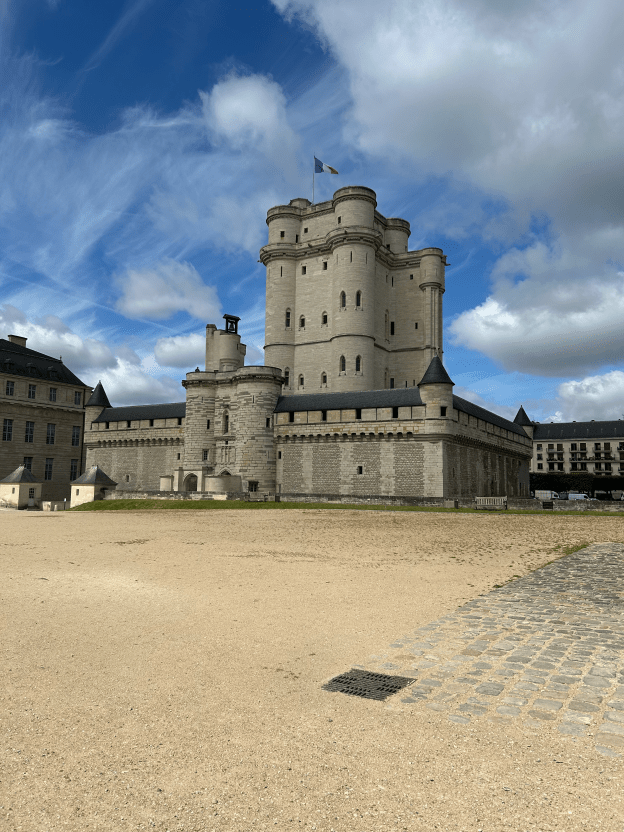
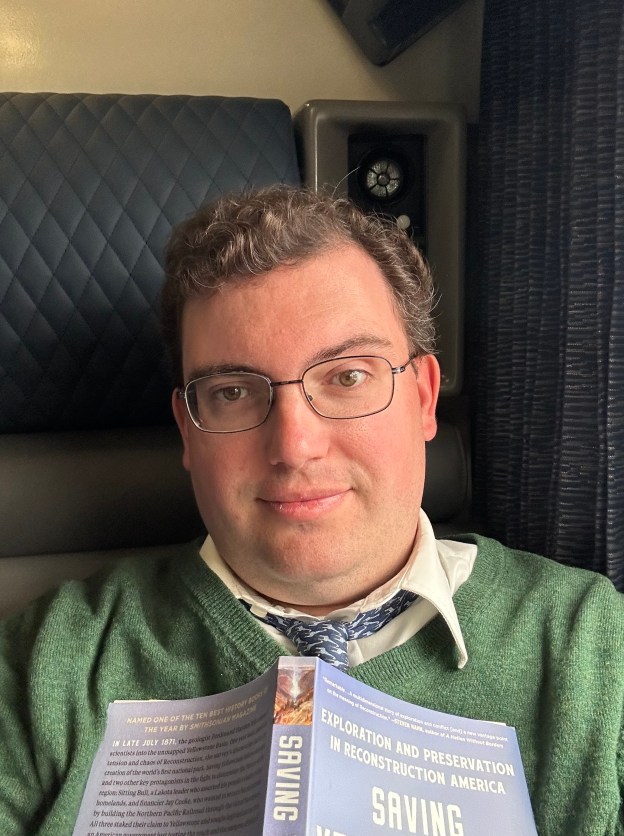
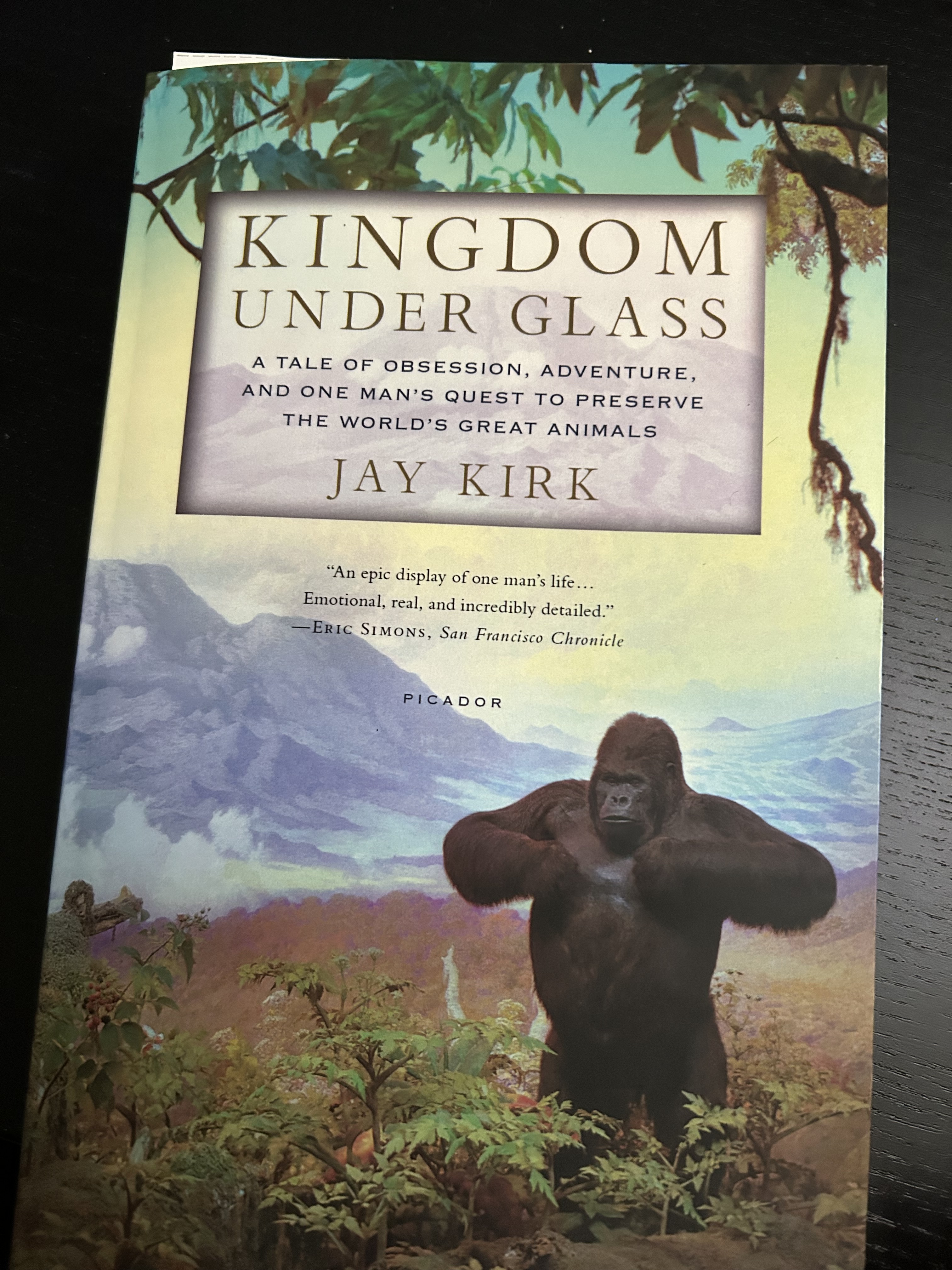

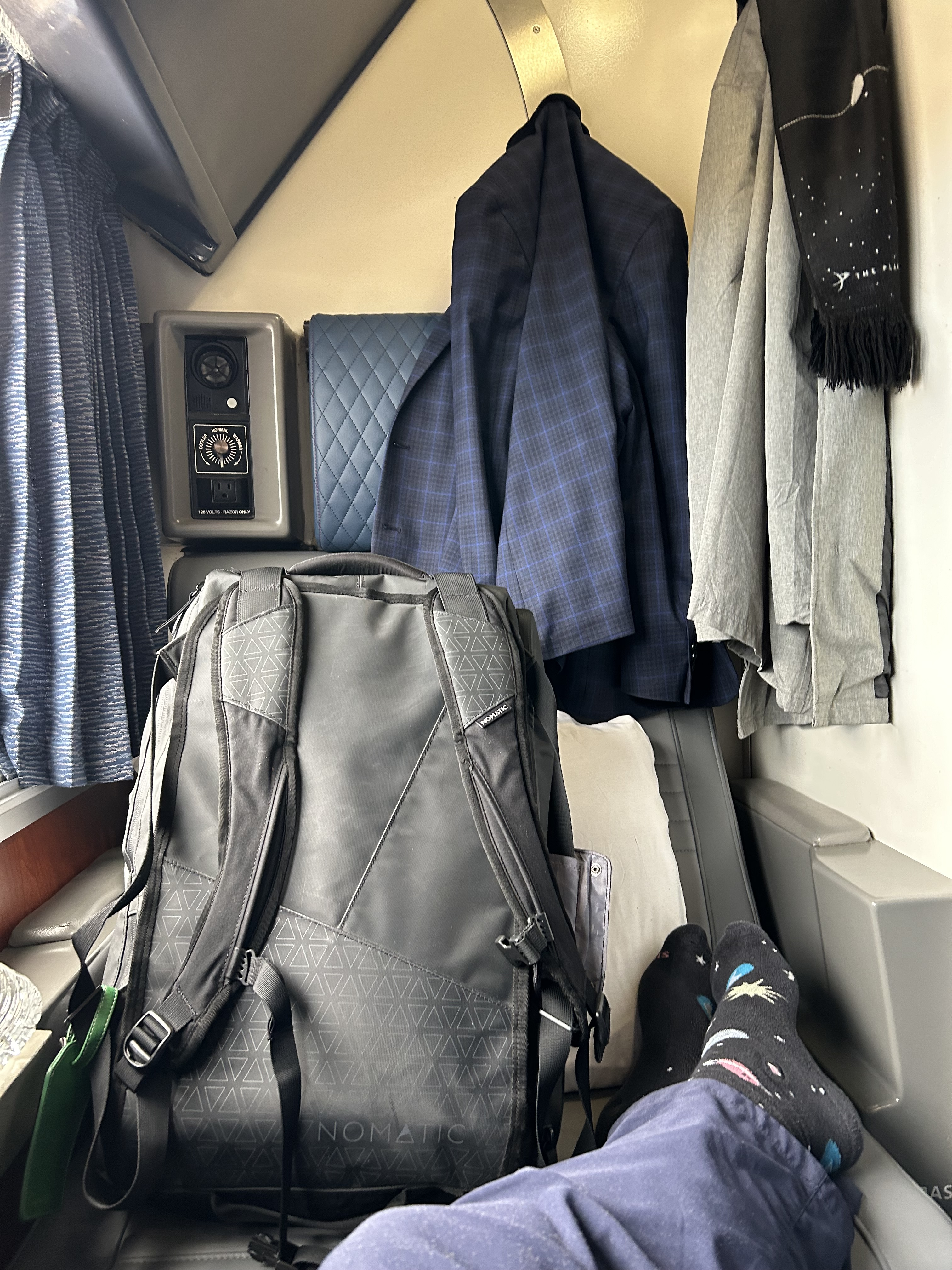
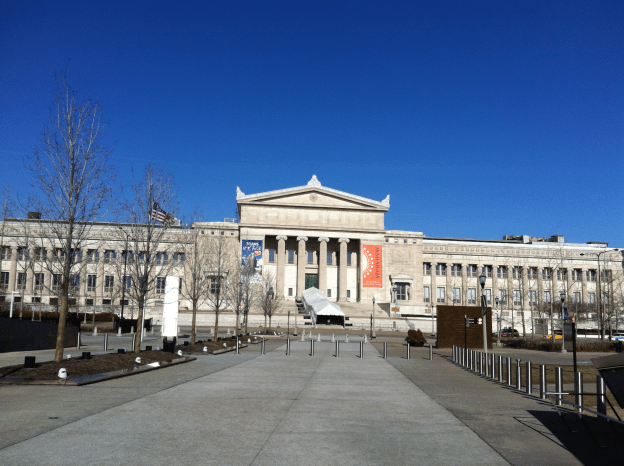
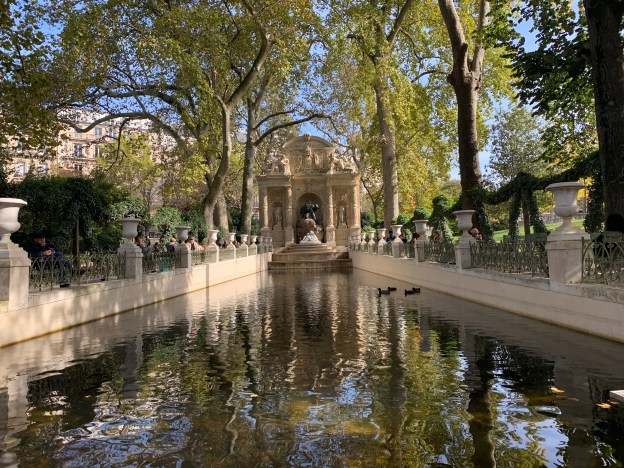
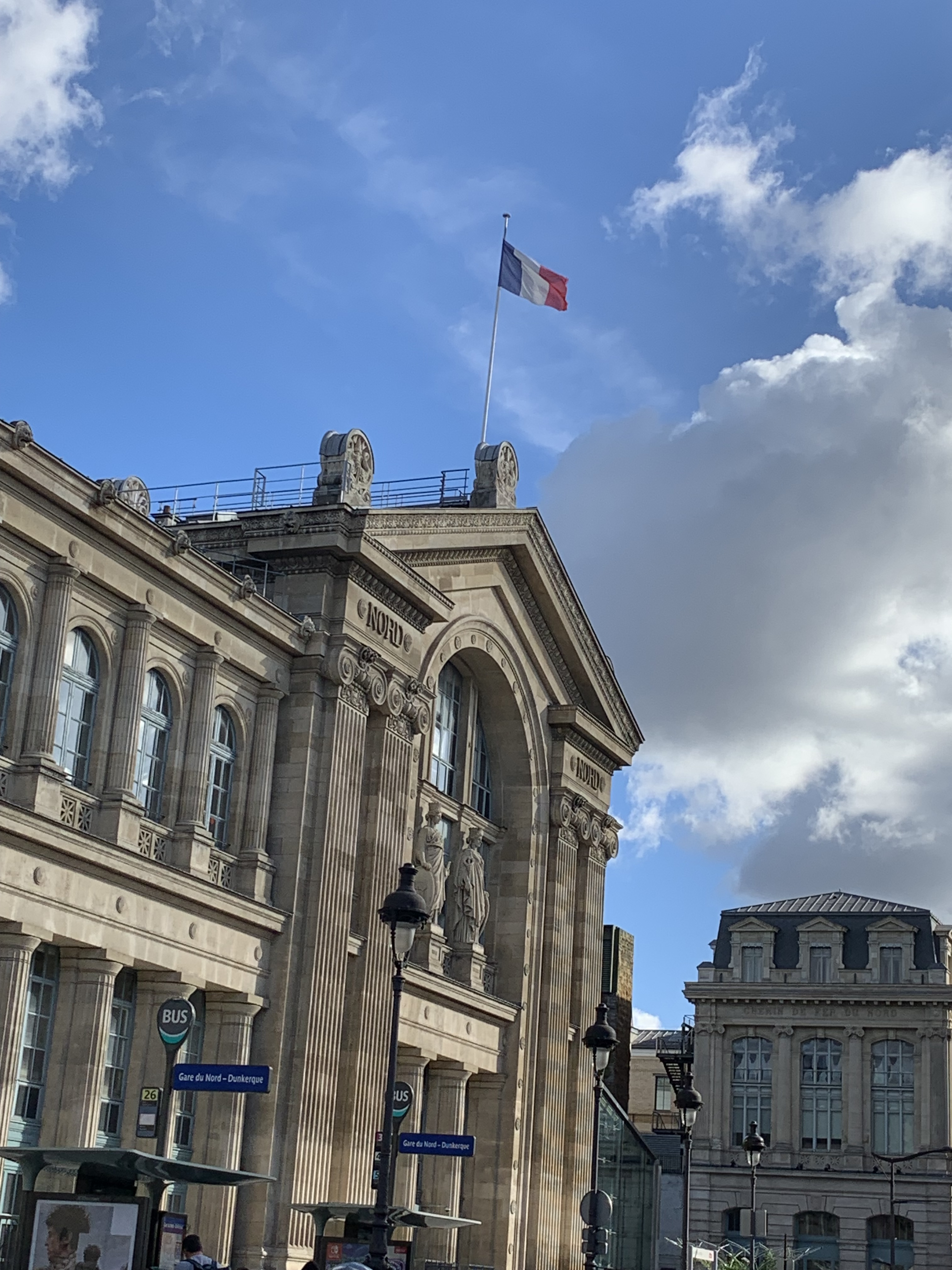
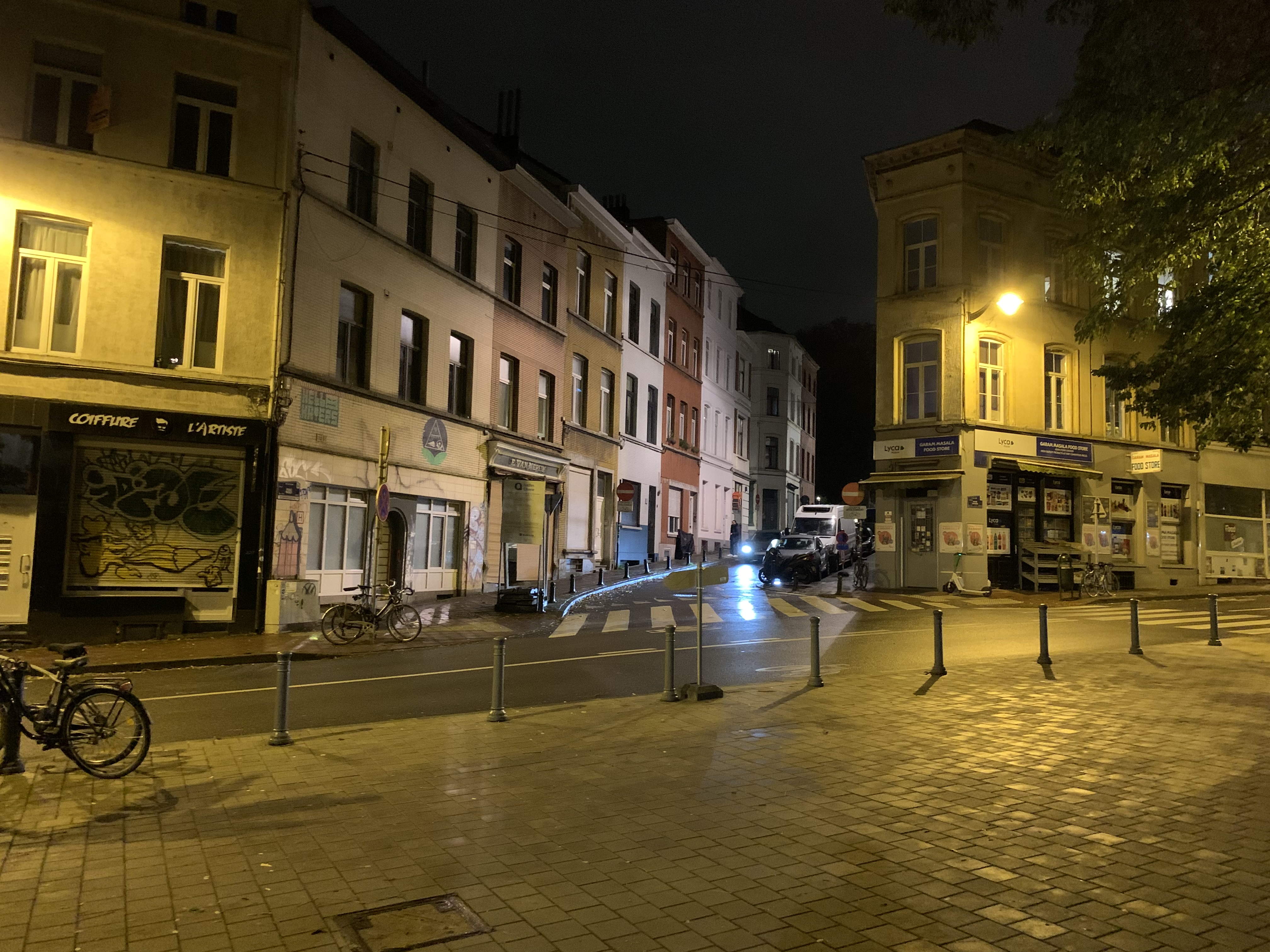
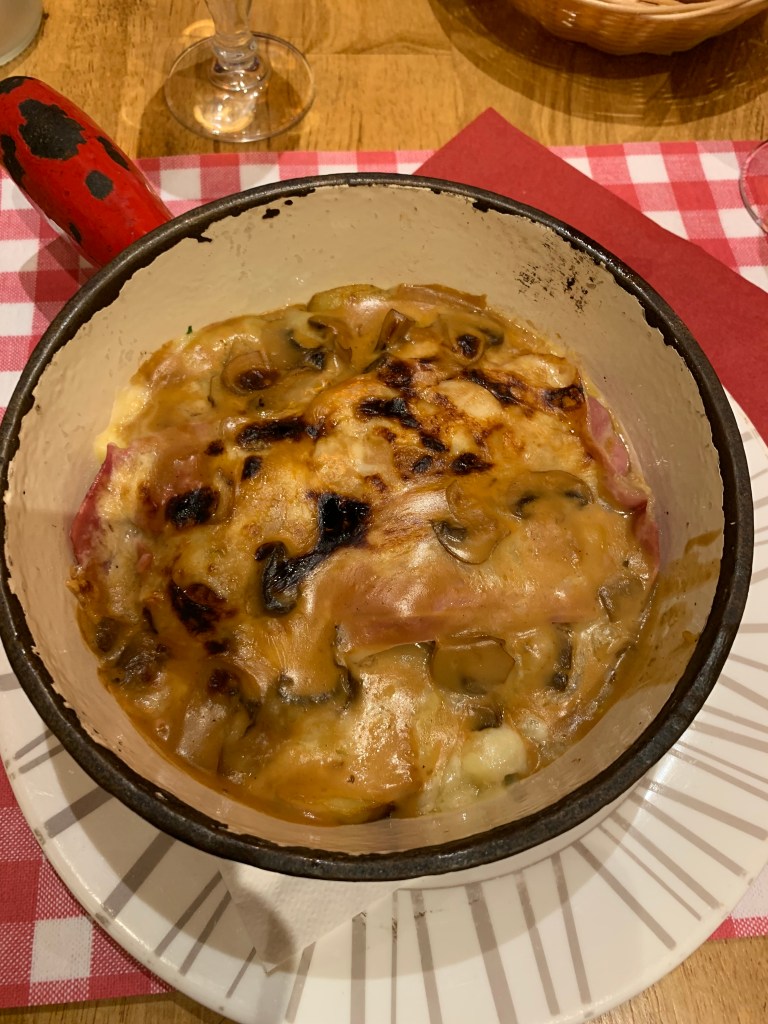
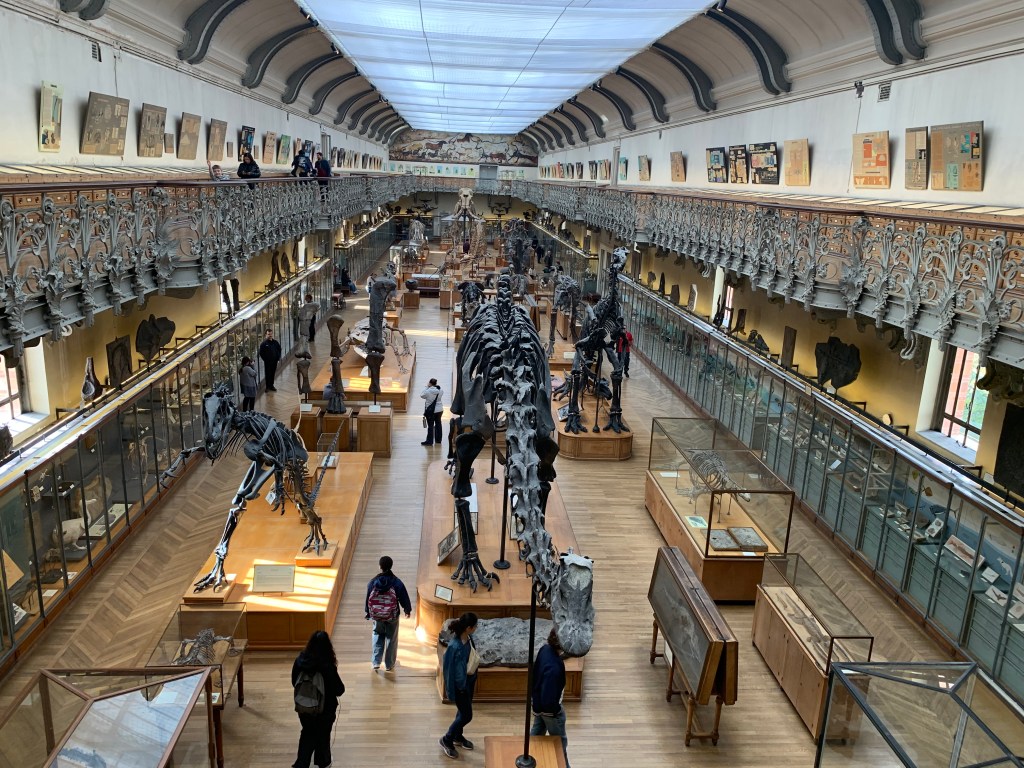
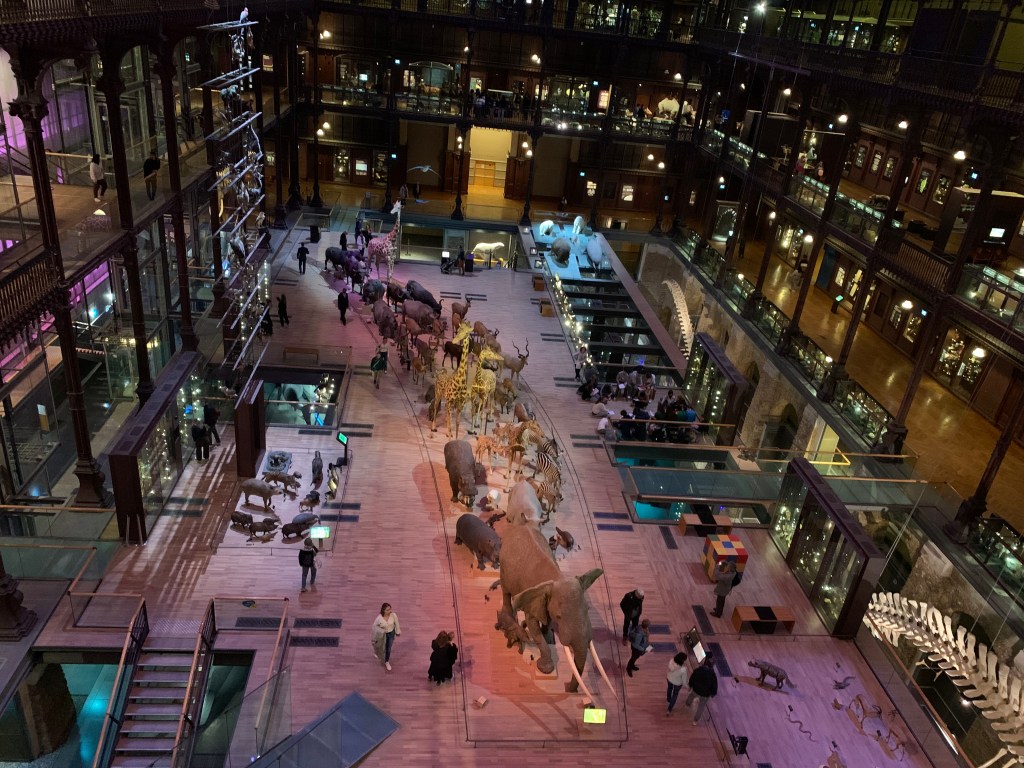
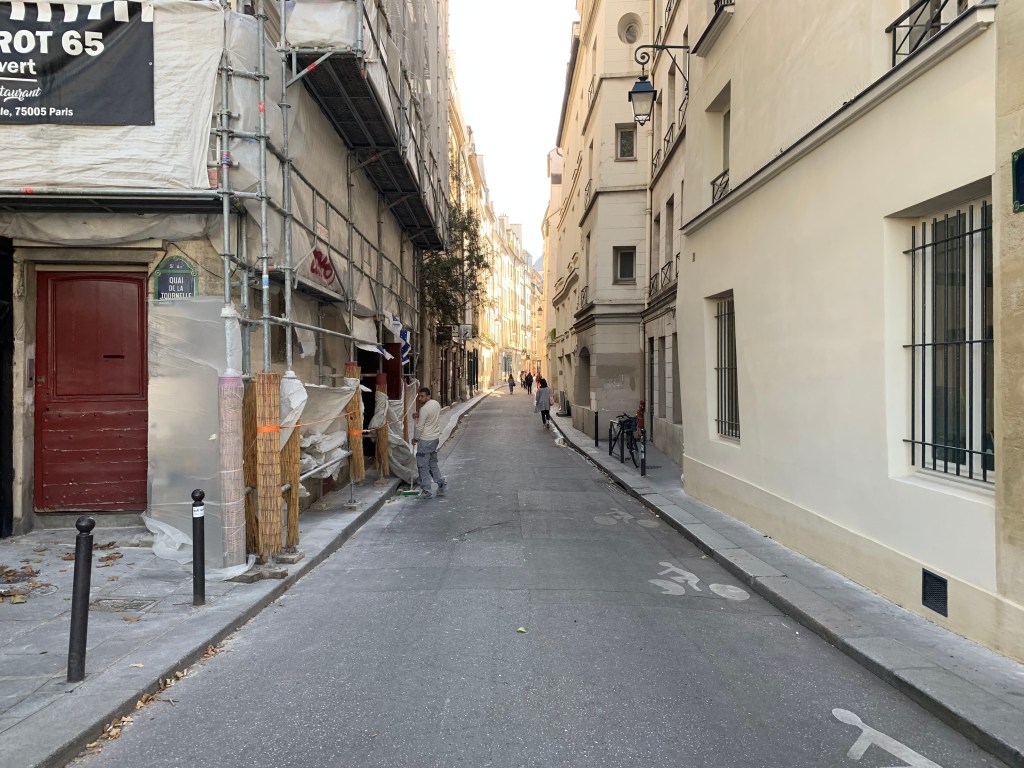
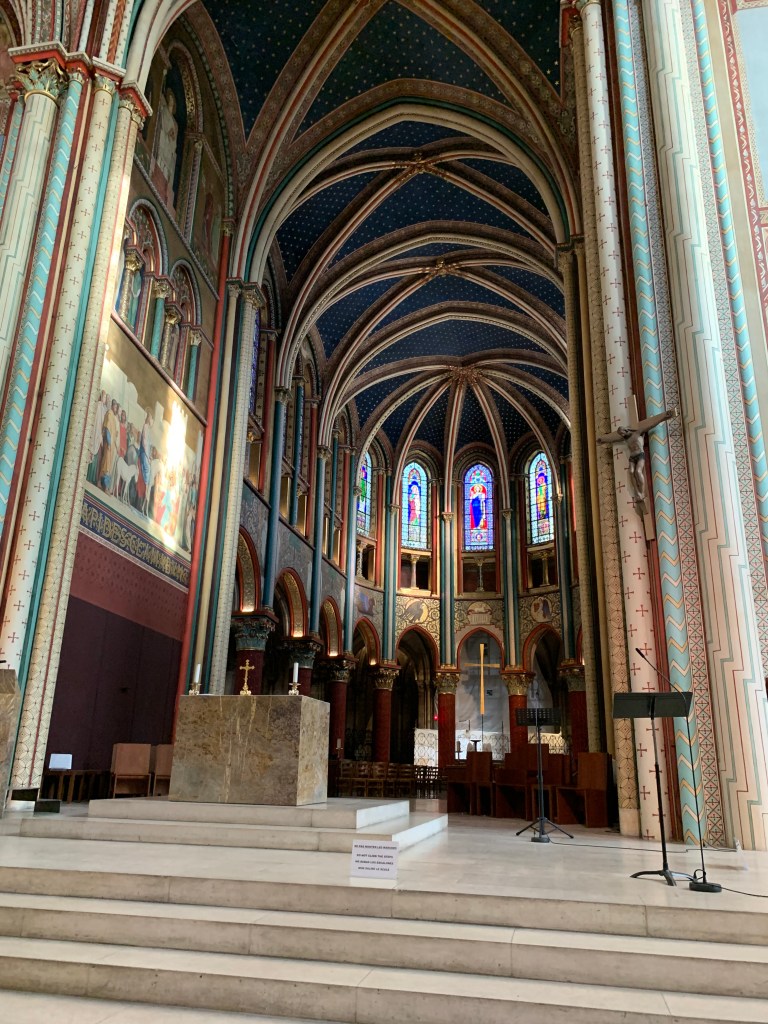
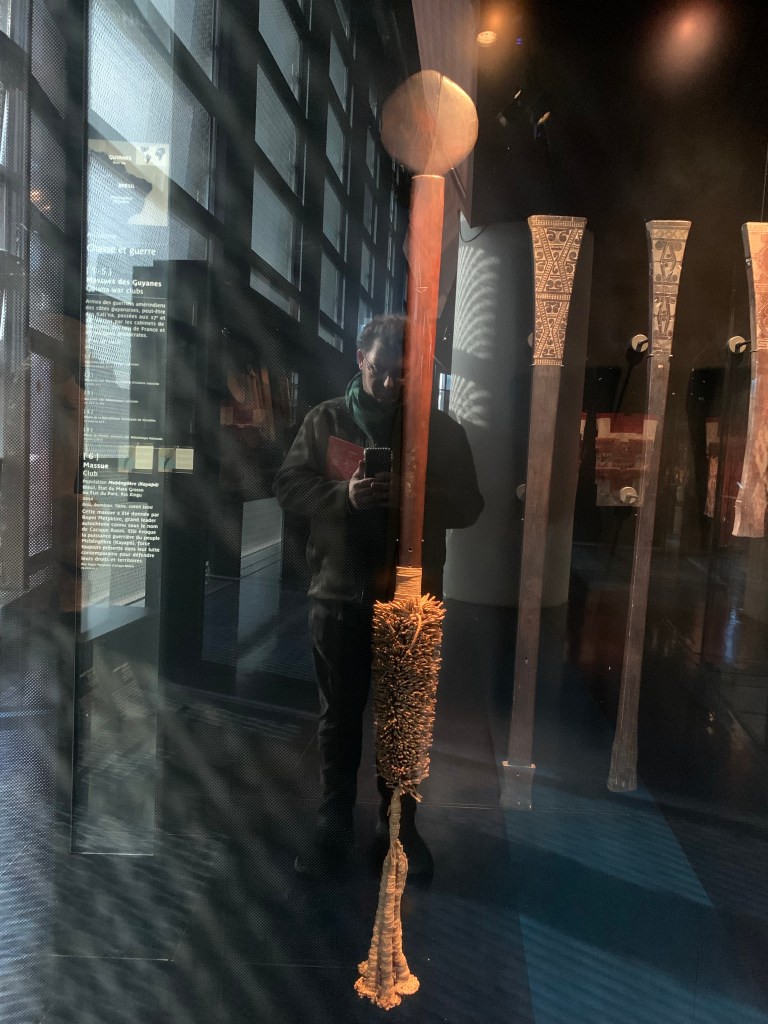
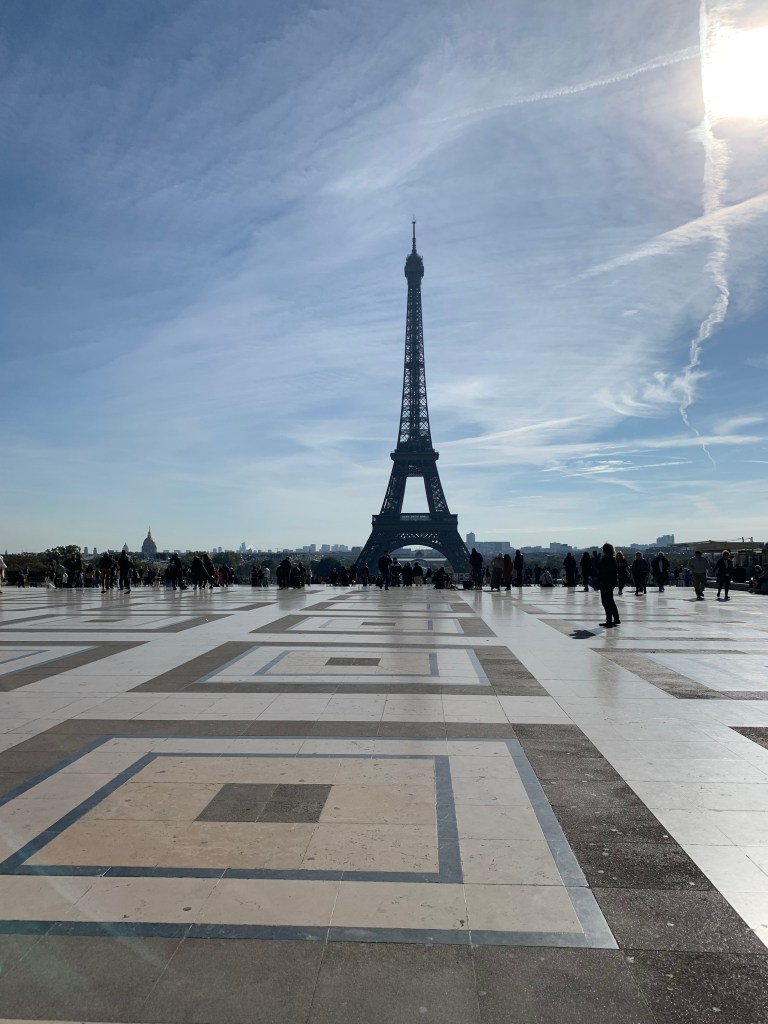
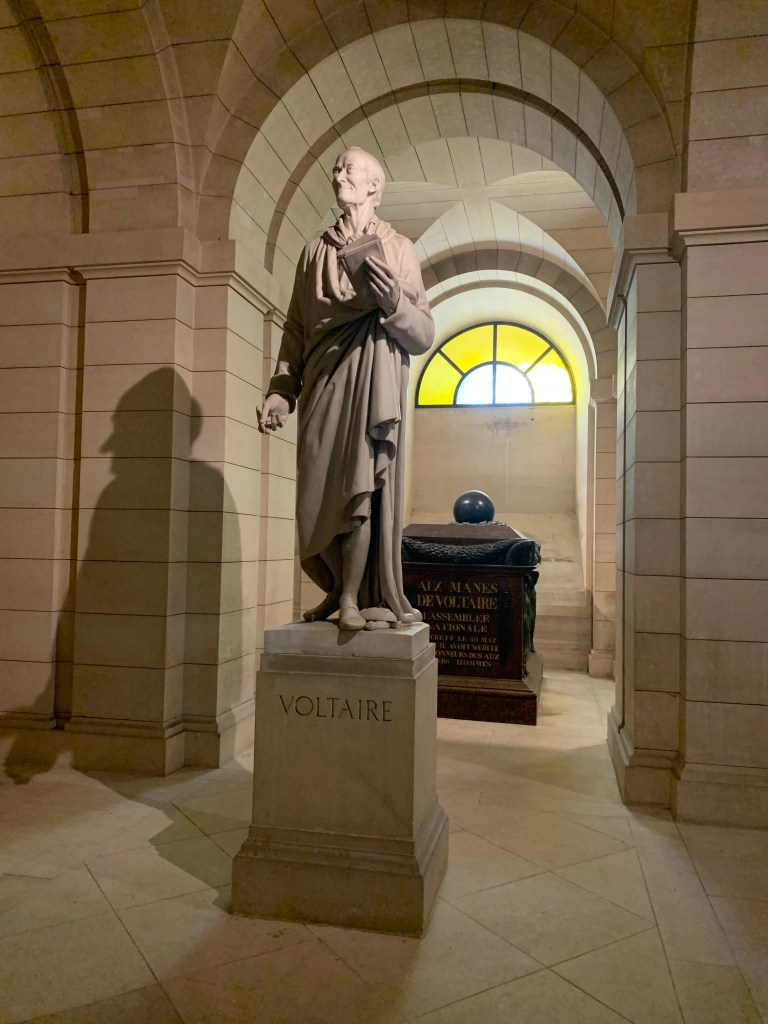
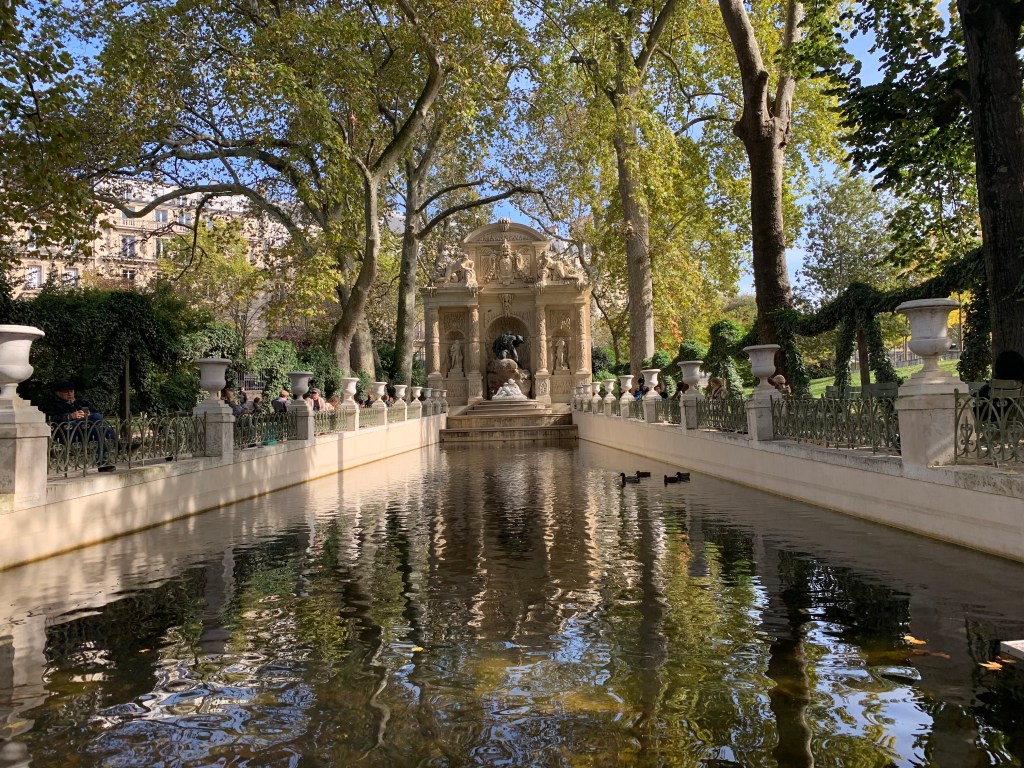
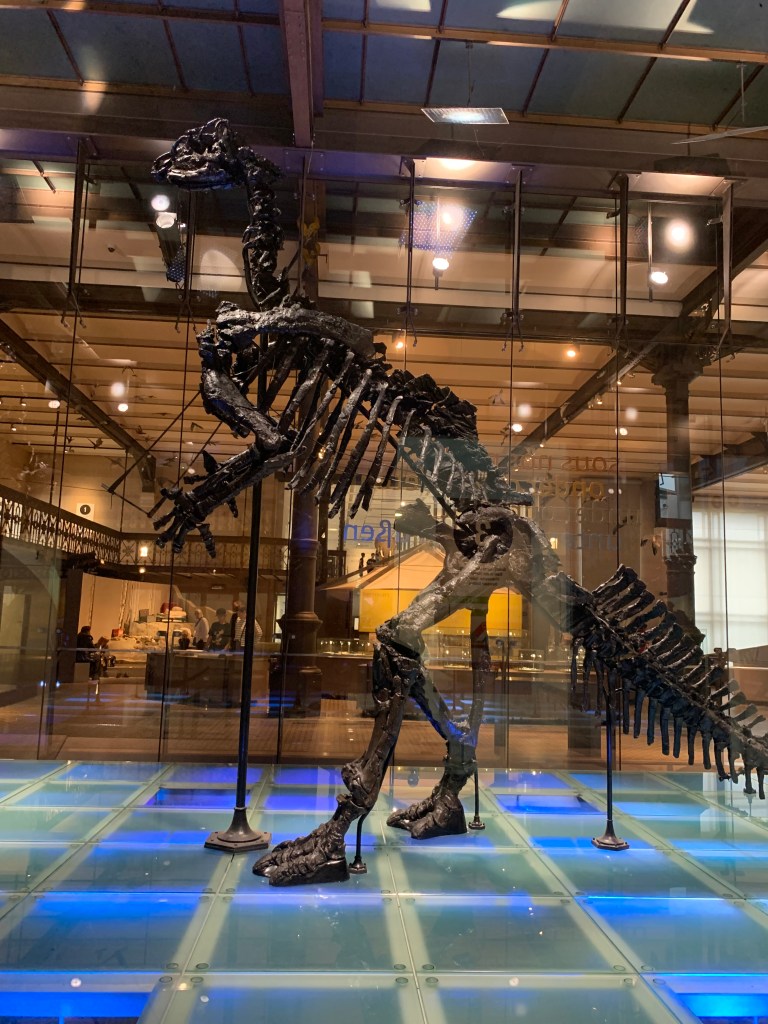
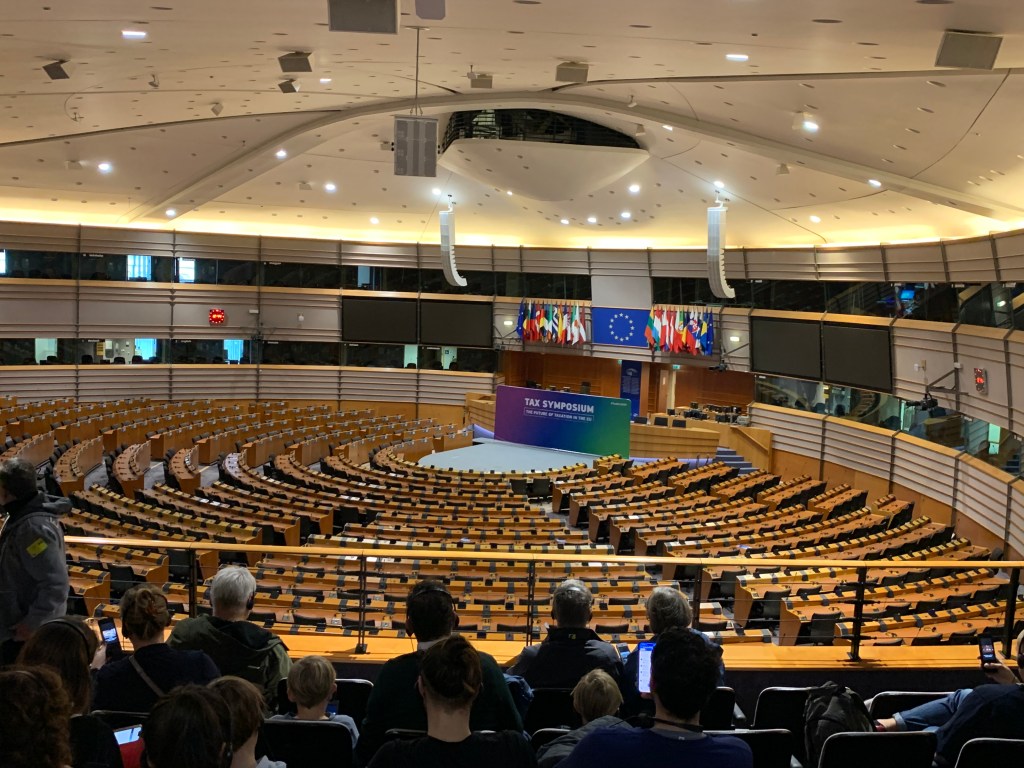
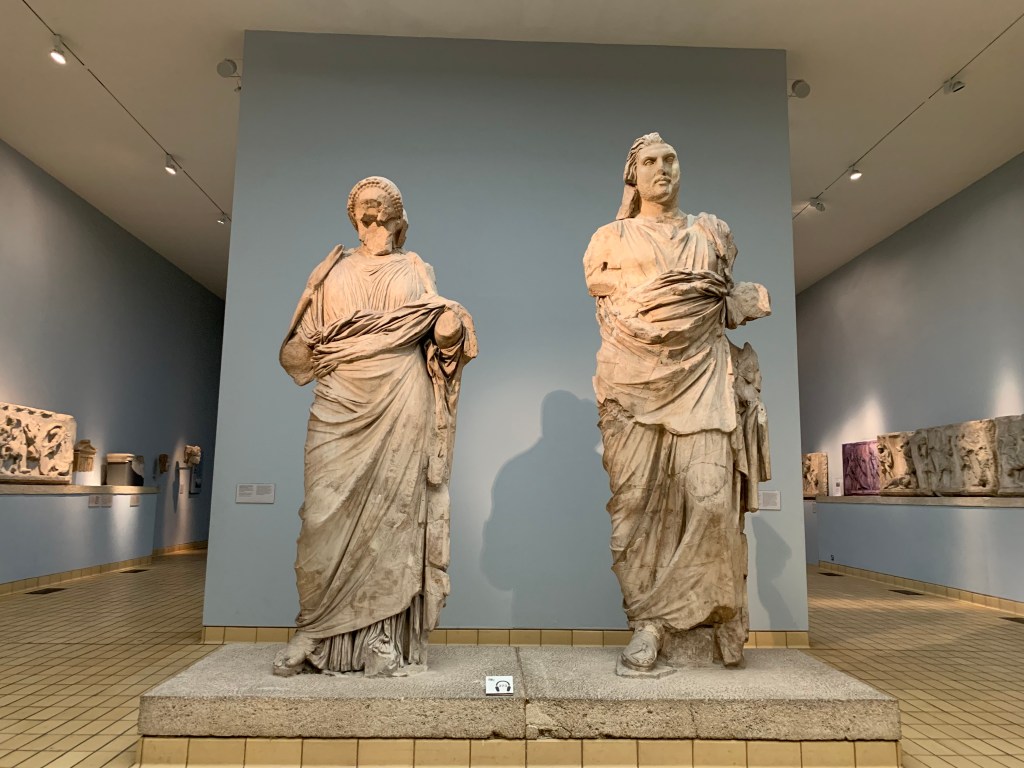
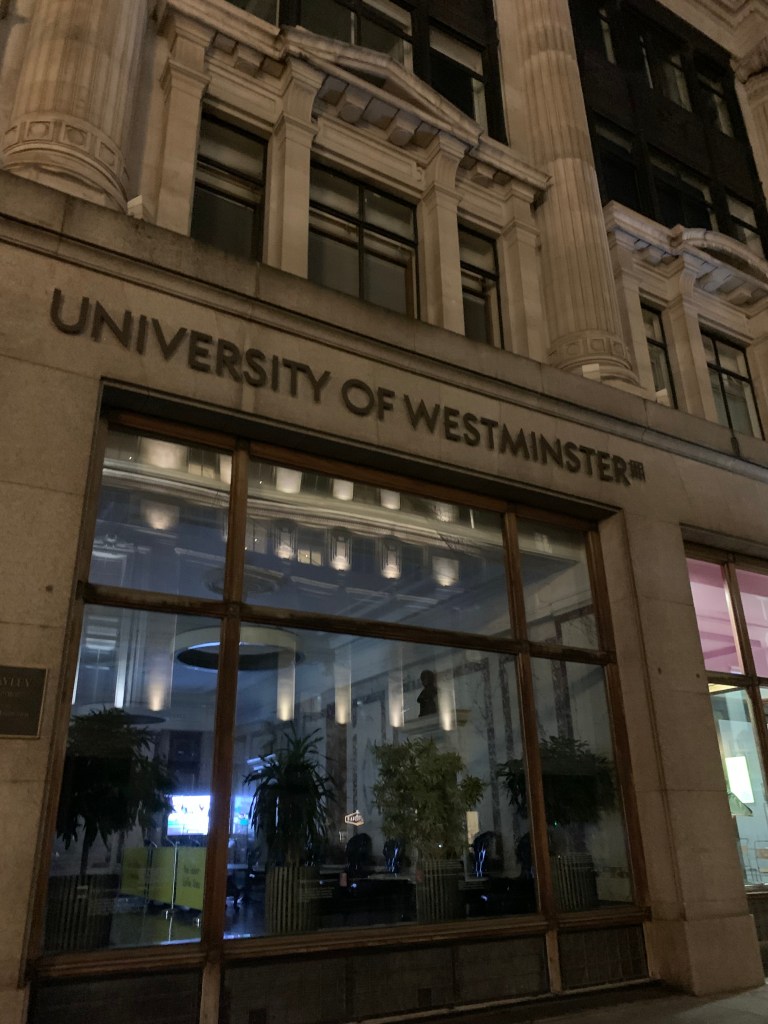
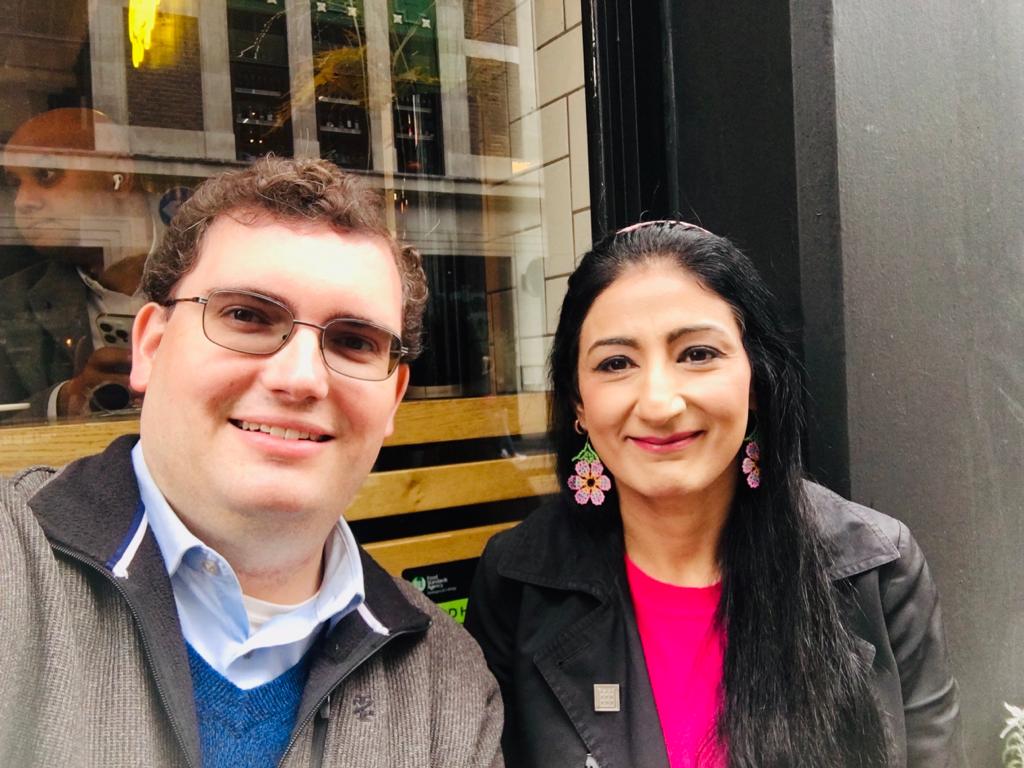
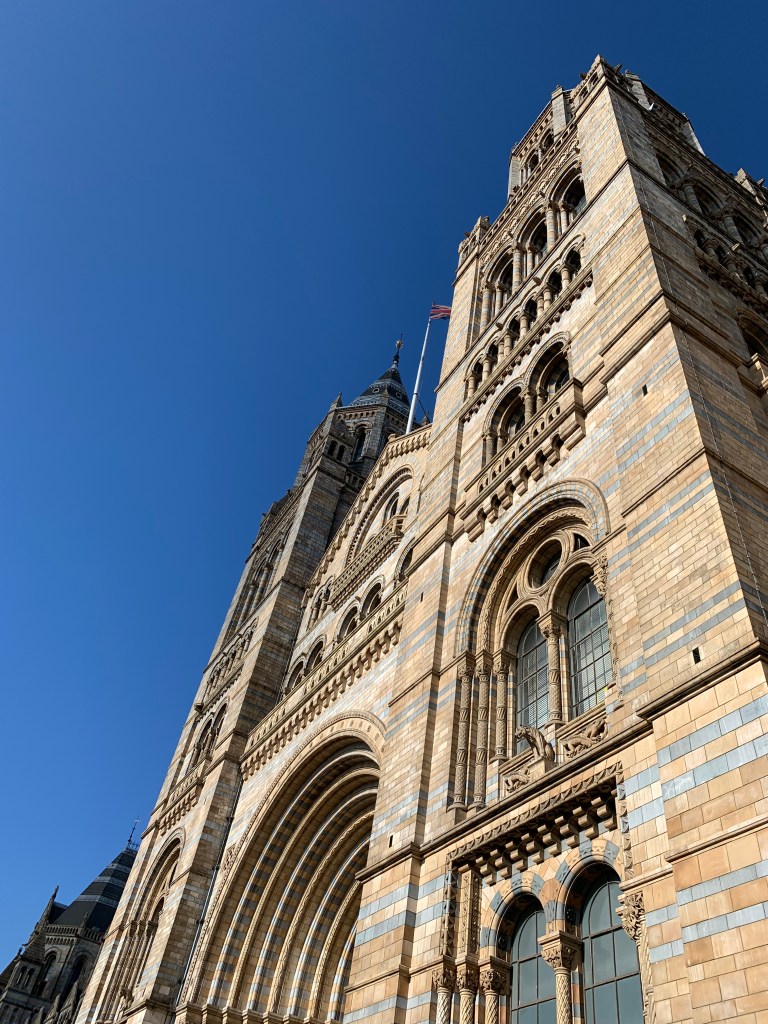
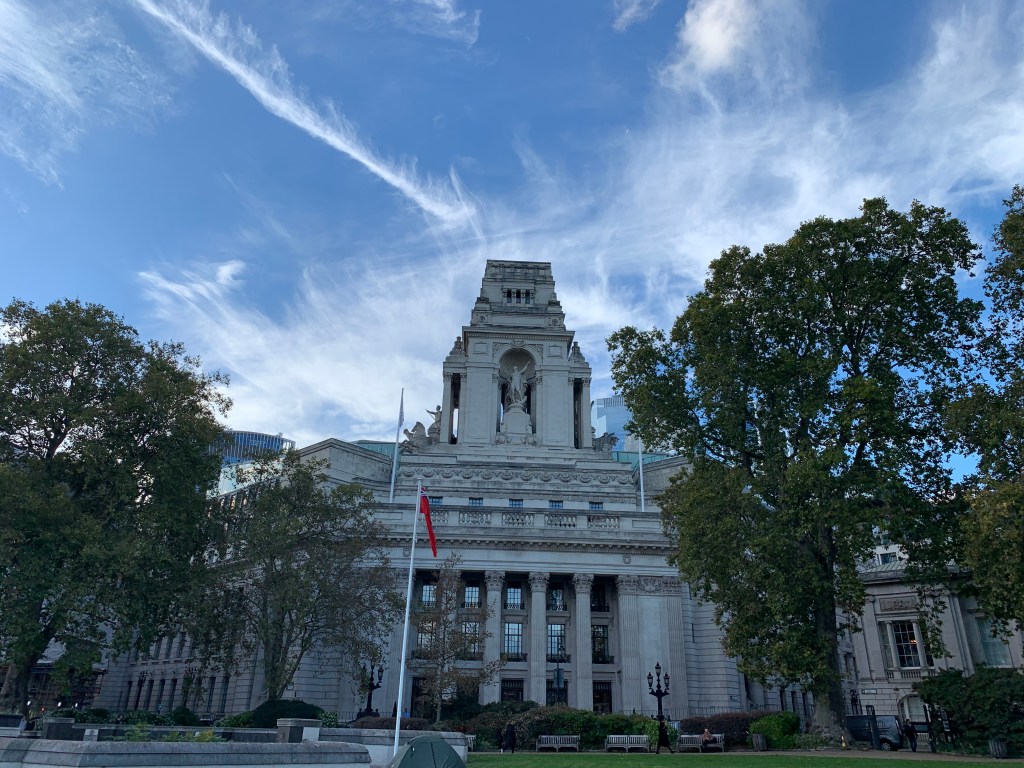
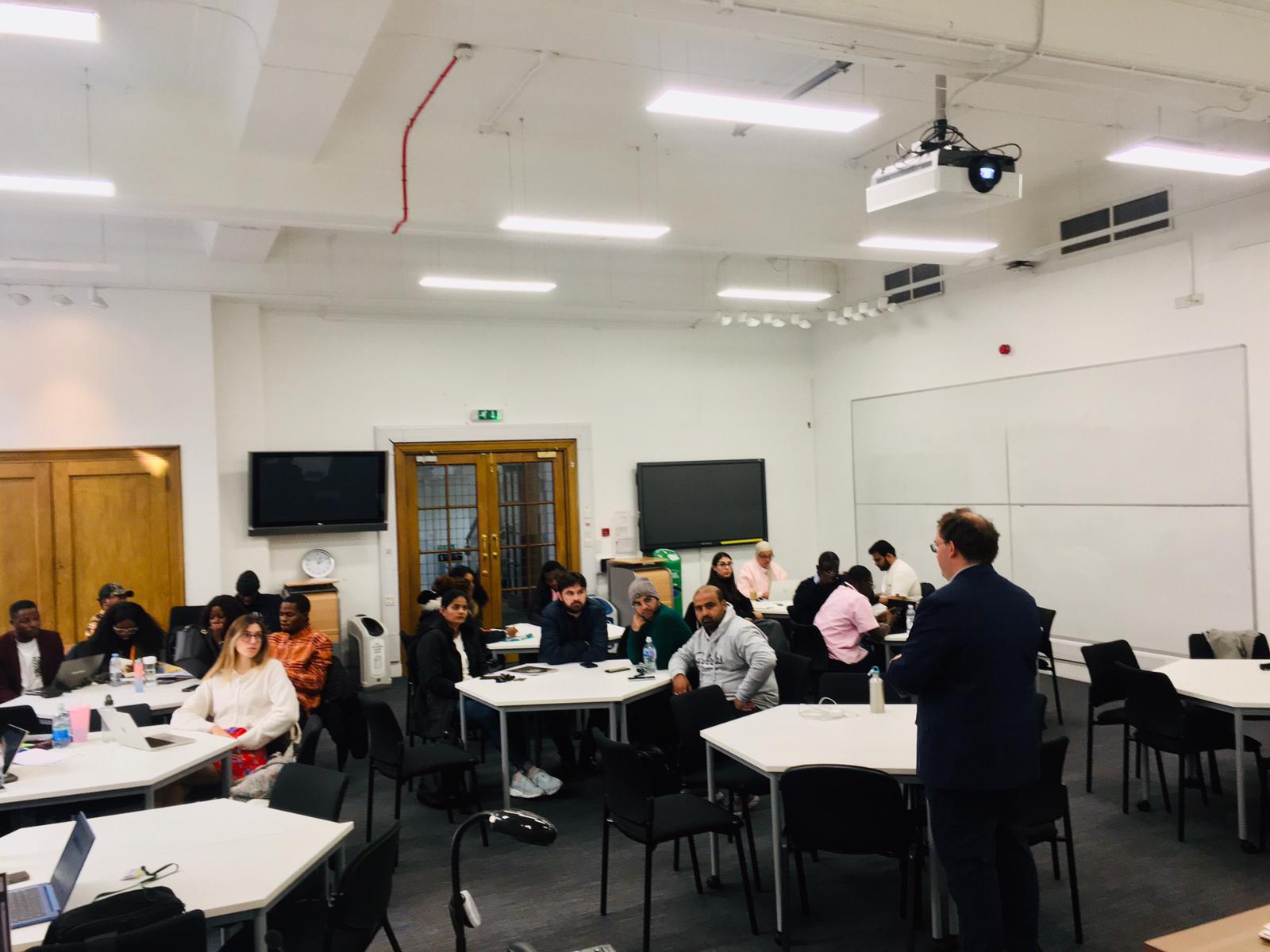
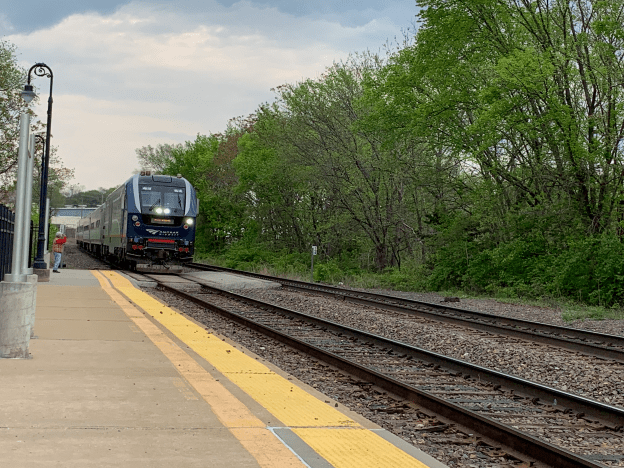
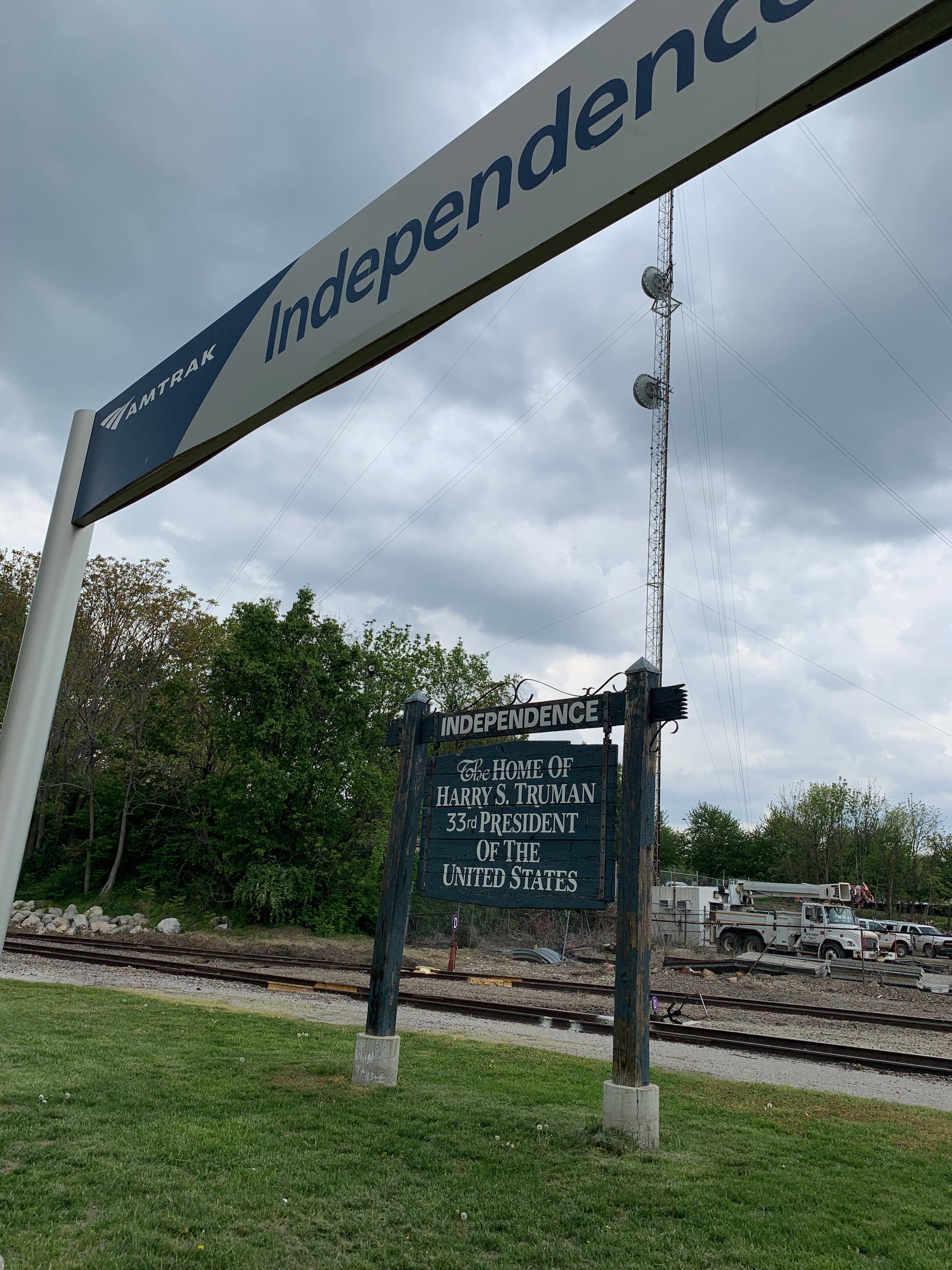
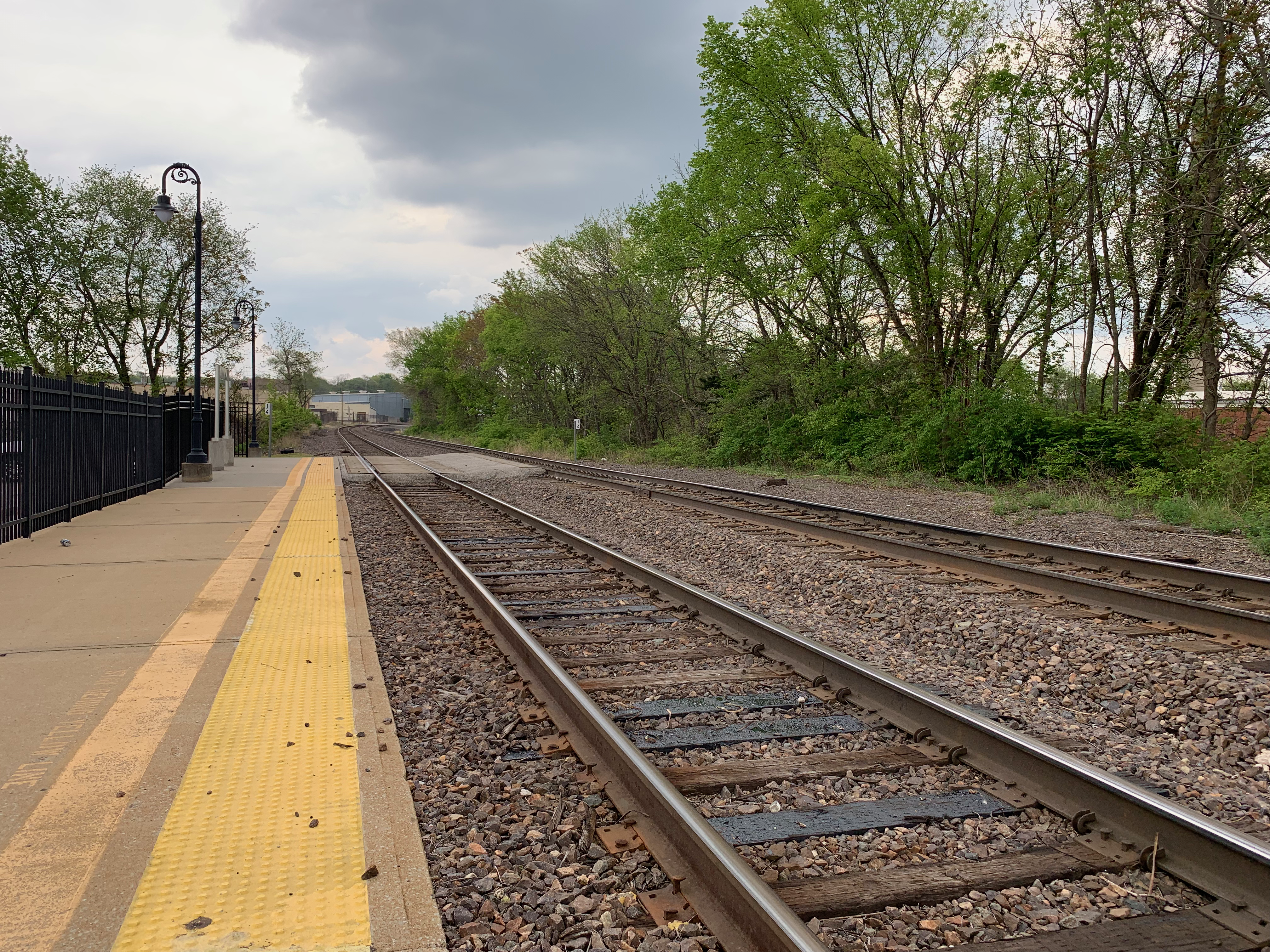
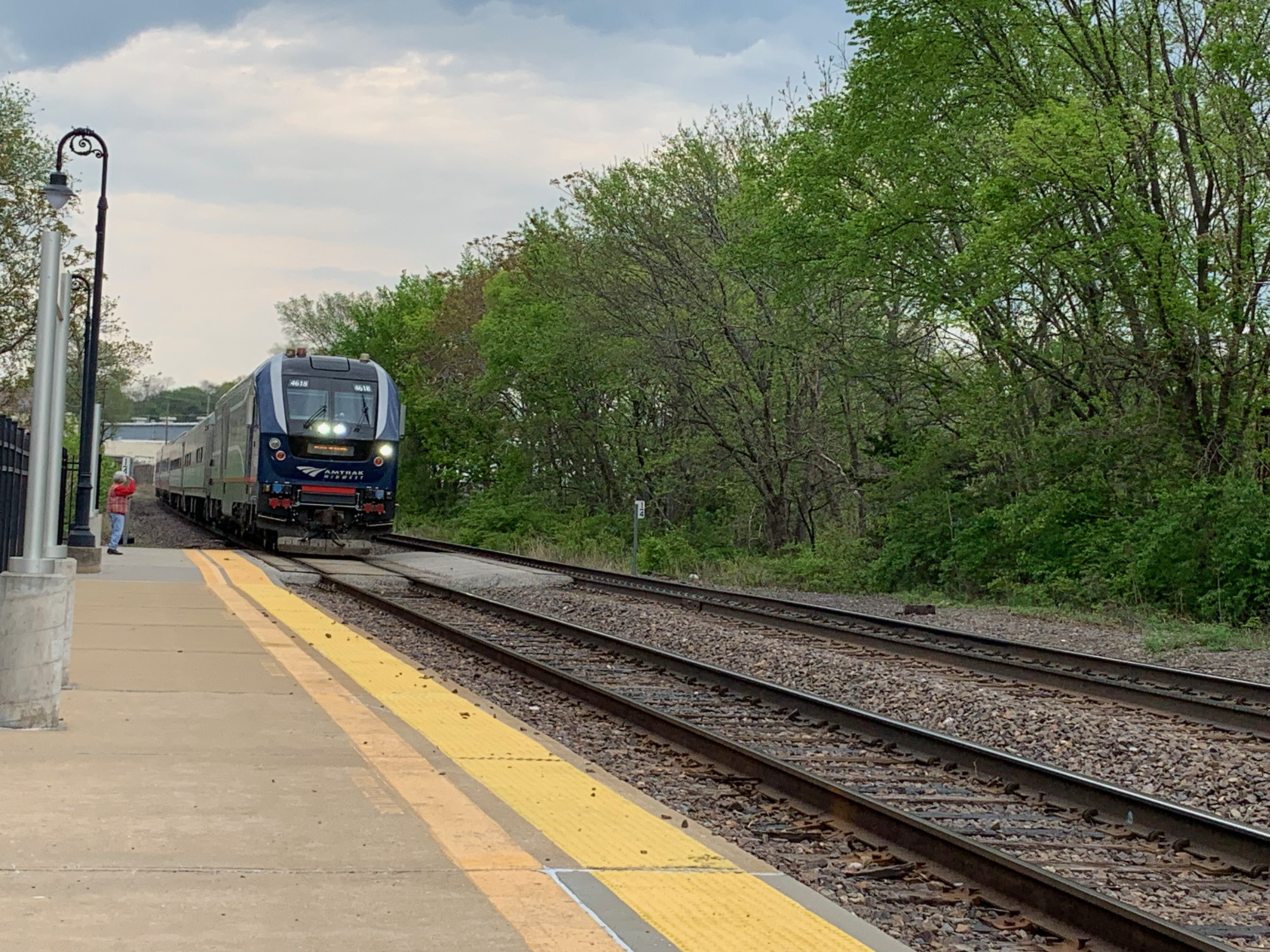
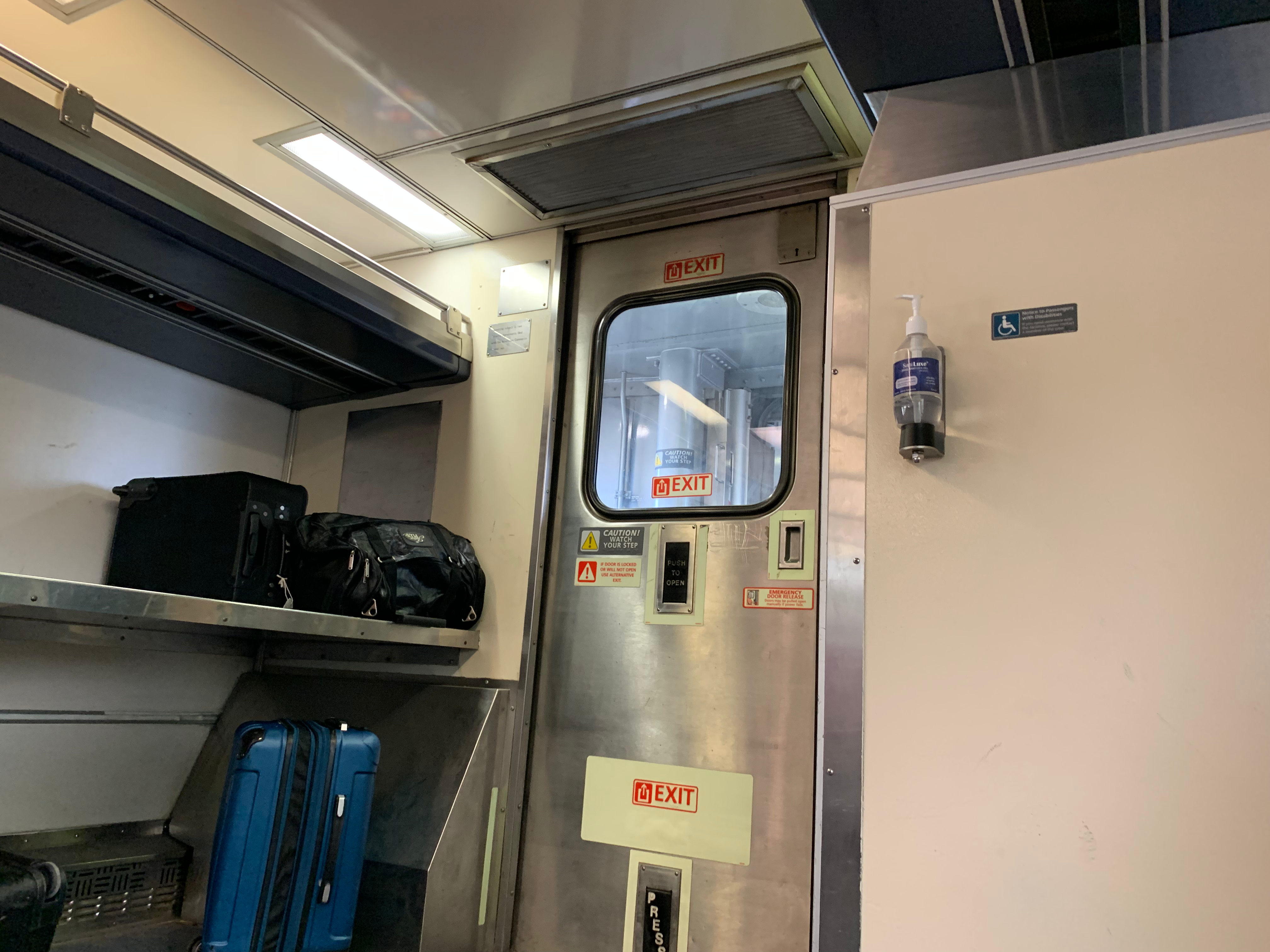
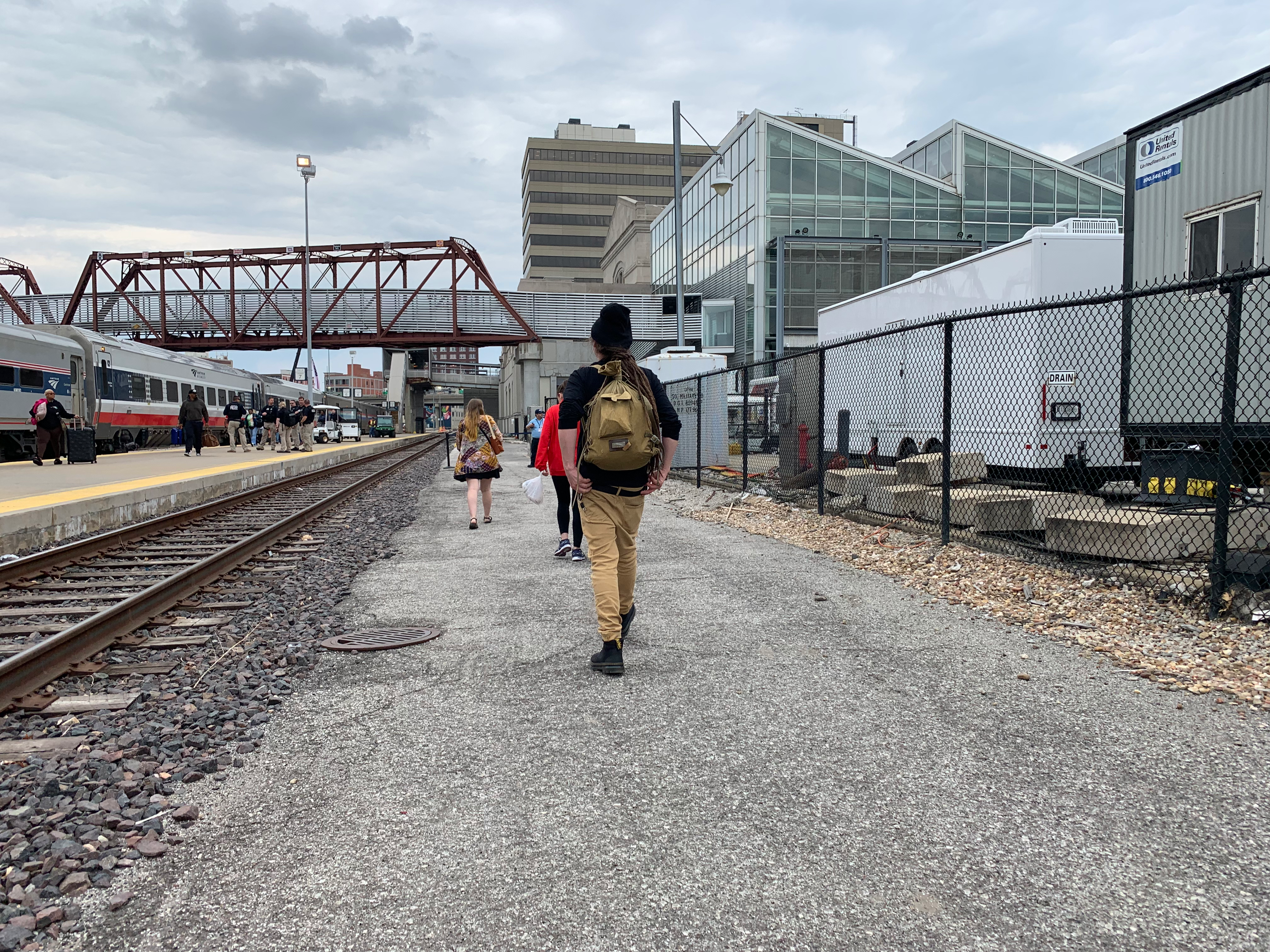
 Wednesday Blog by Seán Thomas Kane