Category Archives: Travel

To walk upon England’s mountains green

Shoreditch, London – This weekend now almost passed has certainly been one for the books. In a period of 48 hours, my group and I have seen Canterbury, Dover, Stonehenge, and Bath. We’ve gone from watching eels swim in the River Stour in Canterbury, to drinking the waters at the Roman Bathhouse in Bath. And all by coach, which though rather uncomfortable, is a simple way to travel.

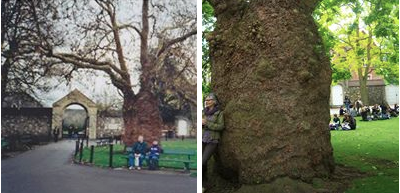
This was not my first time to three of the four sites, the solitary one being the oldest. Returning to Canterbury especially was quite a delight. In 2002, one of my aunts taught there at Christ Church University for a semester. During this time, my parents & I took the opportunity to pay a visit to England’s oldest city. As the coach drove into Canterbury, I had a list in my mind of what I had to see, all of which I am happy to say I saw.
Image

Photos from my first visit to Canterbury in November 2002 and my most recent visit in June 2013.
Image

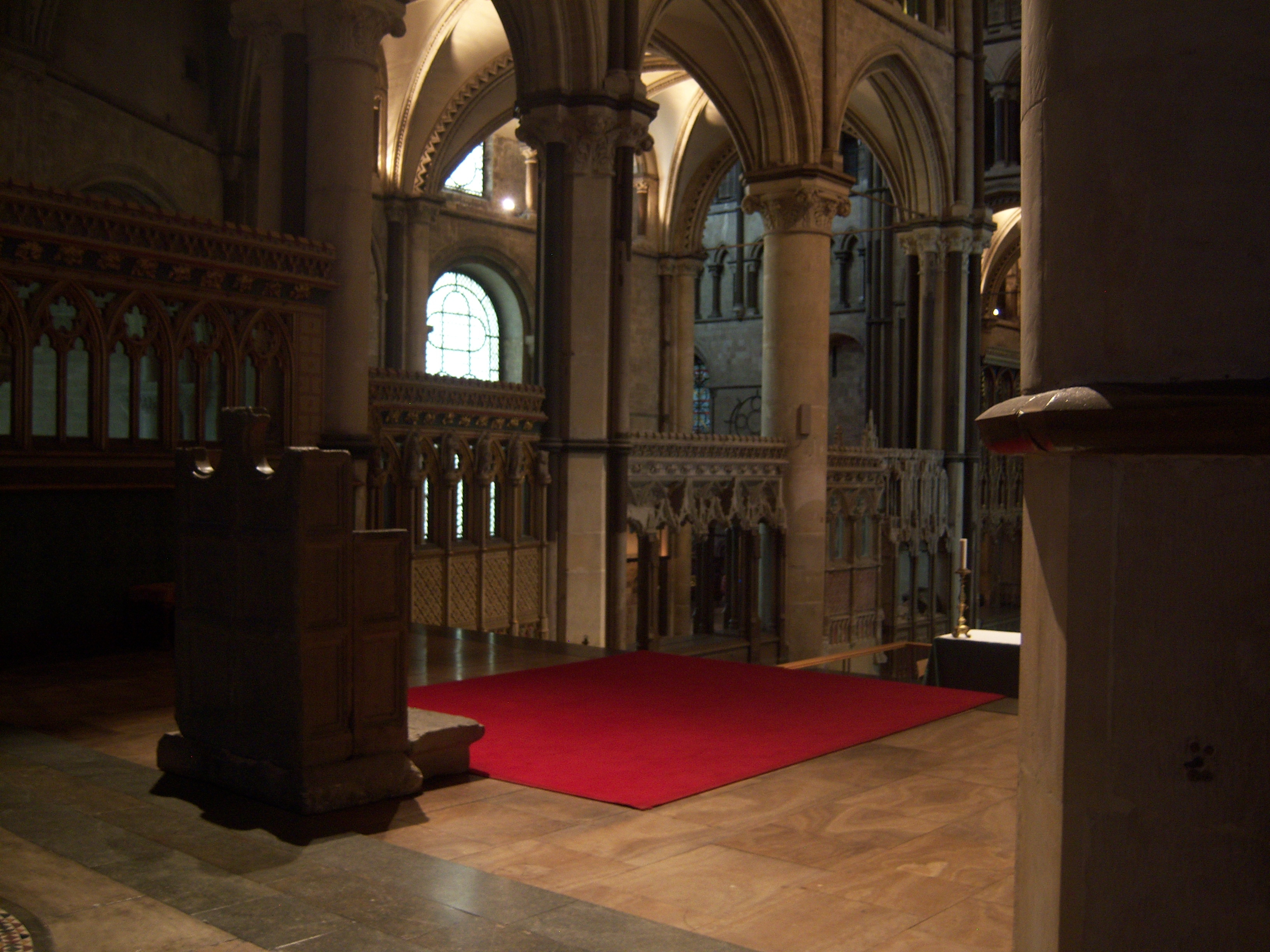
“Canterbury Cathedral is the seat of the Primate of All England…”

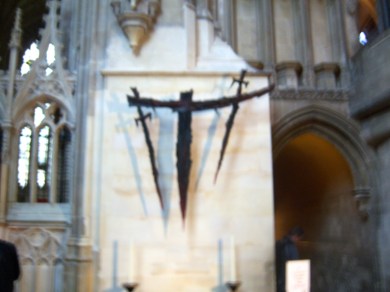
Canterbury Cathedral is the seat of the Primate of All England, the Archbishop of Canterbury, who also sits as the leader of the Anglican Communion, under the authority of HM the Queen of course. The Cathedral building itself is my favourite Cathedral anywhere that I’ve yet visited. It has a great combination of grandeur, and elegance. And on top of that the colours and lighting are many of my favourites. Canterbury Cathedral is also the site of a major event in my spiritual life. On 29 December 1170, St Thomas Becket, then Archbishop, was martyred by 4 knights at the altar of the Cathedral. He is one of my baptismal saints, along with St Thomas More.
Image

For me, going to Canterbury, like my medieval predecessors of Chaucerian fame, is a pilgrimage of sorts. After touring the cathedral, some friends and I went to a local pub, which was rumoured to have had the city’s best burgers. We were let down by a mystery substance in the meat, but the chips were grand! After this, it was back on the coach to head further towards the coast, deeper into French tourist country.

Dover is a beautiful port town on the south coast of Kent just 16 miles across the Channel from France. Though that didn’t seem to stop the French, as quite a few of them had overrun both Canterbury and Dover on the day we visited. I had also been to Dover before, on that same 2002 trip, but the Castle’s exhibits and the War tunnels had been greatly improved since my last visit.
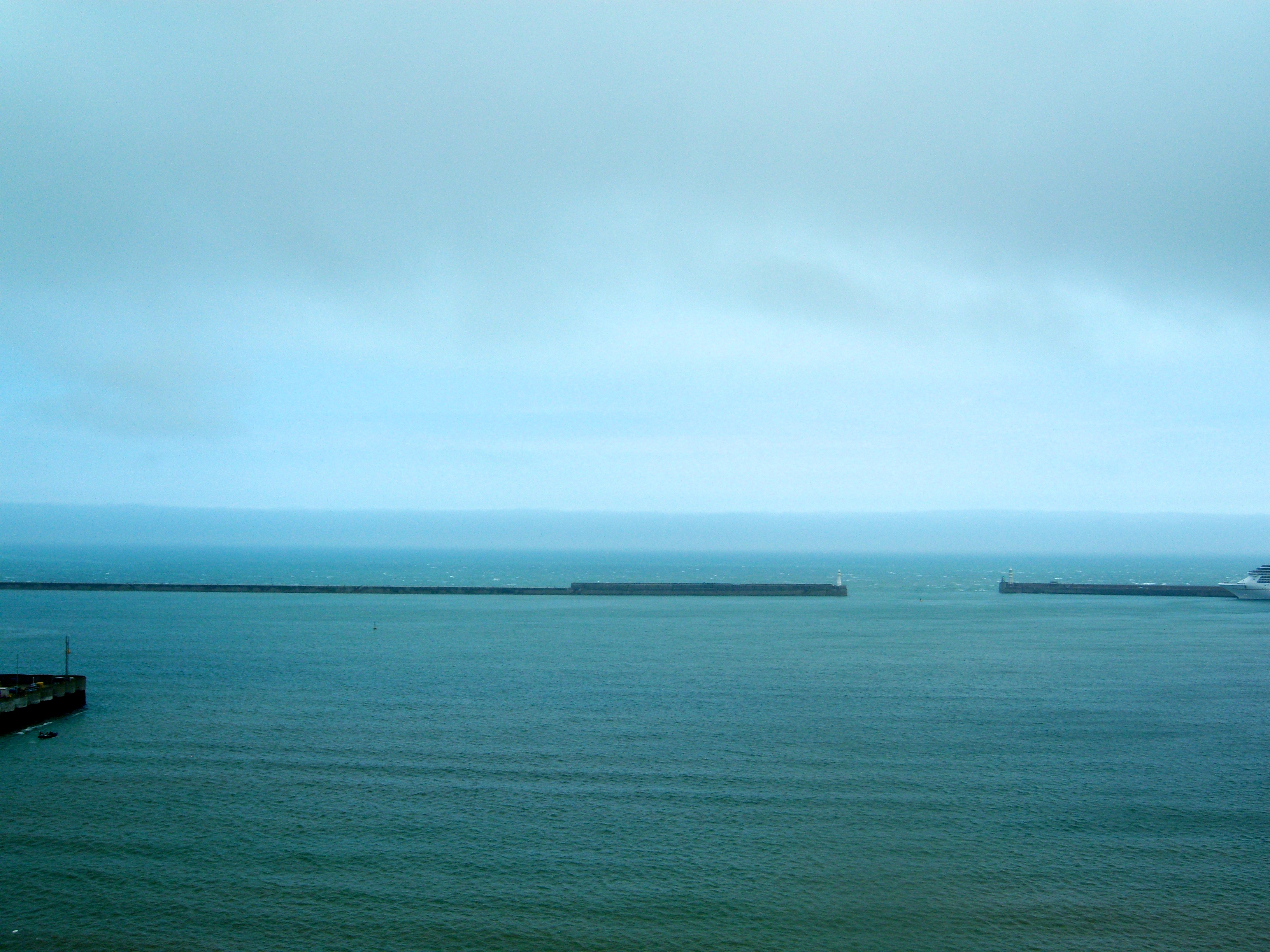
France in distance from Dover Castle.

France in distance from Dover Castle.

The War Tunnels especially had changed over the last 11 years. Gone were the old signs and information boards. In were the films and multimedia presentations. I much preferred the new method of telling the story of these tunnels. We then proceeded into the Castle proper, wandering its medieval lithic halls with awe for the construction and architecture. Despite the near constant use of le Français by most of the people at the Castle, the flag was not la tricolore, but another of Blue, White, and Red.
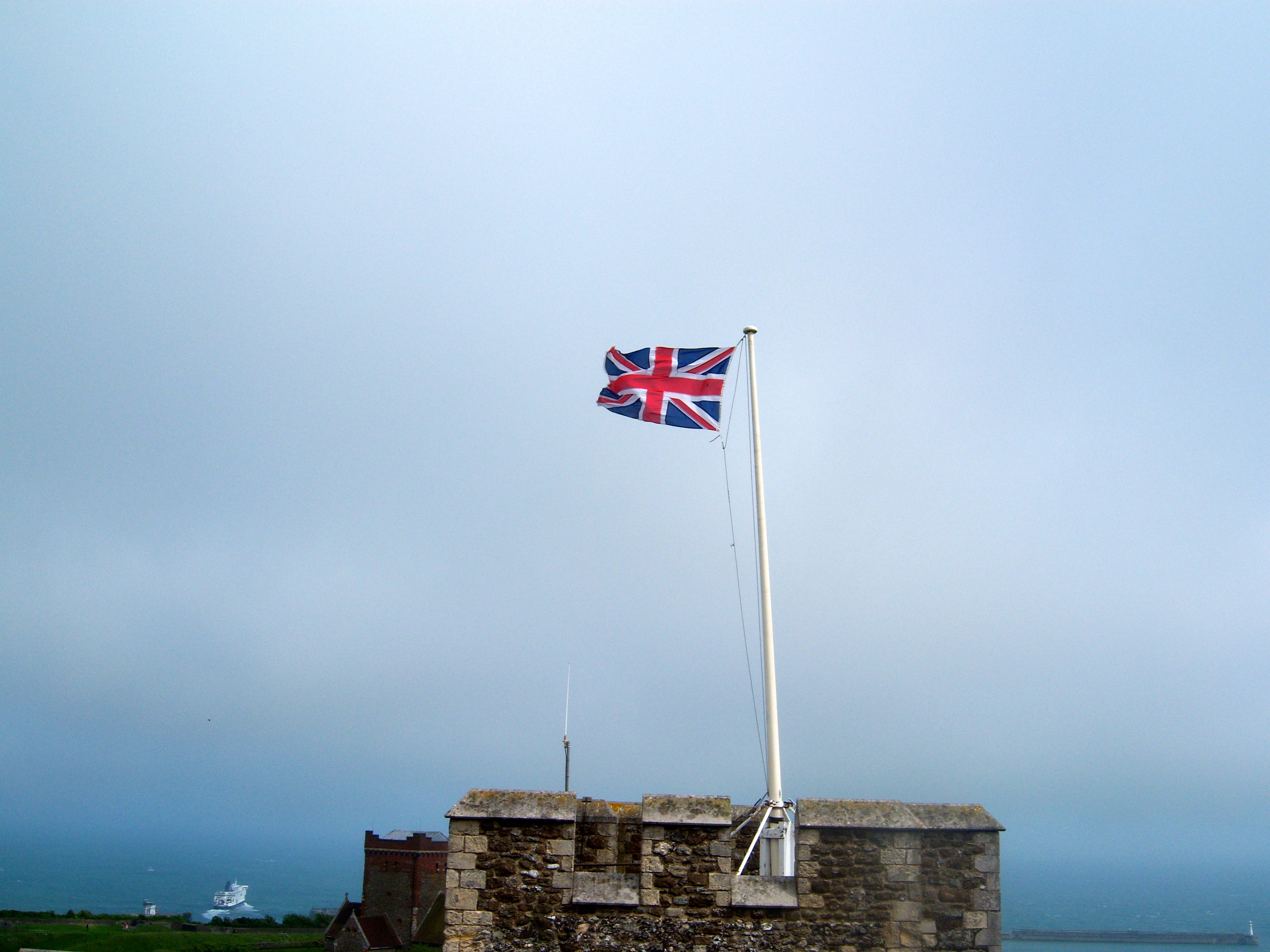
The Union Flag over Dover Castle.

The castle itself was beseiged in 1216 by the French, with the goal of conquering England, as Guillaume le Conquérant did in 1066. Unfortunately for them, it didn’t work in 1216.
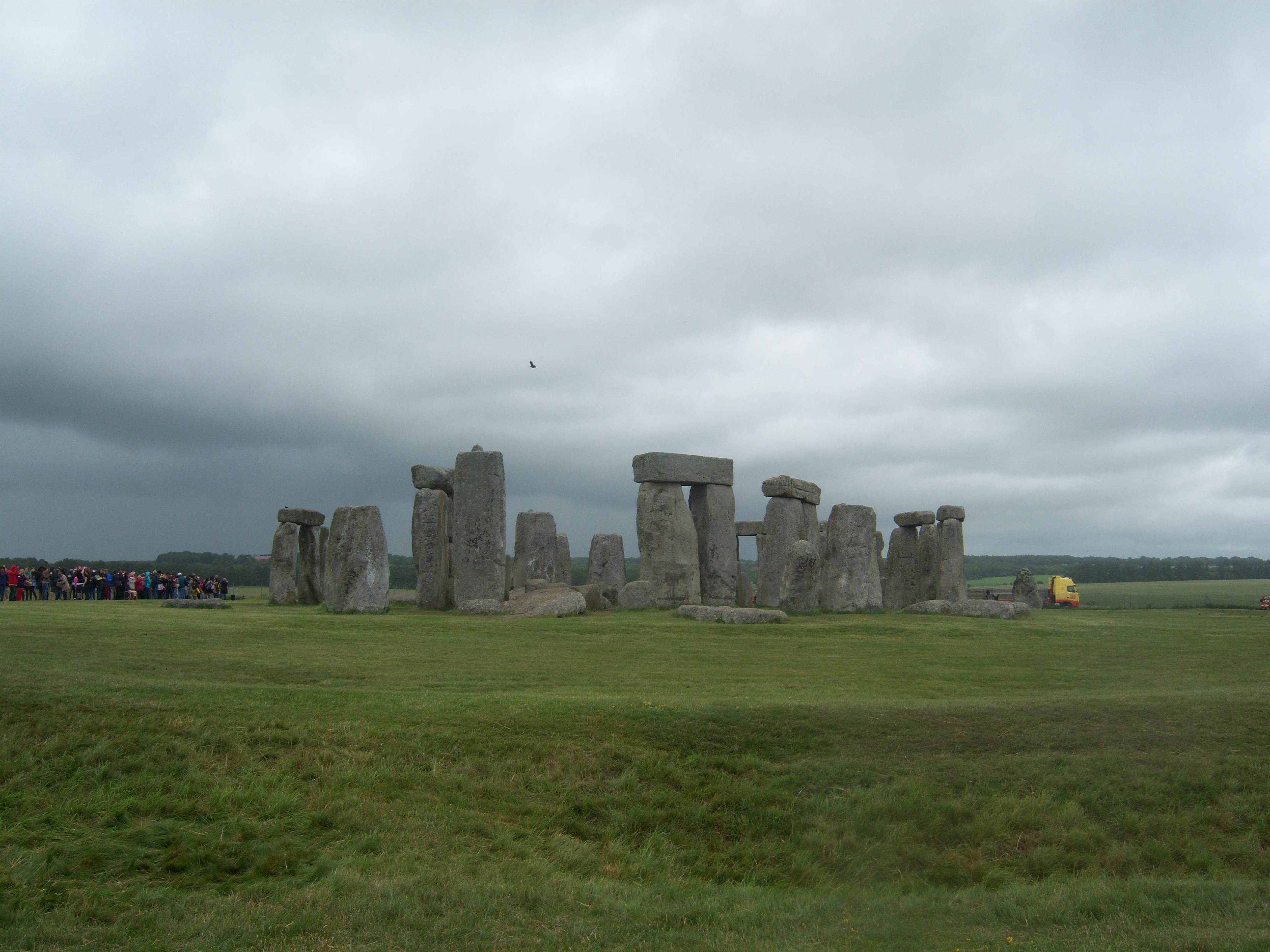
Stonehenge.

“… we made our way to a place of gathering for the past five millennia.”

The next day we headed out once again at 7.00 for a more ancient stone site. Driving west along the old coach road out of London, we made our way to a place of gathering for the past five millennia. Once a great building site, the work here had not continued after history’s first labour dispute stopped all progress on the project. Thus Stonehenge was born. Naturally, this is what is called humour, unknown to  some of our friends on the Continent, but beloved by just about everybody else. In reality, we don’t actually know how Stonehenge came to be. I personally support the theory that the early stages of what became the Druids were responsible for constructing it. And on top of that, there’s evidence that it was, like today, an international destination renowned the ancient European world over. I really quite liked Stonehenge, for the little time we had to see it. Granted, there’s not much to see for now. They’re closing it down for a time on Monday to grass over the current approach road, and to build a new visitor’s centre a few miles away. But what I can say is that there was some magic of sorts in the air. Perhaps it was just the ghosts of the ancient peoples who came here playing games by blowing very hard at all of us so the wind picked up. In any case, Stonehenge is one place that I hope to return to, perhaps at a Solstice even.

From Stonehenge, it was just a short drive west to Bath. We passed through many a pretty dale and over a fine canal before arriving in the city famous for its hot springs. We first went and got some much needed lunch, and then proceeded into the Roman Baths themselves, which are always a treat.
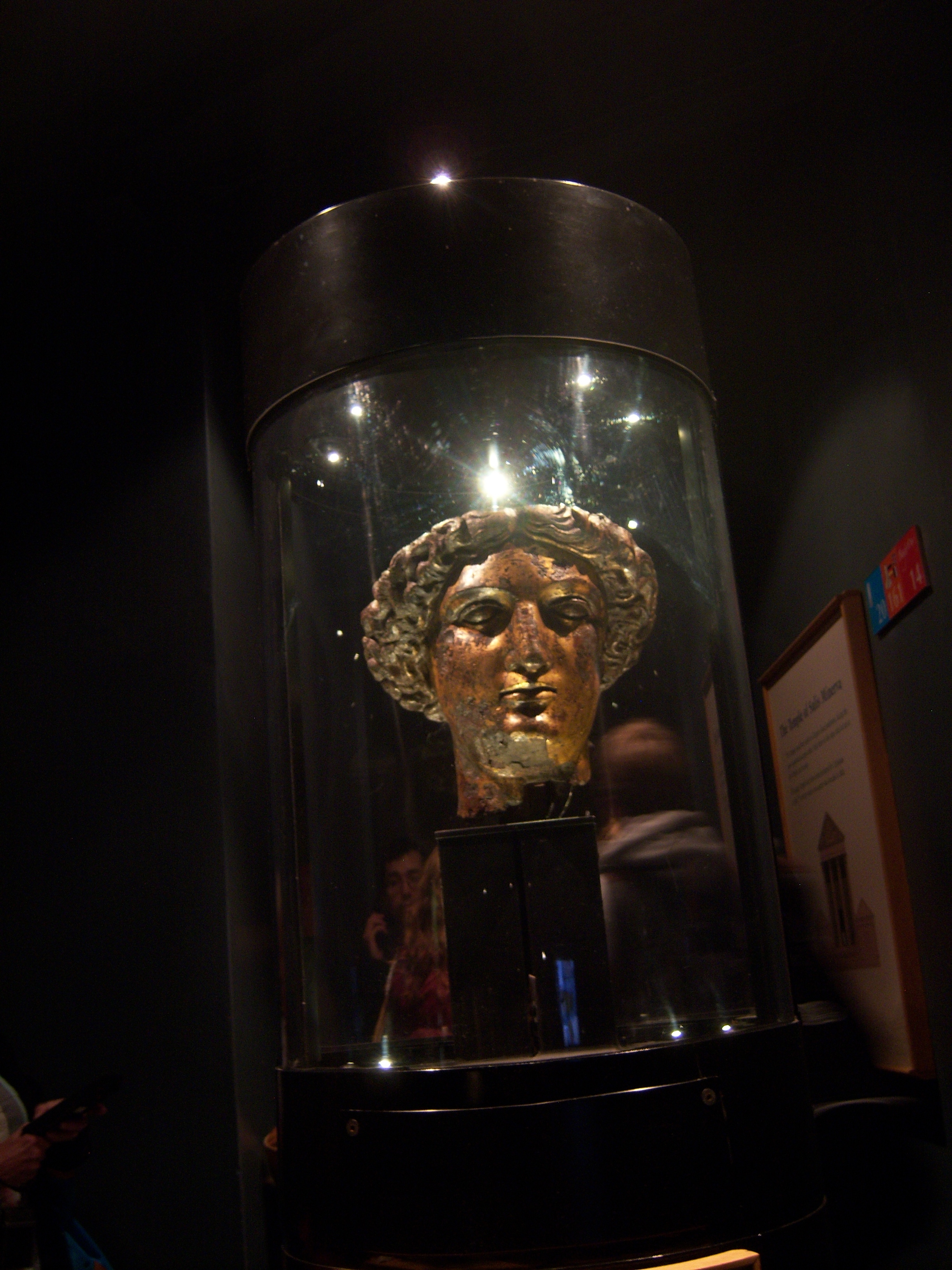
The Head of Sulis Minerva.

The Head of Sulis Minerva.

In June 2001, my Mom and I came here for our first times, experiencing the serene beauty in all its glory. That day there was sunshine, this day however was a nice overcast grey. The Roman Baths were built upon a hot spring, dedicated to the ancient Celtic goddess Sulis, who the Romans renamed Sulis Minerva. These Baths became a major destination in Roman Britain, attracting people from all about the Roman Empire, including one man from Syria, who died here. 2000 years later, archaeologists were able to reconstruct his head based upon his skeleton and figuring out via DNA as to where he was born.
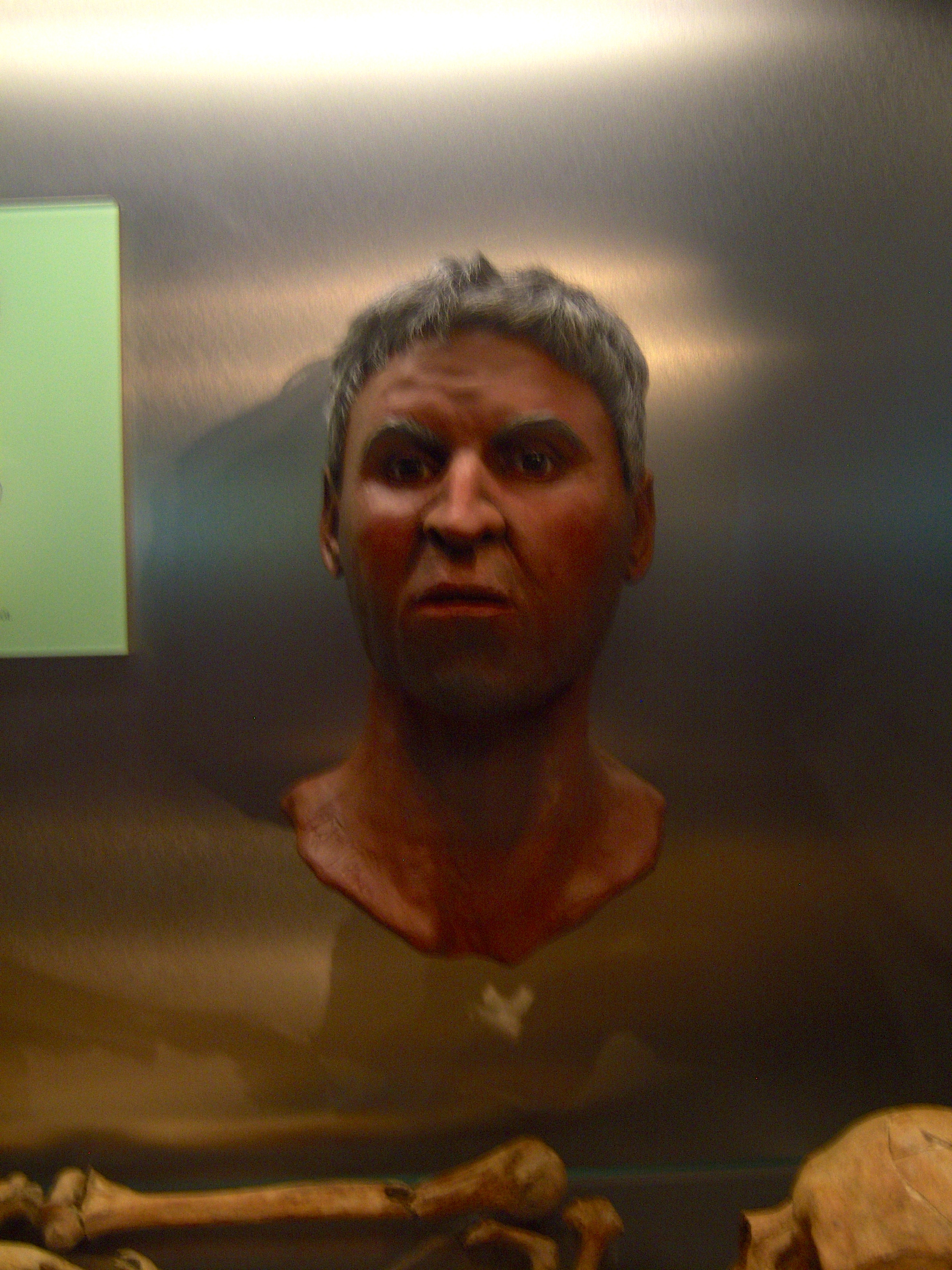
Reconstructed head of an ancient Syrian.


The thing to remember is that the Roman Empire was so vast that people could very well travel about from places as far away from each other as Damascus and Bath. Even today, with the advent of the European Union and the demise of border cheque-points across the Continent, it is still almost inconceivable that one could make such a journey without carrying a passport or some form of identification.

From the Baths, our group split up, I ended up wandering about Bath for a few hours, taking in the sights, sorting out my mobile phone troubles, and enjoying a nice ice cream from a local chocolatier before returning to London by coach. The journey back was quite uncomfortable, as I slept for much of it, with my head leaning heavily down towards my chest, thus straining my neck, but I can turn my head to its normal distance again!

When we got back to London, a group of friends and I went to an Indian restaurant, Cinnamon and Spice by name, which was highly recommended by one of our group. I had, and immensely enjoyed, the buttered chicken with rice and naan. If you are in London, do try this restaurant, it’s just a block west of Baker Street and Marylebone Road and a bit north, I think too. So, until next time, may your journeys be fine and joyous, and may your camera charger fit into your converter. Tá.
Learning in London – A Living, Urban Classroom

Image

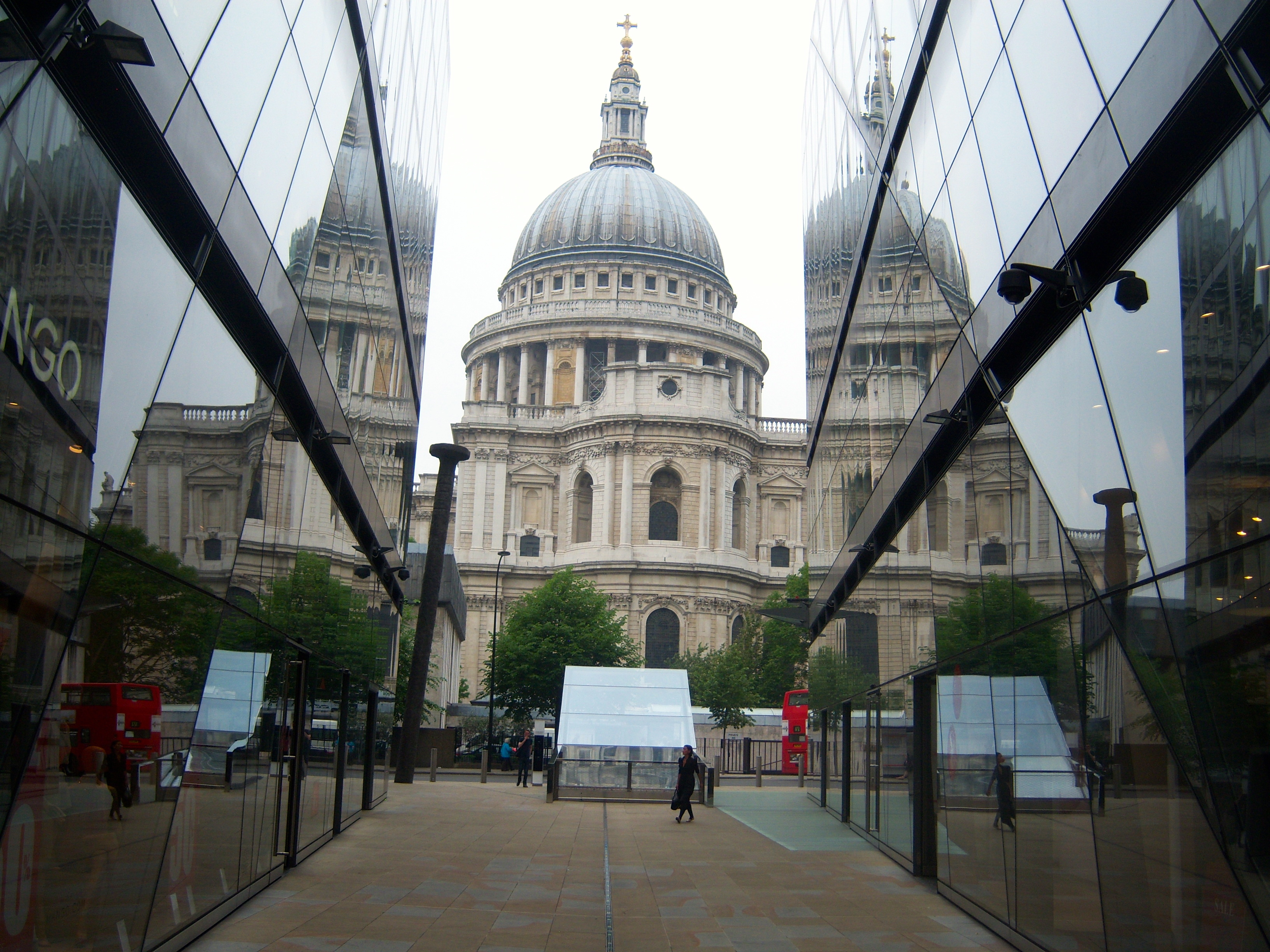
St Paul’s reflected by the face of One New Change.

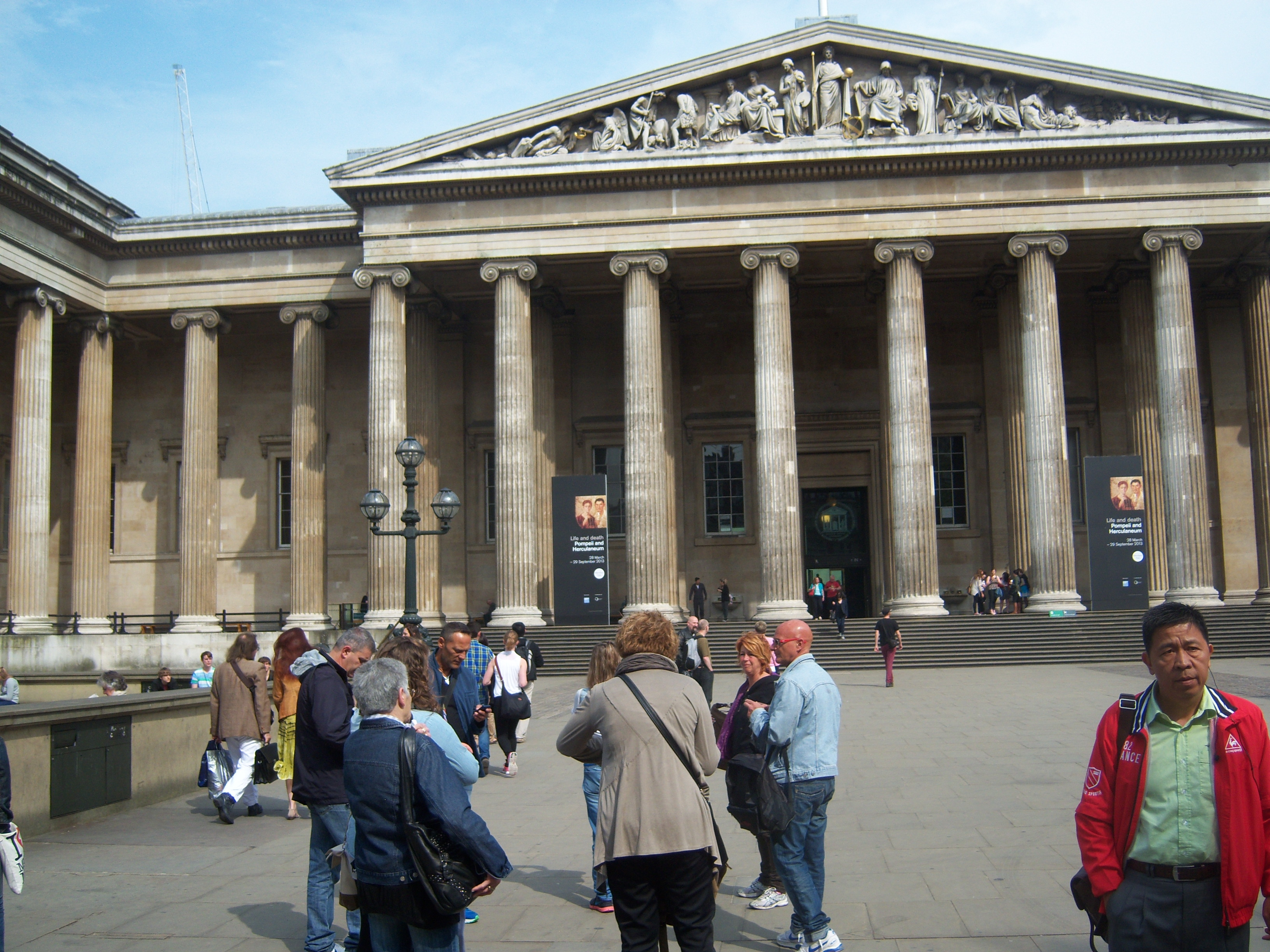
Shoreditch, London – If I ever wanted to study history, there are few cities in the world that are greater places to do so than here. Not only is my class studying the history of London in London, but we’re doing it by going around and actually seeing the history and how the present is presenting and re-presenting it through museums, galleries, plaques, and monuments. So far, this is the best way I’ve found to learn the history of a place, because it cuts out the Prof. Binns effect to use a Harry Potter reference, in that the class can just be a boring list of names, dates, and battles. Not that I’ve actually had such a class thus far in my academic career, of course. However, the class I’m in right now is by far at the extreme opposite end of the spectrum from such a Binns class. After all, how many history classes have you taken where your classroom for the day is the British Museum, or where your main project is to find something in the history of London that could be better represented or needs to be told in the first place.

Image

“…how many history classes have you taken where your classroom for the day is the British Museum…”

My paper and presentation is going to be on how the linguistic history of London could be better represented in the Museum of London. In particular, I’m going to be looking at how the languages and cultures of the past, whether Celtic, Roman, Saxon, Norman, Medieval, Tudor, or the more recent generations, impacted the landscape and life of London today. You can see the impact greatly in toponymy. For example, in London one can find a tremendous amount of Anglo-Saxon street and borough names, such as Aldgate, Cheapside, and Smithfield.

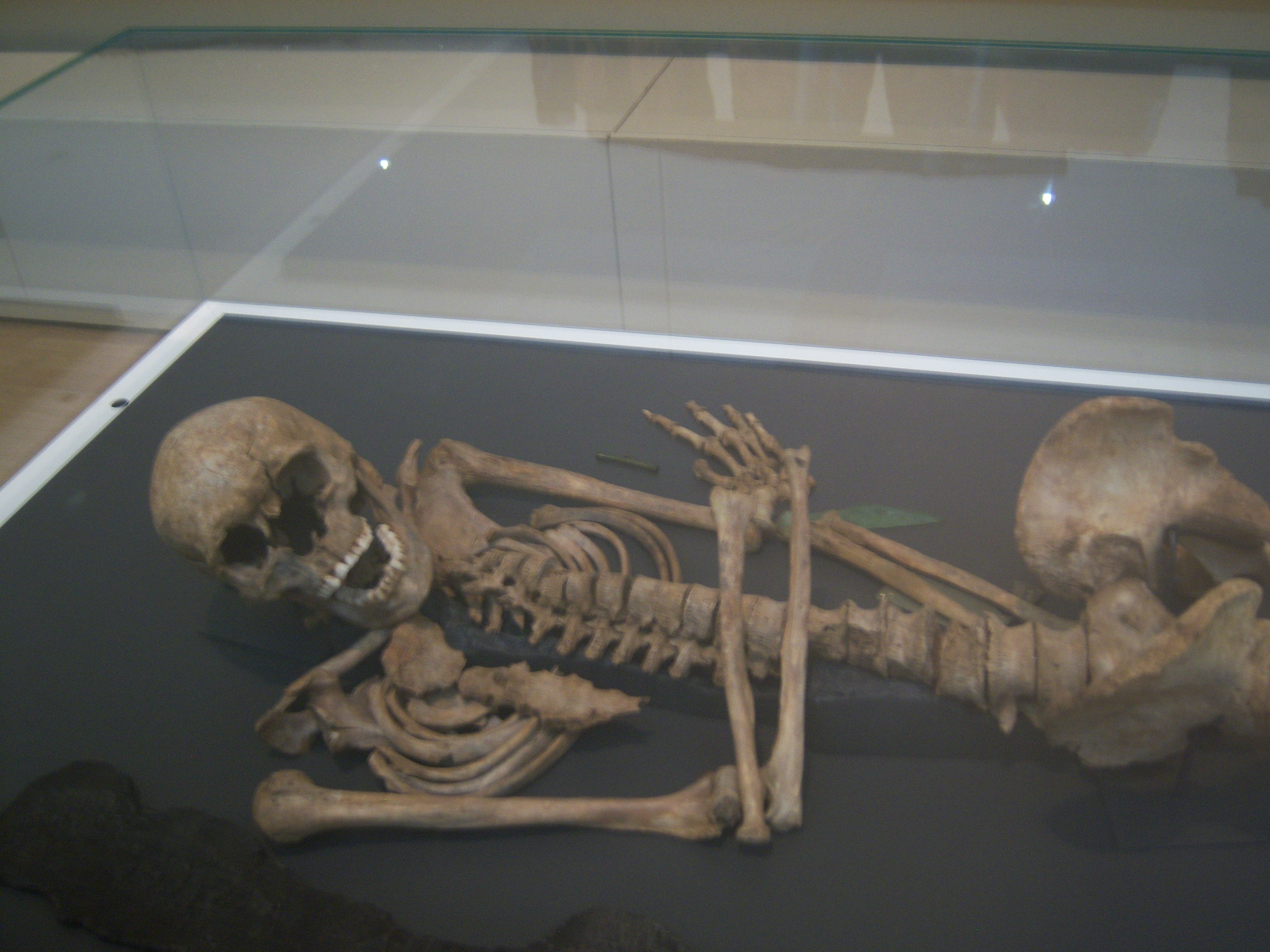
My first full day of class was at the British Museum. We spent the day wandering through it, first looking at how the museum told the story of humanity, and then in particular how it told the story of Britain. There were somethings in the museum that I found really interesting and exciting, particularly in the British sections, such as the Barnack Burial, which is a skeleton of a man who died between 2330 BC and 2310 BC. (Source: British Museum). The crazy thing about it is that when I thought about it, I realised that because he was a pre-Roman Briton (the ancestors more so of the modern Welsh than English), this skeleton is probably one of my ancestors. That realisation made the experience more personal, and much cooler for me.

Image

“…this skeleton is probably one of my ancestors.”

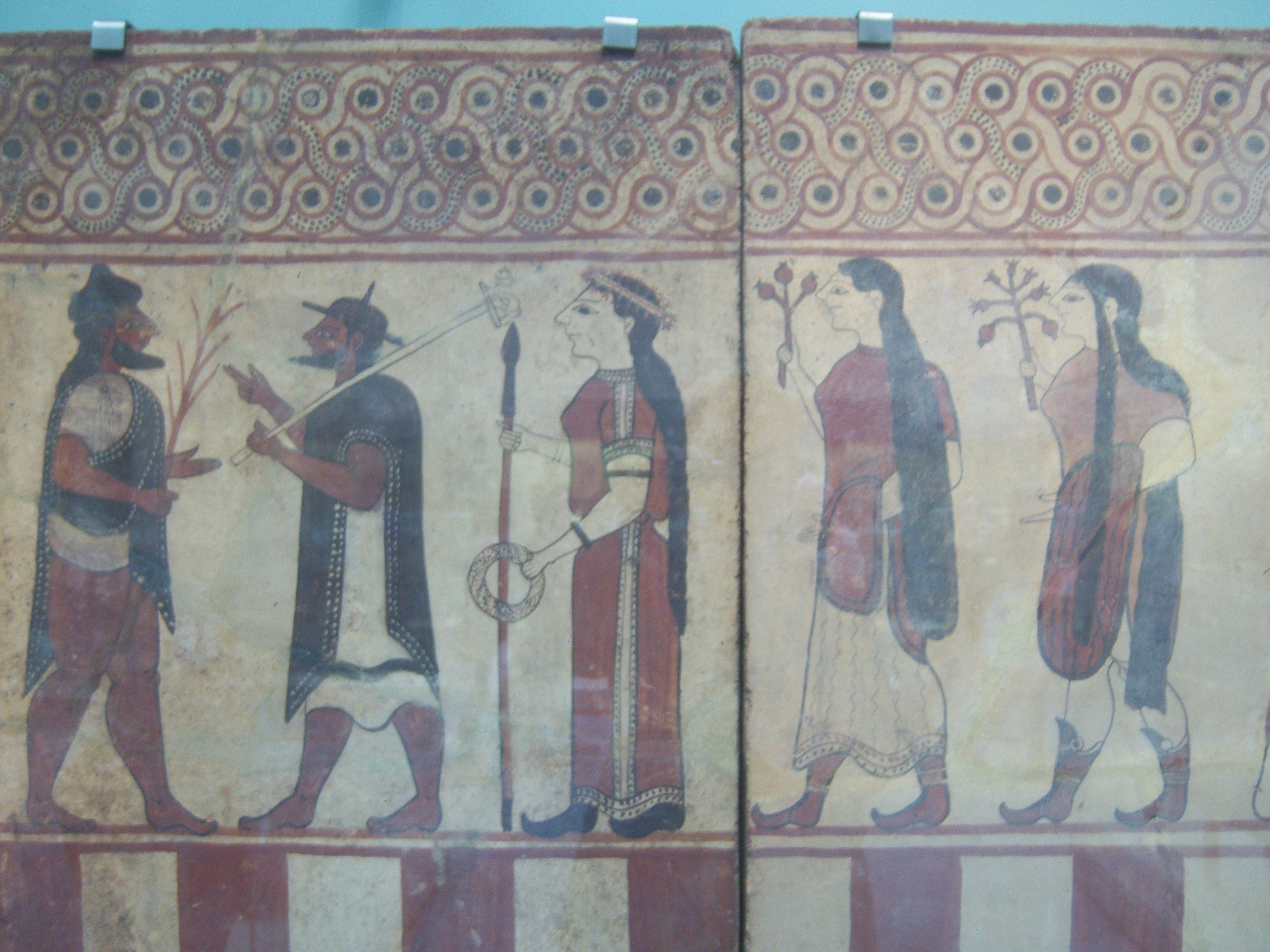
One area that I am most interested in, as can be seen by my mention of the aforementioned skeletal man, is in the peoples who came before the great civilisations and empires of Antiquity. Two such peoples are the Etruscans of Italy and the Minoans of Crete. The British Museum has a collection of Etruscan artefacts, which were a delight to see, as I don’t get to see much save Rome in Kansas City. Among them was a wall painting showing your normal Etruscans from the height of their civilisation. A lot of these ancient things are so eerie because I think about how when they were first made, that culture was probably not unlike our own in that it seemed stable, and ready to continue on into the future. But, they are no longer around, just as one day we will most probably not be around as well.

Image

“…that culture was probably not unlike our own…”

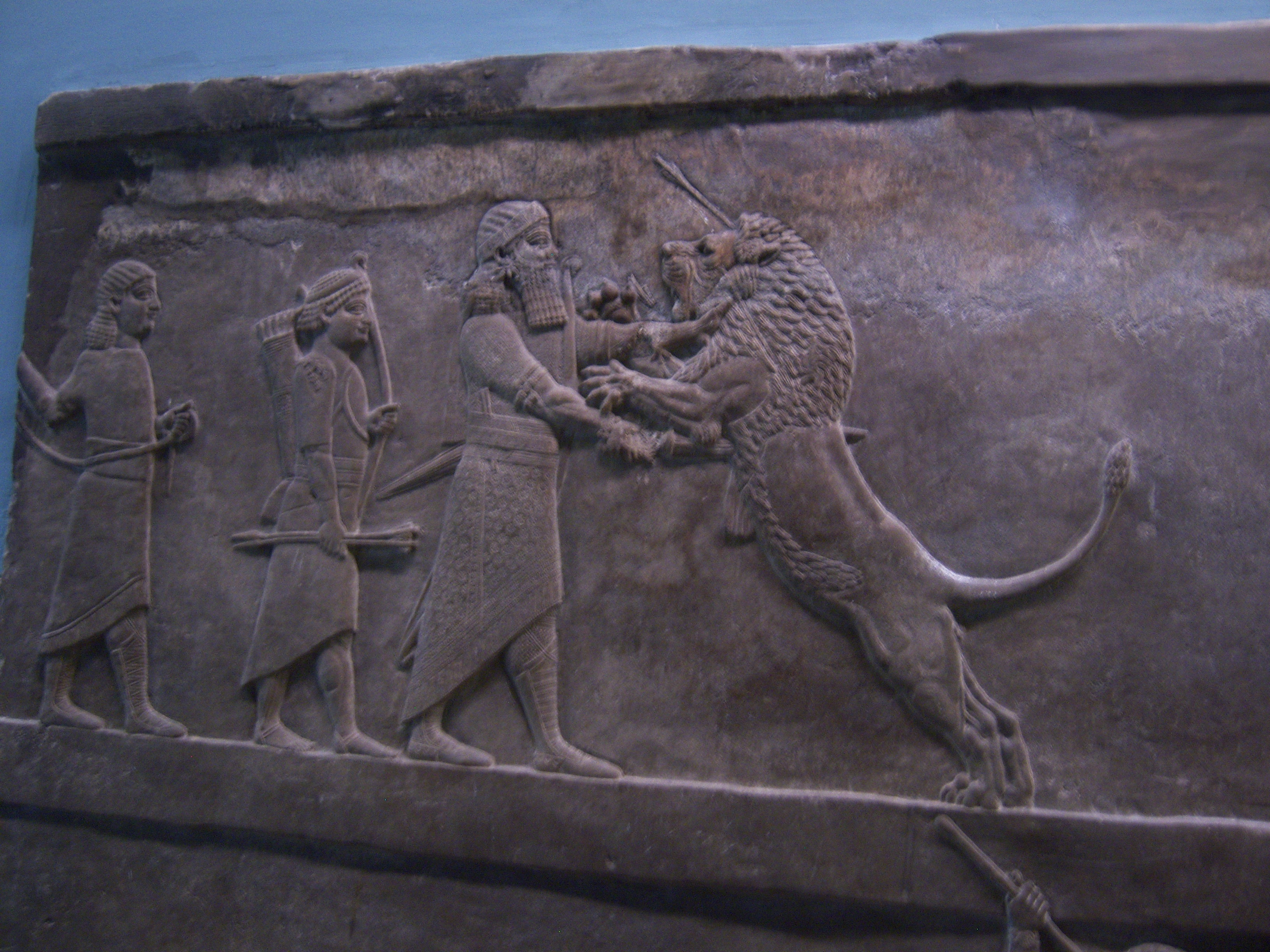
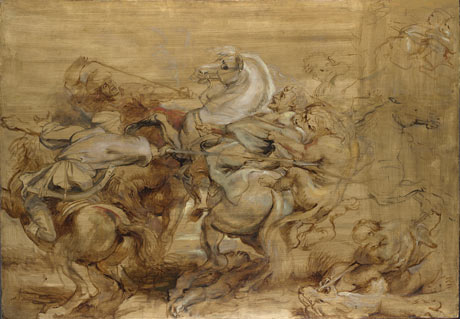
Another interesting thing that caught my eye was the Assyrian collection. Being a lover of Gilgamesh, I had to take a look at this section of the museum, which was as it should be: astounding. Again in the artefacts that we leave behind, the future can learn more about lost civilisations and cultures. So too, in things such as a wall carving of an Assyrian king wrestling and stabbing a lion, we are shown a particular image of their society, and the power of their kings, that could or could not be unlike our own. I had a good laugh later in the day when at the National Portrait Gallery, I came across a Reubens depiction of a Lion Hunt.

Image

An Assyrian King stabs a lion whilst throttling it.

Image

Peter Paul Rubens, A Lion Hunt, about 1614-15.

The thing to keep in mind is that despite the passage of time, the changing of language and culture from one to another, we always remain human. Just as a king in the 16th Century BC may have a fascination with hunting lions, to show his own power and prowess, so too a 17th Century painter would use that same image to depict the greatness of his subject. After all, what is the symbol of English Football than the 3 Lions of England? This is one of the great things about history that I love so much, that we learn so much about ourselves and our culture when we study others. In London, one can see this more so than perhaps in other cities. Here in the courtyard of the London Guildhall, one can see architecture from every period in the City’s 2000 year history from the Roman amphitheatre under one’s feet to the late 20th century buildings on of the Guildhall’s West Wing. This is truly a great place to study history, one of, if not the greatest there is. I am looking forward to next week’s class, as we continue on our walks through London, learning about the past, and how the present depicts it, while keeping a watchful eye on how the future may depict us when we too become the past.

Travelling about London

Shoreditch, London – The first day of class has come and gone. It was rather a fun and exciting day, both at university and out and about in town. If I hadn’t been too sure of my knowledge and understanding of the Underground before this morning, I certainly am as I write this at 20.00 in the evening.

London Underground symbol

“Once one gets the system down, travelling in London is not to bad at all compared to other big cities.”

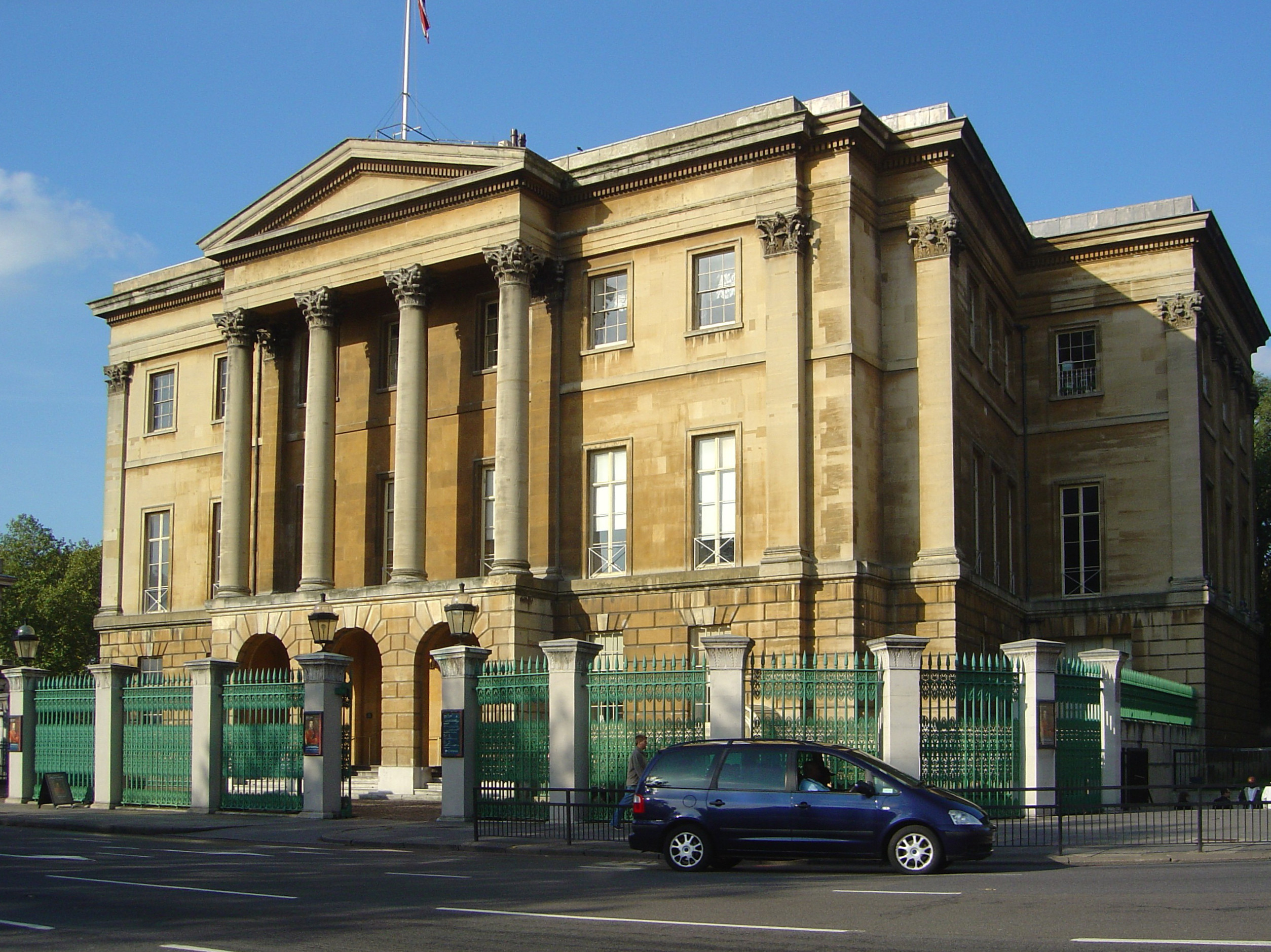
Once one gets the system down, travelling in London is not to bad at all compared to other big cities. After class got out today I decided to head over to Apsley House, the home of le vainqueur de Waterloo, the 1st Duke of Wellington. To get there from my home station, I had to make one transfer between trains, which wasn’t too terribly bad. The problem came in the fact that I left the dorm at 15.30 and Apsley House was scheduled to close at 17.00, so considering that rush hour was just beginning to wake from its meridical slumber, I knew that I needed to get there a bit faster than normally I would have. So, by walking down escalators on the left (rather than standing on the right as is custom here), and standing on trains near the doors, being the first one to jump off when said portals opened at my transfer and destination (Hyde Park Gate), I was able to make it to Apsley House at 16.20, a good 40 minutes prior to closing time. Unfortunately however, I entered the courtyard and found the sign that read “CLOSED” standing on the steps leading to the front door.

Apsley House, courtesy of the Wikimedia Commons.

Apsley House

In my annoyance I decided to walk around for a bit, after all I was in Knightsbridge, which is one of the nicest neighbourhoods in London. As I walked along I chanced to see a few things I probably wouldn’t have seen had I just gone back to the Hyde Park tube and returned home. Among these were the Libyan and Kuwaiti embassies, the latter of which had a rather large flag in front of it. I would have stopped by to see if I could pick up a couple Kuwaiti dinar, which last I looked was the highest valued currency globally at present. But because of the obviously heavily armed guards in front of the embassy (one was standing talking to the other who was driving a G-Wiz [cute, I know]) I chose to pass onwards and get back onto the tube at Knightsbridge. Now here’s the kicker, where no doubt my Mom will be saying, “Seán, you shouldn’t have…”: I didn’t actually know which tube line ran through Knightsbridge station, I just knew it was a tube station and that I could get home somehow someway. As a matter of fact I didn’t even know which lines went through there until I got onto the platform level (I intentionally left my tube map in my pocket), just as a bit of an adventure. Needless to say, I got onto the only line there, the Piccadilly line, and took that back towards the university, figuring that I might run into some friends if I did that. Though I didn’t run into any other ISA students, I did get an opportunity to try and blend in with the business-folk going home from a day’s work in the City (the CBD). It worked rather well, except for two businessmen who were giving me funny looks because my suit wasn’t black like all the rest of the businesspeople on the train, which granted I’m not a businessman, I’m a historian in training and a filmmaker, so I can wear some colours other than black, blue, and white (all of which I was wearing in one way or another, mind you.)

The G-Wiz (Reva-i outside of the UK)

“(one was standing talking to the other who was driving a G-Wiz [cute, I know])”

I got off at my home station at about 18.00 and made my way over to our local Argos (a UK electronics store). At first the place threw me for a loop. When I walked in all I saw was a big empty space in a small shop. I soon realised that I had to go over to the far left and look in their catalog, write down the number of the item I wanted to buy (a desk fan as there’s no air circulation in my room & no AC either), then take my little slip of paper to the counter and have the clerk type it into the system and take my money. Then I went and waited by a counter on the far right side of the shop, and not unlike Portillo’s, for all you Chicagolanders out there, I waited for my number to be called. After getting the fan, I went home, set it up, and enjoyed a nice cool breeze in the room.

However, I would have to say the two most amusing sights I have seen since coming to London were both involving transport. On the tube last night on the way back from Westminster a health & safety sign on one train had been graffitied so it read, “OBSTRUCTING THE DOORS CAN BE DANGEROUS”. The second was on the way to the university this morning we came upon a G-Wiz that was parallel parked on the side of a street but perpendicular to the rest of the cars, as in it was backed into the spot in question. This is why small cars are the best!

So, to the point of this article (seeing as I titled it “Travelling about London”), what is the best way to get about Central London? In my opinion, if you want cheap and fast, take the tube. Sure, you don’t get to see sights on the way (as you’re below ground), but you do get a good opportunity to blend in with the locals & will reach your destination quicker than if on a bus or in a cab. In regards to buses, they still confound me tremendously. I’m avoiding them for now. As for cabs, the licensed ones are good, but pricey for just one person. So, I’m probably taking the tube home from the opera or theatre for example. Of course, if you’re just staying in one part of town, walking’s a fine way to get about, after all it’s what the locals do. But, on no condition, as I have heard time and again, and seen from afar, never attempt to drive in London if you’re not a local. If you think Chicago traffic’s a pain try coming here at rush hour. Let’s just say the British don’t have the concept of jaywalking, so if there’s a wide enough gap in traffic people just cross the street. O, and also just don’t make eye contact and don’t apologise for going past people on the pavement (sidewalk) or in the tube’s escalators and pedestrian tunnels in stations, just keep moving forward. And for no reason at all stop and look at your map in the open, just keep moving and find a café or sign.

So, with that, I’m signing off for the night. Tá.

Settling down in London

Shoreditch, London – After 6 and a half hours in the air (8 and a half hours on the plane thanks to a great JFK traffic jam), I at long last made it to London-Heathrow yesterday morning (15 June) at 8.00. The flight was quite interesting, and didn’t have much trouble after we got off the ground. About two hours into the flight, for whatever reason I had the urge to lift the window shade just a bit. This “sudden urge” turned out to be quite rewarding, as I got an exquisite photo of the sun just beginning to rise over eastern Greenland.

Sunrise over Greenland, 15 Meith/Jun/Juin 2013 at 3.00 UTC.

“This “sudden urge” turned out to be quite rewarding…”

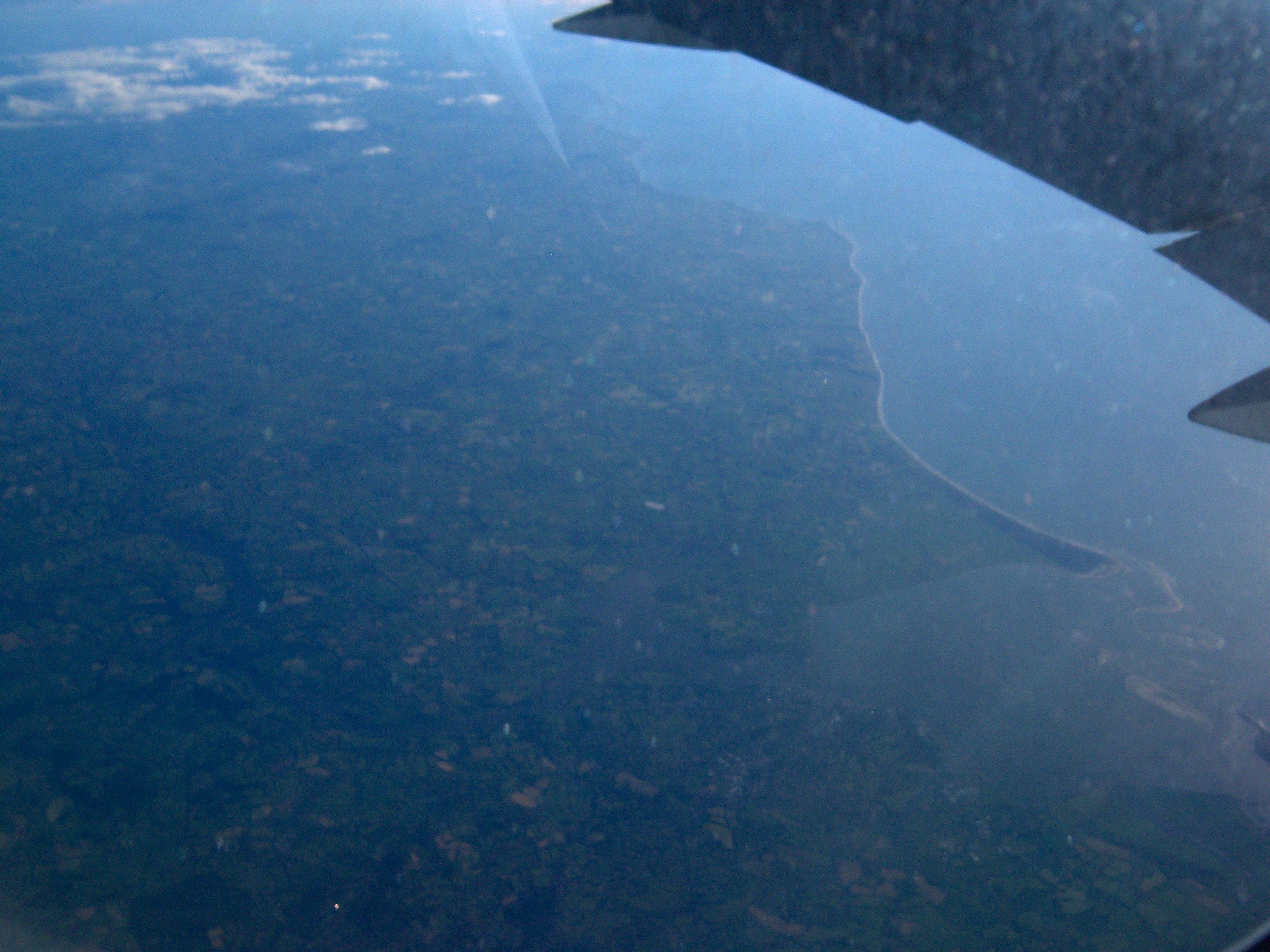
The Irish coast in Co Wexford from the air

The Irish coast in Co Wexford from the air.

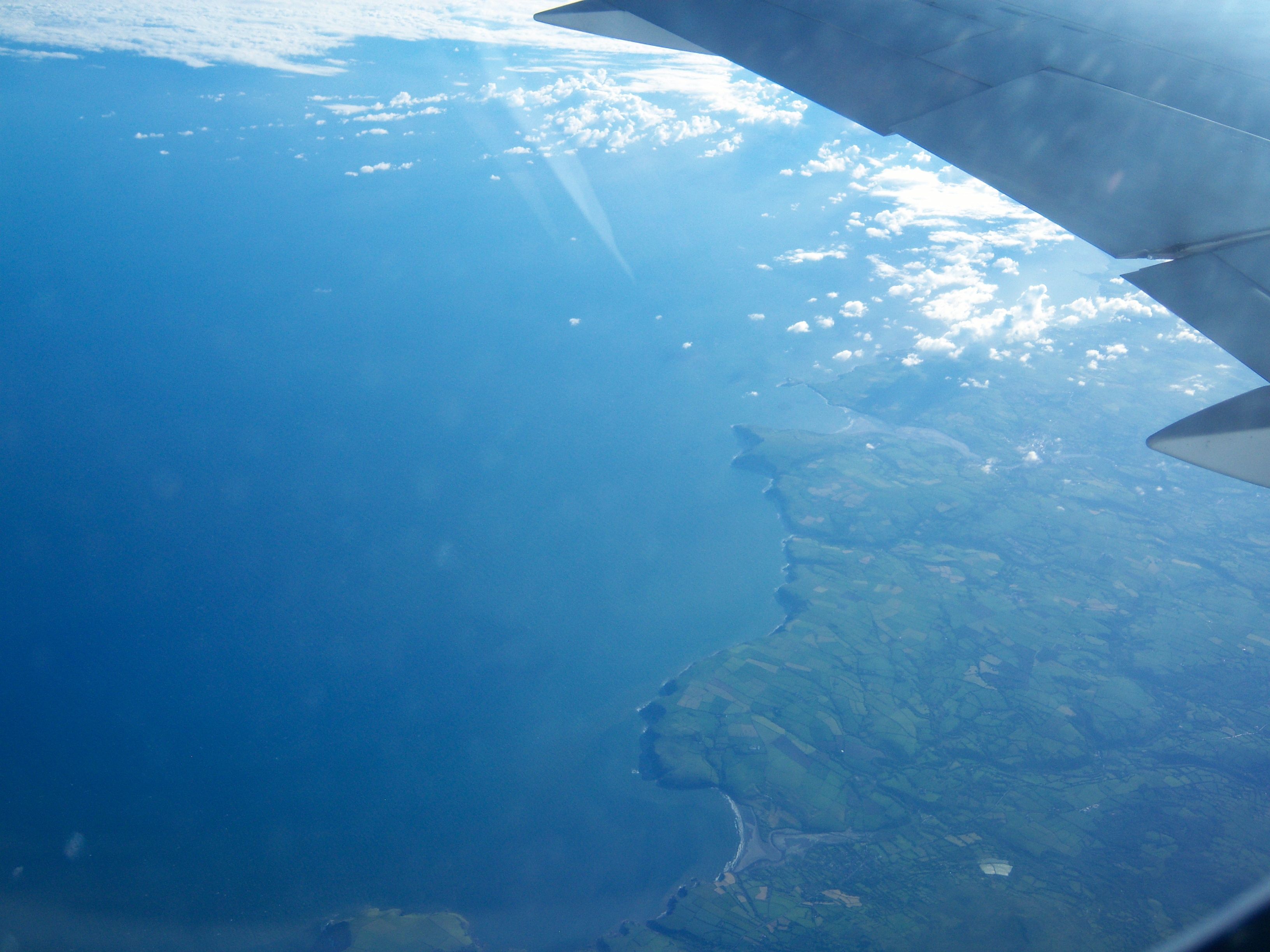
The Welsh coast near St David's from the air.

The Welsh coast near St David’s from the air.

A couple hours later we began to fly over an tír na mo aithreacha (the land of my fathers), Éire (Ireland). We flew in a straight line from about Ennis to Wexford, and then crossed the Irish Sea to another country of which I have heritage, Cymru (Wales). Over Wales, we flew from about St David’s in the west to the mouth of the Severn in the East.

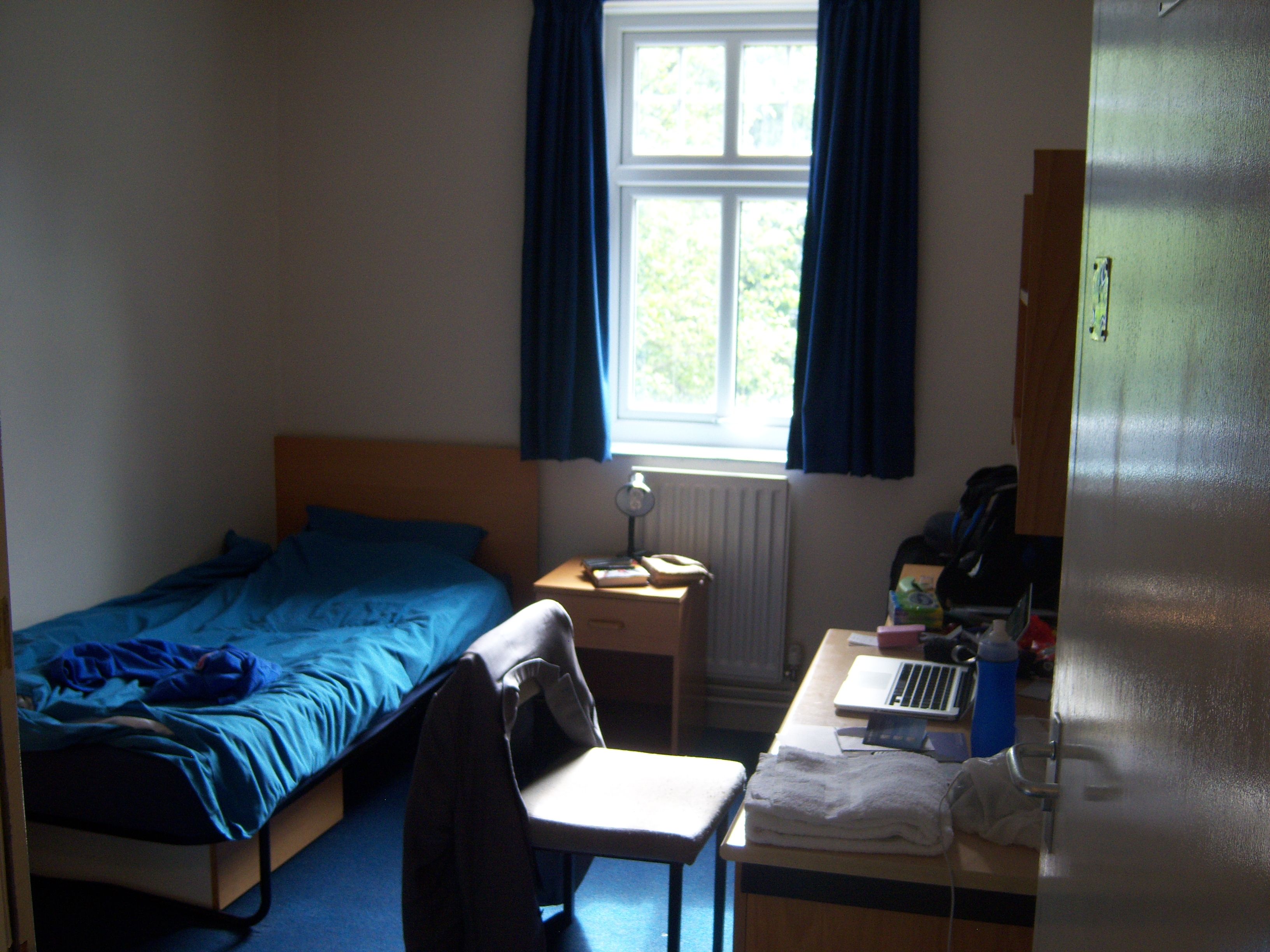
I landed in London, as aforementioned, at 8.00 in the morning and made it through customs by about 9.00. There at Heathrow’s arrivals meeting place, I met up with the ISA London office, and ended up staying there in the arrivals area until 12.00 Noon when we as a group at long last left for our housing. It took us a good hour to drive across London to our building. My room is quite nice actually. It’s a bit on the small side, but is quite comfortable and cozy. The one complaint that I have at present is the lack of air movement, which will soon be redeemed by a fan, which hopefully I’ll be buying at Argos soon. My room is one of six that are grouped together in a flat, which is on the first floor (ground floor in US English) of the building. There are three other people living here with me, two of which are with ISA, and the third with another programme. We share a kitchen, and the third person and I share a toilet (bathroom).

Dorm Room at University of Westminster

“…but is quite comfortable and cozy.”

As I was originally typing this into WordPress last night at about 20.00, I began to feel a bit drowsy. However I was determined to continue with my typing and complete the article before bed. But alas, my computer, being the wise soul that she is (she as in how ships are called she or her) decided to go to sleep as well and stop working properly. So, I too retired for the night. I first woke up around 22.00, thinking that it was the next day already, forgetting in my exhaustion that the Sun stays out here until about 22.30 during the Summer months.

I woke up the next morning at my 7.30 alarm quite refreshed and free from the shackles of sleepiness. After showering (they use two handles, one for hot and one for cold water, thus it was hard to figure out the balance) and eating a light breakfast of a NutriGrain bar, I made my way up to my new parish church, St Monica’s in Hoxton. The Parish is an Augustinian one, and their Mass was quite nice. They had a few songs, without the need of a cantor, and chanted all of the prayers. There were a couple differences, like the priest asking God to “pencil out our sins” rather than forgive them, one which I found quite charming, but otherwise it was much the same as most of the Masses that I’ve attended back in the States or in Ireland. However, I had to leave early and miss the talk on the parish fundraiser as I was due back at the hall of residence for the group meeting for orientation.

For orientation we took the tube to Oxford Circus, which is the closest stop to the University of Westminster’s Regent Street Campus. However, just about 3 blocks south and 1 block west of the University was our true destination for that moment, the ISA London offices on Great Portland Street. The ISA staff have been truly welcoming of all of us on this trip, and one gent from the office, Tom, even took a good hour out of his day yesterday to help a fellow student, Jon from the great state of Wisconsin, (home to Michael Feldman (of NPR fame) and one of my favourite burger places, Culver’s) and I in getting UK mobile phones. We were able to find very cheap phones at the Phone Warehouse for £4.95 for the phone and £10.00 for the plan with O2.

After orientation, Jon and I took a bit of an adventure and made our way down Oxford Street. I told him about a store where he could probably be able to get a much needed electrical adaptor, and we headed in what I thought was the right direction. Turned out I was a bit off in my geography, and we ended up going the wrong way by a couple blocks. So, after turning around and heading back west, we eventually found the store I was telling him about, Selfridge’s. Now, I wouldn’t have even heard of the retail giant had it not been for PBS broadcasting the ITV minseries about Selfridge’s founder, Harry Gordon Selfridge, on the Masterpiece series. We made our way into the store, and soon found ourselves in electronics, where Jon got his adaptor, and I met a very friendly and interesting clerk, who just so happens to be planning a North American vacation, which includes a drive from DC to Toronto. I wished him luck, and we continued onwards and upwards (literally in that sense as the electronics department is in the cellar) to the foodhall, which is on the ground floor. We ate at this nice sort of cafeteria style eatery, simply named Eat, where we both got the store’s signature beef sandwich, which was basically roast beef on bread of your choice, with whatever sort of mustard you wanted on top. Now, I’m not a mustard lover, and when ordering I thought by asking me if I wanted, “American, English, or French” they were talking about cheese. So, thinking English meant a nice cheddar, I spoke thus, and to my horror found mustard squirted onto my nice beef sandwich. I ended up eating the beef that didn’t have the mustard on it, and only the bottom slice of bread, as it also was naked in a sense.

We returned to the ISA office by way of it’s neighbour, the BBC Broadcasting House, and sat around until a tour bus came for the group. We took a nice tour of the major sites of London: Buckingham Palace, Westminster, and the City, and returned to our building forthwith afterwards.

I must say one of the most interesting parts of my day has been what has just happened prior to me sitting down to write this, grocery shopping in the UK. It’s just that bit different from shopping in Kansas City that I just had to mention it. See, I was surprised at just how little meat there was for sale on the shelves. Now of course, this was a smaller local grocer (a branch of Sainsbury’s to be exact), and so they wouldn’t have quite as much as a larger place, but it did surprise me. I ended up spending about £13 on food for the next couple of days, buying bread and preservatives for sandwiches, some pasta and a tomato basil sauce for dinner sometime (keeping with the Pasta & Prayer tradition), and other stuff as well.

So far this has been quite the exciting and interesting beginning to my time in London, and it certainly makes me look forward with anticipation at what is to come. So, for now, tá.

“We’re halfway there”

Kennedy Airport, New York – This morning started rather early, about 6.30 CDT to be precise. After bidding farewell to the pooch, who was rather sad about it, and having breakfast, I gave my parents big hugs and said “Slán anois!”

Image

“I gave my parents big hugs and said ‘Slán anois!'”

The first flight was unmemorable for the most part. I will say it was cool to look out the window when we made our first major turn and see that we were flying over either Lake Erie or Ontario, I think the latter. After another 45 minutes I looked out my window and saw the fields giving way to a more man-made landscape. There were some sort of towns and cities on either side of a rather large river. My initial thought was that we could be crossing the Delaware somewhere in northern Pennsylvania/southern New York. But, I was mistaken. In fact, it was none other than the Hudson. And those towns that I saw below turned out to be Yonkers and the Bronx. Next thing I knew I was looking down at Manhattan; at Central Park, at Times Square (a little speck of dust from my altitude), at the skyscrapers and many grand buildings. Then came the greatest sight of all: the Atlantic.

I was last in New York in January 2006, when my Mom and I flew into Islip Airport on Long Island to go see Monty Python’s SPAMalot on Broadway. A true sign of the recent history and status of this city came into my window’s view when we landed at JFK: the newly constructed Freedom Tower.

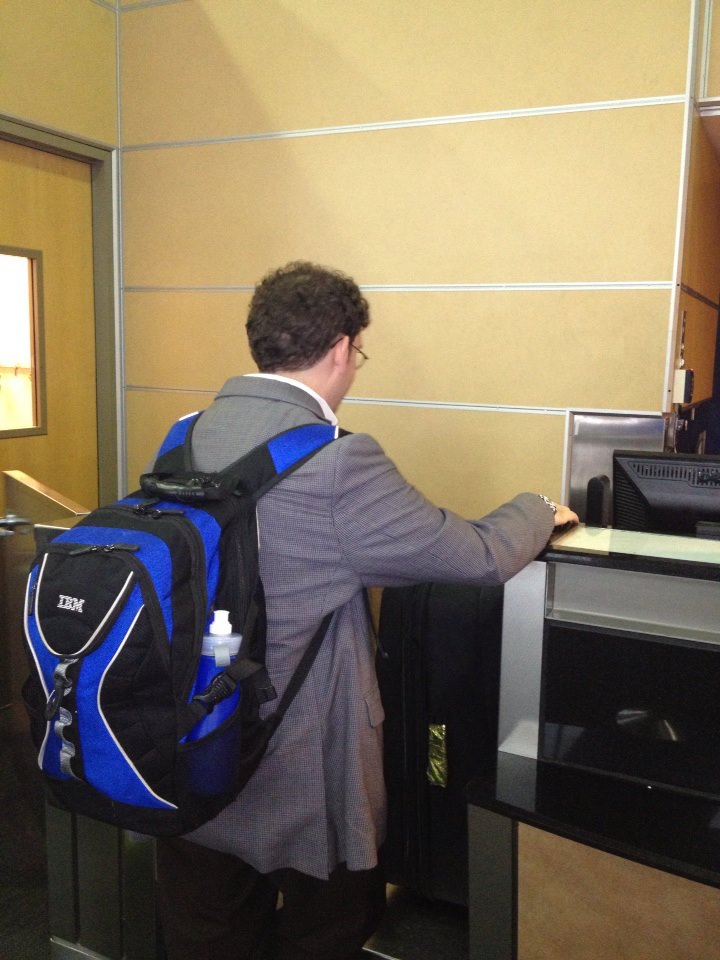
This is one of the largest airports that I’ve ever been in! I exited from my first plane onto the tarmac, taking a sort of covered walkway into Terminal 2, which I have to say was not quite as clean as I would have thought a terminal in one of the country’s busiest airports would be. At first I was confused, as there was no sign or notice saying which terminal I was in, and my tickets that had been picked up in Kansas City didn’t say which terminal I’d be landing in and which one my London flight would be departing from. So, I figured the best thing to do was to follow along behind the group of French students who had been on my first flight, figuring they were heading towards the international terminal. This turned out to be a good plan, as I ended up on a bus with people going all over the place, the guy to my right was heading for Moscow, the lady across from me home to Brussels, a man in front to Amsterdam. Considering I was also heading to Europe, I figured this must be the right bus, and if it wasn’t, I’d just take it back to Terminal 2 and find my way to my gate else ways.

Luckily, that was the right bus (Buíchos le Dia!) Luckily also, I had a good 2 hours 45 minutes until my next flight left, so I got a chance to explore. This is one place that I would be willing to come through again, if going to some more distant places from the States, like Russia, China, India, or the Middle East. I found a restaurant, and had lunch at a nice late 16.00 EDT.

Image

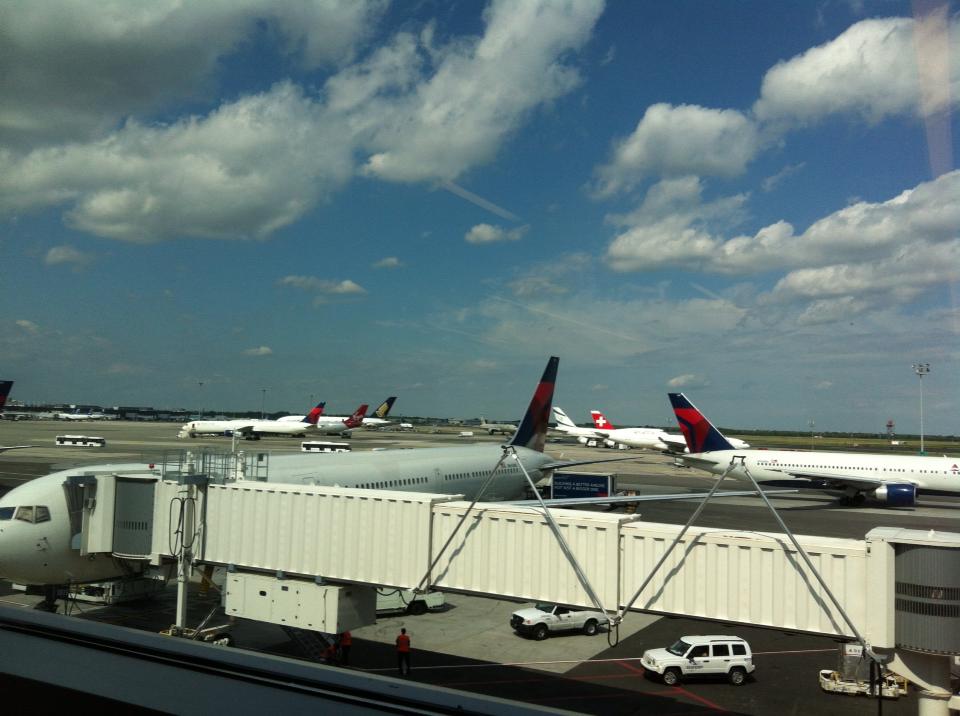
All sorts of airlines operate from here. In this photo one can see Delta, Swiss Airlines, and El Al jets.

So, here we are, waiting around at the gate for the next flight. I had a good laugh when I first got to this gate, as it was packed with Russians waiting for a flight going to Sheremetyevo-Moscow Airport. Coming from Kansas City, where the most exotic and foreign flights head to Toronto and some holiday destinations in Mexico, this was quite a sight. I can see some rain clouds coming in from the west, which will make things fun. Next stop is London, a new country, a new day, as I’ll be arriving at 7.05 BST (2.05 EDT and 1.05 CDT). Tá for now.

Less than one week to go

Kansas City – Well, it’s that time. With less than one week left in the home of the corn dog and the land of the funnel cake, I am in a position of needing to begin the final stages of planning and preparation to depart from Kansas City for London this coming Friday. Of course, this doesn’t come without a little bit of pain. After all, my cat and dog are rather not happy at the prospect of me leaving them for a few weeks, but they’ll just have to deal with it. The cat sure has found a way.

L'chat est dorms.

“The cat sure has found a way.”

However much grief may come to the family fuzzies, there’s always some trouble with either homesickness on my part or worry on my parents’ parts while I’m away. Luckily though, we live in 2013, and happen to have a little technology called Skype (Buíchos le Dia!) With a good internet connection on both ends, one can see and speak to another on the other side of the globe!

Another thing to prepare for is to figure out what I need to get through British Customs. Now, normally as an American citizen, all I would need is my passport. But because I’m staying for three weeks, and will be studying at a British university, I am required to get a student visa upon arrival at Heathrow one week from today. All I need to present is my passport, an acceptance letter from the University of Westminster (where I’ll be studying), and some bank documents showing I have enough money to live on.

One other sort of “pass” that I invested in this past week, to become official on the 15th, is an English Heritage Overseas Visitor Pass. They cost around £28 and can be picked up and activated at any English Heritage location. All you need to activate the pass is, as the English Heritage website reads,

“…print out your booking confirmation (voucher), and take this with the credit card used to make the booking. You must also have proof of identity with you in the form of a passport, identity card or driver’s license to authenticate that you are the rightful owner of the voucher and as proof of overseas residency. This can be a photocopy.”

English Heritage is similar to our National Historic Sites in the United States. It is a nonprofit organisation that maintains many of the historical places, buildings, battlefields, ruins, etc. throughout England. There are similar organisation in Scotland called Historic Scotland, in Wales called Cadw, in the North of Ireland the Northern Ireland Environment Agency and the Manx National Heritage on the Isle of Man. During my 2002 trip over to England, I got the opportunity to visit a good number of English Heritage sites, including Battle Abbey (the site of the Battle of Hastings of 1066), Dover Castle, and St Augustine’s Abbey in Canterbury. I would highly recommend getting this pass for your trip.

So, until next Friday…

Planning One’s Banking and Currency Abroad

Kansas City – I made a couple of stops today at my local bank, getting one major step of the process of preparing for departure out of the way: money. There are always some questions floating about in the rumour-mill regarding how to go about banking and taking money abroad. In the past it was a bit trickier for me, as I used to bank at a more localised bank, that didn’t have a very good international department. Now however, since moving into Kansas City, MO, I’ve switched to a bigger bank, Commerce to be precise, that thankfully does have a good international department, as I experienced today.

Not only were they able to set up my accounts so I can use my regular card over in the UK, but also were able to supply me with enough Pound Sterling (GB£) to get started overseas in regards to setting up a cellphone (mobile phone) plan, etc. upon arrival. If you’re in Kansas City, or St Louis, Commerce offers foreign exchange services at 8 branches in Kansas City and 1 branch in St Louis. From what I saw at the Plaza branch where I got the GBP in question, they offer at least Canadian Dollars (CAD), Euros (EUR), and British Pound Sterling (GBP) Mexican Pesos (MXN). I’m not certain, for example, whether or not one can exchange at Commerce for other currencies, the Australian (AUD), or New Zealand (NZD) Dollars, Japanese Yen (JPY), or the Russian Ruble (RUB) just being a few examples. Other places in the past that I have gone to for currency exchange on my way out have included any currency exchange post at any major airport.

Image

“…in part due to the nostalgia of it…” (Public domain)

I’d make sure you have your credit or debit card(s) as well on hand when abroad, just in case you need them. As much as I’d love to use hard cash, in part due to the nostalgia of it, it is often more useful to use the plastic. A friend recently proposed the idea of the United States dollar leaving the realm of actual hard currency (coins and banknotes) and turning towards an electronic currency, physicalised in one’s cards.

Preparing for Study Abroad – Logistics of Travel

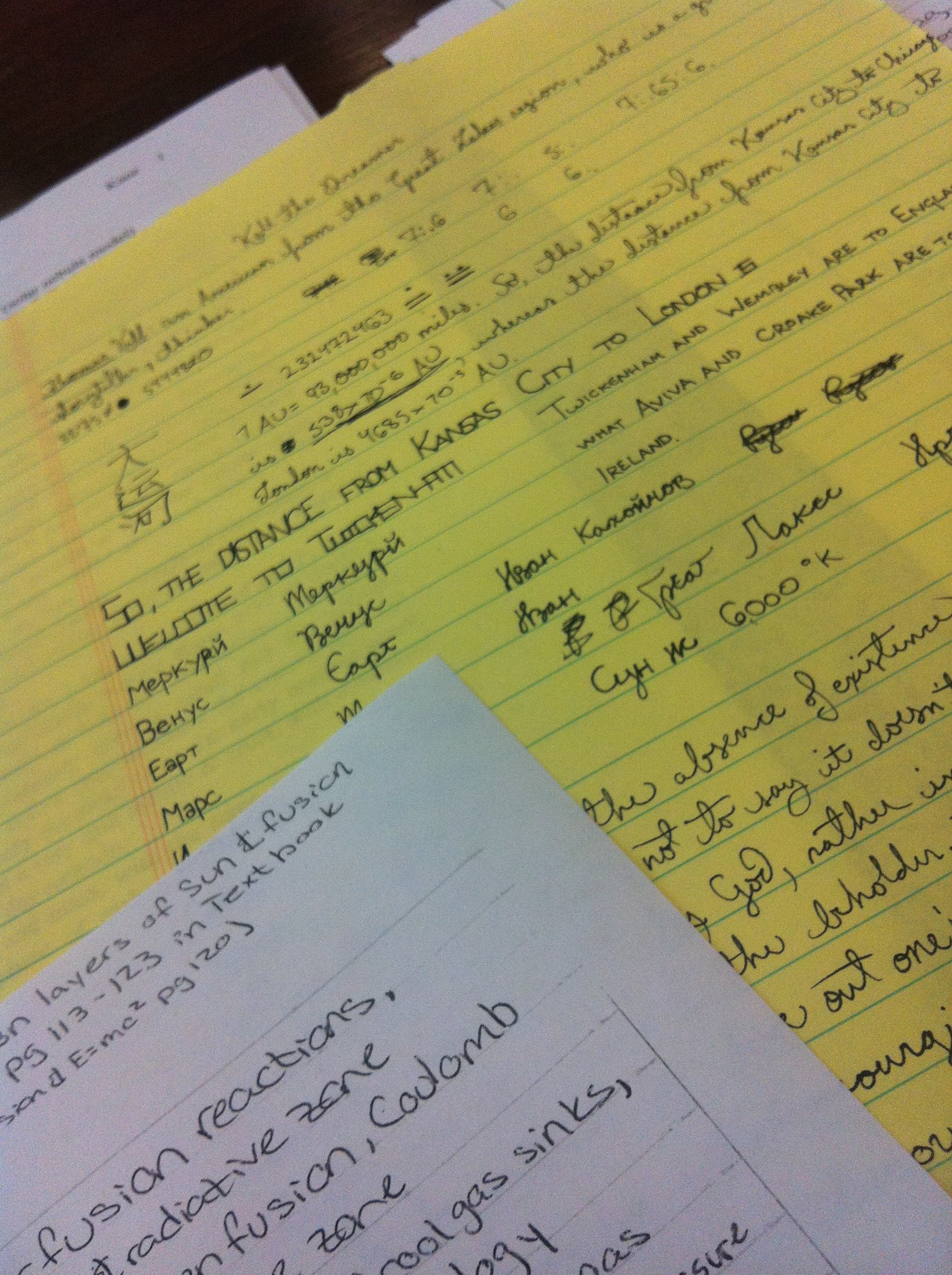
Kansas City – I like to plan ahead, so far in advance that I have some events marked out on my calendar as far out as 2015 (mostly the midnight premieres of the next two Hobbit films). However nutty some of this early planning may seem, it is a good thing to do.

Image

“However nutty some of this early planning may seem, it is a good thing to do.”

Flying and Connecting

In particular, I like to know, in cases where I’ll be somewhere that I’ve never been before, or rarely been before, what to expect when I get there and how to get from A to B without trouble. This is especially true when it comes to airports. Let’s face it, I’m best when it comes to Kansas City, O’Hare, and Midway. But when it comes to places like Heathrow, JFK, or Boston Logan, I need to do some extra planning before hand so I don’t get lost when I’m there, especially when it comes to places like JFK and Logan where I’ll be transferring with only a couple hours to spare.

In preparation for the possibility that I won’t have as much time as I think I will, in part due to the ever changing wait times at airport security, I’ve been looking around on some of the most interesting pages I’ve read to date: airport websites. Depending on where you’re flying through to go to your study abroad site, your connecting airports (and final destinations) may have more or less information, depending on how techie their staff are, I suppose. Heathrow, Logan, O’Hare, Midway, and Toronto Pearson are some of the more tech savy airport websites that I’ve gone through when planning for this trip. Meanwhile, I was less impressed with the websites for JFK and Atlanta. The big difference is in user-friendliness. Whereas I found it far easier to navigate the websites for Heathrow, Logan, O’Hare, and the rest, the JFK page seemed rather outdated, whereas Atlanta just had too much information. Let’s face it, I don’t need to read a message from the Mayor of Atlanta and the GM of Hartsfield Airport every time I look at one of their scroll down menus.

However, JFK was a lot easier to use in its “Flight Schedule” section. See, I wasn’t looking at a flight this week, I was looking to see what terminals my flights would be going in and out of through that airport come mid-June. Not only was I able to see what terminal I’d be leaving New York in, but I was able to find what terminal I’d be arriving in London at.

For me, the biggest concern always when flying is going through airport security. I always find it quite stressful, as anyone who has flown with me before can tell you. In booking my flights, I made sure to have a good 3 hour layover outbound from the US and a 2.5 hour layover returning to the States. Let’s face it, I prefer Amtrak security checkpoints to FAA ones.

Once There

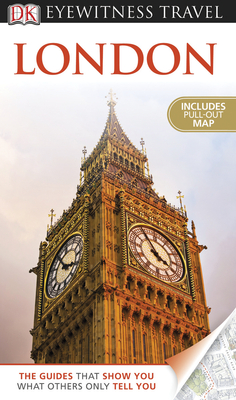
I’m a big fan of guidebooks, in particular the DK Eyewitness and Rick Steves’ guidebooks. The DK books are excellent for me because they have great clarity, and the black font on the white page is easier for me to see on the fly, considering my eyes would make horrid HD cameras. Recently I ordered the 2012 edition of the DK Eyewitness London guide, to replace my long outdated 1999 edition.

Image

Courtesy of DK.com (Penguin Group)

The DK travel guides also give an excellent guide to the best sites and what to expect in each particular location focused on. On the other hand, Rick Steves is more personable in his writing style. Also, with the Rick Steves guides one can find his insightful PBS programmes, which I’ve been watching for years. He’s also on NPR in some cities (I once heard his radio show in Dallas, but never in Kansas City). Check your local listings for both.

Also, though I am a big supporter of many of the new technologies (mobile phones, tablets, laptop computers, etc.) I would highly recommend having some sort of old fashioned watch with you. I have a very nice Timex wrist watch that I bought a Target that tells the time perfectly (it has yet to lose even a second). Though traditionally I’m more of a fan of the pocket watch, let’s face it you’re not going to have quite as much room on the plane to reach into that pocket as you may think (trust me, I know from experience). Plus, if you’re going to be in school when you’re travelling it’s a good idea to have another way besides your phone to tell time in class, considering most professors aren’t a big fan of students looking down at their phones in the middle of class. According to ISA, the organisation I’m going to London with, the University of Westminster doesn’t even allow phones to be on in the classroom or lecture hall. Logistically, you’re going to need to keep an eye on time when you’re travelling. One of the best ways to do this without pulling out your iPhone or Android is simply to look at your wrist watch and know thus.