This week, why we should not lose sight of our common humanity in a time of war.—Click here to support the Wednesday Blog: https://www.patreon.com/sthosdkane—This week's sources:[1] “Masks,” Wednesday Blog 4.15.[2] Luke 10:27 (New American Bible).[3] St. Augustine, Confessions 8.7.[4] Joan-Pau Rubiés, “The Renaissance of Encounters and the Renaissance of Antiquities,” Renaissance Quarterly 78, no. 1 (2025): 1–41, at 12.[5] Philippe Desan, Montaigne: A Life, trans. Steven Rendall and Lisa Neal, (Princeton University Press, 2017), xxxiii.[6] “On the Cannibals,” Wednesday Blog 4.20.
This week, why we should not lose sight of our common humanity in a time of war.
The news of the last weekend felt like another shot at the optimism that I knew in my early childhood. I was born at a time of triumph for this country in the aftermath of the fall of communism in Eastern Europe when the hopes and dreams of the postwar world seemed like they might finally be realized. I remember the 1990s through a child’s eyes, and so much of the trouble that befell this country and all others in that decade largely fell out of my vision. I remember when the Good Friday Agreement was signed and the Troubles ended in the North of Ireland; it was of particular interest to us Irish Americans whose history was born in the same struggle over generations of immigration. Yet my experiences in those first years planted deep within my soul a desire for people to get along and for the peace we knew in those years.
That peace of course faded on that sunny Tuesday morning of September 11th, 2001, when an attack on New York and Washington propelled us into war in faraway Afghanistan. I wrote several years ago in the Wednesday Blog that to me 9/11 marked the true beginning of the twenty-first century, not the millennium celebrations a year before.[1] It was the moment when the hopeful optimism we’d built up suddenly came crashing down and left us scarred and stirring for a fight. Yet Saturday’s news didn’t remind me as much of 9/11. It didn’t remind me of the national unity we saw after the attacks, or the outpouring of sympathy that led to emotional scenes of the Star Spangled Banner and the Battle Hymn of the Republic being played at a royally attended memorial service at St. Paul’s Cathedral. Instead, the aerial attack that the President ordered on Iran’s nuclear facilities reminded me more of a rainy Wednesday in mid-March 2003. That week my Mom and I were in St. Louis visiting my aunt, uncle, and cousins who lived there at the time, and on the morning of March 19th we read in the papers that the rumored war with Iraq would likely start in the next 24 hours. Sure enough, after a day spent at the Gateway Arch, we watched around 9 pm that evening as the younger President Bush made a speech from the Oval Office announcing the invasion of Iraq to topple Saddam Hussein’s regime. All I’d ever heard of Hussein was that he was a bad man, a dictator of the worst sort, and in all fairness he was. Still, none of us watching together in that West County living room expected the war would last for as long as it did.
Combined, the Wars on Terror became a common feature in the childhood of my generation. We knew a time before war, but all we’d seen for so long were these wars fought in distant places that we’d easily forgotten what a time of peace could be like. In general, as a child I thought more favorably of the war in Afghanistan than the one in Iraq, after all our military invaded Afghanistan to overthrow the Taliban regime and capture the perpetrators of the 9/11 attacks. I got used to regularly seeing the convoys of Chinook helicopters flying over our house en route to Fort Leavenworth, 16 miles (26 km) to the north. At certain points during the wars, they flew overhead several times per day. War consumed the American psyche in a way that after a while I became quite uncomfortable with. I began to see the human toll of the wars in the returning veterans who, once the homecoming celebrations were over, were left to deal with their experiences often on their own. I saw a mean-streak that was always there in our society become more prominent directed toward anyone who could be an easy target. I’m sad to say I’ve joined in this from time to time, something I regret.
For as long as any of us can remember we’ve used our religions to justify that mean streak and the violence it produces. Famously, the Mahatma Gandhi is supposed to have remarked that he liked Christianity but had never seen it practiced because Christ preached that we ought to “love our neighbor as ourselves.”[2] How’s that going?
We often think of high-minded ideals like this in a very Augustinian context, that it’s something we’ll get to when we need to, “Lord, give me chastity and continence, but not yet!”[3] We either haven’t faced our mortality or don’t recognize the humanity inherent to being mortal. Knowing that our lives have an ending gives us reason to act while we can, and in that action, we have the potential to lead our lives and those around us away from the trials of the last quarter-century toward a better life.
When I’m asked to define myself in short keywords, I usually say something along the lines of “I’m a historian of Chicago Irish American Catholic roots.” There are so many different stems that could be followed from the roots of that one statement whence grow the orchard of my life. After all, I’ve lived in Kansas City now since the millennium, in spite of my stubborn devotion to my native metropolis. Yet more and more as I progress further in my career and my studies, reading so often the works of Renaissance cosmographers and naturalists who rooted their lives and work in the revival of the classical Greek & Roman past I’ve come to know more about Renaissance humanism. This philosophical tradition sought to center humanity in our understanding of the Cosmos in contrast to the older scholastic preference for understanding all things in a theocentric manner. Still, some humanists again drew their work as a meditation on Nature as drawn from the Divine Spark of creation. Most prominent among these was Erasmus of Rotterdam (c. 1466–1536) and his friend St. Thomas More (1478–1535) who are two of the most prominent Christian humanists of the Renaissance. I studied Erasmus and More in great detail in my History master’s and wrote about their influence on the education of More’s daughter Margaret Roper (1505–1544) and granddaughter Mary Basset (c. 1523–1572) in my master’s thesis. And as my work continues to progress, I see this same tradition of Christian humanism present in the cosmography of André Thevet (1516–1590) who revolved his accounts of what Joan-Pau Rubiés has called the “Renaissance of global encounters” around drawing a greater understanding of God and Creation.[4]
For years then, living with these humanists in my reading and my work, I found many parallels and descendants of their thought present in the things I was reading for fun. Carl Sagan’s secular humanism for instance owes much of its ancestry to the Renaissance and Enlightenment humanists who came before him. Sagan’s perspective of the minuteness of humanity decentered us from even the Renaissance humanists’ mission yet drew some of these same themes of putting humanity in our rightful, little place from Michel de Montaigne’s (1533–1592) own early skepticism. Like our own time, Montaigne lived and worked in a time of war, Philippe Desan writes that “there were eight civil wars in France during Montaigne’s lifetime.”[5] He laid a skeptical path upon which Sagan would eventually devise his own Cosmos and Pale Blue Dot, a path paved in the decades after Montaigne’s death by Descartes (1596–1650) and in the Enlightenment by Rousseau (1712–1778) and Voltaire (1694–1778). I find so much to be admired in this contemporary secular humanism, I myself agree with the view that religion and politics should be kept separate having seen enough instances of detrimental influence from religious authorities in the political theatre. Perhaps then a better way to define my thinking is as a twenty-first century Christian humanist, following in the path laid by Erasmus and More five centuries ago and building out my worldview with bricks and mortar created from the Catholic notion of social justice and the commonweal which tries to live up to that ideal that we should “love our neighbor as ourselves.”
I know many brave people who have put their lives on the line for others whether in war, in our local emergency services, or in any other capacity. The Catholic Church teaches a theory of just war, which I’ve long had trouble with. At the start of the current war in Gaza I wrote about this, deferring the question to say
“I’d rather negotiate for as long as possible, try to find common ground with a potential enemy in the same way that I try to speak to those I interact with on a daily basis in their own language. Yet sometimes it does come down to this question of whether after all the negotiating and the impasses that have resulted if fighting is justified?”[6]
In that blog post I tried to connect the war that never needed to start in Gaza to Montaigne’s own criticism of his fellow Frenchmen during their Wars of Religion. As this war has progressed, I’ve concluded that the only justifiable side to take is to reinforce my own claim to humanism and hope and pray and in my own way quietly advocate for peace to my elected officials. Just as I’ve known many brave people who were willing to die for their beliefs in the uniformed line of duty, I’ve known many also who are willing to face arrest, condemnation, and even death to stand up to the horrors we unleashed upon ourselves 80 years ago when we entered the age of nuclear war. I’ve known priests and nuns through the years who have stood up to the evil ways in which our scientific advances have been used for the sake of all of us. The President who ordered the atomic bombs be dropped, Harry Truman, is a local to Kansas City, and knew several of my relatives. My great-grandfather Gene Donnelly always said that the bombs saved his life and the lives of millions of others as preparations were well underway for the Allied invasion of Japan 80 years ago this summer. Again, with the question of just war, when this moral question of whether Truman should’ve used the atomic bombs on Hiroshima and Nagasaki comes up, I don’t have an easy answer because I can see both sides of the question.
So, this Saturday when the news broke that the current President ordered an aerial attack on three of Iran’s nuclear facilities, I wasn’t surprised, but I was certainly scared. For my entire life, and for much of my parents’ lives we’ve lived in the shadow of war with Iran, a country whose revolution was as much a reaction to American involvement in its own domestic affairs as it was in reaction to the Shah and his government. Over the weekend, as I’ve read more of the reactions to the American entry into the war between Iran and Israel, one shared by a friend in the Kansas House of Representatives struck me the most. The Facebook post was written by a man whose father had taught foreign policy classes about Iran for decades, and several of that professor’s students were involved in the Iran nuclear negotiations initiated and concluded by the Obama Administration a decade ago. The professor’s son made two stark points: this was the first time we had approached the Ayatollah’s government as respectable partners, and in part because of this we reached a peaceful settlement with Iran on the question of their nuclear program, but that peace was eliminated by the current President after he was first elected in 2017. Why? Another friend of mine made the point that until peace is more profitable than war, we will know only war. I remember what peace was like, though living in this armed camp of a country I doubt I’ll see it anytime soon. The reactions here at home to our attack on Iran fell along the same partisan lines as every other issue these days. The President’s supporters cheered him on, while those of us opposing his agenda questioned the constitutionality of the attack considering Congress was given no prior notice.
What strikes me most is that this President says he seeks peace. On Monday afternoon he announced on his social media platform that he’d negotiated a ceasefire between Iran and Israel that would go into effect at 6 pm Eastern Time. Yet the following morning I woke to read about more missile strikes in the New York Times. Did he actually negotiate a ceasefire, or was this another social media musing? Does he really want peace enough that he is willing to put his political future and the unity of his coalition on the line? Are any of our political leaders, for that matter, willing to try? I want to make my own effort if not for myself than that the generation now being born might experience that same peace I remember from my youth.
I don’t want to be known as a pacifist; our long history has taught us that there will always be schoolyard bullies to stand up to. Rather, let me be known as a humanist who seeks to raise the human spirit above the petty squabbles of war and violence that have so marked our memory. For if history, philosophy, and theology have taught us anything it is that alongside every call to arms is a cry to try living a better life. While history and philosophy study the rational and discernible aspects of this, it is in theology that we must find stock for our future wellbeing, for we must believe in ourselves and the fundamental goodness of our nature if we are ever to achieve the dream of humanity. For in our beliefs structured in religion’s purest form we reflect the best vision of ourselves.
This week, the second in several scribblings about my research: why I chose to study André Thevet and build my career on the mound of his works.—Click here to support the Wednesday Blog: https://www.patreon.com/sthosdkane
This week, the second in several scribblings about my research: why I chose to study André Thevet and build my career on the mound of his works.
I initially chose to focus my dissertation on André Thevet (1516–1590) because of his account of the sloth and because he was French; I speak the language and therefore felt I would not need to learn another language to grasp the sources. Thevet is a figure who I’ve gotten to know over the last 6 years. I first encountered him in Dr. Bill Ashworth’s Renaissance seminar at the University of Missouri-Kansas City. It was in a nice classroom in the southeast corner of the third floor of Haag Hall that welcomed in the midday light as the Sun arced across the sky. We met on Tuesdays and Thursdays, and often I would walk to class from my job working at a cheese shop, the Better Cheddar, at 49th & Pennsylvania on the Plaza. What I didn’t admit at the time but have freely regaled friends and family since is that on Tuesdays the shop’s sommelier would often stop by to offer those of us working at the time wine tastings of the latest vintages. I was hired by the cheesemongers there more for my knowledge of European wines, and because I spoke French, than for my far more limited understanding of cheese going into the job. So, I often went from a delightful morning tasting cabernet francs, pinot noirs, and syrahs to a delightful afternoon sitting in the back third of Dr. Ashworth’s class listening to his stories about the Renaissance.
By this point, I was still committed to a largely unfounded master’s thesis project studying crypto-Catholics in the English court of James I and VI, which was born out of a desire that I might find my way back to London perhaps to work as a curator at the Banqueting House or Hampton Court. By Christmas, that project had well and truly died, it was only several years later that I discovered the fantastic work of the late Professor John Bossey on persistent Catholicism in the North of England that I found the anchor and line that would’ve led me toward my original research project idea. As it turned out, I found my way to Thevet through a more traditional Renaissance history master’s thesis about English humanism, specifically the education of Margaret Roper (1505–1544) and Mary Basset (c. 1523–1572), daughter and granddaughter of St. Thomas More (1478–1535). As an English-speaking Catholic of mostly Irish descent, with a fair minority of English ancestors to boot, I was drawn to the More family as models of a Catholic conscience; it is rather fitting that the upsurge of English colonialism in Ireland coincided with the English Reformation. When I lived in London, while I usually attended Mass at the Jesuit church at Farm Street in Mayfair, I would occasionally go to the English Chant Mass at Westminster Cathedral near Victoria Station. All of this came together in my History master’s thesis about Roper and Basset, my second thesis after the one I wrote in London for my degree in International Relations and Democratic Politics at the University of Westminster.
A painting miniature of the family of Sir Thomas More held in the collections of the Victoria & Albert Museum, London, c. 1527. Photo by the author.
Yet while I was working on this and writing good essays and papers, I kept hearing my friends talk about how the classes they loved the most dealt with the History of Science. One of my greatest regrets from my time at UMKC is that I didn’t take Dr. Ashworth’s Scientific Revolution class. It would’ve proved to be a good foundation considering I’ve taught essentially the same material since, and considering a great deal of the effort of my generation has been focused on deconstructing this perception of a revolution from humanism to science at the turn of the seventeenth century. So, when I discovered to my horror two weeks before leaving Kansas City to begin my doctorate at Binghamton that the thesis of the dissertation I intended to write had been published in a peer-reviewed journal a year before I took the chance to shift gears entirely and dive into the history of science. I used Thevet’s sloth as my diving board.
I met André Thevet in August 2019. We’d been introduced three years before by Bill Ashworth, yet besides the chuckles I gave at seeing his sloth engraving for the first time I turned my mind away from the Franciscan. Through Thevet I was introduced to the Renaissance notion of cosmography, a starkly different use of the term than how I’d heard it. To me, cosmos is most synonymous with Carl Sagan’s book and documentary series, including that series’ remake in the last decade by Neil DeGrasse Tyson and Sagan’s widow Ann Druyan. I kept coming across the word cosmos throughout the years I was in Binghamton in a myriad of windows. On all of my long drives I listened to audiobooks, and I usually remember the books better than the drives themselves. They animated my existence for those days in the Mazda Rua, my car, crossing the eastern half of our country by road. The first day of my August 2021 Long Drive East was so animated first by Alex Trebek’s last book, which he and Ken Jennings co-narrated, and second after I finished that book on I-70 near the Indiana-Ohio border I turned on a reading of Sagan’s Cosmos read by LeVar Burton. I stopped the car at the Ohio Welcome Center, maybe an hour into the book, to try and get another stand hour on my smart watch and was struck at how brilliant the sky above me seemed that clear August night. That day I’d been running from a massive storm that bore down on Iowa, Illinois, and northern Indiana, a derecho, and for the first time all day I couldn’t see the dark billowing clouds with bolts of lightning shooting forth like thanatic trumpets reminding all in their path that we are mere lodgers on this continent owned by Nature itself. Yet in that moment there were no clouds, no storms on the horizon, only stars burning high above.
Myself in the captain’s chair at the Star Trek Tour in Ticonderoga, NY. Photo: Alex Brisson.
In another drive on a Sunday in late September 2022, at the end of a delightful weekend I spent with my friend Alex Brisson in Ticonderoga and Albany, I drove southwest through the rolling hills of Central New York toward Cooperstown to visit the Hall of Fame. While I was driving, I listened to Andrea Wulf’s biography of the Prussian naturalist Alexander von Humboldt (1769–1859). On that particular Sunday, I listened as Humboldt’s own book Kosmos was described in depth. It felt to me that I could see some of the inspiration for Sagan’s Cosmos in Humboldt’s magnum opus, and I was left wondering how Thevet’s own Renaissance cosmography fit into this cosmic lineage. As it turns out, Humboldt was familiar with Thevet’s work, and didn’t care for it at all. The Prussian naturalist is one of the earliest figures in my dissertation’s secondary literature, and he is important because he largely dismissed Thevet’s contributions to natural history writing that his vision of the cosmos was too small to warrant that word.[1] In many ways, my approach to Thevet has always been bi-directional: I’ve tried to learn more about the man by finding the books which survive from his library and the books we know he translated while at the same time I’ve always had an eye on Thevet as a starting point for understanding a specifically non-Iberian understanding of the development of the natural history of the Americas beginning in the Renaissance. My own perceptions of natural history are shaped by my childhood introduction to this vast kaleidoscope of the human vision of the rest of nature on display in my hometown natural history museum, the encyclopedic Field Museum on the Chicago lakefront. While as a child I marveled more at the dinosaurs in their upper floor galleries, now as an adult I prefer to spend my time in the museum among the taxidermy and dioramas with one eye drawn to nostalgic escape and the other toward scholarship; the Field Museum contains a specimen of one likely candidate for the species of three-toed sloth that Thevet described in his Singularitez. By taking this multidirectional focus on the history of natural history, on the one side starting with Thevet in the sixteenth century and on the other with Carl Akeley and the collecting expeditions launched by the Field Museum at the turn of the last century, I’ve developed a particular perspective on natural history that is visible in both wide and narrow focuses.
Fighting African Elephants in Stanley Field Hall. Taxidermy by Carl Akeley . 41411 is on the left with two tusks and its trunk is raised. 41410 is on the right, with one tusk. Photo credit: (c) Field Museum of Natural History – CC BY-NC 4.0.
A portrait of André Thevet from 1554
In the six years since, I felt that I not only got to know André Thevet the cosmographer but something of Thevet the man. He was just a few years older than I am when he made his first overseas voyage from France to Constantinople, the Levant, and Egypt in 1551. The most famous portraits of Thevet were published in his 1575 Cosmographie Universelle and 1584 Vrais Pourtraits des Hommes Illustres. These two portraits show Thevet at the height of his career, the cosmographer royal, the keeper of an expansive cabinet of curiosities, and a close confident of the Valois royals. Yet there’s an older portrait of Thevet as a younger man which appears in his first book, the Cosmographie de Levant, published in 1554. In it, Thevet is shown not as the resolute man of his craft but as a humble Franciscan friar. It was a position that he was put in by his father when he was 10 years old in order to give the boy a chance at a good education. I see in these three portraits something of a desire for better and greater things. In the process he crossed some people the wrong way and got a fair few things wrong in his cosmography. I’ve learned to take what Thevet wrote with a fine grain of salt especially later in his life. I wonder though if some of the acrimony that Thevet’s reputation has faced since his death in 1590 isn’t in part because of his close ties to the Valois family who declined from power and were replaced by their Bourbon cousins the year before and largely by the Valois’ infamy in the history of the French Wars of Religion, in which the Huguenots who traveled to Brazil with Thevet in 1555 were so threatened by their country over matters of faith. I recently met a woman at a Kansas City Symphony performance who was wearing a Huguenot cross necklace, and it struck me how her ancestors’ experience living as Protestants in a Catholic state mirrored my own ancestors’ experiences living as Catholics in Ireland during the Protestant Ascendancy and Act of Union with the very Protestant Kingdom of Great Britain in 1800. Like her, I’d grown up with a sense of pride in my Catholic ancestors’ resilience at staying Catholic in spite of the state which ruled over them. Seeing the long shadow of the Wars of Religion which for my people didn’t really end until Good Friday 1998 from this vantage gave me tremendous perspective. How did Thevet view it all? He blamed the Huguenots in part for the fall of France Antarctique in his Cosmographie Universelle, writing that “little of this would have happened without some sedition among the French, which began with the division and parting of four ministers of the new religion sent by Calvin to plant his bloody gospel.”[2] Why did he choose to write that the way he did? Certainly, these religious tensions gave cause for the Portuguese to eliminate the French presence in Brazil, yet wouldn’t the economic threat of the French presence in Brazil toward Portuguese trade be justification enough? Could Thevet have been responding to the political situation he found himself in when he published the Cosmographie Universelle in Paris in 1575?
Thevet in 1584.
I like Thevet because I find the man relatable, I get the sense that we can relate somewhat; like him I’ve felt this constant need to prove myself to my peers. This need has waned somewhat as I’m moving along with my career. Yet I feel the younger Thevet depicted in his Cosmographie de Levant is more relatable to my life today in my early thirties. While not a cleric, I chose to not go down that path, I’m alone in my life with a strong sense of wanderlust. Those wanderings have taken me to Paris twice now in the last two years to get a sense of Thevet from beyond the printed books with which I’m most familiar. In October 2023 I followed a lead which took me to Rue de Bièvre, the street where he lived at the end of his life up to his death in 1590. I walked up and down that little street between Boulevard Saint-Germain and Quai de la Tournelle and stopped in the pocket park on the western side of that street. I felt that this was the closest I’d ever get to him, after all the church where he was buried, the Convent des Cordeliers, was desecrated during the Revolution of 1789-1791 and from what I’ve been able to gather, his tomb disappeared. Yet earlier this year while watching an episode of PBS’s science series NOVA about the graves found in Notre-Dame during its reconstruction, I noticed they pulled out a nineteenth-century book of old Parisian epitaphs. I did a quick search through the BnF’s Gallica database, and found Thevet’s own epitaph there transcribed from the original stone carved in 1592 that lay in the Convent of the Cordeliers. In the original French it reads:
Rue de Bièvre, where André Thevet once lived.
Cy gist venerable et scientifique personne Maistre Andre The-
vet, cosmographe de quatre roys, lequel estant aagé de LXXXVIII (88) ans, se-
roit decedé en ceste ville de Paris, le XXIII jour de Novembre M D XCII. –
Here lies the venerable and scientific person, Mr. André Thevet,
Cosmographer of Four Kings, who was 88 years of age,
he died in this city of Paris, the 23rd day of November 1592.
God, pray for him.
A Tupinambá war club once called “the Sword of Quoniambec” that I’m studying. Thevet brought it to France in 1556.
On that same trip I visited a wooden Tupinambá club which the Musée du Quai Branly records was donated to the royal collections by Thevet and was given to the cosmographer by the Tupinambá leader Quoniambec (d. 1555). I figured this would be the only artifact I’d see that Thevet would’ve himself handled. Little did I realize that eight months later I’d be back in Paris, this time at the BnF’s Richelieu building in the Department of Manuscripts reading through Thevet’s own handwriting. I’d made a visit there that day to read through Thevet’s translation of the Travels of Benjamin of Tudela, a twelfth-century Sephardi Jew from the northernmost reaches of Al-Andalus which told the story of his travels around the Mediterranean world. Tudela’s wanderings took place three centuries before Thevet made his own voyage east into the Mediterranean in 1551. Here, through the window Thevet crafted with his pen over 470 years before, I was reading a story retold in Thevet’s words of events that occurred over 700 years ago. That sunny June day, I spent a few quiet moments reflecting on Thevet’s penmanship, his signature, and how familiar his writing seemed. I’ve read more of Thevet than many others, after all I’ve translated the entirety of his Singularitez, and so when I was working with his Tudela translation, I found the job was made easier by how I could recognize his voice in the flourishes of his pen. I felt that I knew the man, in spite of the centuries between us. Soon after, as I walked from the Richelieu building to a café next to the Sorbonne where I was meeting an editor for a project I’m contributing to, I reflected amid my quick steps crossing the Seine that I was walking the same streets Thevet once walked. They’d changed to be sure, but there were still monuments that he’d recognize, edifices of the Paris he knew.
I chose to study Thevet out of a drive for practicality, a quick solution to a pressing problem of finding a dissertation topic that I could move to when my original plans went up in smoke. In the years since I’ve become known as a Thevet scholar. I’ve given many conference presentations and lectures about the man and his contributions to Renaissance natural history. In fact, I’ll be giving one more on June 12th with the Renaissance Society of America’s Graduate Student Lightning Talks, sponsored by the RSA Graduate Student Advisory Committee. That talk takes a different perspective on Thevet’s sloth than any other I’ve yet given, approaching it as an example of animal intelligence. Tune in to learn more.
[1] Alexander von Humboldt, “Les vieux voyageurs à la Terre Sainte (du XIVe au XVIe siècle),” Nouvelle annales des voyages, de la géographie et de l’histoire 135 (1853): 36–256, at 39.
[3] Émile Raunié, Épitaphier du vieux Paris, recueil général des inscriptions funéraires des églises, couvents, collèges, hospices, cimetières et charniers, depuis le moyen âge jusqu’à la fin du XVIIIe siècle. Vol. 1–3, Paris : 1890-1901), 302, n. 1171.
This week, some words on the places I visited and the people I met on this North American Tour I finished on Sunday.
—
Click here to support the Wednesday Blog: https://www.patreon.com/sthosdkane
This week, some words on the places I visited and the people I met on this North American Tour I finished on Sunday.
Earlier this year when I began to consider which conferences I would like to attend in Fall 2024, I knew from the start that my old stalwart of the Sixteenth Century Society would be top of the list. I was also interested in attending the History of Science Society’s conference for the first time after meeting a fair number of attendees from the 2023 meeting last year at my workshop in Brussels. Two conferences in two weeks is a fair amount of travel to undertake and money to spend. Yet there was more to be planned, for in midsummer I read a notice from the Society for the History of Discoveries about a special issue of their journal Terrae Incognitae about animals and exploration. I sent in a proposal which was accepted, leading to an outstanding offer to submit an article for the issue which I’m editing. So, knowing it would be good to meet the people of the SHD, I decided to submit a proposal to their conference as well.
If you’re keeping count, that means I went to three conferences in the last three weeks. I decided to call the series of talks my North American Conference Tour because this would take me not only to San Antonio but to Toronto and Mérida as well. I often thought about trying to do something like this where I visited two or three of the big continental countries in North America in short order; when I lived in Binghamton I fancied the idea of driving the 4 hours south to D.C. one day to sit in the gallery of the House of Representatives only to turn around soon after and drive back through Binghamton up Interstate 81 and across the St. Lawrence River to Ottawa to sit in the gallery of the Canadian House of Commons later that week. That never happened, in part because of the pandemic, yet I’ve undertaken similar trips in Europe on many an occasion so why would it be any more challenging here in North America?
The greatest challenge in this tour was that unlike stopping in Brussels, London, and Paris on a big European tour, I would need to fly between each of these cities and Kansas City in order to be where I needed to be in a prompt manner. I was excited by the prospect that all three of these cities could be reached in one way or another by direct flights from Kansas City. In the case of Mérida, the capital of Mexico’s Yucatan state, I would need to fly into Cancún and take the recently opened Tren Maya four hours east to Mérida to use that direct flight on Southwest. As it turned out though, I only had one direct flight throughout the entire tour. Southwest offers direct flights between Kansas City and San Antonio every other day, and they don’t fly that route on Wednesdays, so instead I flew to San Antonio with a couple hour connection at Lambert Field in St. Louis. Air Canada’s daily nonstop Toronto to Kansas City service only runs in a seasonal pattern and the season for that route ended 1 week before I was due to fly to the capital of Ontario, resulting in me having connections at the start and end of the trip in my original hometown at Chicago O’Hare. Then there was Mérida. I did seriously consider flying into Cancún rather than Mérida proper for the benefit of the direct flight. Yet the benefit of flying into Mérida itself and the still limited Tren Maya schedule meant I would still have to stay overnight in Cancún before flying home. So, I booked flights on United to Mérida through Houston Bush Airport which included an 8 hour layover on the way out and an 11 hour layover on the way home. I figured I could take advantage of the time in Houston in some way or another.
San Antonio
The Alamo
I traveled to San Antonio with my Mom, who jumped at the opportunity to spend a few days in that city. I’d only ever spent a few hours there about a decade ago when we were in Austin at my Mom’s office over her birthday weekend in May 2015. That visit to the Alamo City was cut short though by heavy rains and flooding. On this instance though, I fell in love with San Antonio. It often reminded me of the best parts of San Diego, another near-border city, yet it still felt closer to home both geographically and in its approachability. Before joining in the conference there at the Menger Hotel, we took a tour of the old Spanish missions south of downtown along the San Antonio River.
These four: Missions Concepción, San José, San Juan Capistrano, and San Francisco de la Espada brought the deep colonial history of this part of South Texas into focus. The tour guide explained that the Spanish decided to establish missions in Texas starting in 1715 in order to block French expansion from their new colony of Louisiane to the east along the Mississippi River. This was a full 200 years after the first Spanish conquistadores ventured north into Texas from their Viceroyalty of New Spain centered around Mexico City. The Franciscan missionaries who were sent north in the eighteenth century came from the Mexican city of Querétaro, some 740 miles (1,191 km) south by foot. Along with them came groups of colonists from the Canary Islands who were sent to establish a Hispanic presence around these missions alongside the majority indigenous population. The story of the Spanish colonization of Texas is a mixed one of both the story of the creation of a new ethnicity in the Tejanos, descendants of the Canarians and other Spanish colonists and the indigenous Texans including the Coahuiltecans, Payaya, and Pastia. Yet the other side of this story is the forced assimilation of these indigenous peoples to a new colonial way of life centered on the missions and their Catholic faith.
There is one more point I want to raise about the sudden Spanish urge to establish missions in Texas after 1715. This sudden colonial interest in Texas began after the War of Spanish Succession which was waged between 1701 and 1714 after the death of the last Habsburg monarch over the Spanish Empire, Charles II. Charles named Philip of Anjou, a grandson of Louis XIV of France as his heir, with Louis intending on having Philip succeed him as King of France as well, and uniting the French and Spanish Empires in a personal union. This terrified the Austrian Habsburgs, the Dutch Republic, and England & Scotland which in 1707 would unite to become the Kingdom of Great Britain. These opponents of the Bourbon succession of Philip of Anjou called themselves the Grand Alliance, and eventually won the war which was one of the first European wars to be fought in the Americas as well. In the peace that followed with the Peace of Utrecht, concluded by 1715, allowed Philip to keep the Spanish throne as King Philip V yet he had to renounce his claim to the French throne to ensure France and Spain would not unite in any fashion. Since 1715 then, the House of Bourbon-Anjou have held the title of King of Spain, in the process also unifying the older Crowns of Castile and Aragon save for several interregna during the Napoleonic invasion between 1808 and 1813, the First Spanish Republic of 1873-1874, the Second Spanish Republic of 1931–1939, and the Franco Regime which ruled from 1936 –1975.
With all this in mind if in 1715 France and Spain were newly ruled by members of the same family, why would it be as imperative for the Spanish to block the French from expanding further to the southwest out of the Mississippi Basin and into Texas? My suspicion may be that this intention was driven more by the fears of the viceregal officials in Mexico City than their royal counterparts in Madrid. Any of my eighteenth-century Latin American historian readers who may know the answer are invited to write in.
One of the finer parts of San Antonio is its river walk, which stretches along both banks of the San Antonio River through downtown and continues beyond the urban core as a series of foot and bike paths. We consistently saw mile markers for the river walk along our tour of the missions to the south of the urban core. Most evenings we walked from our hotel to the river and had dinner at one of the many restaurants that line its banks. My favorite of these meals were the enchiladas I had at the Original Mexican Restaurant, which was as touristy as it could get, I even paid a mariachi band to serenade my Mom with a song while we ate, yet it was still a delight.
My enchiladas at the Original Mexican Restaurant
We stayed at the Menger Hotel, an old historic edifice of San Antonio that was built by William and Mary Menger, a pair of German immigrants who arrived in San Antonio in 1847, just three years after the Republic of Texas was annexed into the United States. They opened the hotel in 1859 hoping it would increase business for the family’s brewery. The hotel is located on Alamo Plaza next to the old Alamo mission, originally named the Mission of San Antonio de Valéro, and so was built on the battlegrounds of the Alamo. The plaza was largely under construction during our trip as a new Alamo Museum is being built. I was struck to find the street we crossed the last time we visited the Alamo was gone, replaced by a fully pedestrianized Alamo Plaza that will certainly improve the vibrancy of the neighborhood once the work is finished. Upon arrival we had lunch in the Menger Bar, famous as the place where Theodore Roosevelt gathered many of the men who would sign up to join his Rough Riders in 1898 to go fight in the Spanish American War in Cuba. The bar and the hallway just beyond it are full of T.R.’s relics.
The Menger was host this year to the annual meeting of the Society for the History of Discoveries (SHD) which met alongside the Texas Map Society. I didn’t attend the Texas Map Society meeting on Thursday, instead choosing to go tour the missions with my Mom but was delighted to get to meet the other members of the SHD who I only knew to that point through our email correspondence. I presented on Saturday morning, mine was the first paper to be read that day. In my paper, I discussed how André Thevet tried to synthesize eyewitness testimony from two other explorers: Antonio Pigafetta’s account of Patagonia and Francisco de Orellana’s account of Amazonia with his own account of Brazil to create a full cosmography of the Americas as they existed at the time he wrote his Singularities of France Antarctique in 1557. In the sixteenth century, the word cosmography referred to the amalgamation of cartography, ethnology, geography, and natural history to craft as full a narrative about the known world as possible. As a part of my dissertation research, I translated Thevet’s Singularites from Middle French into Modern English and am now applying for postdoctoral fellowships that can help me finish the job of preparing to submit my translation for publication by an academic press.
The Menger’s Victorian Lobby
I truly loved my time in San Antonio this Fall, and like the other two cities I visited for these three conferences I would’ve been happy to spend more time there. On Saturday evening, we drove north to Austin to see friends who I hadn’t seen since the recent pandemic. I was struck by the stark differences between San Antonio, the old Tejano city, and Austin the gleaming new metropolis driven by tech money. Still, on Sunday, 27 October we returned home on the only direct flight you’ll hear about in this week’s edition of the Wednesday Blog. I had two days at home, during which I worked both days, before heading out again.
Toronto
Toronto’s Union Station with the CN Tower looming behind it.
This time, I traveled to the Great Lakes region and back to one of my favorite cities that I hadn’t been able to visit since 2019. Toronto is not only the largest city in Canada today, it is also like San Antonio a crossroads, yet this is a place where Canada, the United States, and the many immigrant communities with ties to the Commonwealth and the old British Empire meet. I’ve often thought of Toronto as a city similar to my original hometown of Chicago, just cleaner and with a very different set of immigrant communities owing to Canada’s longer connections to Britain and the Empire than our own. I had a 4 hour connection in Chicago at O’Hare Airport, during which time I walked the full length of Terminals 1, 2, and 3, a good 5 km at least to pass the time. Terminal 1 retains its fine 1980s architecture, the soft whites, blues, grays, and blacks from its tile floor and steel frame still as it always has been. Terminals 2 and 3 however need some work. I was struck by how dark and drab Terminal 3 seemed; this is actually one reason why I fly on United instead of American, I would rather connect at O’Hare in Terminals 1 or 2 than in Terminal 3 just for the nicer architecture of Terminal 1.
O’Hare Terminal 1 (left) and Terminal 3 (right).
I arrived in Toronto later in the evening on Wednesday, 30 October and took the UP Express train from Pearson Airport into Union Station, near which I was staying with a friend, Hariprasad Ashwene. Toronto reminded me more of Austin with its gleaming towers, though that is more of the North American standard that the urban core should have skyscrapers to make the most of what little land is available. The biggest thing about that city which struck me was that compared to my previous visit almost 5 years to the day beforehand, was how much warmer it was there. The last time I’d walked through Queen’s Park at the end of October it had been snowing. This time though, I only had to wear the sweater I’d brought on the last day of my trip when the warm weather that our continent had basked in began to fade. On the day I landed, Kansas City experienced its first rain in nearly 2 months, yet that rain came with high winds, thunderstorms, and tornadoes across the Great Plains and Midwest and resulted in both of my flights that day being quite bumpy with hard landings across the board.
Hari Prasad and I on the lakeshore.
These are all clear signs of climate change, and it baffles me that we aren’t doing more about it. This trip, just like the San Antonio one, would have made a decent one by high speed rail. From Kansas City I would’ve again connected in Chicago before heading northeast to Toronto via Detroit. As it stood, I saw my second flight fly over the Ambassador and Gordie Howe Bridges connecting Detroit with Windsor, Ontario on that northeasterly route. To San Antonio, it would’ve required a connection probably in Fort Worth which seems to be Amtrak’s big future Texas hub based on the Federal Railroad Administration’s (F.R.A.) Amtrak Daily Long-Distance Service Study released in March of this year.
I traveled to Toronto to participate in the annual meeting of the Sixteenth Century Society (SCS), the one conference that I’ve attended year in and year out the longest. My first trip to the SCS was in 2019 when we met in St. Louis. That was also the last conference where I presented research derived from my History Master’s thesis written at the University of Missouri-Kansas City (UMKC). This time, I was presenting a very similar paper to the one I’d presented in San Antonio, only instead of looking at Amazonia and Patagonia I turned to specific animals which Thevet described in his Singularites that he himself did not see and try to trace the origins of what he wrote.
Speaking at the Sixteenth Century Society’s 2024 Conference at the Sheraton Centre Hotel in Toronto.
The first of these two was the manatee (Trichechus manatus), which Thevet described living in the Florida Straits. His manatee account was drawn directly from the one that appears in Book 13 of the Historia General y Natural de las Indias written in 1535 by the Spanish naturalist Gonzalo Fernández de Oviedo y Valdés (1478–1557). The second was an account of a wild and hairy American bull, what we today know as the American bison (Bison bison) which Thevet drew from Giovanni Battista Ramusio’s (1485–1557) recounting of Oviedo’s recording of the Relación written by the conquistador Álvar Núñez Cabeza de Vaca (c. 1488–1559). Cabeza de Vaca was one of only a handful of survivors of a failed Spanish expedition to explore and claim territories north of New Spain in the deserts and mountains of the Mexican-American borderlands. In San Antonio then I was delighted to hear a presentation given by a professor at Texas A&M Corpus Christi and one of his former students, a local high school history teacher earning his Ph.D. at the same university in secondary education, about a course the professor taught on Cabeza de Vaca’s travels in Summer 2020. I spoke with the high school teacher the following day about my own presentation that was coming up the following weekend in Toronto whether I was correct in placing Cabeza de Vaca’s bison sighting in South Texas near Corpus Christi Bay along the Nueces River. He did confirm that it was a probable place where that could’ve happened, and so armed with this new affirmation I gave what became one of my best public talks to date at the SCS. It turned out though that I missed one link in the chain, for Thevet’s bison picture originated in the 1555 Cronica de la Nueva España written by Francisco López de Gómara (1511 – c. 1566).
The famed poutail from Beaver Tails.
While in Toronto I took some time to enjoy that city. I visited the Royal Ontario Museum (ROM) on the morning of All Saints’ Day, the Friday of that week. The ROM is in my opinion one of the better museums in North America, and a good marriage of natural history with human history and archeology. I like how if you climb the stairs there you have to go past the paleontology and zoology portions to get up to the galleries exhibiting artifacts from human cultures past and present. It really demonstrates that we are all a part of this same natural world, no matter how unnatural our inventions may become. On Saturday, before my talk Hari Prasad and I visited the Art Gallery of Ontario (AGO), where the medieval and early modern European art and Canadian art are the two main highlights. That afternoon after presenting we spent a good bit of time walking along the lakeshore and seeing some of the natural beauty of that city. Lake Ontario is far narrower than Lake Michigan, and so whereas you can only really see the opposite shore from the top of the Sears, now Willis Tower, you can see Niagara and Upstate New York from the tops of Toronto’s highest lakefront towers, as they are just under 100 miles (161 km) to the south. I ate a lot of poutine in Toronto, though less than the last time I visited. I even tried a poutail from the ice cream shop called Beaver Tails on the Harbourfront, which was poutine placed atop a frybread baked into the shape of a beaver tail. It was good, though it did attract a large audience of birds.
My Torontonian visit was about the right length, and in the circumstances of the world as they were that week where my mind was less on the current moment in Canada and more on the next trip to Mexico and the election due to be decided in the days in between I was ready to be home.
Mérida
I left home again at 5:00 am on Wednesday, 6 November, knowing the overall result of our elections had taken a sorry turn that will only be fully understood after these next four years are over. Because of the result I didn’t want to travel that morning, rather I wanted to stay home and close to my family. I was distraught and in no mood for another adventure. Yet an adventure is what was in store, and I took the first flight out of Kansas City on United to Houston’s Bush Intercontential Airport at 6:30 that morning. I’m not sure if it’s because of the flight schedules between Kansas City and Houston on United or if it’s because of the ones between Houston and Mérida but I had excessively long connections on both my outbound and return flights on this trip. On the way out, I spent 8 hours in the United Club close to the gate where my Mérida bound flight left from that evening. I was delighted to see several familiar faces on my Mérida flight, a good half if not 2/3rds of the passengers on that flight were fellow historians on their way to the History of Science Society’s centennial conference at the Fiesta Americana Hotel in Mérida.
After we landed my inadequacies in Spanish made themselves well and clear from the first moment. I gave the driver who picked me up at the airport the wrong address, and ended up at a hotel 2 miles (3 km) from where I was supposed to be. I ended up getting an Uber to take me to the correct place, arriving there close to 21:30, and was able to get dinner from the hotel kitchen by 23:00. Exhausted, I had a quick sleep before waking early around 06:00 and walking the 5 minutes north to the Fiesta Americana where I exchanged 45 dollars for around 850 pesos, got breakfast, and met more people who like me were going on the Thursday tour of the Mayan city of Uxmal, whose ruins are about 45 minutes drive-time to the south of Mérida. Mérida is a Spanish colonial city built atop an older Mayan city named Ti’ho. The Cathedral of San Ildefeonso in the city’s central plaza was built using stones from the older Mayan pyramids that were once found here.
South of Mérida, Uxmal was a fascinating place to visit. This city once housed around 30,000 people, and its pyramids still rise above the jungle canopy. It was all that I hoped it would be and more, a monument to the ancestors of the people of the Yucatec Mayans who are still the majority population in the Yucatán State and in Mérida, its capital. The tour started with the Pyramid of the Magician, the great central monument of the site, after which we walked past the Palace of the Governors, and then to the High Pyramid and the South Pyramid before descending down the steps of the latter and walking to the Ballcourt dedicated in the year 901 CE by the city’s king Chan Chak K’ak’nal Ajaw where the old Mesoamerican ballgame was played. The pyramids here have a rounder shape than those at Chichen Itza, and the Pyramid of the Magician seems to be a series of temples built one atop the other.
I spent most of my time in Mérida either at the Fiesta Americana or at my hotel in the Paseo 60 complex, a few minutes’ walk to the south. I’d intended to venture out to visit some of the city’s museums, including the Gran Museo del Mundo Maya and see the older Spanish urban core, including going to Mass at the Cathedral, but as it happened after returning from Uxmal I didn’t get very far from the conference. This was my first visit to Mexico, and there was a lot there to get used to that was different from any other country I’ve yet been to. I was struck by how affordable everything was compared to the United States. At the time 1 dollar would get you about 20 pesos, and in general everything was much cheaper than in San Antonio or Toronto let alone in Kansas City. Still, seeing prices listed in hundreds and thousands of pesos was a bit of a shock to me at first. I was very careful to not drink the water, using bottled water to brush my teeth, and keeping my mouth shut tight while showering. Where in San Antonio and Toronto there was water available in pitchers for us to pour into our own glasses and bottles, in Mérida there were bottles of water at every break alongside the coffee and pastries. Yet beyond all of this the one thing I was most worried about among all the usual domestic concerns was the inability of the plumbing to take flushed paper. This turned out to be less of an issue than I expected, though for the sake of the sanity of this post I’ll leave that topic be.
The Fiesta Americana Hotel in Mérida
This was my first visit to the History of Science Society’s (HSS) conference, and it certainly won’t be my last. I reconnected with several people who I’ve known off and on over the last five years in my doctoral studies and met many more people whose work I found fascinating and whose company I greatly enjoyed. I attended more sessions at this conference than at the Sixteenth Century Society, in part because two of the sessions I planned on attending at the SCS were cancelled. Perhaps this speaks to a stronger presence of early modern historians of science in the HSS than at the SCS, both conferences compete with each other as their meetings happen at the same time of year, opposite to the Renaissance Society of America’s annual conference in the Spring. Still, when I left Mérida, I found myself sad to leave these people, colleagues and friends, who I’d gotten to know in a few short days.
At the HSS, I presented a paper drawn from Chapter 3 of my dissertation which summarized my argument that Thevet’s eyewitness description of the southern maned sloth (Bradypus crinitus) reflected the gradual shift in the sixteenth century from humanism, a discourse centered on established learning from antiquity, toward the scientific developments of the seventeenth century. This then was my only presentation among the three conferences that was drawn from my dissertation rather than the introductory essays for my translation of Thevet’s Singularites. The SHD and SCS papers will likely end up in the same essay as they cover very similar topics to the point that in moments in between conferences when I’ve attempted to explain what each of them were about, and I couldn’t remember one or another of them. That however speaks as much to the number of presentations I was giving in short order: I knew I had the papers written, printed, and placed in the correct file folders and that the slides were ready to go. All I needed to do was run a couple of rehearsals beforehand and then read the papers on the day of. What ended up happening was a bit different, following from advice I received earlier this year I tried going off script a bit more than usual. At the SCS this worked really well, though I did end up going 3 minutes over my allotted 20. Meanwhile at the HSS, knowing I only had 15 minutes to present and that the recurring technical problems during our session had taken a minute or two from the presentations, I decided to end mine early cutting some comments about the philosophy of animal behavioral psychology that I’d brought in from David Peña-Guzmán’s book When Animals Dream: The Hidden World of Animal Consciousness.
One of the Mayan dishes I ate while in Mérida was perhaps the most famous of these: cochinita pibil, a Yucatec barbecued pork.
Houston
Houstonian Humidity. Photo taken from outside the Christopher C. Kraft, Jr. Mission Control Center at NASA’s Johnson Space Center.
On the way home from Mérida I had an 11 hour layover at Houston Bush Airport again, and this time instead of staying in the United Club and working I decided to take the day to visit the Space Center Houston, the visitor’s center next to NASA’s Johnson Space Center. At the beginning of the year, I looked into visiting the Space Center and booking a VIP tour of the International Space Station’s Mission Control Center, and had the trip planned out and at a reasonable price but still ended up choosing to not go to save money, a wise decision seeing how 2024 has turned out. So, on Sunday, 10 November I rented a Volkswagen Jetta from Hertz and drove across Houston to the Space Center. It turned out to be a marvelous place to explore, at times in spite of the crowds of which there were more than I expected. My only comparisons to this are visits to the Smithsonian National Air & Space Museum in Washington and to the Kennedy Space Center Visitor’s Complex in Florida. The former is far more the museum like Space Center Houston, both very busy, while the latter is more like the other Central Florida theme parks, albeit a government owned theme park dedicated to space exploration.
I arrived close to 12:30, a good 2 hours after landing, and was at first taken aback by just how busy the place was for a Sunday at midday. One part of that was that the Houston Texans weren’t playing until later in the day, which meant more locals and tourists for the visiting Detroit Lions were taking the midday hours to do some sightseeing. My first stop in the Space Center was the Artemis gallery displaying all things associated with NASA’s international program to return humans to the Moon for the first time since Apollo 17 landed in December 1972, almost 20 years to the day before I was born. There was a board where NASA invited members of the public to leave questions for the Artemis II astronauts, who are due to launch for the first crewed lunar orbit of the program no earlier than September 2025. I usually avoid these sorts of things, in a similar vein to why I like to avoid clicking on the ads on Google or any of my social media sites solely out of the enjoyment at seeing the big guy not getting my vote by engaging with their stuff. This time though was different, because as I’ve written before here on The Wednesday Blog, I worry that we may be going to Space for the wrong reasons: for profit, or glory, or conquest rather than for curiosity, or exploration, or hope that we might learn more about ourselves in finding what’s out there. My question then was this:
“How do you hope the Artemis missions will inspire humanity to become better versions of ourselves?”
This speaks to something that’s at the heart of what I do, of why I study the history of sloths in the 1550s. In that study I hope to find something about how Thevet interacted and reacted to the sloth he observed for 26 days that can tell me more about how he fit that sloth into his understanding of nature as a whole. In it beyond the study though, I hope I might learn something more about how to better interact with unfamiliar people, creatures, and things that I encounter in my life. Travel is the search for new things to know to enrich our lives by that experiential learning we do. The highlight of my visit to Houston on Sunday was touring the rooms that house the Apollo Mission Control Center where the first contact between our first human explorers to set foot on another world were first received by humans here on Earth. I know this room all too well, in fact I wonder if my fondness for the white tile aesthetic that I used to see in grocery stores or even some school classrooms isn’t in fact drawn from fond memories watching recordings of those TV broadcasts from 20 July 1969 when Apollo 11 made its landing on the lunar surface. I learned years ago to keep my camera out of my hands for most of my life and to let myself experience these moments that I have with my own eyes, and so while I did take 11 photos of the Apollo Mission Control Center while in the viewing gallery, I refrained from switching my camera to record video of the experience like many around me did. I’d rather remember those moments spent watching as the critical moments of the Moon landing played out in front of me and preserve them, however imperfectly, within my own memory that those moments get tinted with nostalgic yellowing like old paper as they age. I in fact found myself looking around Mission Control searching for all the parts of it that I know from the Apple TV+ show For All Mankind, which is one of my favorite new shows of the last five years and features Mission Control as one of its primary settings.
At the end of the day, in spite of any other troubles or annoyances that beset me, and there were some of those, I was still happy that I took the opportunity to visit the Space Center and see where one of the great vehicles of hope that remain in these dark years does its work. We may find that our best solutions to our climate crisis and to the multitude of human crises from our nigh insatiable greed or our unholy cruelty we inflict upon one another and ourselves may find a balm in reaching out and exploring our Solar System and those of other stars. I’m an optimist, even if my optimism is covered by all the debris of our pessimistic time. I hope that when Artemis II successfully orbits the Moon, and Artemis III lands humans on the Moon to establish the first lunar permanent outpost of our species that we will celebrate these accomplishments as things undertaken for all humanity and not for one nation or tribe. Our troubles today, I hope, are signs that we are beginning to move out of what Carl Sagan called our adolescence as a species and into the years when our future will really begin to look bright again.
In spite of all these troubles, this North American Tour gave me reason to hope that my future, and our future as a whole, has such great promise and opportunity if only we keep working for it and never give up the fight.
This week, I address news that the latest version of ChatGPT will help with your math problems.
—
Links:
New York Times, 12 Sep. 2024, Cade Metz, "OpenAI Unveils New ChatGPT That Can Reason Through Math and Science."
Eddie Burback, 1 Sep. 2024, "AI is here. What now?" YouTube.
This week, I address news that the latest version of ChatGPT will help with your math problems.
I’ve used ChatGPT on occasion, mostly to test the system and see what it will do if I prompt it about very particular things. What does it know about André Thevet (1516–1590), or about the championship run of my beloved Chicago Cubs from the 80s, the 1880s that is. I even asked it questions in Irish once and was startled to see it reply with perfect Irish grammar, better than Google Translate does. I’ve occasionally pulled up my ChatGPT app to ask about the proper cooking temperatures of beef, pork, or chicken rather than typing those questions into Google, and in one instance I used it to help me confirm a theory I had based on the secondary literature it had in its database for a project I was writing. The one thing that I would’ve expected ChatGPT to be best at from the start are logical questions, especially in mathematics.
There are clear rules for math, except that in America it’s singular in its informal name while in Britain it retains its inherent plurality. As much as I acted out a learned frustration and incomprehension when posed with mathematical questions in elementary, middle, and high school, I appreciate its regularity, the way in which it operates on a universal and expected level. Many of the greatest minds throughout human history have seen math as a universal language, one which they could use to explain the world in which we live and the heavens we see over our heads. The History of Science is as much a history of knowledge as it is the history of the development of the Scientific Method, a tool which has its own mathematical regularity. All our scales and theorems and representations of real and unreal numbers reflect our own interpretation of the Cosmos, and so it is logical that an advanced civilization like our own (if I may be so bold) would have developed their own language for these same concepts which are inherent in our universe. Carl Sagan took this idea to a fuller level in his novel and later film Contact, in which the alien signal coming from Vega is mathematical in nature.
Often, the lower numbers are some of the easiest words in a language for learners to pick up on. The numbers retain their similarities in the Indo-European languages to the extent that they were used as early evidence that the Irish trí, the English three, and the Latin trēs are related to the Sanskrit trī (त्रि)and the Farsi se (سه.) The higher the numbers go the more complicated they get, of course. An older pattern in Irish which I still use is to count higher numbers as four and fifty or ceathair is caoga, which is similar to the pattern used in modern German, and something that appears far more King James Bible in English. I love the complexity of the French base-twenty counting system, where the year of my birth, 1992, is mille neuf cent quatre-vignts douze, or one thousand nine-hundred four-twenties and twelve. Will the Belgian and Swiss word nonante to refer to the same number as quatre-vignts-dix ultimately win out in the Francophonie? Peut-être.
I was surprised to read in the New York Times last Friday that the latest version of ChatGPT called OpenAI o1 was built specifically to fix prior bugs that kept the program from solving mathematical problems. Surely this would be the first sort of language that one would teach a computer. As it turns out, no. Even now, OpenAI o1’s mathematical capabilities are limited to questions posed to it in English. So, as long as you have learned the English dialect of the language of mathematics then you can use this computer program to help you solve questions in the most universal of languages.
It reminds me of the bafflement I felt upon first seeing TurnItIn’s grammar correction feature, the purple boxes on TurnItIn’s web interface. For the uninitiated, TurnItIn is the essay grading and plagiarism detection system that most academic institutions that I’ve studied and taught at in the last 15 years use as a submission portal. I was proud to program into my Binghamton TurnItIn account several hotkeys that would allow me to save time retyping the same comment on 50 student essays every time they had a deadline. Thousands of essays later I can squarely say these hotkeys saved my bacon time and time again. Like legal documents, especially the medieval and early modern kind that I’ve read and written about in my studies, they are formulaic and expectable in their character.
The same goes for math: even with the basic understanding that I have (I only made it as far as Algebra II) the logic when explained well is inherent in the subject. Earlier in my doctoral studies, beginning in 2020, my two-sided approach to developing my own character and intellect beyond my studies came in the form of first signing up for Irish classes again, and second picking up where I left off with my mathematical studies in college and trying my hand at a beginner physics course. I’m sad to say I really haven’t had the time to devote to this mathematical pursuit as much as I would like. Perhaps I will be able to work it in someday, alas I also have to eat and sleep, and I’ve learned my attention will only last for so long. I too, dear reader, am only human.
Yet this is something where Open AI o1 differs from the average bear, for it is decidedly not human. How would we try to successfully communicate with a non-human entity or being when we have no basis for conversation to start with? The good thing about o1 and other AI programs is these are non-human minds which we are creating in our own image, ever the aspirant we are wrestling with the greater Essence from beyond this tangible Cosmos we inhabit. We can form o1 and its kind in the best image of our aspirations, a computerized mind that can recognize both empathy and logic and reflect those back to us in its answers to our questions. In the long run, I see o1’s descendants as the minds of far more powerful computers that will help our descendants explore this solar system and perhaps even beyond.
From the first time I saw it in work, I saw in ChatGPT a descendant of the fictional computers of Starfleet’s vessels whose purpose in being is to seek out new life and new civilizations and to boldly go where no one has gone before. Perhaps that future where humanity has built our utopia in this place, our planetary home, will be facilitated by AI. Perhaps, if we use it, build it, and train it right.
That said, the YouTuber Eddie Burback made a video several weeks ago about how he has seen AI put to use in his daily life in Los Angeles. In it, from the food delivery robots to his trips in several self-driving Waymo cars (manufactured by Jaguar), to his viewing of several AI films, Burback concluded that AI at this moment in 2024 is a net negative on human creativity and could remove more of the human element from the arts. I have seen far more AI generated images appear on my Instagram and Pinterest in the last year. I like Eddie’s videos, they may be long, but they are thorough and full of emotion, heart, and wit. They do a great service to their viewer at taking a long look at the world as he perceives it. I see much of the same thing, yet as the good Irish Catholic Cub fan that I am, I hold out hope that what today seems impossible to some: AI used morally and for the future improvement of our species and our advancement out of this adolescence in our story may still happen. I believe this is possible because I believe in us, that once this Wild West phase of the new Information Age settles down, we will see better uses of our new technologies develop, even as they continue to advance faster, higher, and stronger with each passing day.
This week, I conclude my three-part reflection on Dante’s Divine Comedy with the Paradiso.
—
Click here to support the Wednesday Blog: https://www.patreon.com/sthosdkane
This week’s edition of the Wednesday Blog is dedicated to Micah Holmes.
This week, I conclude my three-part reflection on Dante’s Divine Comedy with the Paradiso.
I’ve long wondered about the nature of the heavens, both scientifically through my passion for astronomy, and theologically drawing from my Catholic education and faith. In the Spring of 2011, I staged a one-act play of my own writing called The Swansong of the King which I wrote in the spirit of the scene in John Boorman’s 1981 film Excalibur where Merlin’s ghost appears to Arthur in a circle of standing stones to reassure him before his great final battle at which he would surely die. I wrote Merlin lines that told the story I’d imagined of the soul’s voyage to Paradise, an island amid a deep blue sea where in a valley in the middle surrounded by lush forests, there stands a city of white stone houses and public edifices. Each house is a garden in its own right, looking like an ancient Roman atrium more than anything else, and when the soul arrives, they find the people they always loved waiting for them there for one last great party.
My vision of Heaven draws from other sources than Dante’s; his is the child of a medieval Italian world with deep and still living Roman roots, while mine has in equal amounts classical and Celtic antecedents, the island in essence being the Irish Tír na nÓg, the Land of Eternal Youth. There’s also a bit of Tolkien in there, with the speech that Gandalf gives to Pippin during the Battle of Minis Tirith in The Return of the King that was so wonderfully acted out by Sir Ian McKellen in the film adaptation. Yet upon reading Dante’s cantica of his travels from the summit of Mount Purgatory to the ultimate light at the apex of all Creation, I can understand where he was coming from even if I found my understanding of his verse fading in and out at times.
Early in the Paradiso, Dante writes in Canto 5 about acknowledging one’s mistakes, in Beatrice’s words “Better for him if he had said: ‘I’m wrong,’ / than to do worse doing it.”[1] So, the vision I’ve held onto since childhood of Paradise may well be lacking, while it makes sense in my understanding I could still very well be wrong in my assessments, and in that I would be joyous to be proven wrong so for that would mean that this affirms one of the greatest truths that I believe in: that there is always more out there for us to learn.
All things that we know exist within creation, Beatrice describes in Canto 7 how all things “come to decay and last no time at all,” on Earth, yet in them something greater can be seen. In Paradise, Dante meets many saints and holy men and women. There too, he lives out the genealogist’s dream by speaking to one of his ancestors, Cacciaguida (c. 1098 – c. 1148), a knight who left Florence to join the Second Crusade during which he was knighted by Emperor Conrad III (r. 1138–1152). When asked who he was, the knight responds to Dante, “My branch and leaf (in whom I was well pleased, / waiting until you came) I was your root.”[2] Yet when Dante asks the question I’ve long wished I could ask my own ancestors from whom I inherited my family name, “Tell me my earliest, my dearest growth / who were your own progenitors? Also, / what years were marked for you as boy and youth?”[3] Cacciaguida replies that his ancestors lived in Florence as did he and Dante, concluding “that’s all you need to hear of my great sires.”[4] Among my own Kane ancestors––the name is variably spelled Keane, Kane and Caine in English but consistently as Ó Catháin in our native Irish––the unbroken recorded link only reaches as far back as my great-grandfather’s great-grandfather who is identified in Griffith’s Land Evaluation in the 1840s as Thady Caine. I’ve surmised that he was likely born at the earliest in the 1790s. The memories of these people who in worldly affairs had little impact yet still existed as a part of our history deserve to be remembered as we still exist as a part of their legacy.
As Beatrice leads Dante higher and higher through the celestial spheres, he notices how her laughter and joy evokes the spirit of their surroundings. In Canto 18, Dante writes that upon turning to Beatrice he:
One passage, in Canto 19 that struck me as needing particular note concerned the salvation of those who are born outside of Christendom and live good and worthy lives. In Dante’s verse:
Here, I feel that Dante is asking about the salvation of his first guide through these three realms, Virgil, who is condemned to eternity in the First Circle of Hell for the fact that he was born and died just too early to have encountered Christianity. It’s a question that I certainly have, having known many people who do not practice this faith yet have lived good and true lives. I don’t have an answer here, like many questions of faith this is something that remains a mystery to me, for I can see both sides of this question. What I can do is hope in love, which Dante writes is the purest and truest emotion evoked from God’s Essence:
In that essence of love, Dante sees Beatrice slowly immerse herself into the orbit of God, beginning in Canto 21 and continuing through to the end of the Paradiso in Canto 33. In the first of these two canti, Beatrice warns Dante that he is not ready to see her in her full beauty enhanced by the presence of God:
“’If I were to smile,’
so she began, ‘you would become what once
Semele was, when she was turned to ash.
For if my beauty (which, as you have seen,
burns yet more brightly as it climbs the stair
that carries us through this eternal hall)
were not now tempered, it would shine so clear
that all within your mortal power would be
a sprig, as this flash struck, shaken by thunder.”[8]
Here Dante drew from the classical inheritance, evoking the story of Semele, daughter of Cadmus of Thebes, the founder of Tyre, who was one of Jupiter’s lovers and was tricked by the jealous Juno to ask to see Jupiter in his full majesty only to be reduced to ash by seeing him.[9] I’m reminded as well of the Irish legend of the return of Oisín to Ireland after spending 200 years in Tír na nÓg with his wife Niamh only to turn to ash when he fell onto mortal soil again, but not before having a long discussion of faith with a certain Christian missionary named Patrick. In both Dante’s use of the myth of Semele and this clear Christianization of the death of Oisín, the one ancient hero who by all druidic accounts still lived in the Irish Paradiso of Tír na nÓg, the new faith could incorporate the old worlds into which its light flooded over the last two millennia.
At long last though, Dante is able to see the “sacred light” in its purest form, and to look again at the face of Beatrice illuminated by this light as one of the righteous. Later again in Canto 21, he proclaims with the exuberance of the Magnificat:
Dante can see the truth of Paradise because of the caritas, the charity, “on high that makes us serve / so readily the wisdom of the spheres.”[11] This light overwhelms Dante, even then. This is something that I fully can relate to, having felt much the same throughout my life yet magnified in recent months. In the first lines of Canto 22, the poet writes:
Even in this moment when Dante ought not to be afraid, he still felt that most human of instinct at beholding something otherworldly and so beyond what he had seen before then. The immensity of Paradise alone would make anyone of us cower in fear. These verses more than any other spoke to me directly, as something that I could see myself doing in Dante’s place. It reminds me of Moses’s first reaction to realizing whose voice spoke to him from the burning bush:
“I am the God of your father, he continued, the God of Abraham, the God of Isaac, and the God of Jacob. Moses hid his face, for he was afraid to look at God.”[13]
This, dear Reader, is a human experience of the Divine, of something greater than ourselves. I’ve long pondered how best to express my own beliefs concerning these questions, how best to refer to God. Dante sees God as a light emanating from the core of all things, and in my best effort at understanding the inherent paradox of God, for nearly a decade now I’ve come to think of a Divine Essence, as the best metaphysical expression of the Tetragrammaton which in its best English translation is rendered I am that Am. The Latin infinitive of the copula verb is essere, and this is the root of the noun essentia, so it seems prudent to me to write then of this Divine Essence, even if that Essence may seem impersonal. That’s where the three persons in one of the Trinity comes into my own faith.
At the end of Canto 22, Beatrice offers one of her last encouragements to Dante, the man who had loved her since first he saw her when they were children:
Dante here has a moment to look down on the Earth, on his home, what the great humanist astrophysicist Carl Sagan called the Pale Blue Dot and admire just “how small and cheap it seemed.”[15] I admire how Dante is able to imagine the Earth in one view, to see our entire planet as one common body made up of many separate parts.
Dante’s Paradiso concludes the three cantiche of his Divine Comedy, one of the great works of epic poetry in the western canon. It offers many things to many people; to my medievalist friends it is a window into the cosmology and theology of an Italian at the dawn of the fourteenth century. I would add here my own question of how different this Commedià would be had it been written just a few decades later when the Black Death swept across Europe in the 1340s? To the believer today, it evokes a vision of the afterlife in all its nuance and promises what might become of us once our lives have ended and our souls are weighed for their actions and deeds while living. I see both of these visions in the Commedià and also a poet, someone with whom I share the vocation to craft stories and enrich the human experience with our words, trying to make sense of his own life in exile far from his beloved Florence.
Reading this work has enriched my experience of Dante and reawakened some of that spirit of imagination and faith which I’ve long sheltered from the harsh winds and tempests of these recent verses that I’ve written in the last few years of my life. As much as I look forward to that great garden party in my vision of Tír na nÓg, Dante’s celestial spheres leave me with a warm sense of hope for something better to come.
Over the last week, I've been thinking about the standards we define to cast a model of normality, or in an older term normalcy. This week then, I try to answer the question of what even is normal?
—
Click here to support the Wednesday Blog: https://www.patreon.com/sthosdkane
Over the last week, I’ve been thinking about the standards we define to cast a model of normality, or in an older term normalcy. This week then, I try to answer the question of what even is normal?
One of the great moments of realization in my life to date was when it occurred to me that everything we know exists in our minds in relation to other things, that is to say that nothing exists in true isolation. The solar eclipse I wrote about last week was phenomenal because it stood in sharp contrast to what we usually perceive as the Sun’s warmth, and a brightness which both ensures the longevity of life and can fry anything that stares at it for too long. So too, we recognize the people around us often in contrast to ourselves. Everyone else is different in the ways they walk, the ways they talk, the ways they think and feel. We are our own control in the great experiment of living our lives, the Sun around which all the planets of our solar system orbit.
There is a great hubris in this realization, as a Jesuit ethics professor at Loyola said to my Mom’s class one day, in a story she often recounts, no one acts selflessly, there’s always a motive for the things we do. That motive seems to be in part driven by our desire to understand how different things work, how operations can function outside of the norm of our own preferences or how we would organize them. I might prefer to sort the books on my shelves by genre, subgenre, and then author; history would have its own shelf with the history of astronomy in its own quadrant of that shelf and Stillman Drake’s histories of Galileo set before David Wootton’s Galileo: Watcher of the Skies. Yet, at the same time I could choose to add another sublevel of organization where each author’s titles are displayed not alphabetically but by publication date. So, Stillman Drake’s Two New Sciences of 1974 would be placed before his 1978 book Galileo At Work.
This shelving example may seem minor, yet one can find greater divergence in book sorting than just these small changes here or there. My favorite London bookseller, Foyle’s on Charing Cross Road, was famous for many decades for the eccentricities of organizing the books on their shelves by genre, yet then not by author but by publisher. This way, all the black Penguin spines would be side-by-side, giving a uniform look to the shelves of that establishment. It is pleasant to go into Foyle’s today and see on the third floor all the volumes of Harvard’s Loeb Classical Library side-by-side with the Green Greek volumes contrasting with the Red Roman ones on the shelves below. Yet to have books organized by publisher when the average reader is more interested in searching for a particular author seems silly. Yet that was the norm in Foyle’s for a long time until the current ownership purchased the business.
Our normal is so remarkably defined by our lived world. In science fiction, bipedal aliens who have developed societies and civilizations are called humanoid, in a way which isn’t all that dissimilar from how the first generations of European explorers saw the native peoples of the Americas. André Thevet wrote in his Singularitez, the book which I’ve translated, that the best way he could understand the Tupinambá of Brazil was by comparing them to his own Gallic ancestors at the time of Caesar’s conquest of Gaul in the first century BCE. Even then, an older and far more ancient normal of a time when he perceived that his own people lived beyond civilization was needed to make sense of the Tupinambá. The norms of Thevet’s time, declarations of the savagery of those who he saw as less civilized for one, are today abnormal. Thus, our sense of normal changes with each generation. For all his faults and foibles, Thomas Jefferson got that right, in a September 1789 letter to James Madison, Jefferson argued that “by the law of nature, one generation is to another as one independent nation to another.” Thus, the norms of one generation will both build upon and reject those of their predecessors.
At the same time that we continue to refer to the aliens of fiction in contrast to ourselves, we have also developed systems of understanding the regulations of nature that build upon the natural world of our own planet. The Celsius scale of measuring temperatures is based on the freezing point of water. At the same time, the Fahrenheit scale which we still use in the United States was originally defined by its degrees, with 180 degrees separating the boiling (212ºF) and freezing points (32ºF) of water. the source of all life on our own planet and a necessary piece of the puzzle of finding life on other planets. I stress here that that water-based life would be Earthlike in nature, as it shares this same common trait as our own. So, again we’re seeing the possibility of other life in our own image. Celsius and Fahrenheit then are less practical as scales of measurement beyond the perceived normalcy of our own home planet. It would be akin to comparing the richness of the soils of Mars to those of Illinois or Kansas by taking a jar full of prairie dirt on a voyage to the Red Planet. To avoid this terrestrial bias in our measurements, scientists have worked to create a temperature scale which is divorced from our normalcy, the most famous of these is the Kelvin scale, devised by Lord Kelvin (1824–1907), a longtime Professor of Natural Philosophy at the University of Glasgow in Scotland. Kelvin’s scale is defined by measuring absolute 0. Today, the Celsius and Fahrenheit scales are both officially defined in the International System of Units by their relations to the Kelvin scale, while still calculating the freezing point of water as 0ºC or 32ºF.
In this sense, the only comparison that can be made between these scales comes through our knowledge of mathematics. Galileo wrote in his 1623 book Il Saggiatore, often translated as The Assayer, that nature, in Stillman Drake’s translation, “cannot be understood unless one first learns to comprehend the language and interpret the characters in which it is written. It is written in the language of mathematics, and its characters are triangles, circles, and other geometrical figures.”[1] I love how the question of interplanetary communication in science fiction between humanity and our visitors is often answered mathematically, like the prime numbers running through Carl Sagan’s Contact which tell the radio astronomers listening in that someone is really trying to talk to them from a distant solar system. There one aspect of our own normalcy can act as a bridge to another world’s normalcy, evoking a vision of a cosmic normal which explains the nature of things in a way that would have made Lucretius take note.
I regret that my own mathematical education is rather limited, though now in my 30s I feel less frustration toward the subject than I did in my teens. Around the time of the beginning of the pandemic, when I was flying between Kansas City and Binghamton and would run out of issues of the National Geographic and Smithsonian magazines to read, I would sit quietly and try to think through math problems in my mind. Often these would be questions of conversions from our U.S. standard units into their metric equivalents, equivalents which I might add are used to define those U.S. standard units. I’ve long tried to adopt the metric system myself, figuring it simply made more sense, and my own normal for thinking about units of measurement tends to be more metric than imperial. That is, I have an easier time imagining a centimeter than I do an inch. I was taught both systems in school, and perhaps the decimal ease of the metric system was better suited to me than the fractional conversions of U.S. Standard Units, also called Imperial Units for their erstwhile usage throughout the British Empire.
In his campaign for the Presidency in 1920, Republican Warren G. Harding used the slogan “Return to Normalcy.” Then and ever since, commentators have questioned what exactly Mr. Harding meant by normalcy. I think he meant he wanted to return this country to what life had been like before World War I, which we entered fashionably late. I think he also meant a return to a sort of societal values which were more familiar to the turn of the twentieth century, values perhaps better suited to the Gilded Age of the decades following the Civil War which in some respects were still present among his elite supporters. I remember laughing with the rest of the lecture hall at the presentation of this campaign slogan, what a silly idea it was to promise to return to an abstract concept that’s not easily definable. Yet, there is something comforting about the idea of there being a normal. I’ve looked for these normalcies in the world and seen some glimpses of it here or there. Perhaps by searching for what we perceive as normal, we are searching within our world for things we have crafted in our own image. We seek to carry on what we have long perceived as works of creation, the better to leave our own legacy for Jefferson’s future generations to use as foundations for their own normal.
[1] Galileo Galilei, Discoveries and Opinions of Galileo, (Garden City, NY: Doubleday Anchor Books, 1957), 238.
This week, some exciting news about the upcoming launch of Artemis 1.
The audio clips used today come from the NASA Audio and Ringtones Library. You can learn more at http://www.nasa.gov/connect/sounds.
As long as I can remember I’ve known Neil Armstrong’s now immortal words “It’s one small step for Man, one giant leap for Mankind.” They were spoken a couple decades before I was born at a time when my parents were themselves children. I think I may have recognized Armstrong’s voice earlier than many other public figures. Then again, Space exploration has always been a big deal in my life, from the endless sci-fi novels that lined the shelves of our basement library in our suburban Chicago home to the Hubble pictures that adorned the walls of many of my classrooms through the years.
Looking back at a lot of those novels and hopeful calls for future Space exploration and settlement, like Gerard K. O’Neill’s The High Frontier or Stanley Kubrick’s classic film 2001: A Space Odyssey it’s striking how far we are now today in 2022 from where we hoped we’d be over the last 60 years. Our last lunar mission ended 20 years to the day before my own birth in December 1972, and besides the odd Chinese robotic mission we humans haven’t been back to our largest satellite since.
So, in December 2017 when NASA announced the beginning of the Artemis program I was thrilled. Artemis, like its twin Apollo, will take humans back to the Moon at some point later this decade or in the early 2030s. Not only that, but Artemis is supposed to be the beginning of the first permanent human outpost on the lunar surface, the beginning of a new stage of human settlement. Since that announcement I’ve enjoyed the thought that in future when I look up at the Moon, I’ll be able to see from a very great distance places where other humans will be living.
The troubles of the last few years, the great crises we’ve been living in with the pandemic and all its associated problems, have certainly contributed to delays in the launch of Artemis 1, an uncrewed mission that will orbit the Moon and lay the groundwork for future crewed missions in the Artemis program. There were even moments when I admit I worried that Artemis 1 would never leave the ground, like the Constellation program that Artemis replaced.
Many of those worries were relieved a few weeks ago when Artemis 1 was moved onto its launchpad at the Kennedy Space Center in Florida. The rocket, the first launch of the Space Launch System (SLS), a 365 ft (111.25 m) tall super-heavy lift expendable launch vehicle, now waits for its date on the same Pad 39B where the Apollo missions left Earth five decades ago. Only in the last few weeks has NASA given a deadline for this momentous launch: at some point between 29 August and 6 September 2022.
We stand at a point on the verge of entering a new generation in our exploration of Space, a generation when our horizons are far greater than ever before. The dreams of the 1960s haven’t been forgotten entirely, in many ways the Artemis missions to the Moon and the future Martian landings evoke those dreams best expressed in our stories. What’s more, we have a real opportunity here to make a difference through these missions, to let them inspire us to make our lives better here on Earth. I’ve often heard it said from astronauts that seeing Earth from orbit is a humbling experience, because it demonstrates just how interconnected we all are.
It really brings home what Carl Sagan wrote in his book Pale Blue Dot that we are capable of doing so much more if we recognize our common stewardship of this our home, the only home we’ve ever known. We certainly can use Space exploration in the long term to try to find another home, if we continue to mistreat this one so badly that we need to look for a new one, but it would be far better of us if we use these experiences of visiting strange new worlds to use those experiences to appreciate what we have here even more deeply.
My hope is that Artemis will be a beacon of light in an ever-turbulent period in our history, and that it will be remembered as a moment when humanity came together to achieve a common goal for the benefit of all of us.
The foundation of good government is good ethics, which I fully acknowledge can and are taught by many faiths and learned through religious teaching. The Golden Rule after all is in various forms the foundation of most major religions after the various commandments to love and honor God above all else. Those ethics –– treat others the way you would want to be treated, contribute to society in a positive way, build a better future for your children and their children to come, among others –– aren’t inherently tied to religion; they feature in many religious teachings but they themselves are not inherently religious.
A good society unbound by religion can also teach these morals. Some of the great humanists of the last century have proven that; great minds like Carl Sagan whose call to reflect on how we’re all residents of this one Pale Blue Dot in the vastness of Space. Like it or not, we all have to live together, and so our laws which govern our societies in a way that makes life better for all themselves ought to be built upon those same codes of ethics. It is possible for a society to legislate based on religion, to derive their laws from a common bond of faith. This has happened time and again in societies around the globe. Even in my own references to God exist in an otherwise secular republic.
Yet if laws are going to be written to dictate in a manner grounded in religious doctrine or the interpretation of everyday questions through one interpretation of religious doctrine then those laws must reflect the will of the whole society, not only one part of it. Show me a council of any type of scholars whether theologians, philosophers, economists, or historians where everyone has willingly and freely agreed on every issue of their own accord. I doubt there has ever been one in the long memory of humanity.
With that in mind any state which governs over a society made of a plurality of faiths should never legislate based on the teachings of one faith, lest they elevate that faith above all others. I left a religious social club in 2014 because they violated the core principle that in our country the church and the state should remain separate through their continued political fundraising and campaigning. A state cannot govern without the support and trust of the public in the blind justice of its institutions to craft, execute, and interpret the law in such a manner that is beneficial to the society as a whole.
A transgression of that trust would damage the reputation, the honor of the very institutions that form the foundations of this society. The wanton abandon of obligations and duties that come with high office is a great symptom for the corruption in our society today. Elected officials who have coopted their offices to support a narrow set of highly partisan campaigns at the detriment of their constituents who expect those they elected to be responsive to them and be their voice in the halls of power. A branch of government designed to be above the partisan fray that has dominated our legislatures since the Early Republic has too fallen into the mire, making decisions its members promised they would not make to overturn “the law of the land” as one such member said before the legislature in his confirmation hearings. Still, a profound conviction grounded in religion rather than civics has influenced two key rulings by that august body in the last week. Two rulings that prove how poorly the separation of Church and State is faring today in this country.
The support of these causes which drove the twin arguments forward to on the one hand expand the rights of the individual at the fatal expense of the society at large and on the other to deny the rights of the individual at the will of a few who after generations of single-minded clamoring like Cato the Elder before the Roman Senate that “Carthage must be destroyed” those particular rights are now revoked. Better options exist in other societies with other governments and other relationships between the Church and their states, yet here in a country so engorged by its own reflection that any action less than overt and aggressive nationalism is unpatriotic the power of the pulpit cannot be denied.
Cato the Elder
Carthāgō dēlenda est! | Carthage must be destroyed!
Cato the Elder (234–149 BCE)
Those other options, opportunities to improve our own quality of life in such a manner that the great debate at the heart of this affair would be resolved without any sweeping action to legislate prohibition as was done with alcohol a century ago. Still in our current state our bloated yet fragile national ego won’t allow for ideas to enter the narrative from beyond our borders lest we lower our guard and allow those distantly related bogeymen of Communism and Socialism to invade just as prior generations of proud Americans feared the influence of Papism and foreign interlopers.
Of all the songs from Handel’s Messiah the one that has always stuck with me the most is the aria sung by a female voice “If God be for us, who can be against us?” The chief issue at the heart of this stalemate in public discourse is that one side of the argument claims the blessings of Heaven behind their words, their actions, and their beliefs. To them anyone who opposes them opposes God, and the opponents of God are inherently wrong. Thus, there is no need for debate at all. I do believe that we humans have been fortunate from time to time to be able to interpret the Will of God, look no further than the Beatitudes or the Greatest Commandment uttered by the scholar of the law in answering his own question to Jesus in Luke’s Gospel,
“He said in reply, ‘You shall love the Lord, your God, with all your heart, with all your being, with all your strength, and with all your mind, and your neighbor as yourself.”
(Luke 10:27, NAB)
Are those public servants honored by the duty and responsibility to fulfill the obligations of their offices who legislate based on a very particular interpretation of the law of the land directed by their own personal religious beliefs truly doing service to the country in their actions? Are they truly acting out of love for their neighbor? This is a time when the durability of the institutions that form the bedrock of this society are being challenged in every direction both by those who see less need for democracy in their own self-interest and by those who seek to reform and revitalize those institutions to flourish for generations to come.
We must always act with an eye to the past that we build our generation on the precedents that have come before us, but with our mind turned toward the future that we today now build, that it will be a just and kind world for our descendants.
In this episode I argue that we should consider Space exploration as a way of uniting humanity around a common cause in what otherwise is a time when we seem far more divided.
My Dad woke me up just before 6 am on Christmas morning to watch the long-anticipated launch of the James Webb Space Telescope (JWST) from the European Space Agency’s spaceport in French Guiana. Over the past few months, I’d heard and read a great deal about Webb, the engineering behind it, and the mission it has been sent on to travel to the Lagrange 2 point about 1 million miles, or 1.5 million kilometers, from Earth. Once there, Webb will serve as our newest set of eyes on the stars and planets far removed from our own. It will even be able to detect the chemical composition of the atmospheres of distant exoplanets, which could provide us with far better leads than ever before to finding life on distant worlds.
In this last week of 2021, during the Christmas season, a generally happy time of the year, I’ve got to admit there are a lot of problems facing us that are sure to dominate the year to come. The COVID pandemic continues and has recently flooded humanity with a new wave powered by the omicron variant, leaving us scared and worried during the holiday season. The tensions that have boiled over in the last few years in this country, social unrest born out of decades of dissatisfaction, disenchantment, and the pressures of our lives in this Second Gilded Age have brought we Americans closer to the brink than we’ve been in quite some time. Globally, we can’t bring ourselves to do enough to combat climate change, the greatest existential threat humanity has yet faced. Still, the familiar tempo of the drumbeats rises quicker and quicker as the Ukrainians prepare for a potential invasion from Russia, and tensions continue to simmer in the waters between China and Taiwan. Both of these regional wars could well draw my country, the United States, and our allies in, cycling further and further until that simmering pot comes to a boil in the form of another world war.
Meanwhile civil wars, famines, and the other children of fear torment people around the globe in nearly every country, some worse than others. The 2020s have thus far proven to be one of the darkest decades in recent memory, with many of its woes being fruits born from the troubles of the 2010s, 2000s, and the century prior.
Yet alongside all of this, I still have hope that we, humanity, will see ourselves through these threats, that somehow, someway we’ll survive as we have now for so long. It’s interesting to me how the same story, human history, can be told in so many different ways. I was brought up learning the story of human progress, of ingenuity and invention from the Promethean discovery of fire to the digital age in which we now live. It’s a story that has a happy ending, that believes we will eventually overcome our sins and the ghosts that have haunted our waking days as much as our dreams of a better tomorrow. The question I’m left with now, as an adult prone to daydreaming rather than a child without a responsibility to make something of myself, is how do we achieve that future? How do we make tomorrow better than today or all the yesterdays in our collective memory ever have been?
I suggest we look to the potential of what Webb can tell us about the Universe around us. We are after all made of stardust, as Carl Sagan was famous for saying, and at the end of the day it is to that stardust that we will return. The exploration of Space has the potential to be truly revolutionary to our story. If done right, it could be the catalyst that pushes our boulder over the hill, letting us the eternal Sisypheans we are, out of the Hadean turmoil we’ve been in for as long as we can remember. By realizing we are not alone in the Universe, that there are others out there who like us have struggled and fallen time and time again yet still found the strength within them to rise up and build civilizations in their own images, to leave legacies for others to remember them by. We have the potential to overcome our troubles: war, hunger, poverty, ignorance. Let’s set those drums aside and sit down and talk to one another, get to know one another, and learn from each other. Let’s realize that we’re more alike than different, no matter who we are, where we’re from. We may speak different languages, and by extension think in slightly different ways, we may have different incentives for our actions, but at the end of the day we’re all still human.
On the Sunday of Christmas weekend, a date I know as St. Stephen’s Day, I read a thoughtful editorial in the Washington Post by the conservative columnist George Will called “National conservatives and racial identitarians have a common enemy: Individualism”. While I didn’t agree entirely with his argument, and while in general Mr. Will and I only agree on a small number of things (in particular our mutual love of baseball) the main thesis of this column made good sense to me, that here in the United States individuality and the ability of the individual to express their self has fallen by the wayside in many circles in favor of a degree of collective identity on both sides of the political spectrum. The focus has fallen so much on what divides us that we’ve lost sight of how we are really so alike.
We are all Scrooges as long as we stay in our camps and refuse to venture out into the no man’s land between them. There are past wrongs that need to be delt with, crimes that have yet to be punished, I would be naïve to deny that. At the same time, we need something to bring us together, to break these circles of violence that have been carried out since the time immemorial, embodied in stories like the primordial Fall from Paradise described in the Abrahamic religions. At this point, it’s fair to say we’re in a time when revolutions and counterrevolutions born out of a spirit of vengeance are far more in vogue than any belief in a common humanity. Yet through the fog of war that we allow the dragons of our imagination to breathe out into our world, there are still those among us who send missions beyond Earth with hopes that knowledge will broaden our horizons and increase our knowledge of not only the Universe around us but of ourselves as well. This Second Age of Exploration offers us the chance to unite around a common purpose of bettering ourselves, of elevating humanity above that fog and into a new age in our history when we can achieve all those lofty ideals we continue to set ourselves from each generation to the next.
This week, I'm proposing that we've entered a new period in the history of the English language.
Could it be good for us to start thinking about a new period in the history of the English language? A bold question if ever there was one, after all that would imply that we’ve moved past Modern English and into something that could potentially be “Postmodern”? Heaven forbid I go into “post-this” and “pre-that”, things which we academics love to play with on a daily basis in our writing. I’d argue that we may well have moved past “Modern English” as it has been known for the last five hundred years, since its birth in the Renaissance, and into something new. This change isn’t dramatic, it’s been happening over a very long time; even though English has been in its modern phase since the sixteenth century, it’s continuously evolved with each passing generation.
So, what makes today any different than yesterday? Why make the break here between Modern English and whatever we’re going to define the next period of English as? I’d argue this is in large part because of the influx of a great many more voices speaking and writing in English than ever before. Not only is English now a global language, spoken by hundreds of millions of people around our planet, but it’s become one of only a handful of languages through which most global affairs, whether economic, political, or social, are conducted. English is influenced by the introduction of popular words like woke just as much as it is by the theorizing of scholars like me trying to invigorate those ancient Germanic and Latinate elements still living in the fibers of our tongue.
My own native form of English, American English, is a great example of how the language is changing. I argue that one of the main reasons why many American English speakers differ in their phonology and word choice from both the old colonial Americans of the East, as well as our English cousins across the water, is because we have far more ethnically diverse immigrant elements in our English. There are hints of the Irish, Finnish, Flemish, Swedish, and Welsh in my English that my ancestors spoke, just as there are traces of the German that many the immigrants who settled in my native Midwest spoke. Our ancestors may have spoken “broken English” when they first arrived, but that broken English has become our English, another thread in the beautiful and diverse tapestry that is this most diverse of languages.
Yet alongside the influx of new words, and ways of expressing ideas that have proliferated in English are new circumstances that have forced us to come up with new words to express ideas we hadn’t considered before. Just as Modern English was born out of the dramatic transformations in the European understanding of their world and the globe at large in 1500, so too our English is being changed by our own growing understanding of our now global world and its place in the Cosmos. This may be a good time to begin to talk about a Second Age of Exploration, this time not out across the oceans but instead out among the stars. And just as the English of Caxton developed into the English of Shakespeare by way of the English of More, so too our English has developed from the English of Asimov, Heinlein, and Sagan into an English that can prove useful to humanity as it tries to make sense of the wonders previously unknown that our explorers are sure to encounter in Space.
So, what do we call this new English? Perhaps we could take after the oft-quoted George Orwell and call it Newspeak? After all, dystopian visions of the future are just as much in vogue today as stories of violent moments in our past ever are. Or we could call it Global English, to better reflect the geosocial nature of our language as a new lingua franca for all humanity? I see the point in both arguments, but I have less a taste for dystopia and more for utopia, expressed in my love for the stories told in Star Trek, and as much as I’d say it’s good to acknowledge the global nature of English in naming this new period in the history of the language “Global English”, that name also smacks of hegemony and empire, something to be avoided. Instead, I suggest we consider something like “Contemporary English”. This reflects that a change has occurred from Modern English, while effectively meaning the same thing. In short, it’s a perfectly politically safe bet.
Think of how this language is changing every day. There are more efforts at either being gender neutral in speech or inclusive of the diversity of gender which we are all quickly learning about. Think of the extreme irregularity in spelling personal names. My own given name, Seán, has at least four different spellings. For the record, I spell it the Irish way, Seán. English spelling really hasn’t been purely phonetic for centuries, yet today I often meet people who do have phonetic spellings of their names. The funny thing is, at first situations like that throw me for a loop because I’m so used to the idiosyncratic ways that we spell words, including names, in English. This new phonetic spelling is one big influence that the diversity of English speakers has had on our common language. I do think there should be more cultural awareness of the underlying rules in English, but that’s more a problem of poor English education than anything else, something I’ve written about previously.How we react to the diversity of English speakers will dictate how this language continues to evolve in the coming generations. Just as the first English explorers’ interpretations of indigenous American names and languages reflected the culture of their time, so too the ways we interpret what to us are foreign words and ideas will reflect upon our own time. In this Second Age of Exploration, I hope we can learn from our history and explore with a passion for learning far more than any desires for conquest. Our English will be a reflection of our intentions as much as it will be a tool for our usage.


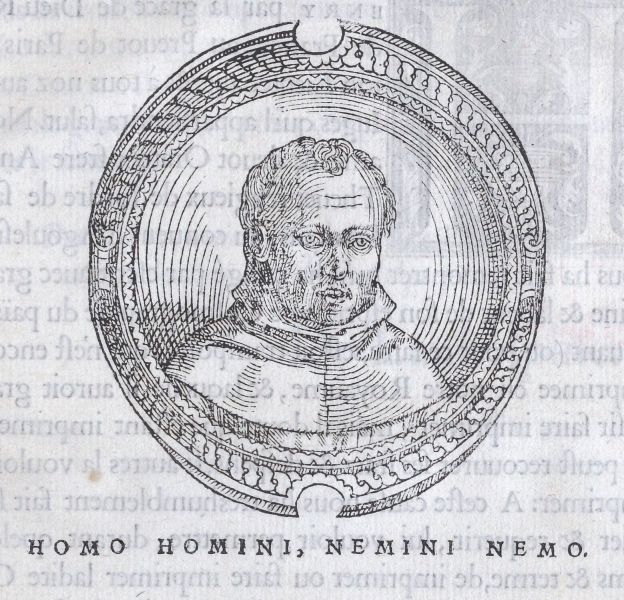
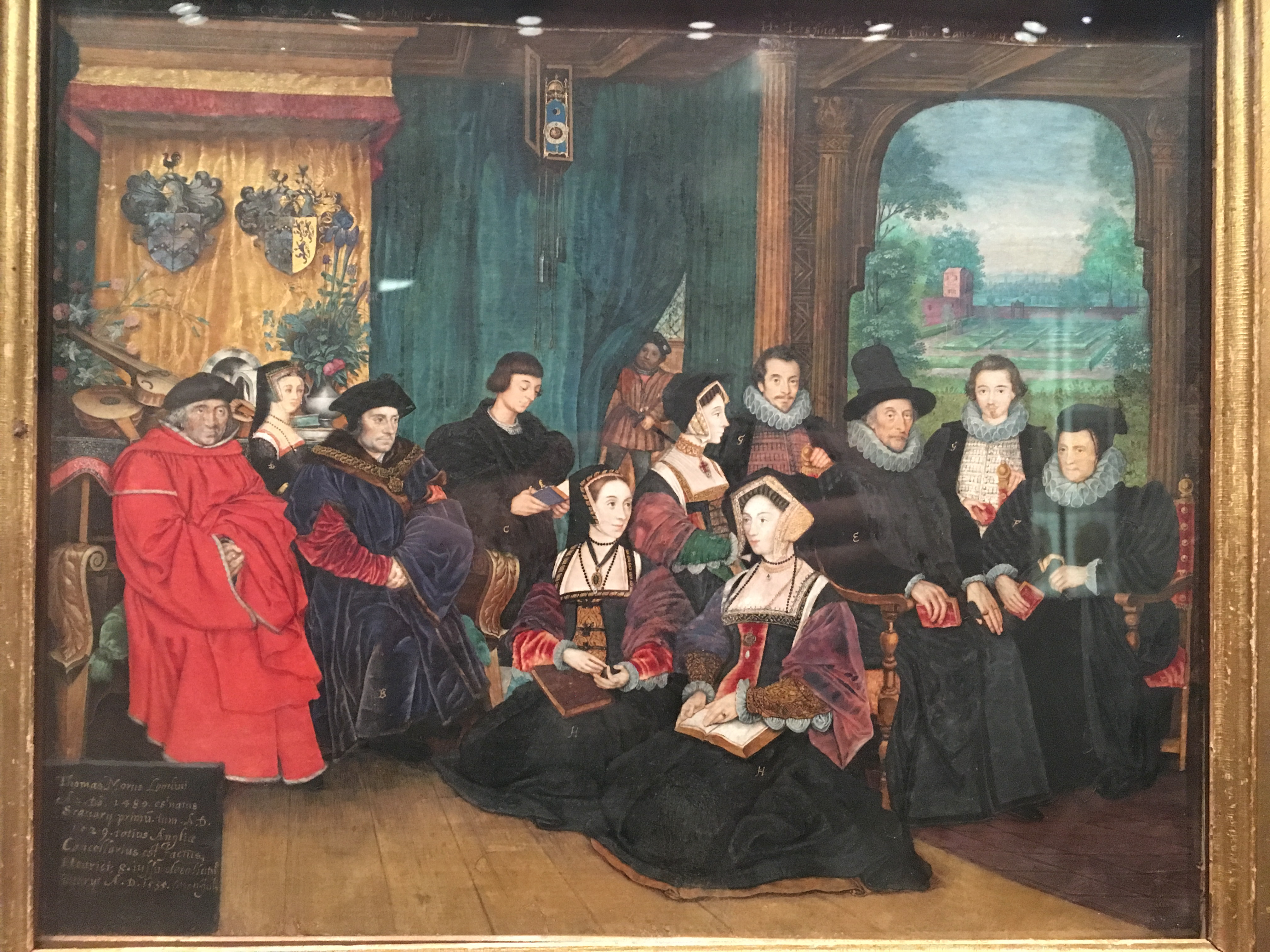
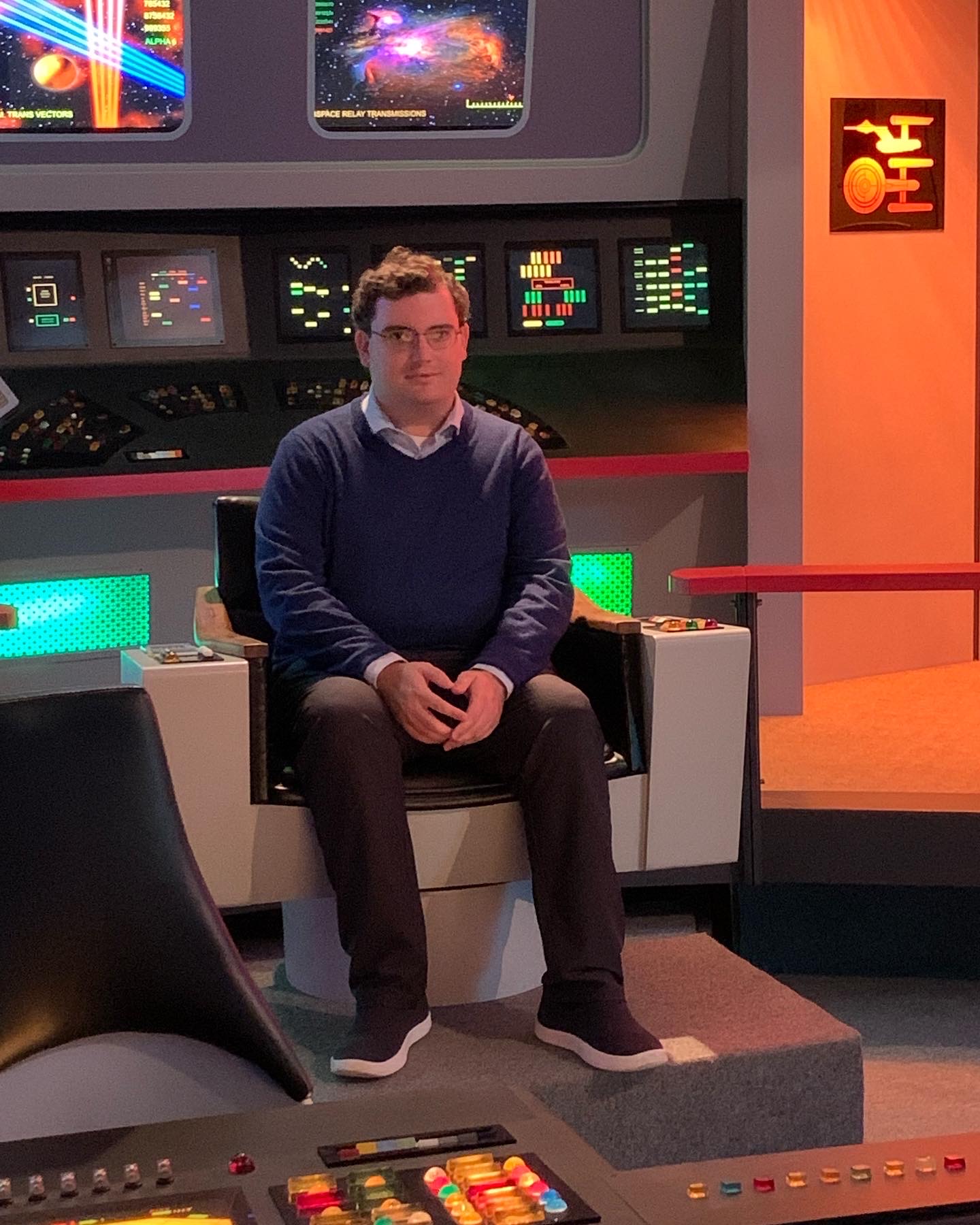
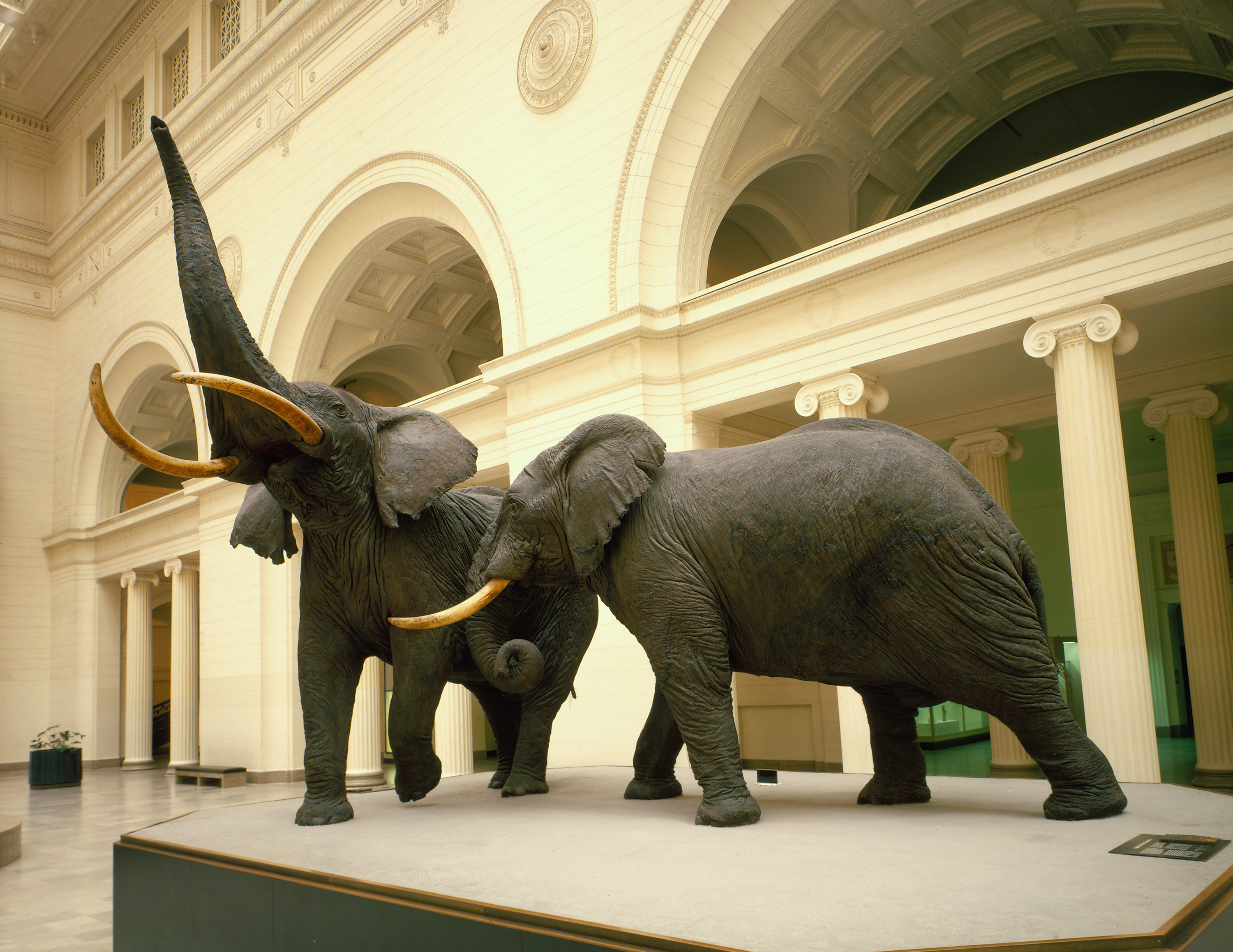
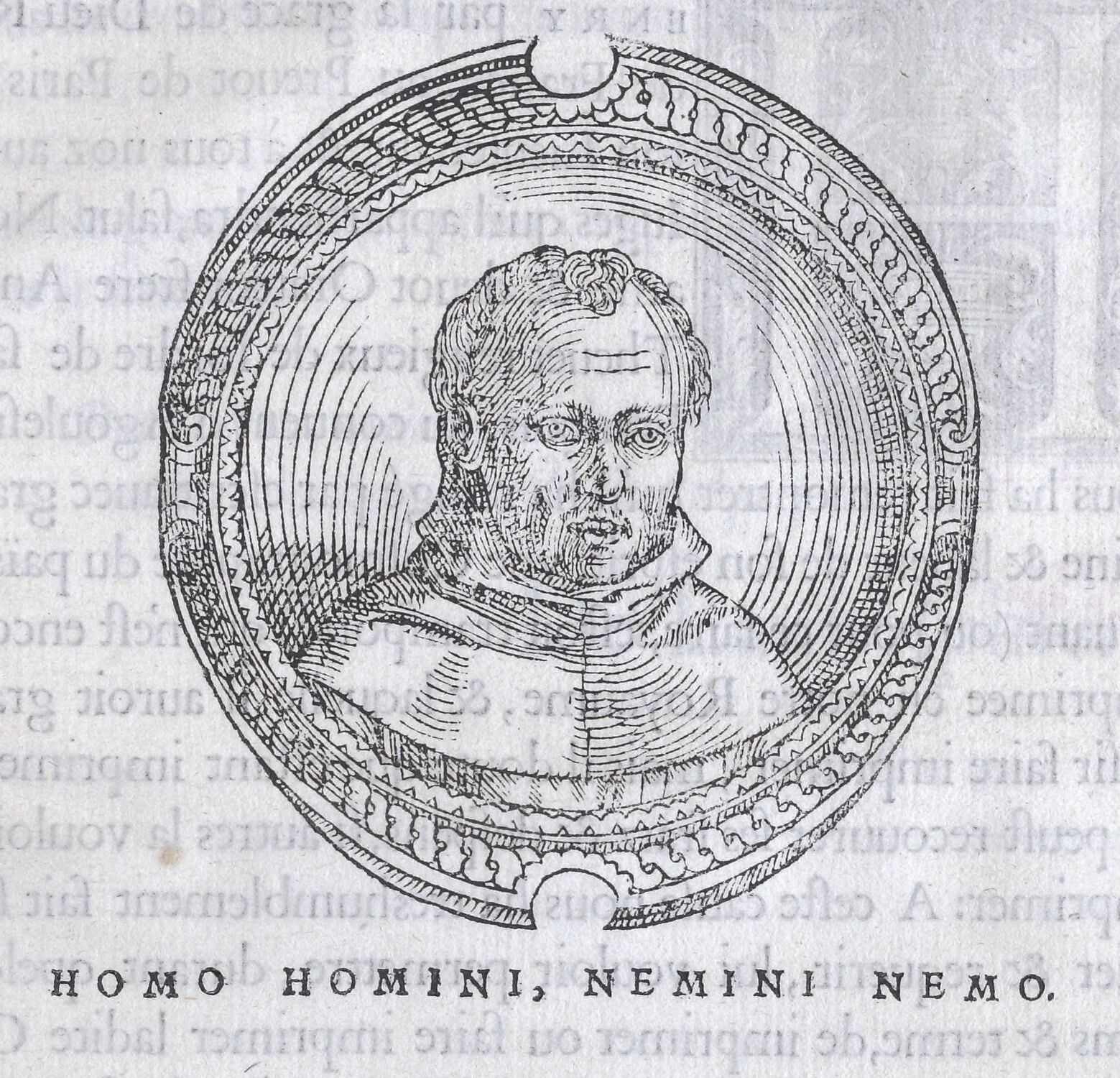
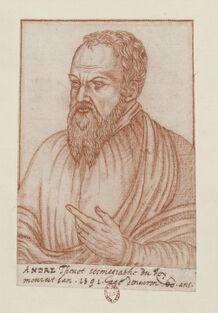

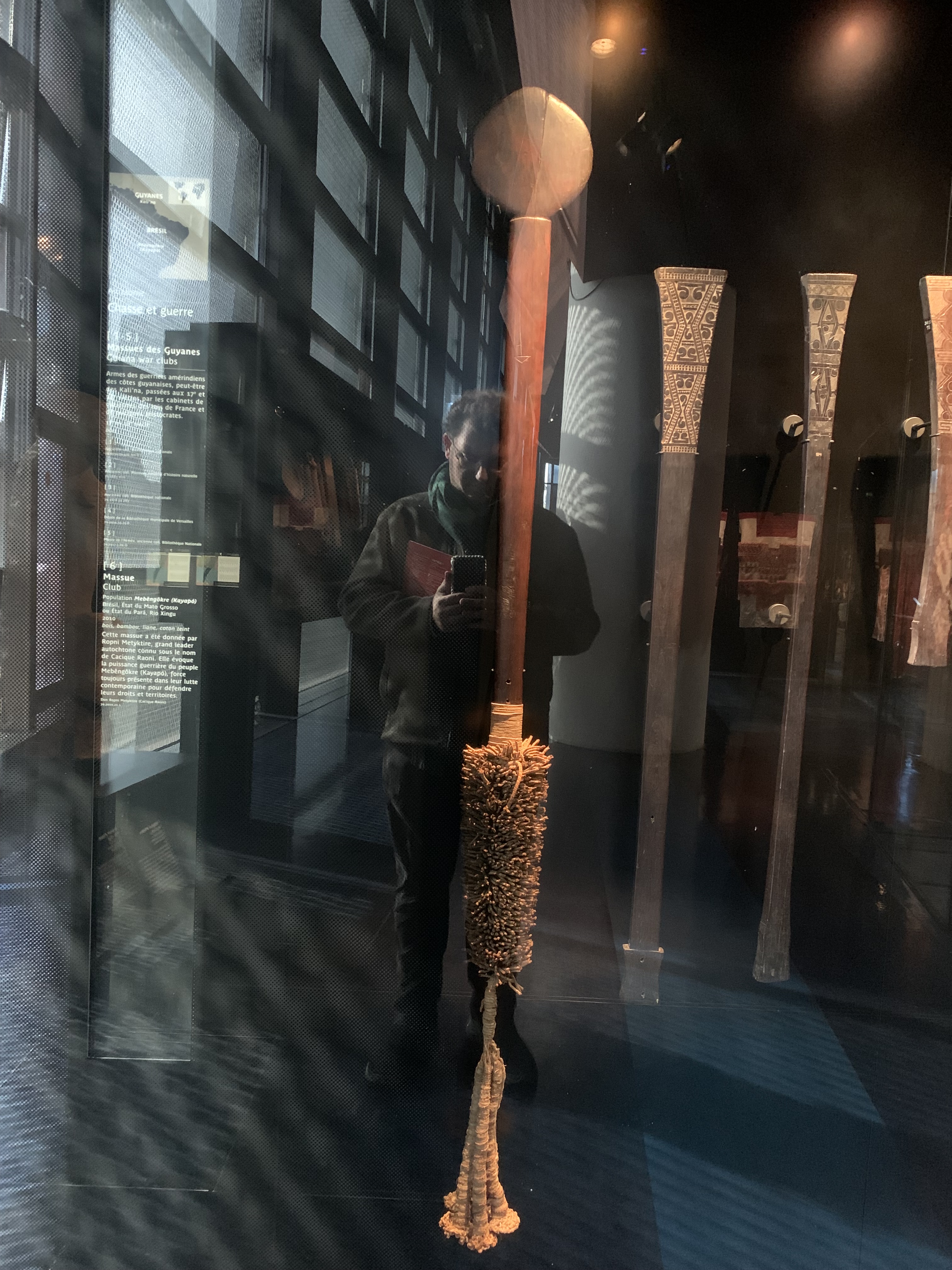

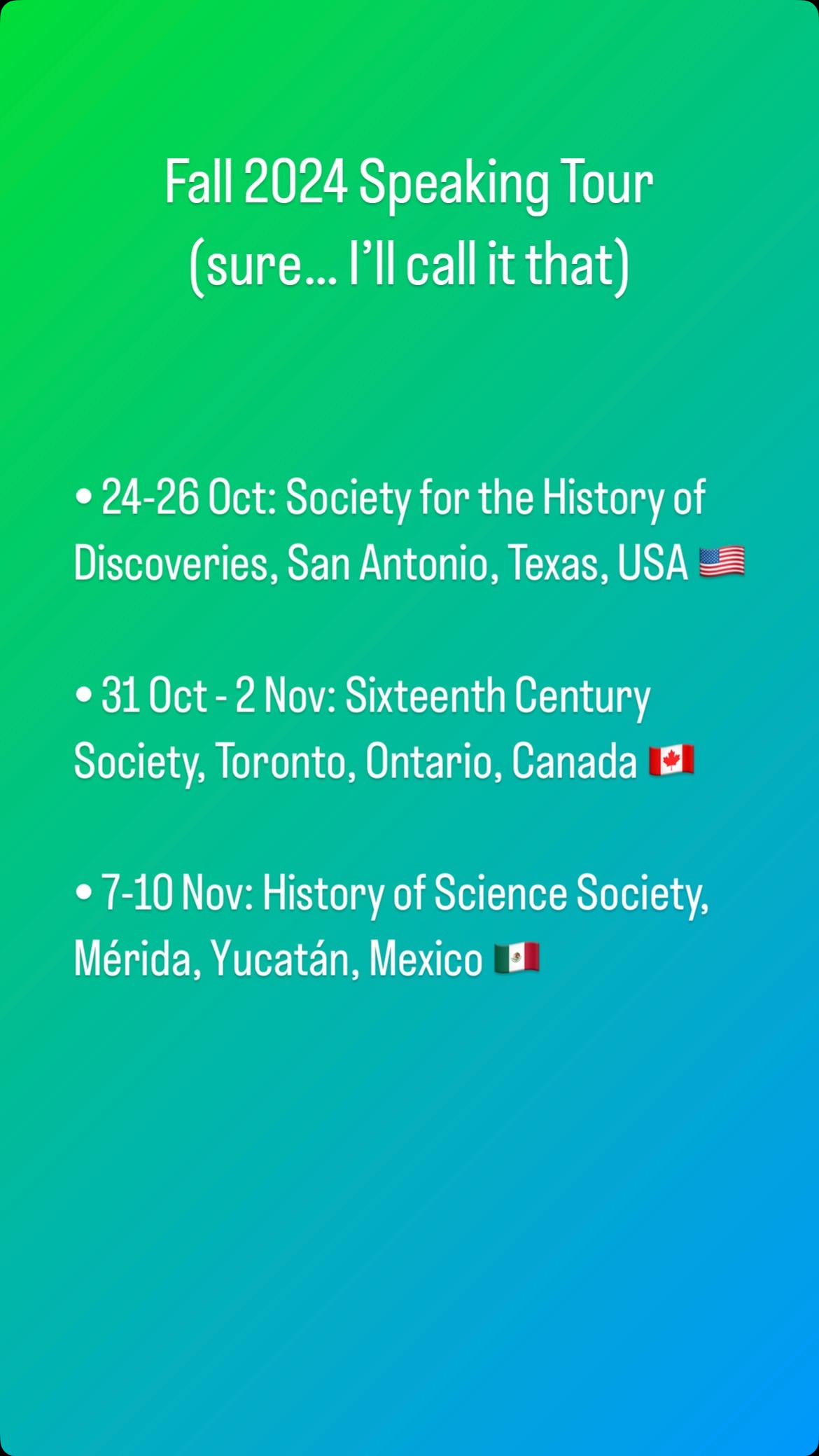
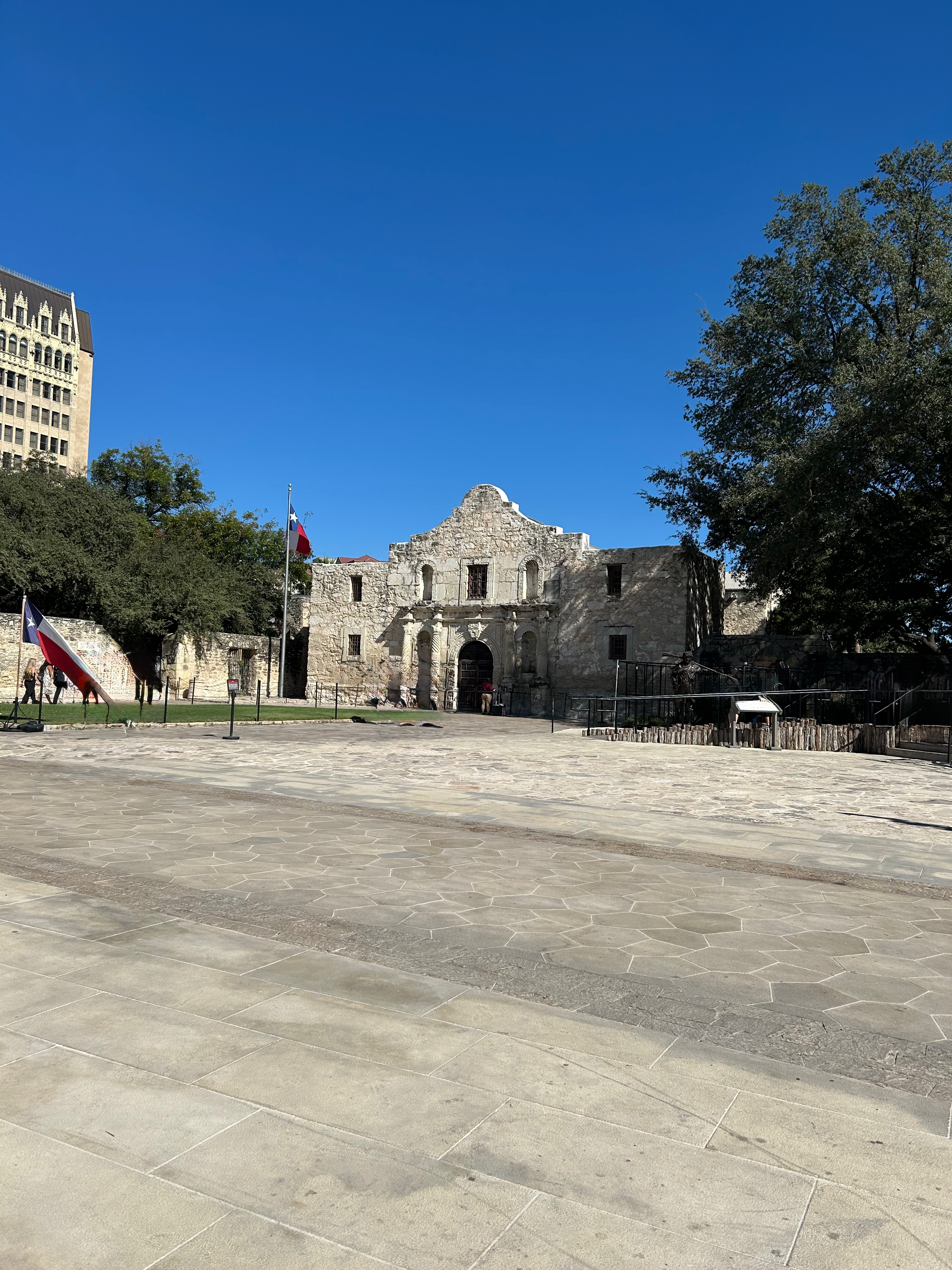
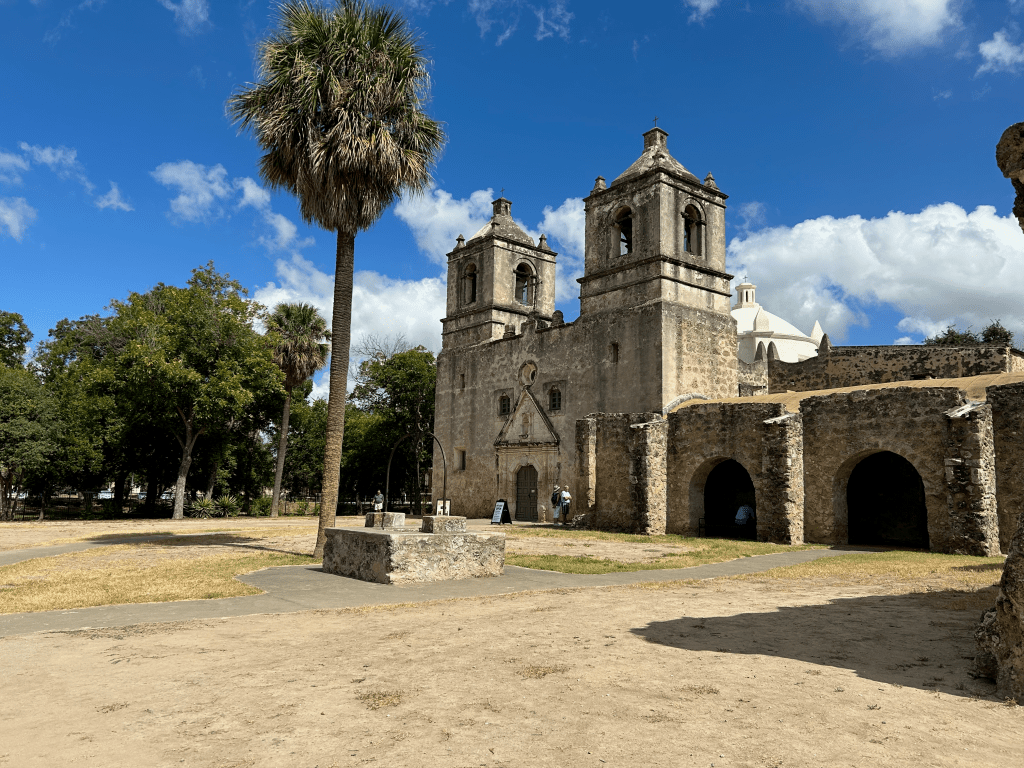
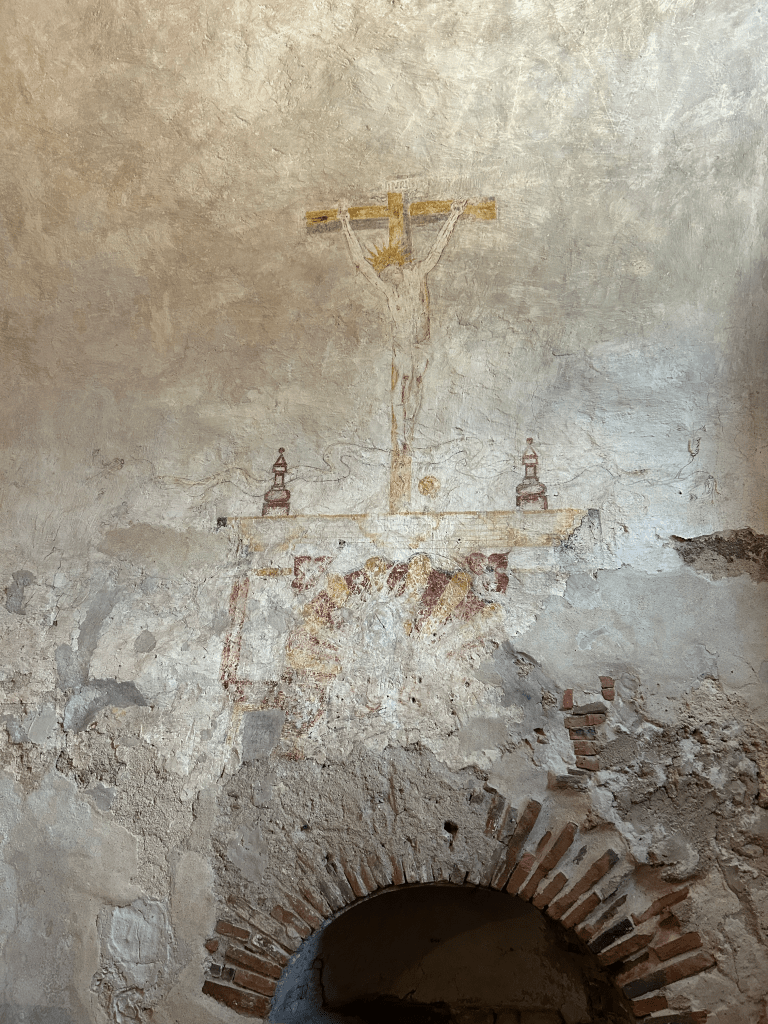
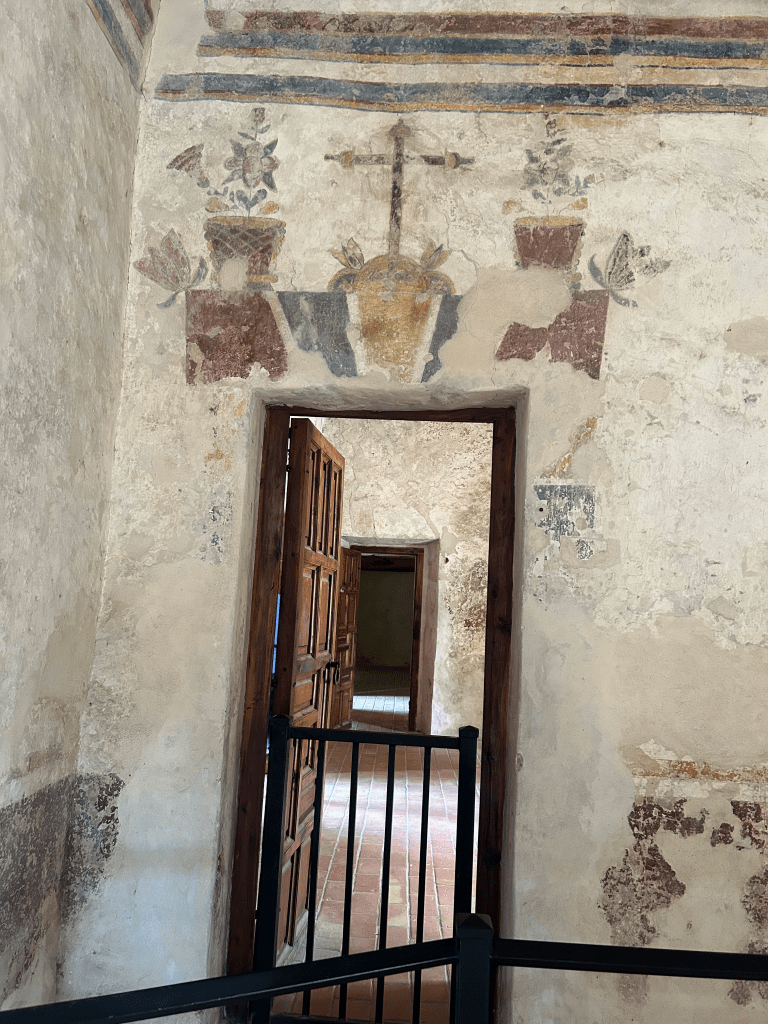
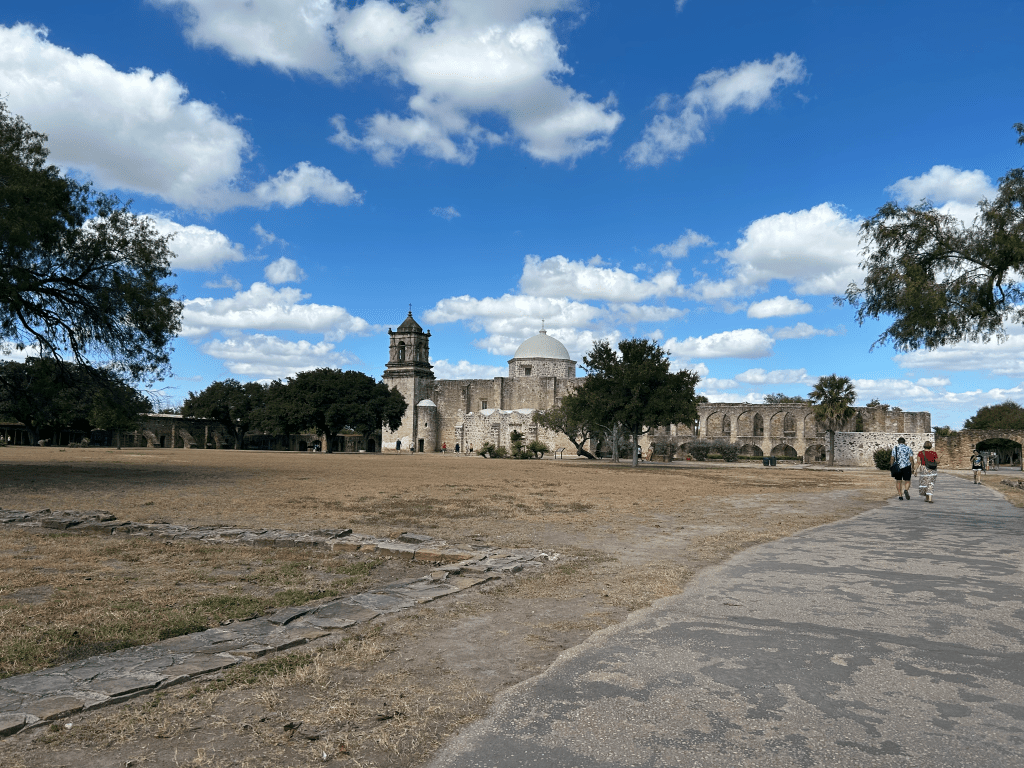
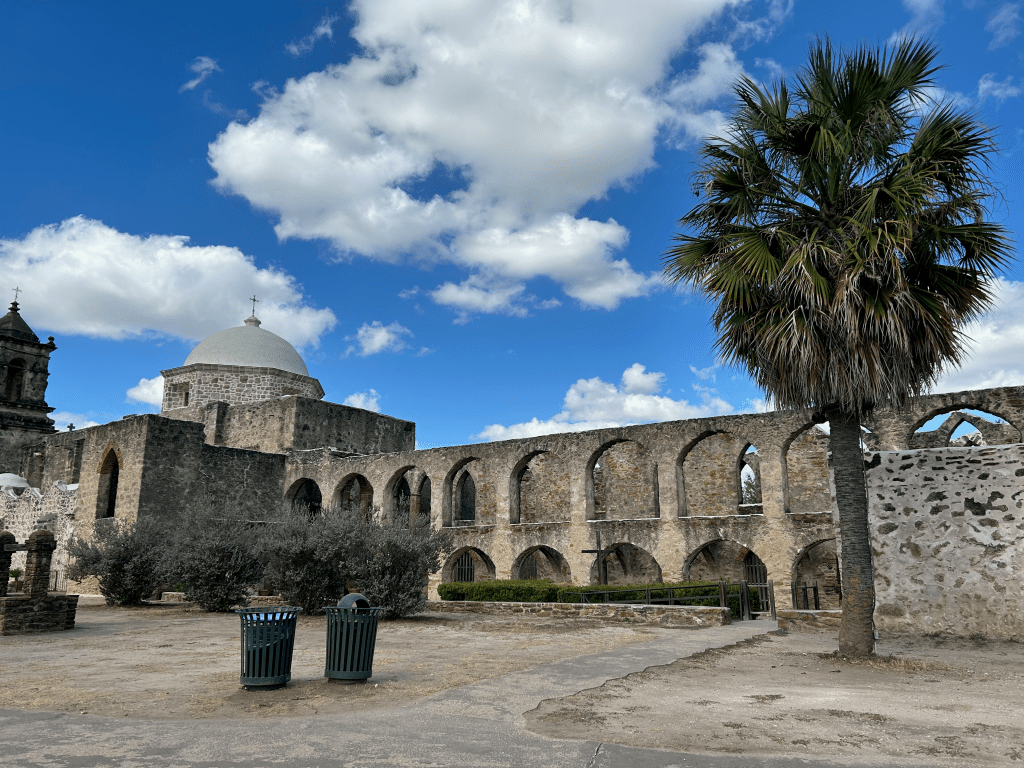
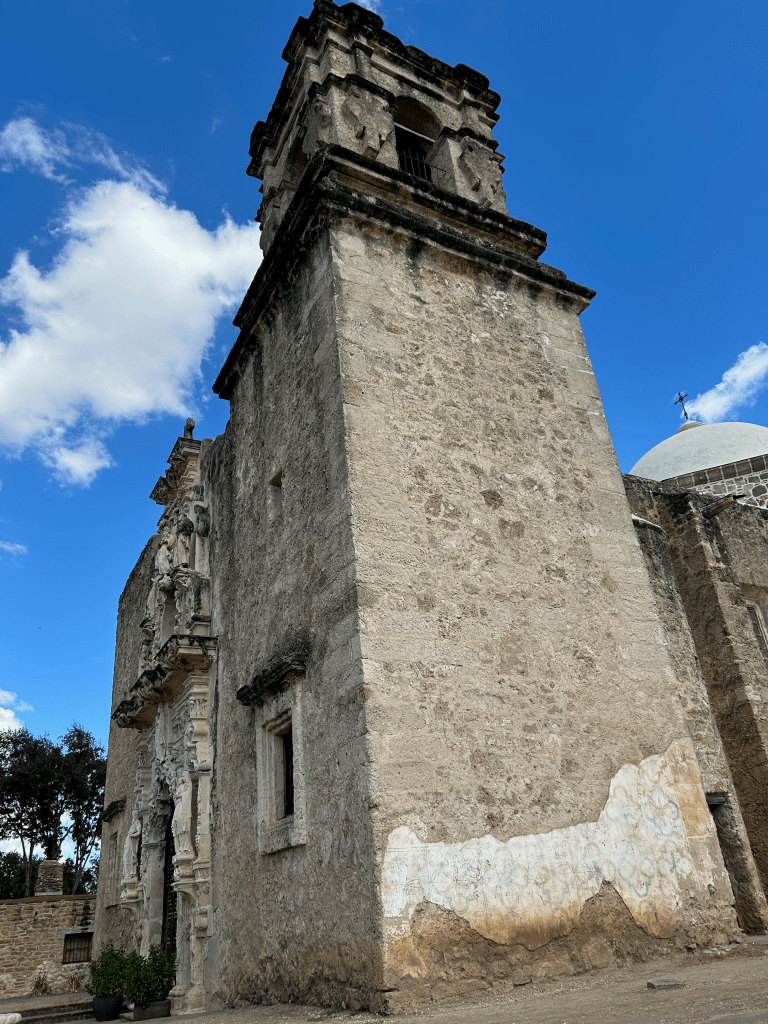
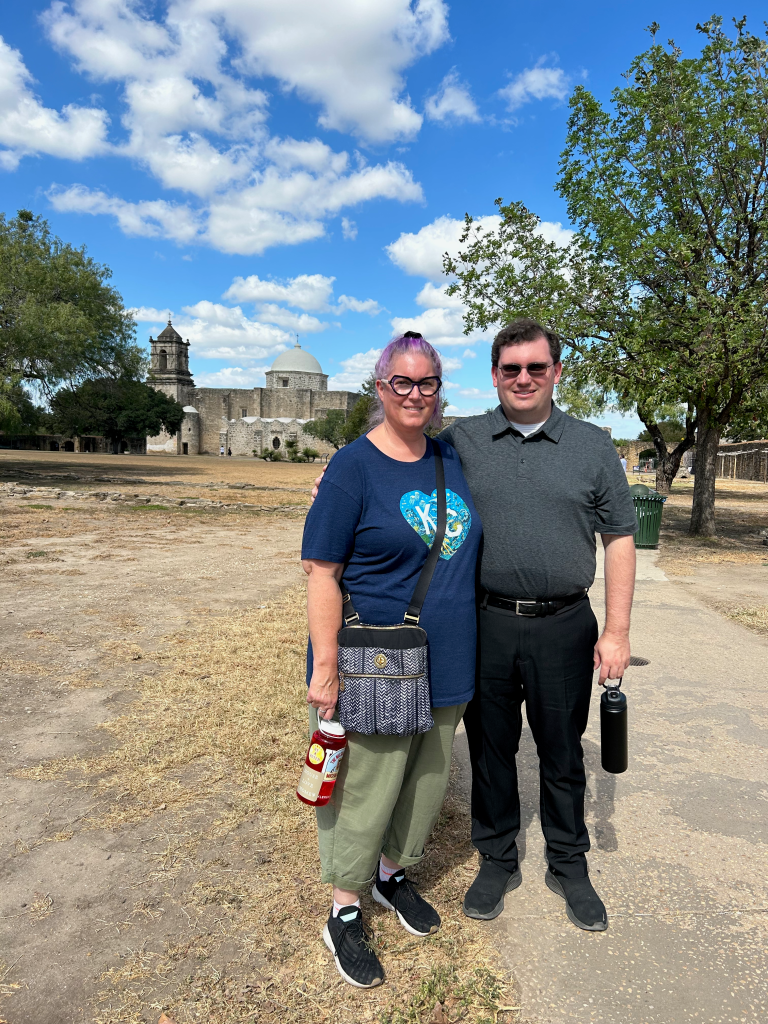

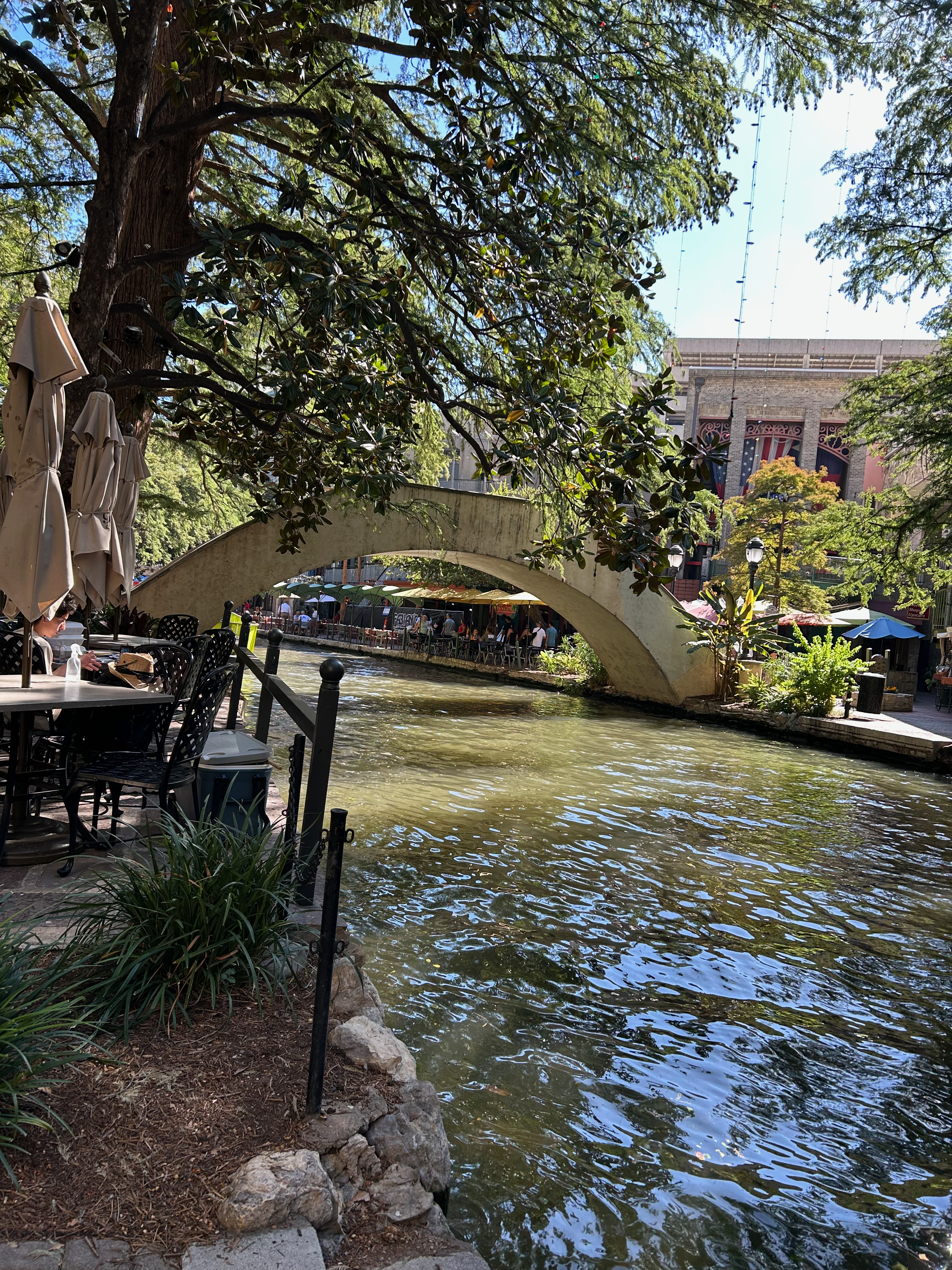
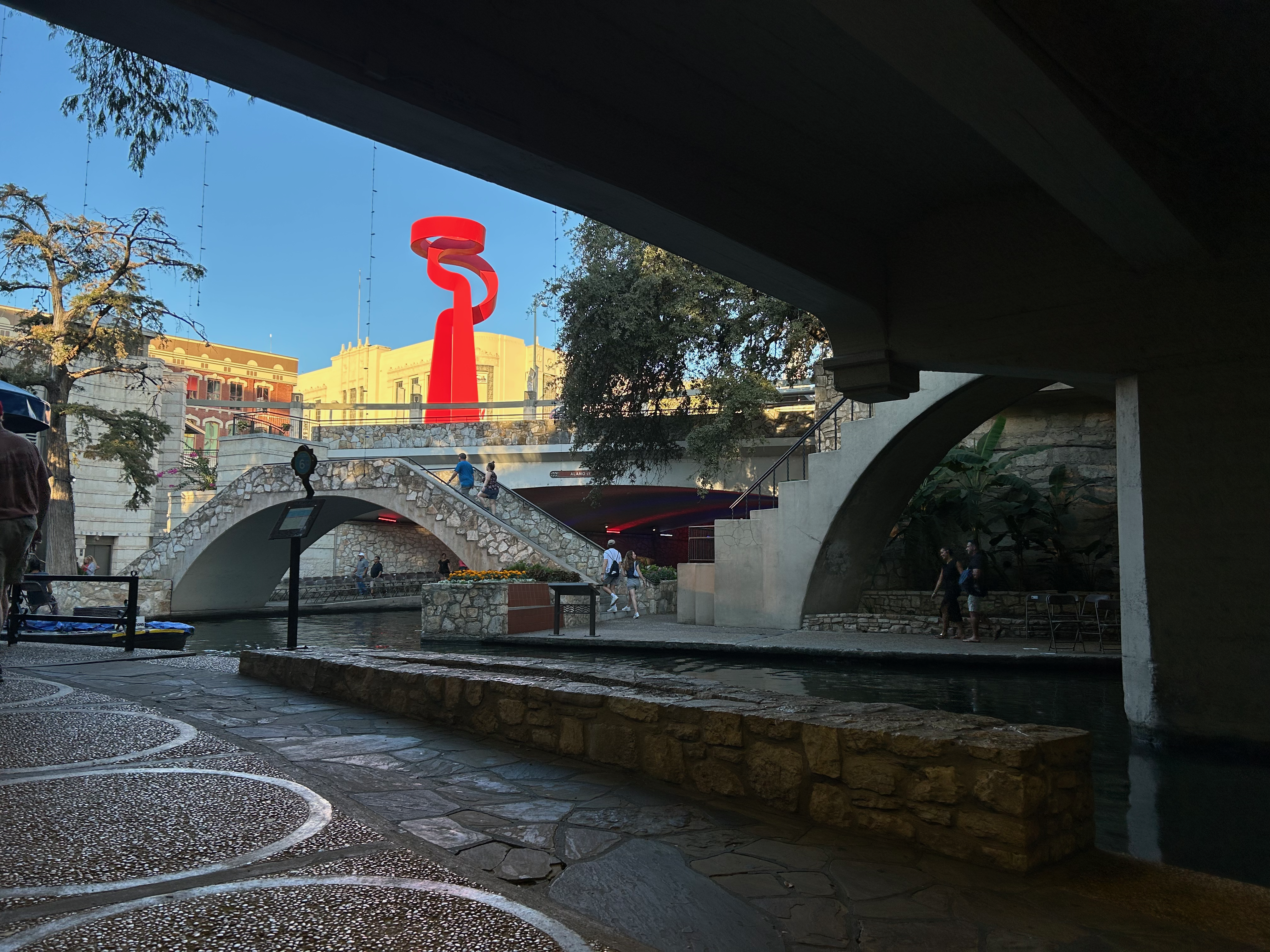
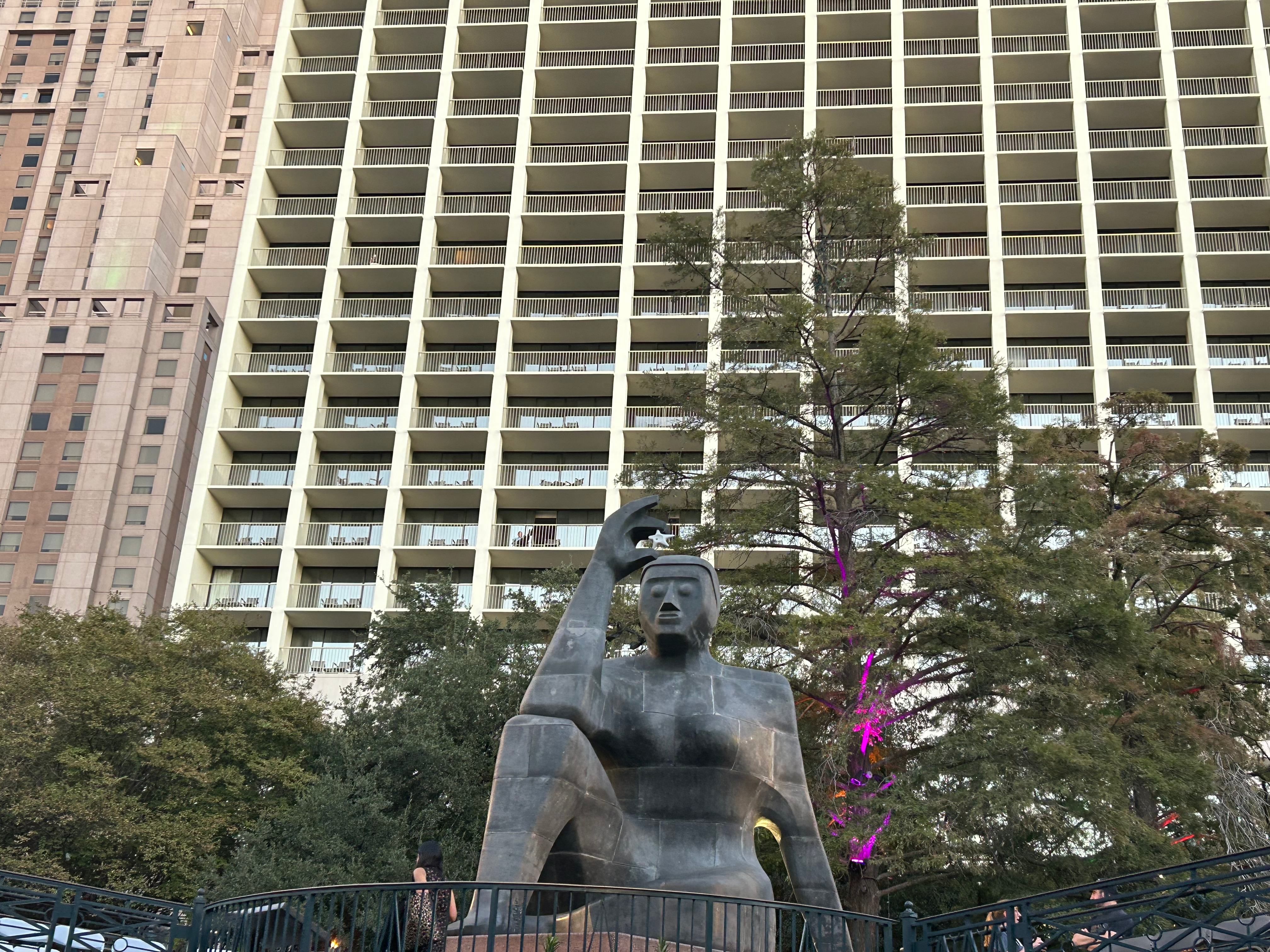
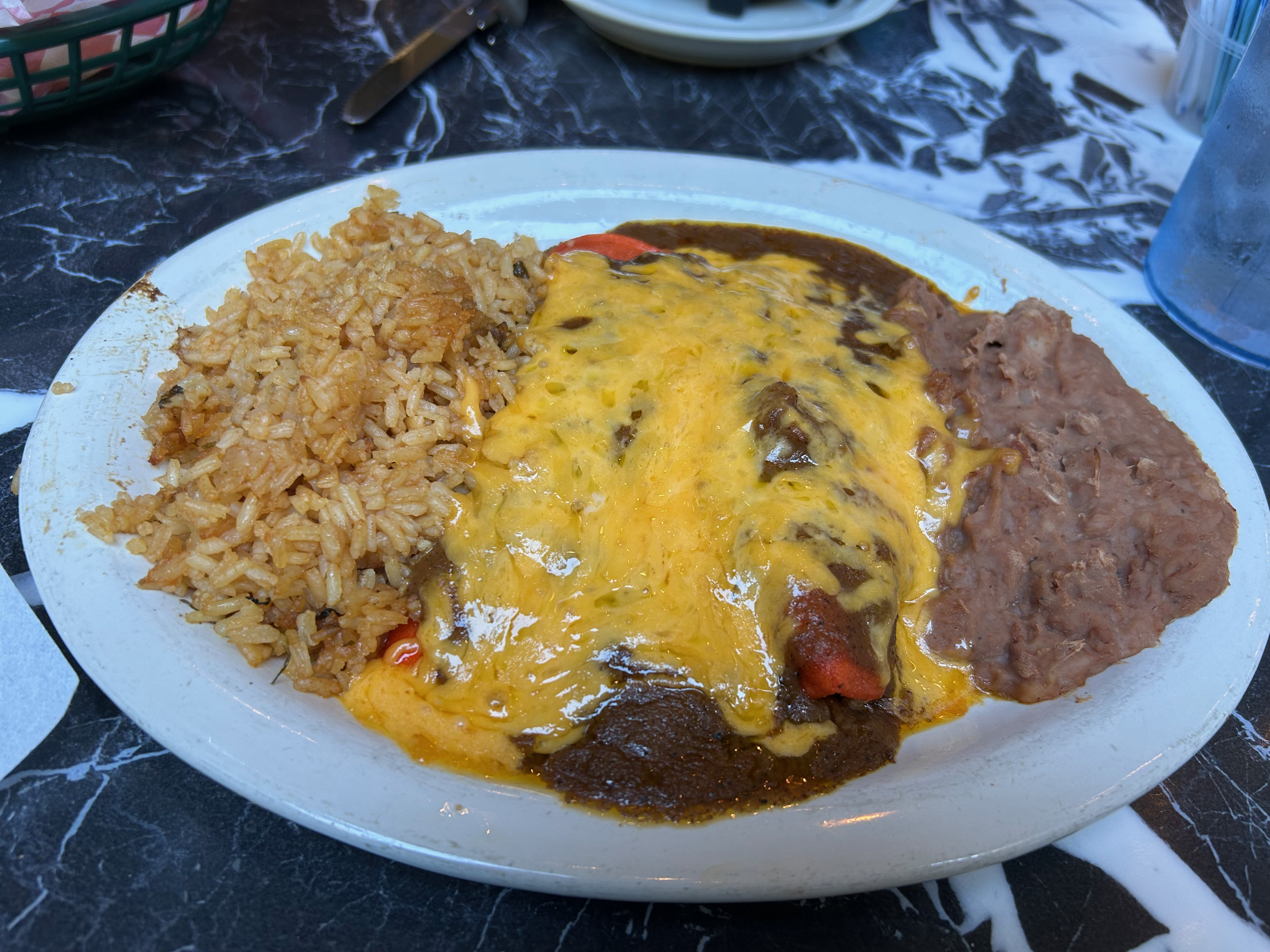
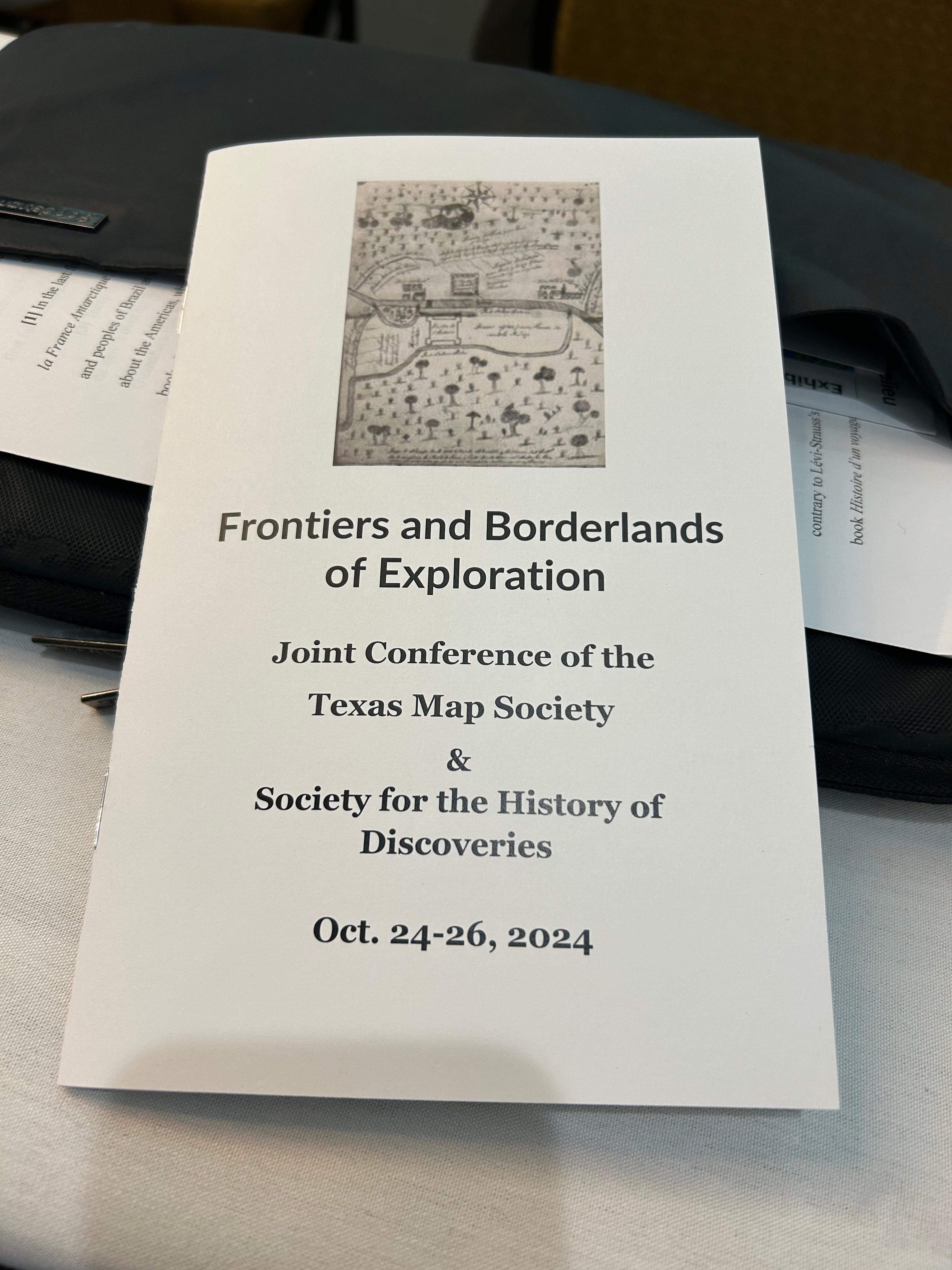
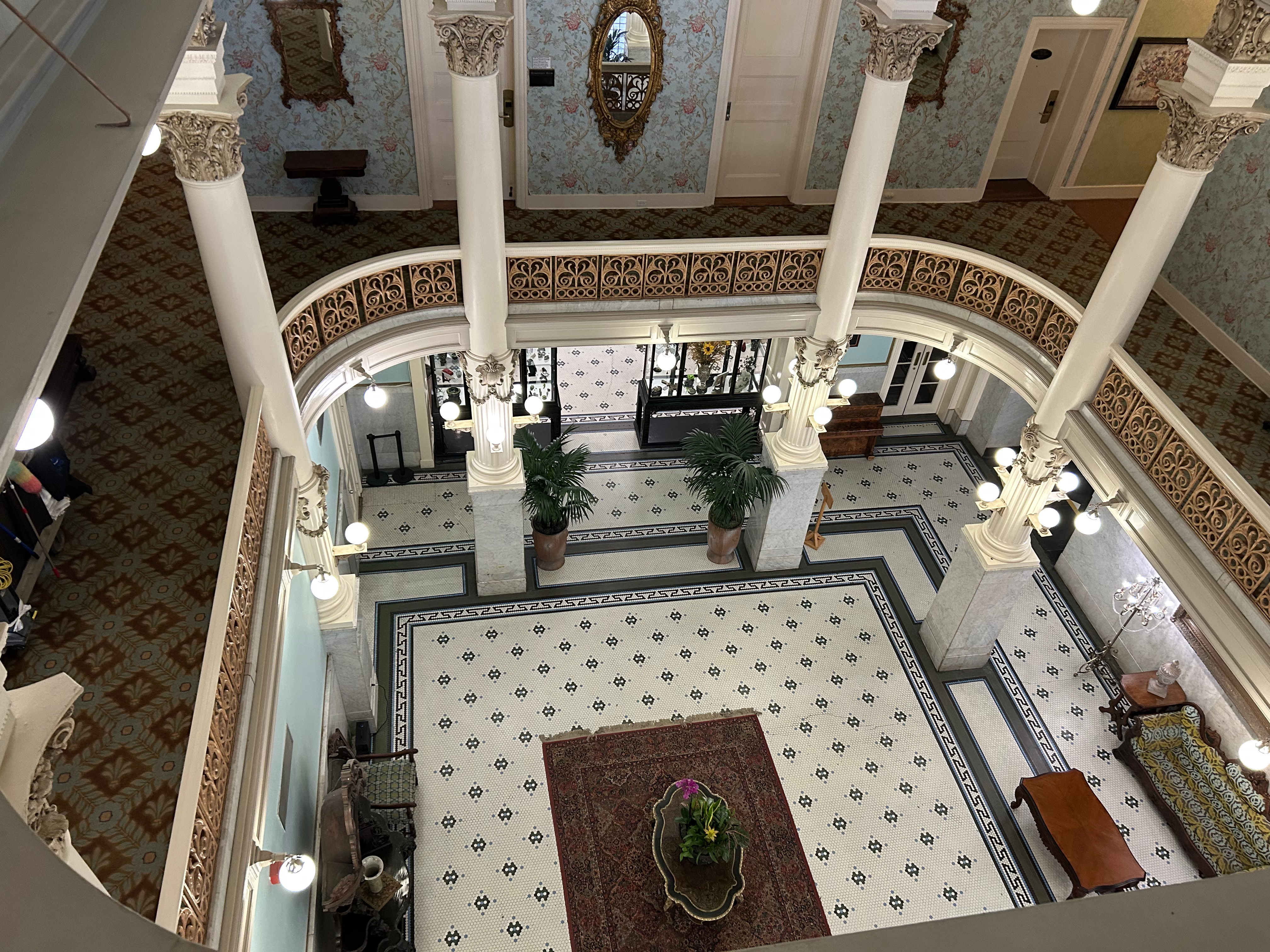
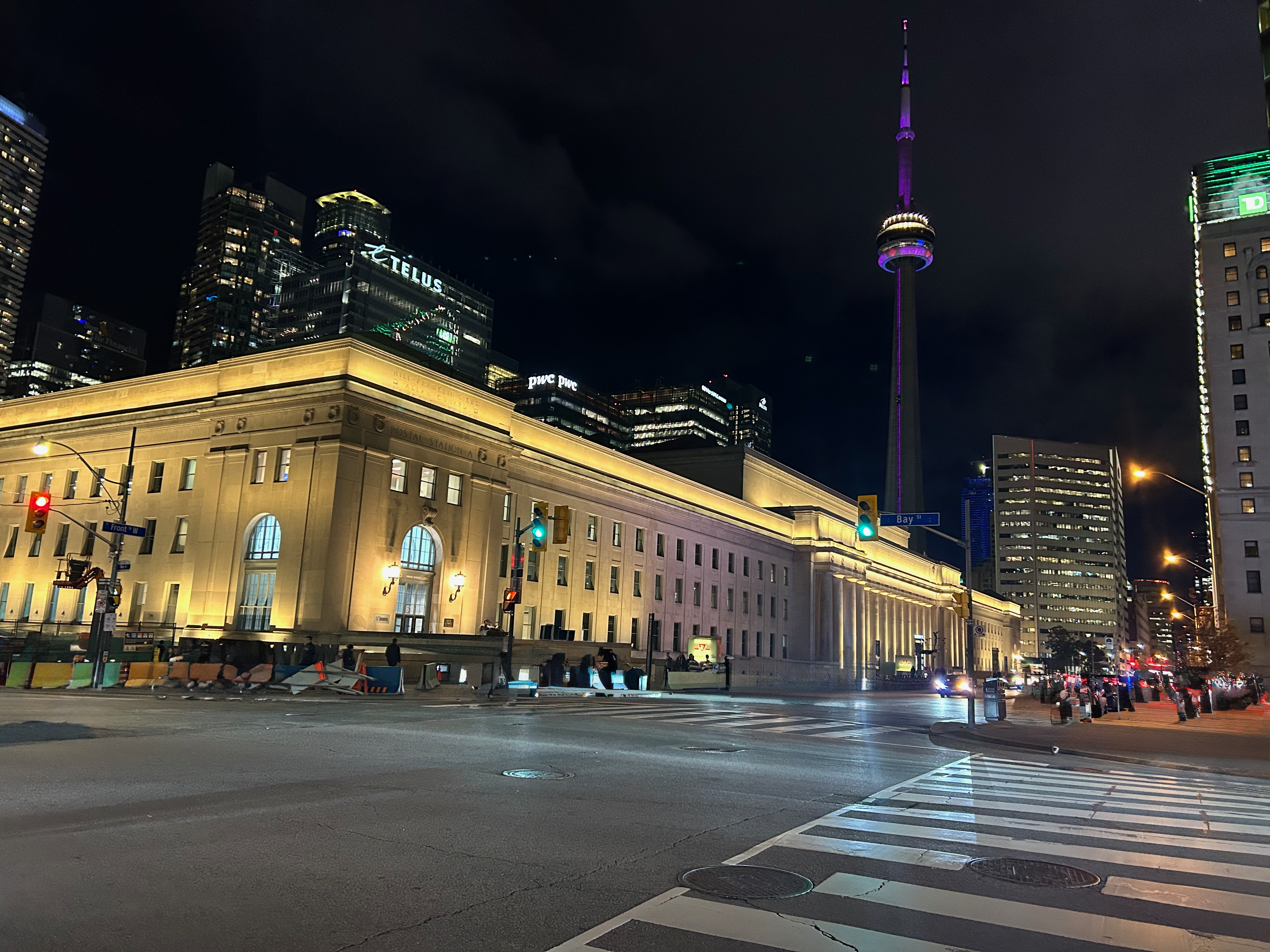
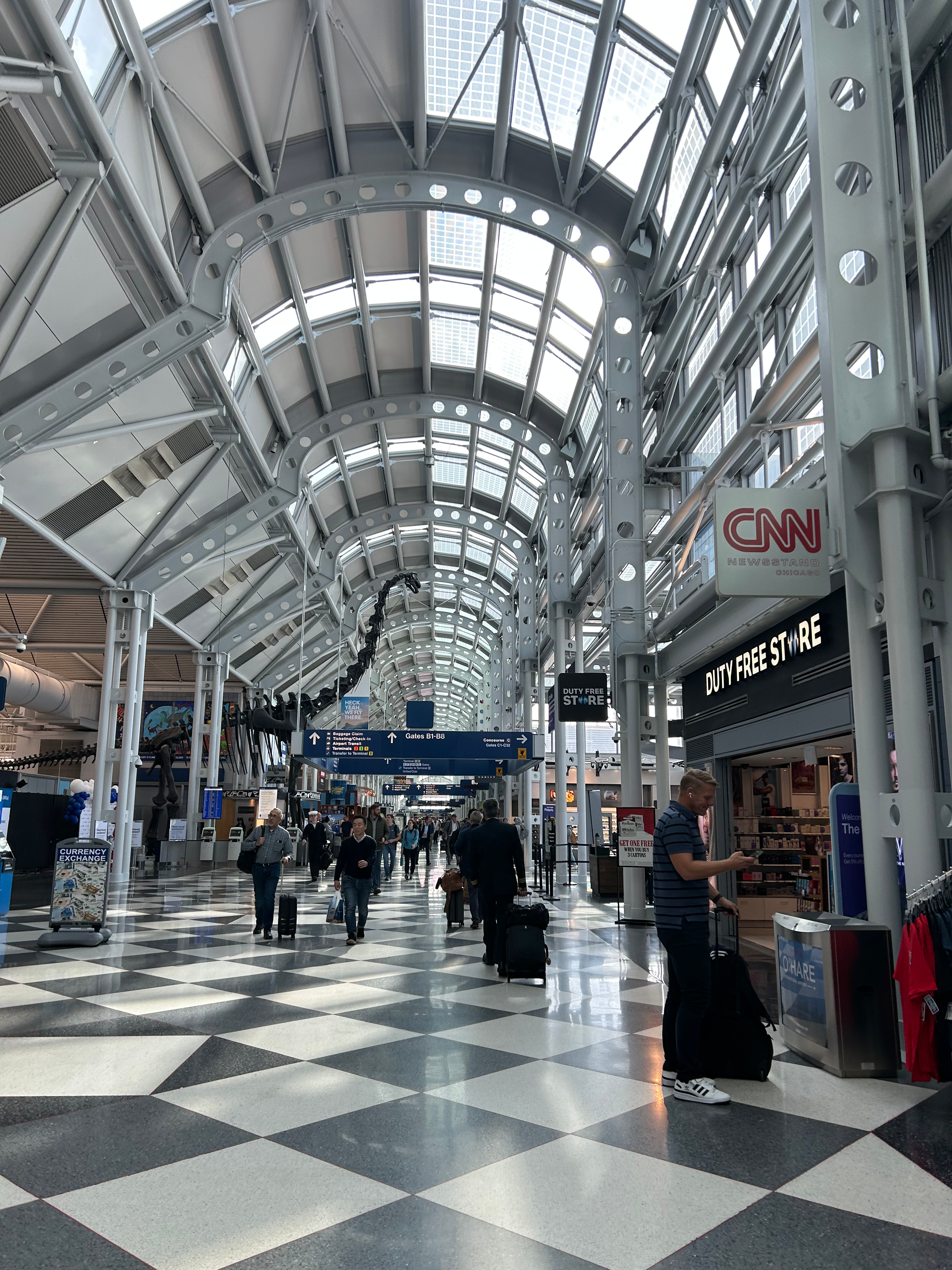
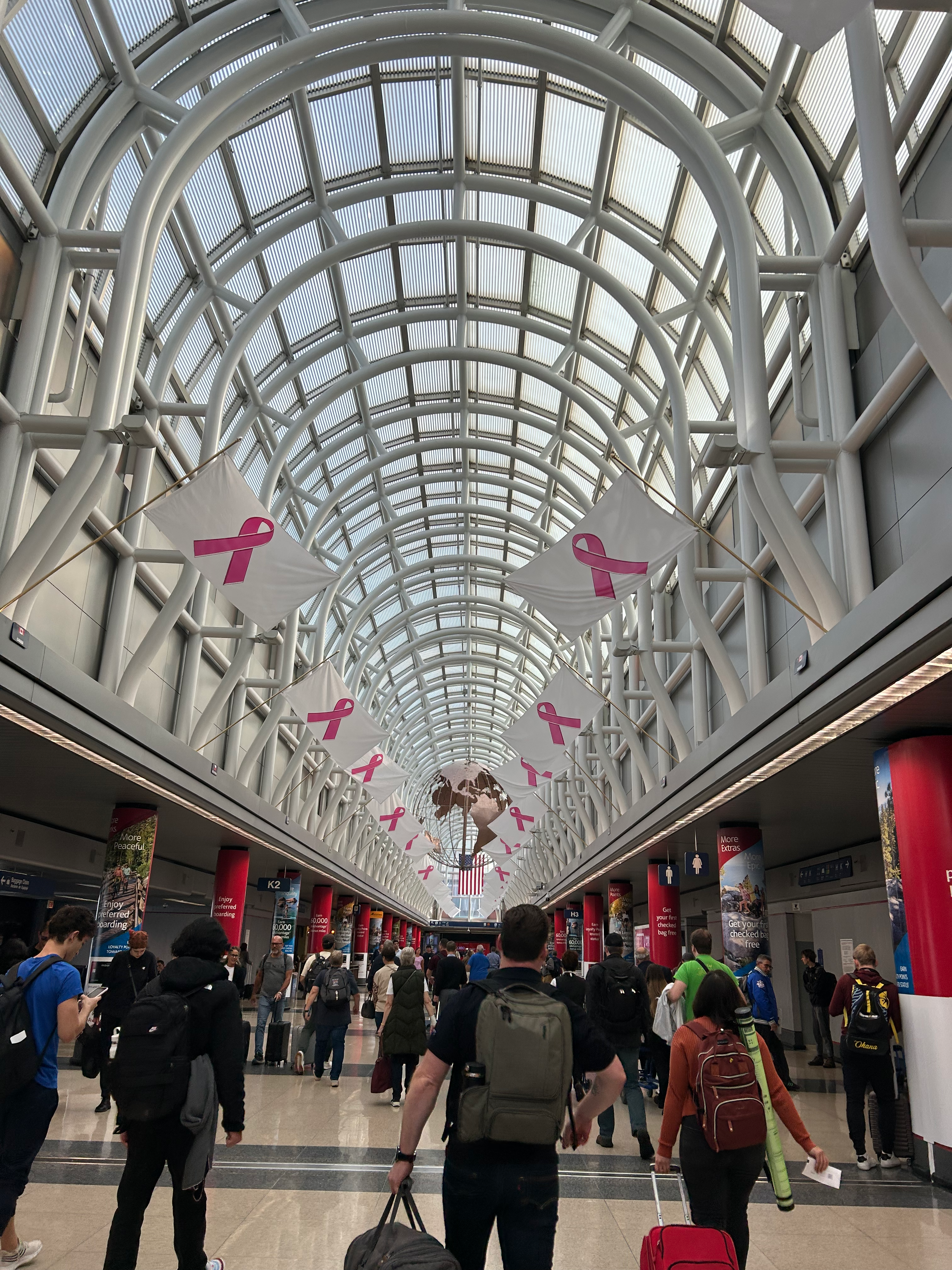
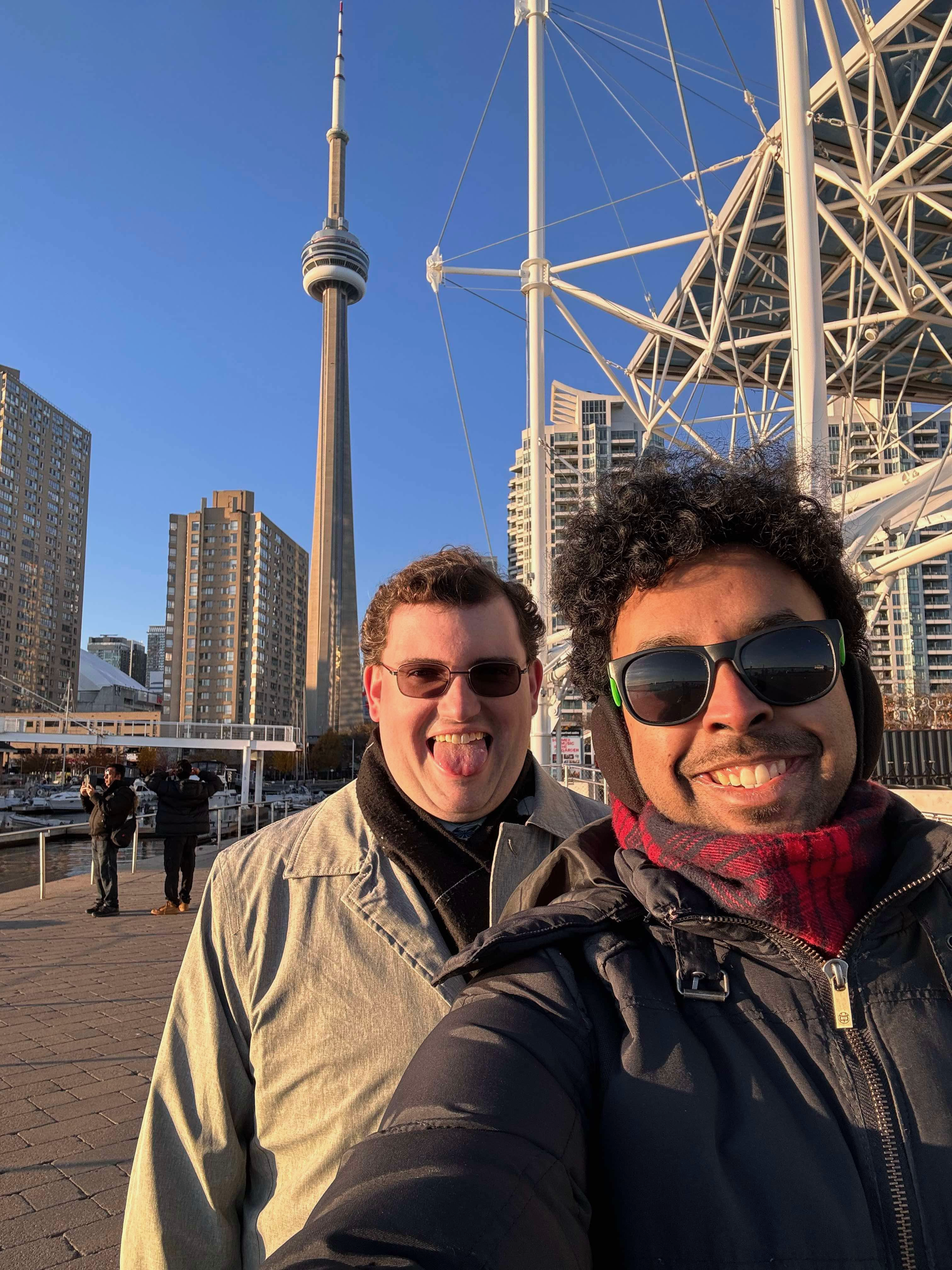
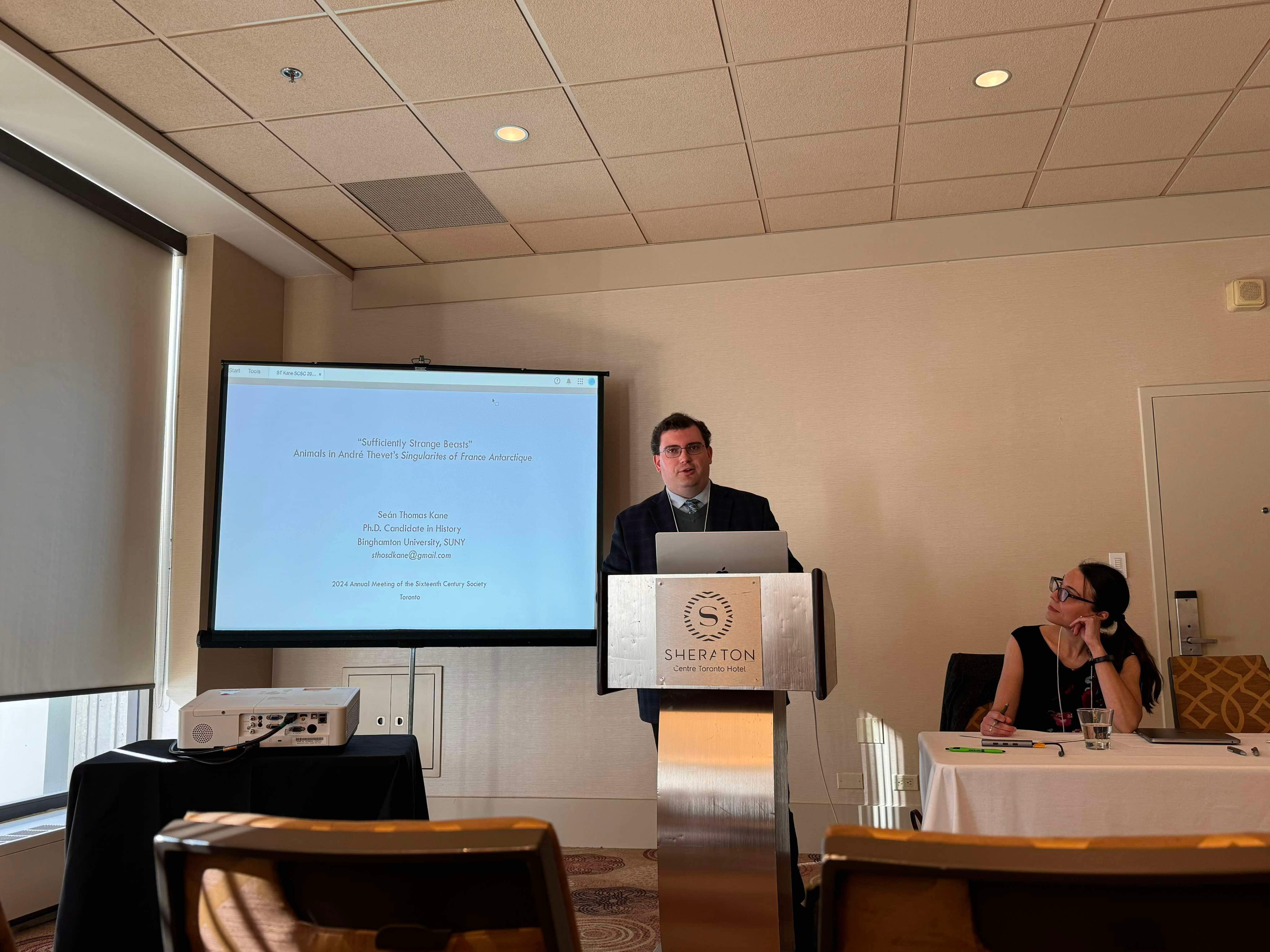
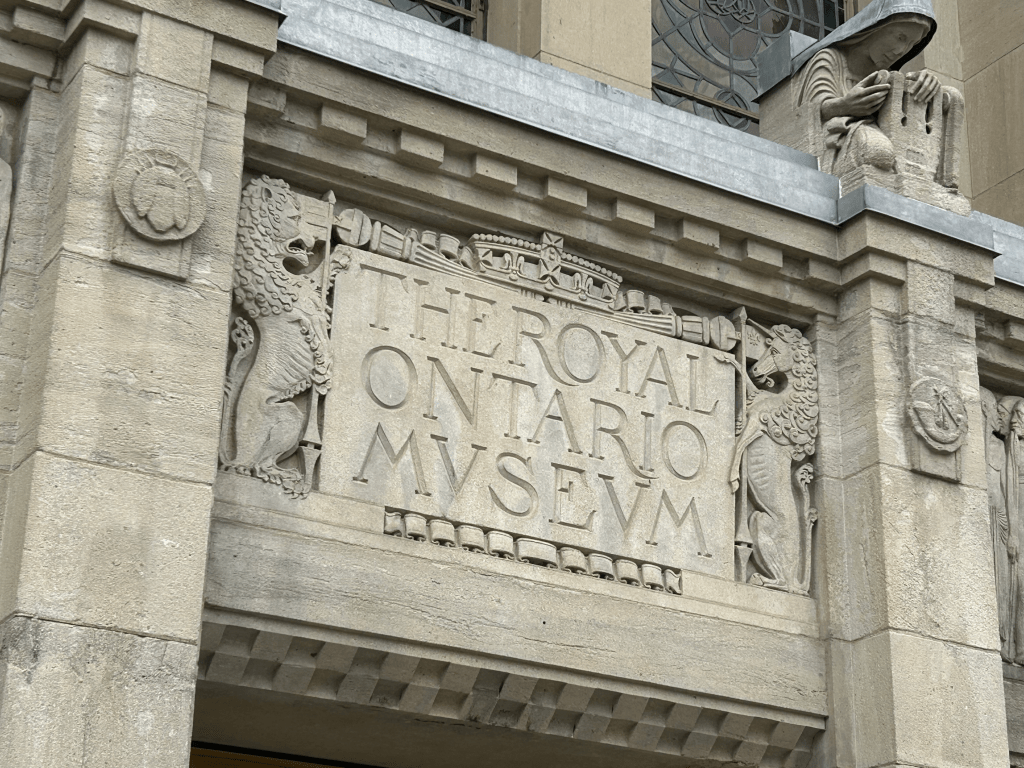
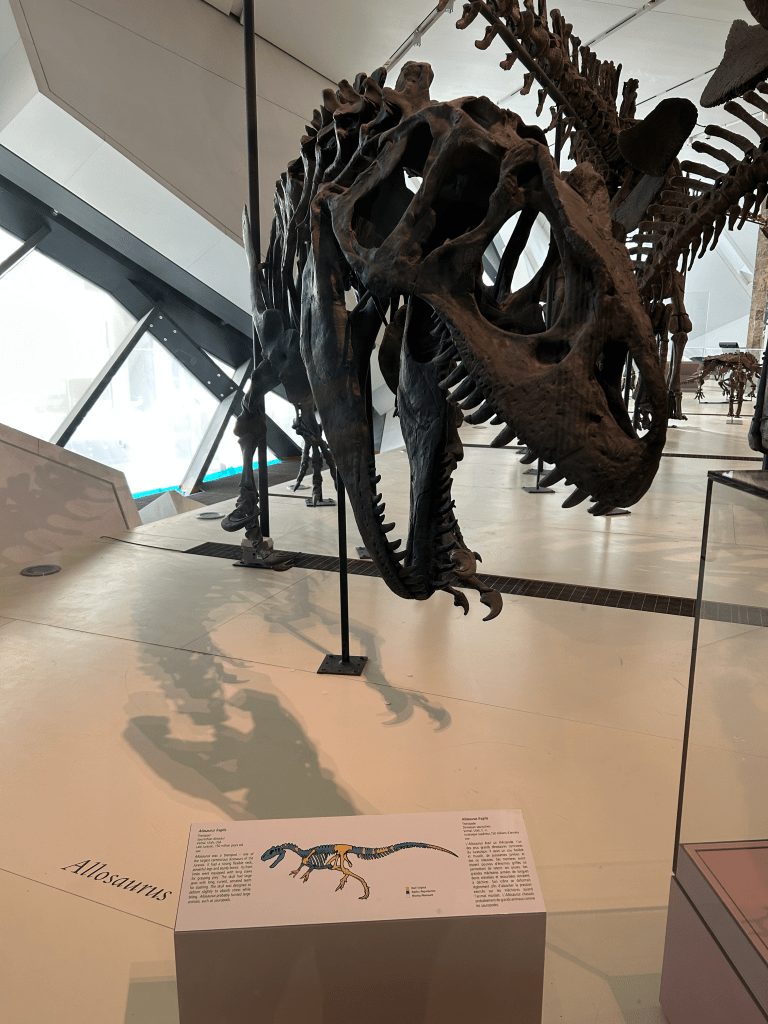

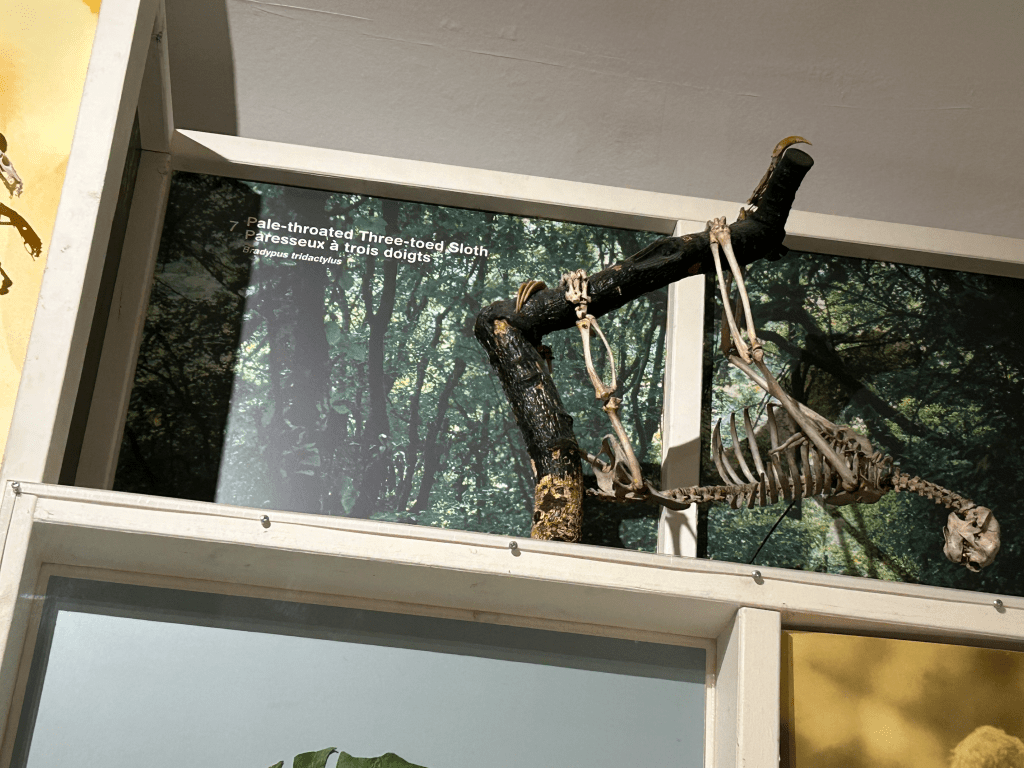

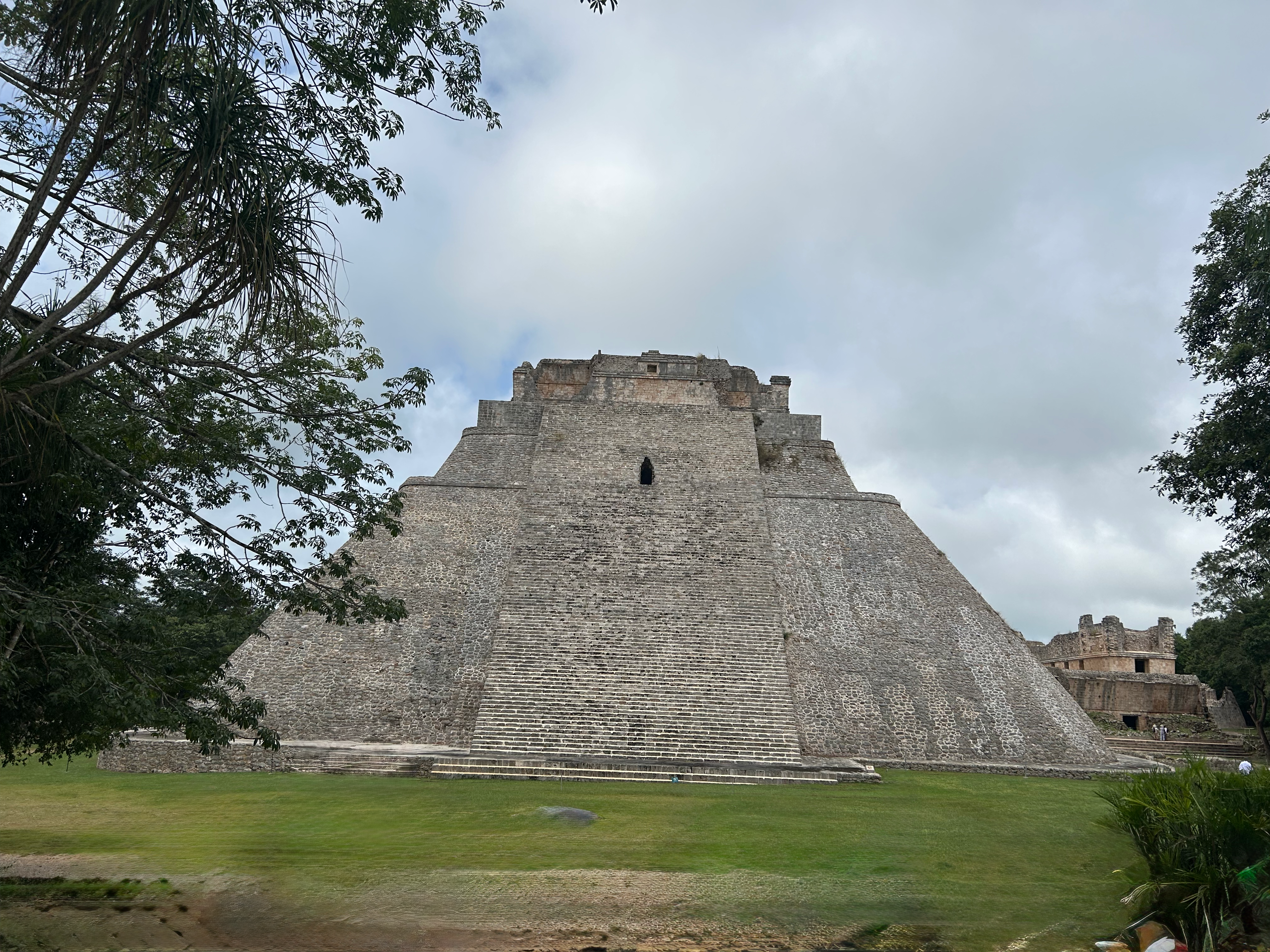
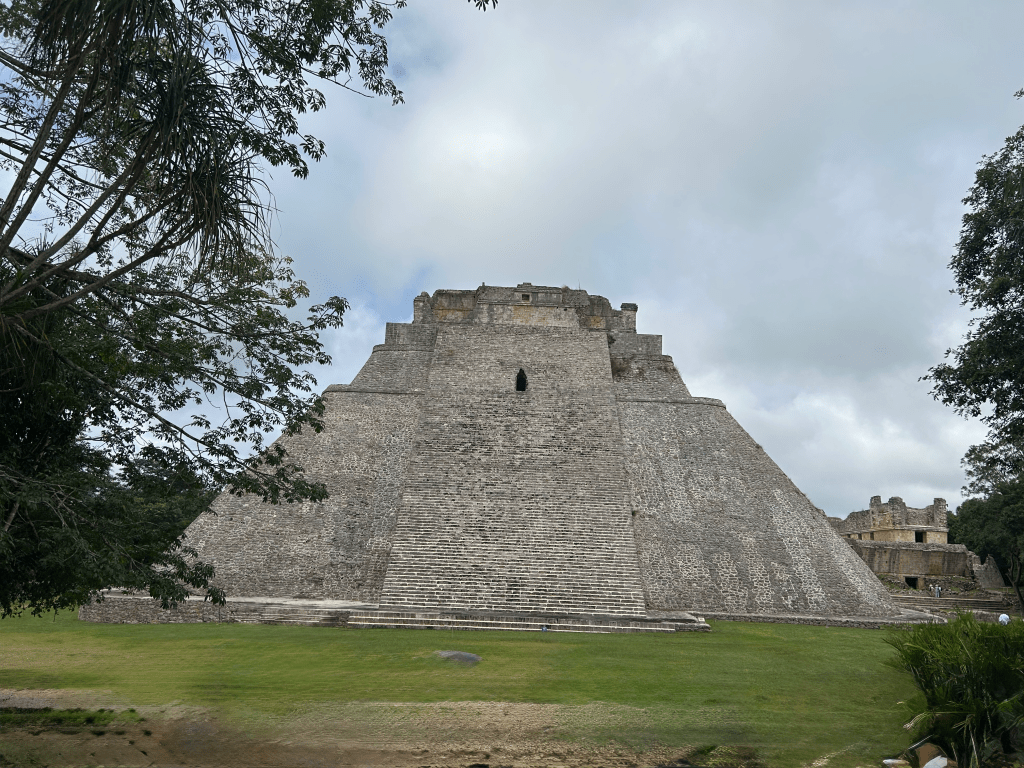
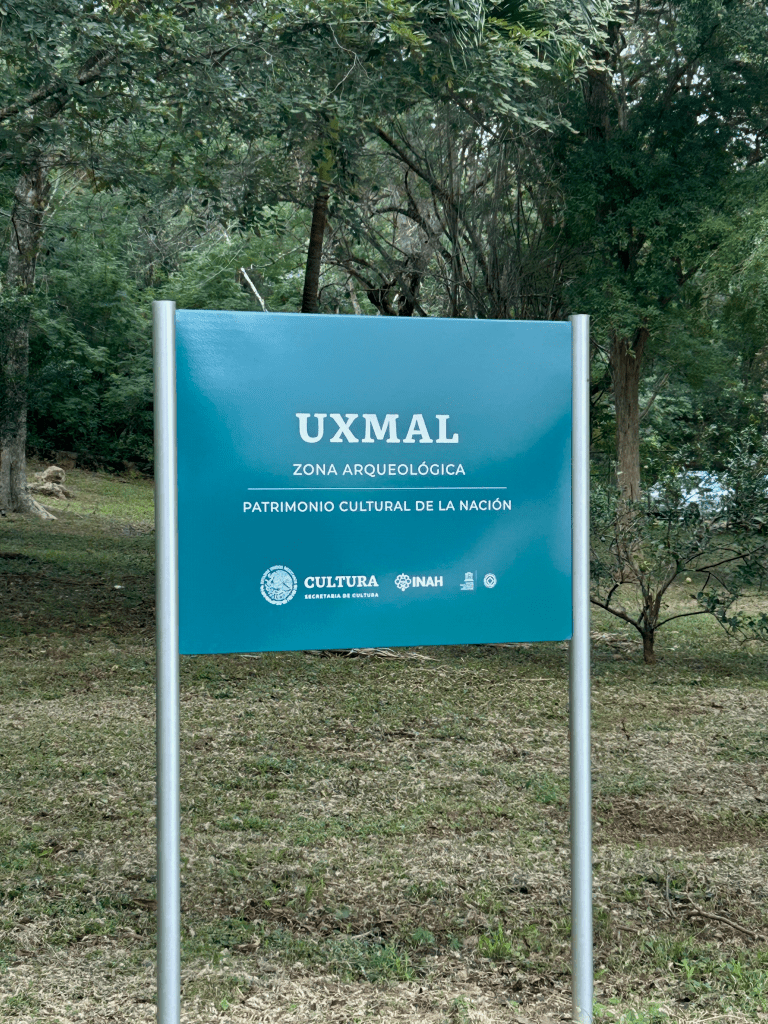
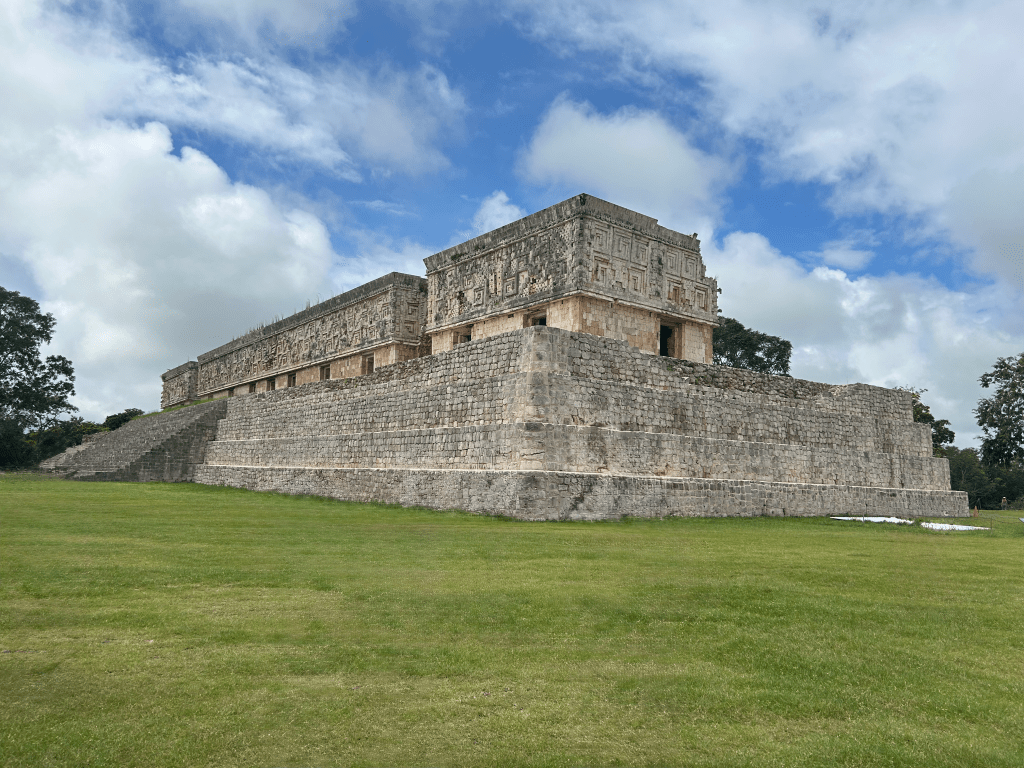
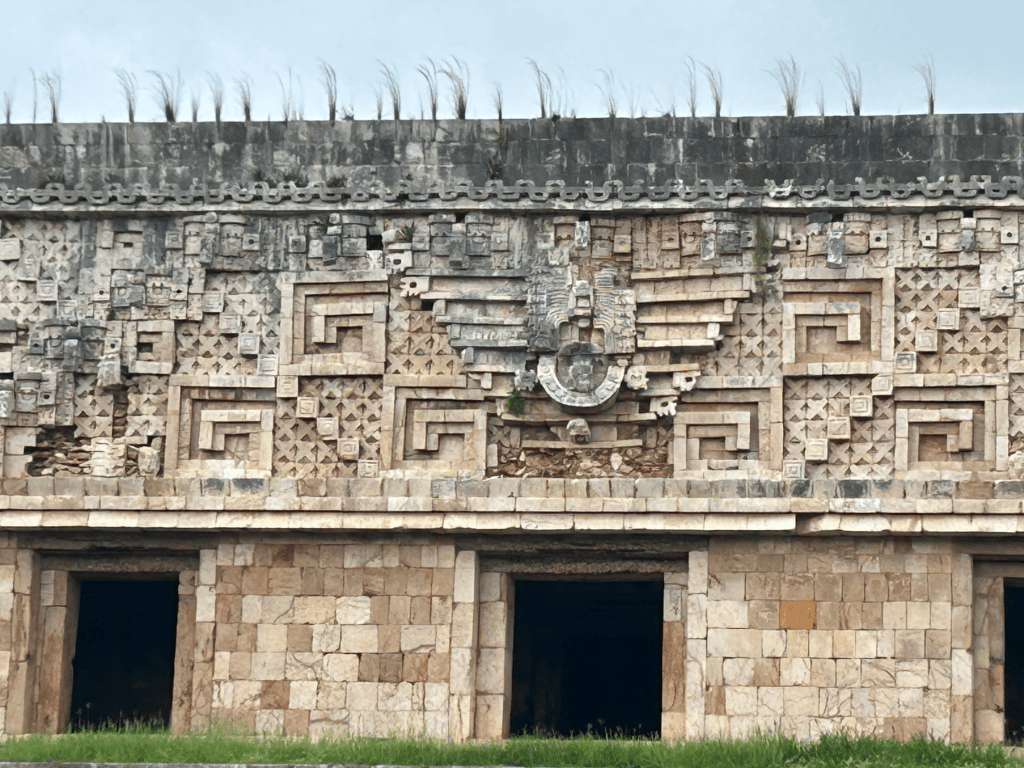
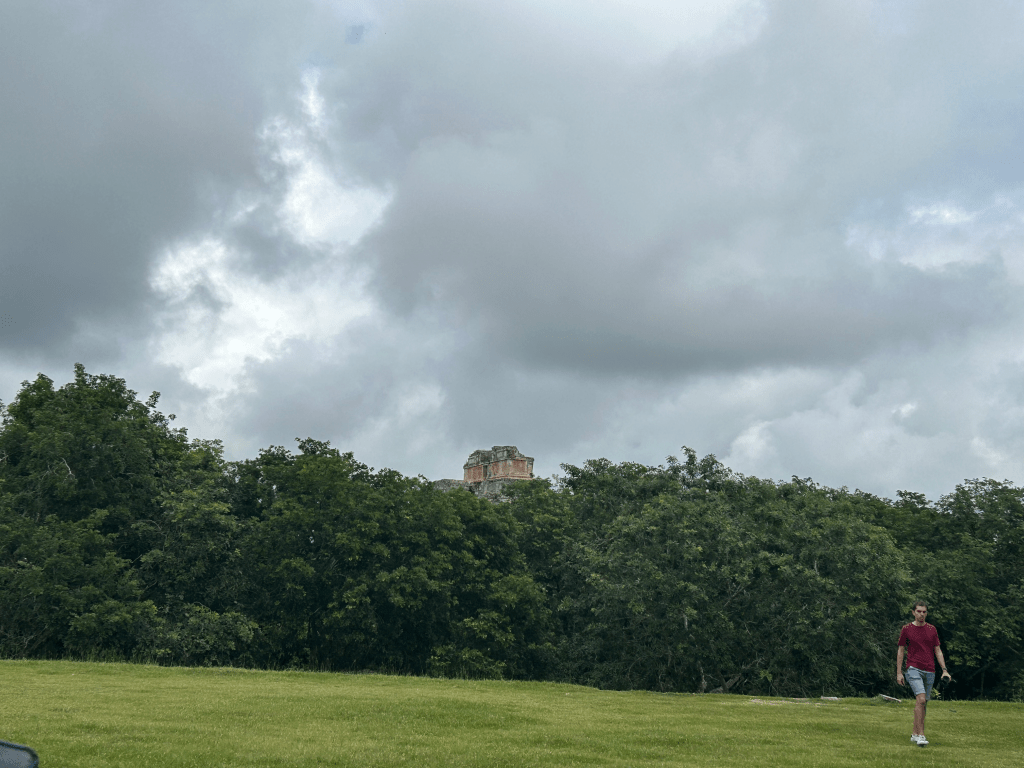
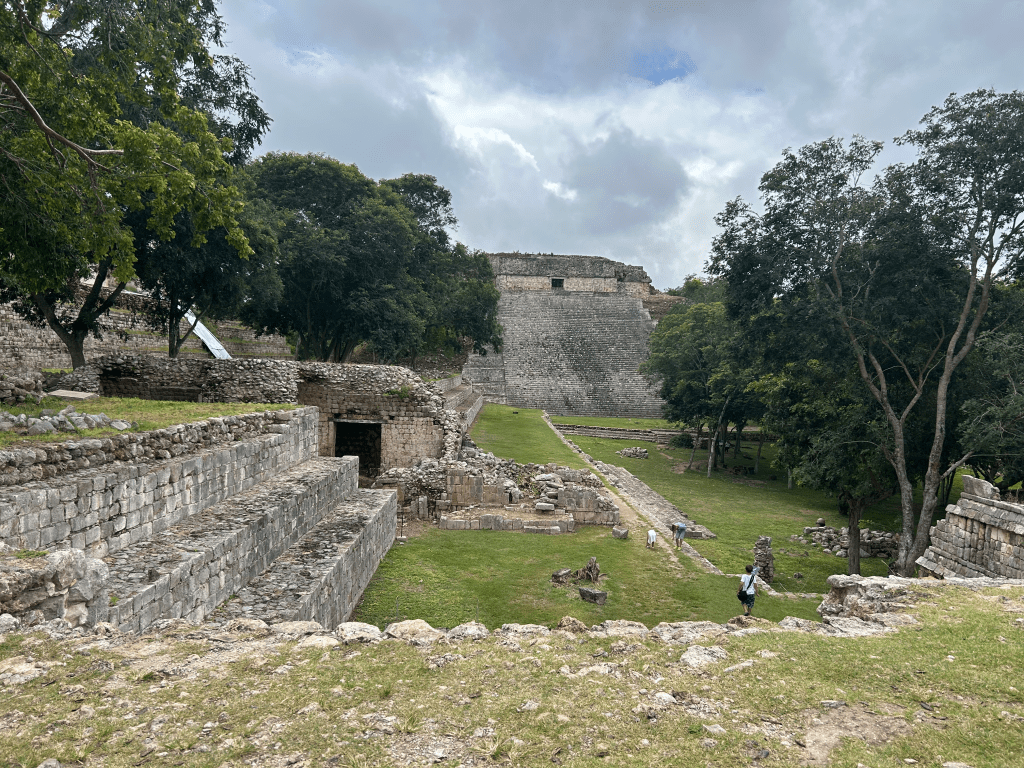
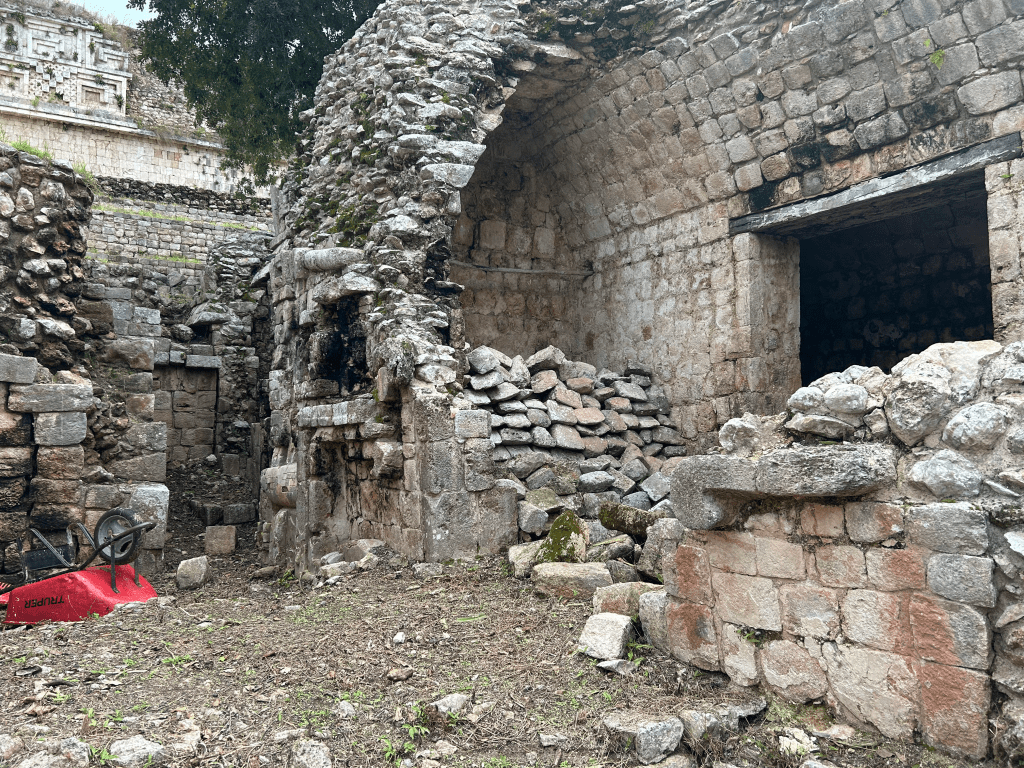
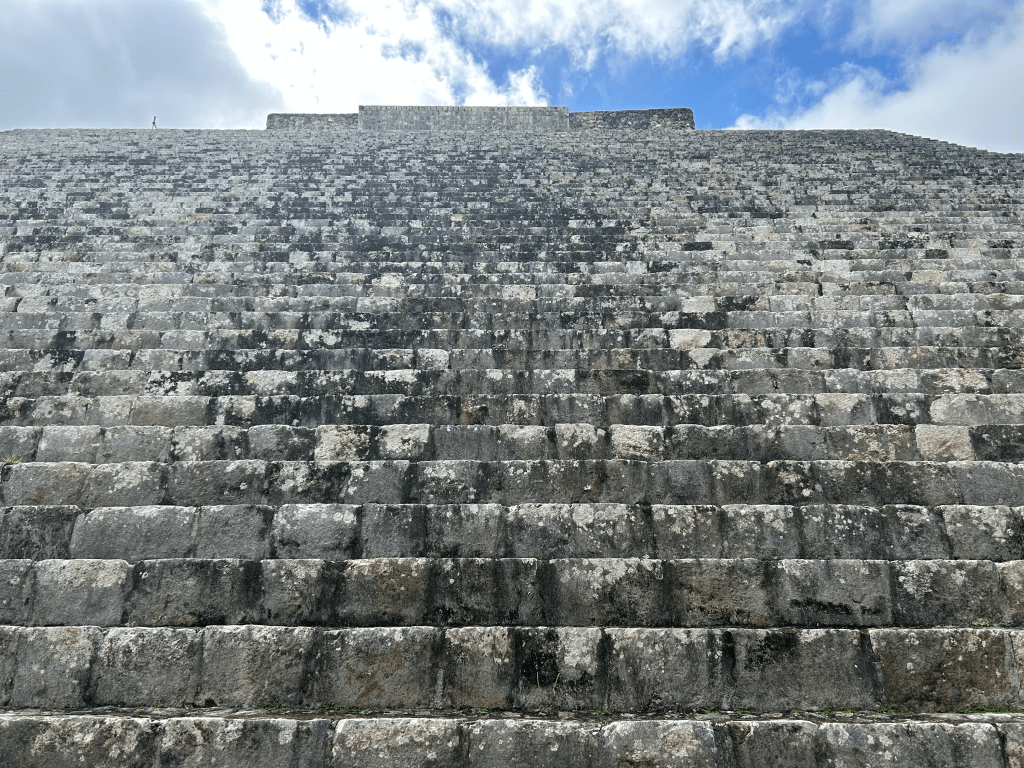
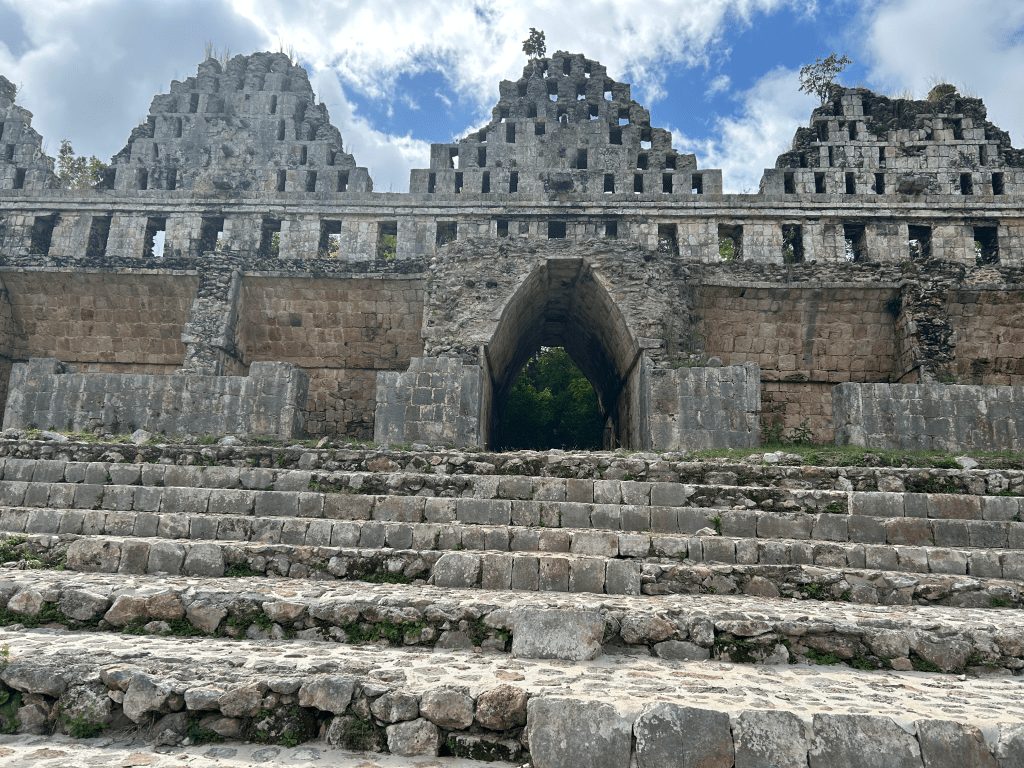
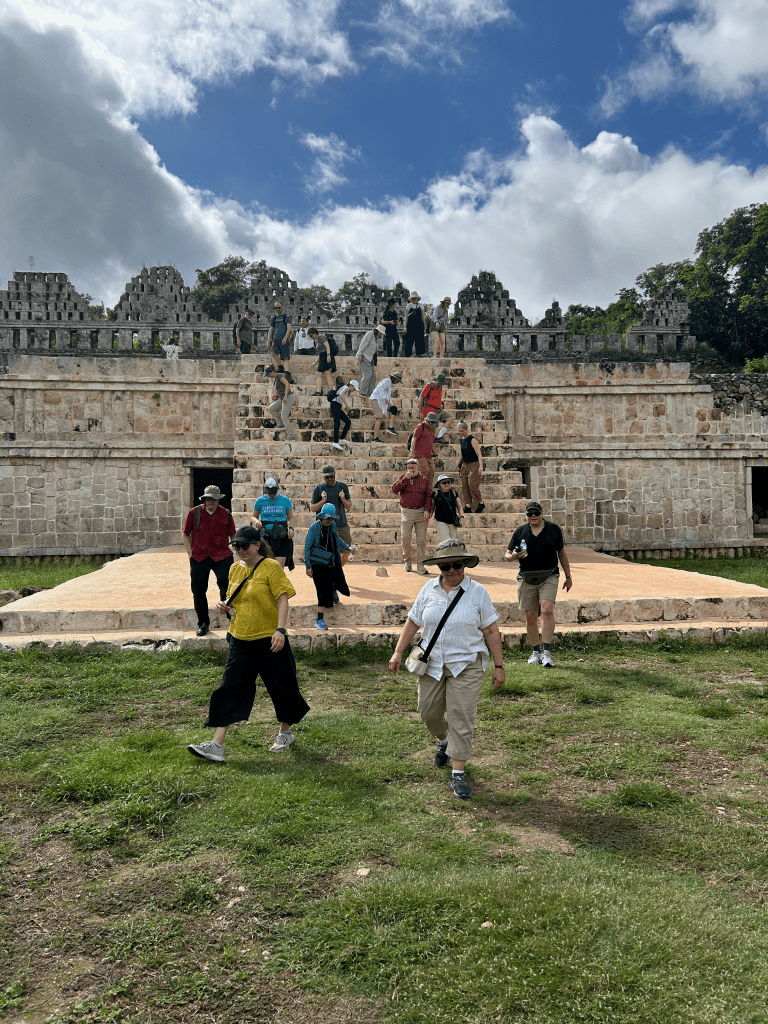
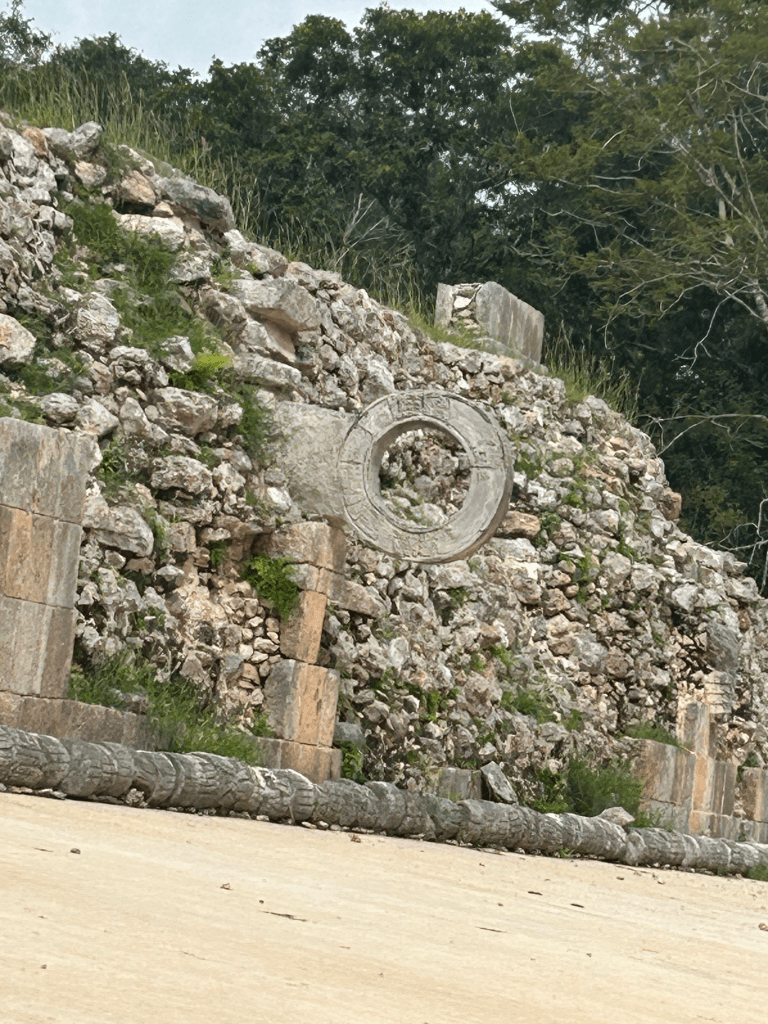
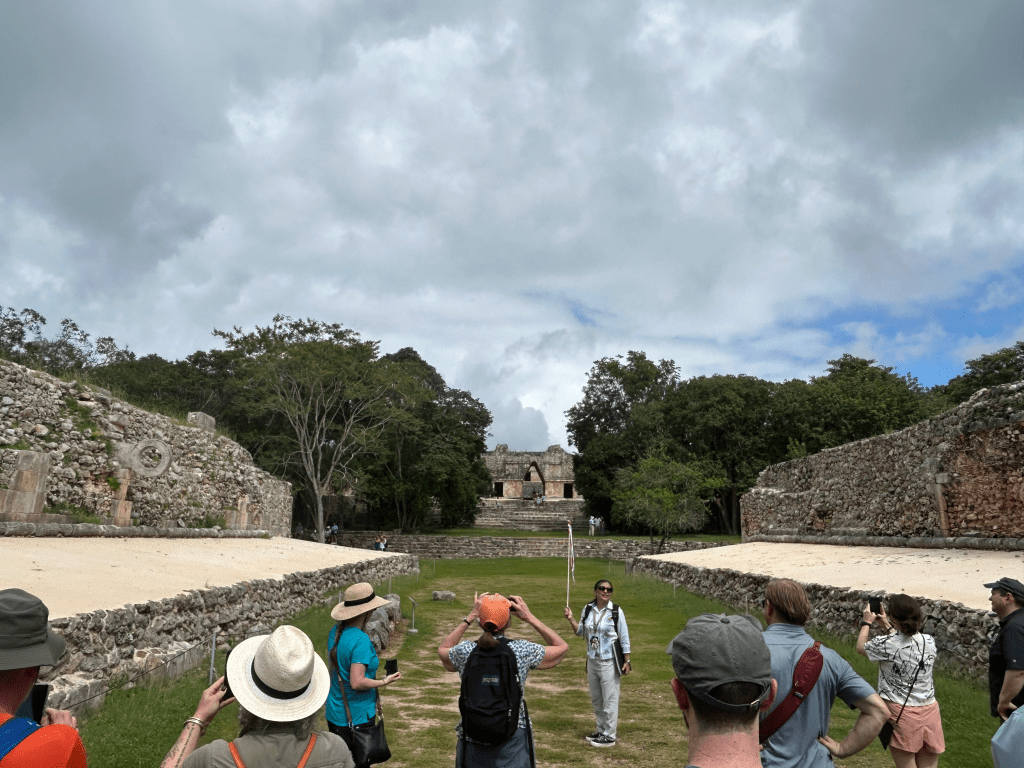
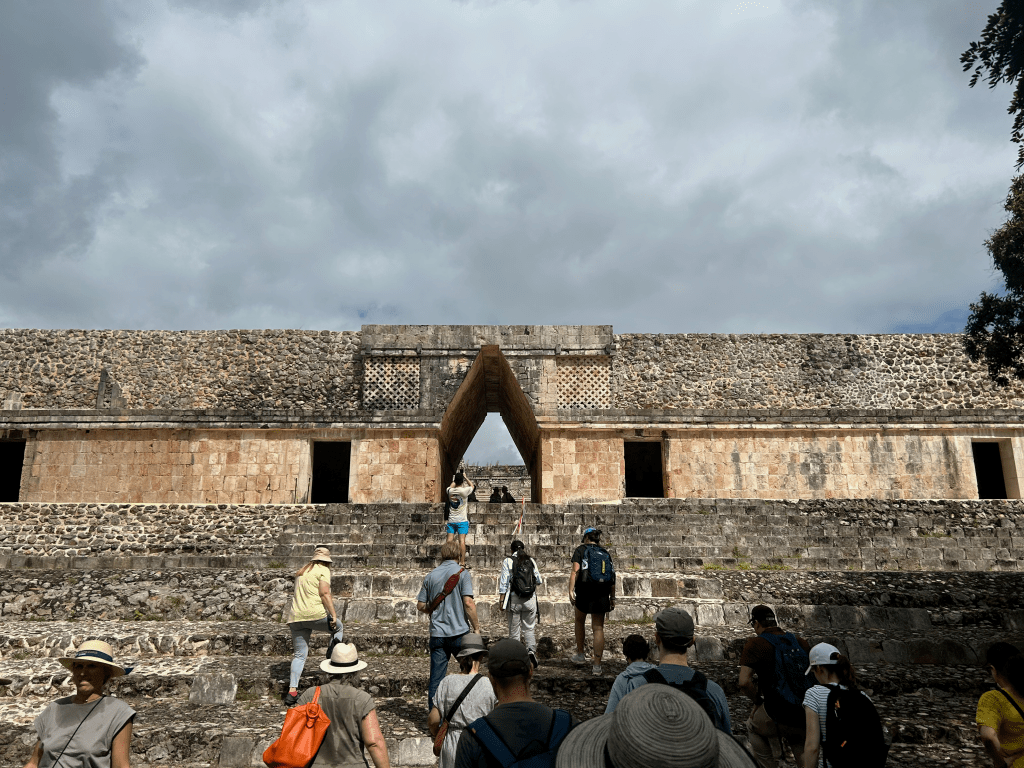
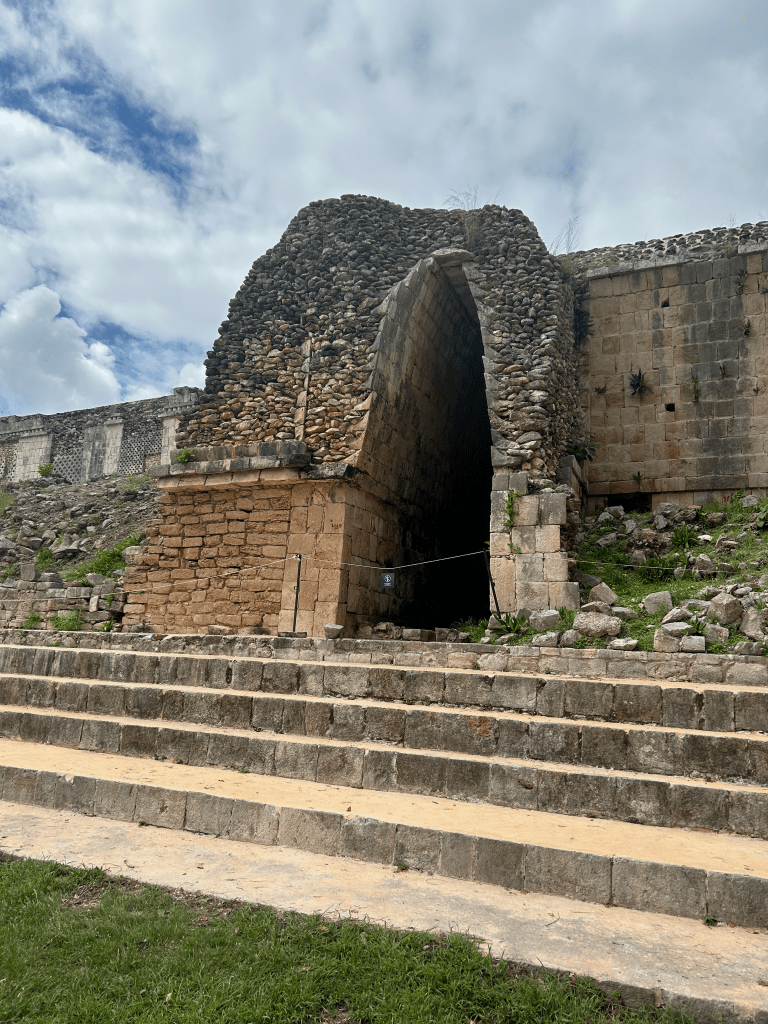
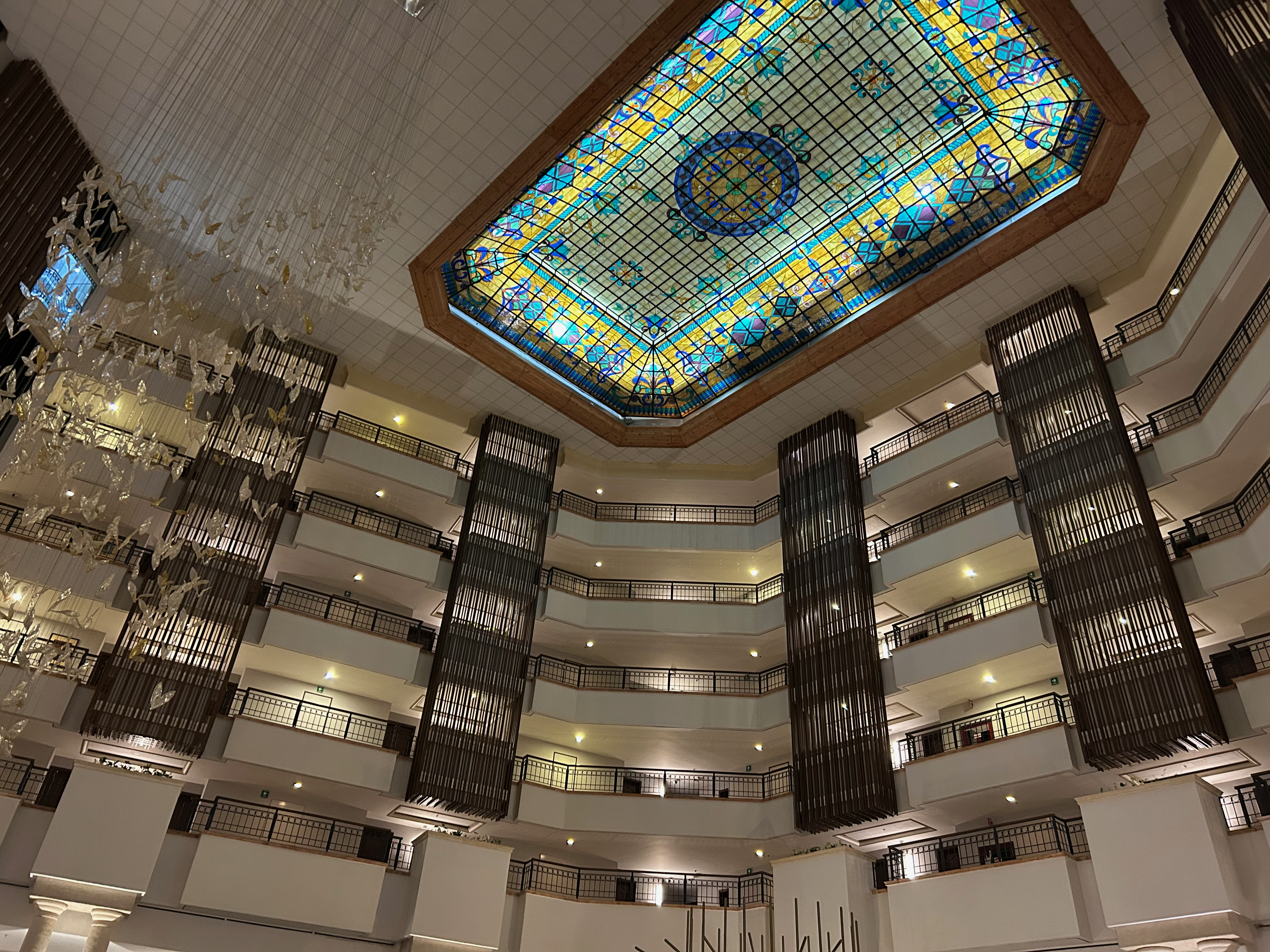
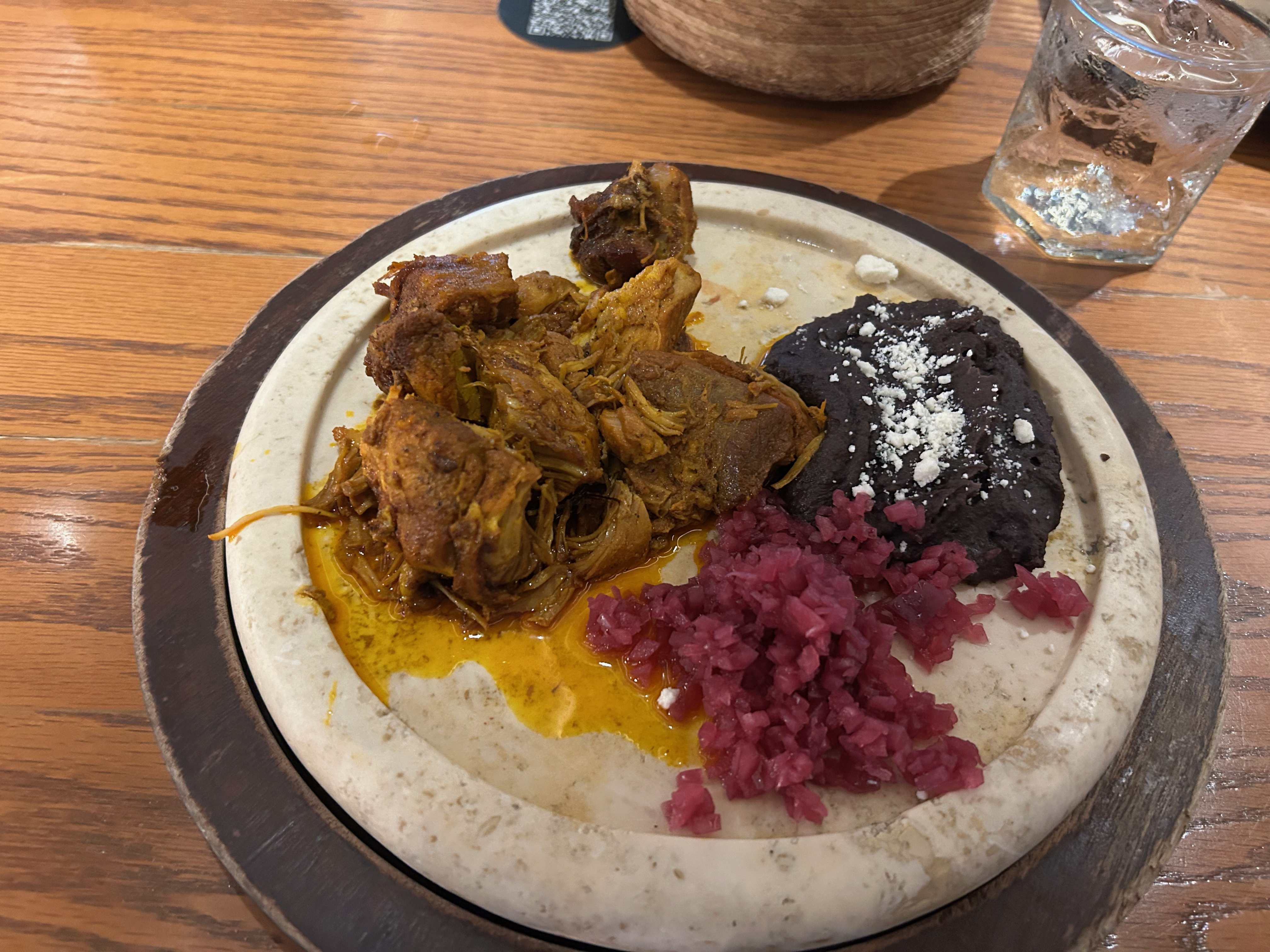
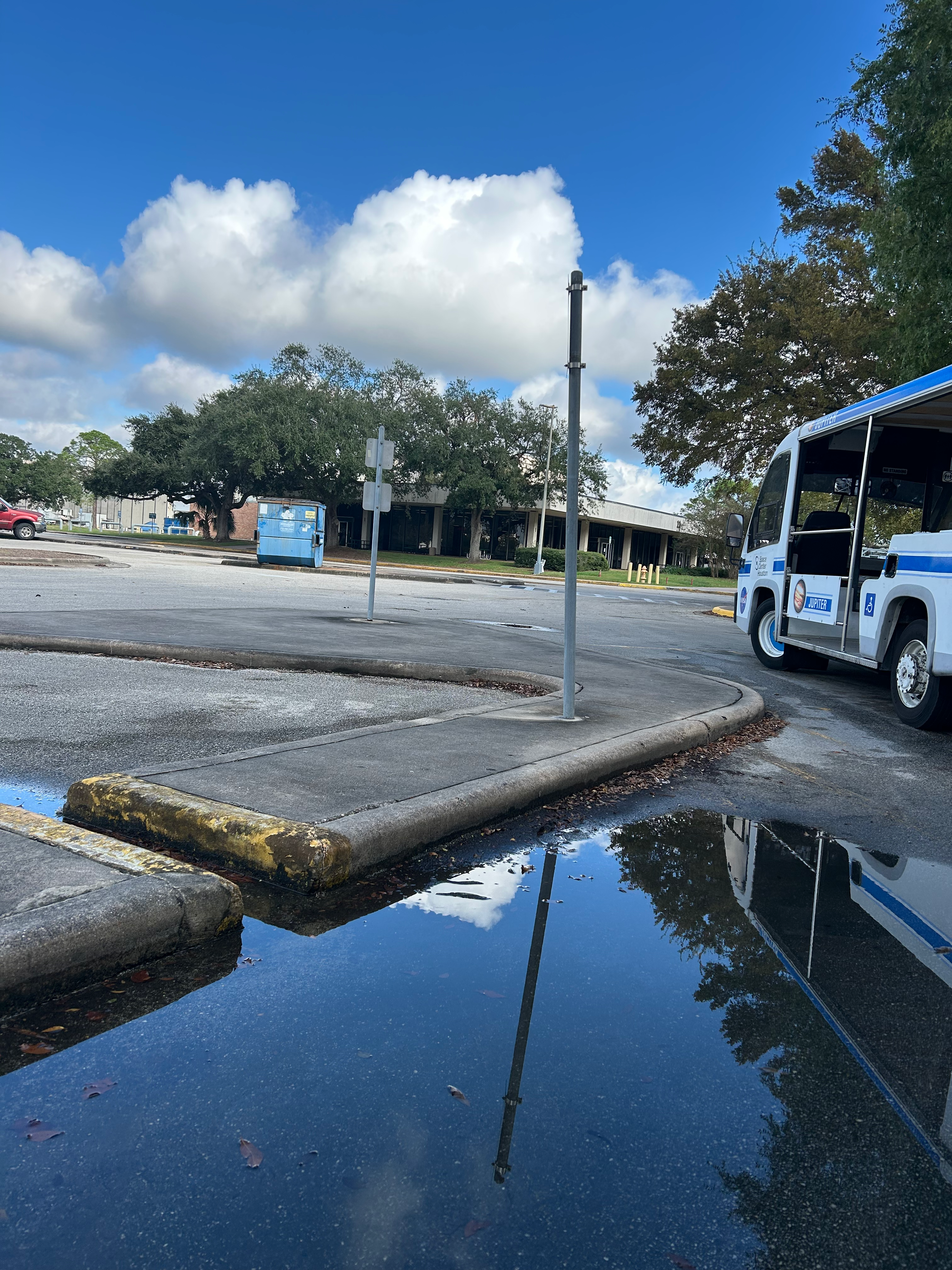
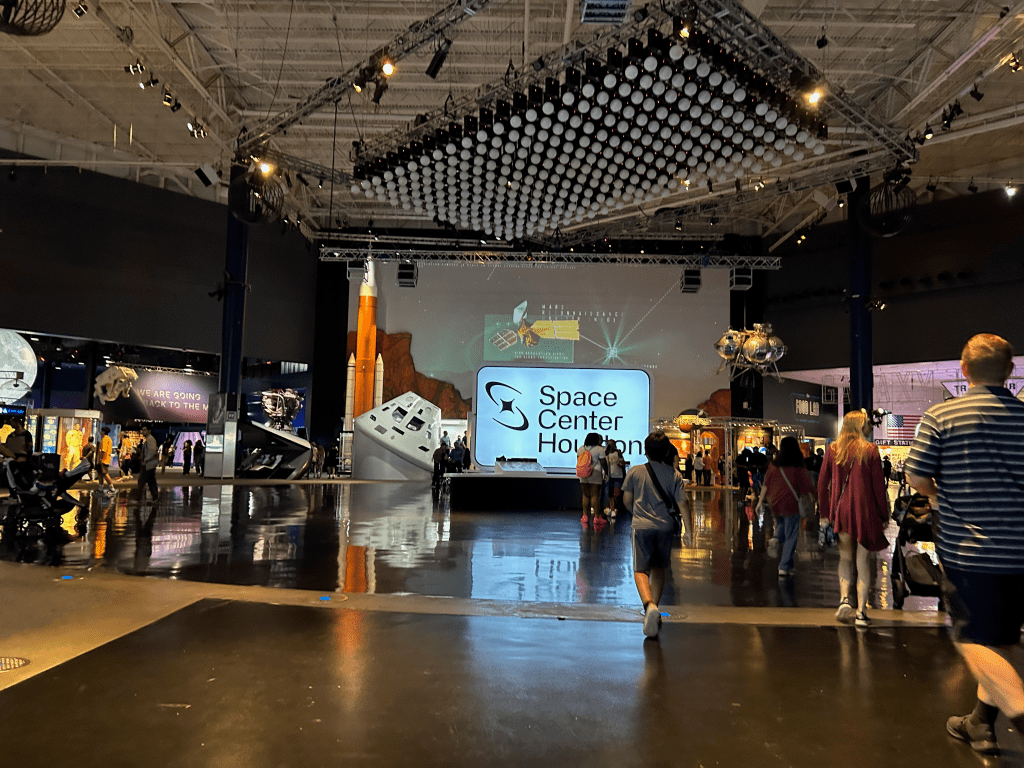
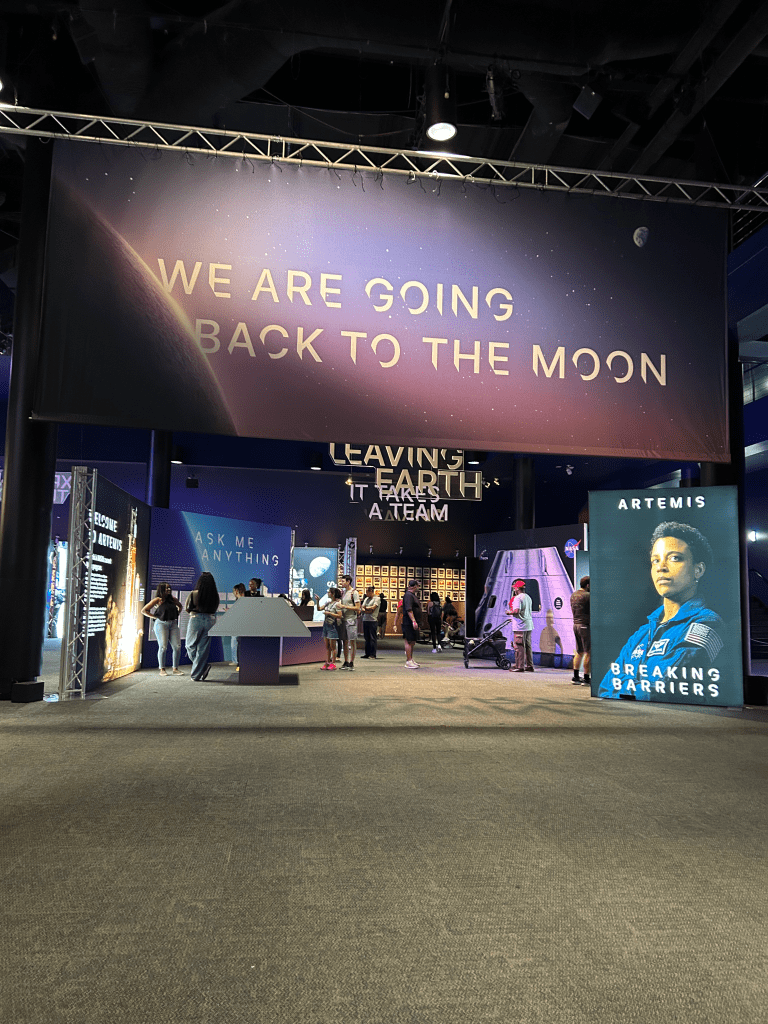


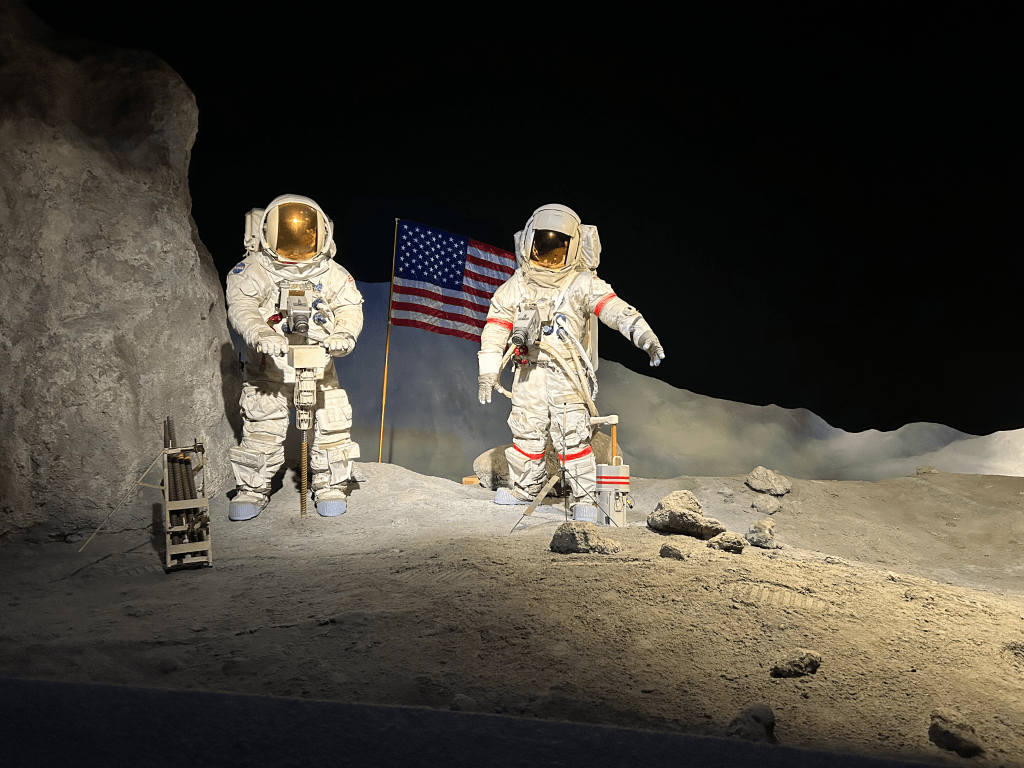
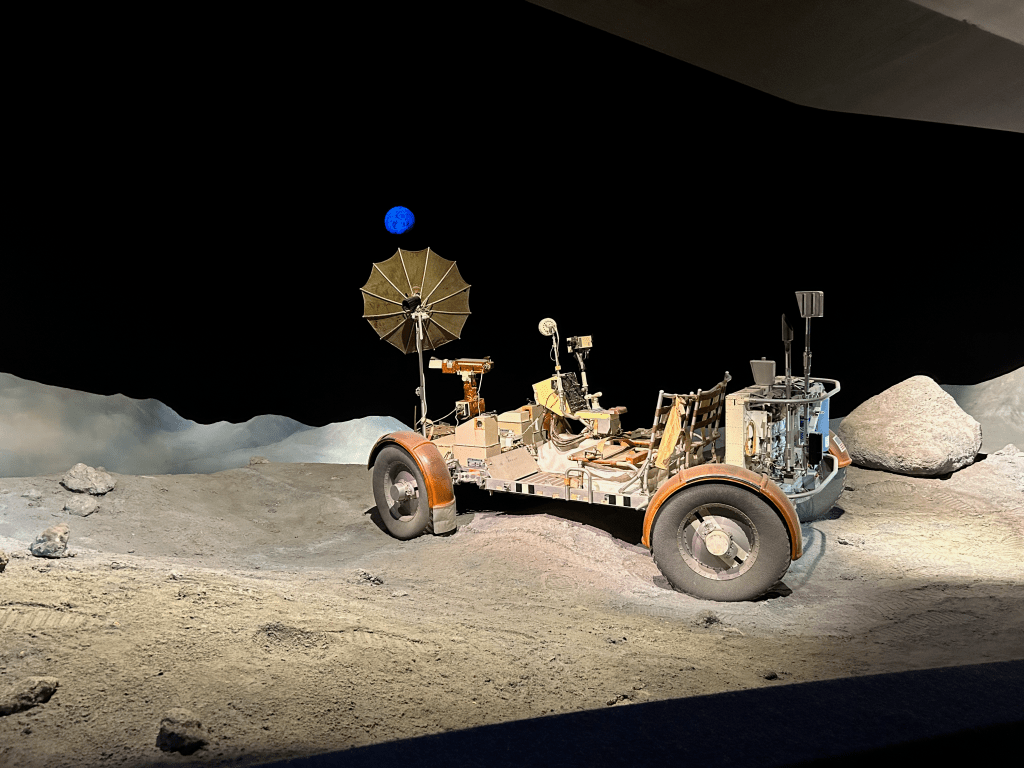


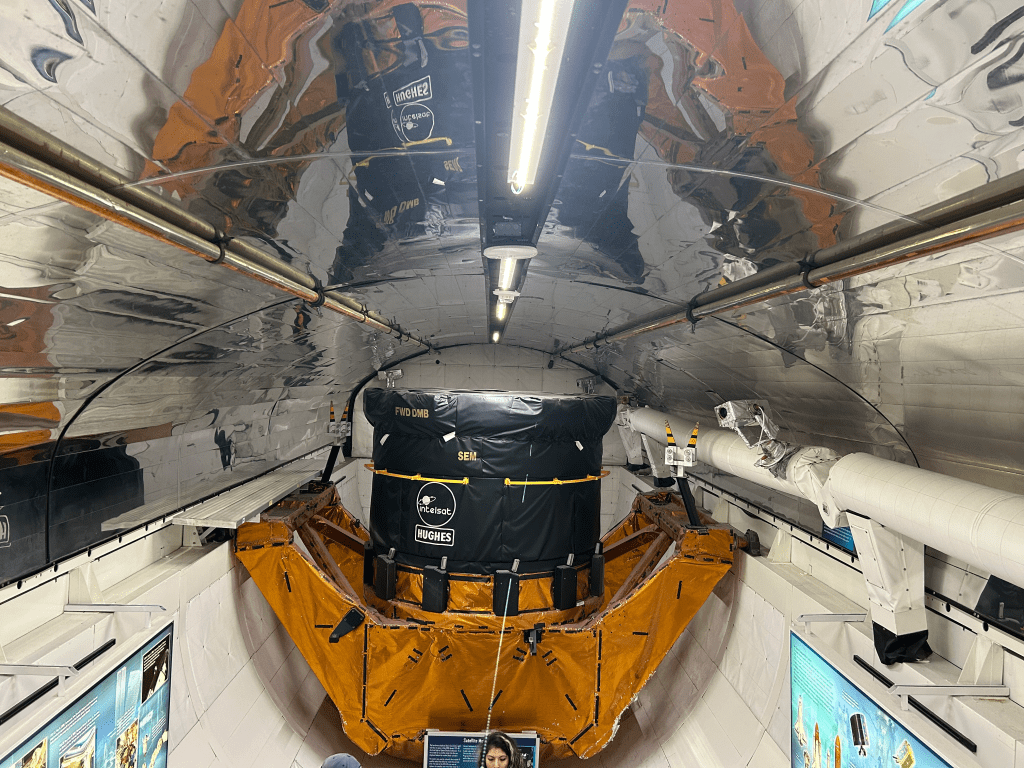
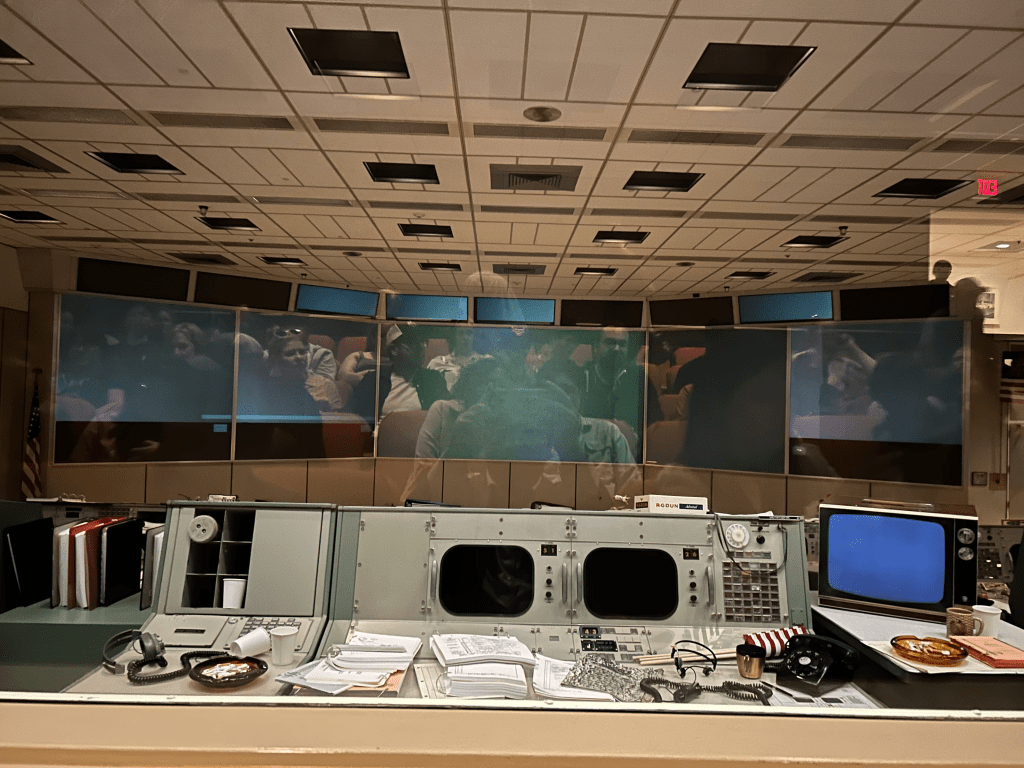




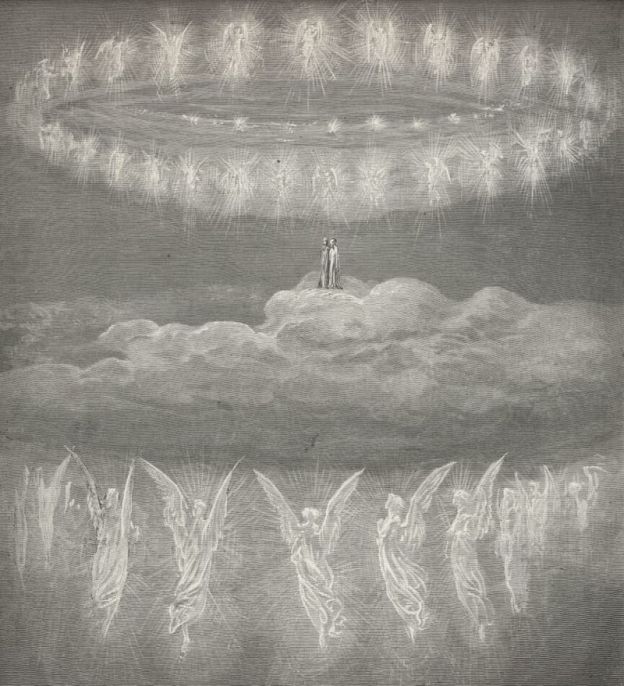
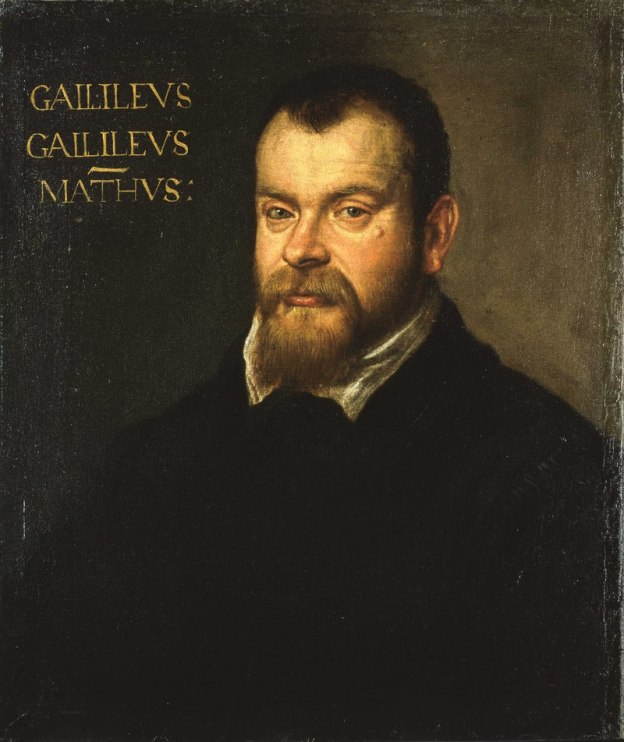
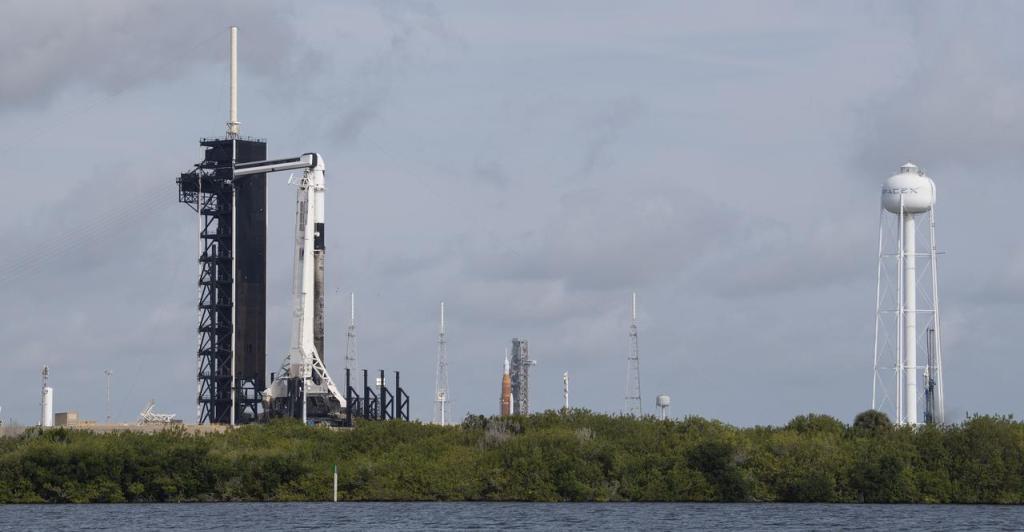

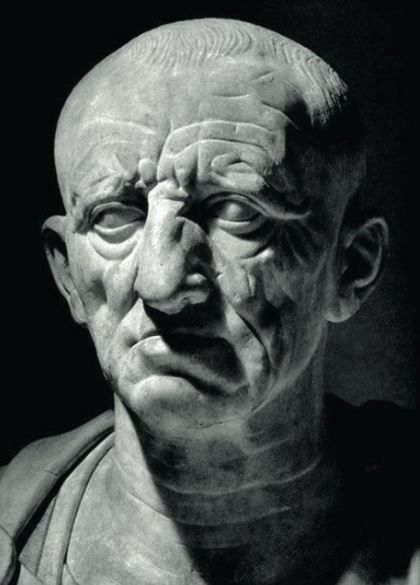
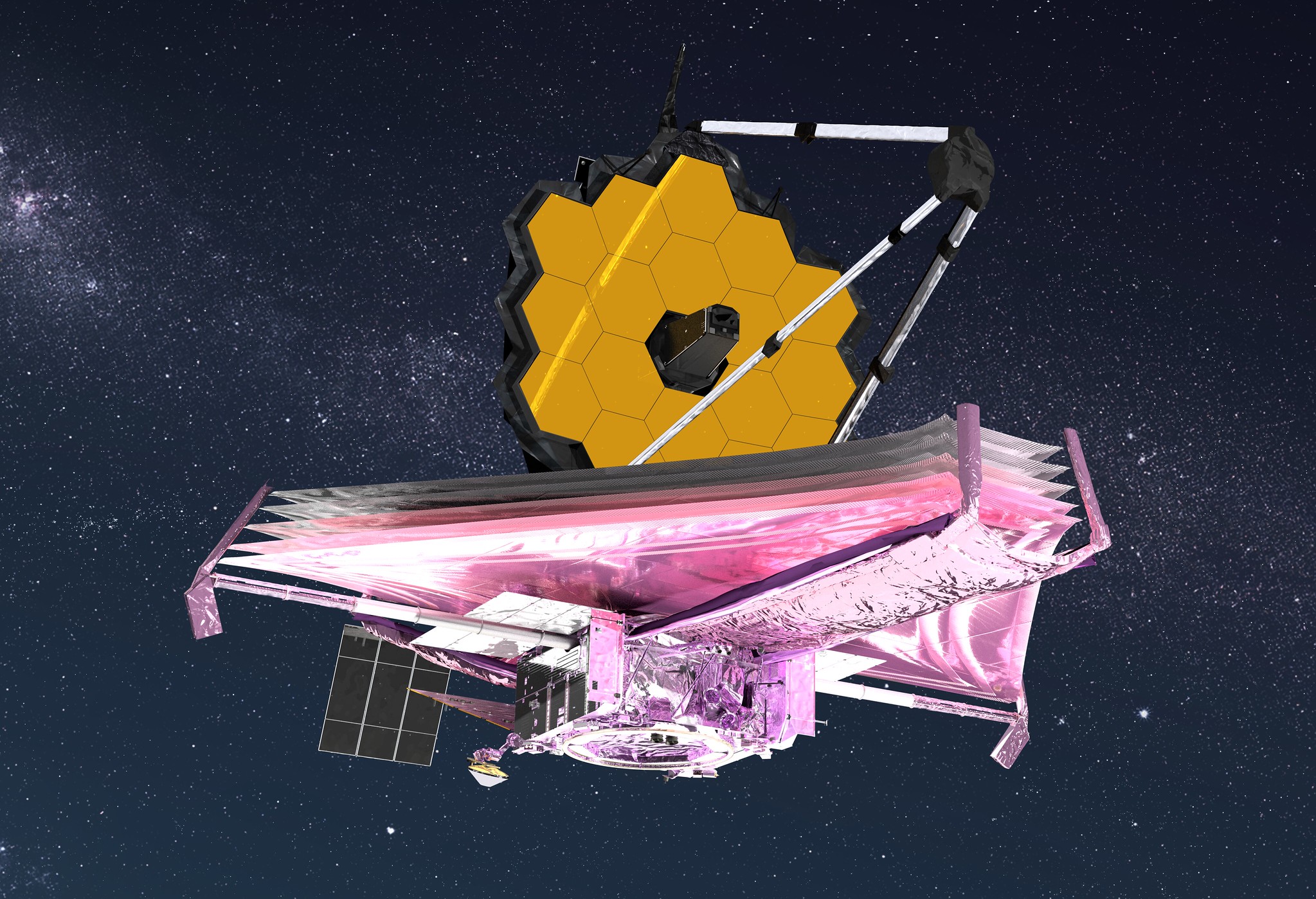

 Wednesday Blog by Seán Thomas Kane