Tag Archives: Chicago Cubs

On Universals

This week, I discuss some of the things which are common to all of us, problems we all share, and why I think we ought to look at solving those problems.—Click here to support the Wednesday Blog: https://www.patreon.com/sthosdkane


This week, I discuss some of the things which are common to all of us, problems we all share, and why I think we ought to look at solving those problems.


I don’t rest much these days, there’s so much I have on my mind from my work to my hopes for my life to the state of our world boiling in tumult around us. I sleep, yet I rarely feel rested when I awaken. I suspect it’s worse on those mornings when I’m pulled awake from the middle of a dream, that is from REM sleep into my waking reality. Perhaps this is the same for you if you’ve noticed it. This morning was one such occurrence and I’ve been tired throughout the day, even drifting off to sleep midday while watching the Cubs game and later riding in the backseat of my family’s car to an event. These days, I have a lot on my plate, and as one of my best friends pointed out to me recently, I’m probably due for a vacation of at least a week in length. When I have the time and the money to do so I’ll probably slip away somewhere as suggested.

I’ve always thought that the more technologically advanced our society becomes the better life will be for we humans who crafted these machines and machine intelligences which are the hallmarks of our civilization today. I suspect many, if not all, of you would both agree and disagree on some level with this statement. Life is easier on some counts, yet we still haven’t found a way to relieve the burden of human labor through invention. This is one of many universals we all have in common, one of many things we can look to and nod at as signs of our humanity. We all struggle in our own way, and we all have things we love and fear. I think at the core of our problems today is the desire to divide us into camps armed to the teeth to defend their own circle from the other circles out there in the fog of doubt. How often I’ve worried about nothing when someone doesn’t respond to a message, email, or letter when the person on the other end was simply busy! We all dream, don’t we? In our waking moments as well as in our sleep we dream about the life we want to have in our future. There does lie a difference between those who see those dreams as blueprints for what they can create and those who merely see these dreams as figments of an overactive imagination. Yet that difference can be overcome with enough courage and determination to see a better tomorrow.

I do believe that we all want to be happy, the question lies in what we each believe on our own terms will make us happy. In America, a country with capitalism so deeply baked into our collective consciousness, happiness is often quantifiable in dollars and cents. I went to college with a lot of people who chose their majors out of a conviction that their happiness would come if they became rich. I also know other people who are happy with quiet, unassuming lives. In my case I know I am capable of doing great things, of making an impact on our society, and I want to do all that. Yet as I’ve grown, I’ve found that what makes me happiest is being comfortable in my living, having choice in what I do and who I live my days with, and always seeking new knowledge and even wisdom from time to time. I know I need to earn my keep to do these things, something I’m presently not doing, yet as I often say when I’m feeling especially dour about the current state of my life at 32: I have many long years ahead of me, let’s take one step after another to get to that point of comfort that I seek.

Another universal emotion for humanity is fear; in fact, it’s one of the most powerful emotions we can feel. I know fear well, as Captain Kathryn Janeway of the Starship Voyager said to an embodiment of Fear in one of the finest episodes of Star Trek: Voyager, “I’ve known fear, it’s a very healthy thing most of the time. You warn us of danger, remind us of our limits, protect us from carelessness. I’ve learned to trust fear.” Fear is a seed of knowledge, yet hope is the fertilizer needed for wisdom to flower. We’ve been fed so much fear by one camp of  all others that it is nearly all we hear today. Yet that fear lacks the depth which is needed for true societal growth to occur. The power of the fearmongers will remain brittle and fragile until at long last it crumbles again as it always does.

So, let me ask you this: what would it be like if we let our guard down even for a few moments and talked with one another about the things we have in common? What if we lowered our banners proudly proclaiming our camps and sought out the universal ground upon which we all stand? At the end of this time of change, whenever whatever is coming next is settled, we’re going to have to do just this. We will need to talk with one another and recognize our common humanity. What’s more, we will have to learn not only to talk with one another but listen to one another again. I’ve been in meetings in the last few months where I certainly could’ve contributed my own thoughts about the state of things, yet I’ve found it far better to be attentive to the people there with me and hear what they have to say. Often, we have similar concerns and similar hopes in kind. To do any of this takes a tremendous amount of courage but not anymore than we’ve mustered in the past. I’ve seen it after big storms when people help dig each other out of the damage. You may ask, “Why would we care about our neighbors if we don’t even know them well?” That question is simple: you do it because it’s the right thing to do.

There was a series of television commercials several years ago which purported to show a potentiality where it was normal to prefer pain or trouble over pleasure and comfort. I wonder if we aren’t in fact living in that world where we accept the pain and trouble because we can’t work up the courage to face that pain and trouble and find solutions to remedy it? Take for instance the trouble we go to in the United States to travel between our cities: we put up with uncomfortable day or multiday long road trips or quick yet rickety short-haul regional flights because we’ve dismissed the potential of trains to connect our smaller and larger cities together. Last month, I drove up to Chicago in the backseat of my Dad’s small pickup truck and returned home in a sleeper class roomette on Amtrak’s Southwest Chief. I appreciate the ride back to the city of my birth, yet the benefits of having more legroom, being able to walk about the train, lounge access in Chicago, and complimentary service in the dining car can only be outweighed by the convenience of being able to choose when I want to leave my origin and arrive at my destination by car, especially when as of now there’s only one direct train per day in each direction between Chicago and Kansas City.

We can use particular answers to solve universal problems, if only we have the courage to consider those particularities. I worry today that we may be short on the courage to solve our most universal of problems, the rot at the heart of our civilization that we’ve too long ignored until it’s oozing there right before our eyes. A house with rot in its foundation will eventually fall and crumble into ruin. Can we face our own rotting foundations before we lose what is most universal, what we most love and appreciate about our lives? Or can we do what we know to be right, what we know we must, and begin the process of rebuilding to craft a better version of the old edifice of our civilization, a more equitable edifice indeed, for our posterity to enjoy?I’ll leave you with those questions, because often the best conclusion to any essay ought to be the provocation of more queries rather than definitive answers.
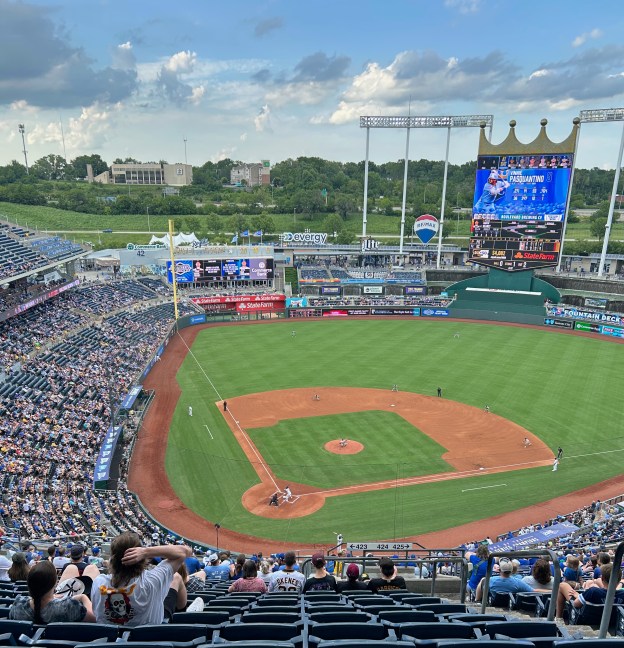
A photo from the upper deck at Kauffman Stadium looking down toward the baseball field during a Kansas City Royals game in July 2025.

Embodied Patriotism

This week, on the patriotism we live in our ordinary lives.—Click here to support the Wednesday Blog: https://www.patreon.com/sthosdkane


This week, on the patriotism we live in our ordinary lives.


This Monday, after a long day working on my dissertation I went with my parents to Kauffman Stadium to see the Kansas City Royals play the first game in this week’s series against the Pittsburgh Pirates. Of the many things that I think of when I see the Pirates, memories of the weekend I spent in Pittsburgh in January 2020, or memories of watching them with my grandmother play the Cubs on WGN in my youth, I have a slight soft spot for the Pirates as a fellow legacy nineteenth-century team (1887) in the National League Central alongside my Cubs (1876), the Reds (1890), and the Cardinals (1892). The great Irish American artist Gene Kelly often said that he took up dancing to meet girls and to be agile and athletic so he could play outfield for the Pirates, his hometown team.

On this particular Monday, once we finished our walk into the stadium, bought our dinners and bottles of water, we made our way up to the top level of the stadium, the View Level to watch the game. I broke off from the rest of my family for a few minutes when we made it up to the 400s level to buy myself a brat. I didn’t realize though that the pregame ceremonies were reaching their conclusion with the march of the color guard and the performance of the national anthem. I consider myself patriotic in my own way; I hope you’ve seen in the last six months on this blog that I strive to elevate my fellow countrymen, my fellow humans in fact, through evocations of all the tremendous things we are capable of doing, of the extraordinary acts of ordinary people.[1] So, as the singer began her tune, I looked around at the people around me to see what I should do. At that moment I was at the register paying for my brat (everything is self-checkout now), yet as I saw no one else at the registers beside me were stopping to make our salute it occurred to me that nothing could be more American, dare I say more patriotic, than engaging in commerce with overpriced foods and drink that’s probably not good for any of us. I quickly finished my purchase and stepped back from the register and took a place beside a group of fellow millennials who held their right hands over their hearts, as we’re taught to do.

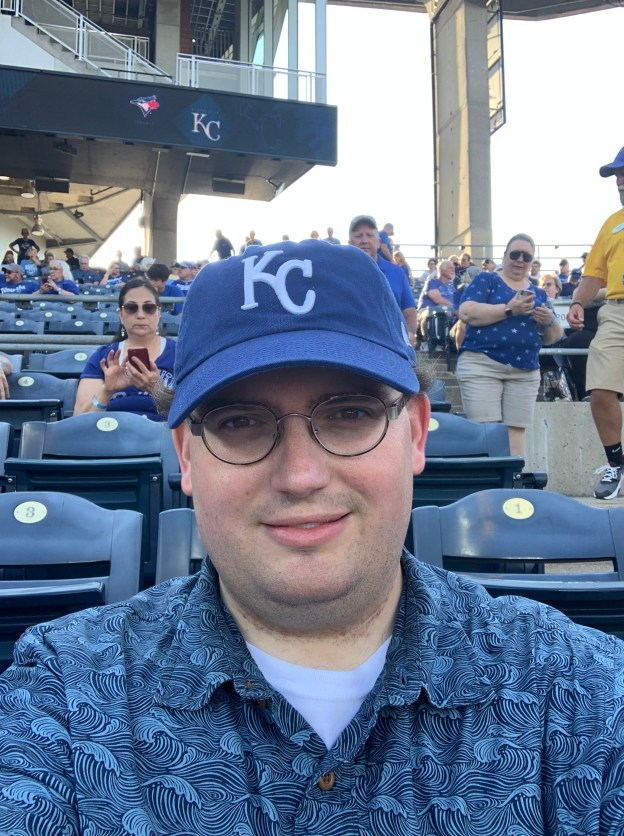
Throughout the game, a strong showing by the Royals who hit in 9 runs over the Pirates 3, I thought about this brat purchase during the national anthem and felt resolute in my decision. There are people who I know who take the anthem very seriously to the point of zealotry. In my many years of attending baseball games and soccer matches I’ve often wondered what would happen if someone chose to keep their hands at their sides or even remain seated during the anthem? We saw the harsh reaction of the clamorous cacophony when Colin Kaepernick kneeled during the anthem a decade ago. At the time I was ambivalent yet now having heard more stories of oppression and promises unkept I appreciate what he did. I believe this question of how free we are to patriotically express discontent in civic rituals is essential to the vitality of a democracy. I’ve often found the crafted rituals which the Royals put between innings to be at times bordering the ludicrous. This is especially true in 2025 after the Royals ruined their relationship with so many of us Kansas Citians with how they misled us and took advantage of us in this year’s stadium sales tax vote. My distrust of the team is why I effectively retired the Royals cap that I bought only two years ago at another visit to Kauffman Stadium.

We embody our rituals by wearing American flags on our clothes and demanding unquestioning patriotism in this American life. Here I’m adopting Céline Carayon’s notion of embodied language in her 2019 book Eloquence Embodied about early colonial French communications and relations with Indigenous Americans through gestures and visual language.[2] Today in the United States our patriotism is just as often meant to be blood-red flowing within our bodies as it is worn on our chests and loudly proclaimed with often poorly sung renditions of the national anthem, a hymn requiring professional training to perform. It is meant to be shouted in unquestioning proclamations of American freedom even as that liberty seems ever more fleeting under the combined weight of a cruel-minded governing majority and an even crueler corporate elite that has created so much of the embodied rituals which define American culture in the 21st century. These rituals, always sponsored by some robber baron and crafted by their public relations department, sing proudly of American freedom all while ensuring their own profits at the expense of the American people’s own freedom from want and fear. We embody our patriotism in what we purchase and where. Earlier that day, looking for a late afternoon pastry, I ended up at my local Whole Foods. Their bakery is good; the chocolate croissants are about what you’d expect for a gargantuan corporation’s attempt at mimicry of a Parisian classic. Yet as I bought a slice of pizza that caught my eye thinking how I might stop here for pizza by the slice more often I felt a pang of guilt after all there’s a good local pizzeria, Pizza 51, just across the street and several more within walking distance. Even as bakeries go as fair as Whole Foods is during the morning rush I would much rather go to McLain’s, the Roasterie, or Heirloom, all local bakeries within walking distance of my family home and along the route I was driving yesterday afternoon. Yet where Whole Foods won was that they forego the usual bakery hours and keep baking pastries in the afternoons whereas the others are usually low on their morning batches or already closed for the day. I’ve known for most of my life that these big corporate chains put tremendous stress on small local businesses; in fact I’ve flatly refused to shop at Walmart for this very reason, only buying a couple of bottles of water at one in the Kansas City suburbs once in 2020 when my Dad’s old truck broke down outside of it during the evening rush hour under a hot summer sun.

The America that I love seems more and more fraught the further from walkable neighborhoods and into the suburbs and exurbs you go. This is where most Americans have built their lives in common isolation living in mansions of rest surrounded by moats of artificially green grass regardless of how dry the local climate may be. It’s a life spent driving individually in vehicles increasingly resembling The Princess Bride’s rodents of unusual size in their environmental dangers. Several months ago, I had a bad argument with an attendant at a car wash in a nearby suburb because I ended up in the members’ lane on accident. I told the teenager working there that I made the mistake because there wasn’t a sign that I could see in my Mazda where the two lanes split (the big overhead sign is blocked by a dumpster from my lower line of sight) while the guy kept telling me that I can’t pay in the lane I was in. I was angry because the way that place was built favored the minivans, SUVs, and trucks that most people drive at the expense of those of us who still drive sedans. Yet I lost my temper because when the management got involved in our deteriorating conversation they shrugged off my suggestion that the row of ground-level signs standing outside their toll booth ought to be placed where the lanes split saying “that’s something for corporate to decide.” This is where that America of neighbors seems to be at least dormant to me; rather than making decisions that will benefit all of us together we instead more often choose inaction rather than risk our own individually precarious position. I grew up admiring the likes of Daniel Burnham and was proud as a young kid to say I was from Carl Sandburg’s City of Big Shoulders with big ideas and big ambitions. I’m just as proud to have witnessed firsthand the renaissance that Kansas City has experienced since the millennium. Those sorts of dreams and ambitions are what make me proud to embody our shared patriotism when I feel we’ve warranted it. I prefer the embodied patriotism my parents and grandparents taught me which as I’ve gotten older, I’ve found grew out of the progressive and city beautiful movements of a century ago and felt their greatest expression during FDR’s New Deal in the 1930s. That is my America, the America of neighbors standing up for each other. I see that America every day in my neighborhood where people say hello to each other when walking down the sidewalks or on the Trolley Trail. It’s for that America that I feel pride is warranted, that America which we should be working to rebuild by reconnecting our car-dependent suburbs and neighborhoods, by forcing us to spend time with each other again, to be social again.


[1] That’s one of my favorite lines I’ve ever written.

[2] Céline Carayon, Eloquence Embodied: Nonverbal Communication among French and Indigenous Peoples in the Americas(University of North Carolina Press, 2019).


On October Baseball

This week, a great celebration commences in our national pastime. — Click here to support the Wednesday Blog: https://www.patreon.com/sthosdkane


This week, a great celebration commences in our national pastime.


Several years ago, near the start of the podcast version of my Wednesday Blog, I wrote two of my favorite stories in this continuing publication of mine about my love for baseball at the beginning of the 2022 season. I seem to remember even playing a poor rendition of Take Me Out to the Ballgame on the digital keyboard provided on GarageBand, where I do all my recording and editing. Don’t worry, I’m not planning on doing that again.

Today, I want to write instead about my joy at how this postseason is beginning. The 2024 season had plenty of potential for my beloved Chicago Cubs and my adopted second-favorite team the Kansas City Royals, and while the Cubs didn’t quite make it far enough to earn a wild card spot, the Royals did in spite of themselves. This is being released on the morning of Game 2 of the Wild Card series, following a 1-0 Royals win in Baltimore against the Orioles. So, should the Royals win again today they will advance to face the Yankees, a matchup that brings to mind the stories my Mom likes to tell of watching the Royals teams of the ‘80s face up against the Bronx Bombers in the American League playoffs.

Meanwhile in the National League the team that excites me the most in these Wild Card series is the San Diego Padres, a perennial favorite of the last four years to win the World Series. Their resounding 4-0 win at home over the Atlanta Braves last night in Game 1 proved to be a good alternative to the Vice Presidential Debate that was occurring at the same time from CBS News’s headquarters in New York. You might think it odd that someone as politically engaged as me would choose to watch a ballgame over a debate, and yes, I started the 8 pm hour watching Governor Walz of Minnesota and Senator Vance of Ohio face off on CBS, but as soon as the first question concerning the increasing odds of war between Israel and Iran occurred, I decided to seek some escapism.

There are a lot of things that we all are worried about today, and with good reason. Whereas for most of my life I’ve looked to the future with eagerness, today I’m scared about the future and what we are doing to ourselves. Over the weekend, I watched an episode of the PBS documentary series In Their Own Words about Jim Henson in which he said his inspiration for creating his 1980s children’s television show Fraggle Rock was to make something that could inspire world peace. To paraphrase the visionary creator of the Muppets, Henson believed the best chance we have at solving our problems is to speak to the youth who aren’t already jaded by the weariness of life and are more willing to imagine a good future. He spoke to the inner child in all of us, a part of me that I’ve found slinking back from the foreground as the world seems evermore scary and dangerous.

Even when I don’t have a team in the playoffs, and let’s face it as a Cub and Royal fan that’s most years, I still religiously watch the baseball playoffs because I love this sport. It’s the sport my parents introduced me to as a kid watching Sammy Sosa, Kerry Wood, and the great Cubs of the late ‘90s and early 2000s skirt so close to the glory of winning the World Series in 1998 and 2003. It’s the one sport that I played with even the remotest success. It’s a sport that I shared with generations of my family that I understood, and today it’s a nice antidote to the weekends of American football, which let’s face it I get but still don’t really understand. Baseball is one of those core things that makes me feel more American, and one of the parts of American life that I missed the most when I lived in England.

Locally here in Kansas City I feel that the Royals have lost some of their connection with the community in the wake of their failed bid to get a renewal on the stadium sales tax here in Jackson County, which would help them to fund a new stadium along Truman Road in the Crossroads neighborhood. I was one of those voters on the fence who wanted to support a downtown stadium but were really unhappy with the plan they laid out and repeatedly changed in the days and weeks leading up to the vote. Since the playoffs began, I found it harder to put on my Royals hat when going out. I’m having a hard time putting my faith in an organization that doesn’t seem to want to trust the city it represents. I hope this Royals playoff run, 10 years after their monumental and near triumphant 2014 run will revive some of that jubilation that I felt in Kansas City that year. I remember during the World Series that year driving down 47th Street in the Plaza and nearly everyone out walking down the sidewalks was wearing Royal blue jerseys and hats, and I even saw Commissioner of Baseball Bud Selig’s motorcade parked outside the Classic Cup Café at 47th and Central. I want to feel that kind of community spirit again in Kansas City, where the team and the city are open with each other and working together in a productive manner.

So, who am I picking to win the World Series this year? Well, even though we’re down to the last handful of teams, and even though I have a horse in the race this time around, it’s still too hard for me to say. I want the Royals to win again, that’s for sure, though were they not playing against the Orioles I’d be excited for Baltimore’s chances this year. In the National League though it’s a two horse race for me between the Dodgers and the Padres. While Los Angeles has one of the greatest baseball players of our time – Shohei Ohtani – on their team, the Padres have been red hot in the second half of the season, and I stand by my long held claim that the weekend I spent in San Diego in 2021 was one of the best I’ve had in the last few years. What I want to see most is amazing baseball that makes me want to watch the guys on the field play more and more and more; and by the end of this month to long for March and Spring Training.

Writing this tells me one thing for certain: even when I’m trying to celebrate something I love as much as baseball, the muddied waters of the world still appear, yet even then I remain hopeful of better tomorrows.


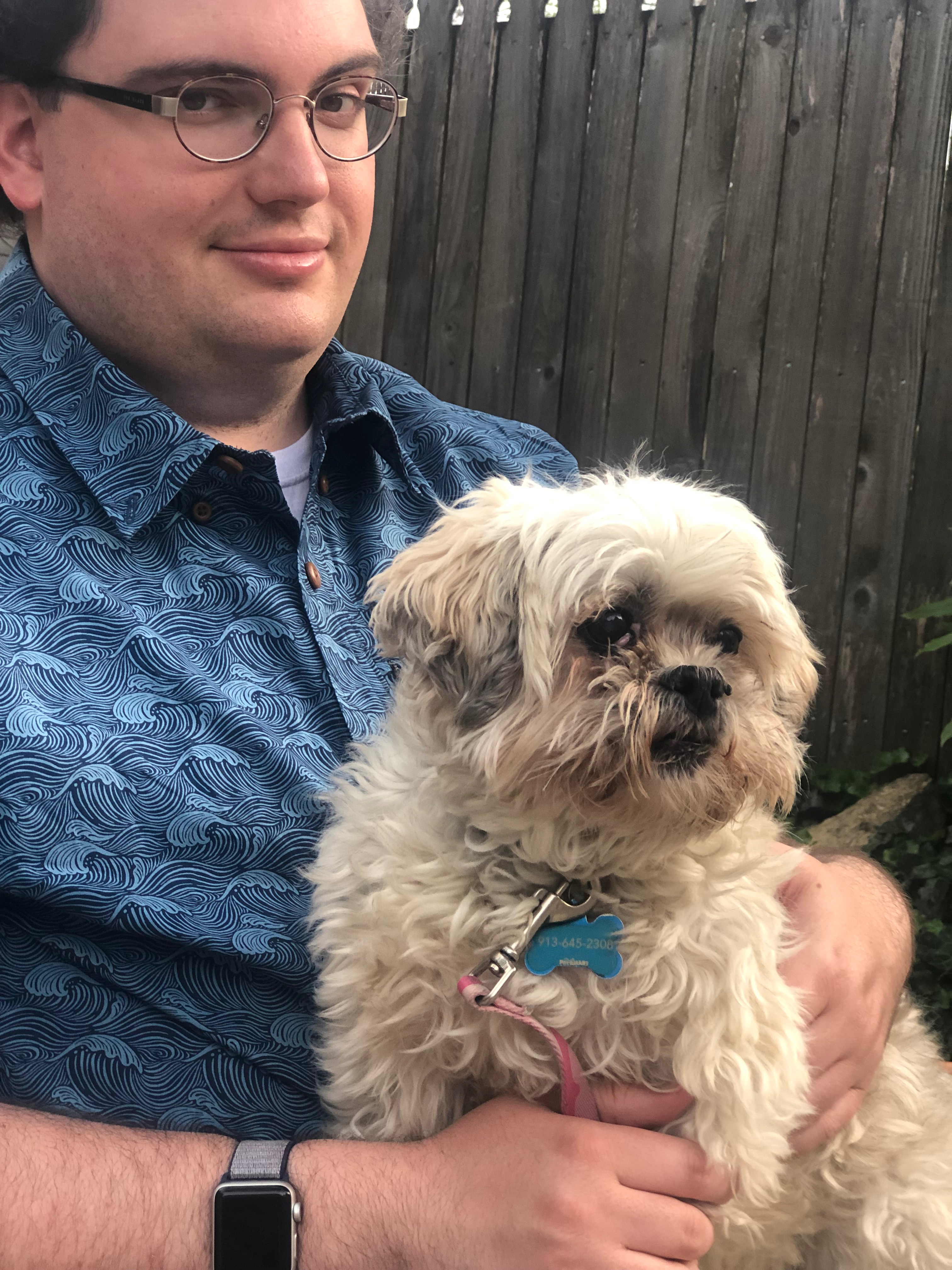
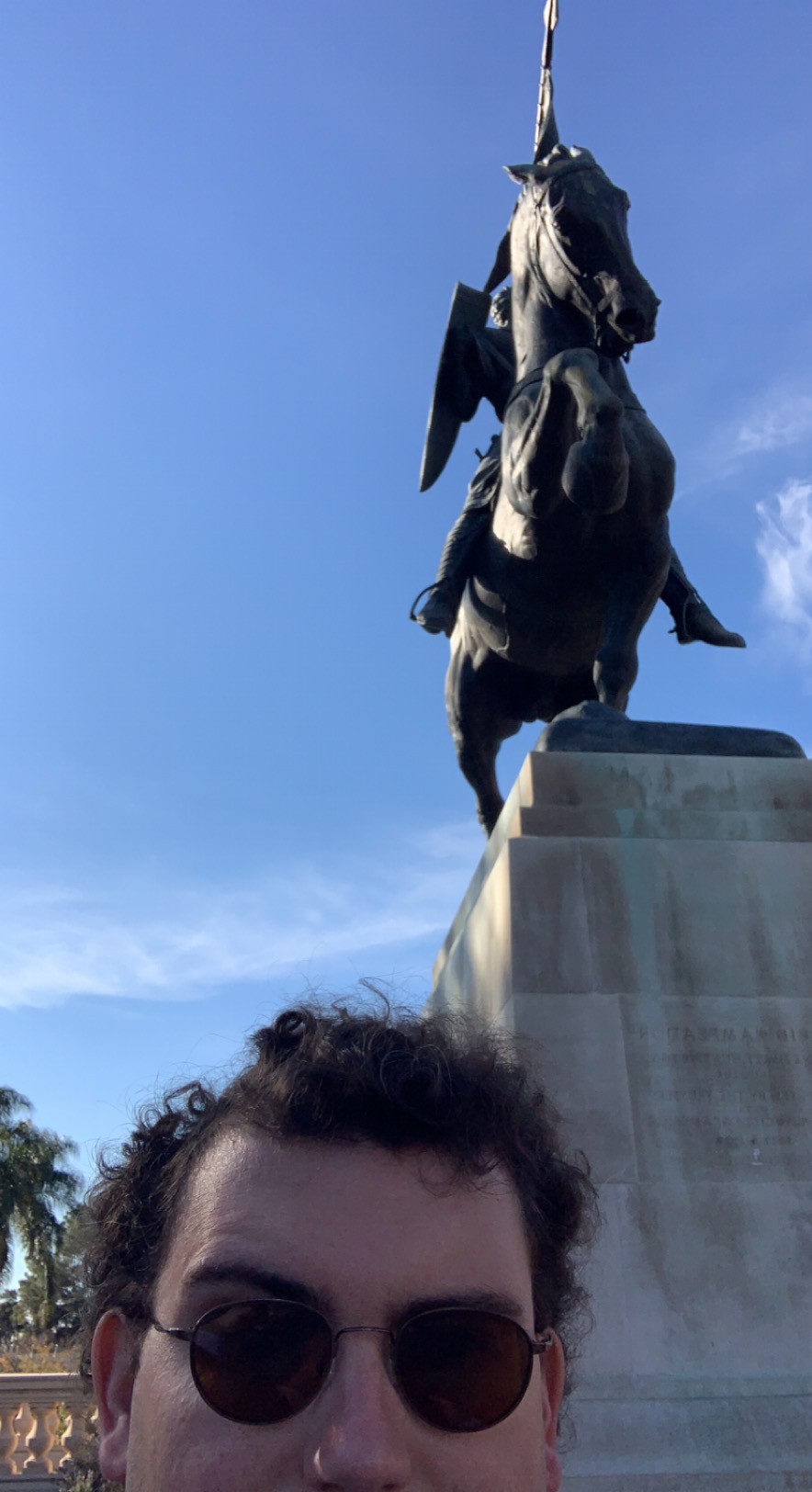
A selfie I took beneath the statue of El Cid in Balboa Park’s Plaza de Panama in San Diego on Halloween 2021.

Anniversaries

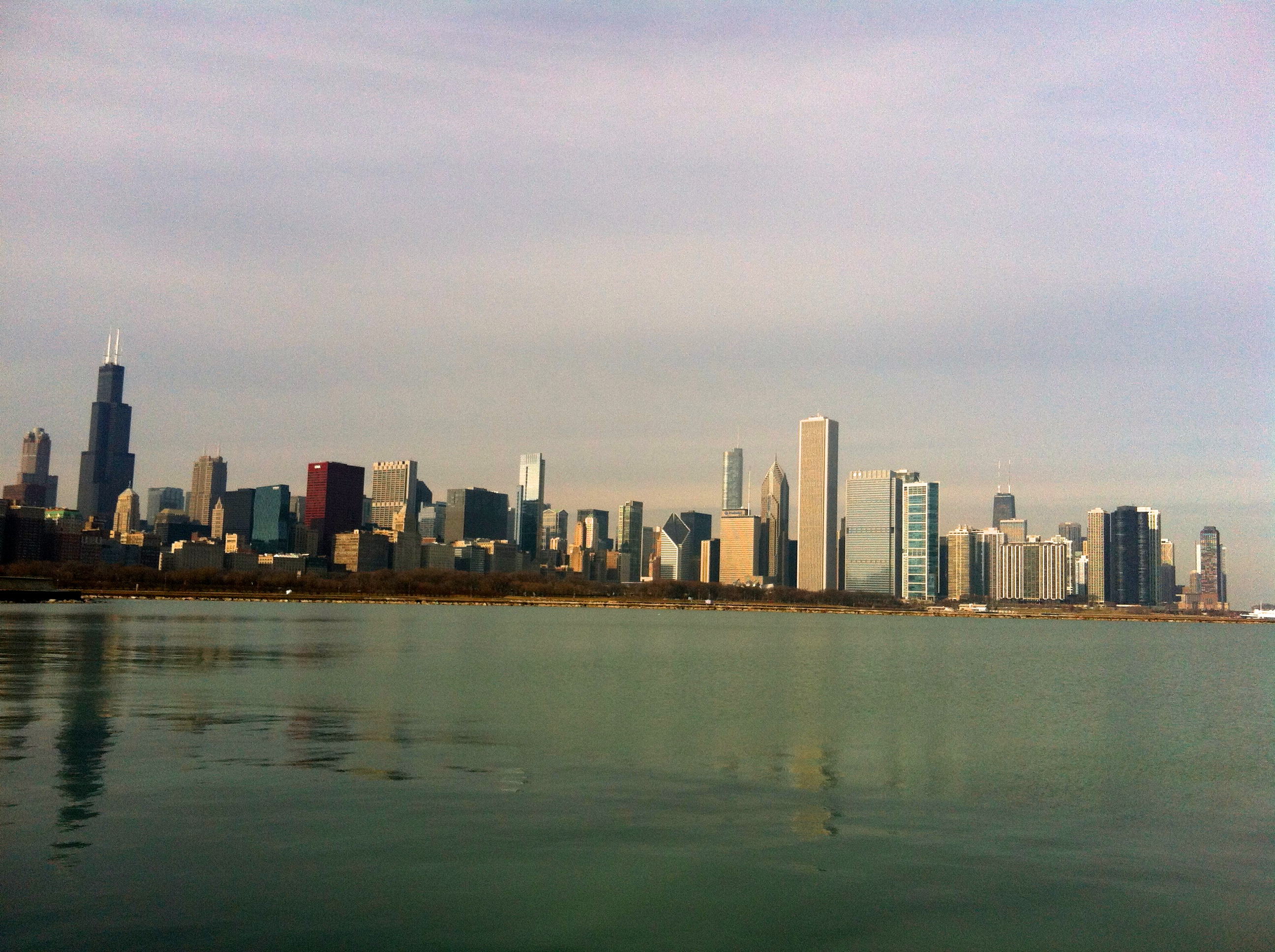
The Chicago skyline as seen from the Museum Campus in January 2013
This week, I feel a bit sentimental about the biggest anniversary in my life to date.

23 years ago this week, my parents and I packed up our house in the Chicago suburbs and moved about 500 miles southwest to a farm on the western edge of Kansas City, Kansas. There were so many different aspects to that move from an opportunity for a different sort of life to the chance that I could grow up with my maternal cousins. In the years since we’ve had all that and more. Still, for the first 20 years I approached this anniversary with a bit of a sour attitude. 

I was excited at first at the prospect of moving to a farm, to a place where we’d have horses and all sorts of pets (back then I was really into cowboys as well as dinosaurs like your typical 6-year-old). But as time passed and I began to realize what it meant to be living on a farm on the outskirts of a metropolitan city away from so many of the things I’d come to know and love back in Chicago, I developed a sense of gloom about the whole story.

It took until my mid-twenties for me to fully appreciate how wonderful a city Kansas City is, and how much it had really become my home. As the twentieth anniversary of the big move approached in 2019, I was back in Chicago for a week for probably the first time as an adult returning to my original hometown for business rather than on a family trip. At that point I seemed to be on the verge of securing a position back in that city and felt like all my hopes of the previous two decades were finally coming true. That job didn’t end up panning out, and besides a quick overnight stop in the suburbs on a long drive west to Kansas City from Upstate New York in October 2020, I haven’t been back to the city of my birth yet this decade.

When I was there in January 2019 attending the American Historical Association’s annual conference, I paused here and there between things to reflect on the life I might have had if we’d stayed. Now as an adult having gone through academia I wonder if I might be in a more advantageous position today professionally if I’d gone to high school and college up there rather than down here. Don’t misunderstand me, my education at St. James and Rockhurst was wonderful and something I’ll always treasure. Still, the opportunities of things to study, especially in the sciences, are far greater there than here. In fact, I wonder if I would be in a different field today if we had stayed there than here: planetary science, paleontology, geology, who knows, maybe even anthropology.

It’s curious to me that my interest in history didn’t really begin until after the move to Kansas City. In Chicago we were members of the Field Museum, a cultural icon that we visited easily once or twice every month. My fascination with the past was born in those hallowed halls, first for dinosaurs and in more recent years for the ancient megafauna of the Pleistocene and for anthropology. Without that steady anchor in the natural sciences to keep my interest I began to turn to other things like Roman and later medieval history as well as linguistics.

The Field Museum in its Winter splendor

In many ways, that move impacted me far greater than any other event in my life so far. I became the guy I am today because of it. The guy in the classroom with more complicated loyalties and interests, the one with two favorite baseball teams (the Cubs and the Royals). Yet I’ve realized in recent years that I accentuated the fact that I’m not a native Kansas Citian for a good long while because it was something I could use to stand out from the crowd. Though rather than it being just a bunch of grandstanding, that fact of my life is one of the deepest and most personal parts of my story. Loyalty is something I treasure above all, and my own loyalty to my original hometown, even after 23 years, remains strong. To me, for example, abandoning the Cubs would be like turning my back on a core part of my identity.

That passion is helped by the fact that those first six years contain many of my best memories, like the April Fool’s Day when my Mom woke me up to a clear sky and said, “I took the day off work, and I’m keeping you out of school today. Let’s go to the Brookfield Zoo.” Or the time when some relatives were visiting, and I rode with my Aunt Kay in the back of my parents’ Ford Explorer down the Eisenhower Expressway so all of us could go see the then brand-new Michael Jordan statue outside the United Center. There are the times when I got to go visit my grandparents with my Dad up in Mt. Prospect, or the times when he took me on the Metra downtown to go to the Field Museum (again, that old museum). There are all the summer days we spent on our sailboat, the Arctic Tern, out on Lake Michigan up and down the Chicago lakefront and out to where the skyline fell below the western horizon.

You can understand why then for 20 years I felt like I was missing something from my life. After we moved to Kansas City we went from the big towers and expansive museums and endless suburban streets to big open skies, beautiful sunsets, and days spent remembering what we had before we left the place that to me still felt most like home. I think the farm wasn’t ever really going to feel like home to me, it was too quiet, and as an only child out there I was pretty lonely. Only after we moved into Brookside, the neighborhood where my Mom grew up, did Kansas City really feel like a place where I belonged.

Still, as much as I may grumble about the move it has also brought so many wonderful and dear people into my life. I got to know most of my family after moving to Kansas City, all my aunts, uncles, and cousins on my Mom’s side. I also made many dear friends in school and in daily life, including some who have been a part of this podcast so far and my brothers in the Donnelly Division of the Ancient Order of Hibernians in Kansas. I would not have gotten to know my dogs and cats and other pets if it weren’t for the move. I learned to love my best friend Noel, departed a year ago this month, and became a far better, kinder, and gentler person because of her presence in my life. Kansas City has given me so much, and made me who I am today.

Now as an adult I can see many different paths ahead of me, some of which lead back to that great lakefront metropolis, the beating heart of the Midwest. Others lead me back here to the Fountain City that I’ve adopted as home after a long and sometimes begrudging trial period. Some see me keep working out in the East in one of those great cities, and still more see me move out West to California or stay closer to home in Colorado. Nevertheless, today I could conceivably decide to fly up to Chicago for the day and go walk around those museums and streets that I remember so fondly from my youth. For me the Field Museum today is as much a place of scientific wonder as it is a place of wonderful memories. I’m still a member there, even though I haven’t actually visited in three years. (Thanks, COVID!)The Ancient Greeks had an understanding of time that we are always facing backwards to the past with the future still over our shoulders. I like that idea both as a historian and as a passionate person with a still young life filled with memories. What can I say, I’m always in a sentimental mood.


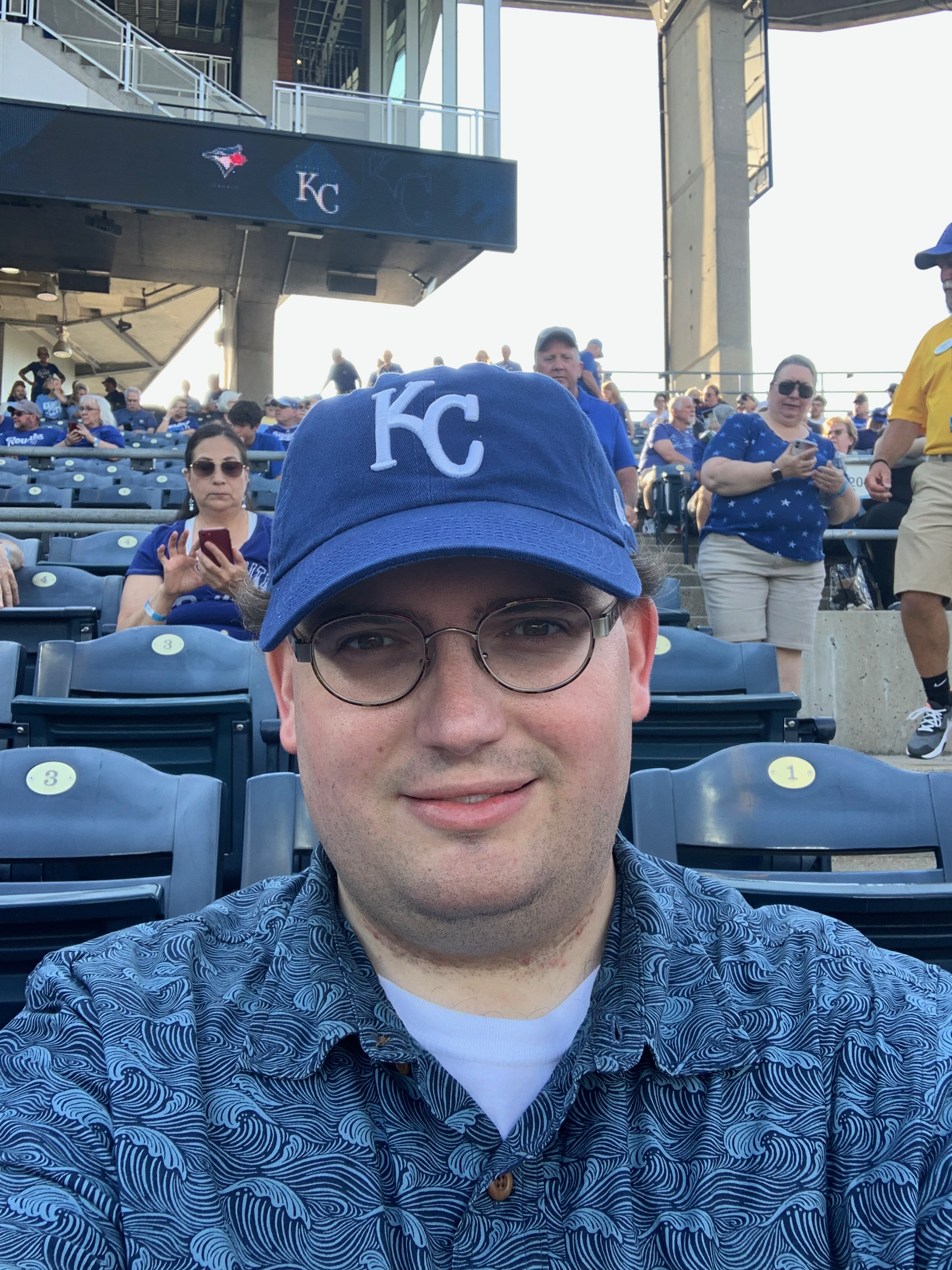
23 Years Later and I finally bought my first Royals hat.

Bad Practices in Baseball Broadcasting

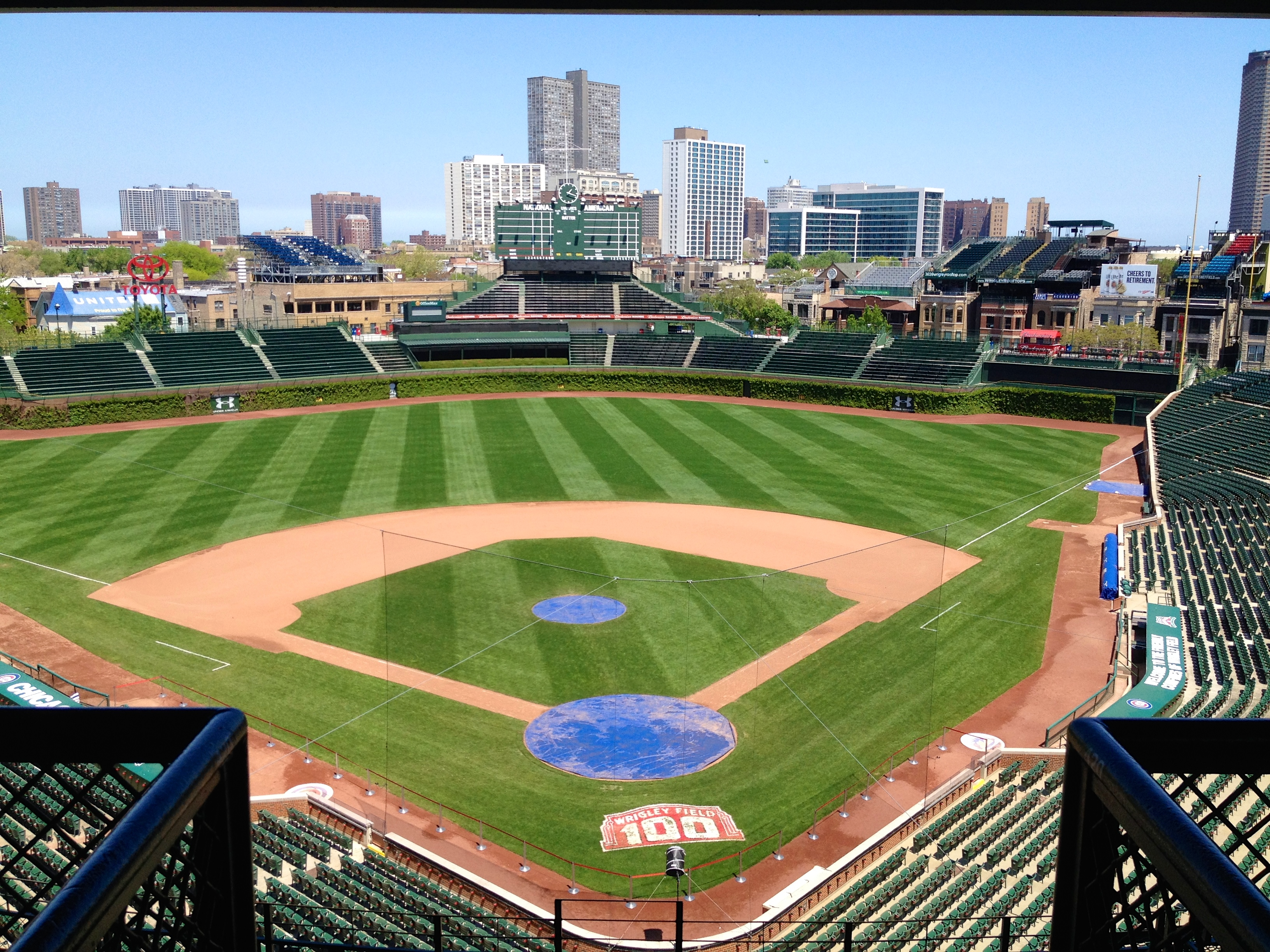
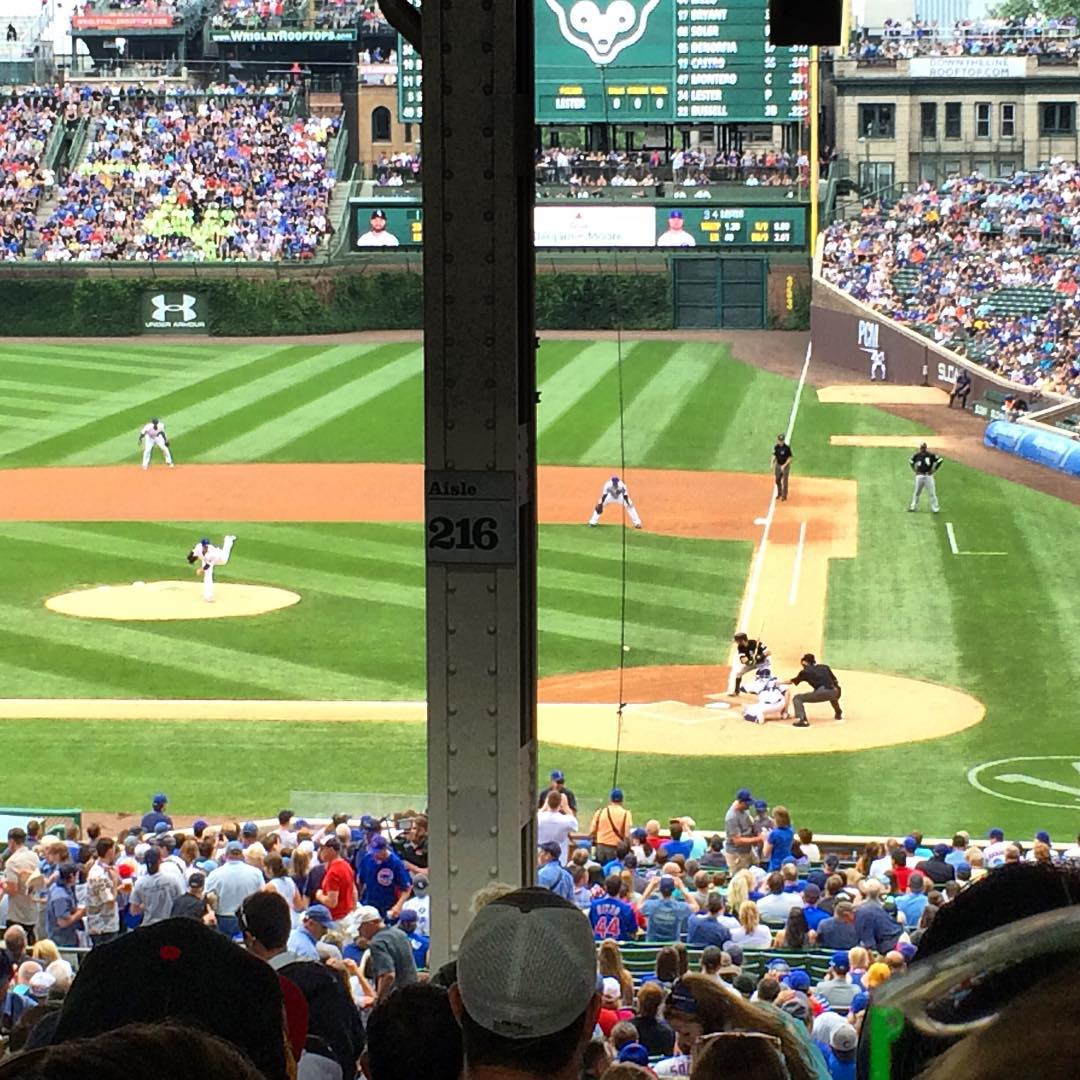
Wrigley Field from the press box.

Bad Practices in Baseball Broadcasting Wednesday Blog by Seán Thomas Kane

This week, how baseball broadcasting today is a tale in what not to do. All musical performances included are my own.

As you’ll have gathered from last week’s episode, I’m a big baseball fan. I always have been, and probably always will be. Baseball was the first sport I watched as a kid, the first I played (Kindergarten T-Ball), and the one that I have spent the most time watching both in the stadium and at home on TV. Growing up in the 90s and 2000s baseball was one of a handful of things that were just normal to have on the TV or the radio during the day in the background. No matter which major league city you were in, the local team or teams would probably be on the airwaves on any given Spring or Summer afternoon or evening. 

As a lifelong Cub fan, I was lucky after my parents & I moved to Kansas City in June 1999 to be able to still watch the Cubs live on WGN’s national superstation. Those broadcasts became one real big constant in my young life, something I even introduced to my cousins on occasion during those long summers in the early 2000s when I spent the day at their house. They were all Royals fans first and foremost, but I distinctly remember one particularly exciting game from Wrigley when we all were buzzing with excitement in front of the TV watching an especially close day game, cheering & celebrating when the Cubs won with a walk-off home run in the bottom of the 9th.

That all began to change in the early 2010s when baseball began to move from the ubiquitous over-the-airwaves channels to special sports channels that you either got through your cable package or that were only available at special request. The Cubs left WGN in 2015, and one of my last day-to-day links with my original hometown went with the last of those broadcasts. I didn’t notice it at first, in September 2015 I moved across the water to London to do a master’s degree in International Relations and Democratic Politics at the University of Westminster, and only rarely got to see baseball at the odd American restaurant in the British capital. When I returned to the U.S. the following year the Cubs were almost always on MLB Network or any of the other regular baseball broadcasters, mostly ESPN and Fox Sports. It was 2016, the year when the drought was finally lifted (see last week’s episode for an emotional recounting of the night of Game 7). In the following years I was able to see the Cubs fairly regularly on national TV, and the Kansas City Royals, my favorite American League team on the local Fox Sports Kansas City broadcasts on a daily basis, but as the 2010s ended all that began to change yet again.

Around the same time as the beginning of the pandemic in this country in March 2020 the news broke that Fox was selling their Fox Sports division as a part of the Disney acquisition of 20th Century Fox. The Federal Trade Commission ruled that Disney couldn’t control Fox Sports and ESPN, that’d be a monopoly, so Fox Sports was up for grabs to the highest bidder. That bidder turned out to be Sinclair, America’s shadiest right-wing owned media conglomerate, the Hearst of the 21st century, the true Charles Foster Kane. I wasn’t happy from the beginning about this; Sinclair had been caught red handed making their local news anchors read a prepared statement that sounded way too much like propaganda for my liking, and nearly anything they touched seemed to be weaponized to benefit their own ideals and mission. So, when Sinclair announced that the Fox Sports naming rights had been sold to Bally’s, the casino chain, I wasn’t totally surprised. One thing to get out of the way: I’m fine with legalized sports betting, I’m just annoyed with how gaudy and grotesque its advertising often tends to be, and frankly I don’t want any part in it. What frustrated me the most was that as a part of the deal Sinclair decided to get greedy, as robber barons are known to do, and raise their rates to the point that Fox Sports, now Bally Sports, was cut from most TV providers’ channel listings, especially from streaming TV providers like YouTube TV and Sling. For the first time in my life, I couldn’t watch baseball, whether the Cubs or the Royals, on local TV.

I recognize that this isn’t a serious societal problem on its own. Having professional baseball off the airwaves for a good portion of the population isn’t going to cause people to starve or to lose their homes or their jobs; it isn’t a matter of public education or human rights. Compared to those problems this is insignificant. Culturally though, in a country that is largely isolated from the global sports market, baseball remains our national past-time. It’s something that developed as our country grew, a sport that came into its own after the Civil War with teams that have existed as long as some communities in this country have. My own Chicago Cubs have an old heritage in professional baseball dating back to around 1870. They joined the National League at its founding in 1876 and have stuck around in the same city ever since. For the first 30 to 40 years professional baseball was seen by spectators in the stands and reported on in the newspapers. In the next few decades with the invention of radio it was broadcast around the country alongside sports like boxing to homes and businesses from Atlantic to Pacific. Following World War II it began to be seen on TV screens, with greats like Jack Brickhouse calling games from the press box at Wrigley Field. Some of my fondest memories of baseball are the most mundane ones, like the times I’d sit in my grandparents’ kitchen watching the Cubs with my grandmother, or the summer evenings in recent years when my parents and I would sit around in our living room in Kansas City watching as the Royals played fun small ball, outwitting heavy-hitting teams with their base running, base stealing, and excellent fielding. Memories like those are what companies like Sinclair are burying deep in the ever-receding past.

A year ago, Sinclair announced they’d have a streaming service ready to go for the 2022 baseball season called Bally Sports+ (because every streaming service is called “so and so +” for some reason). The report said it would cost around $23 a month, or $184 per baseball season, including Spring Training and the playoffs (March-October). This would cater to people like me who don’t have traditional cable packages, owing to their exorbitant prices around $80-120 a month, and would fill the void that Sinclair themselves created to gouge the market during the 2020 and 2021 seasons. Well, Spring Training has begun for 2022 and Bally Sports+ is nowhere in sight. I was lucky enough on Monday afternoon this week to catch a Royals Spring Training game against the Angels but that feels more like a chance encounter than a solid resolution to the problem.One potential solution would be to build off the legal exception that the 1922 Supreme Court Case Federal Baseball Club v. National League made for Major League Baseball to be exempt from the Sherman Antitrust Act, the very act which opened the door for Sinclair to buy Fox Sports over Disney’s objections. In the present case, I’d argue that baseball is an exception to the rule because it’s a deep-rooted part of American culture. As such it ought to be available to watch over-the-air, exempt from any special cable or streaming packages, exempt from being hogged by the greedy arms of broadcasting conglomerates like Sinclair. Unlike the NFL, baseball’s closest competitor, Major League Baseball’s season doesn’t lend itself well to having an all-national broadcast schedule. We’re talking about 24 weeks between April and the end of September with 162 games being played by 30 teams, or 2,430 games in a season. A solely national broadcast system like the NFL’s simply wouldn’t work for the MLB. Instead, local broadcasts should be prioritized, and broadcasting companies should be incentivized to put the viewers first. The alternative, if baseball isn’t easy for people to watch on a regular basis, is for the sport to decline in popularity, something that hurts companies like Sinclair anyway. I only hope that Sinclair’s executives realize it’s to their benefit to let people watch baseball at a fair price.

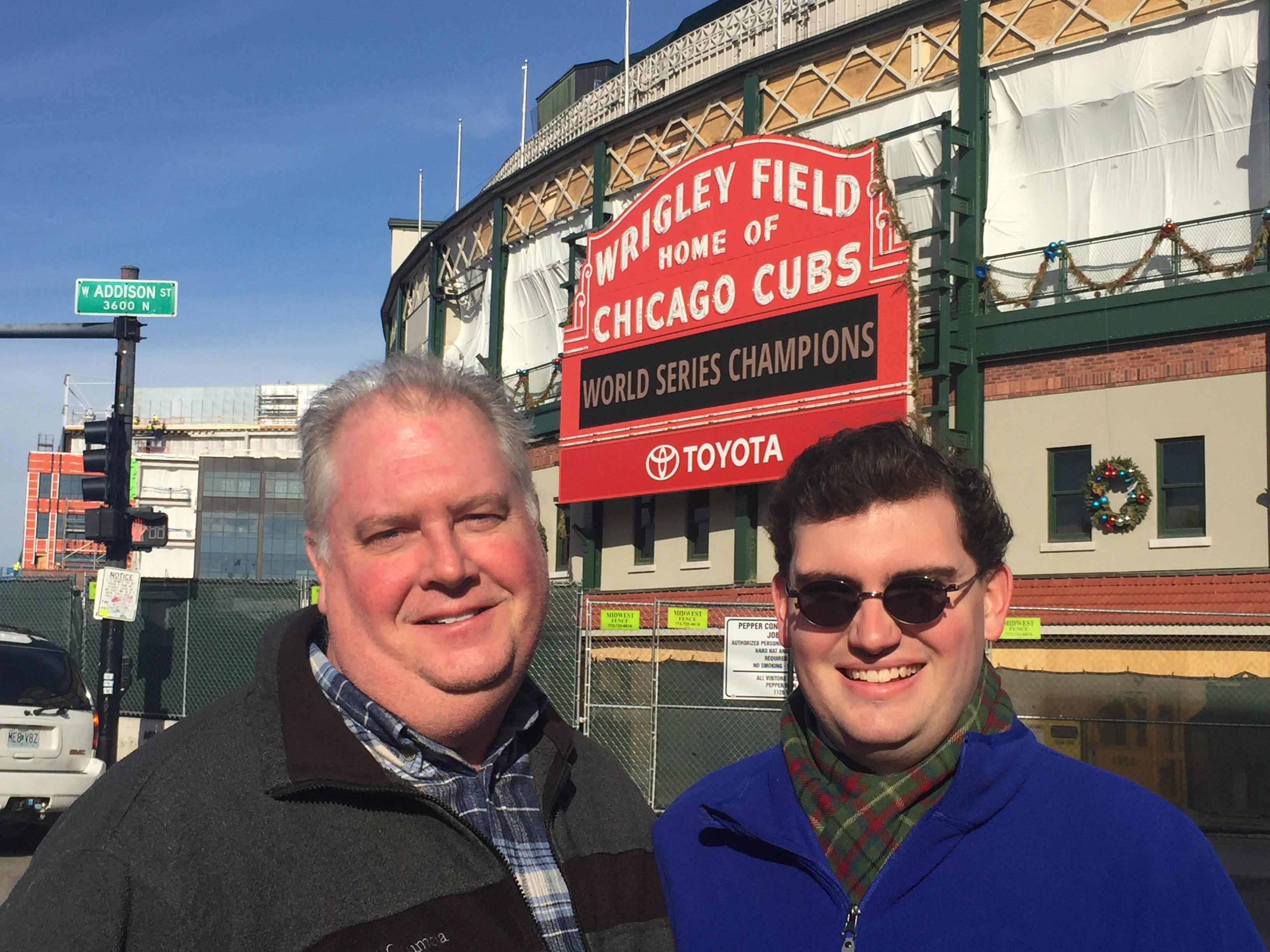
My Dad and I in front of the Wrigley Field Marquee in December 2016

Baseball is Back

Jon Lester pitching against the White Sox in 2015.
This week, a celebration of baseball's triumphant return and one small complaint about a rule change.

This past Thursday afternoon I listened to the latest episode of the Sidedoor at the Smithsonian podcast talking about the history of the song Take Me Out to the Ballgame and the Seventh Inning Stretch, one of the most American of rituals out there. It’s the moment in a baseball game when the entire stadium stands up and sings about going out to the ball game, eating cracker jacks, and peanuts of course as well. In the last 20 years following Take Me Out to the Ballgame usually we will also sing God Bless America, because that’s what we do in this country.

In the aftermath of listening to that podcast episode I began to think about how I might like to go see a ball game this Spring, but with the Major League Baseball lockout I knew I needed to find another outlet to see baseball, excluding the majors and probably the minor leagues as well. So, I looked at college ball. I was going to buy a ticket to a game or two of the Binghamton Bearcats Division 1 Men’s Baseball Team, my own university’s team. I still plan on doing so, however in the process of going to buy those tickets I saw the wonderful news that the lockout had been resolved and was going to end. Major League Baseball would be returning for the 2022 season with some changes to the rules.

Plenty of bloggers, columnists, and people on the radio have complained about different aspects of the rules. I want to add my voice to once specific area: the introduction of a universal designated hitter rule. This means that the National League will no longer have the distinction of having pitchers that bat alongside all the other players. Now National League teams too will have Designated Hitters like the American League has had for a while now. I’ve got to say I’m not terribly happy about this. For the longest time I’ve always preferred the National League’s way of doing things. In my own humble opinion, my own entirely amateur, spectator opinion, standing atop my soap box way out in the bleachers, some of the best ball games we’ve ever seen have been pitchers’ duels. Where it’s back and forth, back and forth two amazing pitchers on either side striking out almost everyone, letting in a few pop flies but very few runs. Those games often finally finish, perhaps miraculously with one pitcher getting a hit off of another pitcher and batting in a run. 

Even better, there was Game 3 of the 2016 National League Divisional Series between the Chicago Cubs and the San Francisco Giants out in California. Madison Bumgarner was pitching for the home team and Jake Arrieta for the visitors, my beloved Chicago Cubs. Bumgarner to this point was unbeatable. He was the darling of everyone in San Francisco and especially Fox Sports commentator Joe Buck. He was unbeatable until Arrieta looked him in the eye that night and with two men on swung for the fences and got a three-run home run. He cracked the façade of the unbreakable Madison Bumgarner for the first time in the playoffs. The Cubs would go on to win that divisional series, and then they’d win the National League Pennant over the Los Angeles Dodgers and on a stormy night in Cleveland at the beginning of November they won their first World Series since 1908 on a night when I prayed more decades of the rosary than I’ve ever prayed before in my life.

Having pitchers bat allow for games like that to happen, allow for moments like that to happen. They allow for the opportunity for the most dramatic of finishes to take places, of pitchers taking the game into their own hands and becoming the hero of the day. On the other hand, so many major league pitchers are terrible batters that if you don’t have a really dramatic grandiose situation like Arrieta’s home run in Game 3 let’s say then at the very least it’s going to be a quick out, meaning it speeds the game up. Designated hitters are fun to watch, they’re sluggers after all, but the more fun kind of baseball is small ball, it’s the singles and the doubles, the base hits, not the home runs. The home runs and grand slams are exciting but it’s more exciting to see the team work together and strategize to earn runs over a couple of at bats, that’s the most fun kind of baseball out there.

So as much as I’m happy to see Major League Baseball return, to see the 2022 season after a long lockout, after the greed of the ownership was made plain and clear for all to see, and even though I have many other grievances alongside the universal DH rule I’m happy to see the season starting so soon. I do have other problems with professional baseball today, notably how Bally Sports continues to be the Scrooge of baseball broadcasting here in the Midwest, keeping their televised games off most peoples’ TVs out of the same greed that kept the lockout going so long. I hope this will be a good season for my beloved Chicago Cubs as well as for my adopted second team the Kansas City Royals. And if not, well, let’s just hope for a good year of baseball.

Episode Untitled, or Humanity and What We Can Do About It

Episode Untitled, or Humanity and What We Can Do About It Wednesday Blog by Seán Thomas Kane

This week, an attempt at trying to suggest how we humanity can be better humans.

I had a grand piece planned out for this week: how we should come to notice our common humanity more, which I outlined while I was watching the Opening Ceremony of the Beijing Olympics last Friday, but the script that it turned into isn’t something I’m very proud of. It’s too American, too focused on capitalism setting us free, when really that hasn’t happened for millions if not billions of people around this planet. So, I’m writing this with no real goal in mind, just hoping it’ll go somewhere that I can record it and send it out to the twelve of you who listen to my podcast and the other handful of you who read my blog.

I’ve got to say, it’s hard coming up with something new every week. Sometimes when I’m on top of things I’ll have a running list of topics that I want to cover, and slowly make my way down that list. The intended post for this week fit into that model pretty well. But, whether it’s because of sleep deprivation, forgetfulness, or whatever else, I can’t remember where I put that list, so here we are ladies and gents! The big thing I wanted to get across in this week’s intended episode is that we really don’t need enemies, we don’t need rivals or there doesn’t need to be a battle between good and evil. All that builds community, sure, but it also builds mistrust and leaves us poorer in the long run. 

My beloved baseball team (Go Cubs) has a long-standing rivalry with our neighbors downriver, the St. Louis Cardinals, and while that rivalry has sometimes spilled over into actual brawls on the field it’s just a sports rivalry at the end of the day. Except that it’s grown beyond just being a sports rivalry. Rivalries like that can grow into actual hatreds, actual animosity, and that, ladies and gents, is what leads to us having full scale enemies. It’s silly, but it’s also human nature to follow the crowd, and if that crowd tells us to hate then that’s probably what we’ll end up doing.

So, what’s the point of me telling you this? Is it that hate is inherent? Nope. Is it because I made a commitment to write one of these things every week? Yep, and I’m going to make each one count. We follow the crowd, but we don’t necessarily have to follow bad advice. If we take the time to sit down and learn from each other, if we’re honest with each other we can probably solve our problems. The trick is actually meaning it. That’s something I’ve learned through all the toughening my skin’s gone through over the years that I’ve been in grad school, as jaded as I could easily become, every day I still need to remind myself what it is I care about, and why I keep doing what I do. 

If there’s anything I’d like to see happen in my time on this marble rolling around in the sky it’s some cooperation among us humans. Like the commentators at the New York Times did this weekend, I do tend to roll my eyes whenever I heard John Lennon’s song “Imagine” play during the Olympics opening ceremony. It’s lost its impact after the umpteenth time it’s been played in stadiums and games put on by dictators and bullies, in a moment of global solidarity that’s always co-opted into one big marketing campaign for some corporation or another. But as long as those guys listen to Lennon’s words, that’s John, not Vladimir, maybe we will achieve that world where there’s no war, no suffering, no hunger, and where everyone knows how to read.

Rivalries

The idea of a rivalry and all the extra stuff that goes with it seems to be baked into American culture. Rivalries often make for the most exciting games in a league’s calendar not only for the history traditionally associated with that matchup but also for the antics and occasional brawls that break out in the process of playing the game. As a young Cub fan I always expected there’d be a fight during a Cubs vs Cardinals game or a Cubs vs White Sox game, just as any meeting between the Red Sox and the Yankees seemed sure to produce the sort of atmosphere normally reserved in North American professional sports for the hockey rink.

Interestingly, going off of what I wrote about last week in terms of regionalism, I think it’s important to recognize that rivalries often define a region’s local identity more than anything else. The two great cities of Missouri, Kansas City and St. Louis, are defined just as much by the shuttlecocks at the Nelson-Atkins and the Gateway Arch as they are by the rivalry between the Royals and Cardinals, particularly during the 1985 World Series, which ended in Game 7 with a Royals victory over the red birds. I only hope that with the introduction of MLS’s new St. Louisian team, St. Louis City SC, that we’ll see a strong rivalry between “City” as likely they’re going to call themselves, and our own Sporting.

If anything unites most American cities and their surrounding metropolitan suburbs it’s a general dislike for other cities and their metros. Often the greatest of these rivalries seem to be founded in sports: the Chicago/St. Louis rivalry for example, which certainly began as a disagreement among two of the Midwest’s greatest metropolises in the nineteenth century and developed in the last decades of that century and into the early decades of the twentieth through the birth of the Cubs in 1871 and the ancestors of the Cardinals, the original St. Louis Browns, in 1882. In the decades and generations since that rivalry has grown not only with the introduction of the Blackhawks vs. Blues rivalry in hockey but also a general sentiment that I experienced as a Cub fan going to college at a place dominated by St. Louisians; it didn’t help that my freshman year was also a year when the redbirds won their last World Series.

On a larger scale it seems like we could carry this idea of the rivalry to a geopolitical level. Sure, the US has rivals, traditionally they’d be our counterparts in Europe, in particular in the nineteenth century Britain and in the first half of the twentieth century Germany. More recently though, in the last few generations the US’s biggest global rivals have tended to be the likes of Russia and more recently China. I will fully admit to playing off of the eternal bogeyman in the American psyche by playing the sublimely stereotypically Russian theme tune to the fantastic 1990 film The Hunt for Red October every time I find myself in St. Louis when the Cardinals are doing well. In my own silly way it’s playing off of fears of the bogeyman projected on the wall in this country in communism, comparing my own Cubs’ greatest rival to that red scourge.

It’s interesting though that we have come to develop such profound senses of national pride out of how different we are from other countries, or at least how different we see ourselves from other countries. People in positions of authority, both in government and in the media, have taken advantage of this idea of rivalry to profoundly change the political discussion: we hear more banter about the creeping influences of socialism or Islam today than we do from the same people about problems that face our country internally like racism, vast inequality, and the constant threat of violence due to our overly lenient gun laws.

I’ve often thought that if anything is true it’s that a people who define themselves by what they aren’t rather than what they are will surely fall apart in the long run. Equally, a people who cry wolf at the shadow of the wolf on the wall, labelling it something foreign, when its fangs are being used by the same crier to cause chaos in the cave itself is a people doomed to falter. We’ve found ways to use the excitement of sports to infiltrate our politics and our daily lives, forcing us to adopt a mindset that it’s always us vs. them. Eventually, if we’re not careful we’re going to bring about our own defeat on the field of play, and not by anything our opponents do. It’ll be an own goal, a safety, our knives in our own back that will bring the land of rivals to its knees.

What’s to come in March

Kansas City – March is always a big month on the calendar. It’s the Trinitarian month, the month when the activities of Winter begin to give way to their Summer counterparts. It’s a month of change. Often, for my fellow Catholic and Orthodox Christians, March is completely consumed in one of the holiest seasons of the year: Lent.

If you want to know my views on Lent, don’t worry, I’ll be brief: Yes, if it is in your tradition do observe it! I take a more simple route compared to some of my fellow Catholics: no meat on Fridays, and fasting on Ash Wednesday and Good Friday. This means only 2 big meals and 1 small meal on those days, and no meat. Also, key is the giving up of something which you feel can keep you from Christ. I tend to take this more spiritually than physically, meaning that I don’t give up sweets or chips (fries). Rather, in the past few years I’ve given up negative emotions and mentalities such as hate, irrational fear, and this year excess and unnecessary worry. Yes, I haven’t always been successful with these: hate was simpler to give up than irrational fear, but I find it to be a good exercise in self control, which is a habit that is necessary in any and every social setting.

A huge part of this is foregoing the self, not focusing on one’s own person as much, and instead focusing that energy upon the wellbeing of society in general. We should try to challenge ourselves to forgo having “I” at the top, favouring “We” instead. Many Christian mystics have argued that the first step towards a fuller relationship with the Divine is to forgo one’s own self in favour of the will of another, in this case God.

Now that’s sorted out, onto some of the articles you can expect to find on this website in the coming weeks.

Image

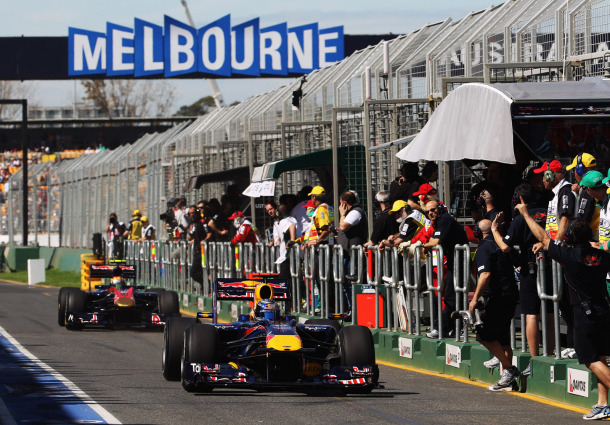
Courtesy of Red Bull Racing

Thursday evening for us in the States (Friday morning for Europe and the Middle East, and Midday Friday for Australia and New Zealand) marks the start of the official race schedule for the 2014 Formula 1 World Championship! This weekend’s Australian Grand Prix, taking place at Albert Park in Melbourne, is sure to be a thriller. With longtime contender Mark Webber out of the running, the starting grid will seem a bit more empty, and without the old V8 engines it’ll certainly be a wee bit quieter, but undoubtedly it’s bound to be an eventful and exciting race weekend from the capital of Victoria. I’ll begin my coverage of it on Friday afternoon with thoughts on the Practice sessions, continuing Saturday and Sunday with the qualifying and race results in due course.

One thing to make note of regarding Formula 1: considering that I’m writing from North America, most of these races take place in the middle of the night my time, as I’m on Central Time (March to October GMT -5, November to early March GMT -6) I’ll probably be posting my articles up to 24 hours after the actual events occurred, in part because I’ll be watching tape-delayed, and also because as much as I do enjoy F1, it’s not generally something that I’ll get up at 3 in the morning to see. Now, I will write on the races in Western Europe and the Americas closer to time, but I’ll let the lads at NBC Sports do the graveyard shift for the rest of us here in the States.

Next, and closer to home, is the start of the summer sporting season here in the US and Canada. In particular, I’m referring to Major League Baseball’s Spring Training and Major League Soccer’s season’s start. I highly recommend to anyone who enjoys baseball to watch the season opener between the LA Dodgers and Arizona Diamondbacks in Sydney, Australia. It’ll be broadcast as a double-header on Saturday 22 March at 3.00 and 22.00 CDT, and will be nationally broadcast in the United States on MLB Network. The Cubs’ home opener will be on 4 April vs the Phillies at 13.20 CDT, and will be broadcast as per tradition and reason on WGN (hopefully nationally as well.) The Royals’ home opener will also be on 4 April at 15.10 CDT and will be broadcast locally on Fox Sports Kansas City.

Major League Soccer began its 2014 season last weekend with much gusto! Though Sporting KC didn’t leave Seattle with a win, they still played quite well over the course of the 90 minutes. I was also glad to see the Vancouver Whitecaps give the New York Red Bulls a stunner, beating the Supporter’s Shield winner 4-1 on Saturday evening in Vancouver. Hopefully tonight Sporting KC can return home and play for a win over Mexico’s Cruz Azul in the CONCACAF Champions’ League. We’ll just have to see…