Tag Archives: Fear

On Universals

This week, I discuss some of the things which are common to all of us, problems we all share, and why I think we ought to look at solving those problems.—Click here to support the Wednesday Blog: https://www.patreon.com/sthosdkane


This week, I discuss some of the things which are common to all of us, problems we all share, and why I think we ought to look at solving those problems.


I don’t rest much these days, there’s so much I have on my mind from my work to my hopes for my life to the state of our world boiling in tumult around us. I sleep, yet I rarely feel rested when I awaken. I suspect it’s worse on those mornings when I’m pulled awake from the middle of a dream, that is from REM sleep into my waking reality. Perhaps this is the same for you if you’ve noticed it. This morning was one such occurrence and I’ve been tired throughout the day, even drifting off to sleep midday while watching the Cubs game and later riding in the backseat of my family’s car to an event. These days, I have a lot on my plate, and as one of my best friends pointed out to me recently, I’m probably due for a vacation of at least a week in length. When I have the time and the money to do so I’ll probably slip away somewhere as suggested.

I’ve always thought that the more technologically advanced our society becomes the better life will be for we humans who crafted these machines and machine intelligences which are the hallmarks of our civilization today. I suspect many, if not all, of you would both agree and disagree on some level with this statement. Life is easier on some counts, yet we still haven’t found a way to relieve the burden of human labor through invention. This is one of many universals we all have in common, one of many things we can look to and nod at as signs of our humanity. We all struggle in our own way, and we all have things we love and fear. I think at the core of our problems today is the desire to divide us into camps armed to the teeth to defend their own circle from the other circles out there in the fog of doubt. How often I’ve worried about nothing when someone doesn’t respond to a message, email, or letter when the person on the other end was simply busy! We all dream, don’t we? In our waking moments as well as in our sleep we dream about the life we want to have in our future. There does lie a difference between those who see those dreams as blueprints for what they can create and those who merely see these dreams as figments of an overactive imagination. Yet that difference can be overcome with enough courage and determination to see a better tomorrow.

I do believe that we all want to be happy, the question lies in what we each believe on our own terms will make us happy. In America, a country with capitalism so deeply baked into our collective consciousness, happiness is often quantifiable in dollars and cents. I went to college with a lot of people who chose their majors out of a conviction that their happiness would come if they became rich. I also know other people who are happy with quiet, unassuming lives. In my case I know I am capable of doing great things, of making an impact on our society, and I want to do all that. Yet as I’ve grown, I’ve found that what makes me happiest is being comfortable in my living, having choice in what I do and who I live my days with, and always seeking new knowledge and even wisdom from time to time. I know I need to earn my keep to do these things, something I’m presently not doing, yet as I often say when I’m feeling especially dour about the current state of my life at 32: I have many long years ahead of me, let’s take one step after another to get to that point of comfort that I seek.

Another universal emotion for humanity is fear; in fact, it’s one of the most powerful emotions we can feel. I know fear well, as Captain Kathryn Janeway of the Starship Voyager said to an embodiment of Fear in one of the finest episodes of Star Trek: Voyager, “I’ve known fear, it’s a very healthy thing most of the time. You warn us of danger, remind us of our limits, protect us from carelessness. I’ve learned to trust fear.” Fear is a seed of knowledge, yet hope is the fertilizer needed for wisdom to flower. We’ve been fed so much fear by one camp of  all others that it is nearly all we hear today. Yet that fear lacks the depth which is needed for true societal growth to occur. The power of the fearmongers will remain brittle and fragile until at long last it crumbles again as it always does.

So, let me ask you this: what would it be like if we let our guard down even for a few moments and talked with one another about the things we have in common? What if we lowered our banners proudly proclaiming our camps and sought out the universal ground upon which we all stand? At the end of this time of change, whenever whatever is coming next is settled, we’re going to have to do just this. We will need to talk with one another and recognize our common humanity. What’s more, we will have to learn not only to talk with one another but listen to one another again. I’ve been in meetings in the last few months where I certainly could’ve contributed my own thoughts about the state of things, yet I’ve found it far better to be attentive to the people there with me and hear what they have to say. Often, we have similar concerns and similar hopes in kind. To do any of this takes a tremendous amount of courage but not anymore than we’ve mustered in the past. I’ve seen it after big storms when people help dig each other out of the damage. You may ask, “Why would we care about our neighbors if we don’t even know them well?” That question is simple: you do it because it’s the right thing to do.

There was a series of television commercials several years ago which purported to show a potentiality where it was normal to prefer pain or trouble over pleasure and comfort. I wonder if we aren’t in fact living in that world where we accept the pain and trouble because we can’t work up the courage to face that pain and trouble and find solutions to remedy it? Take for instance the trouble we go to in the United States to travel between our cities: we put up with uncomfortable day or multiday long road trips or quick yet rickety short-haul regional flights because we’ve dismissed the potential of trains to connect our smaller and larger cities together. Last month, I drove up to Chicago in the backseat of my Dad’s small pickup truck and returned home in a sleeper class roomette on Amtrak’s Southwest Chief. I appreciate the ride back to the city of my birth, yet the benefits of having more legroom, being able to walk about the train, lounge access in Chicago, and complimentary service in the dining car can only be outweighed by the convenience of being able to choose when I want to leave my origin and arrive at my destination by car, especially when as of now there’s only one direct train per day in each direction between Chicago and Kansas City.

We can use particular answers to solve universal problems, if only we have the courage to consider those particularities. I worry today that we may be short on the courage to solve our most universal of problems, the rot at the heart of our civilization that we’ve too long ignored until it’s oozing there right before our eyes. A house with rot in its foundation will eventually fall and crumble into ruin. Can we face our own rotting foundations before we lose what is most universal, what we most love and appreciate about our lives? Or can we do what we know to be right, what we know we must, and begin the process of rebuilding to craft a better version of the old edifice of our civilization, a more equitable edifice indeed, for our posterity to enjoy?I’ll leave you with those questions, because often the best conclusion to any essay ought to be the provocation of more queries rather than definitive answers.
Masks

This week on the Wednesday Blog, how we present ourselves to the world around us and in the mirror to our own reflections. — Click here to support the Wednesday Blog: https://www.patreon.com/sthosdkane

This Monday saw the twenty-second anniversary of the attacks on September 11th, 2001. I decided I’d talk about that day and the days and years that followed with my 8th grade U.S. History students as it most closely dealt with their own curriculum more than with anyone else who I’m teaching right now. I told them that to me 9/11 was the true beginning of the 21st century, rather than Millennium Night the year before. That’s because so much of this century has been defined for me by its violence, its chaos, and its terror. This compares to what I remember of the late 1990s as a time of peace, optimism, and wonder from my own childish eyes at the time. I saw the world as a little boy, not noticing most of the troubles or worries of the world, just gazing in awe and wonder at what was before me in the moment.

My early childhood wasn’t a time of blissful ignorance akin to the early moments in the story of Siddhartha Gautama, later known as the Buddha, who knew no suffering in his princely palace until his curiosity led him out onto the street and into the real world for the first time. I knew bad things happened, and that there were people misled into evil. I had seen the effects of death and had an idea of what it was, but none of these essences of our reality set themselves into that visceral sensation of knowing until after that sunny Tuesday morning when the world changed all around me, and I and my classmates in our third grade room on the upper floor of St. Patrick’s School in Kansas City, Kansas were unaware of it all, the great tempest brewing around us on that cloudless day.

Over the last few weeks on my drives to and from my new day job at another parochial school on the Kansas side of the border I’ve been listening to a new audiobook of Andrew Robinson’s A Stitch in Time, a novel following the life of Star Trek: Deep Space Nine‘s beloved Cardassian spy-turned-simple tailor Elim Garak. The audiobook is narrated by Robinson, who played Garak throughout DS9‘s original 1993-1999 run, much to the delight of fans of the show such as myself. I of course had already read A Stitch in Time, and its anthologized sequel the story “The Calling” which was published in 2003 in the delightful collection Prophecy and Change. Let me briefly digress from this week’s topic to say that as much as I loved reading and now listening to A Stitch in Time, Robinson’s “The Calling” remains for me the greatest sequel I have yet read for how beautifully it captures a sensation of peace and resolution coming to a people as maligned by their own poor decisions as the Cardassians.

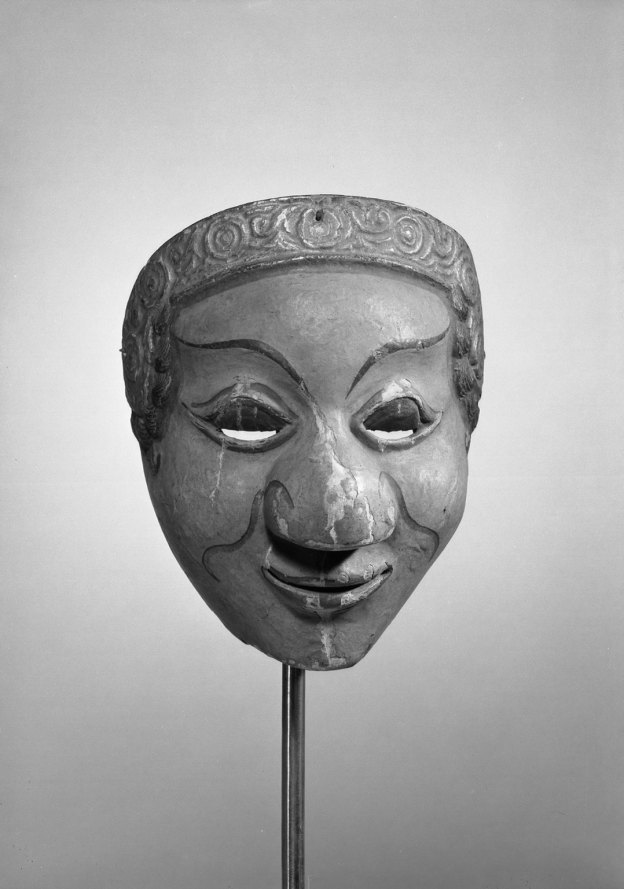
Many moments stuck out to me from A Stitch in Time, yet the pinnacle of these was Garak’s realization that everyone around him, himself included, regularly wears masks to hide their true intentions and weaknesses. These masks might be physical, like an ancient theatre mask or the famed half mask worn by Gaston Leroux’s Phantom of the Opera, but more often they are built in the wearer’s personality and projection to those around them. So, when I was trying to find a conclusion to my recollections about 9/11 this Monday, I thought of Garak and the masks. I told them that everyone wears them, everyone has something they highlight for all to see, and that beneath that mask of power, popularity, ferocity, clownery, or even awkwardness lies another person. That person may be self-conscious or afraid of showing their true face, or they may have just grown used to wearing that mask from a time when they were unsure how to face the world around them. Still, behind every emotion we express there lies another human being who like all of us was once born naked, exposed, powerless, and most importantly innocent of both good and evil.

To me, 9/11 was a moment of great tragedy for what we chose to do in its aftermath. The United States was quick to act in launching the largest manhunt in human history to capture and kill the leader of Al-Qaeda, Osama Bin Laden, and in the process to ensure that countries like Afghanistan under the Taliban would no longer be safe havens for terrorists. The enemy soon shifted, once a role filled by the Nazis and later by the Soviets, a role that had shifted without focus for some time now began to sharpen in relief towards terrorists, but not any old terrorist, only Muslim terrorists were the true enemy. The rage of America fed a deep Islamophobia which still burns bright within this country. Yet as that rage was noticed for its power it was quickly monetized and commercialized, utilized by those wishing for quick victories against their political rivals at home at the expense of compromise and civil discourse. The longest legacy of 9/11 was a new political era in American history driven by fear and hatred of the other, whether foreign or domestic.

The masks that Bin Laden and all those who use terror and fear to achieve their aims may seem powerful in the moment yet quickly crack under pressure from demands for justification. They do not seek to ensure passage to some blissful afterlife like the death masks or sarcophagi of the Egyptian mummies, but instead seek to do the greatest amount of harm to those in the way for the short term gains of greater terror among one’s enemies and greater publicity for one’s cause. To fight these masks, we adopted our own versions of them, donned visages painted red in our own rage, and forgot what each other’s faces beneath those masks looked like.

Beneath each mask lies another person, who fears their own weaknesses and searches often in vain for their strengths within the great dark forests of our fears. It is often hard for me to focus on all the things I’ve accomplished in my thirty years amid all those memories of embarrassment and pain, and this new job working with young people just learning how to fit into their own skin has helped me tremendously to be comfortable in my own as an adult and a sometimes leader. I tried to impart my deepest held belief on all of this in my last point about this week’s somber anniversary before moving onto Monday’s lessons; that we should never celebrate the death of those who have done evil things, for as evil as that person’s choices may have been they were still just another person behind a mask. Perhaps, that mask had become their face, engrained seething onto their skin until they could not remember the face beneath, until they could not see the child they once were, the innocence they once embodied. Theirs is a mask which they could still lower, a false vision of strength they could let go of, if only they didn’t fear the warm sunlight touching their face for the first time in so very long.

Twelve Hours of Mask Wearing

This evening I had the opportunity to travel from my usual place of business in Binghamton, NY to the sunny port city of San Diego on the far side of the country and this continent. It was my first time flying on a full transcontinental route; coming from the Midwest I’ve benefitted from living almost halfway between Atlantic and Pacific until now. The experience was largely uneventful, though I’m humbled by the fact that this continent across most of which I’ve now driven (as far to the east as Boston, as far to the west as the Great Salt Lake) could be crossed in the same amount of time it would normally take me to drive west from Kansas City to that place in western Kansas where I’ve found myself within sight of the tallest clouds rising off the Rockies just west of Denver. I spent the flight reading a compelling story, checking my preferred flight tracking app, and listening to Planetary Radio. 

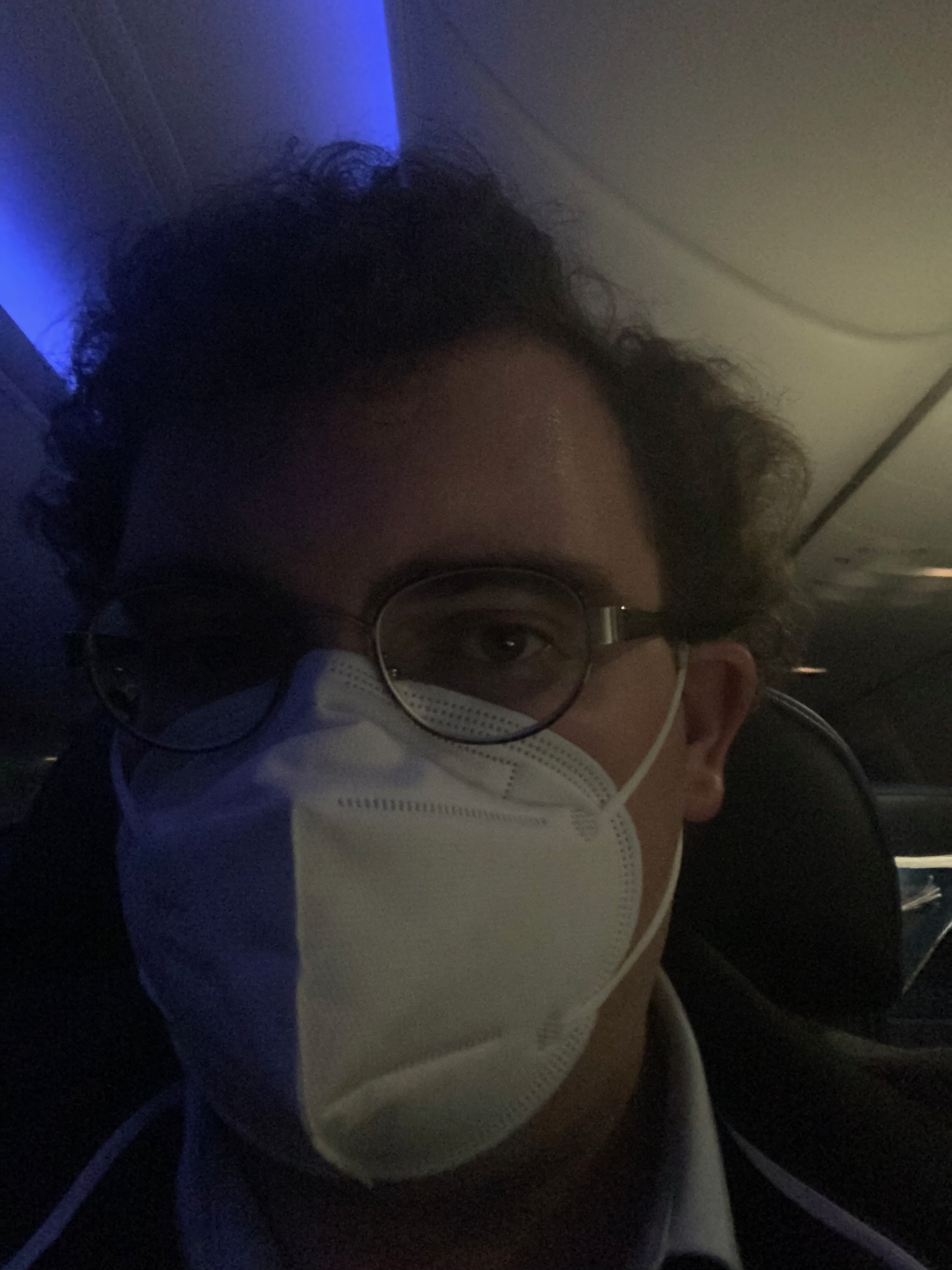
But the greatest physical reminder of this flight and this entire day will be the pain in my ears and the sides of my head from wearing this KN95 face mask for so long. I dearly hope we climb out of this hole of a pandemic we’ve dug ourselves into, and that my fleeting escapes from mask wearing as I took a drink of water would be signs of a future when we won’t have to wear these masks to travel. And yet, I worry that our relatives and neighbors who cry wolf about these masks so forcefully that events meant to be dull, like school board meetings, become events rife with danger, that these our fellow Americans are the ones whose actions will only keep these mask mandates in place longer. After all, we’d be further out of this continuing crisis if we were as a country more fully vaccinated. Being triple-vaccinated against COVID-19 myself, I know I’m probably safe, but the best way to ensure that is the case both for myself and for all the people around me on this plane from the oldest passenger to the youngest infant are safe as well.

I worry that in the fear-mongering of the last decades we’ve lost a sense of communal spirit. We’ve become suspicious of our neighbors who once we could trust. Any statement deserves to be questioned, so I ask you now: what went wrong? When did we choose to fear others before learning to appreciate them? And why don’t we lower our pride for even a minute and let ourselves lower our guard?

We have a lot of problems facing us today. Step one clearly will mean that we’ll have to at least start by looking each other in the eye and at the very least saying hello. It’s a start.

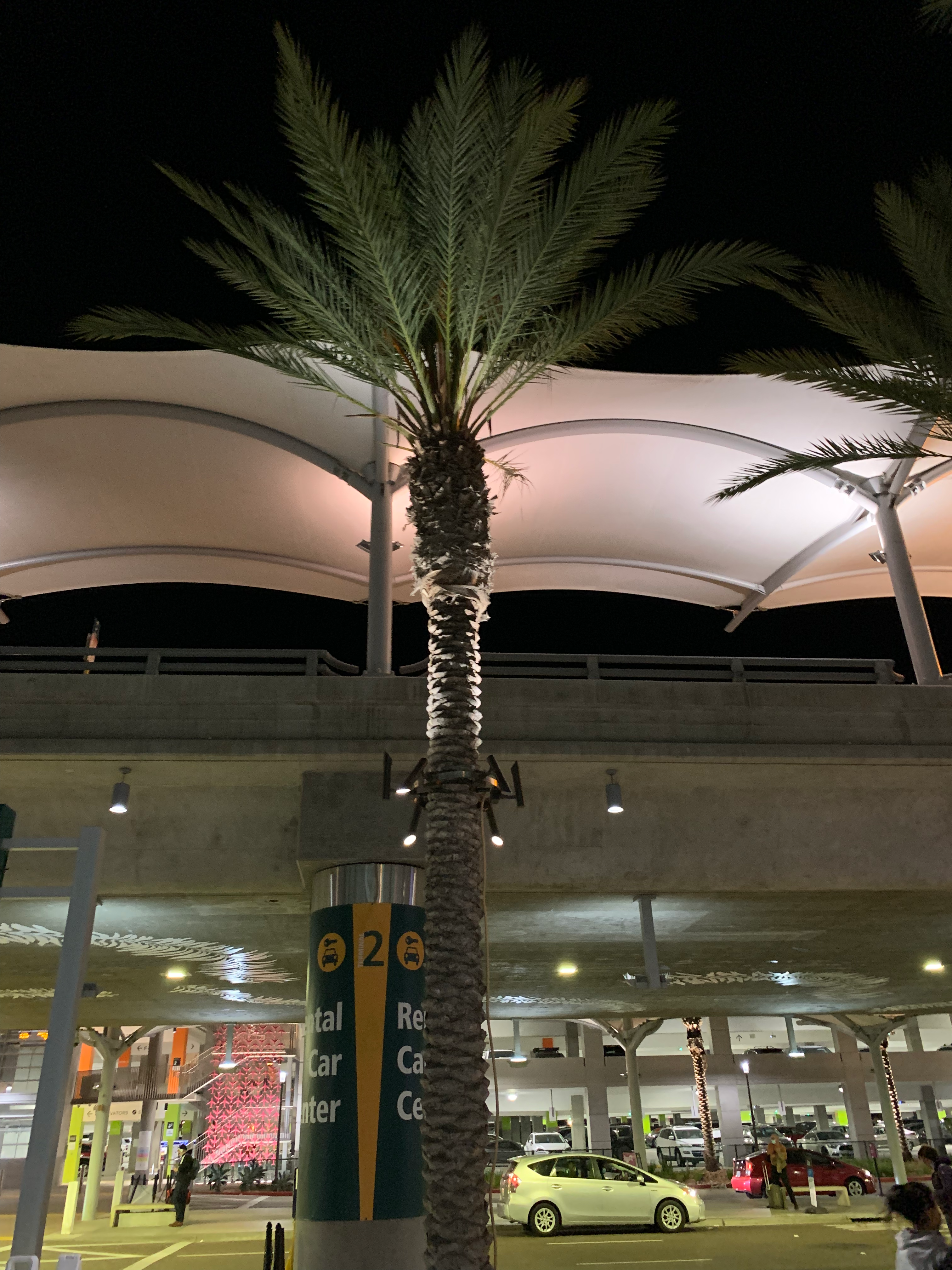
I don’t think I’m in New York anymore.

The Luxury of Stress, or the Adrenaline Rush of Fear

2020 began for me with a long drive east: Kansas City to Pittsburgh to New York. I drove the first leg in 15 hours, arriving just before midnight on a Friday, and spent the next day wandering through the Carnegie Museums of Art and Natural History in Downtown Pittsburgh, which was the main reason for that particular stopover. That Sunday however was characteristic of how the year that this would become. I woke up around 4 am on Sunday, early enough that I hoped I could be in Manhattan for lunch. As I made a quick donut stop near Pittsburgh Airport, I checked the travel updates for the Pennsylvania Turnpike, and was shocked to discover that it was blocked in both directions just east of Pittsburgh due to a fatal multi-vehicle accident that had happened about an hour before. So, realizing that I’d have to take an alternate route, I plugged one into the navigation system in my car and made my way into one of the most eventful days of driving in my lifetime.

The route on that snowy Sunday morning in January

For the first 3 hours of the 6 that I’d have to drive that day, I was largely on US-22, a smaller rural highway, which heads east out of Pittsburgh across Pennsylvania toward the Jersey Shore. Normally I prefer to stick to the interstates for the lack of stoplights, and at that hour of the night for the lack of traffic. In this instance though I quickly found myself crawling my way across the Appalachians in a blizzard with next to no visibility. I passed semitrucks that were sliding backwards down the inclines on this normally reasonable, yet now snow-packed, highway. I’m pretty sure I passed a plow or two even, continuing onward, only really able to see where I was going thanks to the car’s navigation. Only after 7:30 am or so did the snow clear and I was able to enjoy an otherwise uneventful drive to the long-term parking garage that I frequent near Newark Airport when I drive to New York City.

Like the rest of 2020, thus far, I was nearly stressed to my limit in the early hours of that morning. This year has been one for the record books, a right old annus horibilis to borrow a term from the Queen. At the same time that I was dodging stuck semis in the Pennsylvania mountains, this country’s leaders were saber-rattling and threatening war with Iran. We were lucky to have missed that cataclysmic fiasco of a war, though I doubt we’ll know the full details of how we missed it for a few years to come. Since then we’ve seen the rise of the greatest pandemic in a century, a near economic depression, irate armed citizens occupying government buildings over their economic and social fears, the murders of many other citizens of this country by authorities, and the largest protests this country has seen in a long time. Throughout all of this, the response of those in charge hasn’t helped to ease tensions one bit, both publicly and privately for a great many of us.

Yet unlike that early morning in January, I now feel like I have the luxury to think about it, and to stress about it. That morning, I did not have that luxury, or perhaps I had too strong of a fear-driven adrenaline rush to stress about it. After all, if I thought too hard about how terrifying of a situation I was in, I would’ve made a mistake and gone off the side of the road, not knowing what that’d bring: a field, a hill, a house, the edge of one of the mountains? If I’d let my stress take over then, I can’t be sure I’d be able to write this today. Yet in the months since I’ve been largely secluded from the world, first in my apartment in Binghamton, NY, and for the last two months in my parents’ house in Kansas City, MO. Like all of us, I’ve had a lot of extra time on my hands to think, to consider how I want my life to go forward, and to stress and worry about our world, and how it’ll either improve or wreck our future.

The stress has certainly got to me, and there have been more occasions than usual of late where I’ve had real trouble working through it. It’s left me irritable, quick to anger, and generally in a sour temper. I could probably take all this sour stress and make one of those sourdough starters that so many people started doing this Spring. I’ve always found it hard to hear the memories and feel the emotions of the best days of my life over the obnoxious clamoring of the worst memories. Lately it’s been harder than ever, but I’ve tried my best to cherish the best moments of my life and my time at home. 

This past weekend in particular had so many wonderful moments. On Friday, the executives at my Mom’s company decided to give all of their employees Juneteenth off. So, that morning for the first time in at least 21 years my parents and I together went to the Zoo. When I was little, I loved going to the Brookfield Zoo near our home in suburban Chicagoland with them and have cherished those memories ever since. Now, after living in Kansas City for 21 years, we finally went as a family to the Kansas City Zoo, a place that I usually visit at least once a week on my own when I’m home. We didn’t see everything we wanted to see, but we left truly happy. 

The Kansas City Zoo’s new Elephant Expedition Enclosure. The photo is my own.

Later that evening after dinner we drove up to my alma mater Rockhurst University at 52nd & Troost and took part in the Juneteenth Prayer Service that stretched for 10 miles all along Troost. This was a prayer service like no other, less silent meditation, or communal rosary, and more a celebration of the hope that our community on both sides of the dividing line feels that change is in the air. I sat there on a stone wall for an hour and watched as countless cars drove by, their drivers honking their horns, people waving, children singing from the back windows.

On Saturday we went to one of my aunt’s houses for a small backyard gathering. I always treasure the times that I have with my family, the whole crowd. Just sitting there with people whose company I enjoy, people who I’ve known my whole life, and experiencing the madness of our current world from the perspectives of their stories, jokes, and worries made everything seem better for a little bit. Sunday was similar, Father’s Day, a quiet celebration this year at home with my parents. My Mom and I made brunch for the three of us, brioche French toast and eggs, before spending the afternoon watching soccer and reading June’s National Geographic. This was followed by a quiet small gathering in Roanoke Park.

I was reminded of all of this, and in particular of that terrifying snowy morning on US-22 east of Pittsburgh on Sunday evening when we watched last year’s release A Beautiful Day in the Neighborhood, starring Tom Hanks as Mr. Rogers. In part, the film’s Pittsburgh setting triggered those memories, and my thoughts on that January Saturday evening that I’d live in Pittsburgh if I got a job there, and how much fun I had at the Carnegie Museums. Yet more than that, the kindness which Mr. Rogers exuded in his life and work reminded me that this stress doesn’t have to be permanent, and that the best of memories should be the ones I treasure. I can still vaguely remember seeing him on WTTW in Chicago in the ’90s, and even a little bit on KCPT after we moved here to KC at the turn of the millennium. At the time I don’t really remember knowing what to make of the guy. Yet today, as an adult with far more responsibility to my community, our future, and to myself, I feel like if I were to try to learn from anyone in my own work as an educator, it’d be him.