Tag Archives: Film

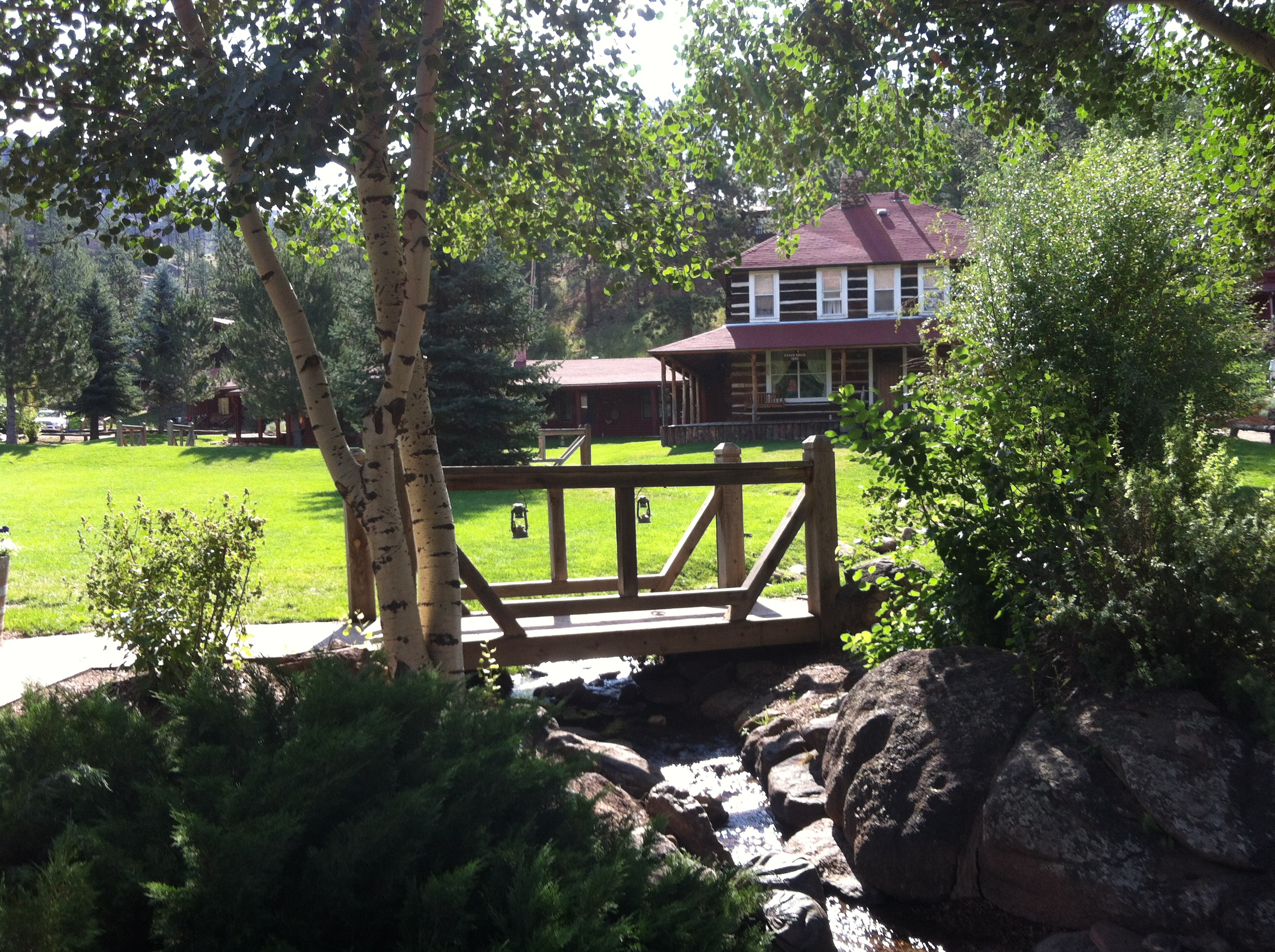
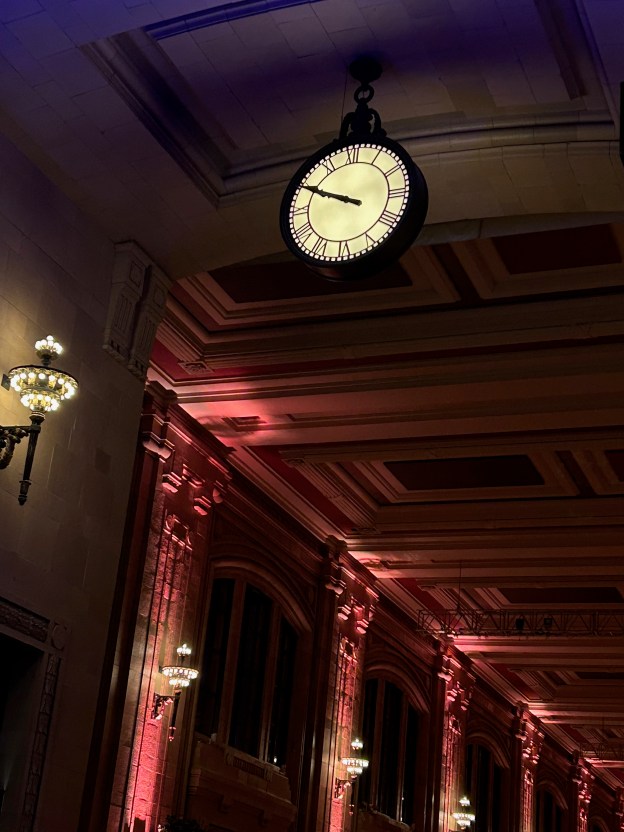
A picture of the great clock at Kansas City Union Station at night.

The Poetics of Finality

The Poetics of Finality Wednesday Blog by Seán Thomas Kane

This week, some words on endings.—Click here to support the Wednesday Blog: https://www.patreon.com/sthosdkane


This week, some words about endings.


On the morning of Flag Day, I went to the Linda Hall Library with my parents to see the classic 1951 science fiction film The Day the Earth Stood Still. I knew about this film, but this was my first time seeing it. Beside the story, what struck me most about this film was its tone, pacing, and overall character. After I finished my other two events of the day, the Plaza No Kings Rally where I watched the crowd of 11,000 people rally for democracy, and Mass that afternoon, I returned home tired yet eager to find that same tone. I went looking for it in Rod Serling’s classic series The Twilight Zone. Released between 1959 and 1964 in its first incarnation, this series had scared me a bit the previous times I’d sat down to watch an episode or two. It has an air of fear to it that is reminiscent of the reasons why I generally stay away from horror films. And yet on closer inspection, Serling’s stories tell something that is far less frightening than I first imagined because it’s a theme with which I’m all too familiar.

I came to indirectly know more about Mr. Serling when I moved to his hometown, Binghamton, New York, to undertake my doctoral studies in August 2019. His image isn’t all over town, but it’s a visible reminder of Binghamton’s history and place in the fabric of American culture. In fact, much of the stories that I’ve now watched in The Twilight Zone fit the character of that interior part of the Northeast where I lived from August 2019 to December 2022 quite well. In some ways, not too much of the built environment has changed from Serling’s day 60 years ago. Still, I noticed time and again how the optimism of that postwar era had faded. The same town was there, but some of the energy it once knew was long gone. Having lived my life to date in Chicago, Kansas City, and London, all cities with layers of history and memory, I’ve seen how the current generations have chosen to craft their own layer. 

London is a city that holds mementos to its ancient and medieval past while largely built in the form of its eighteenth, nineteenth, and twentieth century growth at the height of the British Empire. Yet today there are enough futuristic buildings and settings in the capital that it was used as a setting standing in for the space-age galactic capital of Coruscant in the latest Star Wars series Andor. I delighted in seeing familiar places from the Barbican Estate and Canary Wharf in the show.

Chicago has some of the same American character of Binghamton and the Northern states as a whole, a common history. Yet Chicago is the powerhouse of this country, the beating heart of our transportation network, the real crossroads of this nation. Where other industrial cities in the Great Lakes faltered in the 1970s, 1980s, and 1990s Chicago instead continued to power on for its sheer size and the diversity of its industry. Today, it has a very particular character which I believe makes it the most American city this country has to offer for its marriage of American settler culture and all the different indigenous, migrant, and immigrant communities that make America the patchwork of peoples in one great republic that it is.

Kansas City meanwhile saw more of the downturn for its smaller size and some of its traditional industries haven’t translated as well into the current information revolution. Kansas City once thrived as another great railway hub: the Gateway to the Southwest as the last major Midwestern metropolis along the Santa Fe Railroad as it drove across the prairies toward New Mexico, Arizona, and Southern California. Today, our interstate highways direct traffic through Kansas City more from Texas, Colorado, the Dakotas, Iowa, Minnesota, and points east than in the old northeast-to-southwest alignment of the rails. Recently while I was in downtown Kansas City, I remarked on how underwhelmed I felt visiting there for the first time after the business and thrill of going with my parents down to the Loop on weekends when we still lived in Chicago. Kansas City however has seen a renaissance of its own in the last twenty-five years that has filled in many of the gaps left by urban renewal and restored this city’s vitality. That more than anything else made my move to Binghamton a tremendous culture shock: going from a growing city to one that was a shadow of its former self struggling to invest in its future.

For every Twilight Zone episode there seems to be a fearsome unknown menace looming over the story; something that the character can perceive the effects of yet can’t quite see. Yet if there is any common thread to this menace it’s that it is a fear of the unknown. In the original pilot that launched the Twilight Zone, titled “The Time Element,” Serling’s rational psychoanalyst foil to the main character trapped in his dreams concludes through his logic that his dreams that he goes back in time from 1958 to Pearl Harbor on December 6th, 1941 could not be real because any incident that happened in this dreamed 1941, if real, would impact the patient as he lived in 1958. Yet reason is proven unequipped to address the irrational, how can it explain what it intrinsically is not? I’ve argued time and again here in the Wednesday Blog that this is where there exists room for belief in a life lived rationally. Still, having watched a fair number of Mr. Serling’s stories now, I think I can say something to this menace’s true character.

There is an intrinsic fear that comes with knowledge of seeing that we do have an ending. On a biological level, our bodies can only continue working for so long. We drift apart from our lives as they were in one moment or another, apart from friends who we admired and loved in a given moment, apart from jobs that consumed our waking and sleeping thoughts, apart from situations which challenged us to become better versions of ourselves. Yet, all those lived moments will continue on in our memory, at least for a time. I was stunned to find how well I could remember very particular moments of minute detail earlier this year when prompted by a sudden and wonderful realization about how I want to live in my life to come. Even the smallest of details that my senses perceived were there, locked away. The antidote to any fear is joy, and for me it was the most radiant joy I’ve felt in years which unlocked those memories for me of moments which led to that jubilation. Still, fear in moderation is a good counsel, a wise friend. It’s what makes me watch for traffic when I’m crossing the street here in Kansas City, or that advises me to make certain decisions over other ones at a very fundamental level to keep me alive. This is one interpretation of what the infamous tree in Genesisportended: that once humanity ate its fruit we would never again be able to be innocent from seeing flaws in the beauty of nature and in the beauty of ourselves.

Over the weekend then, I went to see the new Stephen King film The Life of Chuck starring Tom Hiddleston as Charles Krantz. I particularly grew to like young Chuck’s grandfather played by Mark Hamill. If I were to compare Stephen King’s writing to any other American storyteller of the last century it would be Rod Serling. Both tell stories of this same menacing fear. Yet in King’s Life of Chuck, the monster who’s revealed in the last scene is far more familiar, ordinary, and known to us all that I saw it less as a menace and more as a companion. There is intense poetry in both Serling’s Twlight Zone and King’s Life of Chuck around endings. They tell us that the finality of moments in our lives and of our lives all together give our lives greater meaning and purpose. I’ve found in the various projects and events I’ve helped organize that we get more done when we have goals we’re trying to achieve and a timeline by when we want to achieve those goals. I often work better when I have deadlines because if I begin to feel impatient at how long something might take, I know there’s an end date to look forward to. I feel that about little things but not the big ones, not the experiences that’ll one day make for good stories or about my life itself.

I for one don’t want to live forever, I worry that’d take some of the meaning out of my life. I would like to be remembered for my writing, for being a good person, for the history I research and leave for generations of graduate students to muddle through in their coursework. On a recent digital security Zoom call that I attended we were asked to search our names on several search engines and see what came up. Should there be anything we didn’t want searchable we could then get that removed. I was delighted to see that after my website, social media profiles, and various conference programs came page after page filled with essays published here on The Wednesday Blog. I suppose that’s one benefit of writing this weekly for the last four years: my thoughts written here will be remembered at least by the search engines. Yet I think the Wednesday Blog will have more meaning when I decide to set it aside and turn my staff to other facets of “my so potent art” to borrow from Prospero. Because then anyone who is curious enough to glance through these pages will be able to see them in their totality and know these essays are artifacts of the time when they were written in the early 2020s at a time of my life of doctoral study that feels so very close to ending.

This is not the last time you’ll hear from me on the Wednesday Blog, rather I’ve decided to end my weekly publication of this blog at the end of the current season. This is Season 5 of the podcast, or Book 6 of the blog itself. I feel that it’s had a wonderful run, and it’s been a great outlet for me while I’m biding my time as my career slowly begins. Yet now, I’ve got a lot more writing to do from new research papers to submit for peer-review to book reviews that it’ll be nice to take this off my docket. This is the 25th issue of this season, and I have a further 15 issues planned before the end. Thank you to all my readers over the last four years and all my listeners over the last three. I hope this will be an ending worthy of your curiosity.

“Oppenheimer” and Sound

"Oppenheimer" and Sound Wednesday Blog by Seán Thomas Kane

This Monday, I went to see the new Christopher Nolan film about the life and work of J. Robert Oppenheimer, the leader of the team that invented the atomic bomb. —— Click here to support the Wednesday Blog: https://www.patreon.com/sthosdkane

This Monday, I went to see the new Christopher Nolan film about the life and work of J. Robert Oppenheimer, the leader of the team that invented the atomic bomb.

I have grown up in the shadow of the twentieth century; I was born near the beginning of its last decade and to a degree always knew much of the broad strokes of the century’s history in the United States. The first decade of my life was a time of optimism and hope, the Cold War had just ended a year before I arrived, life seemed to be good, and to me everything was a wonder to behold. I knew the story of how we got to that point, the broad strokes of American history more broadly and of the history of my home city of Chicago more particularly from as far back as I can remember thinking of such things. I knew a world where the threat of nuclear war was a thing in the past, a nightmare that never came to pass now that the Soviet Union had fallen, and America & the rest of humanity had survived the long nightmare of the Cold War.

In many ways, Christopher Nolan’s new film Oppenheimer tells that story that I grew up knowing, of American determination to overcome seemingly insurmountable obstacles with a can-do attitude that won this country its independence, the good guys our Civil War, and a transcontinental union of states that promised liberty, democracy, and peace to all who lived within it. In the years since of course I’ve learned the hard truths of this country’s history, all the people whose lives, hopes, and dreams were thrown by the wayside in the name of our national progress. I still believe in the dream of that progress, ever the optimist, yet that optimism is tempered by the realism that life in this country has never been fair or equitable for all of us. 

For all of the tropes of the great man that the film Oppenheimer plays with, it still tells a story of one man and his colleagues, his fellow theoreticians, engineers, and scientists working in a moment pushed along by the uniformed protectors of that progress to use their brilliance to craft something that could harness the pure energy of the Cosmos to be the ultimate weapon to end what was then the ultimate war imaginable.

Christopher Nolan is famous for his use of sound to tell his stories. Of all his films, the one that before Oppenheimer which touched me the most was Interstellar, which used the minimalist score composed by Hans Zimmer to describe what it might be like for humans to soar past our solar system and to far distant stars at sub-light speeds with little chance yet an enduring hope of returning home to the ones they loved ever again. I watched Interstellar on a transatlantic flight in January 2016 on the way back to London where I was then living from Chicago-O’Hare. That flight was entirely at night, thanks to the long winter nights in the Northern Hemisphere, and so for a few hours before we landed just before dawn at Heathrow, my entire world was Interstellar, which left my jet lagged mind far more confused than usual the rest of the day in my flat.

Zimmer’s score for Interstellar, in particular the great theme “No Time for Caution” pulses with the clockwork rhythm of time itself, a telling motif for a film all about the complexities of spacetime that a non-expert such as myself can hope to understand yet often fall short of grasping. In Oppenheimer there are rhythmic, chronic beats, there is a great pulse that underscores the most pivotal moments of the film, yet where Nolan uses sound itself, less so music, contributes to a compelling, and all-consuming story of the beginning of something with great promises of both wonders and terrors alike.

One of my new favorite music YouTubers talking about what makes Interstellar’s music so good.

I watched Oppenheimer in IMAX, though not on 70 mm film as no such cinemas within a 400 mile radius of Kansas City are showing it on anything but digital prints. Sitting where I was on the right-hand aisle, I perhaps got more of the sound from that side than the left, or the perfect sound that one would find in the center of the room; and in my humble opinion, most cinemas have their sound far too loud in general nowadays anyway. Yet I still felt awed by the way that the sound consumed everything else that I could feel, see, and yes hear when it fitted the story. This matched the great silences, not lead-ins to a horror jump scare, but meditations on the numinous echoes of something approaching the divine in the power wielded by that American Prometheus as Dr. Oppenheimer has been called.

In the Summer of 2016, a few months after that flight into the world of Interstellar, I traveled to Vienna, one of the most beautiful cities I’ve ever visited, and the first stop I made after arriving in the Innere Stadt was at the Haus der Musik, the second music museum I’d visited during my time in Europe after the Finnish Sibeliusmuseum in Turku. Yet unlike the Finns, this Viennese institution included an entire floor dedicated just to sound, the Klangsmuseum, where sound was visualized using colors on the walls. I began to connect ripples I’d seen all my life in water with the sounds I heard that day, which has proven useful. As I’ve gotten older, and my love for music to concentrate during the day has led me to use in-ear headphones more and more, my hearing has probably taken a slight dampening, leading to me not necessarily hearing less overall but instead noticing the vibrations of sound more and actually feeling sound in my body while I’m hearing it.

So, for me sound is not just something I experience with one sense, my hearing, but with my sense of touch as well. It’s one of the things that a live concert can give the listener that a recording can’t always provide. Whenever I hear a familiar opera in a theatre, I am usually struck a little unexpecting at the physical sound the timpani makes during the overture, and the way the sets creak and reflect sound back towards the singers and out to us the audience. I have learned how to judge without particular precision how far away a lightning strike is by listening for the gap before the thunderclap and the length that thunder echoes about the world around me as well as within me when it’s a particularly close one.

The world that Dr. Oppenheimer created felt removed for much of my life, for the man who said of himself “Now I am become Death, the destroyer of worlds” created a means of mass destruction which after 1945 has never been used in war. For much of my life, the threat of nuclear weapons seemed to be something consigned to a past when our ideologies kept us apart, spurred our distinct methods of innovation, and made enemies out of onetime uneasy allies. Yet today, as other powers rise to a level of strength and aggression that they could challenge the record of nuclear weapons, I’ve found myself worried about it in recent years for the first time in my life. I’ve found in my professional experience that it takes several attempts for a lesson to settle into the learner’s mind, it took me three tries to learn both Latin and Irish to really understand both languages and how they work. All this made Oppenheimer less a film about an event firmly in the past, something perfect to borrow a grammatical term for things that have happened and are in the past, but more something which tells an imperfect story of events with continuing resonances in the soundscape of our world today.

I may have grown up in the shadow of the twentieth century, yet I and my generation will have a great effect on the events of the twenty-first. I hope that we can learn the lessons of the century that came before us, and use Dr. Oppenheimer’s achievements not to create deterrents through the threat of mutually assured destruction but to establish human cooperation out of our mutual interest in surviving to live in a future to come.

Why I enjoyed Netflix’s “The Two Popes”

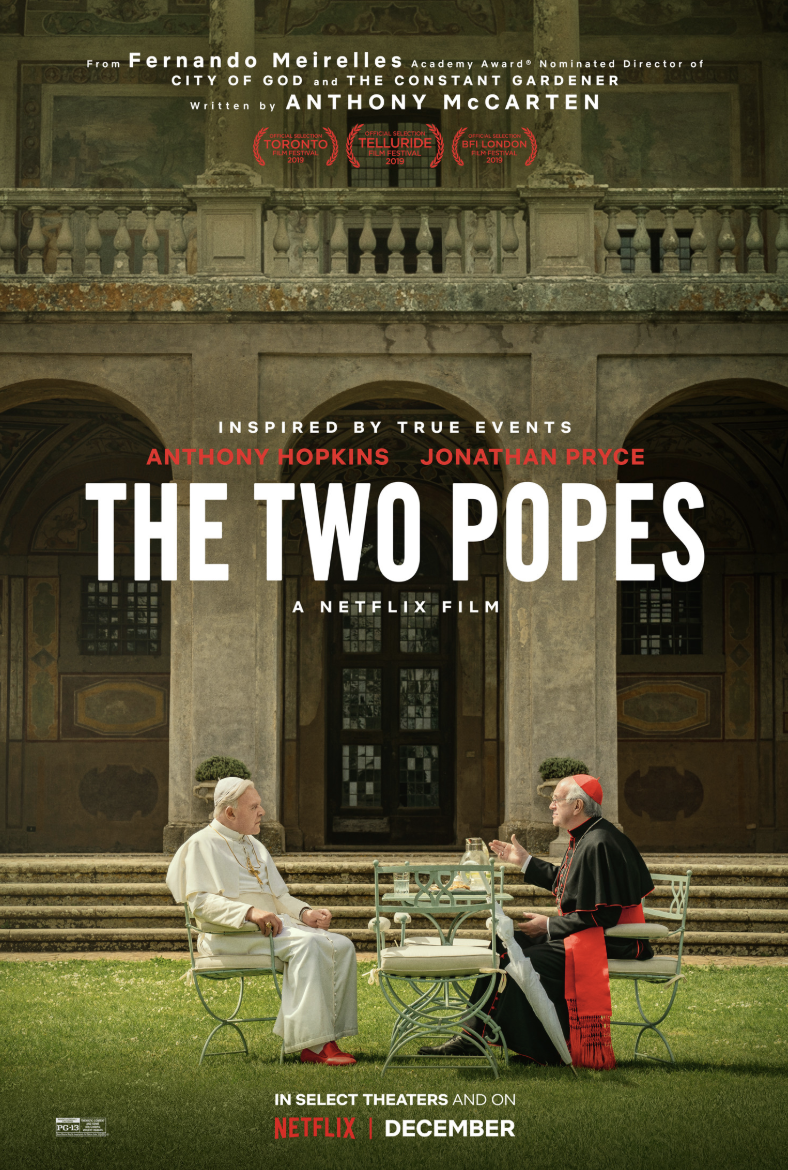
Two Popes posterNetflix’s new two-hour film The Two Popes starring Jonathan Pryce as Pope Francis and Sir Anthony Hopkins as Pope Emeritus Benedict XVI is theatre, pure and simple. It falls into one of the most classic sorts of plays, a dialogue between two men with similar positions yet very different experiences. While not all the conversations that make up The Two Popes may have happened, according to an article in America, the story that they tell on the screen is beautifully rendered and exceptionally human in its content.
The film begins with the Papal Conclave of 2005 at the death of Pope, now Saint, John Paul II, when then Cardinal Josef Ratzinger was elected as the new Supreme Pontiff, taking the name Benedict XVI. The conflict between Benedict and the reformist cardinal Jorge Maria Bergoglio, the current pope, is made clear from the first moment. Moreover, the two characters are framed as foils for each other: Benedict is removed from the world while Francis is fully a part of it; Benedict is traditional while Francis is less keen on pomp and grandeur of the Papacy and the Church in general; Benedict says he is disliked when observing how Francis seems to make friends with just about anyone he meets.

It is important to understand that while this film tells a story inspired by the recent events of the lives of two of the most important men in our lifetimes, it is nonetheless a story meant to entertain and give the audience a message of hope for redemption, peace, and a willingness to accept change even if it may not be the change we expected. In that sense The Two Popes has a bit of the same spirit that has enriched many a story down the centuries. There’s a sense in this film that if two people with opposing perspectives sit down and talk about their disagreements, that eventually they’ll reach some sort of common understanding, or at least mutual respect. Both Popes come to respect each other out of a mutual understanding of their imperfect humanity, that both men have made mistakes in their lives, yet they still have striven to do good.

The Two Popes does not hold back on the problems facing the Catholic Church today. It acknowledges the scandals and errors that continue to plague the Church now at the start of the 2020s. Yet it takes those scandals, those errors, those misjudgments, and it uses them to breath even more life into these two characters. I enjoyed this film because it’s a well written bit of theatre, depicted beautifully on the screen. The Two Popes, and in particular Pryce and Hopkins’s performances, do what any good bit of writing is supposed to do: make the audience think.

Nolan’s “Dunkirk” – An Abstract Tribute

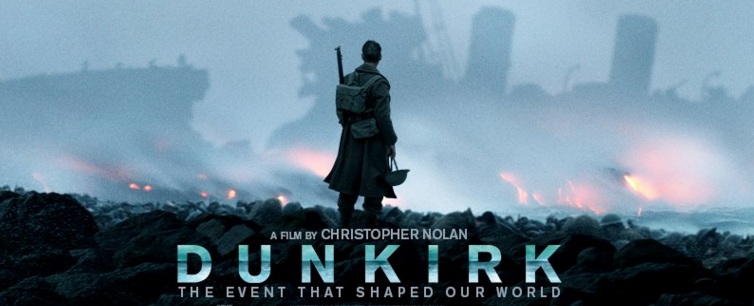
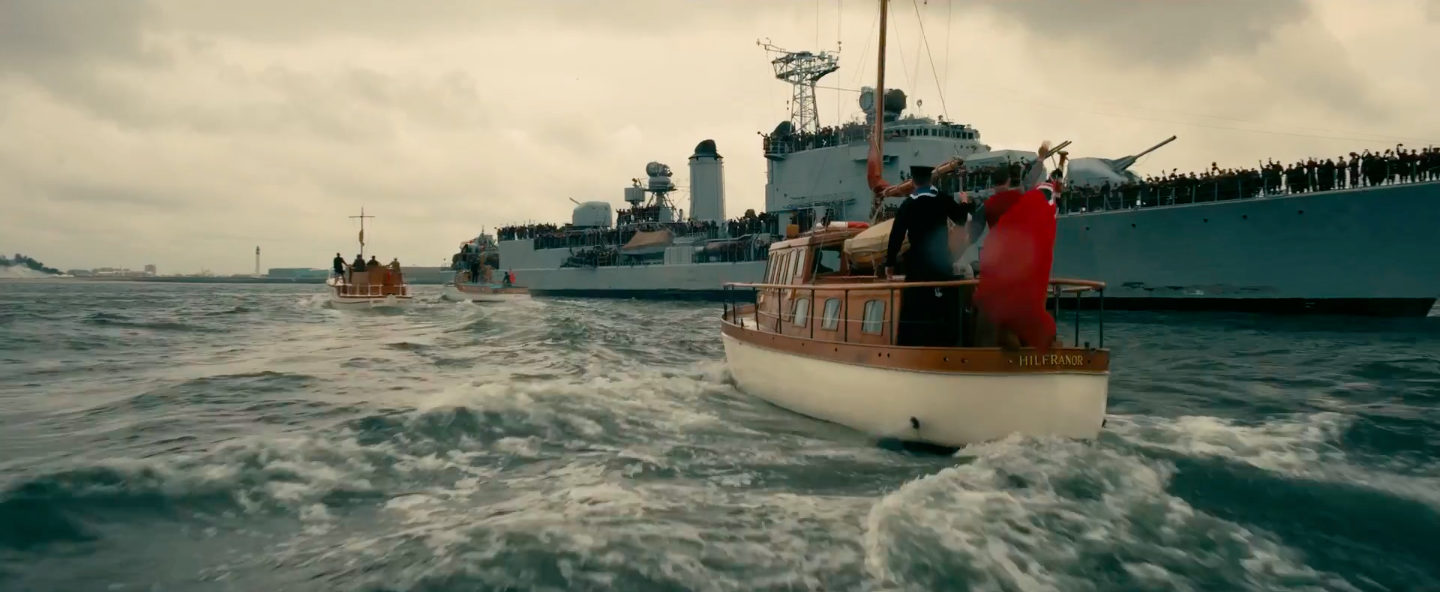
dunkirk-christopher-nolan-trailer-images-75

Credit: Christopher Nolan [found at Cinemavine.com])

What I found especially gripping about Christopher Nolan’s latest film, a retelling of the Miracle at Dunkirk, was that each of the individual people in the story were not the main character. That role was filled by the seemingly indomitable human spirit, and will to survive and struggle ever onwards. Dunkirk might well be one of the most defining moments of the Twentieth Century for Britain, and quite possibly as well a crucial turning point for the whole world.

The film follows three main groups: the soldiers on the beaches, the sailors both civil and naval crossing the Channel, and the RAF in the air trying to keep the fighters and bombers of the Luftwaffe from wrecking further havoc to the men stuck at Dunkirk and the ships trying to ferry them to the safety of home, a mere 26 miles away. Though the plot is not in itself chronological, it nevertheless helps tie together each disparate group, connecting their experiences in a spiritual fashion as each come ever closer to the film’s climax.

For British and Commonwealth viewers this film will certainly reinforce that Dunkirk Spirit, that steely determination that even in the darkest of hours Britain and her sister countries will never surrender. I became quite emotional when, after witnessing the sense of doom the soldiers on the shore felt for a good hour, the hodgepodged fleet of little ships arrived in the waters off of Dunkirk. This moment, though one of the darkest hours in British history is also equally one of the most inspiring to have transpired in that island nation’s long story.

For American viewers this film should give us pause. In our present hour of immense internal divisions, of political unrest and civil discontent we should consider what it would mean for us as one people to come together for a cause we all knew to be necessary for the continued survival of our country and the liberty it’s Constitution assures. In this hour of great uncertainty we should be looking not to what divides us but what can unite us.

Hans Zimmer’s score is a welcome change from his usual set of loud brass, excessive strings, and choirs primarily singing “Ah” for far too many measures. While loud, this score adds to the energy of the film, and in a musical sense is largely understated. The music helps bring the viewer into the picture, onto the beach, aboard the small boats and naval ships, and in the cockpits of the Spitfires high above in the air. I really appreciated the echoes of Elgar’s Nimrod that played over the final scene as Britain and her forces came to rest aground again and prepare for the inevitable Battle of Britain to come.

Overall, I thoroughly enjoyed this film, and just a few minutes prior to sitting down to write this review I told my writing partner Noel that I have to go back and see this again soon. Dunkirk is a film that triggers both the conscious and sub-conscious, that calls upon one’s entire emotional and physical self. It is one of a number of films that are to me the new “talkies”; they address not only our visual and aural senses, but our emotional senses as well. I have a feeling there will be many more films like Dunkirk to come.

dunkirk-movie-trailer-christopher-nolan-screencaps-

“Rush”: Ron Howard’s F1 Masterpiece

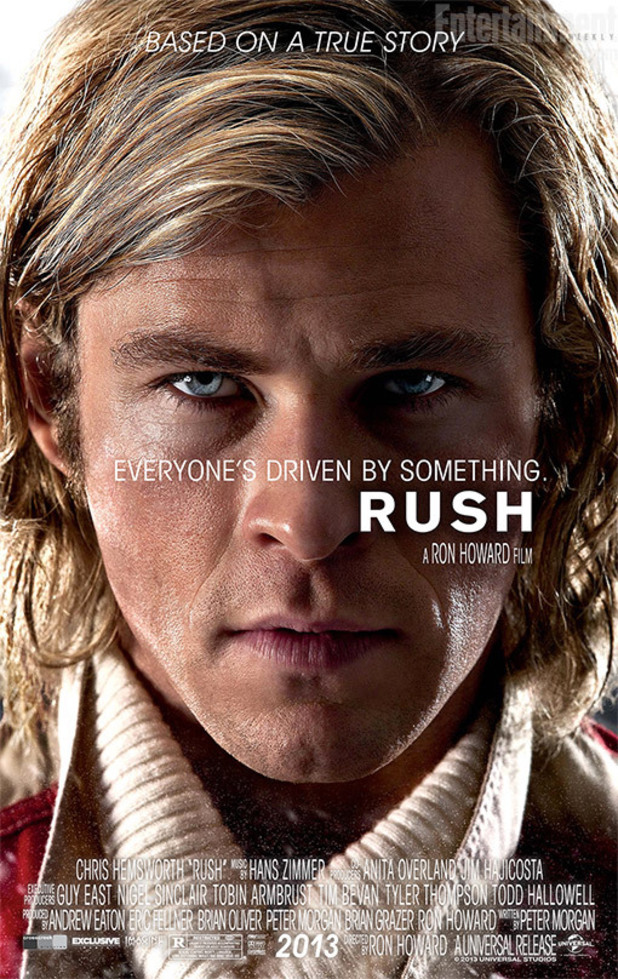
Kansas City – This afternoon, I went to see Ron Howard’s new film Rush with my parents at the AMC Ward Parkway 14 Cinema. I’ve been a lover of Formula 1 for three seasons now, since I was introduced to it by my Dad during the 2010 Belgian Grand Prix from Spa. Like the speed of this 2 hour film, my own F1 team support has changed quite a bit over the past few years, from initially supporting Renault F1 in 2010, to McLaren-Mercedes in 2011 and 2012, and now to Lotus-Renault in 2013. Of course, with the annual team shakeups, we’ll have to see where I end up come March, perhaps supporting the lads at Ferrari, perhaps staying with the Brits at either Lotus or McLaren.

Image

Anyhow, back to Rush. I really enjoyed this film from its start. To begin with, Howard is a master of painting his films with an extensive lavish palette of colour, from the blues and greens of that rainy 1 August 1976 at the Nürnburgring, home of the German Grand Prix, to an almost period ’70s look to the film from the more personal, more emotional scenes of the film. Being someone who is familiar with F1, I found the film quite rewarding in its ability to show another side to the sport that I’m not used to, from the top teams taking longer than 2.5 seconds for pit stops, to the pistons in the engine rising and lowering, to the roar of the engines starting at the waxing of each race, to the lack of Red Bull at the front of the starting grid, as is almost a given in the Age of Vettel.

The acting, with Chris Hemsworth as 1976 Champion James Hunt of Great Britain, and Daniel Brühl as his chief rival, 1975, 1977, and 1984 Champion Niki Lauda of Austria was also brilliant and quite believable. I personally was drawn more to Lauda than Hunt, as I, like the Vienna native, am a perfectionist in many respects, as my friends and family can relay. Hunt’s playboy lifestyle was in many ways his undoing, but also his way of coping with the stress of driving in a sport, which at the time took the lives of at least 2 drivers per season, a fact which has thankfully wained since the turn of the Millennium with further safety improvements on the cars.

I also loved Hans Zimmer’s soundtrack for the film. Of his past film work, I especially enjoy the soundtrack to King Arthur (2004). His style of composition seems strewn with heavy percussion, and sweeping Mahleresque melodies and thick, rebounding harmonies. As a musician in my own right, his music represents a modern style of cinematic composition that I aspire to for my own films.

Now, as with any film dealing with the life of James Hunt, or the history of F1 in the 1960s and ’70s, there’s going to be a lot of sex. I noticed there were a few comments regarding the extent that Hunt’s sex life is described in the film, as the commentator was rather unhappy with these scenes in particular. Here’s what I have to say: it’s a natural fact of life, and for someone my age it’s something to look forward to in the near future. Yes, I’m not a fan of the extent to which Hunt “slept around” with around 5,000 women, but at the same time I find it not healthy to demonise something which is a necessity. It’s like demonising sleep because we should be getting more done in line with that fine Protestant work ethic. There was a great sketch in A Bit of Fry and Laurie about a father complaining to his son’s headmaster for sex ed being taught at the son’s school, the father believing that his son “just sort of appeared one day.”

Image

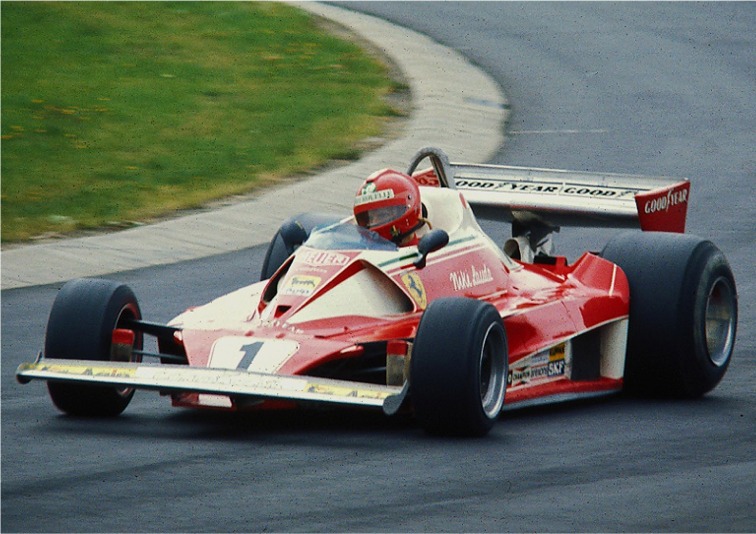
Lauda in practice at the 1976 German Grand Prix at the Nürnburgring.

Rush is a fantastic film about one of the greatest sports of all time. Both as a F1 fan, and as a filmmaker, I adored watching this film. It wasn’t your typical sport film, following the underdog who goes through some sort of trouble, and begins to rise in stance to a great athlete. I’m sorry, but haven’t we had enough of these Southern USA set civil rights era sport films yet? This film was not even in the same league as those, it has different aims, different goals. There’s no real cause being supported, no character who is rising up from great intolerance. But after being bombarded by so many of those films, I’m glad for a fun, champagne soaked, break. Rush gives the American audience that opportunity to go to a sport film, and especially if you’re not familiar with F1, a chance to not know the plot before the film starts.

Hopefully some of those who are finding F1 for the first time will tune in in a few hours at 01.00 Eastern for the Japanese Grand Prix live from Suzuka. The Niki Lauda of the 2010s, Sebastian Vettel, is on the verge of winning his 4th Formula 1 championship crown. Whether it be in Japan, India, Abu Dhabi, Texas, or Brazil, history soon could very well be made, just as it was in that fantastic rivalry between the Austrian and the playboy from the UK.

Journeying into my past

Kansas City – This past weekend I made the 600 mile (9 hour) drive with three friends, 

Image

Jacob, Mitch, and Mikey, to Denver. Our mad scheme was to go up to a cave in Pike National Forest and shoot a live action film version of Plato’s Allegory of the Cave. I say mad because the more I thought about it, the more I realised just how bonkers it all was. I mean, we’re four young adults, aged 22 to 19, with little income, travelling over 1200 miles in a period of about 60 hours, just to shoot about 10 minutes of film for a picture that probably won’t make much money.

Image

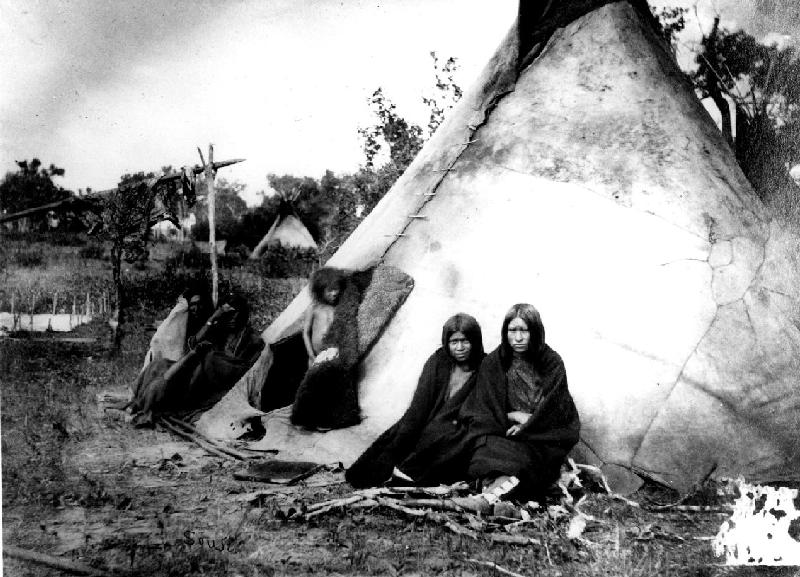
Arapaho camp, c. 1870. Courtesy of the National Archives.

And yet, we did just that. We left my parents’ house in Kansas City bright and early at 6.45 on the morning of 26 July, heading west on I70 across the breadth of the Great Plains to our lodging for the weekend, a friend’s house in the south suburbs of Denver. This region of the United States truly is still a frontier of sorts. Colorado and the Rocky Mountain West were only settled by Euro-Americans a little over 150 years ago, so in a sense the region’s society, culture, and even dialect, is much where we could see some of the ancient city states of Eurasia standing a good 5,000 years ago. As someone whose passion not only lies with history, film, and music, but also in linguistics, I find it quite interesting to look into the dialects of Western American English, and see how they stand compared to the diversity of dialect and accent found back East. 

However young American society is in Colorado, the native cultures and peoples of the region certainly have been there much longer. It saddens me to think that in the many trips I’ve taken out into the Rockies of Central Colorado, I don’t think I’ve even once seen any references to the native peoples of that region, such as the Arapaho, at all beyond toponymy. It is interesting to me how ignorant we can be about our predecessors, the ones whose homes and lives we, the Americans, stole with our expansion and colonisation of this continent. And yet, if we had listened and paid more heed, like the earliest settlers at Plymouth, we might have learnt something about the land, how to grow on it, how to survive in the sometimes brutal climates of the Plains and Mountains, and most importantly, how to keep the land from eroding away.

Anyhow, we went out to Colorado to shoot a major scene for the film Plato: The Cave. Our filming destination was one of my favourite places on Earth as a child, Lost Valley Ranch. My parents and I first went there for Thanksgiving of 1997, when my former babysitter had moved out there after finishing her degree at Wheaton College in my hometown of Wheaton, Illinois. We loved our time at Lost Valley, and decided to come back the following summer of 1998 for a week at the end of July and beginning of August, a tradition that we continued until Summer 2005.

Not only did my time as a child at Lost Valley impact my life through many blissful memories of going out and getting to experience life in the mountains on a working cattle ranch, but it also forged my love for horses and riding, which ultimately led to my family’s move in June of 1999 from our small suburban Chicagoland house to a 34 acre farm in western Kansas City, Kansas, where we not only lived for 13 years, but owned 4 horses of our own, plus a few goats and ponies at one point, along with dogs and cats. If it hadn’t been for Lost Valley, I doubt I would have ended up growing up out on that farm, or gone to the high school I went to, or met the friends at that high school who got me into filmmaking.

ImageAt my high school, St James Academy, I made many good friends, among whom was a guy named Alex Brisson, who like me, had an interest in making films. We began working together in October 2008, along with another friend named Stephen Smeltzer, on a comedy series called The Awesome Alliance, which we posted onto Brisson’s original YouTube channel AlbinoPlatypus913. After about a year of doing just The Awesome Alliance, I decided to start making short films of my own. My first channel Telefís Cluain Shaorise, was an attempt at modelling my work after one of my all time favourite media outlets, the BBC. However, as time went on, and Brisson & I both graduated from St James in 2011, we went our separate ways, he to KU (the University of Kansas) to study film, and I to Rockhurst to study History. Albino Platypus gave way to his current channel Zombie Sandwich Productions, and I stopped Imageusing the TCS channel, starting a new one from scratch that lacked the copyright violations that were common in my high school work. This new studio, the one under which name I’m currently working, the Amergin Film Company has been much more mature and well organised than its predecessor.

Since Brisson transferred out to the Colorado Film School in Denver, we haven’t had nearly as many opportunities to work together, but every chance we had, whether it be a new episode of the now concluding Awesome Alliance, or my first AFC film The Artist’s Vision, we took that opportunity. So, when I began planning out Sisyphus, the larger film which Plato: The Cave is a part of, I knew that I wanted to go out to Colorado to shoot it, as firstly it meant I could work again with Brisson, and get to utilise the equipment he had access to, and that I might be able to get back up into the beautiful scenery of the Rocky Mountains.

Image

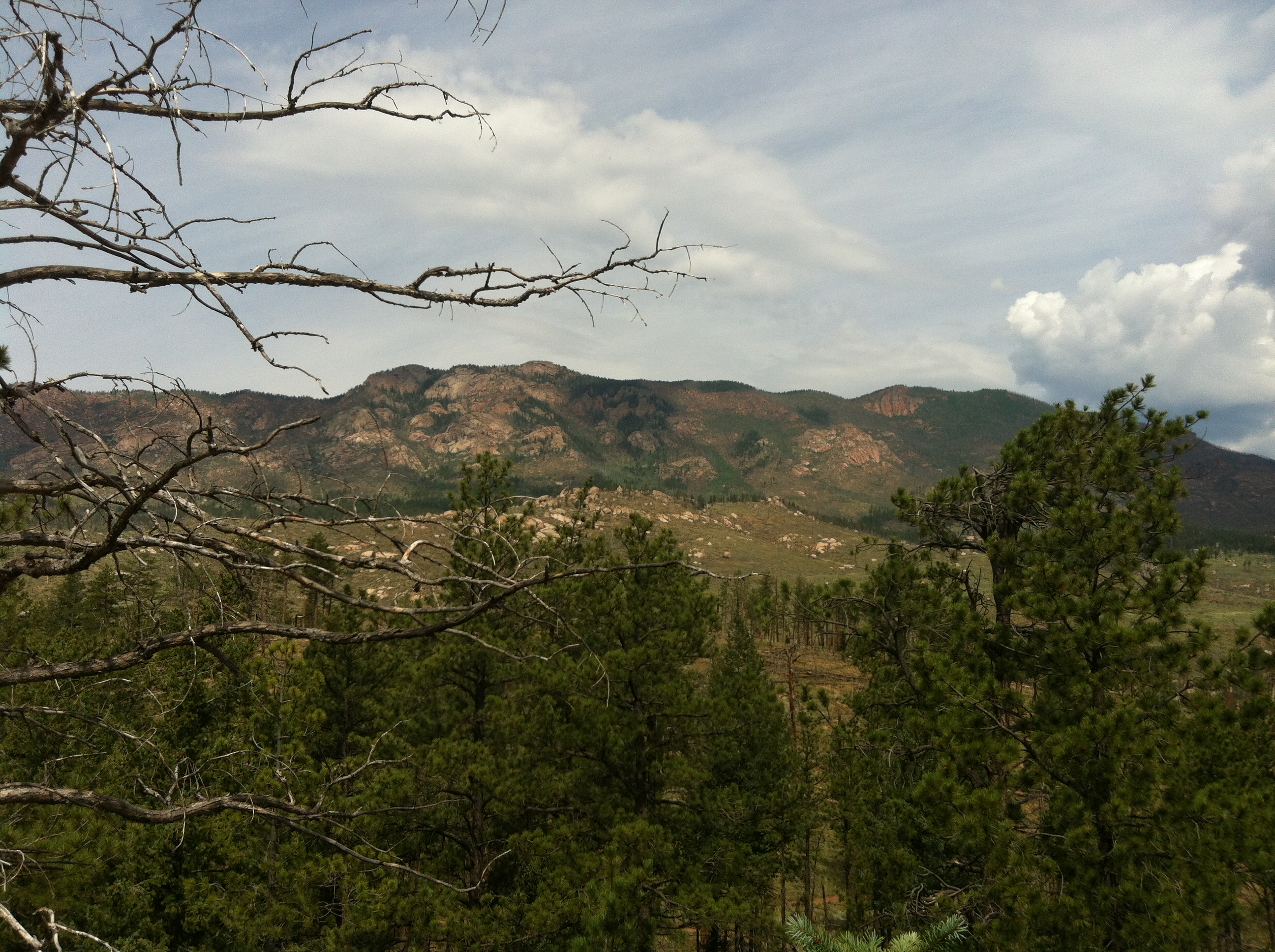
The view from the cave.

Then it was just a matter of finding the right cave to shoot the scene in. I remembered a really neat cave, or rather a covering caused by number of large volcanic rocks being thrown atop each other millions of years ago, that would fit the bill. In May I received permission from Lost Valley Ranch to shoot the scene on their property, and then it was just a matter of waiting a few months, a good deal of which was spent in London, for the last weekend in July when we’d head west back to the Ranch.

The morning of 27 July came quite early, 5.15 MDT in fact, as we were scheduled to leave for the rendez-vous point with Brisson and his friend Jenna, who would be operating the camera, a McDonald’s just off of CO-470. I briefed the group on what we’d be doing, and how to get to the Ranch, before setting off towards the US-285 pass into the mountains southwest of Denver.

We stopped off once on the way to the Ranch, at Pine Junction, as Jacob, who’s family owned the car we took, was too tired to drive. I took on the last 20 miles along Jefferson County Road 126, going a bit too far and passing the entrance to the shelf road that led to the Ranch. As a result, I had to make a 5 point turn on the edge of a rather high cliff, but all went well otherwise on the way down. The last 9 miles of the road are not paved, and are in much the same condition as they had been a century ago, just 50 years after the valleys around what is now the Cheeseman Reservoir had been settled by the Americans. The first two or three miles are a shelf road, that isn’t much wider than a lane and a half, thus making it quite fun to drive down when there’s traffic coming the Imageother way. Luckily for me, we met no other people for that portion of the road, and it was only once we were crossing the less perilous parts of the road that we did pass the three cars, a cow, and its calf, that made up traffic that morning. At long last after about 30 minutes we passed over the cattle guard and went down the last hill into Lost Valley.

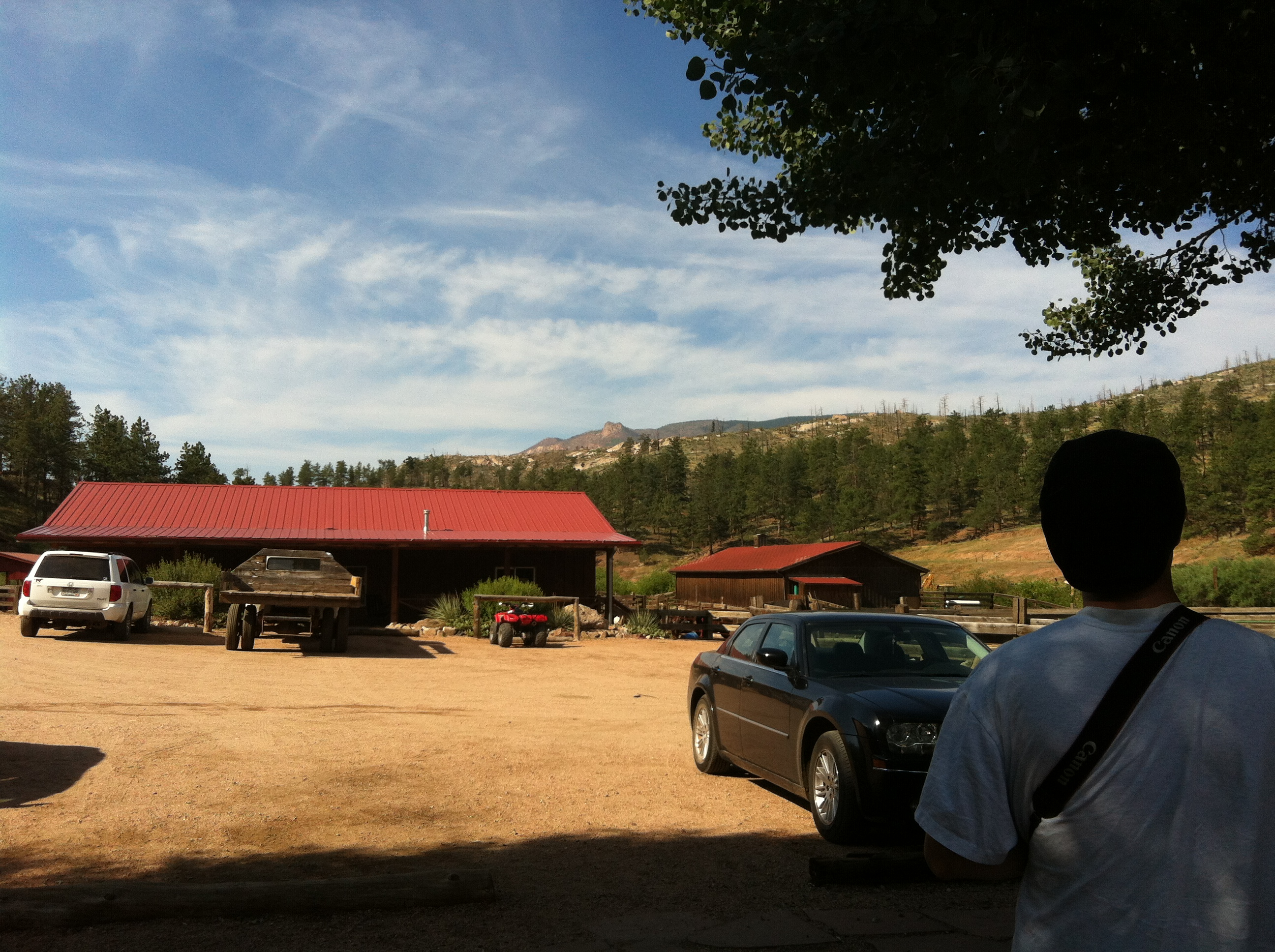
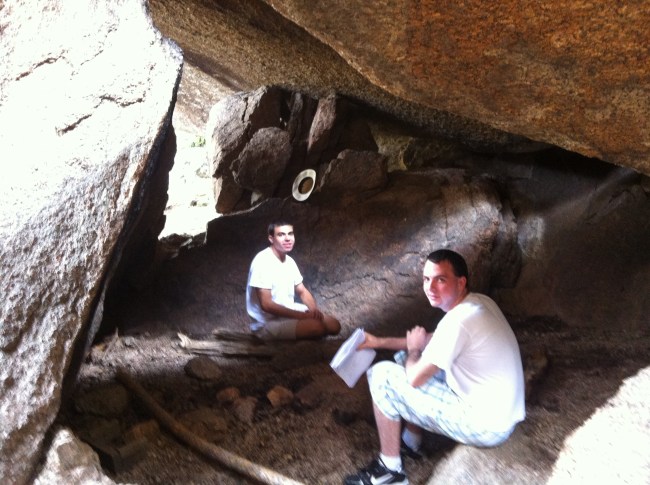
The place hadn’t changed all that much since I was last there at Halloween 2006. Even the damage to the forest from the Hayman Fire of 2002 was still quite visible, and sadly will be for many years to come. We were greeted by Caroline Guth, an employee of Lost Valley Ranch, and our contact with the Ranch staff. She and one of the maintenance Imageguys, Jeff by name, led us up to the two caves on the northern end of their property. The first one, which was much harder to get to, wasn’t the one that I remembered. We crossed another couple slopes, the two Ranch workers far in the lead, Jacob, Mikey, and Mitch close behind, and I far behind due to exhaustion from the sudden climb in altitude (we walked up a good 1000 feet in 10 minutes). After a bit, we made it to the second cave, which was the one I remembered, and which we used. Mikey, Mitch, and I waited at the cave, whilst Jacob, Jeff, and Caroline went back down to the Ranch to collect the gear and wait for Brisson and Jenna to arrive. It took me a good 15 minutes of lying Imageagainst a slanted cave wall to recover, and another 45 minutes for the rest of the group to return.
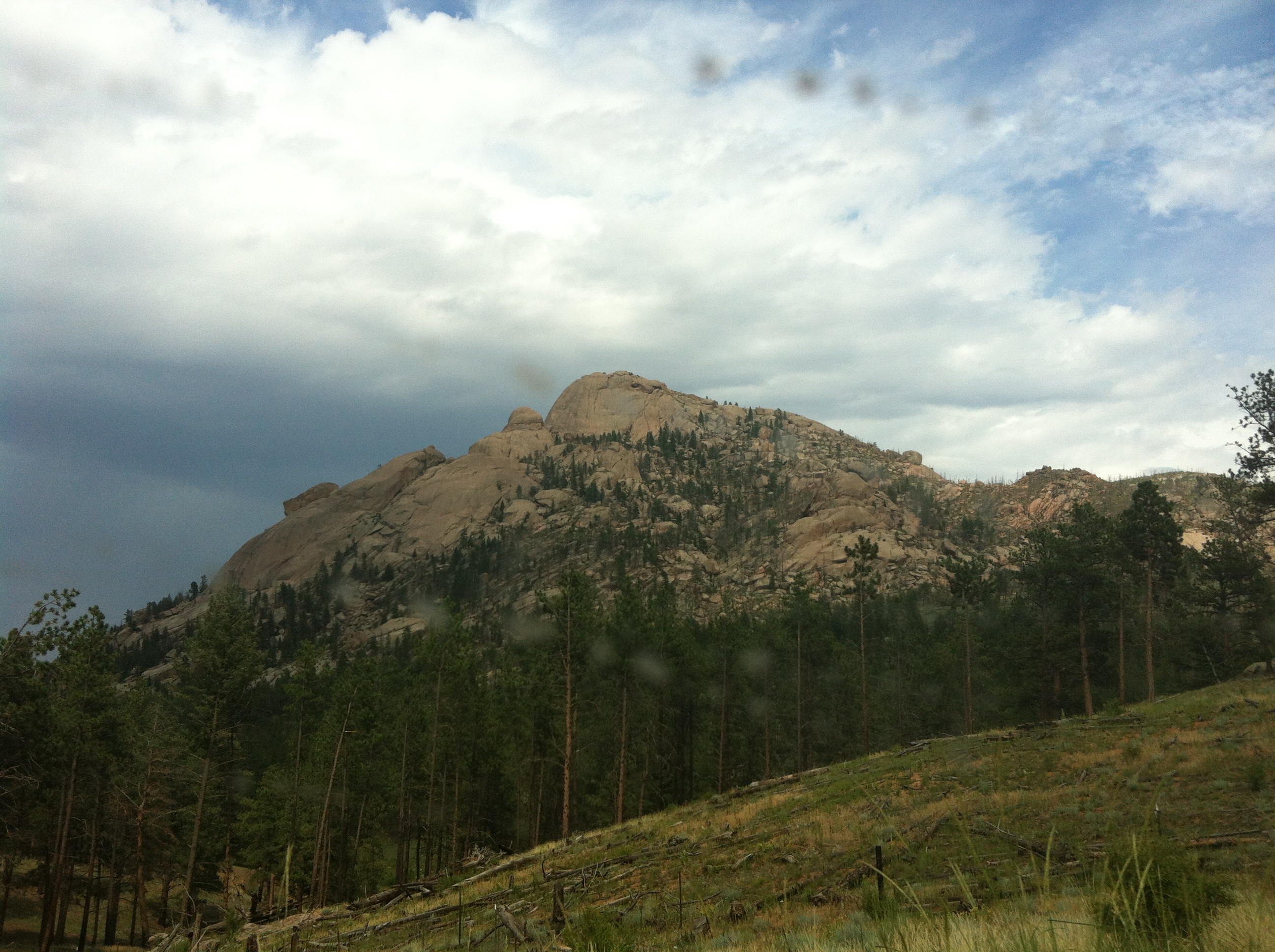
Of all the places that I have filmed at, I must say that this is the first one that was so remote, and so high up. Not only was the cave a good mile walk to the nearest settlement, but 8,000 feet above sea level. I made sure I only had to go up it once and down it once. We shot everything we needed of the cave interior within about 3 hours, despite the constant trouble of the camera running out of batteries. After that, I sent Jacob and Mitch back to the Ranch to rest, and Mikey, Brisson, Jenna, and I remained up at the cave shooting the exterior shots. After about an hour, we finished those first few ones, and descended, Sheep Rock, the mountain on whose slopes the cave in question is located, and made our way back to the Ranch for lunch.

Image

A preview of the “Cave Scene”. From left to right, Erotomos (Mikey Mullen), Tuphlos (Mitch Hecht), and Phobas (Jacob Thomas). Camera operated by Jenna Gold.

After lunching on delicious sandwiches made by our very own Jacob Thomas, we headed towards the southern end of the Ranch to shoot the last few outdoor shots for Plato: The Cave. This was certainly more accessible, as we stayed fairly close to the main road that runs down the valley, making it easier for Jacob to drive back and forth to the Ranch lodge to charge and collect camera batteries. We shot some exciting scenes in the meadows, along Goose Creek, and on the slopes of another mountain south of Sheep Rock, thus finishing the work we had set out for.

Sheep Rock

Sheep Rock, the mountain on whose slopes we shot “the Cave”.

I really did feel like I was going back in time in a way, not only because Lost Valley Ranch is 20 miles from any mobile phone signal or 3G, but because the place simply hasn’t changed since the summer weeks that I spent there in the late 90s and early 2000s. On the drive back out, I kept looking back at Sheep Rock, thinking about the past, and wondering if the future holds any further visits to Lost Valley.

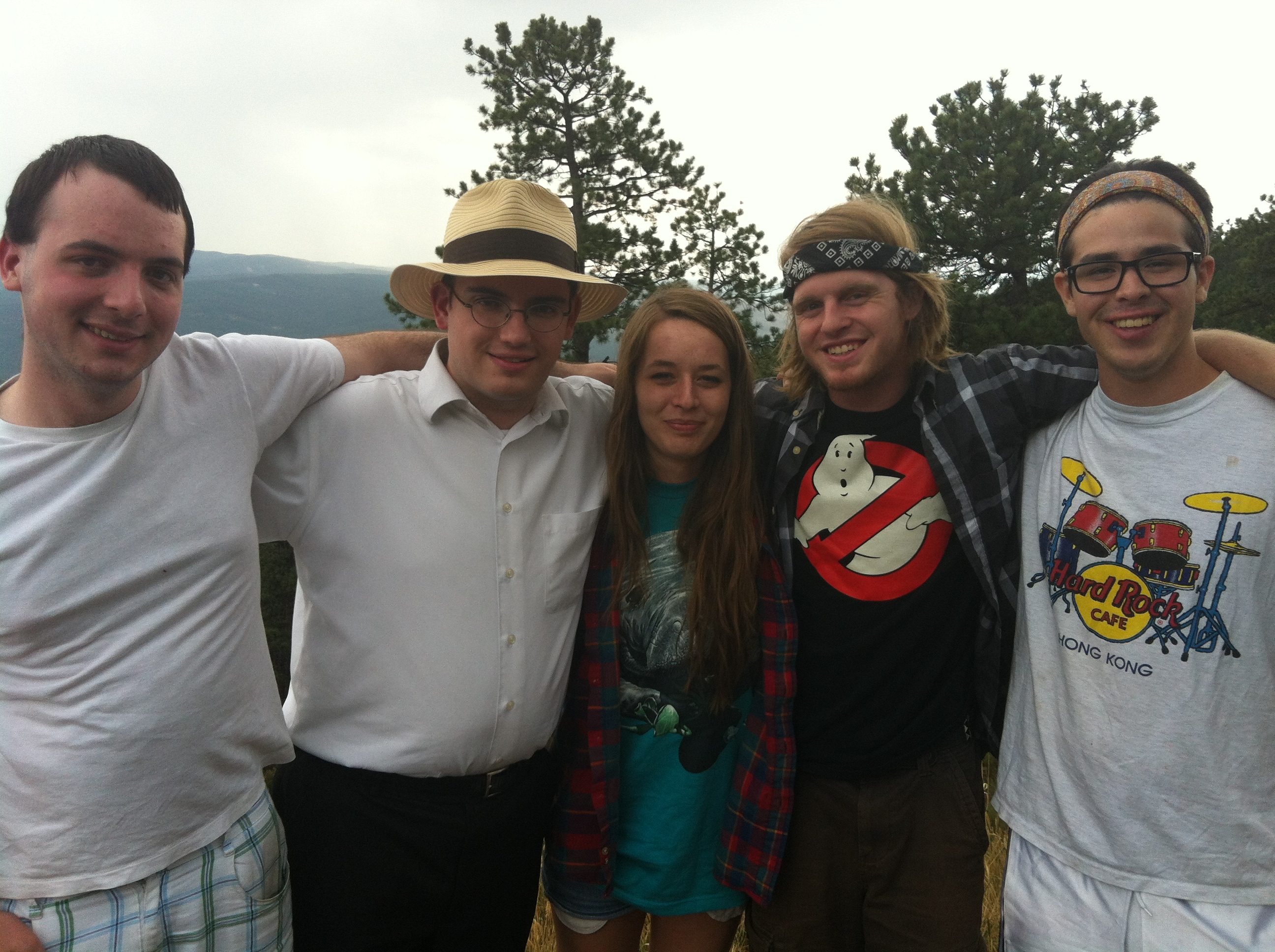
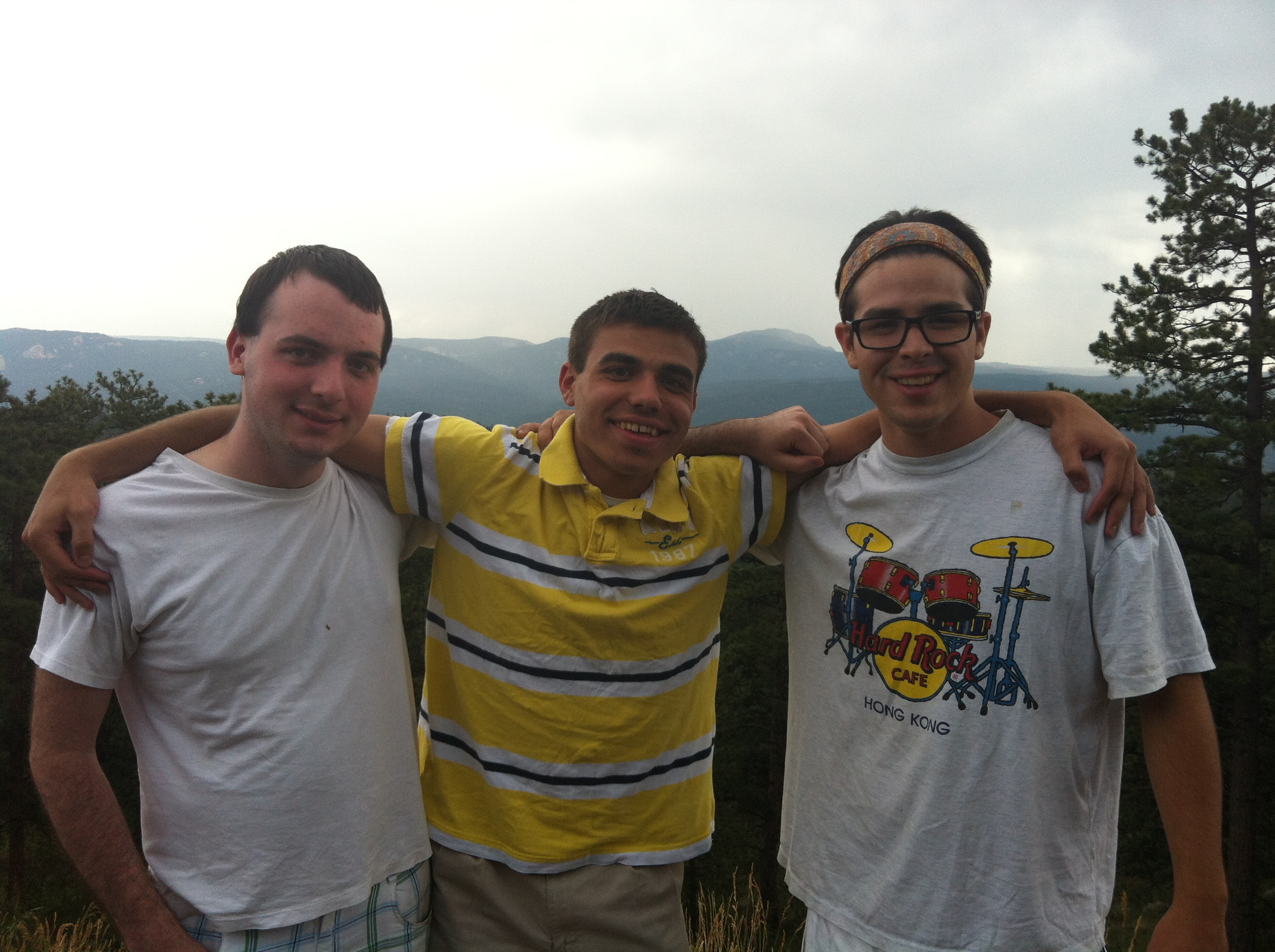
We had a bit of a celebratory stop at an overlook on US-285 north of Pine Junction, where we got some cast & crew photos, and chatted about what to do that evening. In the end Jacob went to hang out at Brisson’s, and I went with Mikey and Mitch back to our hosts, the family of one of my Rockhurst housemates Frank Kane, house for dinner and an early bed.

L-R: Mitch Hecht, Mikey Mullen, Jacob Thomas

L-R: Mitch Hecht, Mikey Mullen, Jacob Thomas

L-R: Mitch Hecht (Sound Editor), Seán Kane (Director), Jenna Gold (Dir. of Photography), Alex Brisson (Assistant Director), & Jacob Thomas (Visual Editor).

L-R: Mitch Hecht (Sound Editor), Seán Kane (Director), Jenna Gold (Dir. of Photography), Alex Brisson (Assistant Director), & Jacob Thomas (Visual Editor).

Not only was this an opportunity for me to go back to the places that I frequented as a child, but it was a chance to make cinematic history. Never before, from what I’ve read, has a live action film been made of Plato’s Allegory of the Cave. Not only have we made it, but I’d say we’ve done a very good job of it. So, keep your eyes out for some behind the scenes footage that I shot during filming, which should be up on YouTube this week, and for the release of the film itself in October.


Amendments to “Shifting gears”

Image

Kansas City – Yesterday I posted an article on my upcoming film Plato: The Cave. I said in the article that “the dialogue is in Ancient Greek.” This had been the plan, however that plan has changed for a number of reasons.

Firstly, I have decided that the dialogue should be in English because of the intended audience. Considering that I’m looking at making this film for use by university philosophy departments rather than classics departments, it makes more sense to have the film available with English rather than Ancient Greek dialogue. Secondly, after publishing the aforementioned article, I figured out how to add subtitles to my films on YouTube. Therefore, I will be keeping the Ancient Greek dialogue, but it will appear as an option for subtitles on YouTube. The English dialogue that will be spoken is greatly influenced by the Ancient Greek. When I originally wrote the screenplay, I wrote the dialogue in Ancient Greek, using a Greek mentality rather than my native Anglophonic/Hiberniophonic one. In this way, the English dialogue, though in English, is a translation of what the Greek said and meant.

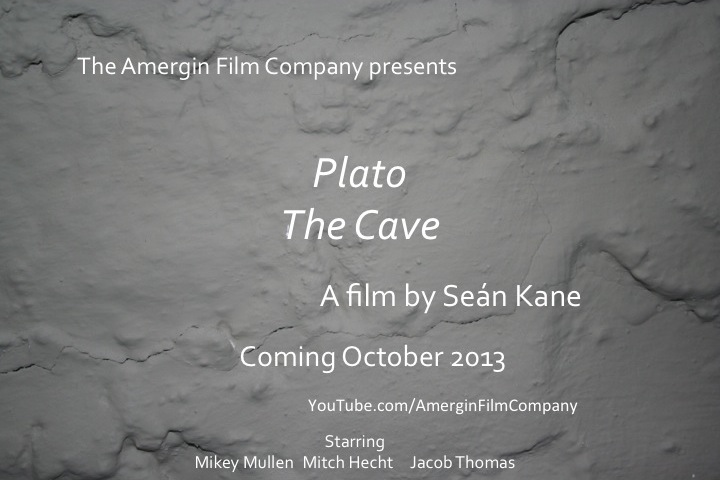
Plato: The Cave is set to begin filming on 29 July in Pike National Forest in Colorado, and will be released in October on the AFC YouTube Channel. For more information on the film, and to stay in touch with the process of its making, do subscribe to this blog, or like the AFC Facebook page. Tá.

Shifting gears


Image

Kansas City – With the London 2013 trip behind me, it’s time to start looking at the next big adventure. This time instead of travelling hours and hours to the east, I’ll be heading west, though not quite in the manner that Horace Greely intended. Next weekend I’ll be heading with a small cast of 3 friends out to Lost Valley Ranch, which is located in Pike National Forest in Colorado between Denver and Colorado Springs, to shoot a film.Image

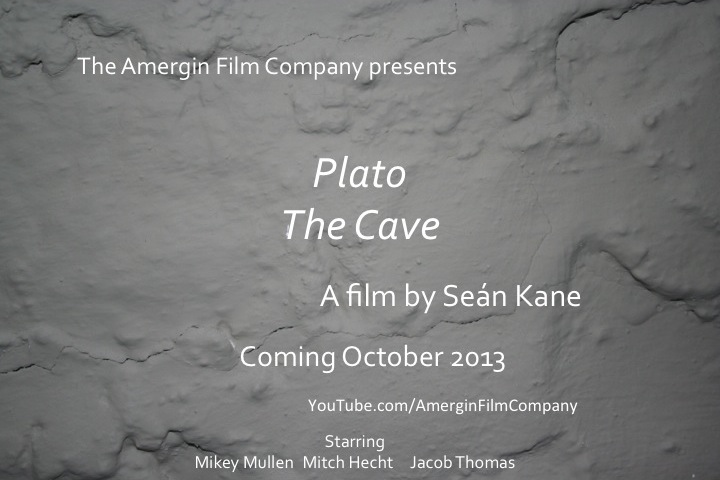
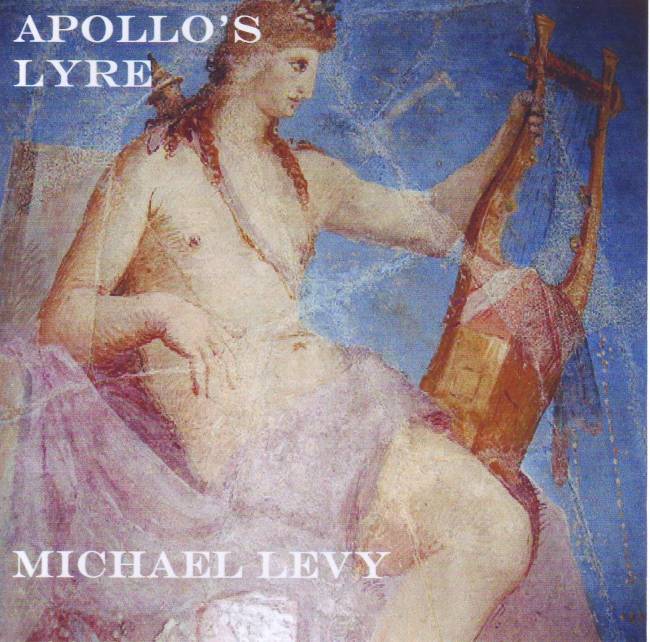
This isn’t just any old film, mind you, rather it’s a rather odd sort of film. Firstly it’s a film about philosophy, and secondly the dialogue is in Ancient Greek. This is nothing less than my current project, Plato: The Cave (Platón: An tUaimh), which will be the first, as far as I know, live action retelling of Plato’s Allegory of the Cave from The Republic. This production features a small cast of three, a large budget in comparison to my prior $50 features, and exquisite music performed by Ancient Lyre player Michael Levy.

Image

I first heard Michael’s music in 2010 on YouTube, when searching for a soundtrack for my first decently made film Athenodorus et Simulacrum. Keeping in mind his work, I made contact in April, when I was in the early stages of planning for The Cave. I met with Michael in Cardiff during my trip over there a few Fridays ago, where we agreed on a particular song of his and a price for it.

It should be noted that The Cave will be almost nothing like my last two films, The Artist’s Vision and The WidowThis new one will actually have dialogue, provided by good sound equipment, which I have been lacking in in the past. There will also be less reliance on music, I’m aiming to have only the one aforementioned track in the entire film. This film will be much more based upon the action on the screen and less so on the subconscious happenings surrounding said action. This is mostly because The Cave is meant to be an educational film, something that will tell the story that Plato told all those thousands of years ago in a less impressionist manner.

So, for now it’s a brief note about what is going on, and what is to come. The next couple weeks will be filled with planning for The Cave, and making a good slideshow of all the best memories from the Study Abroad trip, as required by Rockhurst’s Study Abroad Office, which I rather like the idea of, a fun assignment. Tá for now!