This week, how the greatest wisdom is simple in nature.—Click here to support the Wednesday Blog: https://www.patreon.com/sthosdkane—Sources:Photo by Elizabeth Duke.[1] Nikos Kazantzakis, Zorba the Greek: The Saint’s Life of Alexis Zorba, trans. Peter Bien, (Simon and Schuster, 1946, 2014), 81.[2] “Elephant Tails,” Wednesday Blog 5.24.[3] “Asking the Computer,” Wednesday Blog 5.26.[4] “On Political Violence,” Wednesday Blog 5.17.
This week, how the greatest wisdom is simple in nature.
Over the last several weeks I’ve written about forms of knowledge and knowledge collecting. Knowledge is easier to identify, as it is empirical in its core. Yet on a scale even beyond knowledge lies wisdom, the cumulative sum of humanity’s understanding of the underlying character of human nature. It’s very easy for me to get bogged down in words, words, words and tie myself in knots which I find nigh unbreakable and even more undecipherable. Yet amid all those layers of paint there are often gems which merely need good editing to illuminate. This is what fills my days today, a big edit which I hope will signal the beginning of the end of my years of doctoral study.
In these years, while I’ve devoted my days to reading histories of the Renaissance intersections between the Americas and France, I’ve made a point of reading for fun all the same. I need to read things not related to my research for the escape they provide. At times these fun readings have been more thoroughly connected to my research, as in my recent choice of Jason Roberts’s Every Living Thing, yet in Binghamton I spent many happy evening hours reading Star Trek anthologies and novels while returning to my vocation each day. Of the stories that I’m drawn to, I enjoy reading books and watching films with characters that embody a certain lived experience that begats wisdom. Recently, this desire for such a character led me to read Peter Bien’s new translation of Nikos Kazantzakis’s Zorba the Greek: The Saint’s Life of Alexis Zorba. This is phronesis. Zorba’s wisdom is one that’s been gathered over the sixty years of his life and funneled toward living a good life as he sees fit. His is a simple wisdom which recognizes the physical limitations of the body in opposition to the limitless potential of the soul. I loved the first dance scene in Zorba the Greek in which the old miner erupted upward from his dinner and began to leap about. Kazantzakis describes it as though his soul could not be contained by his body and that it was that spiritual essence which spoke so fervently and wordlessly of its own joy. Kazantzakis can make even the simplest of scenes appear elegant and luminous. His description of the passage of time on the Mediterranean reaching up from Africa to the southern shore of Crete is one of my favorites. Here, I quote from Bien’s translation with the affection that beautiful prose deserves:
“The immense sea reached African shores. Every so often a warm southwest wind blew from distant red-hot deserts. In the morning the sea smelled like watermelons; at midday it vented haze, surged upward discharging miniature unripe breasts; in the evening, rose pink, wine red, eggplant mauve, dark blue, it kept continuously sighing.”[1]
The wisdom inherent in Kazantzakis’s prose lies in his ability to evoke the variable texture of nature, the changing face of it with the passage of the day. I remember once in Binghamton I have the idea to take a selfie once an hour throughout the day to see how my face, hair, stubble, and what not changed as the hours passed. I know for instance that if I want to have a lower register in my recordings of this Wednesday Blog that I need to record first thing in the morning when my tenor is closer to a baritone. This week, owing to a general sense of exhaustion, I haven’t gotten around to writing this essay until nearly 90 minutes before when the podcast normally publishes. Rather than force myself to write something earlier in the day I waited and gave myself the time to think of something good.
Wisdom is knowing that worrying won’t get you anywhere; it lies in the peace of mind and heart that keeps us happy and healthy. This evening, while I was having dinner with one of my best friends and his wife and young son, I brought up my particular conundrum of the day. Jokingly, the suggestion that I write about simplicity was made. I shrugged, thinking of William of Ockham, one of Bill Nye’s favorite history of science examples to use, and decided to run with it. After all, often the wisest people that I’ve met are the ones who embrace the simplicity of living a life embracing their own nature. The wise know that they are going to grow old and die and don’t worry about it. I find myself thinking of this as I watch without much resource as my hair recedes. I’ve joked that my particularly follicly impaired genes may require an eventual investment in a variety of hairpieces for different degrees of formality. I’ve grown in my own comfort with taking care of myself, applying sunscreen before going out on walks around the neighborhood now to mitigate the inevitable that comes from having largely Irish genes and living in the far sunnier Midwestern climate than my ancestors’ rain soaked home soil in Mayo. In his Saint’s Life, Alexis Zorba often doesn’t worry about these things and expresses frustration and even anger when the narrator, his boss, frets about the things he cannot control. I’m better at this than I have been, which is reassuring in some ways of looking at things, yet I still have room to grow.
Wisdom is trusting the people around you to do what they feel is best. If the simplest solution is often the best, then why aim to make things overly complex? Complexity requires forethought, or sometimes is the result of a lack of forethought. Last summer I delighted in writing several essays for the Wednesday Blog attempting to adapt chaos theory to explain human behavior.[2] We need both complexity and simplicity to understand ourselves and the world in which we live. Think about it: we cannot narrow things down to binary options. More often, the binary is one of a series of binaries which together form a logical thought or series. I marvel at the fact that computers most fundamentally work in the binary language of 1s and 0s, and that in this manner language and thought are boiled down to so rudimentary an interpretation. It’s for this reason that while I’m concerned by the rise and development of artificial intelligence and its misuse, I feel a sense of assurance that it is still limited by its basic functions and limited by the abilities of its artifice.[3] The human brain is a wonderous and ever complicated organ which evolved to fulfill its own very particular needs. On the simplest level the brain thinks, it sends directions to the rest of the body to keep the body operating. In a theological framework, I’ve argued that the brain may be the seat of the soul, the consciousness that is at the core of our thought. My earliest memory that I’ve written about here was the first time I recognized that particular voice of my own consciousness, which occurred sometime when I was 3 years old.[4]
Wisdom is intangible, it’s something that you have to learn to recognize. This is perhaps the most complex tenant that represents something simple. In order to truly become wise, one must understand that wisdom isn’t something you can buy off the shelf or write your way into. For all the words which Zorba’s boss writes, allowing them to consume him, he remains feeling unfulfilled in life. It’s why the narrator of the novel struck out from his books and sought to live among ordinary people, buying a stake in a lignite mine on the southern shore of Crete. On his way there in the Piraeus he met Zorba, the man who within a few pages became his foreman and the one who’d realize his idea of finding wisdom in the living world. The simplest explanations are often best. Zorba lives to enjoy the life he has, and when things go wrong––as they often do––he finds something to build upon and start over again.
A couple of months from now I’m going to be contributing my own experiences to a tacit knowledge panel at the History of Science Society’s conference in New Orleans about how I’ve been able to maintain a full research load and writing all year round with hardly any funding at all. I recognize that the circumstances of these past few years have been marked by my own poor decisions and mistakes that I’ve made along the way. Yet in spite of those, and bad luck in many respects, I’ve been able to continue with my work and to produce historical studies that are beginning to make a decent contribution to the history of science in the Renaissance and specifically to the history of animals in that same period. I’m looking forward to that panel, and to the two papers I’m presenting during the same weekend. Maybe, like Zorba, when things feel like they are about to go well I’ll feel the need to rise to my feet and leap into the air as though my soul were attempting to escape from my body. Simply put, for all the trouble that life has brought, joy is overpowering when pure.
This week, how our relationship with the natural world reflects on our relationships with each other.—Click here to support the Wednesday Blog: https://www.patreon.com/sthosdkanePhoto by Hariprasad Ashwene, 2024.
This week, how our relationship with the natural world reflects on our relationships with each other.
A line in the Book of Genesis that comes into play in my dissertation is in the very first chapter of that first book of the Bible in the first Creation story in which God made humanity “after our likeness” and gave us “dominion over the fish of the sea, the birds of the air, the tame animals, all the wild animals, and all the creatures that crawl on the earth.” In the context of my research this divine proclamation of human dominion over the rest of Nature in Verse 26 was used to justify the conquest and colonization of the Americas by Europeans beginning in the last decade of the fifteenth century. Here these newcomers from across the sea found worlds that to them seemed less touched by human hands. Brazil in particular stood out for André Thevet, the man at the heart of my dissertation, because its great forests seemed unaltered by its human inhabitants. The Tupinambá had in fact been living and using the great Atlantic Forest for generations, yet to Thevet coming from a France covered by cities, towns, villages, and a countryside that’d been farmed and ploughed for thousands of years he beheld something that to him seemed primeval in this world on the far side of the Atlantic.
I grew up hearing the adage that before settlement of the Midwestern states in the Early Republic and Antebellum decades that a squirrel could travel from the Atlantic coast to the Mississippi River leaping from tree to tree without ever setting foot on the ground, and that these great forests were ancient and unspoiled by human hands. I now know that while there once were great forests in the old Northwest Territory, the Great Lakes states where I was born, those forests seemed far deeper and darker to the European explorers and colonists of the 17th and 18th centuries because the diseases which their predecessors introduced on North America’s coasts in the 16th century. Those pandemics killed vast potions of this continent’s indigenous populations such that by the Revolution the old indigenous forestry efforts of controlled burns were fewer and farther between.
I was born in the western suburbs of Chicago, a city which is famous for its engineering triumphs that shaped the natural world on which it was built. Chicago stands on the borderland between the Eastern Woodlands and the Prairies. Generations of engineers and innovators created an environment suitable for the building of one of the greatest metropolises in all of human history. I remember as a child listening with a sense of awe and pride to my Dad’s retelling of the story of how engineers reversed the flow of the Chicago River at the turn of the last century to keep Lake Michigan, the city’s drinking water source, clean from all the pollution in the river. The western suburbs where I grew up were largely built as bedroom communities for downtown commuters. Our home was 26 miles west of the Loop, which in a preindustrial context would’ve take a pedestrian nearly 9 hours to travel. Wheaton, my hometown, became accessible from the city thanks to the railroad, in this case the Union Pacific which as of time of writing continues to operate trains for Metra through Wheaton’s two commuter stations into the Ogilvie Transportation Center, or Northwestern Station as I knew it. On the Metra you can today get from Wheaton to the Loop in 45 to 50 minutes, making it a viable commute for many. This sprawl is possible because of industry and the ways in which we’ve grown in our civilization with this mentality that we have dominion over nature and ought to use it and change it to our needs.
An even more radical transformation of nature can be found in my adopted home city of Kansas City, a metropolis of 2.2 million built around the confluence of the Kansas and Missouri Rivers about 400 miles southwest of Chicago as the crow flies. The land here is a mix of old glacial hills and prairie, yet unlike in Chicago where the city and suburbs were built from the old forests which survive as preserves in various pockets, in this drier region trees normally only grow in those few places where rivers, creeks, and streams flow. Kansas City is on the easternmost edge of the arid western half of North America, and so this region’s original state could not support the same kind of verdant canopy nor the large population which it does today. Brookside is a beautiful place; I love my neighborhood in particular for all the old trees which line our streets. The oldest of those trees were planted by developers working for J.C. Nichols between 1906 and 1950 when he built the Country Club District, of which Brookside is one part. The Kansas City Public Library’s history collections contain photographs of my neighborhood when it was just being built in the 1920s and while I recognize the contours of the hills, I find the lack of tree canopy to be somewhat alien to my recollection.
In developing neighborhoods like Brookside, our ancestors sought to create lived realities which fit what they knew in the Northeast, where too as William Cronon so expertly wrote in Changes in the Land, the landscape there was transformed by the first generations of colonists to resemble something of England, the Netherlands, and France depending on whether the colonists were in New England, the Hudson Valley, or along the St. Lawrence River. I find something reassuring and communal in seeing similar neighborhoods to my own in cities across this continent, from Atlantic to Pacific; this tells me that there are others whose lives might be something like mine, and that I’m not as alone as I often feel. It’s the same reason in fact why I like watching Jeopardy! or the national evening news broadcasts, because I know millions of others are also watching these programs, and maybe even a few people I know & love are among them.
What I hope I’m getting at here is a sense that I have that we’ve built up our world and transformed the nature of the worlds ours replaced in order to better fit some sense of normalcy which has been brought further and further toward the fringe of our world from some idealized source. I for one am drawn to the sense that this source is English, owing to the prevalence of English names in so many of these neighborhoods whether drawn in the Midwestern case from New England, the Mid-Atlantic states, or the Old South, or in each of those cases from England itself. Yet with that embrace of a nostalgia for an idyll that may never have fully existed, of the idealized American town whose cultural roots fall in the idealized English market town, do we also carry on the sense of ownership over nature? This dominion after all caused English forests to be so depleted in the early modern period that wood began to be imported from New England and Canada for the building of ships for commerce and war alike.
I’ve grown used to expecting a less than favorable reception from other people. I’m ready to flinch and to put up my defenses whenever necessary. I suppose this is a learned hesitation; I’ve met a lot of people throughout the years who were interested in me only for their own benefit. Recently I loaned out a pen to a friend and immediately reawakened a 20 year old memory of doing the same thing in middle school only for the classmate to declare that pen was theirs now and not mine, leaving me to write the rest of the day with an old stubby pencil that was barely longer than my thumb and forefinger are wide. Last week, I wrote about how traffic even in Kansas City seems to have gotten worse, and the behavior of drivers across the board more aggressive since the recent pandemic. Unlike my Dad who learned to drive in Chicago, I never use my car’s horn out of a general knowledge that in this country other drivers are likely to have guns, and I’d rather my frustration at their conduct remain unannounced to them in the name of self-preservation.
The great trial of the present moment seems to me to be one of ordinary people like you or me just trying to survive amid a deluge of unnecessary troubles brought on by the greed of a few. I believe that before profits or efficiency that empathy must always come first in all our deliberations. I hope for the best intentions in all people whom I meet, and in many cases I see the good in their eyes and posture and in the way they interact with our world. Do we allow for the flood to persist because we are so jaded to the naïve hope that love could actually be the most powerful emotion? I know that love is more potent than greed, and that in the end it’s flame will always burn brighter than one fueled by fear. Yet love requires patience, as St. Paul wrote, and patience is not something which industry can well afford to have.Should we then look for other ways of living? If we are to begin anywhere, it’s to remember that we are natural beings ourselves, yes made in God’s image, yet evolved out of the same natural materials that begat all other life on Earth. I don’t know where the Divine comes into play in any of this, you can read my recent blog post on that topic for more. In fact, I see myself as much a hopeful skeptic as a believer. What I do know is what I’ve experienced, and that is that there is no more powerful emotion than love which burns so bright as to blind the mind and senses to any other voice. I for one love the aspiration and mission of studying how the innate and fundamental in nature was understood in our historic past, and I hope to continue learning more about this. Yet I feel the weight of our world on my shoulders, and like many others who feel isolated from the higher pursuit of wisdom in all its philosophical pulcherity, today I’m just trying to keep that love which I feel burning bright while I also do what I can to survive in this world we’ve built. It is our dominion, which is a triumph to our humanity, yet its roots are still in nature and nature will outlive anything we build.
This week, looking ahead to the next 25 years here are three things that I hope we see become ordinary things by 2050.
—
Click here to support the Wednesday Blog: https://wwww.patreon.com/sthosdkane
This week, looking ahead to the next 25 years here are three things that I hope we see become ordinary things by 2050.
Last week I started the New Year off in this publication with a reflection on the technologies that I remember looking forward to in the first quarter of the twenty-first century. Today then, I want to look ahead to the next quarter, to the years leading up to 2050. On New Year’s Day of that year, I will be 57 years old, well into my career with hopefully a good wind in my sails from successes and contributions to society in the decades previously built upon the work that I am doing now. Perhaps by then I will watch the New Year’s ball drop in Times Square with my wife and children to be, though that’s one dream that remains more elusive to imagine than any professional triumph. 2050 feels like a strange milestone to me, in part because 1950 feels far more tangible to me growing up surrounded by people who were beginning their own lives in that middle decade of the twentieth century. Yet as much as I feel a bond to the century of my birth, my own legacy will likely be numbered among the figures of the current century rather than the last.
Our century has tremendous potential to be one of the most consequential in the long history of humanity. We’ve already seen dramatic changes in the first 25 years which have defined the break in our current moment from the century we left at the millennium from new wars and economic recessions to the COVID-19 pandemic and dramatic advances in technology and global interconnectedness. A significant cause for discomfort in this century is the rift between those who see globalization as a threat to individual, local, regional, and national identity and the increasing interconnectedness of our world. At the beginning of this century the easiest and most affordable way for us in the United States to be in touch with relatives in Britain and Ireland was by letter, whether handwritten or typed, and sent by air mail to arrive within the next two weeks at its destination. We could place international phone calls, I remember doing this in early 2001 when my Mom was in London on a business trip, but those were far more expensive. The expense of international calling over regular phone networks remains an annoyance, yet today we have other options of placing voice and video calls over the internet that have existed since near the beginning of the century which fill this role.
The increasing ease of global communication is one clear sign of the advances of this century that I applaud. Just before writing this, I spent a delightful hour watching a live public lecture from the Linnean Society of London over Zoom in which I was able to pose a question in the Q&A box that was read by the moderator at her desk nearly 7,000 km across the Atlantic and answered soon after by the speaker. Throughout my undergraduate I often heard the maxim that I should earn my doctorate in the country in which I wish to teach, yet the little islands of national academies that we’ve built in the last two centuries are fast growing into each other’s back gardens to the extent that in my experience there isn’t so much an American and a Canadian academy but a North American academy which also has close links with the republics of letters in Britain, Ireland, and across Europe with more disparate connections in East Asia, Australia, and New Zealand or even South Africa. I’ve yet to present at any conferences on the far side of the Pacific though I have attended conferences held at the Universities of Auckland and Sydney over Zoom that were held the following day, or thanks to the disparity of time zones late in the evening here in North America.
The lecture in question
Yet again, these are technologies which already exist and even if they have room for improvement, they fit better into that first of these two entries about the technological innovations of the twenty-first century that I am most excited by. This week then, I intend to discuss three technologies which I hope will see fruition in the next 25 years that would have a noticeable influence on all our lives for the better. All three of these technologies are already being developed, and in some cases merely need implementation here on this continent as they already are elsewhere. We seem to be in a moment of reaction when the parking brake is firmly grasped in the hands of those who fear any further forward motion on the part of our society whether for their own portended loss of power or their general fear of the unknown. Both are understandable, yet as Indiana Jones learned in his last great challenge in The Last Crusade there comes a point in life where each of us needs to take a leap of faith and trust in ourselves and our future.
The first of these three technologies which I’ve read a great deal about in the last several years and which is proven in a laboratory setting is the use of nuclear fusion to create a new source of energy and ideally power to keep our lights on. One great worry I have among many others about the incoming administration which will take office next week in this country is that they will slow or even stop the construction of new renewable energy facilities: solar and wind farms in particular without any significant scientific foundation for that decision. We ought to be developing ways that solar panels can be integrated into the shingles and tiles atop our roofs so that they aren’t an extra addition to any edifice. Likewise, wind farms in places like the deserts, the Great Plains, and off our coasts (ideally still out of sight of the beachgoers) where the wind is strongest and most usable would help to eliminate our use of fossil fuels including natural gas and coal which are still in use in parts of this country.
A drawing of the ITER Tokamak and integrated plant systems now under construction in France. CC by 2.0 Oak Ridge National Laboratory.
The prospect of nuclear fusion to be downsized from its current necessary laboratory dimensions to something that can be implemented on a local level in cities and towns around the globe is what I look forward to most. The effects of human influenced climate change are well and visible around us. Look no further than the extreme shifts in weather year round, or the prolonged droughts across much of this continent. Look at the winter wildfires that burned around Boulder, Colorado and west of Kansas City in Central and Western Kansas in December 2021. Look at the wildfires burning down neighborhoods in the Los Angeles area today! We need renewable and clean energy sources that will continue to power our civilization if we’re going to survive in this brave new world that we’ve created for ourselves. We’ve already reached the threshold of a 1.5ºC increase in mean global temperatures, and we only seem to be letting things get worse. I’m reminded of the beginning of the story of the Flood in Genesis and how “the wickedness of human beings was on the earth” and “[corrupted] the earth” itself. Are we not doing the same thing by not wedding our continued innovation and progress with a heart for preserving the Earth that has nurtured us to which we too contribute? If we can develop technologies from our own invention which will cultivate a stronger relationship with the rest of nature on this planet in whose cradle we evolved as every other living thing we today know did then what are we doing?
Secondly, one of my great passions outside of academia is the promotion of high speed rail here in the United States. The YouTuber Alan Fisher recently released a video which spells out the utility of high speed rail as a realized technology in contrast to the fantasized options like the Hyperloop that caught our national attention several years ago and even resulted in a thorough study by the State of Missouri to build a hyperloop line between Kansas City, Columbia, and St. Louis. I’ve had my fair share of experiences on high speed rail in Europe and having that option alongside air travel would go a long way to building a far more equitable society in this country. Today, unless you choose to drive the 3.5-4 hours it takes to get between Kansas City and St. Louis, you have the choice of 2 daily flights on Southwest, 2 daily trains on the Missouri River Runner, or 8 daily bus services provided by Greyhound and Flix Bus. While the flight itself is quite short, rarely more than 45-50 minutes from takeoff to landing though including travel to & from each airport and waiting time this option grows closer to 4-5 hours in length. Meanwhile, the train takes 5.5-6 hours and the bus usually 4.5 hours to cross the state. With high speed rail we could certainly cut the travel time either along the Missouri River Runner or a new route along the I-70 corridor with one intermediate stop in Columbia for a service that could well be faster and more convenient than driving. The Missouri state high speed rail proposal from the High Speed Rail Alliance, of which I am a member, calls for 10 daily roundtrip services between KC and St. Louis at least making it possible for residents of either city to make day trips to the other, something that is very difficult to do by any option today.
The Eurostar hall at St Pancras International in London. Photo by the author, 2016.
In Kansas we have a more tangible possibility for high speed rail thanks to the work of a YouTuber who goes by the channel name Lucid Stew. He released a video this summer theorizing what a High Plains HSR line between Denver and Kansas City would look like. The total travel time largely following I-70 would take 3.5 hours compared to the 4 hours it takes to fly between the two cities with airport transfer times included. There are currently on average 7 flights per day between these two cities offered by Frontier, Southwest, and United and there is at least 1 daily bus between the two cities. The drive across Kansas is a dull one, the Great Plains really do get to seem flat once you get west of Salina until essentially the Denver Airport exit. I remember falling asleep in the passenger seat on my last drive from Denver back to Kansas City in June 2021 in a trip featured in the Wednesday Blog two-parter “Sneezing Across the West” and dreaming that there was a high speed train running between the two cities that ran frequently enough (a minimum of 10 trips per day each way) that allowed your average Kansas Citian the opportunity to get off work on a Friday afternoon and go spend the weekend in Denver or up in the Rockies with enough time to come back on Sunday evening to make the start of business on Monday. It was one of those dreams that really sat with me, and made me wonder whether it could be possible to build this line in the future? I think the key feature that would make this happen would be if it were the primary transcontinental link between a Midwestern high speed rail network centered around Chicago and the easternmost node in a Western network that included lines reaching as far as the Pacific Ocean. While it’s far less likely that most travelers would take high speed rail from Kansas City to Los Angeles, San Francisco, Portland, Seattle, or Vancouver, we should still think on a continental scale because there could be travelers leaving from Denver who might want to make that trip, putting the High Plains HSR line into the broader North American network.
The Southwest Chief in Kansas City, photo by the author 2023.
I for one would gladly take a high speed train to Chicago over flying or driving. I already enjoy taking the Southwest Chief, though I was lucky the last time I took it that we arrived on time. Our current passenger rail network is hampered by the lack of enforcement of the federal law which says that Amtrak should have the right of way over freight, yet the host freight railroads now run trains so long that it’s much harder to manage Amtrak schedules in the face of mile-long freight trains that take up much more of the space along these lines. This is a problem for both the long distance routes like the Chief, which runs on BNSF tracks between Chicago and Los Angeles, as it is for the state-sponsored routes like the River Runner which runs on the old Missouri Pacific line now owned by Union Pacific. With the same sorts of amenities as the current trains, the option for private compartments (roomettes, rooms, and bedrooms), sleeper capabilities, a fully stocked dining car, and the observation & café car, I’d happily spend a couple hours more traveling by train on a high speed line between Kansas City and Chicago via St. Louis rather than take the more direct, if slower, route on the Chief. It seems more likely that the Missouri River Runner will get the high speed upgrade than the Southwest Chief because it’ll serve more people: the Southwest Chief’s primary metropolitan areas east of the Great Plains are Kansas City and Chicago alone. If we had an express train that ran just between those two cities along the Chief route that could be another good option that’d cut the journey down from 7 to closer to 5 hours.
RideKC’s Streetcar service at Union Station, photo by the author 2016.
All of this would need to be complimented by better public transportation on the regional, metropolitan, and local levels. We will soon see the opening of the southern extension of the Kansas City Streetcar down Main Street from Union Station (23rd Street-ish) to UMKC (51st Street). This will get the Streetcar right to the top of my neighborhood, Brookside, and just within reach that I will probably begin to take it when I’m going downtown for work or a day out. Yet our local transit agency, RideKC, needs to expand bus service south of 51st Street now to feed people onto the extended streetcar line. Currently we have 20 minute frequencies on the Main Street Max line south of the Country Club Plaza (47th Street), which have been the case since the Max line opened in 2005. I for one want to see at least 10 minute frequencies all the way to Waldo (75thStreet) if not even further south to 85th Street or even to the I-435 loop around 103rd Street. This is a problem that needs to be addressed nationwide. I firmly believe that no one in an urban or suburban area should live further than a half a mile from a transit line, whether that be a bus, streetcar, light rail, metro, or regional rail. When I worked at the Nativity Parish School at 119th Street and Mission Road in Leawood, Kansas the closest bus line to the school was the 57 bus stop at the intersection of Minor and Wornall Roads just north of Avila University (Minor Road becomes 119th Street at State Line Road, aka the Kansas-Missouri border). The walk from there to the school is 2.1 miles (3.38 km) in length and according to Google would take about 45 minutes to complete and while there’s a sidewalk for most of the way on the north side it does end at the property of the Church of the Nazarene just 528 feet shy of the border. Here the pedestrian can cross the street and continue on the south side of the street, but that’s not always the safest prospect on what is a fairly major street on both sides of the border.
In Kansas City we need more streetcar lines and a robust regional rail network that can connect the disparate suburbs together as a supplement for our existing highway network. Thinking about this over the weekend I came to the thought that perhaps if we had a strong enough passenger rail network it could leave more space on the highways for freight traffic which already makes up a fair share of the interstate network’s users. Here if we had a system of through services connecting at Union Station on the tracks of the Kansas City Terminal Railway (KCTR) we could have north-south routes running from St. Joseph to Gardner or Lee’s Summit that would connect points in between including KCI Airport, suburbs in the Northland, Downtown, and neighborhoods and suburbs on the southwest and southeast sides of the urban core. Likewise, an east-west line ought to run as far west as Topeka and as far east as Grain Valley or beyond along the I-70 corridor would do a great deal to connect this region.
I’ve digressed a great deal here about transportation, and rail in particular. So, let me finish with something that’s on a smaller scale yet seems to be growing into something far more robust. In the last decade 3D printing has really developed into a new art form that has a great deal of utility to offer. My parents have developed a hobby of 3D printing with both uses. I’m quite proud of the one print that I’ve completed with my Mom’s help. Just before Christmas we made an old World War I biplane with red filament leading to my declaration that this year the Red Baron would be visiting the Baby Jesus in our manger scene. I’ve seen newer models of cars and trucks, the Ford Maverick in particular, which have interior parts that are 3D printed.
The Red Baron biplane as it appeared when it finished printing. Some assembly required. Photo by the author, 2024.
In October 2016, NASA launched Phase 2 of its 3D printed habitat challenge to see what could be designed as homes “where future space explorers can live and work.” One of the problems to be solved here is that for every kilogram of mass which is carried into Space whether for a Lunar or Martian destination the spacecraft will need to carry more fuel. So, why not bring lighter materials that can be assembled on arrival? The advent of 3D printing technology will allow this to happen with the understanding that the technology will continue to advance in the coming years as the Artemis program brings humanity back to the Moon in the 2020s and 2030s and a future program takes astronauts to Mars for the first time. I don’t know if we’ll see humans on Mars by New Year’s 2050. It’s possible, but with all the delays that the Artemis II launch has faced it seems like the days of rapid-fire launches from the Apollo era are more a distant memory than a part of the present moment.
The Tiki Taco Surf & Turf Burrito, not 3D printed. Photo by the author, 2024
Other innovations in 3D printing stand as challenges to be faced: ghost guns made from 3D printed parts are a new threat to public safety, and the fact that these filaments are largely plastic concerns me from an environmental standpoint. I’m curious however about the prospect of 3D printed food. A long term vision I have for this technology is that it may lead to some sort of device like the replicator we see on Star Trek, and should my preference for beef over other meats become unsustainable and too expensive for me to continue in the next 25 years then I’d be open to considering an artificial alternative that is less taxing on the Earth and its environment alongside eating other meats: bison, chicken, lamb, and pork as well as the varieties of seafood. Yet with this last one there’s the problem of over-fishing. By any natural measure we in Kansas City shouldn’t have as easy access as we do to saltwater fish, shrimp, and the like. I’ve recently discovered the surf & turf burrito at Tiki Taco, a Kansas City Cali-Mex chain with 3 locations. This burrito’s main ingredients are shrimp, steak, with either rice or fries and several other fillings, and yes, I do love it. Yet again, if cattle produce more methane than is safe for our climate and if industrial shrimping is bad for the long term viability of shrimp populations and the oceans in general, shouldn’t we look for alternatives, even ones that have their origins in laboratory experiments?
Finally, I don’t quite know what to make of advances in artificial intelligence quite yet. The means in which it’s become most visible in our lives is through crafted sentences and generated images. I’ve seen some examples of good AI and many of AI that is obviously computer generated. I freely admit to using an AI program, DALL-E 2, to create the images I used in my story “Ghosts in the Wind” from the Season 2 finale, and again I used a separate AI program to create the portrait of Carruthers Smith which appears at the top of my story “Carruthers Smith’s Museum” and its follow-up appendix. I’ve taken advantage of the vast database behind Chat GPT to confirm it’s not aware of more secondary sources in projects where I’m less familiar with the scholarship, a sort of streamlined version of the databases I’ve used throughout my career to find peer-reviewed articles and books. Yet I have too much pride in my own scribblings to use an AI program to write for me. If I want to find a fancier way of saying something, I’ll turn to my trusty thesaurus instead and decide for myself which of the synonyms I like best.
I do think we can find examples of computerized systems that work well to enhance the lived human experience of all three of these technologies. Computers with human supervision will be one of the better ways of monitoring nuclear fusion reactors to ensure their safe operation. Driverless trains already operate in cities like London and Paris, and while it’s disconcerting when you first board the front carriage of a DLR train or a Line 1 train in their respective cities you get used to it. On a less labor-pinching model using automatic train signaling systems and AI driven algorithms to determine schedules and monitor bus & train maintenance will help streamline things. Meanwhile in the world of 3D printing the flaws in current printers certainly can be ironed out with assistance from artificial intelligence to build things in regular patterns and to warn the operators if the machinery involved needs to be fine-tuned or replaced. As a comparison: Teslas have sensors in each wheel which keep track of individual tire pressures. These sensors are accessible on the central display screen. My own Mazda Rua has similar sensors, but they don’t differentiate between each of the four tires and so there’s the one light that will illuminate when there’s a problem. To find which tire has the low pressure I need to leave my car and check each one manually, which really isn’t a problem, yet it’s become an annoyance on my long drives when I’ve had to stop repeatedly to check tire pressures because of the poor quality of road surfaces on our older highways in this country.
As I’m writing this, I’ve been watching the notifications pop up on my computer from new emails coming in. A recent software update from Apple introduced Apple Intelligence to my computer, and now I get brief summaries of each email as they arrive. This means that the pop ups appear a second or two slower than before, and so if I’m not busy as I often check the email before the pop up appears. However, one that did appear while I was finishing the last paragraph announced several new books for sale at a local bookshop. One category of these was “Dystopian fiction.” I for one don’t care for dystopias, I’d rather spend my days thinking of utopias. Sure, the word utopia is St. Thomas More’s way of saying “nowhere is perfect,” but isn’t the human ideal that we’re foolhardy enough to strive for things that seem impossible only to find we actually got close to making those things happen?
Today, high speed rail is slowly being developed in this country. The Central Valley leg of the California High Speed Rail line between Los Angeles and San Francisco continues its slow march, even as its detractors try to see it shut down. At the same time, Brightline West’s efforts to build a separate high speed line between the eastern LA suburb of Rancho Cucamonga and Las Vegas seems more likely to open in this decade. Once we see those lines open in California, will the rest of the country begin to take notice and start planning their own high speed lines? By the time we reach the middle of the century it’s possible our energy sources will come from nuclear fusion generators as well as solar and wind farms, hydroelectric dams like the ones around Niagara Falls, and some as yet unknown or unfamiliar technologies that will help our civilization to progress further in communion with nature rather than in contrast to it. This could well be done using the descendants and successors of our current 3D printers. This technology will likely be instrumental in the establishment of the first permanent human settlements on the Moon and Mars and could prove just as useful here at home. Maybe the interiors of those trains will largely be made from 3D printed materials and parts not unlike the prefabricated houses that’ve been built now for generations. I remember seeing a news story in 2019 or 2020 about a company building prefabricated homes that didn’t require air conditioning because of strategic window placement near the roofline which allowed for the wind to naturally cool the space.
There are a great many prospects to look forward to in the next 25 years, and I hope come New Year’s 2050 that we will be living on a far healthier planet and will have worked through the gridlock that keeps us held back today. I hope that 2050 will beckon in a happier time in a way that 2025 doesn’t seem to be.
This week, how it’s good to pause and notice the ways we supersede older things with the new while benefiting from the old all the same.
—
Click here to support the Wednesday Blog: https://www.patreon.com/sthosdkane
This week, how it’s good to pause and notice the ways we supersede older things with the new while benefiting from the old all the same.
One thing I seek to understand the most about the Irish language is how different external influences have changed the language. I first learned the word nádúr before learning dúlra. Both words mean the same thing on a broad level: they both refer to the concept of nature. Yet nádúr comes from the Latin nātūra with the early medieval monks. It was an import to Ireland that arrived with Christianity and the Latin alphabet, a Roman concept of nature that perhaps fits better in the classical sense of civilization than the Gaelic model which was highly developed around forts and homesteads rather than cities or towns. I’ve often challenged my students to consider that while civilization at its core refers to cities, the ways in which it has developed around the globe differ in their own methods.
Take, if you will, the different origins of writing. Whereas our own Latin alphabet derives from a Mediterranean sphere of the written word whose roots trace back to Egyptian hieroglyphs, the history of writing in East Asia goes back to the earliest forms of writing in ancient China on the oracle bones. In the countries whose writing systems derive from this Chinese source, they still largely use logographic or syllabic forms of writing while there is a greater diversity of form among the descendants of these old Egyptian hieroglyphs. We, the Greeks, and Cyrillic writers, have devised alphabets in which both consonants and vowels are written out. Other cultures that have adopted this Mediterranean tradition of writing only write the consonants, as in Arabic and Hebrew. Still others have syllabic systems in which individual written characters represent a syllabic sound: a consonant and vowel combination.
Each system is equal in its utility, and each represent the diversity of human experiences with their own worlds. They are each their own response to a common question. So it is with nātūra and dúlra, one is a Latin way while the other a Gaelic one. Nature, in this Latin perception is quite monolithic and abstract in my view; I’m thinking of Lucretius’s book De rērum nātūra, or On the Nature of Things, whose title I’ve surely ripped off a good many times in the last fifteen years. We can talk about nature this and nature that, yet we need further context to properly understand what is meant by nature. It could be a reference to the non-human world, places untouched by civilization. That certainly fits the Renaissance perception of nature which I study. Or it could stand in for instinct and feeling. My Instagram feed was filled earlier this week with videos of people who have pet panthers and tigers for some reason. Sure, they may seem like big, cute kittens but unlike domesticated cats (Felius cattus) these animals don’t have generations of domestication and breeding to be willing to live around humans like their smaller distant cousins do. So, pets they may be, but they are still pets that could, and quite likely will, rip your face off if given the chance.
What I like about dúlra is that it comes from another Irish word, dúil, which is a very abstract concept in English yet specific in that it refers to the most fundamental aspects of one’s nature. Dúil can be used to refer to the elements of one’s existence, or to a creature as something created. In English we have several words that all generally refer to other fauna: there’s animal, the most common one which has the Latin anima meaning “spirit” at its core, creature, which sounds slightly more menacing yet at the same time speaks to the thing’s nature as a created being, and finally beast which comes into English through French from the Latin bēstiawhich implies a strong sense of danger in its name. These three words offer a gradient of distinction from humanity, and even a scale by which we humans have judged each other. Dúil then fits closer to the English word creature in the sense that a creature is created and is constituted of elements which allow it to exist.
Are these elements then immutable, or can they change with their experiences? There is a story in the March/April 2024 issue of Smithsonian Magazine by conservation journalist Ben Goldfarb about the negative impacts that roads are having on the forests of the American West. In many places roads were the forward guard of civilization, along those roads came the hunters and loggers, the miners and sightseers all of whom transformed these forests to better fit that classical view of a civilized and maintained wilderness that isn’t truly wild. Today, Goldfarb writes, in the contiguous United States “it is impossible to travel further than 22 miles (35 km) from the nearest road.” Think about that for a moment: in the Lower 48 states, which occupy an area of 3,119,884.69 mi2 (8,080,464.3 km2), you can’t go very far from running into a road. I’ve often noticed how if you look at a road map of the 48 states you’ll see how tightly packed the roads are in the eastern half of the country, and once you go out further west they are still there but often more in a clear grid pattern. Goldfarb describes how Idaho’s Nez Perce-Clearwater National Forests have a road density which exceeds that of New York City even.
These roads then are not natural to the landscape, and those which were built on older Native American footpaths and trade routes are now so widened and imprinted upon the landscape as to make them less thoroughfares through the woods and more barriers for the denizens of the woods going straight through their home turf. Think of Arthur Dent’s exasperation at waking up in his comfortable English house to find a bulldozer outside his front door ready to pull the house down to build a bypass. The same goes for the bears and birds and deer and all the other wild things that live in this continent’s forests.
Roads often stand for a level of sophistication and civility which hearkens back to the Romans, whose roads famously all led to Rome. Like the Roman coloniae which reshaped the great forests of Northern and Western Europe two millennia ago, our own settlements changed this continent in a way which better reflects the aspirations of one society seeking to assert their sense of civility and right upon all others they encounter. Roads are tangible symbols of empire which aid the movement of goods and people from one place to another. They tie this continent together in its most fundamental way, before the railways or airways brought us even closer together. Yet Goldfarb makes a good point: at what cost have we strung these ribbons of highway across the North American continent?
The suggestion which Goldfarb describes is pulling out less used roads, old timber roads no longer operated by the companies who built them, and letting the wilderness restore itself. At first, I was hesitant to support this cause, after all how else would I, a city guy, be able to venture out west into the woods to see nature and admire the wonders of the Rockies? Yet as I read his article which features conservationists in Idaho and Montana, I began to see his point. These roads are destructive, and perhaps the better way to see nature, to experience dúlra in its fullness on this continent is to pull out some of these more remote roads, let the brush take over again, and force any would-be visitors to hike in and out. Let it be a reminder that whenever we are in that world that we are guests in someone else’s house.
In the coming weeks, I hope to write more about this question of mine of what exactly makes us human? What is the dúil at the core of our existence? And how can we understand our own dúil, our own essence, in a way which coexists with all other life rather than living above all others as some sort of self-appointed superior? Perhaps that famous line in the Book of Genesis where God commissions Adam and Eve as stewards of the Earth ought to be understood not as “having dominion over nature” but “tending to the balance of nature.” As humanity becomes more urbanized, as civilization becomes more city-orientated, perhaps we will see the land around our cities return to the wild. The Australian mammalogist, paleontologist, environmentalist, conservationist, explorer, and science communicator Tim Flannery argues this could be the case. To conclude his book Europe: A Natural History, Flannery describes a future around 2100 where most of Europe’s human population live in cities and the open land between them has been turned into wildlife reserves, national parks, and restored to its primeval forests. As long as we can assure that our food supplies, fresh drinking water, and sanitation persist if not improve, and that overcrowding doesn’t become too much of a problem in these cities then I have little issue with this idea.
It is interesting to me that even in the context of the word dúlra there is a clear distinction between that and humanity, that dúlra represents the essence of the non-human world, something far less orderly than what we’ve created. It doesn’t necessarily follow laws in the same manner as nātūra, laws whose order can be discerned with careful examination. There is something pure to the chaotic origins of life in this word dúlra, and that’s something I appreciate.
When I returned to Binghamton after a trip home at the beginning of October, I was stunned to see the leaves had changed over that weekend that I was away. The deep green of late summer had been overcome on the trees by the creeping wave of red, gold, and orange that danced down from the highest elevations and into the Susquehanna Valley until the forests surrounding this valley became a sea of radiant color. It’s the first Fall that I’ve spent here where the leaves have changed so early, let alone so fully before winter’s wind inevitably blows in from the north and strips the trees of their leaves for the season.
All my life, I’ve enjoyed the chance to live in circumstances that kept me somewhat removed from the natural world around me. I’ve grown up in air-conditioned houses in the warm months and well-heated houses in the cold months. I’ve been able to escape from Winter’s grasp and travel to warmer places, as in last Fall’s trip to San Diego for the Sixteenth Century Society Conference, which this year is being held in the far less tropical climate of Minneapolis. As such my expectations of how my body would react to different temperatures and circumstances has been transformed by my own upbringing far more secluded from nature.
So, for the couple of weeks every Spring and Fall when my Dad would insist we open the windows in our house and turn off the A/C, I’d find myself in a new form of agony as with the open air flowing through my normally secluded indoor spaces I had no refuge from my seasonal allergies. They honestly felt worse when I was younger than they do today, even though now as I write this, I am feeling their effects well and truly. By living apart from the whims of nature, I was not acclimated to it. All this made my seasonal allergies all the worse.
Often the two biggest weekends on the Kansas City Irish community’s social calendar, St. Patrick’s Day & Irish Fest, are also two weekends when my allergies rise to their worst levels. In part that’s because they fall right at the changing of the seasons, Irish Fest at the end of Summer at the beginning of September and St. Pat’s because it’s right at the end of Winter and beginning of Spring. In the last few years, I’ve learned a great deal from living in an apartment without any built-in air conditioning, and from having to self-medicate when my allergies return, and as such I’d say they’re not as bad as they ever were during my teenage years.
Yet amid all the sniffling and sneezing there is a lesson to be found here. We are foolish to think we can truly divorce ourselves from Nature, from the very complex web of life of which we are an intrinsic part. We need to recognize that our bodies are going to change with the seasons. And in our time where travel is far easier than ever before, where you could be on the far side of the planet in an entirely different environment in a matter of hours, we need to recognize that our bodies will need time to catch up with their new surroundings. I’ve often wondered during my many trips in Britain and Ireland if it’s possible that I as the descendant of immigrants from those two islands might have some built in genetic strength when it comes to the allergens native to those two places? That statement could be entirely false, after all I’m not someone who studies this sort of stuff, but it’s still something I’ve often wondered. The climates in my own hometowns of Chicago and Kansas City are nothing like those of Ireland or Britain, leading me to wonder if my own biological predispositions to certain places hasn’t kept pace with my own family’s migrations from Europe to North America. It remains a question of mine.
Winter’s chill is fast approaching. This morning I pulled out one of my thickest Irish wool sweaters and may even put on a pair of wool socks to keep the chill to a minimum. I could turn up the heater in my apartment from 65ºF where it’s currently set to around 68ºF but putting on extra layers is more cost efficient. Like my Dad has done throughout my life, now as an adult I’m open to the idea of keeping the heater off for as long as possible and opening the windows if the weather suggests it. With our climate changing overall, and often warming, it’s been suggested that by the middle of the century Kansas City’s climate will be more like that of Dallas today. This means perhaps milder winters but far hotter summers. I may be cold now, but I know in 7 to 8 months I’m going to be sweating again as the summer heat returns. And when it does return, I’m sure my body will react in ways that annoy me, like the stomach aches I get when I eat chocolate when it’s either too hot or too humid, a relatively new thing for me in the last few years. We’ve created that new world for ourselves, a world where the old web of life is reworked to fit a warmer planet. It leaves me wondering how my seasonal allergies will change, or will they like the weather in recent years become only more extreme?
This July, while I was preparing for the Longest Commute, I made my usual pre-trip browse of the audiobooks available on Audible that I might be interested in listening to during the long hours in the car. On this particular trip I had even more driving time than usual to listen to books, podcasts, and music as I made my way through the varied scenery of the Midwest, South, and Northeast. I already had a biography of the German naturalist Alexander von Humboldt on my listening list, and there were other books I’d downloaded for previous long drives that I had yet to touch such as a memoir by actor Cary Elwes about his time making The Princess Bride. But I wanted something that related to the trip itself, something to get me even more excited about the things I’d be seeing along the way.
I settled on an Audible original called The Space Race which tells the history of NASA and Roscosmos from the launch of Sputnik 1 in 1957 up into our current generation of public and private spaceflight agencies and companies competing and cooperating in our continued reach for the stars. The whole story was narrated by Kate Mulgrew, an actress I know best from her role as Captain Kathryn Janeway on Star Trek: Voyager and seeing her name on the billing was among the reasons why I chose this particular thing to listen to. I won’t call it a book, it was more of a series of radio shows with a combination of narration, talking heads, and scenes set in the next century.
Those scenes, the ones set in the future are the ones I want to talk to you about today. They posit that the only way humans can ever hope to reach a habitable planet orbiting our closest neighboring star, Alpha Centauri, would be by a generational ship, one where the original passengers’ grandchildren would be the ones to set foot on that planet, and would only be possible through genetic engineering to ensure that those humans who made it there would be well suited to the environment they found and would soon call home, after all any trip that takes three generations to complete would have no path of return.
I for one am eager to see humanity reach beyond Earth and our Moon towards Mars and beyond. We have the potential to do really tremendous things, to learn so much from those experiences about our universe and about ourselves. Why else would TV series and films like the ones from Star Trek be so intriguing to me? They offer us a vision of a future where our introduction to our cosmic neighborhood makes us better people and ushers in a veritable golden age here on Earth. Why would that not be a thrilling prospect?
I listened to the last few scenes of The Space Race while I was driving east along I-10 in the Florida Panhandle, and the moment when they acknowledged that in the world of their story that genetic engineering would be necessary for such a voyage, I felt chills. So, let me ask you this question: if the purpose of exploration at any scale is both extroverted and by equal measures introspective, if the curiosity at the heart of any exploration is a part of what makes us human, then to what lengths should we go to satisfy that curiosity? Should we go as far as to transform our very genetic code, the most essential biological parts of who we are?
This is a question I really worry about. I’m as much an everyday explorer as anyone else, yet there are limits for me as to how far I’m willing to go to satisfy my curiosity; I don’t know that I would want to push myself to such a point that I’d be willing to change who I am just to see over the next horizon. We are who we are because of so many complex and intricate pieces to our identities. Untangle any of those threads and are we still the same person? It makes logical sense that future explorers would consider adapting themselves to the environment of the planet they’re seeking to visit, yet among the things that make us human are our roots to this our home planet. What would the humans who first set foot on that alien world be like if they have no memory of their own world?
If we are to engineer ourselves in any way to adapt to life as a spacefaring or interplanetary species, then let it be technological rather than biological engineering. Let’s create the habitats we would need to survive on Mars so that we can travel to other worlds as ourselves and not as some engineered offshoot of humanity growing ever distant from the source. Let’s take with us our collective memory of all our triumphs and our faults. Let’s bring our stories & music, our proclivities & our imperfections with us for they are what make us human.
And if our explorers should meet anyone out there who is just as curious about the unknown as we are then let them meet us as we are. Let them see us for who we are. Let them see both our problems and our possibilities.
This week, an attempt at trying to suggest how we humanity can be better humans.
I had a grand piece planned out for this week: how we should come to notice our common humanity more, which I outlined while I was watching the Opening Ceremony of the Beijing Olympics last Friday, but the script that it turned into isn’t something I’m very proud of. It’s too American, too focused on capitalism setting us free, when really that hasn’t happened for millions if not billions of people around this planet. So, I’m writing this with no real goal in mind, just hoping it’ll go somewhere that I can record it and send it out to the twelve of you who listen to my podcast and the other handful of you who read my blog.
I’ve got to say, it’s hard coming up with something new every week. Sometimes when I’m on top of things I’ll have a running list of topics that I want to cover, and slowly make my way down that list. The intended post for this week fit into that model pretty well. But, whether it’s because of sleep deprivation, forgetfulness, or whatever else, I can’t remember where I put that list, so here we are ladies and gents! The big thing I wanted to get across in this week’s intended episode is that we really don’t need enemies, we don’t need rivals or there doesn’t need to be a battle between good and evil. All that builds community, sure, but it also builds mistrust and leaves us poorer in the long run.
My beloved baseball team (Go Cubs) has a long-standing rivalry with our neighbors downriver, the St. Louis Cardinals, and while that rivalry has sometimes spilled over into actual brawls on the field it’s just a sports rivalry at the end of the day. Except that it’s grown beyond just being a sports rivalry. Rivalries like that can grow into actual hatreds, actual animosity, and that, ladies and gents, is what leads to us having full scale enemies. It’s silly, but it’s also human nature to follow the crowd, and if that crowd tells us to hate then that’s probably what we’ll end up doing.
So, what’s the point of me telling you this? Is it that hate is inherent? Nope. Is it because I made a commitment to write one of these things every week? Yep, and I’m going to make each one count. We follow the crowd, but we don’t necessarily have to follow bad advice. If we take the time to sit down and learn from each other, if we’re honest with each other we can probably solve our problems. The trick is actually meaning it. That’s something I’ve learned through all the toughening my skin’s gone through over the years that I’ve been in grad school, as jaded as I could easily become, every day I still need to remind myself what it is I care about, and why I keep doing what I do.
If there’s anything I’d like to see happen in my time on this marble rolling around in the sky it’s some cooperation among us humans. Like the commentators at the New York Times did this weekend, I do tend to roll my eyes whenever I heard John Lennon’s song “Imagine” play during the Olympics opening ceremony. It’s lost its impact after the umpteenth time it’s been played in stadiums and games put on by dictators and bullies, in a moment of global solidarity that’s always co-opted into one big marketing campaign for some corporation or another. But as long as those guys listen to Lennon’s words, that’s John, not Vladimir, maybe we will achieve that world where there’s no war, no suffering, no hunger, and where everyone knows how to read.
One of the fundamental maxims of physics is that “For every action there is an equal and opposite reaction.” For everything that is said or done something of equal vigour must be in order. By this logic then, for every fascist, far-right, or white supremacist threat to American society and we the American people there must also be an equal reaction by the far-left, by the Anti-Fascists as they have deemed themselves. Yet what good does the threat of violent action do? What is the point of bringing one’s guns to an anti-fascist protest? What is the point of eradicating the memory of all who have had some dirt upon their hands, who committed evils in their lives?
This moment, at the closing years of the second decade of the twenty-first century, is a moment of immense change, of tribulation not unfamiliar to our predecessors from a century prior. We are living through the waning hours of a period of unprecedented social change and extraordinary wealth for many in our society. We have witnessed a plethora of forces at work in their efforts to bend our society to their aims. Some have sought to bend the law in order to further their own wealth and prosperity to the detriment of others. Still more have fought against those egotists in the defence of the common good and the wellbeing of all.
Now, as we look ahead towards the last months of 2017 and the new year 2018 we are beginning to recognise as a society how uncertain our future is. We are realising that our children will probably not be better off than ourselves, that our generation as well will probably fall in economic standing in a way unseen in the past century. It is natural to react to this with fear, to curse the political, economic, and social systems that led us to this moment. But in our present culture we celebrate fear, overreaction, and anger far too much. We have accepted extreme behaviour on television as normal, and in so doing have accepted that same extremism into our own lives.
We have reached a moment in our history when both the right and left are afraid; afraid of losing what they have; afraid of each other. We have reached a moment when the politics of fear have duped millions into electing a man entirely unfit for the duties to which he is oath-bound to serve. We have reached a moment when lies are far louder than truths and accepted as real by sections of society.
We have reached a point where at long last the old Confederate sympathies are being brought into the light of day as racist echoes of a failed rebellion from 150 years ago. Yet the zeal of the most outspoken on the far-left has created its equal reaction to the zeal of the far-right. Both now have sizeable factions at their rallies who are armed, ready to fight.
Extremism in any form is unnatural and unhealthy. Yet in the current moment in American history it is the extremes of our society that are the most vocal. I cannot deny that our political system is flawed, it absolutely is. I cannot also deny that American capitalism favours the rich, that is how the playbook has been written. I would be an idiot to ignore that our society is rigged against anyone who is not male and of European descent, there is a racial hierarchy in this country that has existed since the colonial era. But I would be blind to also deny that we can change things for the better. We can fix our corrupted political system, we can rewrite the codes that govern our capitalism, we can stand up everyday for the rights of all in this country and day by day continue to chip away at those old biases. But we cannot do these things while we are taken hostage by the far-right and far-left of our society. We cannot fully achieve the great work of our society while our society is a hostage to the militant few willing to kill their fellow Americans in defence of their extreme convictions.
We must continue to march, to protest, to organise, and to vote. We must carry on the good work that our predecessors undertook in generations past. We can make this country a better place for our children and grandchildren and great-grandchildren to live in. But we must walk the middle road of moderation to do so.
We must understand the full consequences of our actions, we must learn from our history so that we do not make the same mistakes again. There are many who are opposed to the removal of the Confederate monuments because that is “erasing our history.” I disagree. By removing those monuments to a rebellious movement in our history, we are forcing the book closed on that chapter that has yet to settle. After all, we still see the way in which Americans continue to threaten one another with violence at the slightest hint of progressive reform. To make our society better for the next generations we must rid ourselves of this disease of extremism. We must show those who want violence that through peaceful debate we can achieve far greater things.
“For every action there is an equal and opposite reaction.” When the far-left responds to the far-right’s threats of violence with equal threats the far-left only continues that same cycle of violence. Consider that maxim again: “For every action there is an equal and opposite reaction.” Threats of violence may well be equal on both sides, but the threat of violence on the left is not opposite to the threat of violence to the right. It is not the positive to the right’s negative. Only peaceful protest, nonviolent refusal to play by their rules of violence can achieve that. Through peace and nonviolence we find our equal and opposite reaction. Let’s try it for once. You never know, it might just work.
In my life, there have been two things standing as constants: optimism and belief. I have embraced these two guiding principles, and striven in due course to live a better life as a part of the wider human community through them. For me, my faith as a Catholic and as a Christian is an inherently positive one; it is a faith in Resurrection, in Union with the Divine Essence, in the fulfilment of the circle and restoration of humanity to paradise.
Yet to allow this faith to persist I have found myself inherently optimistic, always expecting the best from people, and looking at even the darkest of situations with the hope that is required to believe in something greater than Reality. True, this is blind faith, something entirely counter to the principles of our scientific age, yet in the end is not blind faith equally necessary in a scientific setting? After all, we have yet to learn all that there is to know about nature, our sciences are as of yet unfinished in amassing the totality of reality. Therefore, if we are to accept science as an effective and prosperous measure of nature, then we must also accept that that measure is man-made and limited in its scope.
I see those things measured by science each and every day, and I am in awe of their wonder. I see how the Sun rises in the east and sets in the west, how the stars circle in the sky as the year passes. I hear the wind bristling through the leaves of the trees, and across the tall grass prairies. I have known what it means to be caught on the beach at high tide, and to be at the mercy of the awesome tempestuous power of lightning. Past generations might well have worshiped these forces of nature, seen them as gods like Zeus, Taranis, or Ukko, yet I see them as terrestrial, as natural, as real. The true force, the veritable essence to be worshiped is far greater than even the rolling thunder or bristling lightning.
In these circumstances I am reminded of the American hymn How Great Thou Art, yet in the smallest of moments too I am reminded of God’s coming to Elijah on the softest breath of wind in the cave. Divinity and the essence that made all that we know and love is so far beyond our own understanding, yet in that realisation I find my peace.
Often it can be said that I find my belief renewed through music, through that purest, most mellifluous of sound. Some of the most sacred moments of my life, the most moving moments in the story of my belief have come in moments of music, from operas like Mozart’s Die Zauberflöte to the Pilgrim’s Chorus in Wagner’s Tannhäuser to great orchestral outbursts of emotion as in Stravinsky’s Firebird and most all of Mahler’s symphonies; yet equally spiritually potent for me are the more recently composed naturalistic Mass settings that I sang with the Rockhurst University Chorus while an undergraduate student there from 2011 to 2015. Music has long been said to be the Voice of the Heavens, and certainly it has appeared to be so to me.
Yet what I find the most fulfilling to my belief in the Divine is humanity. In the Christian tradition we believe that humanity was “Created in the Image and Likeness of God.” For me, this means that our souls particularly were made in the Divine Image, but that our bodies also have Divine inspiration. When I see humanity, with all our faults, all our problems, all our pain and anguish, I can’t help but be swept off my feet in grief. Yet at the end of the day I always remember the old adage echoed by Little Orphan Annie, “Tomorrow will be a brighter day.”
I believe that one day that will come true, that one day all will be sorted out in our capitals, our courts, our executive palaces. I believe that one day we will march through our cities, not in protest or in anger, not out of anguish or to alleviate our suffering, but because we are celebrating that most essential characteristic of our humanity: liberty. I believe that someday all humanity will walk together, singing in unison, a multitude of voices, of languages, of cultures and creeds making one song. I believe in optimism, and I am optimistic about my belief.
At this point in time, after so many terror attacks around the world in recent years, my initial reaction to the attack in London last night was somewhat muted and reserved. I was not surprised that it had happened; yet I was nevertheless deeply distressed that innocent people would be so brutally assaulted. The three attackers, their identities as of yet unannounced by the Metropolitan Police, will spend eternity lapping in the seas of ignominy, far from the verdant peaceful halls of rest that they may wished to have known.
They died attacking innocents; their last actions in this life were in the spirit of chaos. With all that said, they were still human, and as a Christian I believe they, like the rest of us, were made in the image and likeness of God. So, as time passes and I think on their final acts, I will be helpless but to consider them as humans, like the rest of us, and so mourn their poor decisions and pray for their souls, that eventually they, and their victims, might find peace.
We are all human; we all start our lives with that one equalising factor. If terrorists, warlords, and fearmongers seek to divide us, we must constantly remember what unites us. For the sake of our future we must stand together. In the wake of the latest attack we have a choice: to retaliate with ever increasing violence and terror, or to stand taller and remain above their cowardly and weak tactics. When they offer war we must offer peace. When they taunt us towards destroying all they know and love, we must not validate their evil by doing so.
Our societies and governments are founded upon the basic principles of constitutionalism. They are built on the principle that no one should be above the law. Justice is the rudder of our ship of state. Every time we treat anyone as less than their rightful station, every time we jump to conclusions about a person without facts or evidence, every time we respond to terror with terror, baying for blood, we undermine that omnipresent principle of justice for all. After all, once we begin to look out from beneath our blinders and consider the people around us, we will surely see another human being with feelings and hopes, with dreams and desires not unlike our own.
I did not know the men who attacked the crowds on London Bridge or in Borough Market. As of the time of publication the police have not released their names. Nor did I know the seven people whom they killed. I do not know what they were like, what they dreamed about at night, who they loved, or what their favourite things were. What I do know however is that they were all humans like me.
In my culture the golden rule is to treat others as you would want to be treated, and while these attackers certainly did not do that, how can I stand by that rule without seeing them as humans. Sure they were flawed, after all what they did is reprehensible to the highest degree, but all the same they were human. I hope that all involved, perpetrators and victims alike can find peace in this life or in the next. At the end of the day if we want the terror to cease, we must stand together as one common humanity. We must be the change, the light that will douse the darkness. The day we cease to preach and live love is the day we give in to terror and chaos.

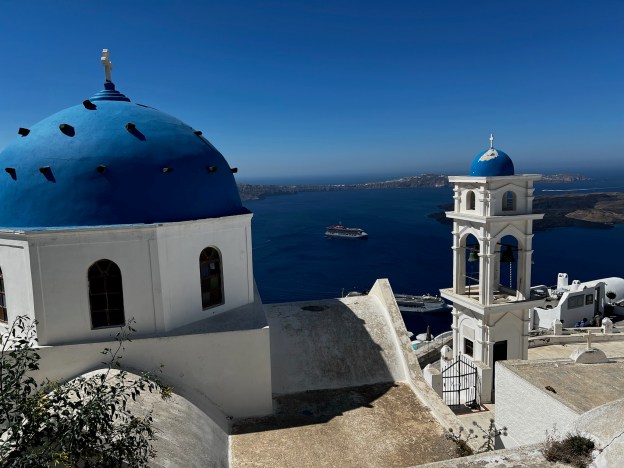

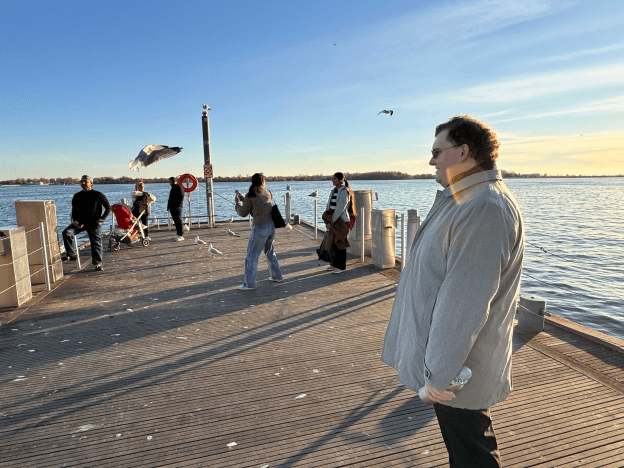
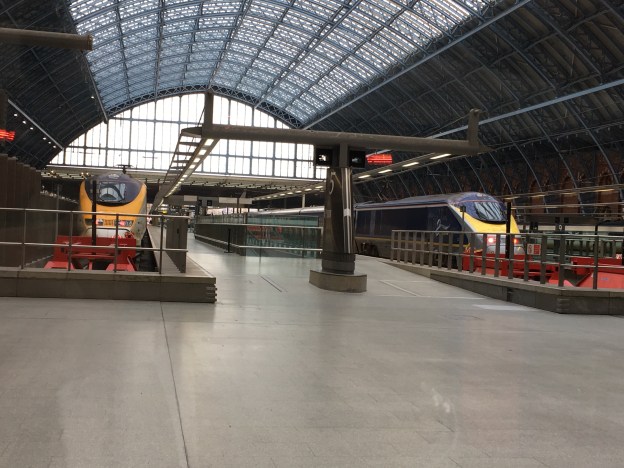

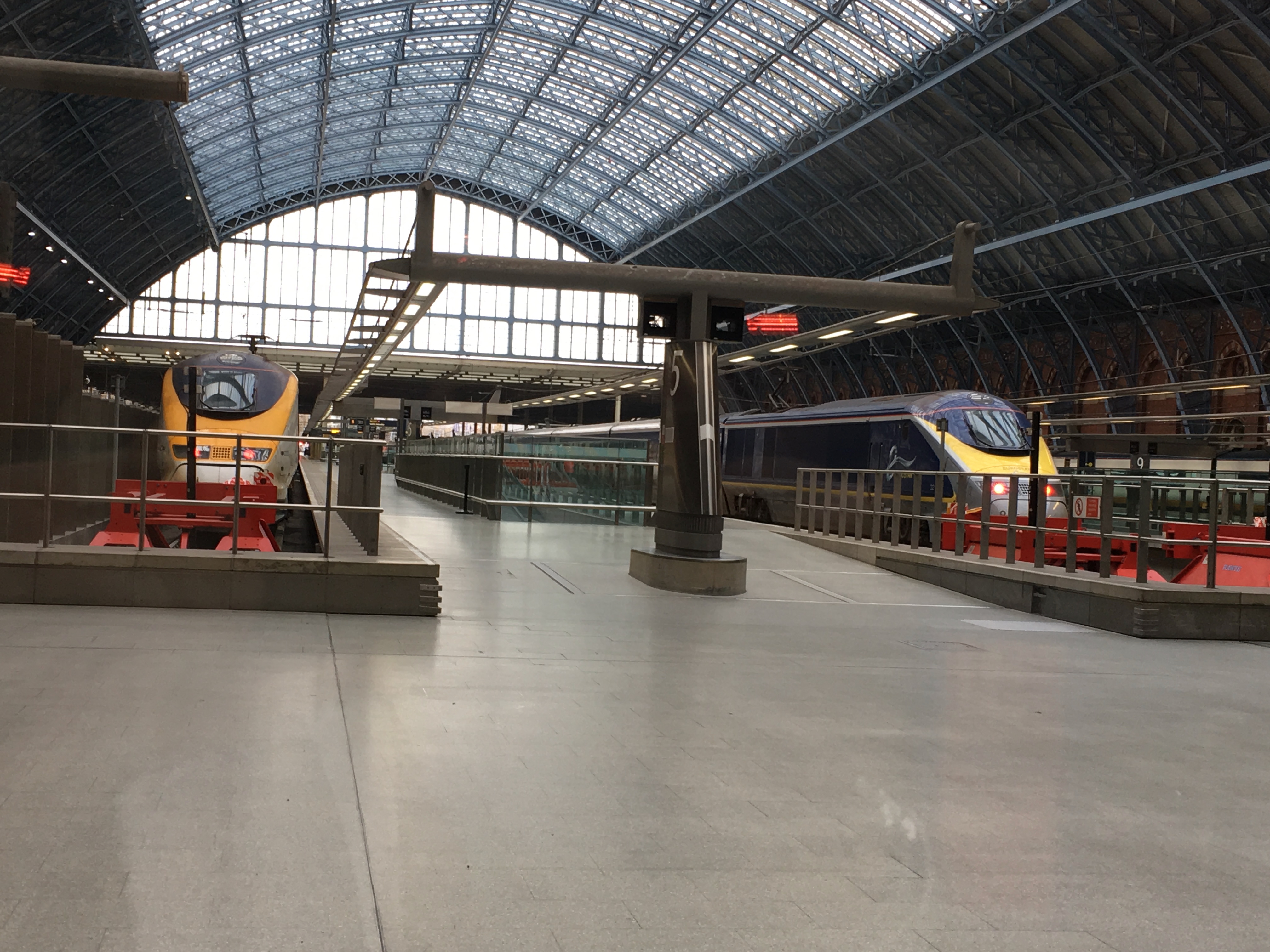
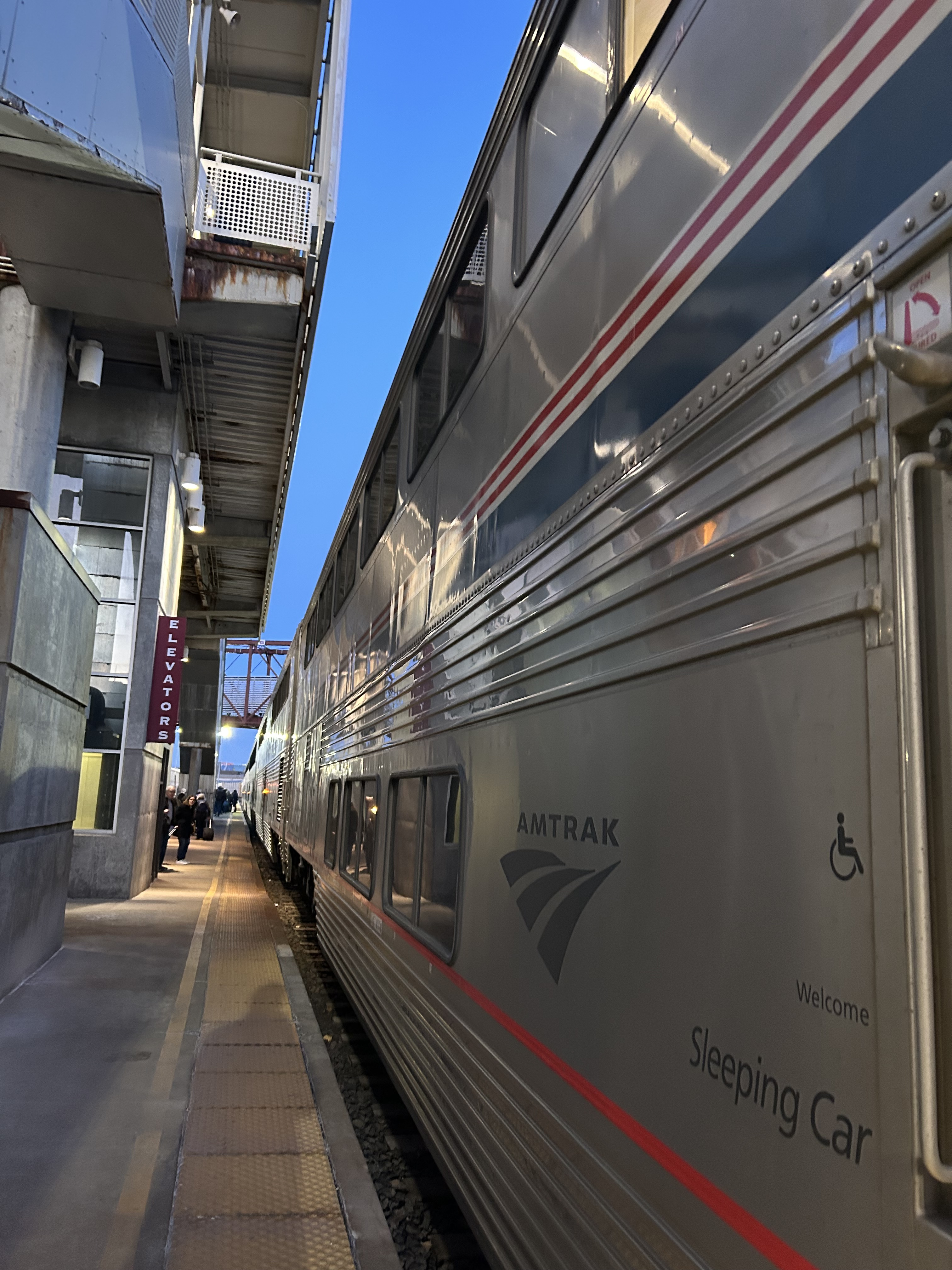
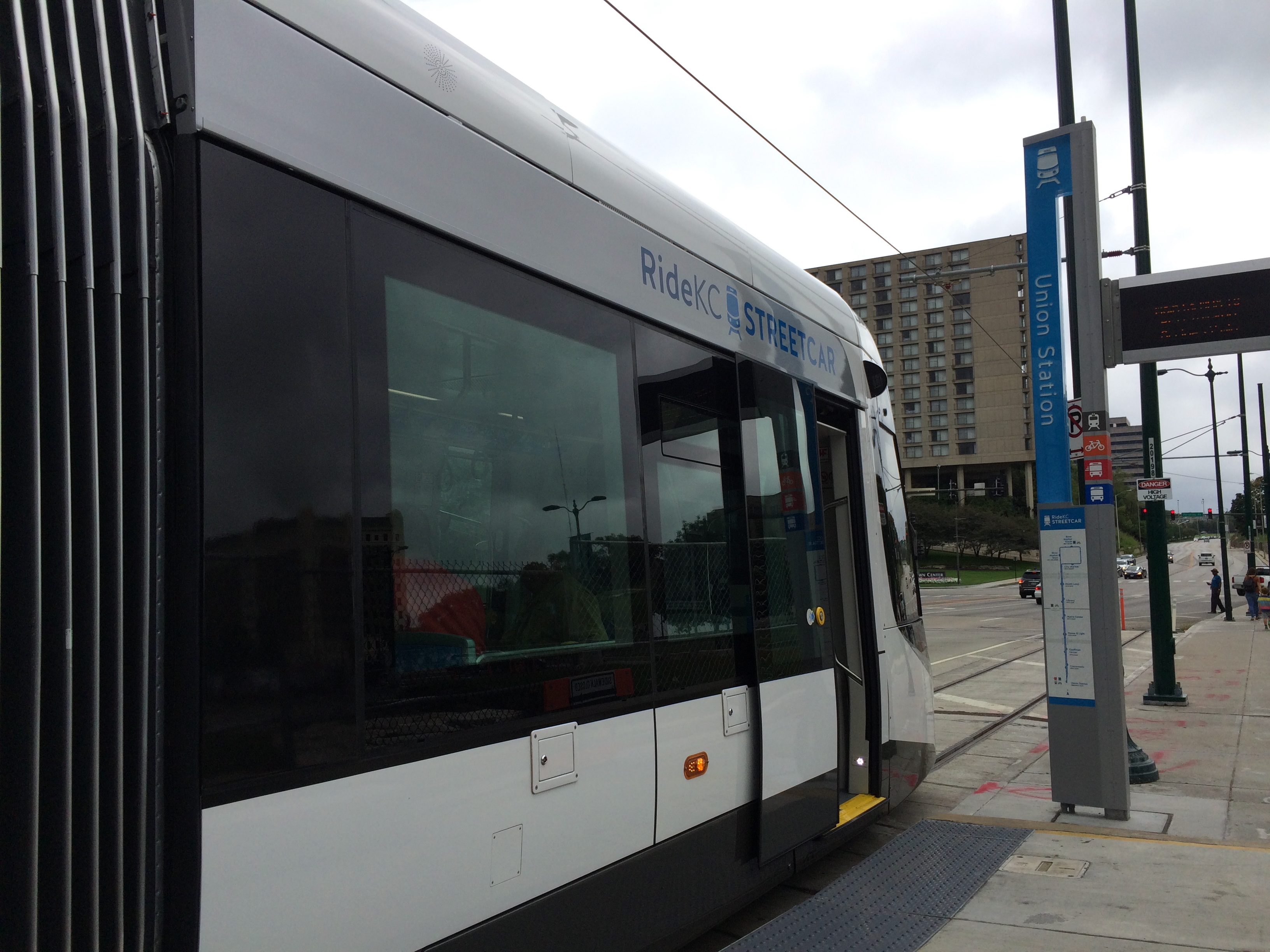

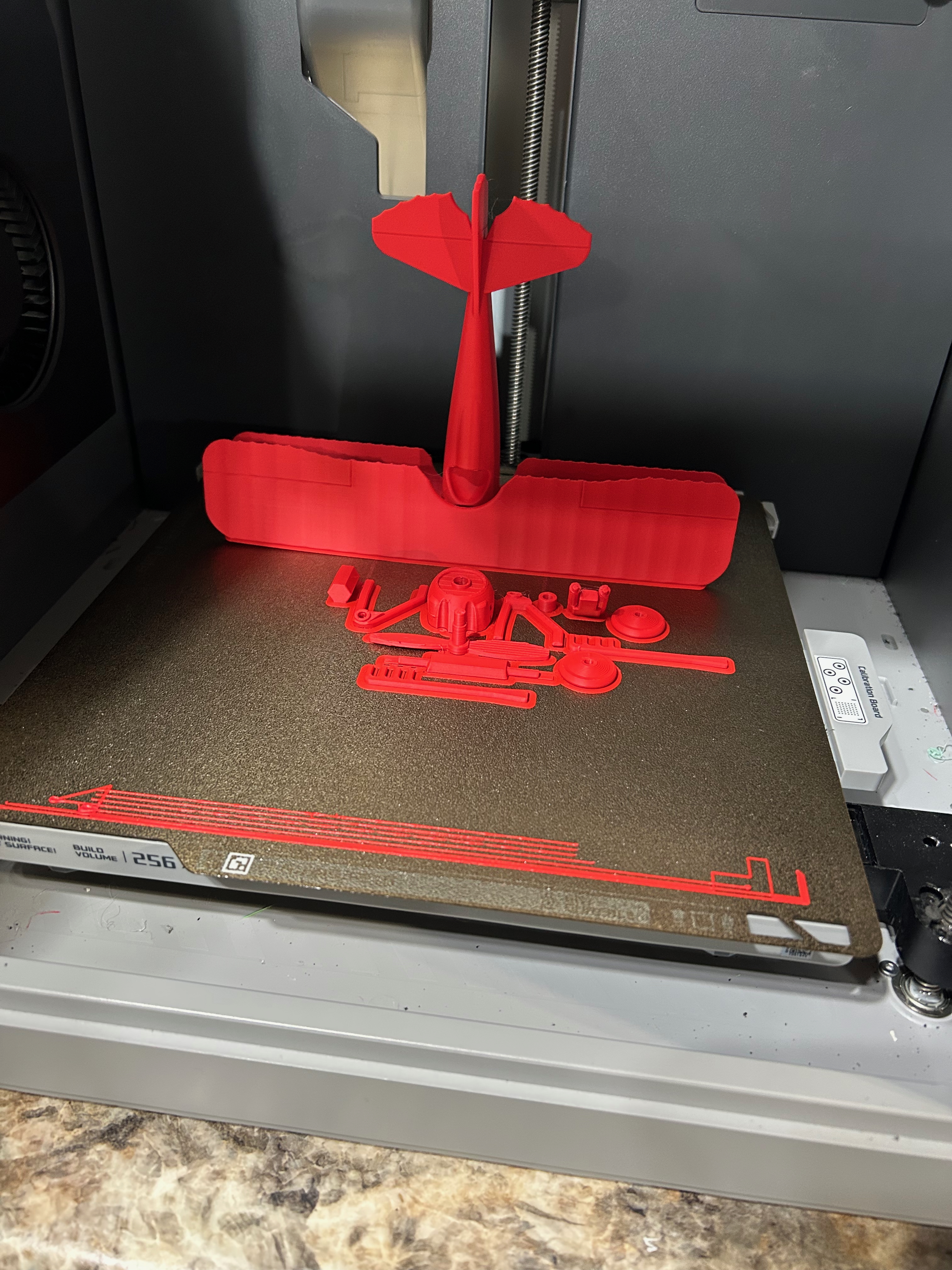
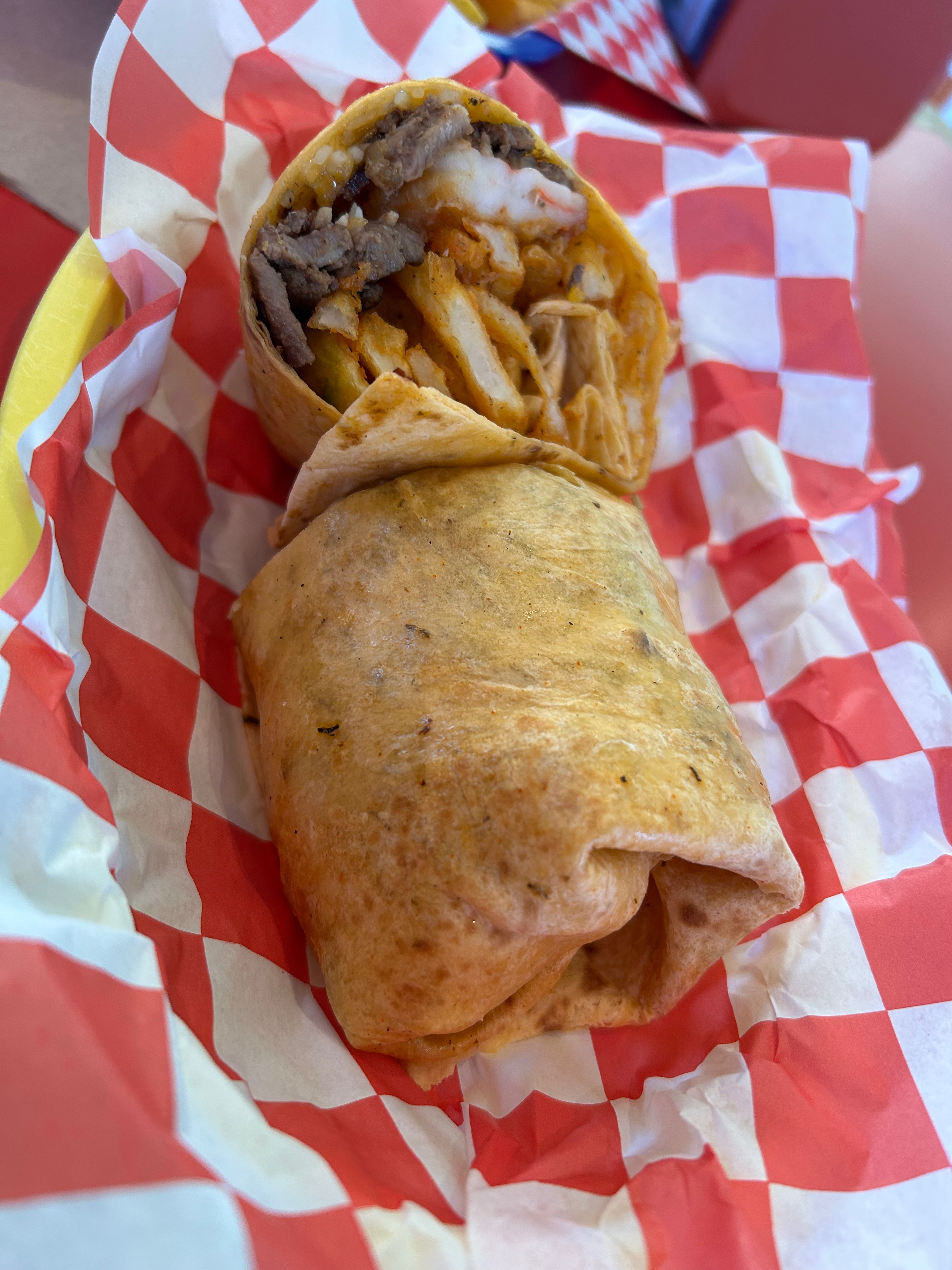
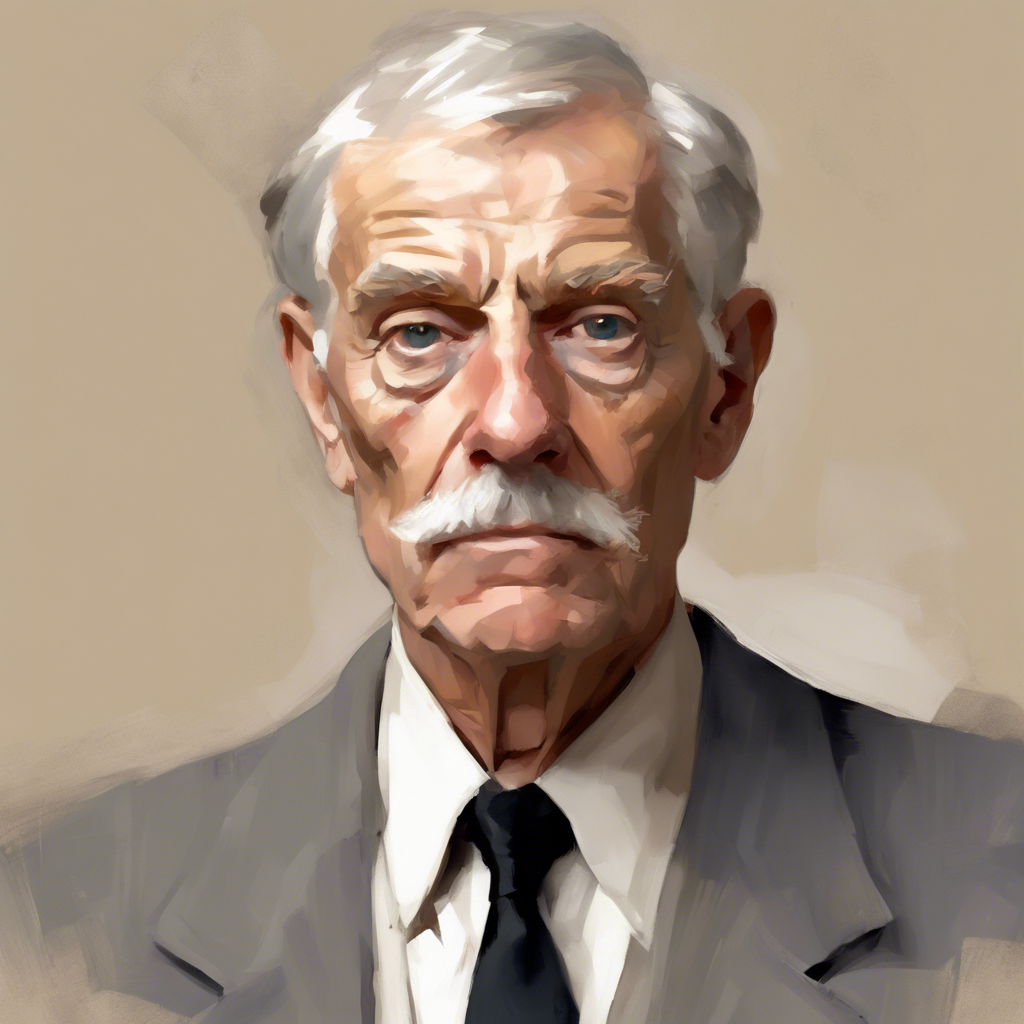
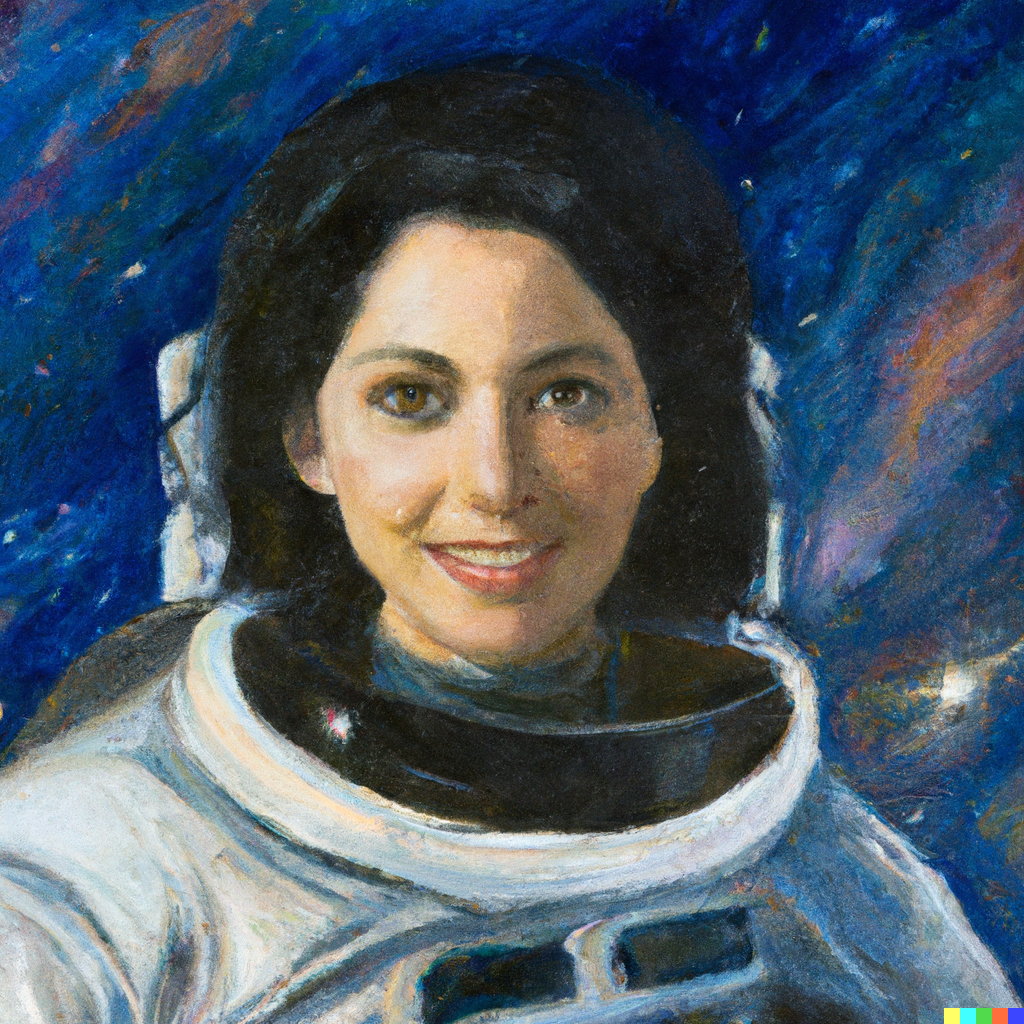
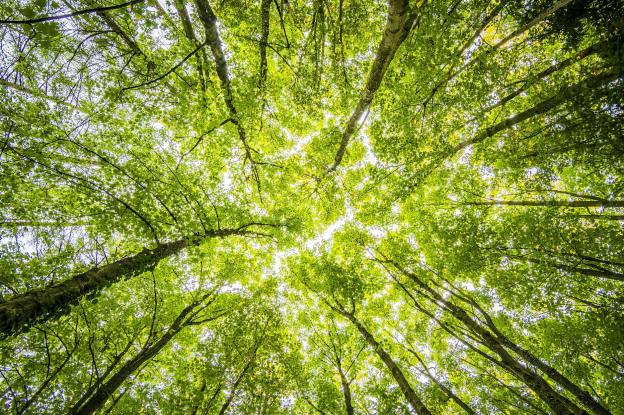

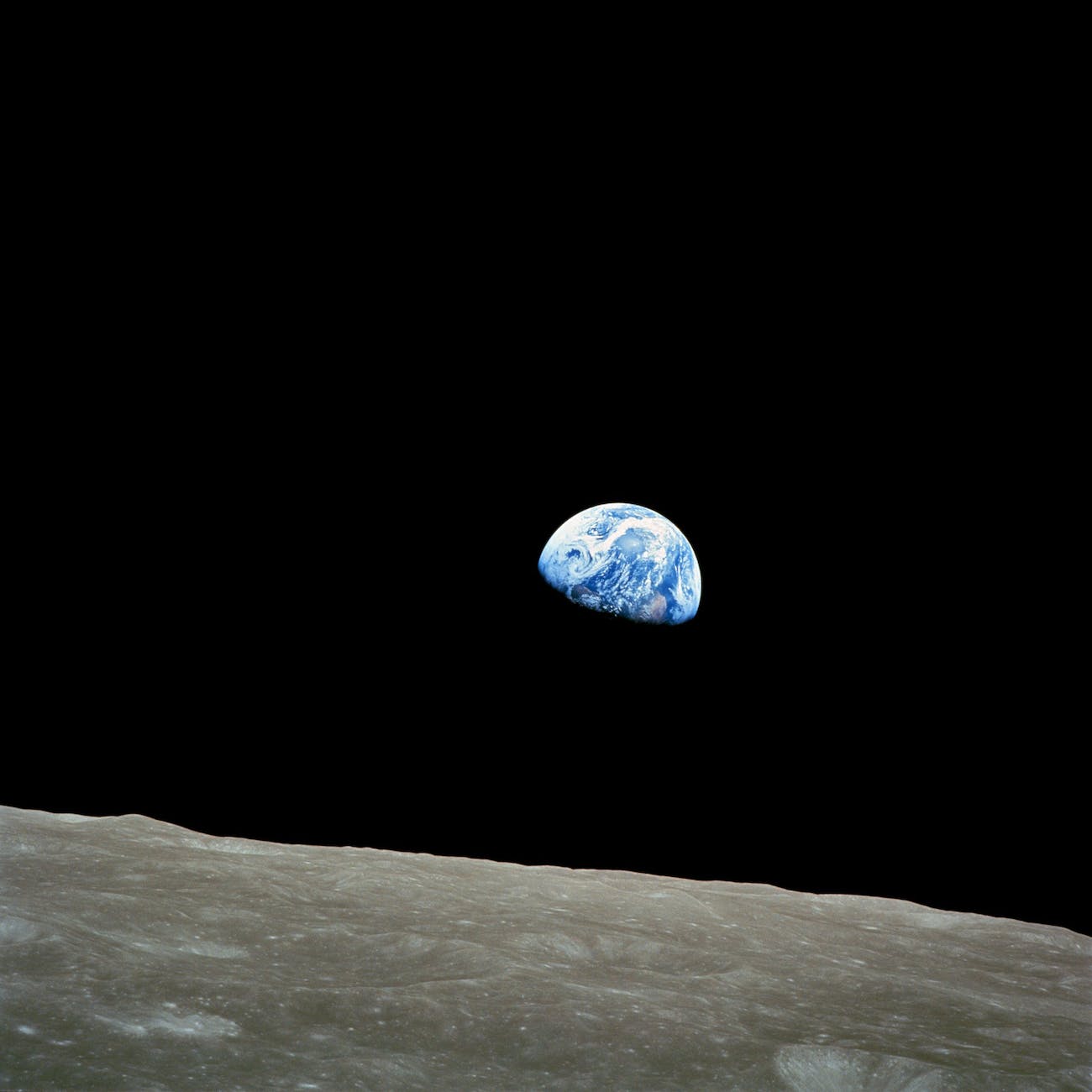
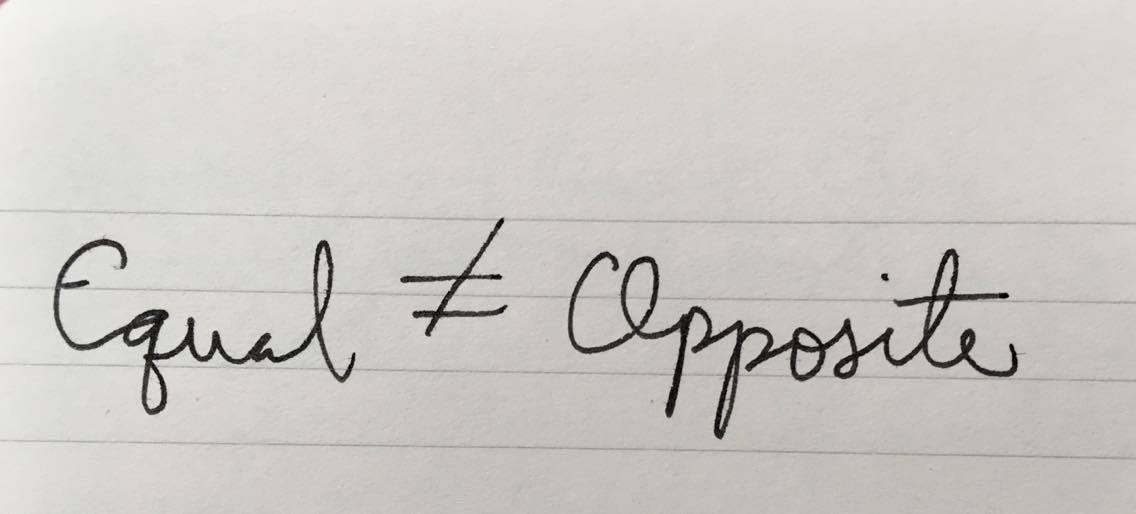 One of the fundamental maxims of physics is that “For every action there is an equal and opposite reaction.” For everything that is said or done something of equal vigour must be in order. By this logic then, for every fascist, far-right, or white supremacist threat to American society and we the American people there must also be an equal reaction by the far-left, by the Anti-Fascists as they have deemed themselves. Yet what good does the threat of violent action do? What is the point of bringing one’s guns to an anti-fascist protest? What is the point of eradicating the memory of all who have had some dirt upon their hands, who committed evils in their lives?
 At this point in time, after so many terror attacks around the world in recent years, my initial reaction to the attack in London last night was somewhat muted and reserved. I was not surprised that it had happened; yet I was nevertheless deeply distressed that innocent people would be so brutally assaulted. The three attackers, their identities as of yet unannounced by the Metropolitan Police, will spend eternity lapping in the seas of ignominy, far from the verdant peaceful halls of rest that they may wished to have known.
 Wednesday Blog by Seán Thomas Kane