
In the last couple weeks since the UN released their new and ominous climate report I’ve been reading quite a bit about how climate change is going to impact my own home region and city. More often than not I tend to feel let down by the data available as for the United States it tends to be organized by state. So, instead of reading about how climate change is going to impact the Kansas City Metro I usually am left reading reports about its potential impacts on the States of Kansas and Missouri as a whole. While this is somewhat helpful as it narrows down the data from a national level to at least focusing on my local region, it becomes increasingly unhelpful the closer into the details I try and investigate as the climate is hardly uniform across both Kansas and Missouri.
I think this complication in how we think about ourselves and our regional identities is in large part due to how we so thoroughly organize our societies here in the United States into our 50 states, the District of Columbia, and the overseas commonwealths and territories. Metropolises like Kansas City don’t fit comfortably into these state-based regions as they straddle interstate borders. Think through a list of the major metropolitan cities in the United States, how many of them straddle interstate borders like Kansas City? This tends to be a factor more in the East and Midwest than the West where the borders tends to reflect the regional geography better than in the West where they are based on abstract lines of latitude and longitude (see the rectangularity of Colorado and Wyoming).
At the time when the United States was first formed as a federal republic in the late 1780s these borders effectively reflected what had been the borders between neighboring colonies and later effectively semi-autonomous republics and commonwealths. The idea of urban sprawl, let alone suburban development, was in its infancy. Cities could only be as large as a person could cross them by foot or carriage. Yet thanks to industrialization and a booming population the great cities of this country have spread far and wide from their original boundaries. There is a good argument to be made that the westernmost suburbs of New York today are located in Northeastern Pennsylvania.
We should really begin to think of our country not as a collection of states defined solely by their geographical boundaries but instead as a collection of metropolises defined by their sprawl and common culture. I believe the best maps to describe the population of the United States today are those that depict either regional media markets, such as the counties where the local TV and radio broadcasts come from a specific city, or those that show general spheres of cultural influence.

All of this is fully impacted by each metropolis’s local climate. Kansas City is Kansas City in part because of its varied weather and four seasons, and by the fact that unlike much of Kansas to the west that Kansas City actually gets a decent amount of rain. So when I read that the climate “in Kansas” or “in Missouri” is going to do X or Y I’m left frustrated because our climate in Kansas City is vastly different from the climate of Goodland or Dodge City as it equally is from that of St. Louis or Ste. Genevieve. I suggest we begin to really start thinking of our country in this manner that’s more accurate to the population and density.
For me, having lived on both the Kansas and Missouri sides of the metro, I see myself as a Kansas Citian well before I’ve ever thought of myself as a Kansan or a Missourian. The same can be said in regards to my original hometown in the Chicago suburbs: I always felt more a part of the greater Chicago Metro than I ever did feel any connection to the rural parts of Illinois beyond the suburban sprawl. The continuing pandemic has only increased my sense of a metropolitan identity with how profoundly the state government in Missouri let its citizens down in not fighting but actually aiding and abetting the spread of the pandemic throughout the state.
Yesterday I did find a Kansas City-specific climate change report published by the Mid-America Regional Council. In it the evidence points to a likely conclusion that Kansas City will move by the end of this century from its current situation of being on the borderline between a humid continental climate and a humid subtropical climate to being fully within the bounds of the latter. As a humid subtropical city, we will have more rainfall per year, with hotter summers and milder winters. Less snow, sure, but more summer days when it will be too hot and humid to be outside.
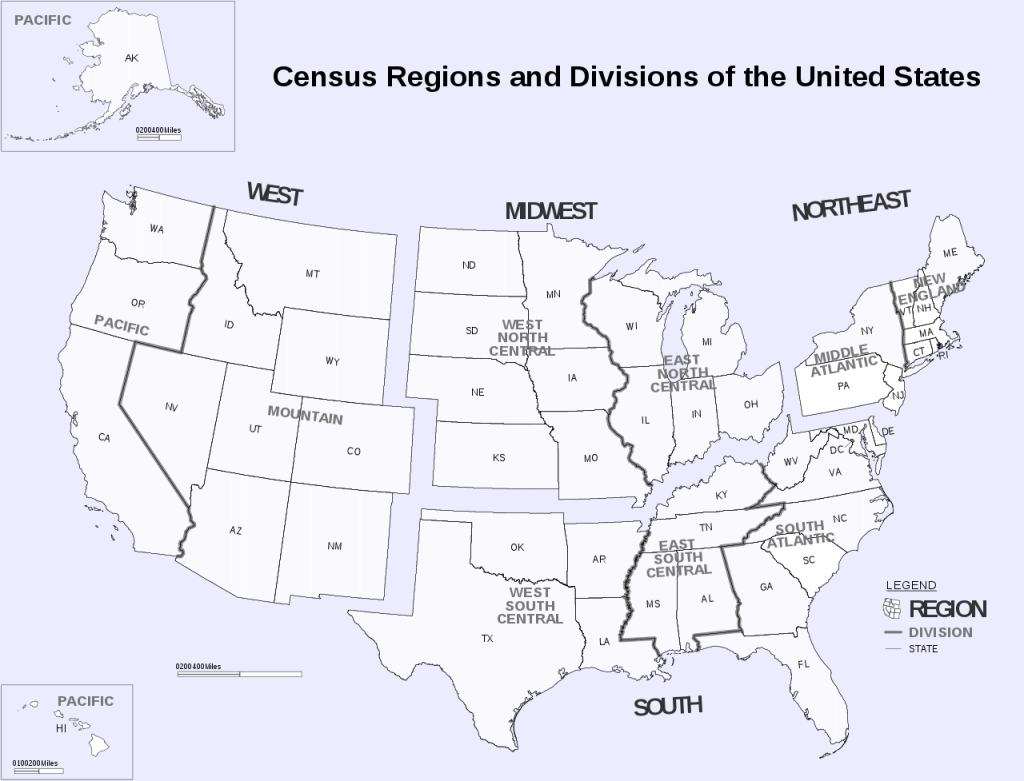
One aspect of this report that wasn’t stated that I think needs to be considered: if Kansas City is going to have a hotter and more humid climate, then surely the cities and states further to the south (Arkansas, Louisiana, Oklahoma, Texas) will see their climates transition to a point that they will be unbearable for many people. To me this seems to indicate that Kansas City will become a destination for many climate refugees from the West South Central census region, meaning our current metropolitan population of 2.34 million is only a shadow of what we might end up happening.
 Wednesday Blog by Seán Thomas Kane