This week, to begin Season 5, I discuss some hopes of mine for the first quarter of the twenty-first century through reflections on three things that I imagined might be possible twenty-five years ago.
—
Click here to support the Wednesday Blog: https://www.patreon.com/sthosdkane
This week, to begin Season 5, I discuss some hopes of mine for the first quarter of the twenty-first century through reflections on three things that I imagined might be possible twenty-five years ago.
25 years ago, I was a young boy of 7 when I witnessed the ringing in of the New Year 2000 in my Aunt Jennie’s living room. I was a new arrival here in Kansas City, having only lived here for close to six months, and surrounded by people and places that were fairly new to me. The end of the twentieth century was a significant turning point in my life. It meant that I would be a part of the first generation to grow to adulthood in the third millennium of the current era. Despite this I’ve always felt drawn to the 1990s as the decade when I planted my roots and began to seek out an understanding of my world and what might lie beyond.
I remember throughout the day sitting in front of the television set watching several things, including my first viewing of Star Trek: The Next Generation, whichever channel it was showed “The Best of Both Worlds” Parts 1 and 2. Yet they also cut to the new year’s celebrations in cities around our planet. I remember seeing the fireworks go off atop the Sydney Harbour Bridge and later along the Thames. At 11 pm our time we watched the ball drop in Times Square, and then again, an hour later the networks rebroadcast that ball drop for us living in the Central Time Zone. We stayed the night with my Aunt Jennie and cousins Chelsea and Isabella and then drove north to Smithville, Missouri on the morning of New Year’s Day to buy a new sofa before returning to the farm my parents bought the previous summer where we were still building our house. That winter we lived in a 10-foot long trailer that had to be moved into the farm’s barn in the winter to keep it from blowing over in the high winter winds. This way at least we could be on the build site so my parents could be around to oversee the entire process of our house being built. The only other thing of note from New Year’s 2000 was that it was the last time I visited the town of Smithville until February 2019 when I gave a public lecture at the Smithville branch of the Midcontinent Public Library system. I’ve since made the trip to that northern Kansas City suburb once more in April 2024 in a vain effort at seeing the Northern Lights when I could’ve stayed home and seen them perfectly well in the city.
As New Year’s 2025 approached this year then I began to reflect on my memories of New Year’s 2000. In all honesty it was the first New Year’s that I can remember staying up for, let alone my first New Year’s in Kansas City. It’s one holiday that I’ve continuously celebrated in this city ever since. Yet what I’ve been thinking about more is what I was reading at the time about future technologies that were just around the corner. On a recent episode of the Startalk podcast hosted by Dr. Neil DeGrasse Tyson of the Hayden Planetarium in New York and Comedian Chuck Nice they interviewed Dr. Charles Liu, a professor of astrophysics at the City University of New York, Dr. Tyson talked about how the most futuristic thing that he looked forward to from the original 1960s Star Trek series were the videophones that they used. I too remember an entry in one of my childhood factbooks that I loved reading around the millennium which included one of these as one of the great up and coming technologies. While we may not have landline telephones with video capabilities like that entry suggested our portable smart phones all largely have this very function. The funny thing about it is that I rarely use FaceTime on my iPhone. Looking at my call logs the last FaceTime videocall I made was in March 2024 when I was excited to show off the room upgrade that I got in a hotel in the Chicago Loop to my parents. We’d stayed at that same hotel together several years before in the week between Christmas and New Year’s and had half the space for the three of us that I had in this room on my own.
I tend to make more videocalls on my computer over Zoom, FaceTime, WhatsApp, or Facebook Messenger and very rarely over Skype which Zoom largely replaced in 2020. Zoom has become the de facto videocall platform for many of us, especially in professional contexts. I even use Zoom to record lectures thanks to its screen sharing features. I do wish the technology could improve further though. It would be great to have an easier way to have the camera be set up higher so that it’s not looking up at me but instead straight-on or slightly downward. While an aesthetic preference it also speaks again to the old Star Trek ship-to-ship on screen communications seen in all of the series. Star Wars’s holographic communications would be an even neater step forward, and while I remember seeing a story about how the French left-wing leader Jean-Luc Mélenchon used holography in his bid in the 2022 French presidential election and another that ABBA is touring again in holographic form the technology still seems to be far from ubiquitous enough to be a regular form of communication.
An Air France Concorde at the Stephen F. Udvar-Hazy Center of the Smithsonian National Air and Space Museum near Dulles Airport in Virginia.
Another technology that I remember dreaming about in 2000 that was in active commercial use then yet has lain dormant for most of the quarter-century since is supersonic flight. The Concorde last flew in 2003 thanks to its extreme cost and the fatal crash at Paris-Charles de Gaulle Airport in 2000. Yet I remember my Mom often saying that she wanted to cross the Atlantic at least once on a supersonic jet. While there are many aspects of the in-flight experience on your average transatlantic flight that I enjoy, I do actually enjoy the food and movies in economy for the most part, I certainly wouldn’t mind a quicker jump across the water to Europe. The average supersonic flight between New York and London or Paris was 3.5 hours compared to the 7 hours it tends to take on subsonic aircraft. That’s closer to the travel time for a flight from the Midwest to Southern California today. Looking at supersonic aviation now and the promises of companies like Boom at restoring supersonic flight to commercial service, I’m hopeful that I’ll be able to someday fly on one of these planes. In the short term I’m more hopeful that Kansas City might finally get a nonstop service to one of the European capitals in time for our hosting duties in the 2026 FIFA World Cup. On my last return trip from Paris to Kansas City via Washington-Dulles while I enjoyed a great many aspects of the flight I do remember a growing sense of annoyance at how long it takes to get to Kansas City from Europe when compared to most other American cities our size and larger.
Finally, at the turn of the millennium one of my favorite TV shows was the natural history program Eyewitness co-produced by the publisher Doring Kindersley, Oregon Public Broadcasting, and the BBC. Surprisingly for how influential it’s been, I haven’t written about Eyewitness on the Wednesday Blog yet. This program brought the factual book series of the same to life for its viewers and set the stories of life, the universe, and everything it told in a computer-generated space it called the “Eyewitness Museum” which acted in some ways like a physical museum yet in many others with unusual camera angles and hallways it was entirely an edifice of the mind. I remember loving this series because it gave me the space to imagine and wonder at nature, the world, and human history in a manner which few other programs have done. I remember hoping that I could visit such a museum sometime in my life, and in some ways I’ve done that time and again. Many of the cultural artifacts in the program are on display at the Victoria & Albert Museum in London, and when it comes to the animals & plants on camera it’s well and truly on display in natural history museums around the globe that I’ve gotten to visit.
I rediscovered Eyewitness again in my early twenties when DK began uploading the episodes onto YouTube. By that point I’d already been making videos of my own for nearly a decade, and rewatching this old show from the ‘90s I was inspired to try to frame the material I wanted to describe in videos and in my teaching in a similar minimalist fashion on a blank white background with the object of my videos and lectures taking front and center. As it turns out, white is a much harder color on the eyes so in 2019 I switched to a light blue which I continue to use. My former students will certainly be quite familiar with my blue slideshows that form the core of my teaching materials. Those old Eyewitness episodes disappeared from YouTube in Fall 2023, in fact the last time I watched any of them was when I showed one to my seventh graders as part of their World Geography class.
Yet when thinking about the Eyewitness Museum itself the technology exists today that the viewer could tour that structure through virtual reality headsets. I still haven’t tried one of those on yet, at first from what I understood they didn’t fit over glasses, yet I’m curious about what potential they may hold for both education and entertainment. It would be fascinating to use such a headset to wander through that labyrinth of galleries famous for their all-white surfaces and see everything they hold.The last twenty-five years did not meet our expectations in many respects. Paul Krugman’s final editorial for the New York Times published on 9 December 2024 speaks to the loss of our millennial optimism in the face of 9/11, the Wars in Afghanistan & Iraq, the Great Recession, and all the other crises that have crashed on the rocky shores of our world. Where for a while we thought we might have fine sandy beaches that heralded a prosperous, safe, and happy future now we have fearsome cliffs which act as much as walls defending our “scepter’d isles” as limits to the possibilities of things in our world. I feel a dissonance in my own life with the world we live in because I am still an optimist, and still dream of things that we could do, new monuments to that optimism we could build, and like the Irish quarrymen brought to a young Kansas City in the nineteenth century by Fr. Bernard Donnelly, the founder of the Kansas City Irish community, ways in which we can break down those cliffs and build a city of fountains and gardens in its place. I’ll write more about all of this next week in a reflection on what I hope we will see realized in the next quarter of the twenty-first century. By the time we reach New Year’s 2050, I will be 57 years old, far from the young boy who watched humanity ring in the third millennium in what was for him a new city in a new time full of hope.
This week, how the same tools can be used to weave a variety of different stories.
—
Click here to support the Wednesday Blog: https://www.patreon.com/sthosdkane
This week, how the same tools can be used to weave a variety of different stories.
My favorite sorts of stories are the ones where I feel that I’ve gotten to know the characters and can relate to them on a personal level; that these characters are either real people who I’ll never meet or entirely fictional is beside the point. I often remember the stories I was reading, or watching, or listening to more than the experiences from my own life that surrounded new tellings of those stories. This potent relationship is heightened in moments when my own life is dull or foreboding, as in the height of the recent Pandemic when I passed the long days of isolation in my Binghamton apartment or at home in Kansas City watching and reading stories in the Star Trek franchise which I only really began to discover in February and March of 2020.
I wanted to be a storyteller from my youth. I read a book by the Irish journalist Frank Delaney called Ireland which followed a young man as he discovered his own passion for storytelling by listening to the seanchaí who often visited his family’s home. I began to write for myself around this time, though my efforts were focused more on poetry and plays at first. A decade ago, I built up the endurance to write a longer-form short story called “Abducted and Abandoned,” and around that time started writing what today is The Wednesday Blog. By the time I was working on my first master’s degree in 2015 and 2016 I’d begun writing a longer work, my book Travels in Time Across Europe, which I self-published in 2017. That one tells the stories I collected from my year living in London, stories of my own adventures traveling from the British capital to other cities across Europe. At the time I imagined that it could become a sort of valuable source for readers seeking to understand the world as it was in that last year before the Brexit referendum and the rise of Trumpism swept across Britain and the United States.
Dr. Olivia Stephens, the main character of “Ghosts in the Wind.”
Like the main character of Delaney’s Ireland, I too went to university to study history, to use my passion for storytelling, and as things came about, I’m now close to earning my doctorate in the field. Today, besides my efforts here with the blog I largely am just writing things related to my research. Alongside my dissertation I currently have one encyclopedia entry soon to be published, a book chapter and a scholarly article submitted for editing and am now writing another article related to my translation of André Thevet’s Singularitez. I still try to write the odd bits of fiction, like “Carruthers Smith’s Museum” which I released two weeks ago, or “Ghosts in the Wind” which I’m quite proud of. Yet I haven’t written anything to be acted in years. That’s striking to me, because my first big scribal efforts were for the stage and screen in my high school years. I do have an idea for a play that I might turn to someday in the next few years, yet even writing that here fills me with a sense of loss because it could well become another project that I’m excited about and have good ideas for yet don’t ever get to.
What I love most about writing for the stage and screen is that there’s a chance I’ll get to hear my words interpreted into lived experiences. Ideas that once only existed in my mind could be seen by many others played out before them and enlivened by the actors who utter those words & all the designers of sets, sound, lighting, props, effects, and music who flesh out that lived experience into something relatable and emotional in its truth. In short, to see my words brought to life in performance is to see a world created from what was once my thoughts, the smallest and most intimate of stages that I alone know.
To this end then, I am awed by the versatility of those storytellers who create these worlds in their performances. My erstwhile dissertation advisor Dr. Richard Mackenney, a man for whom I have the deepest respect and consider a friend, often talked about his own experiences on stage playing characters created by Shakespeare alongside many of the greats of the British theatre. In his lectures I saw a performance like any revival of King Lear or any of the Henrys or Richards that Shakespeare wrote. My own lecturing has taken on this same quality, yes at least in part in flattery, because I saw how he kept the rapt attention of most of the 150 or so students in the lecture hall with his art.
In recent weeks I had the pleasure to see the English actor Ralph Fiennes play two very different yet still akin parts in the films Conclave and The Return. In the former, Fiennes plays Cardinal Thomas Lawrence, the Dean of the College of Cardinals who is tasked with managing a papal conclave on the death of the Pope. In the latter, Fiennes returns to the screen a mere month after he appeared cassocked as an English cardinal this time dressed in rags as Odysseus returned to Ithaca after 20 years away at war against Troy. To see the same man inhabit two characters who on the surface could not be more distinct is a profound testament to the man’s mastery of his art. Both films are pieces of theatre imagined with the realism of a certain type of cinema that is more European than American, with less effects and a minimalist score that has its roots in the French New Wave. In the American context it’s reminiscent of the minimalism that we see in some of the television dramas produced recently for their streaming service by Apple.
I felt that I could instantly relate to Cardinal Lawrence in spite of his high office. The finest leaders I’ve met, whether cardinals and bishops or mayors, senators, and ambassadors are all people first and foremost. They acknowledge the trappings of their offices yet retain the everyman spirit that makes them relatable. I saw this in Cardinal Lawrence more than in many of the other characters who populate the halls of the Vatican in Conclave. That he is an English Catholic cardinal speaks to the post-Reformation moment in which we now live when the old sectarian wars of religion feel behind us and reflects on the Catholic Church in England and Wales that I know from my year living there and going to Mass in London. He speaks for a certain Anglophonic ideal that is democratic yet still upholding of tradition and custom.
Ralph Fiennes as Cardinal Thomas Lawrence and Odysseus, in performances which premiered within a month of each other.
Odysseus in contrast is a man who has seen much and endured much more than I ever hope to. His pain is written across his mostly silent face, and in this role, Fiennes says more with a tortured look than with words. That he only acknowledges his own identity verbally once in the film is telling. This is a man who fears that he won’t be the man that his family have waited for over these twenty long years that he was away. I can merely relate in that I’ve noticed time and again how my home and my city change each time that I’m away. On this most recent return of my own from Mérida on 10 November I was startled in the weeks that followed to see that the last vestiges of the long summer we had in this region at last faded away into a brief Fall before receding into the winter cold far sooner than I expected. Even more dramatic was the city I found on my return from London at the end of August in 2016. Kansas City wasn’t the same place it had been even 8 months before when I flew home for Christmas. There were plenty of stories I’d missed while I was away, one relative who’d been born and who I met for the first time at a far later date than any of her cousins in the youngest generation of my family. In that loss that comes with being far from home I can relate, yet in the pain he suffered and inflicted while he was away at war, I am thankful to lack that experience.
Yet the brilliant versatility of storytelling here expresses itself in Fiennes’s ability to say so much with so little about the war he fought and the trials he faced on his homeward voyage. Odysseus suffered for his efforts, and in his suffering, I see his humanity & feel that I can relate to him. At the end of the film, I felt that I got to know Odysseus for the man he’d become, and that in spite of the Bronze Age setting and the far looser garments, in a film whose costumes are marked by a combination of loincloth & cloak, than anything I would wear, I felt that I could see myself, my own humanity in that moment in time on the island of Ithaca in the second millennium BCE, perhaps the 12th century BCE as the polymath Eratosthenes of Cyrene (276–194 BCE) dated the fall of Troy to 1183 BCE.Where both Conclave and The Return succeed is in placing the lives of their characters in moments and settings which feel real. Odysseus’s Ithaca feels as lived in as Cardinal Lawrence’s Vatican, yet the former seems to be set in a far brighter and younger world with different morals and values than the darker and starker built world which succeeded it in the monumental edifices of the Vatican. Yet both are in my imagination places which I now have visited & seen, and both are places that I would recognize again if I ever returned to them in my memory of those films, or should I ever venture there in my own life to the Vatican or to the Ionian Islands and Peloponnese where the filmmakers created their vision of Ithaca. That stage is as lived in as any seemingly sparser platform that Shakespeare’s Muse might have evoked in Henry V; it is as alive as any other that can be imagined in our art.
This week, some words on the places I visited and the people I met on this North American Tour I finished on Sunday.
—
Click here to support the Wednesday Blog: https://www.patreon.com/sthosdkane
This week, some words on the places I visited and the people I met on this North American Tour I finished on Sunday.
Earlier this year when I began to consider which conferences I would like to attend in Fall 2024, I knew from the start that my old stalwart of the Sixteenth Century Society would be top of the list. I was also interested in attending the History of Science Society’s conference for the first time after meeting a fair number of attendees from the 2023 meeting last year at my workshop in Brussels. Two conferences in two weeks is a fair amount of travel to undertake and money to spend. Yet there was more to be planned, for in midsummer I read a notice from the Society for the History of Discoveries about a special issue of their journal Terrae Incognitae about animals and exploration. I sent in a proposal which was accepted, leading to an outstanding offer to submit an article for the issue which I’m editing. So, knowing it would be good to meet the people of the SHD, I decided to submit a proposal to their conference as well.
If you’re keeping count, that means I went to three conferences in the last three weeks. I decided to call the series of talks my North American Conference Tour because this would take me not only to San Antonio but to Toronto and Mérida as well. I often thought about trying to do something like this where I visited two or three of the big continental countries in North America in short order; when I lived in Binghamton I fancied the idea of driving the 4 hours south to D.C. one day to sit in the gallery of the House of Representatives only to turn around soon after and drive back through Binghamton up Interstate 81 and across the St. Lawrence River to Ottawa to sit in the gallery of the Canadian House of Commons later that week. That never happened, in part because of the pandemic, yet I’ve undertaken similar trips in Europe on many an occasion so why would it be any more challenging here in North America?
The greatest challenge in this tour was that unlike stopping in Brussels, London, and Paris on a big European tour, I would need to fly between each of these cities and Kansas City in order to be where I needed to be in a prompt manner. I was excited by the prospect that all three of these cities could be reached in one way or another by direct flights from Kansas City. In the case of Mérida, the capital of Mexico’s Yucatan state, I would need to fly into Cancún and take the recently opened Tren Maya four hours east to Mérida to use that direct flight on Southwest. As it turned out though, I only had one direct flight throughout the entire tour. Southwest offers direct flights between Kansas City and San Antonio every other day, and they don’t fly that route on Wednesdays, so instead I flew to San Antonio with a couple hour connection at Lambert Field in St. Louis. Air Canada’s daily nonstop Toronto to Kansas City service only runs in a seasonal pattern and the season for that route ended 1 week before I was due to fly to the capital of Ontario, resulting in me having connections at the start and end of the trip in my original hometown at Chicago O’Hare. Then there was Mérida. I did seriously consider flying into Cancún rather than Mérida proper for the benefit of the direct flight. Yet the benefit of flying into Mérida itself and the still limited Tren Maya schedule meant I would still have to stay overnight in Cancún before flying home. So, I booked flights on United to Mérida through Houston Bush Airport which included an 8 hour layover on the way out and an 11 hour layover on the way home. I figured I could take advantage of the time in Houston in some way or another.
San Antonio
The Alamo
I traveled to San Antonio with my Mom, who jumped at the opportunity to spend a few days in that city. I’d only ever spent a few hours there about a decade ago when we were in Austin at my Mom’s office over her birthday weekend in May 2015. That visit to the Alamo City was cut short though by heavy rains and flooding. On this instance though, I fell in love with San Antonio. It often reminded me of the best parts of San Diego, another near-border city, yet it still felt closer to home both geographically and in its approachability. Before joining in the conference there at the Menger Hotel, we took a tour of the old Spanish missions south of downtown along the San Antonio River.
These four: Missions Concepción, San José, San Juan Capistrano, and San Francisco de la Espada brought the deep colonial history of this part of South Texas into focus. The tour guide explained that the Spanish decided to establish missions in Texas starting in 1715 in order to block French expansion from their new colony of Louisiane to the east along the Mississippi River. This was a full 200 years after the first Spanish conquistadores ventured north into Texas from their Viceroyalty of New Spain centered around Mexico City. The Franciscan missionaries who were sent north in the eighteenth century came from the Mexican city of Querétaro, some 740 miles (1,191 km) south by foot. Along with them came groups of colonists from the Canary Islands who were sent to establish a Hispanic presence around these missions alongside the majority indigenous population. The story of the Spanish colonization of Texas is a mixed one of both the story of the creation of a new ethnicity in the Tejanos, descendants of the Canarians and other Spanish colonists and the indigenous Texans including the Coahuiltecans, Payaya, and Pastia. Yet the other side of this story is the forced assimilation of these indigenous peoples to a new colonial way of life centered on the missions and their Catholic faith.
There is one more point I want to raise about the sudden Spanish urge to establish missions in Texas after 1715. This sudden colonial interest in Texas began after the War of Spanish Succession which was waged between 1701 and 1714 after the death of the last Habsburg monarch over the Spanish Empire, Charles II. Charles named Philip of Anjou, a grandson of Louis XIV of France as his heir, with Louis intending on having Philip succeed him as King of France as well, and uniting the French and Spanish Empires in a personal union. This terrified the Austrian Habsburgs, the Dutch Republic, and England & Scotland which in 1707 would unite to become the Kingdom of Great Britain. These opponents of the Bourbon succession of Philip of Anjou called themselves the Grand Alliance, and eventually won the war which was one of the first European wars to be fought in the Americas as well. In the peace that followed with the Peace of Utrecht, concluded by 1715, allowed Philip to keep the Spanish throne as King Philip V yet he had to renounce his claim to the French throne to ensure France and Spain would not unite in any fashion. Since 1715 then, the House of Bourbon-Anjou have held the title of King of Spain, in the process also unifying the older Crowns of Castile and Aragon save for several interregna during the Napoleonic invasion between 1808 and 1813, the First Spanish Republic of 1873-1874, the Second Spanish Republic of 1931–1939, and the Franco Regime which ruled from 1936 –1975.
With all this in mind if in 1715 France and Spain were newly ruled by members of the same family, why would it be as imperative for the Spanish to block the French from expanding further to the southwest out of the Mississippi Basin and into Texas? My suspicion may be that this intention was driven more by the fears of the viceregal officials in Mexico City than their royal counterparts in Madrid. Any of my eighteenth-century Latin American historian readers who may know the answer are invited to write in.
One of the finer parts of San Antonio is its river walk, which stretches along both banks of the San Antonio River through downtown and continues beyond the urban core as a series of foot and bike paths. We consistently saw mile markers for the river walk along our tour of the missions to the south of the urban core. Most evenings we walked from our hotel to the river and had dinner at one of the many restaurants that line its banks. My favorite of these meals were the enchiladas I had at the Original Mexican Restaurant, which was as touristy as it could get, I even paid a mariachi band to serenade my Mom with a song while we ate, yet it was still a delight.
My enchiladas at the Original Mexican Restaurant
We stayed at the Menger Hotel, an old historic edifice of San Antonio that was built by William and Mary Menger, a pair of German immigrants who arrived in San Antonio in 1847, just three years after the Republic of Texas was annexed into the United States. They opened the hotel in 1859 hoping it would increase business for the family’s brewery. The hotel is located on Alamo Plaza next to the old Alamo mission, originally named the Mission of San Antonio de Valéro, and so was built on the battlegrounds of the Alamo. The plaza was largely under construction during our trip as a new Alamo Museum is being built. I was struck to find the street we crossed the last time we visited the Alamo was gone, replaced by a fully pedestrianized Alamo Plaza that will certainly improve the vibrancy of the neighborhood once the work is finished. Upon arrival we had lunch in the Menger Bar, famous as the place where Theodore Roosevelt gathered many of the men who would sign up to join his Rough Riders in 1898 to go fight in the Spanish American War in Cuba. The bar and the hallway just beyond it are full of T.R.’s relics.
The Menger was host this year to the annual meeting of the Society for the History of Discoveries (SHD) which met alongside the Texas Map Society. I didn’t attend the Texas Map Society meeting on Thursday, instead choosing to go tour the missions with my Mom but was delighted to get to meet the other members of the SHD who I only knew to that point through our email correspondence. I presented on Saturday morning, mine was the first paper to be read that day. In my paper, I discussed how André Thevet tried to synthesize eyewitness testimony from two other explorers: Antonio Pigafetta’s account of Patagonia and Francisco de Orellana’s account of Amazonia with his own account of Brazil to create a full cosmography of the Americas as they existed at the time he wrote his Singularities of France Antarctique in 1557. In the sixteenth century, the word cosmography referred to the amalgamation of cartography, ethnology, geography, and natural history to craft as full a narrative about the known world as possible. As a part of my dissertation research, I translated Thevet’s Singularites from Middle French into Modern English and am now applying for postdoctoral fellowships that can help me finish the job of preparing to submit my translation for publication by an academic press.
The Menger’s Victorian Lobby
I truly loved my time in San Antonio this Fall, and like the other two cities I visited for these three conferences I would’ve been happy to spend more time there. On Saturday evening, we drove north to Austin to see friends who I hadn’t seen since the recent pandemic. I was struck by the stark differences between San Antonio, the old Tejano city, and Austin the gleaming new metropolis driven by tech money. Still, on Sunday, 27 October we returned home on the only direct flight you’ll hear about in this week’s edition of the Wednesday Blog. I had two days at home, during which I worked both days, before heading out again.
Toronto
Toronto’s Union Station with the CN Tower looming behind it.
This time, I traveled to the Great Lakes region and back to one of my favorite cities that I hadn’t been able to visit since 2019. Toronto is not only the largest city in Canada today, it is also like San Antonio a crossroads, yet this is a place where Canada, the United States, and the many immigrant communities with ties to the Commonwealth and the old British Empire meet. I’ve often thought of Toronto as a city similar to my original hometown of Chicago, just cleaner and with a very different set of immigrant communities owing to Canada’s longer connections to Britain and the Empire than our own. I had a 4 hour connection in Chicago at O’Hare Airport, during which time I walked the full length of Terminals 1, 2, and 3, a good 5 km at least to pass the time. Terminal 1 retains its fine 1980s architecture, the soft whites, blues, grays, and blacks from its tile floor and steel frame still as it always has been. Terminals 2 and 3 however need some work. I was struck by how dark and drab Terminal 3 seemed; this is actually one reason why I fly on United instead of American, I would rather connect at O’Hare in Terminals 1 or 2 than in Terminal 3 just for the nicer architecture of Terminal 1.
O’Hare Terminal 1 (left) and Terminal 3 (right).
I arrived in Toronto later in the evening on Wednesday, 30 October and took the UP Express train from Pearson Airport into Union Station, near which I was staying with a friend, Hariprasad Ashwene. Toronto reminded me more of Austin with its gleaming towers, though that is more of the North American standard that the urban core should have skyscrapers to make the most of what little land is available. The biggest thing about that city which struck me was that compared to my previous visit almost 5 years to the day beforehand, was how much warmer it was there. The last time I’d walked through Queen’s Park at the end of October it had been snowing. This time though, I only had to wear the sweater I’d brought on the last day of my trip when the warm weather that our continent had basked in began to fade. On the day I landed, Kansas City experienced its first rain in nearly 2 months, yet that rain came with high winds, thunderstorms, and tornadoes across the Great Plains and Midwest and resulted in both of my flights that day being quite bumpy with hard landings across the board.
Hari Prasad and I on the lakeshore.
These are all clear signs of climate change, and it baffles me that we aren’t doing more about it. This trip, just like the San Antonio one, would have made a decent one by high speed rail. From Kansas City I would’ve again connected in Chicago before heading northeast to Toronto via Detroit. As it stood, I saw my second flight fly over the Ambassador and Gordie Howe Bridges connecting Detroit with Windsor, Ontario on that northeasterly route. To San Antonio, it would’ve required a connection probably in Fort Worth which seems to be Amtrak’s big future Texas hub based on the Federal Railroad Administration’s (F.R.A.) Amtrak Daily Long-Distance Service Study released in March of this year.
I traveled to Toronto to participate in the annual meeting of the Sixteenth Century Society (SCS), the one conference that I’ve attended year in and year out the longest. My first trip to the SCS was in 2019 when we met in St. Louis. That was also the last conference where I presented research derived from my History Master’s thesis written at the University of Missouri-Kansas City (UMKC). This time, I was presenting a very similar paper to the one I’d presented in San Antonio, only instead of looking at Amazonia and Patagonia I turned to specific animals which Thevet described in his Singularites that he himself did not see and try to trace the origins of what he wrote.
Speaking at the Sixteenth Century Society’s 2024 Conference at the Sheraton Centre Hotel in Toronto.
The first of these two was the manatee (Trichechus manatus), which Thevet described living in the Florida Straits. His manatee account was drawn directly from the one that appears in Book 13 of the Historia General y Natural de las Indias written in 1535 by the Spanish naturalist Gonzalo Fernández de Oviedo y Valdés (1478–1557). The second was an account of a wild and hairy American bull, what we today know as the American bison (Bison bison) which Thevet drew from Giovanni Battista Ramusio’s (1485–1557) recounting of Oviedo’s recording of the Relación written by the conquistador Álvar Núñez Cabeza de Vaca (c. 1488–1559). Cabeza de Vaca was one of only a handful of survivors of a failed Spanish expedition to explore and claim territories north of New Spain in the deserts and mountains of the Mexican-American borderlands. In San Antonio then I was delighted to hear a presentation given by a professor at Texas A&M Corpus Christi and one of his former students, a local high school history teacher earning his Ph.D. at the same university in secondary education, about a course the professor taught on Cabeza de Vaca’s travels in Summer 2020. I spoke with the high school teacher the following day about my own presentation that was coming up the following weekend in Toronto whether I was correct in placing Cabeza de Vaca’s bison sighting in South Texas near Corpus Christi Bay along the Nueces River. He did confirm that it was a probable place where that could’ve happened, and so armed with this new affirmation I gave what became one of my best public talks to date at the SCS. It turned out though that I missed one link in the chain, for Thevet’s bison picture originated in the 1555 Cronica de la Nueva España written by Francisco López de Gómara (1511 – c. 1566).
The famed poutail from Beaver Tails.
While in Toronto I took some time to enjoy that city. I visited the Royal Ontario Museum (ROM) on the morning of All Saints’ Day, the Friday of that week. The ROM is in my opinion one of the better museums in North America, and a good marriage of natural history with human history and archeology. I like how if you climb the stairs there you have to go past the paleontology and zoology portions to get up to the galleries exhibiting artifacts from human cultures past and present. It really demonstrates that we are all a part of this same natural world, no matter how unnatural our inventions may become. On Saturday, before my talk Hari Prasad and I visited the Art Gallery of Ontario (AGO), where the medieval and early modern European art and Canadian art are the two main highlights. That afternoon after presenting we spent a good bit of time walking along the lakeshore and seeing some of the natural beauty of that city. Lake Ontario is far narrower than Lake Michigan, and so whereas you can only really see the opposite shore from the top of the Sears, now Willis Tower, you can see Niagara and Upstate New York from the tops of Toronto’s highest lakefront towers, as they are just under 100 miles (161 km) to the south. I ate a lot of poutine in Toronto, though less than the last time I visited. I even tried a poutail from the ice cream shop called Beaver Tails on the Harbourfront, which was poutine placed atop a frybread baked into the shape of a beaver tail. It was good, though it did attract a large audience of birds.
My Torontonian visit was about the right length, and in the circumstances of the world as they were that week where my mind was less on the current moment in Canada and more on the next trip to Mexico and the election due to be decided in the days in between I was ready to be home.
Mérida
I left home again at 5:00 am on Wednesday, 6 November, knowing the overall result of our elections had taken a sorry turn that will only be fully understood after these next four years are over. Because of the result I didn’t want to travel that morning, rather I wanted to stay home and close to my family. I was distraught and in no mood for another adventure. Yet an adventure is what was in store, and I took the first flight out of Kansas City on United to Houston’s Bush Intercontential Airport at 6:30 that morning. I’m not sure if it’s because of the flight schedules between Kansas City and Houston on United or if it’s because of the ones between Houston and Mérida but I had excessively long connections on both my outbound and return flights on this trip. On the way out, I spent 8 hours in the United Club close to the gate where my Mérida bound flight left from that evening. I was delighted to see several familiar faces on my Mérida flight, a good half if not 2/3rds of the passengers on that flight were fellow historians on their way to the History of Science Society’s centennial conference at the Fiesta Americana Hotel in Mérida.
After we landed my inadequacies in Spanish made themselves well and clear from the first moment. I gave the driver who picked me up at the airport the wrong address, and ended up at a hotel 2 miles (3 km) from where I was supposed to be. I ended up getting an Uber to take me to the correct place, arriving there close to 21:30, and was able to get dinner from the hotel kitchen by 23:00. Exhausted, I had a quick sleep before waking early around 06:00 and walking the 5 minutes north to the Fiesta Americana where I exchanged 45 dollars for around 850 pesos, got breakfast, and met more people who like me were going on the Thursday tour of the Mayan city of Uxmal, whose ruins are about 45 minutes drive-time to the south of Mérida. Mérida is a Spanish colonial city built atop an older Mayan city named Ti’ho. The Cathedral of San Ildefeonso in the city’s central plaza was built using stones from the older Mayan pyramids that were once found here.
South of Mérida, Uxmal was a fascinating place to visit. This city once housed around 30,000 people, and its pyramids still rise above the jungle canopy. It was all that I hoped it would be and more, a monument to the ancestors of the people of the Yucatec Mayans who are still the majority population in the Yucatán State and in Mérida, its capital. The tour started with the Pyramid of the Magician, the great central monument of the site, after which we walked past the Palace of the Governors, and then to the High Pyramid and the South Pyramid before descending down the steps of the latter and walking to the Ballcourt dedicated in the year 901 CE by the city’s king Chan Chak K’ak’nal Ajaw where the old Mesoamerican ballgame was played. The pyramids here have a rounder shape than those at Chichen Itza, and the Pyramid of the Magician seems to be a series of temples built one atop the other.
I spent most of my time in Mérida either at the Fiesta Americana or at my hotel in the Paseo 60 complex, a few minutes’ walk to the south. I’d intended to venture out to visit some of the city’s museums, including the Gran Museo del Mundo Maya and see the older Spanish urban core, including going to Mass at the Cathedral, but as it happened after returning from Uxmal I didn’t get very far from the conference. This was my first visit to Mexico, and there was a lot there to get used to that was different from any other country I’ve yet been to. I was struck by how affordable everything was compared to the United States. At the time 1 dollar would get you about 20 pesos, and in general everything was much cheaper than in San Antonio or Toronto let alone in Kansas City. Still, seeing prices listed in hundreds and thousands of pesos was a bit of a shock to me at first. I was very careful to not drink the water, using bottled water to brush my teeth, and keeping my mouth shut tight while showering. Where in San Antonio and Toronto there was water available in pitchers for us to pour into our own glasses and bottles, in Mérida there were bottles of water at every break alongside the coffee and pastries. Yet beyond all of this the one thing I was most worried about among all the usual domestic concerns was the inability of the plumbing to take flushed paper. This turned out to be less of an issue than I expected, though for the sake of the sanity of this post I’ll leave that topic be.
The Fiesta Americana Hotel in Mérida
This was my first visit to the History of Science Society’s (HSS) conference, and it certainly won’t be my last. I reconnected with several people who I’ve known off and on over the last five years in my doctoral studies and met many more people whose work I found fascinating and whose company I greatly enjoyed. I attended more sessions at this conference than at the Sixteenth Century Society, in part because two of the sessions I planned on attending at the SCS were cancelled. Perhaps this speaks to a stronger presence of early modern historians of science in the HSS than at the SCS, both conferences compete with each other as their meetings happen at the same time of year, opposite to the Renaissance Society of America’s annual conference in the Spring. Still, when I left Mérida, I found myself sad to leave these people, colleagues and friends, who I’d gotten to know in a few short days.
At the HSS, I presented a paper drawn from Chapter 3 of my dissertation which summarized my argument that Thevet’s eyewitness description of the southern maned sloth (Bradypus crinitus) reflected the gradual shift in the sixteenth century from humanism, a discourse centered on established learning from antiquity, toward the scientific developments of the seventeenth century. This then was my only presentation among the three conferences that was drawn from my dissertation rather than the introductory essays for my translation of Thevet’s Singularites. The SHD and SCS papers will likely end up in the same essay as they cover very similar topics to the point that in moments in between conferences when I’ve attempted to explain what each of them were about, and I couldn’t remember one or another of them. That however speaks as much to the number of presentations I was giving in short order: I knew I had the papers written, printed, and placed in the correct file folders and that the slides were ready to go. All I needed to do was run a couple of rehearsals beforehand and then read the papers on the day of. What ended up happening was a bit different, following from advice I received earlier this year I tried going off script a bit more than usual. At the SCS this worked really well, though I did end up going 3 minutes over my allotted 20. Meanwhile at the HSS, knowing I only had 15 minutes to present and that the recurring technical problems during our session had taken a minute or two from the presentations, I decided to end mine early cutting some comments about the philosophy of animal behavioral psychology that I’d brought in from David Peña-Guzmán’s book When Animals Dream: The Hidden World of Animal Consciousness.
One of the Mayan dishes I ate while in Mérida was perhaps the most famous of these: cochinita pibil, a Yucatec barbecued pork.
Houston
Houstonian Humidity. Photo taken from outside the Christopher C. Kraft, Jr. Mission Control Center at NASA’s Johnson Space Center.
On the way home from Mérida I had an 11 hour layover at Houston Bush Airport again, and this time instead of staying in the United Club and working I decided to take the day to visit the Space Center Houston, the visitor’s center next to NASA’s Johnson Space Center. At the beginning of the year, I looked into visiting the Space Center and booking a VIP tour of the International Space Station’s Mission Control Center, and had the trip planned out and at a reasonable price but still ended up choosing to not go to save money, a wise decision seeing how 2024 has turned out. So, on Sunday, 10 November I rented a Volkswagen Jetta from Hertz and drove across Houston to the Space Center. It turned out to be a marvelous place to explore, at times in spite of the crowds of which there were more than I expected. My only comparisons to this are visits to the Smithsonian National Air & Space Museum in Washington and to the Kennedy Space Center Visitor’s Complex in Florida. The former is far more the museum like Space Center Houston, both very busy, while the latter is more like the other Central Florida theme parks, albeit a government owned theme park dedicated to space exploration.
I arrived close to 12:30, a good 2 hours after landing, and was at first taken aback by just how busy the place was for a Sunday at midday. One part of that was that the Houston Texans weren’t playing until later in the day, which meant more locals and tourists for the visiting Detroit Lions were taking the midday hours to do some sightseeing. My first stop in the Space Center was the Artemis gallery displaying all things associated with NASA’s international program to return humans to the Moon for the first time since Apollo 17 landed in December 1972, almost 20 years to the day before I was born. There was a board where NASA invited members of the public to leave questions for the Artemis II astronauts, who are due to launch for the first crewed lunar orbit of the program no earlier than September 2025. I usually avoid these sorts of things, in a similar vein to why I like to avoid clicking on the ads on Google or any of my social media sites solely out of the enjoyment at seeing the big guy not getting my vote by engaging with their stuff. This time though was different, because as I’ve written before here on The Wednesday Blog, I worry that we may be going to Space for the wrong reasons: for profit, or glory, or conquest rather than for curiosity, or exploration, or hope that we might learn more about ourselves in finding what’s out there. My question then was this:
“How do you hope the Artemis missions will inspire humanity to become better versions of ourselves?”
This speaks to something that’s at the heart of what I do, of why I study the history of sloths in the 1550s. In that study I hope to find something about how Thevet interacted and reacted to the sloth he observed for 26 days that can tell me more about how he fit that sloth into his understanding of nature as a whole. In it beyond the study though, I hope I might learn something more about how to better interact with unfamiliar people, creatures, and things that I encounter in my life. Travel is the search for new things to know to enrich our lives by that experiential learning we do. The highlight of my visit to Houston on Sunday was touring the rooms that house the Apollo Mission Control Center where the first contact between our first human explorers to set foot on another world were first received by humans here on Earth. I know this room all too well, in fact I wonder if my fondness for the white tile aesthetic that I used to see in grocery stores or even some school classrooms isn’t in fact drawn from fond memories watching recordings of those TV broadcasts from 20 July 1969 when Apollo 11 made its landing on the lunar surface. I learned years ago to keep my camera out of my hands for most of my life and to let myself experience these moments that I have with my own eyes, and so while I did take 11 photos of the Apollo Mission Control Center while in the viewing gallery, I refrained from switching my camera to record video of the experience like many around me did. I’d rather remember those moments spent watching as the critical moments of the Moon landing played out in front of me and preserve them, however imperfectly, within my own memory that those moments get tinted with nostalgic yellowing like old paper as they age. I in fact found myself looking around Mission Control searching for all the parts of it that I know from the Apple TV+ show For All Mankind, which is one of my favorite new shows of the last five years and features Mission Control as one of its primary settings.
At the end of the day, in spite of any other troubles or annoyances that beset me, and there were some of those, I was still happy that I took the opportunity to visit the Space Center and see where one of the great vehicles of hope that remain in these dark years does its work. We may find that our best solutions to our climate crisis and to the multitude of human crises from our nigh insatiable greed or our unholy cruelty we inflict upon one another and ourselves may find a balm in reaching out and exploring our Solar System and those of other stars. I’m an optimist, even if my optimism is covered by all the debris of our pessimistic time. I hope that when Artemis II successfully orbits the Moon, and Artemis III lands humans on the Moon to establish the first lunar permanent outpost of our species that we will celebrate these accomplishments as things undertaken for all humanity and not for one nation or tribe. Our troubles today, I hope, are signs that we are beginning to move out of what Carl Sagan called our adolescence as a species and into the years when our future will really begin to look bright again.
In spite of all these troubles, this North American Tour gave me reason to hope that my future, and our future as a whole, has such great promise and opportunity if only we keep working for it and never give up the fight.
This week, to start November, a realization I had recently about how to overcome less severe colds.
2024 has been a tough year for me, that is a definite fact. Among all the rough seas of this year have been a series of nearly monthly colds that knocked me down at times when I otherwise would have lived to my fullest potential. I started to see a pattern at the end of July when I developed a cold after spending too much time under an overworked ceiling fan in our living room watching the Summer Olympics on television. A month before, on the morning I was due to drive my parents to the Kansas City International Airport for their summer Mediterranean trip, I woke up to find my voice gone, and after the return drive from the airport I was sapped of any and all energy.
That illness was one of the worst I’ve experienced since the pandemic. I ended up taking a week to do nothing and merely rest and return to my teenage summer hobby of watching television and reading all day. It was perhaps my first weeklong break from working since 2020, if even before. In the following week, even though I was still unwell I wrote two significant papers I needed to complete, and began writing papers for the three conferences I attended at the end of October and on the week of this blog post’s release. I thought I’d learned my lesson, I had a similar summer cold in 2021 after over-exposing myself to the ceiling fan in my bedroom which led to me to being sick throughout my western road trip in Colorado and Utah that year.
And yet, at the end of July of this year I found myself getting sick again in the exact same manner. I figured it was a minor thing, and I adopted the tack I’d first tried out in 2020 at the start of the pandemic of doubling or tripling the amount of water I drank to flush whatever it was out of my system. In both instances, in late June and late July, I stayed home as much as possible, close to the kitchen where I could get more water, and close to my supply of tissue boxes. I’d figure each illness would last for maybe a week, though often they’d end up lasting for 10-14 days. I ended up traveling to Orlando while I was still recovering at the end of July for the National Convention of the Ancient Order of Hibernians (AOH) to lobby as a member of the Kansas delegation and spent that week in Florida with a bad cough. When I finally returned home to Kansas City at the end of that trip I slept for a full day, and eventually felt fully recovered the following morning.
I felt lucky to break the cycle at the end of August and not get sick over Labor Day weekend, one of my usual weekends when I’m unwell thanks to my seasonal allergies. I was very careful to avoid overexposing myself to the ceiling fans at home, which are essential to keeping the rooms in our century-old house cool in the increasingly muggy Kansas City summers, and I made sure to pay close attention to my allergies if they would announce themselves while I spent Labor Day weekend outdoors volunteering with the Fr. Donnelly AOH at the Kansas City Irish Fest’s Pershing Gate at the southeast corner of Pershing Rd. and Grand Blvd. The same luck held out at the end of September and beginning of October when I spent a long day outdoors at Wyandotte County Park in my role as Chairman of the Fr. Donnelly AOH’s Irish Road Bowling Tournament. I think I helped myself there by staying in the A-frame shelter that is our tournament’s headquarters for most of the day and avoiding going out onto the park’s lawns.
And yet, the end of October saw this cycle of monthly ailments returning. This time though it wasn’t due to an overactive ceiling fan drying my throat and making it easier for me to get sick. Instead, with the cooling weather and our ongoing drought I waited too long to buy a new humidifier for my bedroom. By the time I bought one, my throat had been sore from dryness for a full 4 days. I woke up on Day 5 to find the dry throat was gone but the congestion and sneezing familiar from late June and late July had arrived. This was a serious worry, as I would be spending the following three weeks traveling to three separate academic conferences in three separate cities in three separate countries here in North America. I figured I could make the first two work, those were in San Antonio and Toronto, but the third in Mérida, Mexico was more worrisome because I knew I would need to use only bottled water there, and so would need to be careful with my weakened immune system traveling to Mexico for the first time.
I will actually be arriving in Mérida on the day this blog post is published, so it remains to be seen how this leg of my “2024 North American Tour” goes.
Despite these worrying signs, I found a glimmer of hope to latch onto on Days 5, 6, and 7 of this late October sickness that helped me realize how I can end this particular cold sooner. Those three days, as well as Day 4 when I bought my new humidifier, I was hard at work at my current employer, the Kauffman Center for the Performing Arts, as a team captain leading teams of ushers during performances. On Day 5 I was less active for most of the performance, staying to my assigned floor and managing affairs there, yet on Days 6 and 7 I signed up to work in a role that took me all throughout the public-facing side of the building. I easily walked a good 15,000 steps during my shifts those two days and was struck by the fact that I was less congested during those shifts than I expected. On Day 7, walking up the grand staircase for the umpteenth time that afternoon it occurred to me that this could prove the merit of President Theodore Roosevelt’s idea of the strenuous life.
As a boy and young man, Roosevelt was beset by a variety of ailments that left him homebound and unable to experience the vigorous life that he dreamed of. So, entering adulthood as a student at Harvard, he began to live out that strenuous life that he’d dreamed of, and slowly but surely worked hard to strengthen his body and rise out of the afflictions that confined his childhood. I’d wondered for a while now how this could have worked, today we often identify people by the ailments they suffer, even identifying ourselves in this manner. It’s good to acknowledge ourselves, yet I wonder if it also keeps our eyes as a species and especially here in the United States focused on what holds us back rather than what will allow us to rise up? During this weekend hard at work though, running up and down stairs and working directly with thousands of my fellow Kansas Citians and visitors to our fountain city, I found that even though I could feel the congestion that beset me, it didn’t control what I was doing. The more I kept moving, the more I kept observing the people around me, and the more I helped those people to have the best experience they could attending the performances on in the building, the better I felt. By the end of my shift on Day 7, while I certainly was congested, my primary physical sensation was exhaustion, which was fitting. Perhaps then this conference tour would be good for my health and would make it easier for me to fully recover. Granted, the congestion I began feeling at the end of October was far less severe than the two colds I caught in June and July of this year. I was reminded over the weekend that if I were sicker, like I was at the end of June, it would be a far different story. Still, perhaps this is a lesson in how to keep the onset of these colds at bay: to keep moving, to keep working, all while drinking double or triple the usual amount of water. Maybe then I too can come close to saying I’m as fit as a bull moose.
This week, some moderation in Maverick’s “need for speed.”
I’ll admit that I have never seen Top Gun nor the recent sequel. My best familiarity with the film is that I once had dinner at the Kansas City Barbeque restaurant on Harbor Drive in San Diego where they filmed one of the scenes in that film. At the time I was living in Binghamton, NY and out west for the 2021 meeting of the Sixteenth Century Society and excited to see somewhere named “Kansas City Barbeque” in walking distance of my meetings. The sauce had a vinegary feel to it. Still, that “need for speed” that Tom Cruise’s character Maverick appears to have in the film is something that I can get in some regards.
I’ve been driving for close to twenty years now. When I was little I always wanted to drive the family car. To put a stop to this pestering, my Mom said, “You can drive when you can see over the wheel and reach the pedals at the same time.” Well, that happened when I was ten, and I quickly moved from being in the trailer with my Dad while we bailed hay in the summers on the farm we moved to in Piper, Kansas to driving the truck. It was one of the first really smart things I ever did. I got my learner’s permit when I was 14, my restricted driver’s license when I was 15, and my full driver’s license when I was 16 on St. Stephen’s Day 2008.
In those first few years that I was licensed I, like many teenagers, was thrilled at being able to drive fast. I learned to drive on highways before learning to drive on narrower city streets and country lanes, as I was driving daily between our farm and my high school, St. James Academy, a 30 minute journey south along K-7 on the western edge of Greater Kansas City. I have many stories from those early years driving that surely will make good blog posts in future, so I won’t tell all of them here. I learned early how to drive with greater caution in ice and snow, and in one instance did slide off a highway interchange ramp going from I-635 southbound to I-35 southbound in icy conditions. All the same, I got a sense of thrill from driving.
And yet, I wasn’t one who liked road trips all that much, something which changed out of necessity when I started making my 14 long drives east & west between Kansas City and Binghamton between August 2019 and December 2022. These long drives changed how I drive, and made me highly aware of what my car, which I’ve lovingly named the Mazda Rua, because it’s a red Mazda 3, does in certain circumstances. One of the greatest feelings when driving is when I get the sense that I can control the motions of my car with only the slightest movements, and when there’s a sense of connection between my thoughts and my car with my arms and hands as the conduits for that connection. In Binghamton, especially when I was teaching online and didn’t have many places to go to get out of my apartment, I would take long drives in every direction, just driving as far as I felt like I wanted to in a day and turning around. In one instance I made it east on I-86 (NY-17) as far as Hancock, NY in the Upper Delaware Valley, while in another I drove up the western shore of Cayuga Lake almost to the New York State Thruway at which point I decided to turn around and return to Binghamton for the night. I’d spend this time on the road listening to podcasts or audiobooks and exploring the world around me in ways I otherwise wouldn’t have done. I now know a great deal more about the Southern Tier and Finger Lakes than I ever would’ve otherwise simply by spending a weekend day driving around seeing what’s out there.
I’ve always known the speed limit to be more of the mark at which traffic tends to go, a number to aim for yet ideally not cross too much. Here in Kansas City, it felt reasonable to drive maybe 5 mph (8 km/h) over the speed limit but not much more than that. When I arrived in New York State, I was told by people I met there that it’s normal to go 10 mph (16 km/h) over the speed limit, and so I tried my best to keep up with the pace of traffic. It was even worse during my Longest Commute when while driving in Florida along I-10, I-75, and Florida’s Turnpike from Destin to Orlando when the traffic was moving closer to 20 mph (32 km/h) over the speed limit, and again I felt the need to keep up if only for my own safety. What struck me the most was that after the Pandemic the average pace of traffic in Kansas City has risen to 10 mph over the posted speed limit not only on the highways but in some cases on the larger city streets as well. I followed along at first, trying not to be run off the road by the more aggressive drivers tailgating me the entire way on Southwest Trafficway from Westport Road to 31st Street, for example, yet I knew that even then I would not have the reaction times I wanted and needed to be able to stop for the odd jaywalking pedestrian or animal, or other obstacle that fell into the street. Like that time a couple of years ago when I was driving on I-470 out to Lee’s Summit when I had to dodge a sofa that fell out of the back of a truck in the middle lane.
This stands in stark contrast to my experiences in other countries where the speed limits are adhered to as they are posted. As much as approaching a roundabout at 70 mph (112.65 km/h) in Milton Keynes was startling to say the least, the fact that my friend who was driving kept strictly to the national speed limit (and was driving a Tesla that has the breaking ability to slow down enough to make it to that roundabout) was a relief, if a bit of an anomaly in my driving experience. In some instances the posted speed limits don’t always make sense to me. In 2010, I was walking down a road in Gleann Cholm Cille, County Donegal, where the posted speed limit was 80 km/h (50 mph), which seemed far too fast for the width of the road in question. Now having driven in Canada, it seems even more silly considering the 401 Freeway which is the main highway in Ontario has a posted speed limit outside of cities and work zones of 100 km/h (62 mph). In what way does it make sense then for an old bóthar, a proper country cow-path in Donegal, to have a speed limit that’s only just lower than one of the highest trafficked highways in Canada?
All of this got me thinking about how I drive here in America, and after I returned from this summer’s European tour, I found myself spending less time pressing down the accelerator and more time coasting; less time aiming for 30 or 35 mph (48 or 56 km/h) and more time enjoying and observing the neighborhoods around me, safely breaking for pedestrians, and not hitting animals.
On August 31st, the California Senate passed Senate Bill 961 which will require all new vehicles model year 2030 and beyond to have technology installed which will alert drivers if they are going more than 10 mph (16 km/h) over the speed limit. How this alert will function––an alarm bell, a verbal warning from the car’s computer, a vibration in the steering wheel, a slight electric shock to the hands––remains uncertain. Yet this bill made the national news because, like Wisconsin’s seatbelt requirement passed in 1962, it presages any federal legislation on the same speed limit technology. I know many people will be upset or angry about this legislation and will say that speeding is their right as an American, or whatever they will. I am in favor of the idea yet uncertain about the execution. For one, the 10 mph warning line ought to take local conditions into account, is the traffic around you going faster than 10 mph over the speed limit, and for all of us who will likely not be driving new model cars in 2030, how long until this law has such widespread effect as to be practical? Until earlier this year my Dad was driving a 1962 Ford F100 truck as his everyday car. My Mazda Rua is now 10 years old, yet it has always had a built in feature in the navigation system that will warn me I’m crossing the speed limit by turning the white speed limit sign on the screen red.
With all that I’ve written here about slowing down on the city streets, I still would probably drive faster on highways on intercity long drives, within reason of course. Today I don’t drive on the highways much, in fact I have a knack for actively avoiding the highways most of the time and taking the city and suburban street grid wherever I need to go in Jackson and Johnson Counties. Anywhere beyond that and I’ll usually have to get on a highway to at least cross the Missouri or Kansas Rivers. My point is that the circumstances of driving really will always depend on the moment in which I’m in. Here on my street, I’m happy to drive closer to 15 mph (24 km/h) instead of the 25 mph (40 km/h) speed limit. Perhaps the best we can do short of installing technology in cars that will slow them down to the speed limit, is doing the European thing of installing speeding cameras along all of our highways, roads, and streets which will send tickets by mail to anyone caught speeding. Here in Kansas City, Missouri our red light cameras were turned off in 2015 after the Missouri Supreme Court ruled them to be a privacy violation. These camera systems wouldn’t require officers writing tickets on the side of a busy street or highway. All that said, I don’t feel optimistic that the nigh libertarian political climate of either Kansas or Missouri will go for this.
That then leaves our speeding up to the individual drivers collectively creating a speed for the flow of traffic. I could say that this will help at least keep vehicles moving at roughly the same speed which will in turn keep everyone involved safe, but that again ignores the full impact of the human factor, my interpretation of chaos theory which I wrote about last week. At the time of writing, chaos might well be the best adjective for describing the streets and highways of Greater Kansas City. And that is proof, dear reader, that leaving the speed up to the individual drivers isn’t going to work.
This week, some words on two books about exploration that I’ve read this summer: Hampton Sides’s The Wide Wide Sea, and Michael Palin’s Erebus.
—
Click here to support the Wednesday Blog: https://www.patreon.com/sthosdkane
This week, some words on two books about exploration that I’ve read this summer: Hampton Sides’s The Wide Wide Sea, and Michael Palin’s Erebus.
I may well be one of a few millennials who regularly watch CBS Sunday Morning. I remember finding it a comforting and calming way to start Sunday when I was little, and now that they publish the stories from each week’s broadcast on YouTube, I tend to watch the program there. So, in April I was excited to see a storyabout Captain Cook was airing on the program. It was an interview with Hampton Sides, an award winning non-fiction writer whose new book The Wide Wide Sea tells the story of Cook’s third and final voyage into the Pacific which left England just days after the thirteen of Britain’s American colonies declared their independence, only returning home again four years later. On this voyage, Cook’s ships the HMS Resolution and HMS Discovery became the first European ships to reach the Hawaiian Islands, where Cook would meet his own demise in February 1779.
I’ve been fascinated by Cook’s voyages for a long time now; his was one of the great explorers whose names I’ve known since childhood. The notion of exploration is intrinsic to our American culture, as a settler society, and Cook’s third voyage was the last time that any of our countrymen participated on a British voyage of exploration as British subjects. Sides makes note that Dr. Benjamin Franklin lobbied his colleagues to provide Cook’s expedition special immunity, and if needed to provide them with safe passage as they conducted their business for the betterment of the scientific knowledge of all humanity. Cook’s voyages have a troubling legacy as they were the forebearers of the later colonists, merchants, and missionaries whose ships soon plied the waters of the Pacific from Arctic to Antarctic. We can learn a great deal then from Cook’s expeditions in how best to interact with other worlds, and what to avoid doing.
I started reading this book on my flight in June from San Francisco to London; I knew I wanted to bring this book with me even though it’s quite large and heavy, there was something about it that struck me as fitting for this trip. I began referring to it as the “Captain Cook Book” with the pun fully intended and when not watching Citizen Kane and The Donut King on that 11 hour flight I opened Hampton Sides’s new book and took in the story of the last full measure of one of the great explorers of the last age of exploration.
When I arrived in London, I tried to visit museums that I hadn’t walked through on my last trip in October. One of these was my old favorite, the National Maritime Museum in Greenwich. When I lived in the British capital in 2015 and 2016, I often would wander southeast towards Greenwich and take in the baroque architecture of the Old Royal Naval College, now the University of Greenwich, and explore the National Maritime Museum’s exhibits on the colonial and exploratory history of the British. This time, I was surprised to find the museum under renovation, and so the main entrance that faces toward the Thames was closed. Instead, I entered through the back of the building. Yet where I was left wanting more in past visits, this time I was pleasantly surprised at how the galleries were set up to tell the story of Britian’s maritime past. I acknowledged the portraits of Cook in the ground-floor Pacific gallery; yet I was more thrilled to see several uniform coats worn by Lord Nelson, including the coat he wore on his last day at the Battle of Trafalgar in 1805. Even more so, I loved seeing relics from the British Antarctic and Arctic expeditions which included Cook’s third voyage.
The Arctic held an appeal for British navigators because they hoped they might find the fabled Northwest Passage above the top of North America, which would be a quicker route for ships to reach China and Japan without passing through the Spanish and Portuguese controlled waters of South America and the fearsome currents and winds of Cape Horn on Tierra del Fuego at the bottom of South America. Martin Frobisher’s three expeditions to the Arctic between 1576 and 1578 were among the first English voyages to the region in search of the famed passage. Frobisher is known to have brought with him the 1557 second French edition of André Thevet’s Les Singularitez de la France Antarctique and Thomas Hacket’s 1568 English translation of that book The New Founde Worlde, or Antartike on at least one of his Arctic voyages. This, dear reader, is the book that I’ve translated as The Singularties of France Antarctique. (More there to come).
With the Arctic and Antarctic on my mind as I finished my tour of the galleries, I wandered into the gift shop, as one does, and saw they had copies of Michael Palin’s book Erebus, a history of the HMS Erebus which sailed to within both polar circles in the 1830s and 1840s only to disappear in the Arctic ice in the mid-1840s under the command of Sir John Franklin. When this book was first published in 2018, I remember being intimidated by the subject: I knew about the Erebus and her sister-ship the HMS Terror, yet in my mind this sounded more like a history written as a horror novel than anything else, and I’m not one for horror. So, I waited until this sighting of it to buy a copy. I started reading it later that afternoon while taking the Elizabeth line from Canary Wharf back into Central London to Bond Street and was immediately engrossed in the story.
There’s something funny to me about the settings where I start reading books: they become as much a part of my experience and memory of reading those books as the stories themselves. I began reading Judith Herrin’s history of Byzantium on the DLR in mid-summer 2016, and to this day when I glance at it on my shelves or when I’ve taught about Constantinople and the Eastern Roman Empire, I will think not only of that book but also of the DLR elevated line going into Tower Gateway station. In this instance, Palin’s Erebus is connected for me with the darkened-purple hue of the lighting in that Elizabeth line train as we rushed beneath Central London toward the West End.
Now with both books in hand, I proceeded to change my strategy for how I’d read them: I decided that as long as the course which Cook took between 1776 and 1779 mirrored the course that James Clark Ross, captain of the Erebus on its Antarctic expedition between 1839 and 1843, I would go back and forth between each book chapter-by-chapter. That lasted until about Tasmania, where the Erebus first encountered Sir John Franklin, then Lieutenant Governor of the colony, and where Cook and his men had a jolly shore leave before their monumental and historic crossing of the Pacific. What struck me most was how similar these stories felt despite the 70 year gap between their visits to Tasmania. By the time Ross and his crew arrived in Hobart in August 1840, sails were beginning to give way to steam as the main propulsion of ships, and when Erebuswas refitted for its Arctic expedition under Sir John Franklin in 1845, the ship was given an engine from a steam locomotive from the London and Greenwich Railway to help propel it forward into the polar north.
After the two books diverged in their stories I set aside Michael Palin’s Erebus for a while until I finished Hampton Sides’s The Wide Wide Sea, wanting to experience his retelling of Cook’s third voyage in its fatal fullness before reading Palin’s retelling of Franklin’s fateful and more mysterious Arctic expedition. This happened around the 16th of July, a mere six days after Hampton Sides gave a talk here in Kansas City about The Wide Wide Sea. As I switched gears from Cook to Franklin, I listened to as many podcasts as I could find about Cook’s third voyage from our local NPR interview with Hampton Sides in conjunction with his talk, to Melvyn Bragg’s episode of In Our Time from BBC Radio 4 about Captain Cook.
I then picked up Michael Palin’s book again and set off with him in the wake of the Erebus and Terror on their voyage north past the Orkneys and Greenland and into the Canadian Arctic. I came into these chapters with a different sort of prior knowledge about this expedition. On 2 September 2014, the CCGS Sir Wilfrid Laurier, a Canadian icebreaker, sent north by Parks Canada to search for the lost Erebus and Terror discovered one of the ships which a month later was confirmed to be Erebus. I remembered just before moving to London watching an episode of NOVA on PBS about the search, which after reading another article about this expedition in either National Geographic or Smithsonian earlier this year I watched again. So, now instead of a horror-themed history book, I found Palin’s chapters about the Arctic expedition to be a familiar and tragic history of an expedition gone awry.
It struck me in particular that the majority of the last section of his book is devoted to the aftermath of Erebusand Terror’s disappearance entering Baffin Bay in August 1845. Palin told the story as it was uncovered by British and American expeditions sent north to find the lost ships in the 1840s, 50s, and 60s. From all that I’ve read and watched about this voyage, it is likely that we will learn more of what truly happened to Erebus, Terror, and their crews in the coming years as more evidence is found in Nunavut, the Canadian territory in whose waters the ships sank.
There is something to be said for how my fascination for exploration has informed my professional life. While I style myself a historian of Renaissance natural history, I am equally focused on exploration, for it was the explorers whose eyewitness accounts first described the animals about which I write. I’ve even considered trying out a voyage of my own just to see what an oceanic crossing by sail is like. What brings both of these books into being in my imagination is that both authors have experienced the places they’re describing and have spent copious time in the archives and libraries and talking to people connected even across the generations to those whose experiences they seek to describe. They truly bring these stories to life. They allow the reader to explore a world now fading, and perhaps even to see how close we are today to Cook, Ross, Franklin, and all their fellow explorers who lived in centuries now gone.
This week, a few words about the trip I just completed to London and Paris.
—
Click here to support the Wednesday Blog: https://www.patreon.com/sthosdkane
This week, a few words about the trip I just completed to London and Paris.
If there’s anywhere in Europe, I’ve visited more than anywhere else it’s London and Paris.
When I was eight my Mom took me on a two week tour of those two cities which I found to be life changing for how they opened my eyes to a far wider world than what I’d previously known. My fascination for European history began on that trip; it’s a fascination that I’ve made into my career. I remember that February she put a “Learn French” cassette tape on while our family was driving through the hills of northwestern Illinois from Chicago to visit relatives at Mount Carmel, the Motherhouse of the Sisters of Charity of the Blessed Virgin Mary in Dubuque. I still think of that evening, watching the sunset over those hills, as the moment when I was first introduced to French, a language that I have come to define a great deal of my brand as a historian, writer, and translator by.
I remember thinking after our return from Paris in June 2001 that before that trip when I thought of what I was most excited about it was the Space Shuttle, dinosaurs, cowboys, and American history. Yet after that trip, while still thrilled by these things they still felt dulled somewhat by a new passion for medieval castles and far older history than what we had in our young republic. What’s funny to me about this is that these same thoughts returned in the days before I left for Europe. While normally Memorial Day wouldn’t have as much of an impact upon me, I think it’s pairing this year with the 80th anniversary of D-Day left me far more profoundly moved with pride in our republic, and what our people have accomplished across these generations. I returned to Europe then in much the same mindset that I had when I first visited London and Paris 23 years before, albeit with those 23 years of experience framing my thoughts.
London remains a home-away-from-home for me, having lived there for a time. Some of the optimism I remember feeling in that city in 2015 and early 2016 seemed to be renewed, if slightly, by the prospect of the upcoming General Election which will likely see a change in the governing party for the first time since 2010. I arrived there not entirely wanting to cross the Atlantic on June 6th. I always feel a hint of fear when I travel, especially overseas; this has been magnified since the pandemic when international borders were closed and for years afterward travel remained severely limited. The thought of being stranded somewhere away from my family leaves me shuddering, and has given me more pause when considering travel since 2020. Still, the flights, trains, lodgings, and some museum visits booked, I left home on the morning of June 6th and flew west to San Francisco, where I caught my transatlantic flight on United to Heathrow.
Why go west to go east? I tend to use my miles to fly international, and it was 30,000 miles cheaper to fly through San Francisco than my usual connections in Chicago, Newark, or Washington, or even through Toronto on Air Canada. Like last time, I felt a renewed sense of welcome when I arrived in London, and throughout my stay with friends in the Home Counties, I knew that this remained a place where I could build myself a home if the opportunity or need arose. One key difference from my last trip in October was that I was less concerned with visiting every single place I wanted to see from my time living there. I didn’t feel that desperation or passion to see and do everything that I’ve long known. Rather, I was content to be there again, and to enjoy what I was able to see and do. I prioritized seeing special exhibits at the museums alongside the permanent collections and was thrilled to visit the Tropical Modernism Architecture and Independence exhibit at the V&A, an exhibit on birds at the Natural History Museum, and two exhibits at the British Museum.
The first of the British Museum exhibitions spoke to the initial field of study I wanted to pursue after finishing my MA in International Relations and Democratic Politics at the University of Westminster. It followed the life of a Roman legionary during the reign of Trajan, and provided a full introduction to the legions and auxiliaries of the Roman Army during the height of the Empire. In 2016, when I chose to return to History from Political Science, I wanted to study the expansion of Roman citizenship to provincial subjects either after the Social War during the late Republic or during the reign of Caracalla when in 212 CE the emperor extended citizenship to all free men in the Roman Empire. That initial interest eventually led me to where I am today studying the natural history of the Americas in the Renaissance, by admittedly a circuitous route. The second British Museum exhibition was closer to what I study today in its chronology as it covers the life and works of Michelangelo Buonarroti (1475–1564). It was inspiring to see his own self-portrait gazing out at us visitors, and to see his letters and sonnets in his own hand on paper there in the exhibit gallery.
After a weekend in London, I traveled south to Paris for a conference on collecting in early modernity that was held at the École des Hautes Études en Sciences Sociales (the School for Advanced Studies in the Social Sciences) in their building on Boulevard Raspail in the 6th Arrondissement. The building in question is important in the historical profession as it is where the French Annales school has been based since 1947, the Annalistes being quite influential in introducing new methods and theories of studying history to the profession globally in the postwar years. There, I presented my research into the provenance of two Tupinambá ritual artifacts today housed in the Musée du Quai Branly, also in Paris, which were likely brought to France by André Thevet in 1556 as gifts from the Tupinambá leader Quoniambec (d. 1555).
I’d intended to use the majority of my time in Paris to work in the various departments of the Bibliothèque nationale de France and Archives nationales to look at some sources I didn’t have online access to, but instead in the months leading up to the trip I was able to find and request several of these documents be emailed to me, while others were restricted due to their poor physical condition. As a result, I only viewed one document, Thevet’s 1553 French translation of the Travels of Benjamin of Tudela, a 12th century Sephardic traveler who toured the Mediterranean. I spent a lovely morning sitting in the ornate Department of Manuscripts in the BNF Richelieu site reading and photographing Thevet’s translation. It was the first time I’d ever seen Thevet’s handwriting in person and gotten somewhat of an unscientific sense of the man himself between the lines. Looking at the folios, I had a sense of familiarity in a man who started with elegant pen-strokes which with each turn of the page became quicker and impatient. The last significant work that I wrote out by hand, a play I wrote in 2011 titled The Poet and the Lamb, had the same feel to it. I enjoyed writing it by hand, but it proved to be more of a burden than the art I intended it to be when I eventually typed it all out after all.
My theory is that considering Thevet took the time to translate Tudela’s travels into French, all 56 folios (112 pages) of it, that he likely modeled his own Mediterranean travel account La Cosmographie de Levant and his later Atlantic travel account Les Singularitez de la France Antarctique on aspects of Tudela’s work. I found my efforts at reading his Tudela translation were aided by my deep knowledge of the Singularitez, which I’ve translated into English. Thevet has a particular style and verbiage that you get to know after translating an entire book of his, a project that for the first draft alone took me three years to complete.
Without any other archival visits scheduled, I spent the rest of the week enjoying a few days of life in Paris. I visited several museums each day, wandered about the city from bakery to bakery (it’s not just a joke I tell about the bakery crawl being my favorite type of walk), and looking around bookshops selling both general titles, specialized academic titles, and several antique bookshops selling volumes largely published in the 18thand 19th centuries, though there were several I browsed through printed in the 17th century.
All around, this was a pleasant trip. When I returned home to the United States on Bloomsday, the holiday commemorating Leopold Bloom’s day about Dublin on 16 June 1904, I was left with an unsettling feeling that both in climate and in history that I fit in better in Europe than in America. For one, none of the muscular or joint pains I often feel walking around Kansas City are present when walking similar distances in either London or Paris. For another, the pace of life and the dearth of car dependency is certainly better all-around than how we’ve built our cities and lives here in the United States. I’d happily take the bus around town at home, if the temperature dropped below 90ºF (32ºC) during the day, and if the bus schedule worked with my own.
In these two cities I’ve grown to become much of the guy who I am today. This was my sixth visit to Paris, and a return to an old hometown of mine in London once again. In them, to draw the Dickens analogy out further, I’ve seen some of the best of times, and yes some of the worst of times, yet I’ve learned now to go with the flow, to not worry too much, and to embrace the opportunity to travel to these places. Travelling has made our world far smaller than ever before, so that the 4,500 miles (7,242 km) between Kansas City and Paris seem not as far as it really is. After all, before aviation it would’ve taken close to 10 days to travel between these two cities, whereas now it’ll take only a day.
This past weekend, the Nelson-Atkins Museum of Art debuted a new retrospective exhibit on the life and work of Franco-American artist Niki de Saint Phalle. One of her great initiatives was to express rebellious joy in her art, especially later in her career.
—
Click here to support the Wednesday Blog: https://www.patreon.com/sthosdkane
This past weekend, the Nelson-Atkins Museum of Art debuted a new retrospective exhibit on the life and work of Franco-American artist Niki de Saint Phalle. One of her great initiatives was to express rebellious joy in her art, especially later in her career.
I wasn’t familiar with the name Niki de Saint Phalle (1930-2002) before the Nelson-Atkins Museum of Art announced they would be hosting the first American retrospective exhibition of her work, yet having seen aspects of it, particularly her Nanas, I find that I do remember seeing these around here and there. The exhibit begins with her early work, highlighting her tirs paintings (1961–63) which involved her shooting paint-filled collages of popular material objects each with their own cultural meanings, until they bled their paint out. I found these hard to appreciate, the violence at the core of these pieces and the claustrophobic nature of their assemblages filled me with a sense of dread.
Yet, it was the latter two thirds of the Saint Phalle exhibit which I returned to, the section radiating and erupting in light and color in a manner that felt welcoming and brilliant as though it were made to bathe in the warm rays of the Sun. These portions of the gallery were filled with her Nanas (1964–73) and other works in the same style. Saint Phalle created her Nanas as an evocation of the power of women, often drawing from ancient fertility figurines like the Venus of Willendorf, today housed at the Museum of Natural History in Vienna. Even the serpentine figures which I would normally be wary of felt warm and cheering.
So, what then is it about Saint Phalle’s work and this dramatic change between her early creations in the 1960s and 1970s to her later works in the 1980s, 1990s, and early 2000s that the latter ones feel so different? In my two visits thus far I’ve gotten a sense that early on she was fighting back against oppressive forces and that her resolve was to take hold of the ancient model of fighting violence with violence, while later once she felt liberated from these old shadows, as much as she could’ve been, she began to create in a spirit of wonderous joy.
I’ve had a hard time with joy lately, and I’m usually the eternal optimist. In many respects, I feel my emotions have had a softening in the last year and a half out of fatigue more than anything else. After I finished my teaching job in the Fall, I could not feel much for a good two weeks; I was so tired that Christmas came and went with only a passing acknowledgement from me. I gave every last drop of my enthusiasm and optimism in that job, knowing that I would have to do no less if I wanted to do that job justice. Joy then, the emotion that I felt even in the darkest and most terrifying days of the pandemic as I dreamed of better tomorrows, is something distant from me even now.
Yet I prefer to be optimistic, to live joyfully, rather than to be consumed by the trends of pessimism and destruction that are well in vogue now. There are horrific things happening in our world every single day, and I applaud those who are fighting to stop those horrors from spreading. The great fight of our time is one to defend democracy in a year when it is very well and truly under threat. It might seem naïve to some, yet I feel it is my vocation to try to keep a positive outlook and remind the people around me of all the good things we’re fighting for. What good is war if we give up any hope of finding peace again? Like Saint Phalle, I see joy in color and light. Where years ago, I would want to keep the shutters closed on my windows today I love having the sunlight dance between their opened gates and radiate an exuberance that reminds me of St. Francis wandering the fields around Assisi 800 years ago. There are great horrors in our world, and we need heroes who will face them and restore them to their box, yet we also need people to remind us of the good times so that we have a reason to envelop that darkness in light.
In the arts, the greatest periods in recent American history of optimism and joy are the New Deal and the Great Society, two moments when the political will to make life better for all Americans translated into an artistic awakening which sings the spirit of the times. The New Deal policies of President Franklin Delano Roosevelt responded to a time of great pessimism and trouble for America and the globe, when at the heart of the Great Depression he and his brain trust found ways to invigorate society through economic and financial reforms as well as new funds for the arts that had not been known at any time before. Here in Kansas City, we look to the paintings of our local artist Thomas Hart Benton (1889–1975) to evoke the regionalist style of the day, or nationally to the works of Georgia O’Keefe, Edward Hopper, and Grant Wood. I often associate O’Keefe’s art with the bright colors and lights of the desert Southwest, a region that was conquered by the United States from Mexico in 1848 yet not fully realized into our national mentality until after World War II.
For me, the great voice of this optimism is Aaron Copland, whose music evokes the same regional influences of the painters just mentioned. A long standing question in American classical music is how best do we define our national voice? I say we here because the compositions created in this country live or die by the audience’s appreciation. I found it fitting then when I read that the Kansas City Symphony’s first European tour, happening this August, will include performances of Copland’s Third Symphony in Berlin and Hamburg alongside performances of the works of three other great American composers: Bernstein, Gershwin, and Ives. In Copland’s music there’s a sense of the enduring youth of this country, the optimism of a new society building itself from these foundations.[1]
I love how the third symphony uses his famed Fanfare for the Common Man as a central theme, this idea that while in other countries fanfares would be reserved for only the great and the good descending down to our common level on their golden escalators, in our country that fanfare is open to anyone who is willing to live their best life. We are all capable of greatness as long as we live within that brilliant sunlight that so dominates the most optimistic periods in our art.
The greatest challenge that we humans have ever received is to love one another, to be kind and generous with our compassion, and to work for the betterment of all of us. I see that message fading somewhat today, its brilliance drowned in the neon glow of our own individualism and aspirations for fame and riches. It runs contrary to our culture as it has developed that we ought to prefer charity over transactionalism, that we ought to be kind to each other for no other reason than because it’s the right thing to do. I worry that this is lost amid all the revolving cycles of fads and trends that catch our attention for but a moment only to be overshadowed by the next.
So then, perhaps what I appreciated the most about Niki de Saint Phalle’s later works was as much the longevity of their creation as it was their brilliant colors and joyous expressions. These are works which are meant to last so that generations of people will see them and perhaps in their forms feel a sense of their creator’s joy. I certainly felt that, even now 22 years after Saint Phalle’s death. I took one photo in the exhibit, of a color lithograph she made with a dualistic figure, on the one side with a human face and body and on the other the human frame surrounded by planets, moons, and stars. Beneath the dual figure Saint Phalle wrote in French and English, “La mort n’existe pas / Life is eternal.” I believe through our joy, no matter how childlike it may be, we can live on even after death. As St. Paul wrote, “Rejoice! Your kindness should be known to all.” (Phil. 4:4–9)
[1] Yes, there’s a great deal of problems with that new society’s foundations in the conquest and colonization of this continent.
Niki de Saint Phalle: Rebellion and Joy is on view in the Bloch Building at the Nelson-Atkins Museum of Art from 27 April through 21 July 2024. More information can be found here.
Last week, I returned to Chicago, this time on a business trip to attend a conference, and on the way took time to slow things down and enjoy the lived experience.
—
Click here to support the Wednesday Blog: https://www.patreon.com/sthosdkane
Last week, I returned to Chicago, this time on a business trip to attend a conference, and on the way took time to slow things down and enjoy the lived experience.
On Wednesday last week I boarded Amtrak’s Southwest Chief at Kansas City Union Station bound for Chicago. This visit to the metropolis of my birth was less for family affairs and instead for business. I spoke on Friday at the Renaissance Society of America’s conference at the Palmer House Hotel about how toucans were seen by sixteenth-century French merchants as economic commodities first and foremost. It was an unusual topic, but one that fluttered enough feathers in the organizers to earn me a travel grant from the RSA and a matching grant from my own History Department back in Binghamton to cover about half of my overall expenses for the trip.
In recent months, as I’ve had this trip and all the other ones planned in 2024 in mind, I’ve found myself growing evermore tired of being in constant contact with people near and far. Our technology allows us to make wonders, and to inspire ourselves to newer and greater heights with those wonders, yet I’ve found myself asking more lately how much we really ought to rely entirely on our technology? Every so often throughout the year I will find myself with a physical book, whether a paperback or a hardcover, that seems appealing, and I’ll stop and read. I used to read constantly.
When I was in elementary school my grandparents gave me their 1979 World Book Encyclopedia set that had gone through several moves with them over the years. That year, feeling the effects of insomnia for the first time that I can remember in my life, I often stayed up late in my room reading these encyclopedia volumes. My parents eventually gave that set away, admittedly now the knowledge contained in them is 45 years out of date, it still showed Jimmy Carter as the sitting President, yet I remain forever grateful for that gift in all its thousands of pages. I can still remember the smell of those books in particular, and the charming and sometimes funny black-and-white pictures they contained.
Later, when I was in middle school I read several large and complex books in a row, including Thomas Kinsella’s translation of the Táin Bó Cúailnge, an Irish epic set 2,000 years ago, and Frank Delaney’s book Ireland: A Novel, which my Dad bought for me at a Hudson’s in O’Hare on the way back from another trip up to Chicago to see family during my eighth grade year. Perhaps the last of these memories of endless hours reading for fun was in preparation for the release of the last Harry Potter book, the Deathly Hallows, when I read the other 6 books in 3 days.
All of this changed when I started high school. I chose St. James Academy for two main reasons: they offered Latin as a foreign language, and they offered MacBooks for all of their students. With easier internet access than ever before and the creation of YouTube around that time, I found myself hooked reading more things online and watching videos. Today, I’m often more likely to open YouTube on my computer during some downtime than I am to pull up a book on my phone. I’ve gone through waves of enjoying reading books on my phone here and there, yet these are again just waves.
I spoke to my friend, Carmelita Bahamonde, who I’ve known now for over a decade since we met as undergraduates at Rockhurst University. She gives up her social media accounts every year for Lent, and now during Holy Week is nearing the end of that technological fast for its 2024 occurrence.
Seán: “I worry that because it’s how I connect with so many people professionally, and cousins in Europe and across the United States, that it’ll minimize how much I’m in touch with them.”
Carmelita: “Yeah, I do, and I do take time off during Lent, yet I take it further, so the longest I’ve gone was to the end of June and start of July. It’s hard to keep that up.”
Seán: “June or July! That’s a long time to keep that up.”
Carmelita: “Yeah, the first time I did it I think I made it through May, and I came back for my Masters, and I decided this was something to come back for.”
So, when I saw that I could afford to purchase roundtrip sleeper tickets on the Southwest Chief for this trip, I jumped at the opportunity to not only enjoy the best that Amtrak’s western services have to offer, but to also enjoy 7 hours of disconnection from my technology. I spent those 7 hours reading Megan Kate Nelson’s book Saving Yellowstone about the first federal expeditions to the Yellowstone Basin, the building of the Northern Pacific Railroad, the decline of the Lakota’s autonomy, and the foundation of Yellowstone National Park. I brought two other books, three magazines, and all the books downloaded on my phone with me on this trip, figuring I’d have a fair bit of time to read. (On the return trip, rather than reading the materials I brought with me I ended up reading a book I bought in Chicago at the Field Museum’s bookstore by Jay Kirk called Kingdom Under Glass: A Tale of Obsession, Adventure, and One Man’s Quest to Preserve the World’s Great Animalsabout Carl Akelely, the first Taxidermist-in-Chief at the Field Museum. I’m going off script here to say how wonderful it is.)
Seán: “And, I know people who have very full and happy and lovely lives and they’re not on social media, so it’s not necessary to be on it. Yet, it seems that’s how people connect nowadays, right?”
Carmelita: “Yeah, though I only post happy, lovely things, even when I’m at my lowest. So, I always see that so and so is travelling, and man I’m falling behind this year. Yet I wonder how much over time they’ve been doing this year that they can do that?”
Beyond even disconnecting to read, I feel a pull towards stepping back a bit from my complete adoption of all of this technology. I see myself looking more at the screens before me than at the world around me. A friend recently pointed me toward a book which considers that the decline in recreational bowling leagues in this country can be tied to an overall decline in a communal spirit and a deconstruction of our bonds of trust, which have contributed to the current sense of mass isolation, fear, and mistrust which have contributed in turn toward our present political paradigm. I haven’t read this book yet, to be clear, yet I see how the premise works. I love coming to conferences like the RSA to experience the community that these events foster. There are people here who I met last Fall at the Sixteenth Century Society Conference in Baltimore or last March at the 2023 RSA in Puerto Rico. I’ve had the opportunity to tell people here how much I appreciate their work, and to talk a bit about my own, to hear the affirmations that I so often miss in my daily life about the actual research I do.
Carmelita: “Yeah, you have both positives and negatives, you get to connect with family and peers who are far away, yet you also can lose yourself in our technology.”
We could certainly meet remotely using our technology to foster connections, yet those bonds would be far less strong than they are now that we’ve met and know some more about each other. Our technology allows us to instantaneously talk with people whole continents and oceans away, even to the astronauts orbiting our planet on the International Space Station. It has allowed us to even communicate with our furthest satellites that have reached far beyond where any human has gone before. Yet those connections are proxies for the real, physical connections we inherently desire by our basic evolutionary biology. I have trouble sometimes overcoming my own shyness in public settings, I certainly felt that at certain points on this trip, at times I’ve found conferences unbearable because I don’t feel up to talking to people I don’t already know, even when I’ve read and enjoyed their work. I do feel I would be more comfortable in these situations if I were less technologically connected and more connected to the human.
Seán: “What are some alternatives to social media that you’ve found useful?”
Carmelita: “I still have [Facebook] Messenger on my phone, so I use that to stay in touch with people. I sent a message this year to my friend in the Netherlands to say ‘Hey, just to let you know I’m taking my yearly break from social media,’ and she said ‘hey, no problem,’ and she’ll continuously text me and send me things, and my parents will show me things on social media if they’re really necessary. The people who, like you, really want to stay in touch will do so, and I really appreciate that.”
Seán: “It speaks to Robin Dunbar, who’s a primatologist and sociologist, who wrote about this idea called Dunbar’s number where there’s this maximum number that a human can have in their social circles, and I think it really speaks to that culling of that number. I’ve probably got 1700 friends on Facebook, and excluding family which is 30-40 people, there might be 10 people who I stay in touch with, and you’re one of them.”
Carmelita: “Yeah, and you are too. And I’ve actually had people reach out to me in the past and say ‘Hey, I haven’t seen anything from you, are you actually alive?’ and I’ll reply, ‘Hey, yeah I’m actually kind of better!'” (laughs)
My roomette on the Southwest Chief on the way up to Chicago.
I admire my friends and family who can give up some of this technology for extended periods of time. There are things to appreciate about the connectedness our technology provides to be sure, I appreciate seeing the social media posts of those who I care most deeply about, yet within that outer circle there are the few who I see on a daily basis, and I wonder how much I really pay attention to them, or them to me, with these screens in front of us all the time?
It strikes me that more often than not, when I’m mindlessly scrolling through YouTube on a given evening at home, I’m often finding the same music as I had the evening before, listening to the same songs or variations of those songs over and over again. Those songs evoke certain emotions for me, emotions tied to dreams and memories both. Yet I ought to really be focused on the people around me, for as much as our creations may have achieved a sense of immortality with their technological life spans far outpacing our own, those whom I love will only be with me for so long.
Carmelita: “It feels like if you didn’t post it, it didn’t happen; and so last year I went on a family trip, and at the end of the year I didn’t have any pictures and it feels like it didn’t happen, so that’s why I appreciate my social media. Yet like you said earlier today, you don’t have to post everything.”
There ought to be a balance between connection and relief, between all our noise and the silence, which is an acquired taste to be sure, yet is beautiful in its own way. I appreciate the assistance that my technology can provide in my work; it is far easier to do my research using PDF copies of these sixteenth-century books than having to rely on quickly written notes made during a rare research trip to a distant library. When I did my first research trip as an undergrad in 2013 to the Library of Congress, I actually took handwritten notes of the books I read. I quickly realized it was far more efficient to take notes by computer, to type things out at 70 words per minute than to write them by hand in my elegant if at times slow cursive script. This has meant that in the 11 years since I’ve found myself writing by hand less and less, even perhaps risking the loss of the art of penmanship, and calligraphy (if I may be bold to call it that).
Seán: “What’s the underlying purpose of posting? Is it self-gratification, is it to say ‘look what I did!’ is it say ‘look at how cool I am,’ or something like that? I always try to think of the underlying reasons for what I do.”
Carmelita: “I once had a friend who asked me why I post everything, and I said ‘well, I wanted to post pictures of this trip,’ and I think it’s a good way to show what I’m doing to more distant family who I haven’t seen in twenty years. I do sometimes wonder, ‘is this for showing off?’ I don’t like to post things that are show-offy. Several years ago, I got a promotion at work and I wanted to post about it but I sat on it for a while and ended up deleting it because I can’t brag, and so it is a double-edged sword, because you don’t want to brag but you should at the same time. It comes down to perspective: who do you want to know about your successes? Graduating from my Masters, I wanted everyone to know, ‘hey, look I worked my butt off!’ but a trip to Disney isn’t something for everyone to see.”
Let me close with this: I could have all the efficiency in the world with my computer and smart watch and smart phone and voice-activation software in my car and my headphones that connect wirelessly to my other devices so I can talk and take notes on my phone at the same time. I can learn so much from watching all the videos anyone has ever made on a subject and imagine wonders I might never otherwise consider with the invention of film, television, and the videos we upload to the internet. Yet none of it is as rewarding or as joyous as seeing a friend smile, and feeling the warmth of our interaction in that one specific moment in which we are living. Perhaps we need a little more of our human nature in our lives after all.
Seán: “Let me ask you one final question and then we’ll get back to lunch here, this meatball sandwich is giving me a look: do you think technology makes us more or less human? If you think about how we originally evolved in our nature as humans, as Homo sapiens, as wise people, as learned people, and yet do our creations diminish our base humanity if we’re too focused on them?”
Carmelita: “I think it depends on what you post on social media and if you’re fake about them. We talk about influencers who post amazing photos but are broke because of it, then it’s not worth it. Social media allows us to stay connected, and that’s a wonderful thing. So, as long as you’re being true to yourself then that’s the key.”
Seán: “Excellent, I like the connection between philosophy and real life there.”
This week, to begin Season 4 of the Wednesday Blog podcast, I want to talk about what it means to exist. I know, small topic for a Wednesday.
—
Click here to support the Wednesday Blog: https://www.patreon.com/sthosdkane
This week, to begin Season 4 of the Wednesday Blog podcast, I want to talk about what it means to exist. I know, small topic for a Wednesday.
Two weeks ago, I started teaching a new class that I’m calling Bunrang Ghaeilge, Beginner Irish. The students come from my fellow members of the Fr. Bernard Donnelly Division of the Ancient Order of Hibernians and their relatives, and in the first two weeks we’ve progressed slower than I initially expected yet we’re still progressing through the materials. The first verb which I taught my current students in English translates as to be, yet in Irish as two forms: is for a more permanent being and tá in a more impermanent circumstance. In the moment I explained this difference by noting how I say is as Chicago mé (I am from Chicago), as in I was born in the Chicago area, but I say tá mé i mo chónaí in Kansas City (I live in Kansas City). We don’t have this distinction in English, either between the permanent and impermanent versions of the to be verb or in the clear distinction between where you’re from at birth and where you currently live; that distinction is far more subtle in English.
At the same time, I am learning Italian for a trip this summer, my own version of the Grand Tour, and on the Busuu app where I’m learning Italian they taught that I should say sono di Chicago però abito a Kansas City,as in I was born in Chicago, but I inhabit today in Kansas City. This distinction between a place that is central to our essence, the place where we were born, and the place where we now live seem important, yet it flies in the face of the American sense of reinvention that we can make ourselves into whomever we want to be. It’s struck me when I’ve met people who would rather see themselves as from the place where they currently live than the place where they were born. That is a different view from my own, born out of different lived experiences and different aspirations.
This word essence developed from the Latin word essentia, which the 1st century CE Stoic philosopher Seneca wrote was coined by the great orator Cicero as a translation of the Greek word οὐσία (ousia), a noun form of the Ancient Greek verb εἰμί (eimi), meaning “to be.” (Sen., Ep. 58.6) It refers to an innate idea that the ultimate goal of philosophy and learning in general is to better understand the self; the most famous inscription in the ancient Temple of Apollo at Delphi read γνῶθισαυτόν (gnōthi sauton), or “know thyself.” I add to that goal the aspiration that one can improve oneself.
This time of year, I find myself thinking more and more about what it means for me to be an Irish American. This past weekend we celebrated St. Patrick’s Day, a day of great celebration for the global Irish diaspora and our cousins back in Ireland as well. I’ve written before here about how my communities’ immigrant connections to Ireland often predate the current century, if not the twentieth century as well and how we are in many respects far more American than Irish. In recent years, I began to refer to myself in this subject as an American cousin, after all as much as I have Irish roots and I come from an Irish family, I’m an American and have lived an American life to date. I’m not as far removed from Ireland as many I know, yet this year marks the 110th anniversary of my great-grandfather Thomas Kane’s arrival in America.
There’s something about being Irish American which doesn’t quite fit neatly into any of the official boxes. In Ireland, to be Irish is to be from Ireland or to be a close enough descendant that you qualify for Irish citizenship, like my father does. In America, there’s a sense that the old stereotypes of Irish immigrants are fair caricatures to still uphold, especially on our communities’ holiday in much the same way that the sombreros are donned on Cinco de Mayo. Yet there’s a lot more to it. On both sides of the Atlantic, our communities have the same deeply intertwined connections between families near and far, friends in common, and a sense of nostalgia that I see especially strong among those of us born in America.
Perhaps the Irish language can offer the best answer here. In Irish, I’ll say to Irish people, as I wrote a few paragraphs ago, “Is col ceathrair Meiriceánach mé.” Yet the official Irish name for us Irish Americans is “na Gael-Meiriceánigh”, or Gaelic Americans. I think this speaks to something far older and deeper than any geographic or political connections. We come from common ancestors, share common histories and stories that wind their way back generations and centuries even. We are who we are because of whom we’ve come from. I hope to pass this rich legacy in all its joys and struggles onto the next generation in my family; perhaps I dream of those not yet born hoping they’ll be better versions of my own generation. I hope they’ll still feel this connection to our diaspora like I do even as we continue on our way along the long winding road of time further and further from Ireland.
I am the child of my parents, the grandchild of my grandparents, and great-grandchild of my great-grandparents. In so many ways, I am who I am today because of those who’ve come before me. The geography of my life was written by them, by a choice among other immigrants from County Mayo my ancestors found their way to Chicago instead of Boston, New York, or Philadelphia. My politics reflect my ancestors’ views as well, in the Irish context the legacies of the Home Rule Crisis of 1912-1916, the Easter Rising of 1916, the War of Independence of 1919-1921, and the Civil War of 1922-1924 all have as much of a presence in my political philosophy as does their American contemporaries: the Progressive Era and its successor in the New Deal coalition. Yet I am my own person, and from these foundations I’ve built my own house in as much of an image of the past as it is a hope for the future.
What does it mean then to be ourselves? We hear a great deal today about how people identify, in a way which seems to be a radical departure from older norms and expectations both in the English language and in how we live. We constantly seek answers to all of our questions because we anticipate that all of our questions can be answered, yet the mystery of being is one of my great joys. I love that there are always things which I do not know, things with which I’m unfamiliar and uncertain. This is where belief extends my horizons beyond what my knowledge can hold, a belief born from the optimistic twins of aspiration and imagination. I know that the essence of my being, the very fundamental elements of who I am, draw far more from these twins than any other emotion. I am what my dreams make of me, I see my world with eyes colored by what my mind imagines might be possible; and in that possibility I find the courage to hope for a better tomorrow.



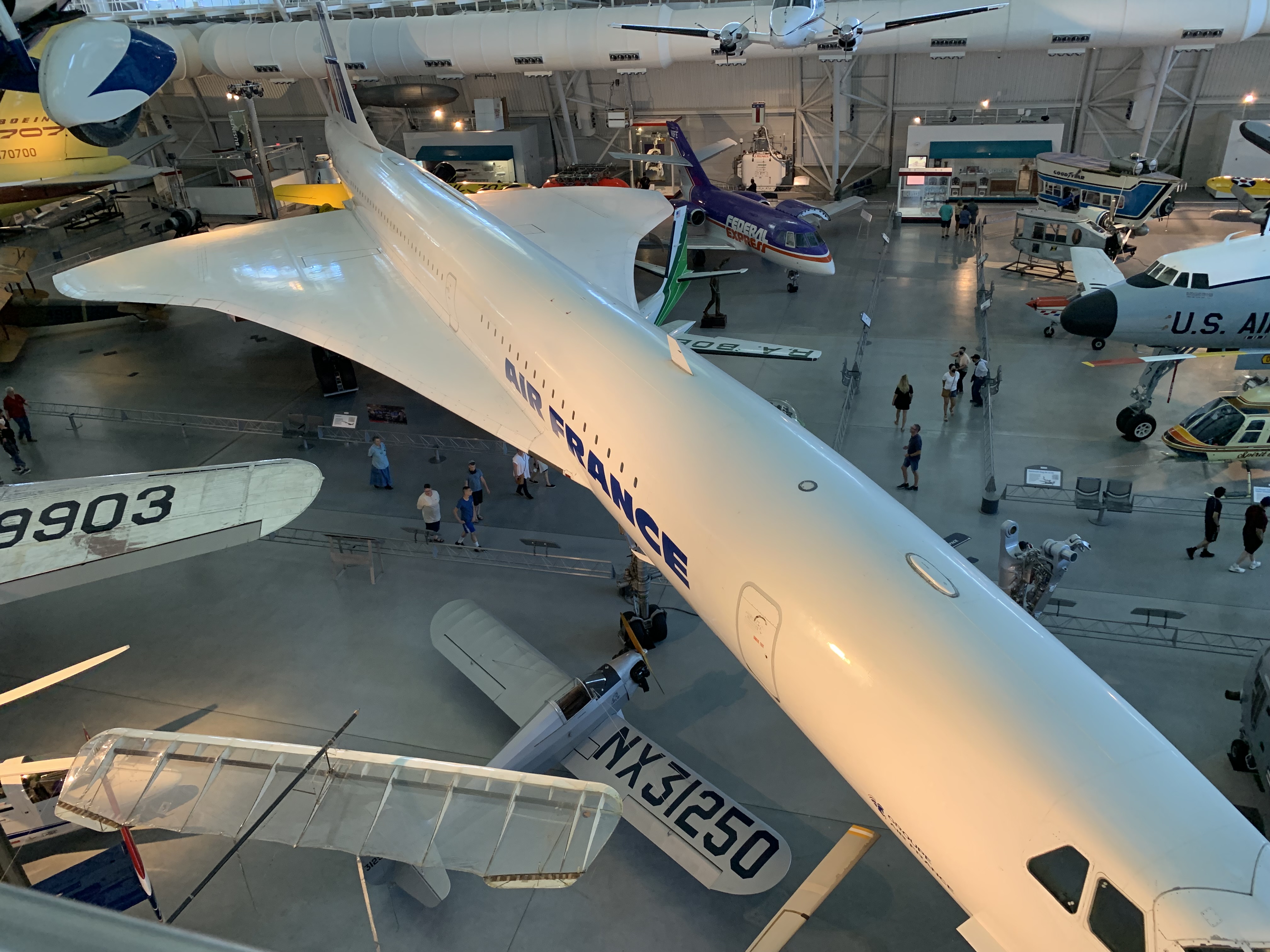
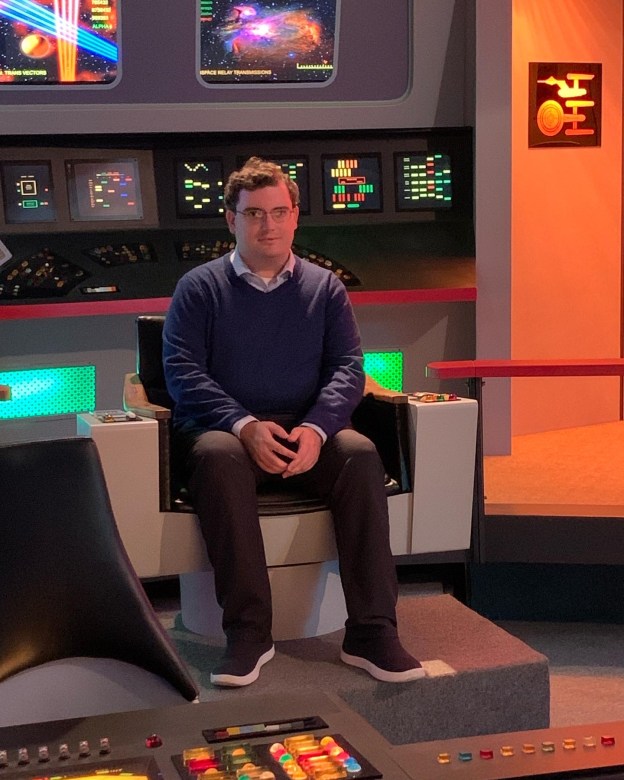
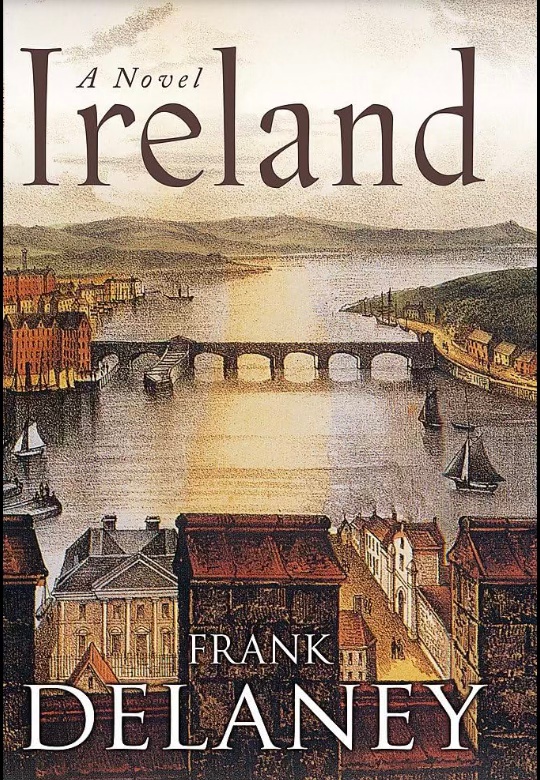
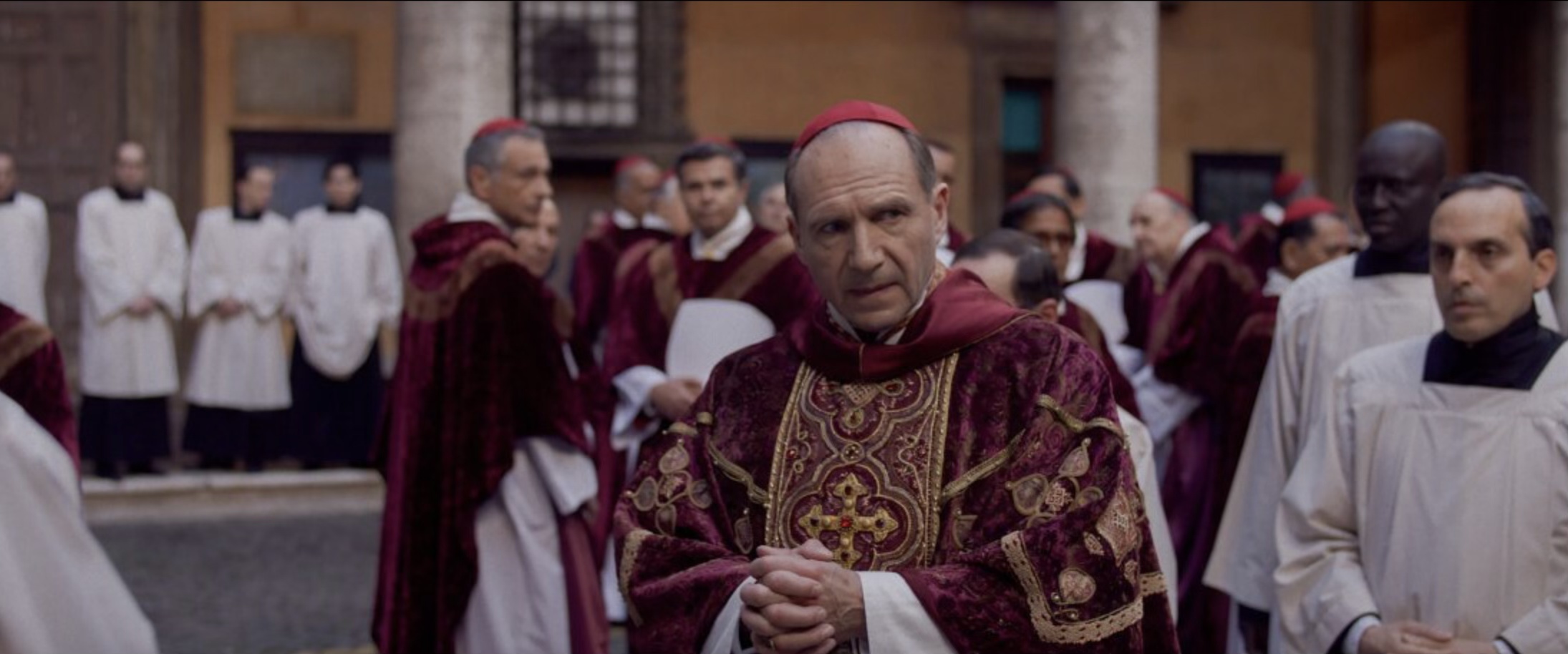
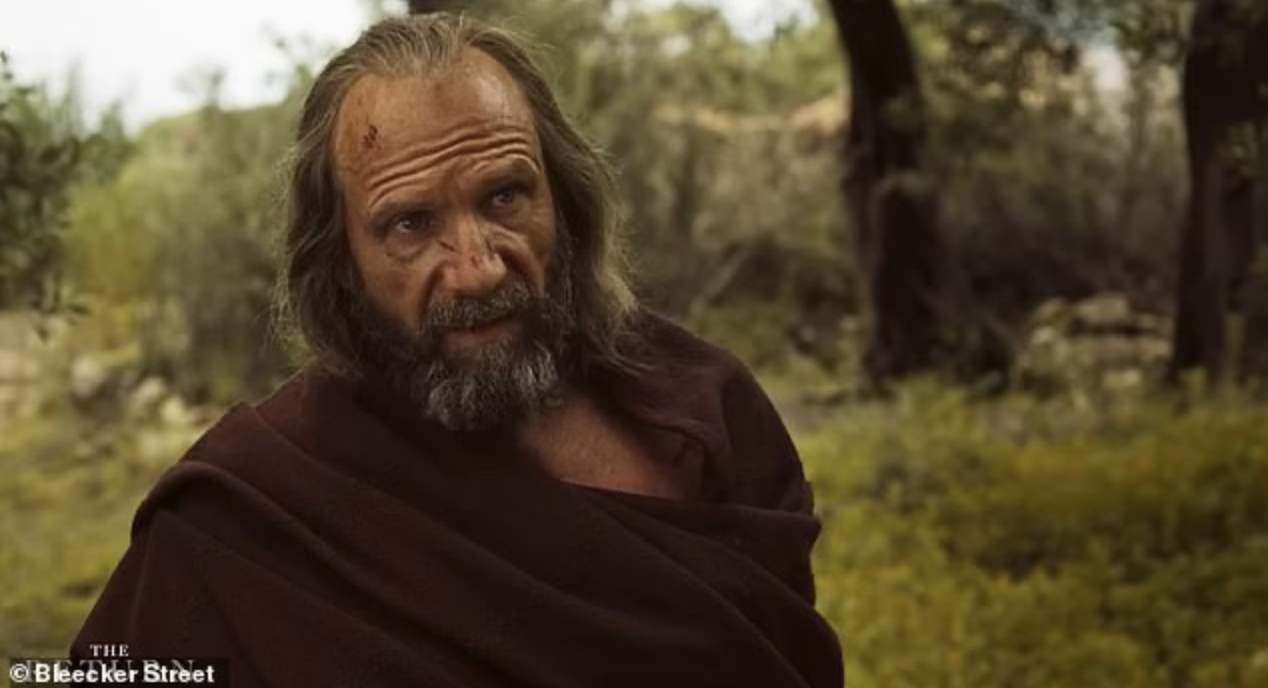

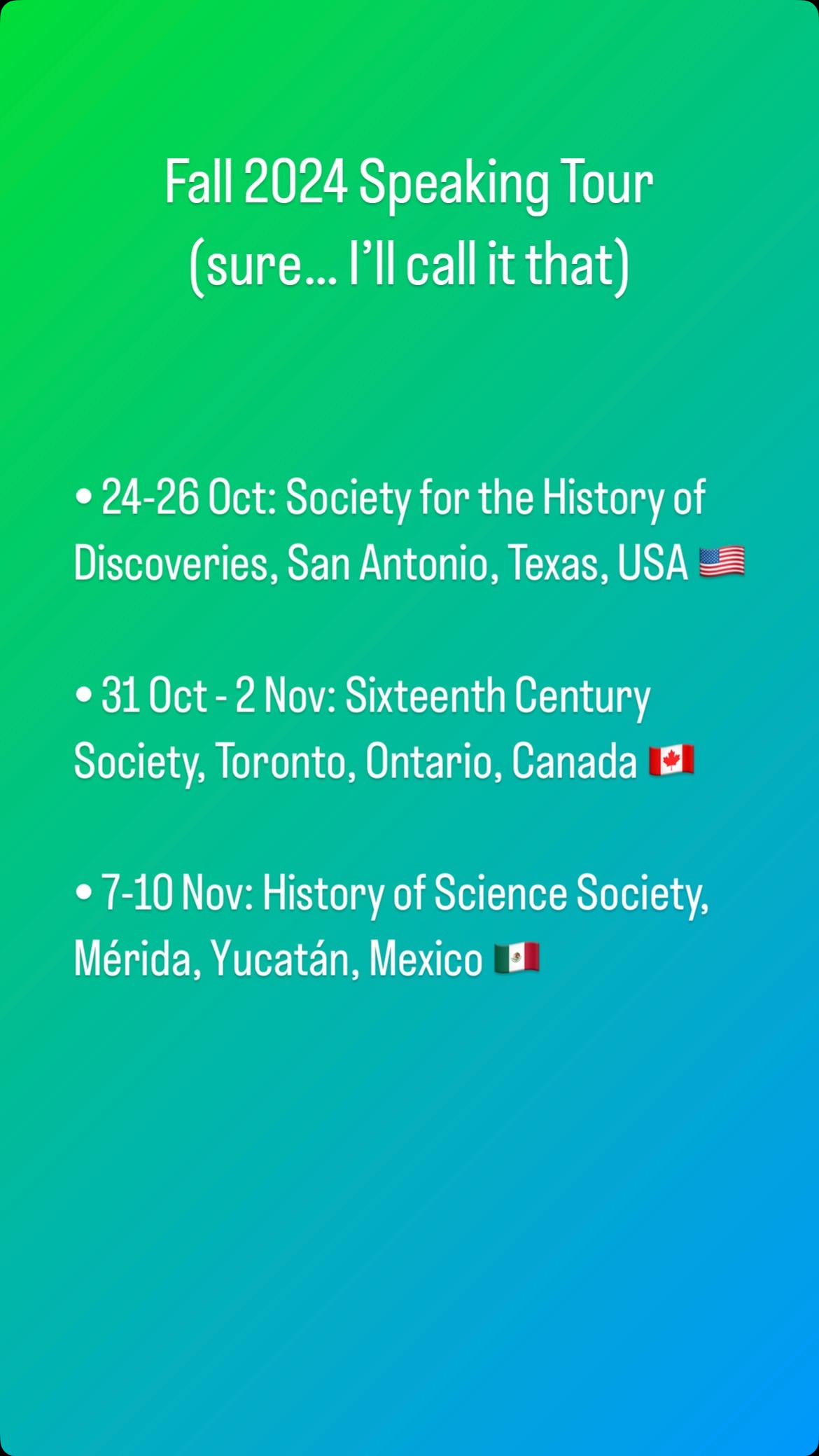
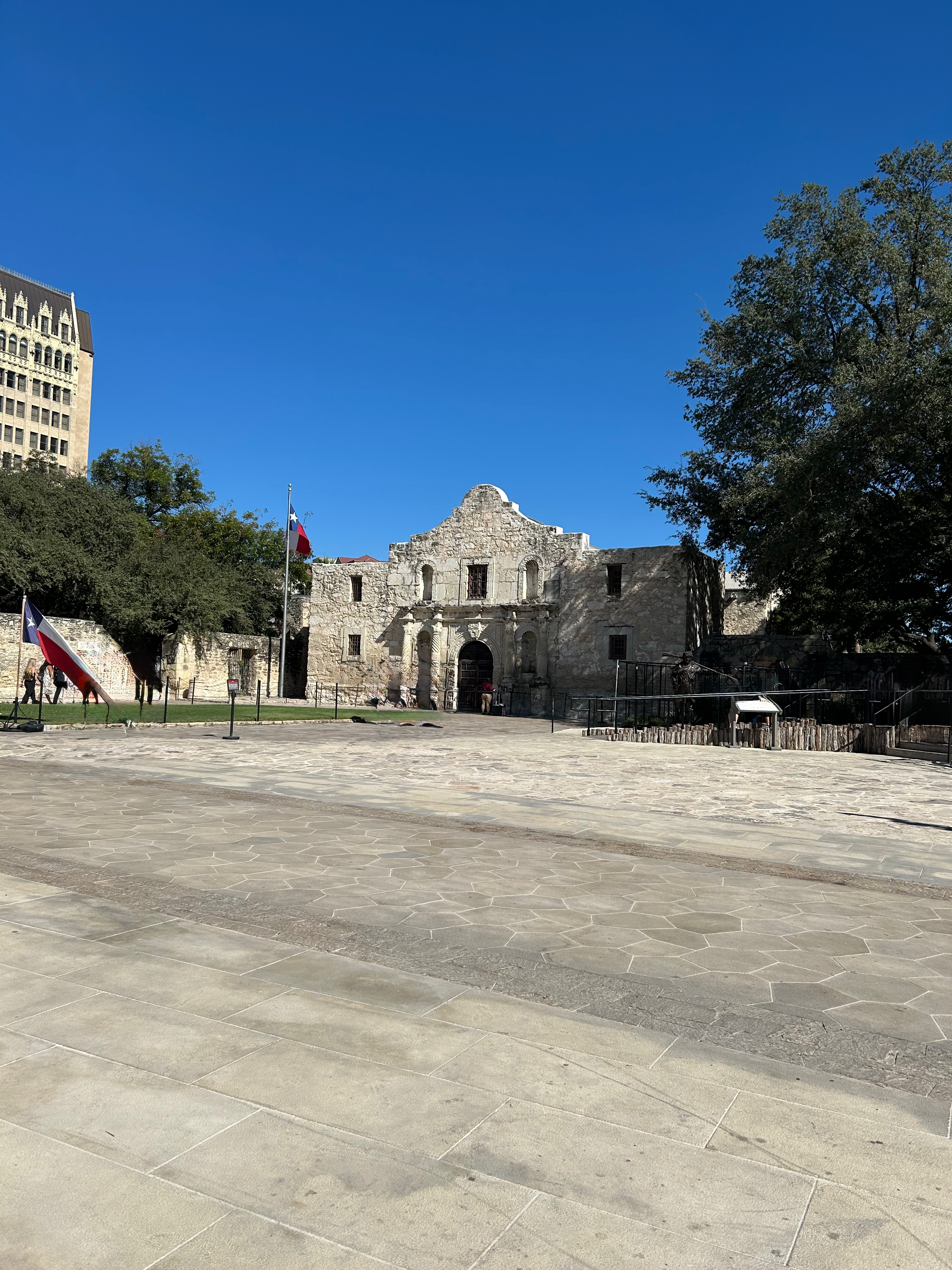
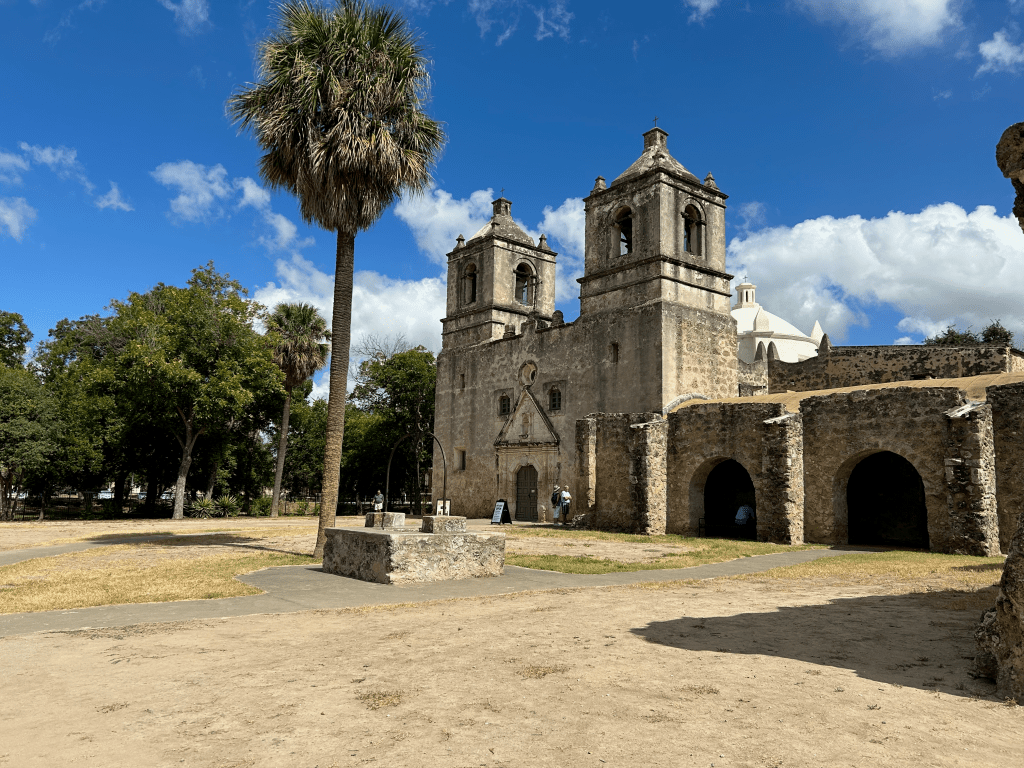
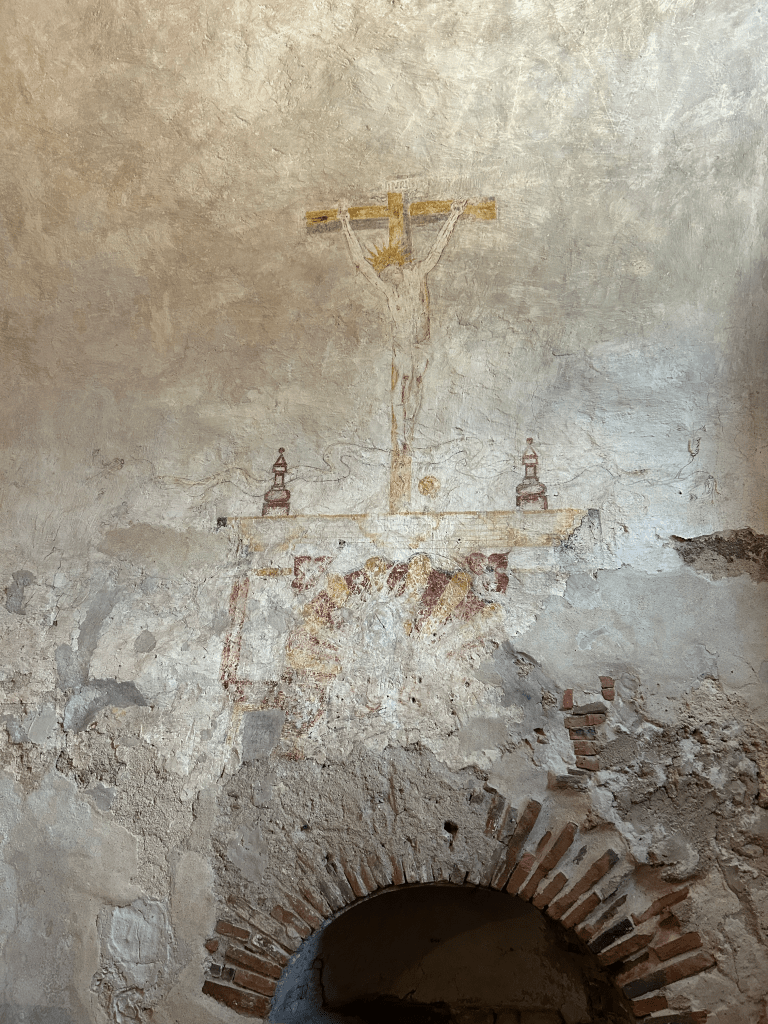
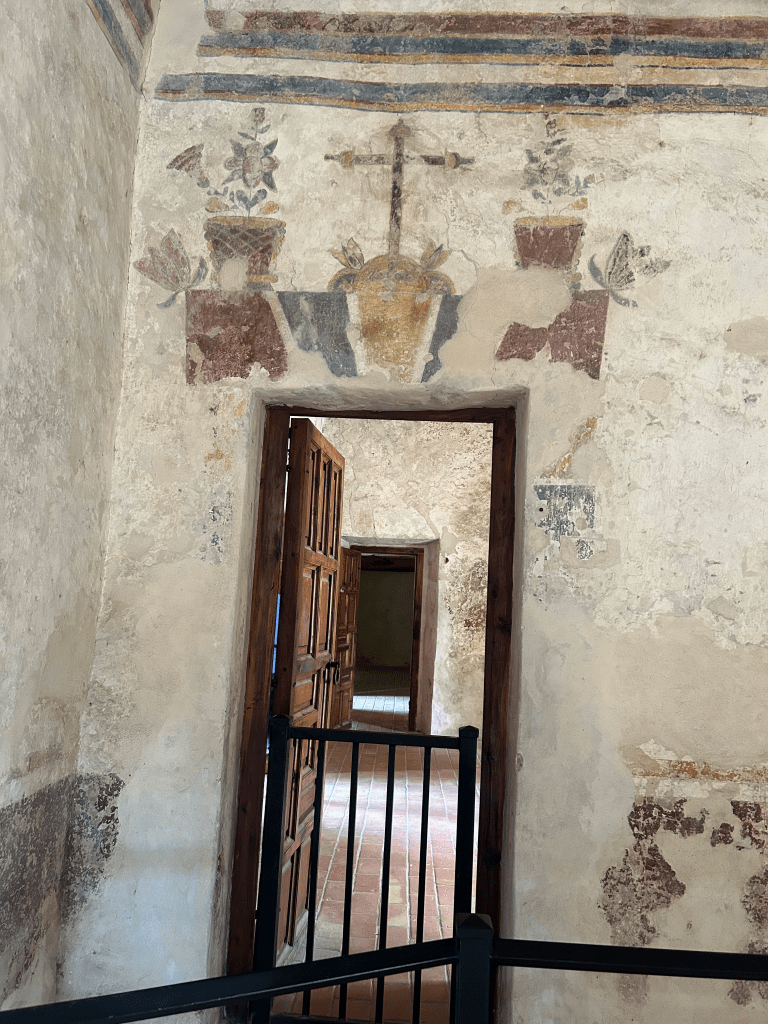
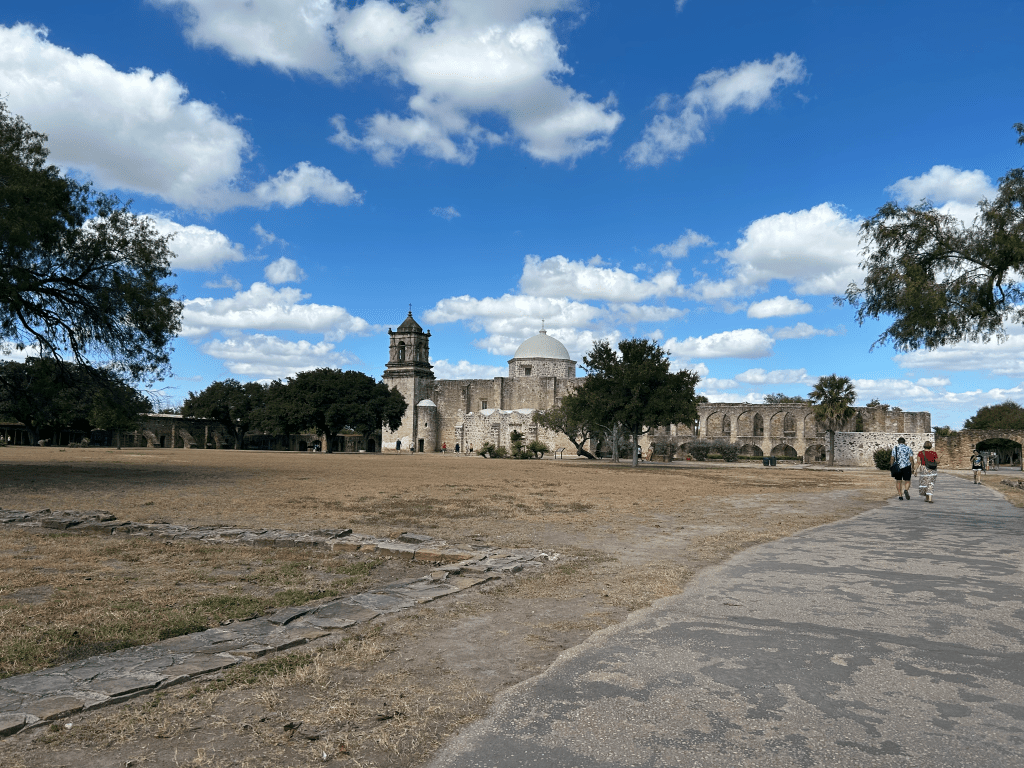
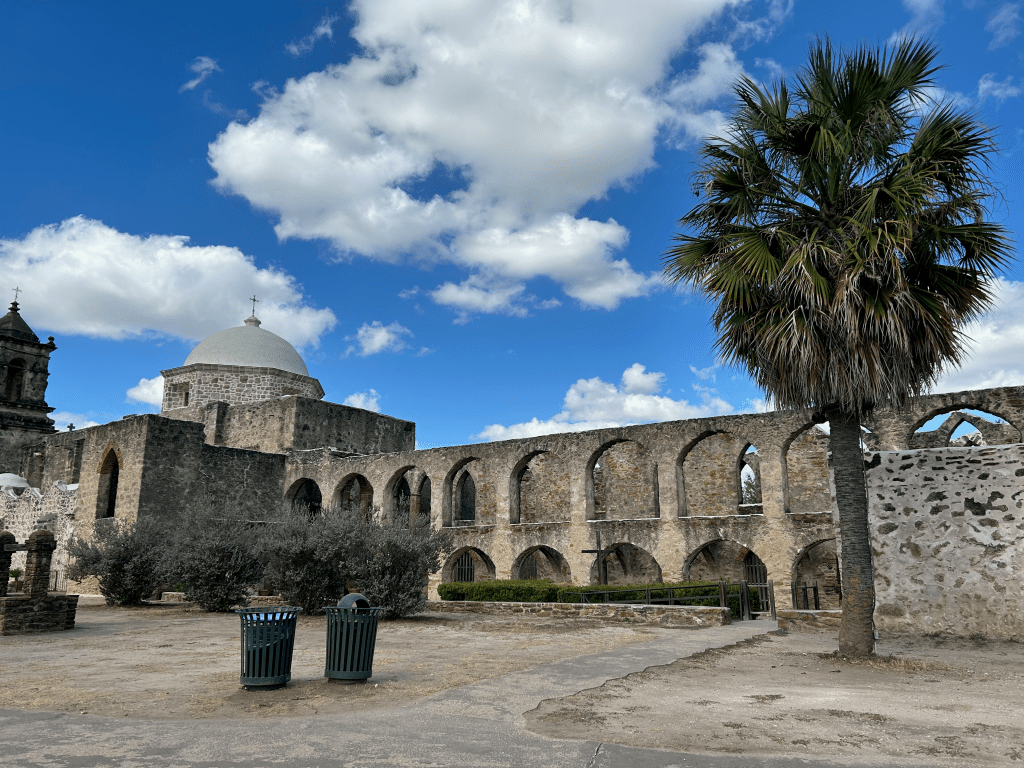
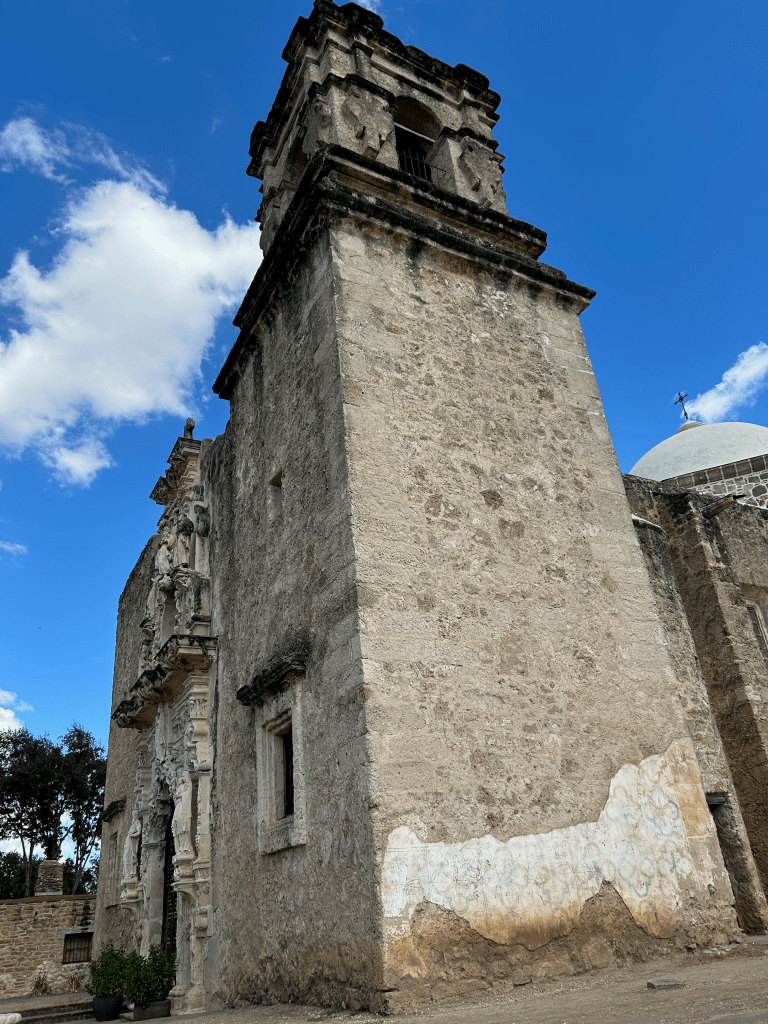
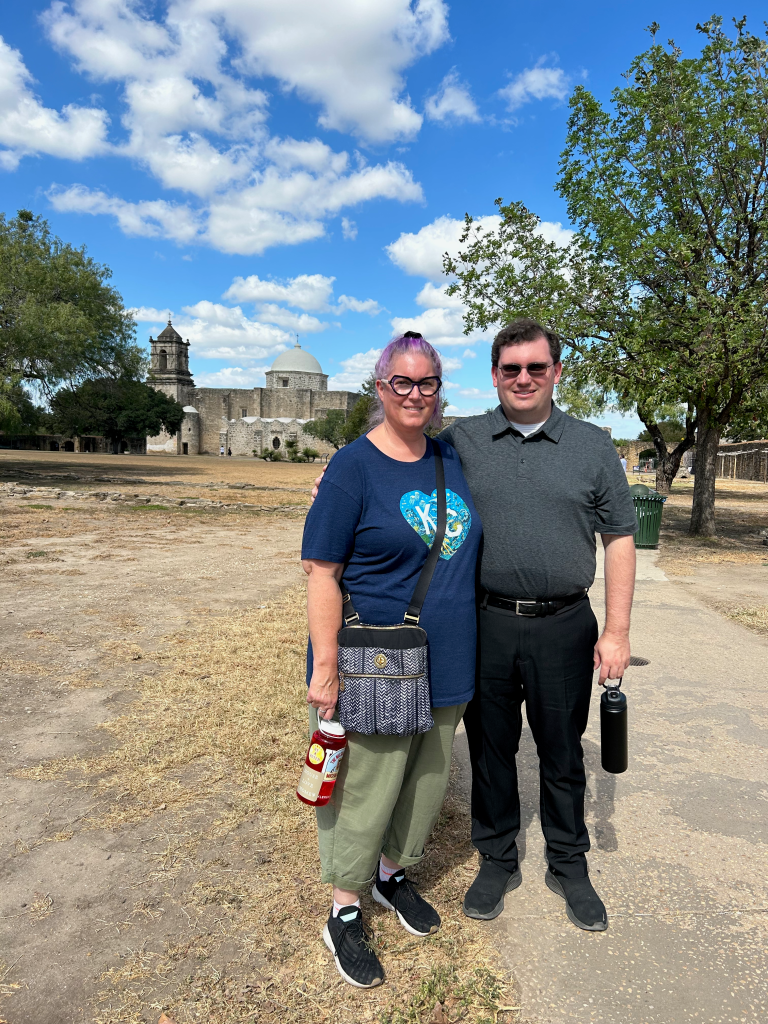

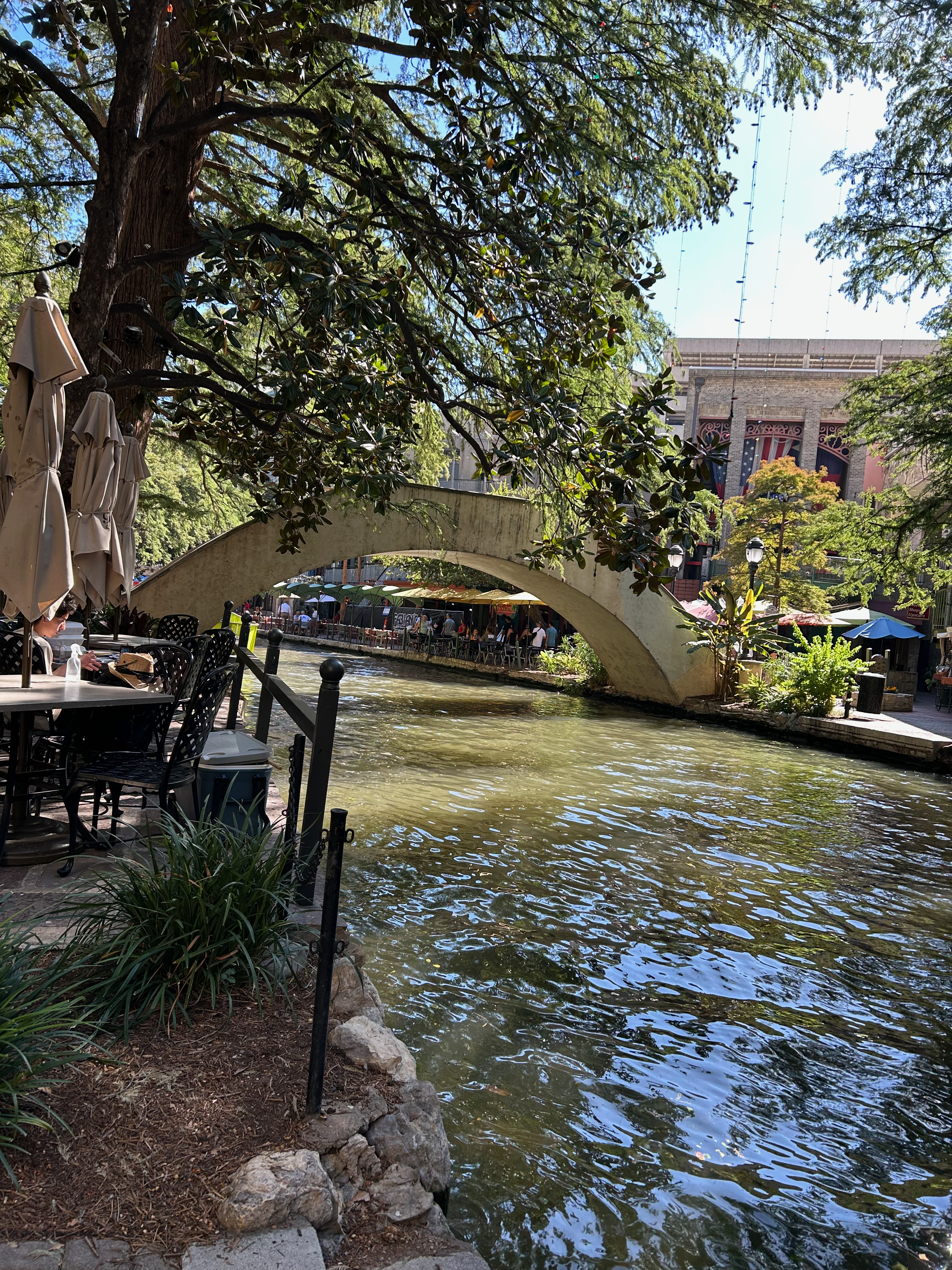
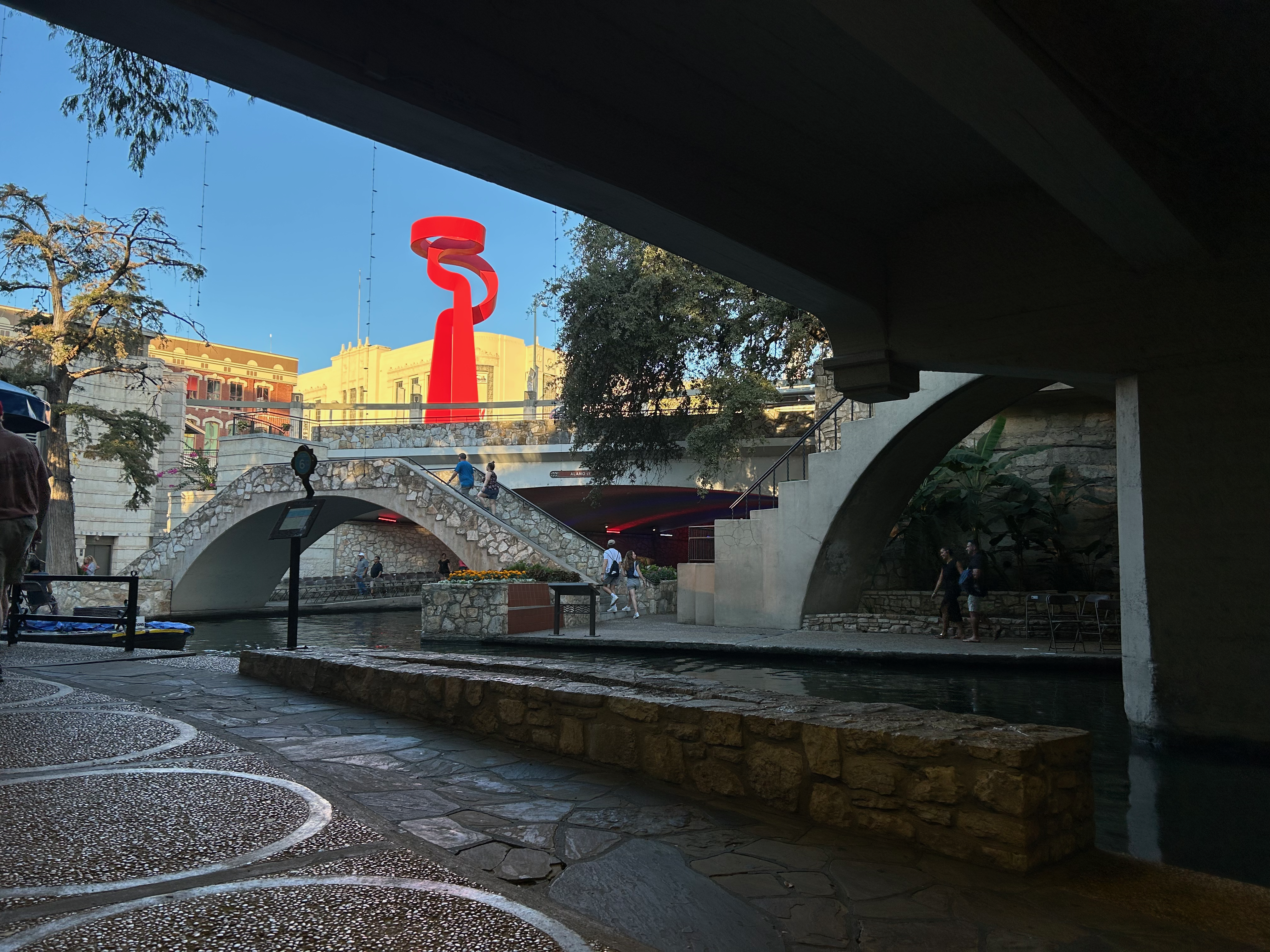
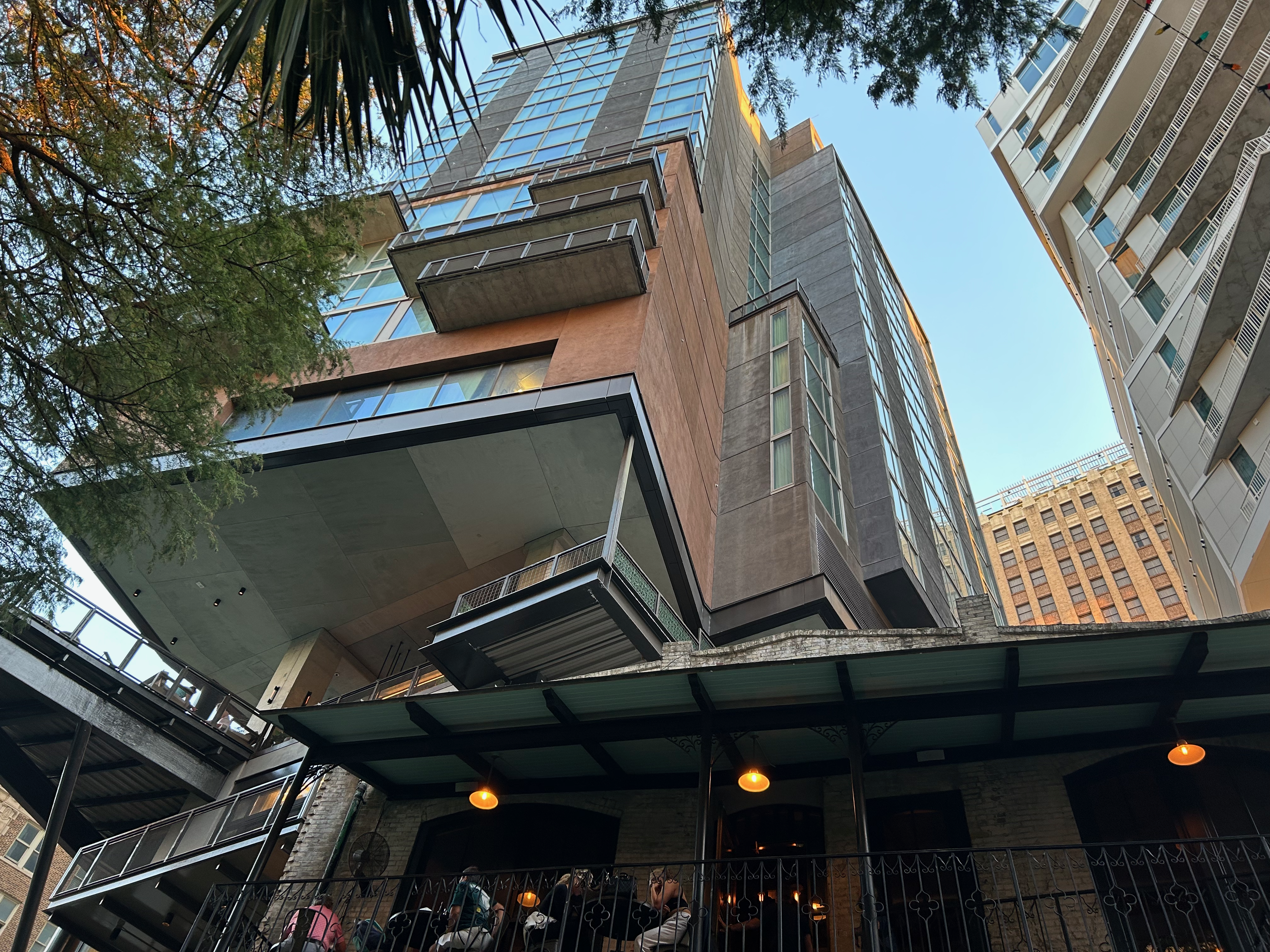
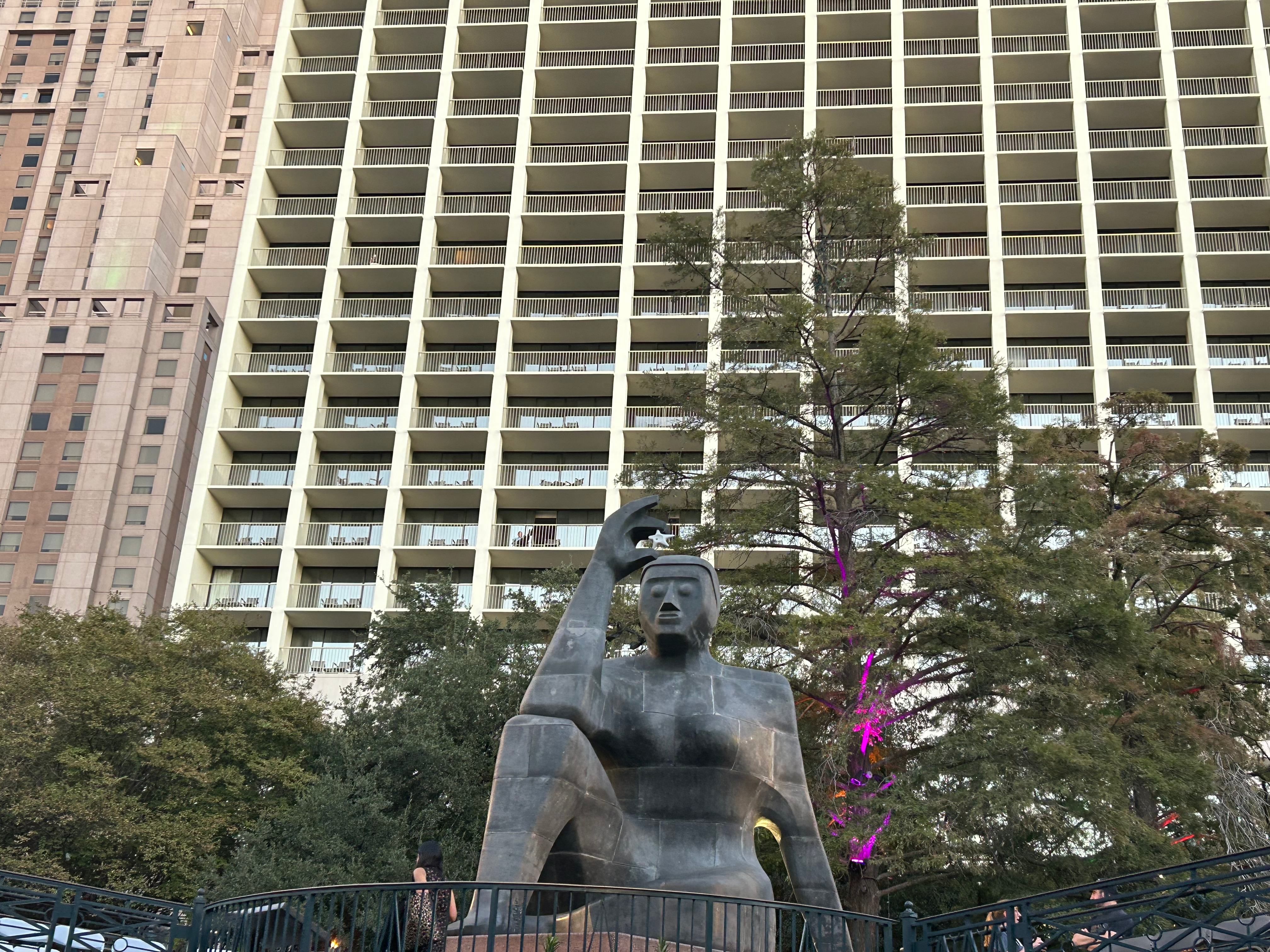
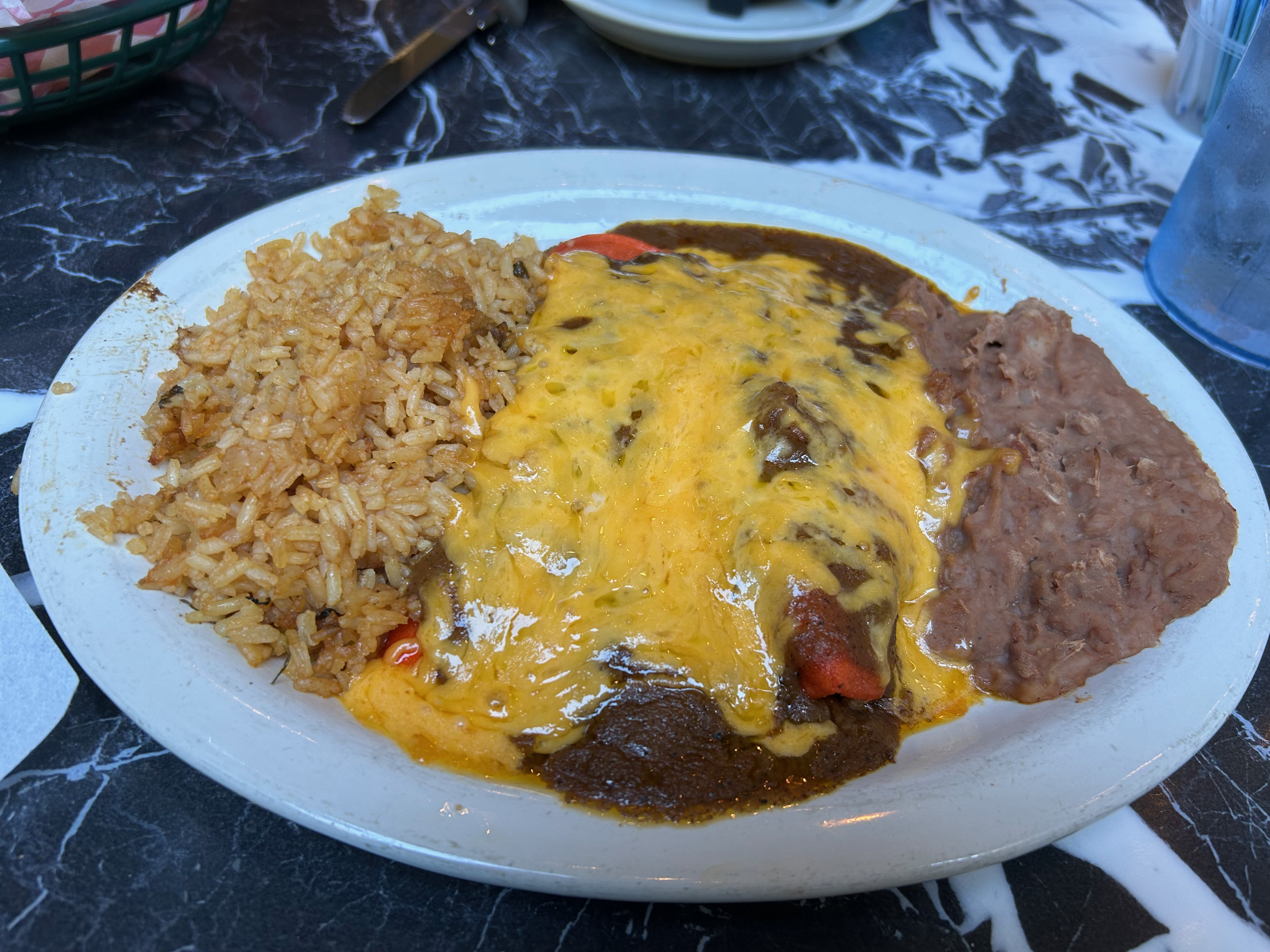
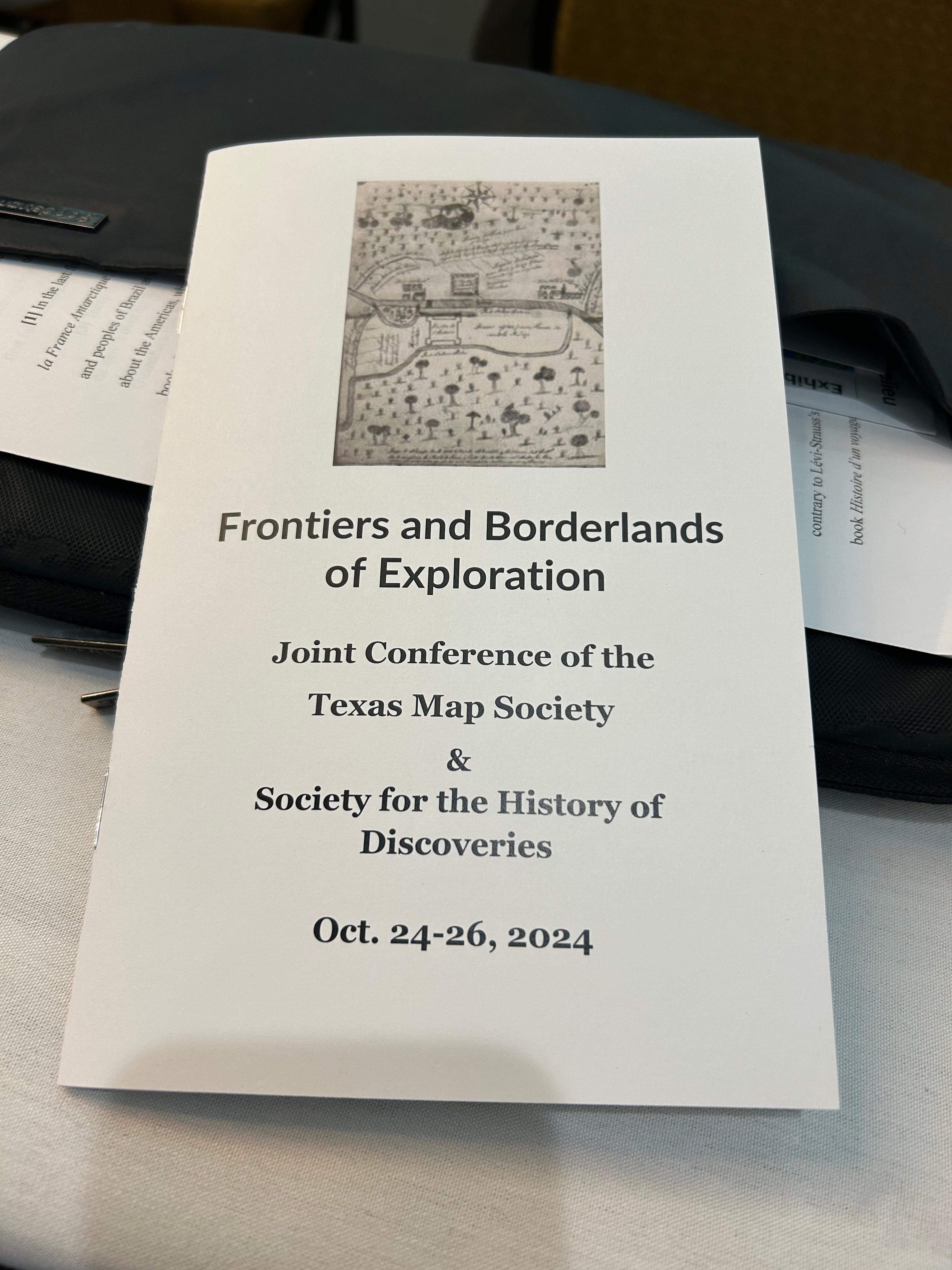
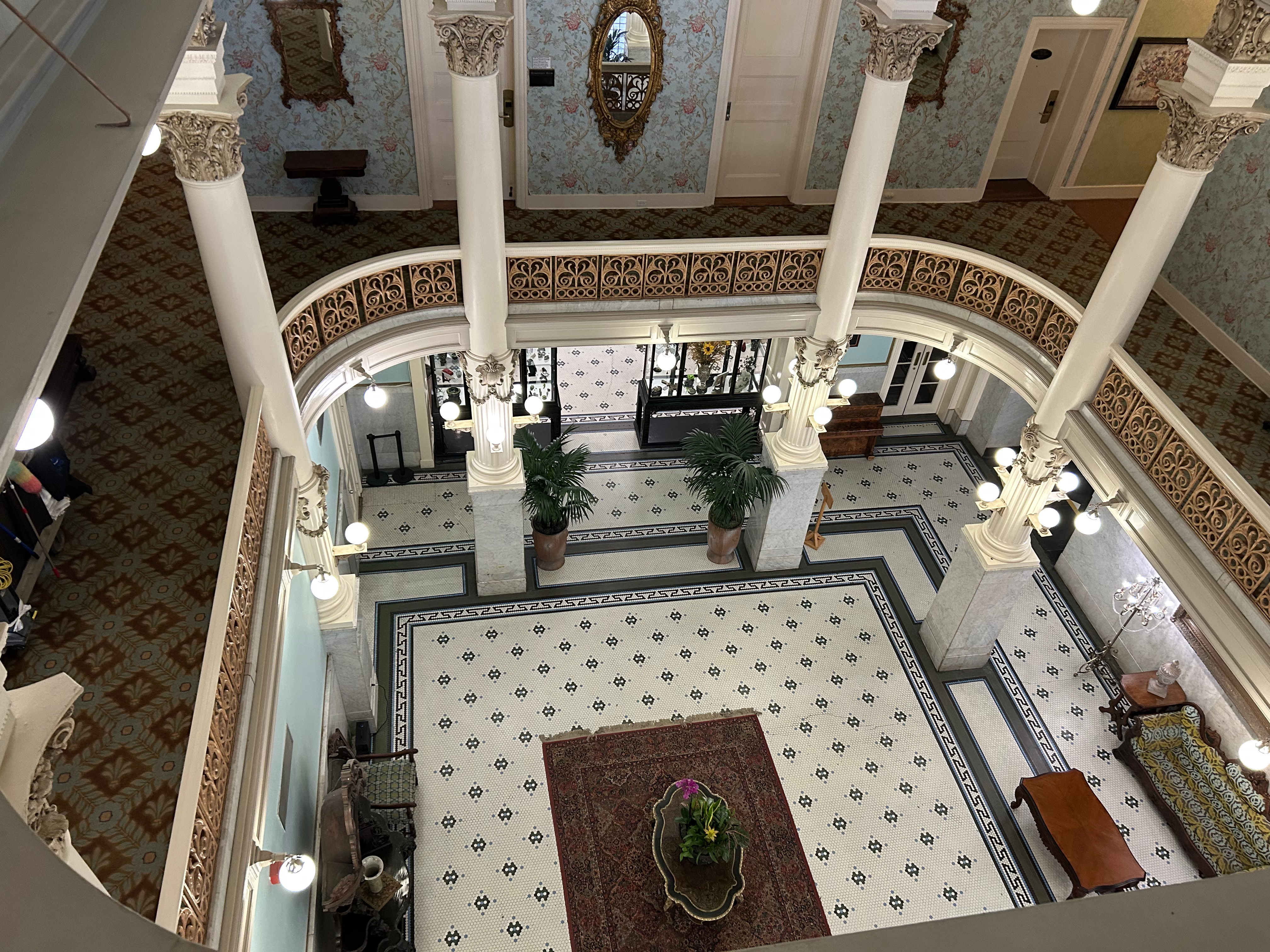
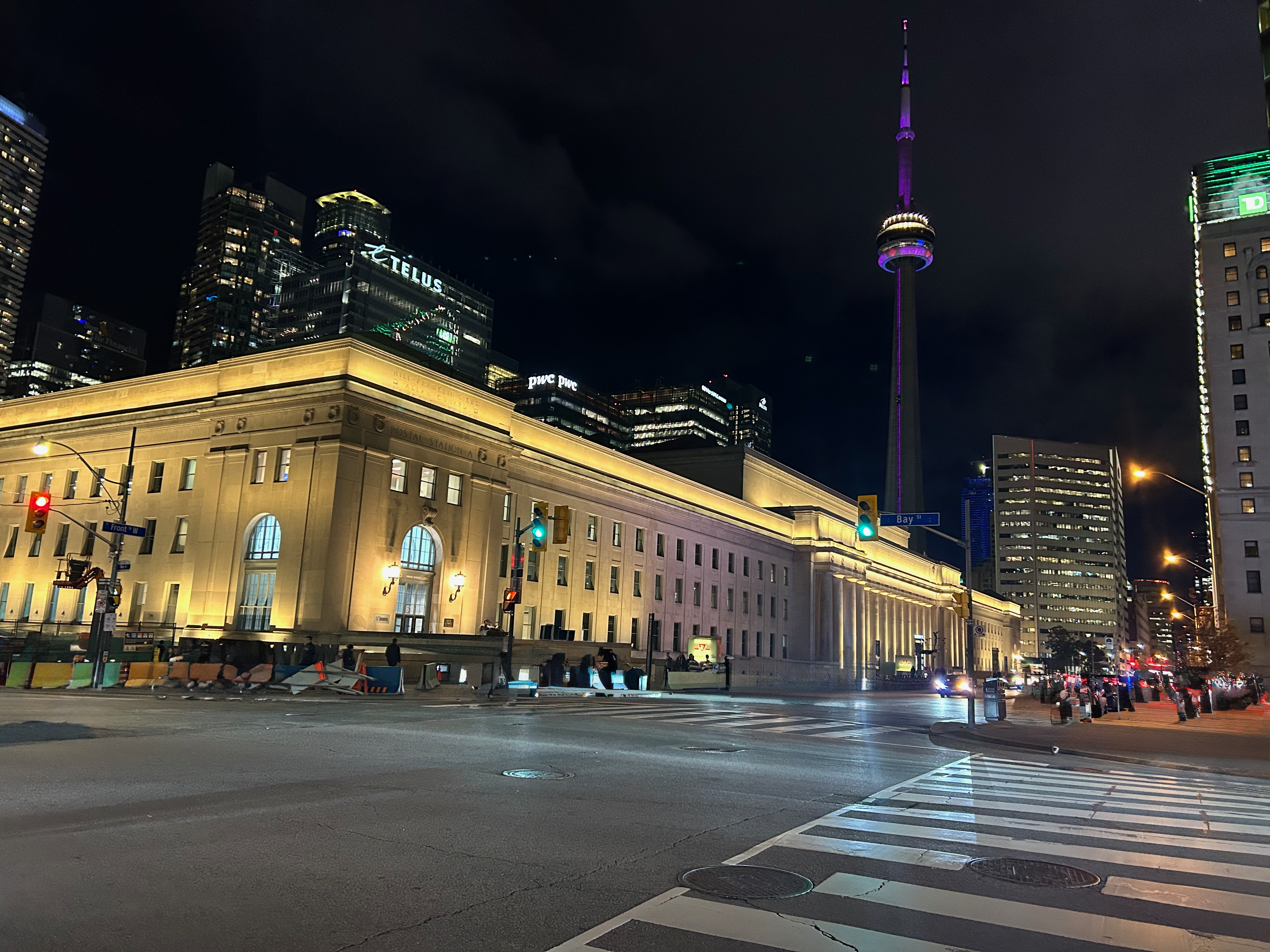
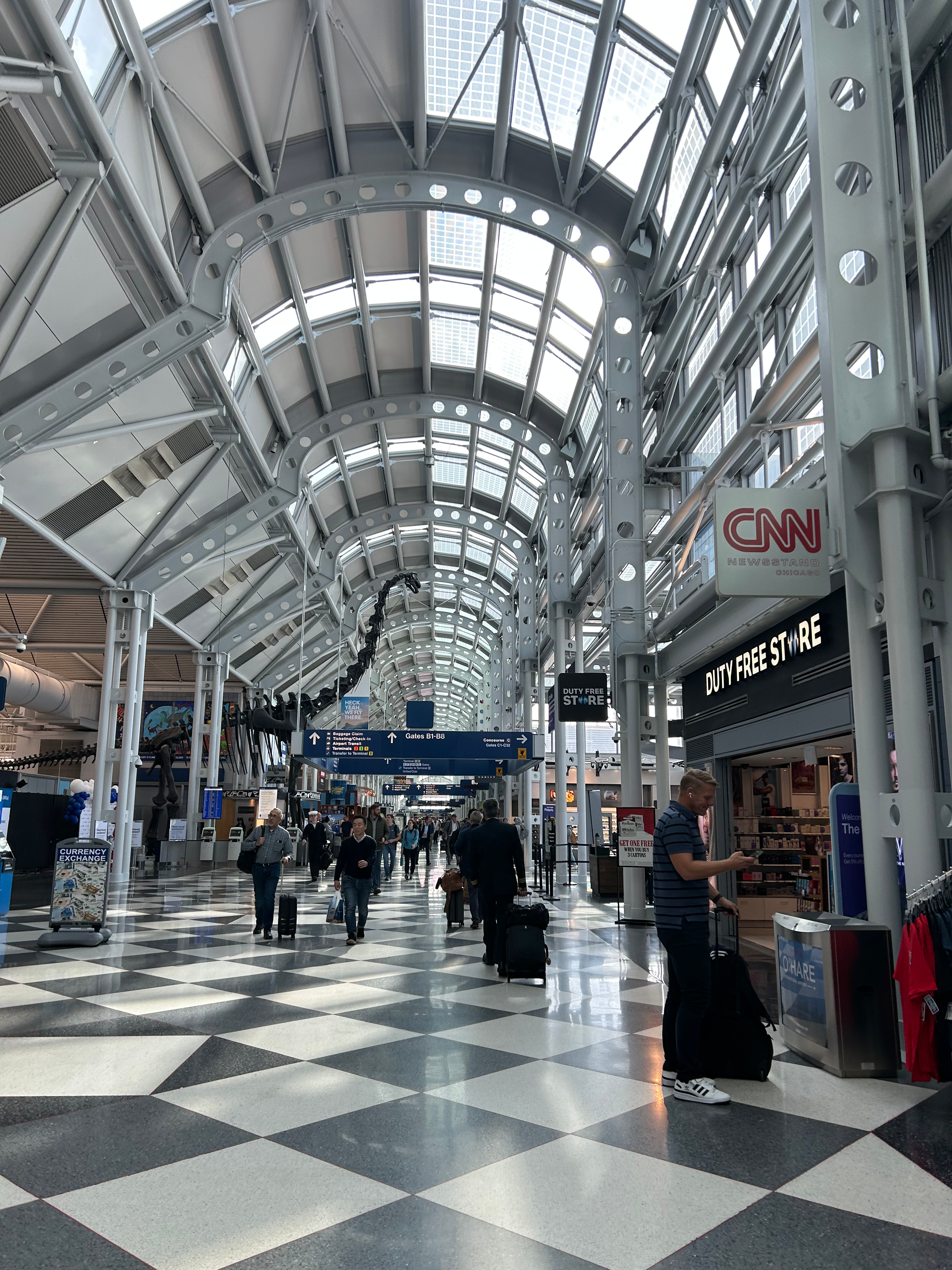
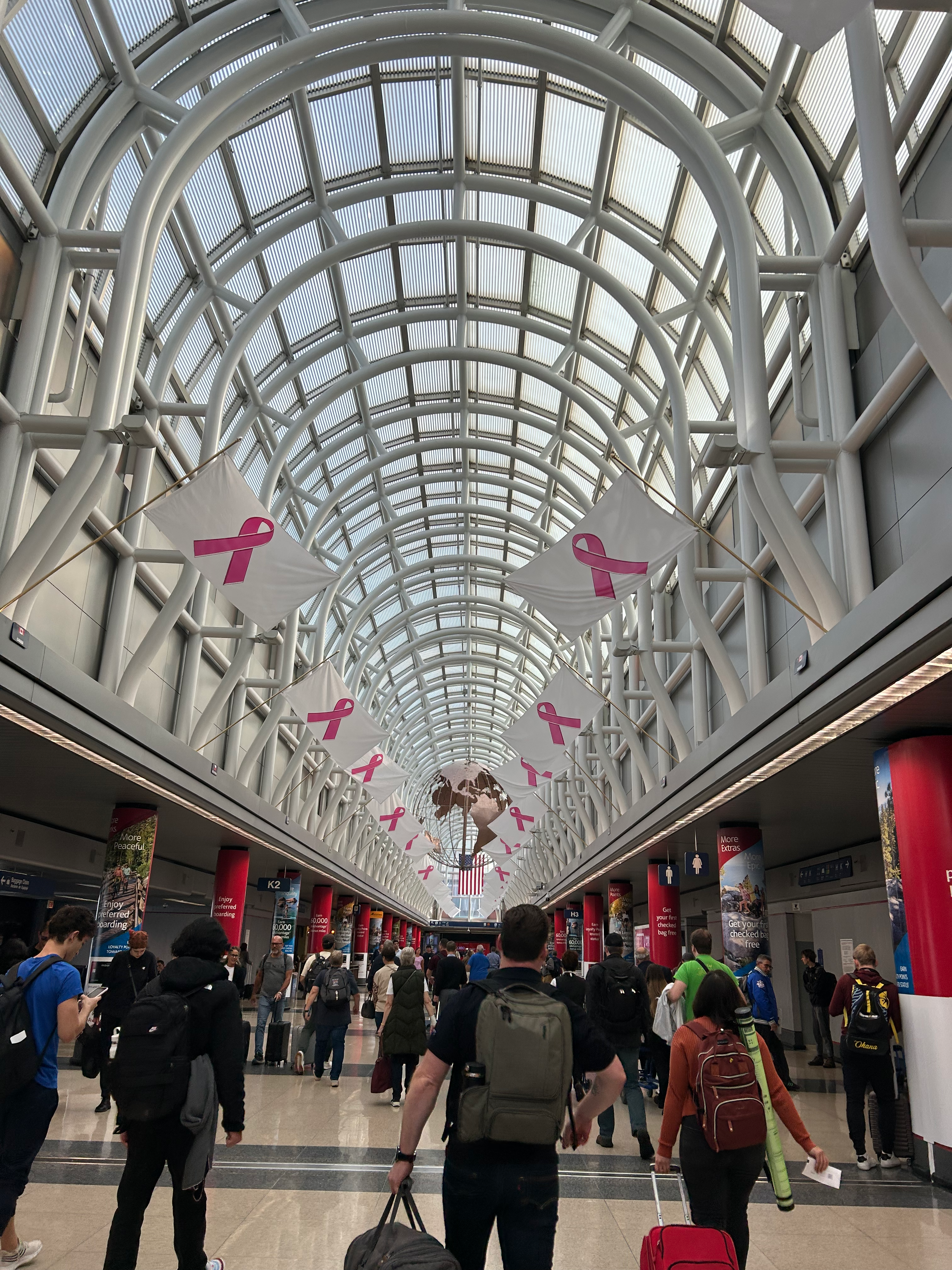
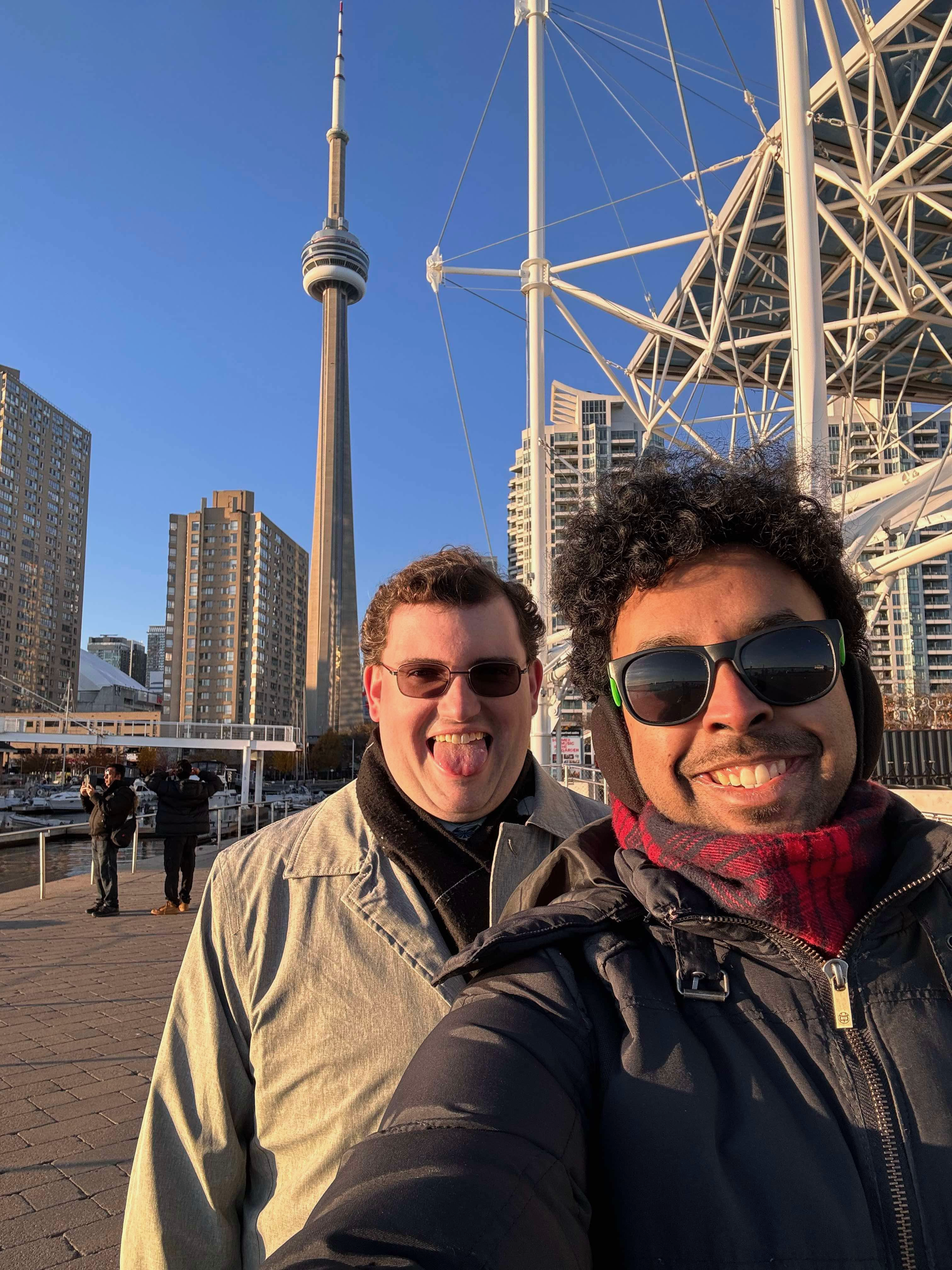
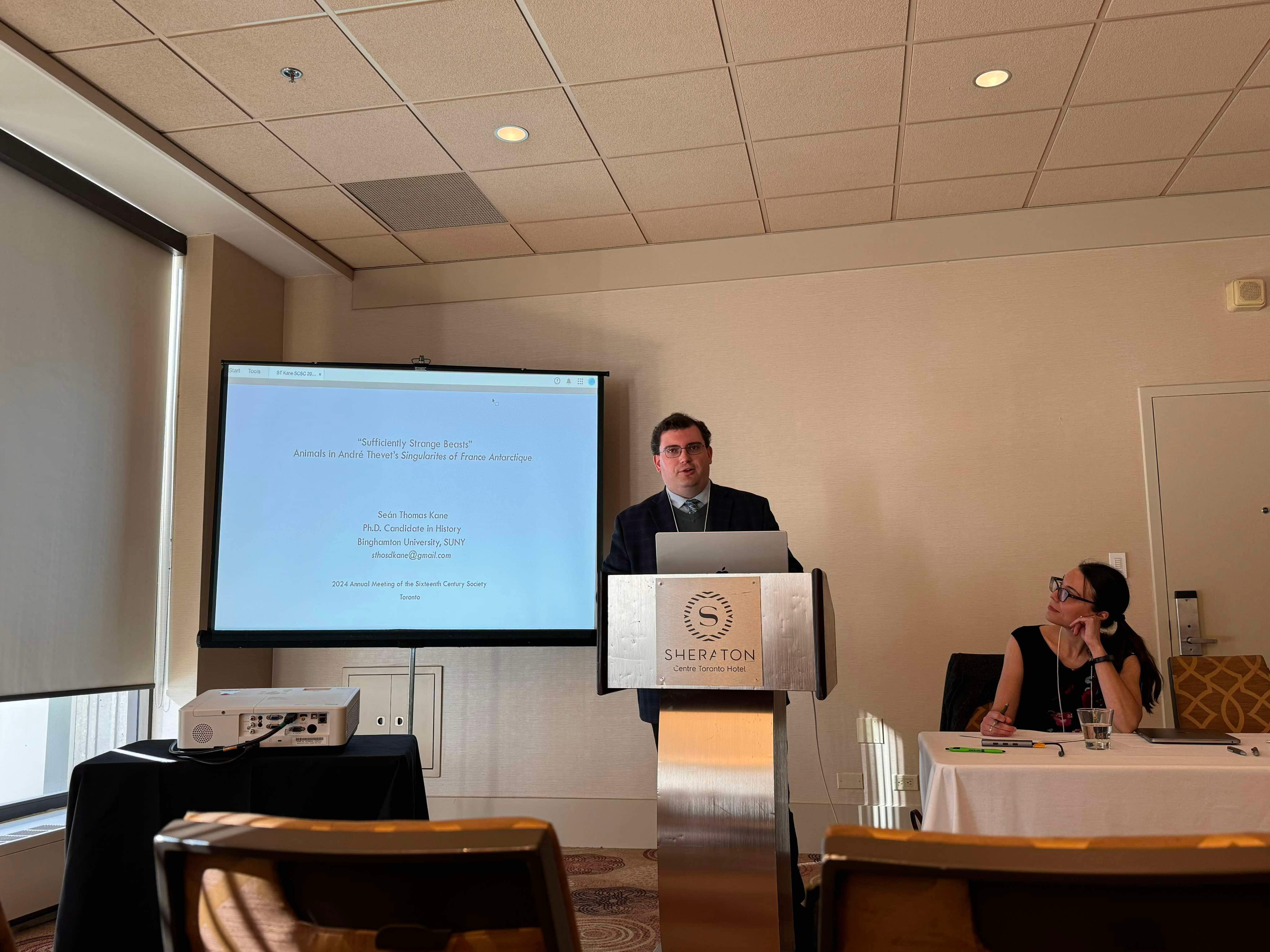
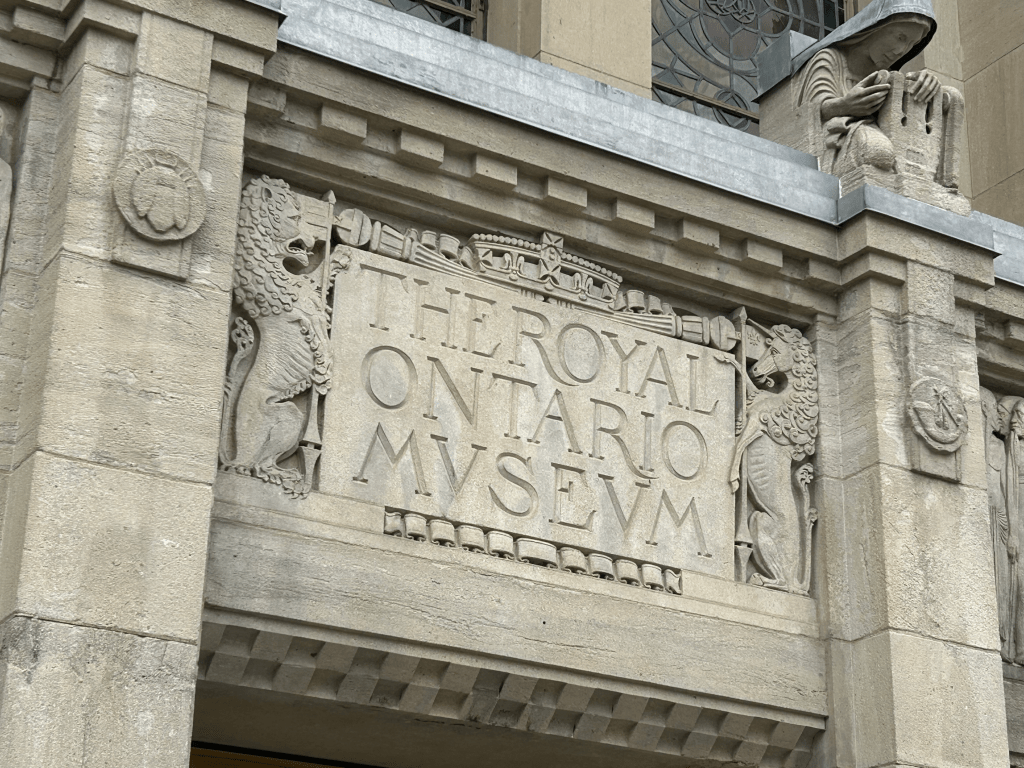
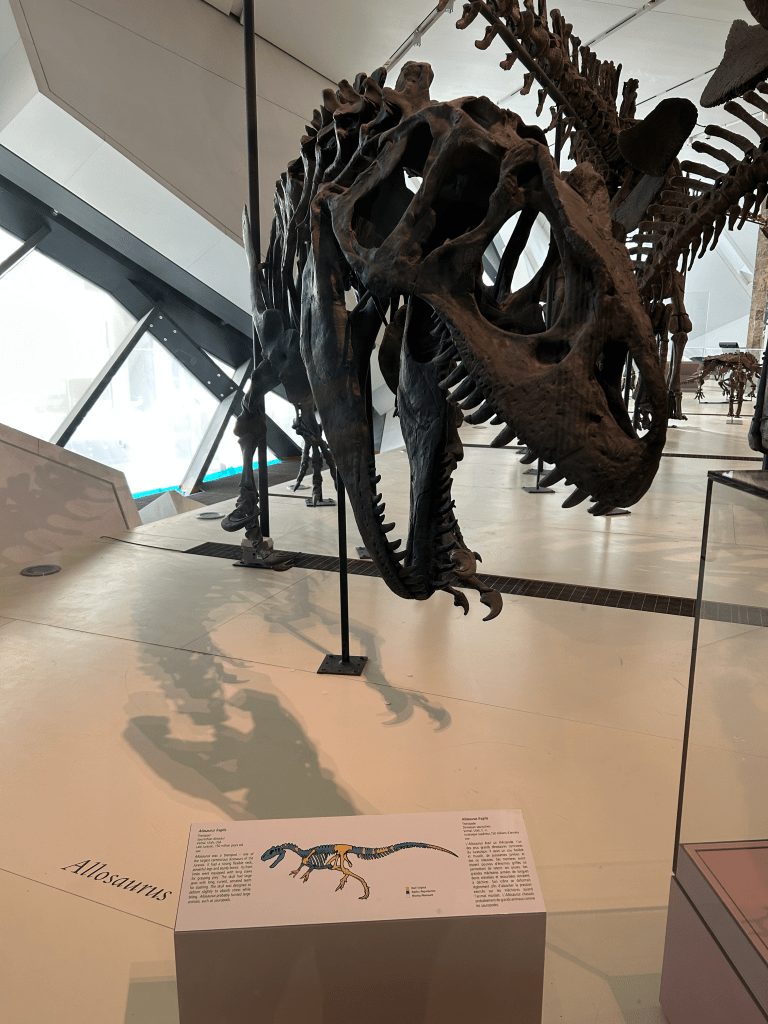

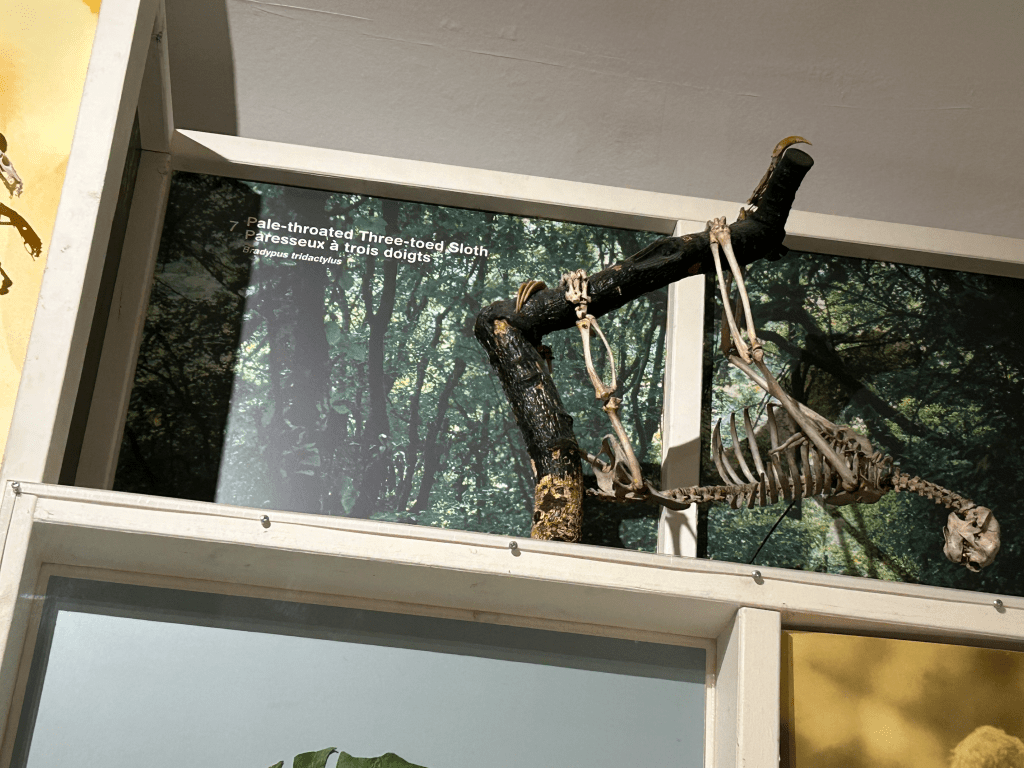
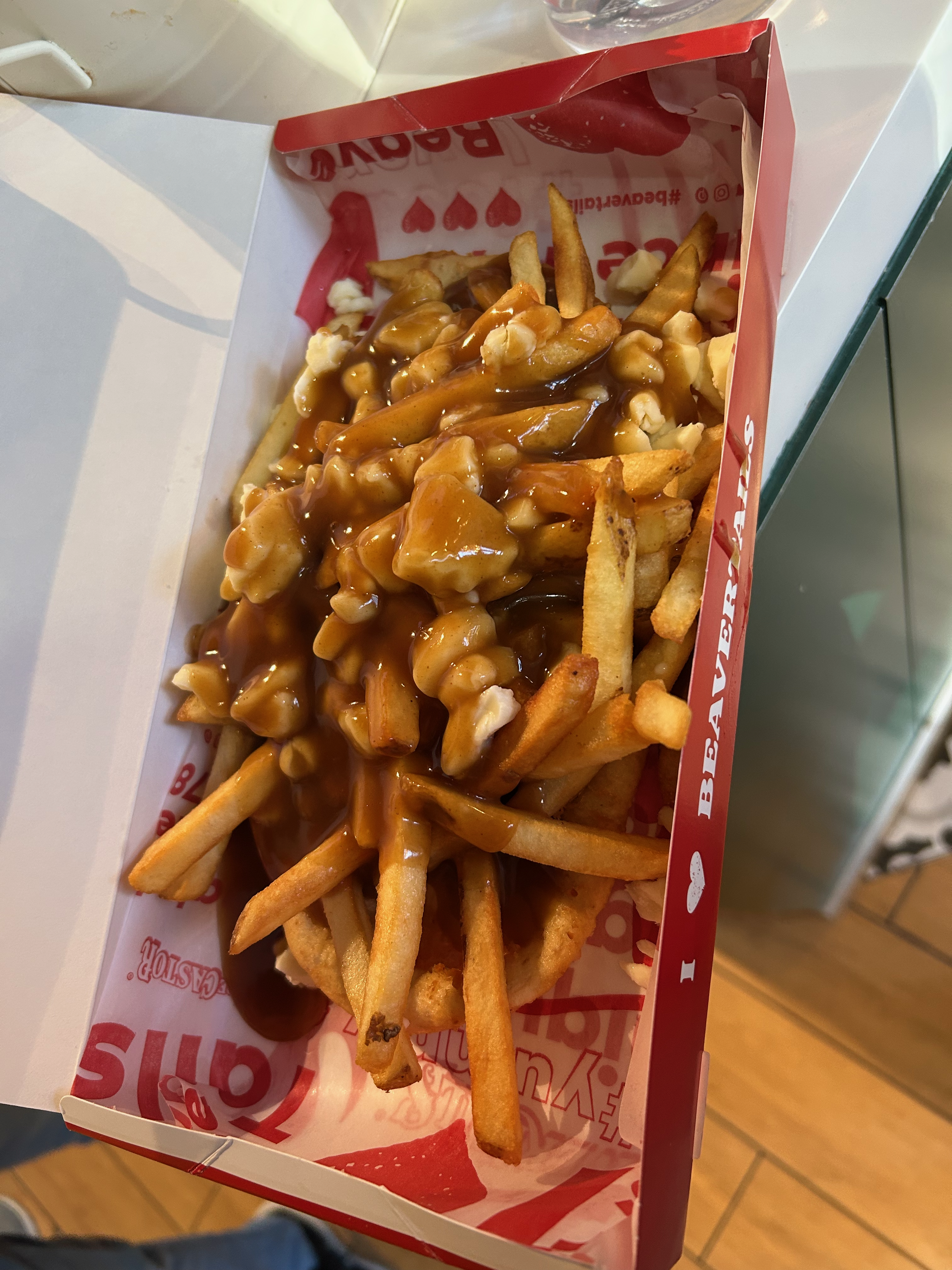
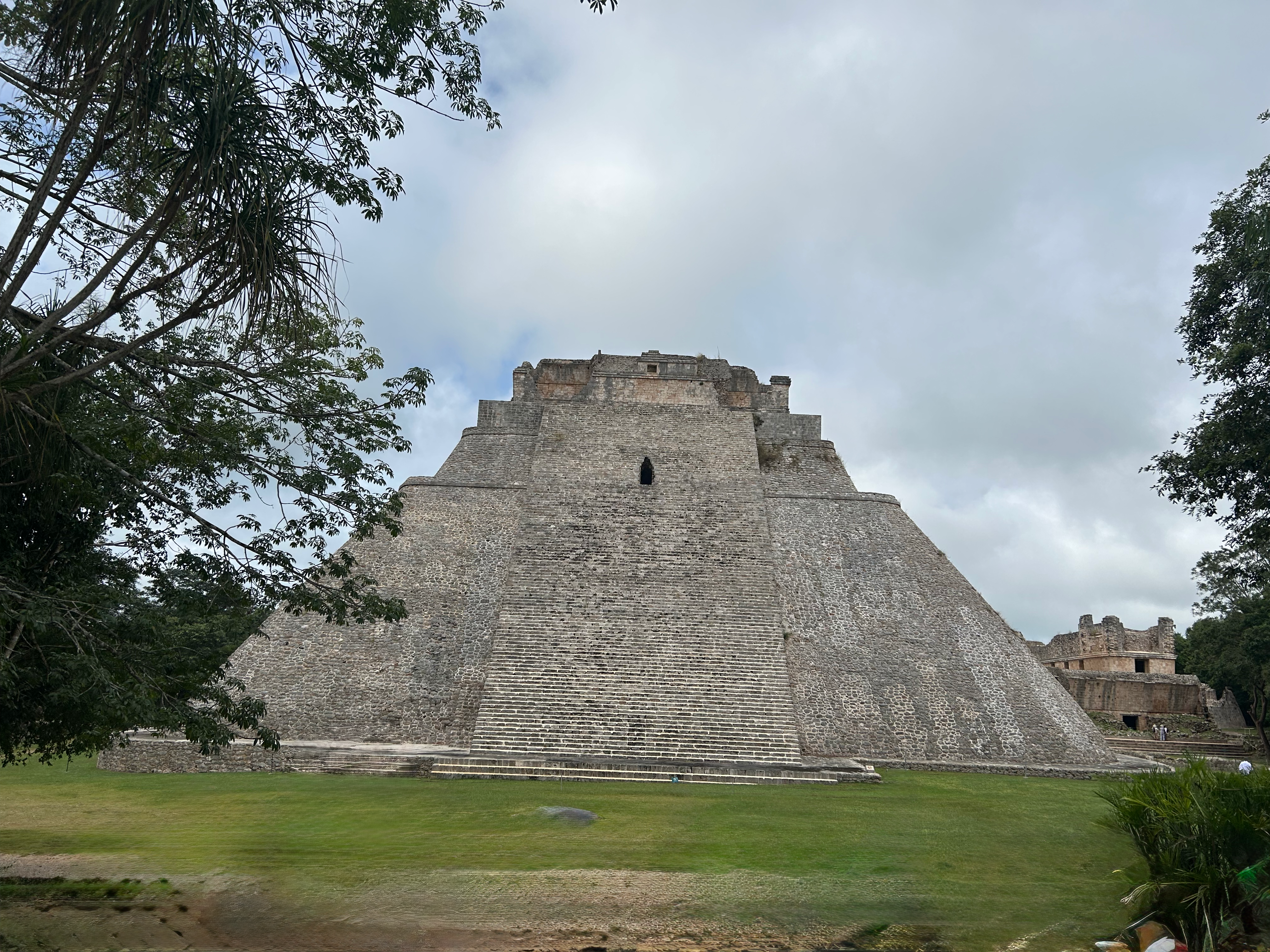
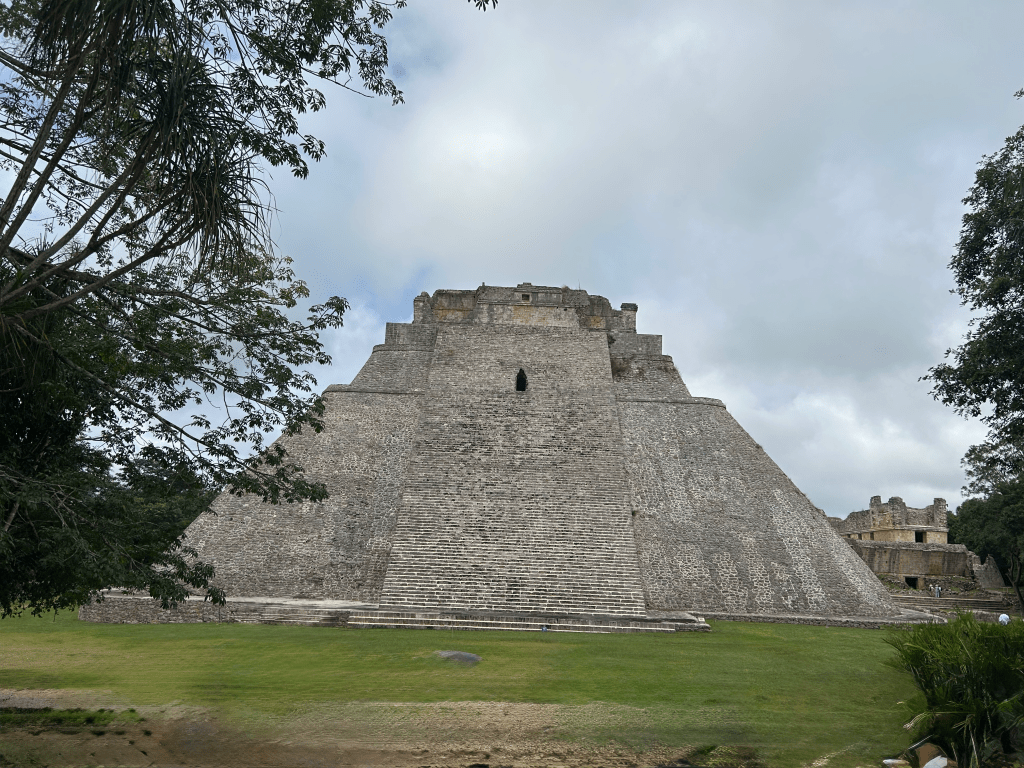
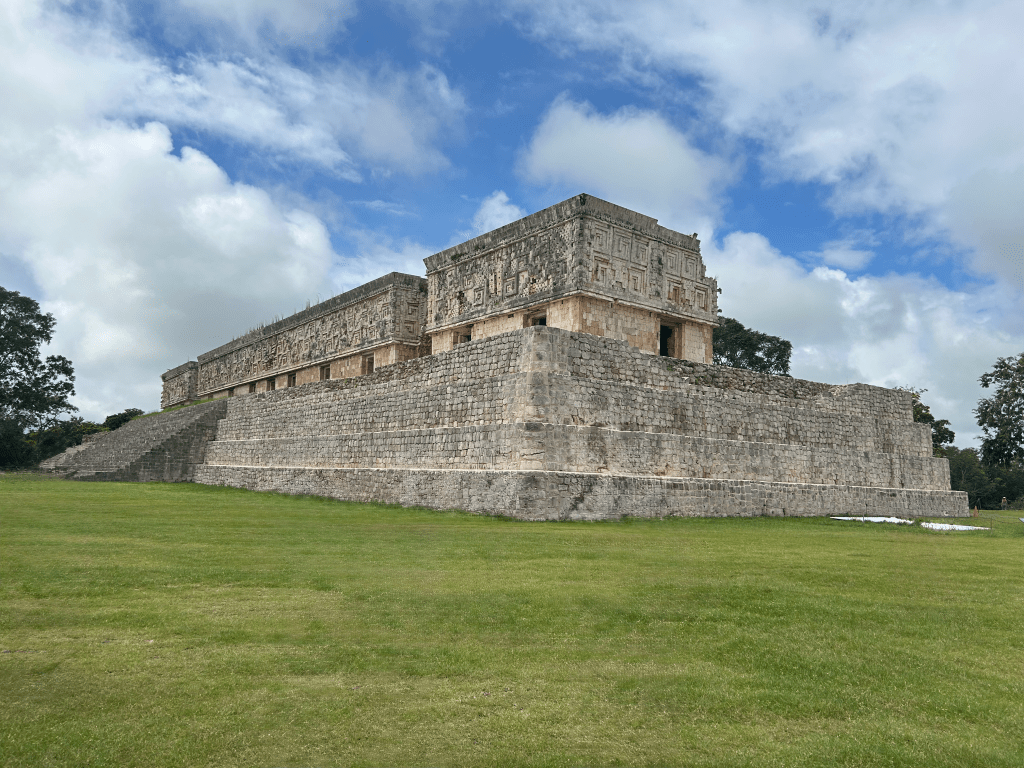
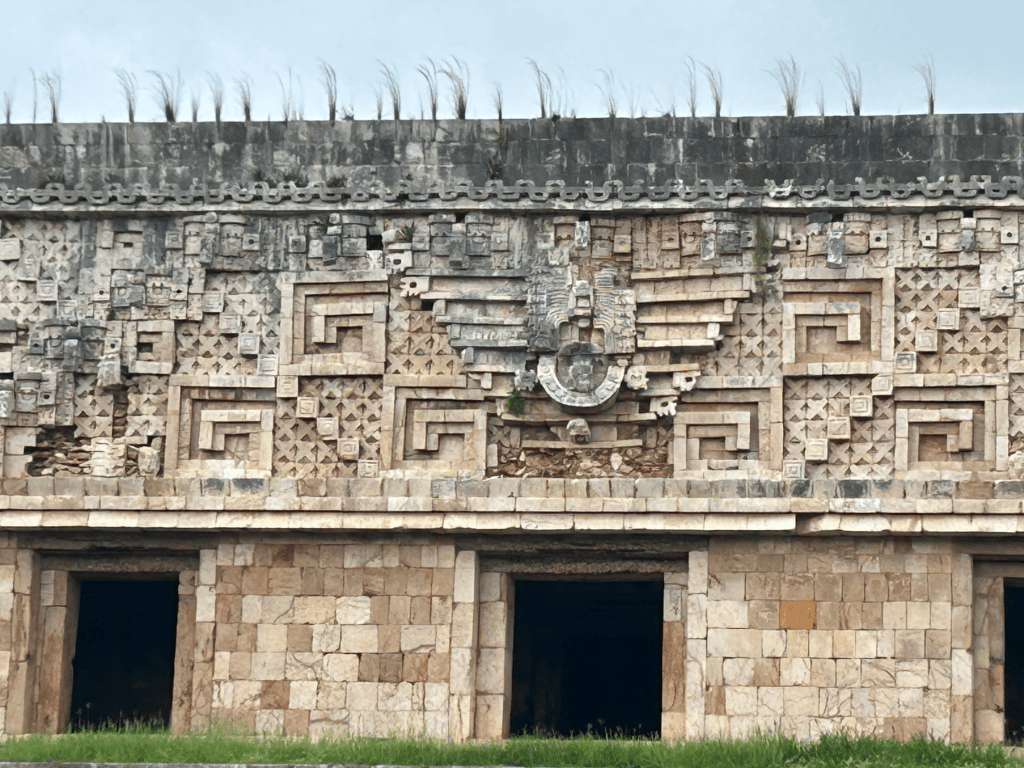
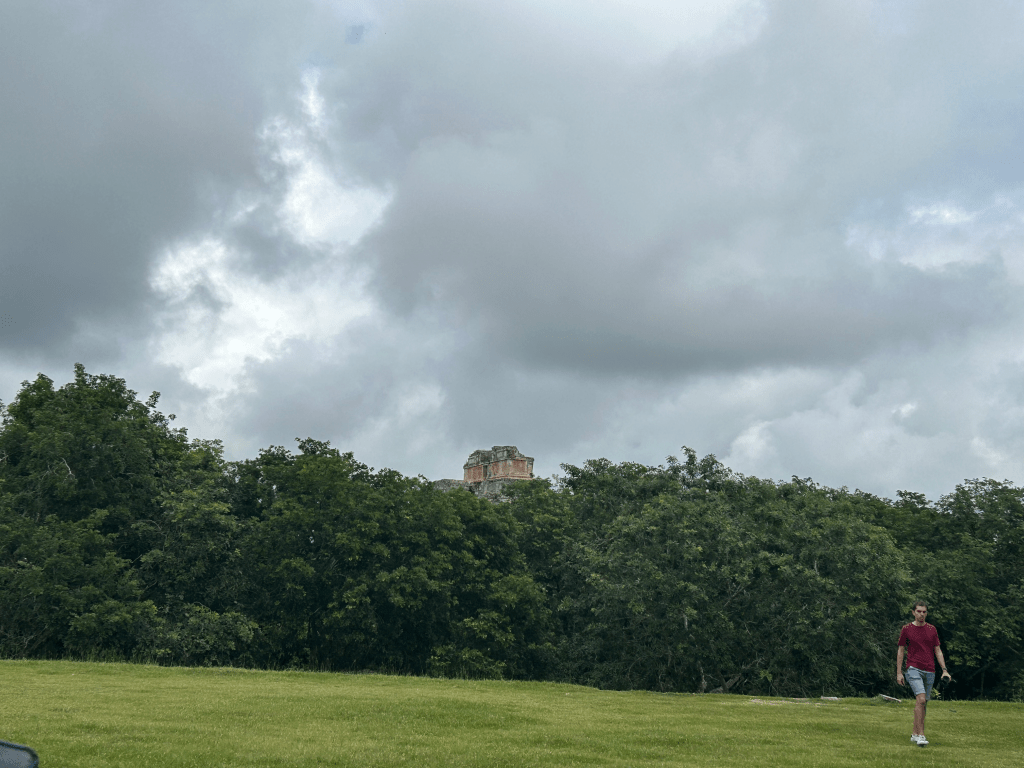
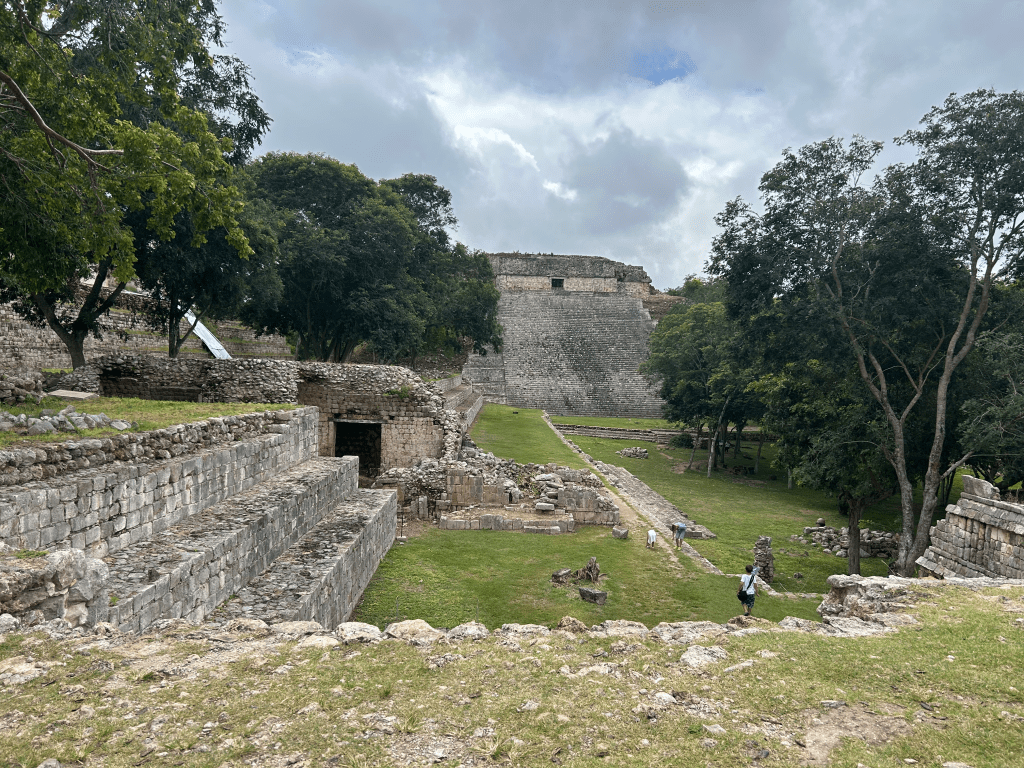
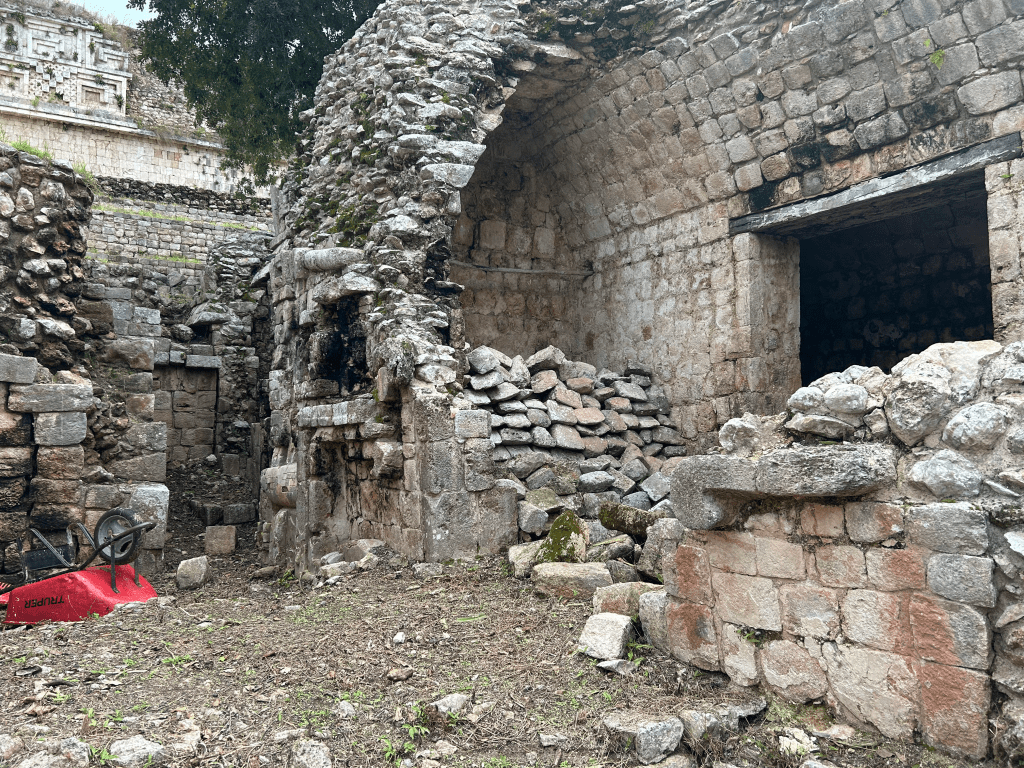
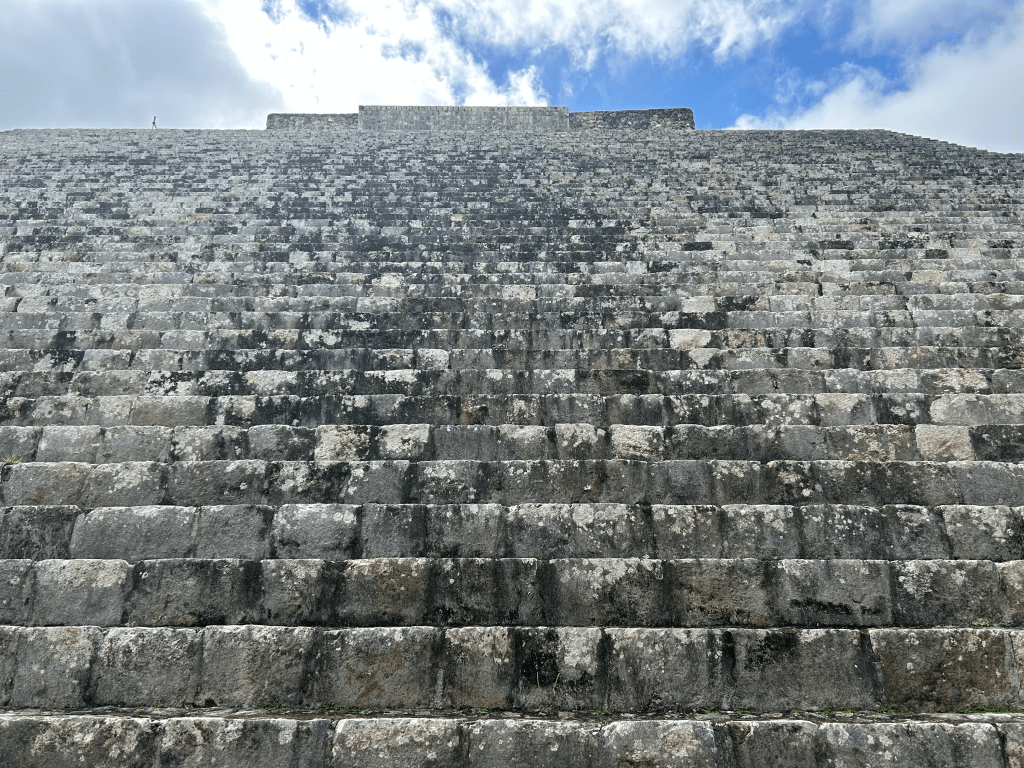
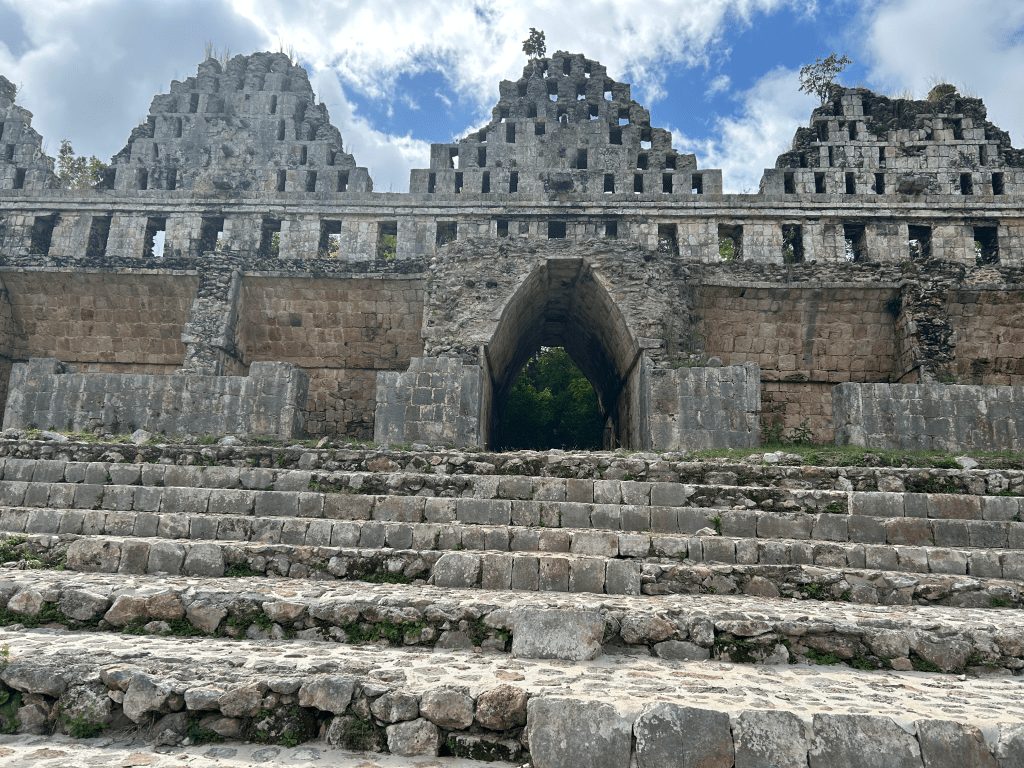
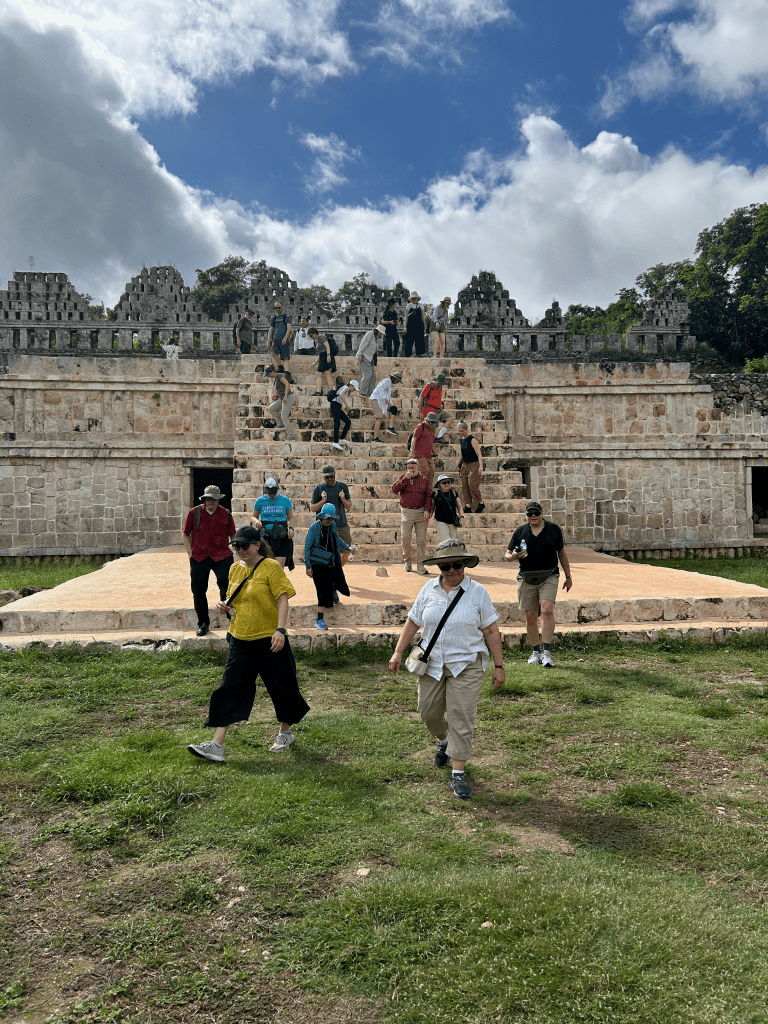
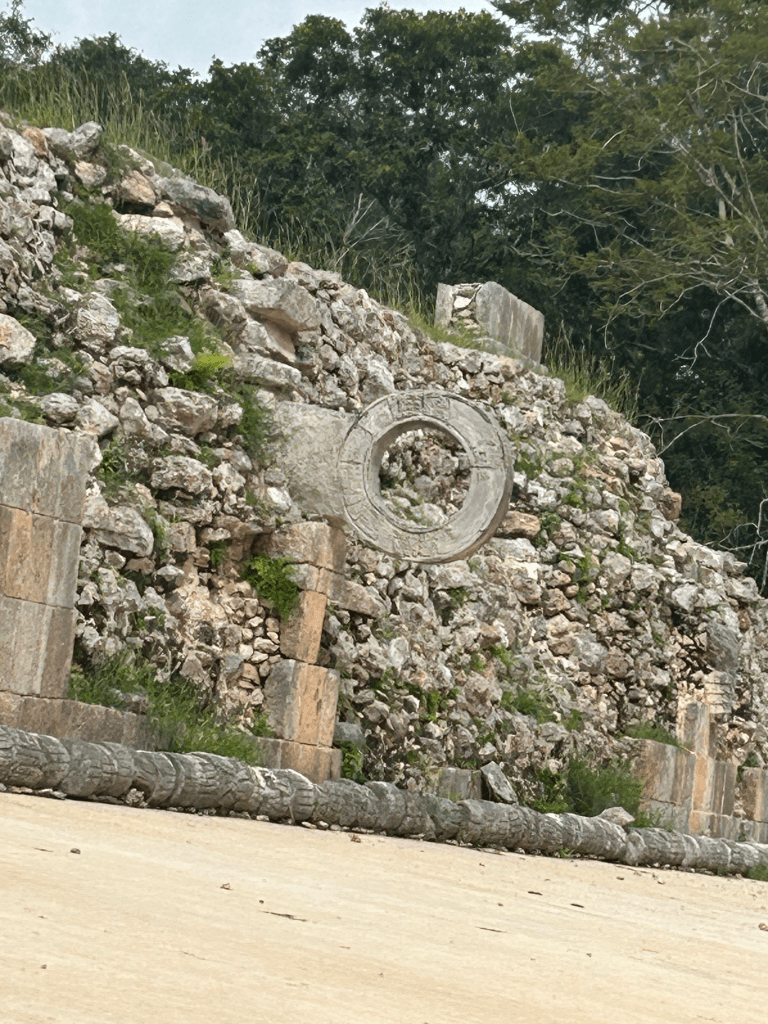
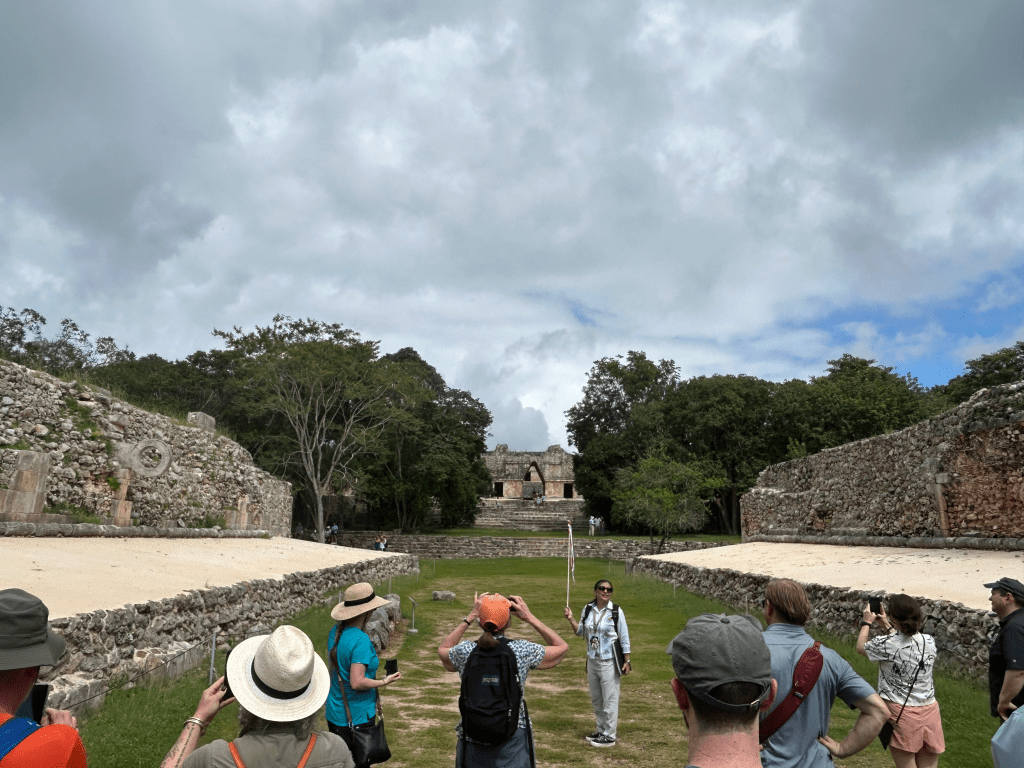
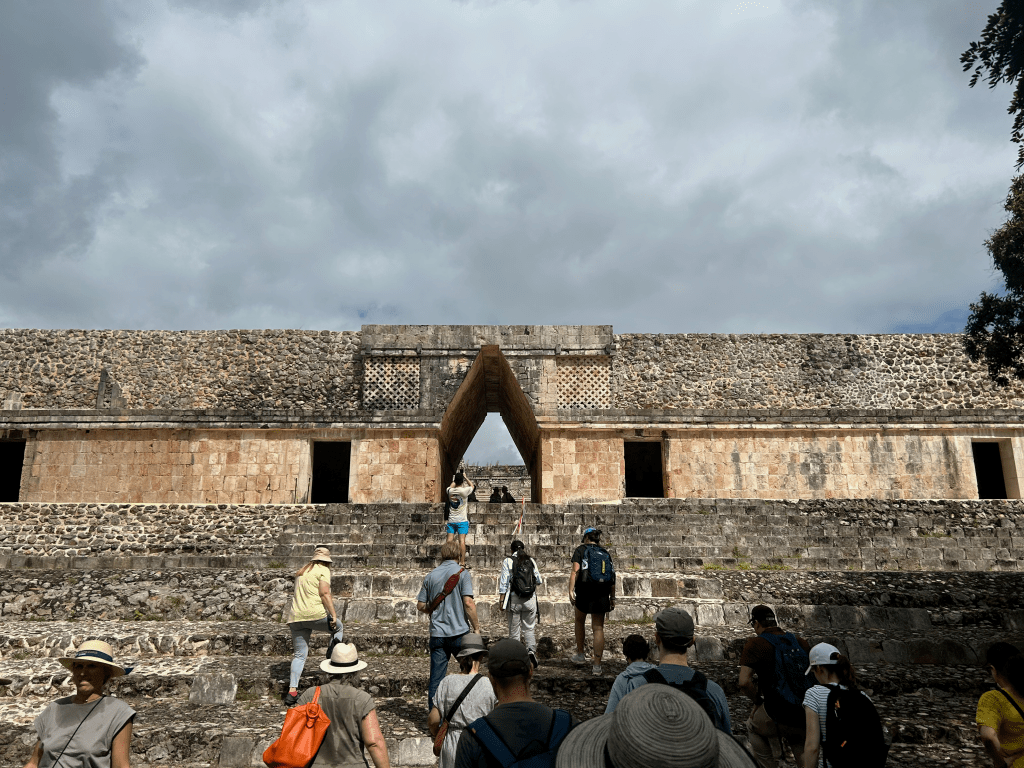
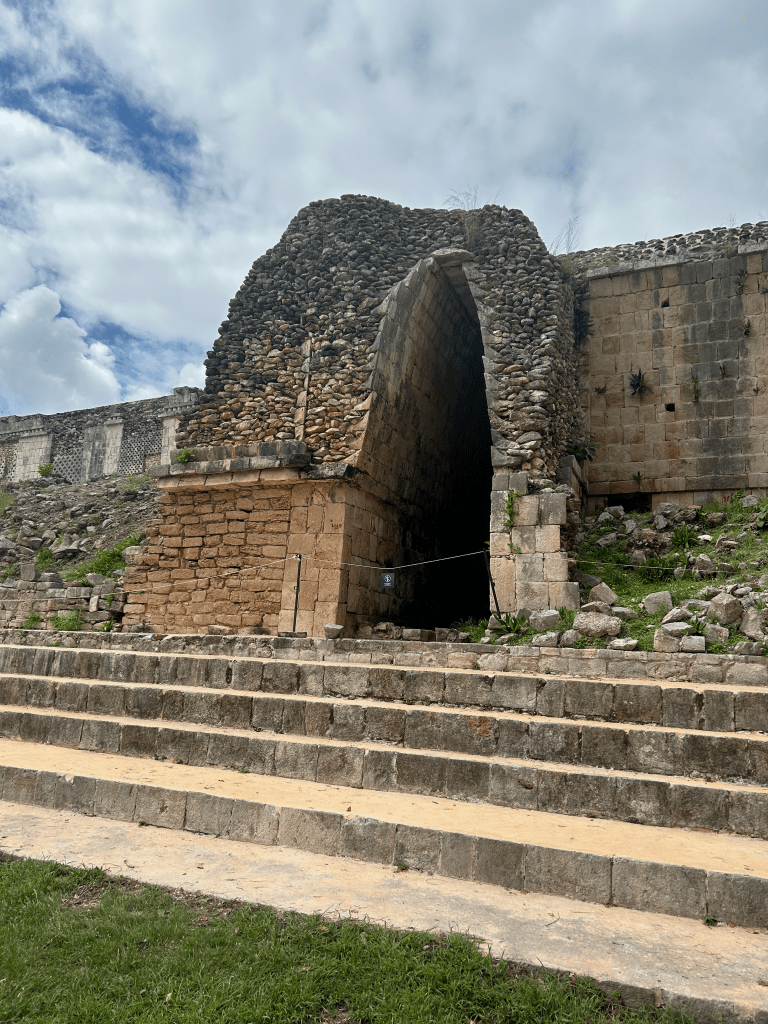
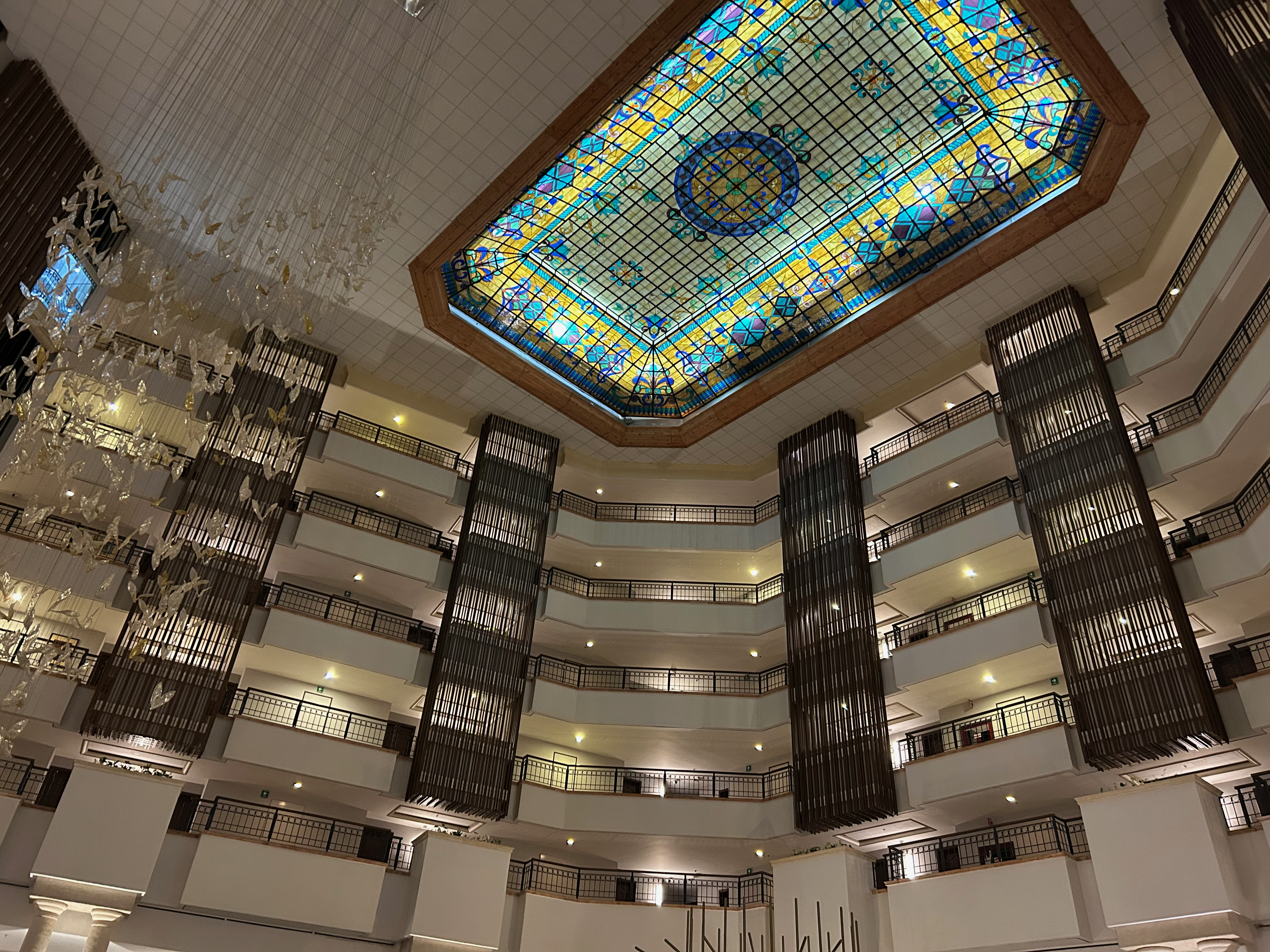
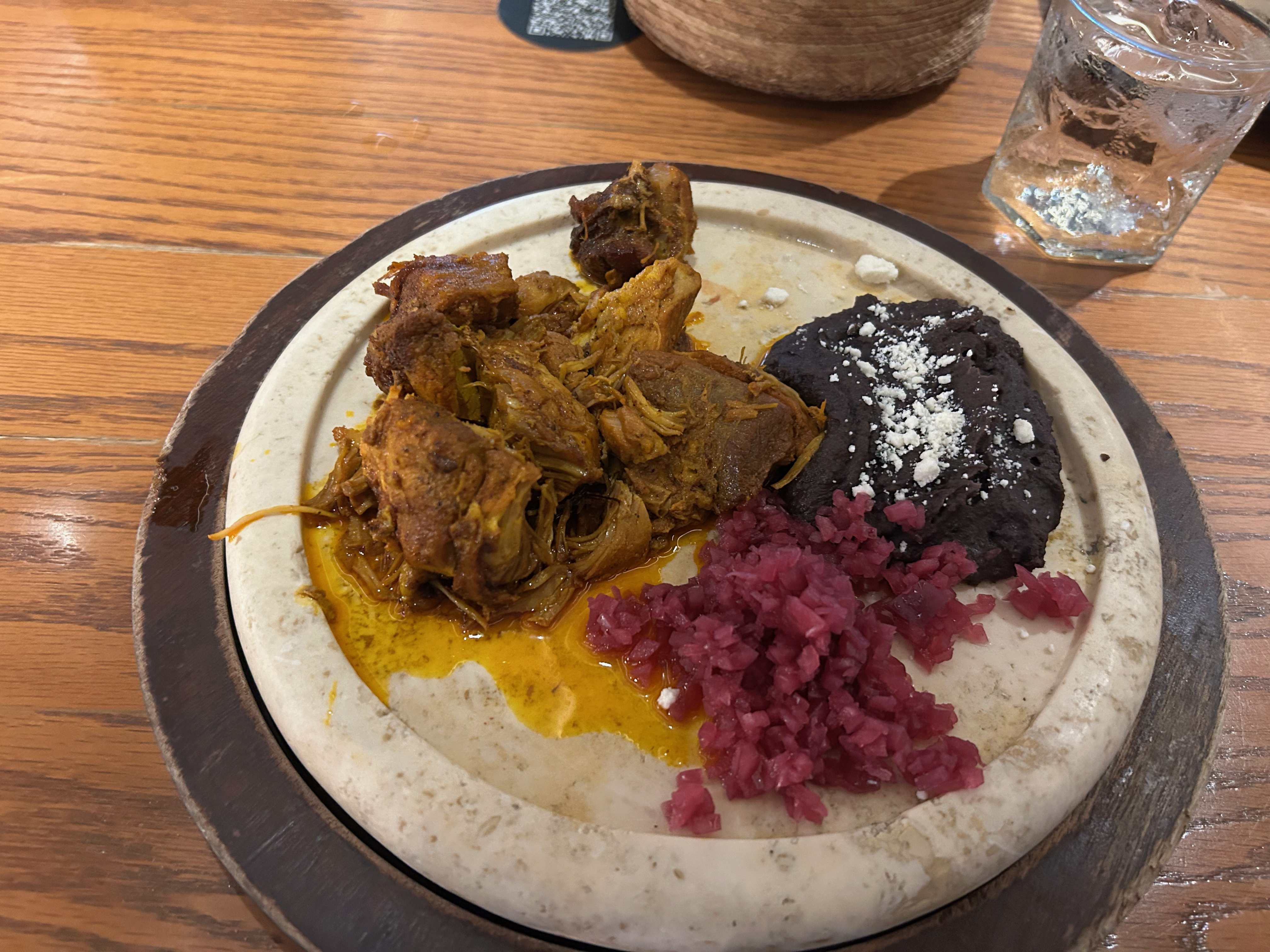
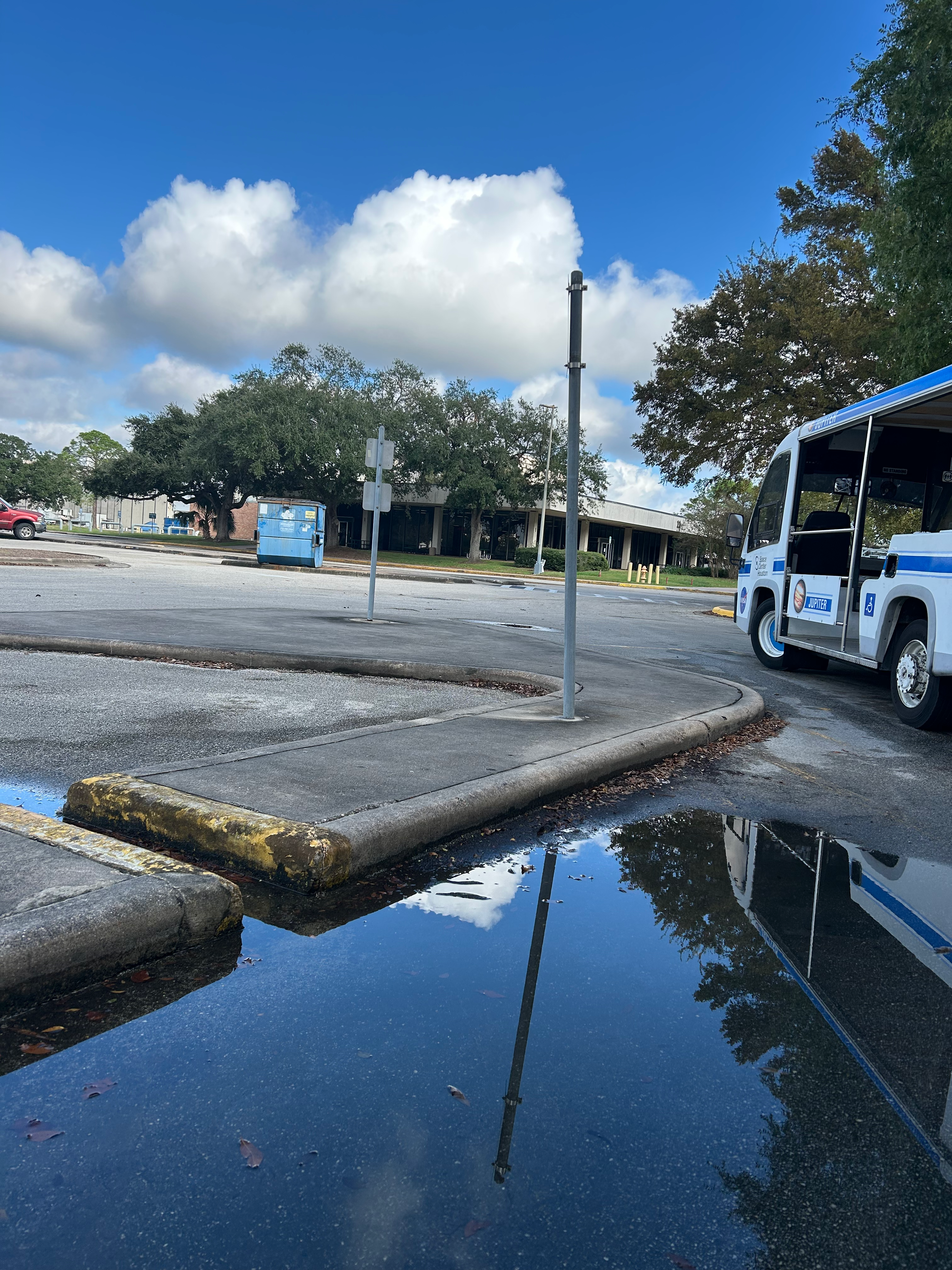
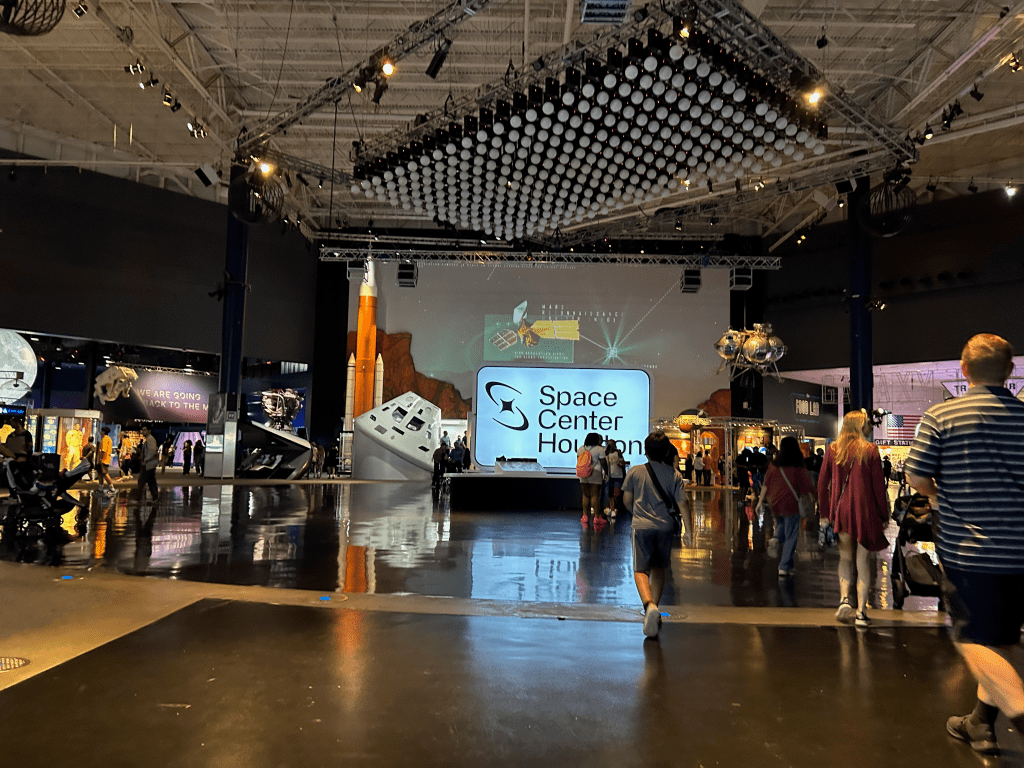
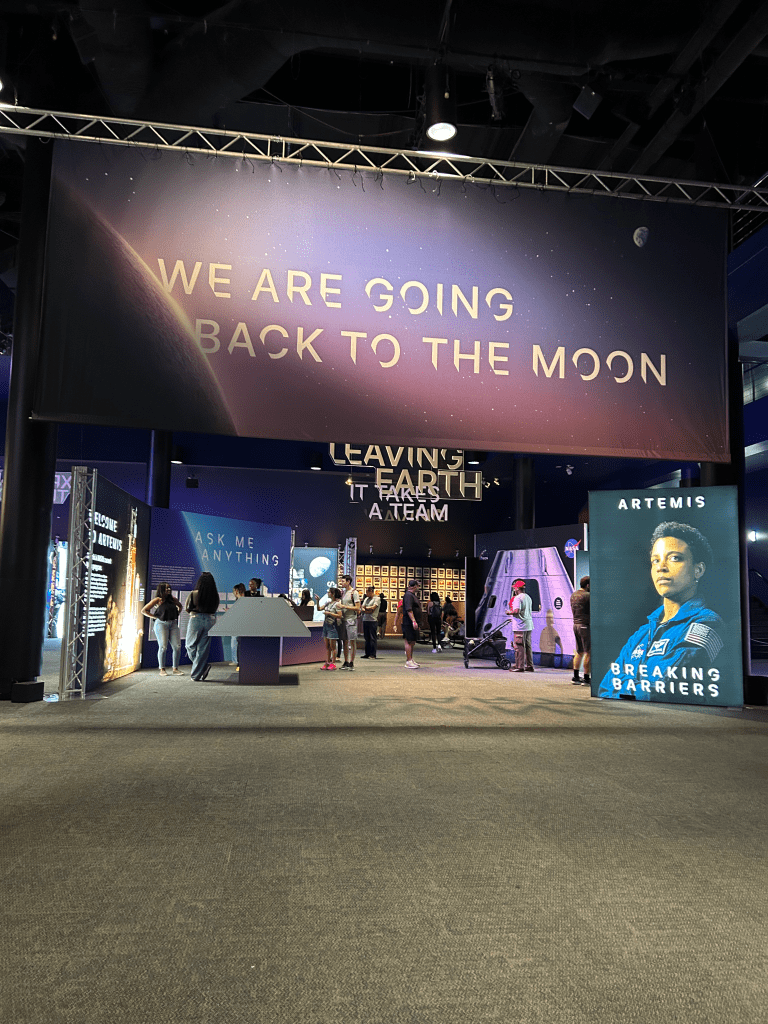


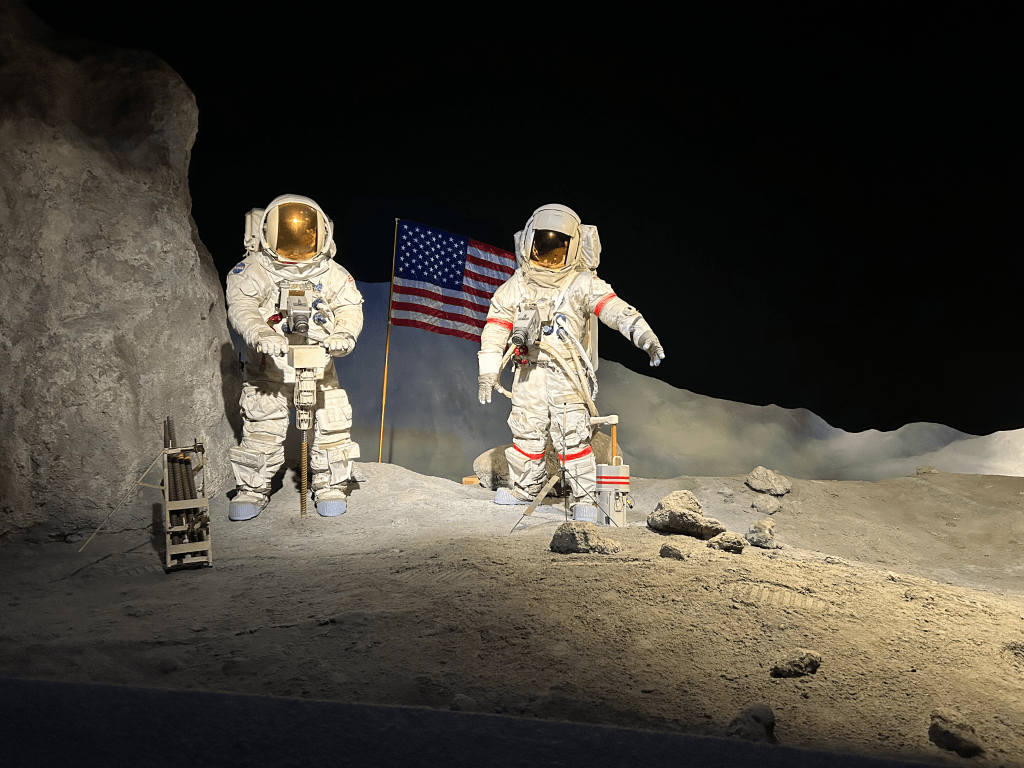
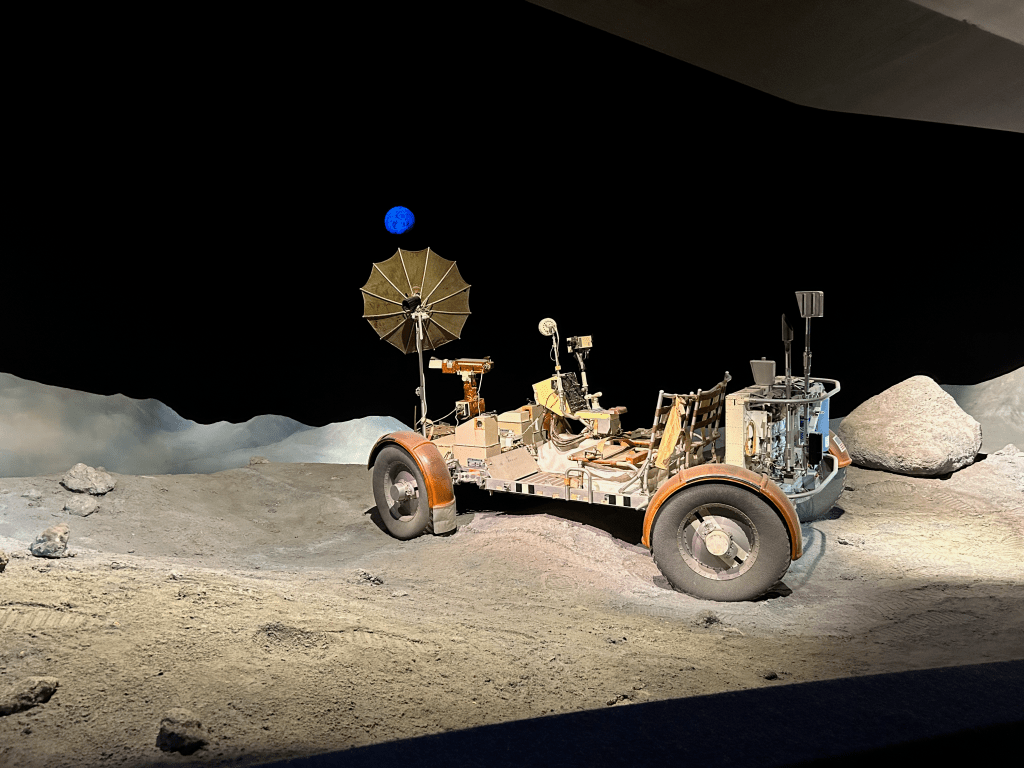
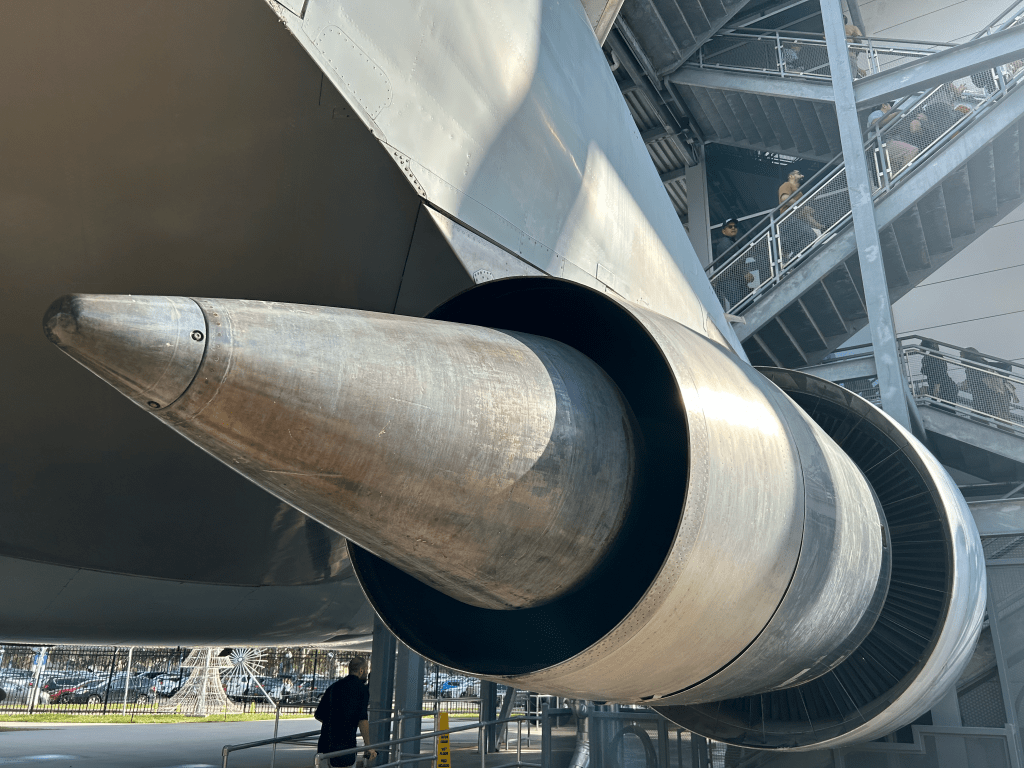

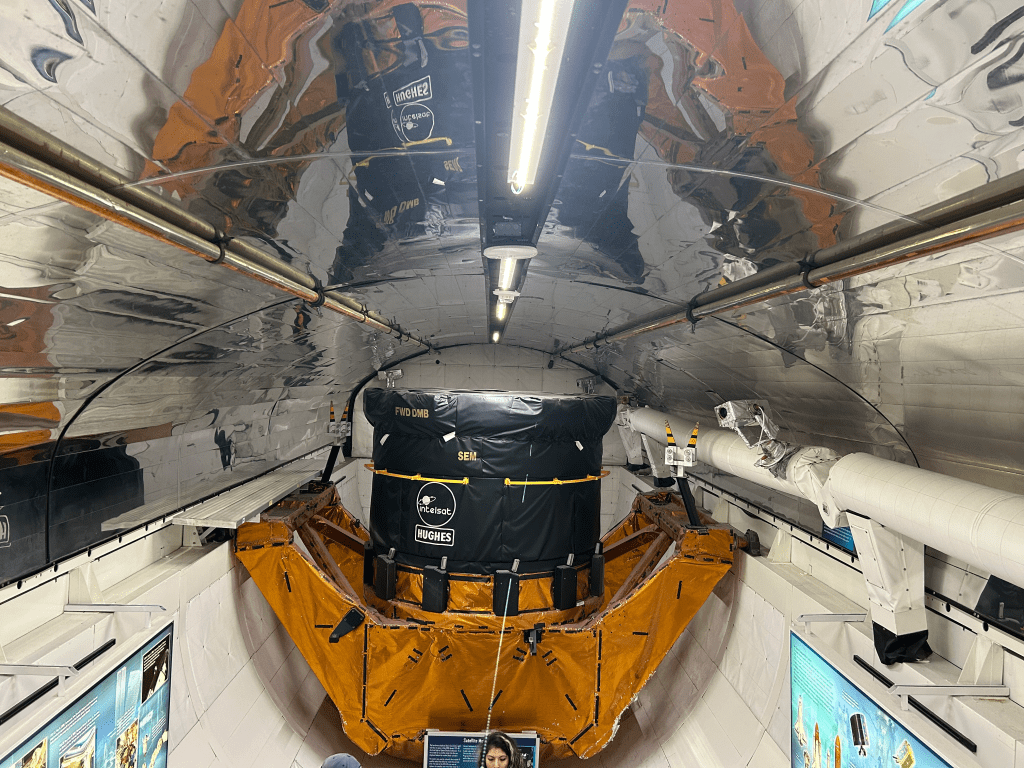
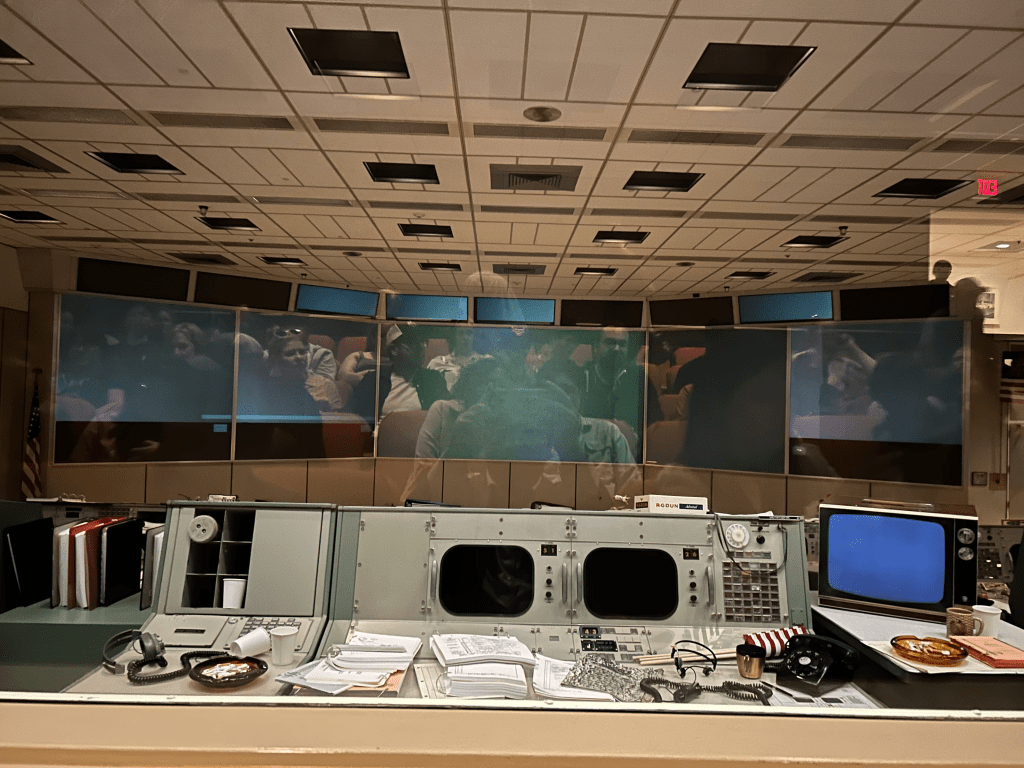


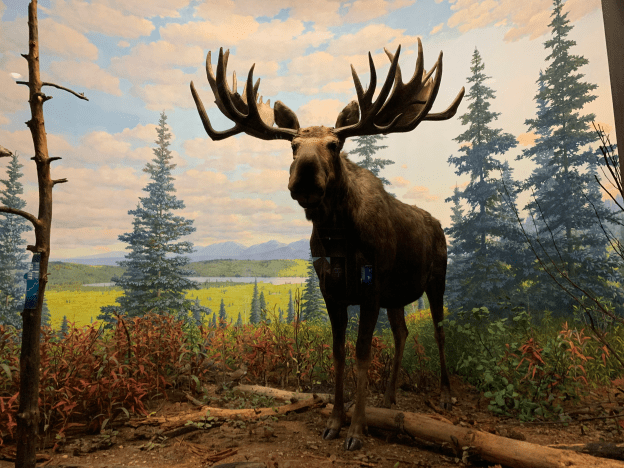
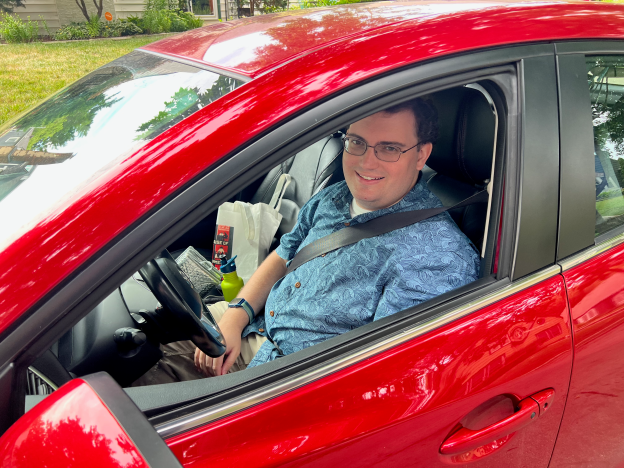
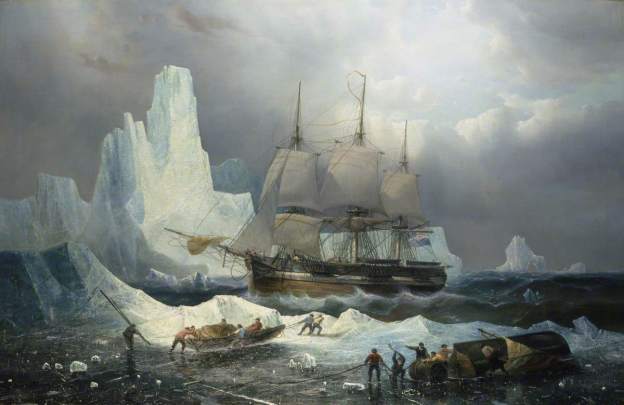
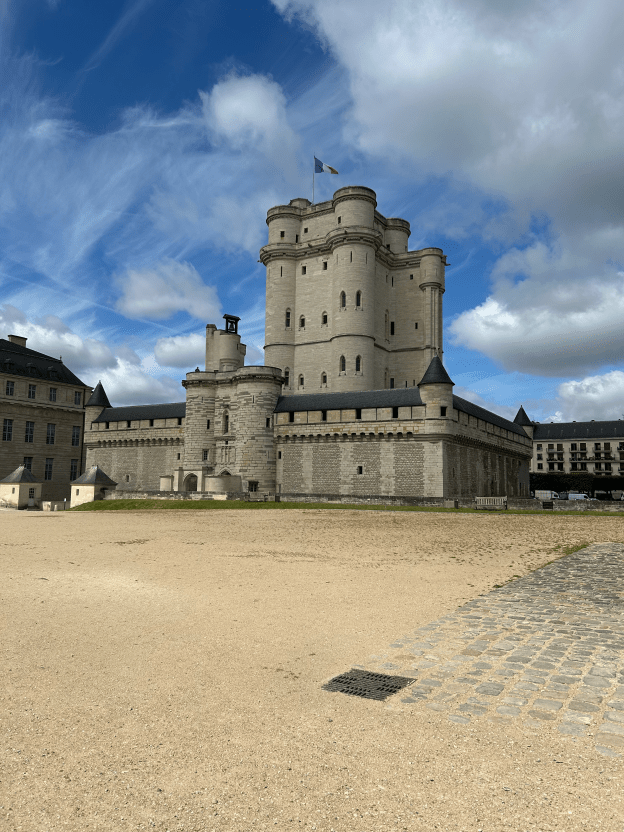
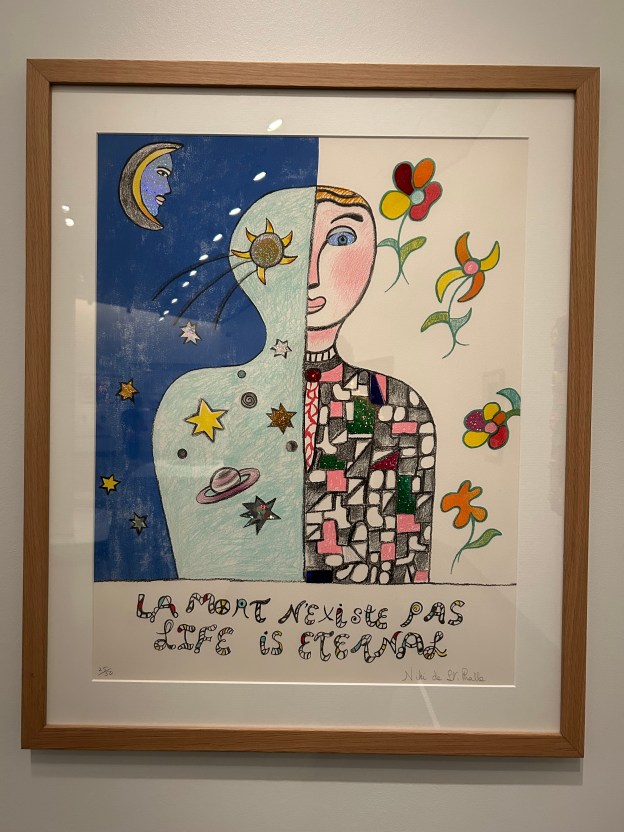
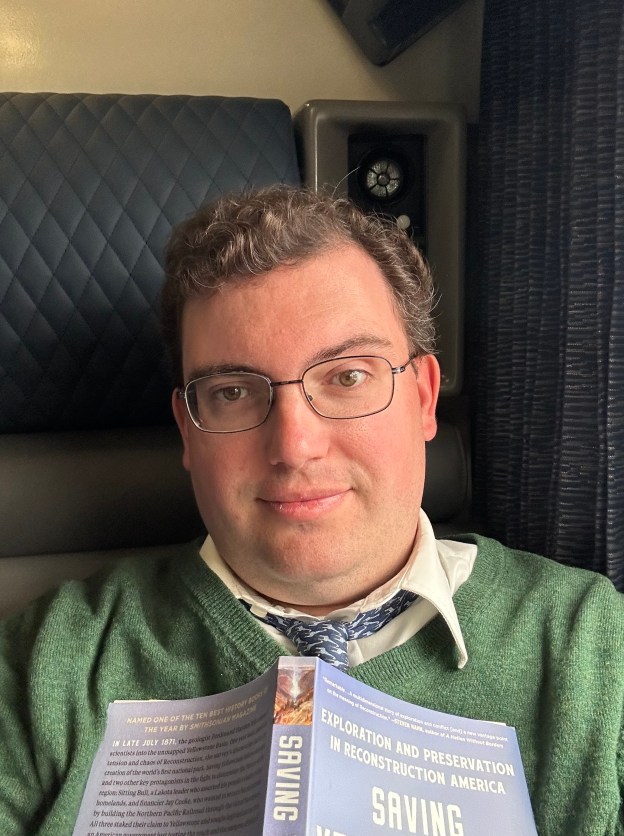
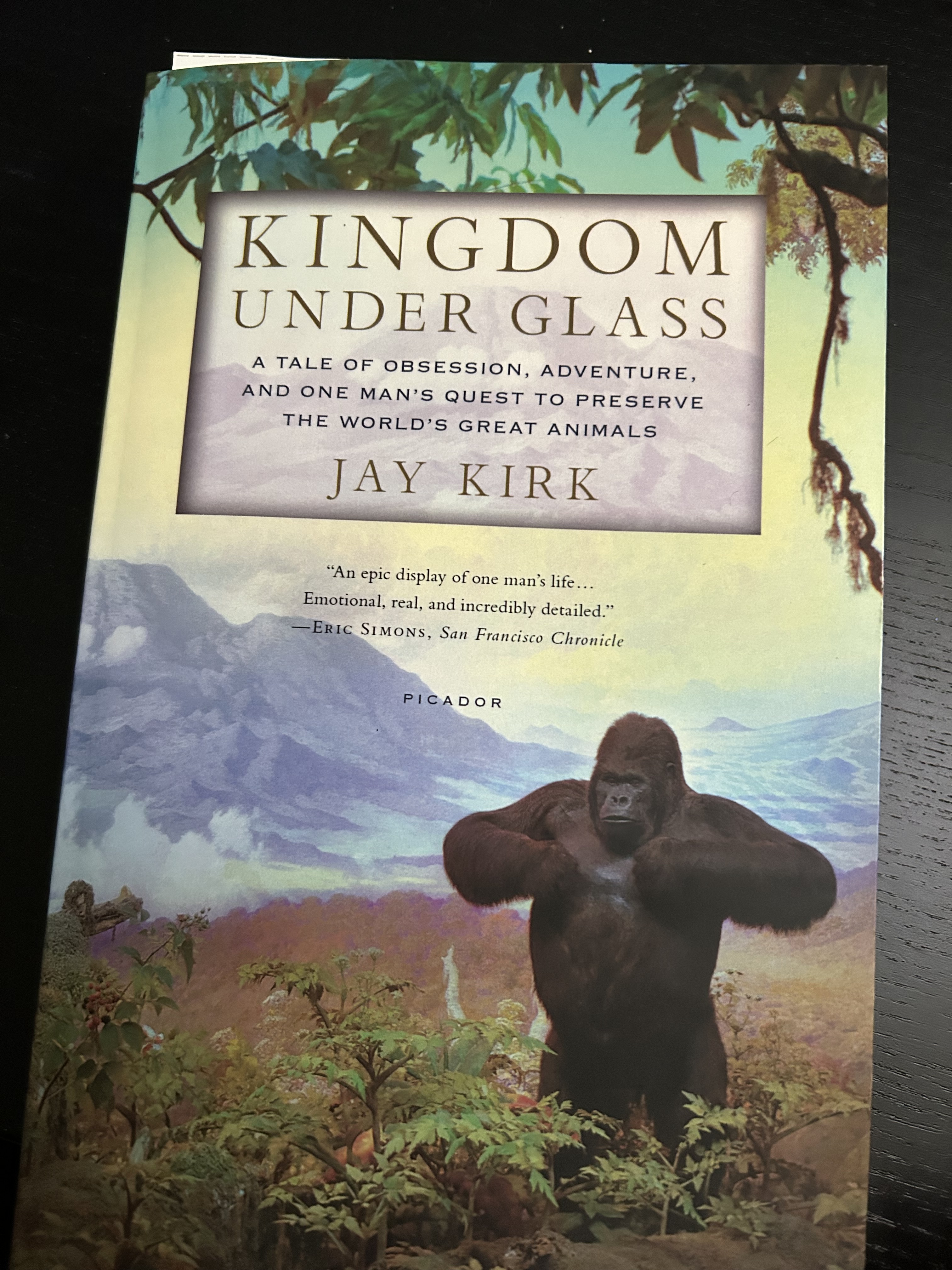

 Wednesday Blog by Seán Thomas Kane