

Growing up there always seemed to be a few specific genres of hymns that’d be sung at Mass: the really traditional Latin hymns that go back into the Middle Ages, the eighteenth and nineteenth century hymns, often of Lutheran or Methodist origin that we Catholics had adopted, without necessarily acknowledging their sources, and the newer hymns written by the likes of the St. Louis Jesuits or those that came out of the spiritual and Gospel tradition native to this country. Often, my experiences performing music, whether singing or playing, was pretty well focused on church music and on the other hand on traditional Irish music, which I started learning when I was 13.
It strikes me how much our common musical language here in the United States can bridge gaps that we ourselves aren’t yet quite ready to leap across ourselves. My own experiences coming from a Midwestern Irish American Catholic family are entirely different from many of the people I work with today on so many different levels, but at the core of it all there seems to be this same common musical language that subconsciously unites us.
One of my favorite YouTube videos lately is of the great cellist Yo-Yo Ma performing “Going Home” from Dvorak’s 9th Symphony for the New American Arts Festival. Ma begins his contribution by telling the story of Dvorak’s time teaching music to his American students before his own return to Europe, and how the Czech master told them not to copy his style but to go out and listen to all the different music around them and create their own style from that. Out of those students and their students came Duke Ellington, George Gershwin, and Aaron Copeland, three of the great American composers of their day.
I often find myself thinking of how I could embody this country in a particular sound, or in a sonic landscape that could immediately transport me as I listen to one part of this country or another. When I wrote my trio sonata for flute, violin, and cello, I set the first three movements in a very Irish tone. The first movement was an entirely original jig, with the flute taking the part that I’d normally play with my tin whistle. The second movement ended up being my version of Dvorak’s “Going Home”, this time a setting of the Irish air “An Gaoth Aneas,” known in English as “The South Wind,” the third movement ended up being a setting of the jig “Merrily Kiss the Quaker’s Wife,” which has a really fun second part to it.
The fourth movement though was again something new. But unlike the first three movements, which told their story with an Irish voice, the fourth movement was set in America, and to tell that story I tried to emulate the voice that Aaron Copeland composed in, built off the sound of American folk tunes, their very particular twang that certainly has some Irish roots but has changed with all the other influences on music in this country. I wrote that fourth movement with the spirituals and originally Methodist hymns I’ve sung at Mass all my life in mind, and compared to the rest of the piece it has a very different sound.
There’s a related but still different sound in the musical landscape of the American West, something born out of both old cowboy songs from the nineteenth century as well as both twentieth century Hollywood soundtracks to the great Westerns, including my personal favorites, the contributions of Ennio Morricone’s to the genre through his scores for Sergio Leone’s spaghetti westerns A Fistful of Dollars, For a Few Dollars More, The Good, The Bad, and the Ugly, and of course Once Upon a Time in the West. Still more interesting to me is that this western soundscape has been picked up in recent decades by the continued popularity of Country music, though admittedly it’s a genre I’m personally not nearly as fond of as many of my fellow Americans.
When I think of one particularly American instrument, it’s honestly the trumpet. Sure, this is something that was invented in Europe and is used in all sorts of contexts outside American music, but the trumpet nevertheless plays a central role in two particular musical genres that speak volumes to me personally. The first is the frequent use of the trumpet to represent the solemn dignity of the republic, as a calling card for our country as the first modern representative government. It’s something I hear particularly in the film music of John Williams, especially in his scores for Lincoln and Amistad.
This particular sound blends into the use of the trumpet as a stand in for the military as well, seen especially well in Williams’s score to Saving Private Ryan or in Jerry Goldsmith’s score for the film Patton and Elmer Bernstein’s mix of military motifs with Keystone Cops silliness in his score for Stripes. The trumpet, it’s simple yet pronounced call, seems to me to symbolize the idealized nature of this republic, and its classical legacy with the same instrument often being used in sword and sandal films to stand in for Republican Rome.
The other great genre that uses the trumpet to tremendous effect is my favorite genre created in this country: jazz. When I was first really learning about jazz as an adolescent I specifically remember thinking that I was less interested in what I saw as that boring piano jazz that my Dad liked to listen to on NPR. Instead, I wanted to hear the exciting stuff written for trumpets and trombones and horns.
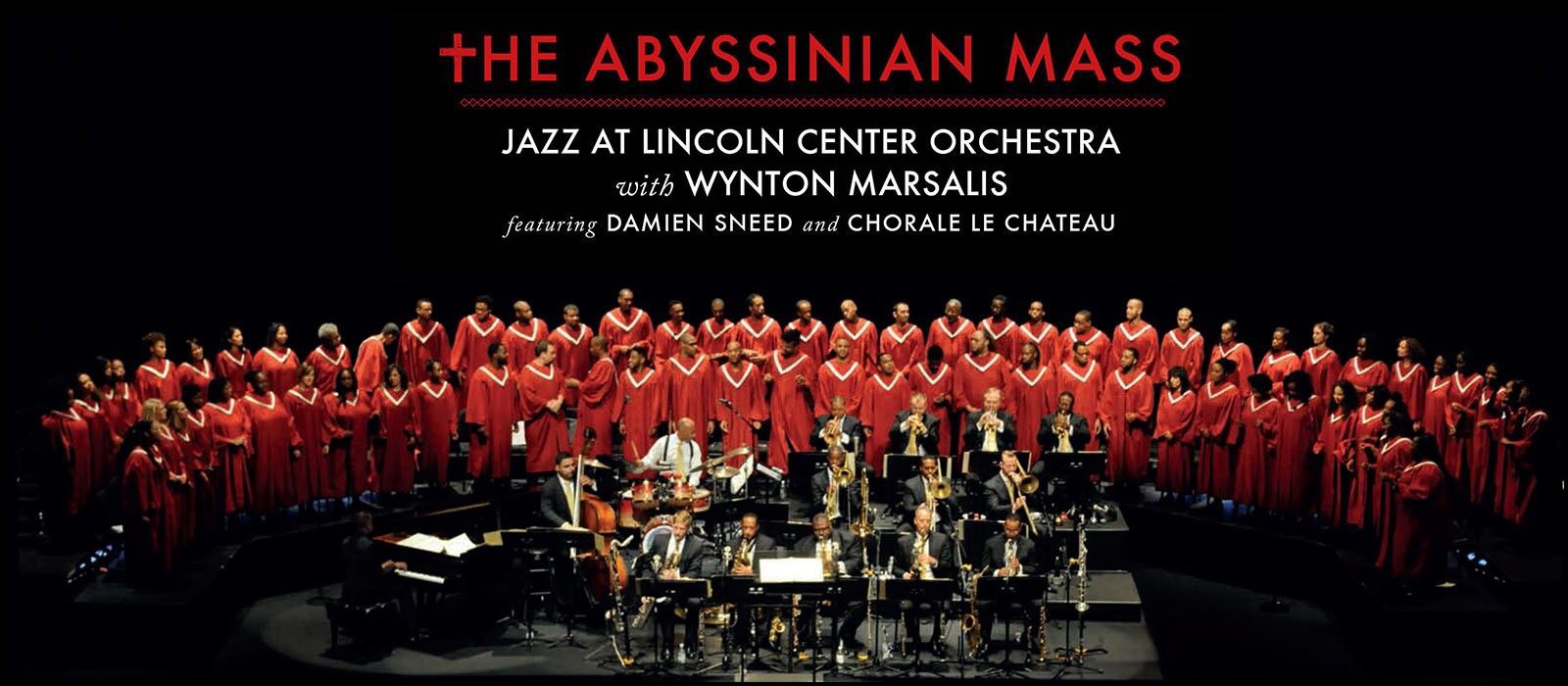
I’ve since grown to love piano jazz, as my students can tell you from listening to Duke Ellington, Count Baisie, and Jon Batiste before the start of my classes every Friday (when I can get the sound in the classroom to work), but I still have a knack for wanting to hear trumpet. I’ve gotten to see Wynton Marsalis play live twice now, the first time with the Abyssinian Gospel Choir when they played his Abyssinian Mass at the Kauffman Center in Kansas City about 7 years ago, the second time when he played with Jazz at Lincoln Center in a Christmas concert at the Midland Theatre in 2015 or 2016. Jazz trumpet especially lends itself to Latin Jazz, another part of this country’s and more broadly these continents’ musical landscape that speaks directly to the soul of what it means to be American.
One of these days, I’d like to try to blend the traditional Irish music that I play with jazz, to see what sorts of neat sounds come out of it. What sort of language will be sung by those instruments when they come together. Maybe if I try my hand at composing again I’ll make an effort at it. Oh, and if you’re looking for recordings of my sonata I’m afraid you’re out of luck, it’s yet to be performed, though I’m open to offers there.
 Wednesday Blog by Seán Thomas Kane